
Basics of Gas Detection Webinar starts at 9
Basics of Gas Detection • Webinar starts at 9: 00 am • Microphones will be muted, please send any questions in the chat • This will be recorded for future availability • Please post your name and PE number in the chat to receive a PDH certificate • Email is rk@gilsoneng. com Ryan Kilbane Sales Engineer Gilson Engineering Sales
GILSON ENG. SALES GENERAL OVERVIEW OF GAS DETECTION SENSOR TECHNOLOGY AND CALIBRATION EVERY LIFE HAS A PURPOSE…
3 Common Point Fixed Gas Sensor Technologies §Catalytic Bead §Infrared §Electro-chemical
Types of Combustible Sensors §Catalytic Bead §Infrared
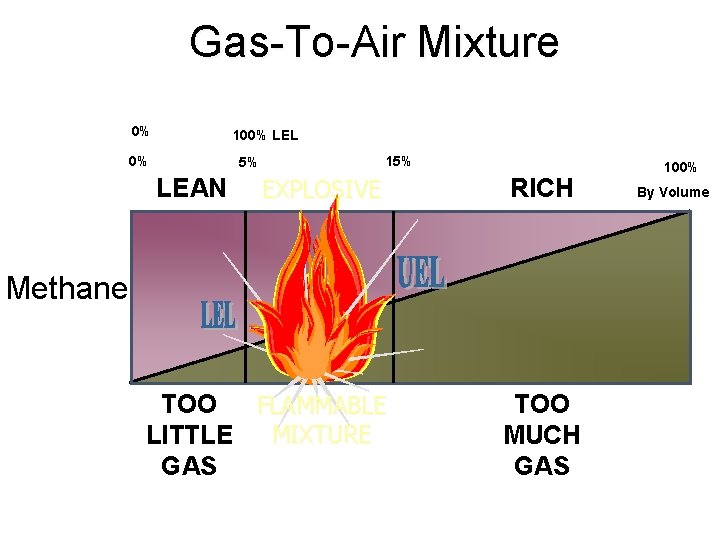
Gas-To-Air Mixture 0% 100% LEL 0% 15% 5% LEAN EXPLOSIVE RICH Methane TOO FLAMMABLE LITTLE MIXTURE GAS TOO MUCH GAS 100% By Volume
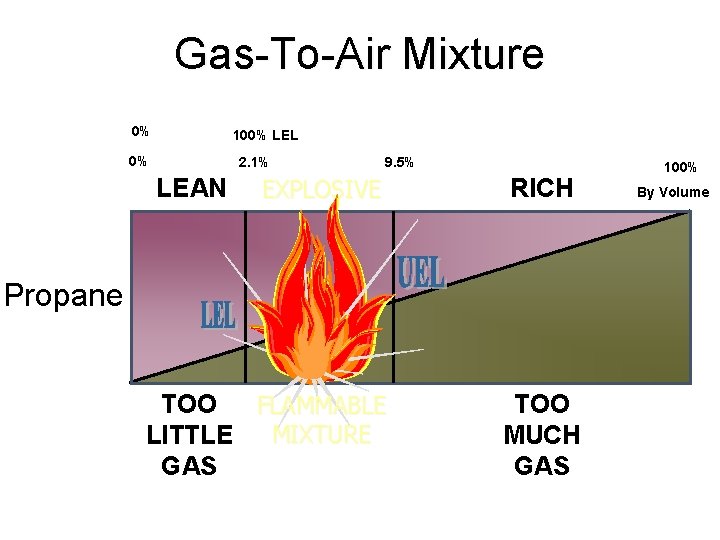
Gas-To-Air Mixture 0% 100% LEL 0% 2. 1% LEAN 9. 5% EXPLOSIVE RICH Propane TOO FLAMMABLE LITTLE MIXTURE GAS TOO MUCH GAS 100% By Volume
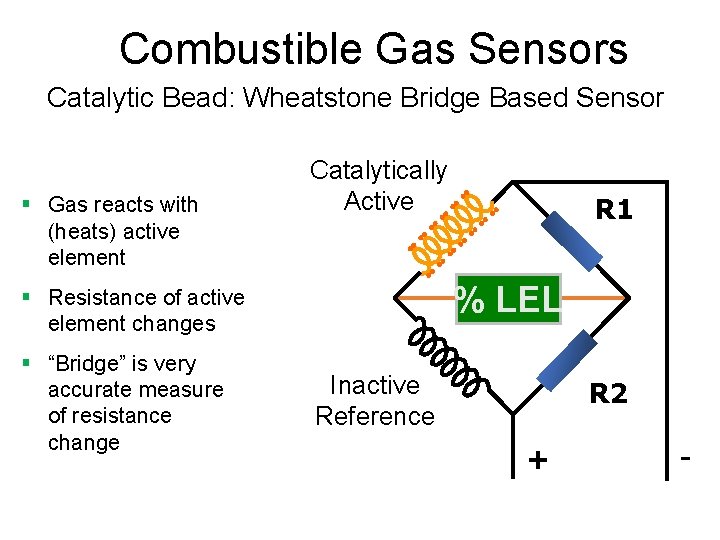
Combustible Gas Sensors Catalytic Bead: Wheatstone Bridge Based Sensor § Gas reacts with (heats) active element Catalytically Active % LEL § Resistance of active element changes § “Bridge” is very accurate measure of resistance change R 1 Inactive Reference R 2 + -
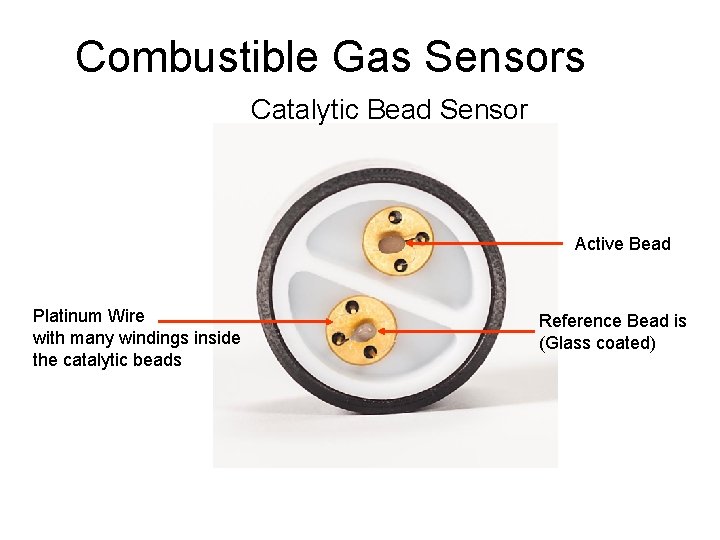
Combustible Gas Sensors Catalytic Bead Sensor Active Bead Platinum Wire with many windings inside the catalytic beads Reference Bead is (Glass coated)
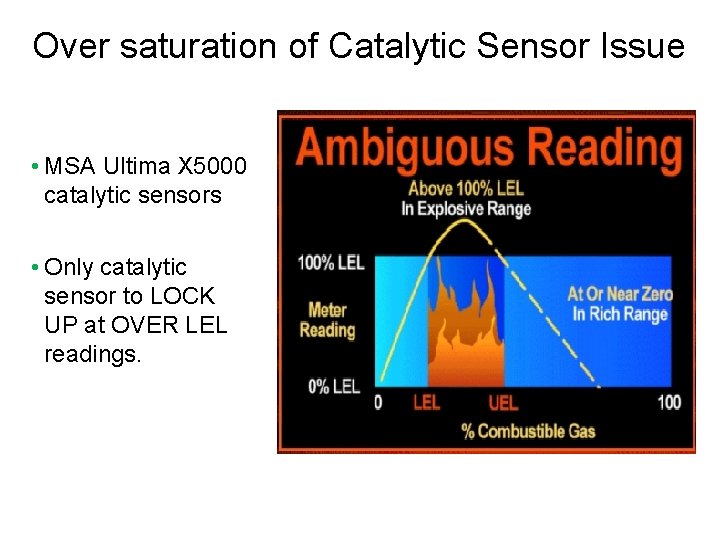
Over saturation of Catalytic Sensor Issue • MSA Ultima X 5000 catalytic sensors • Only catalytic sensor to LOCK UP at OVER LEL readings.
Catalytic Bead Sensors § Lower initial cost § 3 Year Warranty § Life expectancy § 3 -5 years § Regular Calibrations § Poisoned by Silicones § Readings become unstable if exposed to silicones § Requires minimum 10 -15% Oxygen to operate § Ambiguous Readings above 100% LEL § Must be used to detect Hydrogen
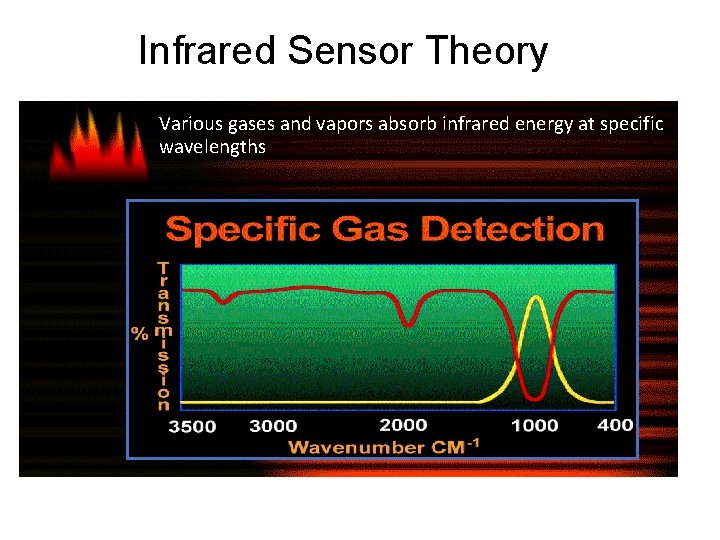
Infrared Sensor Theory Various gases and vapors absorb infrared energy at specific wavelengths
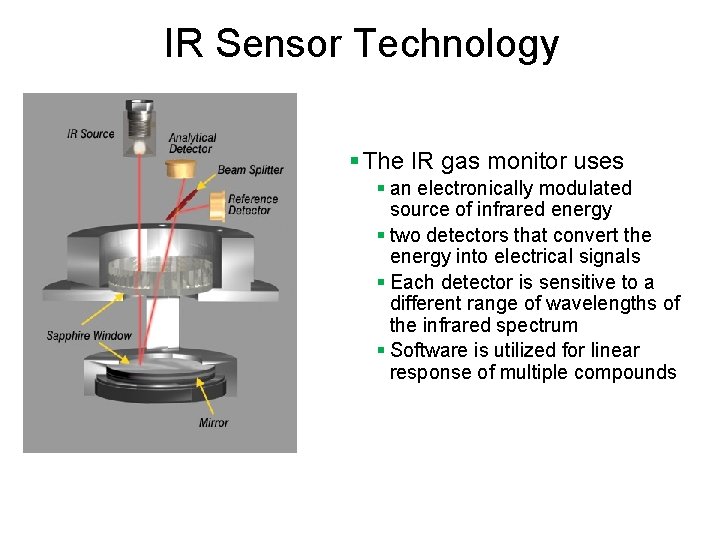
IR Sensor Technology § The IR gas monitor uses § an electronically modulated source of infrared energy § two detectors that convert the energy into electrical signals § Each detector is sensitive to a different range of wavelengths of the infrared spectrum § Software is utilized for linear response of multiple compounds
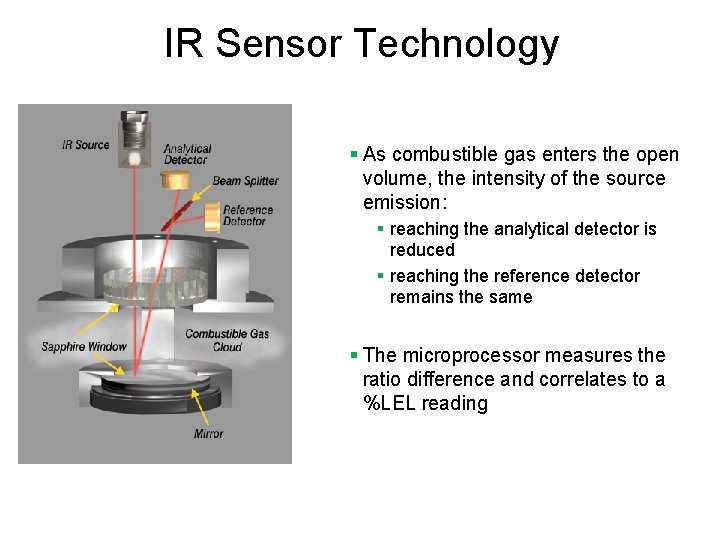
IR Sensor Technology § As combustible gas enters the open volume, the intensity of the source emission: § reaching the analytical detector is reduced § reaching the reference detector remains the same § The microprocessor measures the ratio difference and correlates to a %LEL reading
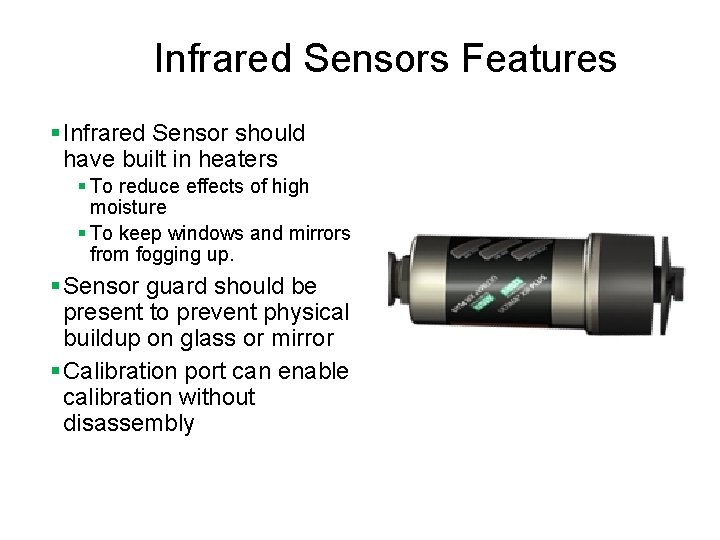
Infrared Sensors Features § Infrared Sensor should have built in heaters § To reduce effects of high moisture § To keep windows and mirrors from fogging up. § Sensor guard should be present to prevent physical buildup on glass or mirror § Calibration port can enable calibration without disassembly
Infrared Type Sensors § Higher initial cost § 5 Year Warranty § MSA Warranties its IR Source for 10 years § Life expectancy § 10+ years § Yearly Re-Zeroing § Silicones have no effect on sensor life § No Oxygen required § True volumetric measurements are possible for select compounds
Catalytic vs. Infrared Sensors § Catalytic Sensor § Lower initial cost § 3 Year Warranty § Life expectancy § 3 -5 years § Regular Calibrations § Poisoned by Silicones § Readings become unstable if exposed to silicones § Requires minimum 10 -15% Oxygen to operate § Ambiguous Readings above LEL § Must be used to detect Hydrogen § Infrared Sensor § Higher initial cost § 5 Year Warranty § MSA Warranties its IR Source for 10 years § Life expectancy § 10+ years § Yearly Re-Zeroing § Silicones have no effect on sensor life § No Oxygen required § True volumetric measurements are possible for select compounds
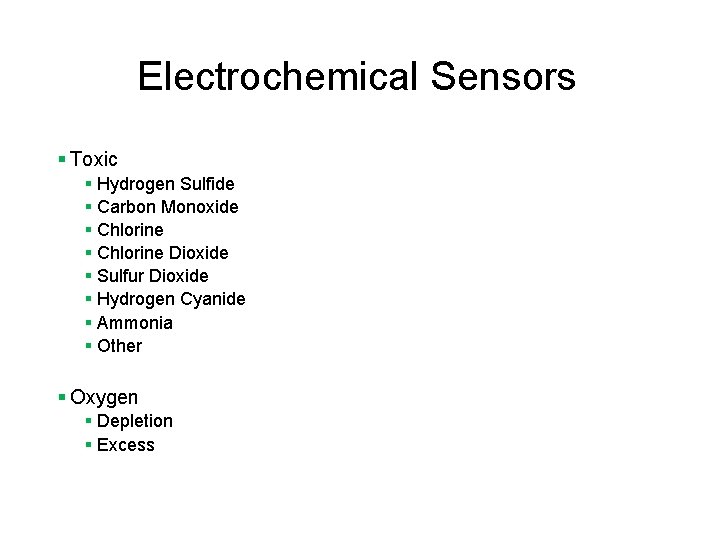
Electrochemical Sensors § Toxic § Hydrogen Sulfide § Carbon Monoxide § Chlorine Dioxide § Sulfur Dioxide § Hydrogen Cyanide § Ammonia § Other § Oxygen § Depletion § Excess
Electrochemical Sensors
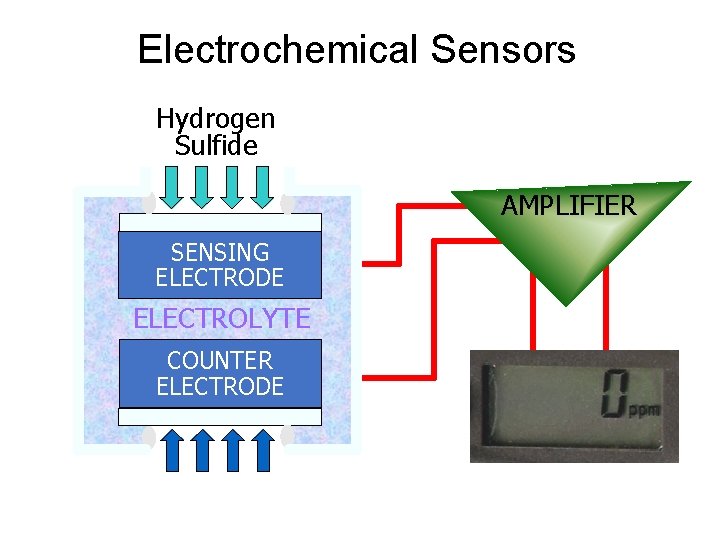
Electrochemical Sensors Hydrogen Sulfide AMPLIFIER SENSING ELECTRODE ELECTROLYTE COUNTER ELECTRODE ppm CO
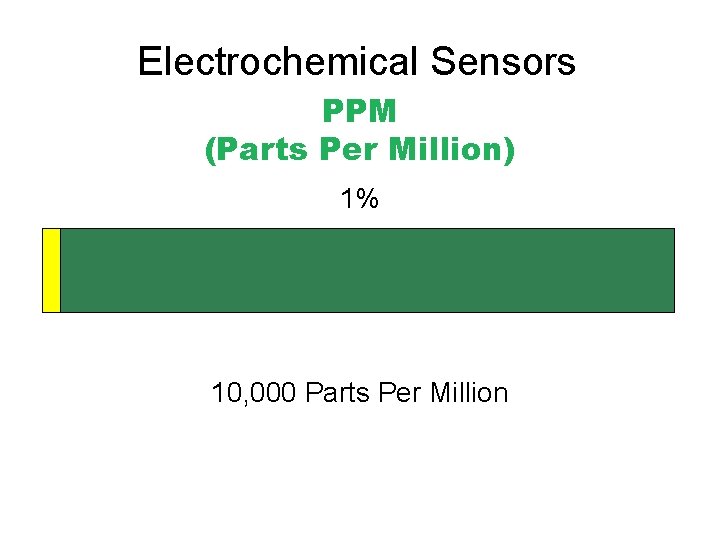
Electrochemical Sensors PPM vs. Percentage PPM (Parts Per Million) 1% 10, 000 Parts Per Million
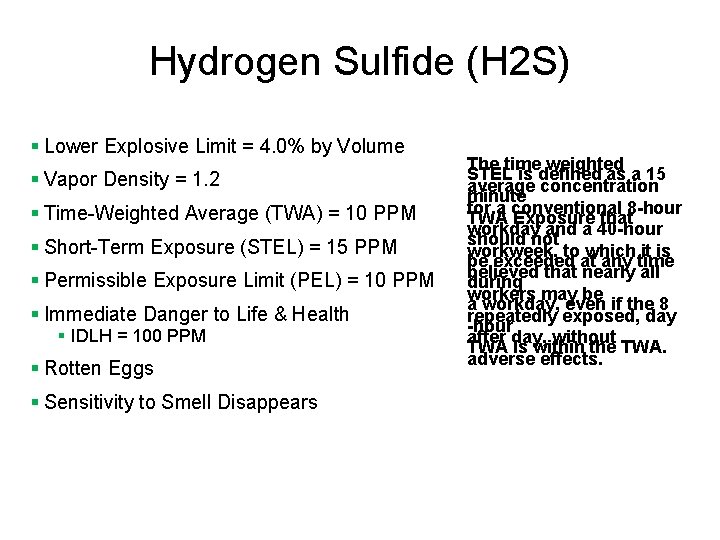
Hydrogen Sulfide (H 2 S) § Lower Explosive Limit = 4. 0% by Volume § Vapor Density = 1. 2 § Time-Weighted Average (TWA) = 10 PPM § Short-Term Exposure (STEL) = 15 PPM § Permissible Exposure Limit (PEL) = 10 PPM § Immediate Danger to Life & Health § IDLH = 100 PPM § Rotten Eggs § Sensitivity to Smell Disappears The time weighted STEL is defined as a 15 average concentration minute for a conventional 8 -hour TWA Exposure that workday and a 40 -hour should not workweek, to which it is be exceeded at any time believed that nearly all during workers may be a workday, even if the 8 repeatedly exposed, day -hour after day, without TWA is within the TWA. adverse effects.
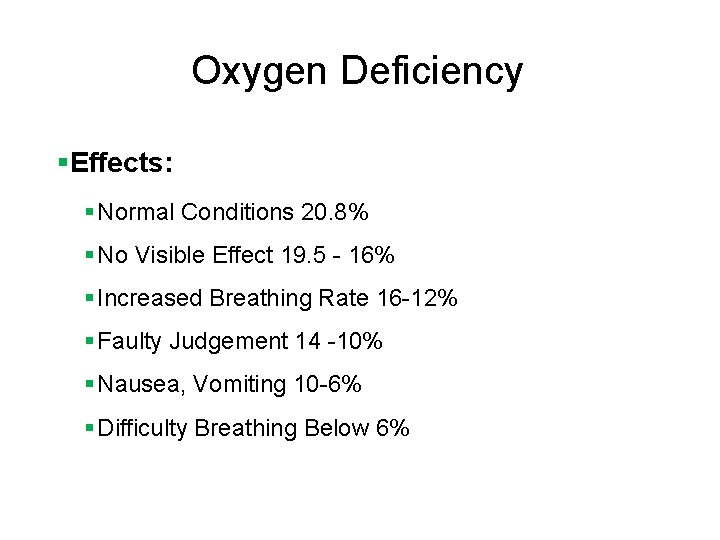
Oxygen Deficiency §Effects: § Normal Conditions 20. 8% § No Visible Effect 19. 5 - 16% § Increased Breathing Rate 16 -12% § Faulty Judgement 14 -10% § Nausea, Vomiting 10 -6% § Difficulty Breathing Below 6%
Excess Oxygen §Can be a fire hazard § With excess Oxygen things can burn faster and ignite at a lower temperature § May want to alarm at elevated levels to detect an Oxygen leak and mitigate fire hazards §Can increase operating costs § Elevated Oxygen levels can indicate a leak in an Oxygen storage and piping system
Calibration – How Often? § Why do you have to calibrate? § Normal sensor drift on catalytic bead and electrochemical sensors § Verifying that the sensor port is not clogged, with some new technology self monitoring and alerting in the event of a blocked sensor § Drifting sensors cause false alarms § False alarms cause people to ignore alarms § Environmental conditions changing § Should always calibrate under conditions of use
Calibration – How Often? § Calibration frequency depends on environment and the sensor technology used § Up to 18 months depending on sensor technology used § Your Life Depends on This Equipment § How Serious Are You About Safety?
Calibration – How Often? § Guidelines/Rule of Thumb – Electrochemical & Catalytic Combustible Sensors § Start-Up § After you Change the Sensor § After exposure to elevated gas levels § Quarterly is most common § Some new technologies have pushed this out to 1 year and will alert when calibration is required § Guidelines/Rule of Thumb – Infrared Sensors § Minimum once a year
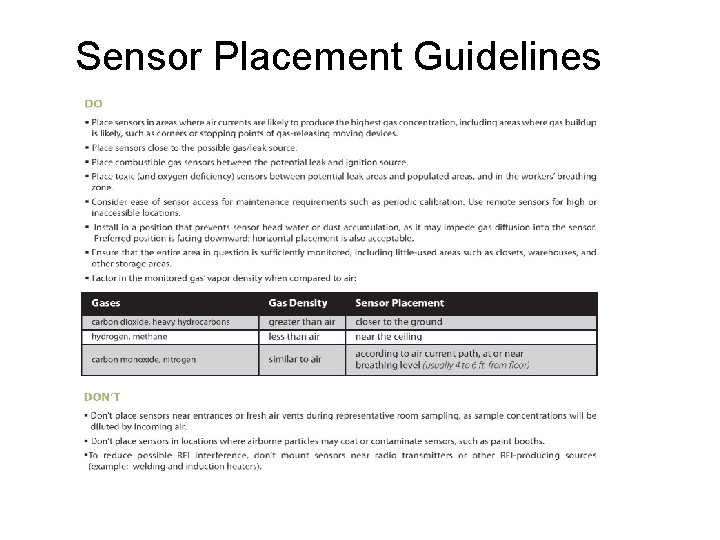
Sensor Placement Guidelines
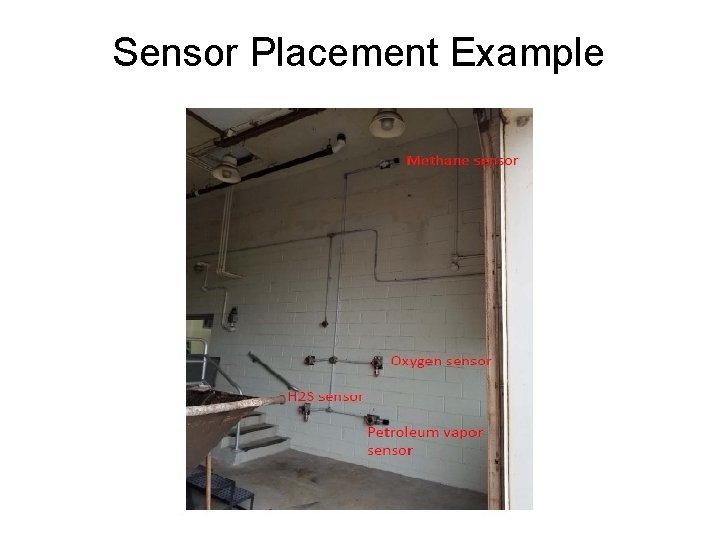
Sensor Placement Example
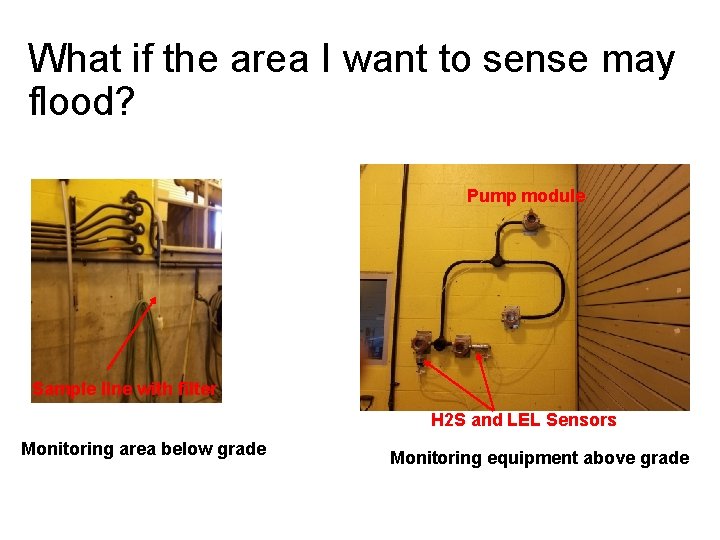
What if the area I want to sense may flood? Pump module Sample line with filter H 2 S and LEL Sensors Monitoring area below grade Monitoring equipment above grade

Questions? Email any additional questions to rk@gilsoneng. com Thanks and have a safe day!
- Slides: 30