
Basics of Endocrinology Hasan AYDIN MD Yeditepe University
Basics of Endocrinology Hasan AYDIN, MD Yeditepe University Medical Faculty Endocrinology and Metabolism
Definitions • Endocrinology- the study of hormone and glandular abnormalities • Hormones- biologically active substances secreted by glands – Endocrine- hormones that have a biological effect far away – Paracrine- hormones that have a biological effect nearby – Autocrine- hormones that have a local effect
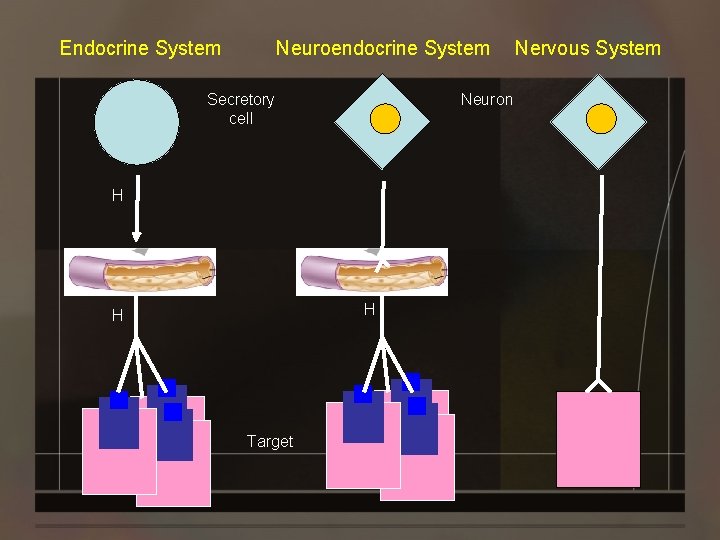
Endocrine System Neuroendocrine System Secretory cell Neuron H H H Target Nervous System
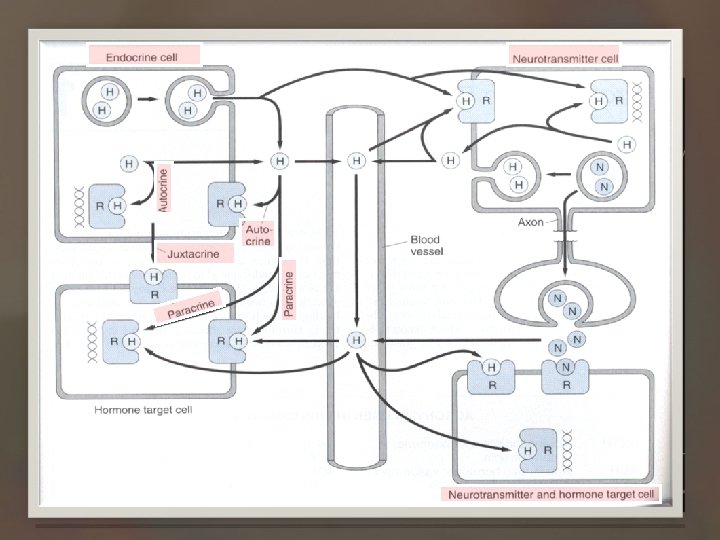
Paracrine Actions • Paracrine-actions – sex steroids in the ovary – angiotensin II in the kidney – platelet-derived growth factor released by platelets. • Juxtacrine actions – some hematopoietic growth factors
Autocrine Action • Insulin released by the pancreatic islet B cells • Somatostatin can inhibit its own release from pancreatic D cells
Hormones • Substances released by endocrine glands and transported through the bloodstream to tissues where they act to regulate specific functions. • These actions are mediated by binding of the hormone to receptor molecules. • Allosteric effectors that alter conformation of the receptors to which they bind.
Functions of Hormones • Growth and development: Thyroid, GH, Sex Steroids, Cortisol • Reproduction: Estrogen, Testosterone, FSH, LH, Thyroid • Homeostasis: Thyroid, Cortisol • Changes in environment: Cortisol, Thyroid Aldosterone
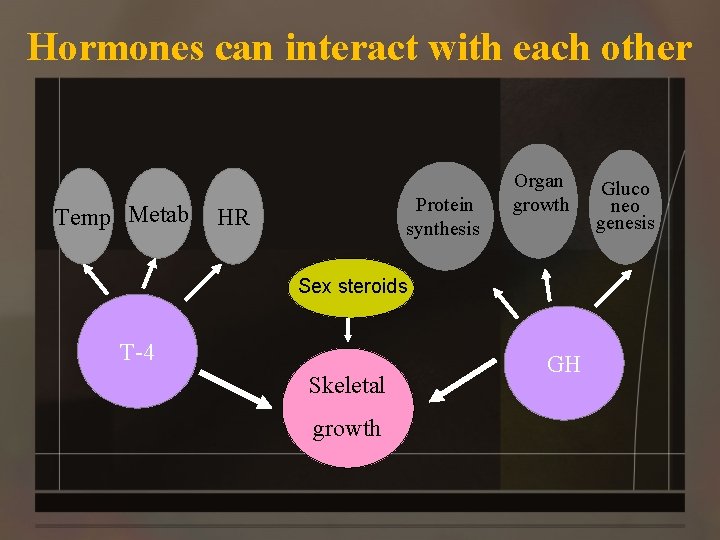
Hormones can interact with each other Temp Metab Protein synthesis HR Organ growth Sex steroids T-4 Skeletal growth GH Gluco neo genesis
Hormone Classification • Proteins- TSH, insulin, PTH • Amino acids- thyroid hormones (T 3 and T 4), epinephrine • Steroids- cortisol, aldosterone, testosterone
Mechanism of Action of Hormones • Circulate in blood stream bound to transporter proteins or free • Free hormone is the active hormone • Enter cells to alter biological activity
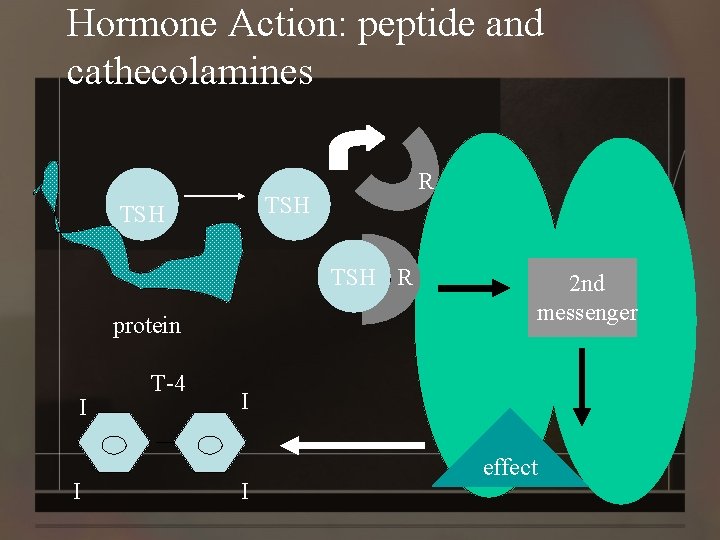
Hormone Action: peptide and cathecolamines R TSH TSH R protein I I T-4 2 nd messenger I I effect
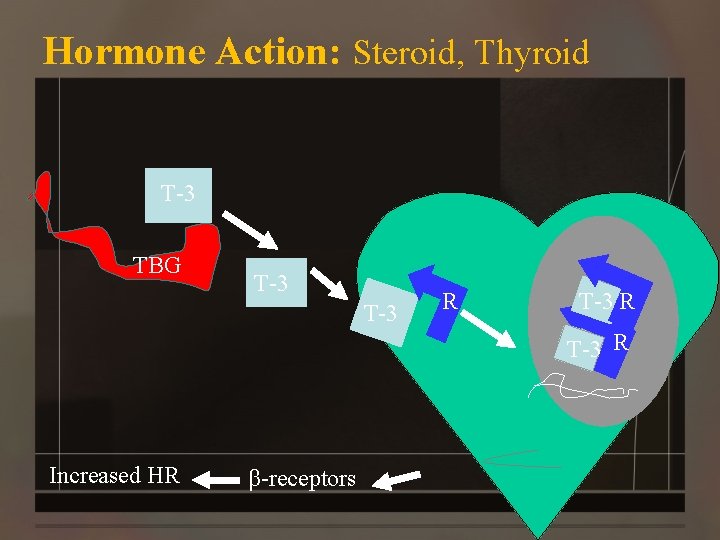
Hormone Action: Steroid, Thyroid T-3 TBG T-3 R Increased HR β-receptors
Hormone Regulation • Feedback loops • Circadian rhythms • Receptor specificity • Receptor concentration
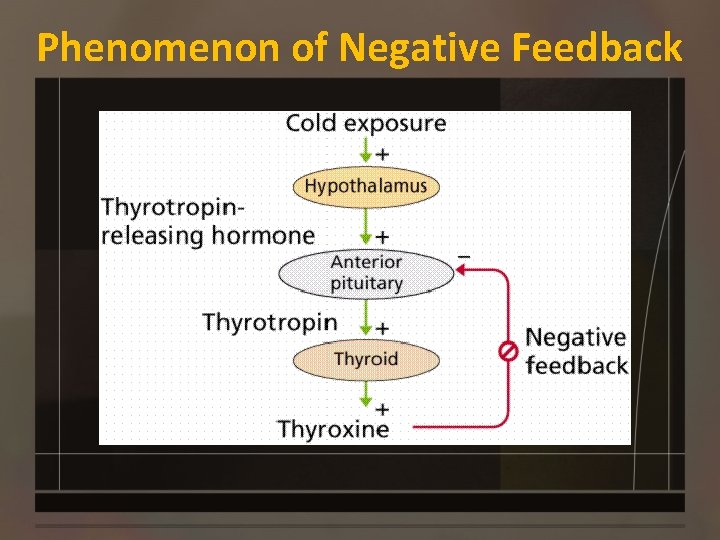
Phenomenon of Negative Feedback
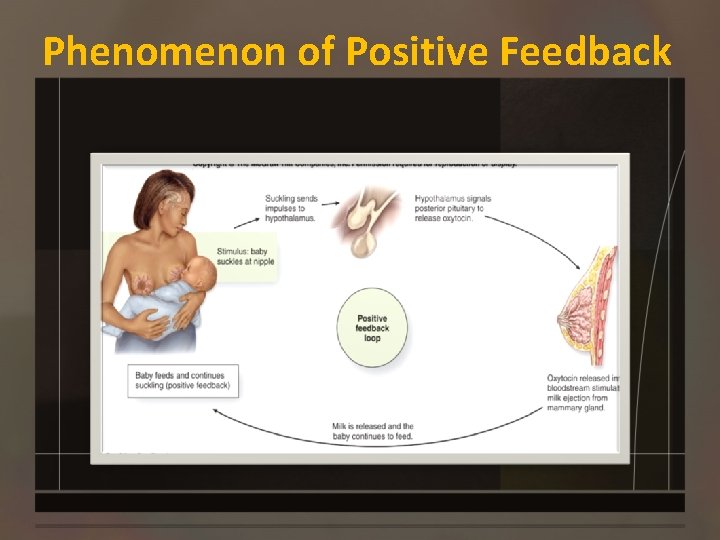
Phenomenon of Positive Feedback
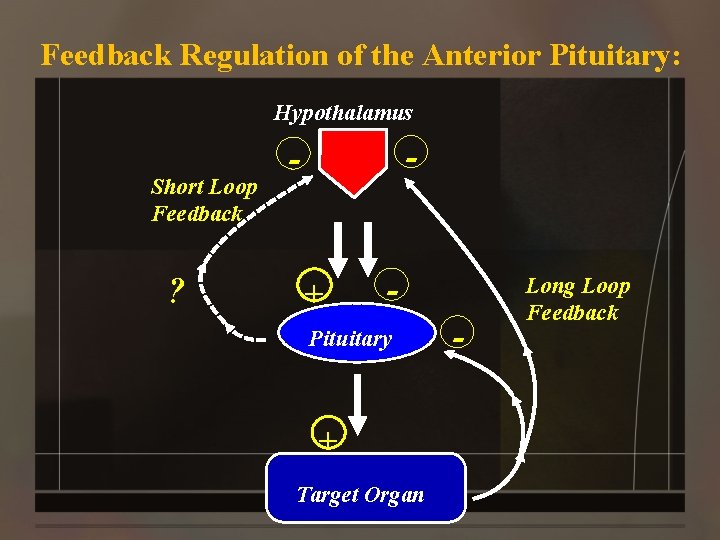
Feedback Regulation of the Anterior Pituitary: Hypothalamus Short Loop Feedback ? - - + - Pituitary + Target Organ - Long Loop Feedback
Feedback Mechanisms: Rhythms Circhoral rhythms are ''about an hour, '' Circadian rhythms are ''about a day'' Circatrigantan rhythms are ''about a month, '' Circannual rhythms are ''about a year. '‘
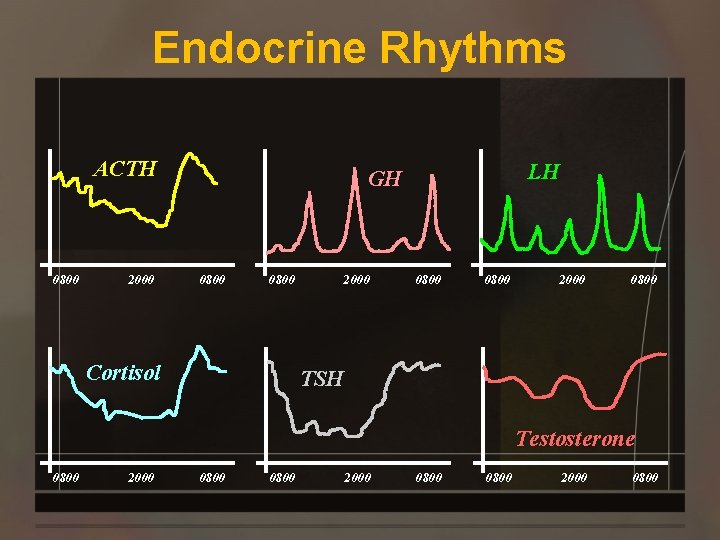
Endocrine Rhythms ACTH 0800 2000 LH GH 0800 Cortisol 2000 0800 TSH Testosterone 0800 2000 0800
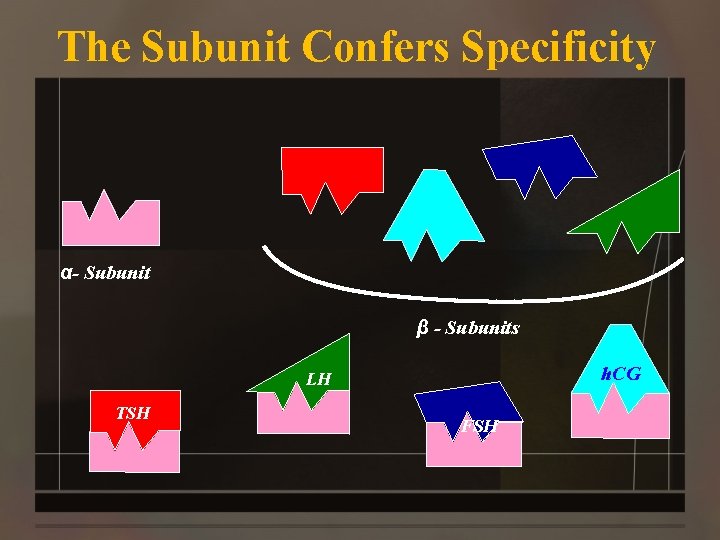
The Subunit Confers Specificity α- Subunit β - Subunits h. CG LH TSH FSH
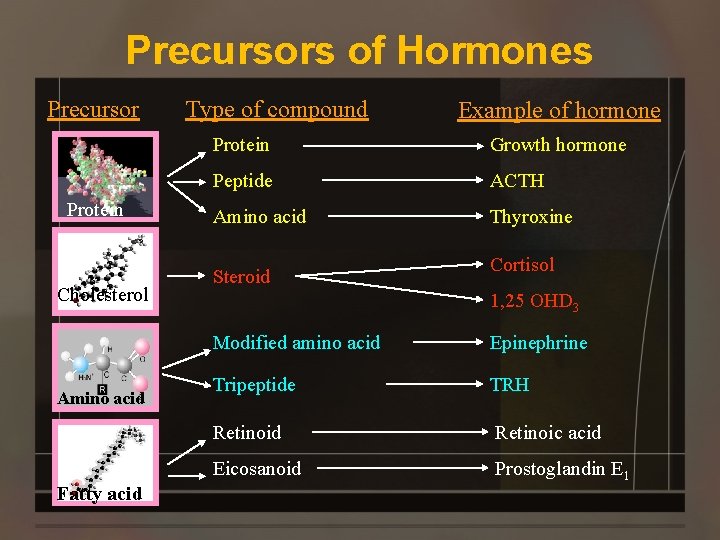
Precursors of Hormones Precursor Protein Cholesterol Amino acid Fatty acid Type of compound Example of hormone Protein Growth hormone Peptide ACTH Amino acid Thyroxine Steroid Cortisol 1, 25 OHD 3 Modified amino acid Epinephrine Tripeptide TRH Retinoid Retinoic acid Eicosanoid Prostoglandin E 1
Receptors
Receptors • Cellular proteins that have bifunctional properties of both • Recognition • Signal activation
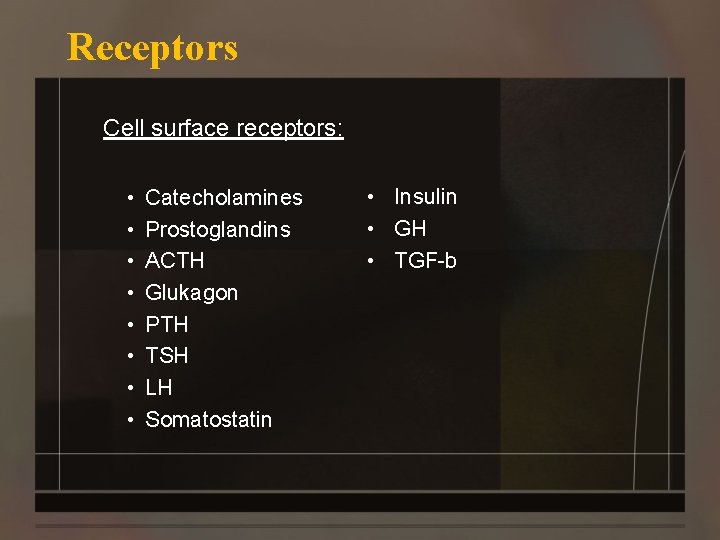
Receptors Cell surface receptors: • • Catecholamines Prostoglandins ACTH Glukagon PTH TSH LH Somatostatin • Insulin • GH • TGF-b
Receptors Nuclear receptors: – Steroid hormones – Vitamin D – Thyroid hormones – Retinoids
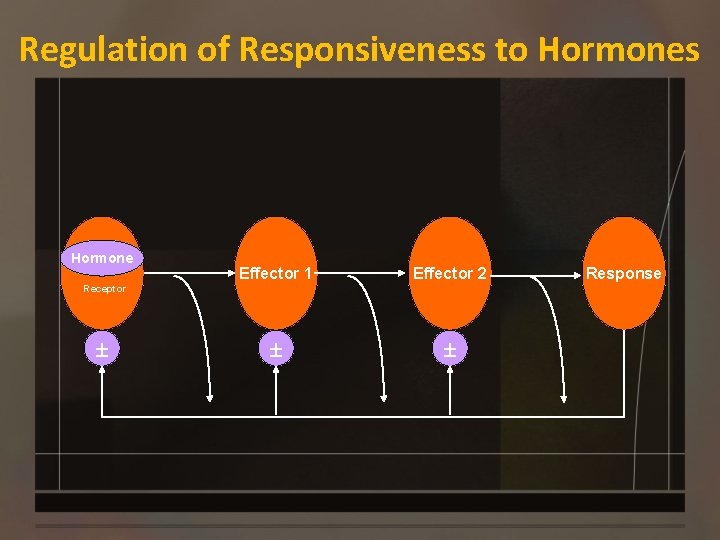
Regulation of Responsiveness to Hormones Hormone Effector 1 Effector 2 ± ± Receptor ± Response
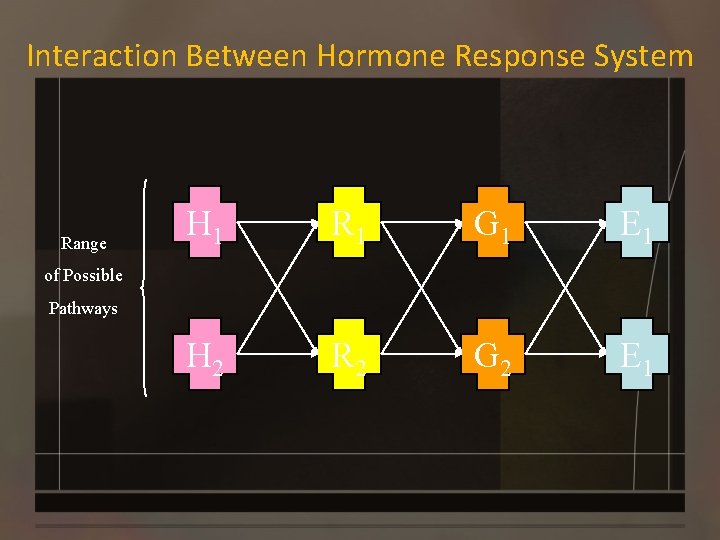
Interaction Between Hormone Response System Range H 1 R 1 G 1 E 1 H 2 R 2 G 2 E 1 of Possible Pathways
Classification of Hormones: Types of Ligands: • Agonist • Antagonist • Partial agonist-partial antagonist • Mixed or Heterologous Agonists-Antagonists
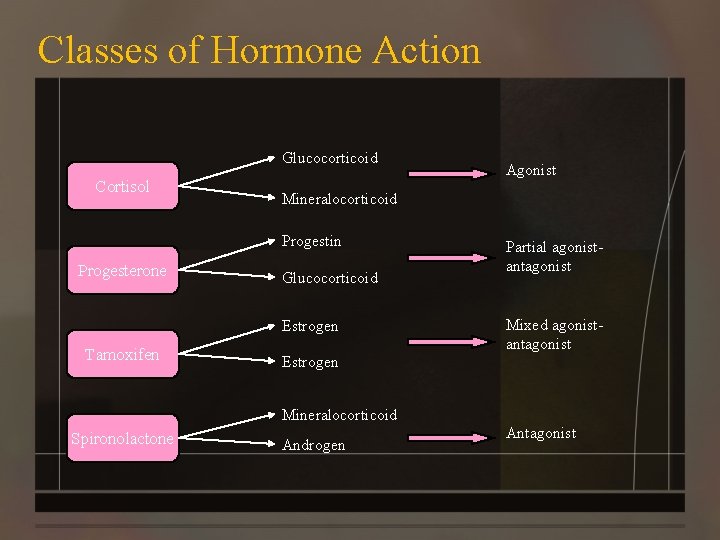
Classes of Hormone Action Glucocorticoid Cortisol Mineralocorticoid Progestin Progesterone Glucocorticoid Estrogen Tamoxifen Agonist Partial agonistantagonist Mixed agonistantagonist Estrogen Mineralocorticoid Spironolactone Androgen Antagonist
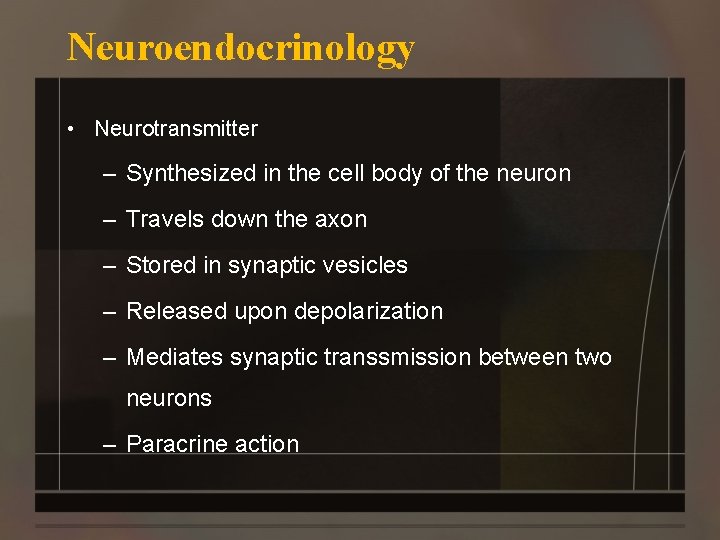
Neuroendocrinology • Neurotransmitter – Synthesized in the cell body of the neuron – Travels down the axon – Stored in synaptic vesicles – Released upon depolarization – Mediates synaptic transsmission between two neurons – Paracrine action
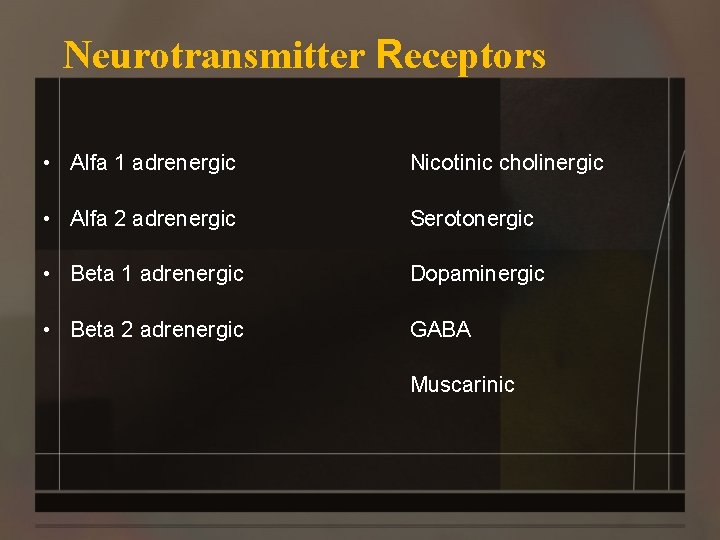
Neurotransmitter Receptors • Alfa 1 adrenergic Nicotinic cholinergic • Alfa 2 adrenergic Serotonergic • Beta 1 adrenergic Dopaminergic • Beta 2 adrenergic GABA Muscarinic
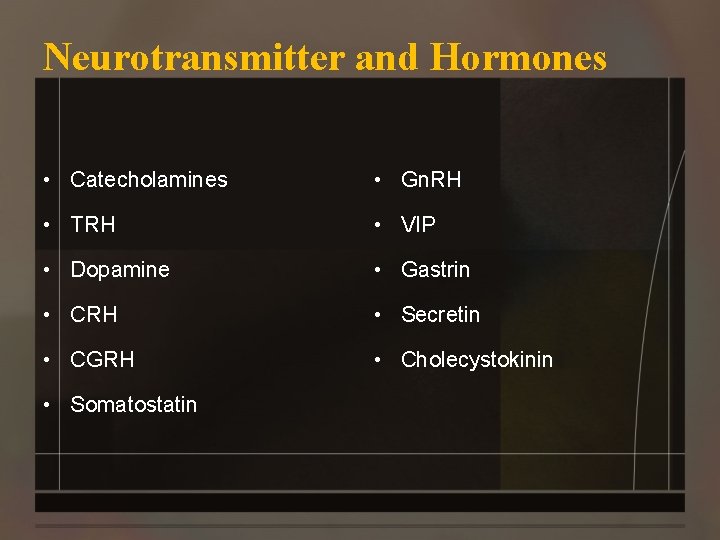
Neurotransmitter and Hormones • Catecholamines • Gn. RH • TRH • VIP • Dopamine • Gastrin • CRH • Secretin • CGRH • Cholecystokinin • Somatostatin
Hypothalamic-Pituitary Relations • The hypothalamus regulates – temperature, – appetite, – thirst, – sexual behavior, – defensive reactions such as rage and fear, – body rhythms • The hypothalamus contains two types of neurosecretory cells – Neurohypophysial neurons traverse the hypothalamic-pituitary stalk and release vasopressin (ADH) and oxytocin from nerve endings in the posterior pituitary – Hypophysiotropic neurons release hormones into the median eminence and thence into the hypothalamic-pituitary vessels.
Hypothalamic - Anterior Pituitary Relations • Stimulating hormones (releasing hormones) – – – TRH, Gn. RH, CRH, GHRH, Prolactin-releasing factor and ADH • Inhibitory hormones – Somatostatin and – Dopamine.
Precursor Phenomenon (Prehormones)
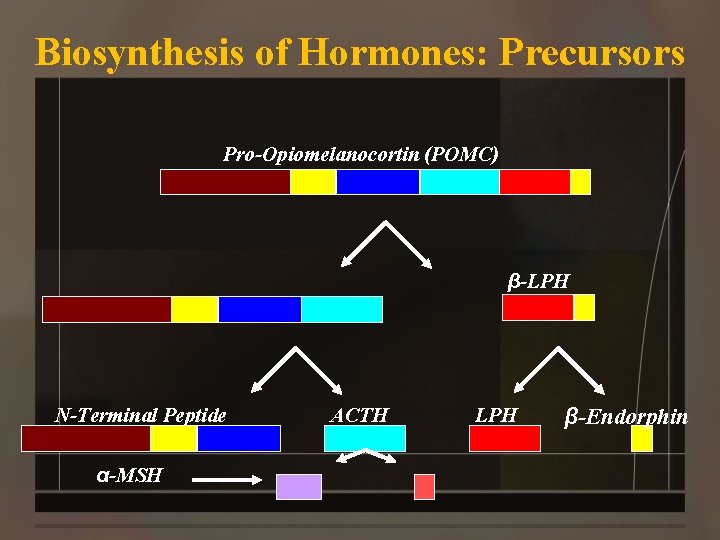
Biosynthesis of Hormones: Precursors Pro-Opiomelanocortin (POMC) β-LPH N-Terminal Peptide α-MSH ACTH LPH β-Endorphin
Hormone Transport • Bind to plasma protein – Steroid – Thyroid hormones • Free – Peptid hormones – Vitamin D (ACTH, insulin, – GH glucagon, PTH etc) – Vasopressin – Oxytocin
Regulation of the Endocrine System • Hormone concentration – Production rates – Delivery to the target tissue – Degradation – Freestanding
Actions of Hormones • • • Developmental effects Cell growth & cancer Central nervous system effects Effects on metabolism Effects on cardiovascular & renal function Effects on mineral & water metabolism Effects on skeletal functions Effects on reproductive function Release of other hormones Effects on immunologic functions
Clinical Endocrinology • Hypofunction of a gland • Hyperfunction of a gland • Receptor defect • Second messenger defect
Endocrine Hypofunction • Congenital defects in hormone biosynthesis • Autoimmune destruction of glands • Surgery or trauma to glands • Infiltration by tumors, infection
Endocrine Hyperfunction • Hormone secreting pituitary tumor • End organ secreting tumor • Autoimmune disease • Inflammation/Infection • Iatrogenic/Facticious • Ectopic hormone secreting tumor
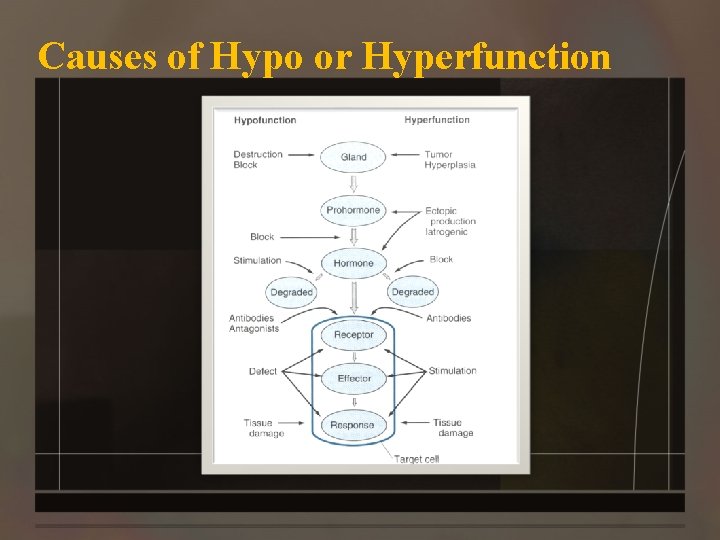
Causes of Hypo or Hyperfunction
Defects in Sensitivity to Hormones • Partial or complete resistance to the hormone • Secondary hormone hypersecretion
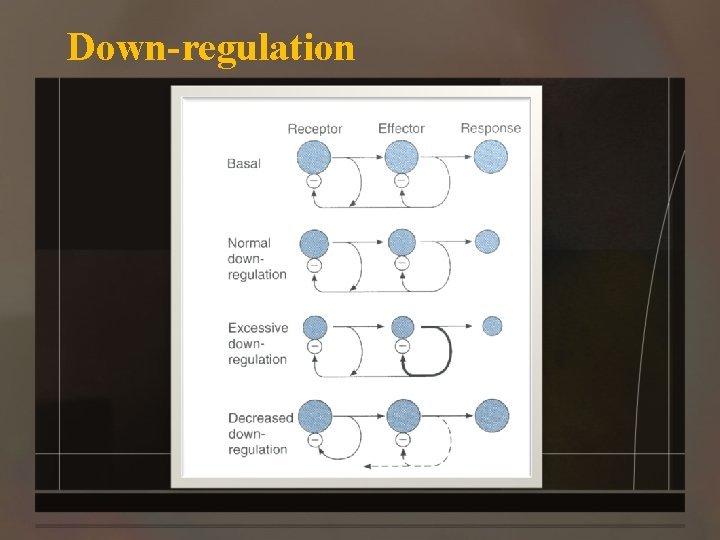
Down-regulation
Assessment of Glandular Activity • Measure the end organ hormone • Measure the pituitary regulating hormone • Suppression tests-to evaluate for hormone overactivity • Stimulation tests-to evaluate for underactivity • Imaging studies
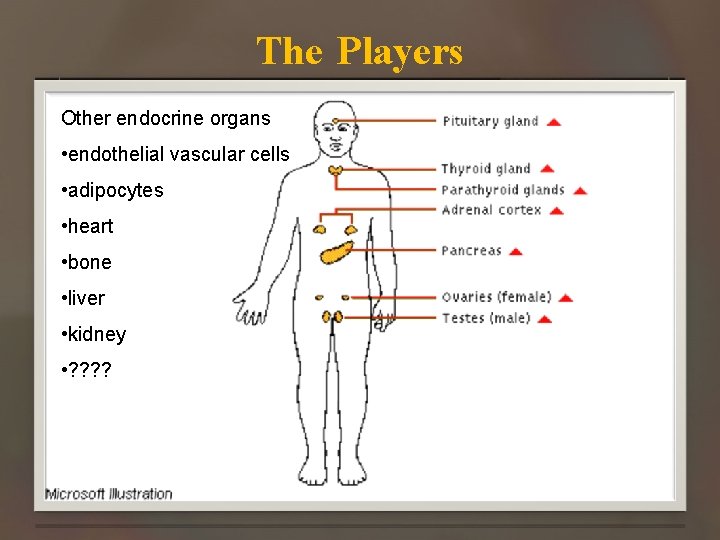
The Players Other endocrine organs • endothelial vascular cells • adipocytes • heart • bone • liver • kidney • ? ?
Conclusions • Hormones are essential for normal growth, development, metabolism, energy, reproduction etc. • Hormones are tightly regulated by multiple systems • Both over and underproduction of hormones leads to clinical disease

- Slides: 49