
Basics of Color Theory Color Theories create a
Basic’s of Color Theory Color Theories create a logical structure for color
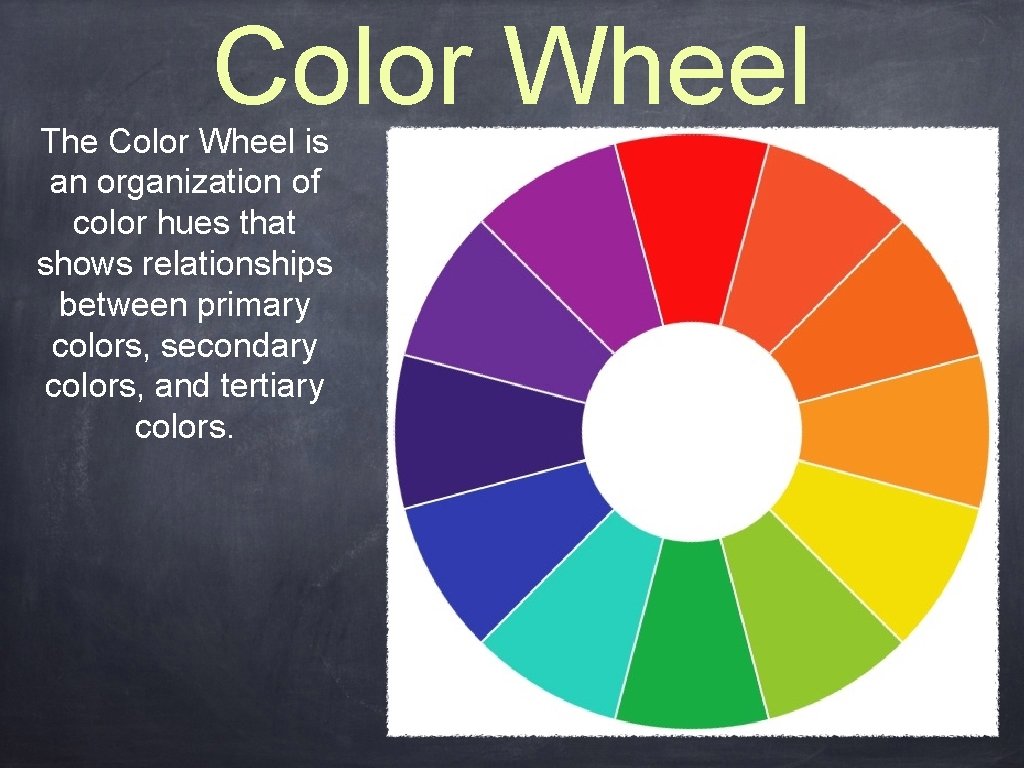
Color Wheel The Color Wheel is an organization of color hues that shows relationships between primary colors, secondary colors, and tertiary colors.

Red Blue Yellow Primary Colors: All colors are derived from these three colors
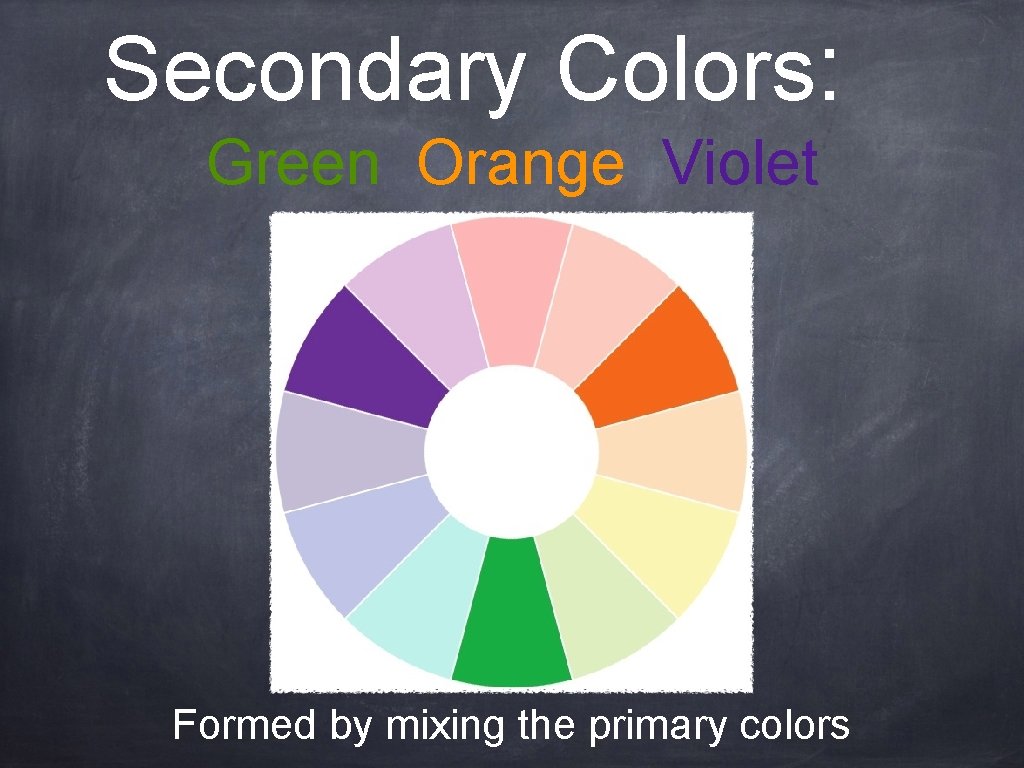
Secondary Colors: Green Orange Violet Formed by mixing the primary colors

Tertiary Colors: Yellow-Orange Red-Violet Blue-Green Yellow-Green Formed by mixing a primary color with a secondary color
Color Harmony Basic techniques for creating color schemes - Color Schemes based on: - Complementary colors - Analogous colors - Triadic colors - Warm colors - Cool colors
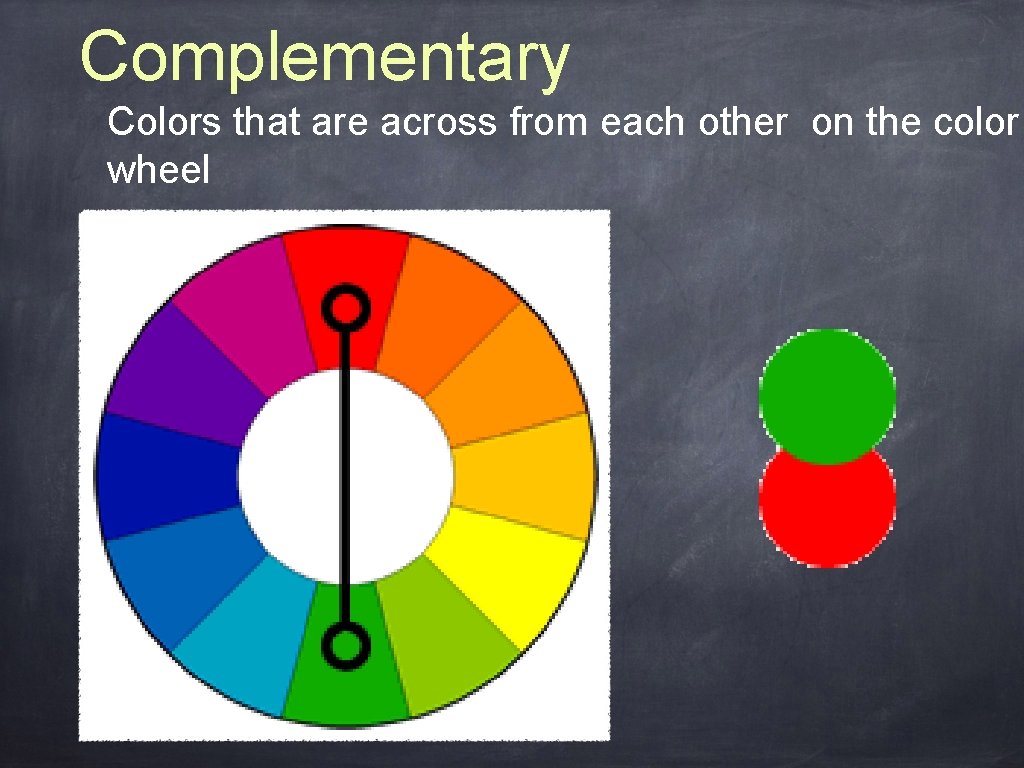
Complementary Colors that are across from each other on the color wheel
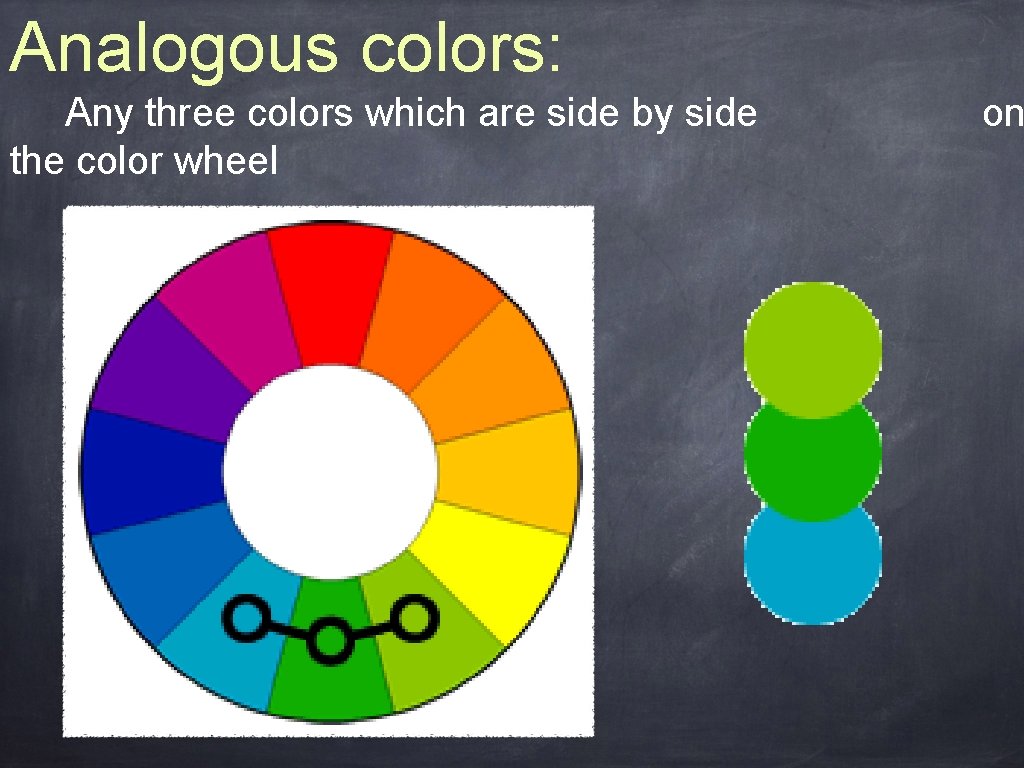
Analogous colors: Any three colors which are side by side the color wheel on
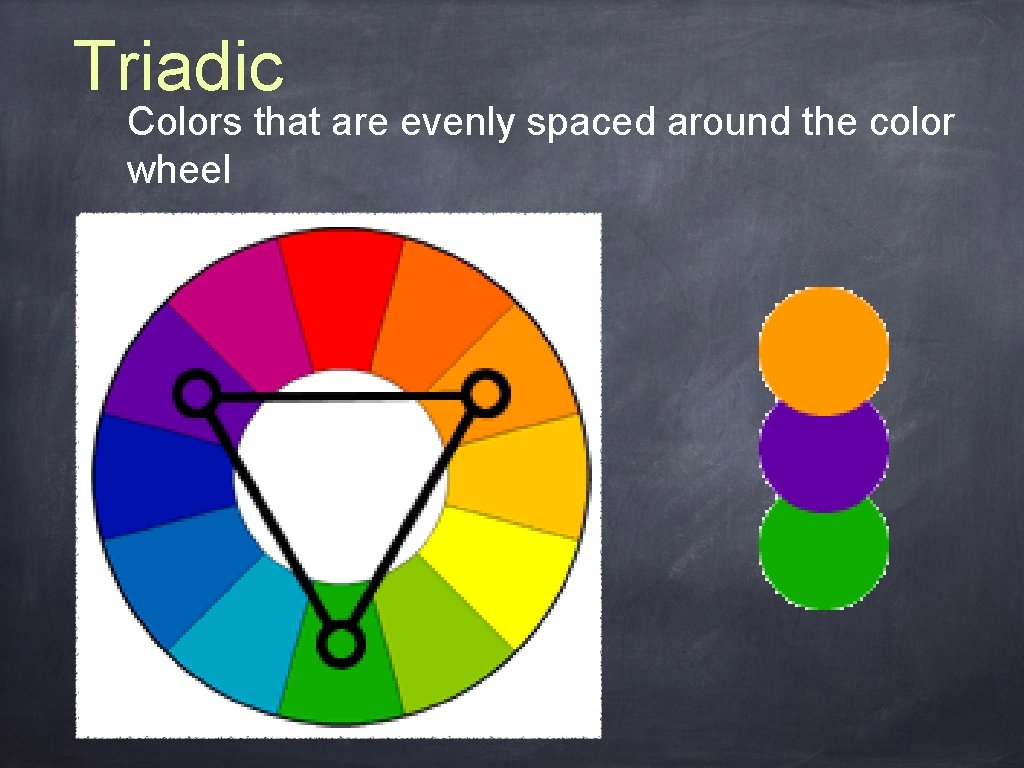
Triadic Colors that are evenly spaced around the color wheel
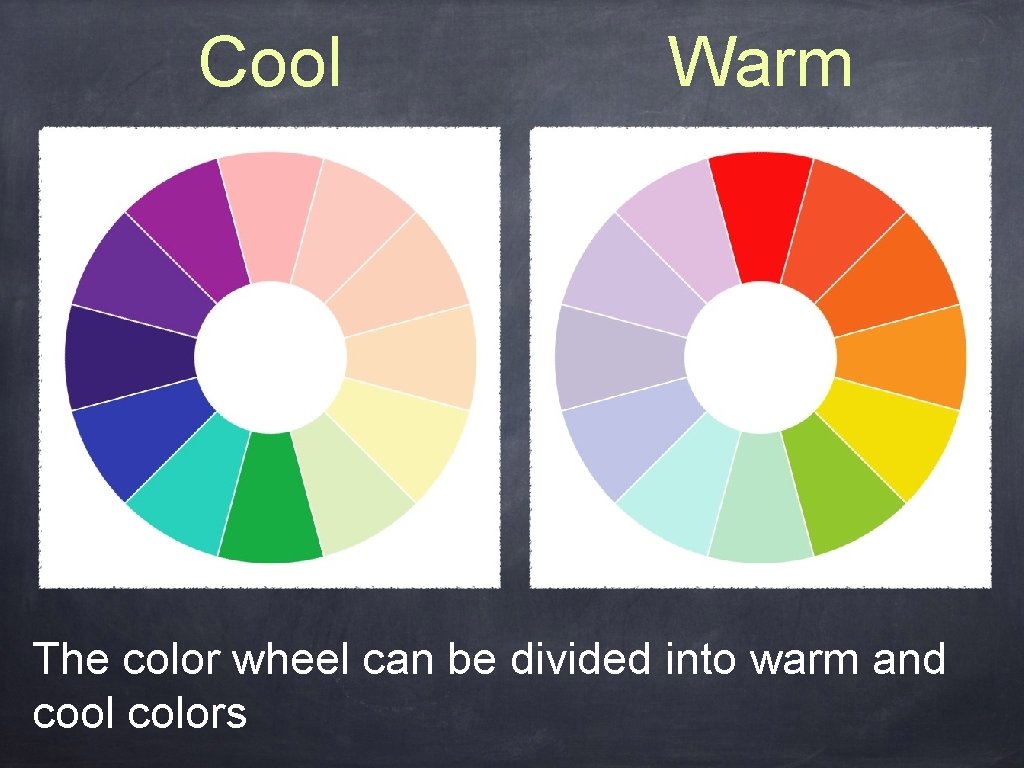
Cool Warm The color wheel can be divided into warm and cool colors
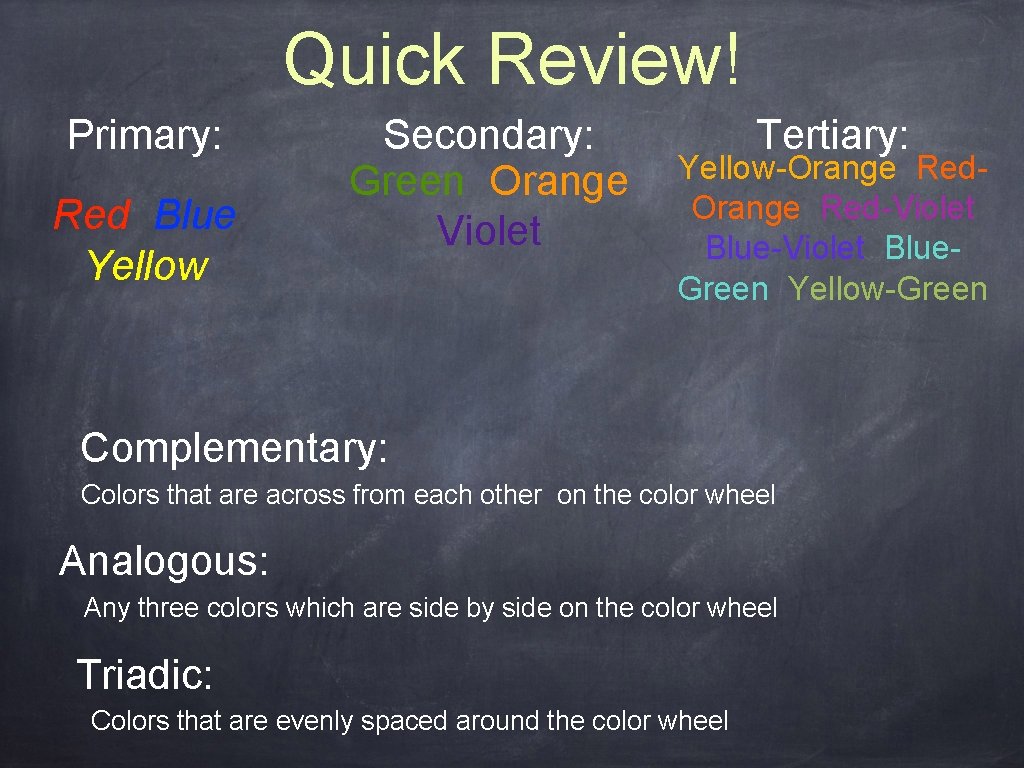
Quick Review! Primary: Red Blue Yellow Secondary: Green Orange Violet Tertiary: Yellow-Orange Red-Violet Blue. Green Yellow-Green Complementary: Colors that are across from each other on the color wheel Analogous: Any three colors which are side by side on the color wheel Triadic: Colors that are evenly spaced around the color wheel
Bibliography "Basic Color Theory. " Color Matters. Color Logic and Color Logic for <http: //www. colormatters. com/color-and-design/basic-color-theory>. Website Design, "Basic Color Schemes - Introduction to Color Theory. " Tigercolor. N. p. , <http: //www. tigercolor. com/color-lab/color-theory-intro. htm>. n. d. Web. 30 Sep
- Slides: 12