
Basics of Biology 4 The Genetic Basis of
Basics of Biology (4) The Genetic Basis of Disease 1
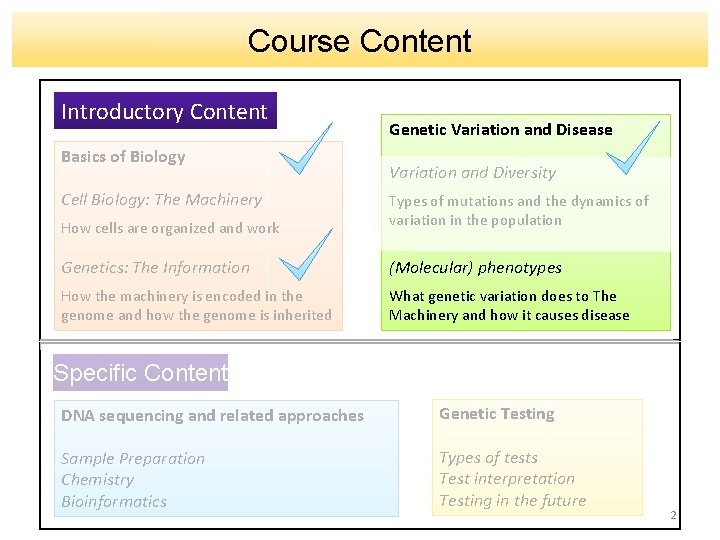
Course Content Introductory Content Basics of Biology Cell Biology: The Machinery How cells are organized and work Genetic Variation and Disease Variation and Diversity Types of mutations and the dynamics of variation in the population Genetics: The Information (Molecular) phenotypes How the machinery is encoded in the genome and how the genome is inherited What genetic variation does to The Machinery and how it causes disease Specific Content DNA sequencing and related approaches Genetic Testing Sample Preparation Chemistry Bioinformatics Types of tests Test interpretation Testing in the future 2
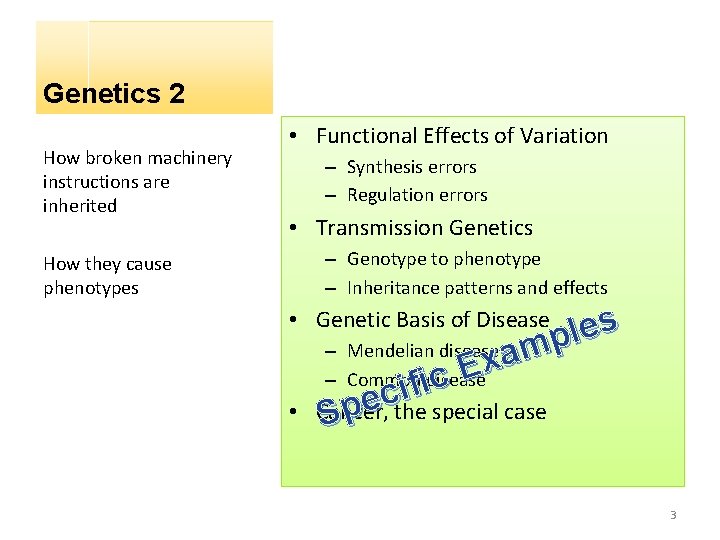
Genetics 2 How broken machinery instructions are inherited • Functional Effects of Variation – Synthesis errors – Regulation errors • Transmission Genetics – Genotype to phenotype – Inheritance patterns and effects How they cause phenotypes s e l – Mendelian disease amp x E – Common idisease c f i cthe special case e Cancer, p S • Genetic Basis of Disease • 3
Functional effects of mutations SYNTHESIS ERRORS 4
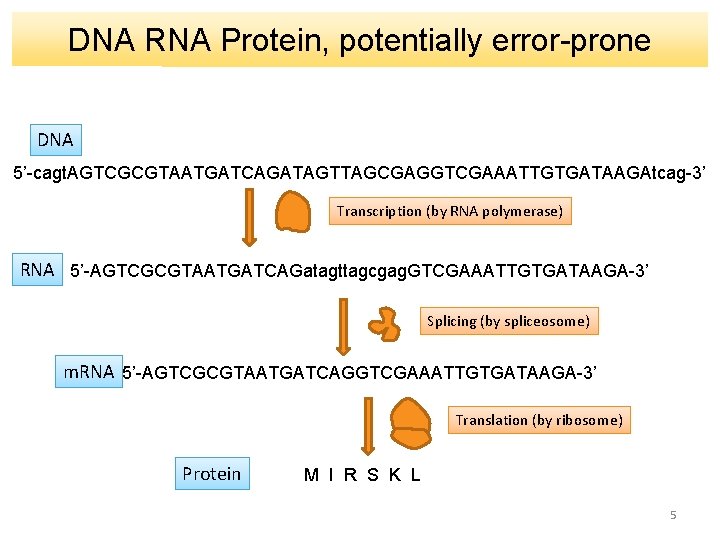
DNA RNA Protein, potentially error-prone DNA 5’-cagt. AGTCGCGTAATGATCAGATAGTTAGCGAGGTCGAAATTGTGATAAGAtcag-3’ Transcription (by RNA polymerase) RNA 5’-AGTCGCGTAATGATCAGatagttagcgag. GTCGAAATTGTGATAAGA-3’ Splicing (by spliceosome) m. RNA 5’-AGTCGCGTAATGATCAGGTCGAAATTGTGATAAGA-3’ Translation (by ribosome) Protein M I R S K L 5
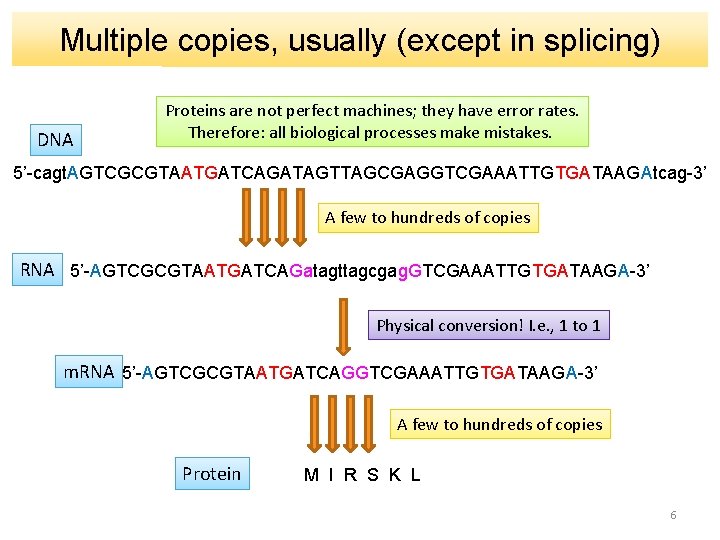
Multiple copies, usually (except in splicing) DNA Proteins are not perfect machines; they have error rates. Therefore: all biological processes make mistakes. 5’-cagt. AGTCGCGTAATGATCAGATAGTTAGCGAGGTCGAAATTGTGATAAGAtcag-3’ A few to hundreds of copies RNA 5’-AGTCGCGTAATGATCAGatagttagcgag. GTCGAAATTGTGATAAGA-3’ Physical conversion! I. e. , 1 to 1 m. RNA 5’-AGTCGCGTAATGATCAGGTCGAAATTGTGATAAGA-3’ A few to hundreds of copies Protein M I R S K L 6

For example, Translation error? DNA Proteins are not perfect machines; they have error rates. Therefore: all biological processes make mistakes. 5’-cagt. AGTCGCGTAATGATCAGATAGTTAGCGAGGTCGAAATTGTGATAAGAtcag-3’ A few to hundreds of copies RNA 5’-AGTCGCGTAATGATCAGatagttagcgag. GTCGAAATTGTGATAAGA-3’ Physical conversion! I. e. , 1 to 1 m. RNA 5’-AGTCGCGTAATGATCAGGTCGAAATTGTGATAAGA-3’ A few to hundreds of copies Protein M L R S K L M I R S K L 7

But if the error is in the DNA. . . DNA Mutation! 5’-cagt. AGTCGCGTAATTATCAGATAGTTAGCGAGGTCGAAATTGTGATAAGAtcag-3’ A few to hundreds of copies RNA 5’-AGTCGCGTAATTATCAGatagttagcgag. GTCGAAATTGTGATAAGA-3’ None of them will get translated properly! The highlighted bases are examples of signals in the nucleic acid sequences. Signal = recognition site of a protein. 8
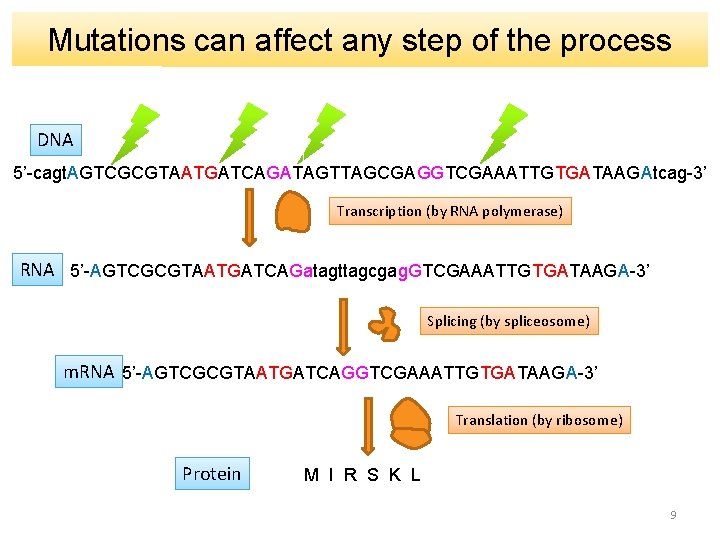
Mutations can affect any step of the process DNA 5’-cagt. AGTCGCGTAATGATCAGATAGTTAGCGAGGTCGAAATTGTGATAAGAtcag-3’ Transcription (by RNA polymerase) RNA 5’-AGTCGCGTAATGATCAGatagttagcgag. GTCGAAATTGTGATAAGA-3’ Splicing (by spliceosome) m. RNA 5’-AGTCGCGTAATGATCAGGTCGAAATTGTGATAAGA-3’ Translation (by ribosome) Protein M I R S K L 9
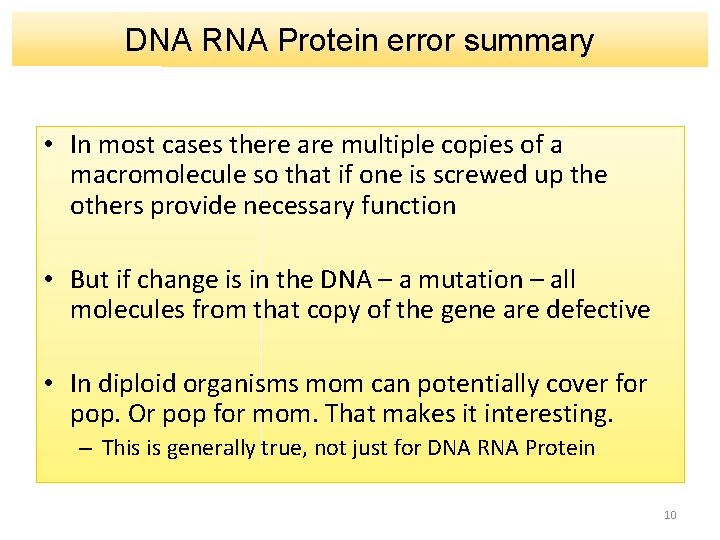
DNA RNA Protein error summary • In most cases there are multiple copies of a macromolecule so that if one is screwed up the others provide necessary function • But if change is in the DNA – a mutation – all molecules from that copy of the gene are defective • In diploid organisms mom can potentially cover for pop. Or pop for mom. That makes it interesting. – This is generally true, not just for DNA RNA Protein 10
Whether a gene product is made REGULATORY ELEMENT MUTATIONS 11
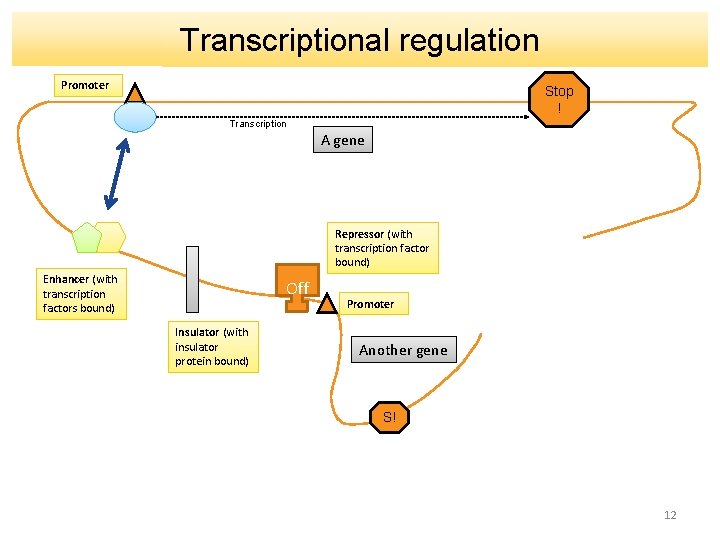
Transcriptional regulation Promoter Stop ! Transcription A gene Repressor (with transcription factor bound) Enhancer (with transcription factors bound) Off Insulator (with insulator protein bound) Promoter Another gene S! 12
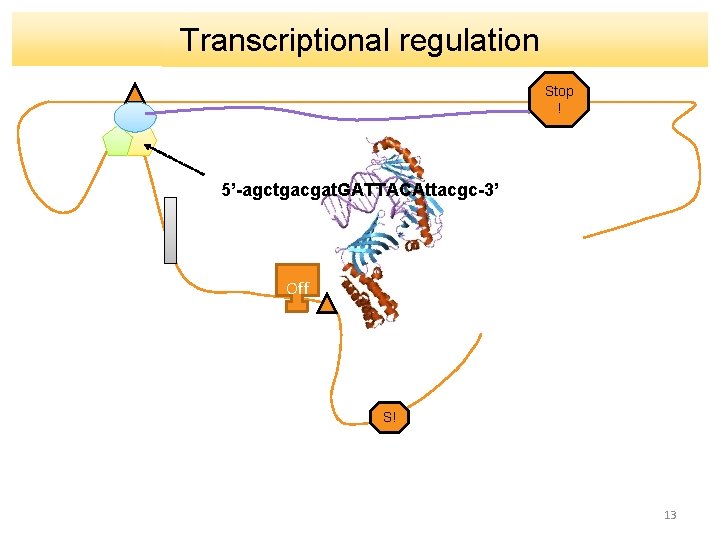
Transcriptional regulation Stop ! 5’-agctgacgat. GATTACAttacgc-3’ Off S! 13
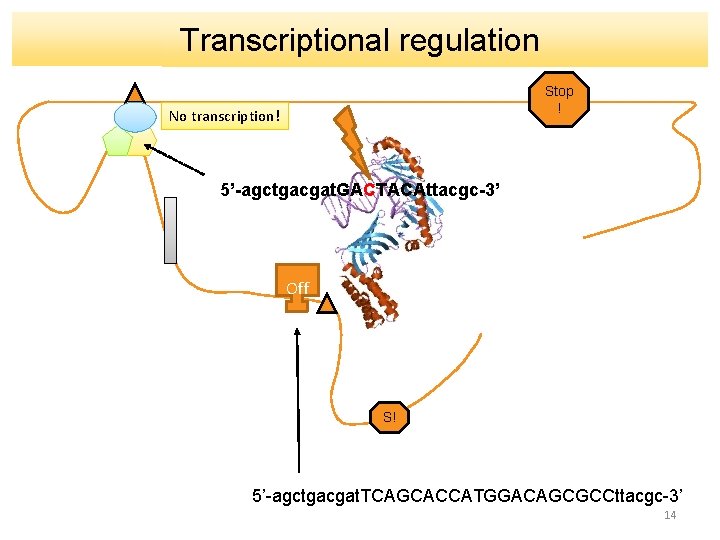
Transcriptional regulation Stop ! No transcription! 5’-agctgacgat. GACTACAttacgc-3’ Off S! 5’-agctgacgat. TCAGCACCATGGACAGCGCCttacgc-3’ 14
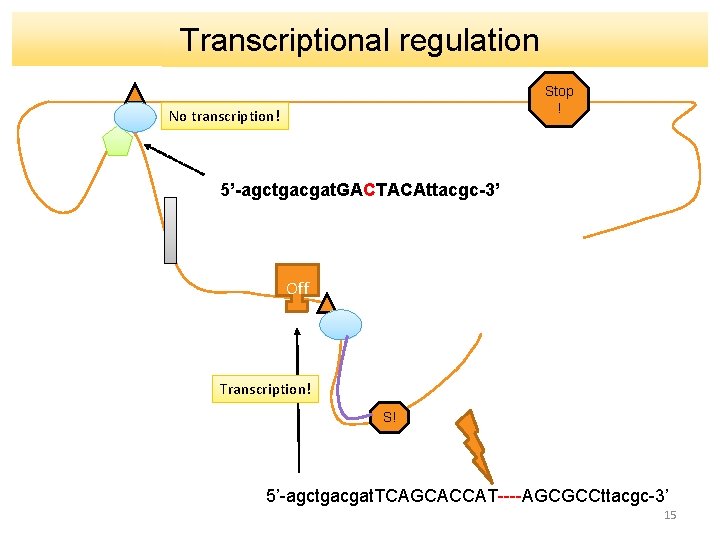
Transcriptional regulation Stop ! No transcription! 5’-agctgacgat. GACTACAttacgc-3’ Off Transcription! S! 5’-agctgacgat. TCAGCACCAT----AGCGCCttacgc-3’ 15
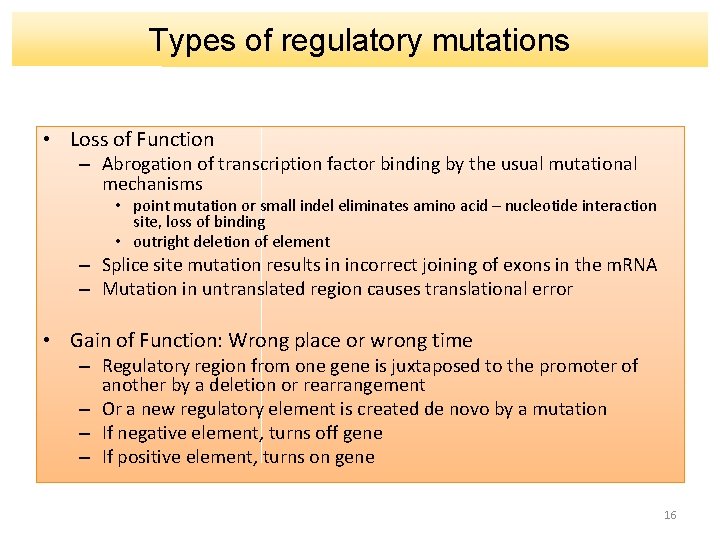
Types of regulatory mutations • Loss of Function – Abrogation of transcription factor binding by the usual mutational mechanisms • point mutation or small indel eliminates amino acid – nucleotide interaction site, loss of binding • outright deletion of element – Splice site mutation results in incorrect joining of exons in the m. RNA – Mutation in untranslated region causes translational error • Gain of Function: Wrong place or wrong time – Regulatory region from one gene is juxtaposed to the promoter of another by a deletion or rearrangement – Or a new regulatory element is created de novo by a mutation – If negative element, turns off gene – If positive element, turns on gene 16
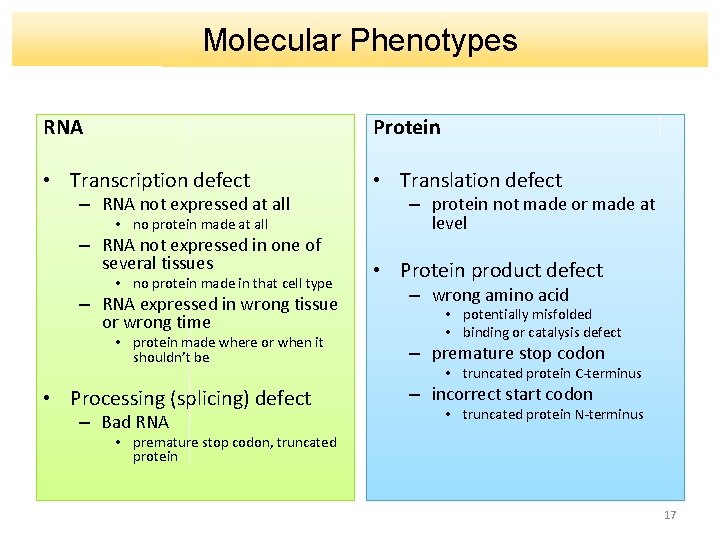
Molecular Phenotypes RNA Protein • Transcription defect • Translation defect – RNA not expressed at all • no protein made at all – RNA not expressed in one of several tissues • no protein made in that cell type – RNA expressed in wrong tissue or wrong time • protein made where or when it shouldn’t be • Processing (splicing) defect – Bad RNA – protein not made or made at level • Protein product defect – wrong amino acid • potentially misfolded • binding or catalysis defect – premature stop codon • truncated protein C-terminus – incorrect start codon • truncated protein N-terminus • premature stop codon, truncated protein 17
Genotype to Phenotype THE GENETICS OF FUNCTIONAL EFFECTS 18
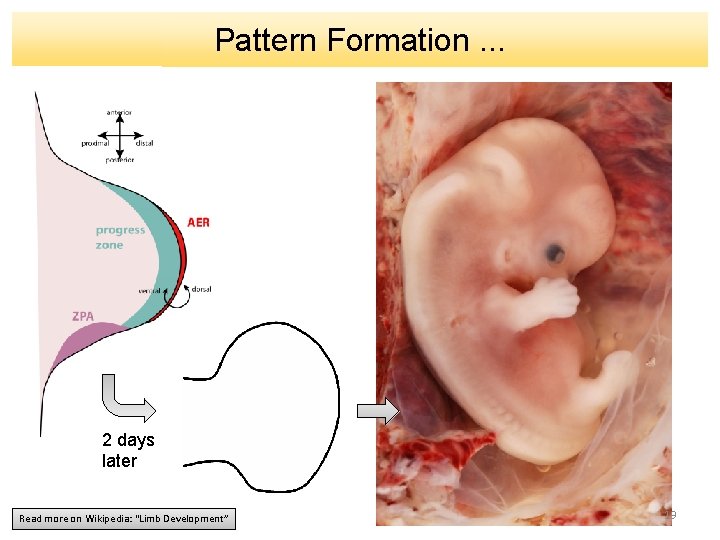
Pattern Formation. . . 2 days later Read more on Wikipedia: “Limb Development” 19
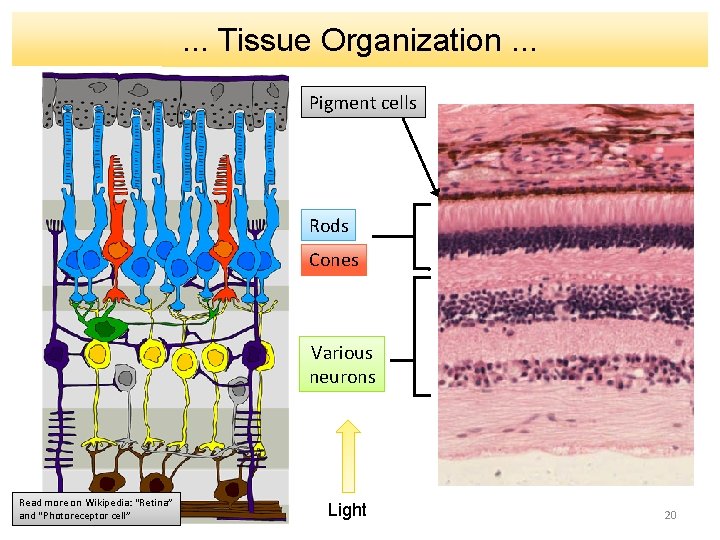
. . . Tissue Organization. . . Pigment cells Rods Cones Various neurons Read more on Wikipedia: “Retina” and “Photoreceptor cell” Light 20
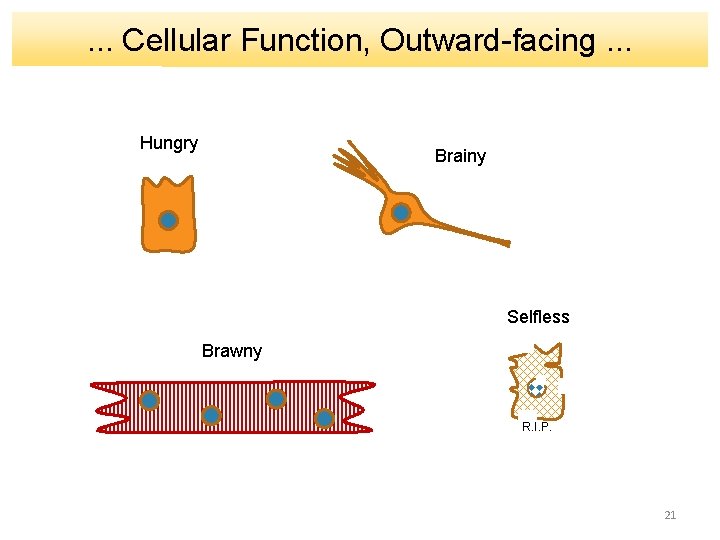
. . . Cellular Function, Outward-facing. . . Hungry Brainy Selfless Brawny R. I. P. 21
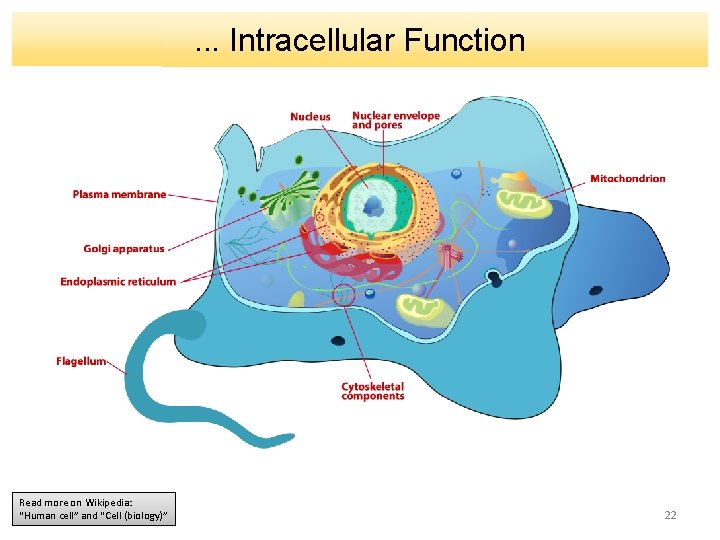
. . . Intracellular Function Read more on Wikipedia: “Human cell” and “Cell (biology)” 22
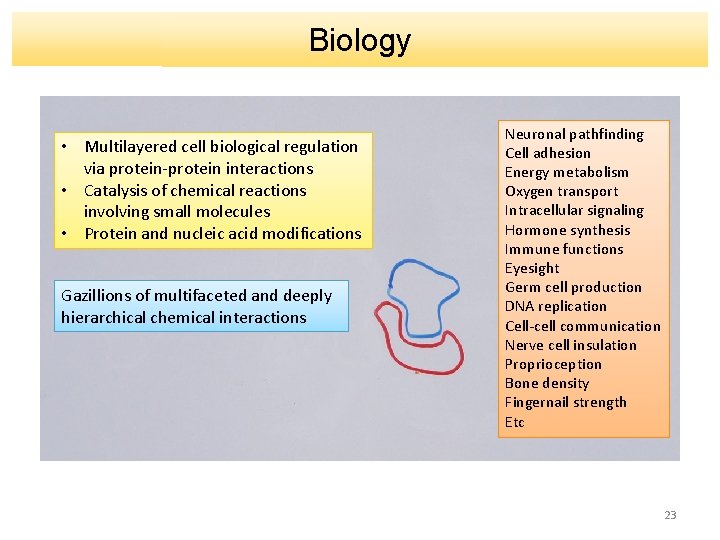
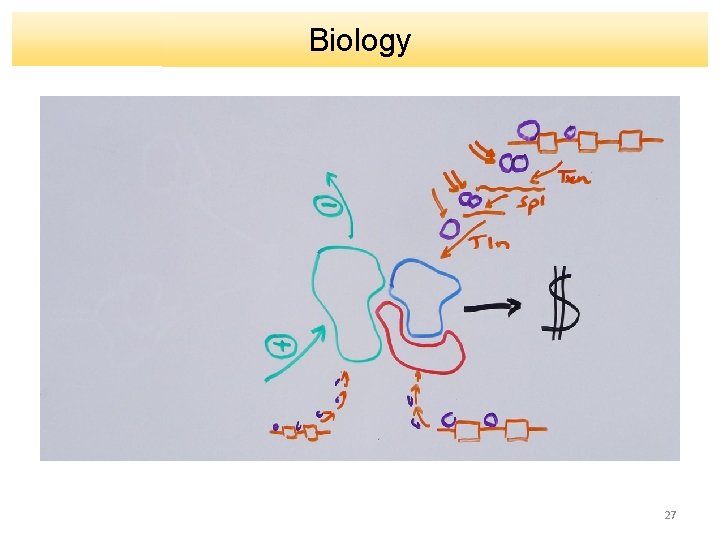
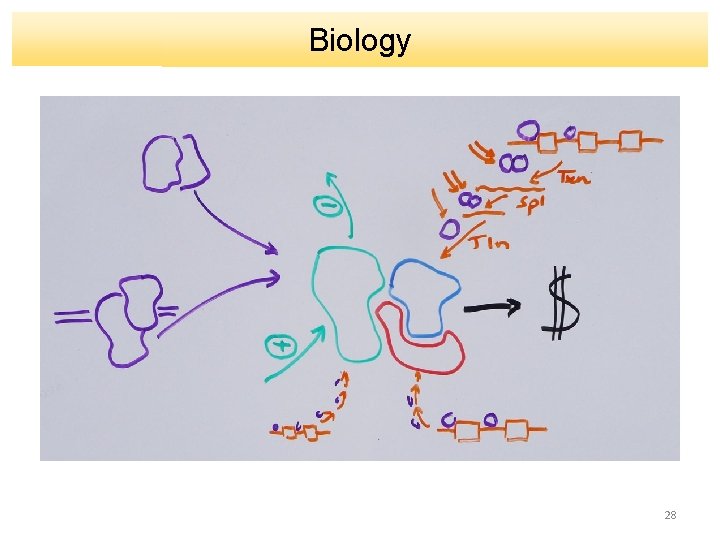
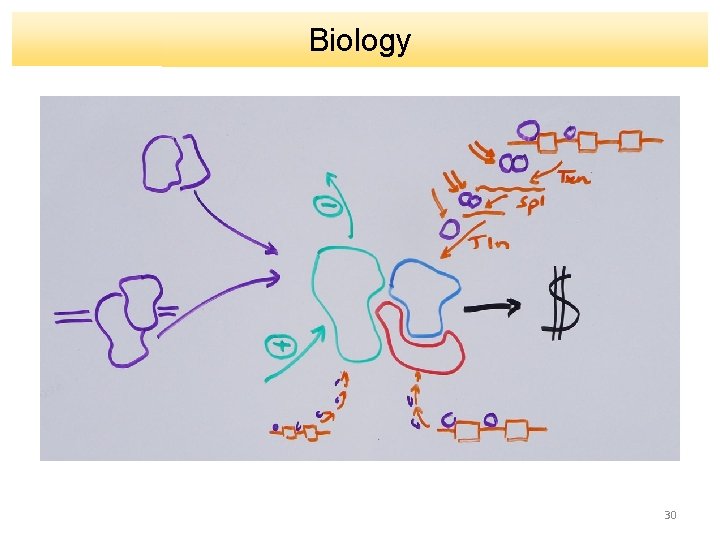
Biology • Multilayered cell biological regulation via protein-protein interactions • Catalysis of chemical reactions involving small molecules • Protein and nucleic acid modifications Gazillions of multifaceted and deeply hierarchical chemical interactions Neuronal pathfinding Cell adhesion Energy metabolism Oxygen transport Intracellular signaling Hormone synthesis Immune functions Eyesight Germ cell production DNA replication Cell-cell communication Nerve cell insulation Proprioception Bone density Fingernail strength Etc 23
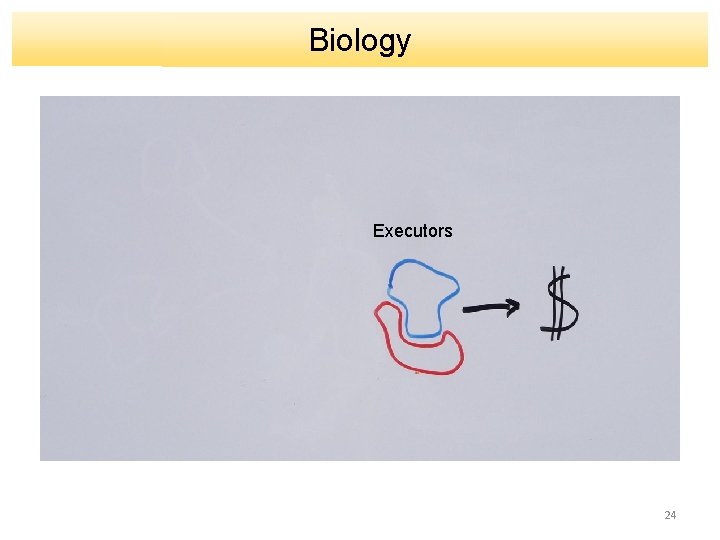
Biology Executors 24
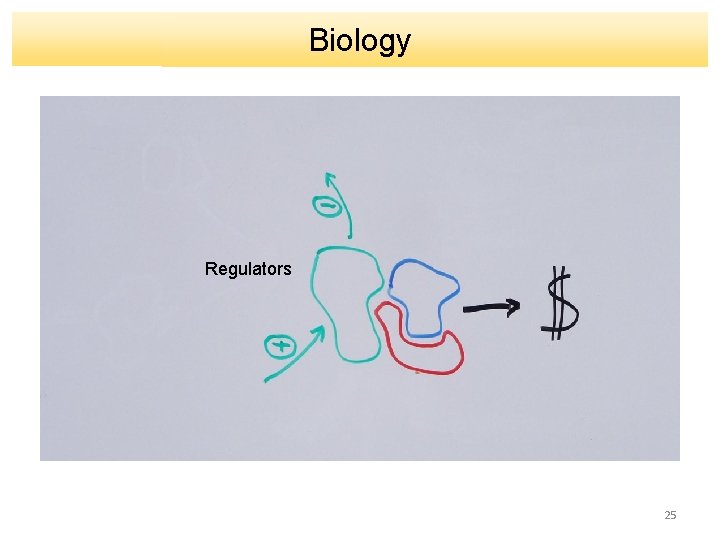
Biology Regulators 25
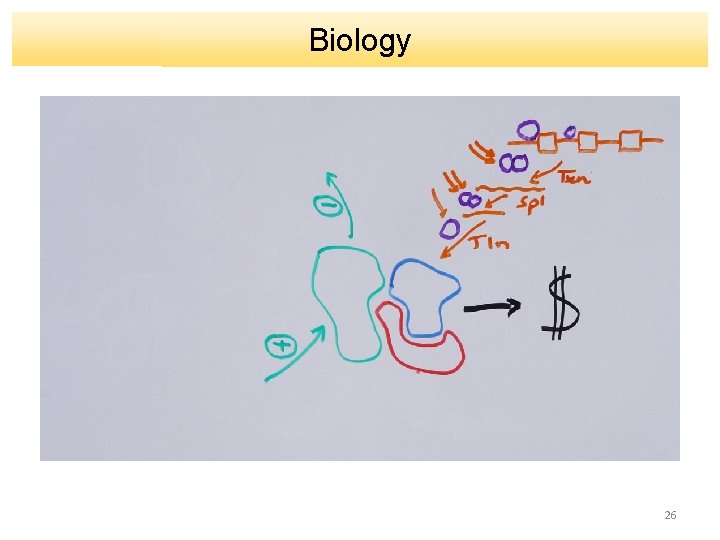
Biology 26
Biology 27
Biology 28
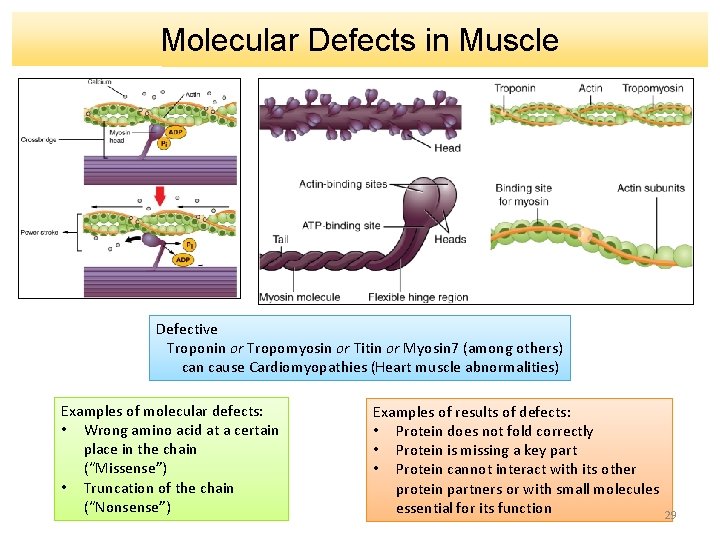
Molecular Defects in Muscle Defective Troponin or Tropomyosin or Titin or Myosin 7 (among others) can cause Cardiomyopathies (Heart muscle abnormalities) Examples of molecular defects: • Wrong amino acid at a certain place in the chain (“Missense”) • Truncation of the chain (“Nonsense”) Examples of results of defects: • Protein does not fold correctly • Protein is missing a key part • Protein cannot interact with its other protein partners or with small molecules essential for its function 29
Biology 30
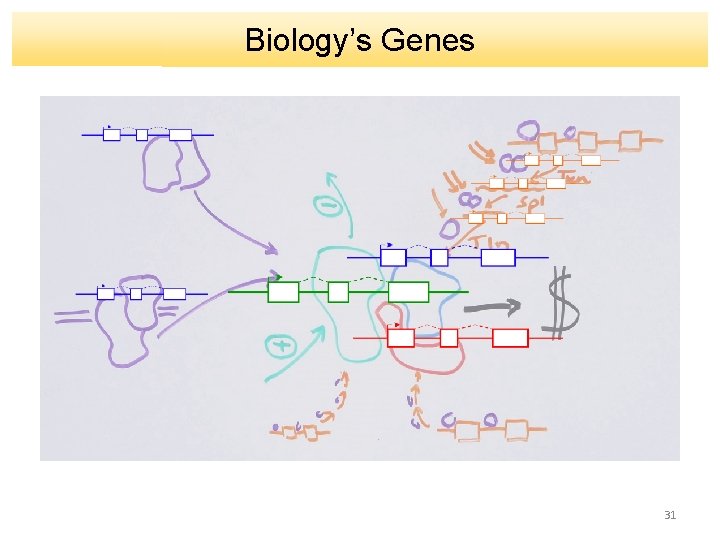
Biology’s Genes 31
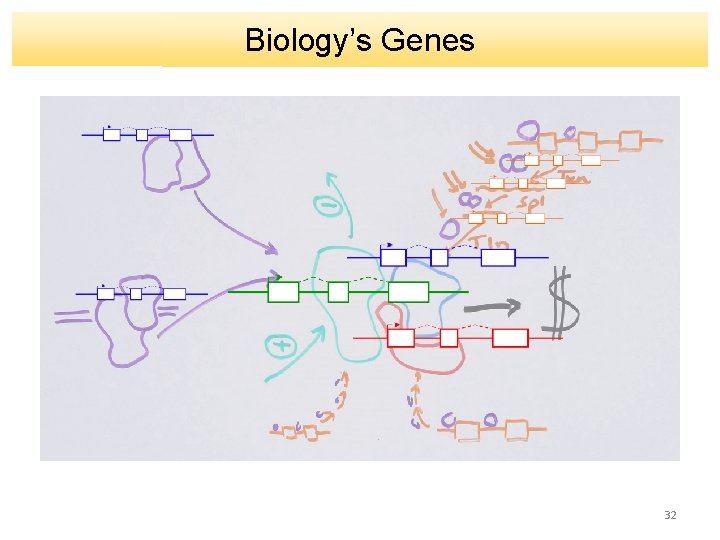
Biology’s Genes 32
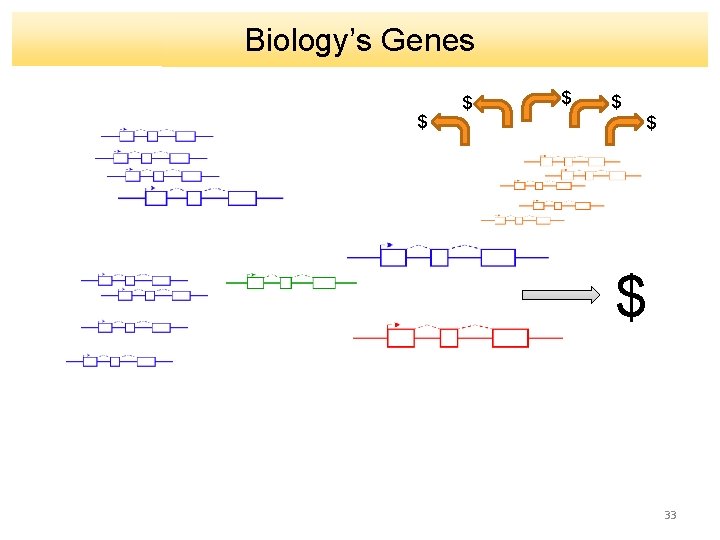
Biology’s Genes $ $ $ 33
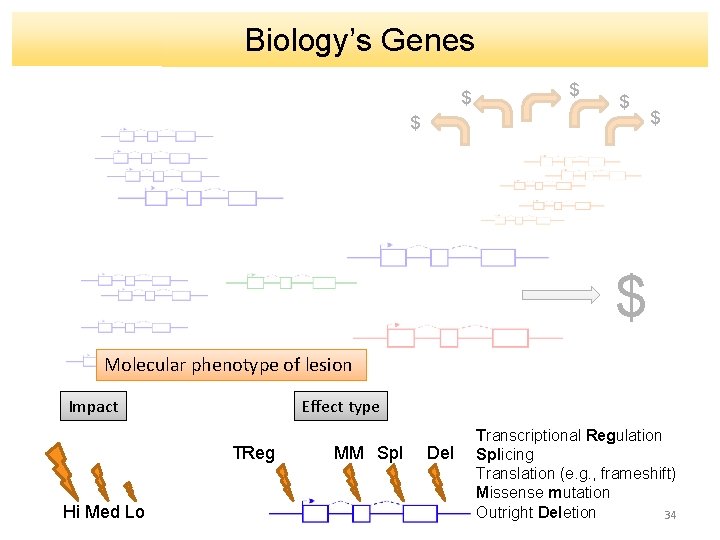
Biology’s Genes $ $ $ Molecular phenotype of lesion Effect type Impact TReg Hi Med Lo MM Spl Del Transcriptional Regulation Splicing Translation (e. g. , frameshift) Missense mutation Outright Deletion 34
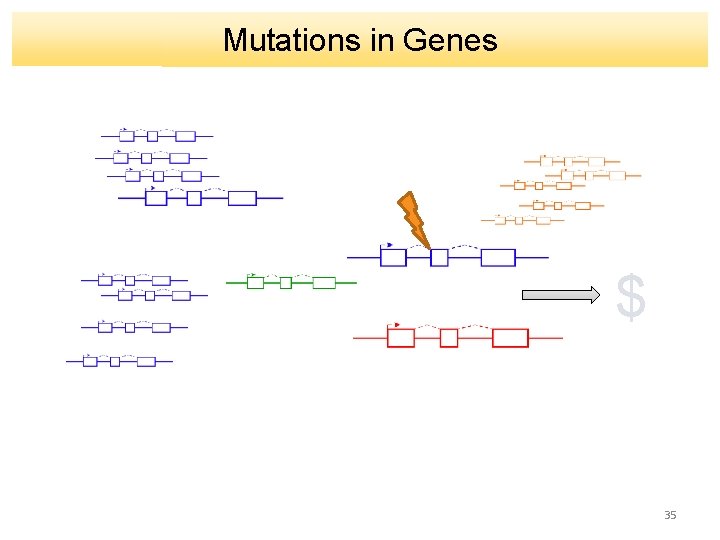
Mutations in Genes $ 35
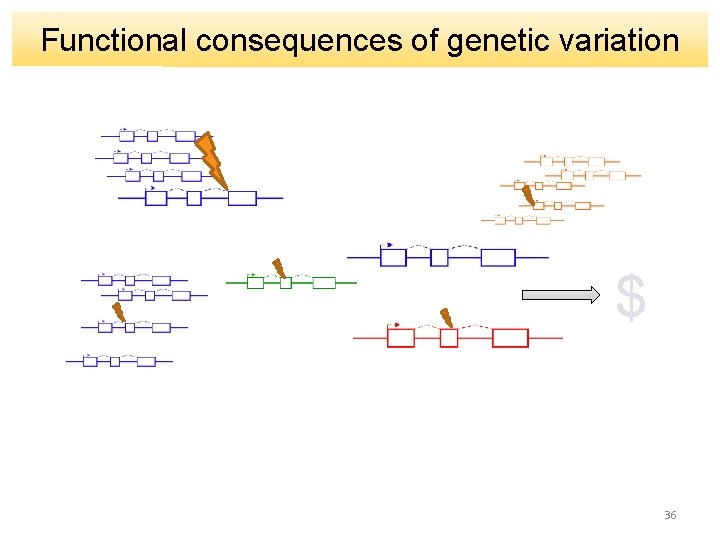
Functional consequences of genetic variation $ 36
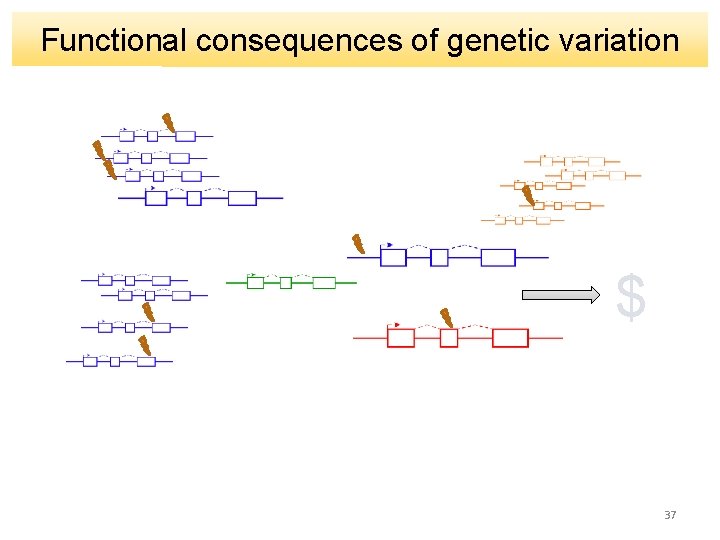
Functional consequences of genetic variation $ 37
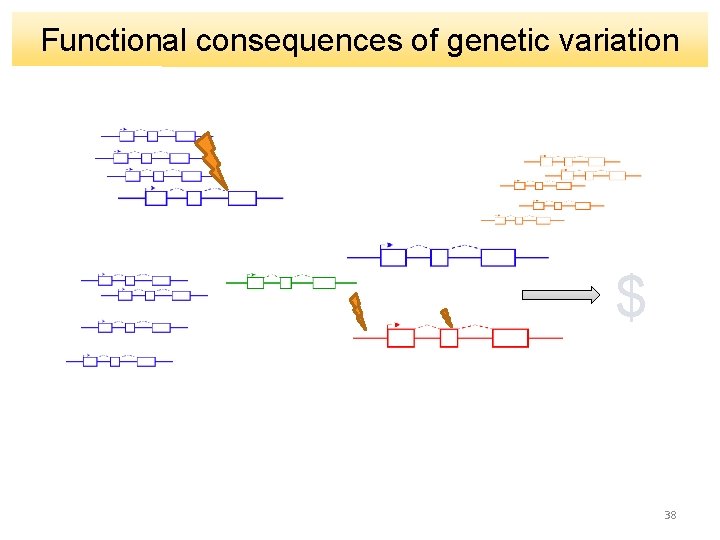
Functional consequences of genetic variation $ 38
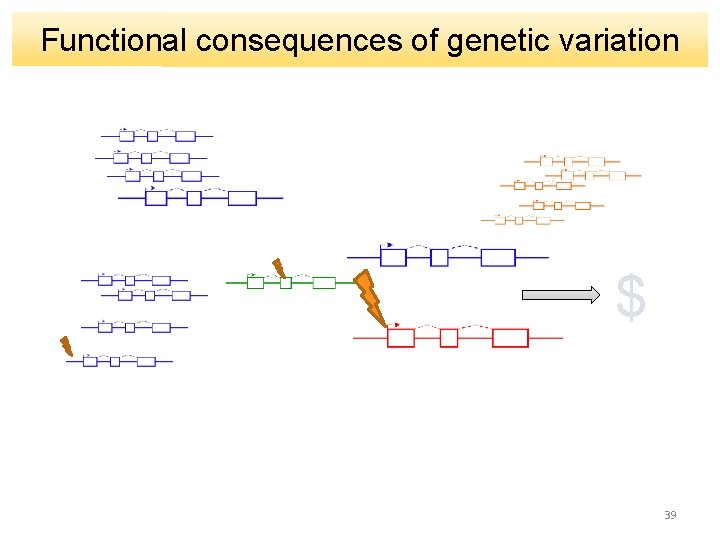
Functional consequences of genetic variation $ 39
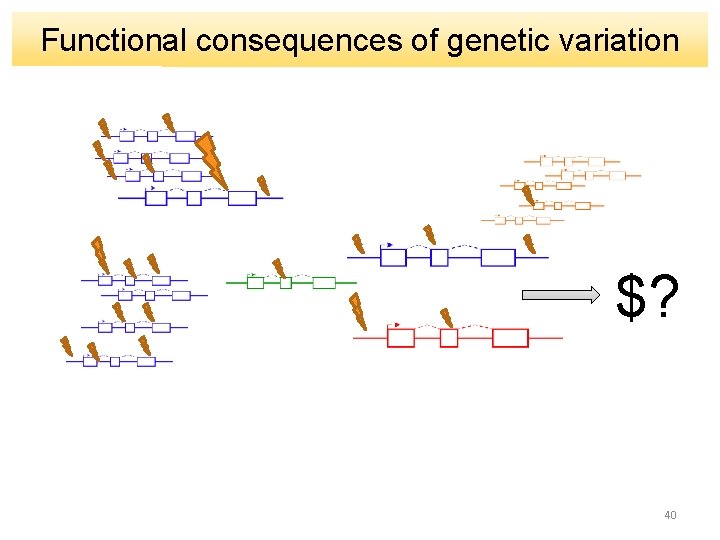
Functional consequences of genetic variation $? 40
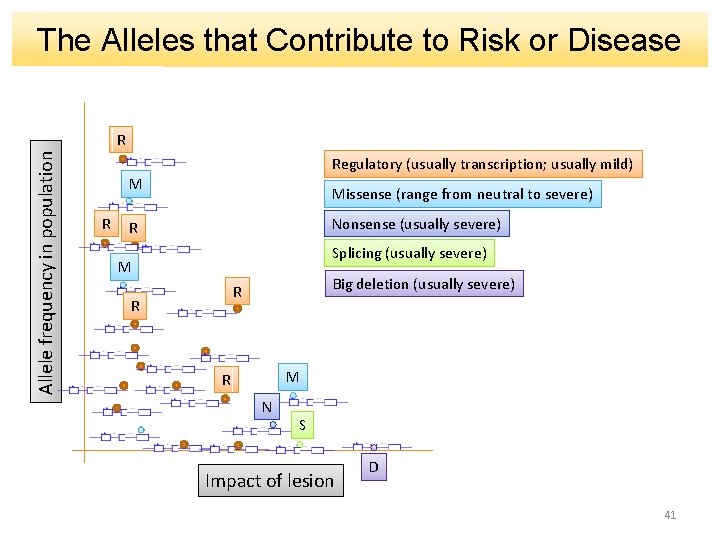
The Alleles that Contribute to Risk or Disease Allele frequency in population R Regulatory (usually transcription; usually mild) M R Missense (range from neutral to severe) Nonsense (usually severe) R Splicing (usually severe) M Big deletion (usually severe) R R M R N S Impact of lesion D 41
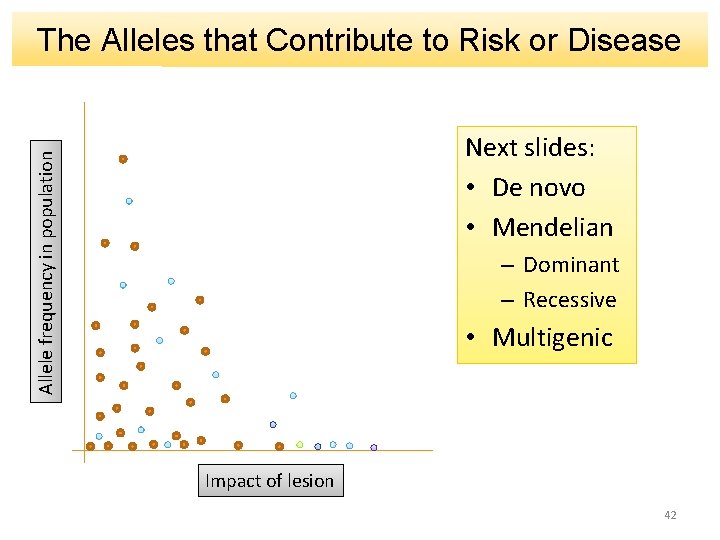
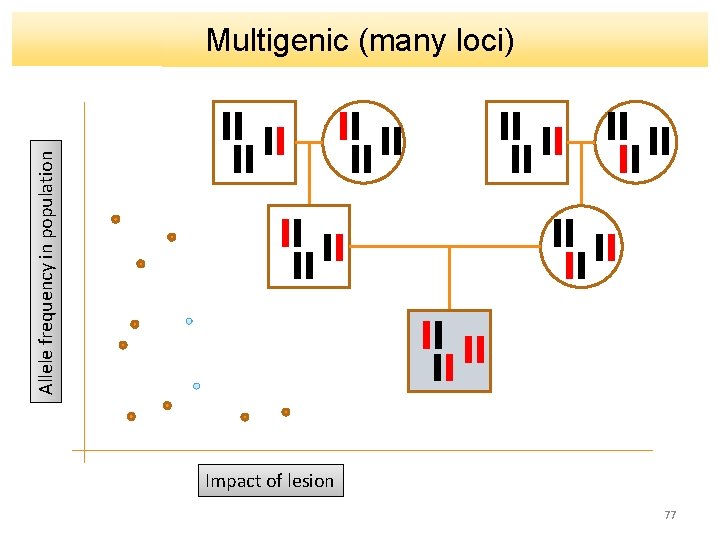
The Alleles that Contribute to Risk or Disease Allele frequency in population Next slides: • De novo • Mendelian – Dominant – Recessive • Multigenic Impact of lesion 42
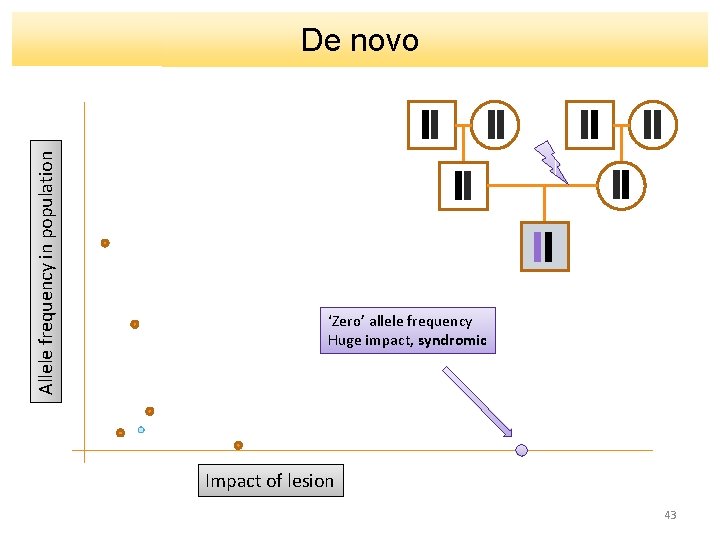
Allele frequency in population De novo ‘Zero’ allele frequency Huge impact, syndromic Impact of lesion 43
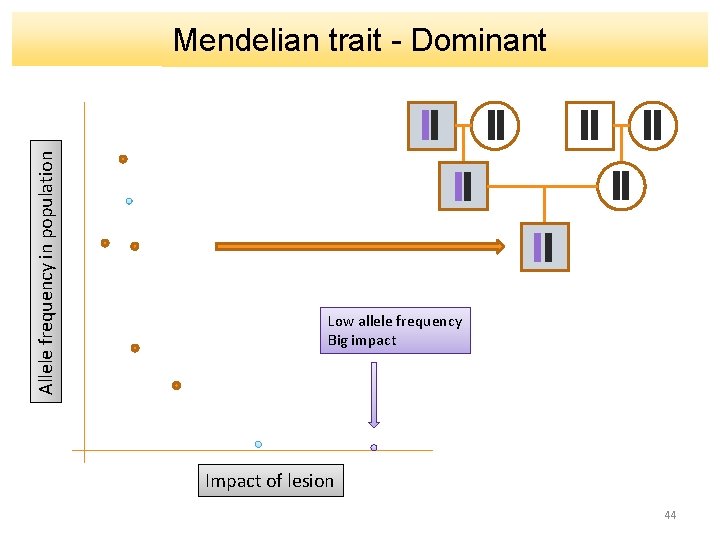
Allele frequency in population Mendelian trait - Dominant Low allele frequency Big impact Impact of lesion 44
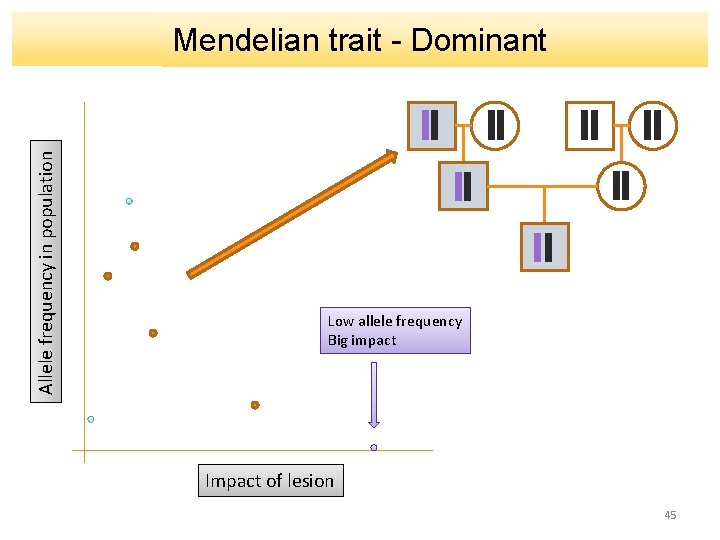
Allele frequency in population Mendelian trait - Dominant Low allele frequency Big impact Impact of lesion 45
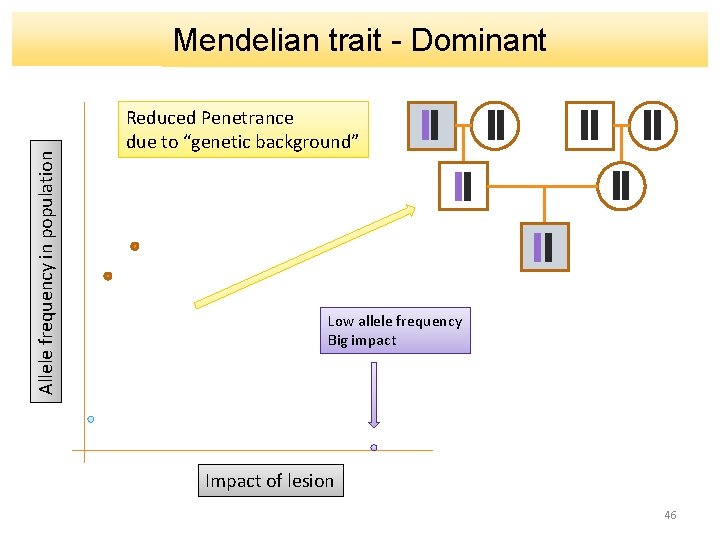
Allele frequency in population Mendelian trait - Dominant Reduced Penetrance due to “genetic background” Low allele frequency Big impact Impact of lesion 46
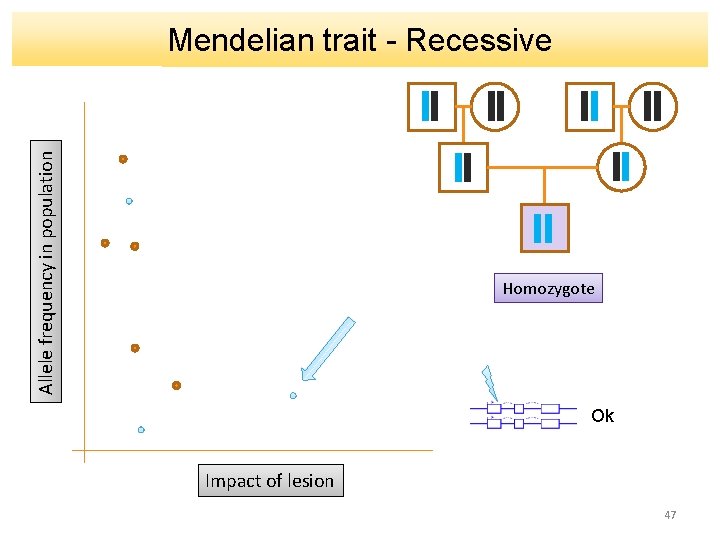
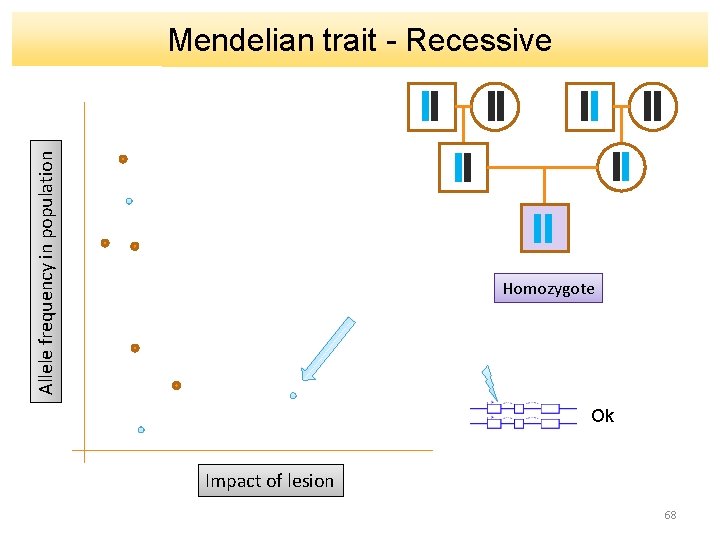
Allele frequency in population Mendelian trait - Recessive Homozygote Ok Impact of lesion 47
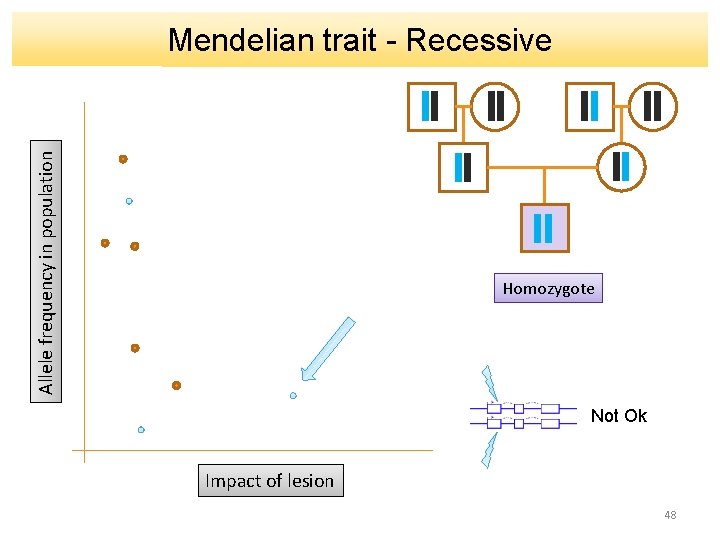
Allele frequency in population Mendelian trait - Recessive Homozygote Not Ok Impact of lesion 48
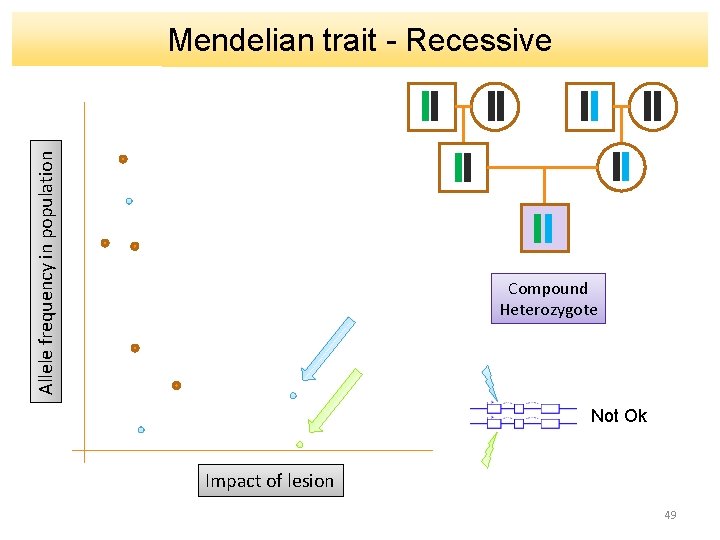
Allele frequency in population Mendelian trait - Recessive Compound Heterozygote Not Ok Impact of lesion 49
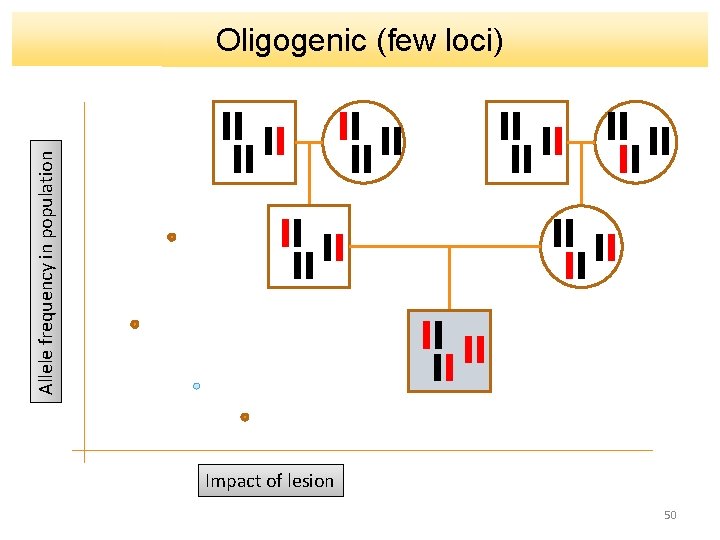
Allele frequency in population Oligogenic (few loci) Impact of lesion 50
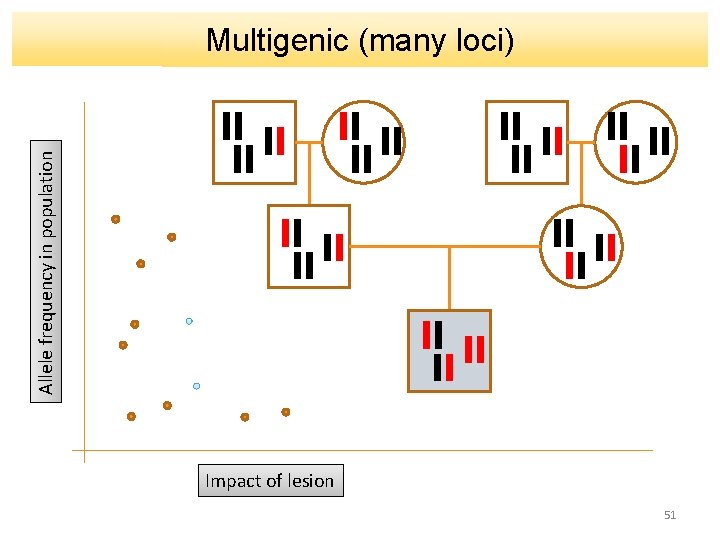
Allele frequency in population Multigenic (many loci) Impact of lesion 51
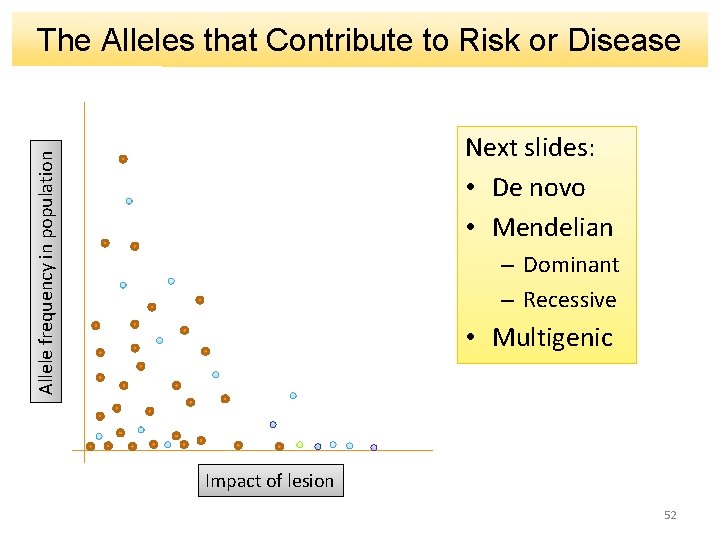
The Alleles that Contribute to Risk or Disease Allele frequency in population Next slides: • De novo • Mendelian – Dominant – Recessive • Multigenic Impact of lesion 52

CASE STUDIES 53
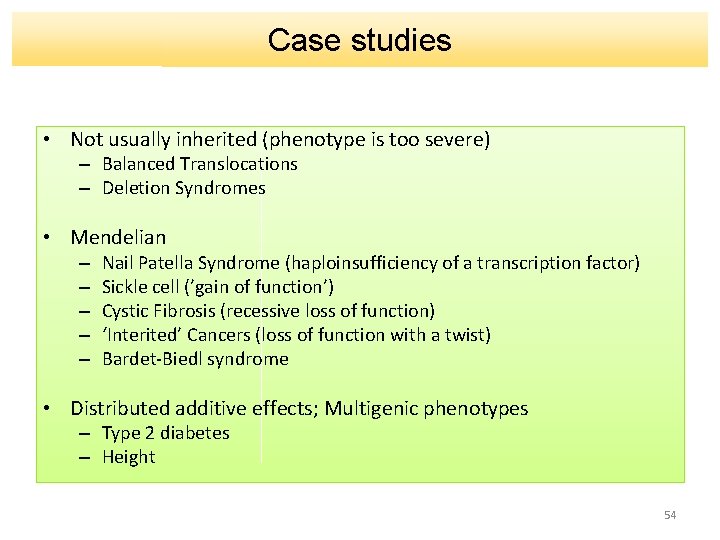
Case studies • Not usually inherited (phenotype is too severe) – Balanced Translocations – Deletion Syndromes • Mendelian – – – Nail Patella Syndrome (haploinsufficiency of a transcription factor) Sickle cell (’gain of function’) Cystic Fibrosis (recessive loss of function) ‘Interited’ Cancers (loss of function with a twist) Bardet-Biedl syndrome • Distributed additive effects; Multigenic phenotypes – Type 2 diabetes – Height 54
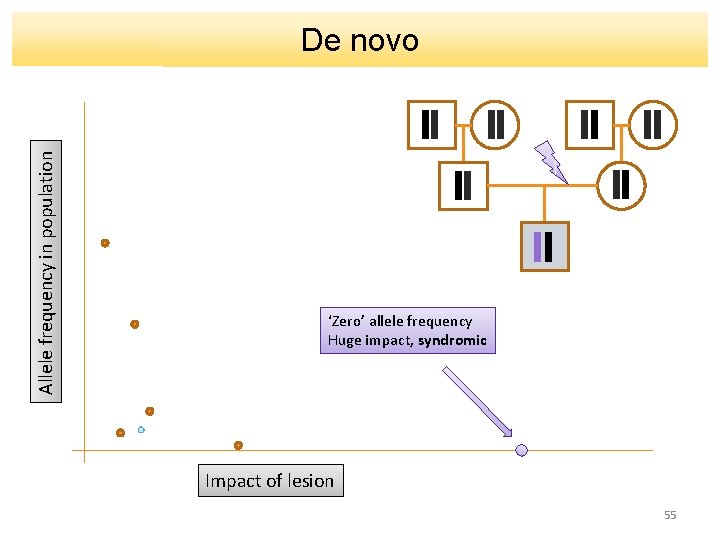
Allele frequency in population De novo ‘Zero’ allele frequency Huge impact, syndromic Impact of lesion 55
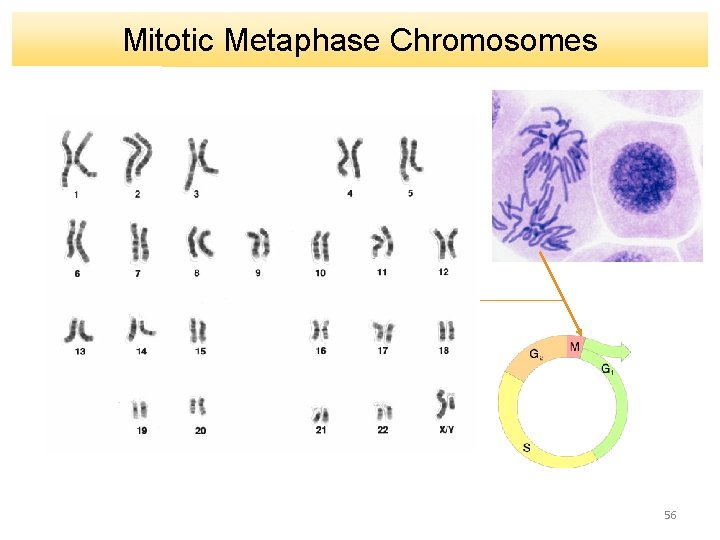
Mitotic Metaphase Chromosomes 56

Chromosome Banding 57
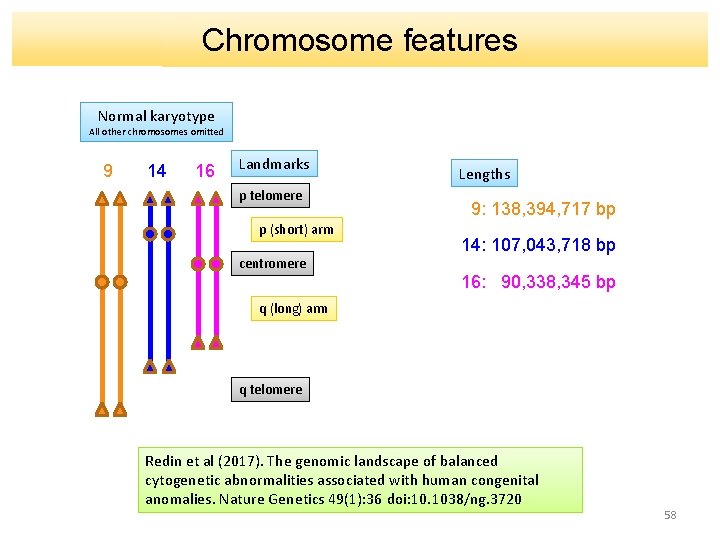
Chromosome features Normal karyotype All other chromosomes omitted 9 14 16 Landmarks p telomere p (short) arm centromere Lengths 9: 138, 394, 717 bp 14: 107, 043, 718 bp 16: 90, 338, 345 bp q (long) arm q telomere Redin et al (2017). The genomic landscape of balanced cytogenetic abnormalities associated with human congenital anomalies. Nature Genetics 49(1): 36 doi: 10. 1038/ng. 3720 58
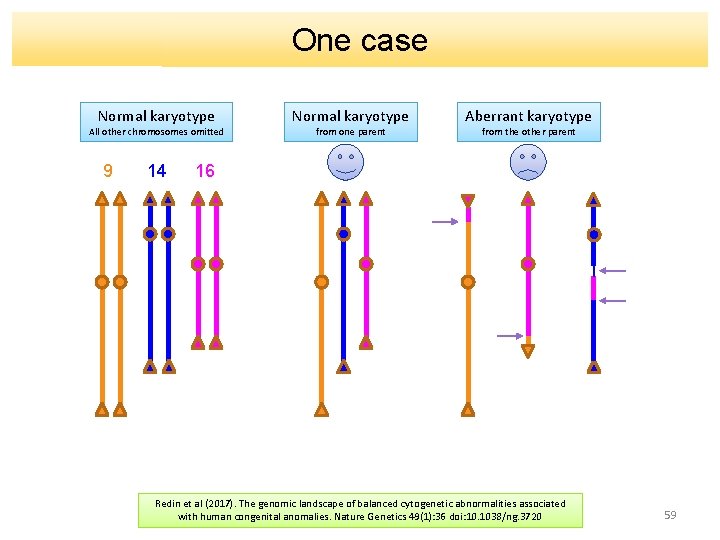
One case Normal karyotype All other chromosomes omitted 9 14 Normal karyotype from one parent Aberrant karyotype from the other parent 16 Redin et al (2017). The genomic landscape of balanced cytogenetic abnormalities associated with human congenital anomalies. Nature Genetics 49(1): 36 doi: 10. 1038/ng. 3720 59
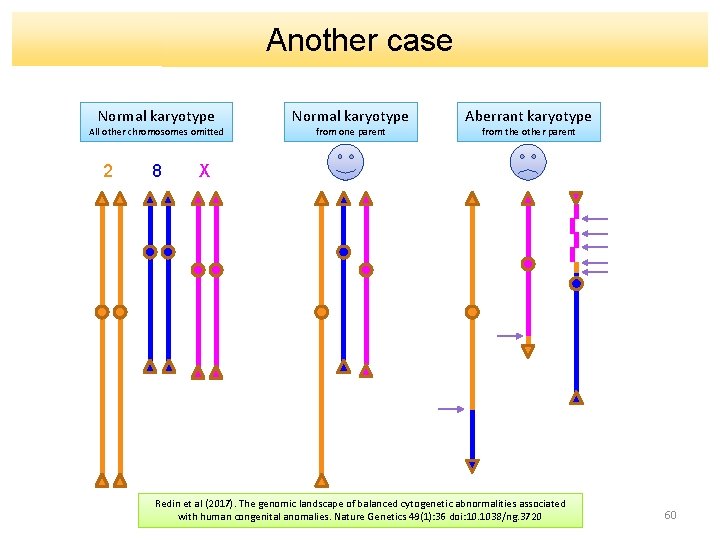
Another case Normal karyotype All other chromosomes omitted 2 8 Normal karyotype from one parent Aberrant karyotype from the other parent X Redin et al (2017). The genomic landscape of balanced cytogenetic abnormalities associated with human congenital anomalies. Nature Genetics 49(1): 36 doi: 10. 1038/ng. 3720 60
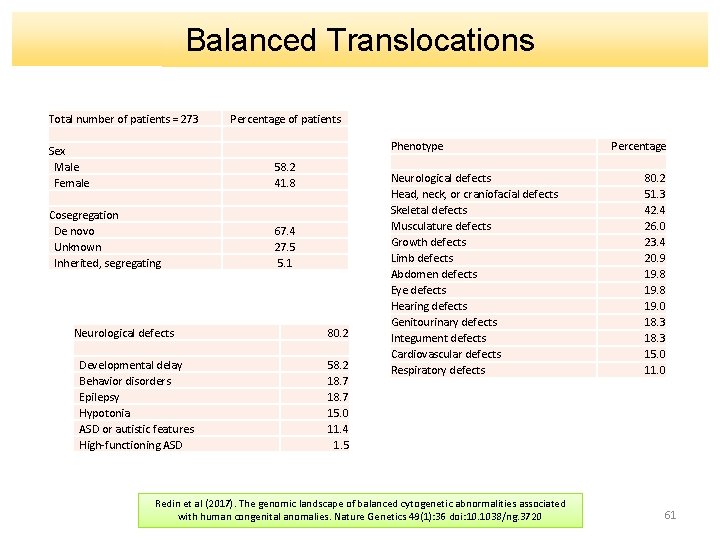
Balanced Translocations Total number of patients = 273 Percentage of patients Phenotype Sex Male Female 58. 2 41. 8 Cosegregation De novo Unknown Inherited, segregating 67. 4 27. 5 5. 1 Neurological defects Developmental delay Behavior disorders Epilepsy Hypotonia ASD or autistic features High-functioning ASD 80. 2 58. 2 18. 7 15. 0 11. 4 1. 5 Neurological defects Head, neck, or craniofacial defects Skeletal defects Musculature defects Growth defects Limb defects Abdomen defects Eye defects Hearing defects Genitourinary defects Integument defects Cardiovascular defects Respiratory defects Redin et al (2017). The genomic landscape of balanced cytogenetic abnormalities associated with human congenital anomalies. Nature Genetics 49(1): 36 doi: 10. 1038/ng. 3720 Percentage 80. 2 51. 3 42. 4 26. 0 23. 4 20. 9 19. 8 19. 0 18. 3 15. 0 11. 0 61
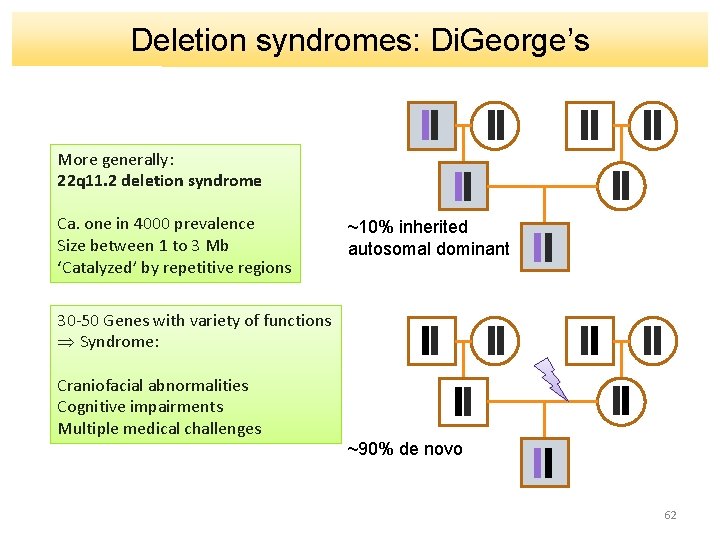
Deletion syndromes: Di. George’s More generally: 22 q 11. 2 deletion syndrome Ca. one in 4000 prevalence Size between 1 to 3 Mb ‘Catalyzed’ by repetitive regions ~10% inherited autosomal dominant 30 -50 Genes with variety of functions Þ Syndrome: Craniofacial abnormalities Cognitive impairments Multiple medical challenges ~90% de novo 62
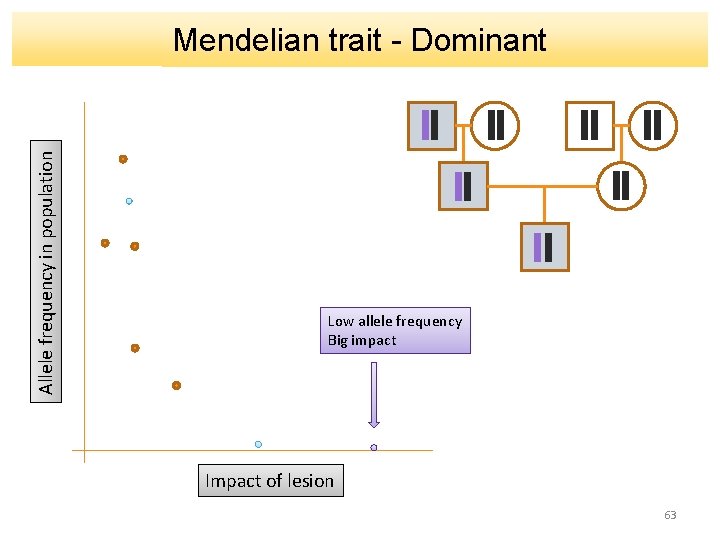
Allele frequency in population Mendelian trait - Dominant Low allele frequency Big impact Impact of lesion 63
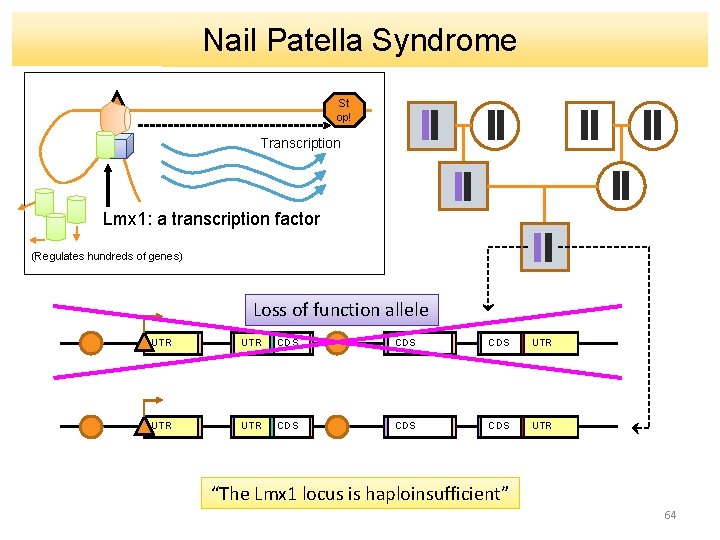
Nail Patella Syndrome St op! Transcription Lmx 1: a transcription factor (Regulates hundreds of genes) Loss of function allele UTR UTR CDS CDS CDS UTR “The Lmx 1 locus is haploinsufficient” 64
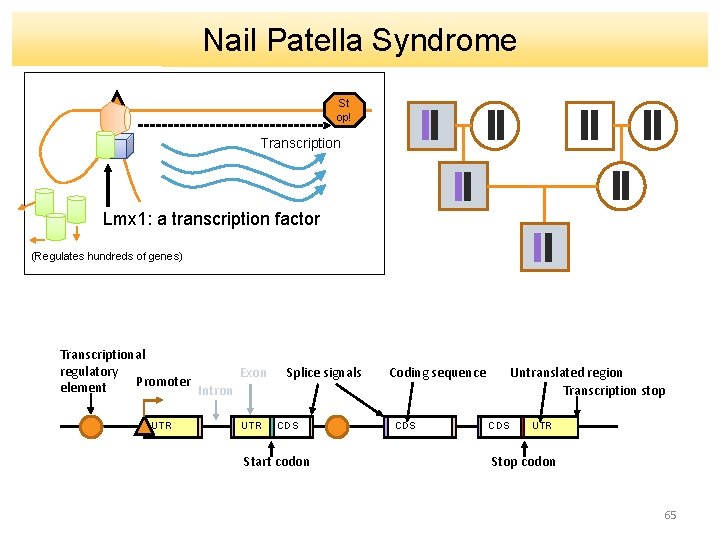
Nail Patella Syndrome St op! Transcription Lmx 1: a transcription factor (Regulates hundreds of genes) Transcriptional regulatory Exon Promoter element Intron UTR Splice signals CDS Start codon Coding sequence CDS Untranslated region Transcription stop CDS UTR Stop codon 65
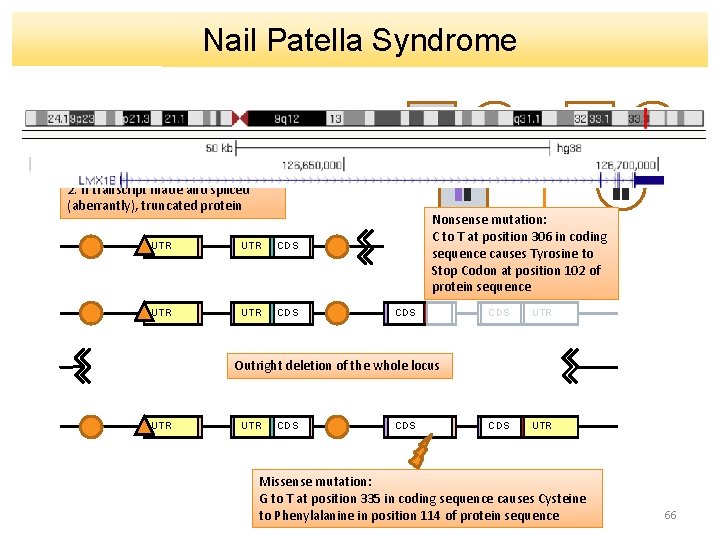
Nail Patella Syndrome Partial deletion downstream of promoter causes either: 1. Transcript degraded 2. If transcript made and spliced (aberrantly), truncated protein UTR UTR CDS Nonsense mutation: C to T at position 306 in coding sequence causes Tyrosine to Stop Codon at position 102 of protein sequence CDS UTR Outright deletion of the whole locus UTR CDS Missense mutation: G to T at position 335 in coding sequence causes Cysteine to Phenylalanine in position 114 of protein sequence 66
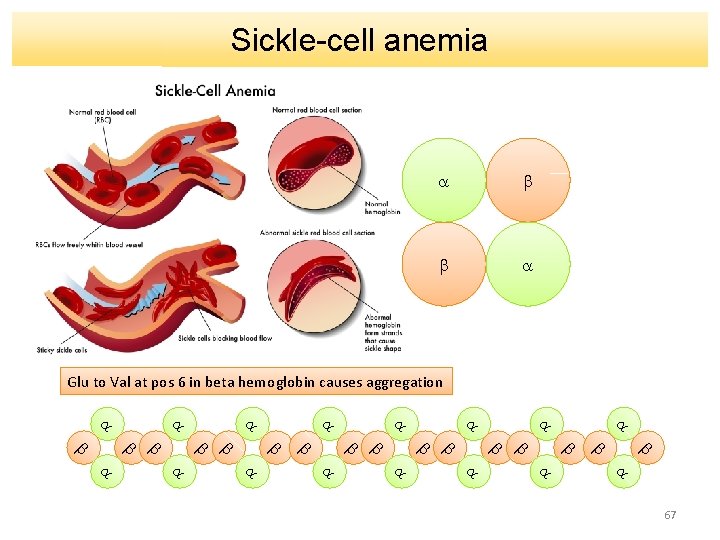
Sickle-cell anemia a b b a Glu to Val at pos 6 in beta hemoglobin causes aggregation a a a a b b b b a a a a 67
Allele frequency in population Mendelian trait - Recessive Homozygote Ok Impact of lesion 68
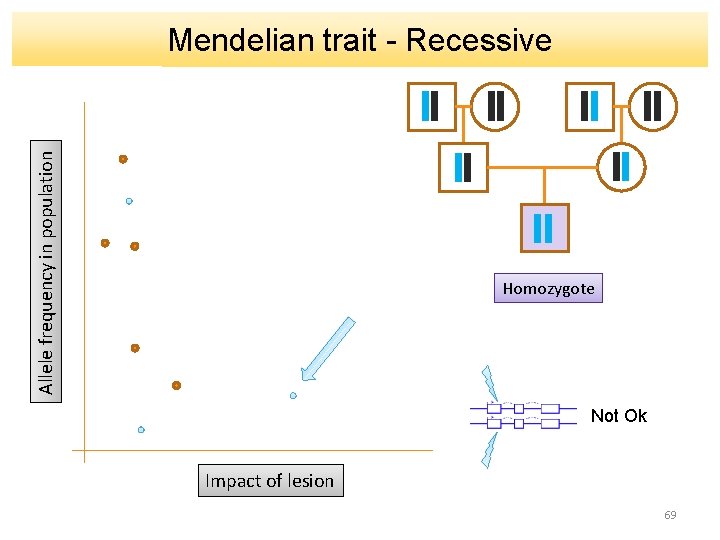
Allele frequency in population Mendelian trait - Recessive Homozygote Not Ok Impact of lesion 69
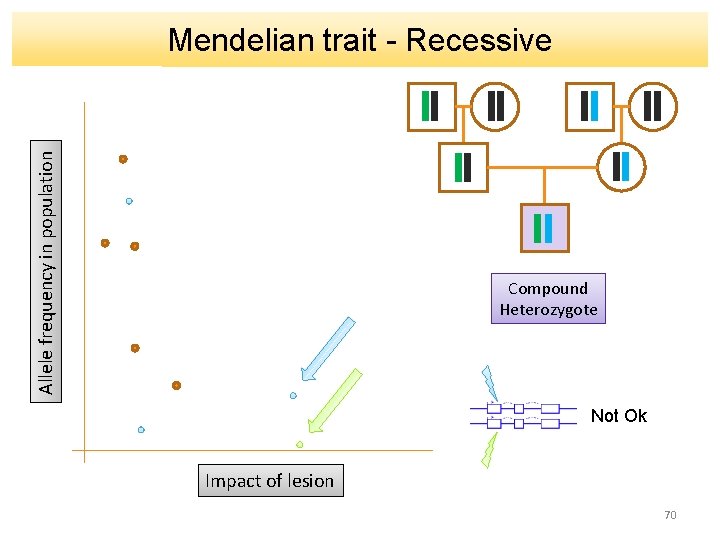
Allele frequency in population Mendelian trait - Recessive Compound Heterozygote Not Ok Impact of lesion 70
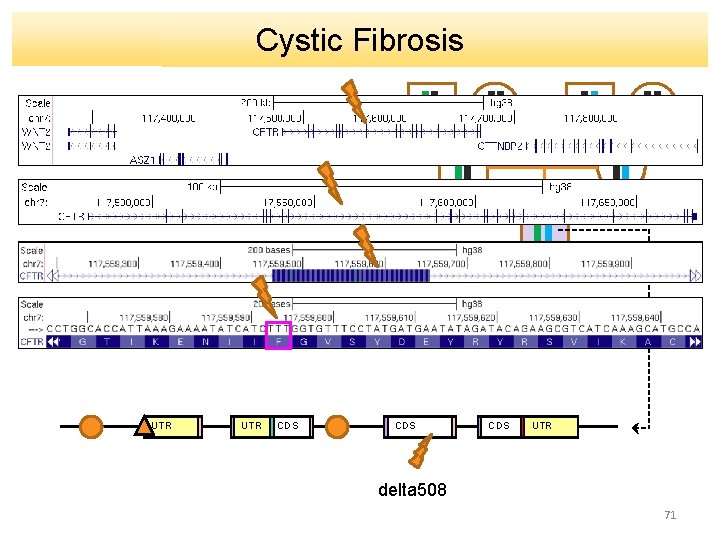
Cystic Fibrosis UTR CDS CDS UTR delta 508 71
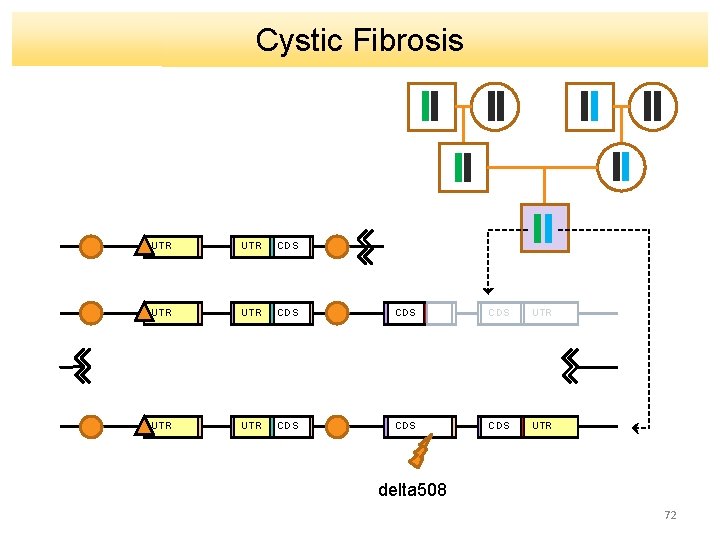
Cystic Fibrosis UTR UTR CDS CDS UTR delta 508 72
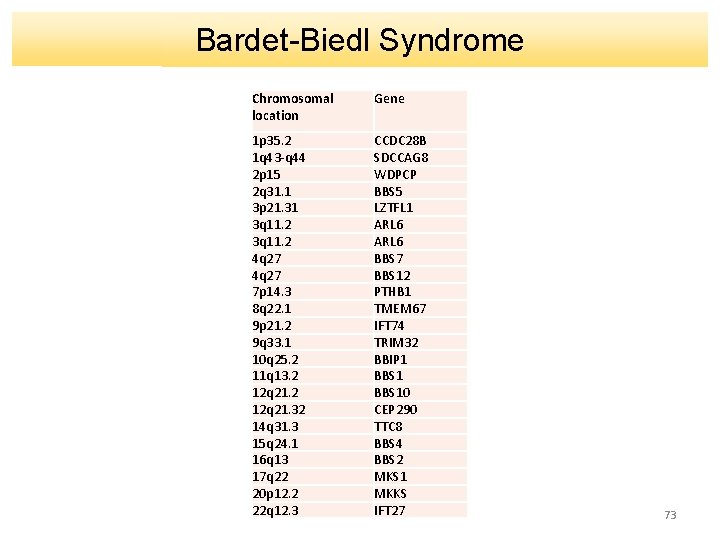
Bardet-Biedl Syndrome Chromosomal location Gene 1 p 35. 2 1 q 43 -q 44 2 p 15 2 q 31. 1 3 p 21. 31 3 q 11. 2 4 q 27 7 p 14. 3 8 q 22. 1 9 p 21. 2 9 q 33. 1 10 q 25. 2 11 q 13. 2 12 q 21. 32 14 q 31. 3 15 q 24. 1 16 q 13 17 q 22 20 p 12. 2 22 q 12. 3 CCDC 28 B SDCCAG 8 WDPCP BBS 5 LZTFL 1 ARL 6 BBS 7 BBS 12 PTHB 1 TMEM 67 IFT 74 TRIM 32 BBIP 1 BBS 10 CEP 290 TTC 8 BBS 4 BBS 2 MKS 1 MKKS IFT 27 73
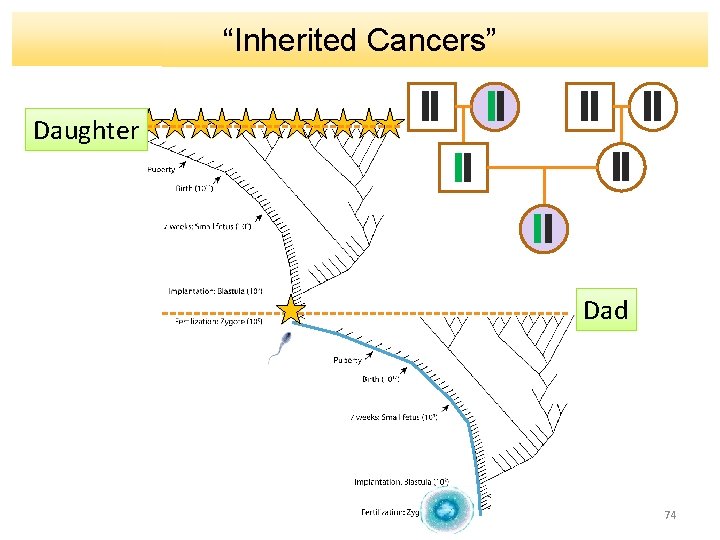
“Inherited Cancers” Daughter Dad 74
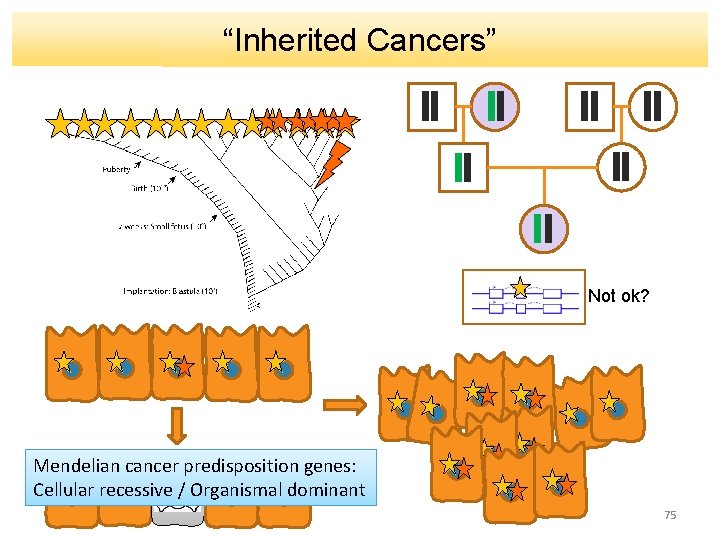
“Inherited Cancers” Not ok? Mendelian cancer predisposition genes: Cellular recessive / Organismal dominant 75
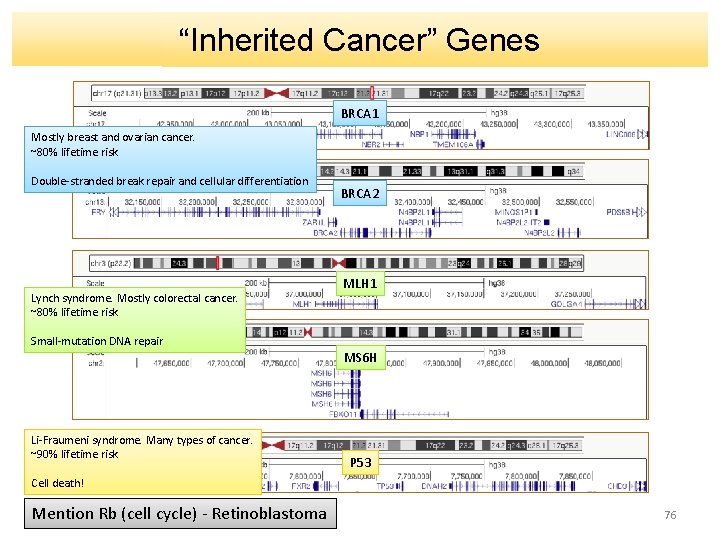
“Inherited Cancer” Genes BRCA 1 Mostly breast and ovarian cancer. ~80% lifetime risk Double-stranded break repair and cellular differentiation Lynch syndrome. Mostly colorectal cancer. ~80% lifetime risk BRCA 2 MLH 1 Small-mutation DNA repair MS 6 H Li-Fraumeni syndrome. Many types of cancer. ~90% lifetime risk P 53 Cell death! Mention Rb (cell cycle) - Retinoblastoma 76
Allele frequency in population Multigenic (many loci) Impact of lesion 77
(Genome-wide) Association Study (GWAS) 78
(Genome-wide) Association Study (GWAS) 79
(Genome-wide) Association Study (GWAS) 80
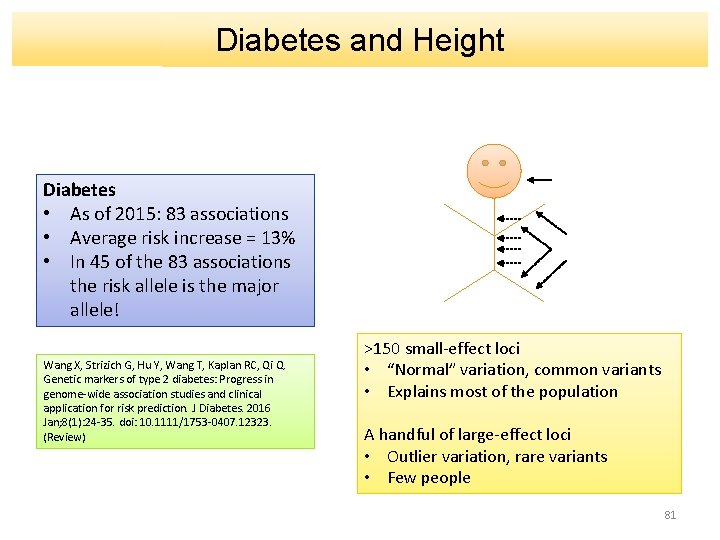
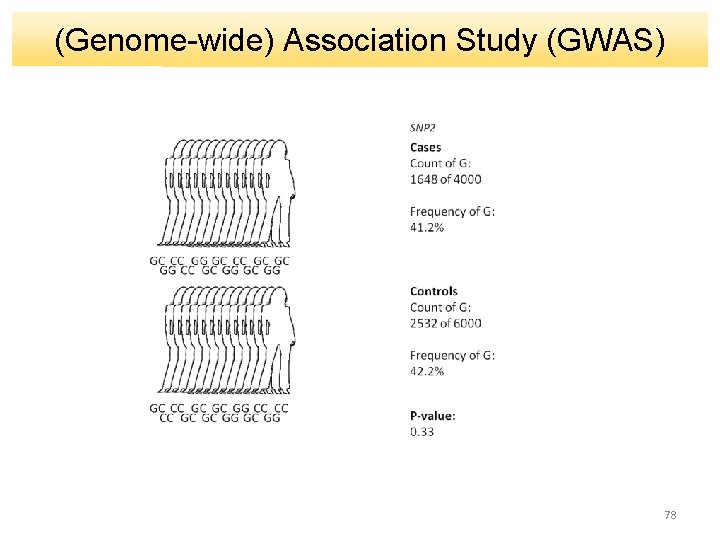
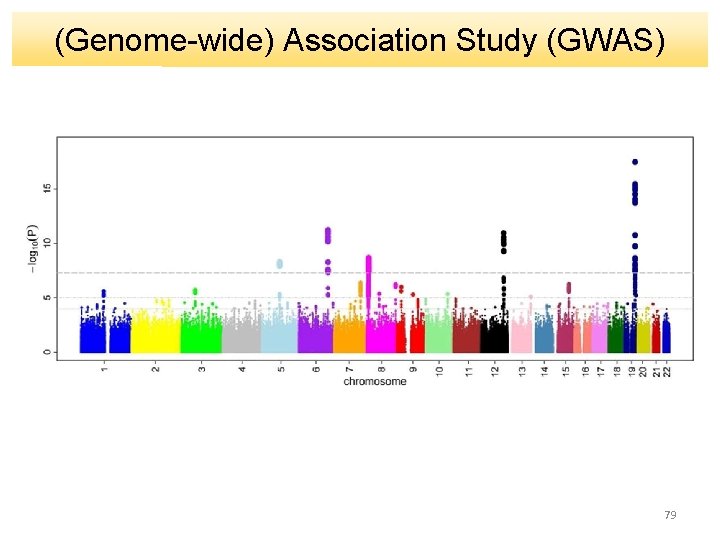
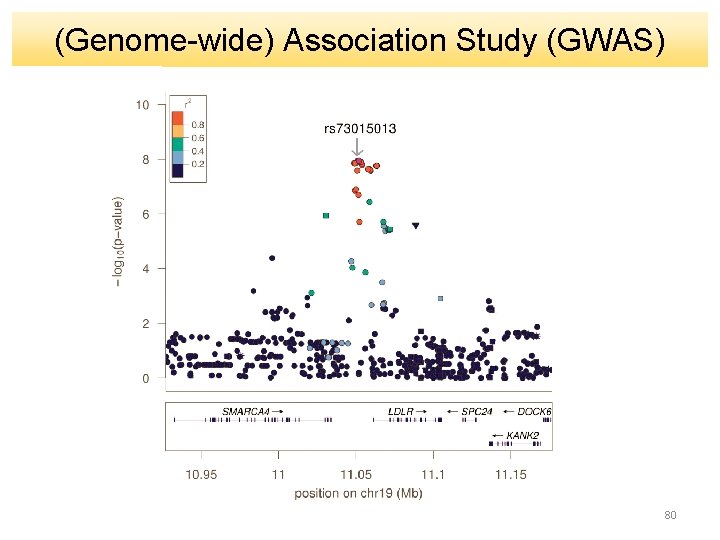
Diabetes and Height Diabetes • As of 2015: 83 associations • Average risk increase = 13% • In 45 of the 83 associations the risk allele is the major allele! Wang X, Strizich G, Hu Y, Wang T, Kaplan RC, Qi Q. Genetic markers of type 2 diabetes: Progress in genome-wide association studies and clinical application for risk prediction. J Diabetes. 2016 Jan; 8(1): 24 -35. doi: 10. 1111/1753 -0407. 12323. (Review) >150 small-effect loci • “Normal” variation, common variants • Explains most of the population A handful of large-effect loci • Outlier variation, rare variants • Few people 81
Summary: Genetic Architecture of Disease • High-impact variation is strongly selected against and therefore rare – Most extreme, syndromic, phenotypes are due to de novo changes with massive impact (e. g. , translocations or big deletions) – High-impact alleles of single loci usually cause recessive or dominant disease, depending on the affected system • Lower-impact variation can persist in the population – May collude to cause ‘common’ diseases – Is the basis for ‘normal’ phenotypic variation 82
CANCER (SOMATIC MUTATIONS) 83
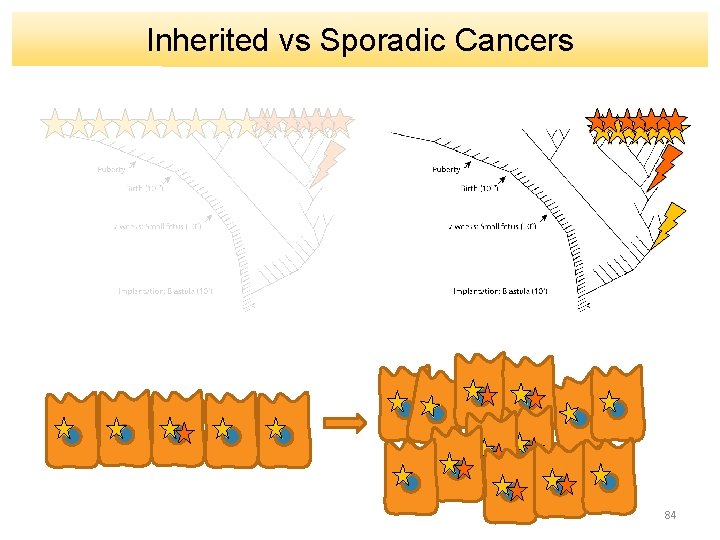
Inherited vs Sporadic Cancers 84
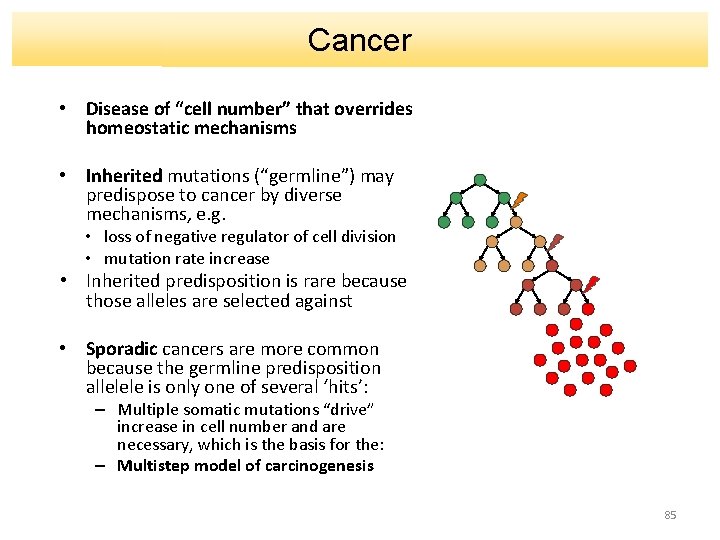
Cancer • Disease of “cell number” that overrides homeostatic mechanisms • Inherited mutations (“germline”) may predispose to cancer by diverse mechanisms, e. g. • loss of negative regulator of cell division • mutation rate increase • Inherited predisposition is rare because those alleles are selected against • Sporadic cancers are more common because the germline predisposition allelele is only one of several ‘hits’: – Multiple somatic mutations “drive” increase in cell number and are necessary, which is the basis for the: – Multistep model of carcinogenesis 85
Cancer • There are many ways to – Take the brakes off. . . – Put a brick on the accelerator. . . –. . . of cell growth and division • Each cell type has a different subset of brakes or potential accelerators • There are some that are common across many cell types and many that are highly specific 86
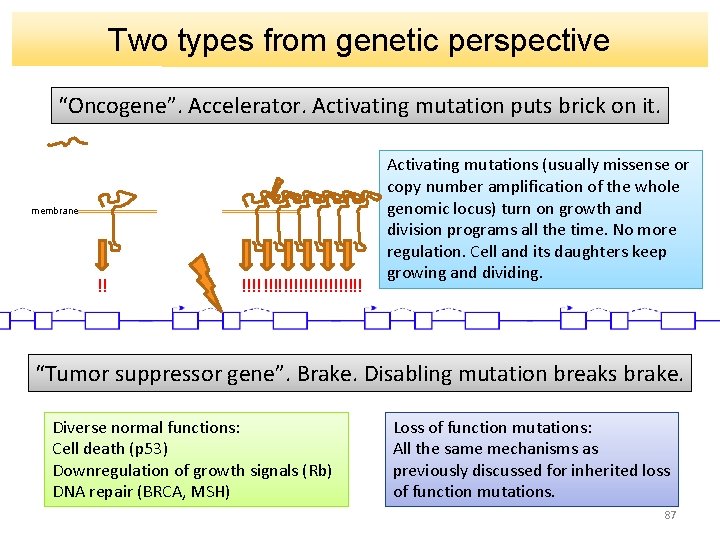
Two types from genetic perspective “Oncogene”. Accelerator. Activating mutation puts brick on it. membrane !! !!!!!!!!!!! Activating mutations (usually missense or copy number amplification of the whole genomic locus) turn on growth and division programs all the time. No more regulation. Cell and its daughters keep growing and dividing. “Tumor suppressor gene”. Brake. Disabling mutation breaks brake. Diverse normal functions: Cell death (p 53) Downregulation of growth signals (Rb) DNA repair (BRCA, MSH) Loss of function mutations: All the same mechanisms as previously discussed for inherited loss of function mutations. 87
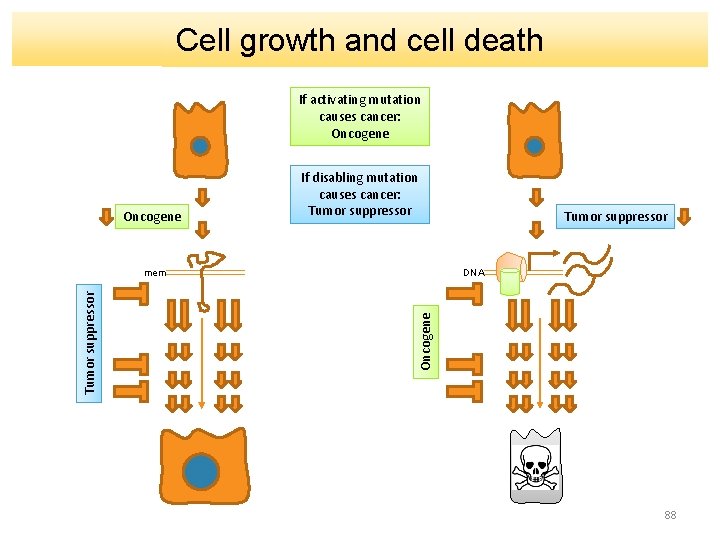
Cell growth and cell death If activating mutation causes cancer: Oncogene If disabling mutation causes cancer: Tumor suppressor DNA Oncogene Tumor suppressor mem Tumor suppressor 88
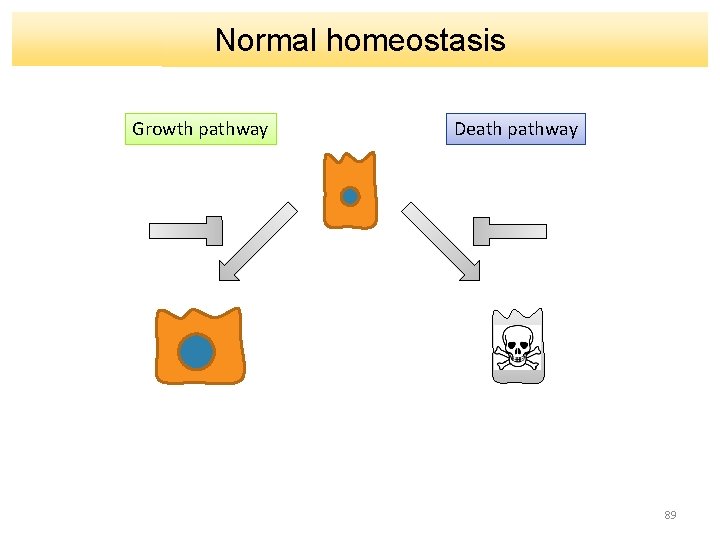
Normal homeostasis Growth pathway Death pathway 89
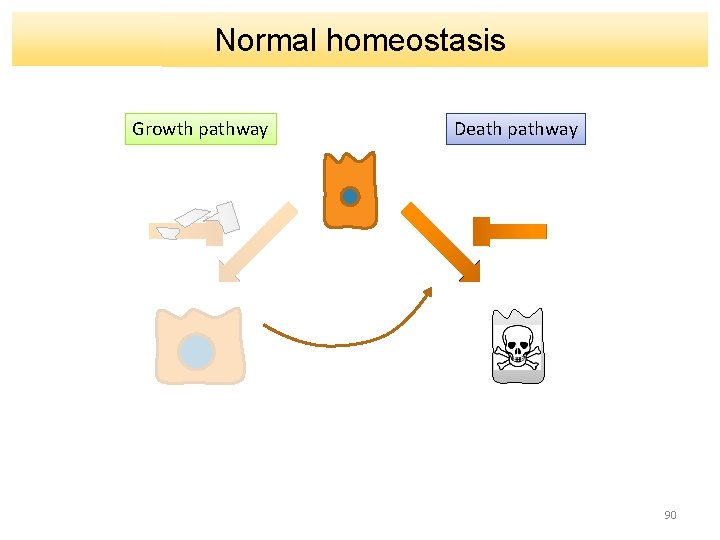
Normal homeostasis Growth pathway Death pathway 90
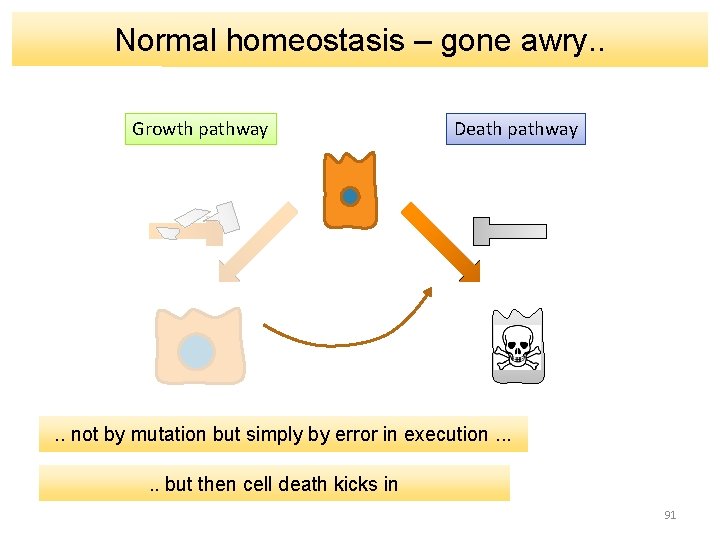
Normal homeostasis – gone awry. . Growth pathway Death pathway . . not by mutation but simply by error in execution. . . but then cell death kicks in 91
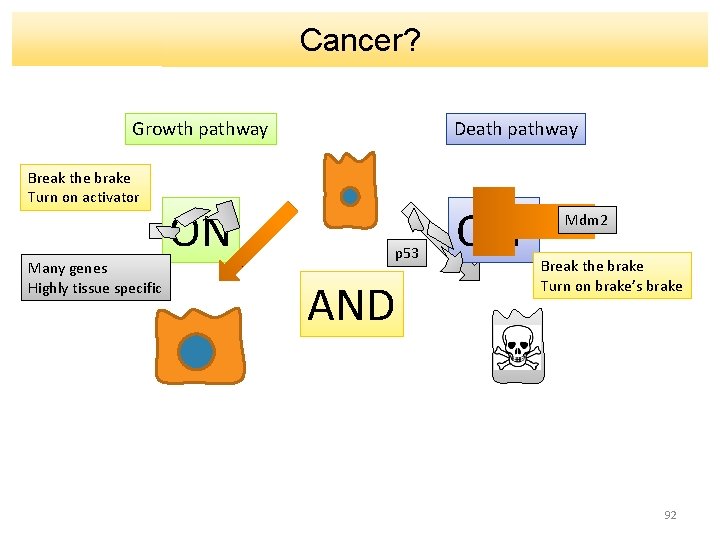
Cancer? Growth pathway Break the brake Turn on activator Many genes Highly tissue specific ON Death pathway p 53 AND OFF Mdm 2 Break the brake Turn on brake’s brake 92
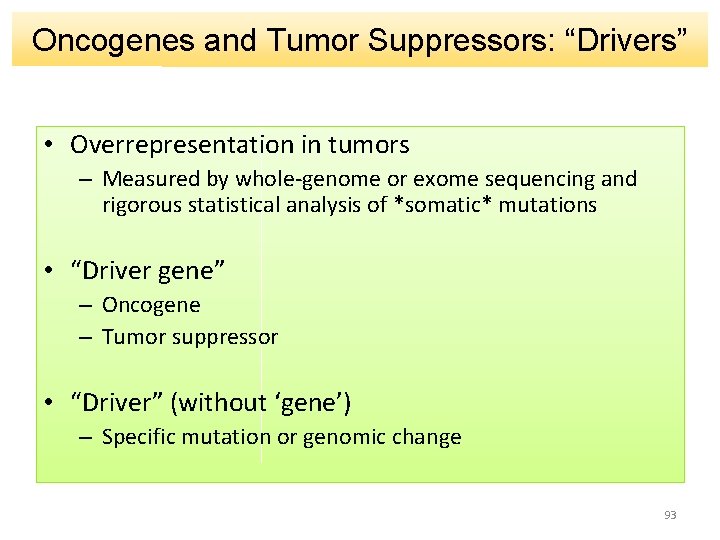
Oncogenes and Tumor Suppressors: “Drivers” • Overrepresentation in tumors – Measured by whole-genome or exome sequencing and rigorous statistical analysis of *somatic* mutations • “Driver gene” – Oncogene – Tumor suppressor • “Driver” (without ‘gene’) – Specific mutation or genomic change 93
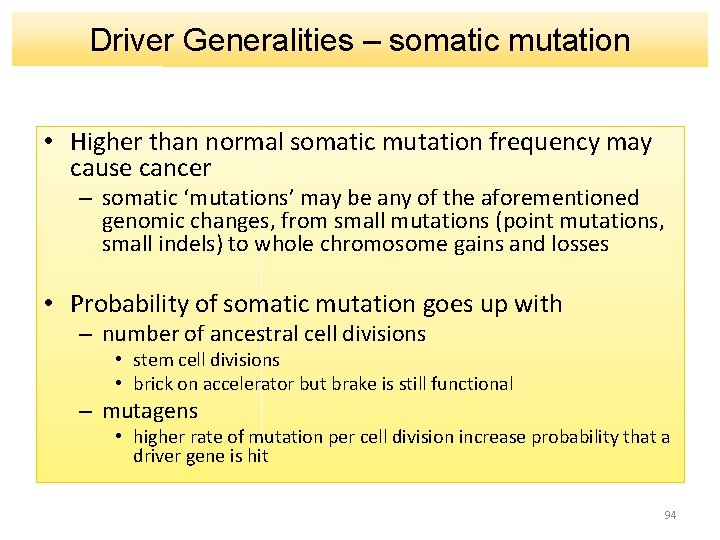
Driver Generalities – somatic mutation • Higher than normal somatic mutation frequency may cause cancer – somatic ‘mutations’ may be any of the aforementioned genomic changes, from small mutations (point mutations, small indels) to whole chromosome gains and losses • Probability of somatic mutation goes up with – number of ancestral cell divisions • stem cell divisions • brick on accelerator but brake is still functional – mutagens • higher rate of mutation per cell division increase probability that a driver gene is hit 94
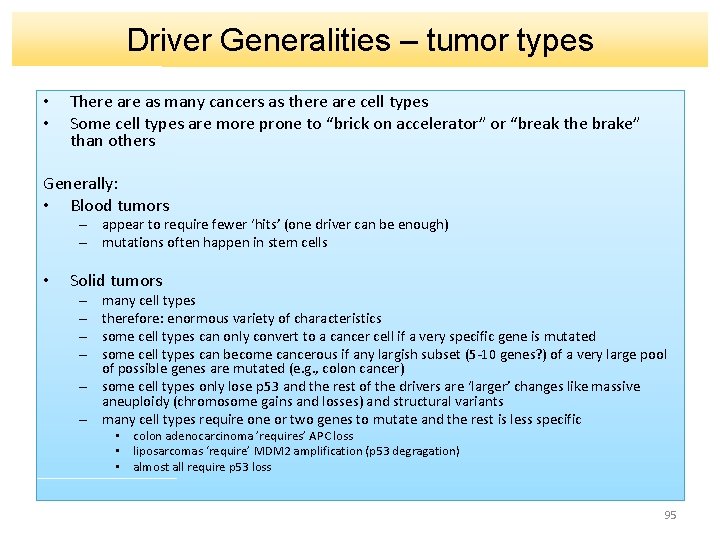
Driver Generalities – tumor types • • There as many cancers as there are cell types Some cell types are more prone to “brick on accelerator” or “break the brake” than others Generally: • Blood tumors – appear to require fewer ‘hits’ (one driver can be enough) – mutations often happen in stem cells • Solid tumors many cell types therefore: enormous variety of characteristics some cell types can only convert to a cancer cell if a very specific gene is mutated some cell types can become cancerous if any largish subset (5 -10 genes? ) of a very large pool of possible genes are mutated (e. g. , colon cancer) – some cell types only lose p 53 and the rest of the drivers are ‘larger’ changes like massive aneuploidy (chromosome gains and losses) and structural variants – many cell types require one or two genes to mutate and the rest is less specific – – • colon adenocarcinoma ’requires’ APC loss • liposarcomas ‘require’ MDM 2 amplification (p 53 degragation) • almost all require p 53 loss 95
Data from TCGA / GDAC Broad Institute “CASE” STUDIES (1) SMALL MUTATIONS 96
Colorectal carcinoma • ~80% of patients have APC loss of function mutations – APC inactivation is also one of the most common inherited predispositions – APC is a brake on an accelerator pathway • ~70% p 53 loss of function mutations • Tens of other genes disrupted (or, more rarely, activated) in 10 -20% of patients • Hundreds of other genes disrupted (or, more rarely, activated) in <10% of patients 97
Breast carcinoma • ~30% of patients have PIK 3 CA activating mutations – PIK 3 CA is a growth accelerator – PIK 3 CA mutations are very often found in nonmalignant proliferations • ~50% p 53 loss of function mutations • Couple of other genes disrupted or activated in 10 -20% of patients • Tens of other genes disrupted (or, more rarely, activated) in <10% of patients 98
Lung adenocarcinoma • ~30% of patients have KRAS activating mutations – KRAS is a growth regulator – KRAS mutations are often found in other cancers too • ~30% p 53 loss of function mutations • Couple of other genes disrupted or activated in 10 -20% of patients • Tens of other genes disrupted (or, more rarely, activated) in <10% of patients 99
Prostate adenocarcinoma • Couple of genes (including p 53) disrupted or activated in 10 -20% of patients • Tens of other genes disrupted (or, more rarely, activated) in <10% of patients • Gene fusions may be more important 100
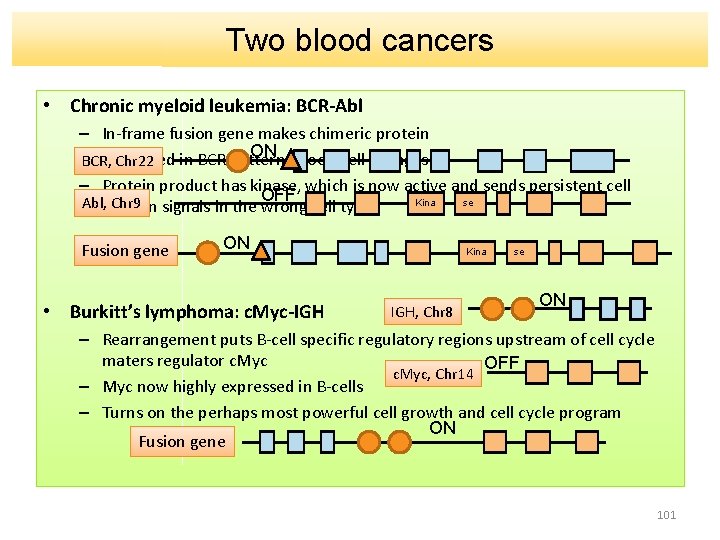
Two blood cancers • Chronic myeloid leukemia: BCR-Abl – In-frame fusion gene makes chimeric protein ON blood cell lineages –BCR, Expressed in BCR pattern: Chr 22 – Protein product has kinase, which is now active and sends persistent cell Kina se Abl, division Chr 9 signals in the OFF wrong cell type Fusion gene ON • Burkitt’s lymphoma: c. Myc-IGH Kina IGH, Chr 8 se ON – Rearrangement puts B-cell specific regulatory regions upstream of cell cycle maters regulator c. Myc OFF c. Myc, Chr 14 – Myc now highly expressed in B-cells – Turns on the perhaps most powerful cell growth and cell cycle program ON Fusion gene 101
“CASE” STUDIES (2) LARGE CHANGES 102
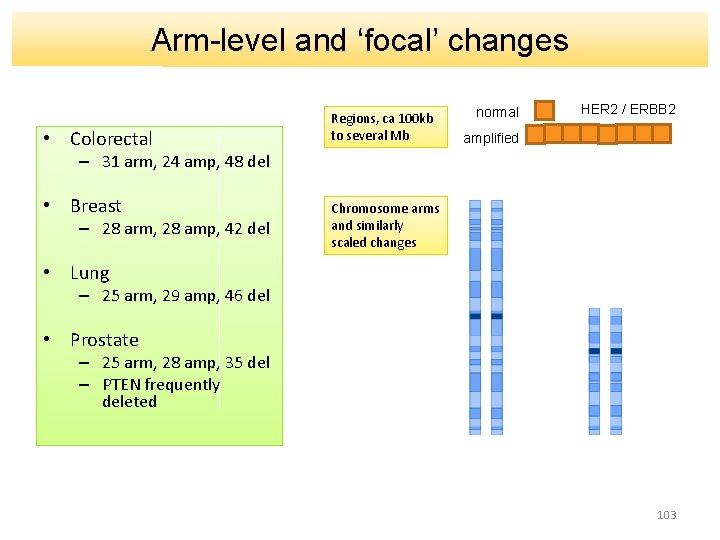
Arm-level and ‘focal’ changes • Colorectal Regions, ca 100 kb to several Mb normal HER 2 / ERBB 2 amplified – 31 arm, 24 amp, 48 del • Breast – 28 arm, 28 amp, 42 del Chromosome arms and similarly scaled changes • Lung – 25 arm, 29 amp, 46 del • Prostate – 25 arm, 28 amp, 35 del – PTEN frequently deleted 103
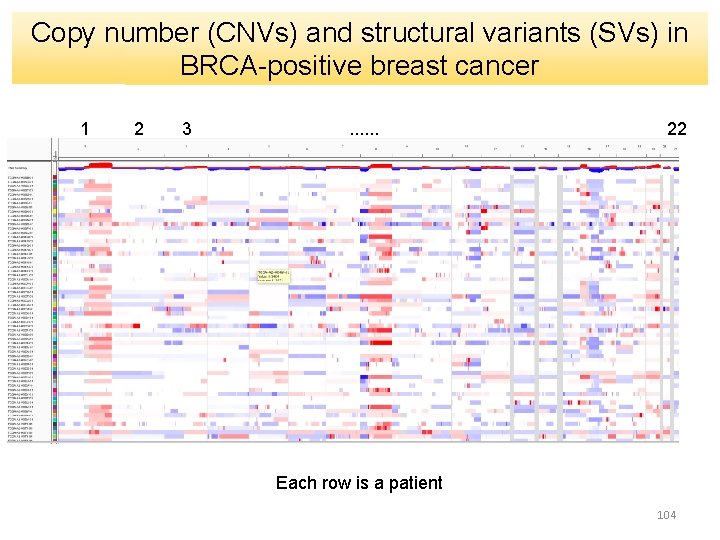
Copy number (CNVs) and structural variants (SVs) in BRCA-positive breast cancer 1 2 3 . . . 22 Each row is a patient 104
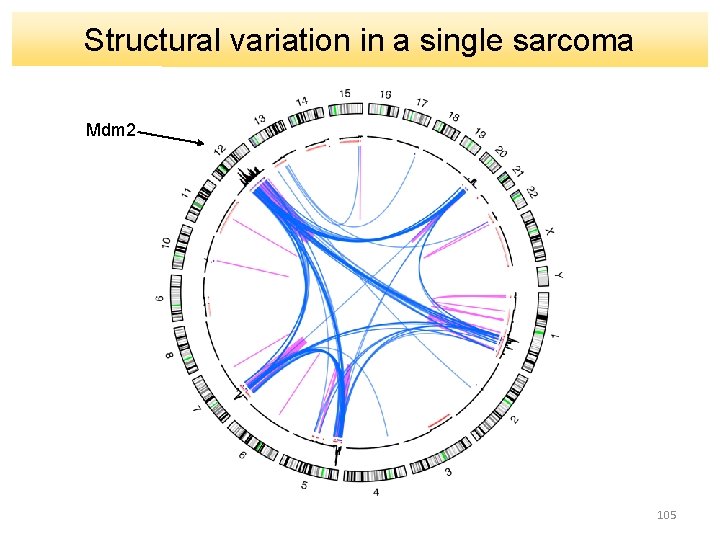
Structural variation in a single sarcoma Mdm 2 105
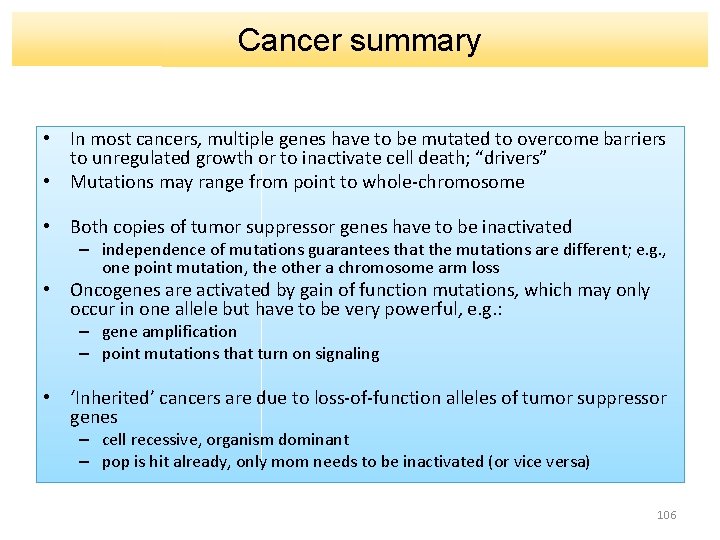
Cancer summary • In most cancers, multiple genes have to be mutated to overcome barriers to unregulated growth or to inactivate cell death; “drivers” • Mutations may range from point to whole-chromosome • Both copies of tumor suppressor genes have to be inactivated – independence of mutations guarantees that the mutations are different; e. g. , one point mutation, the other a chromosome arm loss • Oncogenes are activated by gain of function mutations, which may only occur in one allele but have to be very powerful, e. g. : – gene amplification – point mutations that turn on signaling • ‘Inherited’ cancers are due to loss-of-function alleles of tumor suppressor genes – cell recessive, organism dominant – pop is hit already, only mom needs to be inactivated (or vice versa) 106
Attributions Slide Content Link to file Attribution 19 Limb bud development https: //commons. wikimedia. org/w/index. php? curid=42013411 19 Human embryo https: //commons. wikimedia. org/w/index. php? curid=2244170 22 Cell https: //commons. wikimedia. org/w/index. php? curid=4266142 29 56 Actin-myosin interaction Mitosis Onion https: //commons. wikimedia. org/w/index. php? curid=30015038 https: //commons. wikimedia. org/w/index. php? curid=31556285 56 56 Karyotype cell cycle https: //commons. wikimedia. org/w/index. php? curid=1416628 https: //commons. wikimedia. org/w/index. php? curid=19362459 57 Cartoon karyotype https: //commons. wikimedia. org/w/index. php? curid=6446345 57 67 78 Chr 17 bands Sickle cell GWAS 2 https: //commons. wikimedia. org/w/index. php? curid=42391458 https: //commons. wikimedia. org/w/index. php? curid=45979326 https: //commons. wikimedia. org/w/index. php? curid=18062562 79 GWAS 3 https: //commons. wikimedia. org/w/index. php? curid=18056138 By Terrasigillata at English Wikipedia, CC BY-SA 3. 0, By Ed Uthman from Houston, TX, USA - 9 -Week Human Embryo from Ectopic Pregnancy, CC BY 2. 0 By Ladyof. Hats (Mariana Ruiz) - Own work using Adobe Illustrator. Image renamed from Image: Animal cell structure. svg, Public Domain, By Open. Stax https: //cnx. org/contents/FPt. K 1 zmh@8. 25: f. EI 3 C 8 Ot@10/Preface, CC BY 4. 0 By Doc. RNDr. Josef Reischig, CSc. - Author's archive, CC BY-SA 3. 0, By Courtesy: National Human Genome Research Institute - Talking Glossary of Genetics. The pdf version from this web site was used as source for this image file to obtain a better resolution than in the image embedded in the web site, Public Domain By Brat Ural - Own work, CC BY-SA 3. 0, By Mikael Häggström - References for this description (or part of this) or for the depiction in the file are not provided. , Public Domain, By National Center for Biotechnology Information, U. S. National Library of Medicine - Ideogram is by NCBI's Genome Decoration Page. Data used to describe ideogram is GRCh 38. p 2 (Genome Reference Consortium Human Build 38 patch release 2 (2014)). Raw data is available at ftp: //ftp. ncbi. nlm. nih. gov/pub/gdp/ideogram_9606_GCF_000001305. 14_550_V 1, Public Domain By Diana grib - Own work, CC BY-SA 4. 0, By Lasse Folkersen - Own work, CC BY 3. 0, By M. Kamran Ikram et al - Ikram MK et al (2010) Four Novel Loci (19 q 13, 6 q 24, 12 q 24, and 5 q 14) Influence the Microcirculation In Vivo. PLo. S Genet. 2010 Oct 28; 6(10): e 1001184. doi: 10. 1371/journal. pgen. 1001184. g 001, CC BY 2. 5, https: //commons. wikimedia. org/w/index. php? curid=18056137 By Sanna S et al - Sanna S (2011) Fine mapping of five loci associated with low-density lipoprotein cholesterol detects variants that double the explained heritability. PLo. S Genet. 2011 Jul; 7(7): e 1002198. Epub 2011 Jul 28. doi: 10. 1371/journal. pgen. 1002198, CC BY-SA 2. 5 80 GWAS 4 107
- Slides: 107