
Basic Stalling The Flight Training Manual Section 10
Basic Stalling The Flight Training Manual - Section 10
Objectives • To control the aeroplane to the point of stall, recognise the symptoms of the approaching stall, experience the stall itself, and recover with minimum altitude loss. • To control the aeroplane to the point of stall, recognise the symptoms of the approaching stall, and recover at stall onset with minimum altitude loss.
Why Learn Stalling? • To avoid the inadvertent stall – learn to recognise the symptoms of the approaching stall and apply the correct recovery technique • To become familiar with the stall as there are times when an aeroplane is operated close to the stall speed. • Every flight (should) end with a controlled approach to the stall during the approach and landing.
Principles of Flight • • • Basic Stall Configuration Lift Formula Airflow Over the Wing Coefficients of Lift and Drag At the Stall
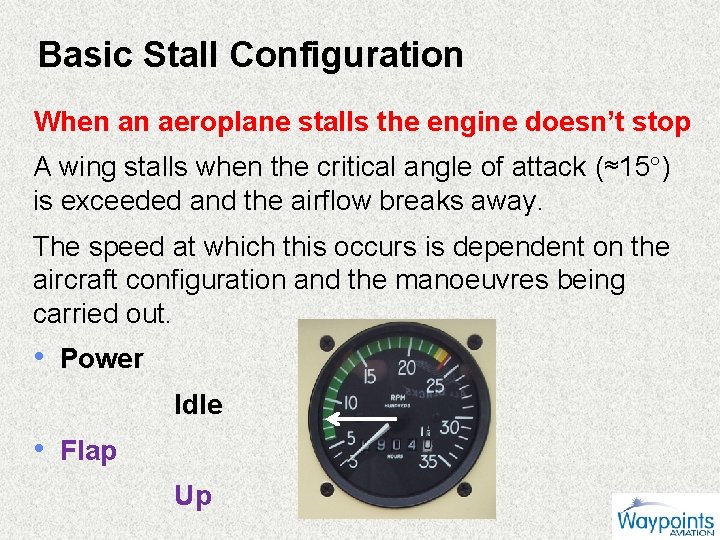
Basic Stall Configuration When an aeroplane stalls the engine doesn’t stop A wing stalls when the critical angle of attack (≈15 ) is exceeded and the airflow breaks away. The speed at which this occurs is dependent on the aircraft configuration and the manoeuvres being carried out. • Power Idle • Flap Up
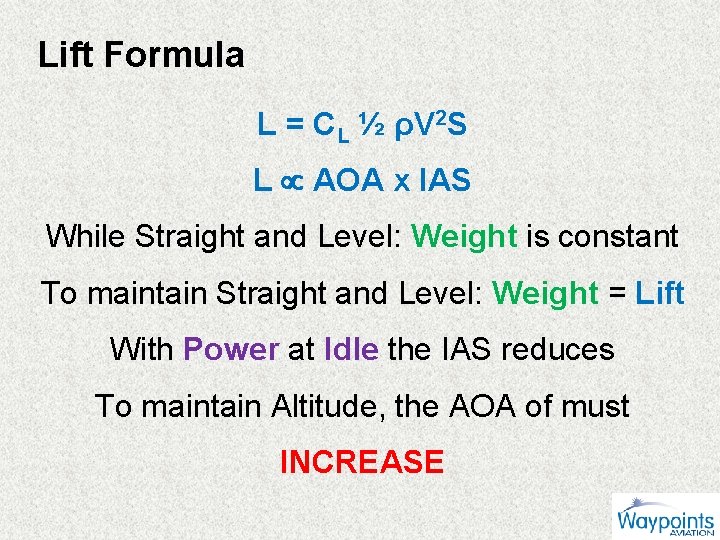
Lift Formula L = CL ½ ρV 2 S L AOA x IAS While Straight and Level: Weight is constant To maintain Straight and Level: Weight = Lift With Power at Idle the IAS reduces To maintain Altitude, the AOA of must INCREASE
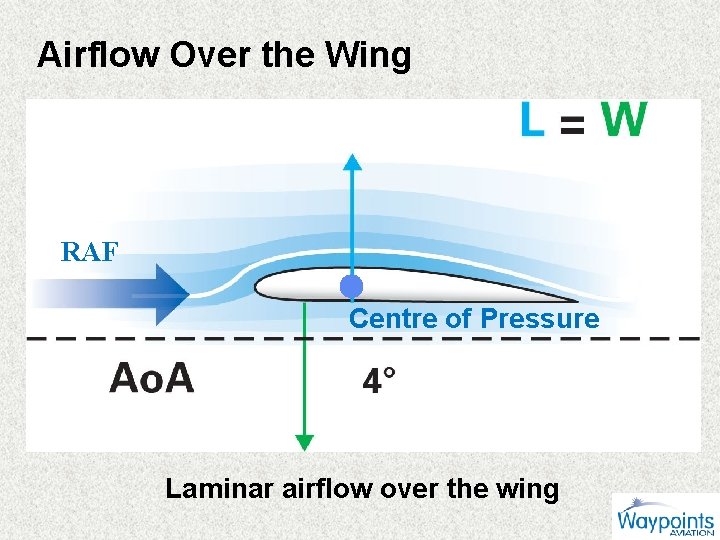
Airflow Over the Wing RAF Centre of Pressure Laminar airflow over the wing
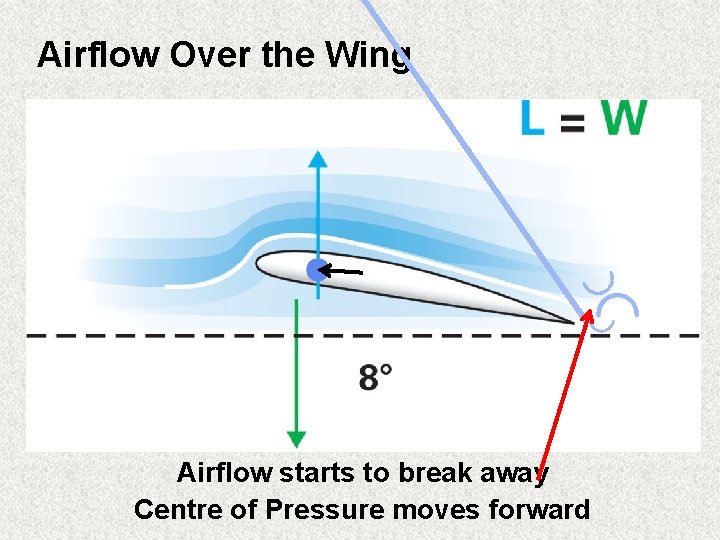
Airflow Over the Wing Airflow starts to break away Centre of Pressure moves forward
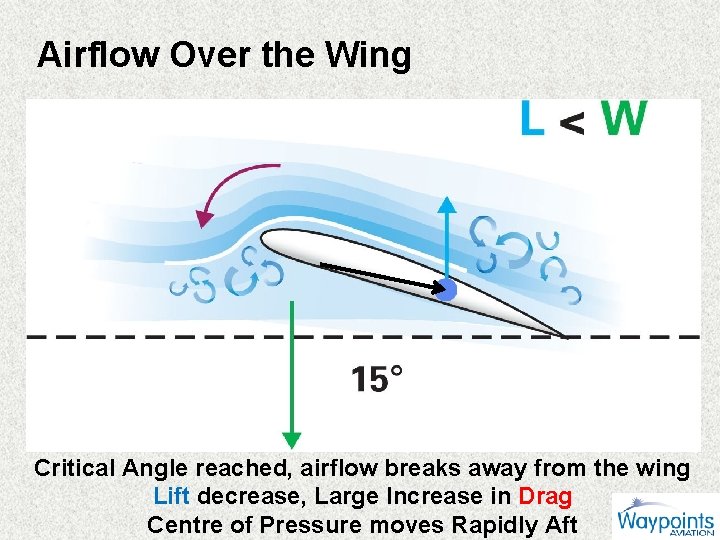
Airflow Over the Wing Critical Angle reached, airflow breaks away from the wing Lift decrease, Large Increase in Drag Centre of Pressure moves Rapidly Aft
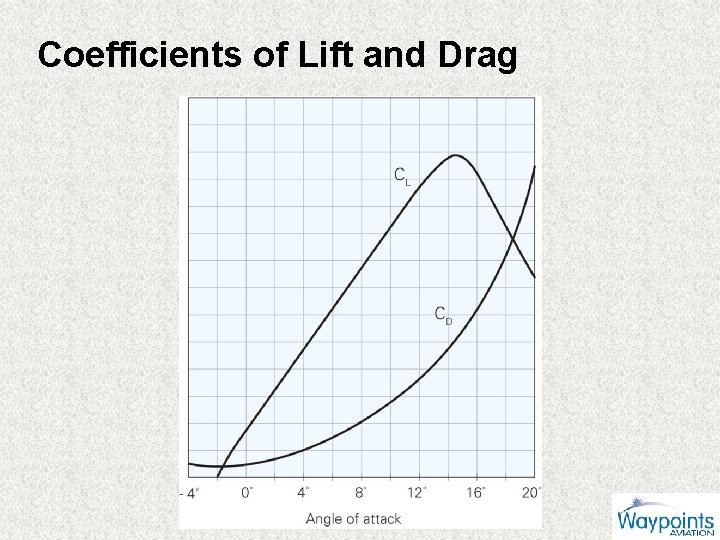
Coefficients of Lift and Drag
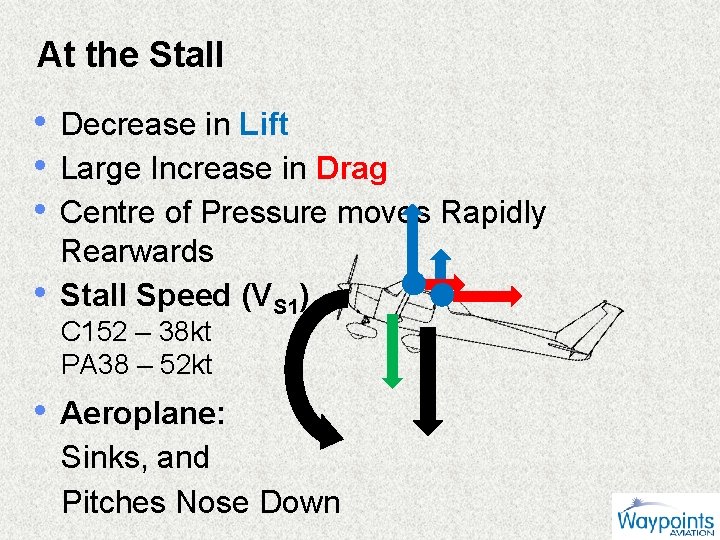
At the Stall • Decrease in Lift • Large Increase in Drag • Centre of Pressure moves Rapidly • Rearwards Stall Speed (VS 1) C 152 – 38 kt PA 38 – 52 kt • Aeroplane: Sinks, and Pitches Nose Down
Airmanship A Training Exercise Don’t carry passengers Situational Awareness Aircraft Position – training area & other traffic Aircraft Configuration and the Phase of Flight Recognise the Stall Symptoms HASELL & HELL Checks
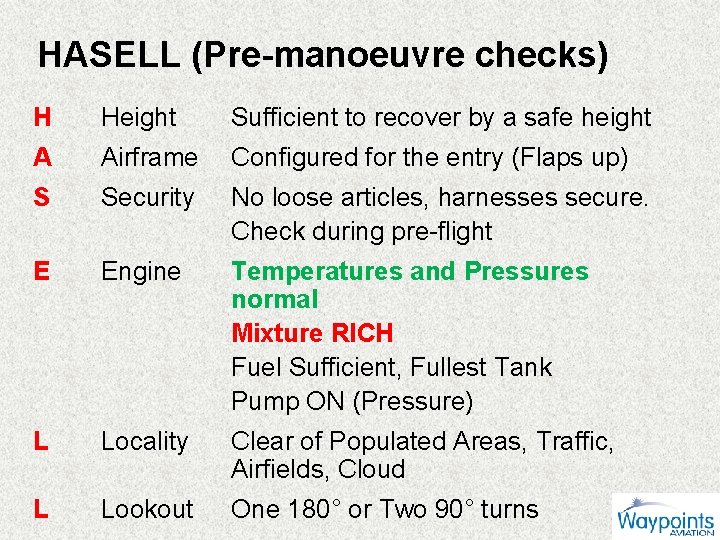
HASELL (Pre-manoeuvre checks) H Height Sufficient to recover by a safe height A Airframe Configured for the entry (Flaps up) S Security No loose articles, harnesses secure. Check during pre-flight E Engine Temperatures and Pressures normal Mixture RICH Fuel Sufficient, Fullest Tank Pump ON (Pressure) L Locality Clear of Populated Areas, Traffic, Airfields, Cloud L Lookout One 180° or Two 90° turns
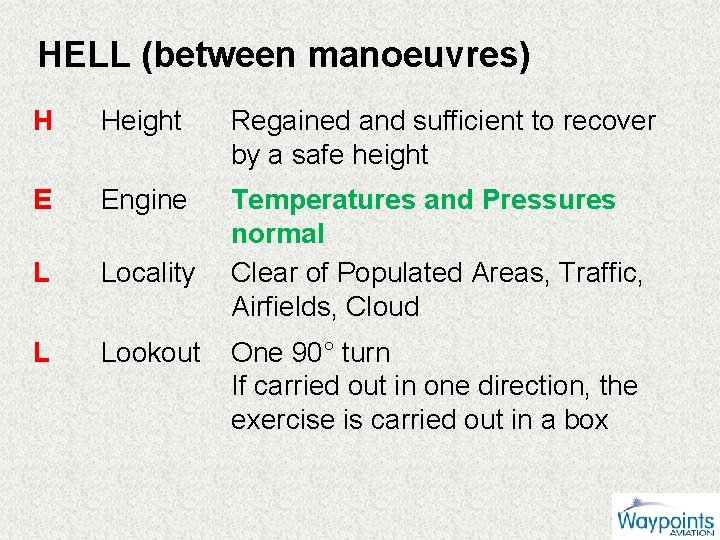
HELL (between manoeuvres) H Height Regained and sufficient to recover by a safe height E Engine L Locality Temperatures and Pressures normal Clear of Populated Areas, Traffic, Airfields, Cloud L Lookout One 90° turn If carried out in one direction, the exercise is carried out in a box
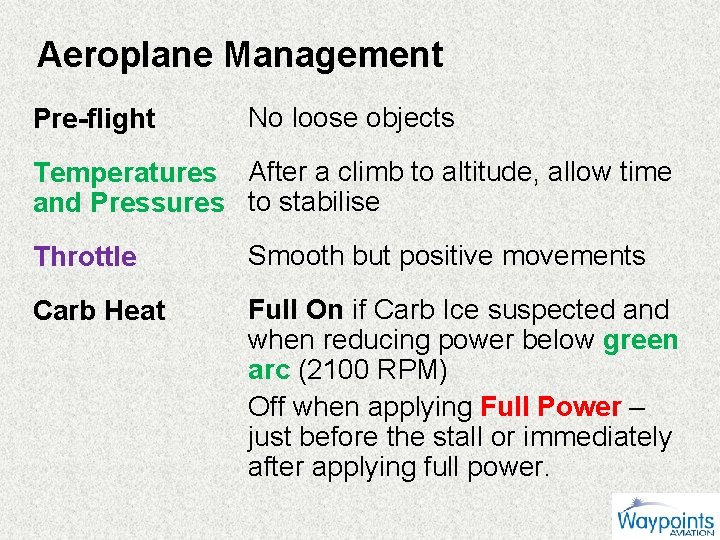
Aeroplane Management Pre-flight No loose objects Temperatures After a climb to altitude, allow time and Pressures to stabilise Throttle Smooth but positive movements Carb Heat Full On if Carb Ice suspected and when reducing power below green arc (2100 RPM) Off when applying Full Power – just before the stall or immediately after applying full power.
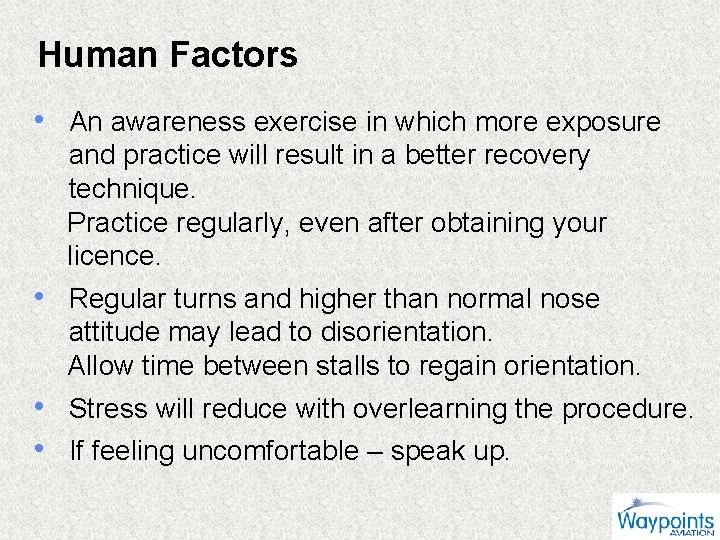
Human Factors • An awareness exercise in which more exposure and practice will result in a better recovery technique. Practice regularly, even after obtaining your licence. • Regular turns and higher than normal nose attitude may lead to disorientation. Allow time between stalls to regain orientation. • Stress will reduce with overlearning the procedure. • If feeling uncomfortable – speak up.
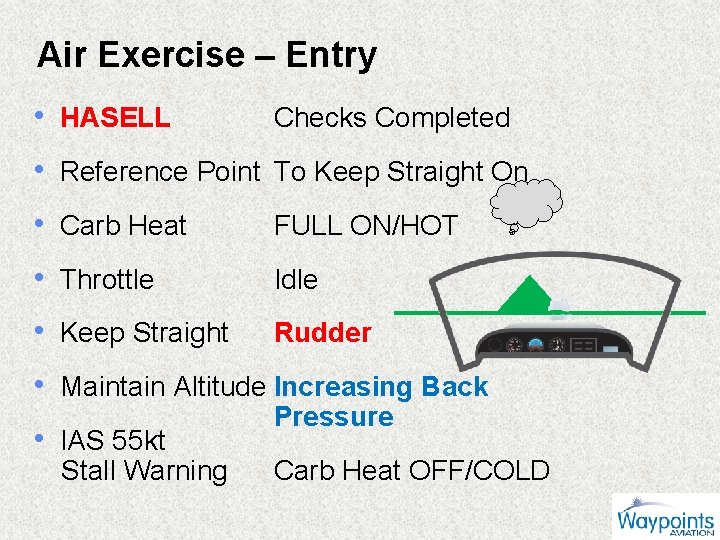
Air Exercise – Entry • HASELL Checks Completed • Reference Point To Keep Straight On • Carb Heat FULL ON/HOT • Throttle Idle • Keep Straight Rudder • Maintain Altitude Increasing Back • IAS 55 kt Stall Warning Pressure Carb Heat OFF/COLD
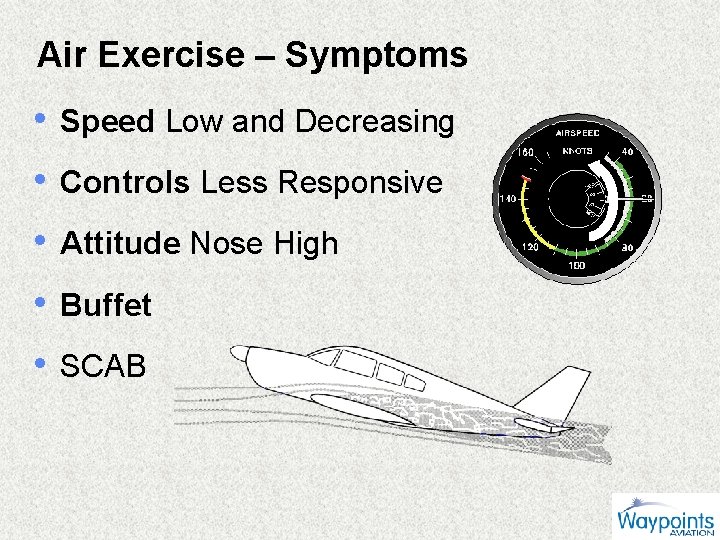
Air Exercise – Symptoms • Speed Low and Decreasing • Controls Less Responsive • Attitude Nose High • Buffet • SCAB
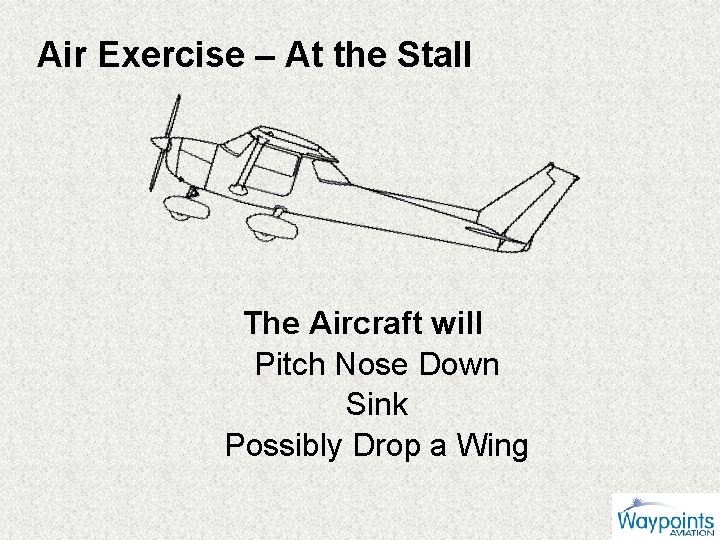
Air Exercise – At the Stall The Aircraft will Pitch Nose Down Sink Possibly Drop a Wing
Recovery – To Unstall the Wings • How? • • • Reduce the Angle of Attack below the Critical Angle Check CENTRALLY Forward with the Control Column Do Not Use Ailerons How Much? The position for Best Lift/Drag Ratio Do not push forward to dive at the ground The aeroplane will descend Recover to Straight and Level with: P Power Full A Attitude Straight and Level T Trim Hands Off Altitude loss will be about 300 feet
Recovery – To Minimise Altitude Loss Power + Attitude = Performance Unstall the Wing Reduce AOA to Best L/D Ratio Power Full Power – Balance with Rudder Raise the Nose To the Horizon (to stop the sink) Accelerate To VY (Best ROC) C 152 – 67 kt / PA 38 – 70 kt Climb to Reference Altitude at VY Regain Straight and Level Maximum Altitude Loss 100 feet Stick Power Rudder
Recovery at the Onset/Incipient Stage Recovery at the Onset or Incipient Stage: At the Stall Warning or Buffet Stick Power Rudder Stall Prevented and ideally the altitude loss 0 feet
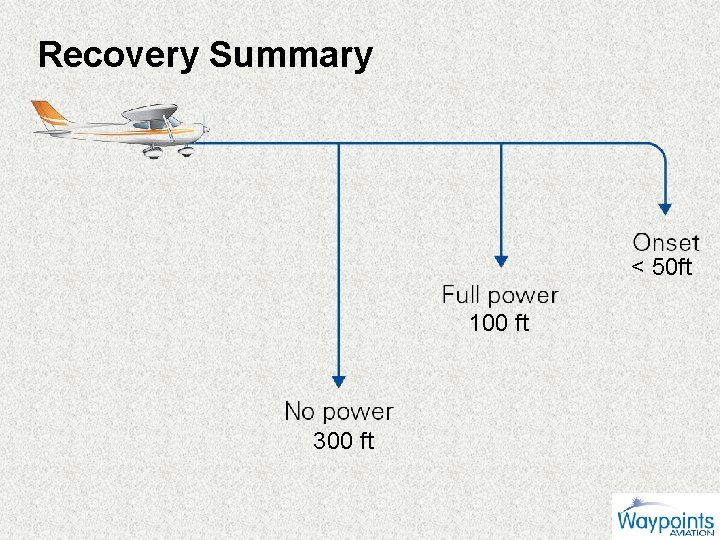
Recovery Summary < 50 ft 100 ft 300 ft
- Slides: 23