
Basic Principles Day 3 Supply and Demand Civics
Basic Principles Day 3 Supply and Demand Civics Mr. Hensley SRMHS
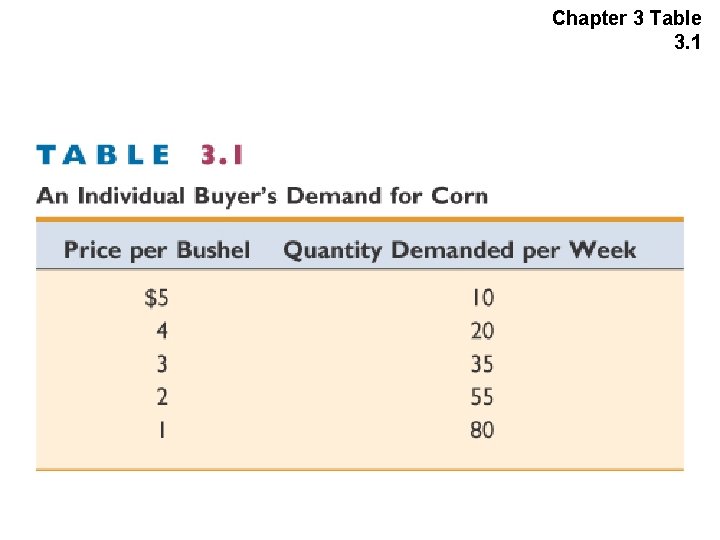
Chapter 3 Table 3. 1
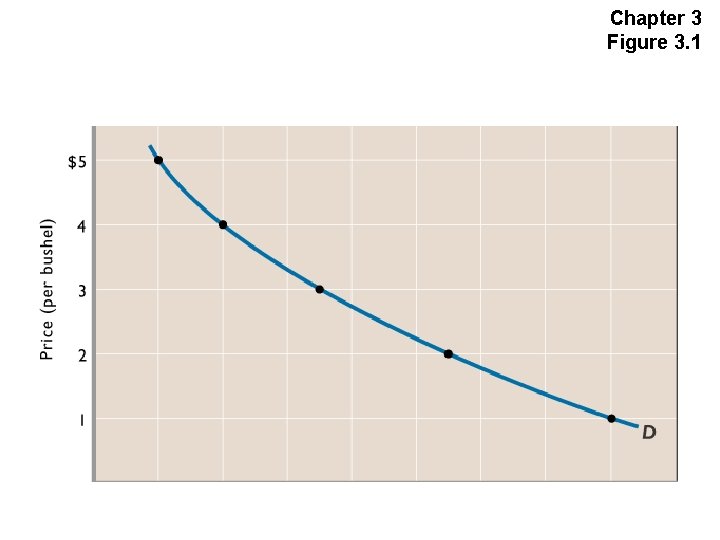
Chapter 3 Figure 3. 1
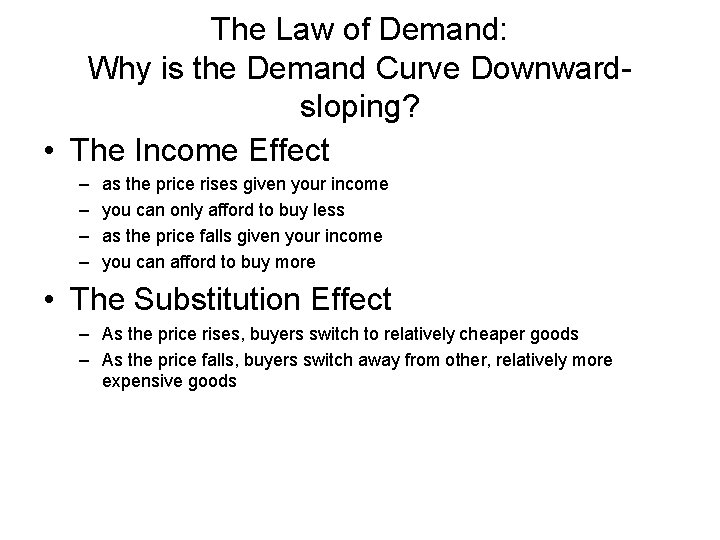
The Law of Demand: Why is the Demand Curve Downwardsloping? • The Income Effect – – as the price rises given your income you can only afford to buy less as the price falls given your income you can afford to buy more • The Substitution Effect – As the price rises, buyers switch to relatively cheaper goods – As the price falls, buyers switch away from other, relatively more expensive goods
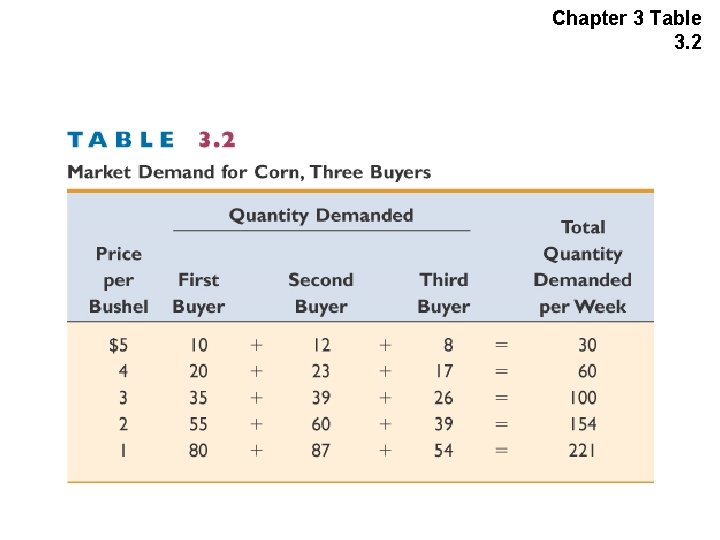
Chapter 3 Table 3. 2
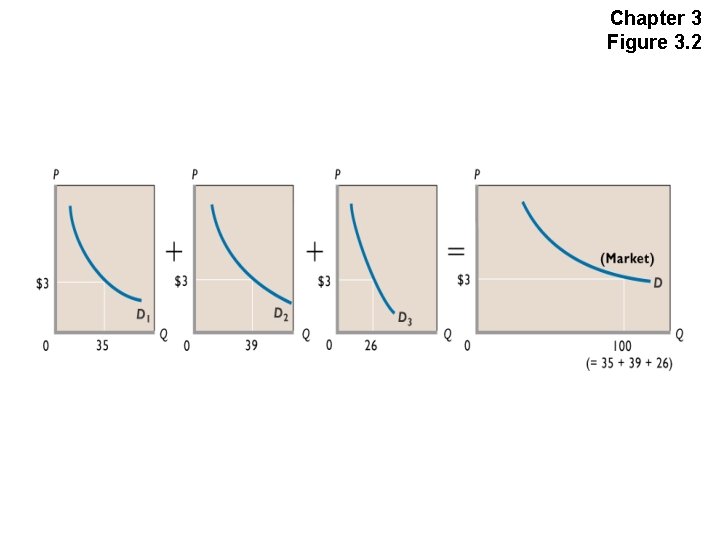
Chapter 3 Figure 3. 2
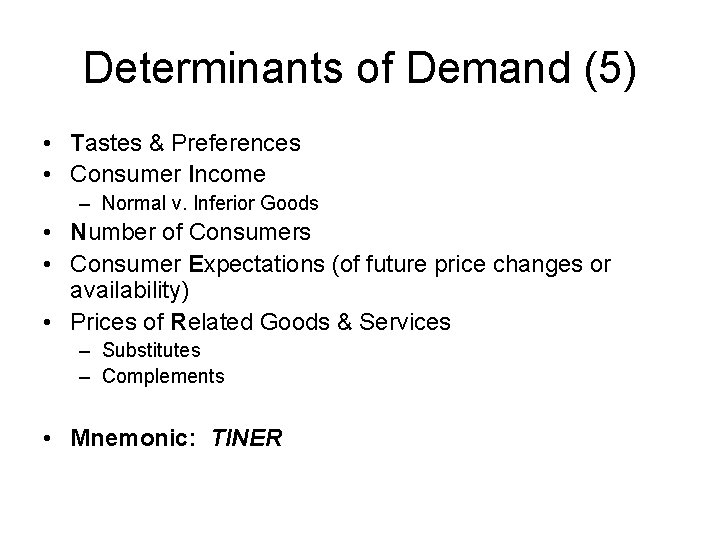
Determinants of Demand (5) • Tastes & Preferences • Consumer Income – Normal v. Inferior Goods • Number of Consumers • Consumer Expectations (of future price changes or availability) • Prices of Related Goods & Services – Substitutes – Complements • Mnemonic: TINER
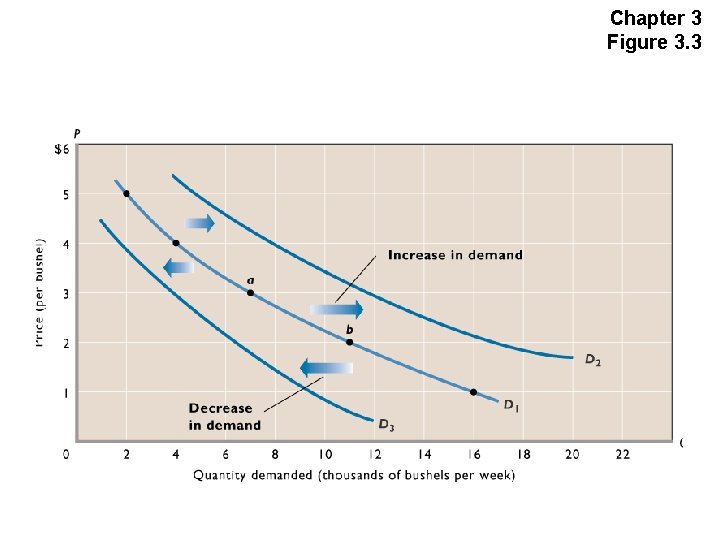
Chapter 3 Figure 3. 3
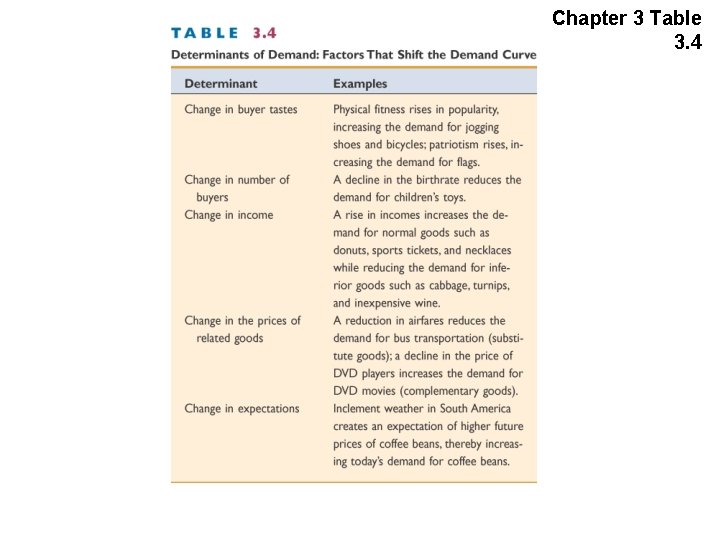
Chapter 3 Table 3. 4
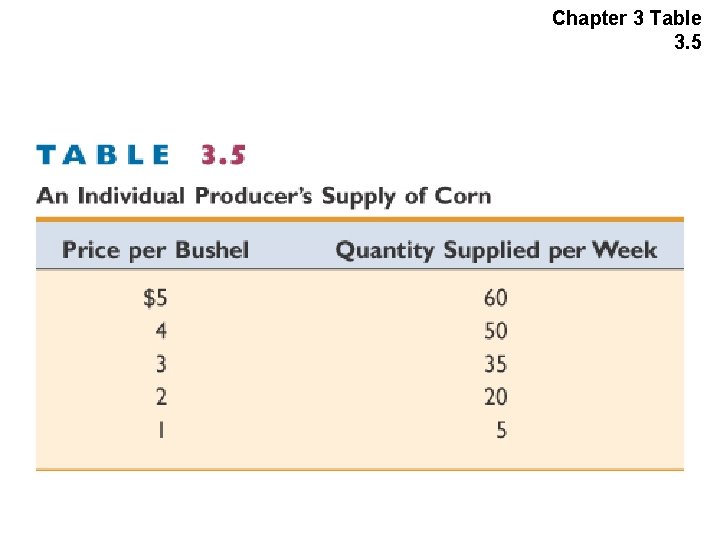
Chapter 3 Table 3. 5
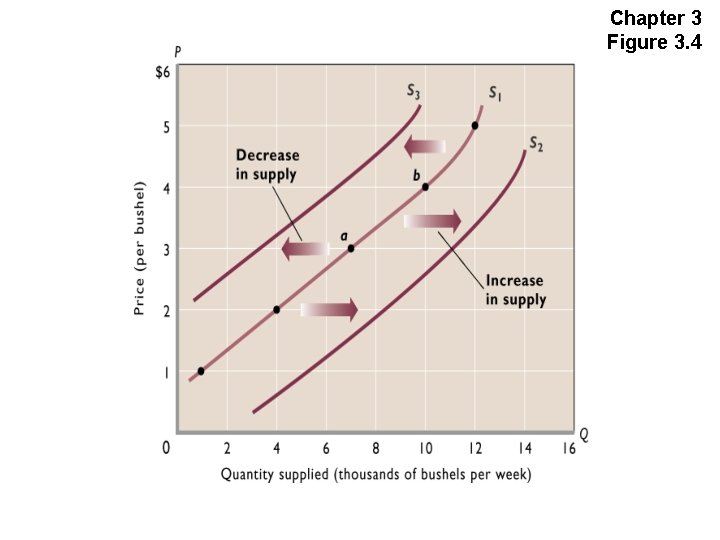
Chapter 3 Figure 3. 4
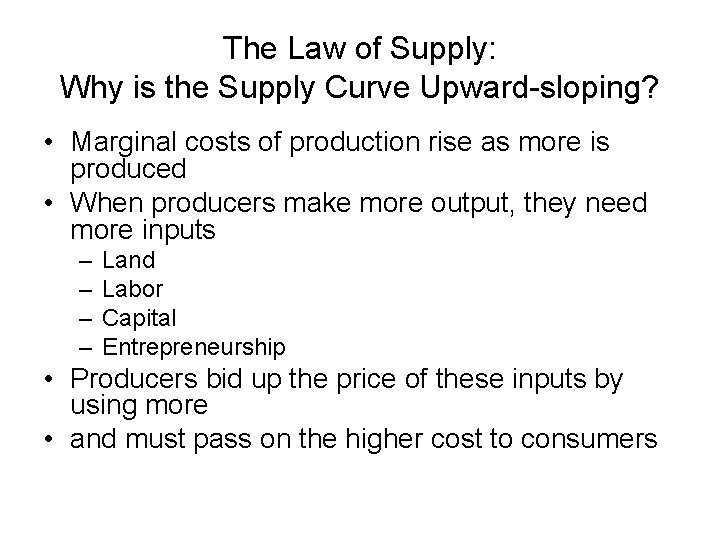
The Law of Supply: Why is the Supply Curve Upward-sloping? • Marginal costs of production rise as more is produced • When producers make more output, they need more inputs – – Land Labor Capital Entrepreneurship • Producers bid up the price of these inputs by using more • and must pass on the higher cost to consumers
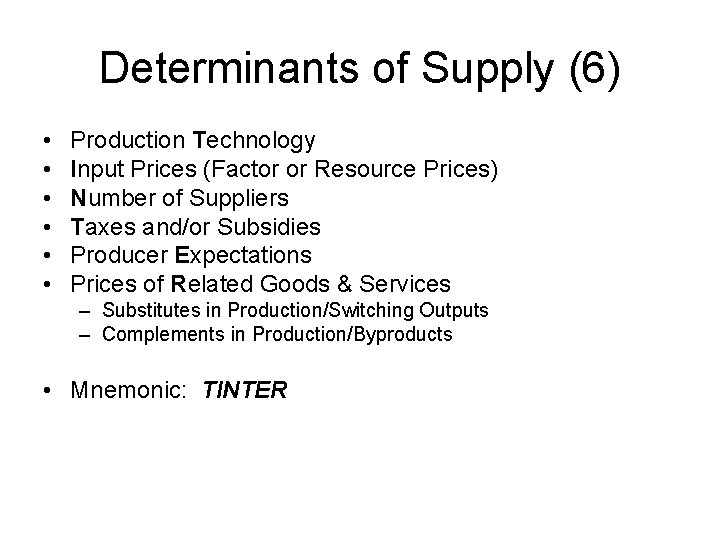
Determinants of Supply (6) • • • Production Technology Input Prices (Factor or Resource Prices) Number of Suppliers Taxes and/or Subsidies Producer Expectations Prices of Related Goods & Services – Substitutes in Production/Switching Outputs – Complements in Production/Byproducts • Mnemonic: TINTER
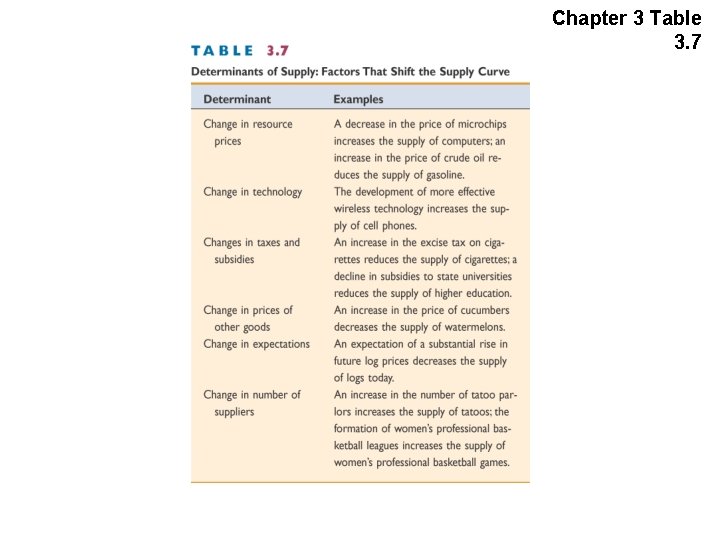
Chapter 3 Table 3. 7
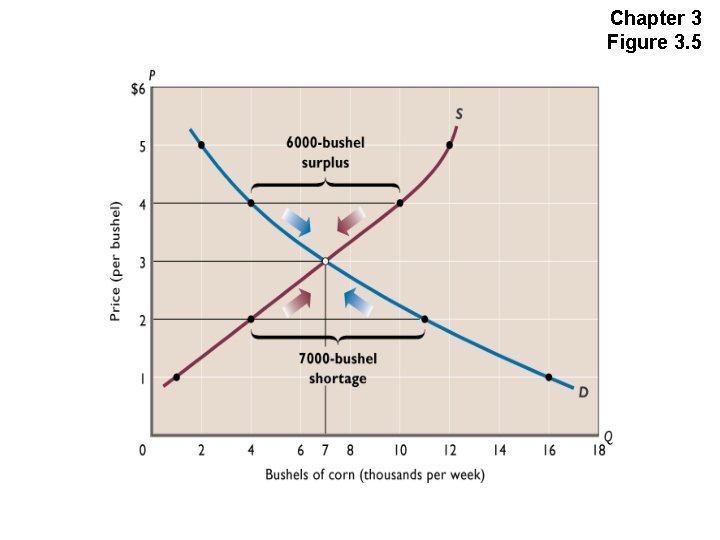
Chapter 3 Figure 3. 5
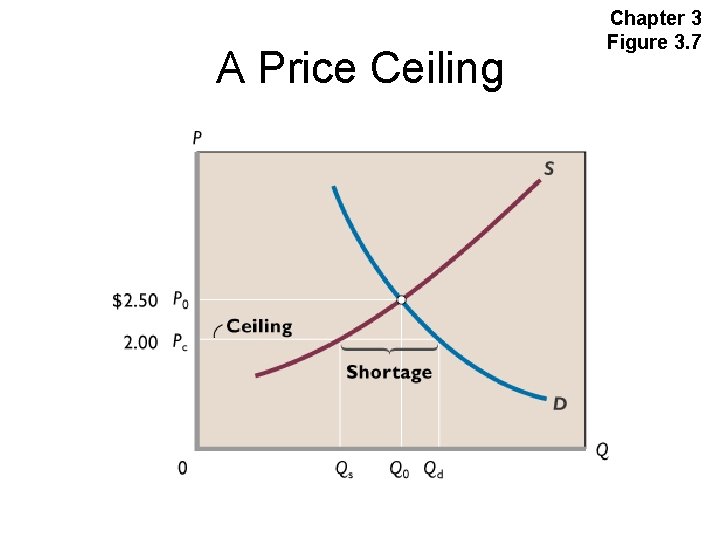
A Price Ceiling Chapter 3 Figure 3. 7
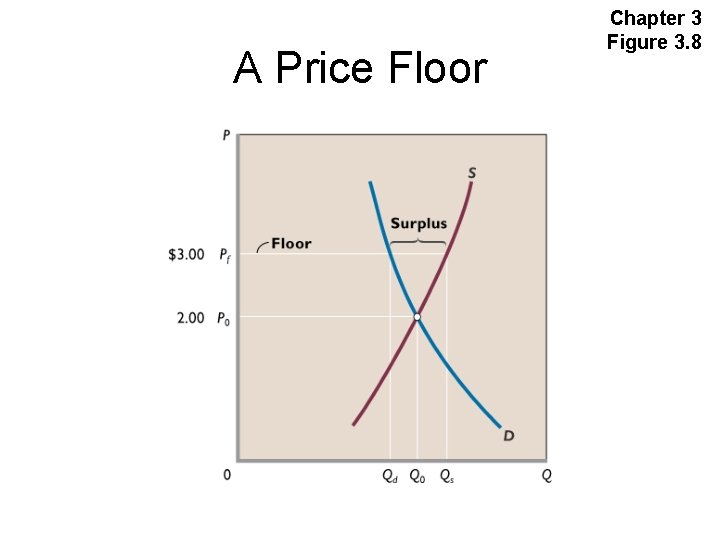
A Price Floor Chapter 3 Figure 3. 8
Supply and Demand Determinants: Relationships Determinants of Demand • Tastes and Preferences • Income • Number of Consumers • Consumer Expectations • Prices of Related Goods and Services Determinants of Supply • Technology • Input Costs • Number of Producers • Producer Expectations • Prices of Related Goods and Services • Taxes & Subsidies
- Slides: 18