
Basic Nutrition Lipids Digestion Absorption Metabolism Outline Dietary
Basic Nutrition – Lipids Digestion, Absorption & Metabolism
Outline – Dietary Lipids 1. Digestion 2. Transport 3. Metabolism 4. Recommendations - DRI
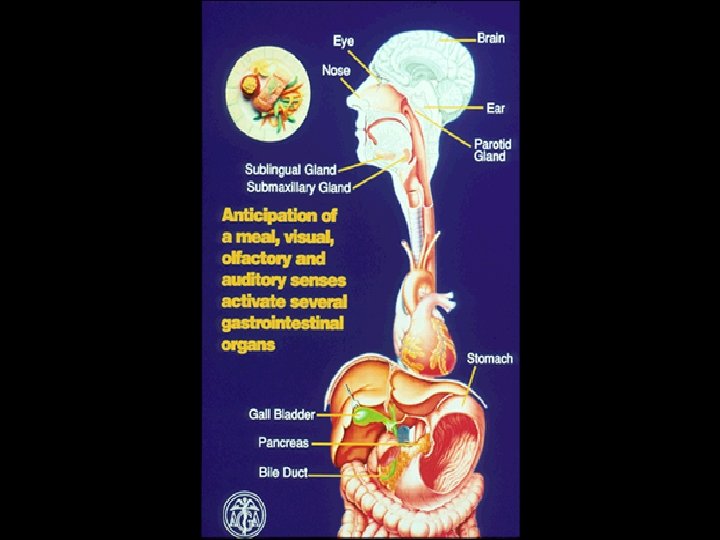
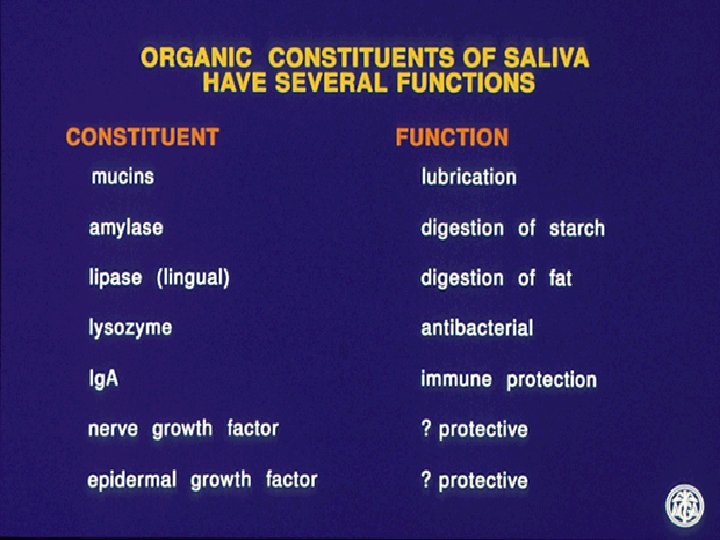
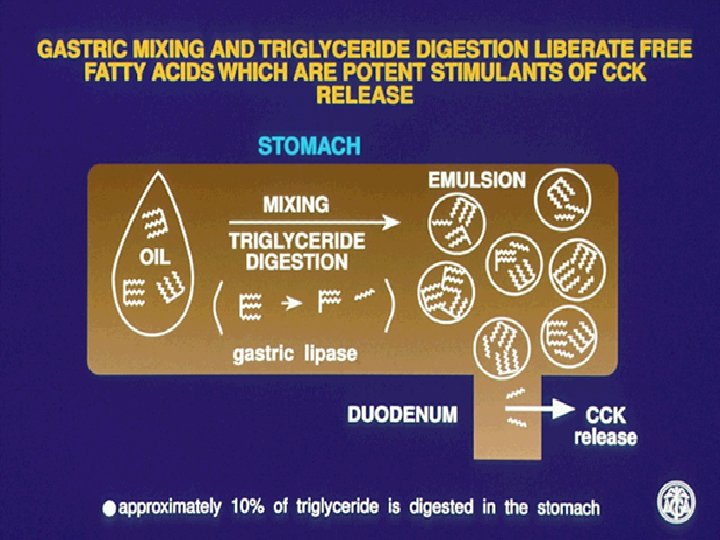
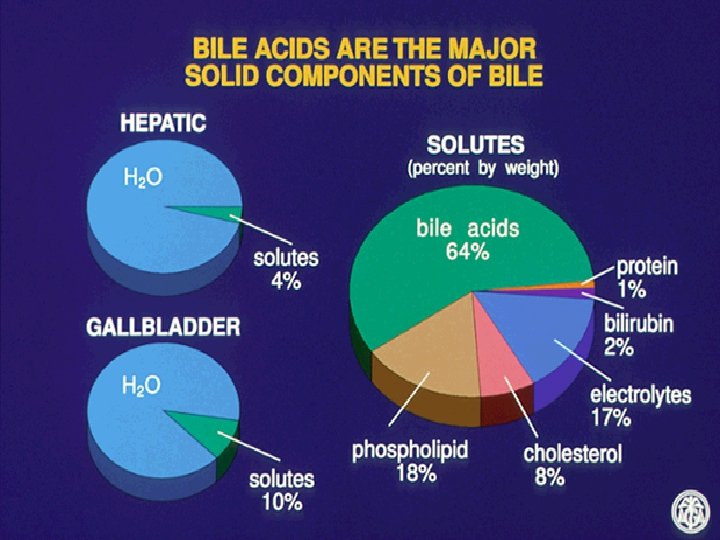
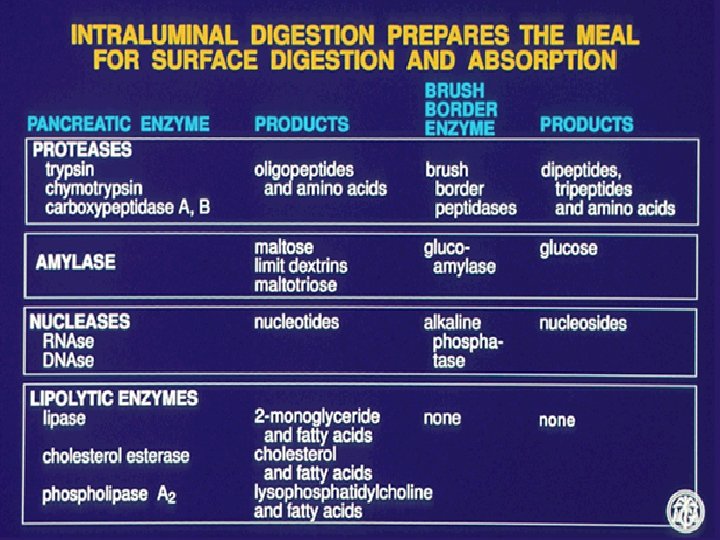
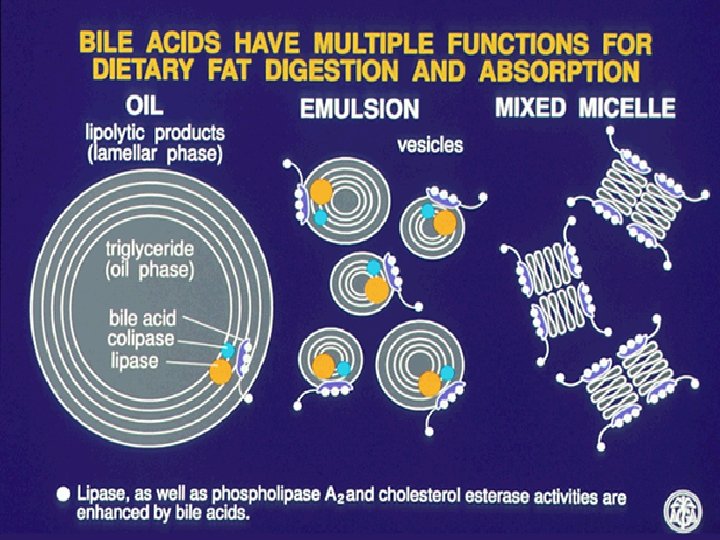
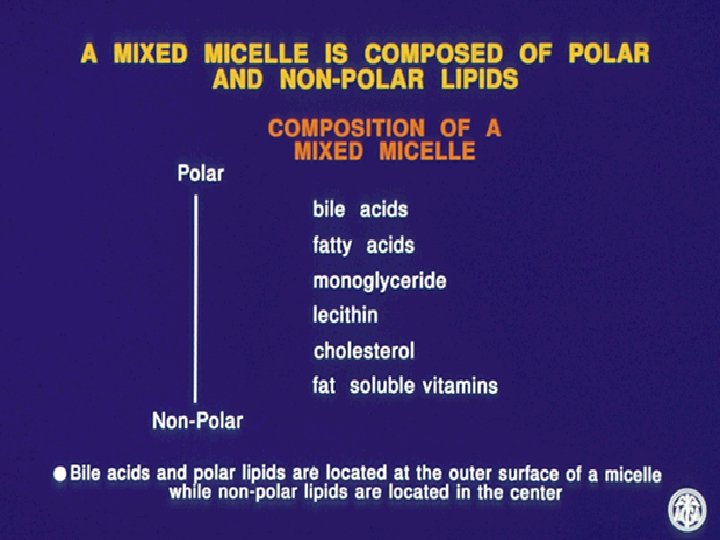
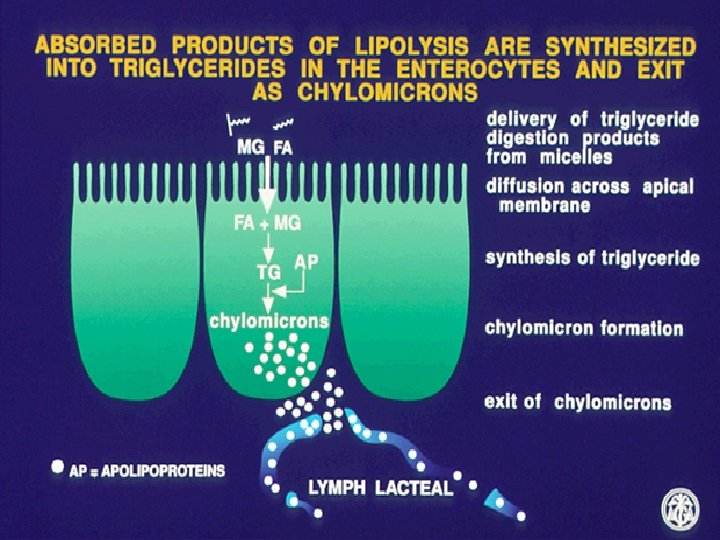
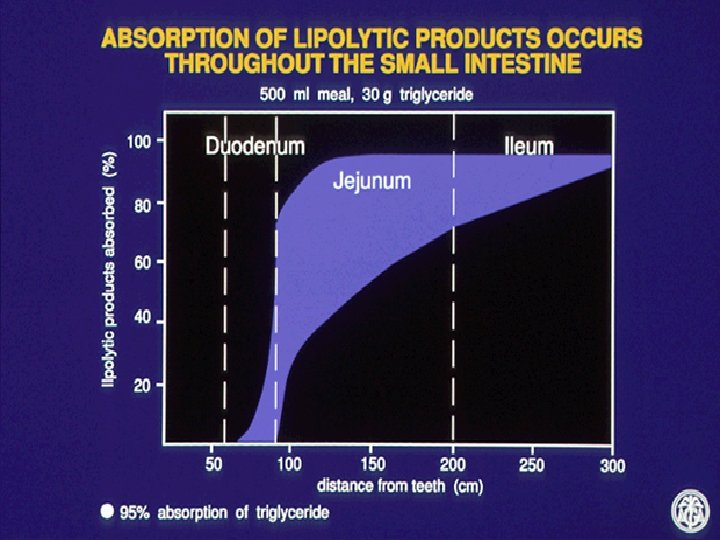
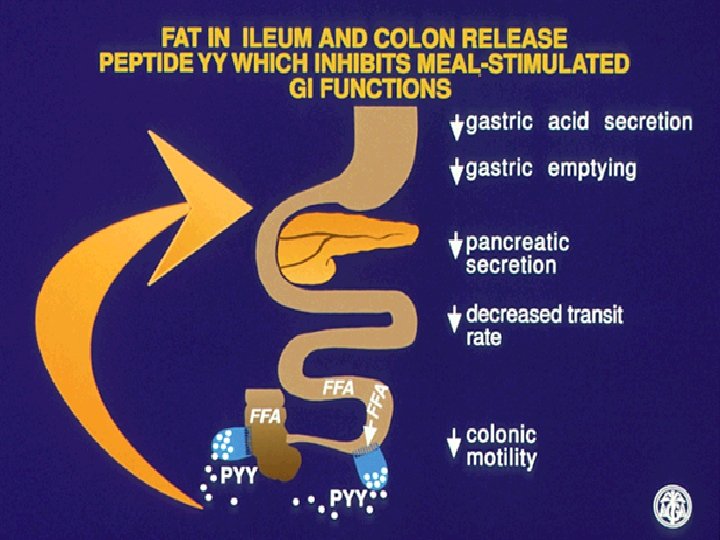
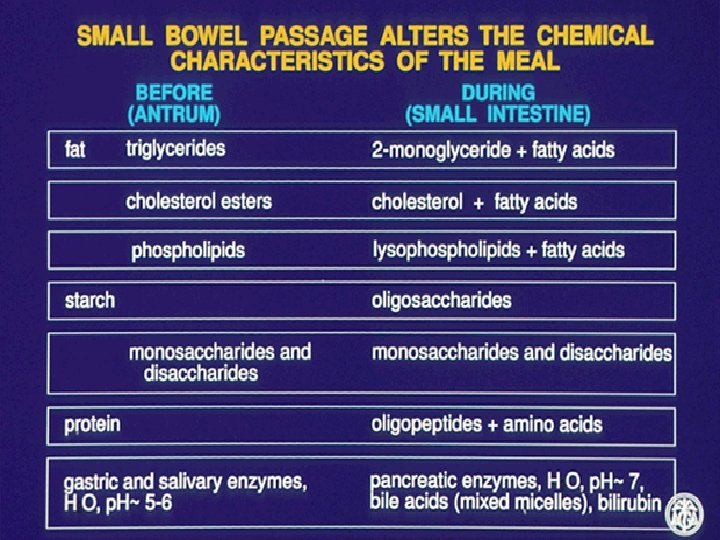
Dietary Lipids • Research focus on optimal fatty acid composition of the diet • Importance of docosahexanoic acid and arachidonic acid • Adults encouraged to limit saturated, trans fats, and be wary of energy density • Triglyceride is prominent form in diet • Dietary lipids must ‘shift’ from aqueous to non-aqueous environment • Digestion and absorption includes emulsification, hydrolysis, micellization and uptake by the enterocyte
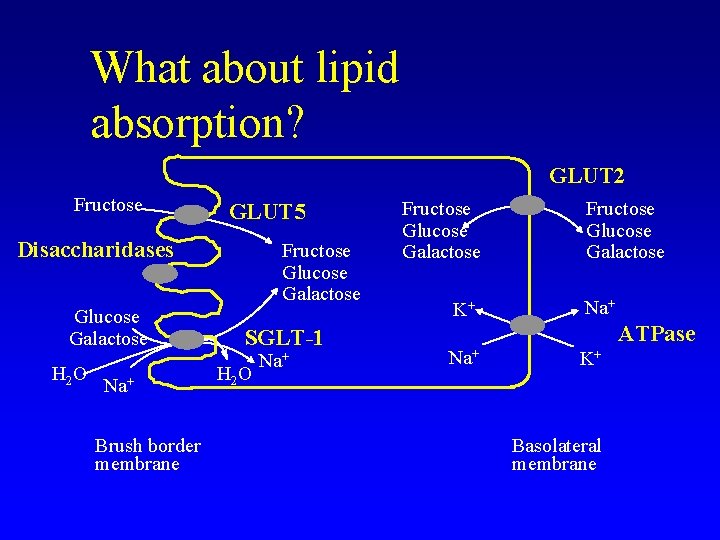
What about lipid absorption? GLUT 2 Fructose GLUT 5 Disaccharidases Glucose Galactose H 2 O Na+ Brush border membrane Fructose Glucose Galactose SGLT-1 H 2 O Na+ Fructose Glucose Galactose K+ Na+ Fructose Glucose Galactose Na+ ATPase K+ Basolateral membrane
Two mechanisms – passive diffusion and carrier-mediated uptake • Uptake studies demonstrated saturable process • Putative fatty acid transport proteins – Plasma membrane fatty acid binding protein – Megalin – CD 35 – Caveolin – Family of fatty acid transporters • Carriers likely most important when lipid concentration low
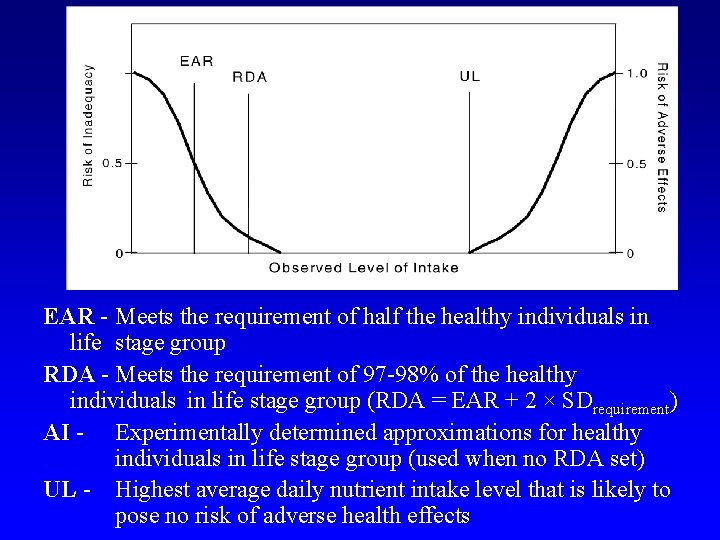
EAR - Meets the requirement of half the healthy individuals in life stage group RDA - Meets the requirement of 97 -98% of the healthy individuals in life stage group (RDA = EAR + 2 × SDrequirement) AI - Experimentally determined approximations for healthy individuals in life stage group (used when no RDA set) UL - Highest average daily nutrient intake level that is likely to pose no risk of adverse health effects
Dietary Fat Classifications • Saturated Fats • Cis monounsaturated fatty acids • Cis polyunsaturated fatty acids – n-6 fatty acids – n-3 fatty acids • Trans fatty acids
Fat DRIs • Major fuel source for body • Necessary for absorption of fat soluble vitamins • Insufficient data to set RDA, AI, or UL for total fat • Likewise, no RDA for saturated fat, n-9 cis monounsaturated fatty acids, trans fats • AMDR is in place for total dietary fat intake
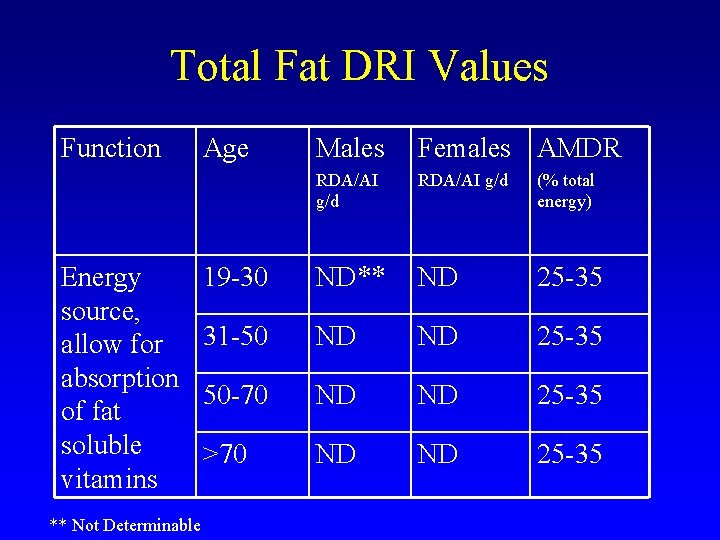
Total Fat DRI Values Function Energy source, allow for absorption of fat soluble vitamins ** Not Determinable Age Males Females AMDR RDA/AI g/d (% total energy) 19 -30 ND** ND 25 -35 31 -50 ND ND 25 -35 50 -70 ND ND 25 -35 >70 ND ND 25 -35
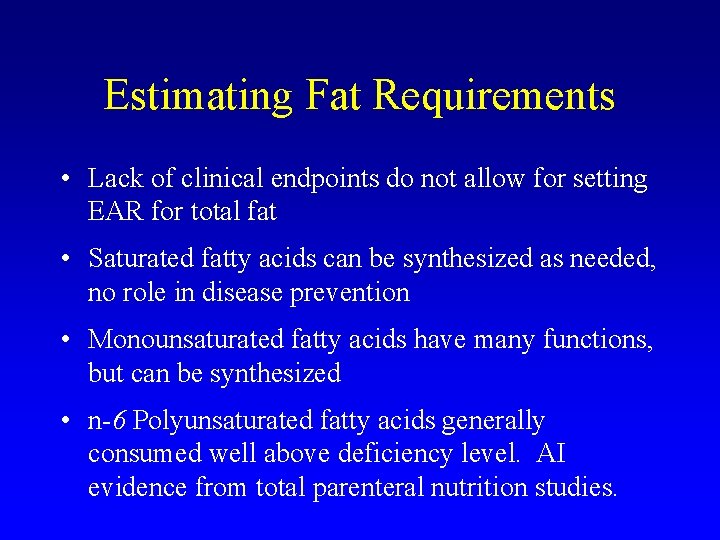
Estimating Fat Requirements • Lack of clinical endpoints do not allow for setting EAR for total fat • Saturated fatty acids can be synthesized as needed, no role in disease prevention • Monounsaturated fatty acids have many functions, but can be synthesized • n-6 Polyunsaturated fatty acids generally consumed well above deficiency level. AI evidence from total parenteral nutrition studies.
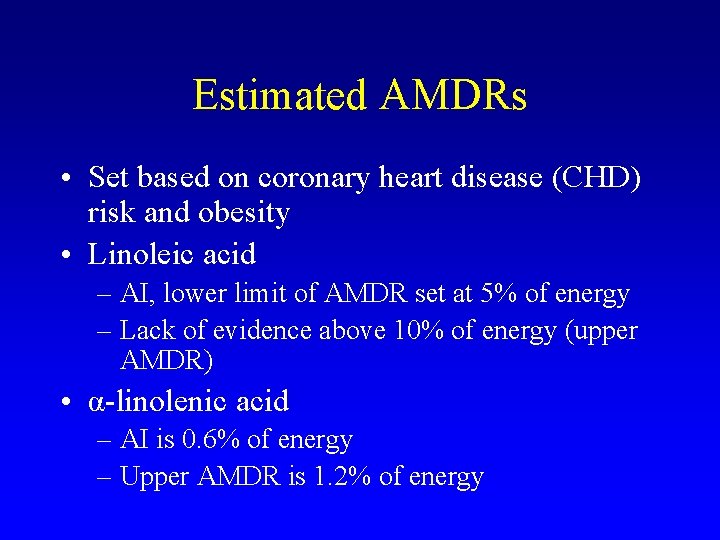
Estimated AMDRs • Set based on coronary heart disease (CHD) risk and obesity • Linoleic acid – AI, lower limit of AMDR set at 5% of energy – Lack of evidence above 10% of energy (upper AMDR) • α-linolenic acid – AI is 0. 6% of energy – Upper AMDR is 1. 2% of energy
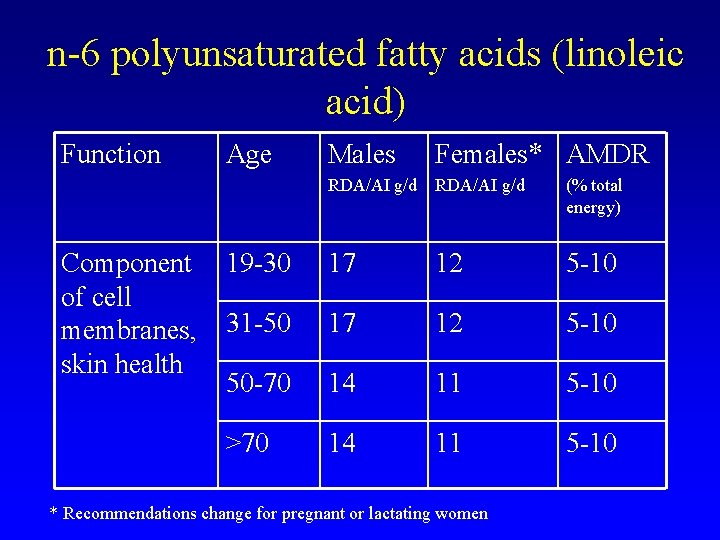
n-6 polyunsaturated fatty acids (linoleic acid) Function Component of cell membranes, skin health Age Males Females* AMDR RDA/AI g/d (% total energy) 19 -30 17 12 5 -10 31 -50 17 12 5 -10 50 -70 14 11 5 -10 >70 14 11 5 -10 * Recommendations change for pregnant or lactating women
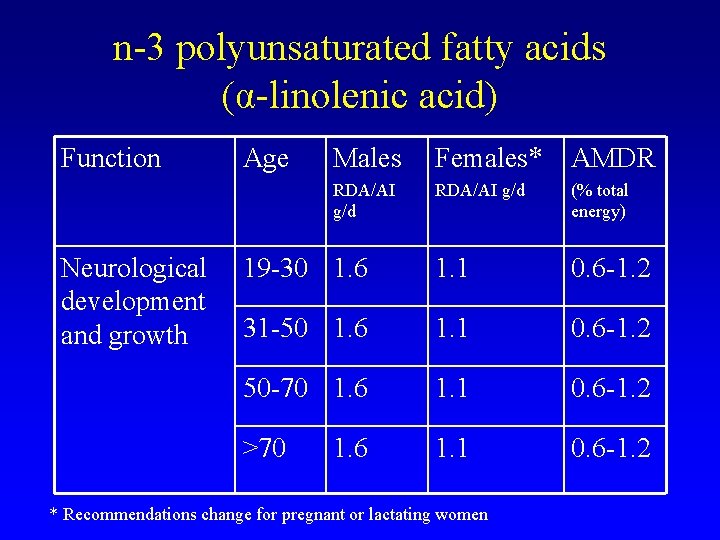
n-3 polyunsaturated fatty acids (α-linolenic acid) Function Neurological development and growth Age Males Females* AMDR RDA/AI g/d (% total energy) 19 -30 1. 6 1. 1 0. 6 -1. 2 31 -50 1. 6 1. 1 0. 6 -1. 2 50 -70 1. 6 1. 1 0. 6 -1. 2 >70 1. 1 0. 6 -1. 2 1. 6 * Recommendations change for pregnant or lactating women
- Slides: 25