
Basic Neuroscience and Sensory Memory Basic Neuroanatomy Subcortical
Basic Neuroscience and Sensory Memory
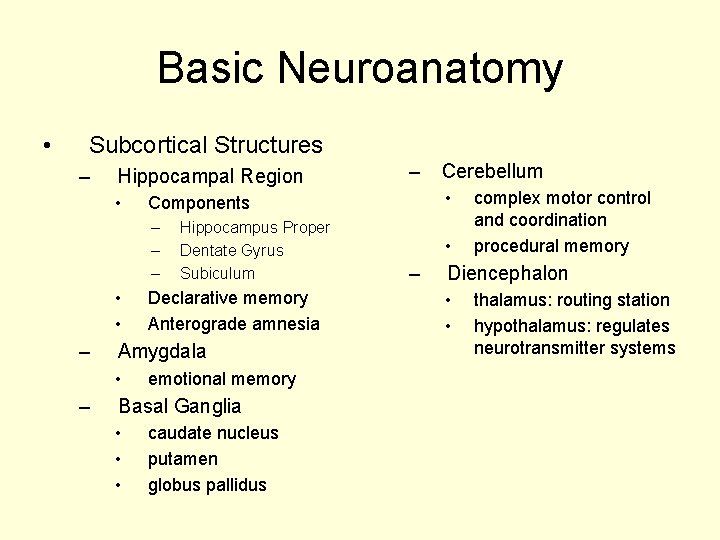
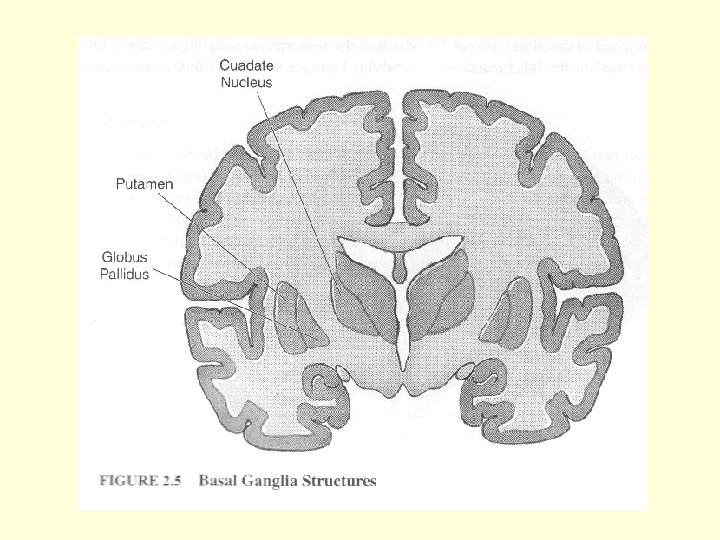
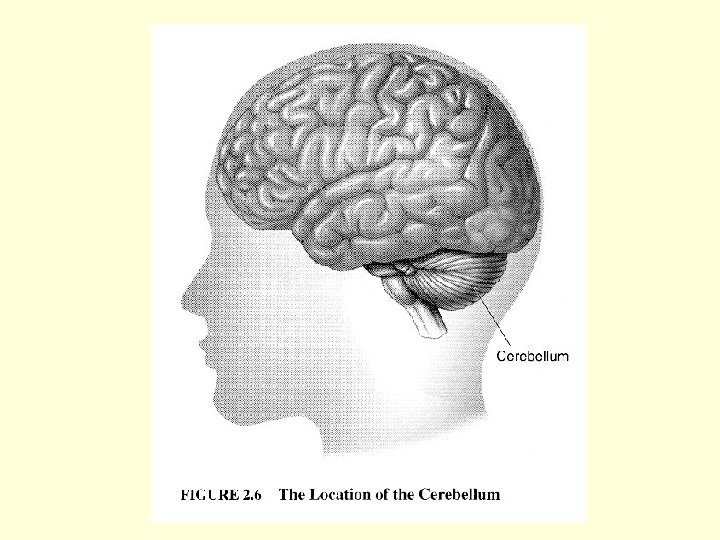
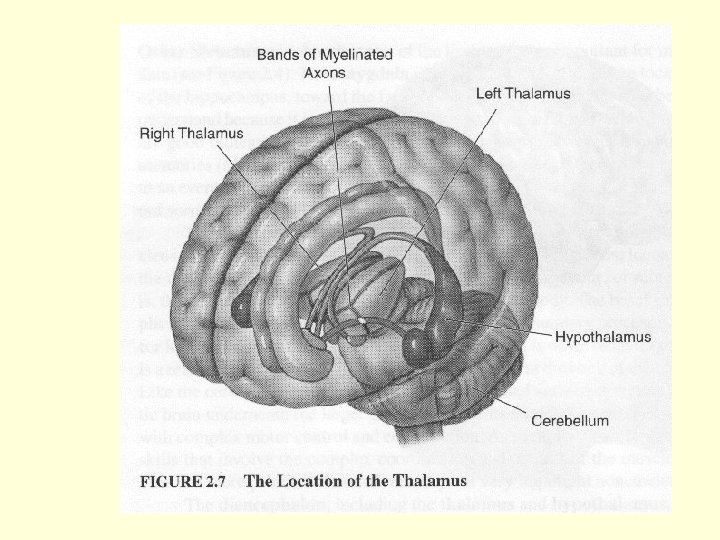
Basic Neuroanatomy • Subcortical Structures – Hippocampal Region • • • – – – • Hippocampus Proper Dentate Gyrus Subiculum Declarative memory Anterograde amnesia emotional memory Basal Ganglia • • • Cerebellum Components Amygdala • – caudate nucleus putamen globus pallidus – complex motor control and coordination procedural memory Diencephalon • • thalamus: routing station hypothalamus: regulates neurotransmitter systems

Basic Neuroanatomy • Cortical Structures – right and left hemispheres • laterality: dominance of one hemisphere over the other for a particular function – – left: better at analytical processing, like language and math right: better at holistic processing, like spatial or music processing
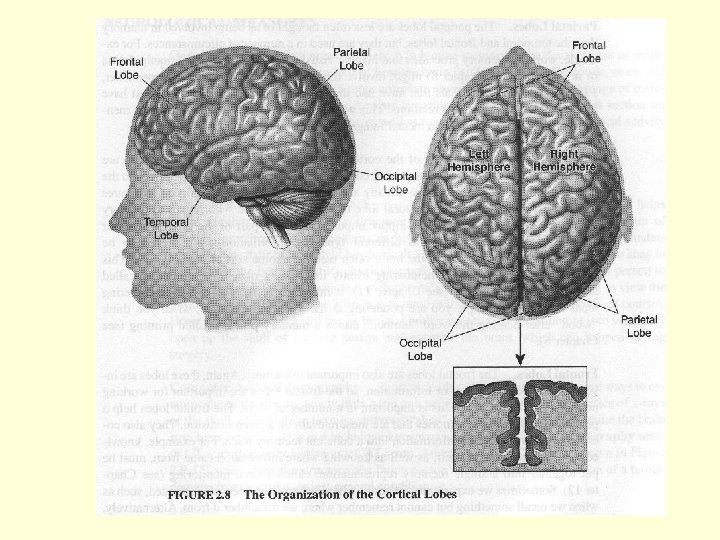
Cortical Structures • Lobes of the brain – occipital lobes – temporal lobes • • • visual processing • Hubel and Wiesel (1965) – parietal lobes • • sensory processing and spatial processing – auditory processing object recognition – parahippocampal region possible storage site for episodic memory and priming frontal lobes: control of action, emotion, and thought • important for working memory
Sensory Memory • Iconic memory – Averbach (1963) • presented two subjects with 1 to 13 dots for varying lengths of time (40 - 600 milliseconds)
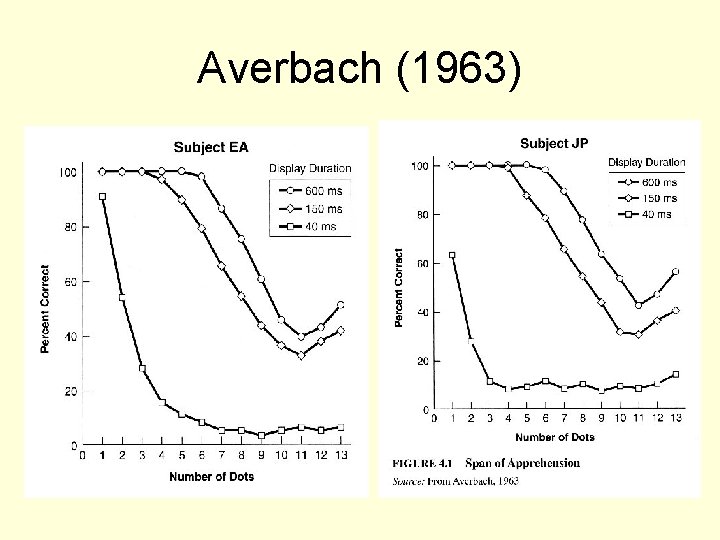
Averbach (1963)
Iconic Memory • Sperling (1960): – showed people displays of letters • 12 letters in a 3 x 4 matrix – control condition • whole report condition – experimental condition • partial report condition – one of three tones was sounded to indicate which row of the matrix to begin with during their recall phase
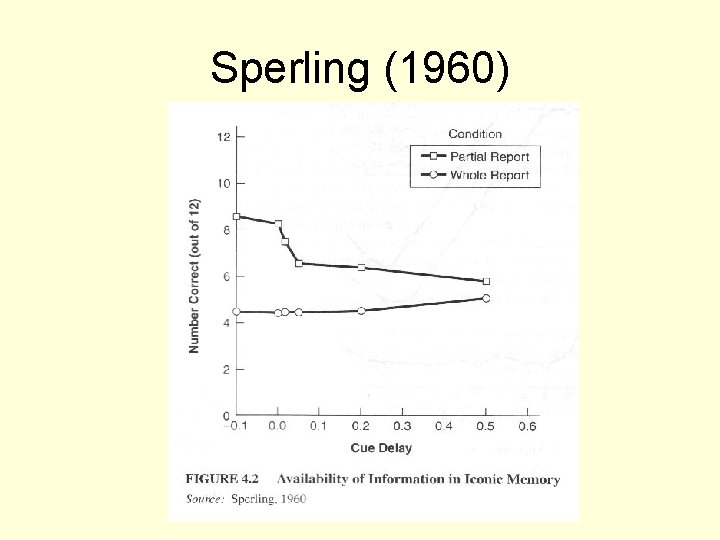
Sperling (1960)
Change Blindness • Levin and Simons (1997, 1998) – Video clips…
Echoic Memory • Darwin, Turvey, and Crowder (1972) – read lists of numbers to people – three lists of three digits each one list to right ear, one to left, and one to both control condition – – • – whole report experimental condition • partial report
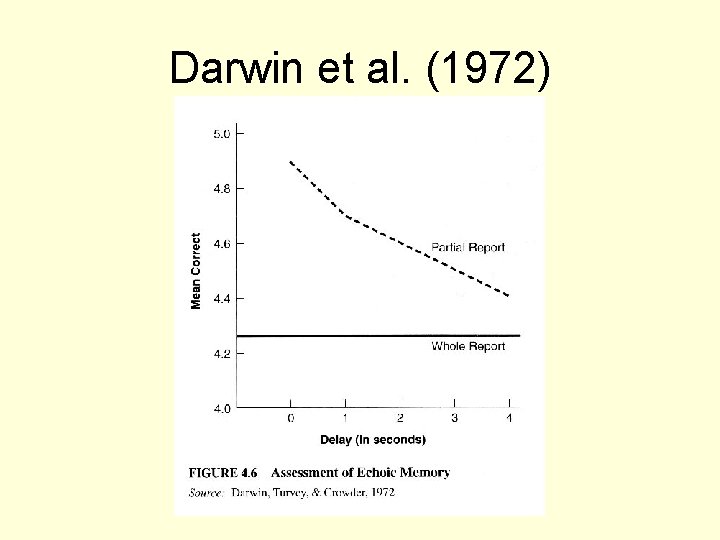
Darwin et al. (1972)
Haptic Sensory Memory • Bliss, et al. (1966) – people received jets of air at different locations on the fingers of each hand whole report partial report – – • • – a light or a tone cue was given to indicate which parts of the fingers would be affected Remembered almost all locations Rapid decay (1. 3 seconds)
- Slides: 17