
Basic MRI Chapter 1 Lecture Introduction MRI uses
Basic MRI Chapter 1 Lecture

Introduction MRI uses radio waves and a magnetic field to make images n Other methods make images in other ways n Radiography – x-ray attenuation n CT – x-ray with computer n NM – gamma rays from radionuclides n US – sound waves n
MR Images n n The image is a display of the radiofrequency (RF) signal intensity The source of the RF signal from the patient is the “condition of magnetization produced when the patient is placed in the magnetic field. ” Magnetization occurs when magnetic nuclei (like H nuclei or protons) are present Magnetization is changed during imaging, and the rate of change depends on tissue characteristics
Tissue Characteristics PD n T 1 n T 2 n Flow n Diffusion n Spectroscopy/chemical shift n
Major Tissue Characteristics PD– proton density n T 1– longitudinal relaxation time; spin-lattice relaxation time n T 2– transverse relaxation time; spin-spin relaxation time n
Minor Tissue Characteristics Flow n Diffusion n Spectroscopy/chemical shift n
What do you see on an MR image? n RF signal intensity, influenced by Tissue magnetization, including saturation pulses n Proton (hydrogen nuclei) density n Relaxation effects from T 1 and T 2 n
Spatial Characteristics Slices n Voxels n Pixels n
Image Quality Detail/Resolution n Noise/Signal-to-Noise ratio n Artifacts n
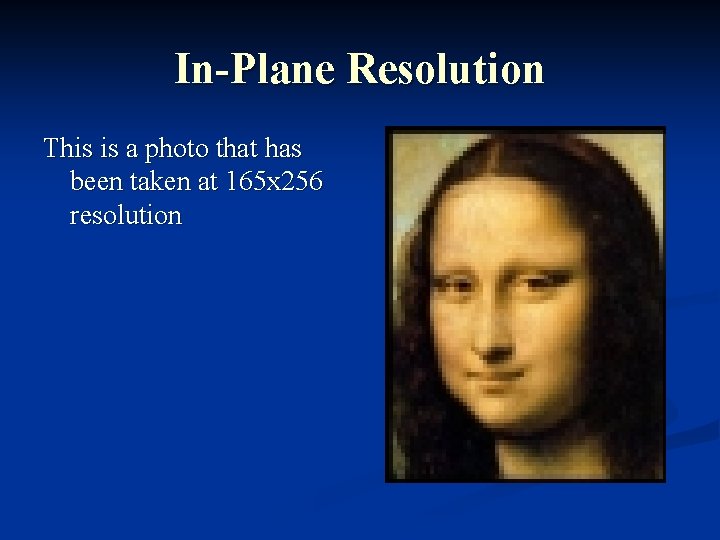
In-Plane Resolution This is a photo that has been taken at 165 x 256 resolution
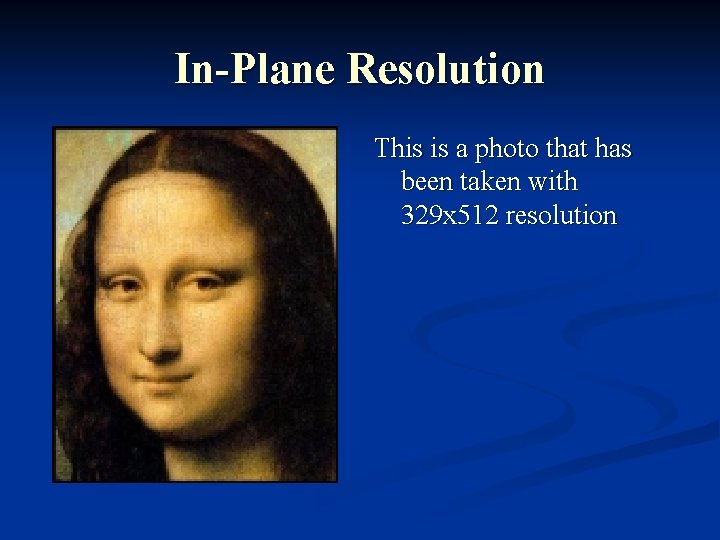
In-Plane Resolution This is a photo that has been taken with 329 x 512 resolution
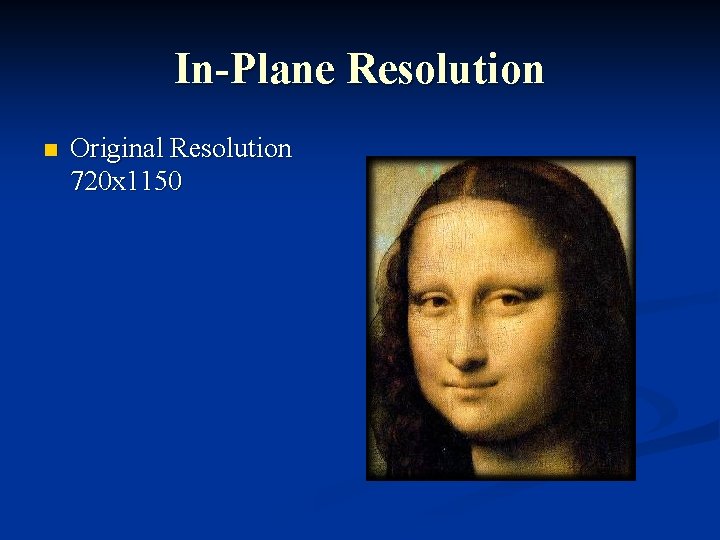
In-Plane Resolution n Original Resolution 720 x 1150
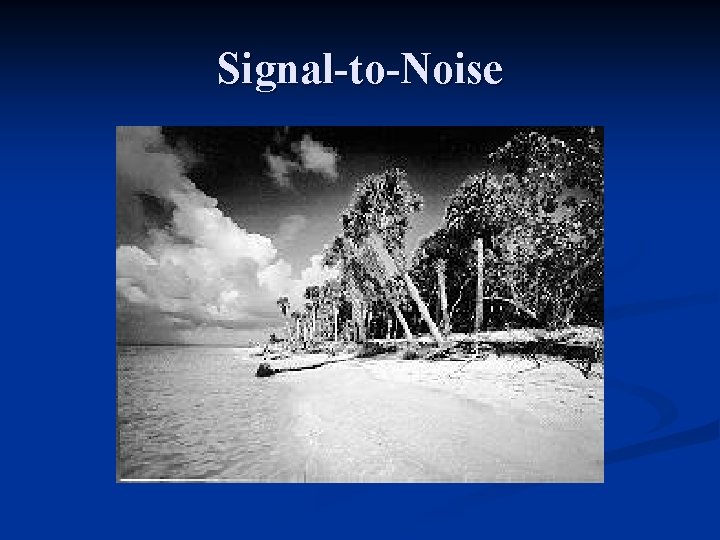
Signal-to-Noise
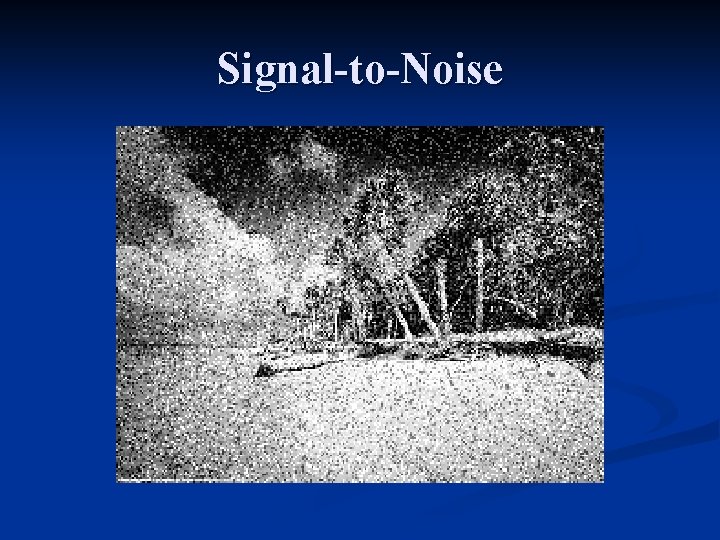
Signal-to-Noise
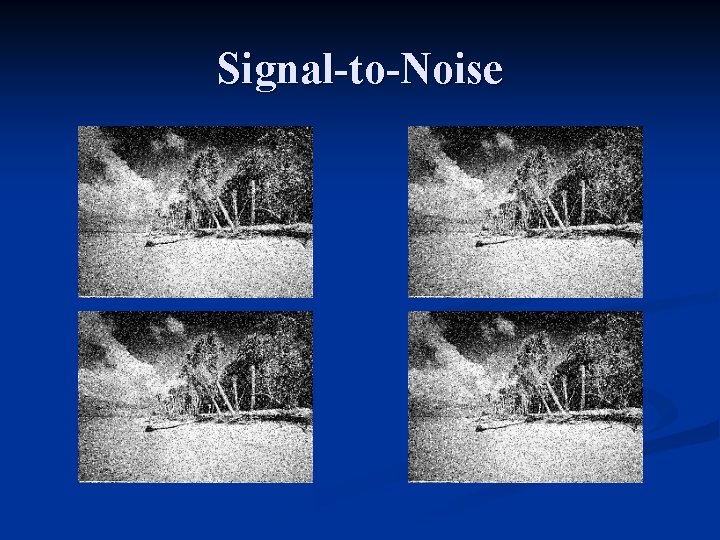
Signal-to-Noise
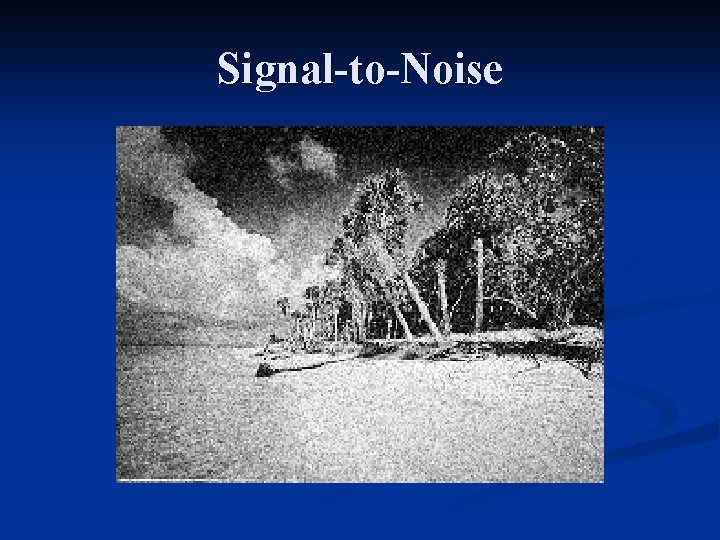
Signal-to-Noise
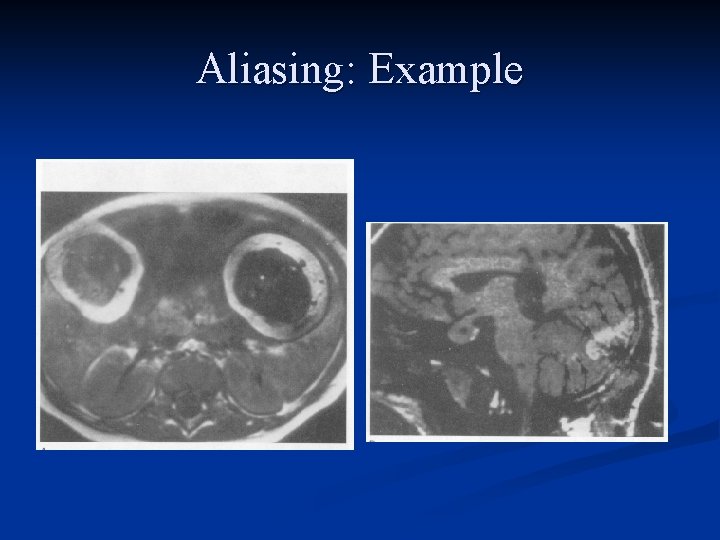
Aliasing: Example
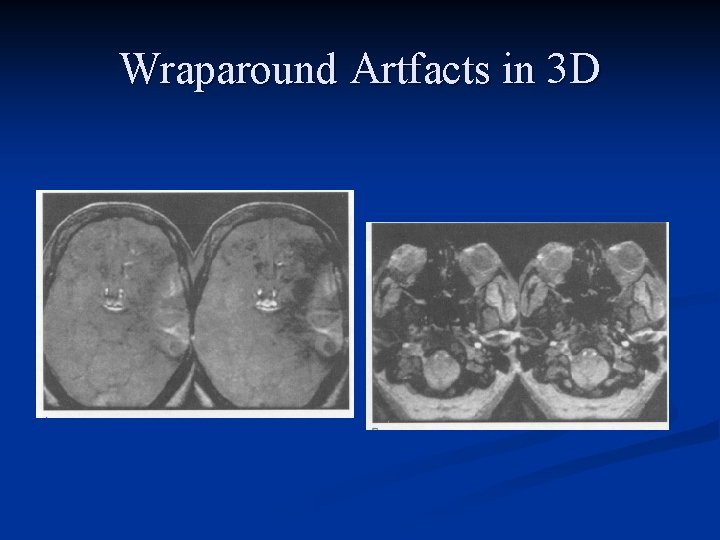
Wraparound Artfacts in 3 D
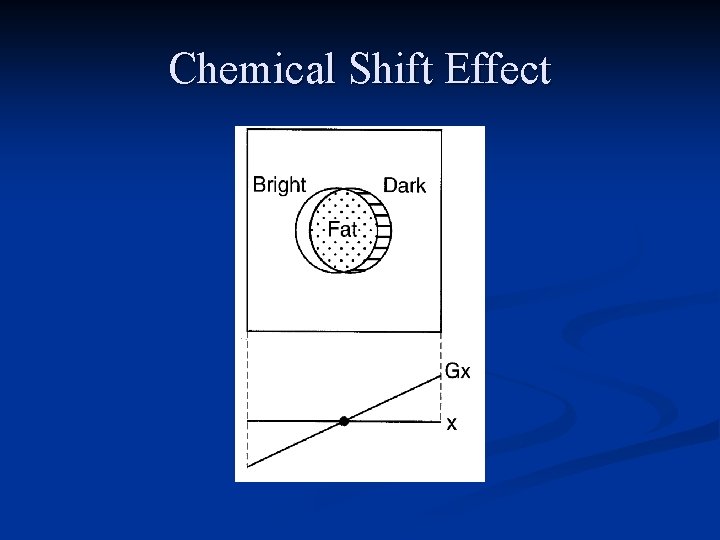
Chemical Shift Effect
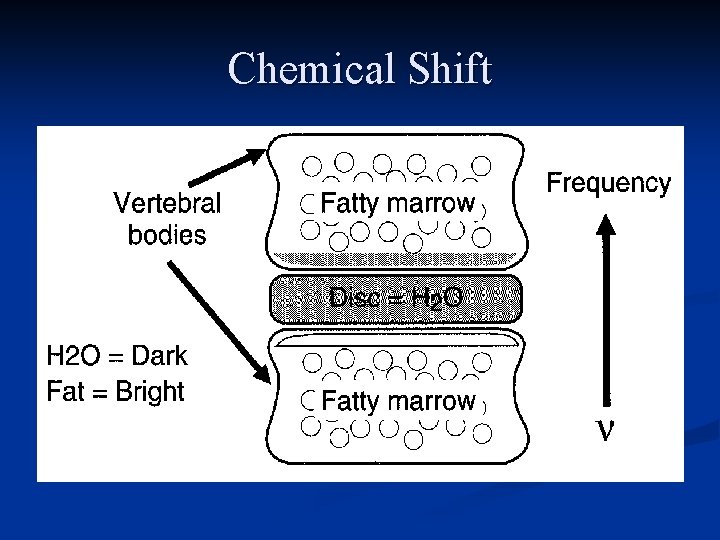
Chemical Shift
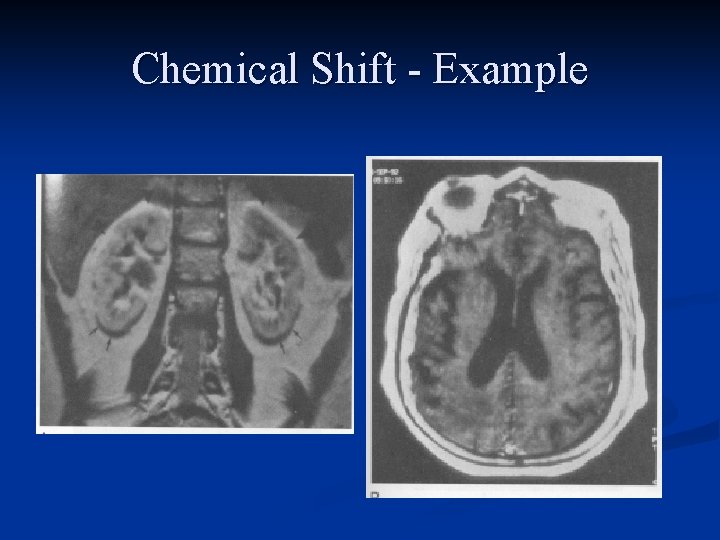
Chemical Shift - Example
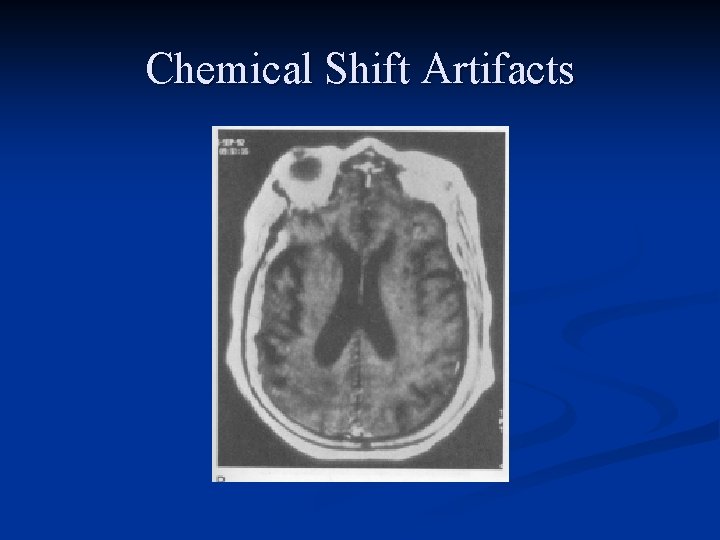
Chemical Shift Artifacts
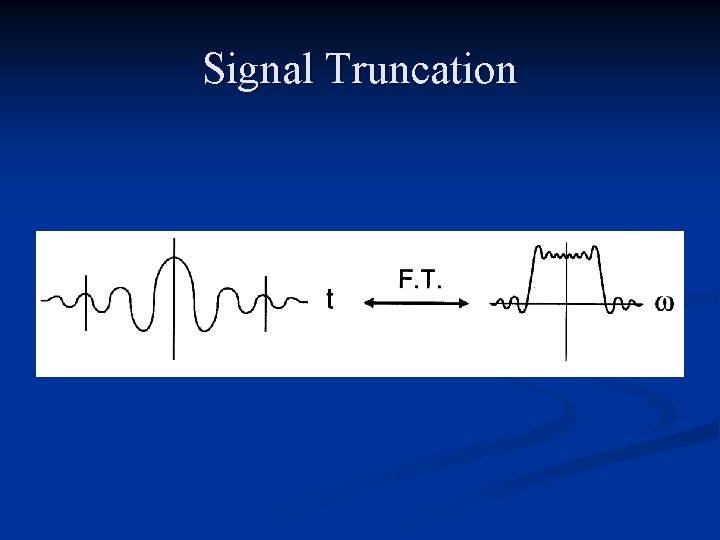
Signal Truncation
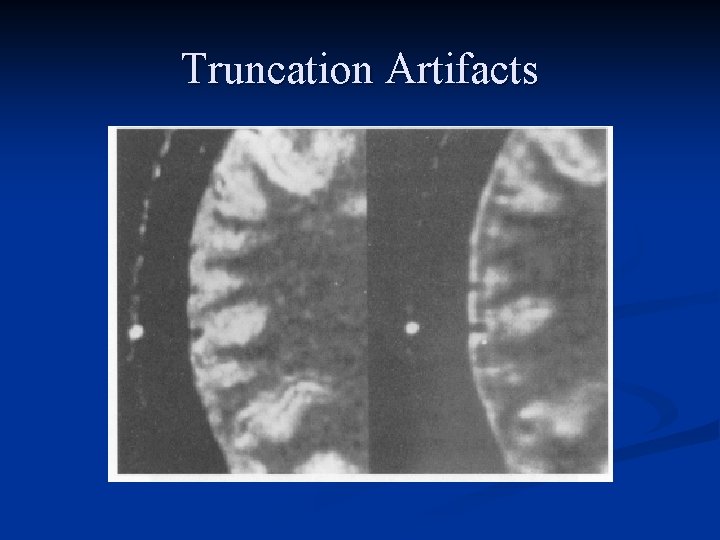
Truncation Artifacts
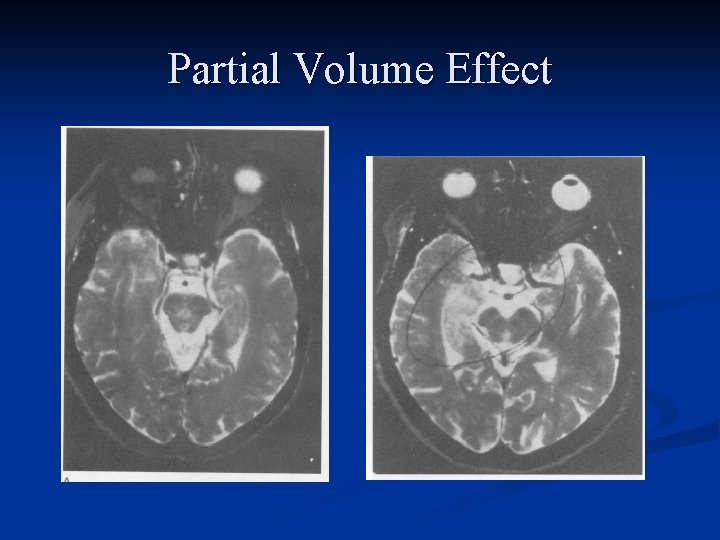
Partial Volume Effect
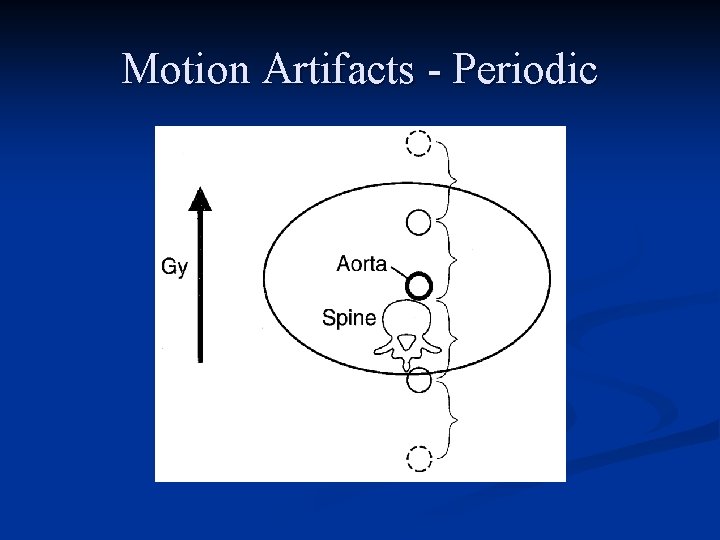
Motion Artifacts - Periodic
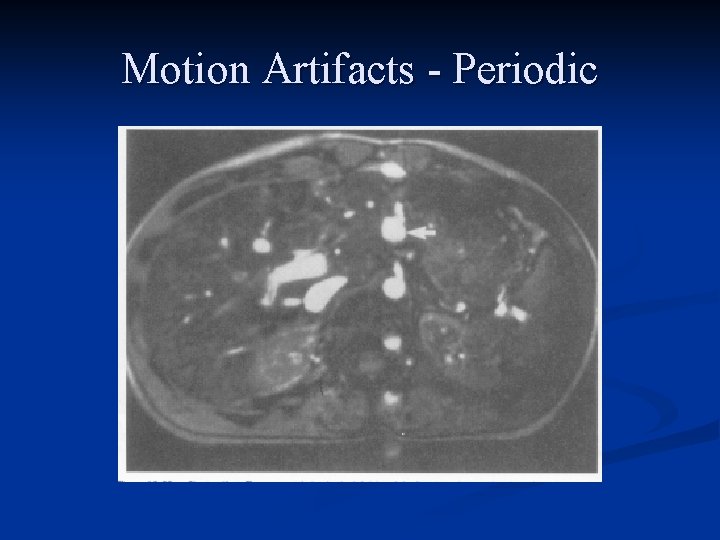
Motion Artifacts - Periodic
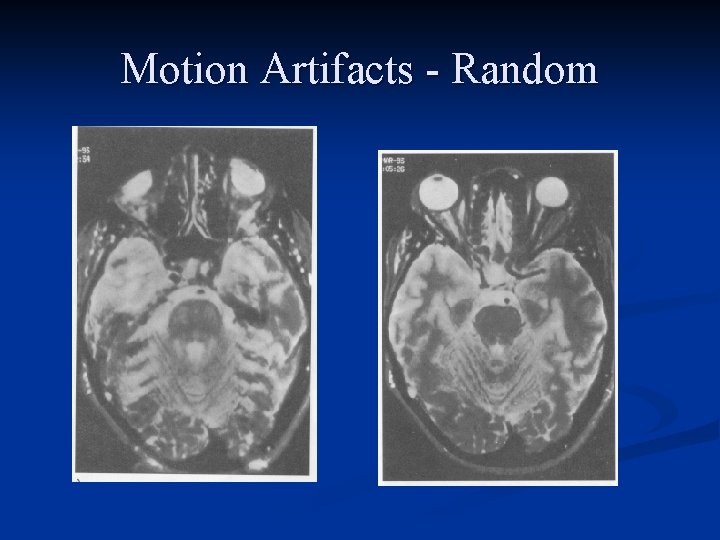
Motion Artifacts - Random
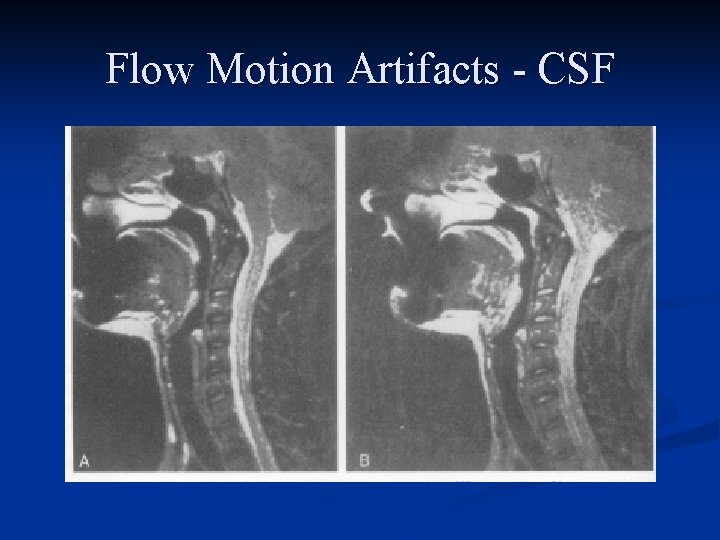
Flow Motion Artifacts - CSF
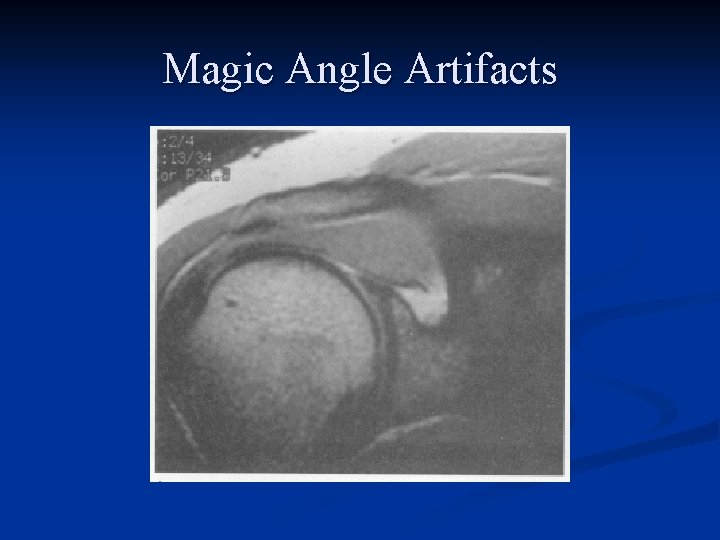
Magic Angle Artifacts
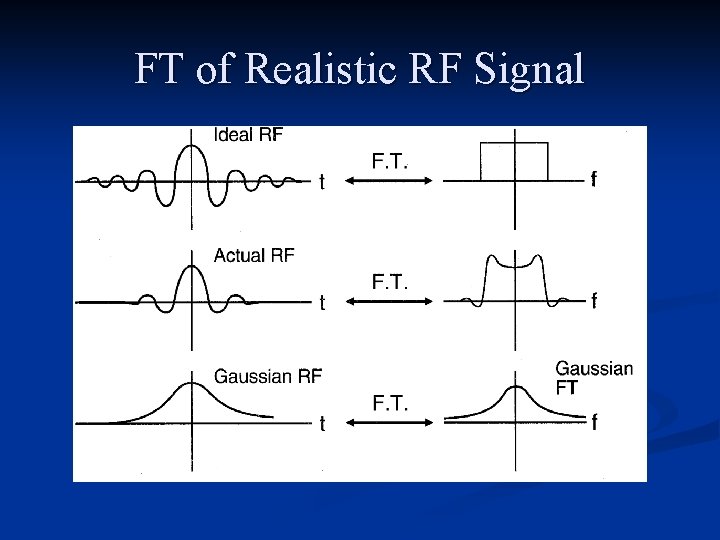
FT of Realistic RF Signal
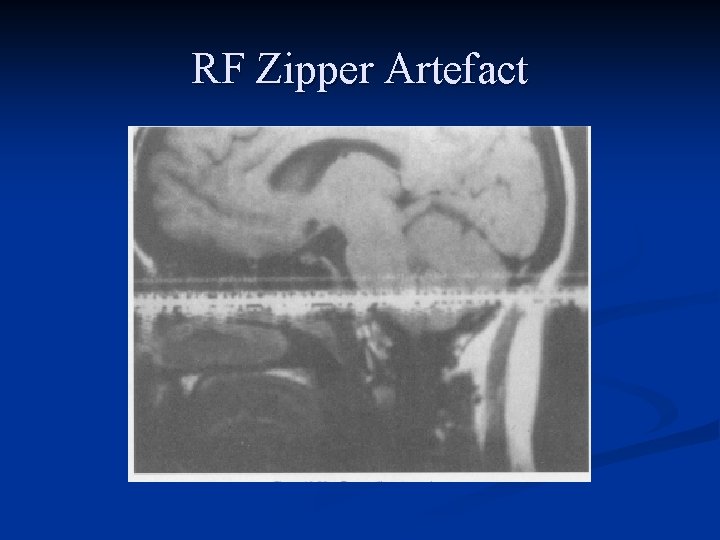
RF Zipper Artefact
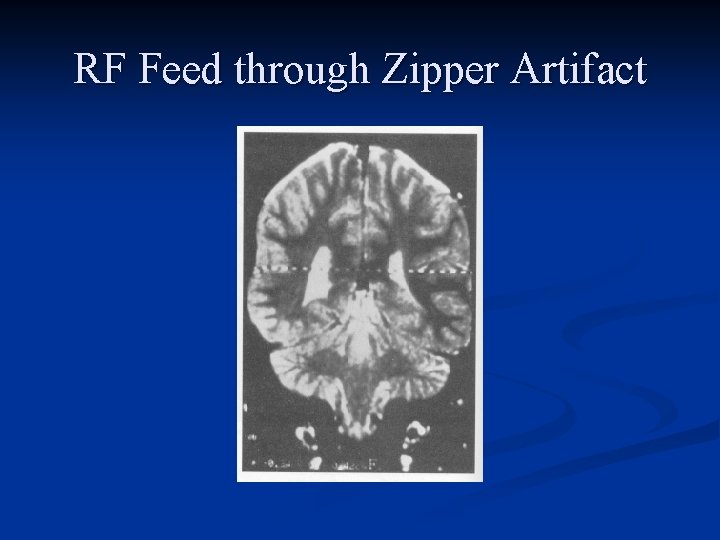
RF Feed through Zipper Artifact
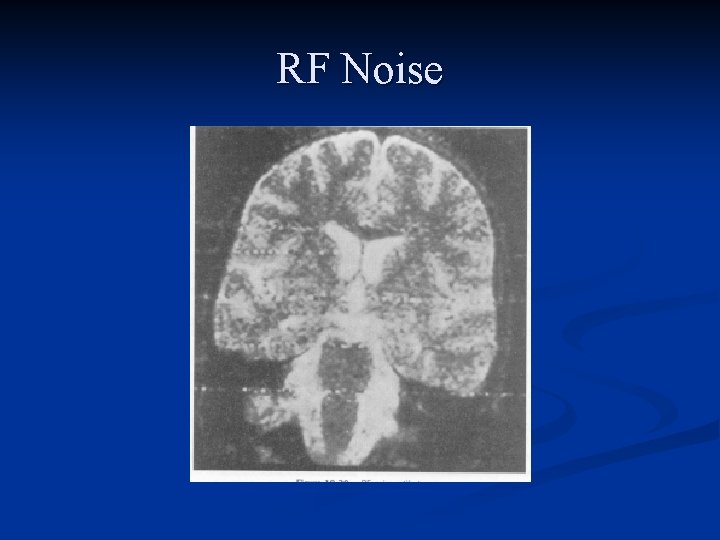
RF Noise
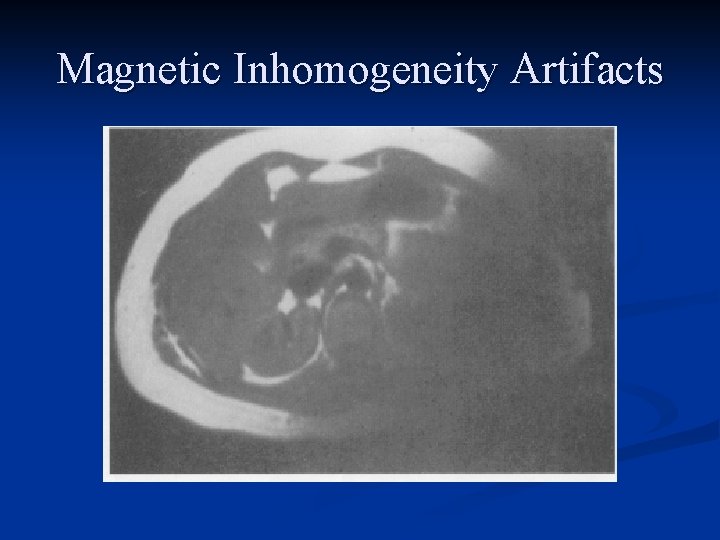
Magnetic Inhomogeneity Artifacts
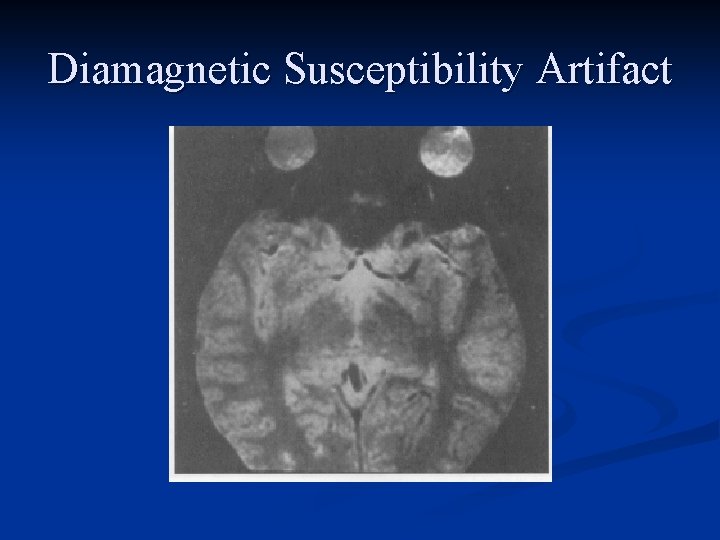
Diamagnetic Susceptibility Artifact
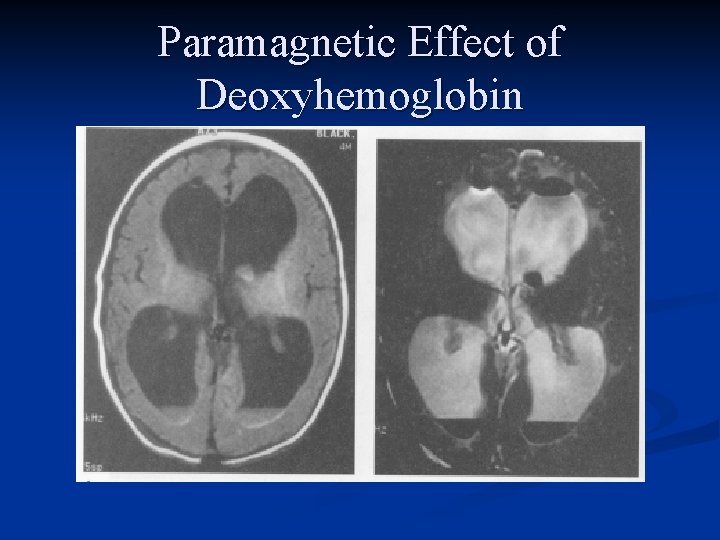
Paramagnetic Effect of Deoxyhemoglobin
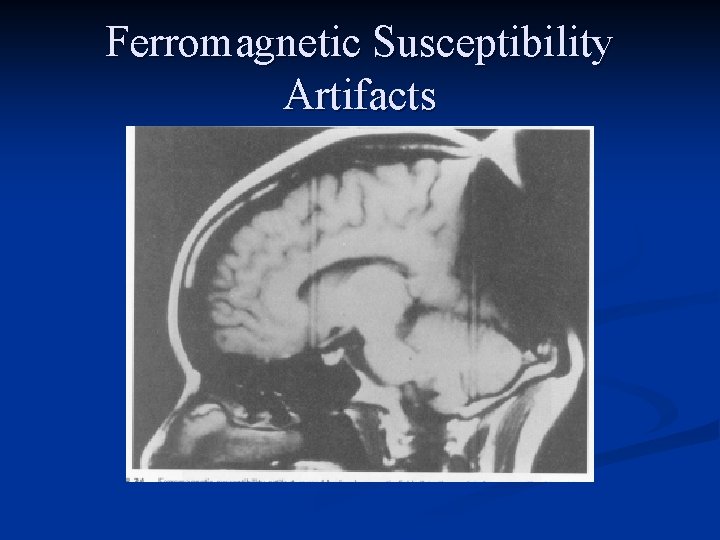
Ferromagnetic Susceptibility Artifacts
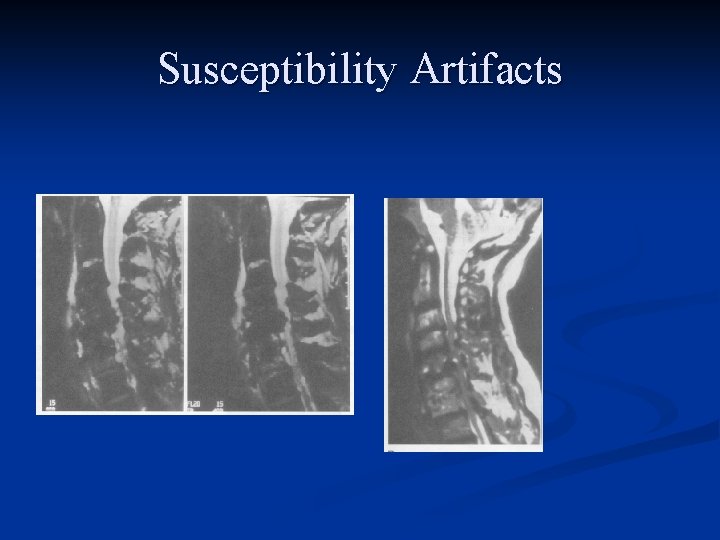
Susceptibility Artifacts
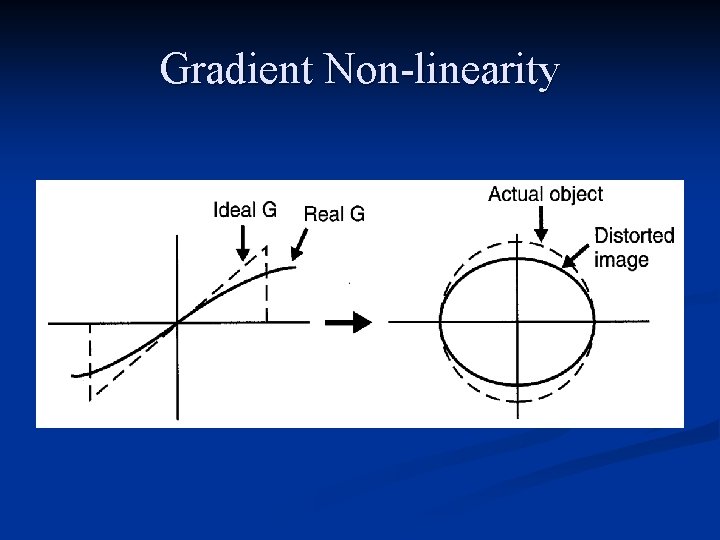
Gradient Non-linearity
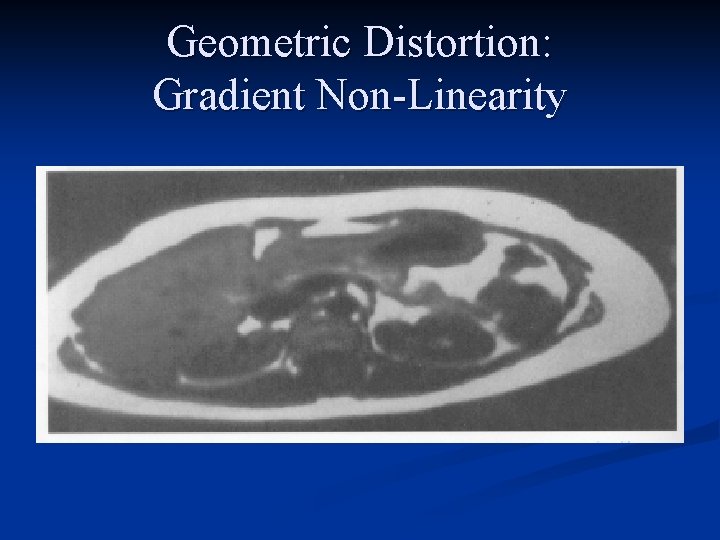
Geometric Distortion: Gradient Non-Linearity
- Slides: 41