
Basic Film Terms Time components of film Running

Basic Film Terms
Time components of film • Running time—the full duration of a film. (Feature films are generally 90120 minutes. ) • Story time—the amount of time the plot covers. (Could be hours or centuries. )

Principle Parts of Film • Frame – the rectangle itself in which the film appears & each still photograph that makes up a strip of film • Shot – what is recorded in a single operation of the camera from the time when the director gives the command “action” to the time the director says “cut” • Scene – a group of shots that are coherently related to each other with continuous action usually in a single location but not always • Sequence – a group of scenes forming a selfcontained unit
Types of Shots • A shot is the time occurring between the camera being turned on and shut off. • Shots vary in time from subliminal (a few frames) to quick (less than a second) to “average” (more than a second but less than a minute) to lengthy (more than a minute)
Long Shot (LS) • (A relative term) A shot taken from a sufficient distance to show a landscape, a building, or a large crowd • (FS) a full body shot
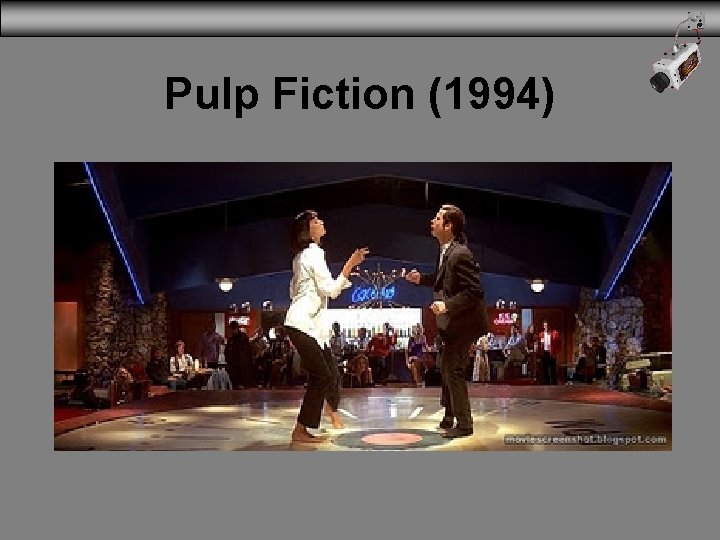
Pulp Fiction (1994)
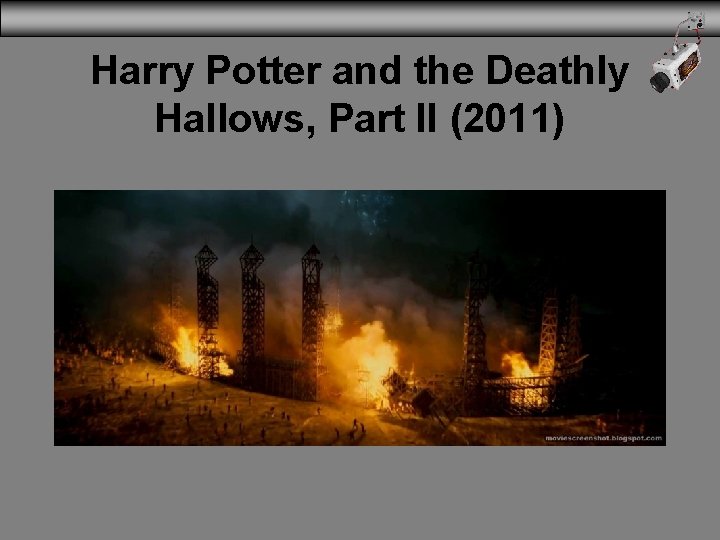
Harry Potter and the Deathly Hallows, Part II (2011)
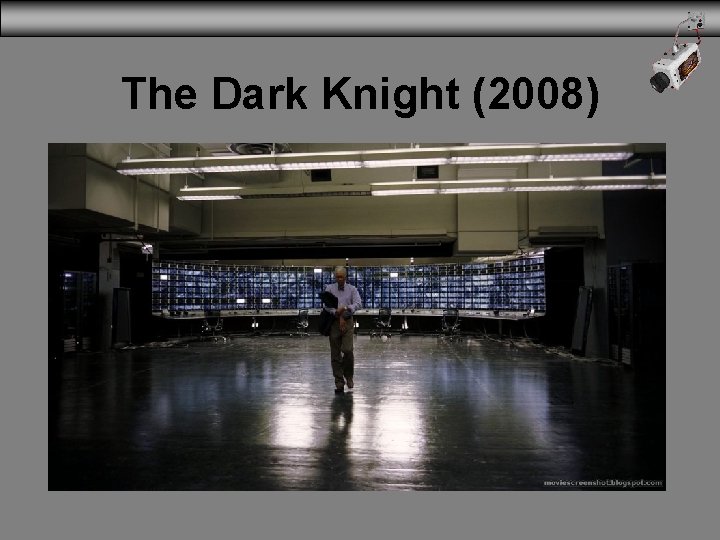
The Dark Knight (2008)
Establishing Shot (or Extreme Long Shot) • Shot taken from a great distance, almost always an exterior shot, shows much of locale • ELS
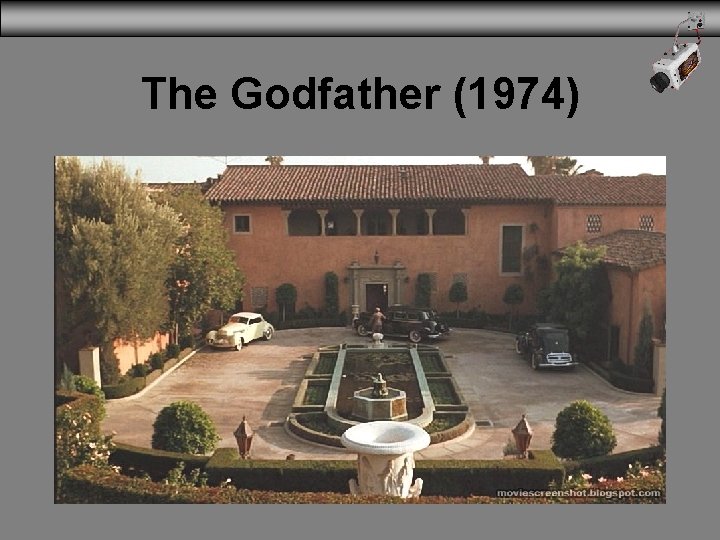
The Godfather (1974)
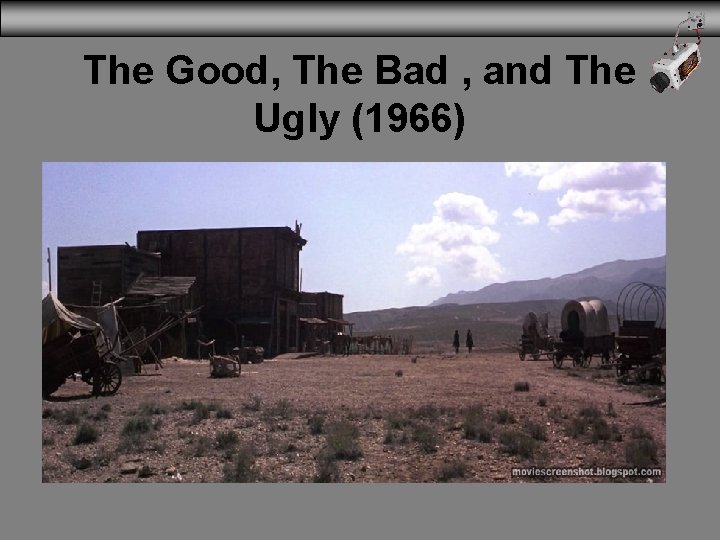
The Good, The Bad , and The Ugly (1966)
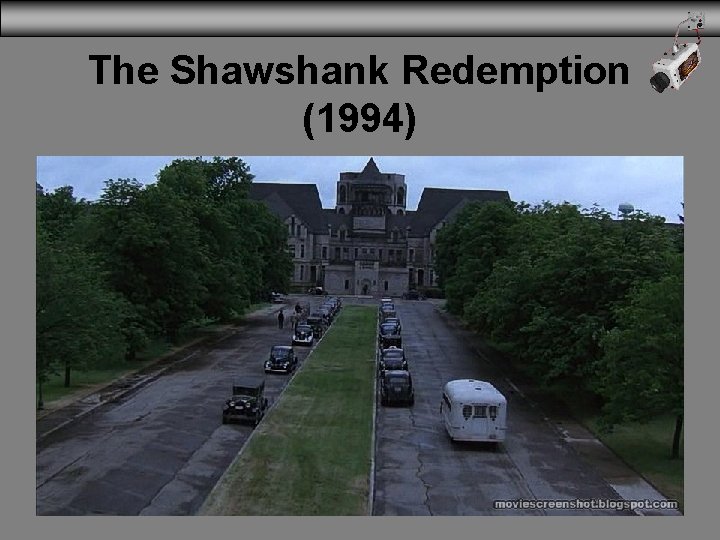
The Shawshank Redemption (1994)
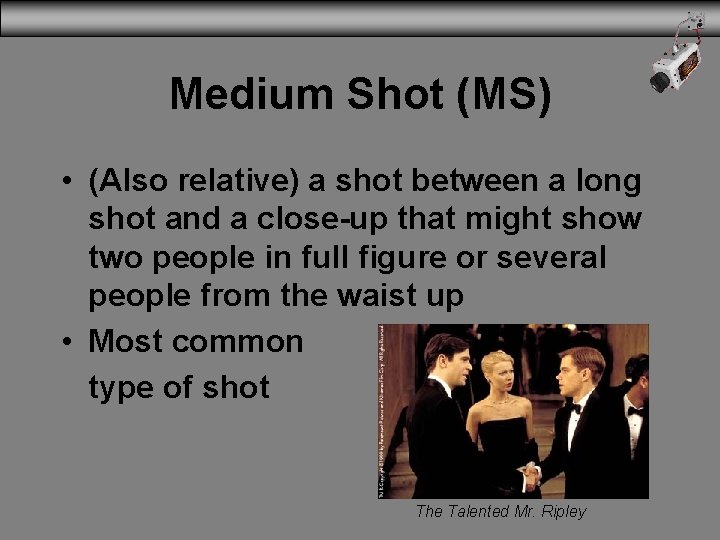
Medium Shot (MS) • (Also relative) a shot between a long shot and a close-up that might show two people in full figure or several people from the waist up • Most common type of shot The Talented Mr. Ripley
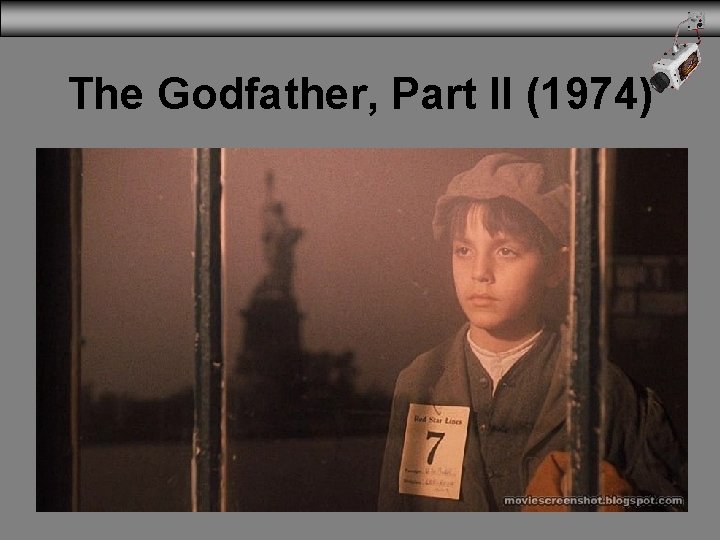
The Godfather, Part II (1974)
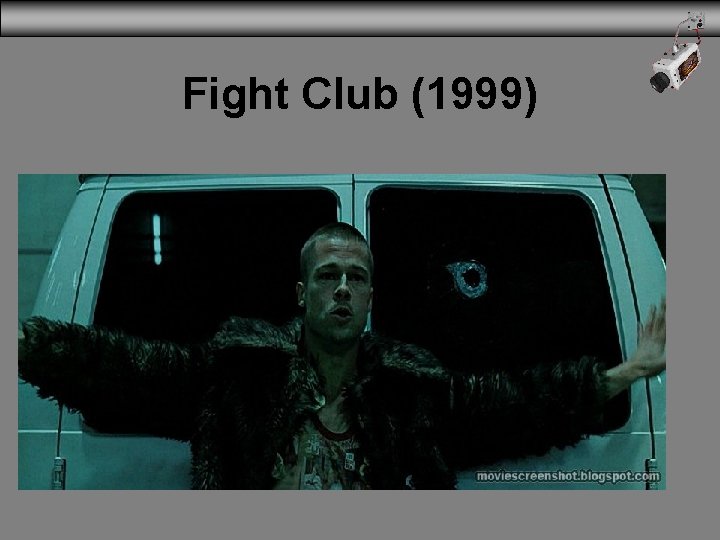
Fight Club (1999)
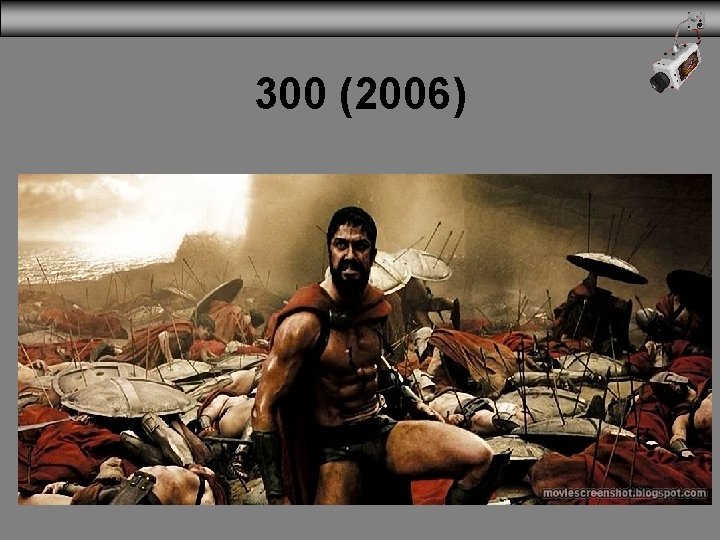
300 (2006)
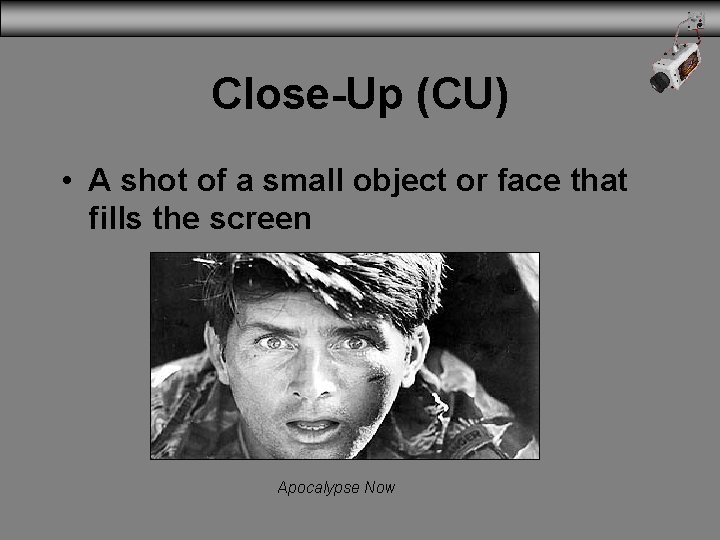
Close-Up (CU) • A shot of a small object or face that fills the screen Apocalypse Now
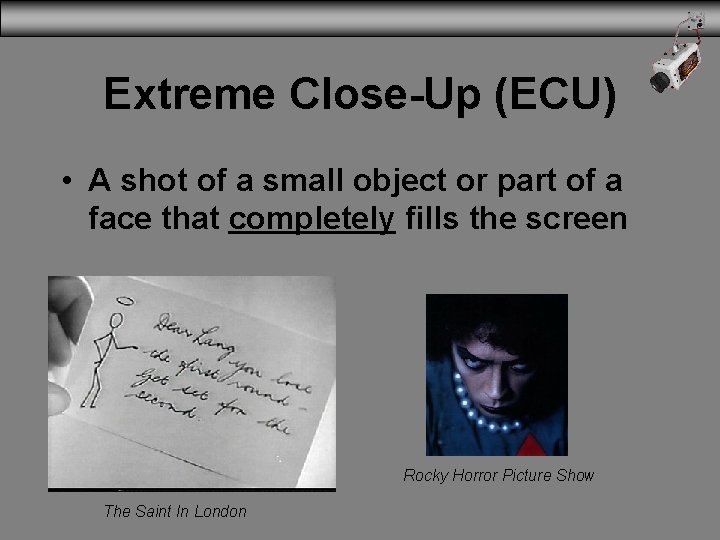
Extreme Close-Up (ECU) • A shot of a small object or part of a face that completely fills the screen Rocky Horror Picture Show The Saint In London

X-Men: First Class (2011)
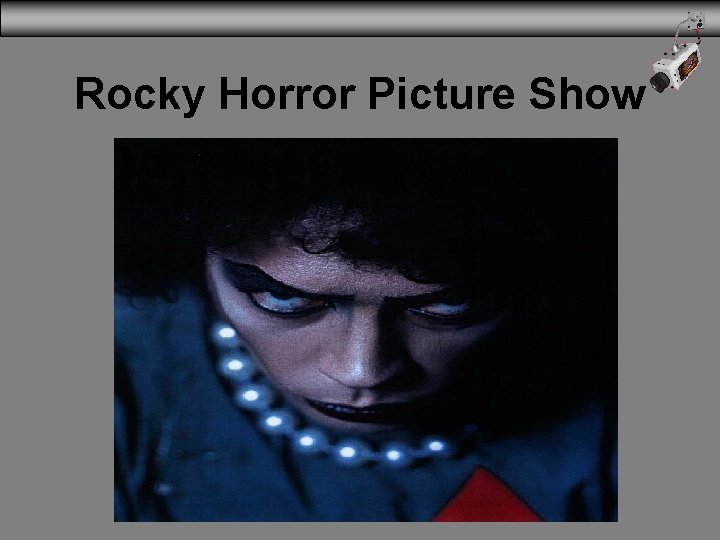
Rocky Horror Picture Show

Donnie Darko (2001)
Types of Angles • The angle is determined by where the camera is placed not the subject matter – Angles can serve as commentary on the subject matter
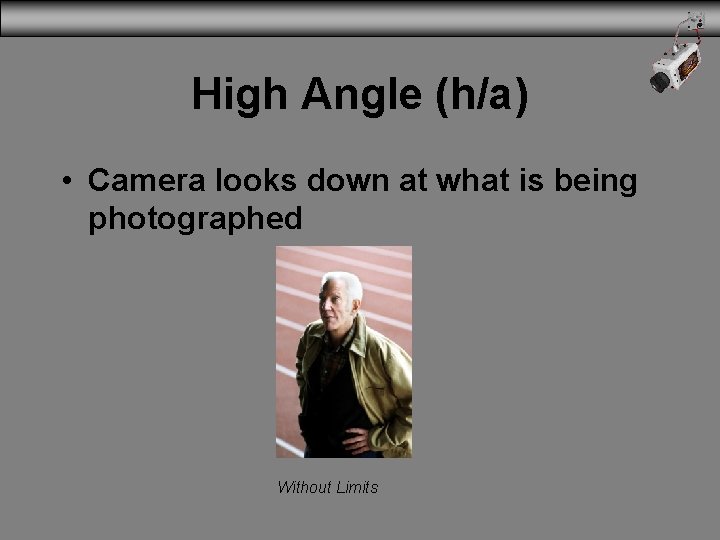
High Angle (h/a) • Camera looks down at what is being photographed Without Limits

Big Fish
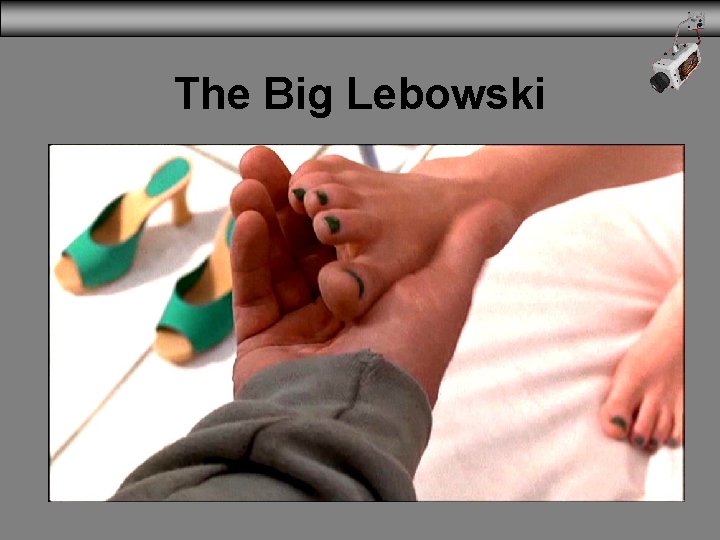
The Big Lebowski
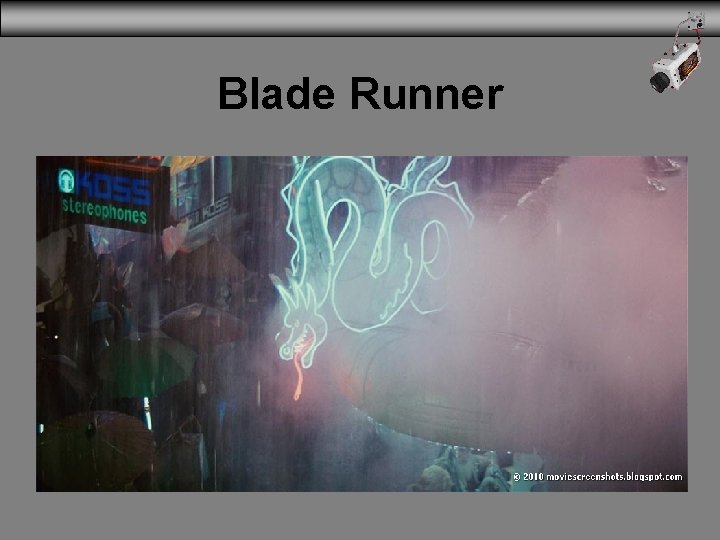
Blade Runner
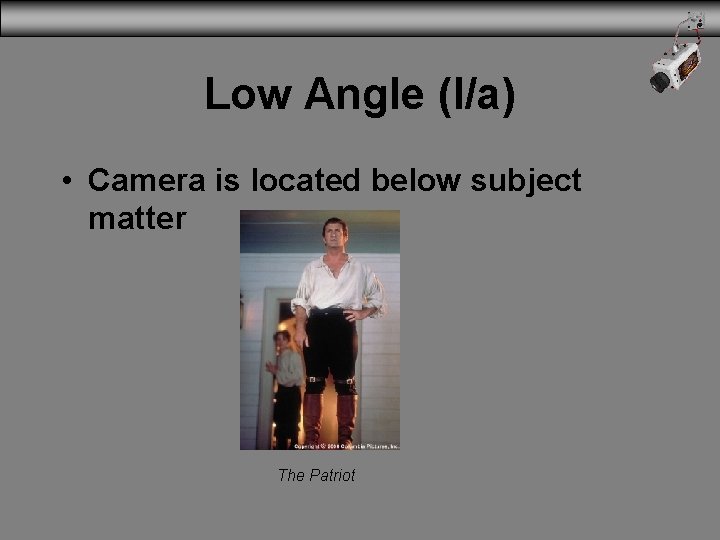
Low Angle (l/a) • Camera is located below subject matter The Patriot
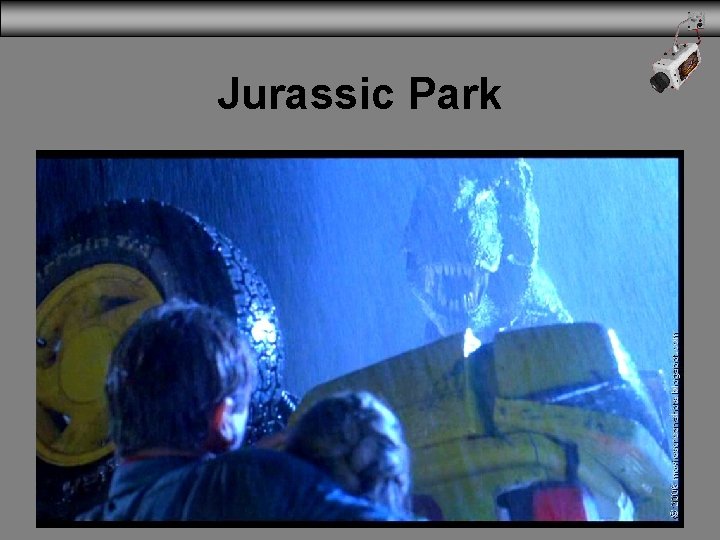
Jurassic Park
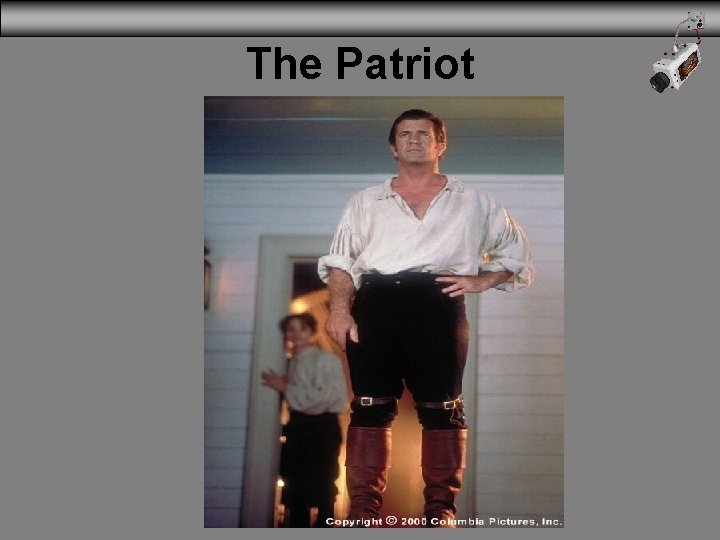
The Patriot
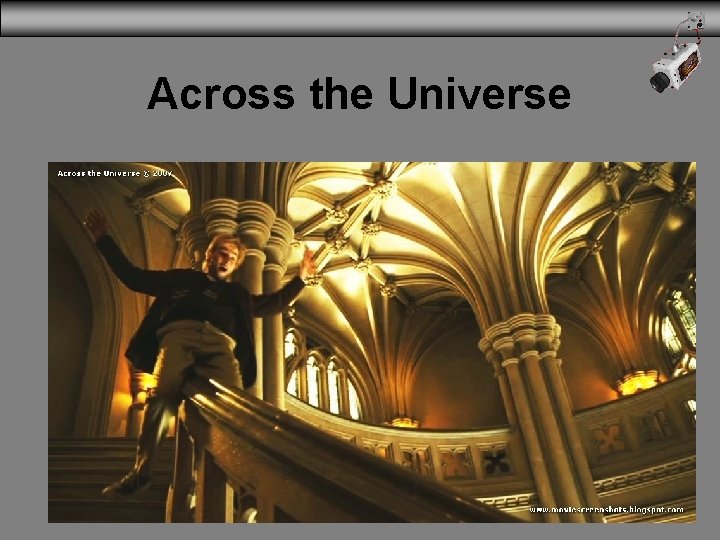
Across the Universe

“Eye-Level” • Roughly 5 to 6 feet off the ground, the way an actual observer might view a scene/a camera films a subject from the same plane – Most common
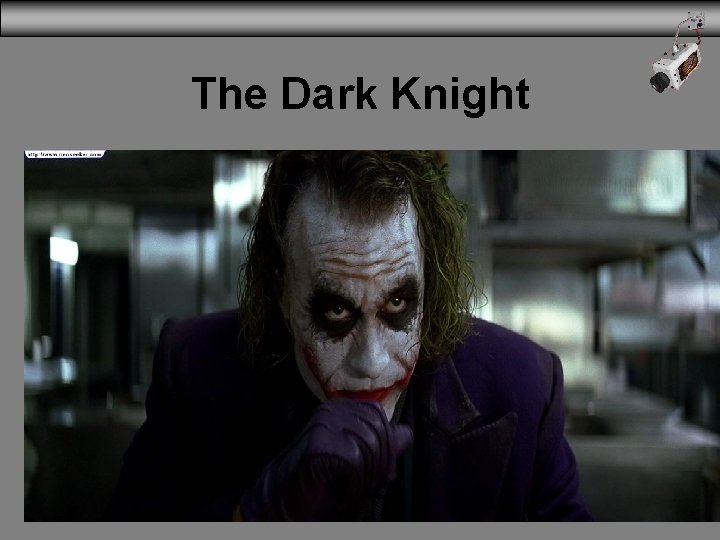
The Dark Knight
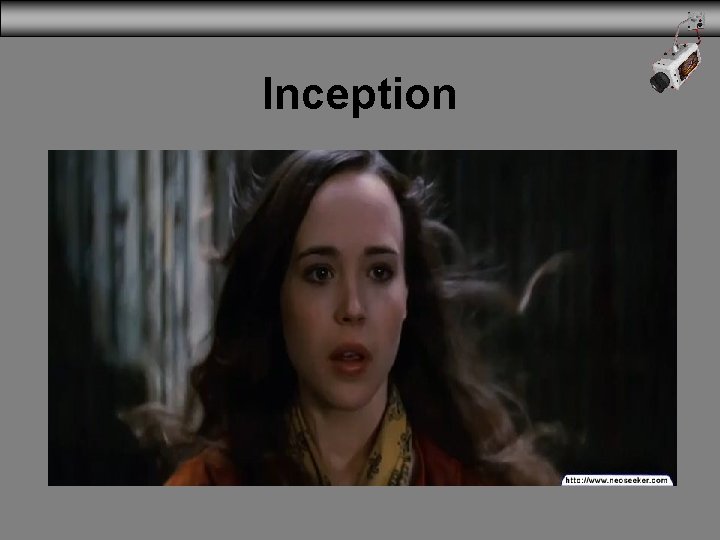
Inception
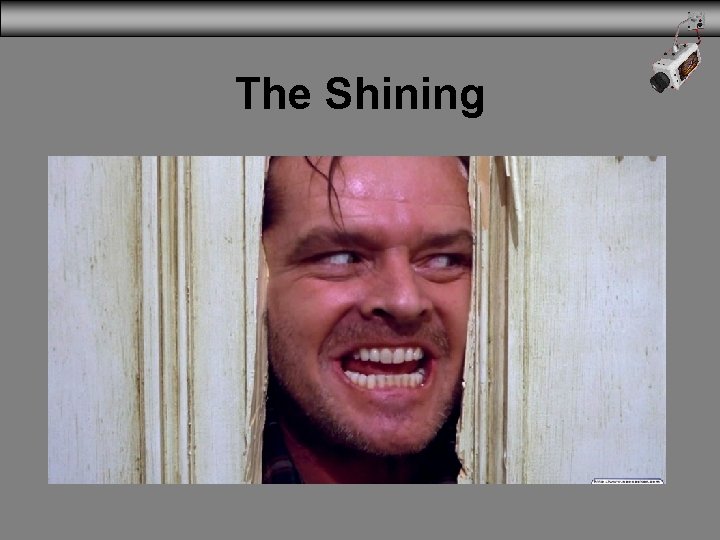
The Shining
Camera Movement
Pan • The camera moves horizontally on a fixed base. • Usually a stationary camera in a smaller space

Panning
Tilting • The camera points up or down from a fixed base

Tilt
Tracking (dolly) shot • The camera moves through space on a wheeled truck (or dolly) but stays in the same plane
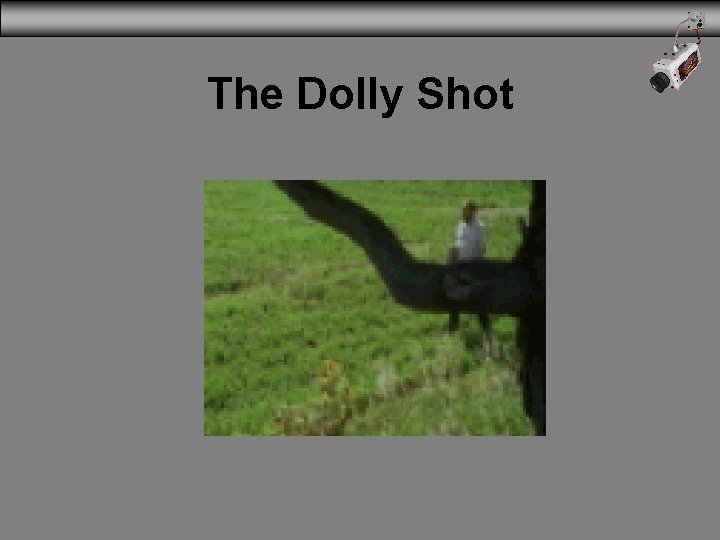
The Dolly Shot
Zoom • Not an actual camera movement but a shift in the focal length of the camera lens to give the impression that the camera is getting closer to or farther from an object
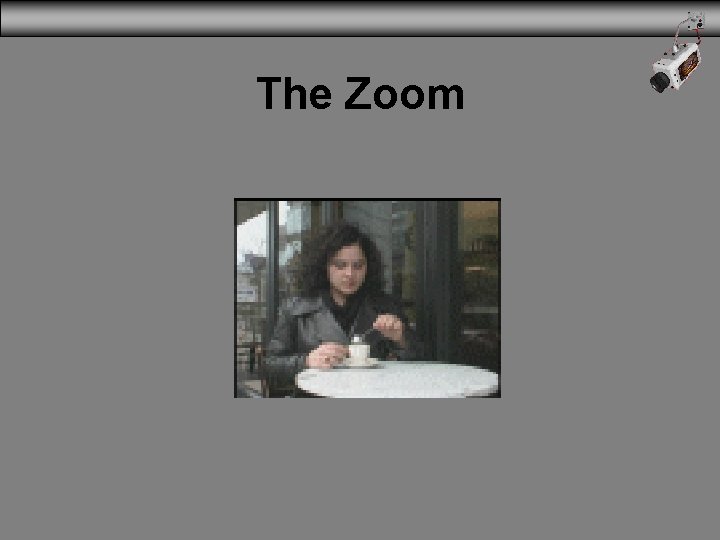
The Zoom

Boom • The camera moves up or down through space
Crane • A camera that is high up on a crane
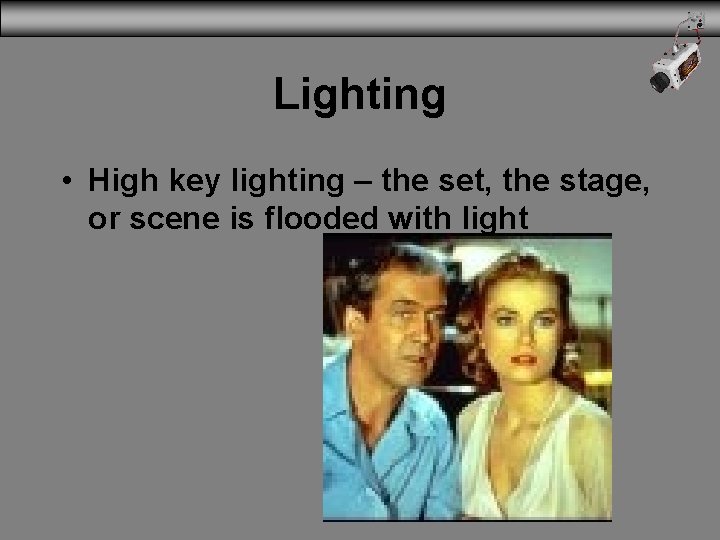
Lighting • High key lighting – the set, the stage, or scene is flooded with light
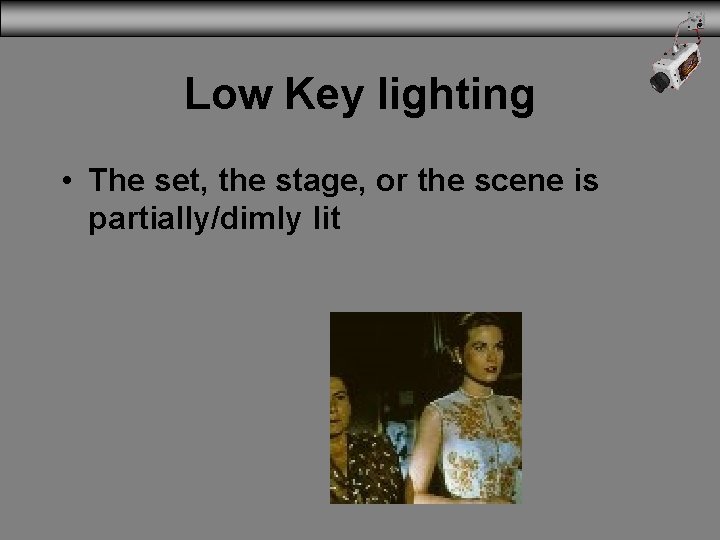
Low Key lighting • The set, the stage, or the scene is partially/dimly lit
Lighting continued… • Front lighting- to characterize and/or bring attention to a certain item/detail • Back lighting- make something look supernatural • Bottom lighting – make something look evil
Focalization – point of view • Subjective – a shot filmed from the pt. of view or perspective of a character • Authorial - a shot filmed from the pt. of view of the director • Neutral – a stationary camera films whatever is near it
Sound • Diegetic – sound that characters (key word) in the film can hear • Non-diegetic – sounds that in the film that characters cannot hear
Editing techniques
Cut • Transition between scenes when one scene ends and another one begins • Most common
Dissolve • A gradual transition in which the end of one scene is superimposed over the beginning of a new one. • You see 2 shots at the same time.
Fade-out/Fade in • A scene gradually goes dark or a new one gradually emerges from darkness
Wipe • An optical effect in which one shot appears to push the preceding one from the screen.
Two Shot or Reverse-Shot. Reverse focusing on one shot and reversing the shot (camera) to film the other subject or shot
Cross-cutting • When you cut from one scene to another, then change the scene or setting; however, both scenes are happening at the same time
Eyeline Match • When you film a person’s eyes in one shot, and in the next shot, you show what the person is looking at.
Flashback • Cutting from one scene to another that goes back in time
Final Things to Note: • Framing (left, right, bottom, top, center) • Dialogue/music lyrics • Costuming/colors • The Filter • 2 basic philosophies of film-making
- Slides: 60