
Basic Airway Management Dr Nishith Govil Associate Professor
Basic Airway Management Dr Nishith Govil Associate Professor Department of Anaesthesiology
Learning Objectives • Which conditions need Airway management • How to Recognise Severity of problem • Different approach of Management for adult and children • Familiarization to techniques of basic airway management • Assessing your Knowledge gain
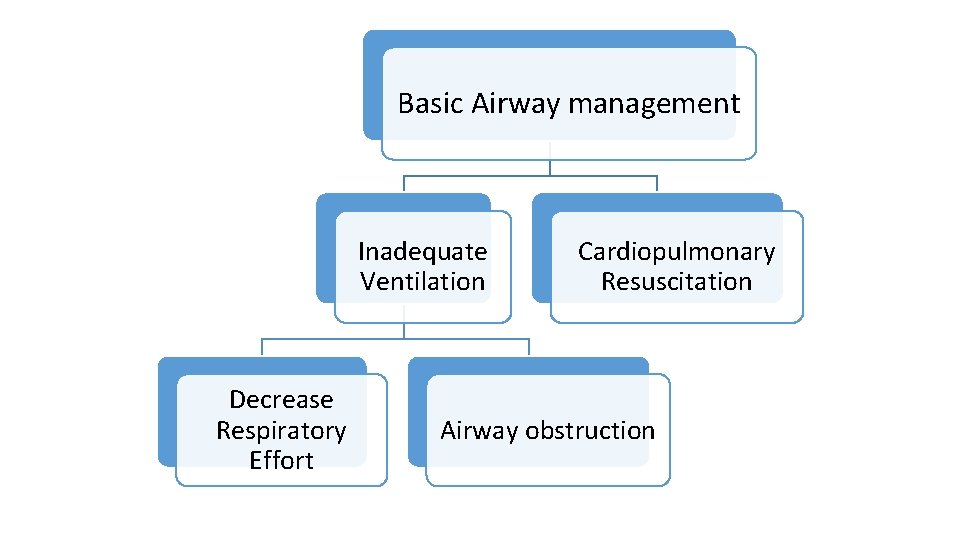
Basic Airway management Inadequate Ventilation Decrease Respiratory Effort Cardiopulmonary Resuscitation Airway obstruction
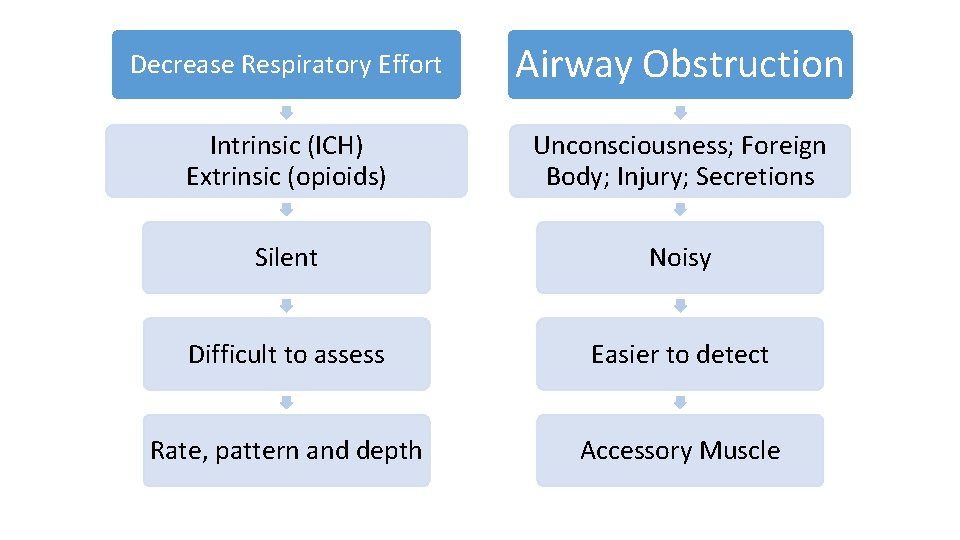
Decrease Respiratory Effort Intrinsic (ICH) Extrinsic (opioids) Airway Obstruction Unconsciousness; Foreign Body; Injury; Secretions Silent Noisy Difficult to assess Easier to detect Rate, pattern and depth Accessory Muscle
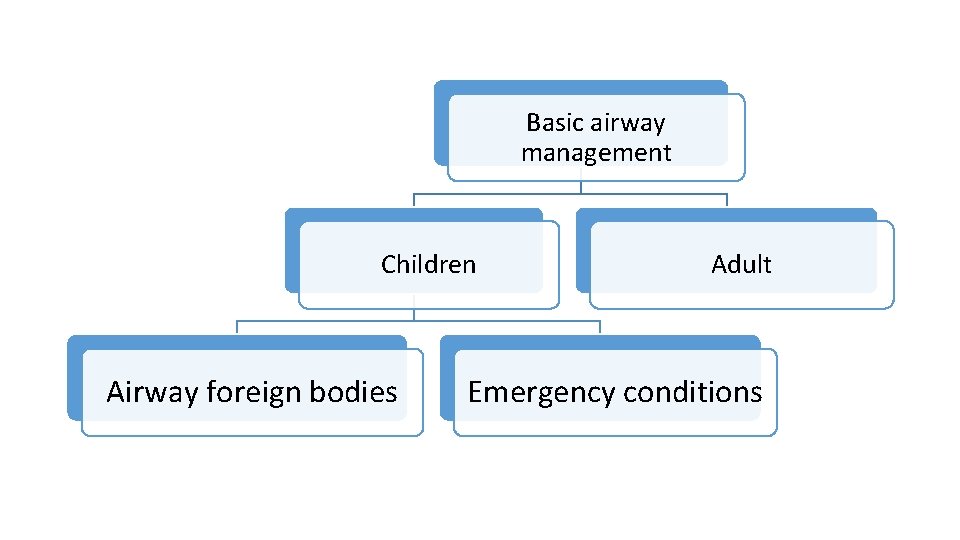
Basic airway management Children Airway foreign bodies Adult Emergency conditions
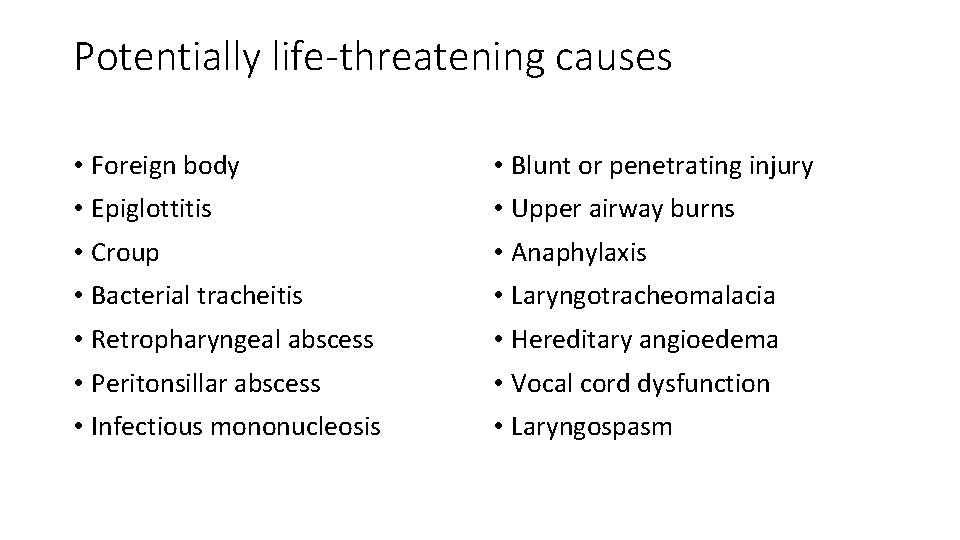
Potentially life-threatening causes • Foreign body • Blunt or penetrating injury • Epiglottitis • Upper airway burns • Croup • Anaphylaxis • Bacterial tracheitis • Laryngotracheomalacia • Retropharyngeal abscess • Hereditary angioedema • Peritonsillar abscess • Vocal cord dysfunction • Infectious mononucleosis • Laryngospasm
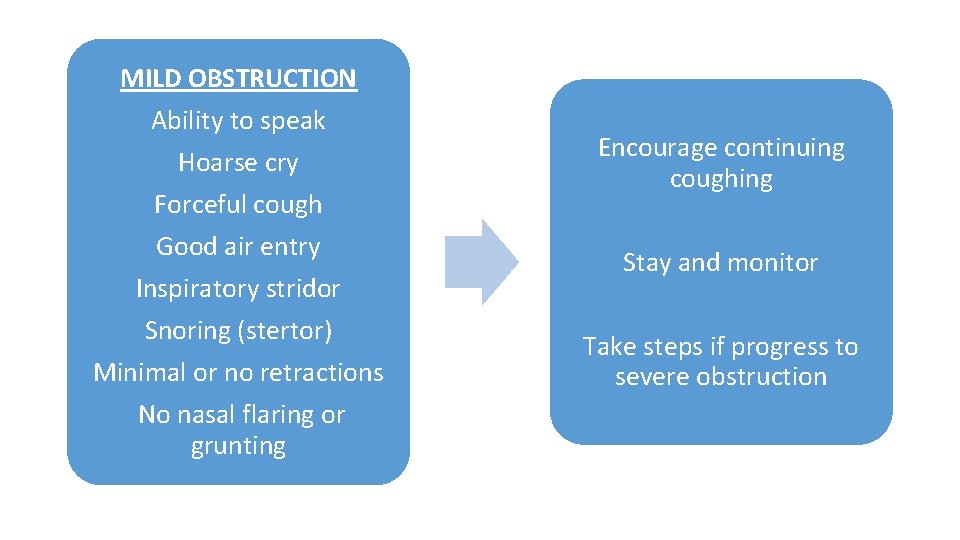
MILD OBSTRUCTION Ability to speak Hoarse cry Forceful cough Good air entry Inspiratory stridor Snoring (stertor) Minimal or no retractions No nasal flaring or grunting Encourage continuing coughing Stay and monitor Take steps if progress to severe obstruction
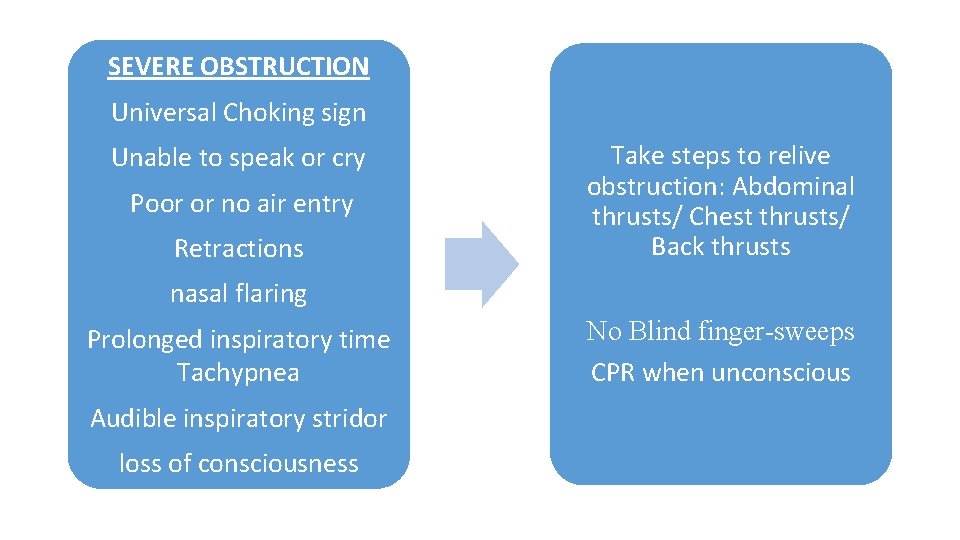
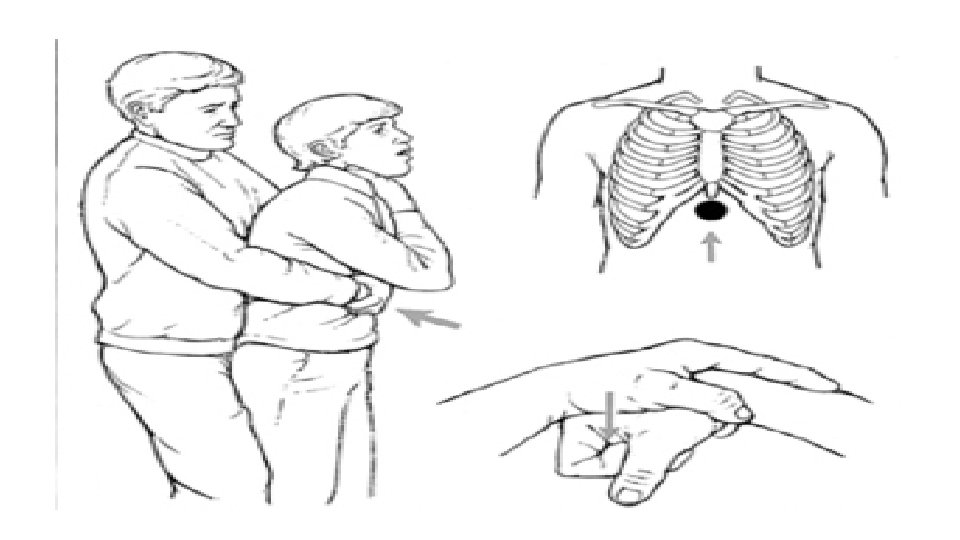
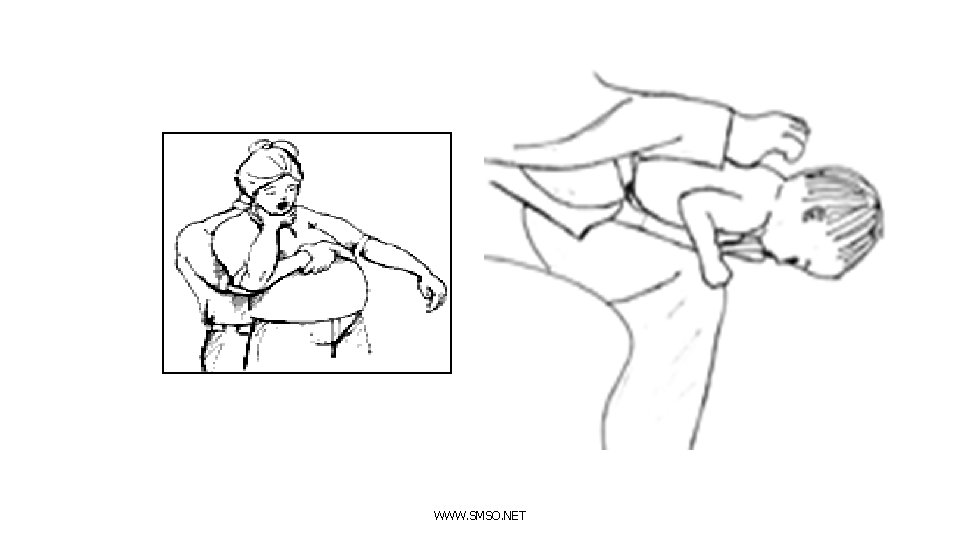
SEVERE OBSTRUCTION Universal Choking sign Unable to speak or cry Poor or no air entry Retractions Take steps to relive obstruction: Abdominal thrusts/ Chest thrusts/ Back thrusts nasal flaring Prolonged inspiratory time Tachypnea Audible inspiratory stridor loss of consciousness No Blind finger-sweeps CPR when unconscious
Management • History and Examination • Radiological images and Endoscopy • Positioning Manoeuvres • Airway Adjuncts • Patient position • Breathing Techniques • Cervical fixation technique
WWW. SMSO. NET
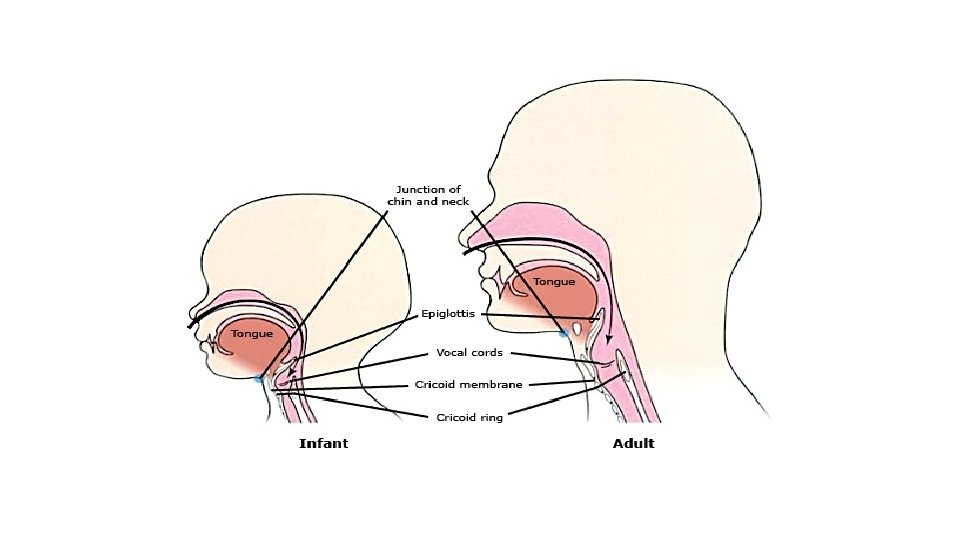
Anatomic considerations in children • Prominent occiput • Small mouth opening • Large tongue, tonsils and adenoids • Superior laryngeal position • Weaker hyoepiglottic ligament • Large, floppy epiglottis • Shorter trachea • Anatomic subglottic narrowing
PHYSIOLOGIC CONSIDERATIONS • Age-related high respiratory rate • Periodic breathing and Apnoea • Preferential nasal breathing • Smaller tidal volumes relative to body size (6 to 8 m. L/kg) • Lower functional residual capacity • Higher oxygen metabolism: (6 versus 3 m. L/kg/min) • Prone to respiratory fatigue: lower percentage of type 1 muscle fibres • Higher vagal tone
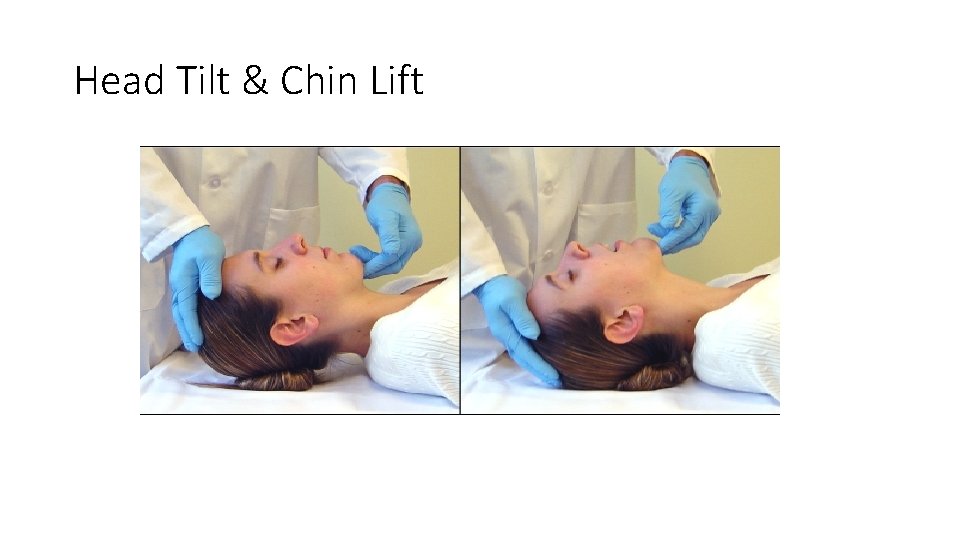
Head Tilt & Chin Lift
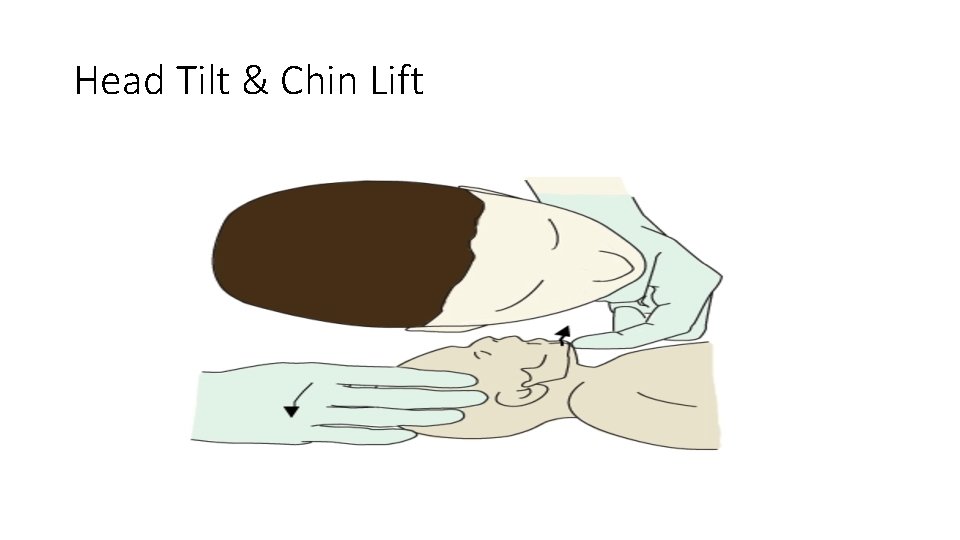
Head Tilt & Chin Lift

Jaw-thrust manoeuvre
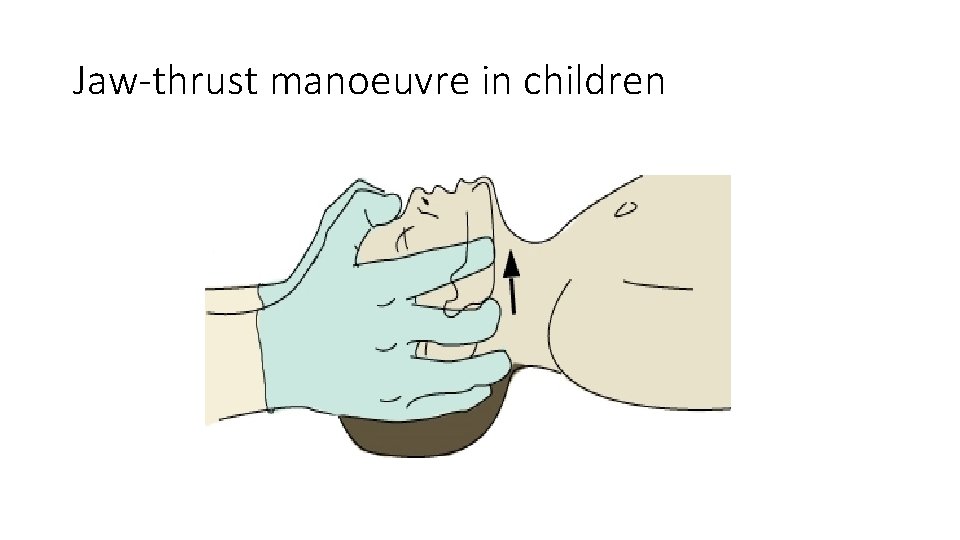
Jaw-thrust manoeuvre in children
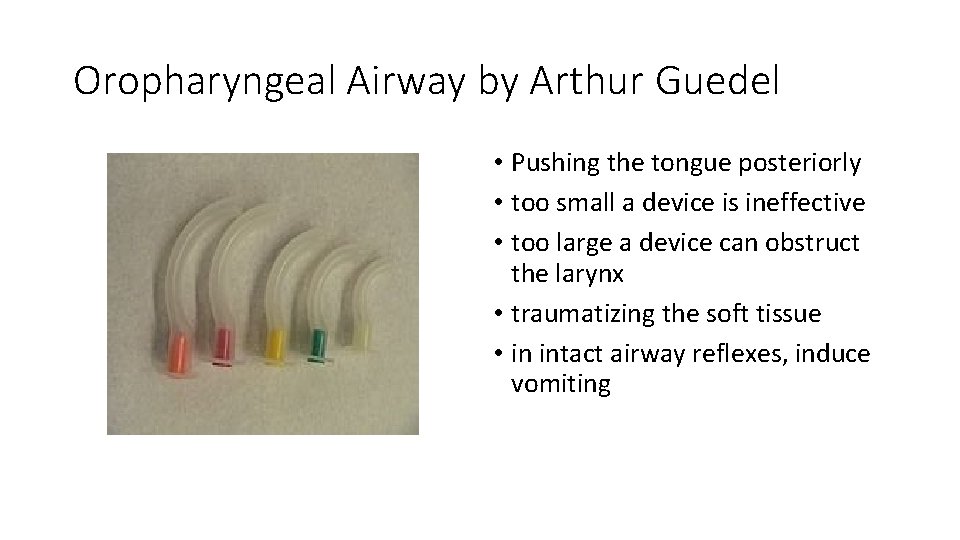
Oropharyngeal Airway by Arthur Guedel • Pushing the tongue posteriorly • too small a device is ineffective • too large a device can obstruct the larynx • traumatizing the soft tissue • in intact airway reflexes, induce vomiting
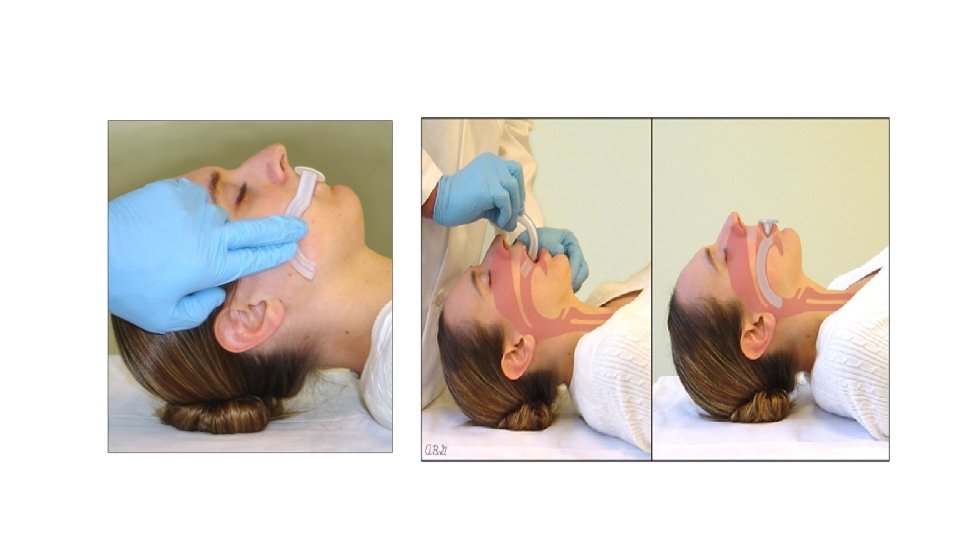
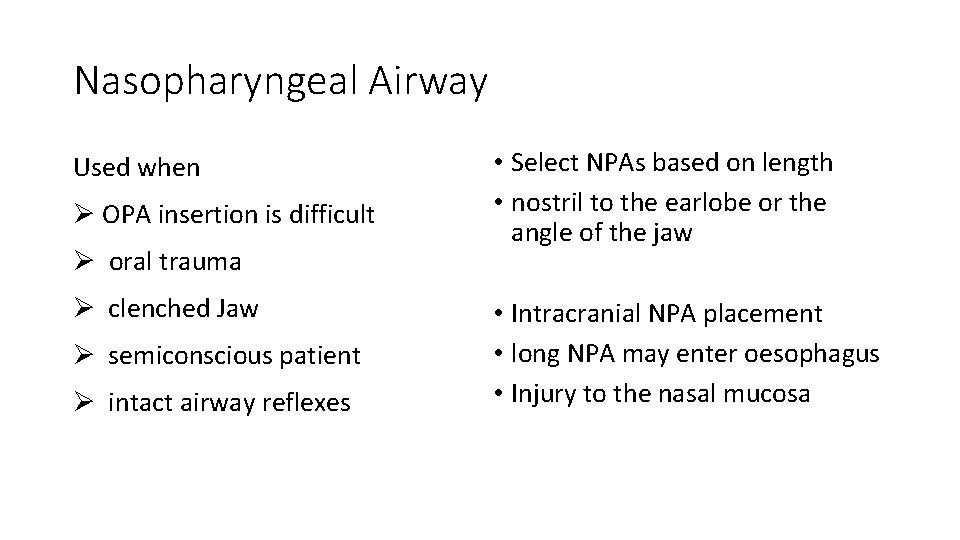
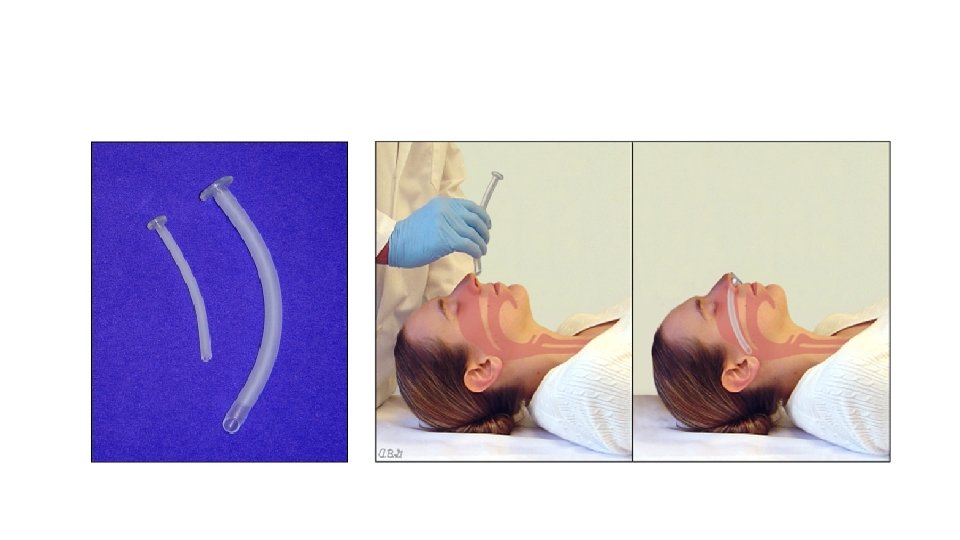
Nasopharyngeal Airway Used when Ø OPA insertion is difficult Ø oral trauma Ø clenched Jaw Ø semiconscious patient Ø intact airway reflexes • Select NPAs based on length • nostril to the earlobe or the angle of the jaw • Intracranial NPA placement • long NPA may enter oesophagus • Injury to the nasal mucosa

Sniffing position
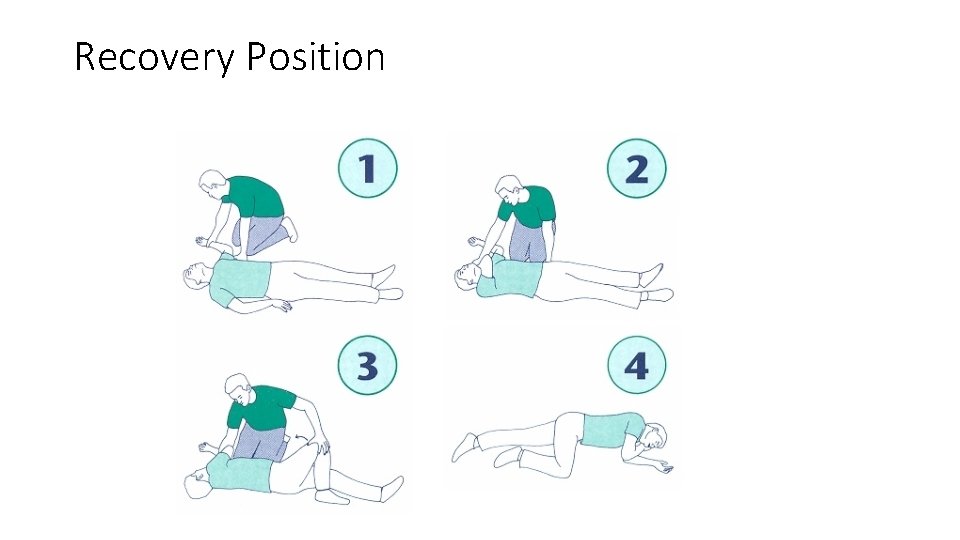
Recovery Position
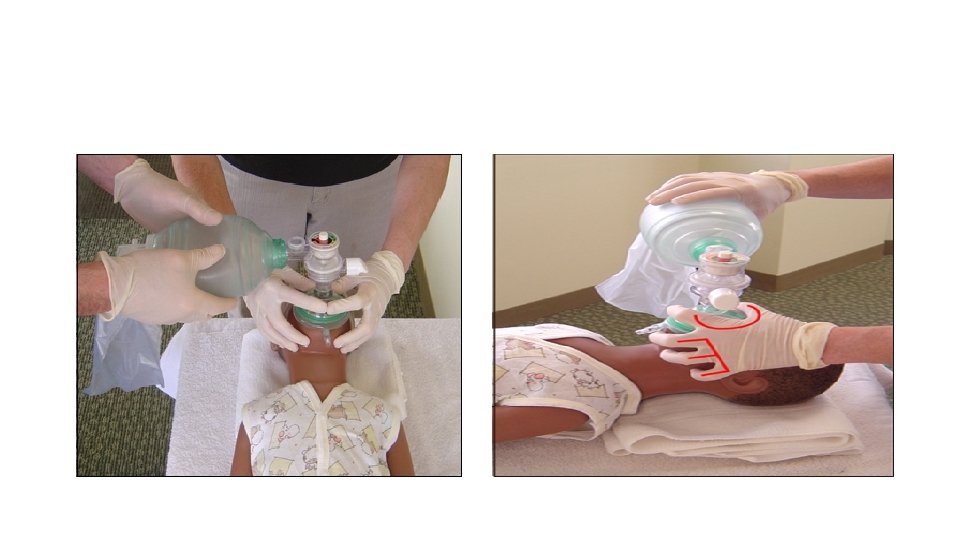
Breathing Techniques: Bag Valve Mask • Developed by Holger Hesse & Henning Ruber in 1953 • AMBU company: Artificial Manual Breathing Unit • Manual Resuscitator or Self Inflating Bag • Provides PPV in emergency or Temporary Ventilation • Disposable or Reusable • Sizes: Infant , children and adult
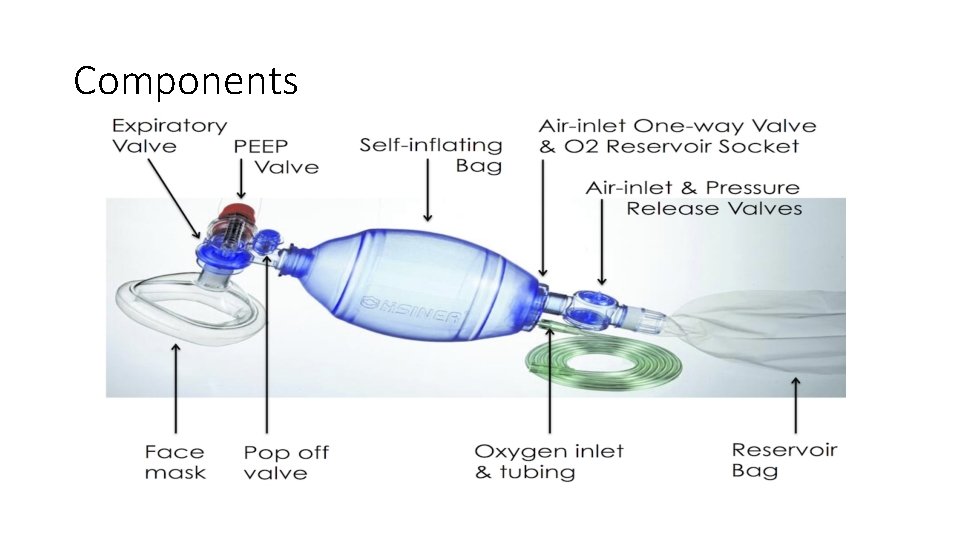
Components
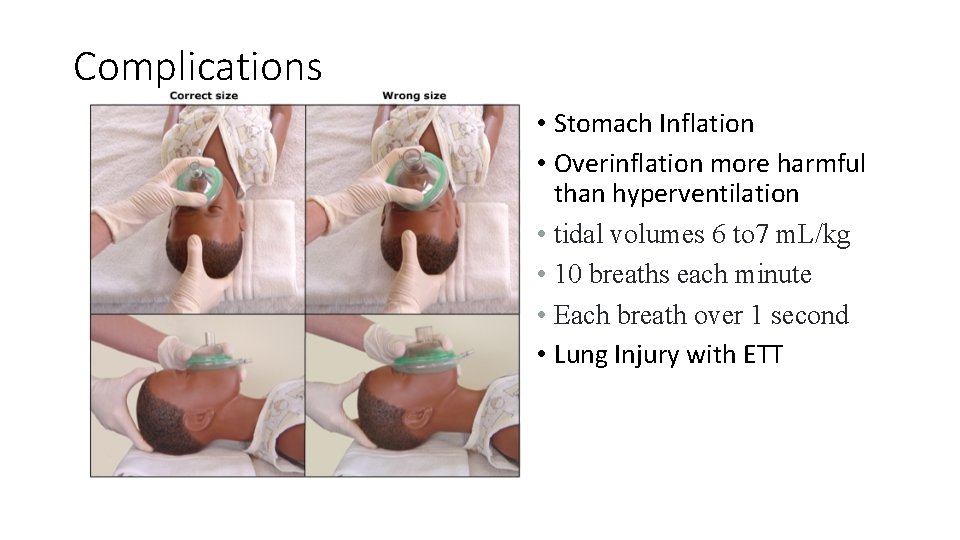
Complications • Stomach Inflation • Overinflation more harmful than hyperventilation • tidal volumes 6 to 7 m. L/kg • 10 breaths each minute • Each breath over 1 second • Lung Injury with ETT
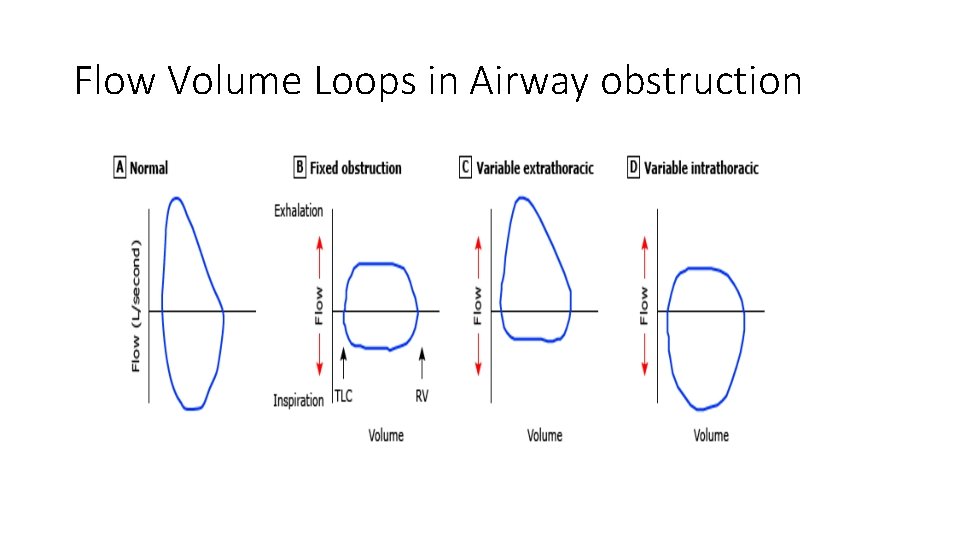
Flow Volume Loops in Airway obstruction
- Slides: 29