
Barriers to Effective Communication Process Barriers involve all
Barriers to Effective Communication • Process Barriers: involve all components of the perceptual model of communication • Personal Barriers: involve components of an individual’s communication competence and interpersonal dynamics between people communicating • Physical Barriers: pertain to the physical distance between people communicating • Semantic Barriers: relate to the different understanding and interpretations of the words we use to communicate • For class discussion: Which of the barriers to effective communication is the most difficult to deal with? Explain.
Listening Styles Results-style: Interested in the bottom line or result of a message. Reasons-style: Interested in hearing the rationale behind a message. Process-style: Likes to discuss issues in detail.
TWO PRINCIPLES OF COMMUNICATION 1. Communication is an on-going, dynamic, transactional process (Two models of Communication)
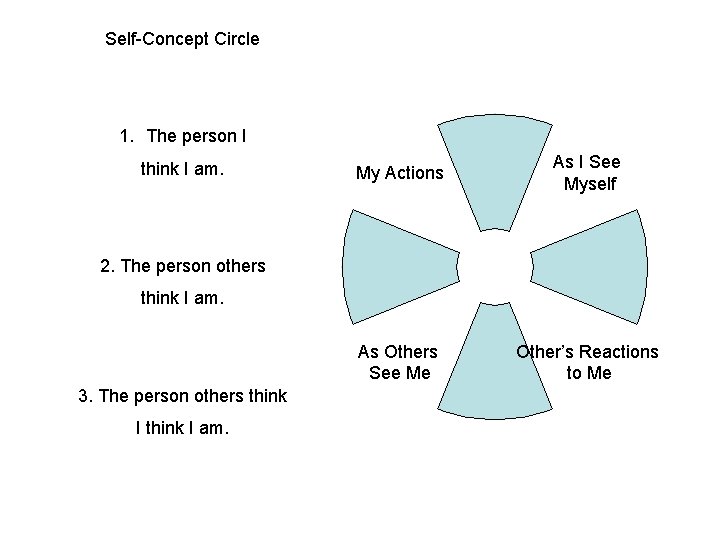
Self-Concept Circle 1. The person I think I am. My Actions As I See Myself As Others See Me Other’s Reactions to Me 2. The person others think I am. 3. The person others think I am.
Definitions • Self-concept: Picture or perception of ourselves • Self Esteem: Feelings we have about ourselves • Self-ideal: The way we would like to be
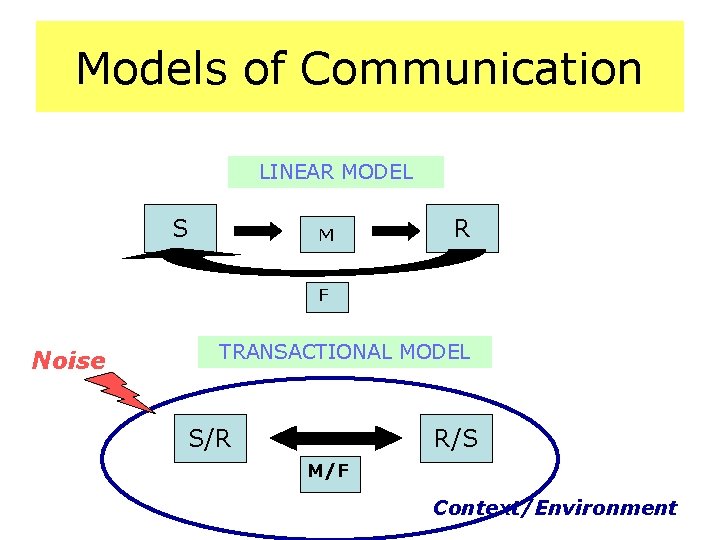
Models of Communication LINEAR MODEL S M R F Noise TRANSACTIONAL MODEL S/R R/S M/F Context/Environment
TWO PRINCIPLES OF COMMUNICATION 1. Communication is an on-going, dynamic, transactional process (Two Models of Communication) 2. It is impossible to NOT communicate (Five Types of Communication)
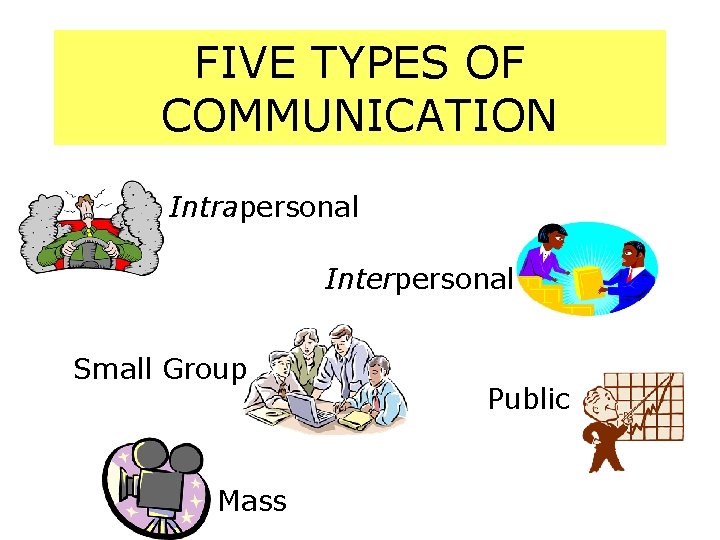
FIVE TYPES OF COMMUNICATION Intrapersonal Interpersonal Small Group Mass Public
STAGES OF LISTENING 1. Hearing 2. Selecting 3. Attending 4. Understanding 5. Evaluating 6. Remembering 7. Responding
TYPES OF LISTENING Listening for enjoyment Listening for information Empathic listening Critical / evaluative listening
- Slides: 10