
Balanced Leadership The Role of Behavior Styles and
Balanced Leadership: The Role of Behavior Styles and Emotional Intelligence Morris W. Beverage Jr. & Jeannie Zappe November 6, 2012
Introductions Jeannie Zappe & Morris Beverage Tell us about you… Ø Name, etc. Ø What brought you here today? Ø What do you expect to get out of your time here?
Exercise: Let’s Discover Something About Ourselves… § Complete your individual profile § Select the word that most describes you at work § There are no right or wrong answers § No one will see your selections
Your Behavior Style Profile § External conditions and situations exist at the present time that may impact your current response § Avoid labels § How to score your profile
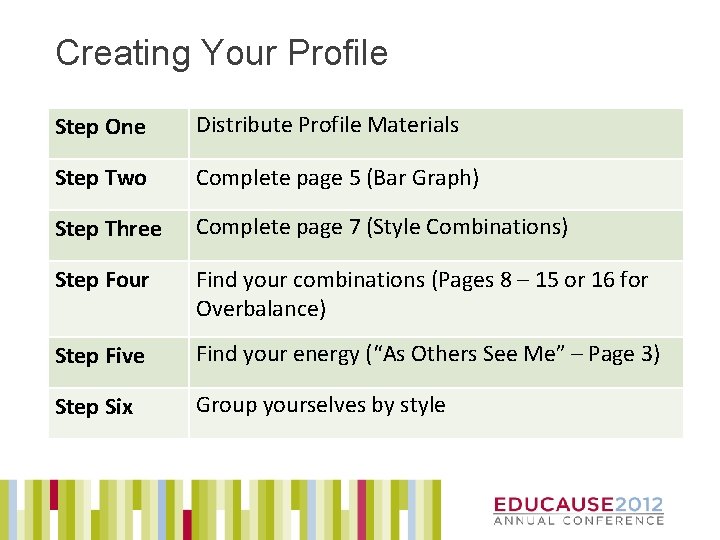
Creating Your Profile Step One Distribute Profile Materials Step Two Complete page 5 (Bar Graph) Step Three Complete page 7 (Style Combinations) Step Four Find your combinations (Pages 8 – 15 or 16 for Overbalance) Step Five Find your energy (“As Others See Me” – Page 3) Step Six Group yourselves by style
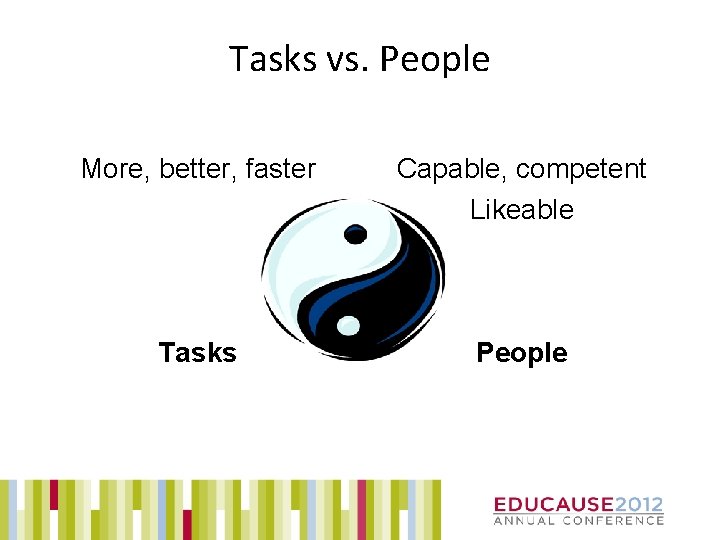
Tasks vs. People More, better, faster Capable, competent Likeable Tasks People
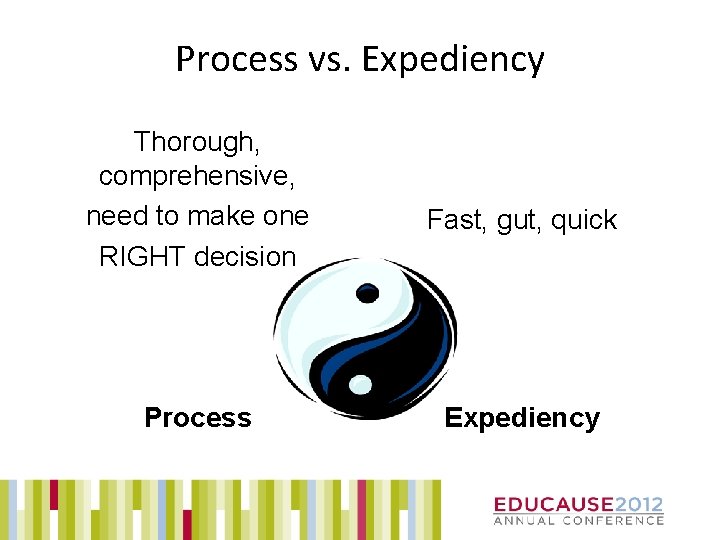
Process vs. Expediency Thorough, comprehensive, need to make one RIGHT decision Process Fast, gut, quick Expediency
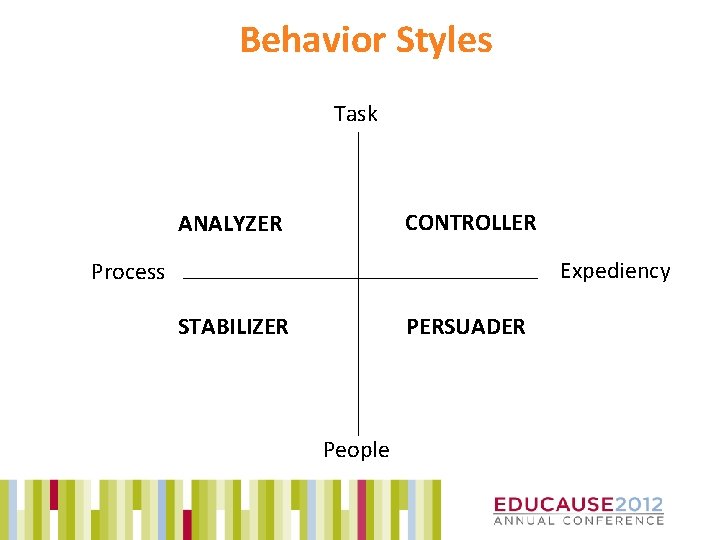
Behavior Styles Task CONTROLLER ANALYZER Expediency Process STABILIZER PERSUADER People
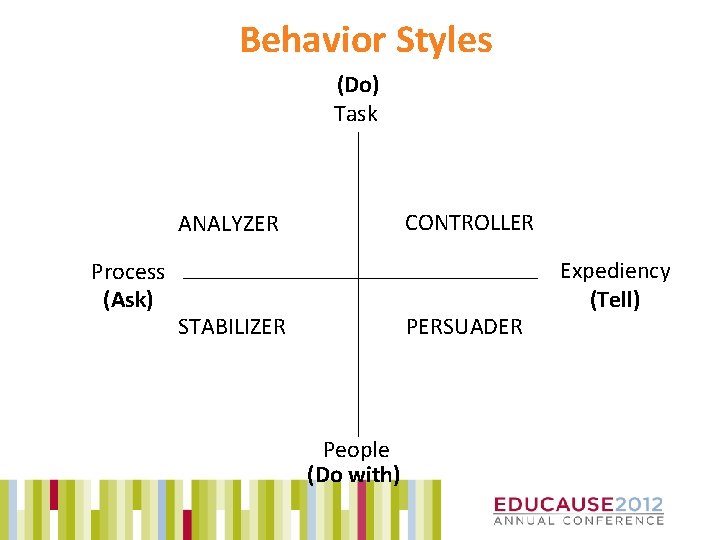
Behavior Styles (Do) Task CONTROLLER ANALYZER Process (Ask) STABILIZER PERSUADER People (Do with) Expediency (Tell)
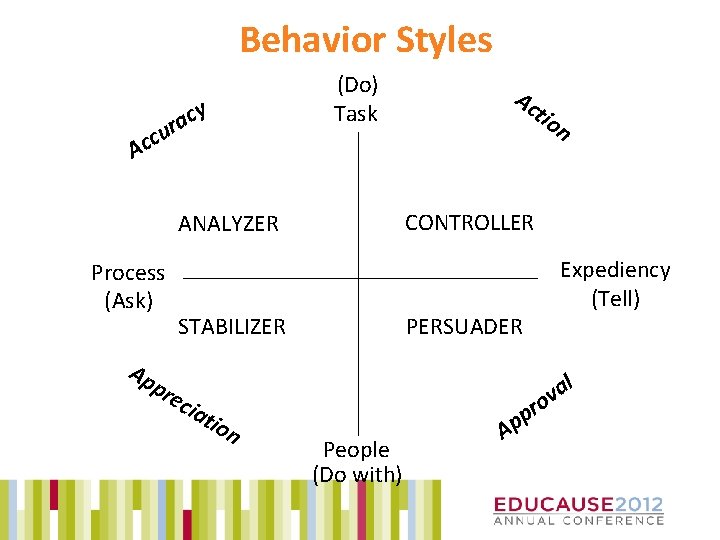
Behavior Styles c Ac (Do) Task y c a ur Ap STABILIZER pre cia tio n CONTROLLER ANALYZER Process (Ask) Ac PERSUADER Expediency (Tell) al v ro People (Do with) p p A
Discussion § Look at the “Style Descriptions” and the “Positives and Negatives per Style” matrix. § Do those ring true for you? Do they suggest approaches that may result in successful outcomes when working with or communicating with people whose style is different than your own?
Analyzers § Tendency toward perfectionism § Decisions and information provided are usually accurate and thoughtful § Deal with facts, data, logic, details § Sometimes slow to make decisions § May appear overly cautious and not good risk-takers § Feelings and emotions kept inside
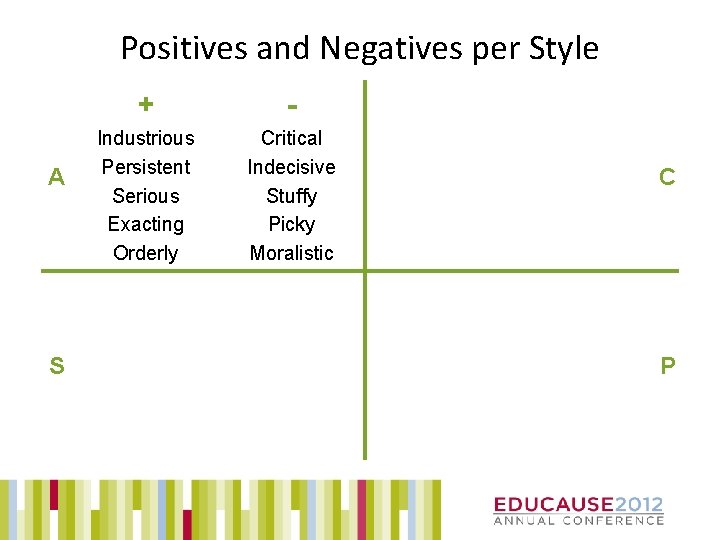
Positives and Negatives per Style A S + - Industrious Persistent Serious Exacting Orderly Critical Indecisive Stuffy Picky Moralistic C P
Stabilizers § § § “Warm and fuzzies” People and friendships are very important Good at juggling multiple tasks Concerned about feelings of others Dependable Agreeable; less inclined to speak their mind openly § Can get hurt feelings or be offended easily
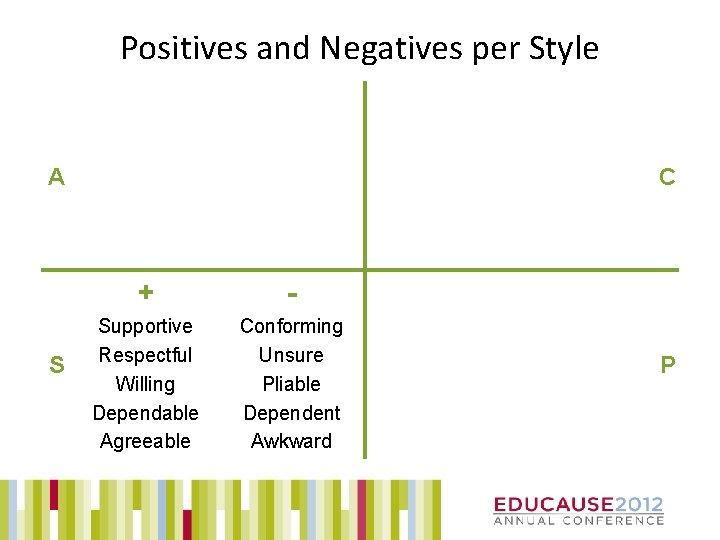
Positives and Negatives per Style A S C + - Supportive Respectful Willing Dependable Agreeable Conforming Unsure Pliable Dependent Awkward P
Short Break
Controllers § § § Strong, decisive and results-oriented Provide strong guidance for others May appear pushy at times Demanding of both themselves and others Highly self-critical Efficient; resent those who “waste” time with idle chit-chat
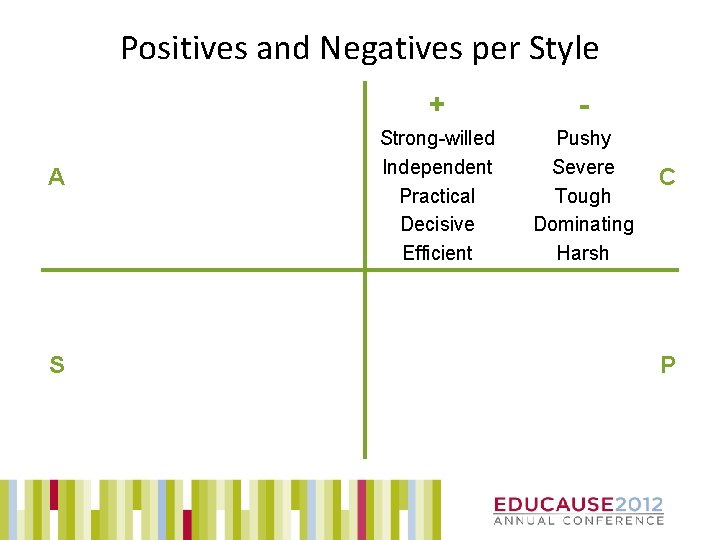
Positives and Negatives per Style A S + - Strong-willed Independent Practical Decisive Efficient Pushy Severe Tough Dominating Harsh C P
Persuaders § § § Like to get others involved in activities Highly creative and enthusiastic Operate primarily by intuition Party people; like to have a good time Little tolerance for those who are not expressive § Easily bored or distracted § Difficult to keep on task
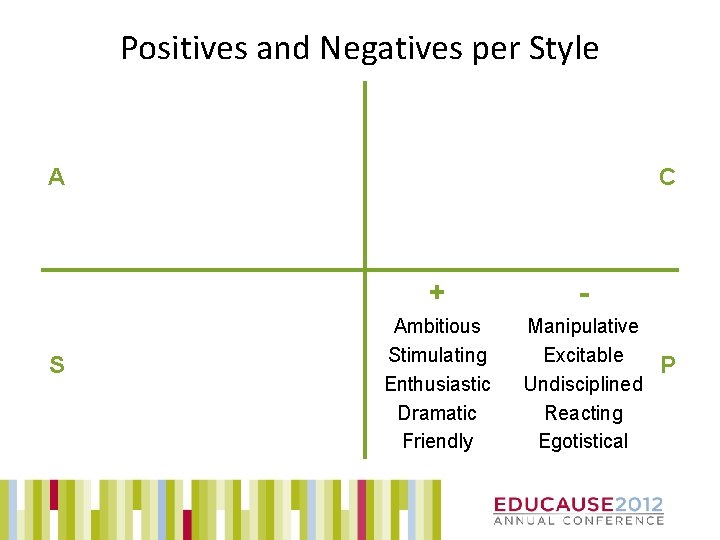
Positives and Negatives per Style A S C + - Ambitious Stimulating Enthusiastic Dramatic Friendly Manipulative Excitable Undisciplined Reacting Egotistical P
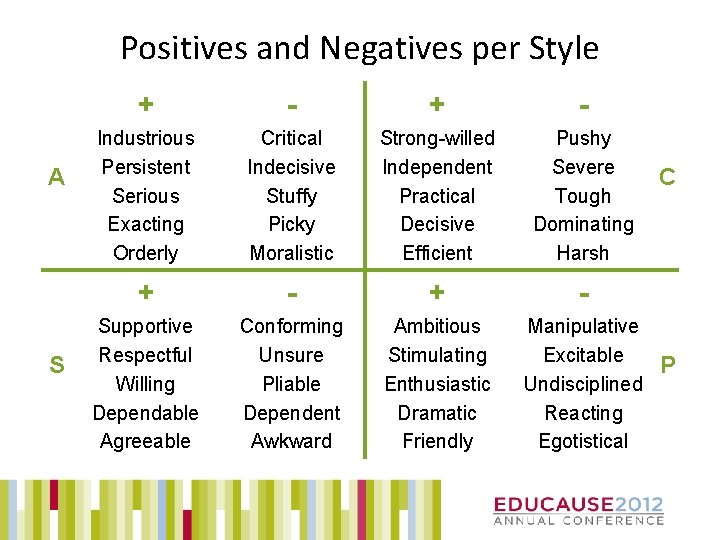
Positives and Negatives per Style A S + - Industrious Persistent Serious Exacting Orderly Critical Indecisive Stuffy Picky Moralistic Strong-willed Independent Practical Decisive Efficient Pushy Severe Tough Dominating Harsh + - Supportive Respectful Willing Dependable Agreeable Conforming Unsure Pliable Dependent Awkward Ambitious Stimulating Enthusiastic Dramatic Friendly Manipulative Excitable Undisciplined Reacting Egotistical C P
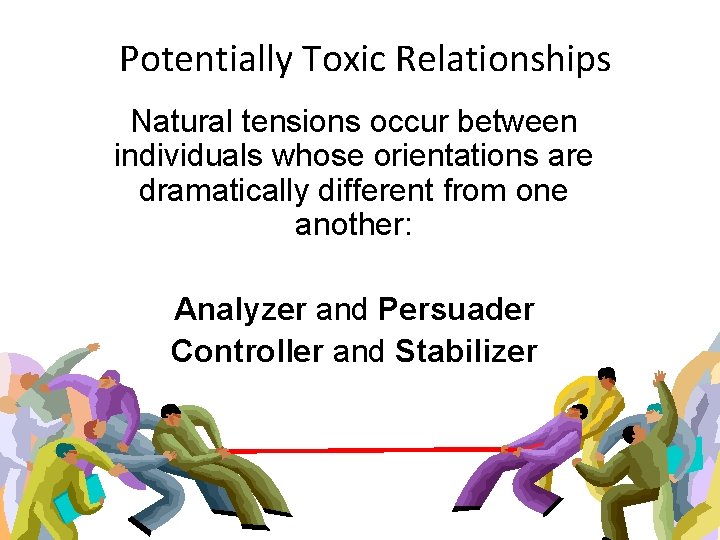
Potentially Toxic Relationships Natural tensions occur between individuals whose orientations are dramatically different from one another: Analyzer and Persuader Controller and Stabilizer
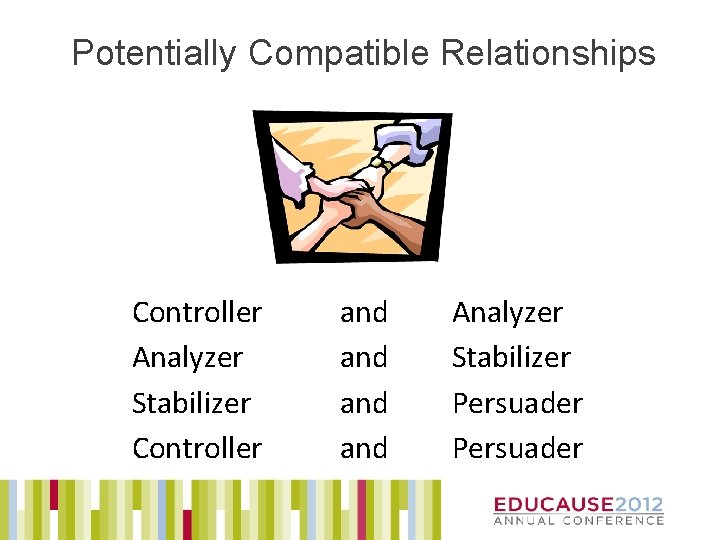
Potentially Compatible Relationships Controller Analyzer Stabilizer Controller and and Analyzer Stabilizer Persuader
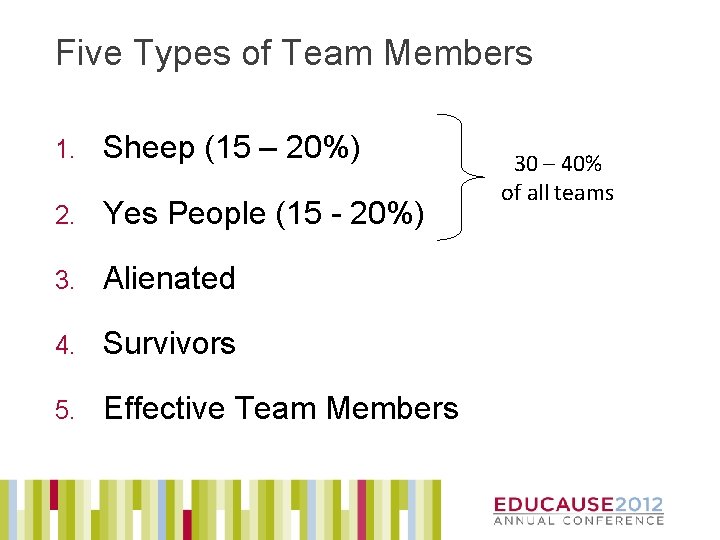
Five Types of Team Members 1. Sheep (15 – 20%) 2. Yes People (15 - 20%) 3. Alienated 4. Survivors 5. Effective Team Members 30 – 40% of all teams
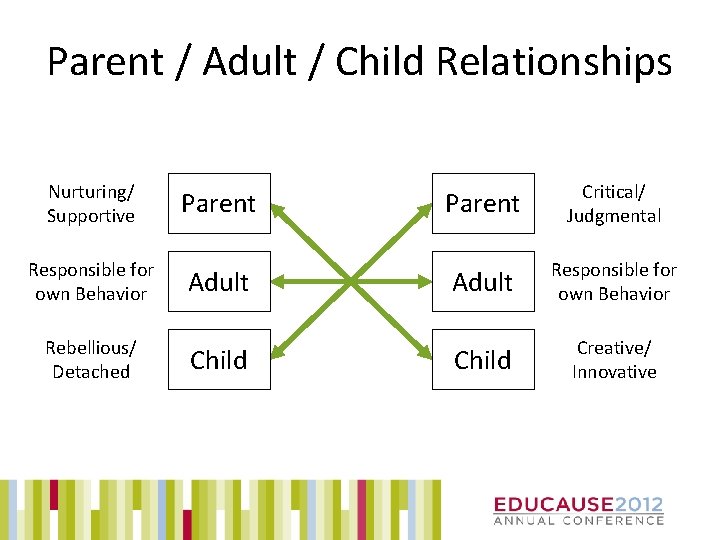
Parent / Adult / Child Relationships Nurturing/ Supportive Parent Critical/ Judgmental Responsible for own Behavior Adult Responsible for own Behavior Child Creative/ Innovative Rebellious/ Detached Child
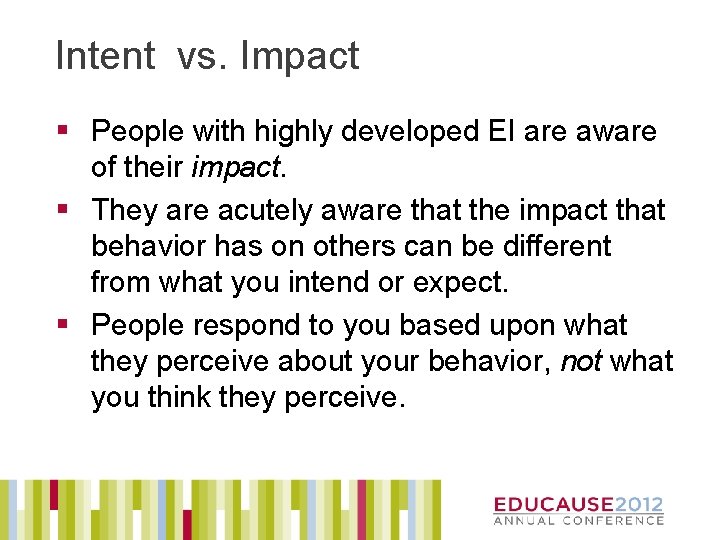
Intent vs. Impact § People with highly developed EI are aware of their impact. § They are acutely aware that the impact that behavior has on others can be different from what you intend or expect. § People respond to you based upon what they perceive about your behavior, not what you think they perceive.
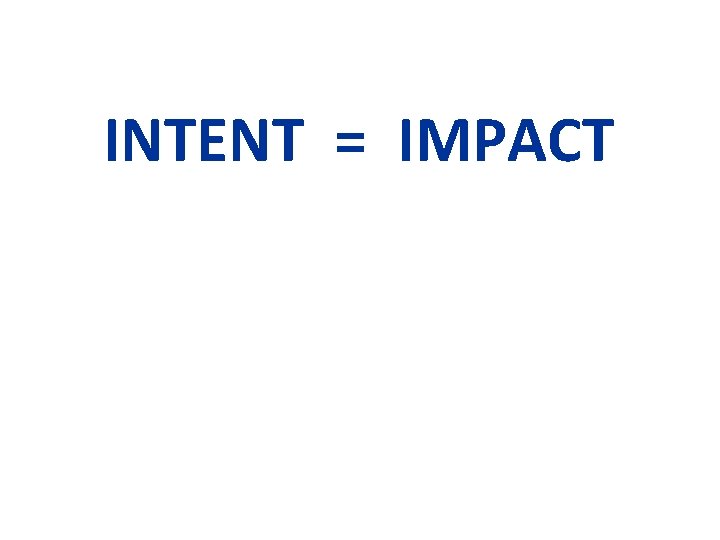
INTENT = IMPACT
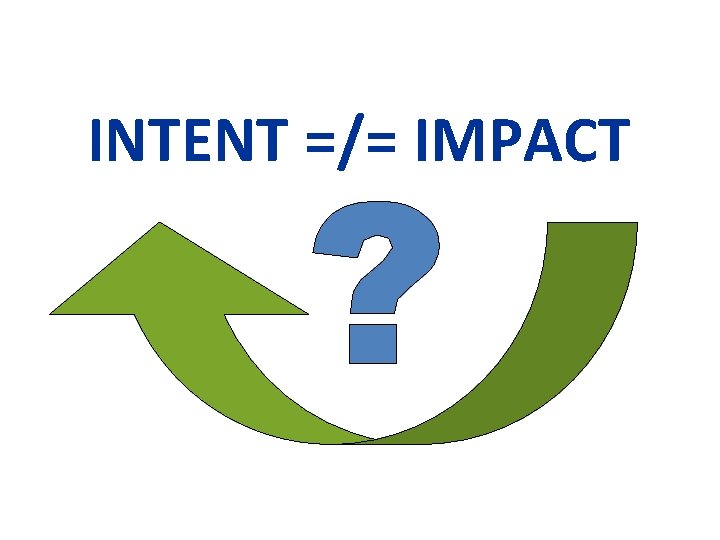
INTENT =/= IMPACT
Small Group Exercise § Think of a meeting or event you attended where someone’s observed behavior resulted in an impact not equaling their intent. § Discuss the incident with your group.
Observable Behaviors Report out on small group exercise § How did you see others? § How did others see you? § Intent vs. Impact issues? § Other work or life experiences?
Analyzers in Teams… § Contributions… § § Perceived as thorough, analytical and accurate, above all else Focus on getting things right (emphasis on “task” rather than “people”) § Limitations… § § Can overanalyze things that don’t warrant the attention (analysis-paralysis). Concern for getting it right can slow or freeze the team’s progress. Can be perceived as aloof and have an excessive concern with perfection that can stifle creativity in the group § Fear… § Unwarranted personal criticism
Stabilizers in Teams… § Contributions… § § § Often viewed by team members as a good team player Empathetic and sensitive to the needs of others Likes harmony in team § Limitations… § § Can be indecisive, unwilling to confront directly, and resist change. Because of their need to maintain team harmony, their own needs may be suppressed. Over time, this can cause resentment and a degree of passive-aggressiveness. Not inclined to celebrate their accomplishments, yet they can become frustrated and perhaps resentful if their contributions go unnoticed too long § Fear… § Confusion, chaos, and change
Controllers in Teams… § Contributions… § § § Able to make decisions when no one else wants to Is not afraid to confront tough issues Embraces change as a personal challenge § Limitations… § § Can be perceived as overly opinionated, combative, arrogant, impatient, and like change for change sake May overextend him/herself due to competing priorities and become inefficient § Fear… § Losing control
Persuaders in Teams… § Contributions… § § Has great enthusiasm for working with others Inspires and motivates others Always available to others Gives positive feedback easily to others § Limitations… § § Can be perceived as disorganized and superficial in their approach to tasks and people Can overdo emotional expression § Fear… § Being blamed or disliked
Discussion § Which styles are most helpful in teams? § Which styles are least helpful in teams? § What happens when teams have too much of one style?
So Communication is… § Understanding between and among people § An interdependent process § Not necessarily agreement § Constant. You cannot NOT communicate. We constantly communicate, and we constantly receive communication from others.
How We Communicate § What people can see § What people can hear § What we actually say Communication is in the mind of the recipient. You’re just making noise if the other person doesn’t hear you.
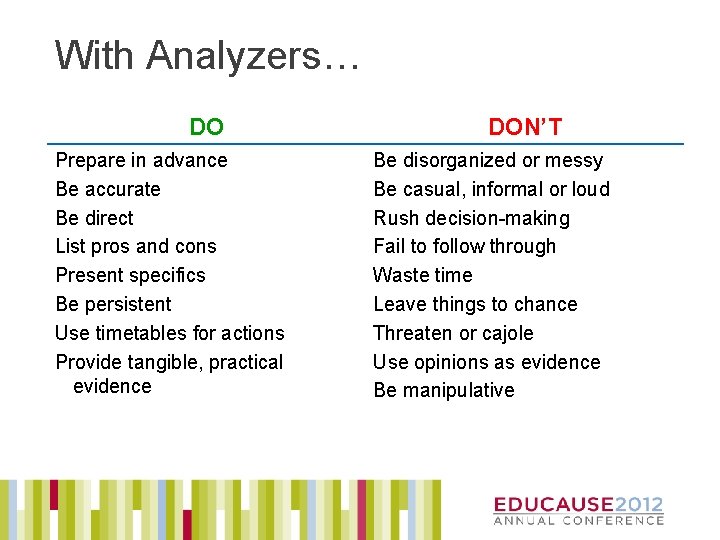
With Analyzers… DO Prepare in advance Be accurate Be direct List pros and cons Present specifics Be persistent Use timetables for actions Provide tangible, practical evidence DON’T Be disorganized or messy Be casual, informal or loud Rush decision-making Fail to follow through Waste time Leave things to chance Threaten or cajole Use opinions as evidence Be manipulative
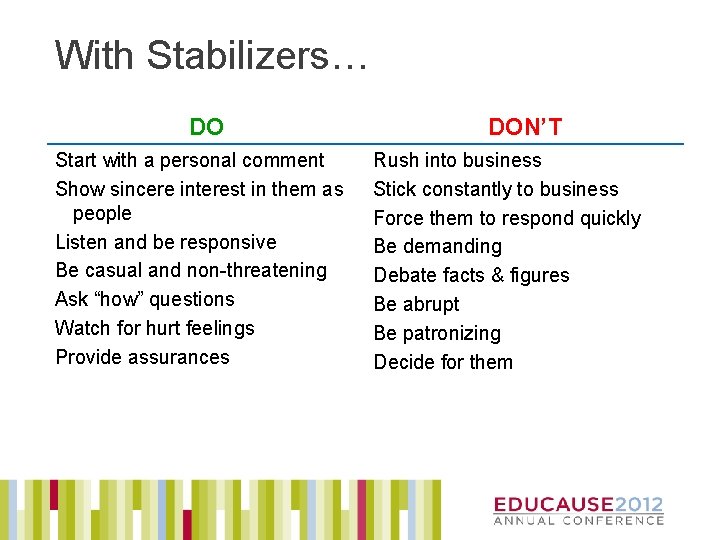
With Stabilizers… DO Start with a personal comment Show sincere interest in them as people Listen and be responsive Be casual and non-threatening Ask “how” questions Watch for hurt feelings Provide assurances DON’T Rush into business Stick constantly to business Force them to respond quickly Be demanding Debate facts & figures Be abrupt Be patronizing Decide for them
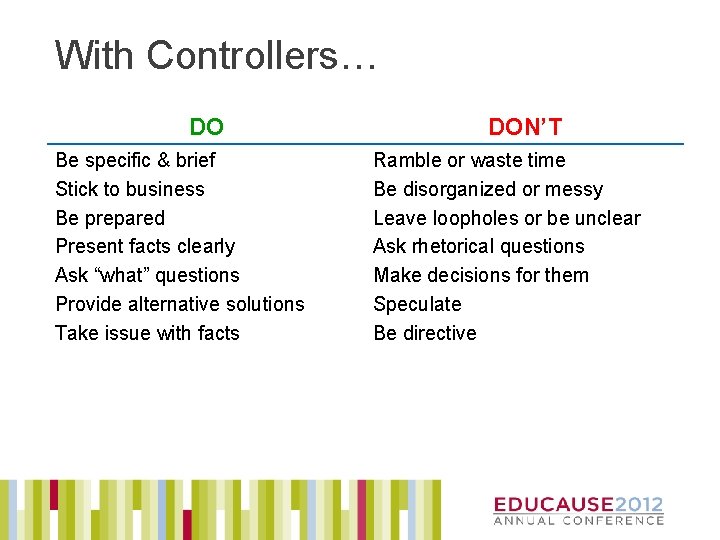
With Controllers… DO Be specific & brief Stick to business Be prepared Present facts clearly Ask “what” questions Provide alternative solutions Take issue with facts DON’T Ramble or waste time Be disorganized or messy Leave loopholes or be unclear Ask rhetorical questions Make decisions for them Speculate Be directive
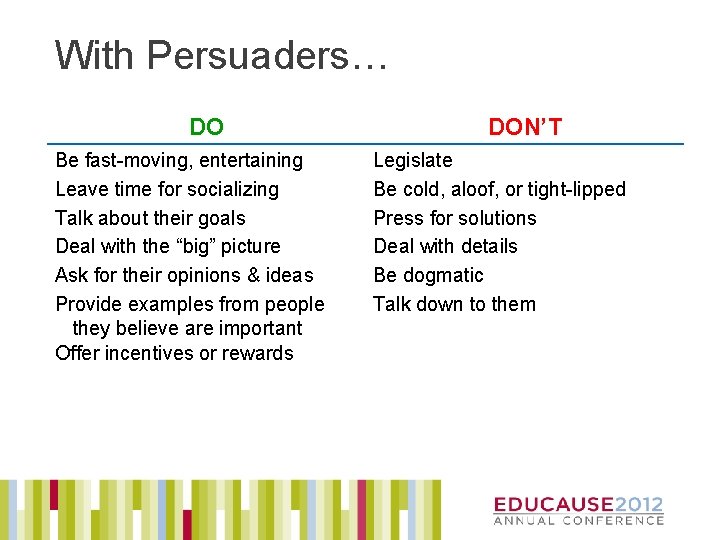
With Persuaders… DO Be fast-moving, entertaining Leave time for socializing Talk about their goals Deal with the “big” picture Ask for their opinions & ideas Provide examples from people they believe are important Offer incentives or rewards DON’T Legislate Be cold, aloof, or tight-lipped Press for solutions Deal with details Be dogmatic Talk down to them
Discussion § Look at the tips for your own style and discuss them with your style group. § Do they make sense to you? Do they suggest approaches that you appreciate or to which you respond positively?
Take Home Exercise: As Others See Me § Have another person complete the tool for you – at work or at home. § Any learning moments? § Implications for intent/impact?
Basic Principles of Communication § 90% of interpersonal communication takes place on the unconscious level. § People judge you by your behavior, not your intent. § People are motivated by their needs, not yours.
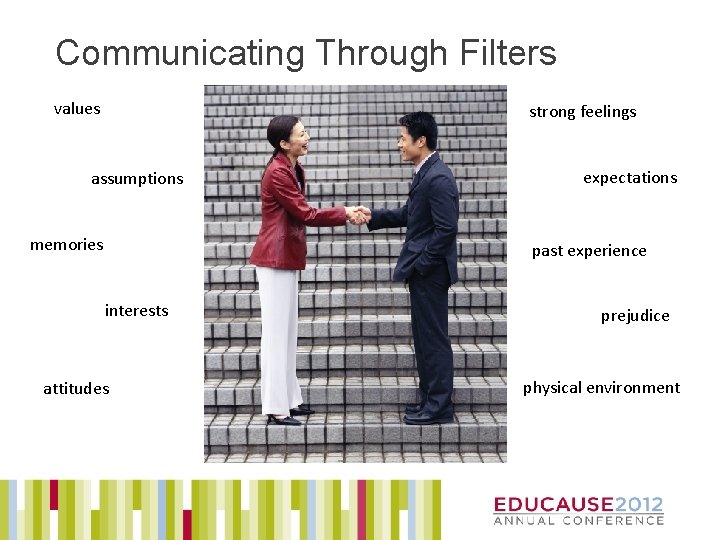
Communicating Through Filters values strong feelings assumptions memories expectations past experience interests attitudes prejudice physical environment
Effective Communicators… § Understand how communication occurs § Understand their own communication behavior style § Learn to diagnose the communication needs of others § Develop listening skills § Communicate with others in a way that is sensitive to and aware of their needs
Philosophy of a Good Communicator § Assume 100% of the responsibility for understanding what the other person means. § Assume 100% of the responsibility for making sure that the person you are communicating with understands you.
Effective Communication Techniques § § Use feedback Choose appropriate (and perhaps multiple) channels § § § Email, phone, one-on-one? Amount of information and timing? Be sensitive to the receiver Be aware of observable behaviors and symbolic meanings Use simple language Use repetition Source: How to Speak and Listen Effectively, Harvey A. Robbins.
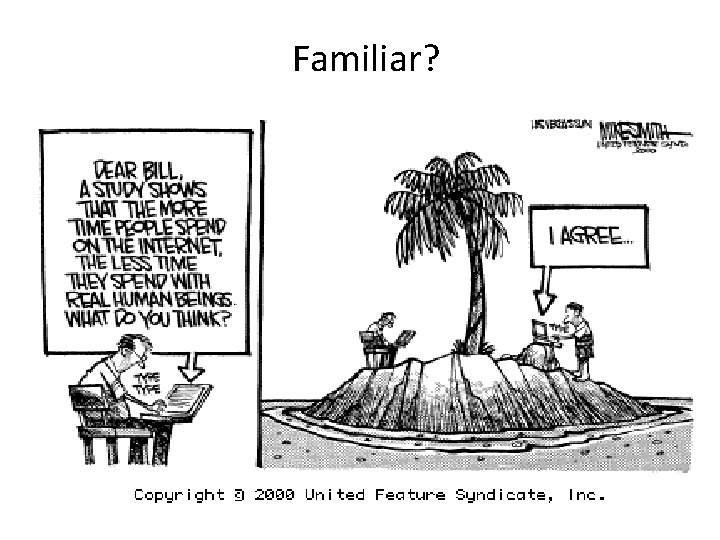
Familiar?
Communication in Summary § Think about your communication/behavioral style § Think about how you apply that style in dealing with others, particularly those with other styles § Remember that communication is more than words § Assume real responsibility for your communication § If you want to get different results, YOU have to do things differently.
Additional Reference Material § Active listening § Giving constructive feedback
Three Kinds Of Listening § Half listening § § Sound listening § § Paying attention some, focusing on your reaction, waiting to break in, distracted, doodling Hearing words not meaning, missing significance of message, responding with logic only Active listening
Active Listening: What’s Involved § § § § § Ignoring distractions Ignoring delivery quirks Making eye contact Being aware of body language Asking clarifying questions Recognizing speaker’s intent Acknowledging emotion involved Responding appropriately Remaining engaged
Active Listening: The Bottom Line 1. Keep an open mind and pay attention § Focus on speaker’s ideas, not delivery; listen for significance of message; hear before evaluating; control your emotions 2. Ignore distractions § Be present; turn phone OFF; close/turn off computer; find the right location for the conversation 3. PARTICIPATE § Make eye contact; be aware of your body language; nod; ask questions; acknowledge emotion involved; allow silence; paraphrase; summarize
Constructive Feedback § You are an expert on § Other people’s behavior § Your feelings § You are not an expert on § Your behavior § Other people’s feelings
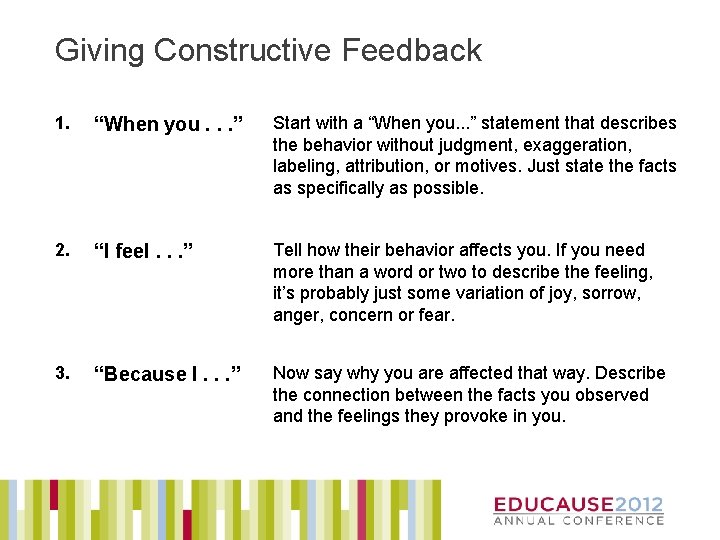
Giving Constructive Feedback 1. “When you. . . ” Start with a “When you. . . ” statement that describes the behavior without judgment, exaggeration, labeling, attribution, or motives. Just state the facts as specifically as possible. 2. “I feel. . . ” Tell how their behavior affects you. If you need more than a word or two to describe the feeling, it’s probably just some variation of joy, sorrow, anger, concern or fear. 3. “Because I. . . ” Now say why you are affected that way. Describe the connection between the facts you observed and the feelings they provoke in you.
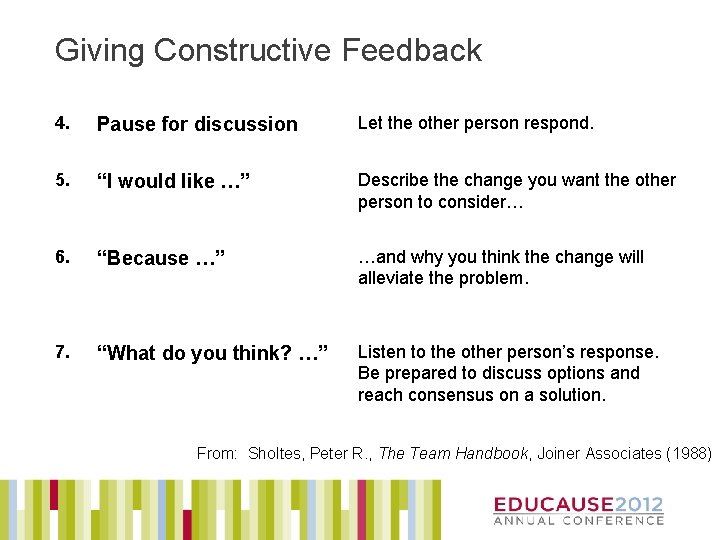
Giving Constructive Feedback 4. Pause for discussion Let the other person respond. 5. “I would like …” Describe the change you want the other person to consider… 6. “Because …” …and why you think the change will alleviate the problem. 7. “What do you think? …” Listen to the other person’s response. Be prepared to discuss options and reach consensus on a solution. From: Sholtes, Peter R. , The Team Handbook, Joiner Associates (1988)
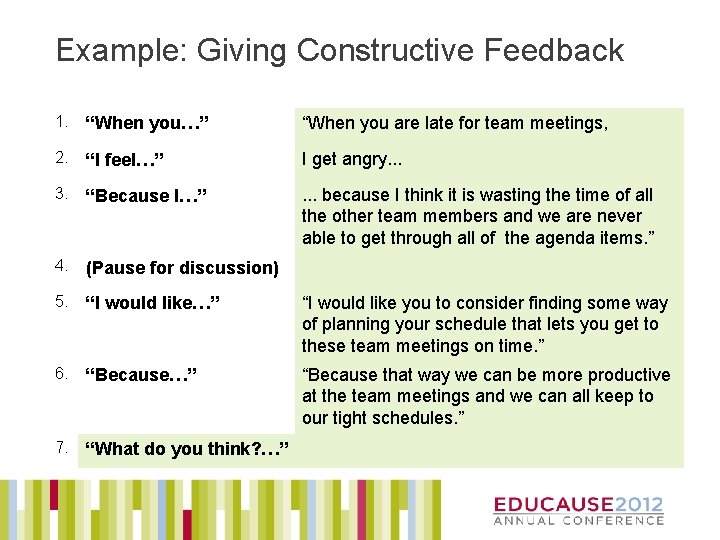
Example: Giving Constructive Feedback 1. “When you…” “When you are late for team meetings, 2. “I feel…” I get angry. . . 3. “Because I…” . . . because I think it is wasting the time of all the other team members and we are never able to get through all of the agenda items. ” 4. (Pause for discussion) 5. “I would like…” “I would like you to consider finding some way of planning your schedule that lets you get to these team meetings on time. ” 6. “Because…” “Because that way we can be more productive at the team meetings and we can all keep to our tight schedules. ” 7. “What do you think? …”
Lunch Break
Behavior Styles: Trust § For this discussion, “trust” means I can rely on you for repeated patterns of expected behavior. Ø There is perceived authenticity; you are real, you are genuine. Ø There is a perceived pattern in behavior. Ø I must believe you CARE.
Behavior Styles: Respect § While trust ties to the chemistry part of a relationship, “respect” ties to the talents and skills a person brings to the relationship. Ø It is tied to the fact that you are good at doing something. Ø I have a high “regard for” your ability to use your talents and skills.
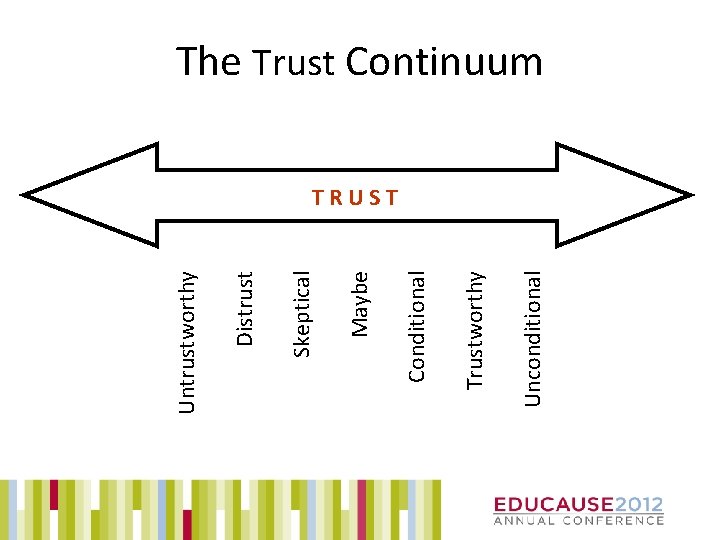
Unconditional Trustworthy Conditional Maybe Skeptical Distrust Untrustworthy The Trust Continuum TRUST
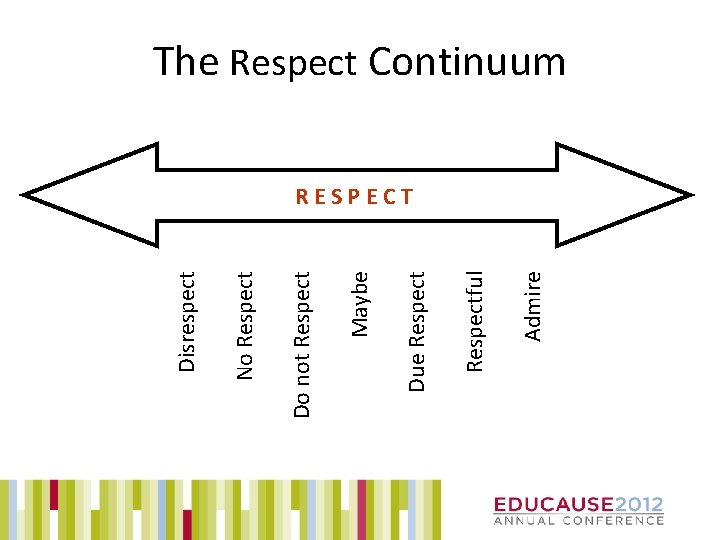
Admire Respectful Due Respect Maybe Do not Respect No Respect Disrespect The Respect Continuum RESPECT
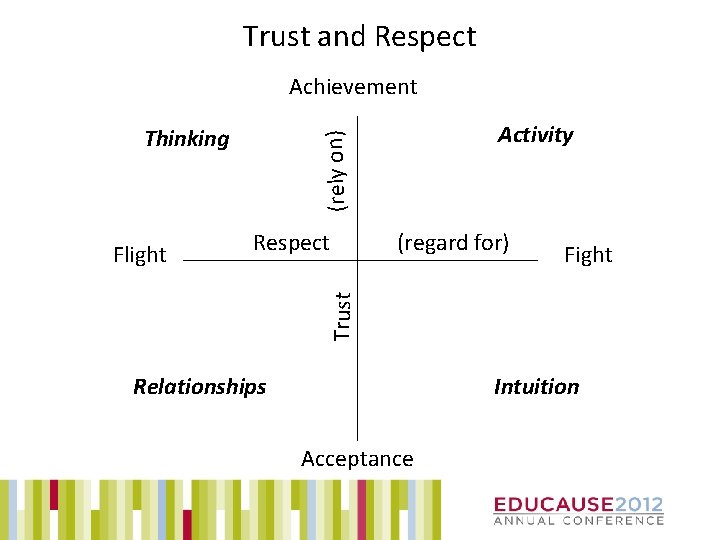
Trust and Respect Achievement Respect (regard for) Fight Trust Flight Activity (rely on) Thinking Relationships Intuition Acceptance
Impact of Tension on Behavior § How does tension impact our behavior? § Do all styles react the same way? § What happens when we can’t get rid of the tension?
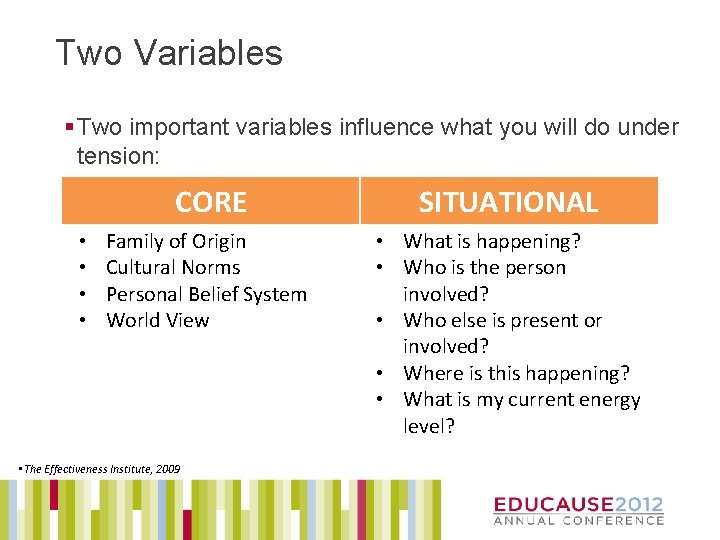
Two Variables § Two important variables influence what you will do under tension: • • CORE SITUATIONAL Family of Origin Cultural Norms Personal Belief System World View • What is happening? • Who is the person involved? • Who else is present or involved? • Where is this happening? • What is my current energy level? • The Effectiveness Institute, 2009
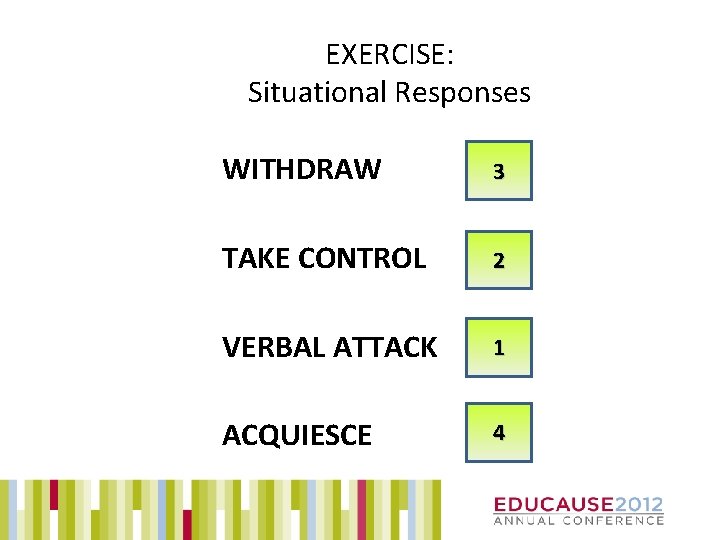
EXERCISE: Situational Responses WITHDRAW 3 TAKE CONTROL 2 VERBAL ATTACK 1 ACQUIESCE 4
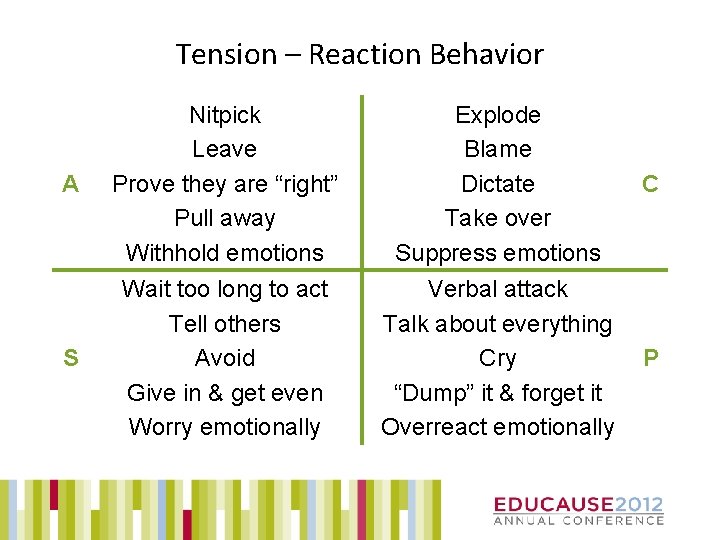
Tension – Reaction Behavior A Nitpick Leave Prove they are “right” Pull away Withhold emotions Explode Blame Dictate Take over Suppress emotions C S Wait too long to act Tell others Avoid Give in & get even Worry emotionally Verbal attack Talk about everything Cry “Dump” it & forget it Overreact emotionally P
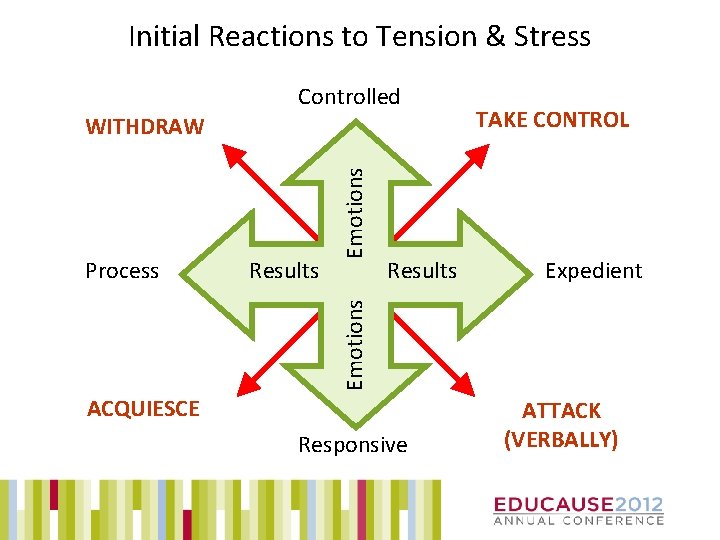
Initial Reactions to Tension & Stress Controlled Results TAKE CONTROL Expedient Emotions Process Emotions WITHDRAW ACQUIESCE Responsive ATTACK (VERBALLY)
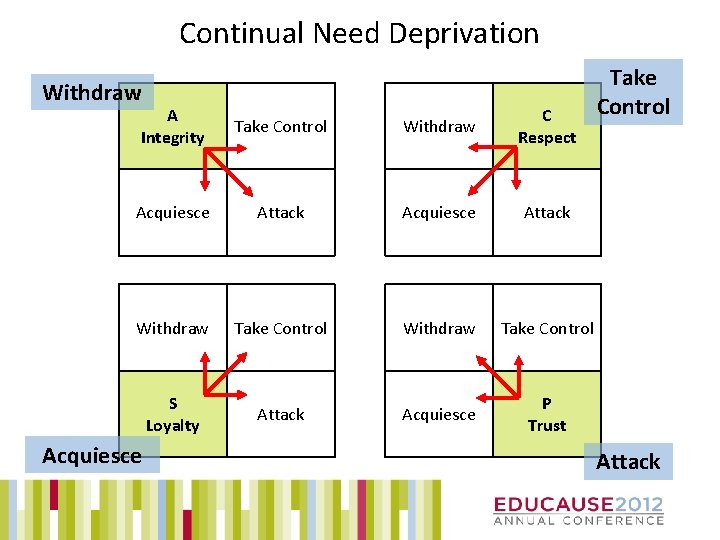
Continual Need Deprivation Withdraw A Integrity Take Control Withdraw C Respect Acquiesce Attack Withdraw Take Control S Loyalty Attack Acquiesce P Trust Acquiesce Take Control Attack
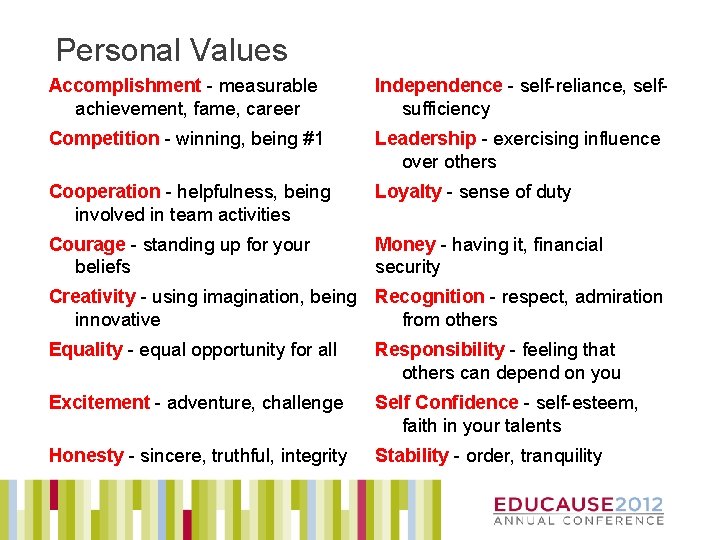
Personal Values Accomplishment - measurable achievement, fame, career Independence - self-reliance, selfsufficiency Competition - winning, being #1 Leadership - exercising influence over others Cooperation - helpfulness, being involved in team activities Loyalty - sense of duty Courage - standing up for your beliefs Money - having it, financial security Creativity - using imagination, being Recognition - respect, admiration innovative from others Equality - equal opportunity for all Responsibility - feeling that others can depend on you Excitement - adventure, challenge Self Confidence - self-esteem, faith in your talents Honesty - sincere, truthful, integrity Stability - order, tranquility
Exercise: The Impact of Values § From the list, choose the top five values of greatest importance to you. § Choose the five values that are least important to you. § In small groups, discuss your results and compare them with others
Style Flexibility: The ability to meet another person’s style needs & satisfy personal style needs as well. Being flexible means to: Situationally, purposefully & temporarily modify behavior on one or both dimensions.
Goals of Style Flex § Understand how your preferred style of working comes across to other people § “Read” other people’s behavior so you’ll know the best way to work with them § Find common ground with people while maintaining your individuality and integrity § Adjust your behavior in small ways that dramatically improve results among different styles § Relate effectively—no matter how others react to you From: People Styles at Work: Making Bad Relationships Good and Good Relationships Better. Robert Bolton and Dorothy Grover Bolton.
Why Increase Flexibility? § You want to understand how others see you. § You value being more effective with others. § You are willing to obtain more realistic picture of your impact. § You pay attention – you are aware and pick up clues. § You allow adequate time to learn how to adjust.
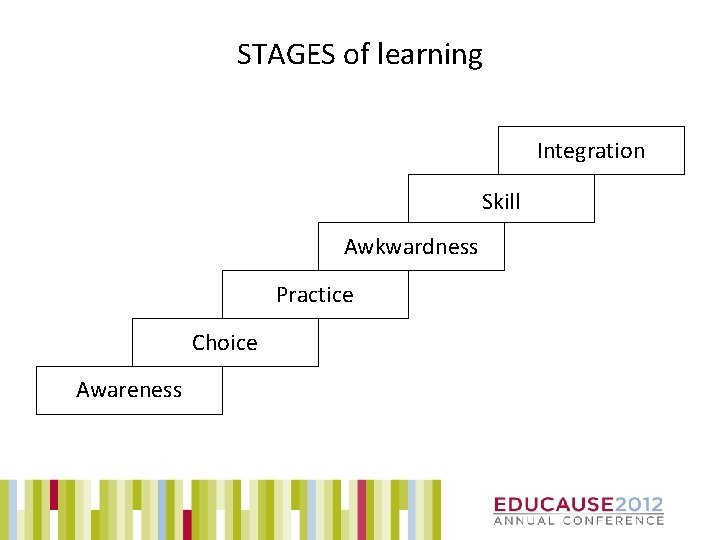
STAGES of learning Integration Skill Awkwardness Practice Choice Awareness
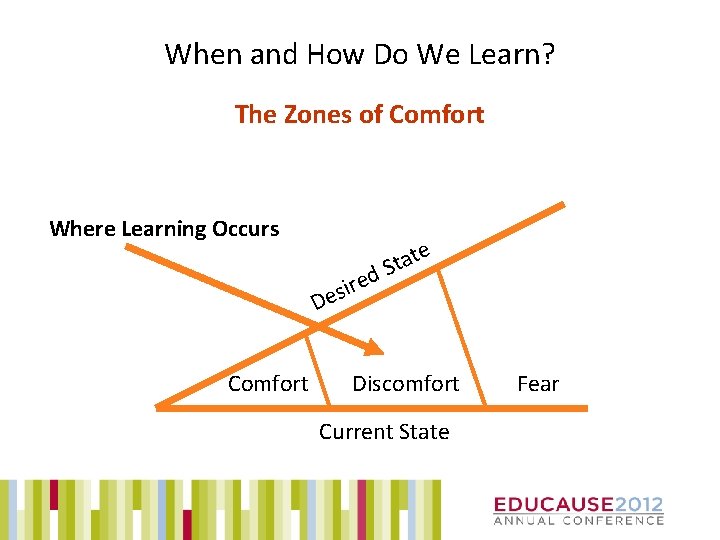
When and How Do We Learn? The Zones of Comfort Where Learning Occurs te a t S d e r i s De Comfort Discomfort Current State Fear
Food for Thought Watch your words; they become actions. Watch your actions; they become habits. Watch your habits; they become character. Watch your character; it becomes your destiny. Frank Outlaw
Suggested Reading: Behavior Styles People Styles at Work: Making Bad Relationships Good and Good Relationships Better, Robert Bolton and Dorothy Grover Bolton Social Style/Management Style: Developing Productive Work Relationships, Robert Bolton and Dorothy Grover Bolton Personal Styles & Effective Performance Make Your Style Work for You, David W. Merrill, Ph. D. , Roger H. Reid, M. A. How to Speak and Listen Effectively, Harvey A. Robbins
Short Break
Balanced Leadership: The Role of Emotional Intelligence
Emotional Intelligence Session purpose § Introduction to emotional intelligence (EI) concepts § Identify components of EI § Understand applicability to work life and leadership
Making the Case for Emotional Intelligence IQ vs. EQ What is IQ? What is EQ?
I. Q. (Intelligence Quotient) A number that shows the rating of a person's intelligence. It is found by dividing the mental age, as shown in tests, by the actual age (16 is the largest age used) and multiplying it by 100. INTELLIGENCE TEST Any test used to measure mental development. Most intelligence tests include tasks involving memory, reasoning, definitions, numerical ability, and recalling facts.
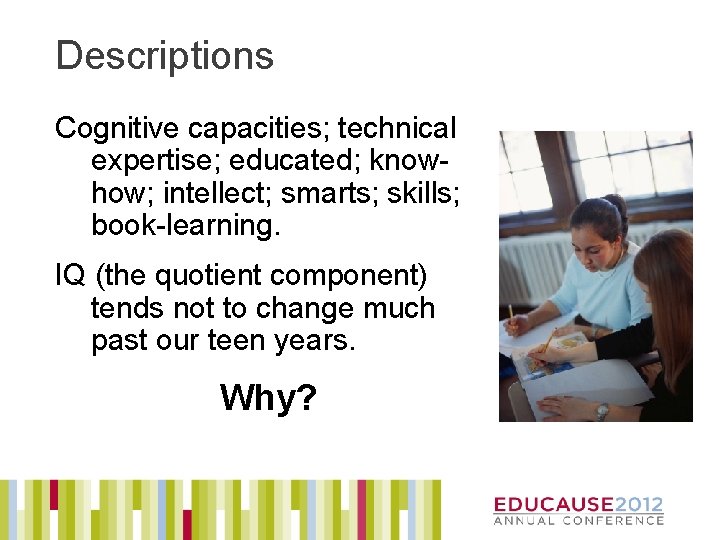
Descriptions Cognitive capacities; technical expertise; educated; knowhow; intellect; smarts; skills; book-learning. IQ (the quotient component) tends not to change much past our teen years. Why?
What Then Is EI? E. I. (as defined by World Book): the ability to understand oneself and to empathize with others. Ex. The phrase "emotional intelligence" was coined. . . to describe qualities like understanding one's own feelings. . . and "the regulation of emotion in a way that enhances living. " (Time)
Another View Per Daniel Goleman… EI refers to the capacity for recognizing our own feelings and those of others, for motivating ourselves and for managing emotions well in ourselves and in our relationships. and EI is the “ability to motivate oneself and persist in the face of frustrations, to control and delay gratification, to regulate one’s moods, to empathize and to hope. ” (Emotional Intelligence, 1995, p. 34)
Descriptions Character; personality; soft skills; socially capable; self-confident; good communicator. “IQ gets you the interview. EQ gets you the job. ” Misconceptions: EI does not merely mean “being nice. ” Nor does it mean allowing free rein to your feelings or “letting it all hang out. ”
Two Different Kinds of Intelligence Intellectual and Emotional
Research Findings Neuroscience Research § Finding that intellect is based solely on the workings of the neo-cortex (the rational brain), the more recently evolved layers at the top of the brain. § Emotional centers – lower in the brain, closer to the brainstem, in the more ancient sub-cortex or limbic system (the emotional brain). § These two different parts of the brain learn differently. § Emotional centers result in skills grounded in our evolutionary heritage for survival and adaptation.
Gender Differences? Women tend to be more aware of their emotions, show more empathy and are adept interpersonally. Men tend to be more self-confident and optimistic, adapt more easily, and handle stress better. However, on the whole, men and women are generally equal in total emotional intelligence.
Further Research § Work focused around the nature and types of emotional competencies have evolved current thinking around expanding the personal and social nature of emotional intelligence. § Emotional intelligence can be learned and is enhanced with experiences and maturing.
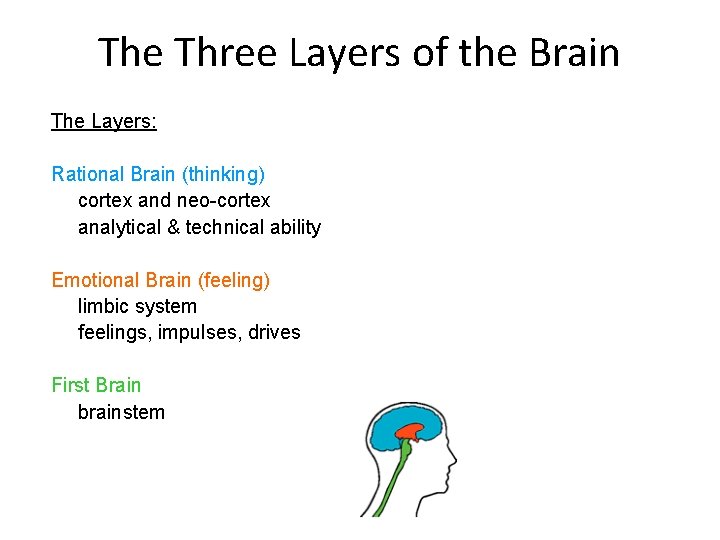
The Three Layers of the Brain The Layers: Rational Brain (thinking) cortex and neo-cortex analytical & technical ability Emotional Brain (feeling) limbic system feelings, impulses, drives First Brain brainstem
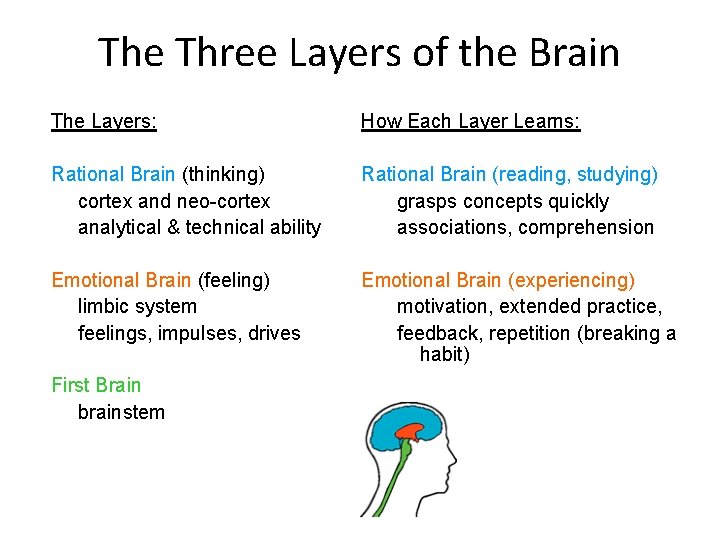
The Three Layers of the Brain The Layers: How Each Layer Learns: Rational Brain (thinking) cortex and neo-cortex analytical & technical ability Rational Brain (reading, studying) grasps concepts quickly associations, comprehension Emotional Brain (feeling) limbic system feelings, impulses, drives Emotional Brain (experiencing) motivation, extended practice, feedback, repetition (breaking a habit) First Brain brainstem
Survey of Job Descriptions Position Clerical Supervisory Managerial President IQ EQ
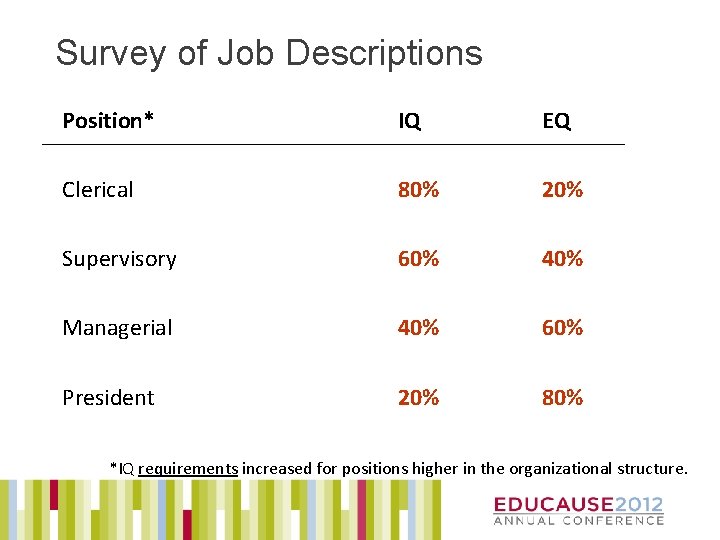
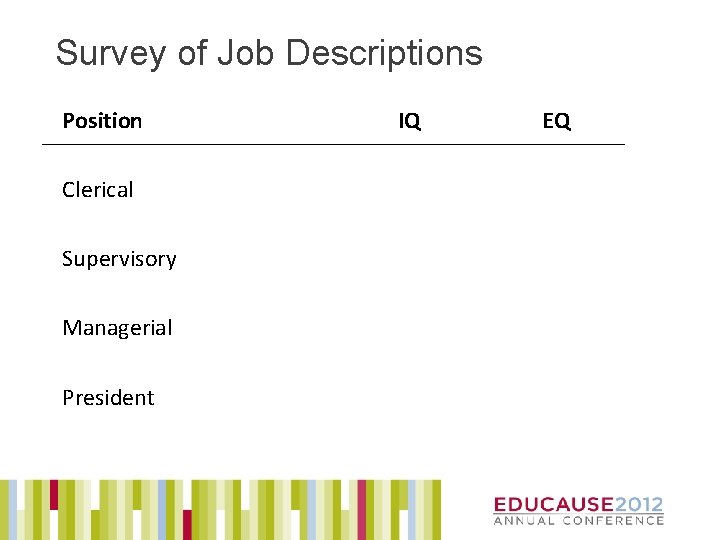
Survey of Job Descriptions Position* IQ EQ Clerical 80% 20% Supervisory 60% 40% Managerial 40% 60% President 20% 80% *IQ requirements increased for positions higher in the organizational structure.
Survey of Attendees’ Responses to Question of “Job Challenges” IQ IQ/EQ EQ IQ – Need cognitive skills or competencies to address challenge. EQ – Need emotional skills or competencies to address challenge.
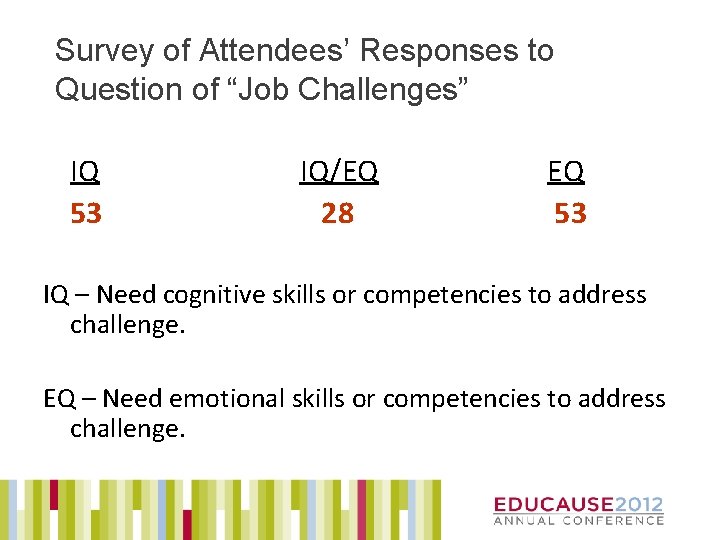
Survey of Attendees’ Responses to Question of “Job Challenges” IQ 53 IQ/EQ 28 EQ 53 IQ – Need cognitive skills or competencies to address challenge. EQ – Need emotional skills or competencies to address challenge.
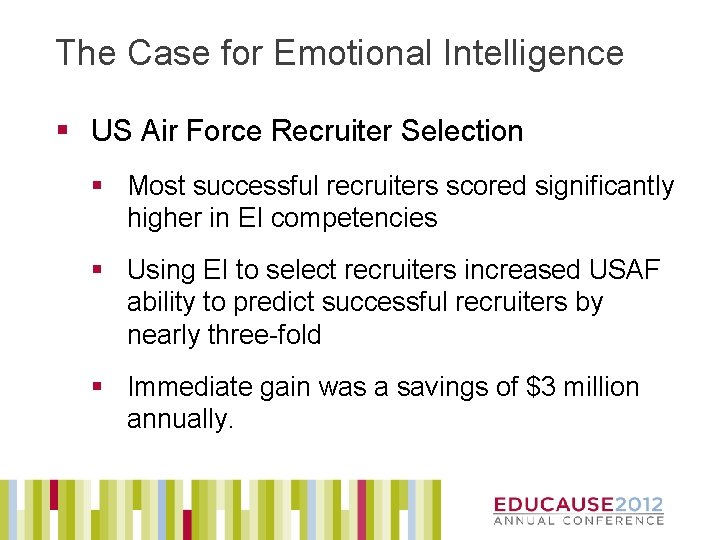
The Case for Emotional Intelligence § US Air Force Recruiter Selection § Most successful recruiters scored significantly higher in EI competencies § Using EI to select recruiters increased USAF ability to predict successful recruiters by nearly three-fold § Immediate gain was a savings of $3 million annually.
The Case for Emotional Intelligence § L’Oreal sales agents selected on the basis of EI competencies § Significantly outsold sales people selected using old procedures. § Sold $91, 370 more than other agents for a net revenue increase of over $2. 5 million. § Had 63% less turnover during their first year.
The Case for Emotional Intelligence § After supervisors in a manufacturing plant received EI training… § Lost time accidents were reduced by 50% § Formal grievances were reduced from an average of 15 per year to 3 per year § The plant exceeded productivity goals by $250, 000
The Emotional Competence Framework Personal Competence Social Competence
The Components of EI (Per Daniel Goleman*) Personal Competence These competencies determine how we manage ourselves. Social Competence These competencies determine how we handle relationships. *(from Working with Emotional Intelligence)
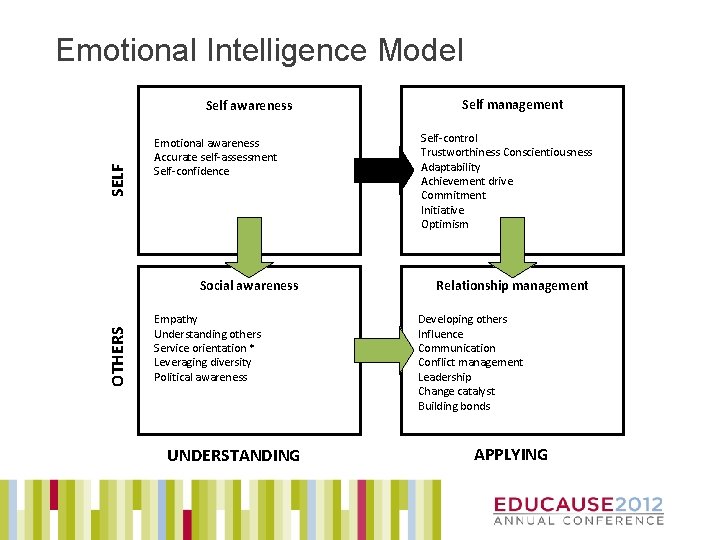
Emotional Intelligence Model SELF Self awareness Emotional awareness Accurate self-assessment Self-confidence OTHERS Social awareness Empathy Understanding others Service orientation * Leveraging diversity Political awareness UNDERSTANDING Self management Self-control Trustworthiness Conscientiousness Adaptability Achievement drive Commitment Initiative Optimism Relationship management Developing others Influence Communication Conflict management Leadership Change catalyst Building bonds APPLYING
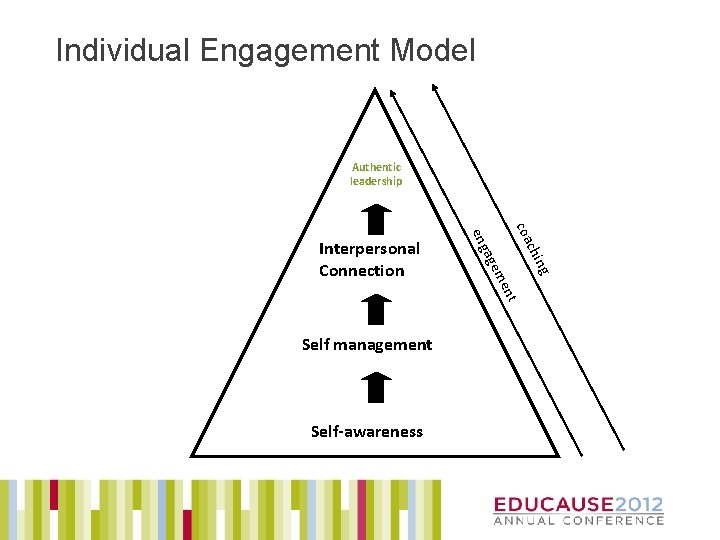
Individual Engagement Model Authentic leadership nt Self management Self-awareness ng chi coa me age eng Interpersonal Connection
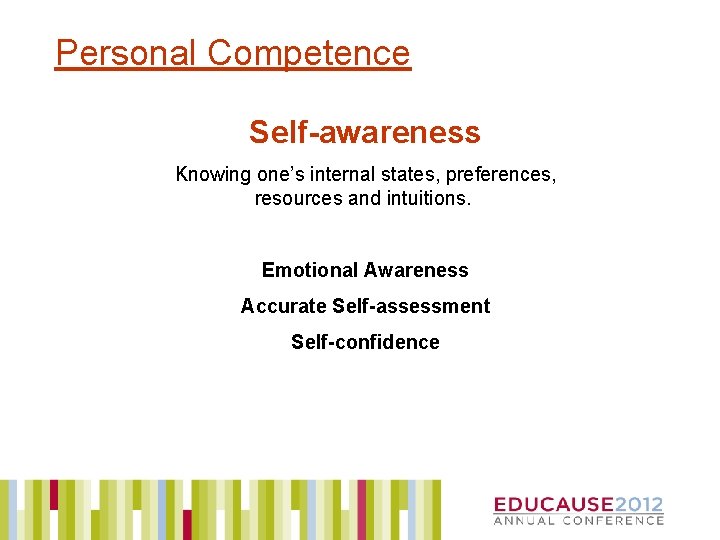
Personal Competence Self-awareness Knowing one’s internal states, preferences, resources and intuitions. Emotional Awareness Accurate Self-assessment Self-confidence
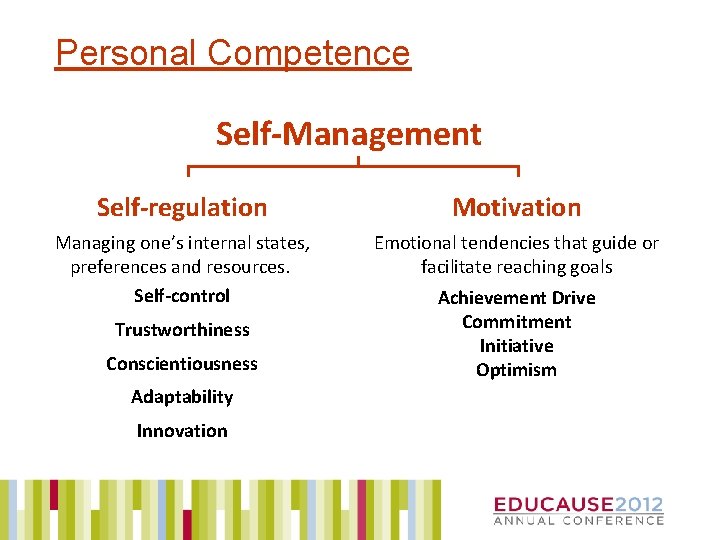
Personal Competence Self-Management Self-regulation Motivation Managing one’s internal states, preferences and resources. Self-control Emotional tendencies that guide or facilitate reaching goals Trustworthiness Conscientiousness Adaptability Innovation Achievement Drive Commitment Initiative Optimism
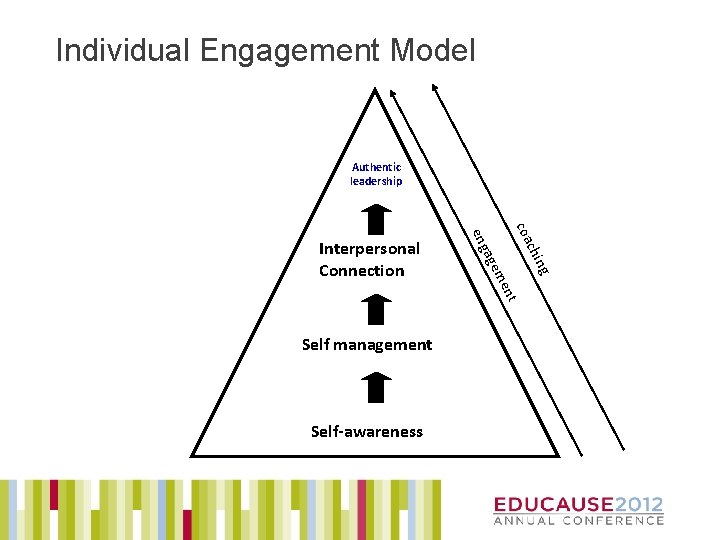
Individual Engagement Model Authentic leadership nt Self management Self-awareness ng chi coa me age eng Interpersonal Connection
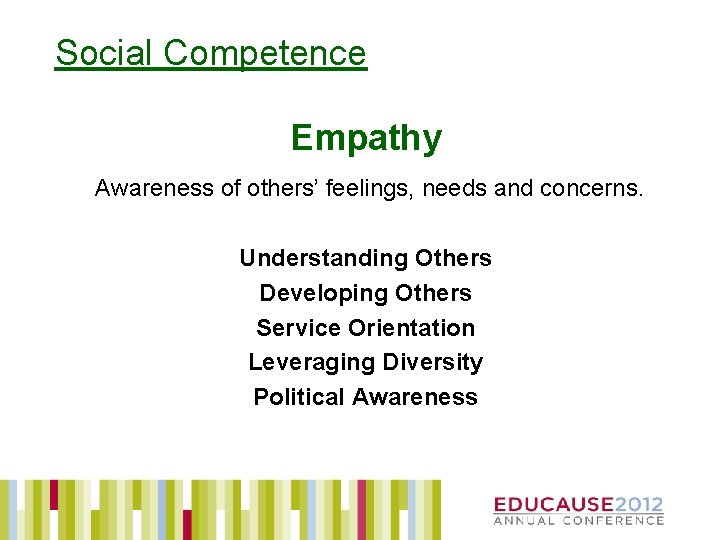
Social Competence Empathy Awareness of others’ feelings, needs and concerns. Understanding Others Developing Others Service Orientation Leveraging Diversity Political Awareness
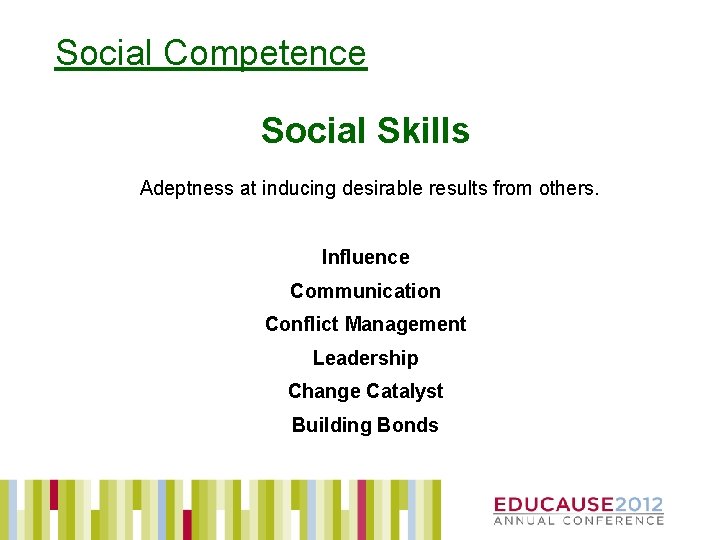
Social Competence Social Skills Adeptness at inducing desirable results from others. Influence Communication Conflict Management Leadership Change Catalyst Building Bonds
Assessing Individual Competencies Emotional Competency Evaluations § Give a more detailed description and provide deeper understanding of the specific competencies. § Most use Goleman’s model of competencies and framework. § http: //www. eiconsortium. org/
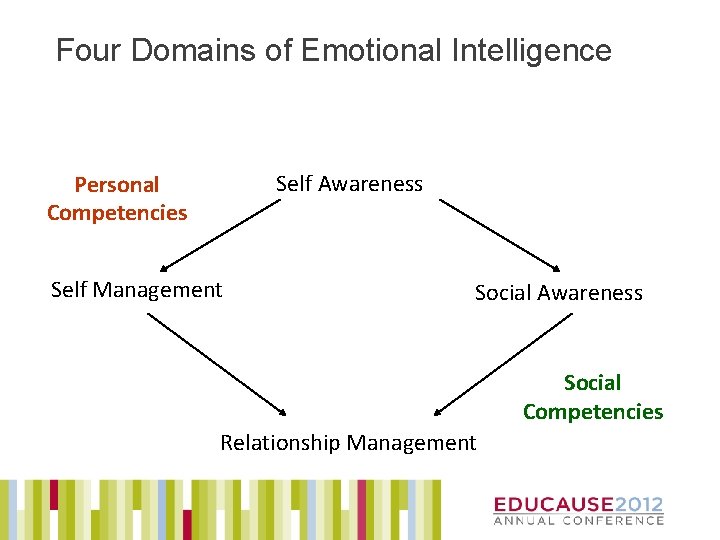
Four Domains of Emotional Intelligence Self Awareness Personal Competencies Self Management Social Awareness Social Competencies Relationship Management
Video Pride and Prejudice
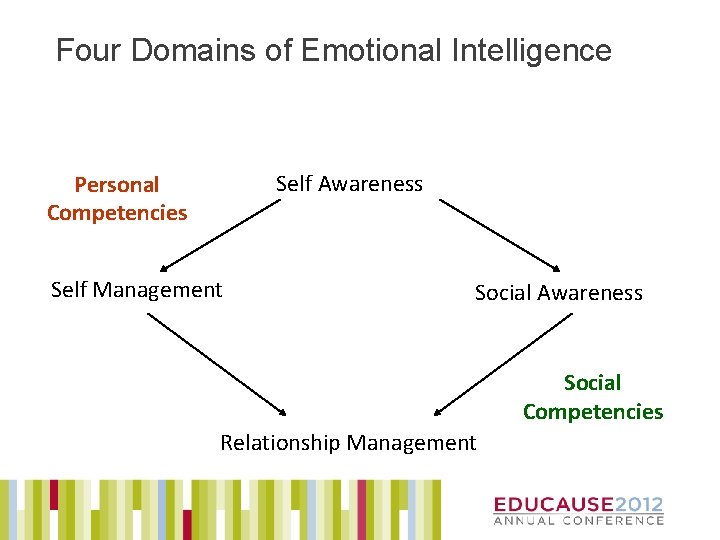
Four Domains of Emotional Intelligence Self Awareness Personal Competencies Self Management Social Awareness Social Competencies Relationship Management
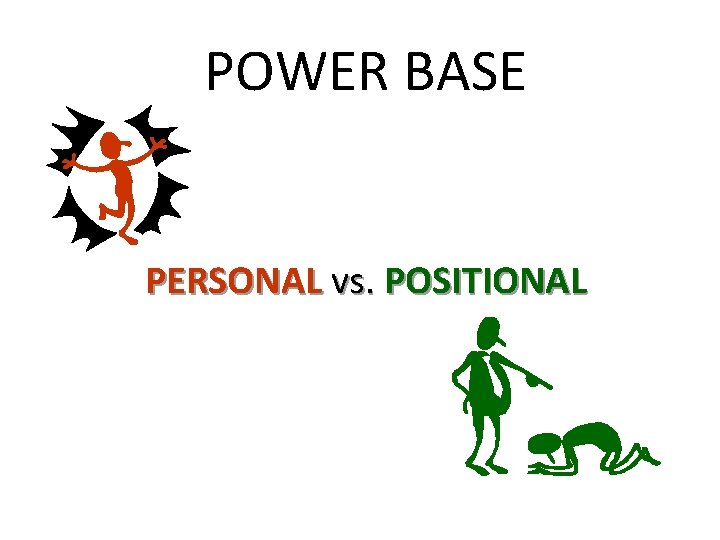
POWER BASE PERSONAL vs. POSITIONAL
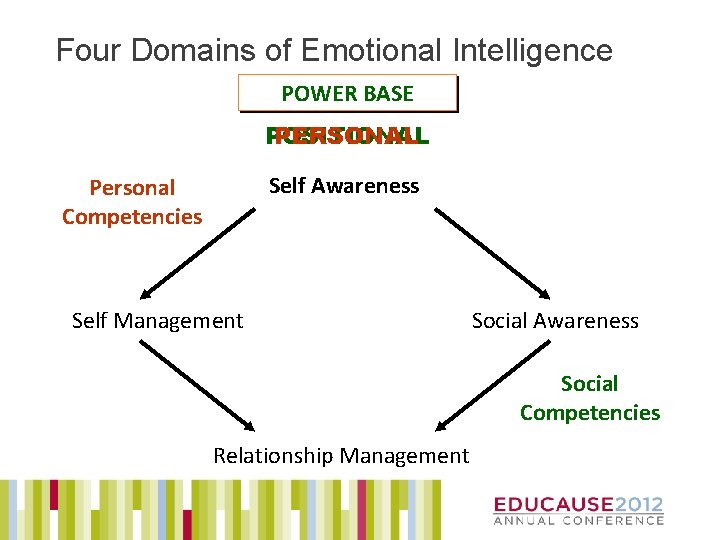
Four Domains of Emotional Intelligence POWER BASE POSITIONAL PERSONAL Self Awareness Personal Competencies Self Management Social Awareness Social Competencies Relationship Management
The Good and The Bad Exercise
Great Leaders Move Us Through our emotions – which are contagious.
Exercise § Think of a leader for whom or with whom you worked -- one that you would gladly work with or for again. § Think of a person in a leadership position that you try to avoid, or left you drained, or hoping for more. § How did each of these people behave? How did they relate to others?
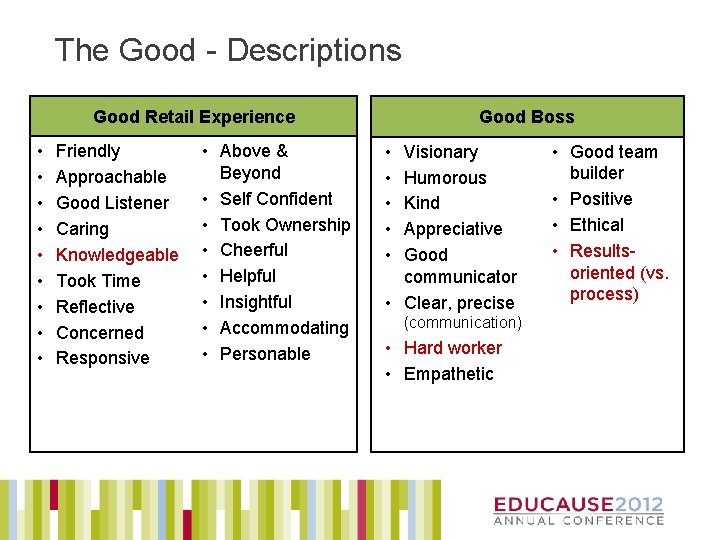
The Good - Descriptions Good Retail Experience • • • Friendly Approachable Good Listener Caring Knowledgeable Took Time Reflective Concerned Responsive • Above & Beyond • Self Confident • Took Ownership • Cheerful • Helpful • Insightful • Accommodating • Personable Good Boss • • • Visionary Humorous Kind Appreciative Good communicator • Clear, precise (communication) • Hard worker • Empathetic • Good team builder • Positive • Ethical • Resultsoriented (vs. process)
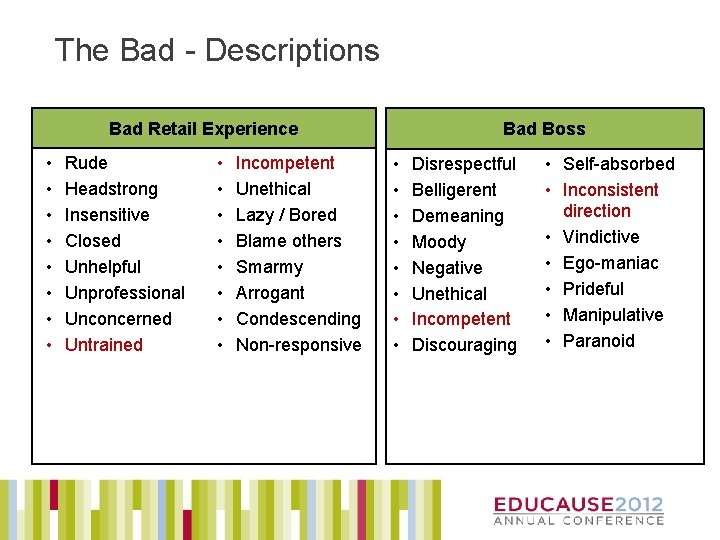
The Bad - Descriptions Bad Retail Experience • • Rude Headstrong Insensitive Closed Unhelpful Unprofessional Unconcerned Untrained • • Incompetent Unethical Lazy / Bored Blame others Smarmy Arrogant Condescending Non-responsive Bad Boss • • Disrespectful Belligerent Demeaning Moody Negative Unethical Incompetent Discouraging • Self-absorbed • Inconsistent direction • Vindictive • Ego-maniac • Prideful • Manipulative • Paranoid
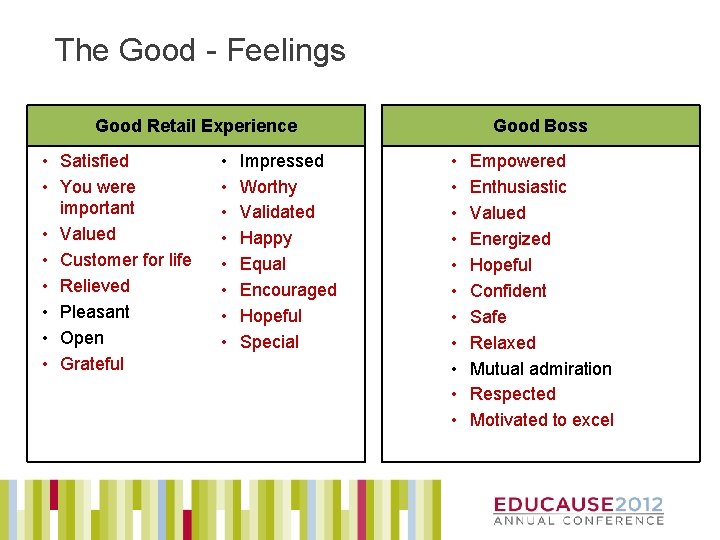
The Good - Feelings Good Retail Experience • Satisfied • You were important • Valued • Customer for life • Relieved • Pleasant • Open • Grateful • • Impressed Worthy Validated Happy Equal Encouraged Hopeful Special Good Boss • • • Empowered Enthusiastic Valued Energized Hopeful Confident Safe Relaxed Mutual admiration Respected Motivated to excel
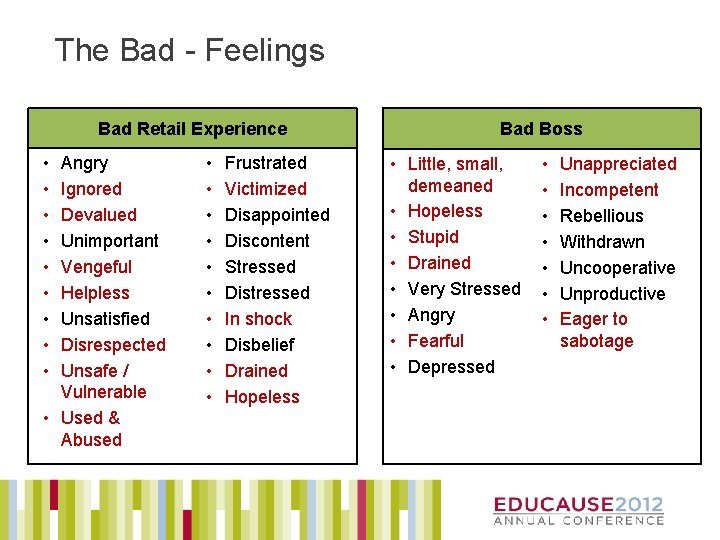
The Bad - Feelings Bad Retail Experience • • • Angry Ignored Devalued Unimportant Vengeful Helpless Unsatisfied Disrespected Unsafe / Vulnerable • Used & Abused • • • Frustrated Victimized Disappointed Discontent Stressed Distressed In shock Disbelief Drained Hopeless Bad Boss • Little, small, demeaned • Hopeless • Stupid • Drained • Very Stressed • Angry • Fearful • Depressed • • Unappreciated Incompetent Rebellious Withdrawn Uncooperative Unproductive Eager to sabotage
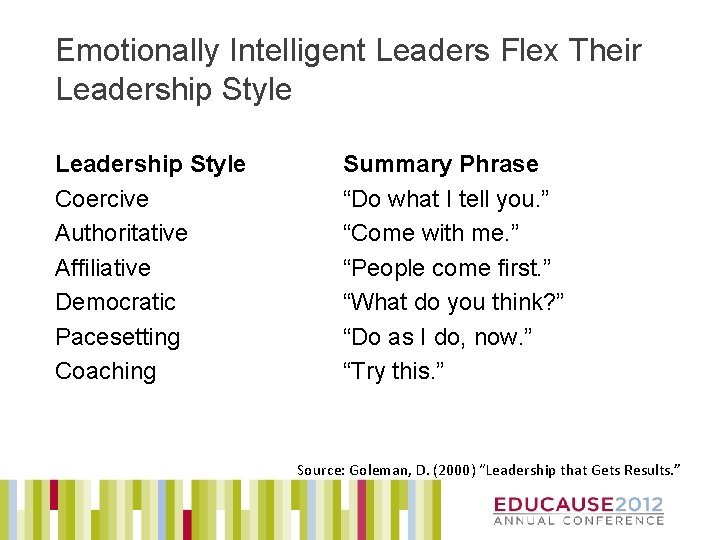
Emotionally Intelligent Leaders Flex Their Leadership Style Coercive Authoritative Affiliative Democratic Pacesetting Coaching Summary Phrase “Do what I tell you. ” “Come with me. ” “People come first. ” “What do you think? ” “Do as I do, now. ” “Try this. ” Source: Goleman, D. (2000) “Leadership that Gets Results. ”
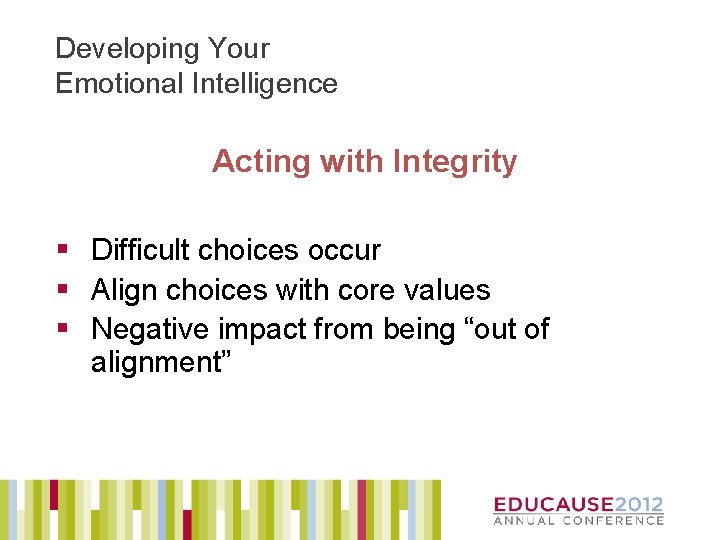
Developing Your Emotional Intelligence Acting with Integrity § Difficult choices occur § Align choices with core values § Negative impact from being “out of alignment”
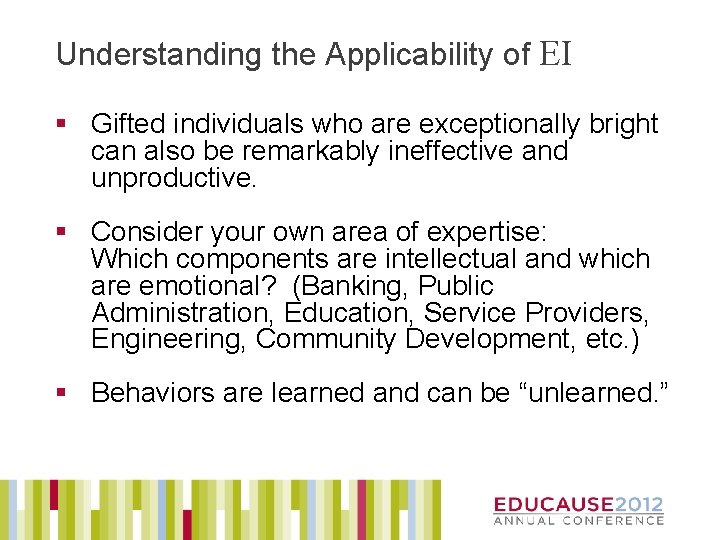
Understanding the Applicability of EI § Gifted individuals who are exceptionally bright can also be remarkably ineffective and unproductive. § Consider your own area of expertise: Which components are intellectual and which are emotional? (Banking, Public Administration, Education, Service Providers, Engineering, Community Development, etc. ) § Behaviors are learned and can be “unlearned. ”
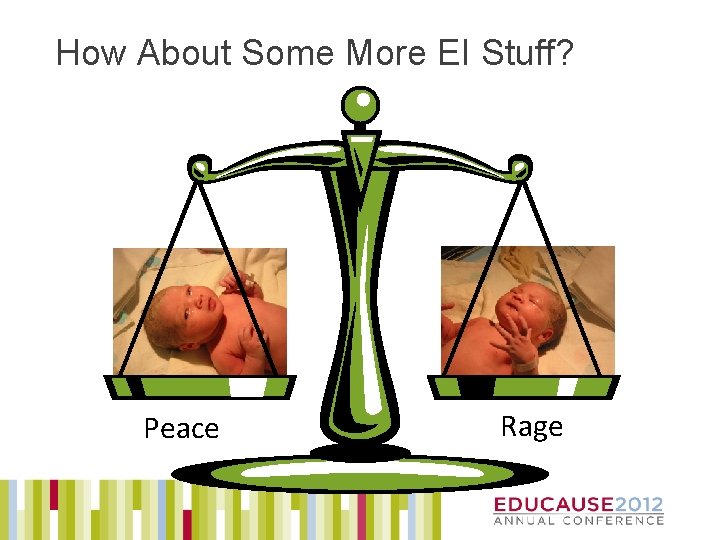
How About Some More EI Stuff? Peace Rage
Some More About the Brain… • The brain works on repeated patterns – MRI tests on memory • Lions and tigers and bears, and tools – Random number tables – Black box of knowledge
Who Sets Our Tone? § Prefrontal Lobes § The executive center § Positive or negative
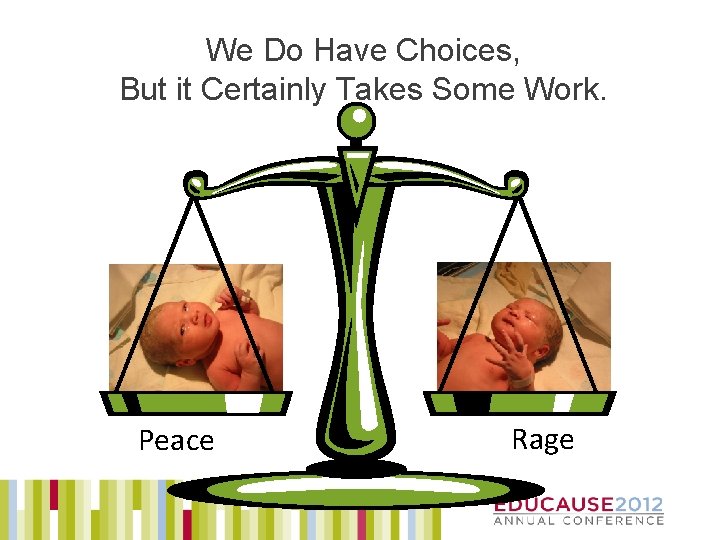
We Do Have Choices, But it Certainly Takes Some Work. Peace Rage
Effective Leadership: Learning Moments
Effective Leadership: Learning Moments

The Experience
Discussion § How can we strengthen competencies that are currently less-developed? § How does this information shape the way we guide and interact with others? § How does our understanding of behavior styles impact our EI? § How can we use this information to be better leaders?
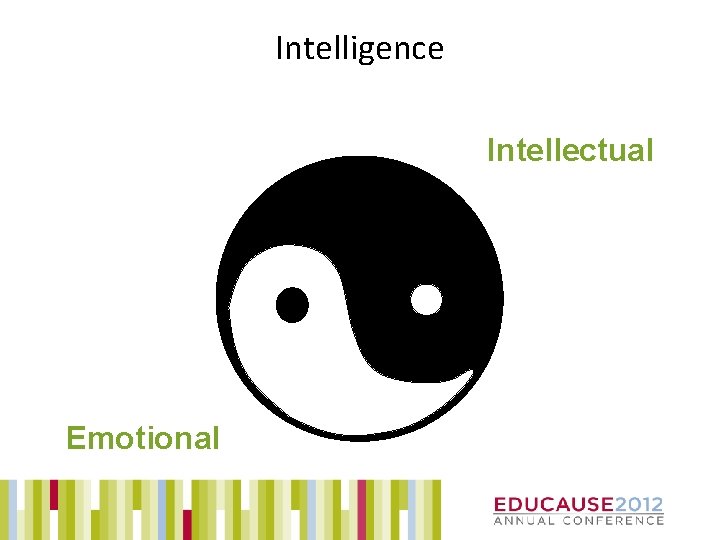
Intelligence Intellectual Emotional
Suggested Readings: Emotional Intelligence § Working with Emotional Intelligence, Daniel Goleman § Primal Leadership, Daniel Goleman, Richard Boyatzis, and Annie Mc. Kee § The Manager’s Pocket Guide to Emotional Intelligence, Emily A. Sterrett
More Suggested Reading § Leading Resonant Teams, Daniel Goleman. www. leadertoleader. org. § The Journey to Authenticity, Bill George. www. leadertoleader. org. § Leadership that Gets Results, Goleman, D. Harvard Business Review, March-April 2000, 82 -83.
Balanced Leadership: The Role of Behavior Styles and Emotional Intelligence Thank You!
- Slides: 139