
Bakterilerin tanmlanmas retilmesi Dr Gkhan AYGN Tbbi Mikrobiyoloji
Bakterilerin tanımlanması, üretilmesi Dr Gökhan AYGÜN Tıbbi Mikrobiyoloji AD
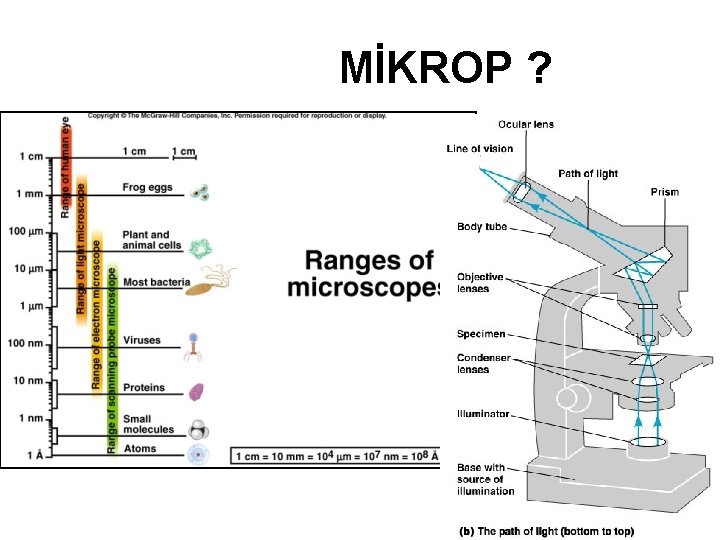
MİKROP ?
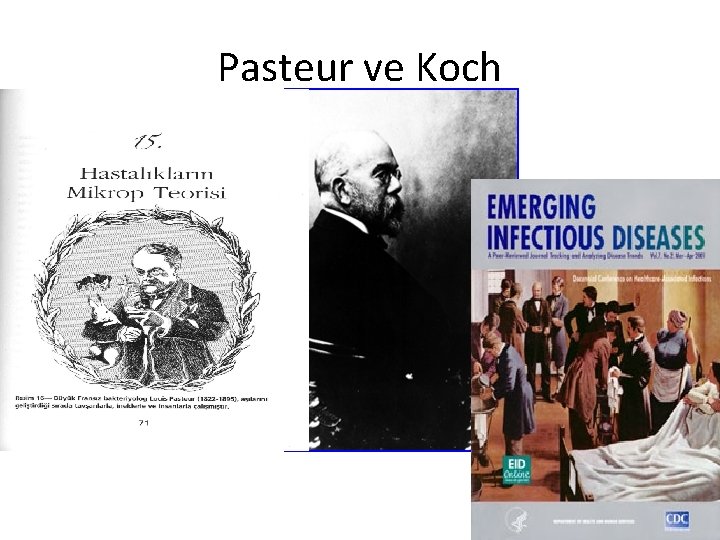
Pasteur ve Koch
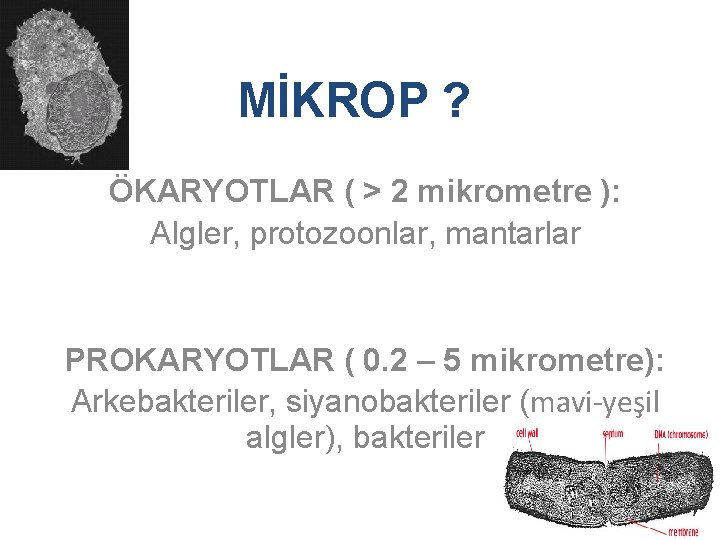
MİKROP ? ÖKARYOTLAR ( > 2 mikrometre ): Algler, protozoonlar, mantarlar PROKARYOTLAR ( 0. 2 – 5 mikrometre): Arkebakteriler, siyanobakteriler (mavi-yeşil algler), bakteriler
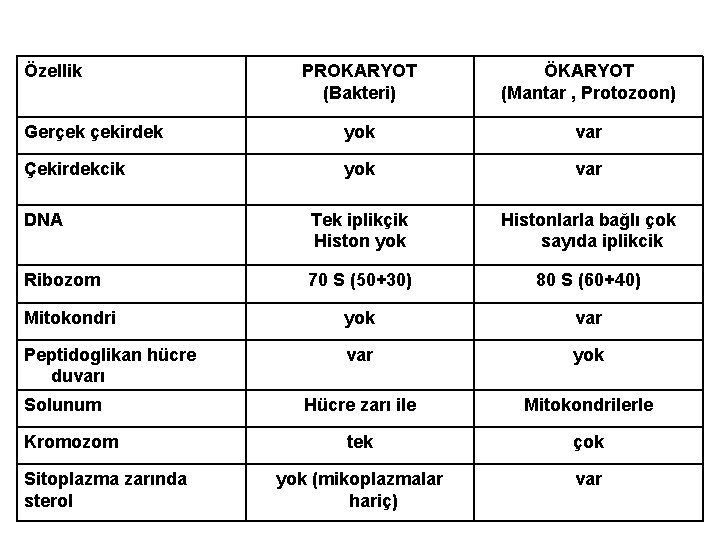
Özellik PROKARYOT (Bakteri) ÖKARYOT (Mantar , Protozoon) Gerçek çekirdek yok var Çekirdekcik yok var DNA Tek iplikçik Histon yok Histonlarla bağlı çok sayıda iplikcik Ribozom 70 S (50+30) 80 S (60+40) Mitokondri yok var Peptidoglikan hücre duvarı var yok Hücre zarı ile Mitokondrilerle tek çok yok (mikoplazmalar hariç) var Solunum Kromozom Sitoplazma zarında sterol
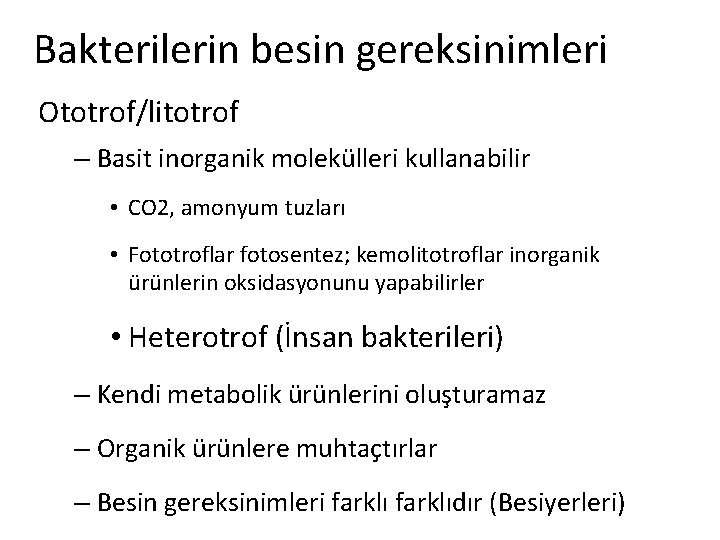
Bakterilerin besin gereksinimleri Ototrof/litotrof – Basit inorganik molekülleri kullanabilir • CO 2, amonyum tuzları • Fototroflar fotosentez; kemolitotroflar inorganik ürünlerin oksidasyonunu yapabilirler • Heterotrof (İnsan bakterileri) – Kendi metabolik ürünlerini oluşturamaz – Organik ürünlere muhtaçtırlar – Besin gereksinimleri farklıdır (Besiyerleri)
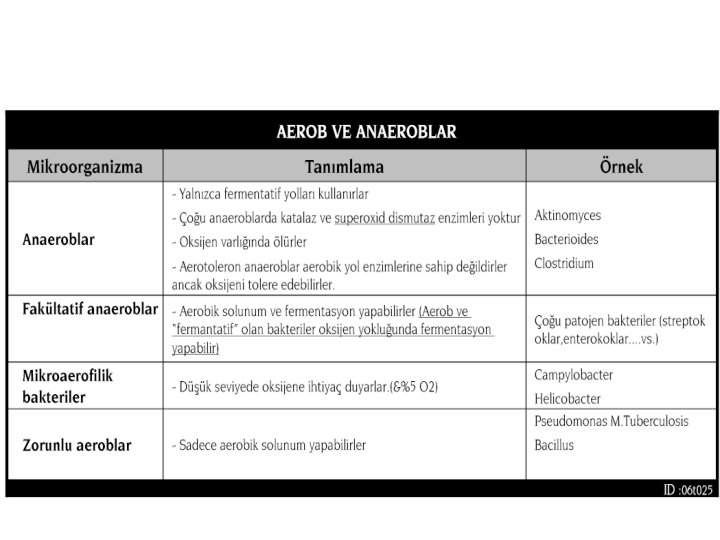
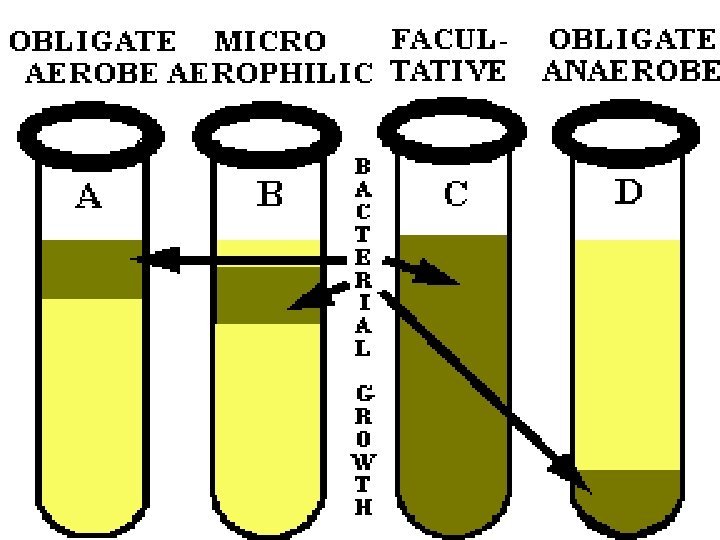
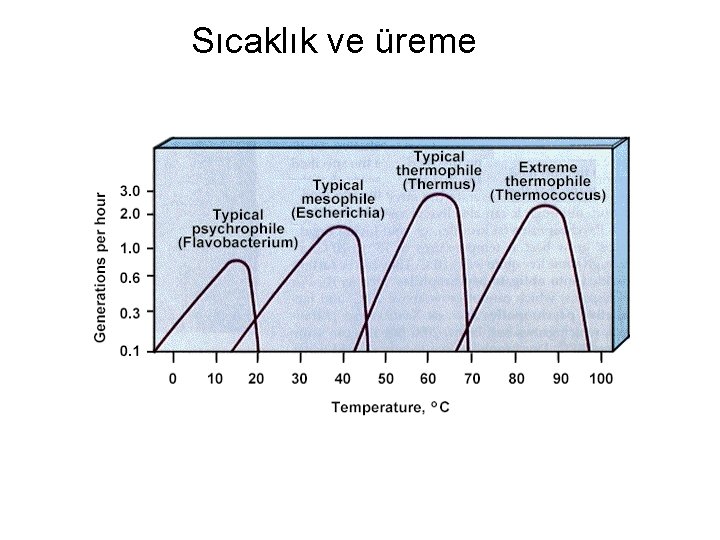
Sıcaklık ve üreme
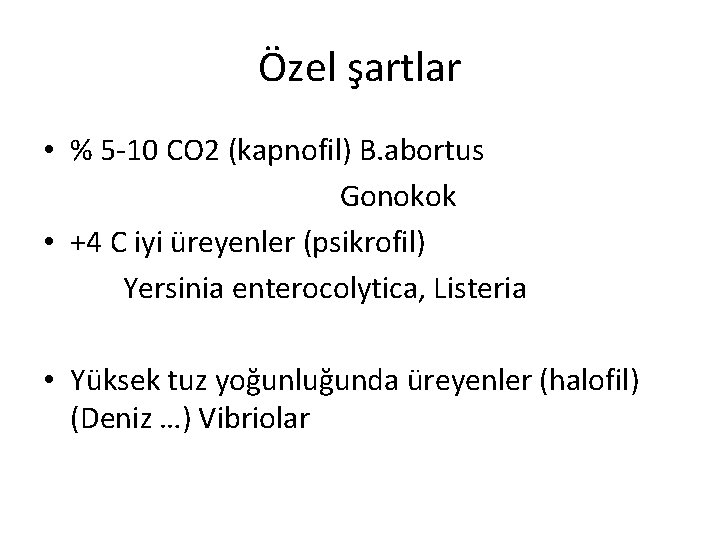
Özel şartlar • % 5 -10 CO 2 (kapnofil) B. abortus Gonokok • +4 C iyi üreyenler (psikrofil) Yersinia enterocolytica, Listeria • Yüksek tuz yoğunluğunda üreyenler (halofil) (Deniz …) Vibriolar
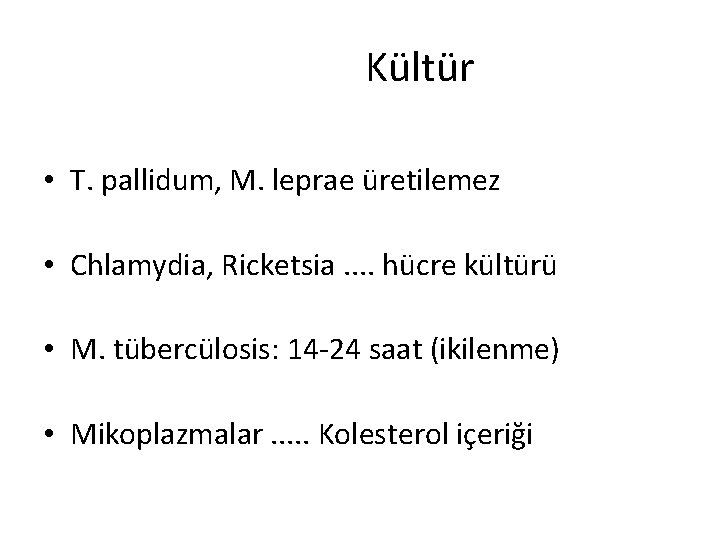
Kültür • T. pallidum, M. leprae üretilemez • Chlamydia, Ricketsia. . hücre kültürü • M. tübercülosis: 14 -24 saat (ikilenme) • Mikoplazmalar. . . Kolesterol içeriği
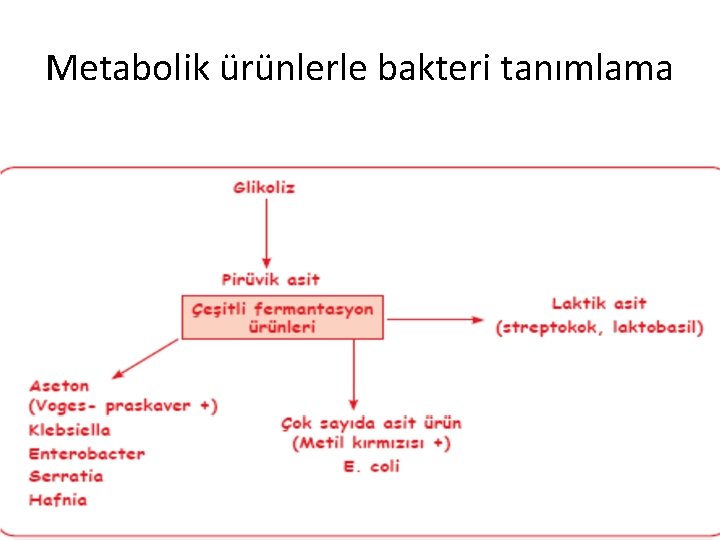
Metabolik ürünlerle bakteri tanımlama
Günümüzde klinik mikrobiyoloji • • Boyama yöntemleri Gelişmiş kültür teknikleri Otomatize tanımlama sistemleri Gelişmiş serolojik yöntemler (ELISA, IFA) • PZR/PCR • Standartize moleküler yöntemler • “Microarray” teknolojisi
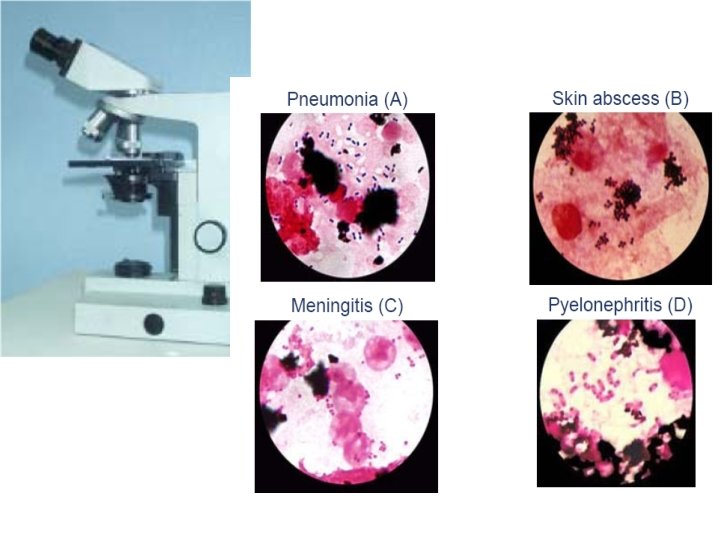
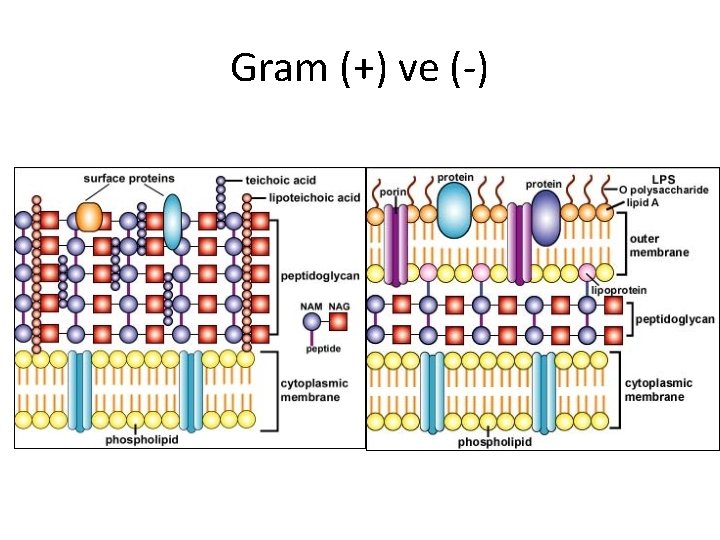
Gram (+) ve (-)
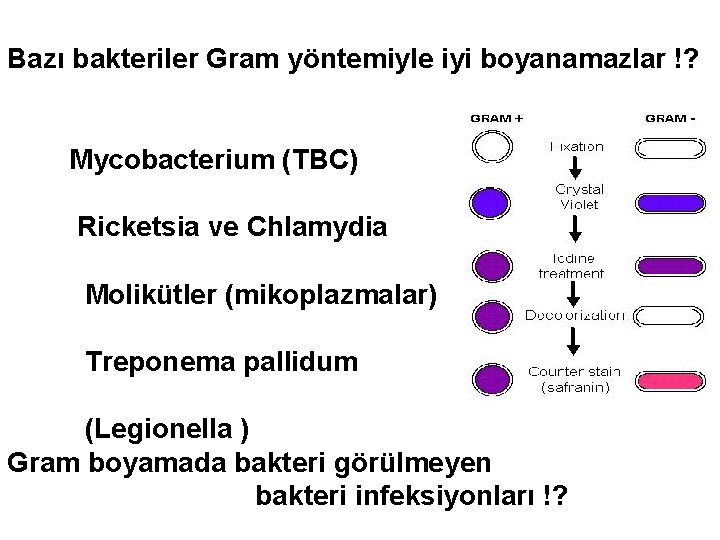
Bazı bakteriler Gram yöntemiyle iyi boyanamazlar !? Mycobacterium (TBC) Ricketsia ve Chlamydia Molikütler (mikoplazmalar) Treponema pallidum (Legionella ) Gram boyamada bakteri görülmeyen bakteri infeksiyonları !?
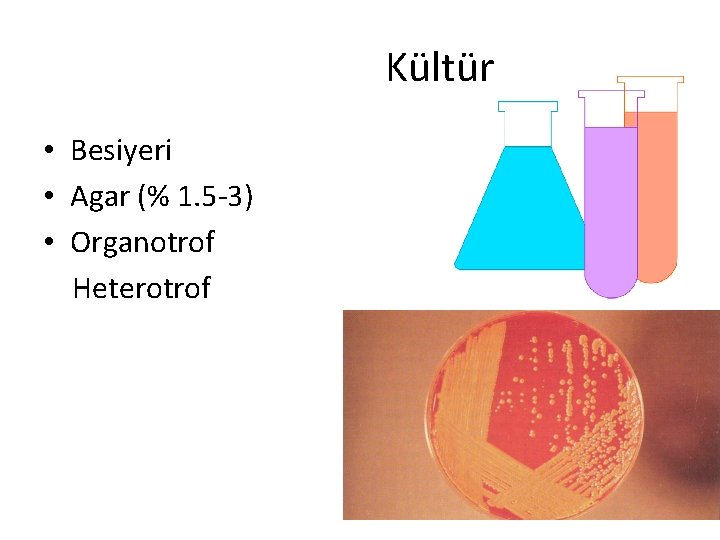
Kültür • Besiyeri • Agar (% 1. 5 -3) • Organotrof Heterotrof
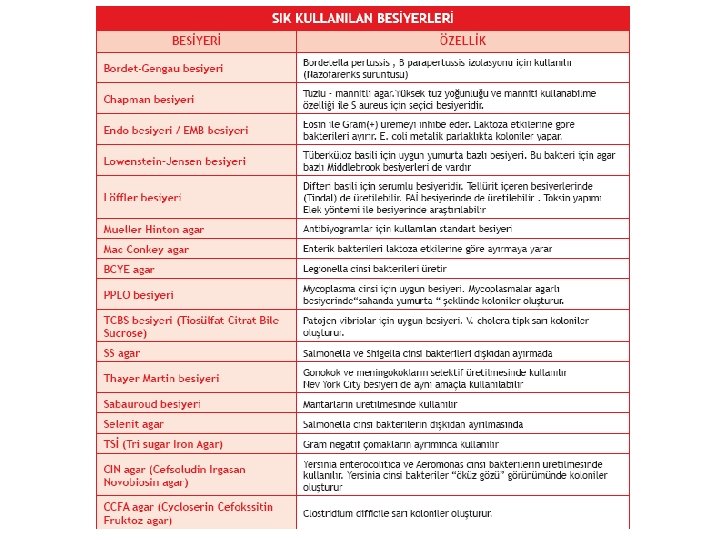
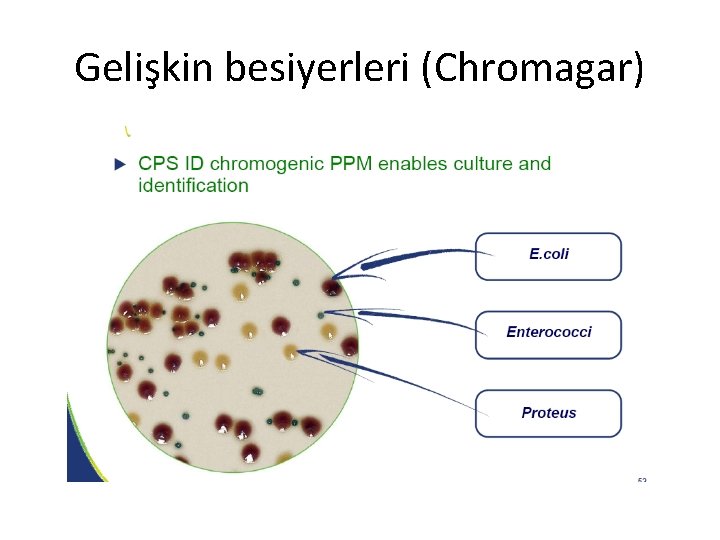
Gelişkin besiyerleri (Chromagar)
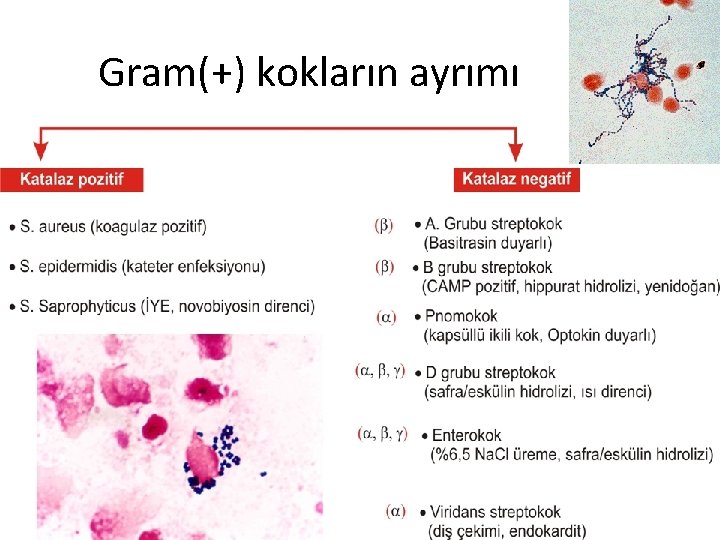
Gram(+) kokların ayrımı
Gram (+) çomaklar spor ( +) aerop ( Bacillus) anaerop (Clostridium) • Corynebacterium ( Pleomorfik, düzensiz boyanan, volutin ) Dallanan çomak …Nocardia
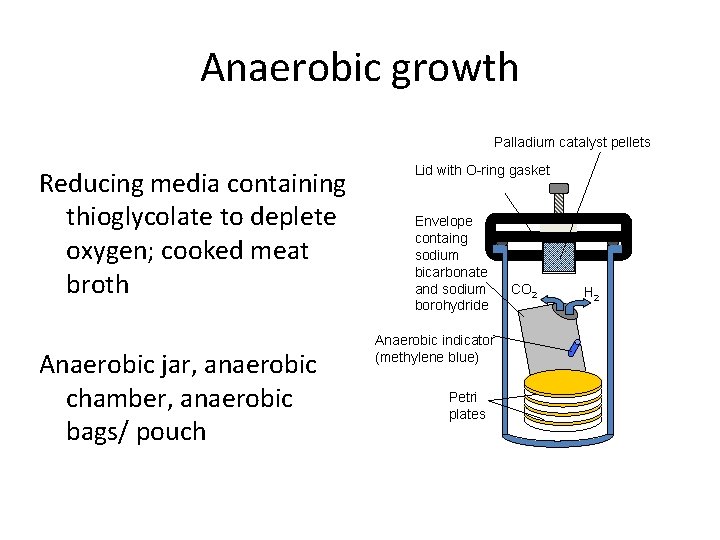
Anaerobic growth Palladium catalyst pellets Reducing media containing thioglycolate to deplete oxygen; cooked meat broth Anaerobic jar, anaerobic chamber, anaerobic bags/ pouch Lid with O-ring gasket Envelope containg sodium bicarbonate and sodium borohydride Anaerobic indicator (methylene blue) Petri plates CO 2 H 2
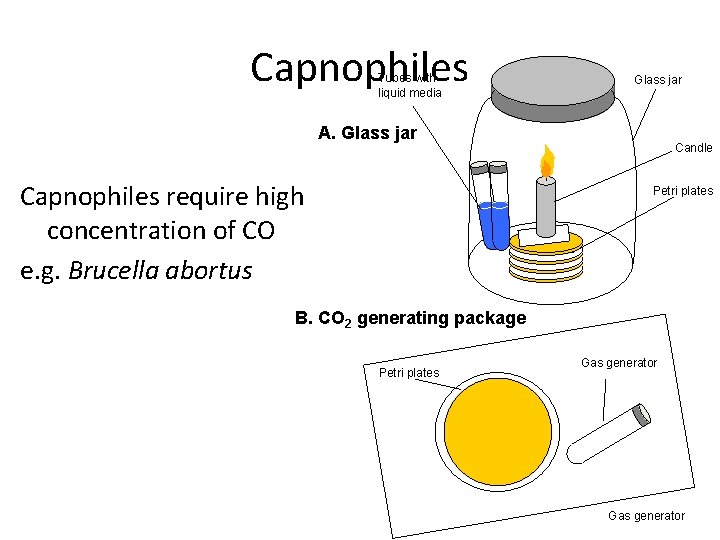
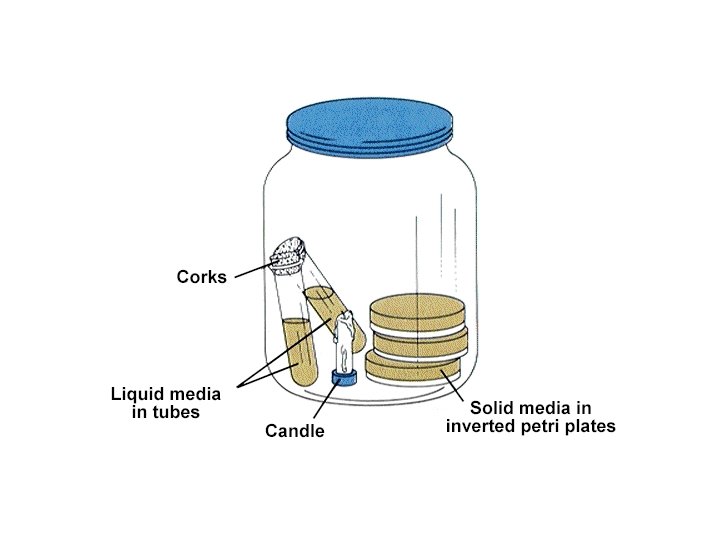
Capnophiles Tubes with liquid media Glass jar A. Glass jar Capnophiles require high concentration of CO e. g. Brucella abortus Candle Petri plates B. CO 2 generating package Petri plates Gas generator
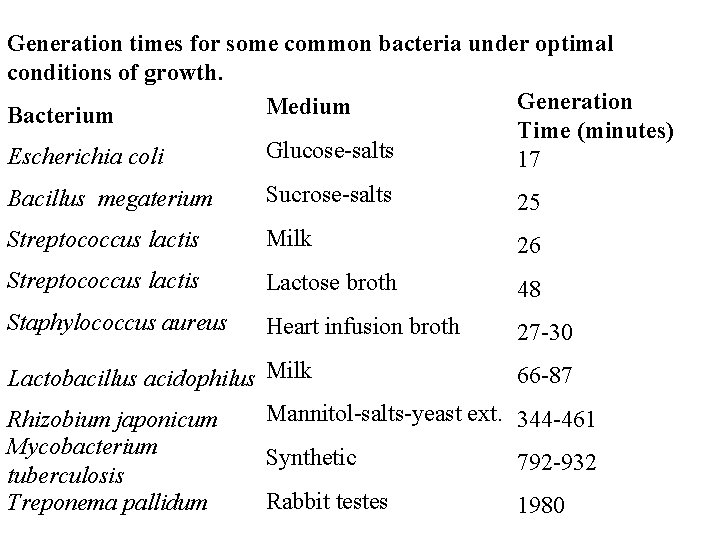
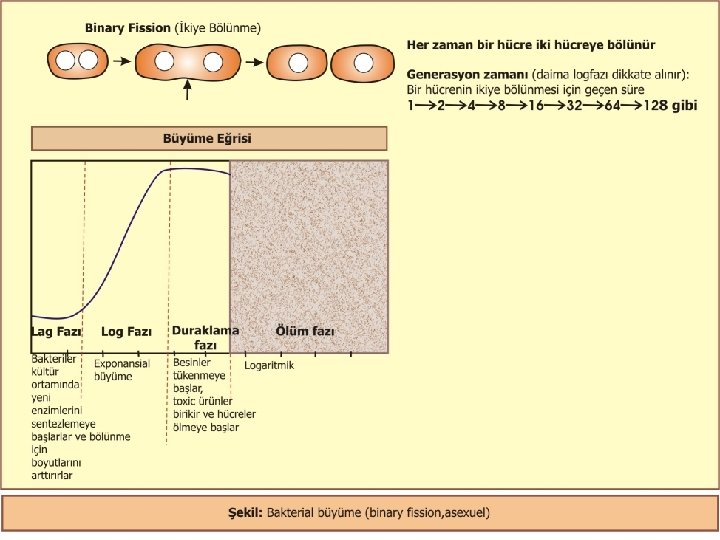
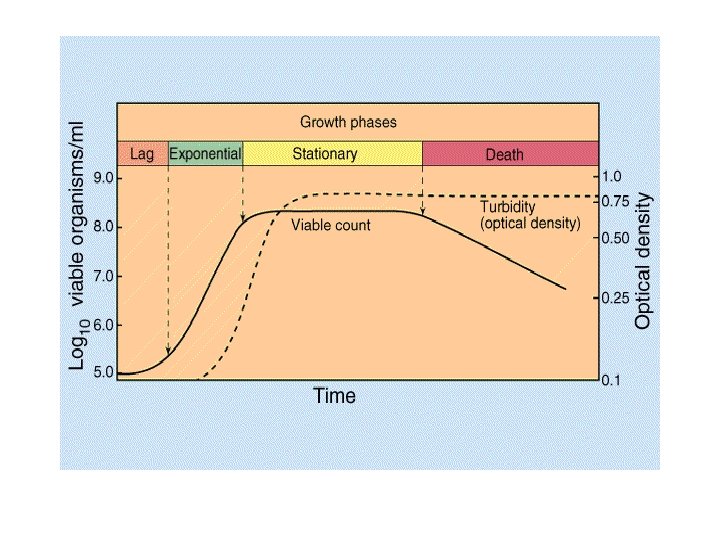
Generation times for some common bacteria under optimal conditions of growth. Generation Medium Bacterium Time (minutes) Glucose-salts Escherichia coli 17 Sucrose-salts Bacillus megaterium 25 Streptococcus lactis Milk 26 Streptococcus lactis Lactose broth 48 Staphylococcus aureus Heart infusion broth 27 -30 Lactobacillus acidophilus Milk Mannitol-salts-yeast ext. Rhizobium japonicum Mycobacterium Synthetic tuberculosis Rabbit testes Treponema pallidum 66 -87 344 -461 792 -932 1980
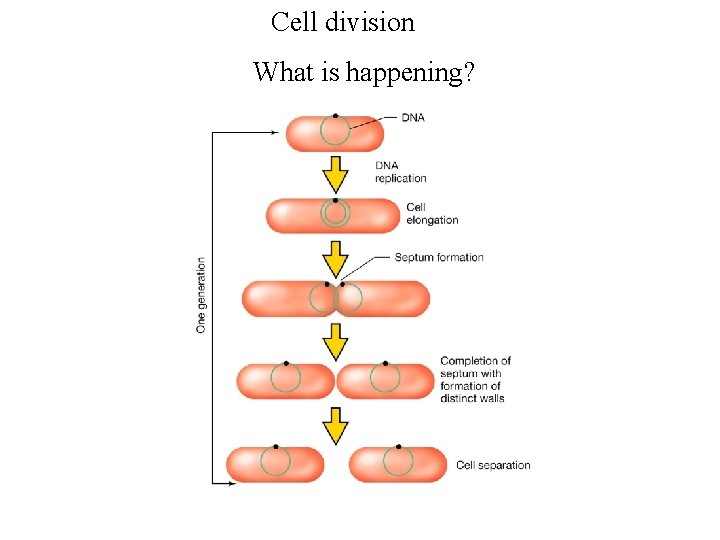
Cell division What is happening?
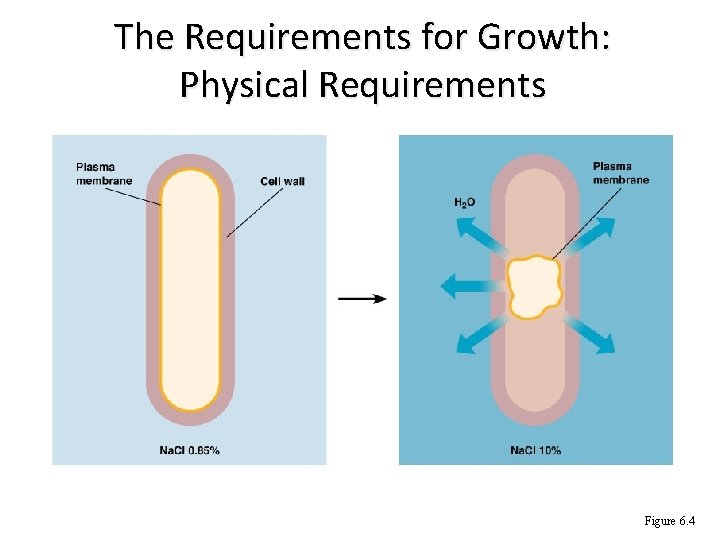
The Requirements for Growth: Physical Requirements Figure 6. 4
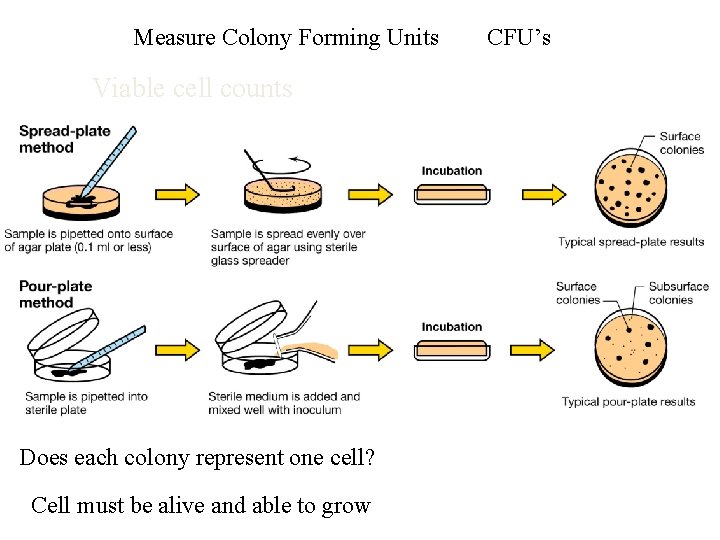
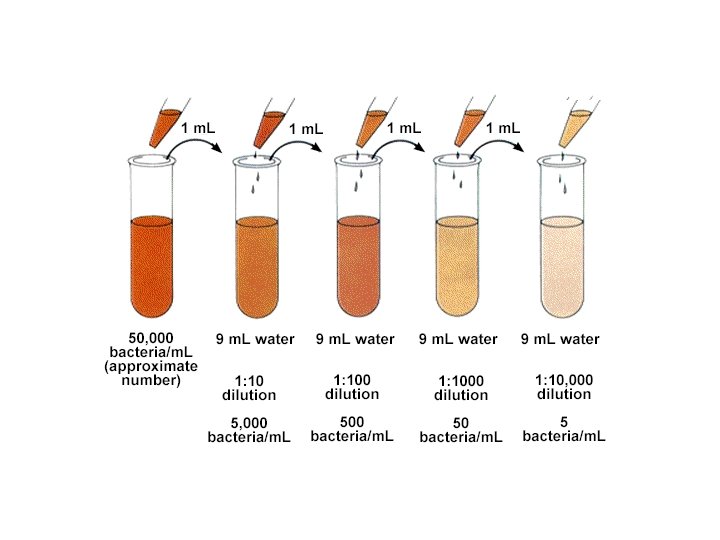
Measure Colony Forming Units Viable cell counts Does each colony represent one cell? Cell must be alive and able to grow CFU’s
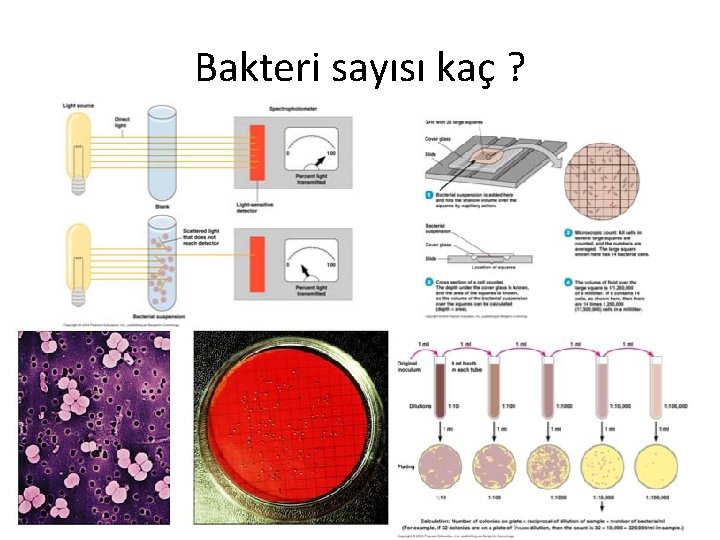
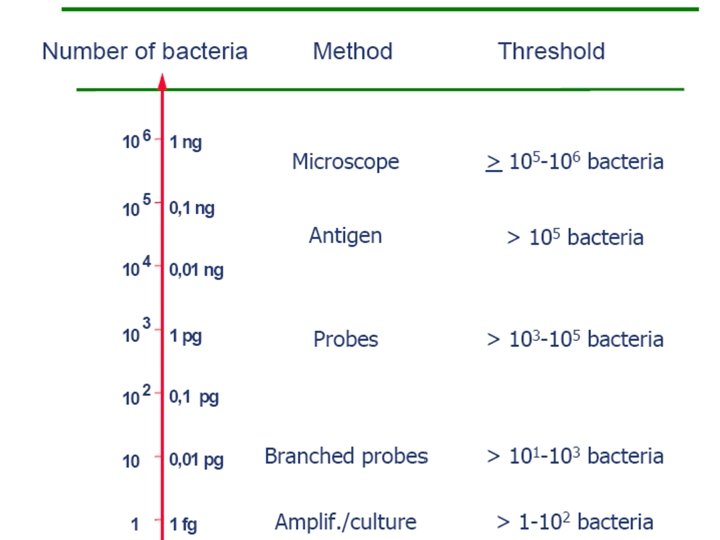
Bakteri sayısı kaç ?
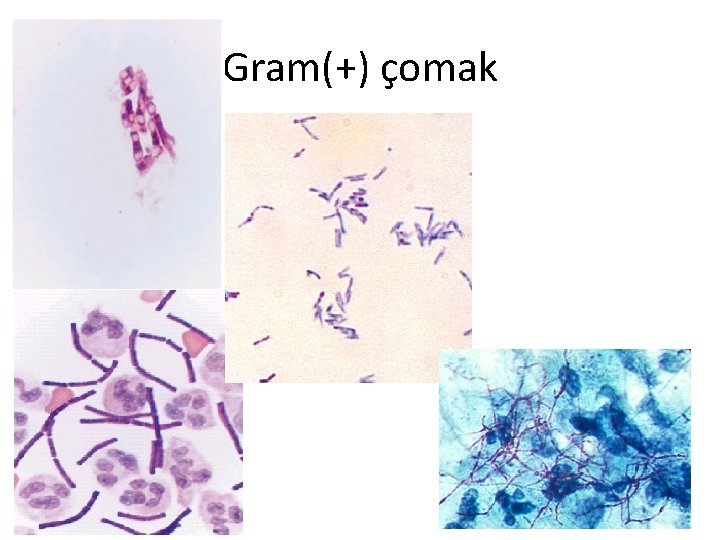
Gram(+) çomak
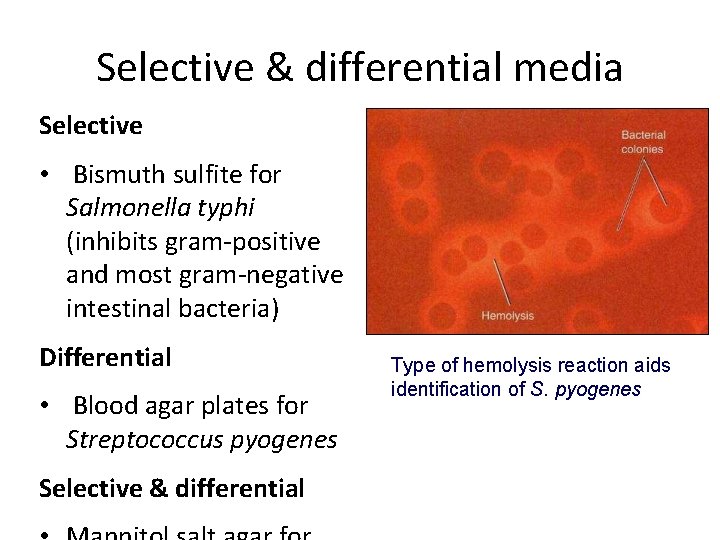
Selective & differential media Selective • Bismuth sulfite for Salmonella typhi (inhibits gram-positive and most gram-negative intestinal bacteria) Differential • Blood agar plates for Streptococcus pyogenes Selective & differential Type of hemolysis reaction aids identification of S. pyogenes
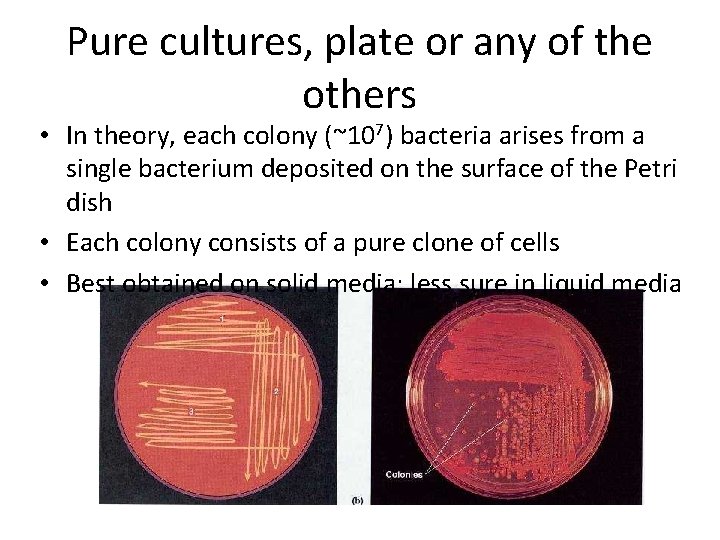
Pure cultures, plate or any of the others • In theory, each colony (~107) bacteria arises from a single bacterium deposited on the surface of the Petri dish • Each colony consists of a pure clone of cells • Best obtained on solid media; less sure in liquid media
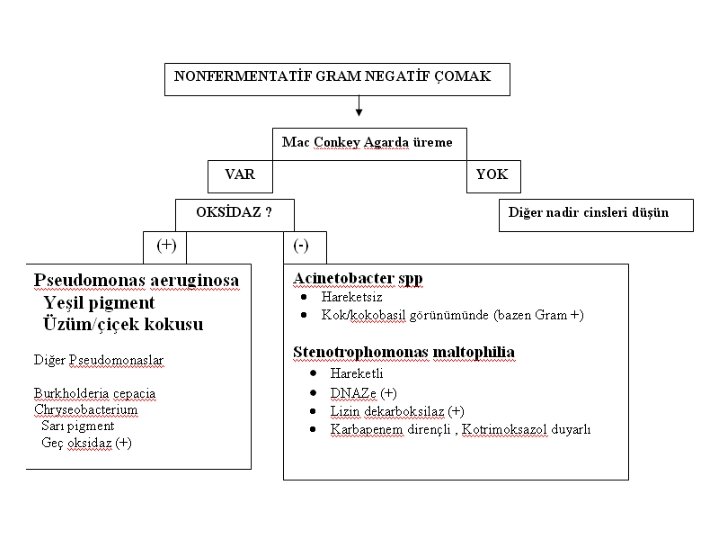
GRAM NEGATİF ÇOMAKLAR 1 – Zor üreyen /adi besiyerlerinde üremeyen Gram (-) çomaklar: Brucella, Haemophilus, Bordatella, . . . 2 – Glikozu fermente eden, oksidaz (-) : Enterobactericeae 3 – Glikozu fermente eden, oksidaz (+) : Vibrio, Aeromonas, Plesiomonas. 4 – Glikozu fermente etmeyenler : Pseudomonas, Acinetobacter, Burkholderia, . .
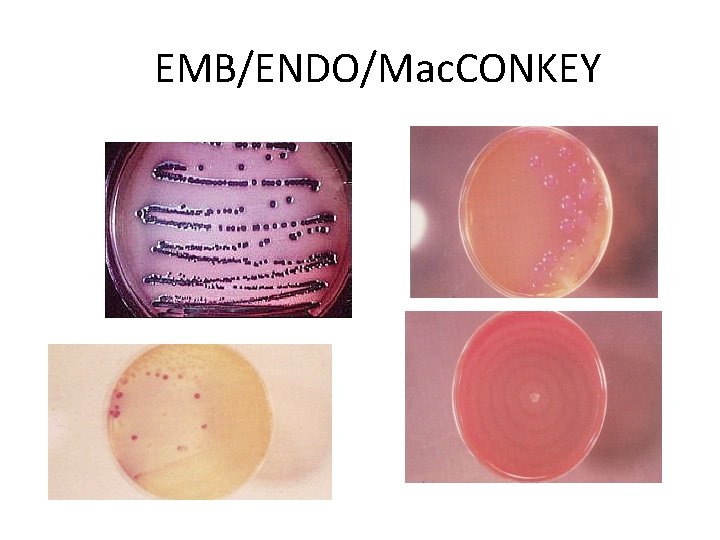
EMB/ENDO/Mac. CONKEY
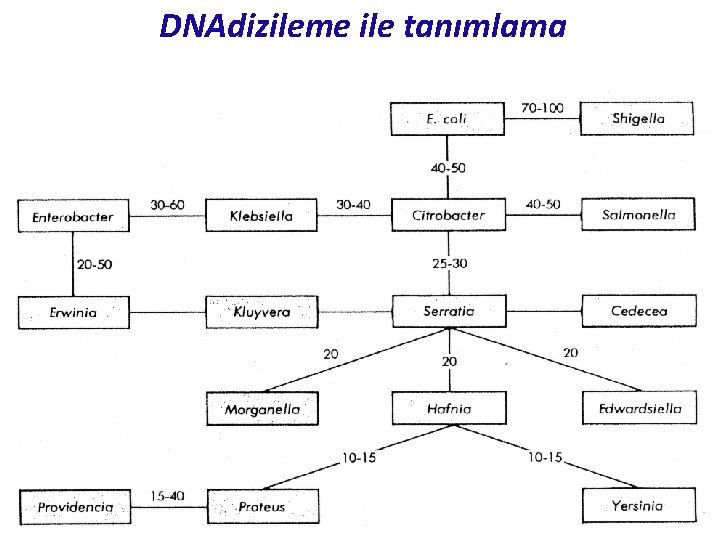
DNAdizileme ile tanımlama
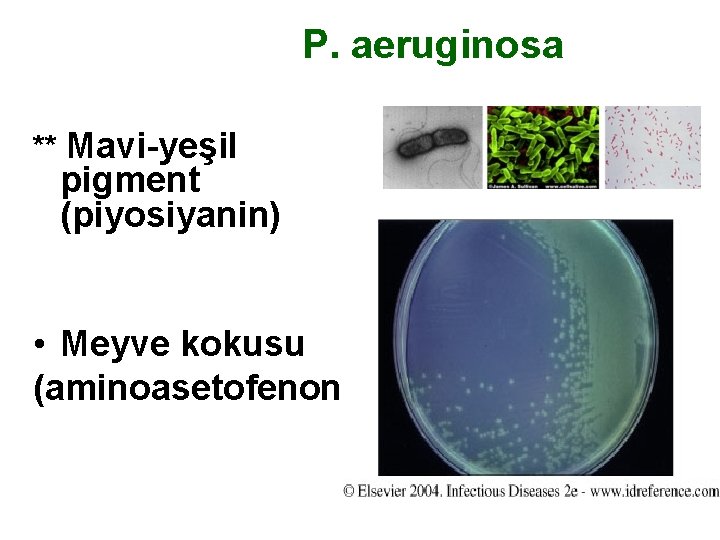
P. aeruginosa ** Mavi-yeşil pigment (piyosiyanin) • Meyve kokusu (aminoasetofenon)
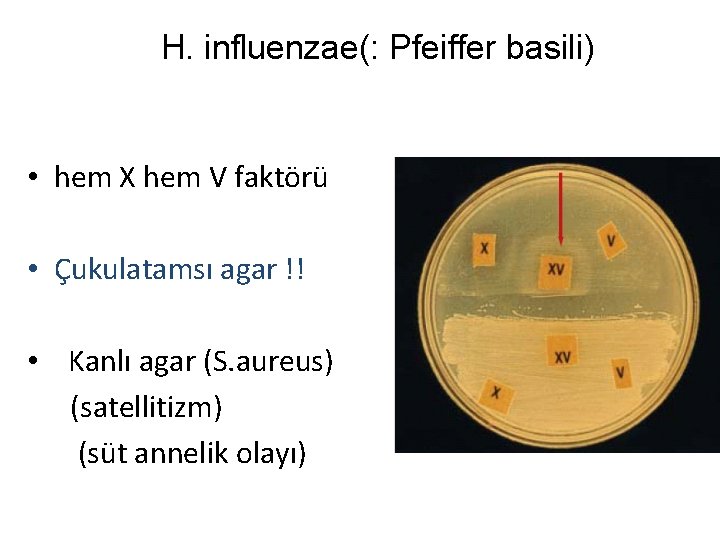
H. influenzae(: Pfeiffer basili) • hem X hem V faktörü • Çukulatamsı agar !! • Kanlı agar (S. aureus) (satellitizm) (süt annelik olayı)
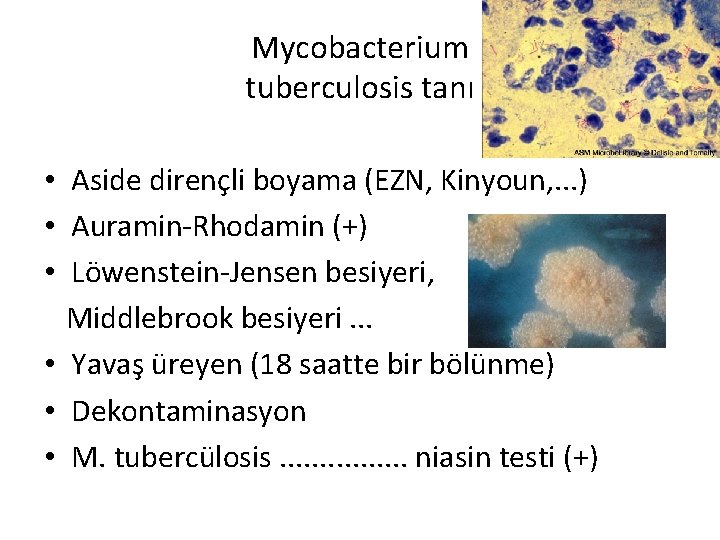
Mycobacterium tuberculosis tanı • Aside dirençli boyama (EZN, Kinyoun, . . . ) • Auramin-Rhodamin (+) • Löwenstein-Jensen besiyeri, Middlebrook besiyeri. . . • Yavaş üreyen (18 saatte bir bölünme) • Dekontaminasyon • M. tubercülosis. . . . niasin testi (+)
The Requirements for Growth: Chemical Requirements • Carbon – Structural organic molecules, energy source – Chemoheterotrophs use organic carbon sources – Autotrophs use CO 2
The Requirements for Growth: Chemical Requirements • Nitrogen – In amino acids, proteins – Most bacteria decompose proteins – Some bacteria use NH 4+ or NO 3 – A few bacteria use N 2 in nitrogen fixation • Sulfur – In amino acids, thiamine, biotin – Most bacteria decompose proteins – Some bacteria use SO 42 or H 2 S • Phosphorus – In DNA, RNA, ATP, and membranes – PO 43 is a source of phosphorus
The Requirements for Growth: Chemical Requirements • Trace Elements – Inorganic elements required in small amounts – Usually as enzyme cofactors
The Requirements for Growth: Chemical Requirements • Organic Growth Factors – Organic compounds obtained from the environment – Vitamins, amino acids, purines, pyrimidines
Agar • Complex polysaccharide • Used as solidifying agent for culture media in Petri plates, slants, and deeps • Generally not metabolized by microbes • Liquefies at 100°C • Solidifies ~40°C
- Slides: 50