
Badain Jaran Inner Mongolia China The miraculous lakes
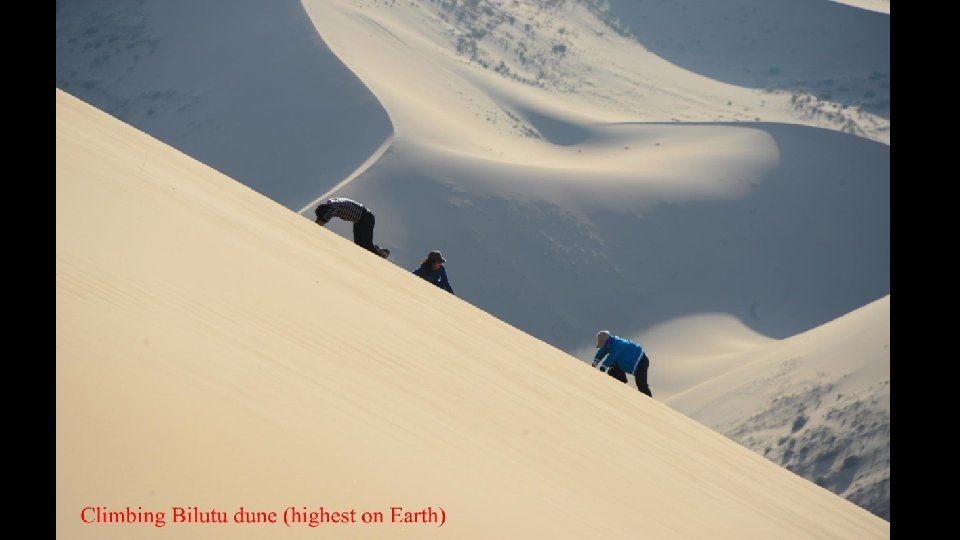
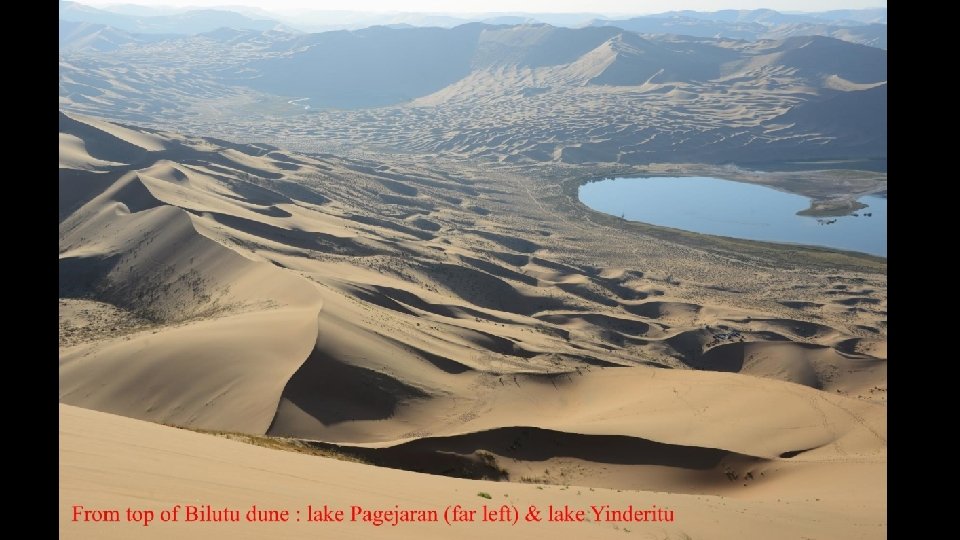
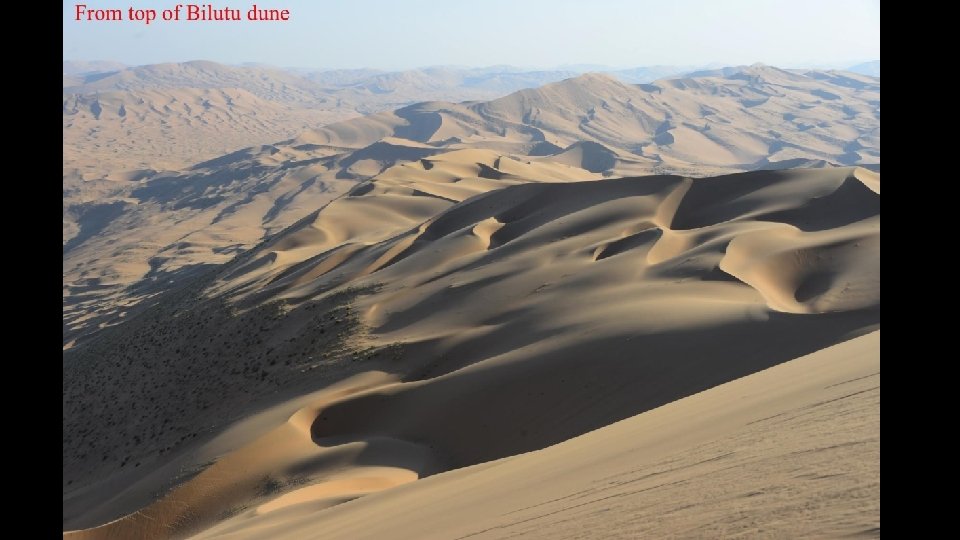
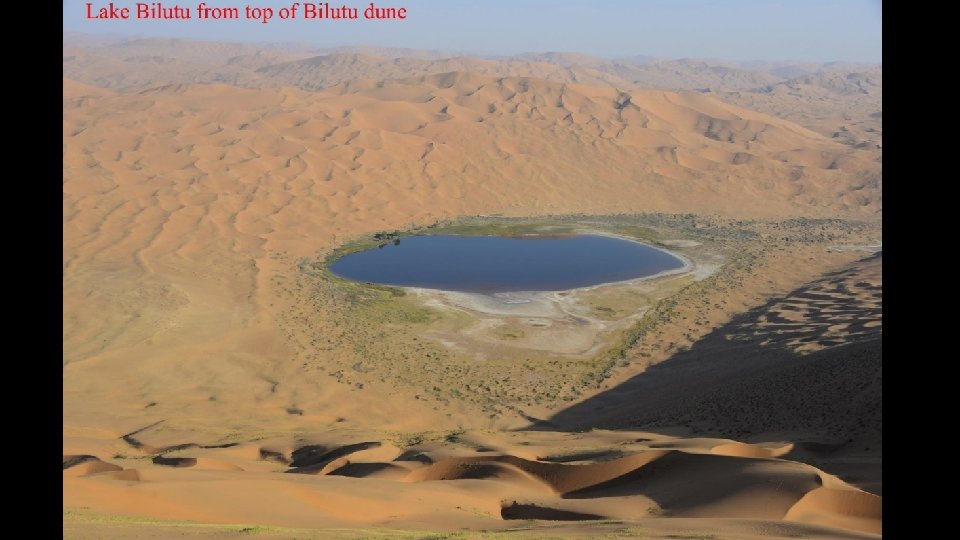
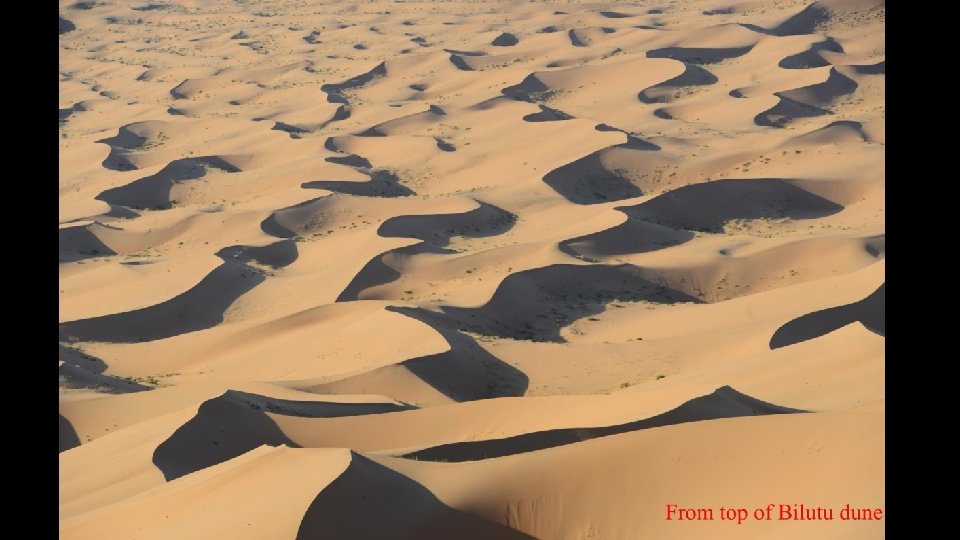
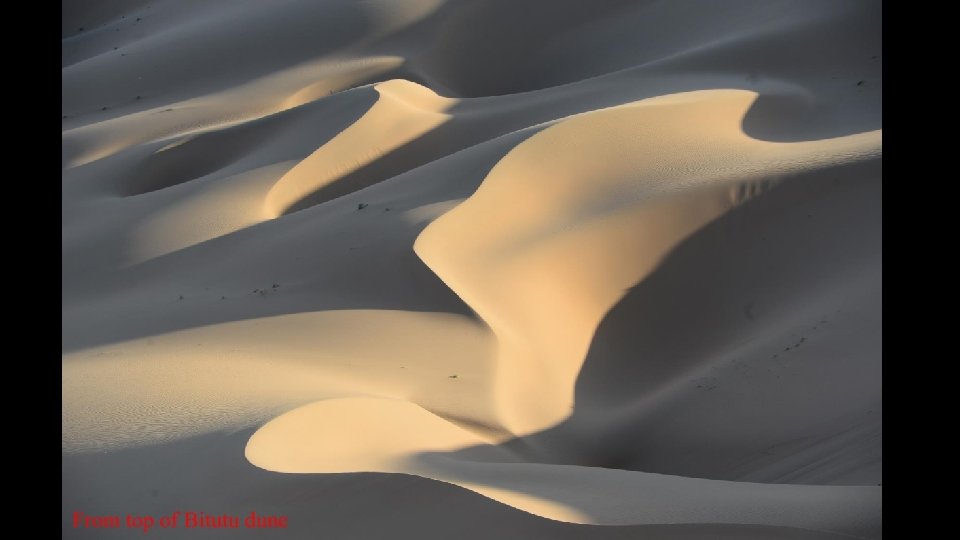
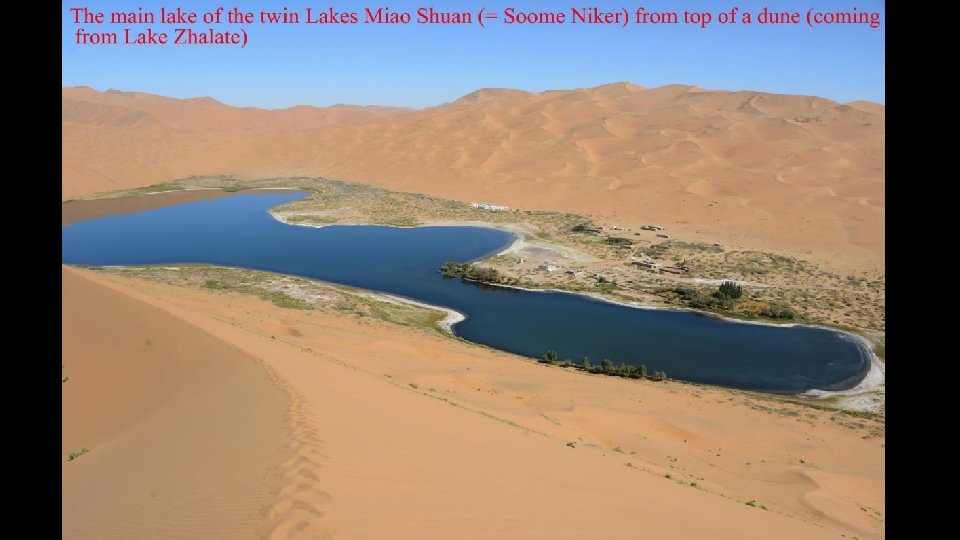
Badain Jaran – Inner Mongolia (China) (The miraculous lakes) Badain Jaran Desert (also named Badainjilin Desert) is located west of Inner Mongolia in China. It is quite unique on Earth : it contains megadunes and 113 lakes, all endowed with different stunning beauty, most of them salty. Badain Jaran Desert is not a barren land : on the bank of the lakes, thick reeds, poplars, sand oleaster trees, green grass and flowers make a strong contrast with innumerable sand hills whose surface is much harder than those in other deserts. The Bilutu Peak is the highest stationnary sand dune in the world (and highest all type dunes in Asia): nicknamed as the ‘Everest of the world deserts’, at 1617 m above sea level, it has a 500 m altitude, 70 m higher than the highest dune of Africa. Only 2 (all type) dunes are higher (one in Argentina, one Peru). Badain Jaran Desert is part of Gobi, the 5 th largest desert in the world and Asia’s largest. com) Dominique LAURENT (meet me on mosttraveledpeople. com) Automatic
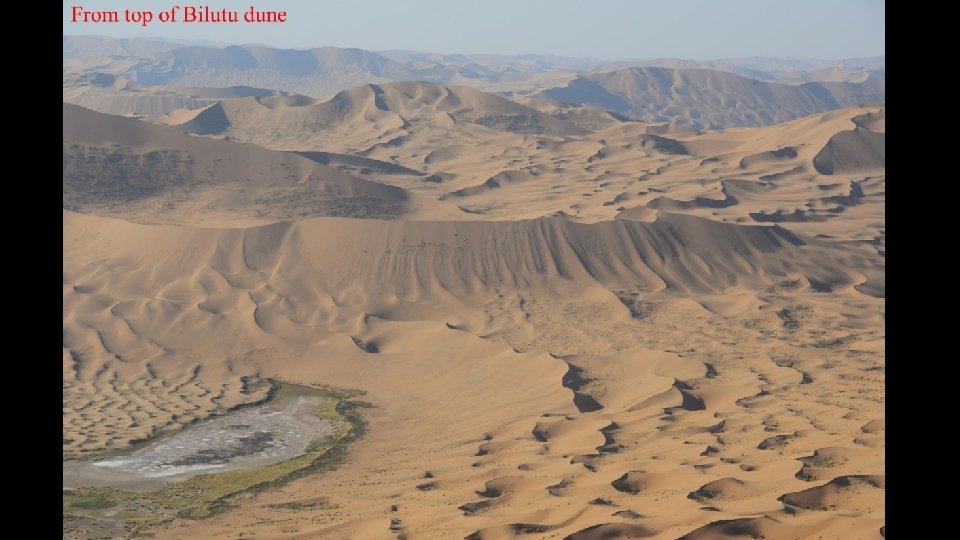
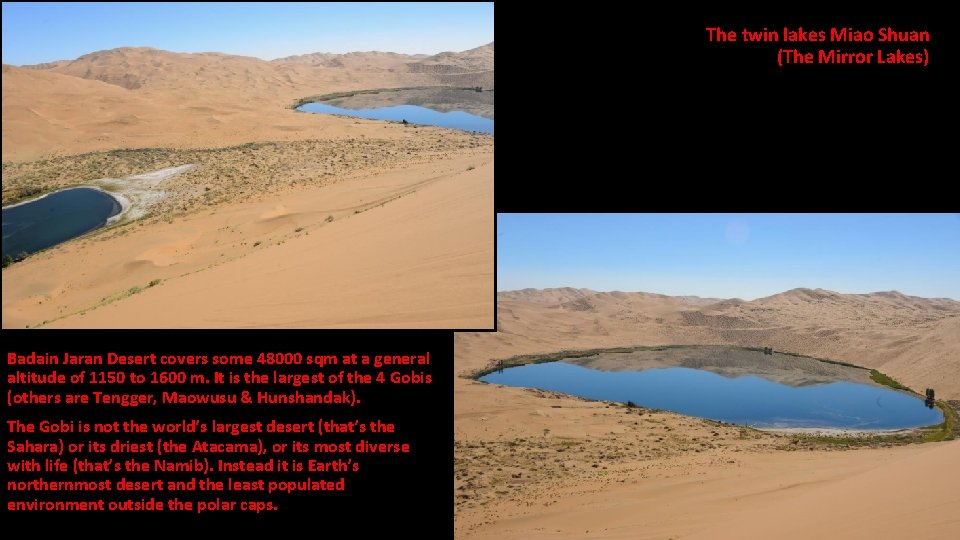
The twin lakes Miao Shuan (The Mirror Lakes) Badain Jaran Desert covers some 48000 sqm at a general altitude of 1150 to 1600 m. It is the largest of the 4 Gobis (others are Tengger, Maowusu & Hunshandak). The Gobi is not the world’s largest desert (that’s the Sahara) or its driest (the Atacama), or its most diverse with life (that’s the Namib). Instead it is Earth’s northernmost desert and the least populated environment outside the polar caps.
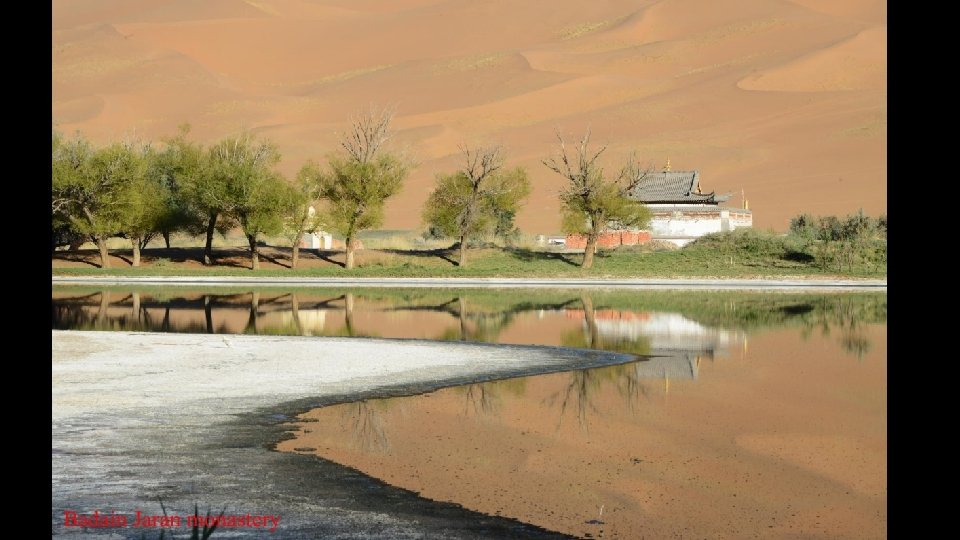
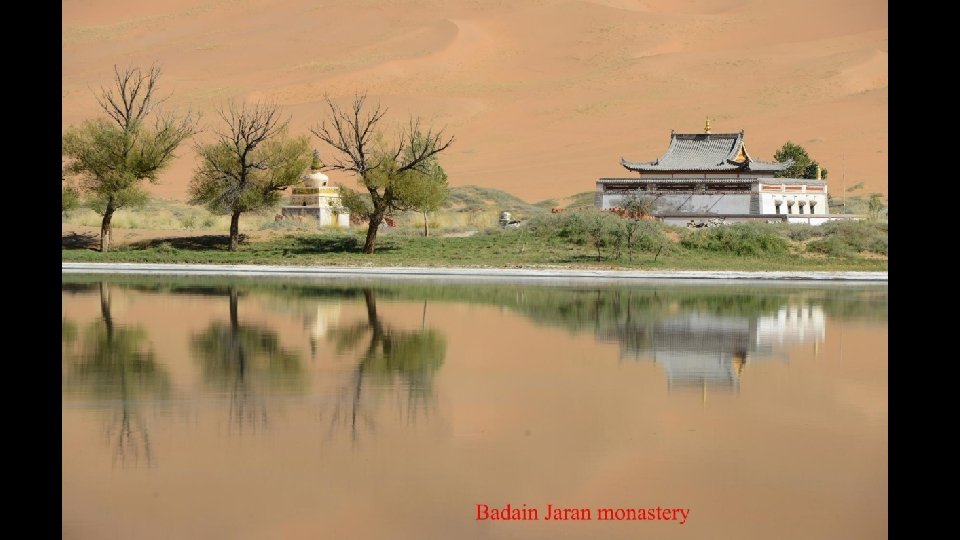
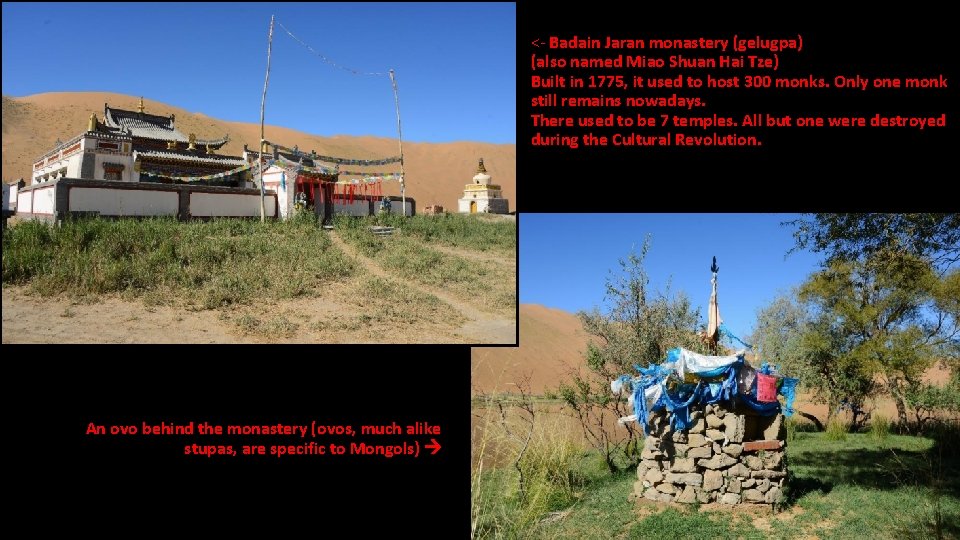
<- Badain Jaran monastery (gelugpa) (also named Miao Shuan Hai Tze) Built in 1775, it used to host 300 monks. Only one monk still remains nowadays. There used to be 7 temples. All but one were destroyed during the Cultural Revolution. An ovo behind the monastery (ovos, much alike stupas, are specific to Mongols)
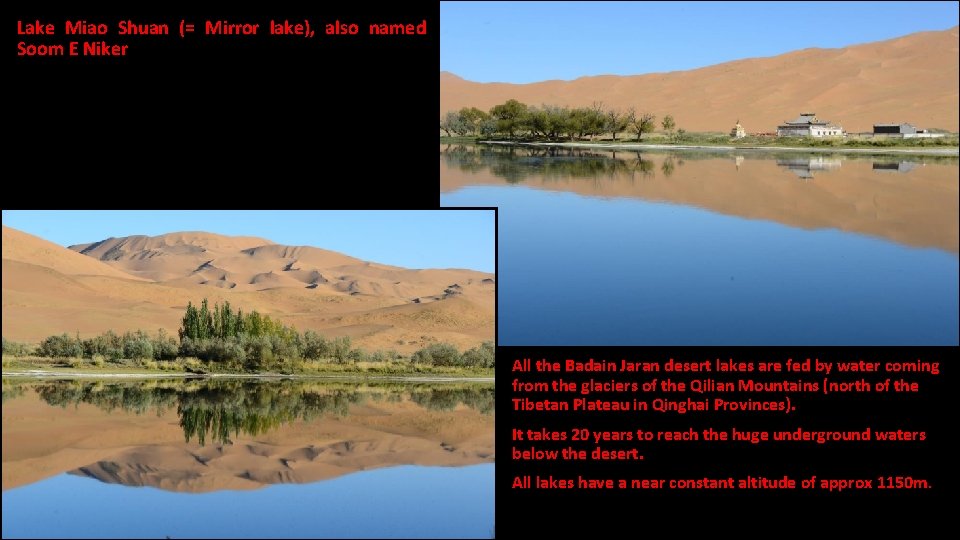
Lake Miao Shuan (= Mirror lake), also named Soom E Niker All the Badain Jaran desert lakes are fed by water coming from the glaciers of the Qilian Mountains (north of the Tibetan Plateau in Qinghai Provinces). It takes 20 years to reach the huge underground waters below the desert. All lakes have a near constant altitude of approx 1150 m.
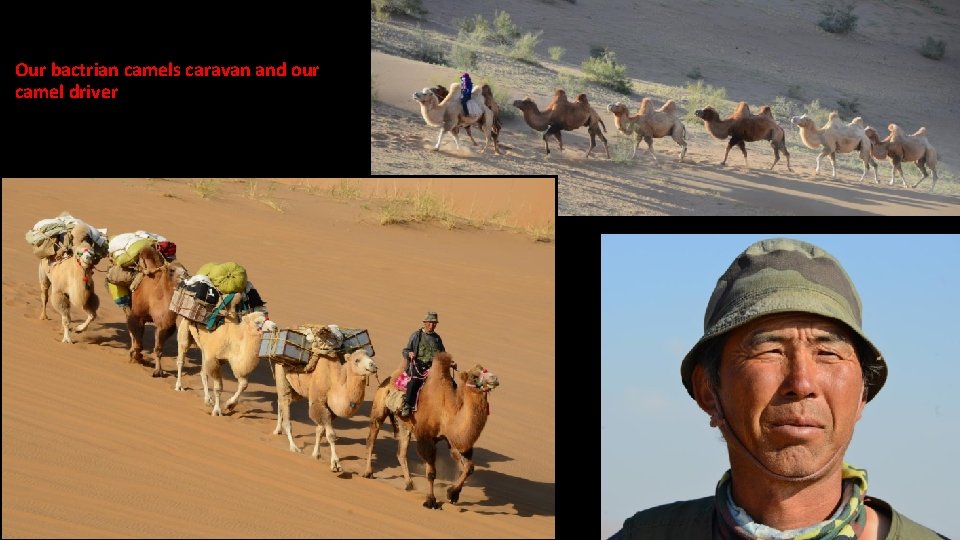
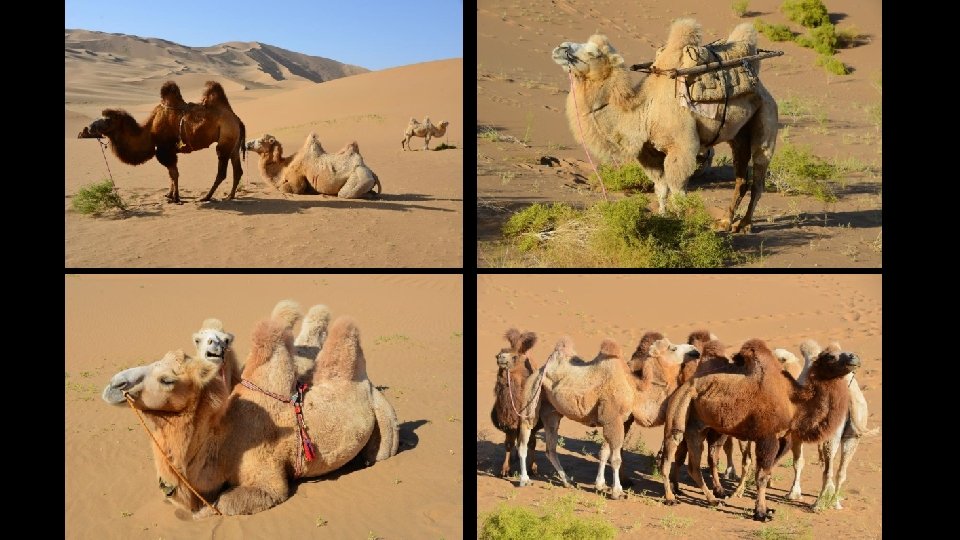
Our bactrian camels caravan and our camel driver
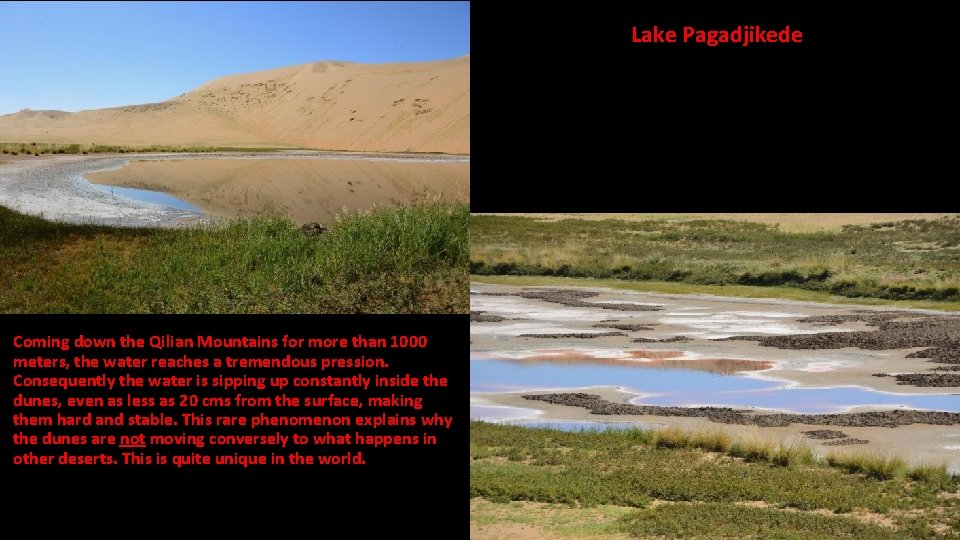
Lake Pagadjikede Coming down the Qilian Mountains for more than 1000 meters, the water reaches a tremendous pression. Consequently the water is sipping up constantly inside the dunes, even as less as 20 cms from the surface, making them hard and stable. This rare phenomenon explains why the dunes are not moving conversely to what happens in other deserts. This is quite unique in the world.
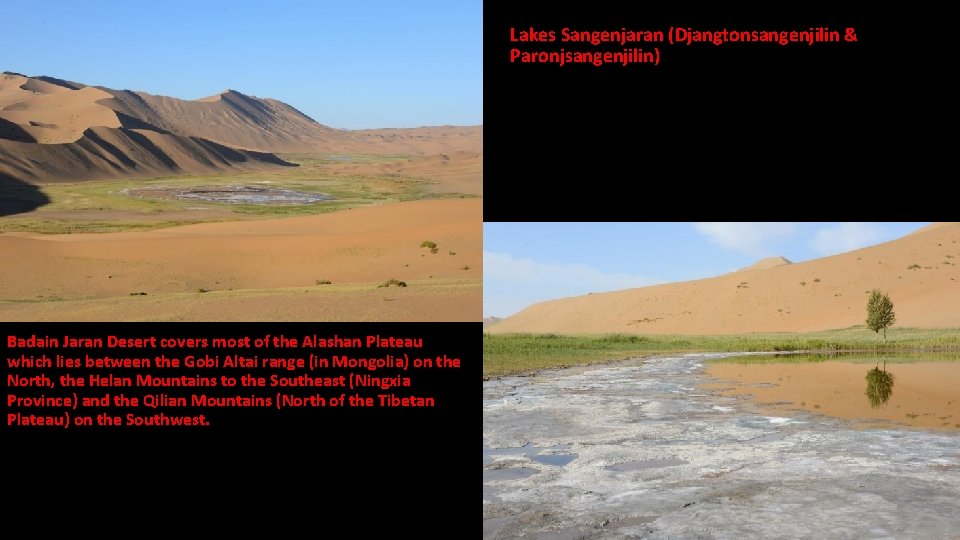
Lakes Sangenjaran (Djangtonsangenjilin & Paronjsangenjilin) Badain Jaran Desert covers most of the Alashan Plateau which lies between the Gobi Altai range (in Mongolia) on the North, the Helan Mountains to the Southeast (Ningxia Province) and the Qilian Mountains (North of the Tibetan Plateau) on the Southwest.
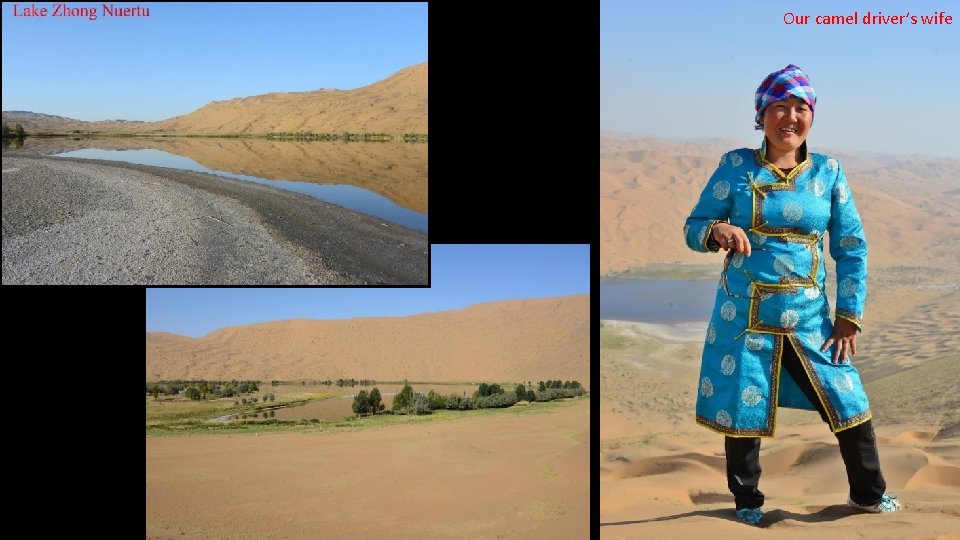
Our camel driver’s wife
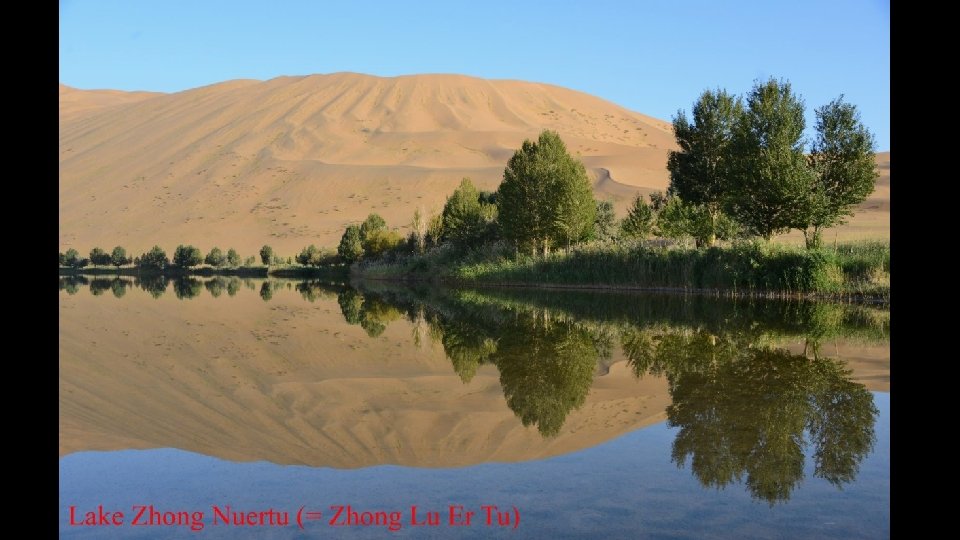
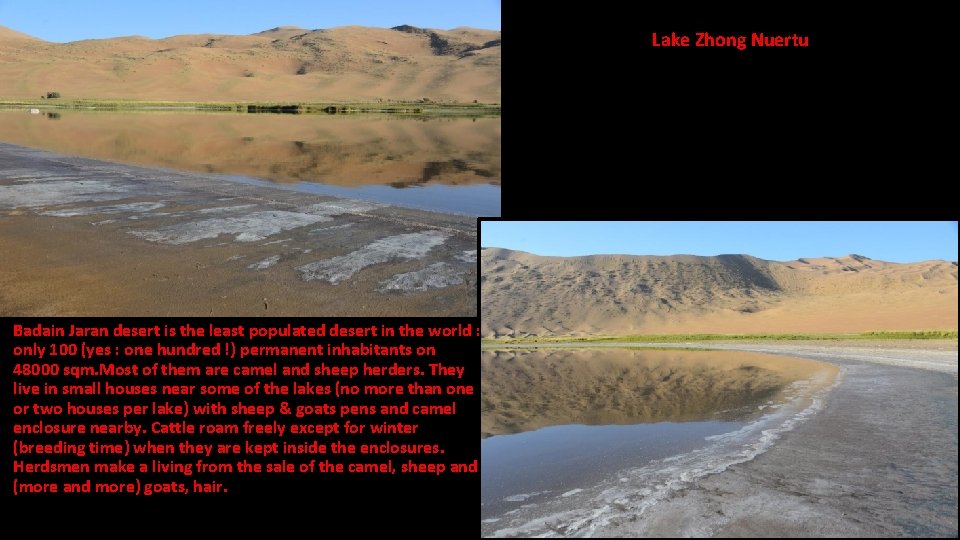
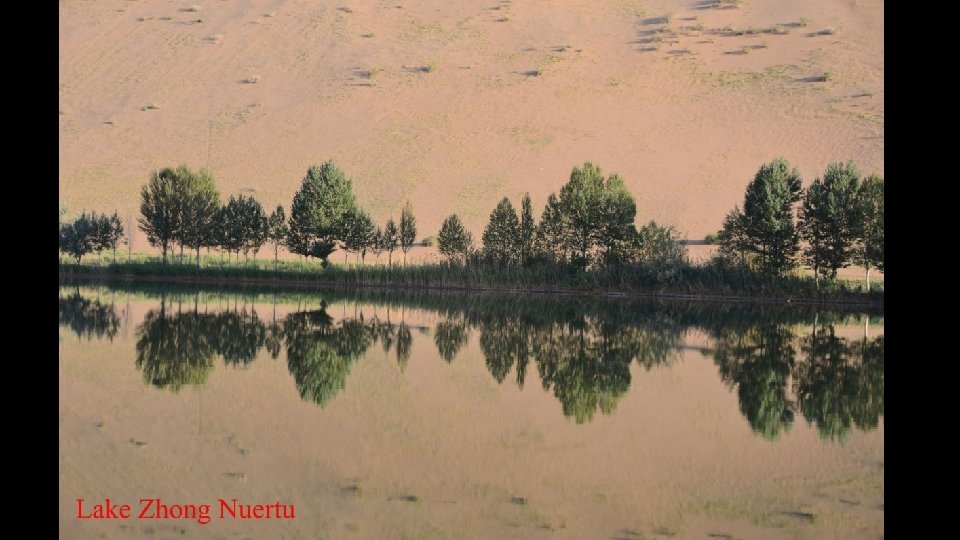
Lake Zhong Nuertu Badain Jaran desert is the least populated desert in the world : only 100 (yes : one hundred !) permanent inhabitants on 48000 sqm. Most of them are camel and sheep herders. They live in small houses near some of the lakes (no more than one or two houses per lake) with sheep & goats pens and camel enclosure nearby. Cattle roam freely except for winter (breeding time) when they are kept inside the enclosures. Herdsmen make a living from the sale of the camel, sheep and (more and more) goats, hair.
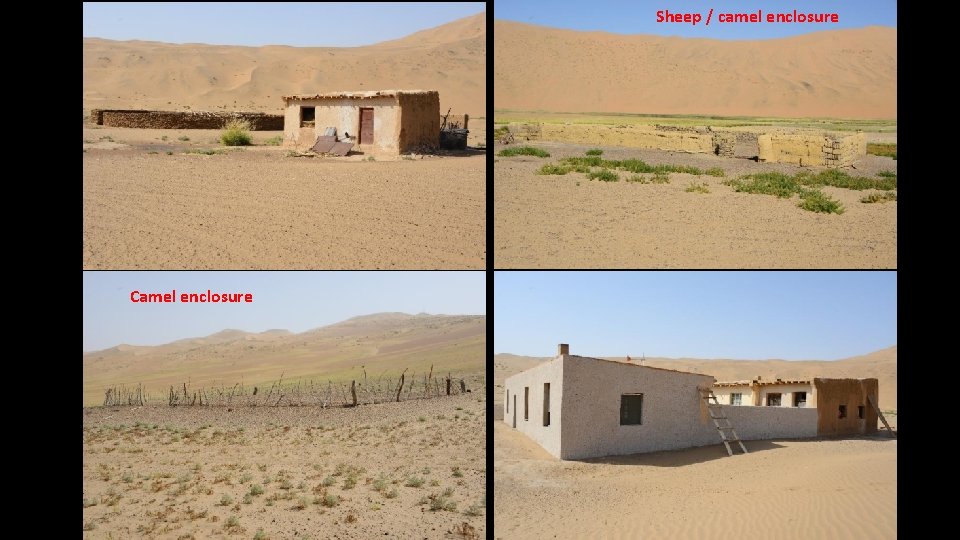
Sheep / camel enclosure Camel enclosure
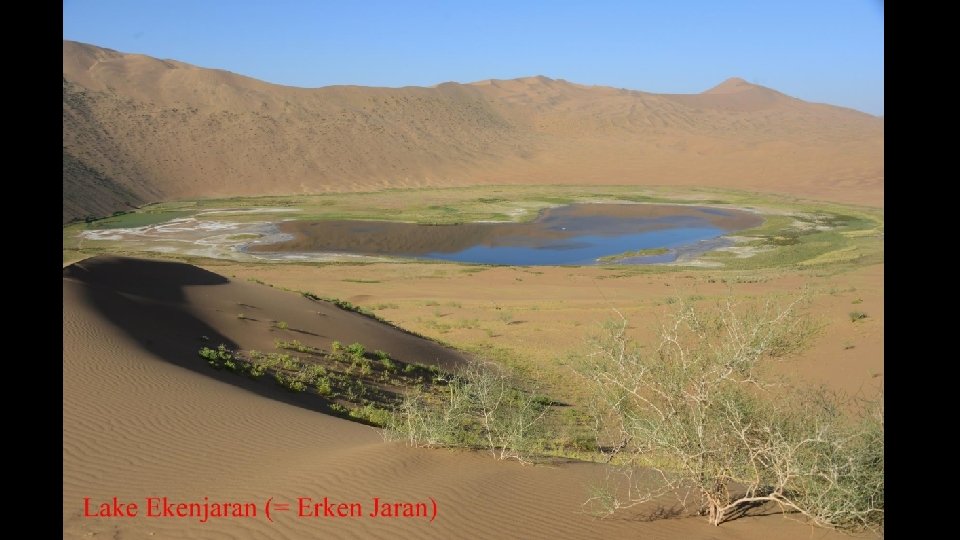
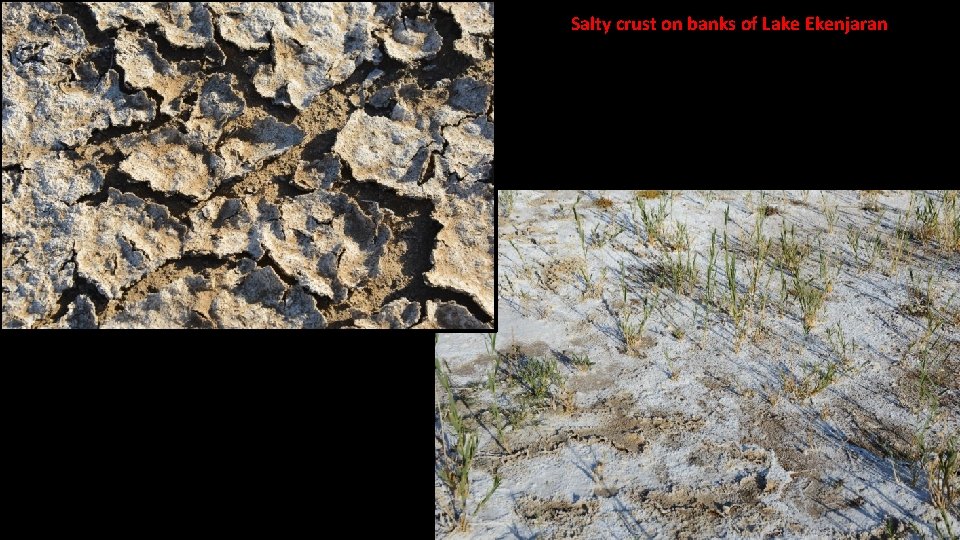
Salty crust on banks of Lake Ekenjaran
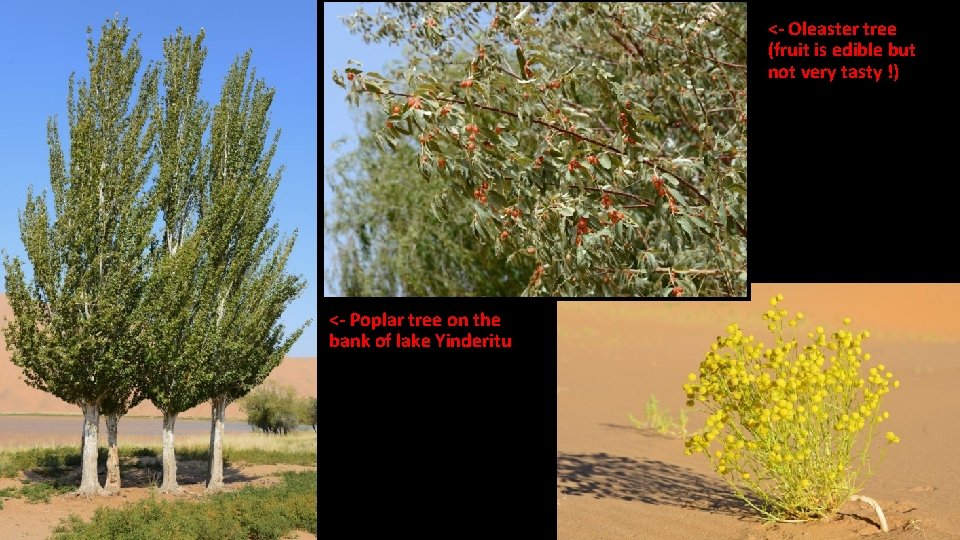
<- Oleaster tree (fruit is edible but not very tasty !) <- Poplar tree on the bank of lake Yinderitu
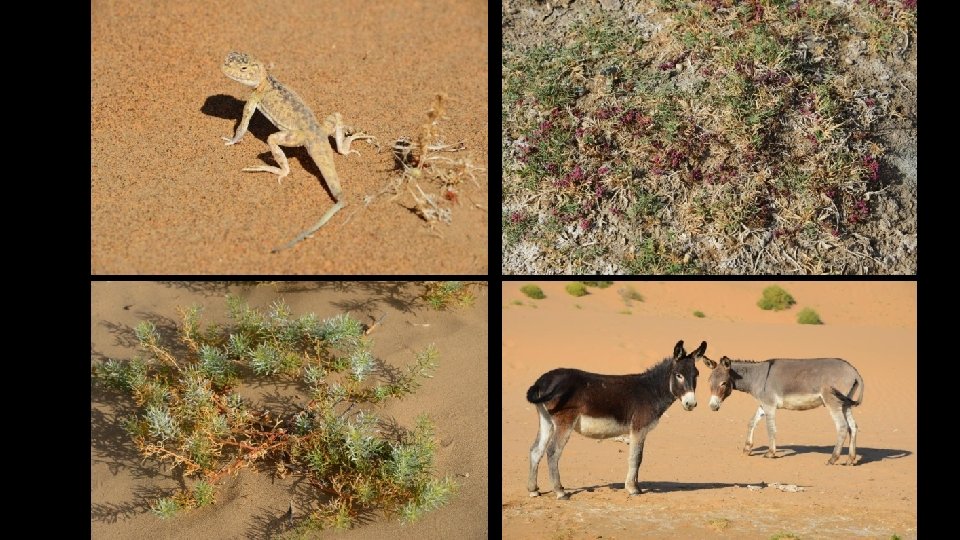
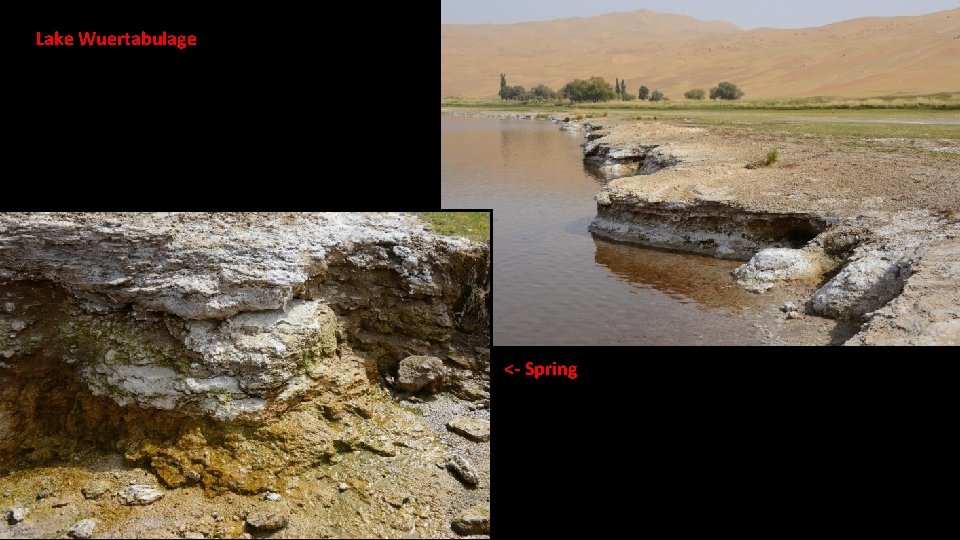
Lake Wuertabulage <- Spring
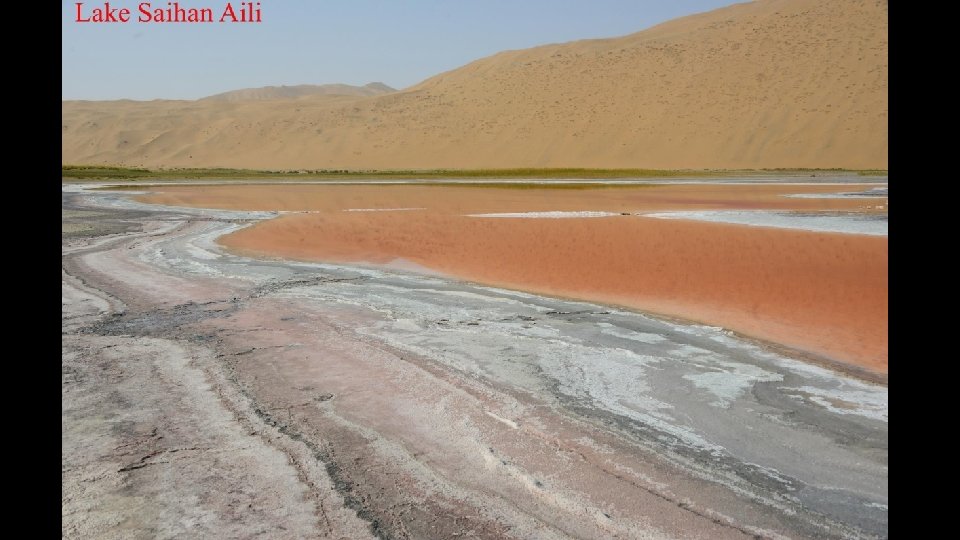
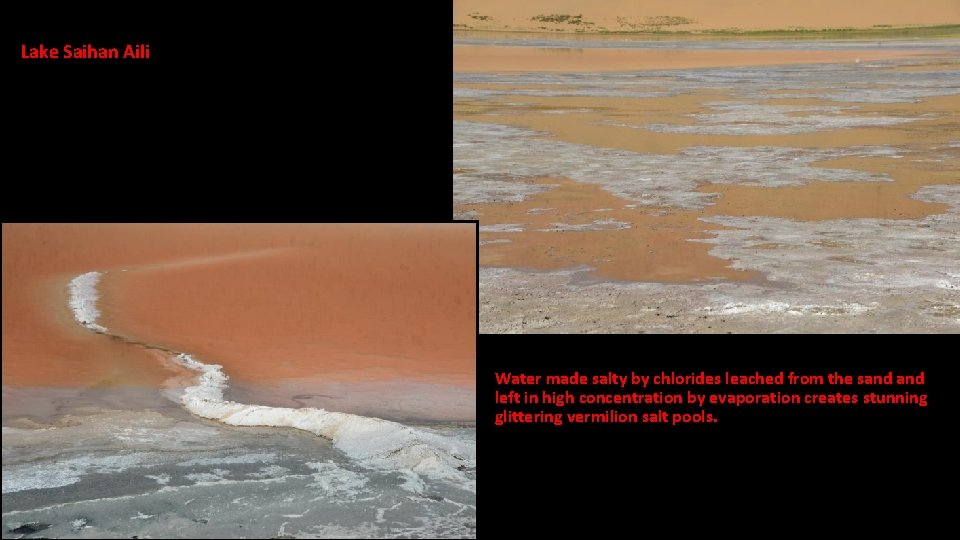
Lake Saihan Aili Water made salty by chlorides leached from the sand left in high concentration by evaporation creates stunning glittering vermilion salt pools.
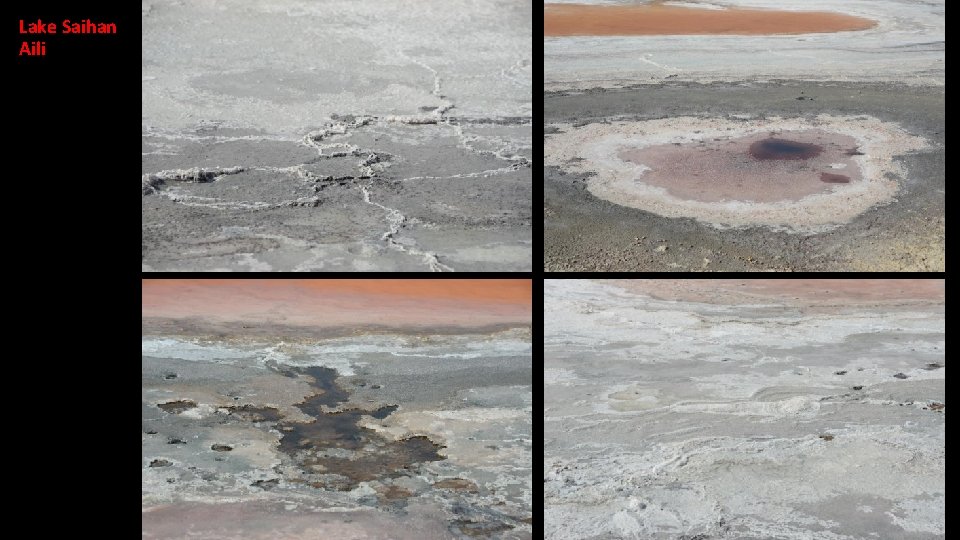
Lake Saihan Aili
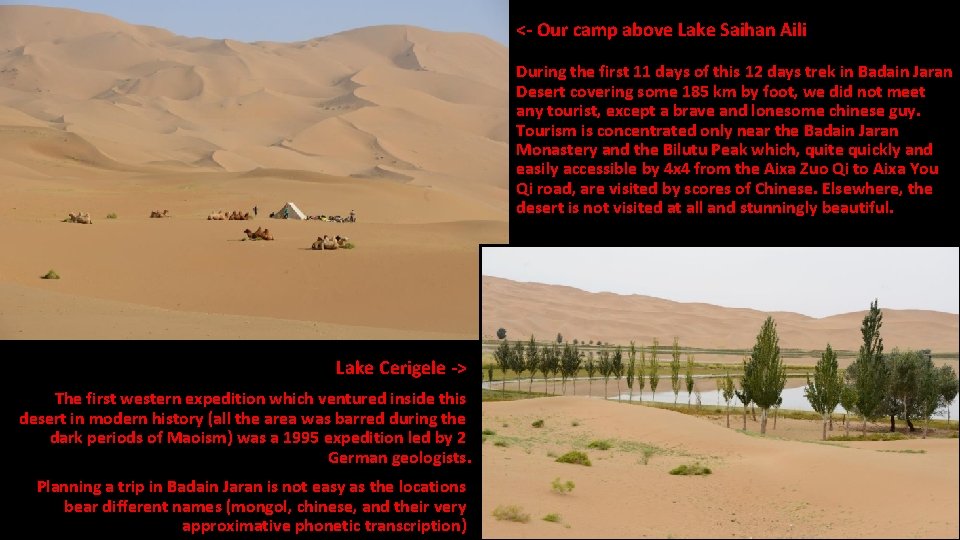
<- Our camp above Lake Saihan Aili During the first 11 days of this 12 days trek in Badain Jaran Desert covering some 185 km by foot, we did not meet any tourist, except a brave and lonesome chinese guy. Tourism is concentrated only near the Badain Jaran Monastery and the Bilutu Peak which, quite quickly and easily accessible by 4 x 4 from the Aixa Zuo Qi to Aixa You Qi road, are visited by scores of Chinese. Elsewhere, the desert is not visited at all and stunningly beautiful. Lake Cerigele -> The first western expedition which ventured inside this desert in modern history (all the area was barred during the dark periods of Maoism) was a 1995 expedition led by 2 German geologists. Planning a trip in Badain Jaran is not easy as the locations bear different names (mongol, chinese, and their very approximative phonetic transcription)
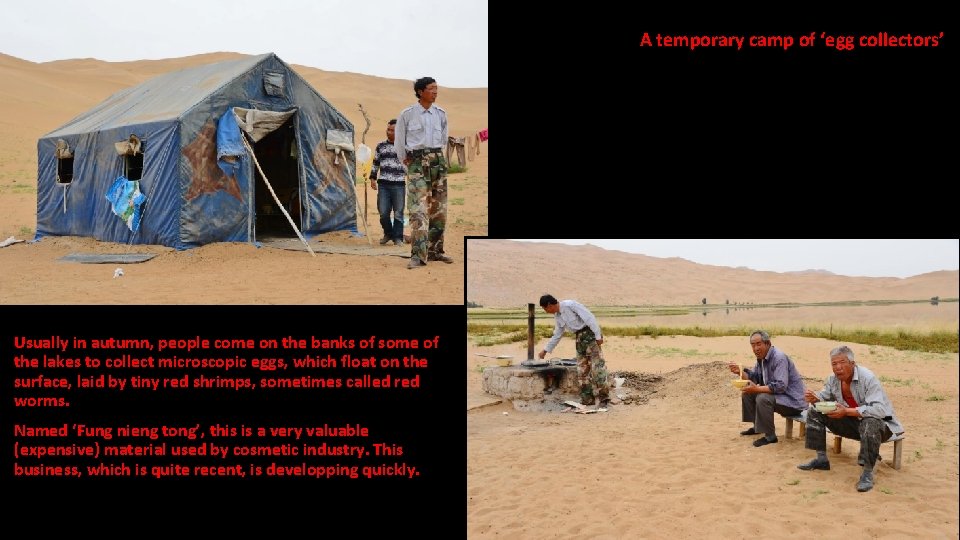
A temporary camp of ‘egg collectors’ Usually in autumn, people come on the banks of some of the lakes to collect microscopic eggs, which float on the surface, laid by tiny red shrimps, sometimes called red worms. Named ‘Fung nieng tong’, this is a very valuable (expensive) material used by cosmetic industry. This business, which is quite recent, is developping quickly.
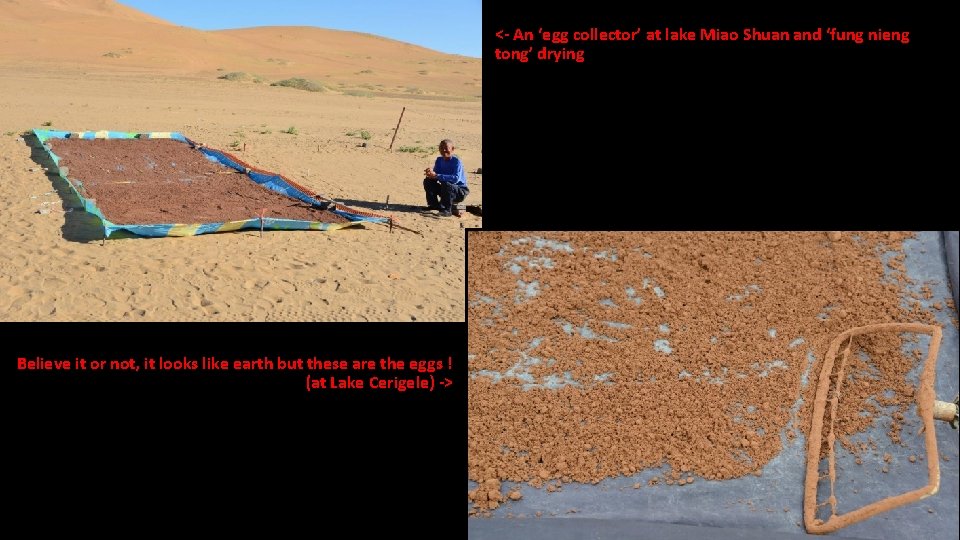
<- An ‘egg collector’ at lake Miao Shuan and ‘fung nieng tong’ drying Believe it or not, it looks like earth but these are the eggs ! (at Lake Cerigele) ->
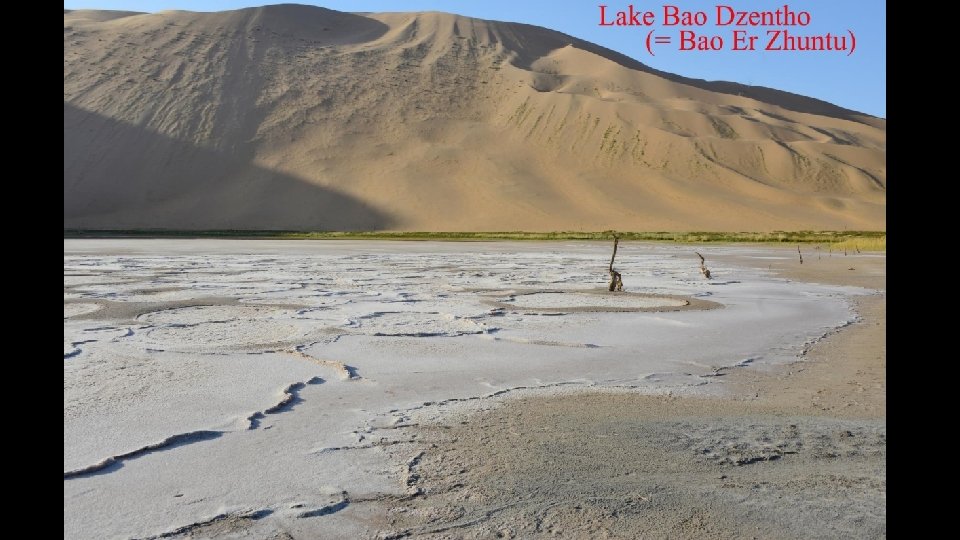
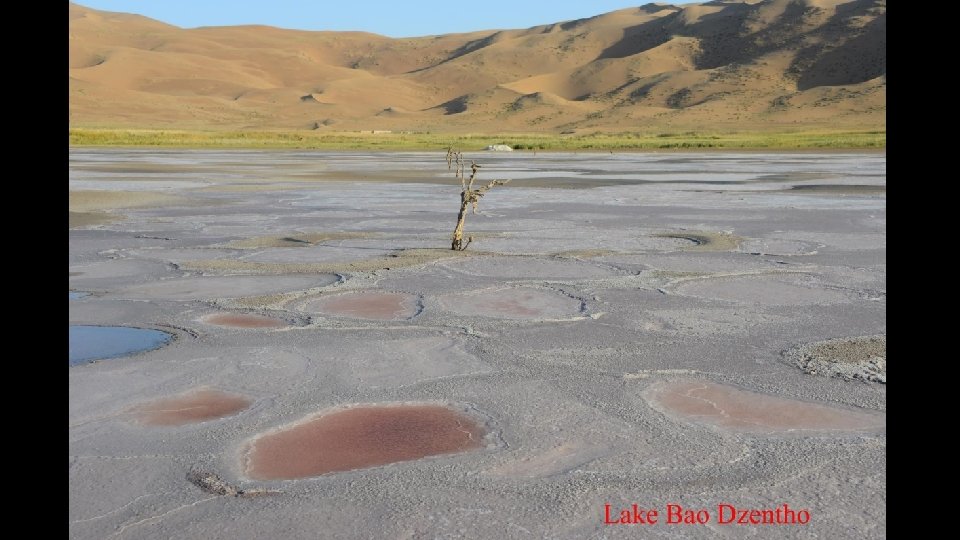
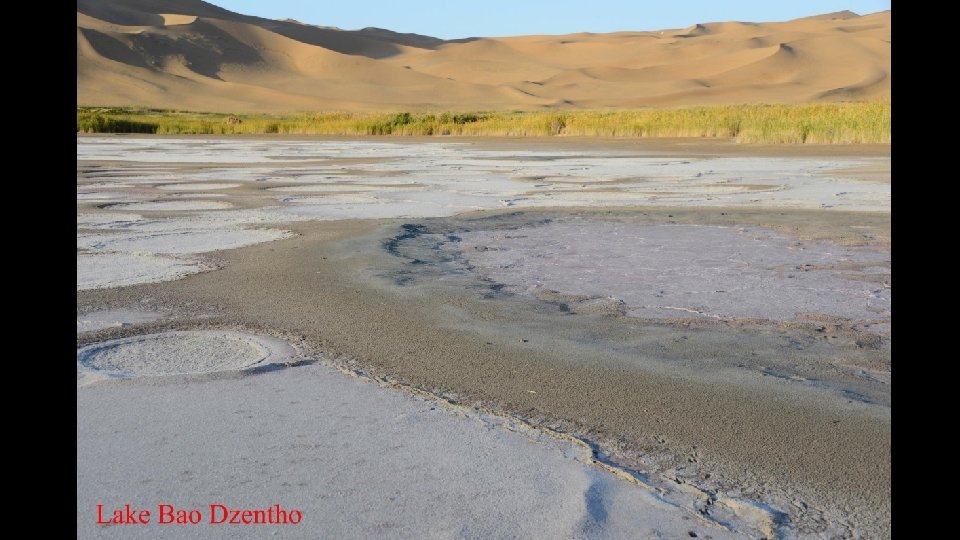
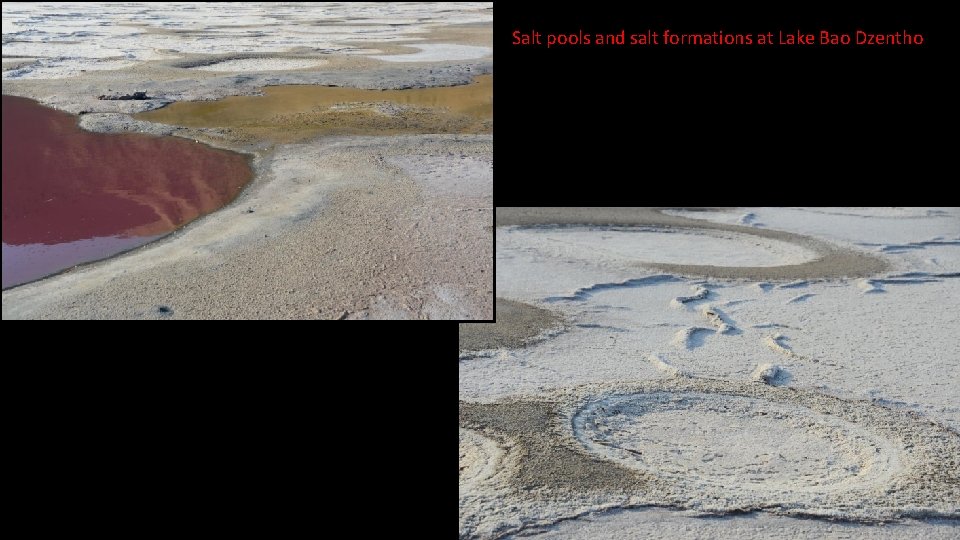
Salt pools and salt formations at Lake Bao Dzentho
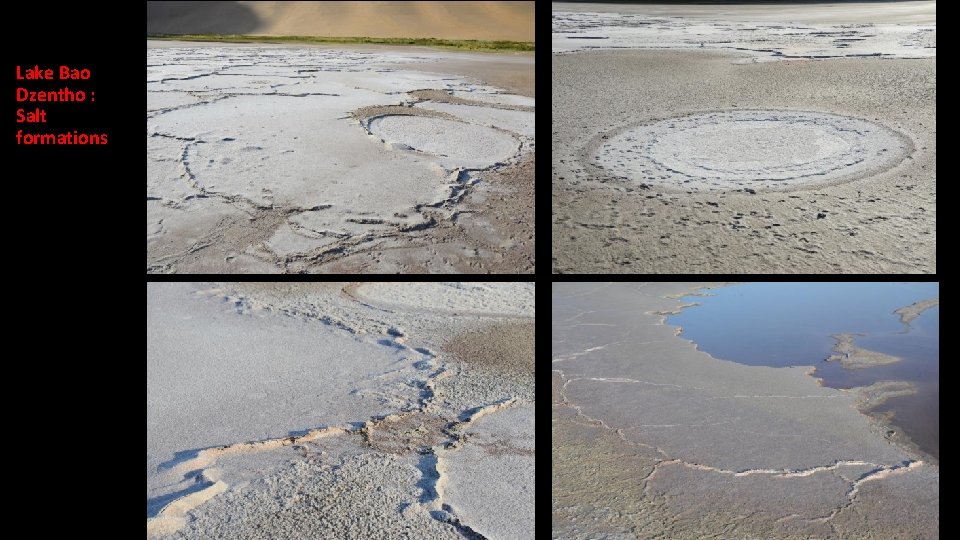
Lake Bao Dzentho : Salt formations
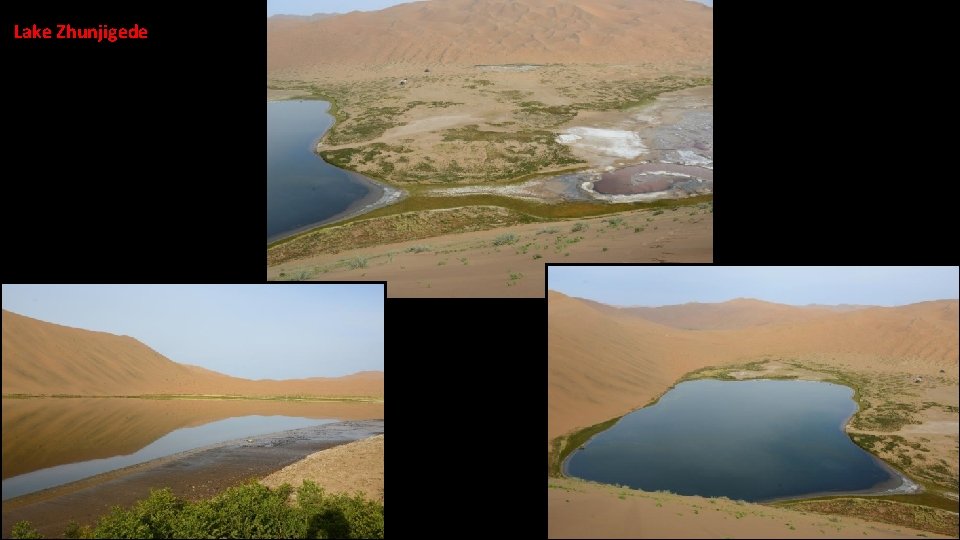
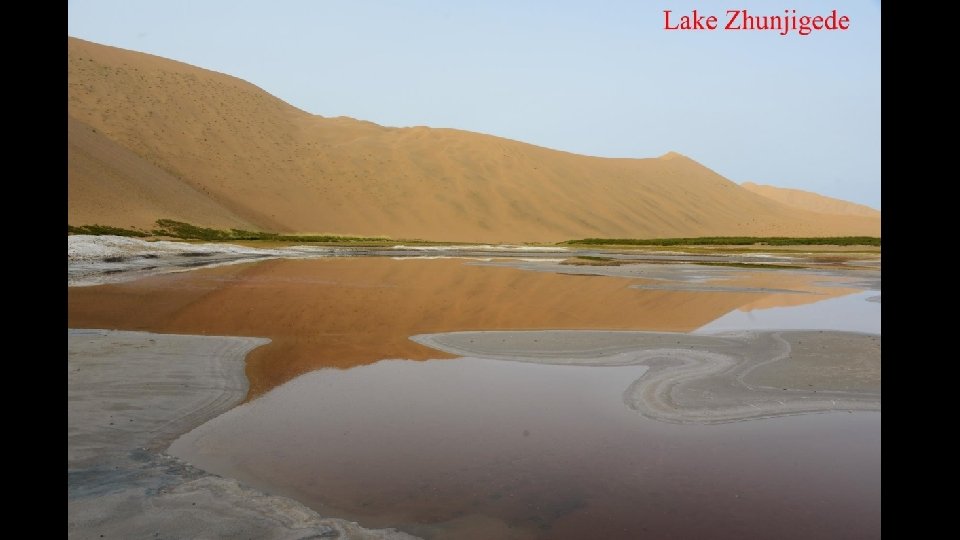
Lake Zhunjigede
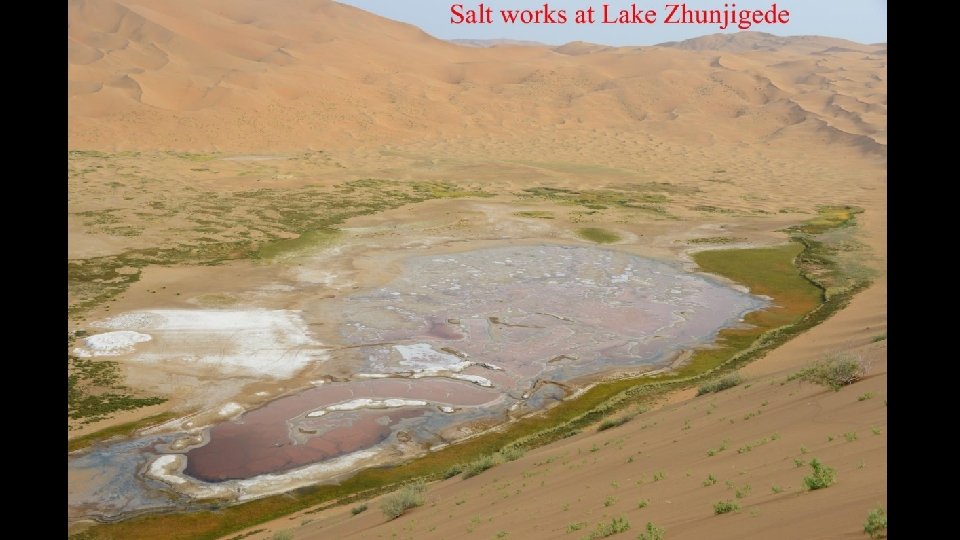
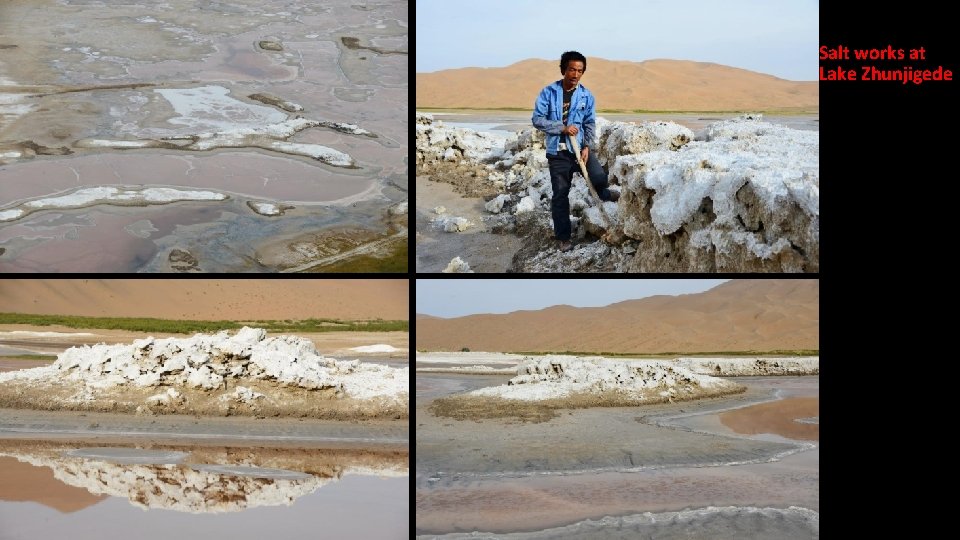
Salt works at Lake Zhunjigede
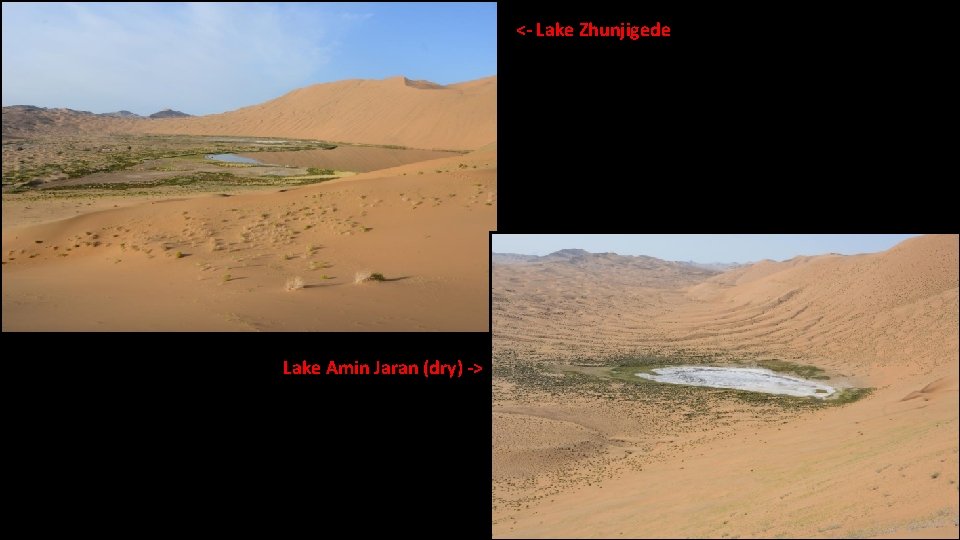
<- Lake Zhunjigede Lake Amin Jaran (dry) ->
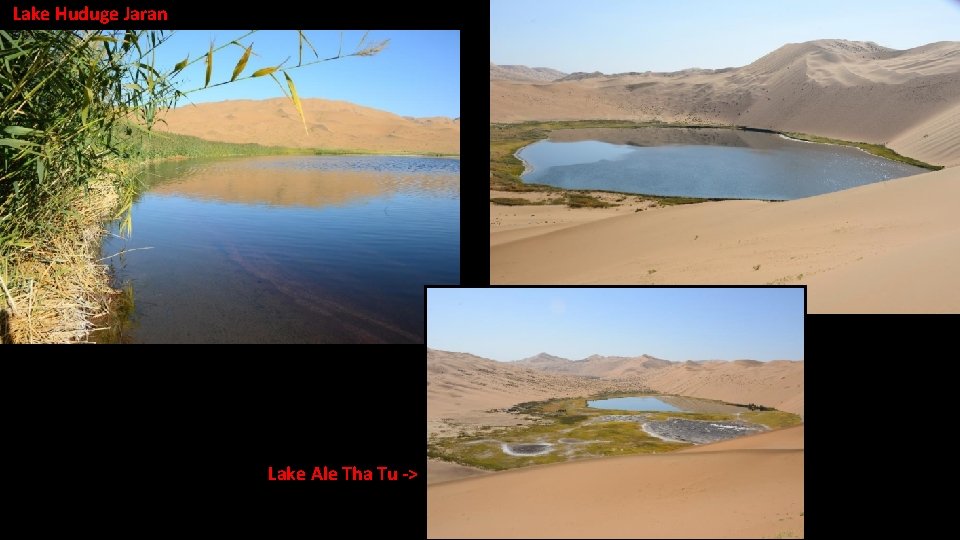
Lake Huduge Jaran Lake Ale Tha Tu ->
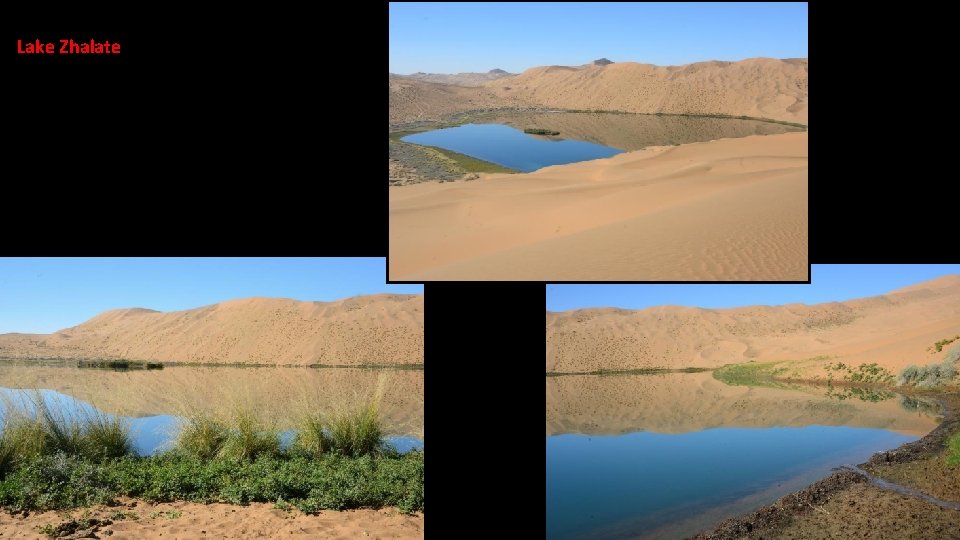
Lake Zhalate
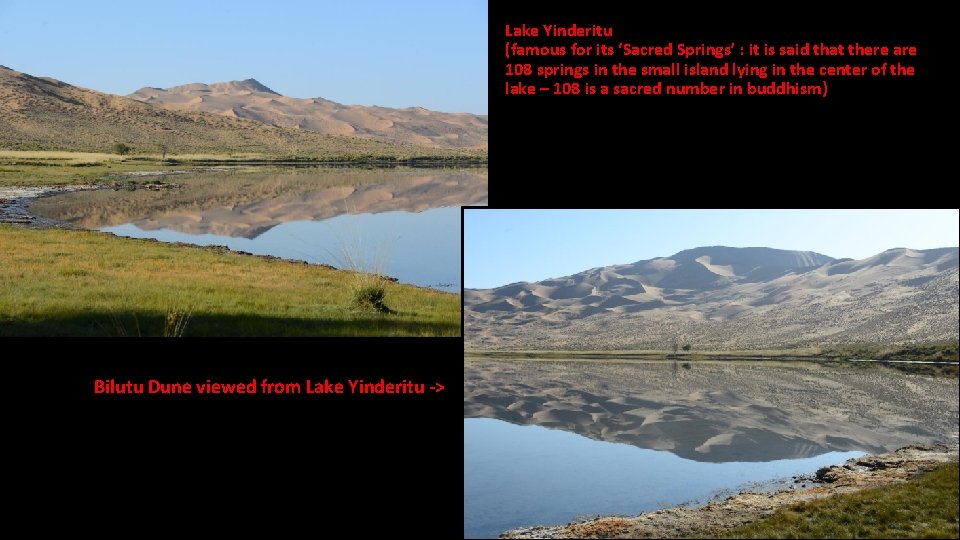
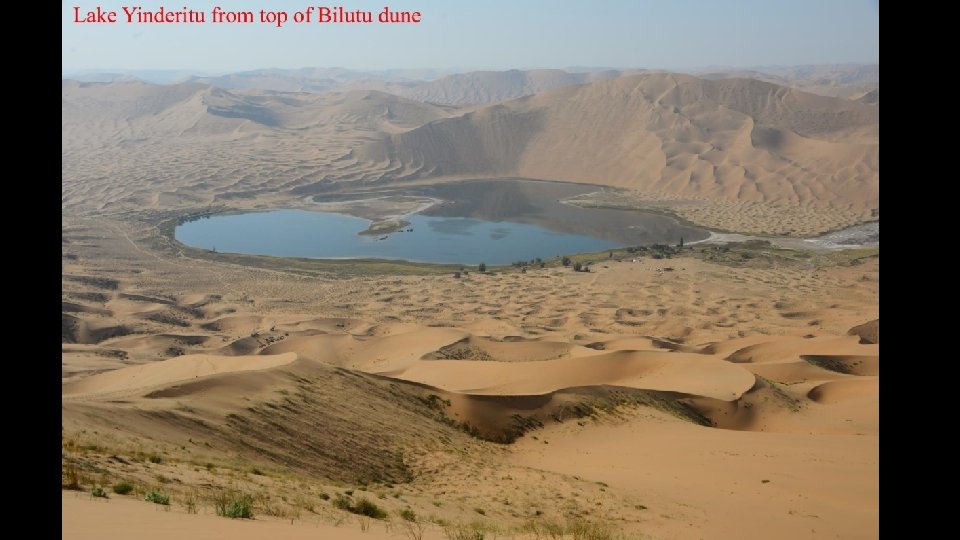
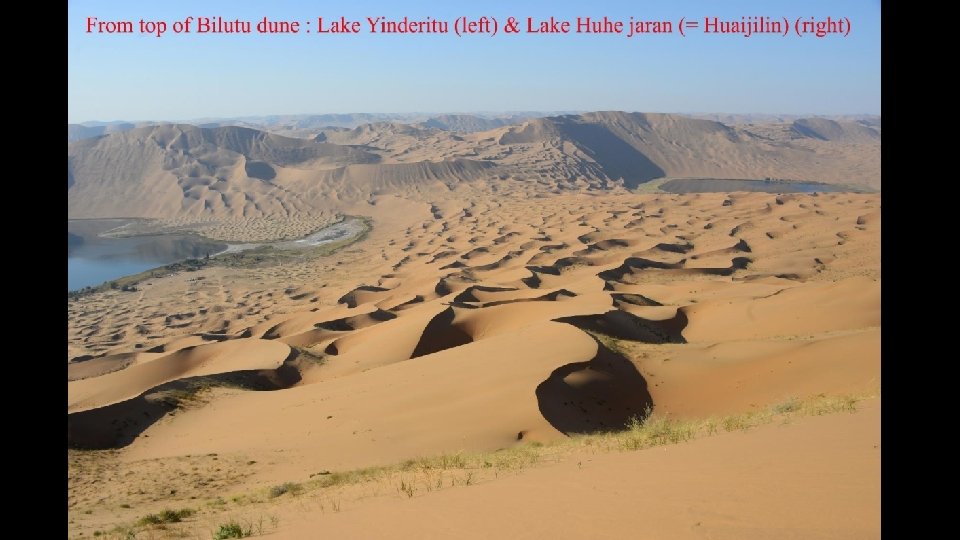
Lake Yinderitu (famous for its ‘Sacred Springs’ : it is said that there are 108 springs in the small island lying in the center of the lake – 108 is a sacred number in buddhism) Bilutu Dune viewed from Lake Yinderitu ->
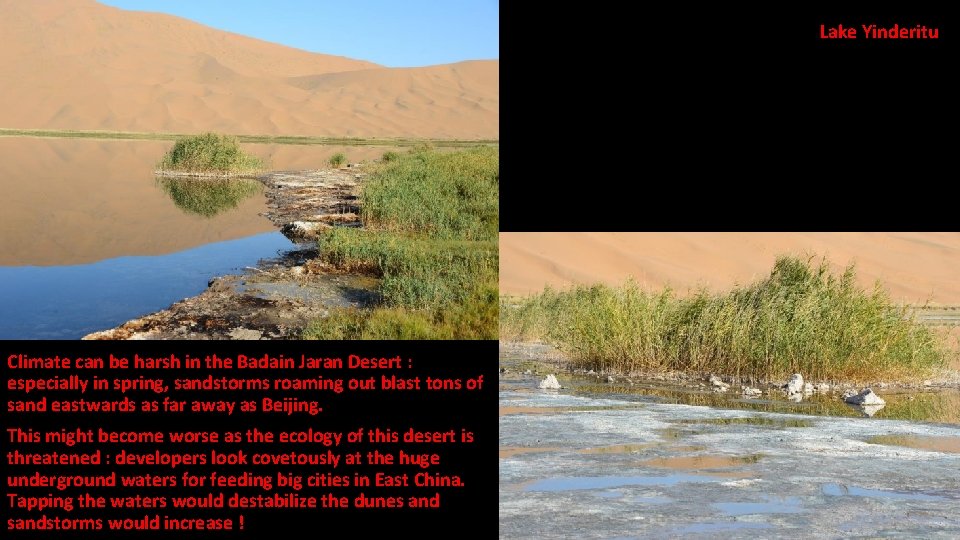
Lake Yinderitu Climate can be harsh in the Badain Jaran Desert : especially in spring, sandstorms roaming out blast tons of sand eastwards as far away as Beijing. This might become worse as the ecology of this desert is threatened : developers look covetously at the huge underground waters for feeding big cities in East China. Tapping the waters would destabilize the dunes and sandstorms would increase !
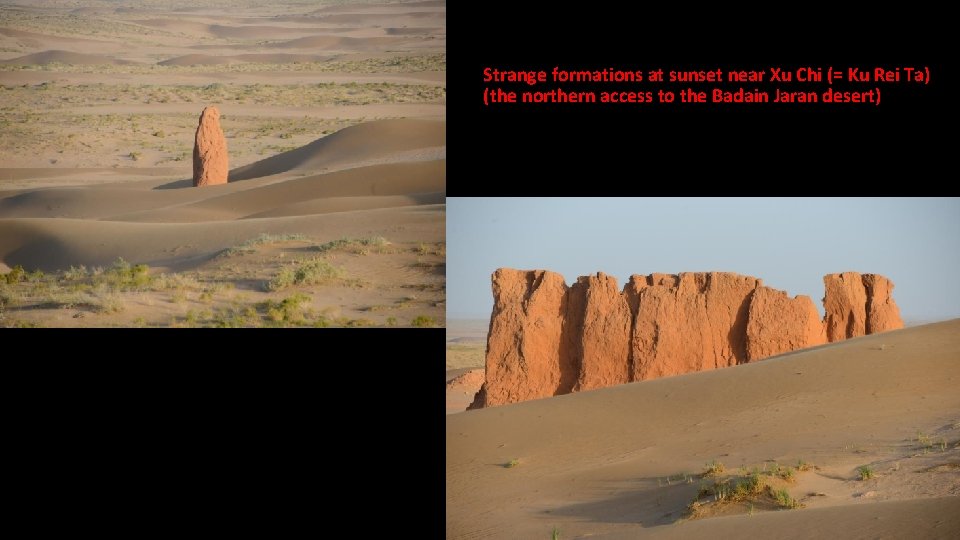
Strange formations at sunset near Xu Chi (= Ku Rei Ta) (the northern access to the Badain Jaran desert)
- Slides: 56