
Bad Design and Good Design Storming and Norming
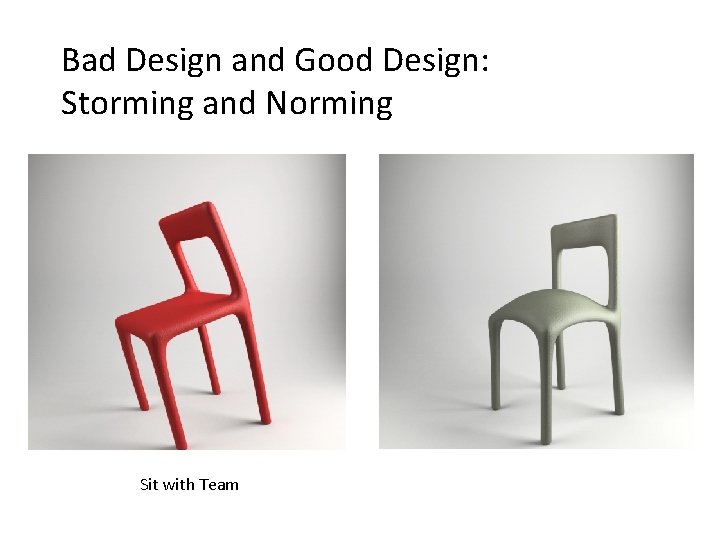
Bad Design and Good Design: Storming and Norming Sit with Team

Bad Design What is your favorite example of bad design? Why? What makes something “bad”? What are key words that describe bad design (i. e. “uncomfortable”)
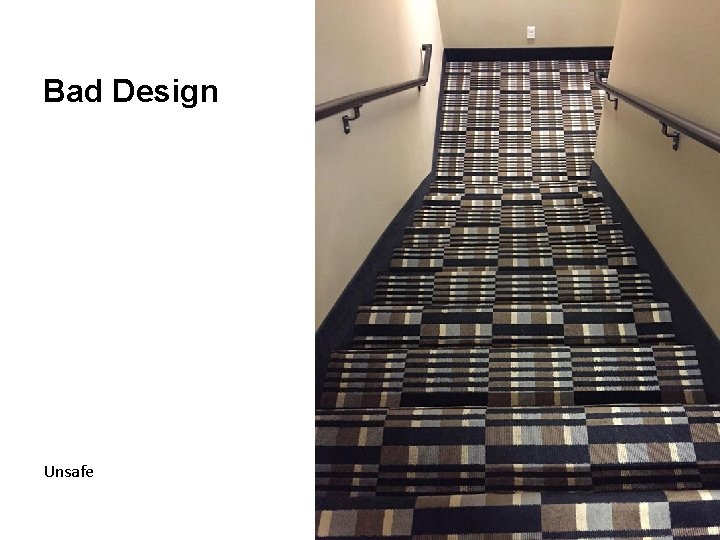
Bad Design Unsafe
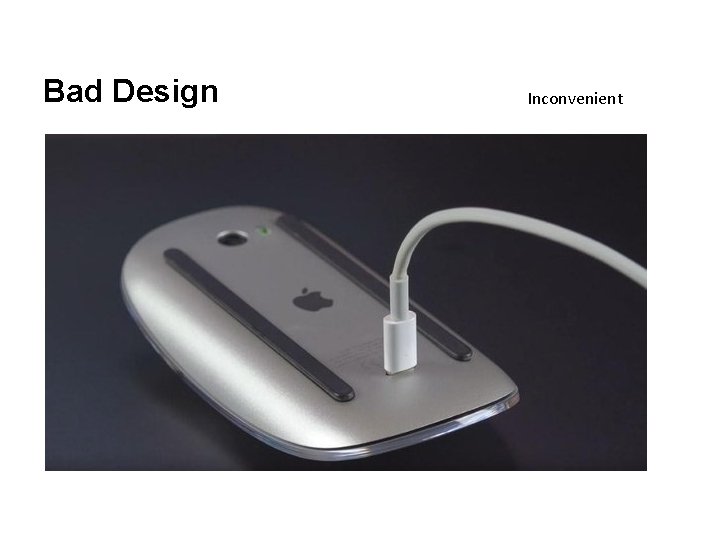
Bad Design Inconvenient
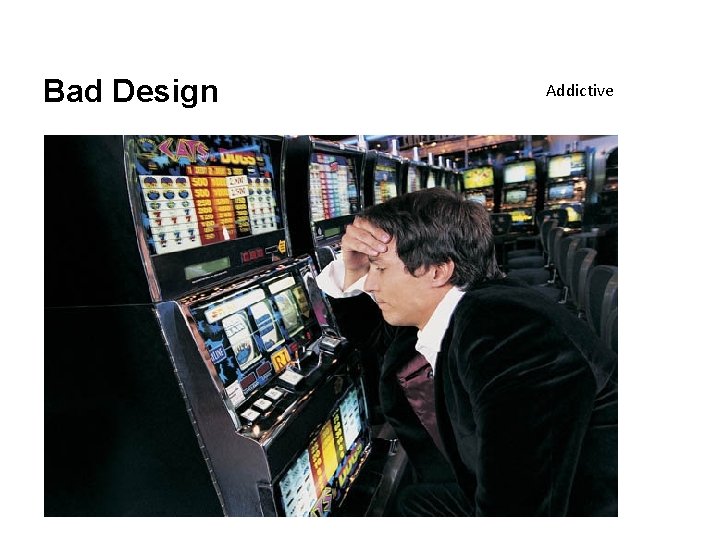
Bad Design Addictive
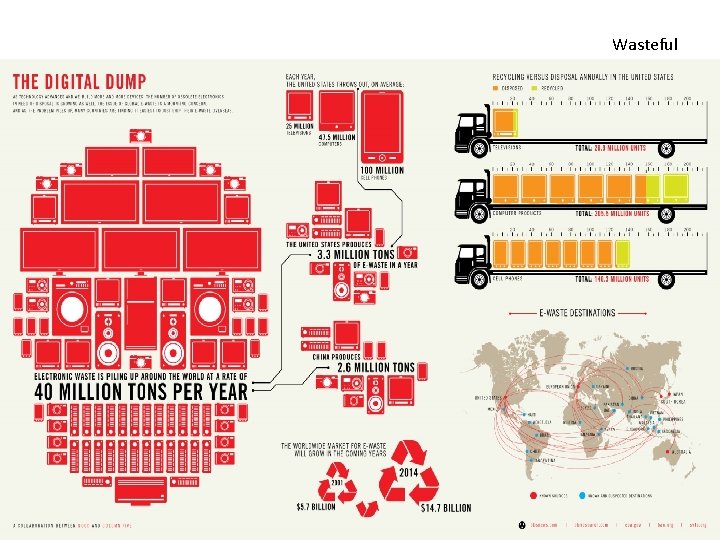
Wasteful Bad Design
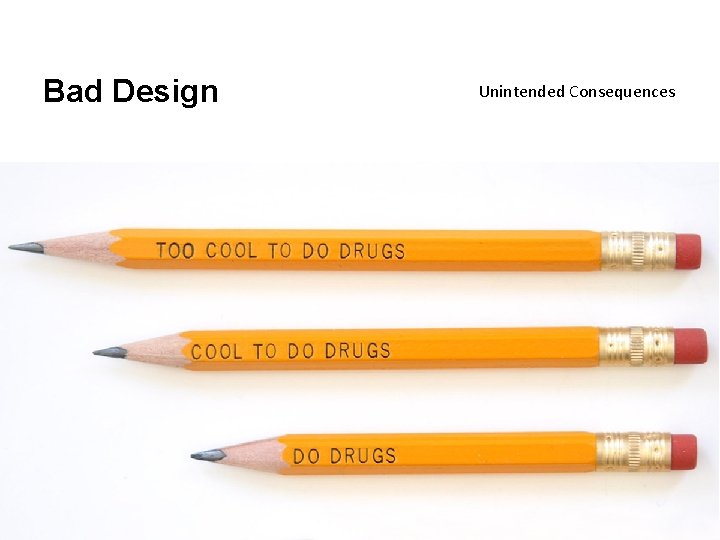
Bad Design Unintended Consequences
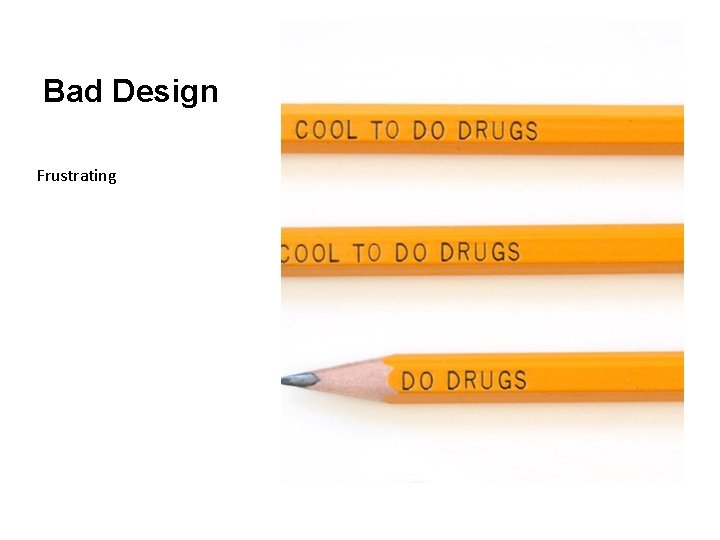
Bad Design Frustrating
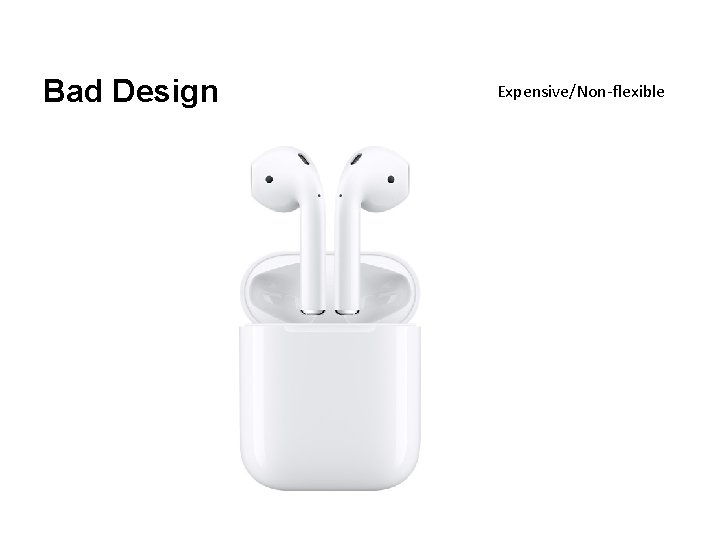
Bad Design Expensive/Non-flexible
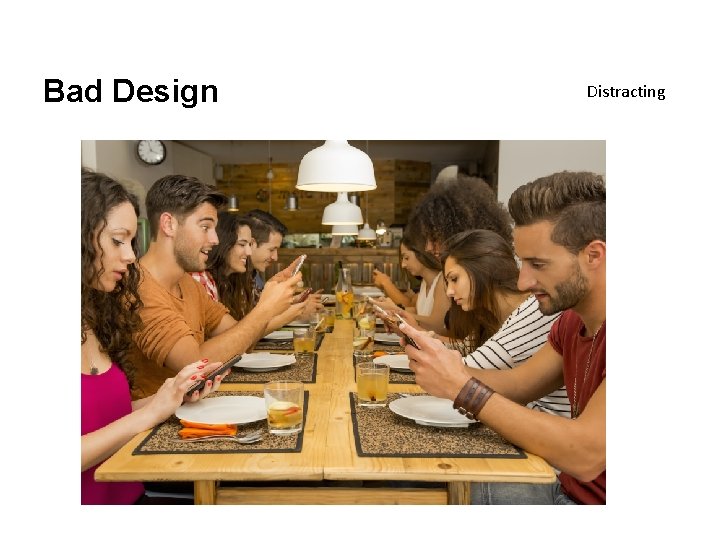
Bad Design Distracting
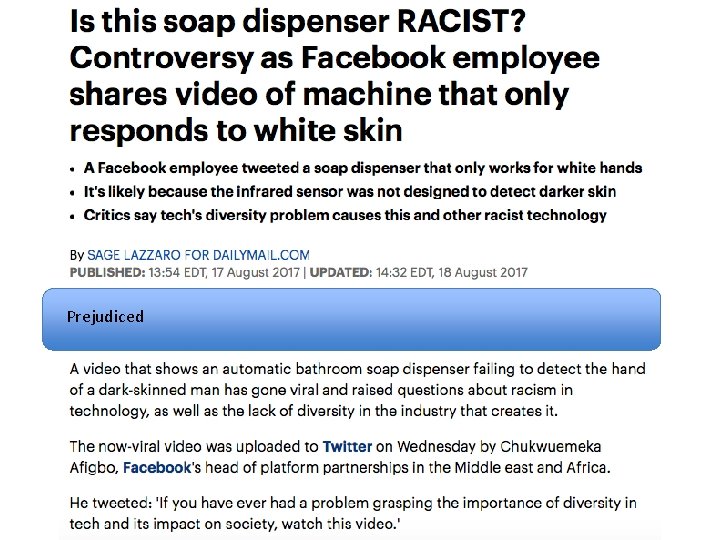
Prejudiced
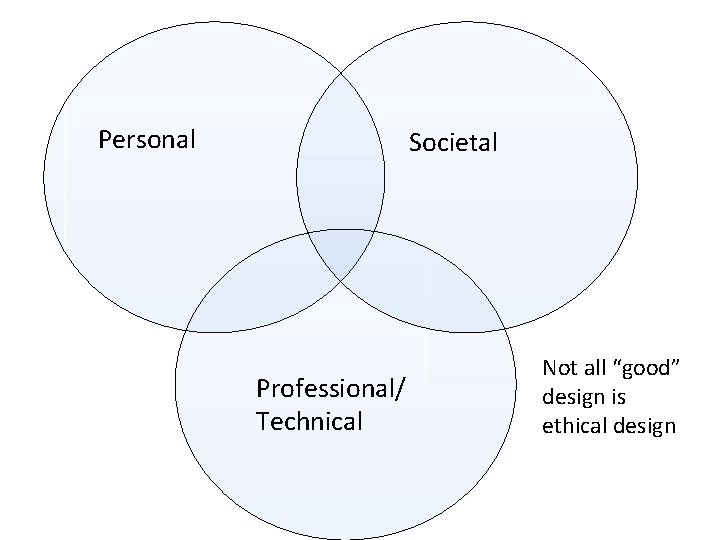
Personal Societal Professional/ Technical Not all “good” design is ethical design
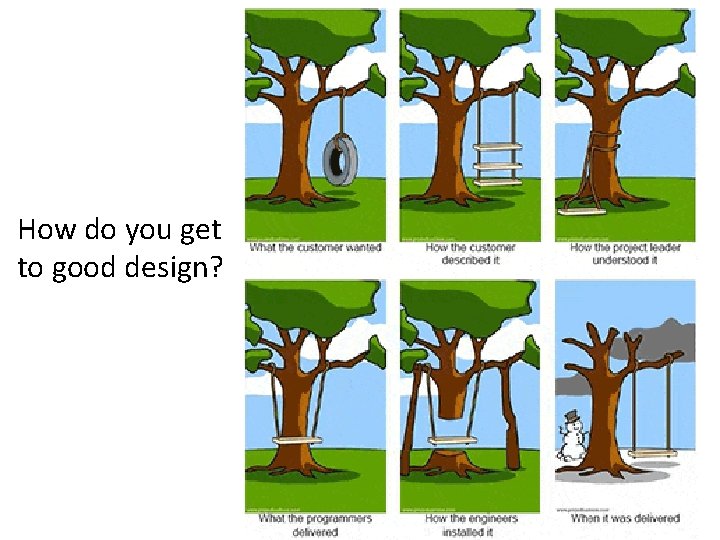
How do you get to good design?

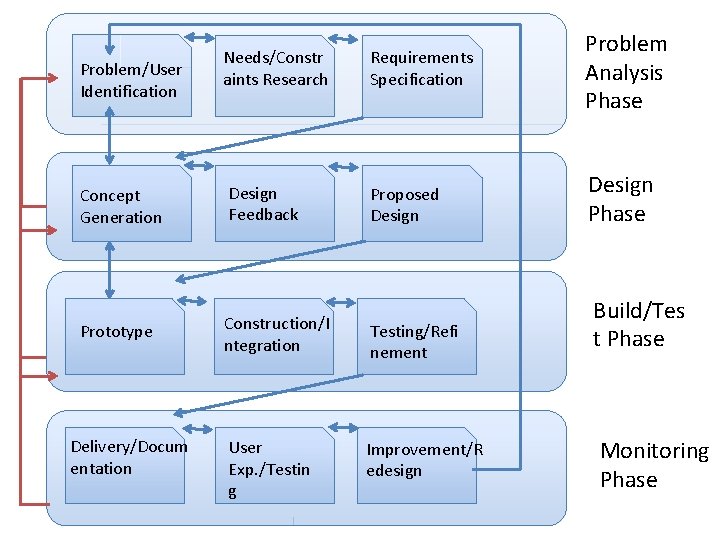
Problem/User Identification Needs/Constr aints Research Requirements Specification Problem Analysis Phase Proposed Design Phase Concept Generation Design Feedback Prototype Construction/I ntegration Testing/Refi nement User Exp. /Testin g Improvement/R edesign Delivery/Docum entation Build/Tes t Phase Monitoring Phase
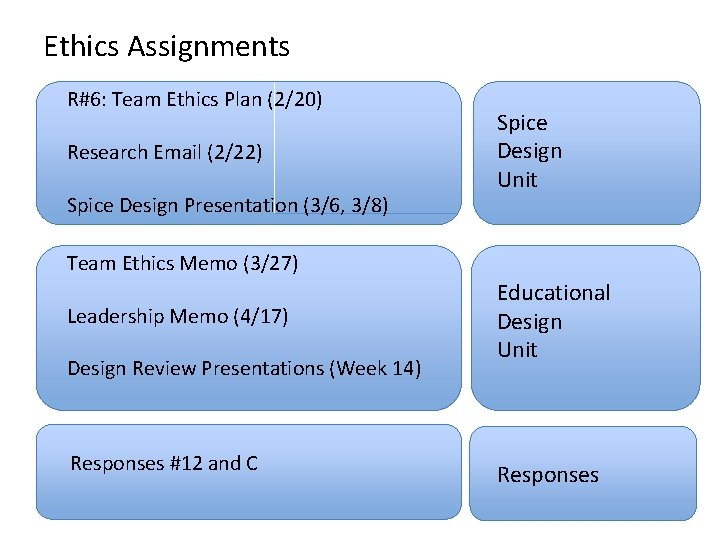
Ethics Assignments R#6: Team Ethics Plan (2/20) Research Email (2/22) Spice Design Presentation (3/6, 3/8) Spice Design Unit Team Ethics Memo (3/27) Leadership Memo (4/17) Design Review Presentations (Week 14) Responses #12 and C Educational Design Unit Responses
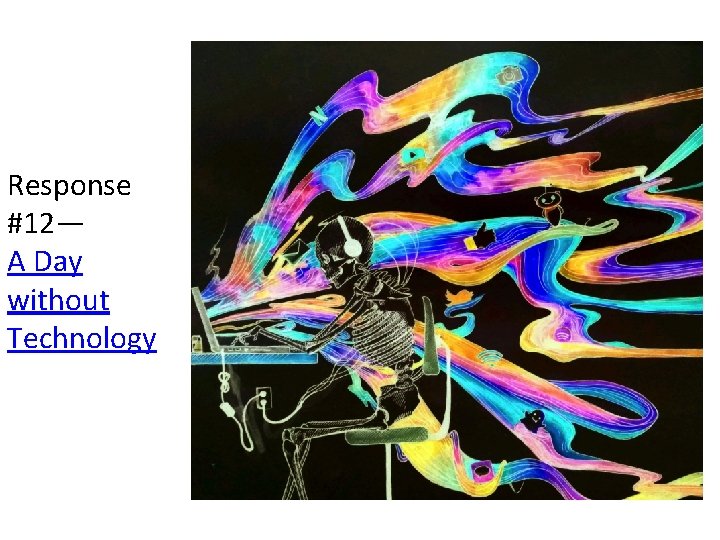
Response #12— A Day without Technology
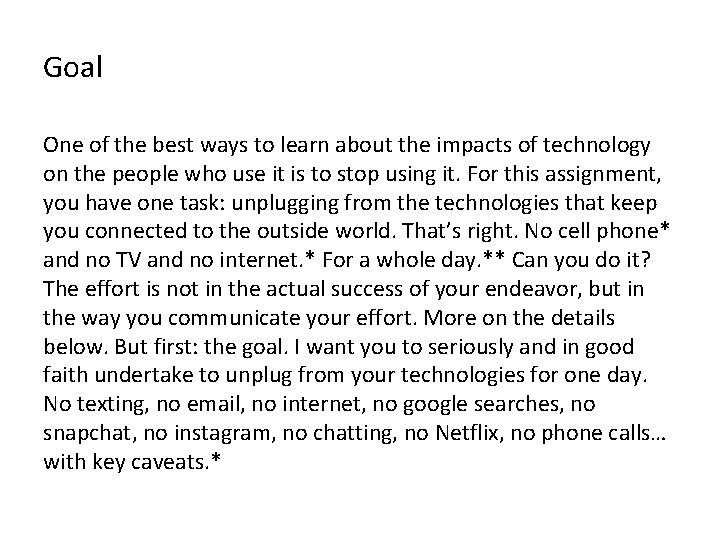
Goal One of the best ways to learn about the impacts of technology on the people who use it is to stop using it. For this assignment, you have one task: unplugging from the technologies that keep you connected to the outside world. That’s right. No cell phone* and no TV and no internet. * For a whole day. ** Can you do it? The effort is not in the actual success of your endeavor, but in the way you communicate your effort. More on the details below. But first: the goal. I want you to seriously and in good faith undertake to unplug from your technologies for one day. No texting, no email, no internet, no google searches, no snapchat, no instagram, no chatting, no Netflix, no phone calls… with key caveats. *
![Reason: how does connection change our lives? “ICTs [Internet and Information Communication Technologies] are](http://slidetodoc.com/presentation_image/1e6d20fb8245dcecbd20ef494251469a/image-19.jpg "Reason: how does connection change our lives? “ICTs [Internet and Information Communication Technologies] are")
Reason: how does connection change our lives? “ICTs [Internet and Information Communication Technologies] are indeed reducing many of our cherished cognitive facilities, much as our physical fitness has been reduced by all kinds of machinery for physical work and locomotion. However, in my opinion, this mental change is not too bad, as long as our reduced facilities are overcompensated by appropriate technology. We must make sure of two things: that we are not completely lost in case of large-scale breakdowns of technology and that use of ICTs does not endanger our creativity. ” Hermann Maurer, Does the Internet Make Us Stupid? ” (48)
Form Eyes attached to screens Information Overload Where did the time go? Woke up to no phone Noticed trees and turtle pond Walking in silence Time passing slowly Technology running my life Am I still happy?
“While some blame our collective tech addiction on personal failings, like weak willpower, Harris points a finger at the software itself. That itch to glance at our phone is a natural reaction to apps and websites engineered to get us scrolling as frequently as possible. The attention economy, which showers profits on companies that seize our focus, has kicked off what Harris calls a “race to the bottom of the brain stem. ” “You could say that it’s my responsibility” to exert self-control when it comes to digital usage, he explains, “but that’s not acknowledging that there’s a thousand people on the other side of the screen whose job is to break down whatever responsibility I can maintain. ” In short, we’ve lost control of our relationship with technology because technology has become better at controlling us. ”--The Binge Breaker: Tristan Harris believes Silicon Valley is addicting us to our phones. He’s determined to make it stop.
“Even so, a niche group of consultants has emerged to teach companies how to make their services irresistible. One such guru is Nir Eyal, the author of Hooked: How to Build Habit-Forming Products, who has lectured or consulted for firms such as Linked. In and Instagram. A blog post he wrote touting the value of variable rewards is titled “Want to Hook Your Users? Drive Them Crazy. ” While asserting that companies are morally obligated to help those genuinely addicted to their services, Eyal contends that social media merely satisfies our appetite for entertainment in the same way TV or novels do, and that the latest technology tends to get vilified simply because it’s new, but eventually people find balance. ”
*CAVEAT: you should endeavor to not use your technology, but you should not endanger your safety or your progress in school. If there is an emergency, call 911 or the police. If you need a ride home from 6 th Street, call someone. If you need to call your work, please do so. If you need to print homework, fine. Just make note of the ways you use technology, and while you are on your phone or on the computer, resist the temptation to check non-essential websites. **NOTE: Some people find that shrugging off technology for a day is no problem. In that case, you might consider undertaking a challenge that addresses a specific form of technological abstention. You could go without video games for a week. Or you could ban youtube from your study time for a month. Or you could cut out Facebook (or another service) if you suspect that technology does more harm than good in your life.

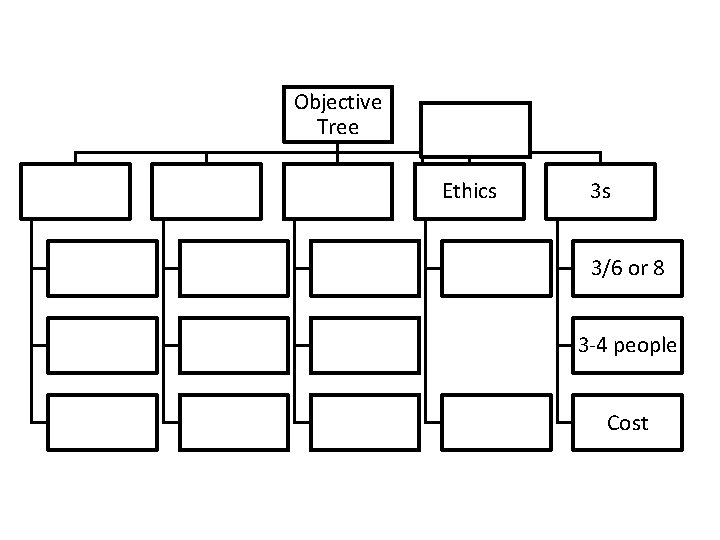
Objective Tree Ethics 3 s 3/6 or 8 3 -4 people Cost
- Slides: 25