
Bacterial Respiratory Infection 3 rd Year Medicine Prof
Bacterial Respiratory Infection (3 rd Year Medicine) Prof. Dr. Asem Shehabi Faculty of Medicine University of Jordan
Introduction § The respiratory tract is the most common site of body exposed for infection by pathogens and opportunistic pathogens. § RT site becomes infected frequently because it comes into direct contact with the physical environment and is exposed continuously to many microorganisms & their spores in the air. . Smoke, dust & human air droplets. § It has been calculated that the average individual inhaled & ingests at least 8 microbial cells per minute or 10, 000 per day.
§ 2/ § Before a Respiratory Disease is developed, the following conditions need to be met: § There must be a sufficient number or "dose" of infectious agent inhaled. § The infectious organism must remain alive and viable while in the air. § The organism must be deposited on susceptible respiratory mucosa & attached. § The infectious agent must overcome the host immune system. § The importance role of normal flora
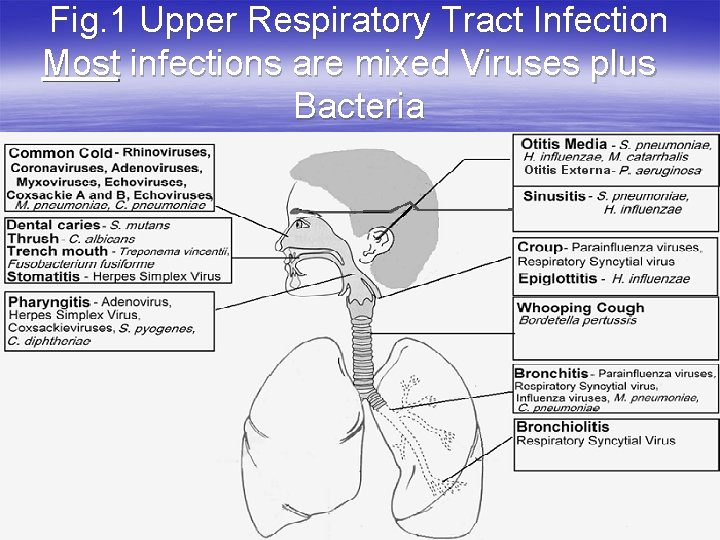
Fig. 1 Upper Respiratory Tract Infection Most infections are mixed Viruses plus Bacteria
Normal Bacterial Respiratory Flora § Most of the surfaces of nasopharynx, oropharynx, and trachea) are colonized by normal flora. These organisms are usually normal inhabitants of these surfaces and rarely cause disease (Fig. 1): § Common types >10%: Viridans Streptococci ( S. mutans, S. mitis), Neisseria (N. flava, N. sicca) Haemophilus /Parahaemophilus , Corynebacteria, Anaerobic Bacteria (Bacteroides fragilis, Spirochities). § Less Common <10/ Transients : Group A streptococci , H. influenzae, S. pneumoniae, Candida , Gram-ve bacilli & other bacteria.
Common Bacteria Agents cause of Upper Respiratory Infections § Haemophilus influenzae type b. . Capsule. . Lipooligosaccharides. . invasive. . Highly susceptible to cold & room and high temperatures. . Autolysis rapidly. Clinical Features: Rare Sore Throat. . Common Otitis – Sinusitis. . Conjunctivitis. . Blood sepsis/ Meningitis. . Children (6 months-5 years), Fig. 2 , Hib-vaccine. . polysaccharide-protein conjugate vaccine. . combined with diphtheria-tetanus-pertussis and Hepatitis B vaccines. . starting after the age of 6 weeks. § Staph. aureus : All ages. . Sinusitis, Pneumonia Conjunctivitis, Rare Sore Throat. . Blood sepsis. . Rare Meningitis. . Staphylococcal pneumonia is a frequent complication following influenza infection. . Infants, Elderly patients, immunosuppressed.
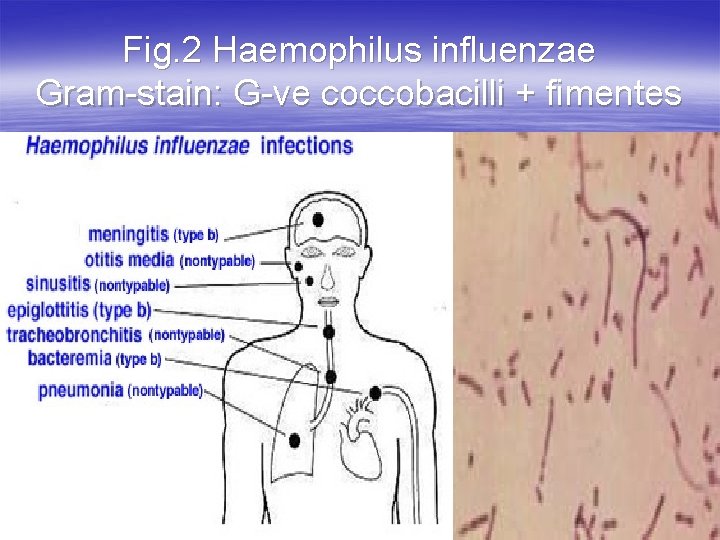
Fig. 2 Haemophilus influenzae Gram-stain: G-ve coccobacilli + fimentes
Streptococcus infections § The genus Streptococcus consists of gram-positive cocci, catalase-ve. . Human commensals & opportunistic pathogens Respiratory Tract. . Beta-Hstreptococci group, Viridans Streptococci group § Definitive identification of hemolytic pyogenic streptococci types based on the serologic reactivity of cell wall polysaccharide antigens (Lancefield groups). § The most important groups are A, B, C D, G, F § Group A Hemolytic Streptococcus cause about 10% Pharyngitis-Tonsillitis/Sore Throat. . less Otitis– Sinusitis, Skin in all Children. . Virulence factors (Fig-4). § Complication: Post-streptococcal diseases
S. pyogenes (Group A Hemolytic-1 § Groups A: common human pathogens. . beta hemolytic reaction. . on blood agar (Fig-3). § Group A is one of the most frequent pathogens of humans. It is estimated that between 5 -15% of normal individuals carry this bacterium, usually in the respiratory tract, without signs of disease as normal flora. . Healthy Carriers § Streptococcal Infections: Mostly occur in Children < 12 years. . begin as acute Pharyngitis/Tonsillitis. . Also infection by contact with infected skin wound. . Strept. Diseases (Fig-5) § About 1 -3 % infected children may develop poststreptococcal complications.
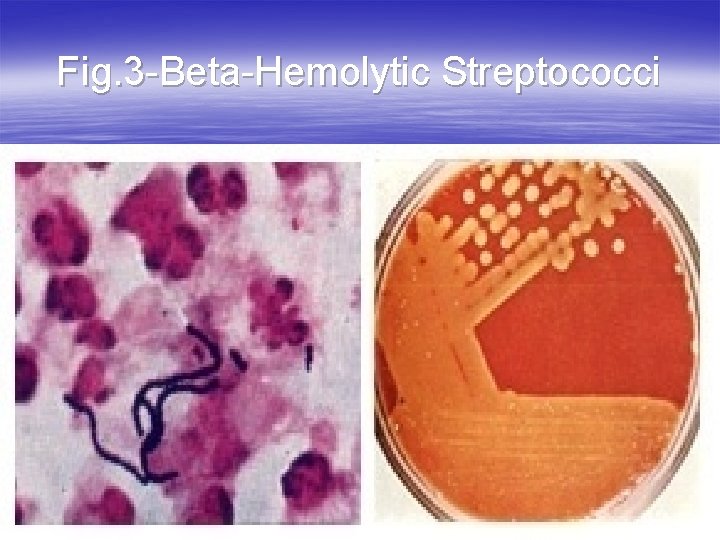
Fig. 3 -Beta-Hemolytic Streptococci
Pathogenesis of Group A-2 § Systemic infections found mostly children. . Strept. virulence is related to cell structures, enzymes & toxins produced (Fig-5). § It has ability to colonize and rapidly multiply and spread in host while resist phagocytosis due to the hyaluronic acid capsule + cell surface T, R, Mproteins. . About 100 serotypes § Resistance & Immunity to infection developed by presence of specific M-protein antibodies § Infection may spread easily to other body sites. . Children. . Common sinusitis, otitis, blood sepsis. Skin. . rarely pneumonia. . Repeat Streptococcal Throat infection is common in young children. . each 13 months.
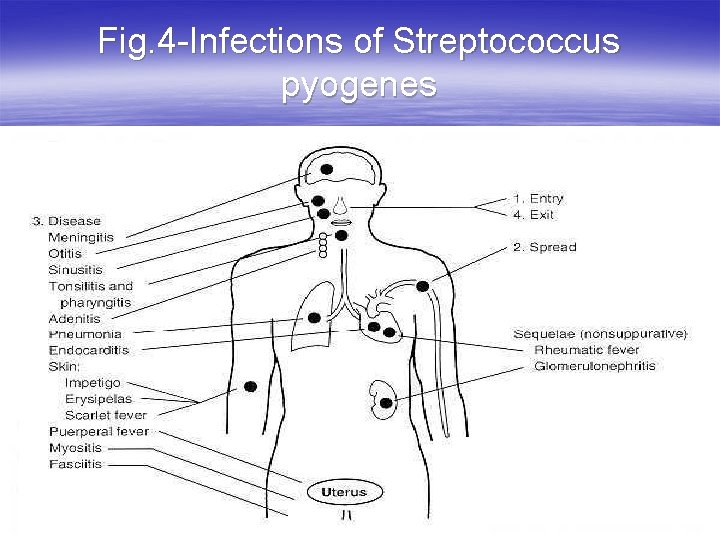
Fig. 4 -Infections of Streptococcus pyogenes
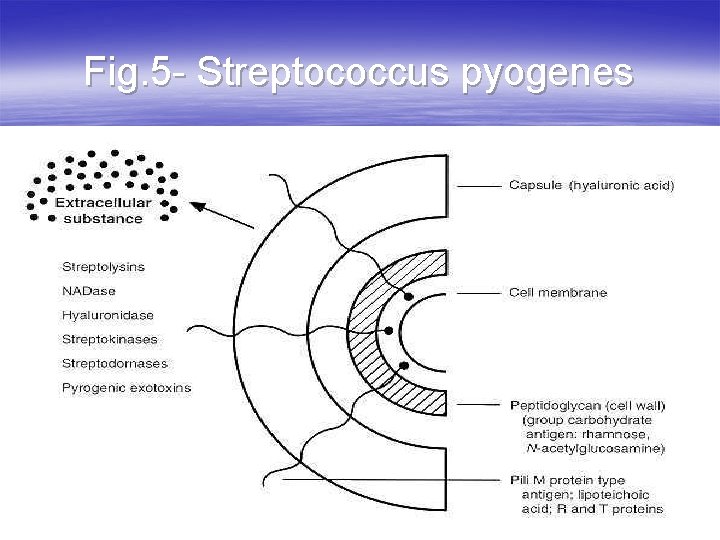
Fig. 5 - Streptococcus pyogenes
Group A Streptococcus-3 § Scarlet fever: children. . begins as pharyngitis. . Few lysogenic strains producing pyrogenic /erythrogenic exotoxins (A, B, C). . Diffuse erythematous rash in oral mucous membranes ( Red Tong) & Skin. . Results in lifelong immunity. § Pyoderma. . superficial localized blisters (impetigo) associated with massive brawny edema. § Cellulitis /Erysipelas: Skin infection rapidly spread to subcutaneous tissues & lymphatic system. . highly communicable in children. . may cause later Glomeronephritis § Streptococcal Toxic Shock Syndrome: Few strains. . Host systemic responses to increased circulating pyrogenic toxins superantigens. . High fever, Bacteriemia, Diarrhea, Shock & Organ failures, high fatal.

Scarlet Fever
Group A Streptococcus-4 § Necrotizing fasciitis: Few strains. . Wound infections. . Rapid & extensive necrosis in subcutaneous tissues & fascia. . associated with Bacteriamia, Endocarditis, Heart failure. . High fatality without rapid antibiotics treatment. § Rarely Puerperal fever. . blood sepsis (caused mostly Group B Streptococcus). . infected injured uterus after delivery. . neonatal sepsis. § Post streptococcal diseases: § Rheumatic fever & Glomerulonephritis: followed repeat throat infection. . Autoimmunological reactions. . § Both diseases and their pathology are not due to dissemination of bacteria, but to late immunological reactions to Group A streptococcal antigens. . mainly Cell wall antigens & M-protein.
Diagnosis & Treatment § Lab Diagnosis: Culture on sheep blood agar. . Hemolytic Strept. Type confirmed by using specific antistrepococcal sera by slide agglutination test. § Detection Specific Antibodies: 2 -4 weeks after throat or skin infection. . Antistreptolysin 0 (ASO) titer > 240 IU, positive Streptokinase , Anti-M Protein § Treatment: Clinical cases/ healthy Carrier. . Penicillin G /V. . Monthly injection for children. . cotrimoxazole § Group A is still highly susceptible to Penicillin. . Less to Cephalosporins & Macrolides and other antibiotics § No Vaccine is available
3/ Corynebacterium diphtheriae, C. ulcerns § Sore Throat. . Not invasive. . Intensive inflammation pharyngeal mucosa, Gray Pseudomembranous. . Release Diphtheria exotoxin. § Clinical Features: Myocarditis. . Peripheral nervous system/ Neuritis, Adrenal glands. . Laryngeal obstruction. . Respiratory & Heart Failure, Death § Permanent Immunity by Vaccination. . Rapid diagnosis. . antibiotic treatment + Diphtheria Antitoxin § Lab Diagnosis: Throat swab. . Direct Smear not significant, Culture for C. diphtheria. . selective Tellurite Blood agar. . Toxin test. . Not all strains are toxigenic. § Vincet Angina / Trench Mouth : Mixed infection. . Oral Normal flora. . Borrelia /Treponema vincenti/ Fusobacterium. . Oral mucosa Lesions/ Gingivitis. . gum swelling (gingivitis)
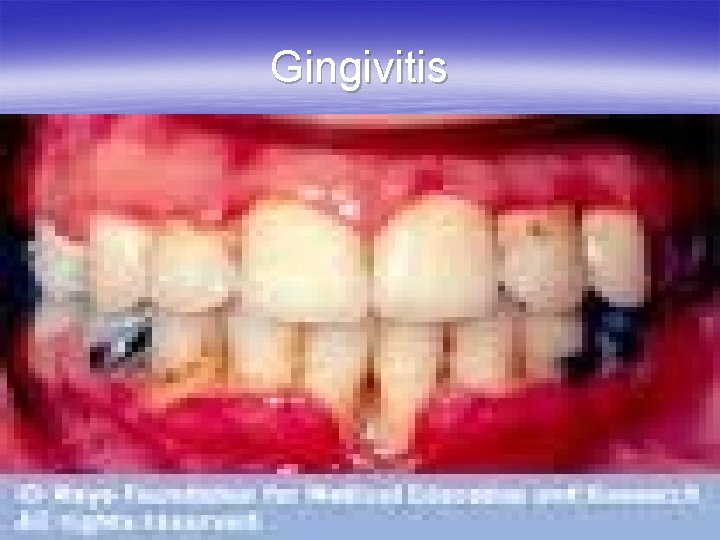
Gingivitis
- Slides: 19