
Bacterial Identification 1 E Coli Gram negative rods
Bacterial Identification

1. E. Coli
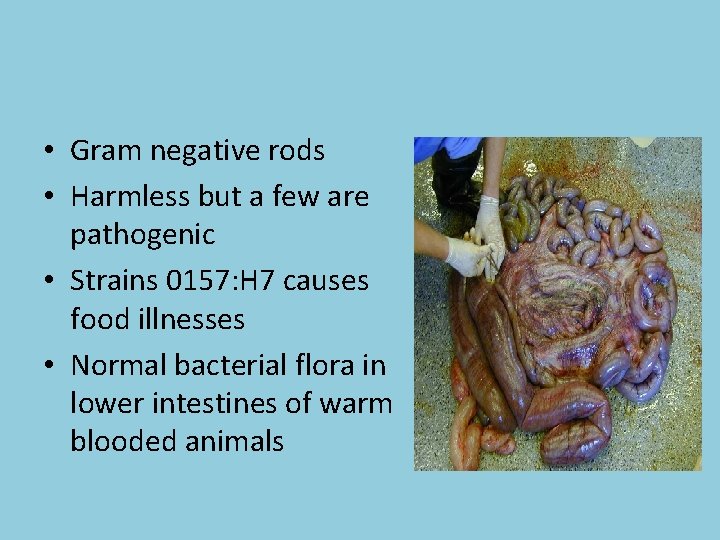
• Gram negative rods • Harmless but a few are pathogenic • Strains 0157: H 7 causes food illnesses • Normal bacterial flora in lower intestines of warm blooded animals

Sarcina aurantiaca Orange pigments Gram + Anaerobic Appears in cuboidal masses • Usually harmless • Found in air and water • •
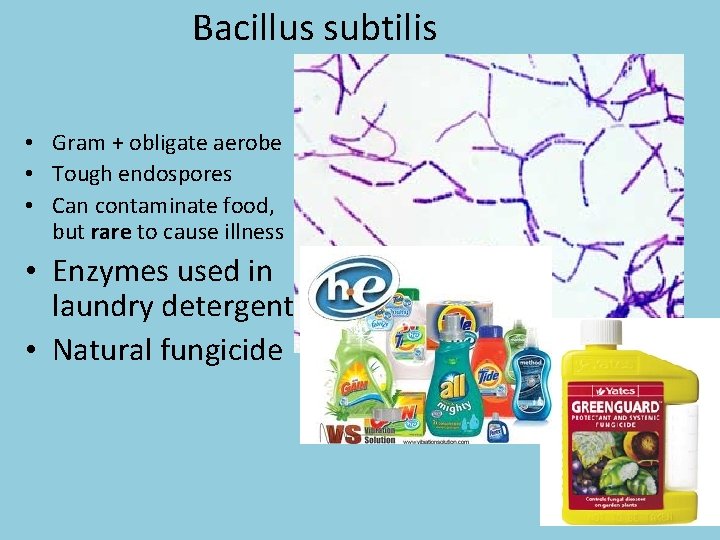
Bacillus subtilis • Gram + obligate aerobe • Tough endospores • Can contaminate food, but rare to cause illness • Enzymes used in laundry detergent • Natural fungicide
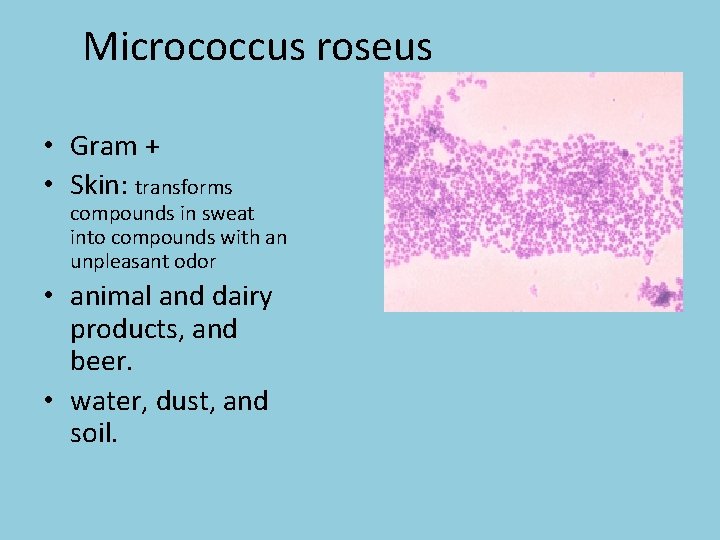
Micrococcus roseus • Gram + • Skin: transforms compounds in sweat into compounds with an unpleasant odor • animal and dairy products, and beer. • water, dust, and soil.
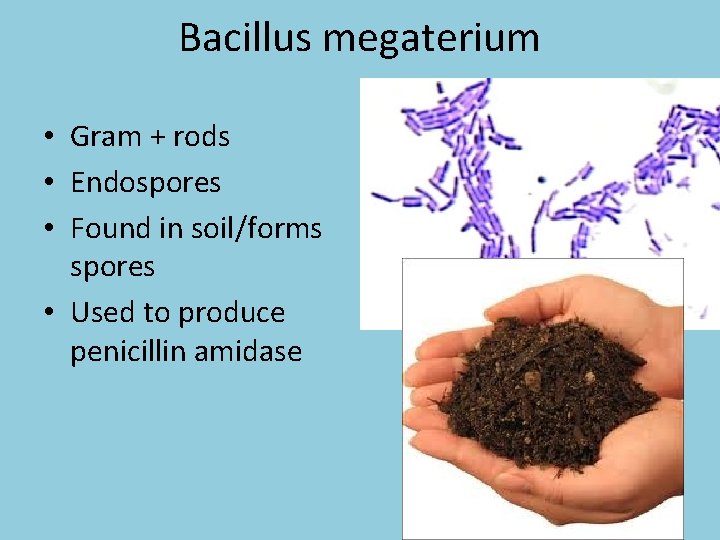
Bacillus megaterium • Gram + rods • Endospores • Found in soil/forms spores • Used to produce penicillin amidase

Micrococcus luteus • Gram + cocci • Normal flora of upper RT and mouth • Mammal skin • Opportunistic pathogen
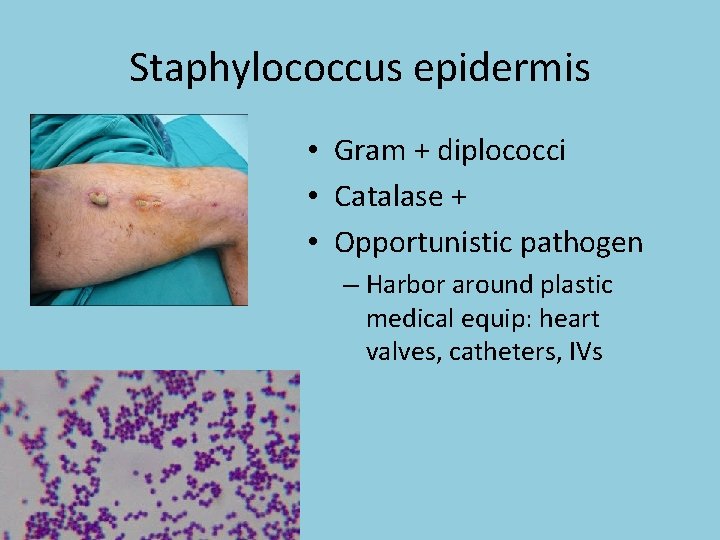
Staphylococcus epidermis • Gram + diplococci • Catalase + • Opportunistic pathogen – Harbor around plastic medical equip: heart valves, catheters, IVs
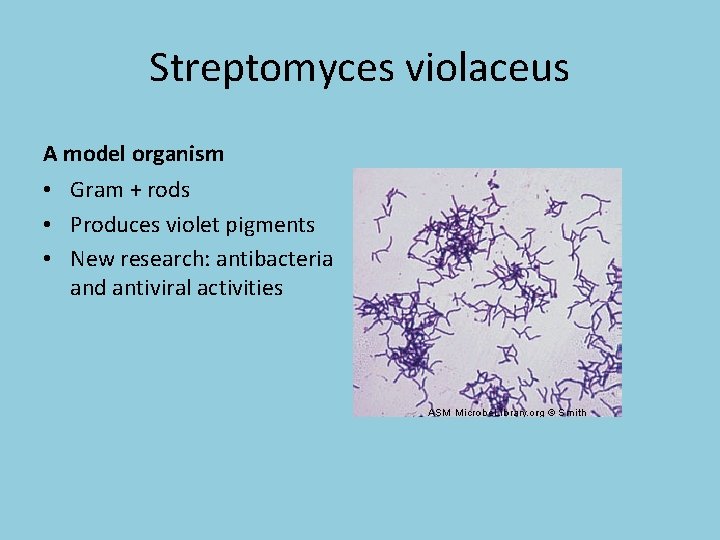
Streptomyces violaceus A model organism • Gram + rods • Produces violet pigments • New research: antibacteria and antiviral activities
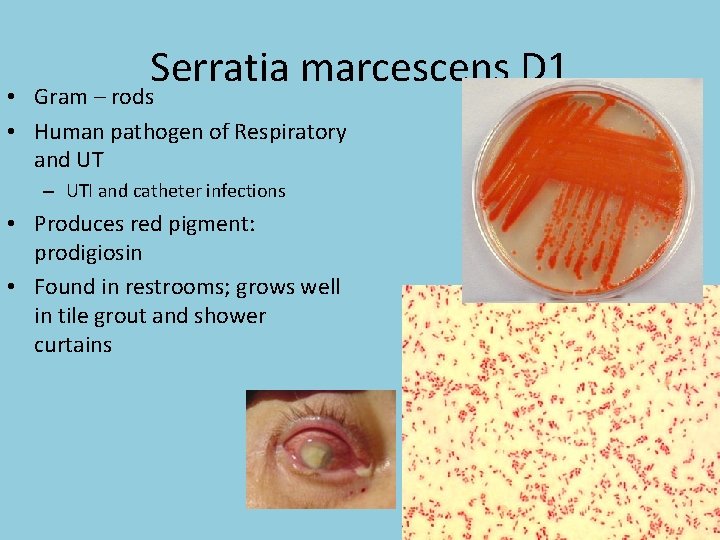
Serratia marcescens D 1 • Gram – rods • Human pathogen of Respiratory and UT – UTI and catheter infections • Produces red pigment: prodigiosin • Found in restrooms; grows well in tile grout and shower curtains
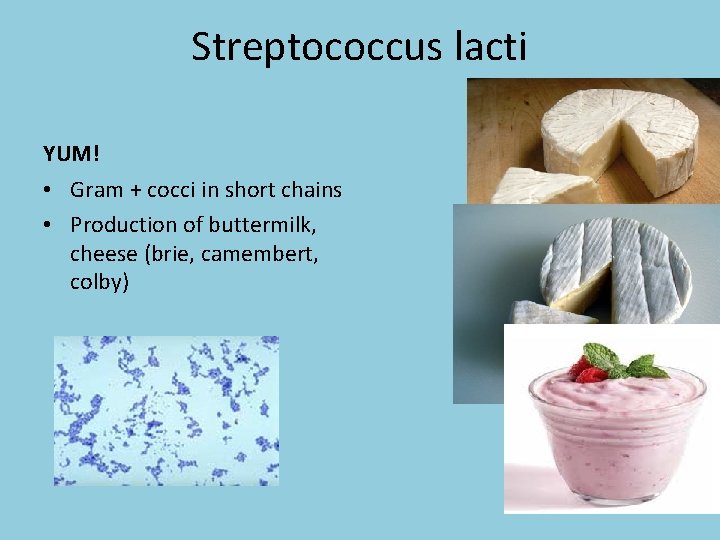
Streptococcus lacti YUM! • Gram + cocci in short chains • Production of buttermilk, cheese (brie, camembert, colby)
- Slides: 12