
BACTERIAL CELL WALL MORPHOLOGY MECHANISM OF PATHOGENICITY BY
BACTERIAL CELL WALL MORPHOLOGY; MECHANISM OF PATHOGENICITY BY: JAYLA BRIGGS
BACTERIAL CELL WALL MORPHOLOGY
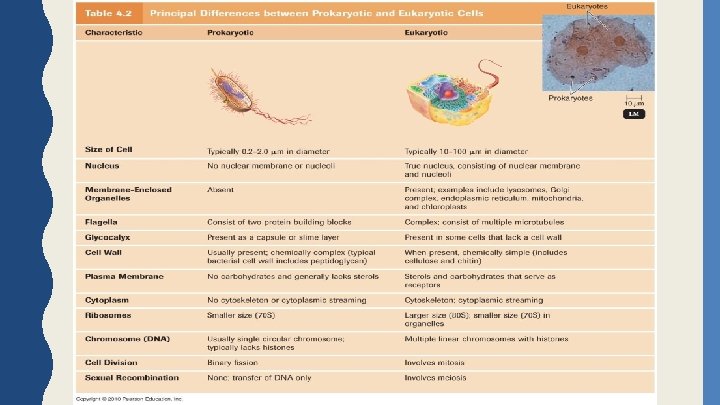
PROKARYOTES ❖Prokaryotes include bacteria and archaea ❖Lecture will focus on bacteria ❖Bacteria may be classified by: ➢Morphology ■ shape ➢Nutritional requirements ➢Chemical composition ➢Biochemical activities ➢Source of energy ■ Sunlight or chemical
THE BACTERIAL CELL ❖Size range ➢Diameter = 0. 2 - 2. 0 um ➢Length = 2 - 8 um ❖Shapes ➢Coccus (cocci) ➢Bacillus (bacilli) ➢Spiral ■ Vibrio ❖Arrangement ➢Diplo ➢Strepto ➢staphylo
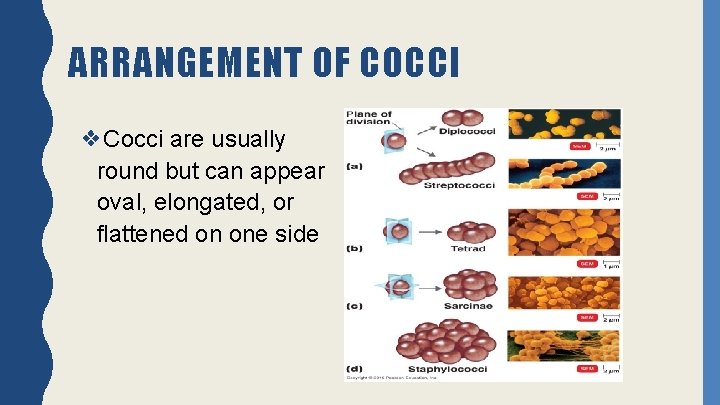
ARRANGEMENT OF COCCI ❖Cocci are usually round but can appear oval, elongated, or flattened on one side
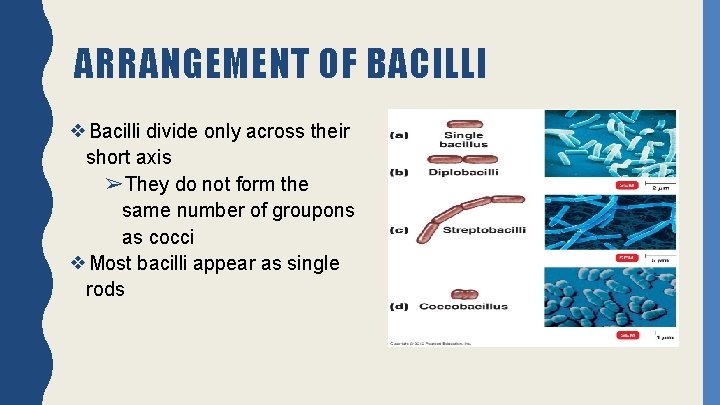
ARRANGEMENT OF BACILLI ❖Bacilli divide only across their short axis ➢They do not form the same number of groupons as cocci ❖Most bacilli appear as single rods
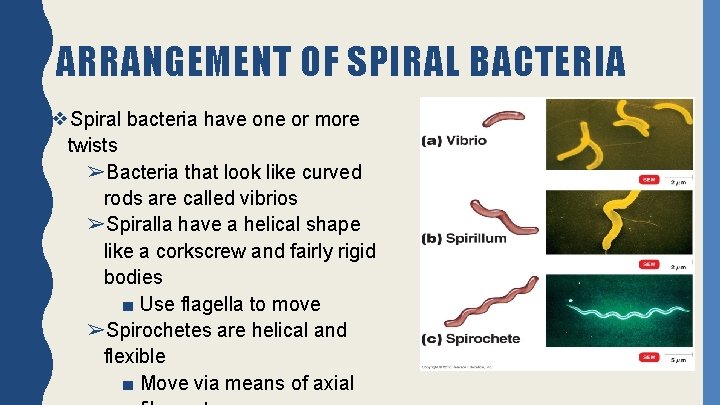
ARRANGEMENT OF SPIRAL BACTERIA ❖Spiral bacteria have one or more twists ➢Bacteria that look like curved rods are called vibrios ➢Spiralla have a helical shape like a corkscrew and fairly rigid bodies ■ Use flagella to move ➢Spirochetes are helical and flexible ■ Move via means of axial
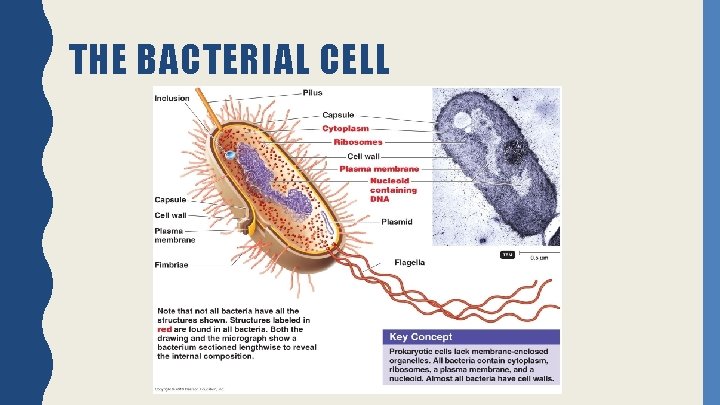
THE BACTERIAL CELL
THE CELL WALL: COMPOSITION AND CHARACTERISTICS ❖Complex, semi-rigid ❖Responsible for cell shape ❖Protects the interior of the cell from the external environment ❖Maintains osmotic pressure ❖Composed of macromolecular network called peptidoglycan
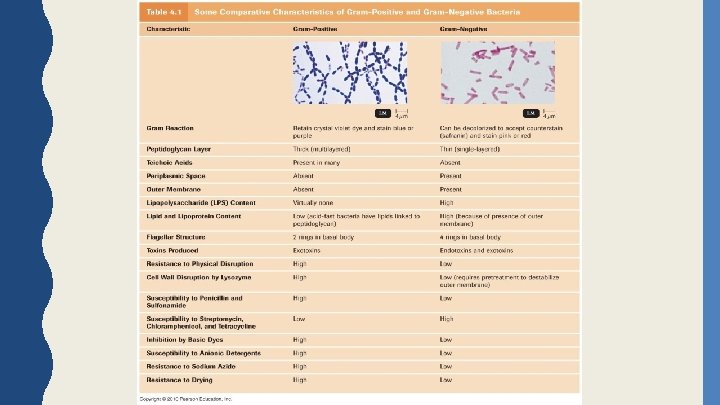
LIPOPOLYSACCARIDE - LPS • • • Found in the outer leaflet of the outer membrane Is also called endotoxin Can induce shock Composed of lipid A, core antigen, and Osomatic antigen Biological activity is due to lipid A
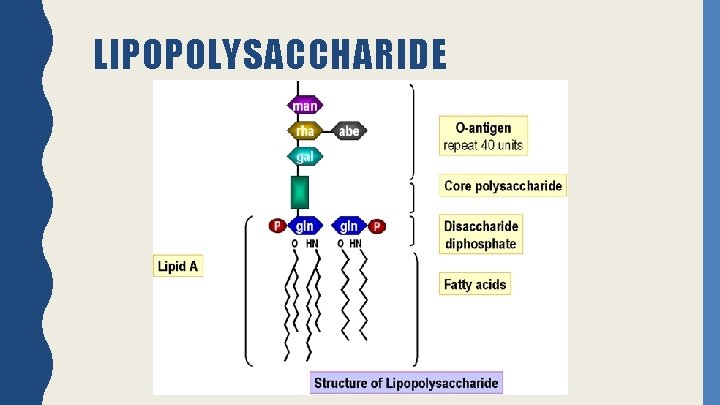
LIPOPOLYSACCHARIDE
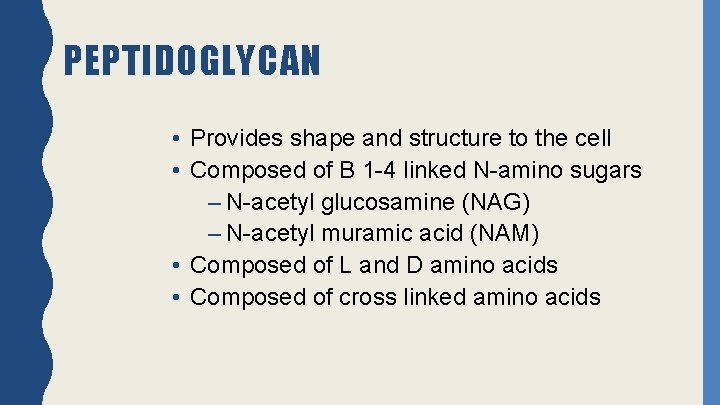
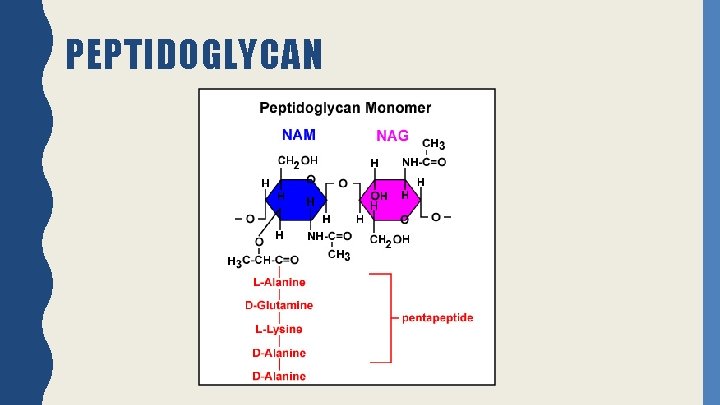
PEPTIDOGLYCAN • Provides shape and structure to the cell • Composed of B 1 -4 linked N-amino sugars – N-acetyl glucosamine (NAG) – N-acetyl muramic acid (NAM) • Composed of L and D amino acids • Composed of cross linked amino acids
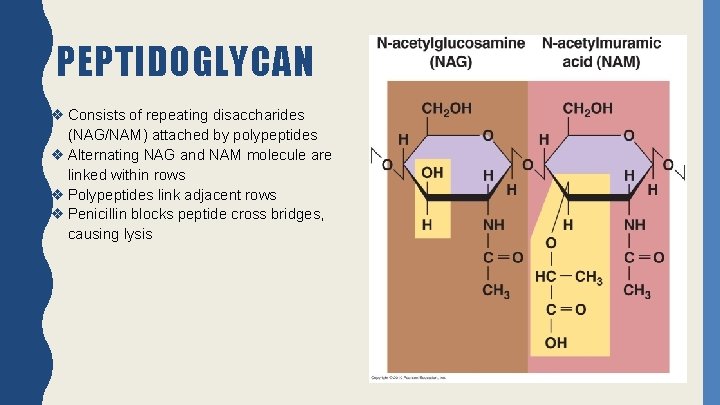
PEPTIDOGLYCAN ❖ Consists of repeating disaccharides (NAG/NAM) attached by polypeptides ❖ Alternating NAG and NAM molecule are linked within rows ❖ Polypeptides link adjacent rows ❖ Penicillin blocks peptide cross bridges, causing lysis
PEPTIDOGLYCAN
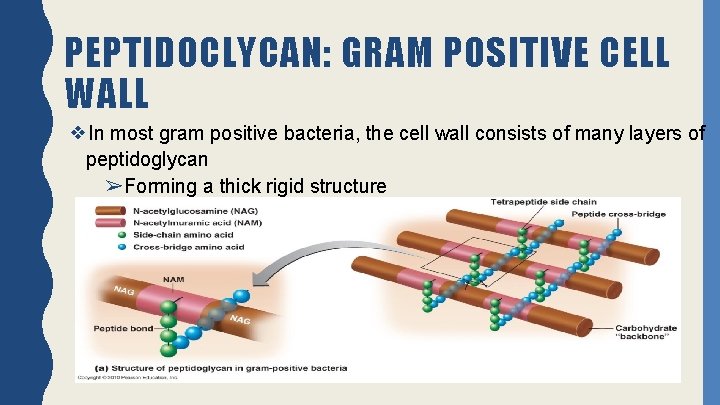
PEPTIDOCLYCAN: GRAM POSITIVE CELL WALL ❖In most gram positive bacteria, the cell wall consists of many layers of peptidoglycan ➢Forming a thick rigid structure
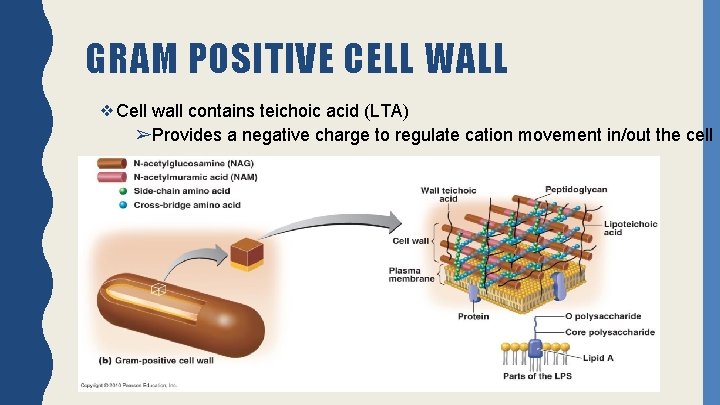
GRAM POSITIVE CELL WALL ❖Cell wall contains teichoic acid (LTA) ➢Provides a negative charge to regulate cation movement in/out the cell
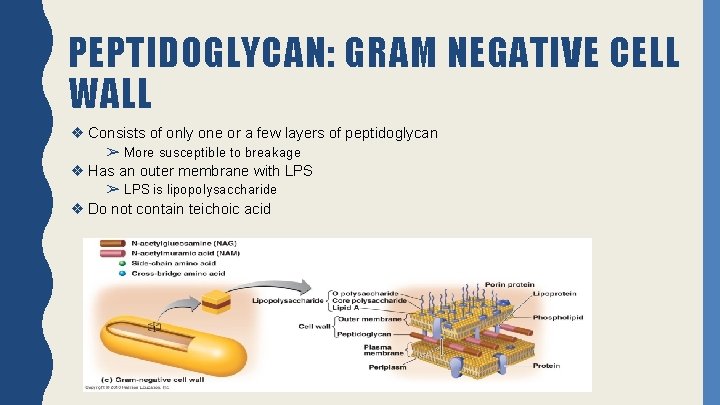
PEPTIDOGLYCAN: GRAM NEGATIVE CELL WALL ❖ Consists of only one or a few layers of peptidoglycan ➢ More susceptible to breakage ❖ Has an outer membrane with LPS ➢ LPS is lipopolysaccharide ❖ Do not contain teichoic acid
ANTIBIOTICS THAT INHIBIT BACTERIAL CELL WALL FORMATION • Penicillin – Binds to PBP – Inhibits transpeptidase activity • Cephalosporin – Binds to PBP – Inhibits transpeptidase activity • Vancomycin – Complexes with D-Ala-D-Ala, blocking transpeptidase action • Bacitracin – Inhibits the transfer of peptidoglycan subunits from bactoprenol to preexisting peptidoglycan cell wall • Cycloserine – Structural analog of D-Ala
EXTERNAL CELL WALL ❖External structures may function to facilitate actions such as movement, attachment, and propagation ➢Glycocalyx (dugary coat) is the general term for the substance that surrounds the cell ■ Capsule ■ Slime layer ➢Flagella ➢Axial filament ➢Fimbriae ➢Pili ❖Movement of bacteria toward or away from stimuli is call taxis
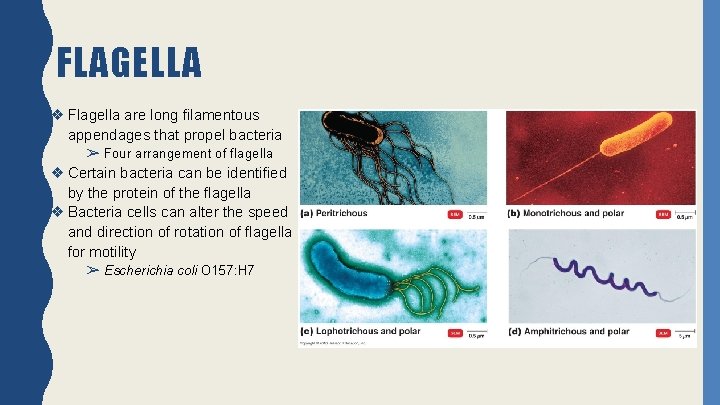
FLAGELLA ❖ Flagella are long filamentous appendages that propel bacteria ➢ Four arrangement of flagella ❖ Certain bacteria can be identified by the protein of the flagella ❖ Bacteria cells can alter the speed and direction of rotation of flagella for motility ➢ Escherichia coli O 157: H 7
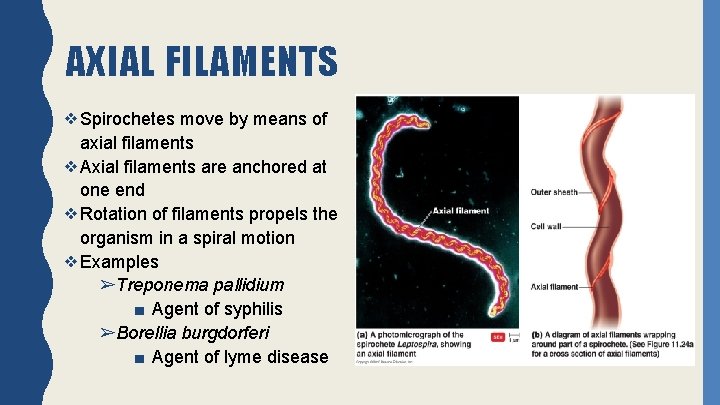
AXIAL FILAMENTS ❖Spirochetes move by means of axial filaments ❖Axial filaments are anchored at one end ❖Rotation of filaments propels the organism in a spiral motion ❖Examples ➢Treponema pallidium ■ Agent of syphilis ➢Borellia burgdorferi ■ Agent of lyme disease
FIMBRIAE AND PILI ❖ Pili (pilus) ❖Fimbriae (fimbria) ➢Usually longer than fimbriae ➢Occur at the pole or are evenly ➢Join bacterial cell for the distributed transfer of DNA ➢Enable cell adherence ■ Sex pili ➢Absences of fimbriae often means no disease ➢Example ■ Neisseria gonorrhoea ● Agent of gonorrhoeae
STAINING PROPERTIES ❖Bacteria can be classified majorly by their staining properties ➢The most common is the gram stain ❖Other stains are used on more complex organisms ❖Additional biochemical tests can be performed to identify microorganism in the laboratory
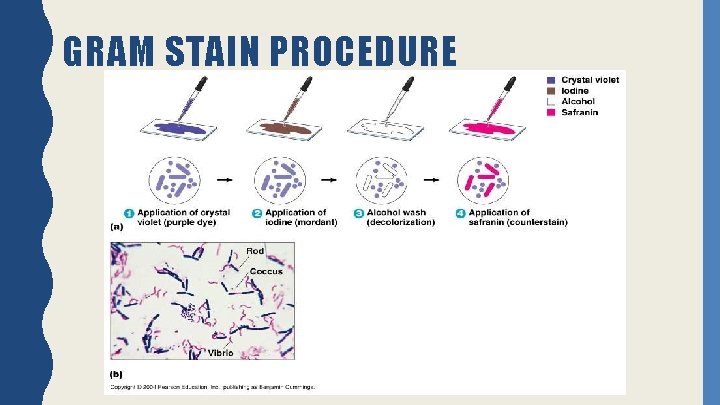
GRAM STAIN PROCEDURE
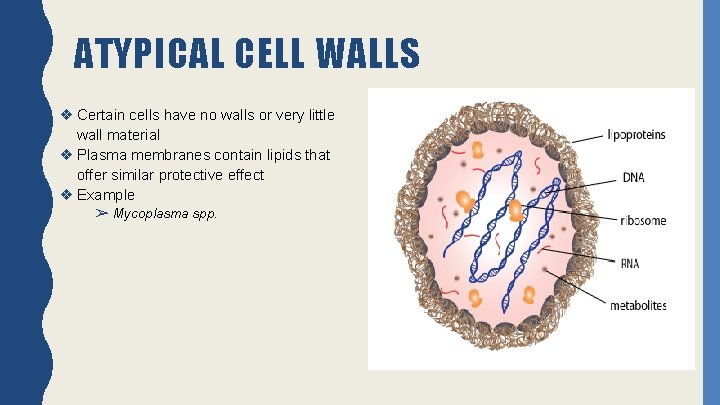
ATYPICAL CELL WALLS ❖ Certain cells have no walls or very little wall material ❖ Plasma membranes contain lipids that offer similar protective effect ❖ Example ➢ Mycoplasma spp.
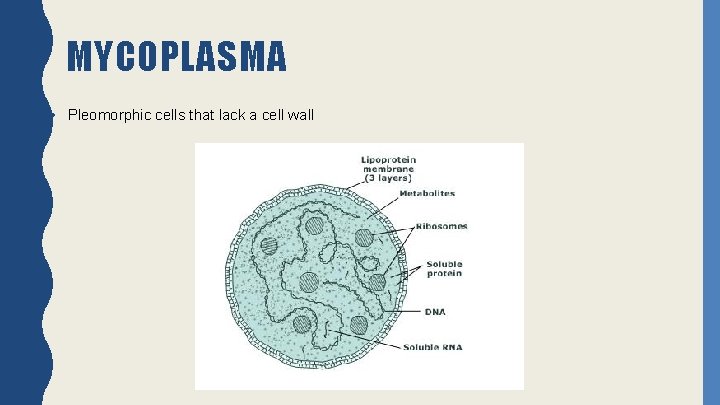
MYCOPLASMA • Pleomorphic cells that lack a cell wall

MECHANISM OF PATHOGENICITY
INTRODUCTION TO EPIDEMIOLOGY ❖Epidemiology ➢The study of the distribution and determinants of health-related states or events in specified population, and the application of this study to the control of health problems ■ Involves the study of incidence, distribution, and control of diseases ■ Addresses other health factors ❖Pathology ➢The scientific study of disease ❖Etiology ➢The cause of disease ❖Pathogenesis ➢The manner in which a disease develops ❖Infection ➢The invasions or colonization of the body by microorganisms ❖Disease ➢Occurs when an infection result in any change from a state of health
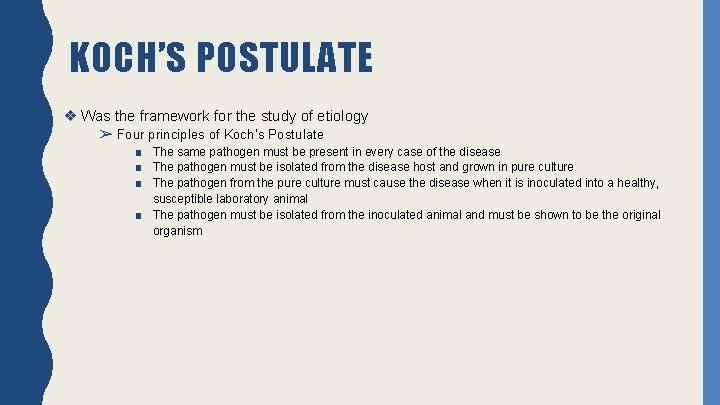
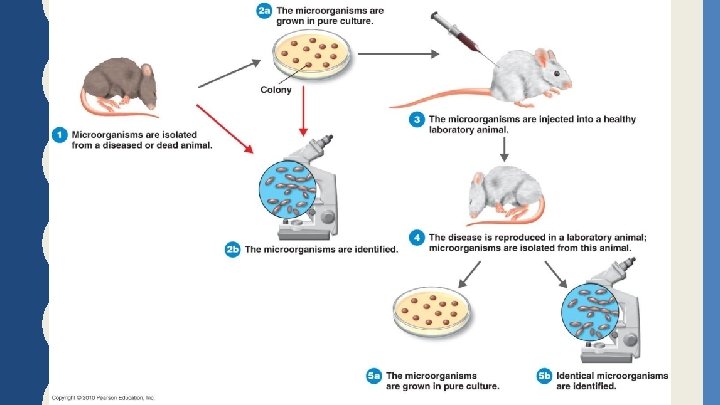
KOCH’S POSTULATE ❖ Was the framework for the study of etiology ➢ Four principles of Koch’s Postulate ■ The same pathogen must be present in every case of the disease ■ The pathogen must be isolated from the disease host and grown in pure culture ■ The pathogen from the pure culture must cause the disease when it is inoculated into a healthy, susceptible laboratory animal ■ The pathogen must be isolated from the inoculated animal and must be shown to be the original organism
TYPES OF TRANSMISSION ❖ Contact ➢ Direct ■ Person to person ➢ Indirect ■ Contact with non-living object ➢ Droplet ■ coughing , sneezing, laughing, talking ❖ Vehicle ➢ Transmission through a medium ■ Food, water, air ■ Bodily fluids ■ vectors
PATHOGENICITY ❖Pathogenicity is the ability of a pathogen to produce a disease by overcoming the defenses of the host ➢This is also known as the mechanism of action ❖Virulence is the degree of pathogenicity ❖Pathogenesis is how the disease develops
PATHOGENICITY • Many properties that determine a microbe’s pathogenicity or virulence are unclear or unknown – When a microbe overpowers the host's defenses, disease results
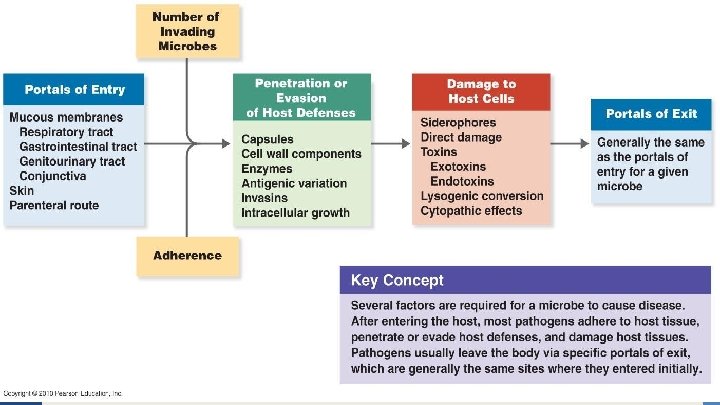
PATHOGENECITY ❖Host organisms cause disease via attachment to tissue and penetration of evasion of host defenses. ❖Damage of host tissues produce the symptoms that are associated with the disease process ❖Number of microbes and their ability to adhere to host tissue greatly impacts an organism's likelihood to establish infection ★Most pathogens leave the body the same way in which they entered
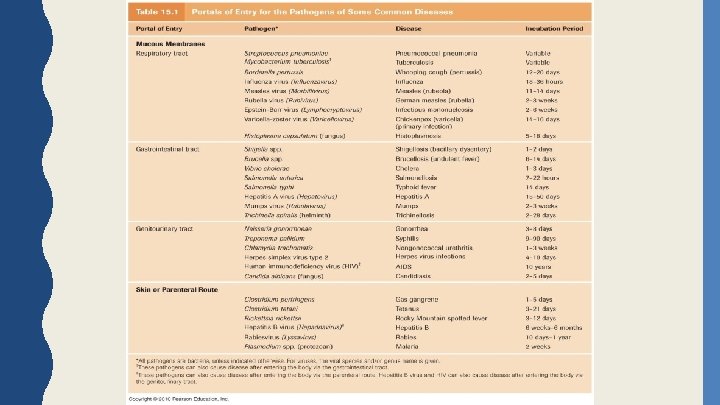
PRINCIPLE PORTALS OF ENTRY ❖Portal of entry is a specific route by which as particular pathogen gains access to the body ➢Mucous membrane ■ Respiratory tracts ■ Gastrointestinal tracts ■ Genitourinary tracts ■ Conjunctiva ➢Skin ➢Parenteral route
MUCOUS MEMBRANE ❖Respiratory tract ➢Through droplets of moisture, dust particles, and inhalation ➢Most common portal of entry ■ Easiest and most frequent ❖Gastrointestinal tract ➢Food, water, and contaminated fingers ➢Most microbes that enter the G. I. tract are destroyed by HCl, enzymes of stomach or bite, and enzymes of small intestine ❖Genitourinary tract ➢Microorganisms enter the body through mucous membranes ❖Conjunctiva
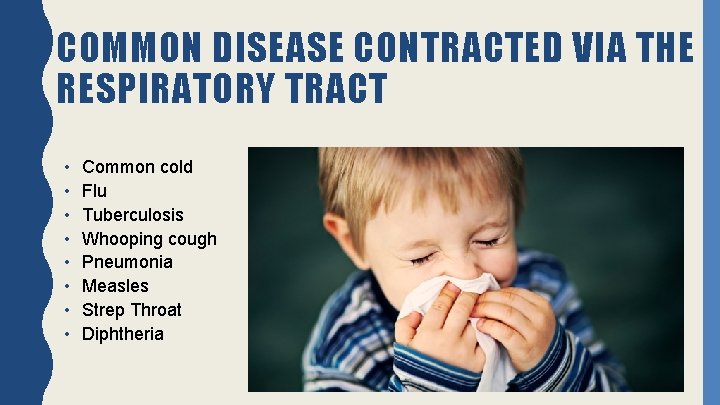
COMMON DISEASE CONTRACTED VIA THE RESPIRATORY TRACT • • Common cold Flu Tuberculosis Whooping cough Pneumonia Measles Strep Throat Diphtheria
COMMON DISEASES CONTRACTED VIA THE G. I. TRACT • Salmonellosis – Salmonella sp. • Shigellosis – Shigella sp. • Cholera – Vibrio cholerea • Ulcers – Helicobacter pylori • Botulism – Clostridium botulinum
FECAL - ORAL DISEASES • These pathogens enter the G. I. tract at one end and exit at the other end • Spread by contaminated hands and finger or contaminated food and water • Poor personal hygiene
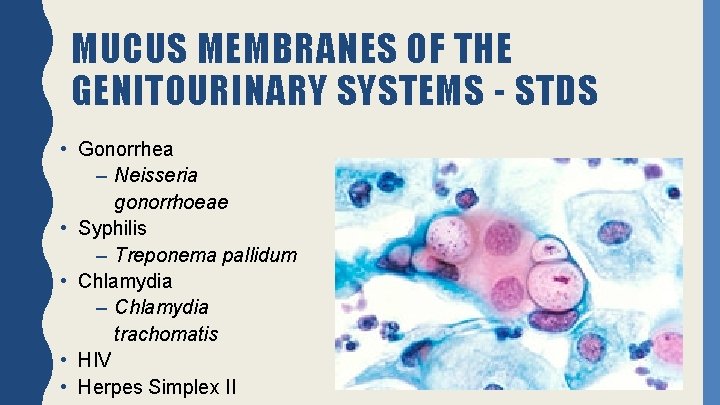
MUCUS MEMBRANES OF THE GENITOURINARY SYSTEMS - STDS • Gonorrhea – Neisseria gonorrhoeae • Syphilis – Treponema pallidum • Chlamydia – Chlamydia trachomatis • HIV • Herpes Simplex II
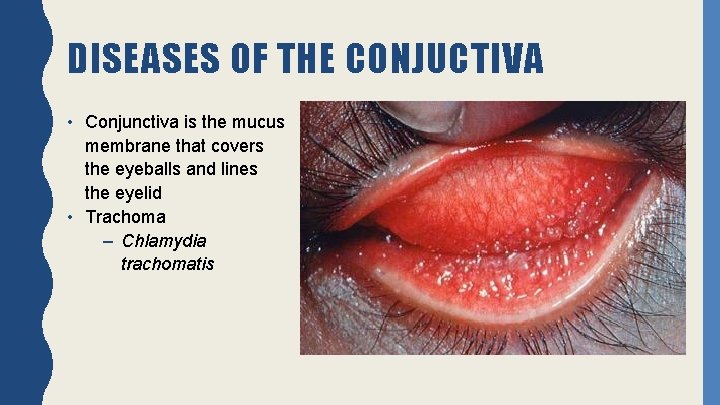
DISEASES OF THE CONJUCTIVA • Conjunctiva is the mucus membrane that covers the eyeballs and lines the eyelid • Trachoma – Chlamydia trachomatis
SKIN ❖Microorganisms cannot penetrate intact skin ➢When unbroken is an effective barrier for most microorganisms ➢Enter via hair follicles and sweat ducts ■ Openings of the skin
PARENTERAL ROUTE • Gain of access to tissues by inoculation through the skin and mucous membranes – Injections, bites, and other wounds – Splitting of skin due to swelling or dryness
PREFERRED PORTAL OF ENTRY • A pathogen entering your body does not guarantee that a disease will occur • Pathogens – Streptococcus pneumoniae • If inhaled can cause pneumonia • If enters the G. I. tract, causes no disease – Salmonella typhi • If enters the G. I. tract, can cause typhoid fever • If on skin, causes no disease
NUMBER OF INVADING MICROBES ❖Virulence can be expressed as LD 50 and ID 50 ➢LD 50 ■ Lethal dose for 50% of the inoculated hosts ➢ID 50 ■ infectious dose for 50% of the inoculated hosts
HOW DO BACTERIAL PATHOGENS PENETRATE HOST DEFENSES? • Adherence – Almost all pathogens have a way to attach to host tissue • Binding sites – Adhesins – ligands
BINDING SITES: ADHESINS AND LIGANDS • Adhesins and ligands are usually on fimbriae – Neisseria gonorrhoeae – ETEC (Enterotoxigenic E. coli) – Bordetella pertussis
ADHERENCE ❖ Invasion can occur by adherence ➢ Adhesins ■ Surface projection on a pathogen ■ Adhere to complementary receptors on the host cells ■ Can be glycoproteins or lipoproteins ■ Frequently associated with fimbriae ➢ Mannose ■ The most common receptor on pathogens ■ MBL (Mannose binding lectin) pathway recognizes pathogens by the binding of lectin on the surface of phagocytes to mannose to initiate the complement cascade ➢ Biofilms ■ Provide attachment and resistance to antimicrobial agents ■ Diphtheria forms biofilms in the throat ● Can cause death if it isn’t detected early
CAPSULE AND CELL WALL COMPONENTS ❖ Both the capsule and cell wall components contribute to pathogenicity ➢ Some pathogens are enclosed by capsule which prevent them from being phagocytized ■ Streptococcus pneumoniae ■ Klebsiella pneumoniae ■ Haemophilus influenzae ■ Bacillus anthracis ■ Streptococcus mutans ■ Yersinia pestis ➢ The cell wall contains proteins that facilitate adherence or prevent a pathogen from being phagocytized ➢ Some microbes can reproduce inside phagocytes
ENZYMES ❖ Leukocidins ➢ Destroy some immune cells (WBCs) ➢ Release and rupture lysosomes ■ Lysosomes contain powerful hydrolytic enzymes ■ The rupture of these cause more tissue damage ❖ Hemolysins ➢ Cause the lysis of RBCs ❖ Coagulase ➢ Protection in a fibrin clot ❖ Ig. A protease ➢ Destroys Ig. A antibodies ❖ Spread of infection ➢ Kinases ■ Destroy blood clots ■ Streptokinase is used to dissolve blood clots in the heart ➢ Hyaluronidase ■ Destroy mucopolysaccharides ● Mucopolysaccharides hold cells together ■ Spreading factor ➢ Collagenase ■ Hydrolyzes collagen ● Collagen is present in connective tissue ■ Clostridium perfringens - Gas Gangrene
HEMOLYSINS • Alpha Hemolytic Streptococci – Secrete hemolysins that cause the incomplete lysis of RBCs • Beta Hemolytic Streptococci – Secrete hemolysins that cause complete lysis of RBCs • Gamma Hemolytic Streptococci – Do not secrete any hemolysins
ANTIGENIC VARIATION AND PENETRATION OF HOST CELL CYTOSKELETON ❖Antigenic variation ➢Some microbes can vary in the expression of antigens, escaping host immunity (antibody response) ❖Strains of Salmonella and E. coli make contact with the host cell via the plasma membrane. ➢These organisms secrete invasins that rearrange nearby actin filaments of the cytoskeleton ■ Creates a cytoplasm pedestal which facilitates entry into the cell ■ The actin structure supports the bacterial cells ● Then forms as actin basket ◆The actin basket cuddles the Salmonella and moves it into the cell
HOW BACTERIAL PATHOGENS DAMAGE HOST CELLS ❖ Using the host’s nutrients ➢ Bacteria can take iron from the host using siderophores ■ Siderophores are iron chelators ❖ Direct damage ➢ Destruction of host cells when pathogens metabolize and multiple inside the host cell ❖ Production of toxins ❖ Plasmids, lysogeny, and pathogenicity ➢ Plasmids carry genes for antibiotic resistance toxins, capsules, and fimbriae ➢ Lysogeny can infer pathogenicity such as in the case of diphtheria toxin
TOXINS • Toxins are poisonous substances produced by microorganisms – Primary factor of pathogenicity • 220 known bacterial toxin – 40% cause disease by damaging the eukaryotic cell membrane • Toxemia – Toxins in the bloodstream • Two types of toxins – Exotoxins • Secreted outside the bacterial cell – Endotoxins • Part of the outer cell wall of gram negative bacteria
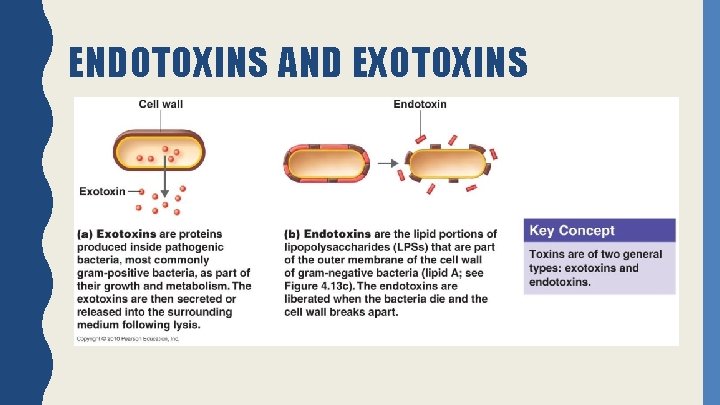
ENDOTOXINS AND EXOTOXINS
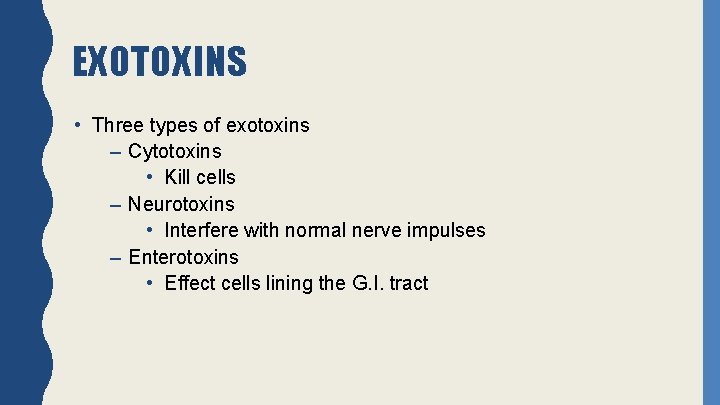
EXOTOXINS • Three types of exotoxins – Cytotoxins • Kill cells – Neurotoxins • Interfere with normal nerve impulses – Enterotoxins • Effect cells lining the G. I. tract
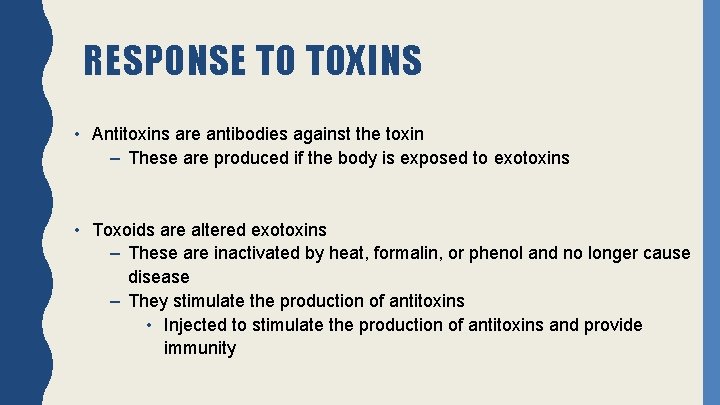
RESPONSE TO TOXINS • Antitoxins are antibodies against the toxin – These are produced if the body is exposed to exotoxins • Toxoids are altered exotoxins – These are inactivated by heat, formalin, or phenol and no longer cause disease – They stimulate the production of antitoxins • Injected to stimulate the production of antitoxins and provide immunity
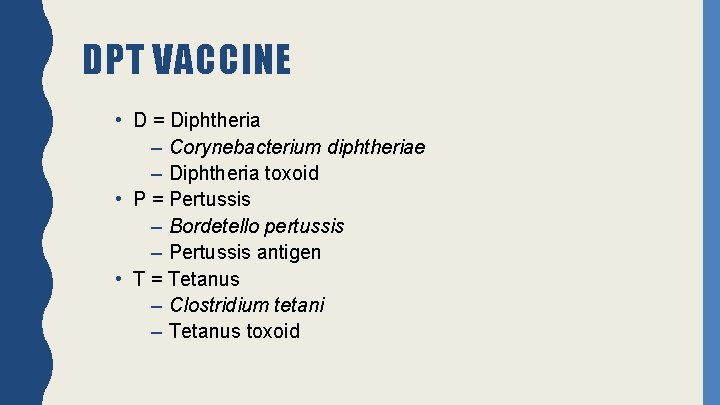
DPT VACCINE • D = Diphtheria – Corynebacterium diphtheriae – Diphtheria toxoid • P = Pertussis – Bordetello pertussis – Pertussis antigen • T = Tetanus – Clostridium tetani – Tetanus toxoid
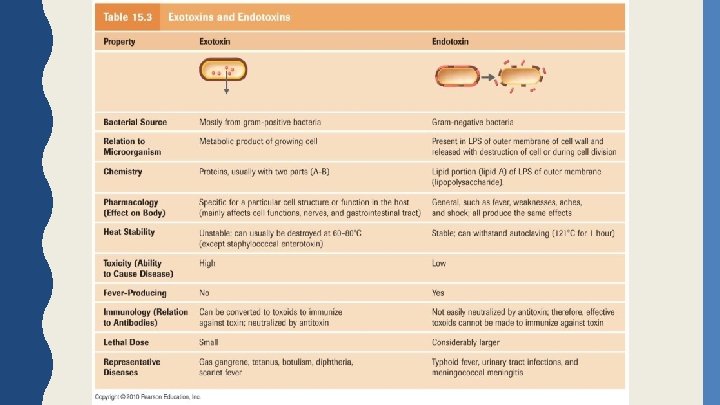
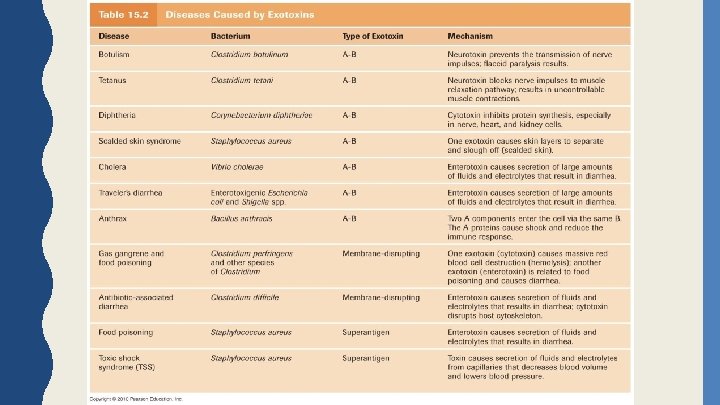
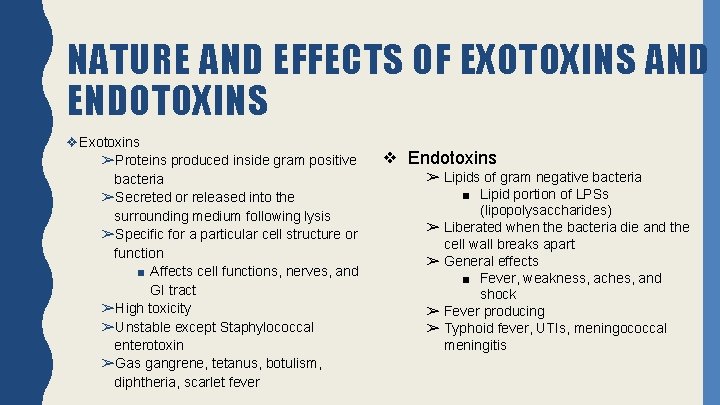
NATURE AND EFFECTS OF EXOTOXINS AND ENDOTOXINS ❖Exotoxins ➢Proteins produced inside gram positive bacteria ➢Secreted or released into the surrounding medium following lysis ➢Specific for a particular cell structure or function ■ Affects cell functions, nerves, and GI tract ➢High toxicity ➢Unstable except Staphylococcal enterotoxin ➢Gas gangrene, tetanus, botulism, diphtheria, scarlet fever ❖ Endotoxins ➢ Lipids of gram negative bacteria ■ Lipid portion of LPSs (lipopolysaccharides) ➢ Liberated when the bacteria die and the cell wall breaks apart ➢ General effects ■ Fever, weakness, aches, and shock ➢ Fever producing ➢ Typhoid fever, UTIs, meningococcal meningitis
- Slides: 67