
Bacterial Cell wall Acidfast organisms like Mycobacterium contain
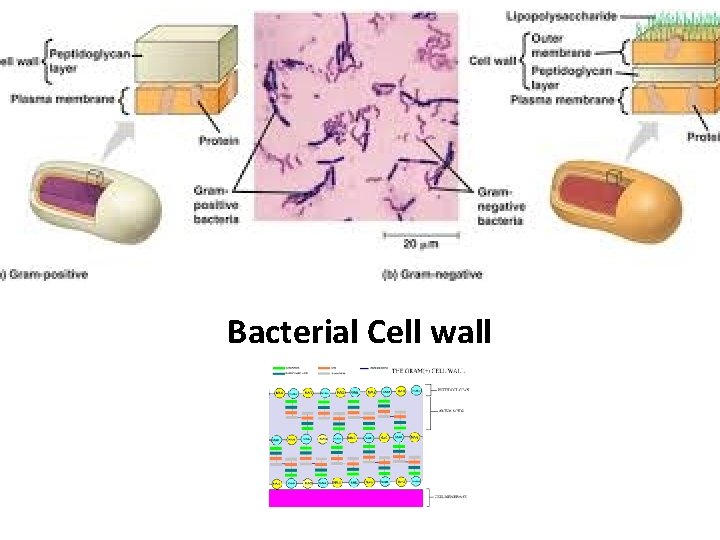
Bacterial Cell wall


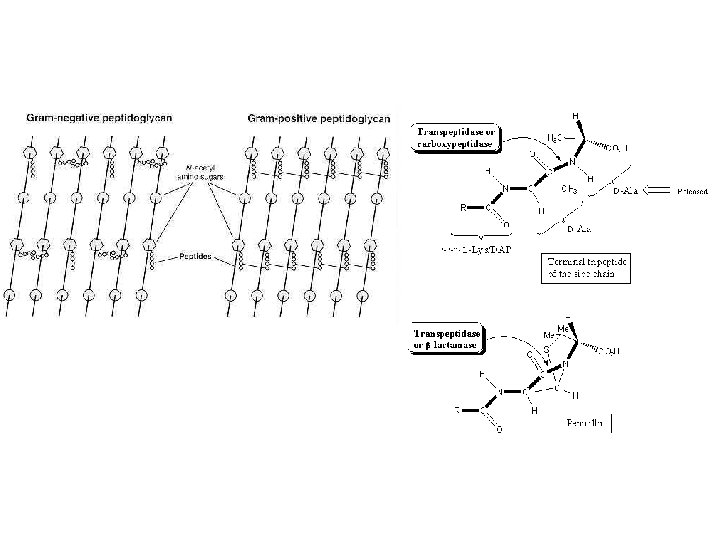
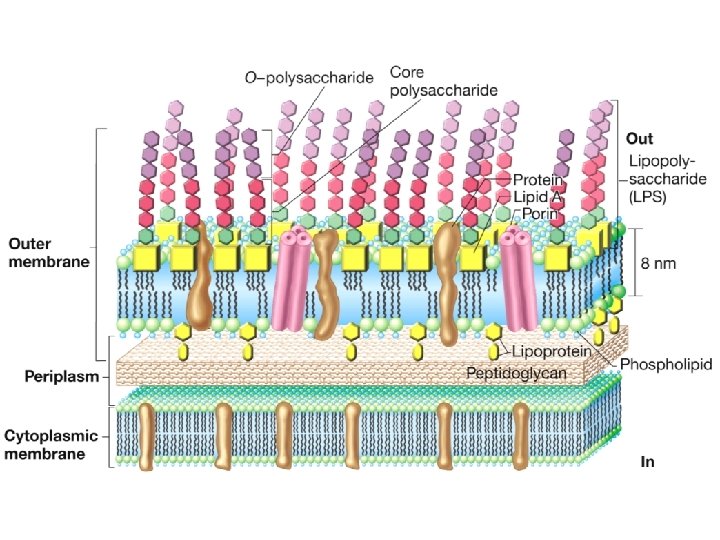

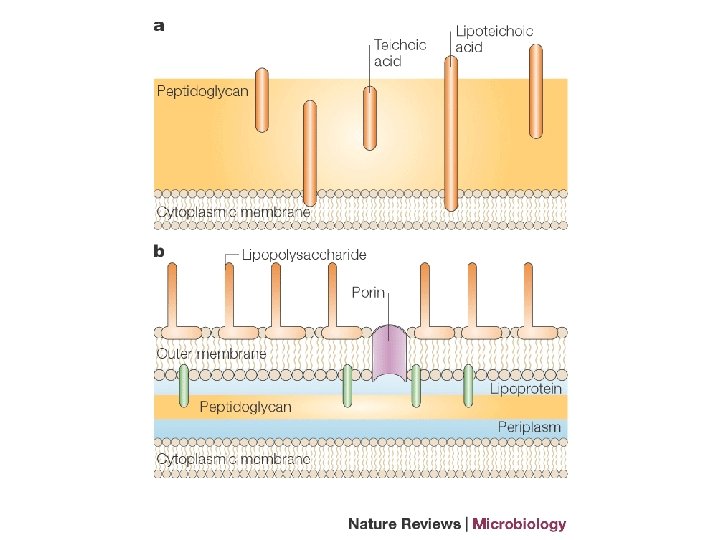
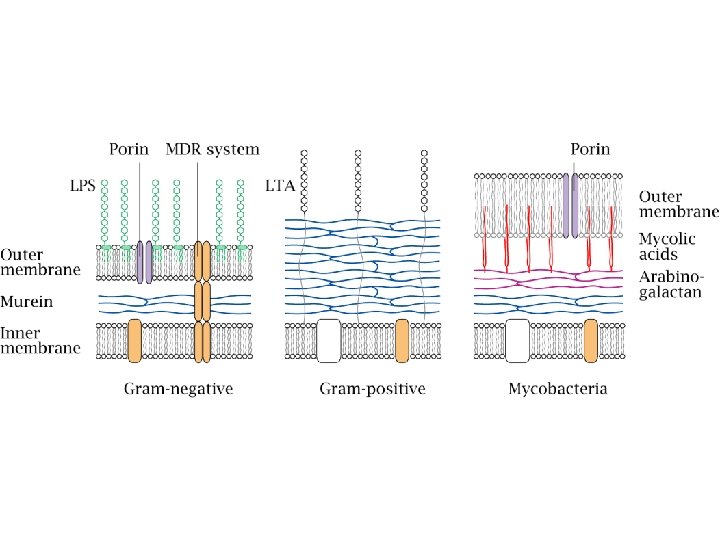
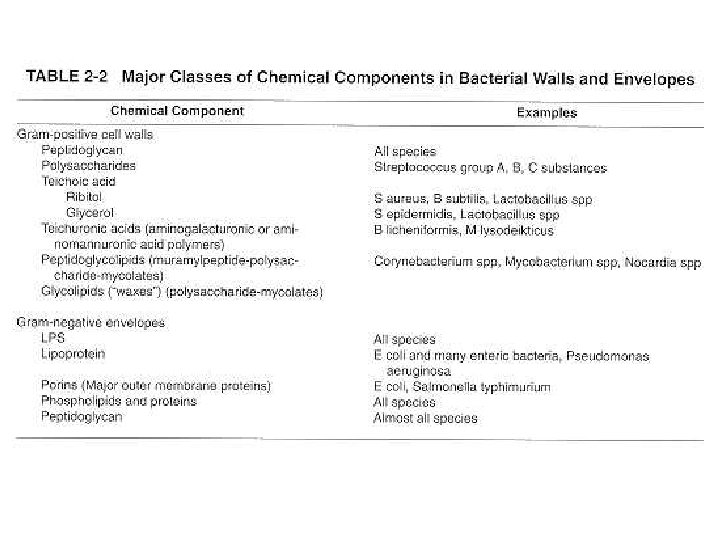
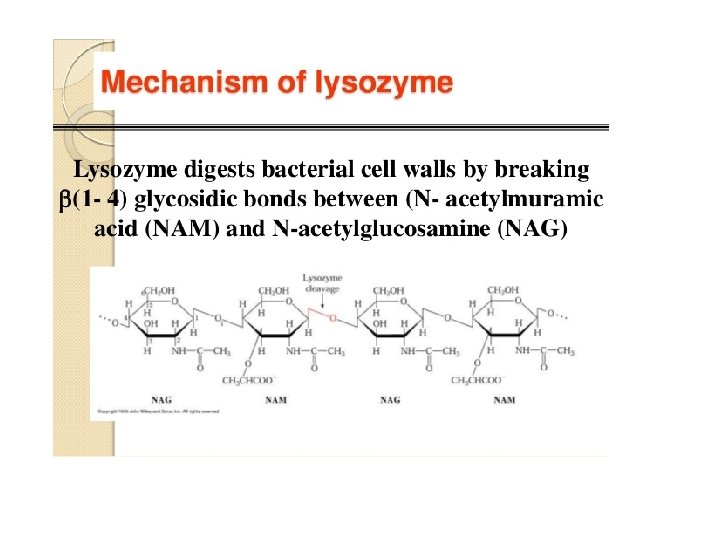
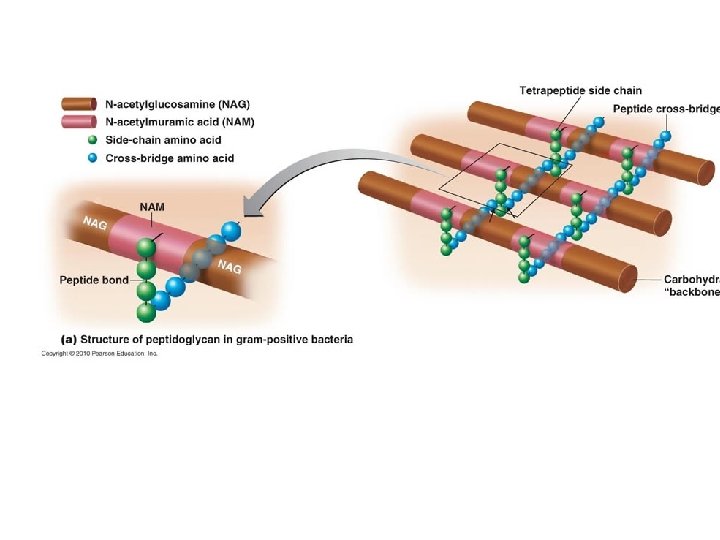
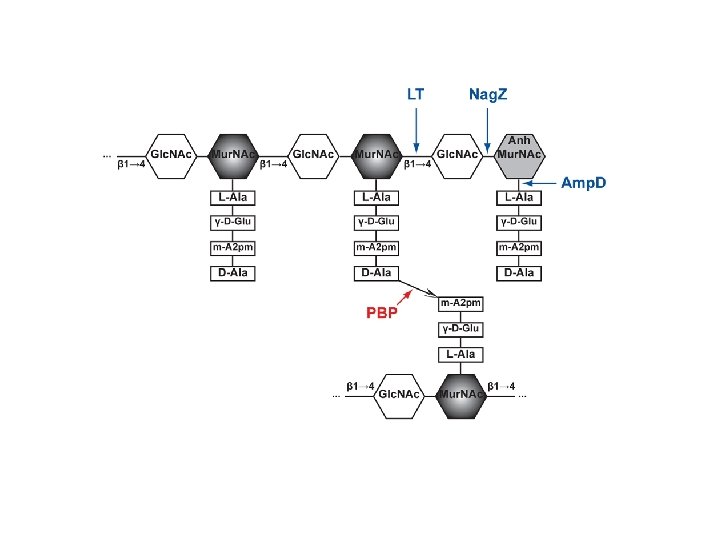
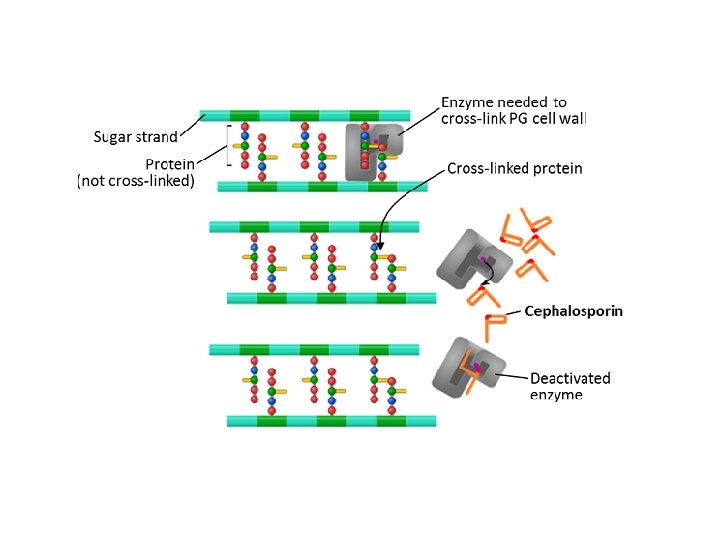
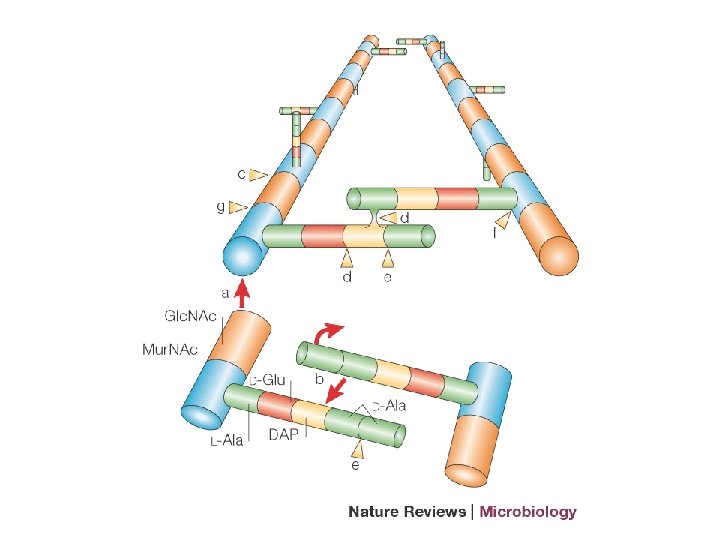
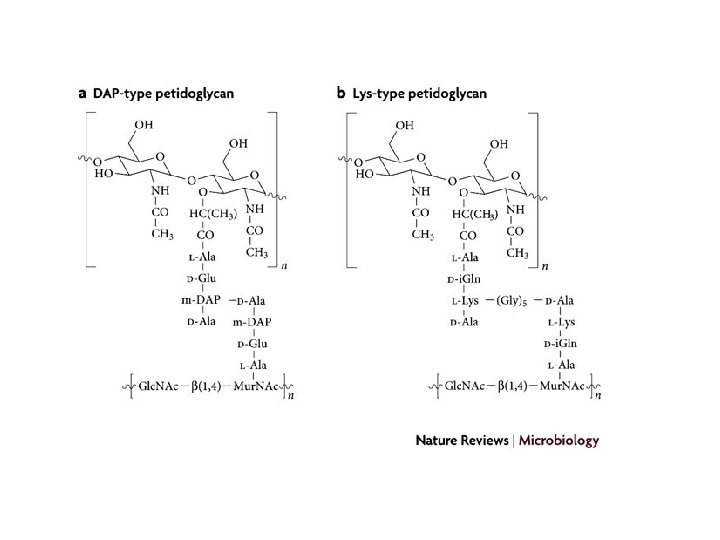
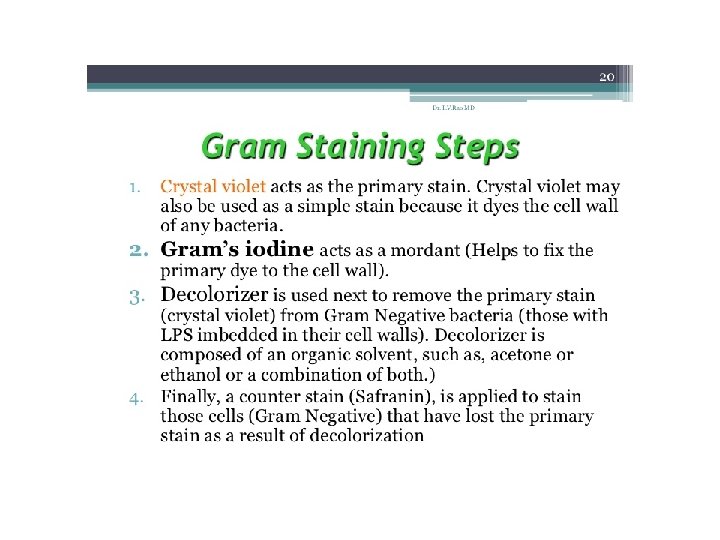
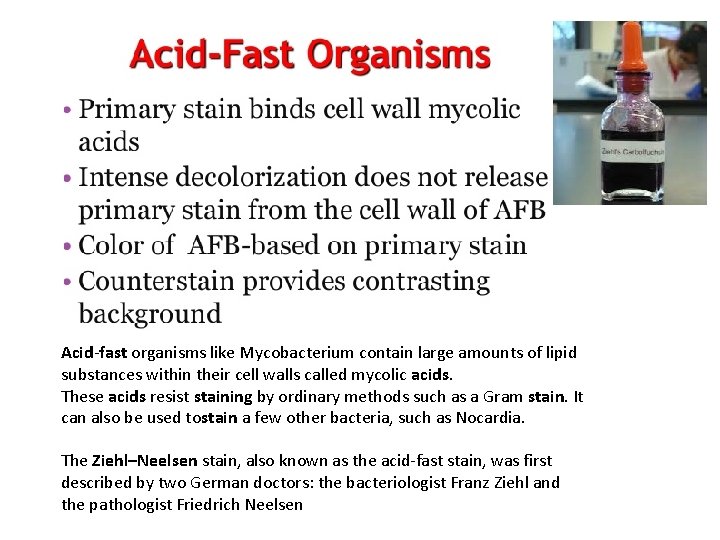
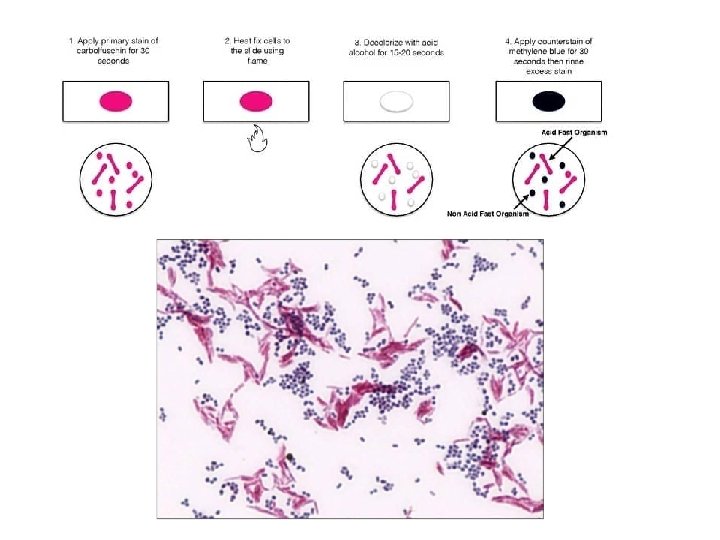
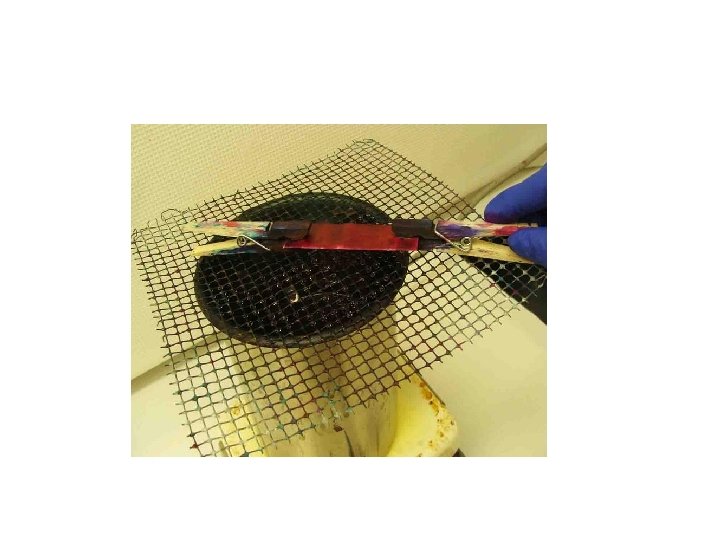
Acid-fast organisms like Mycobacterium contain large amounts of lipid substances within their cell walls called mycolic acids. These acids resist staining by ordinary methods such as a Gram stain. It can also be used tostain a few other bacteria, such as Nocardia. The Ziehl–Neelsen stain, also known as the acid-fast stain, was first described by two German doctors: the bacteriologist Franz Ziehl and the pathologist Friedrich Neelsen
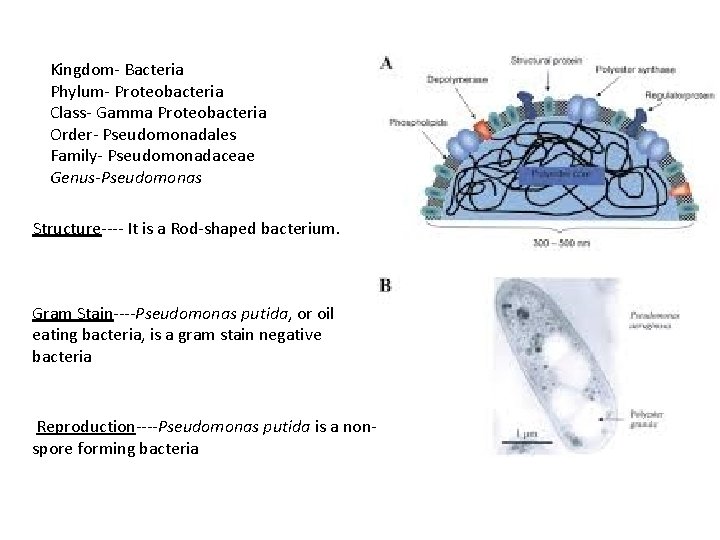
Kingdom- Bacteria Phylum- Proteobacteria Class- Gamma Proteobacteria Order- Pseudomonadales Family- Pseudomonadaceae Genus-Pseudomonas Structure---- It is a Rod-shaped bacterium. Gram Stain----Pseudomonas putida, or oil eating bacteria, is a gram stain negative bacteria Reproduction----Pseudomonas putida is a nonspore forming bacteria

Pseudomonas aeruginosa is a gram-negative bacterium present in soil and aquatic environments (42). In addition, this bacterial species is also an important opportunistic pathogen for humans, animals, and plants. It can produce severe infections in immunocompromised hosts (29) and is the major factor for morbidity and mortality in cystic fibrosis patients (13). Its ecological diversity is probably related to its great metabolic versatility. Its pathogenic ability derives from the presence of several cell-associated and secreted virulence factors, such as elastase, exotoxin A, phospholipase, and alkaline protease, among others (8, 26, 47). P. aeruginosa uses a type III secretion system to directly deliver several effector proteins into the cytoplasm of the host cell, a key step in the cytotoxic and invasion processes (12, 15, 34, 49). Remarkably, the genes encoding all of these virulence factors are not clustered in pathogenicity islands but are rather dispersed in the bacterial chromosome (45).
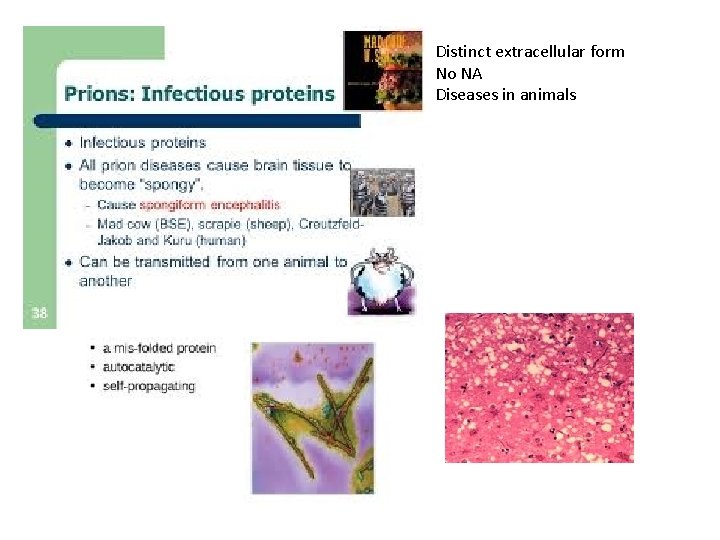
Distinct extracellular form No NA Diseases in animals
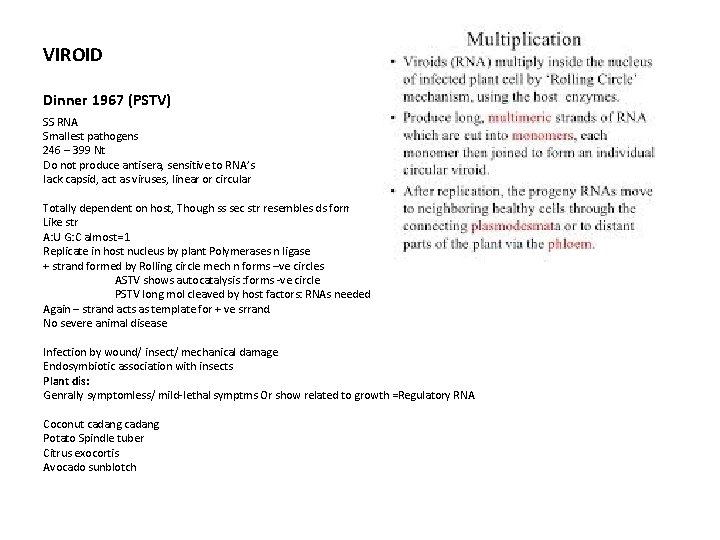
VIROID Dinner 1967 (PSTV) SS RNA Smallest pathogens 246 – 399 Nt Do not produce antisera, sensitive to RNA’s lack capsid, act as viruses, linear or circular Totally dependent on host, Though ss sec str resembles ds forms knots & hairpin Like str A: U G: C almost= 1 Replicate in host nucleus by plant Polymerases n ligase + strand formed by Rolling circle mech n forms –ve circles ASTV shows autocatalysis : forms -ve circle PSTV long mol cleaved by host factors: RNAs needed Again – strand acts as template for + ve srrand. No severe animal disease Infection by wound/ insect/ mechanical damage Endosymbiotic association with insects Plant dis: Genrally symptomless/ mild-lethal symptms Or show related to growth =Regulatory RNA Coconut cadang Potato Spindle tuber Citrus exocortis Avocado sunblotch
- Slides: 30