
BACTERIA The Bacteria are a group of singlecell

BACTERIA Ø The Bacteria are a group of single-cell microorganisms with prokaryotic cellular configuration. Ø The genetic material (DNA) of procaryotic cells exists unbound in the cytoplasm of the cells. Ø There is no nuclear membrane, which is the definitive characteristic of eucaryotic cells. Ø The discipline of biology related to their study is called bacteriology.
Bacteria grow in a wide variety of habitats and conditions. v Bacteria are so widespread. v They may be found on the air, soil, water, your body and also on the tops of mountains, the bottom of the deepest oceans, in the guts of animals, and even in the frozen rocks and ice of Antarctica.
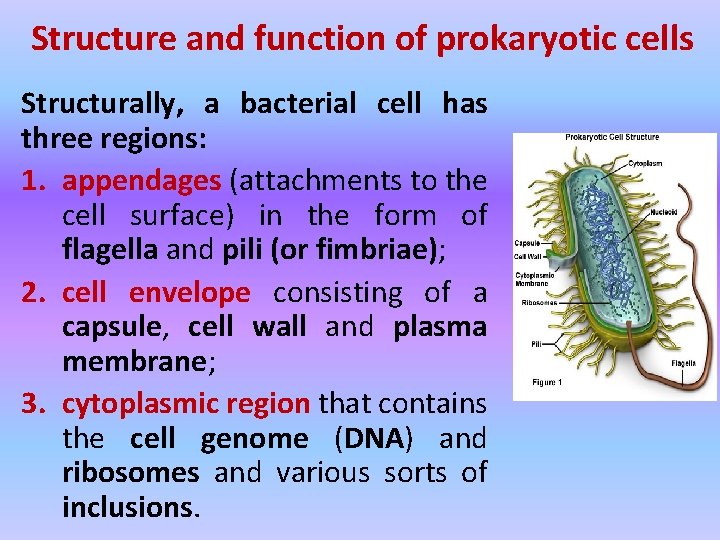
Structure and function of prokaryotic cells Structurally, a bacterial cell has three regions: 1. appendages (attachments to the cell surface) in the form of flagella and pili (or fimbriae); 2. cell envelope consisting of a capsule, cell wall and plasma membrane; 3. cytoplasmic region that contains the cell genome (DNA) and ribosomes and various sorts of inclusions.
Ø Cell Wall - Outer covering of the cell that protects the bacterial cell and gives it shape. Ø Cytoplasm - A gel-like substance composed mainly of water that also contains enzymes, salts, cell components, and various organic molecules. Ø Cell Membrane or Plasma Membrane - Surrounds the cell's cytoplasm and regulates the flow of substances in and out of the cell. Ø Flagella - Long, whip-like protrusion that aids in cellular locomotion. Ø Ribosomes - Cell structures responsible for protein production. Ø Plasmids - Gene carrying, circular DNA structures that are not involved in reproduction. Ø Nucleiod Region - Area of the cytoplasm that contains the single bacterial DNA molecule.
Bacteria: Systematics ü Bacterial cells almost take one of three forms: rod (bacillus), sphere (coccus), or spiral (spirilla and spirochetes). Rods that are curved are called vibrios. ü Fixed bacterial cells stain either Gram-positive (purple) or Gram-negative (pink). ü Motility is easily determined by observing living specimens.

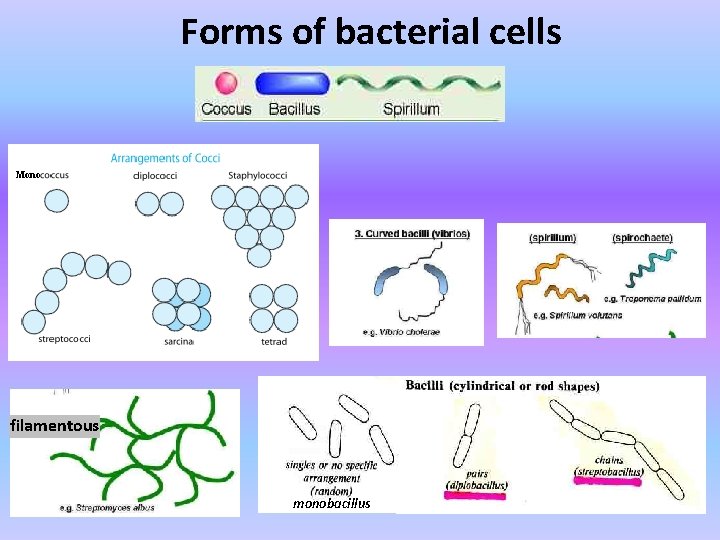
Forms of bacterial cells Mono filamentous monobacillus
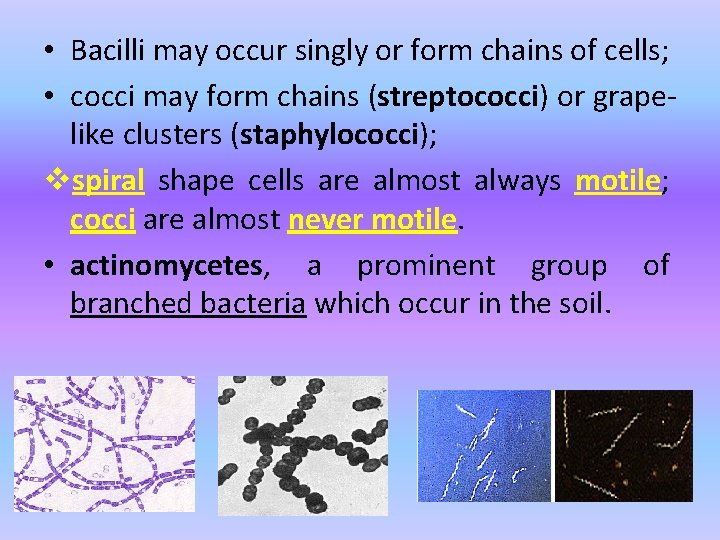
• Bacilli may occur singly or form chains of cells; • cocci may form chains (streptococci) or grapelike clusters (staphylococci); vspiral shape cells are almost always motile; cocci are almost never motile. • actinomycetes, a prominent group of branched bacteria which occur in the soil.
Bacteria have a wide range of environmental and nutritive requirements
v. Most bacteria may be placed into one of three groups based on their response to gaseous oxygen. 1. Aerobic bacteria thrive in the presence of oxygen and require it for their continued growth and existence. 2. Anaerobic, cannot tolerate gaseous oxygen, such as those bacteria which live in deep underwater sediments, or those which cause bacterial food poisoning. 3. Facultative anaerobes, which prefer growing in the presence of oxygen, but can continue to grow without it.
Bacteria classified by the source of their energy, into two categories 1. Heterotrophs: derive energy from breaking down complex organic compounds that they must take in from the environment. 2. Autotrophs: fix carbon dioxide to make their own food source; this may be fueled by light energy (photoautotrophic), or by oxidation of nitrogen, sulfur, or other elements (chemoautotrophic).
A) Autotrophic Bacteria • These are bacteria which are able to synthesize their own organic food from inorganic substances. • They use carbon dioxide for obtaining carbon and utilise hydrogen sulphide (H 2 S) or ammonia (NH 3) or hydrogen (H 2) as the source of hydrogen to reduce carbon.
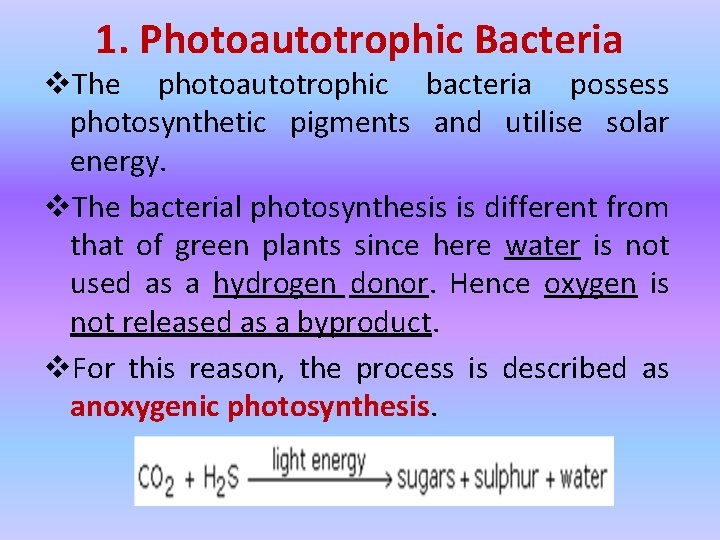
1. Photoautotrophic Bacteria v. The photoautotrophic bacteria possess photosynthetic pigments and utilise solar energy. v. The bacterial photosynthesis is different from that of green plants since here water is not used as a hydrogen donor. Hence oxygen is not released as a byproduct. v. For this reason, the process is described as anoxygenic photosynthesis.
2. Chemosynthetic Bacteria • These are bacteria which manufacture organic compounds from inorganic raw materials utilising energy liberated from the oxidation of inorganic substances.
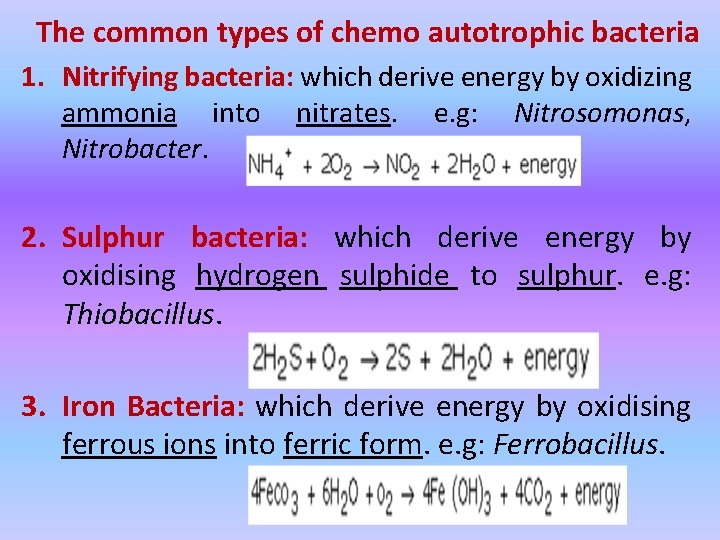
The common types of chemo autotrophic bacteria 1. Nitrifying bacteria: which derive energy by oxidizing ammonia into Nitrobacter. nitrates. e. g: Nitrosomonas, 2. Sulphur bacteria: which derive energy by oxidising hydrogen sulphide to sulphur. e. g: Thiobacillus. 3. Iron Bacteria: which derive energy by oxidising ferrous ions into ferric form. e. g: Ferrobacillus.
B) Heterotrophic Bacteria • These are bacteria which are unable to manufacture their own organic food and hence are dependent on external source. 1. Saprophytic Bacteria 2. Symbiotic Bacteria 3. Parasitic Bacteria
1. Saprophytic Bacteria v. These bacteria obtain their nutritional requirements from dead organic matter. v. They breakdown the complex organic matter into simple soluble form by secreting exogenous enzymes. v. They absorb the simple nutrients and assimilate them, during which they release energy. v. These bacteria have a significant role in the ecosystem, functioning as decomposers.
2. Symbiotic Bacteria Ø These are bacteria which live in a mutually beneficial association with other organisms. Ø Such bacteria derive the essential nutrients from their host organisms and in that process help the host through some of their biological activities.
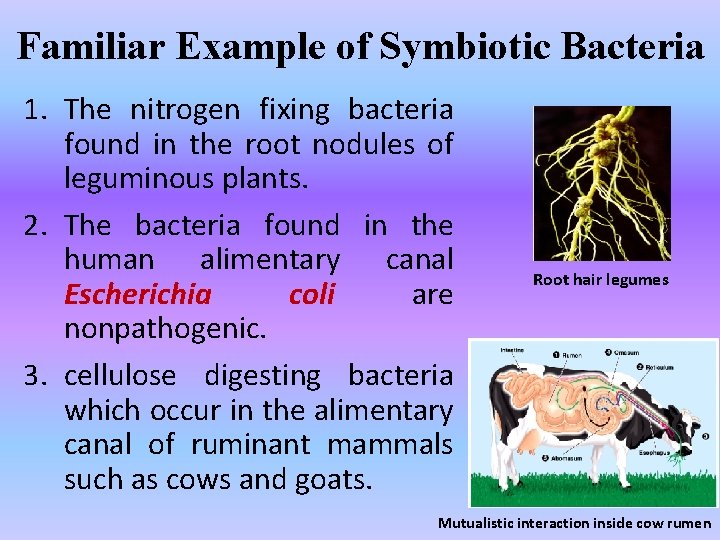
Familiar Example of Symbiotic Bacteria 1. The nitrogen fixing bacteria found in the root nodules of leguminous plants. 2. The bacteria found in the human alimentary canal Escherichia coli are nonpathogenic. 3. cellulose digesting bacteria which occur in the alimentary canal of ruminant mammals such as cows and goats. Root hair legumes Mutualistic interaction inside cow rumen
3. Parasitic Bacteria q These are bacteria which occur in the body of animals and plants, obtaining their organic food from there. q Most of these bacteria are pathogenic, causing serious diseases in the host organisms either by exploiting them or by releasing poisonous secretions called toxins.
Bacteria play important roles in the global ecosystem The ecosystem, both on land in the water, depends heavily upon the activity of bacteria. • The cycling of nutrients such as carbon, nitrogen and sulfur. • Decomposers – Decomposition • Nitrogen fixation by bacteria • Denitrifying bacteria
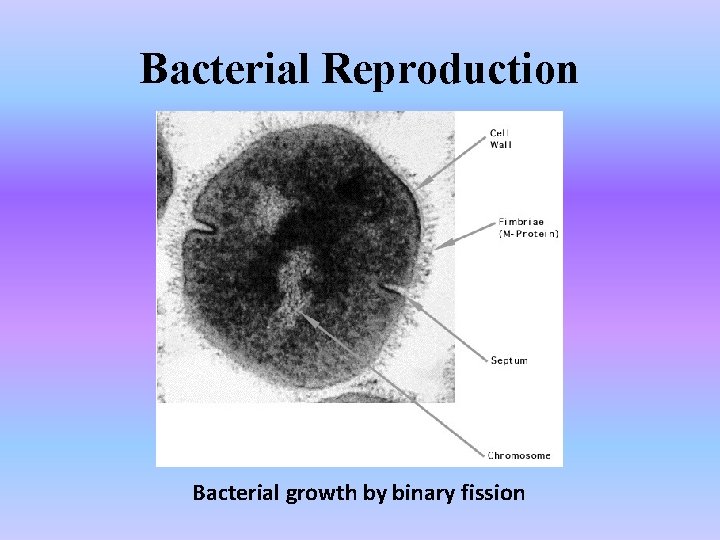
Bacterial Reproduction Bacterial growth by binary fission
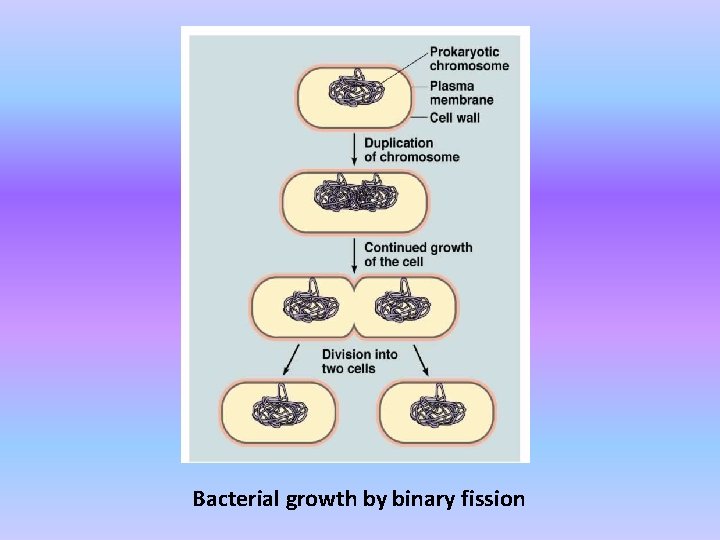
Bacterial growth by binary fission
Bacterial Recombination v. In order to incorporate some genetic variation, bacteria use a process called recombination. v. Bacterial recombination can be accomplished through: 1. Conjugation 2. Transformation 3. Transduction
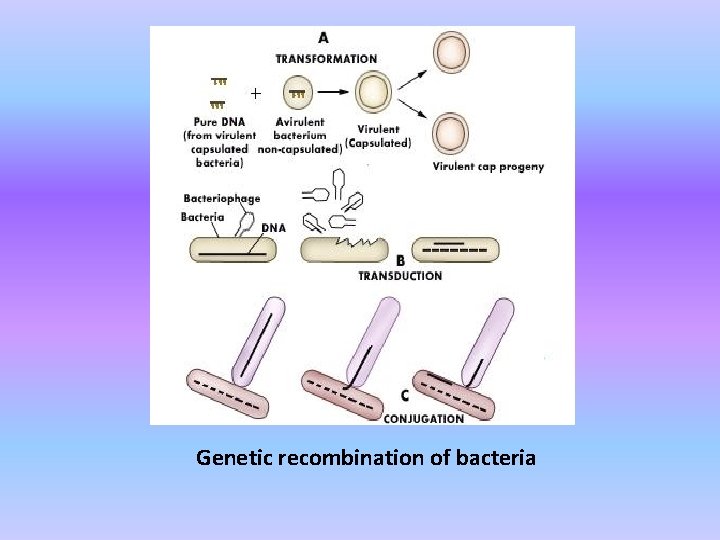
Genetic recombination of bacteria
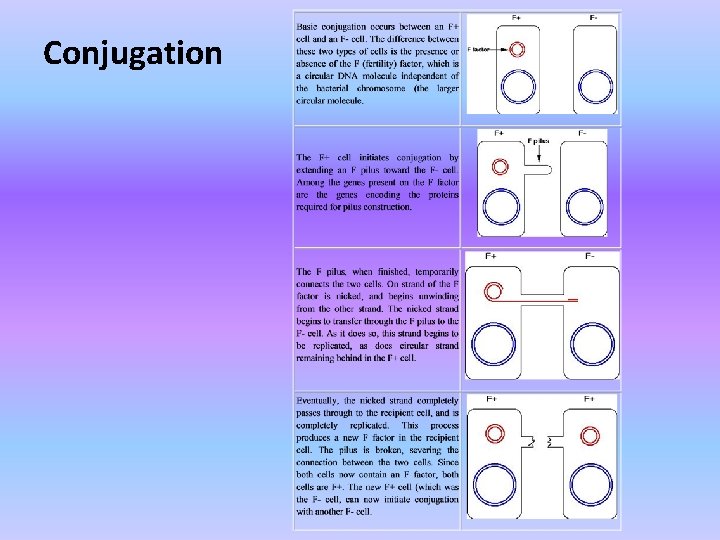
Conjugation
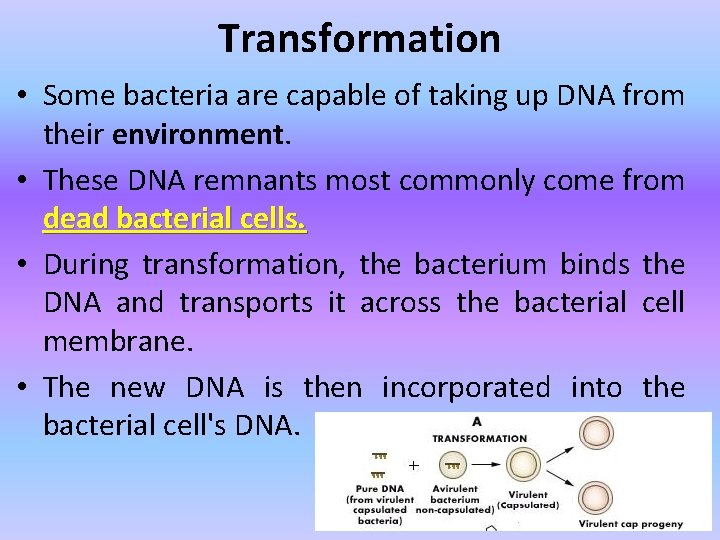
Transformation • Some bacteria are capable of taking up DNA from their environment. • These DNA remnants most commonly come from dead bacterial cells. • During transformation, the bacterium binds the DNA and transports it across the bacterial cell membrane. • The new DNA is then incorporated into the bacterial cell's DNA.
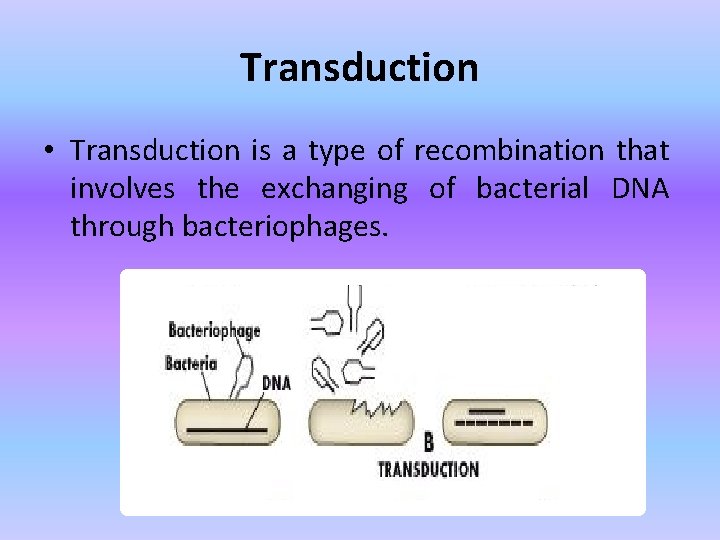
Transduction • Transduction is a type of recombination that involves the exchanging of bacterial DNA through bacteriophages.
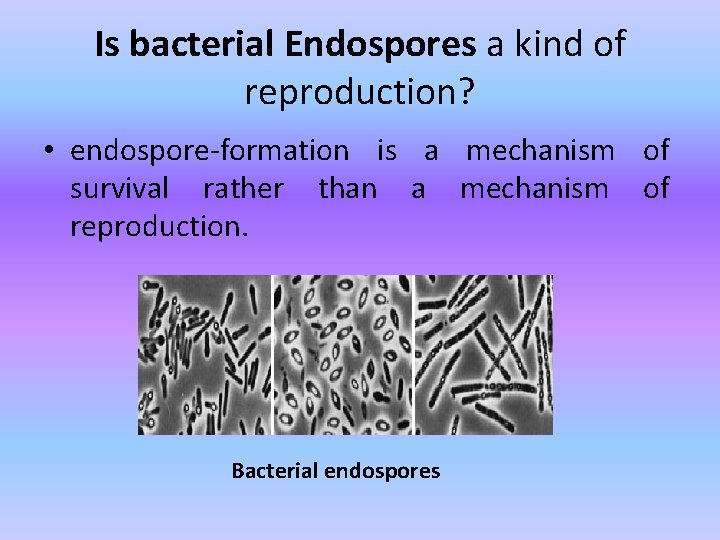
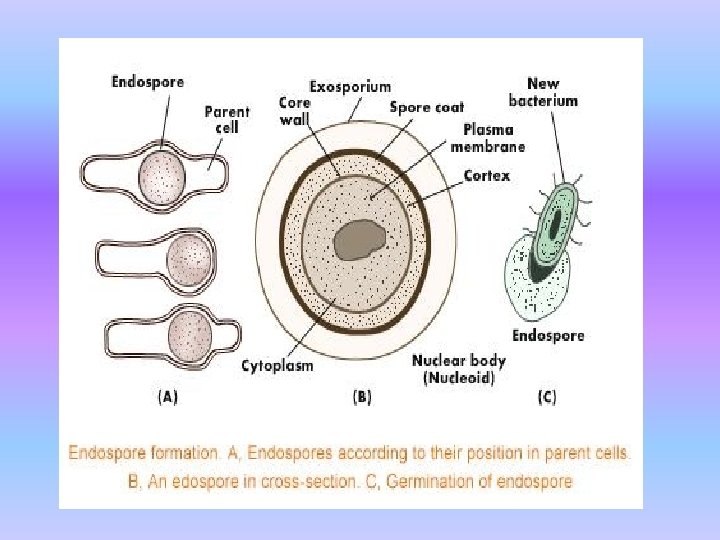
Is bacterial Endospores a kind of reproduction? • endospore-formation is a mechanism of survival rather than a mechanism of reproduction. Bacterial endospores
- Slides: 31