
Bacteria Structure and Function 1 Prokaryotic Eukaryotic Cells
Bacteria Structure and Function 1
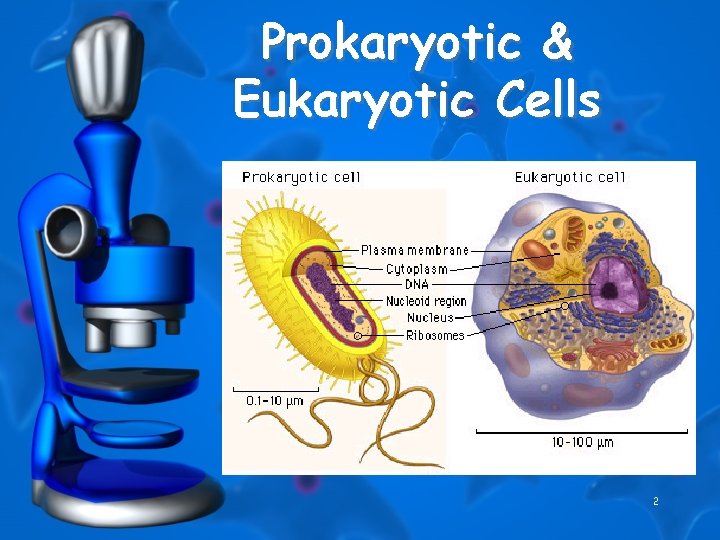
Prokaryotic & Eukaryotic Cells 2
Characteristics of Bacteria 3
Bacterial Structure • • Microscopic prokaryotes No nucleus or membranebound organelles Contain ribosomes Single, circular chromosome in nucleoid region 4
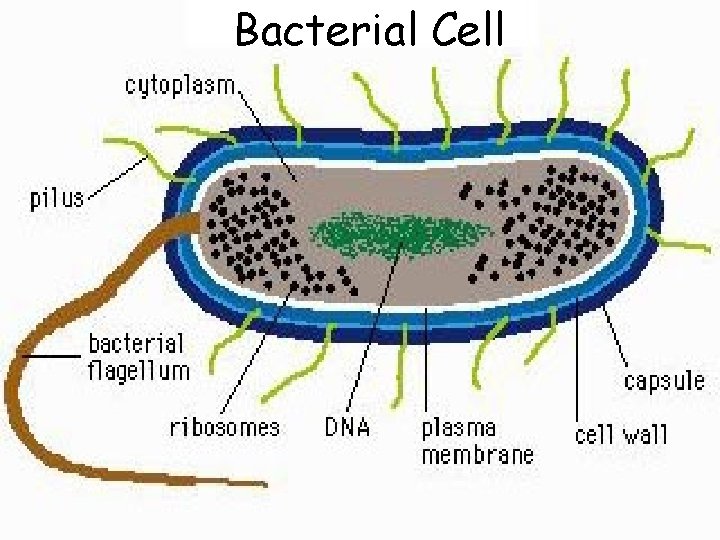
Bacterial Cell 5
Protection • Cell Wall made of Peptidoglycan • May have a sticky coating called the Capsule for attachment to host or other bacteria 6
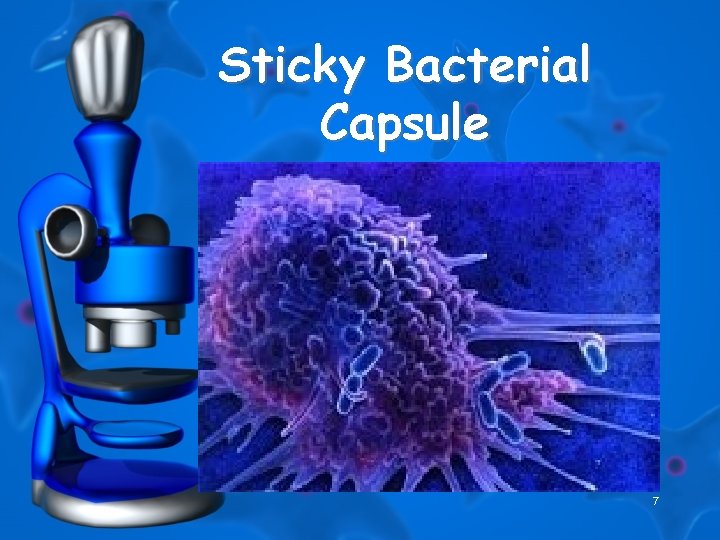
Sticky Bacterial Capsule 7
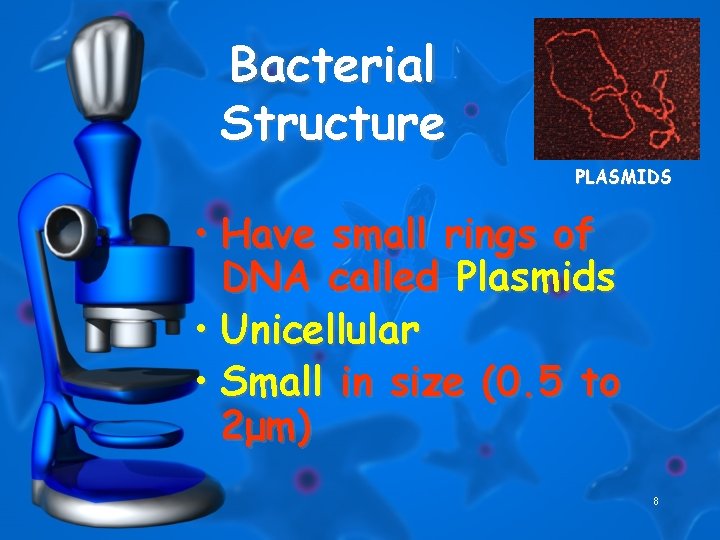
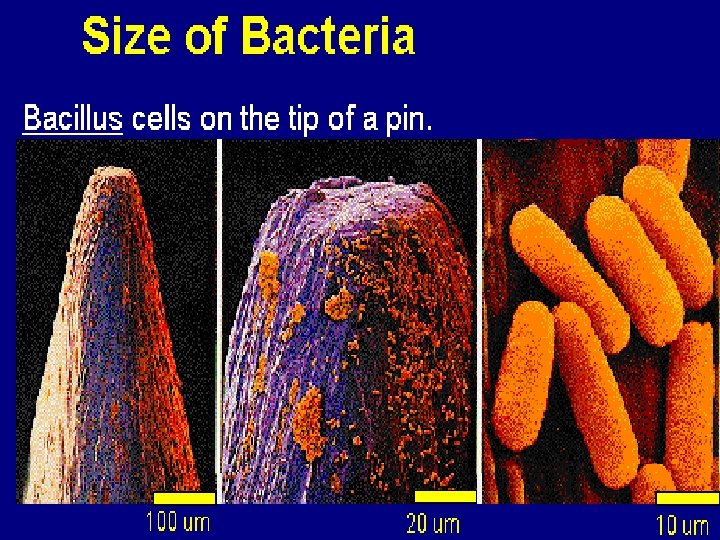
Bacterial Structure PLASMIDS • Have small rings of DNA called Plasmids • Unicellular • Small in size (0. 5 to 2μm) 8
9
Bacterial Structure • Infoldings of cell membrane carry on photosynthesis & cellular respiration • Infoldings called Mesosomes 10
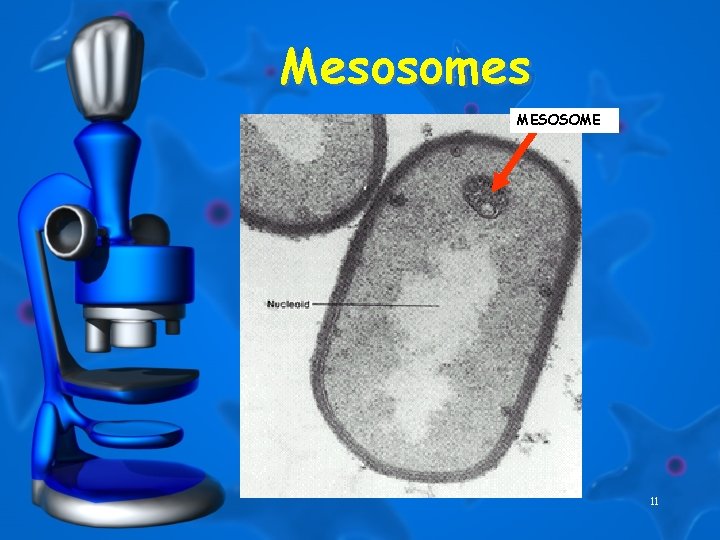
Mesosomes MESOSOME 11
Bacterial Structure • Most grow best at p. H of 6. 5 to 7. 0 • Many act as decomposers recycling nutrients • Some cause disease 12
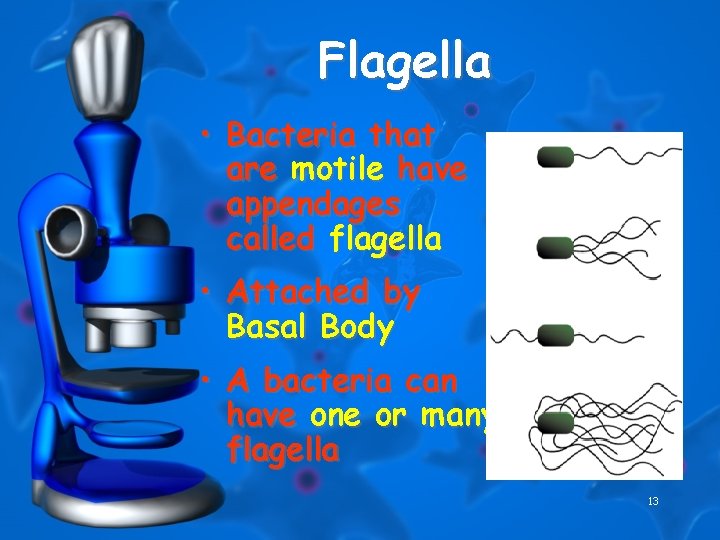
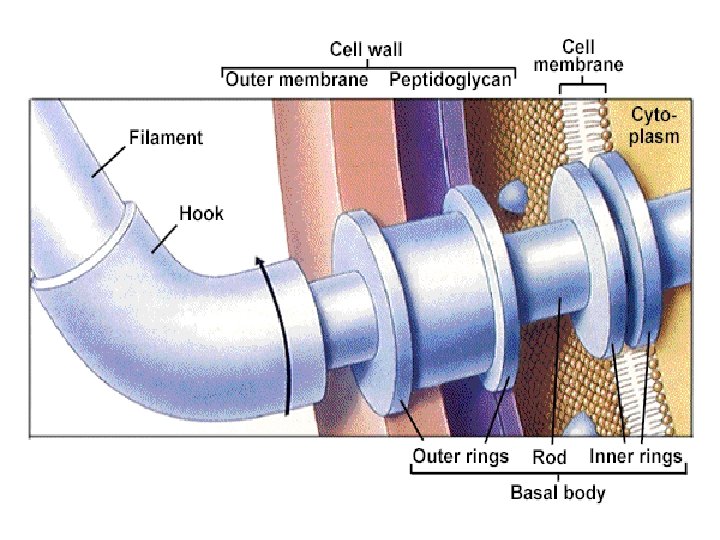
Flagella • Bacteria that are motile have appendages called flagella • Attached by Basal Body • A bacteria can have one or many flagella 13
14
Flagella • Made of Flagellin • Used for Classification • Monotrichous: 1 flagella • Lophotrichous: tuft at one end • Amphitrichous: tuft at both ends • Peritrichous: all around bacteria 15
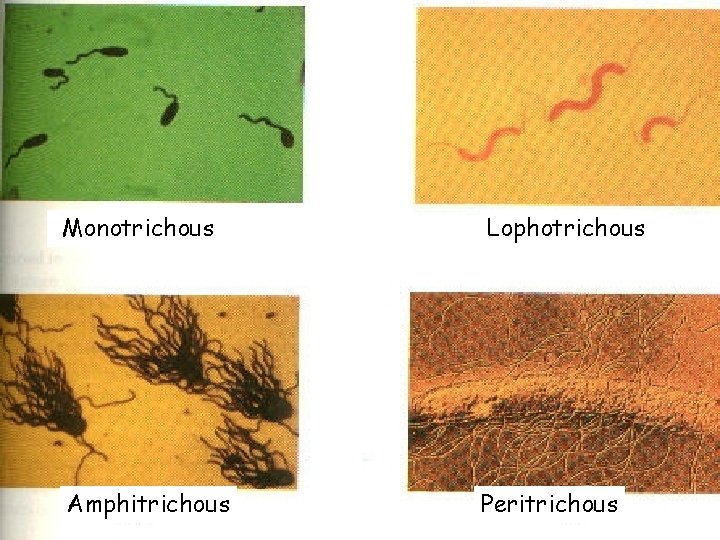
Monotrichous Lophotrichous Amphitrichous Peritrichous 16
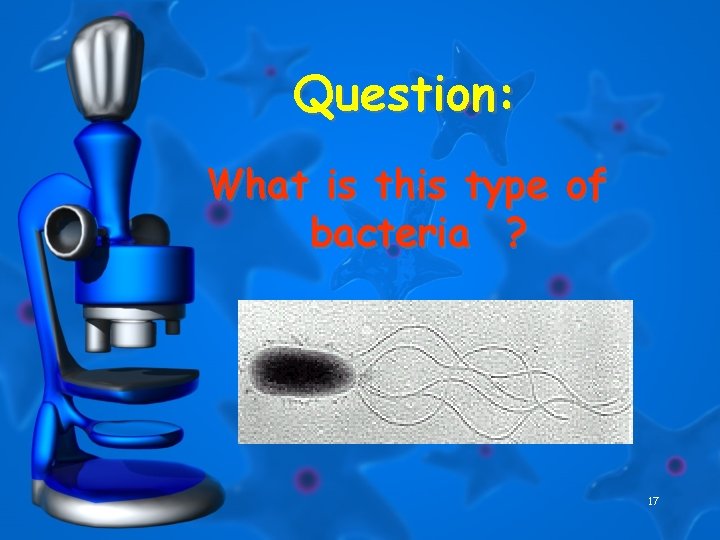
Question: What is this type of bacteria ? 17
Pili • • • Short protein appendages Smaller than flagella Adhere bacteria to surfaces • Used in conjugation for Exchange of genetic information • Aid Flotation by increasing buoyancy 18
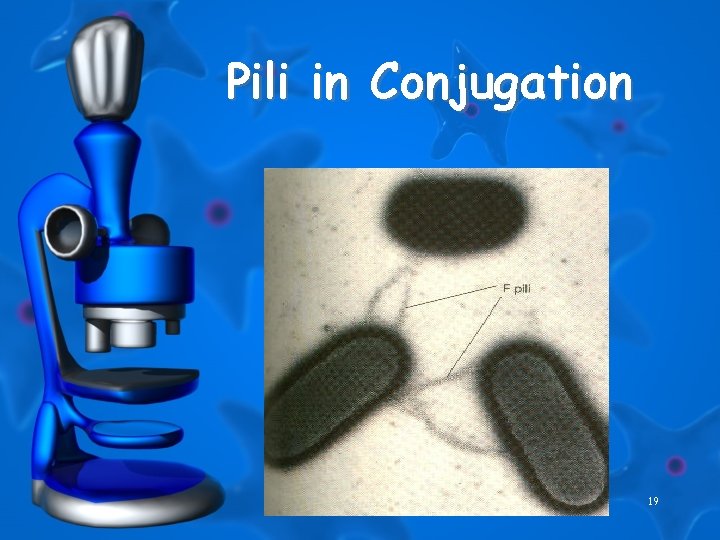
Pili in Conjugation 19
Reproduction • Bacteria reproduce asexually by binary fission • Single chromosome replicates & then cell divides • Rapid • All new cells identical (clones) 20
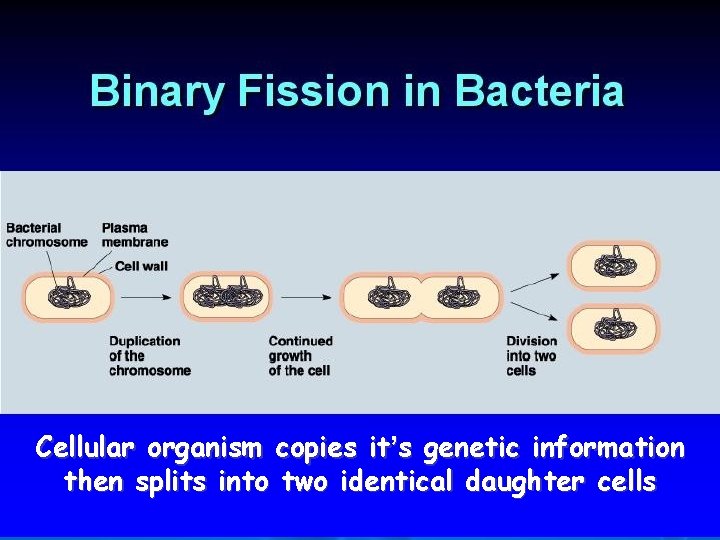
Cellular organism copies it’s genetic information then splits into two identical daughter cells 21
- Slides: 21