
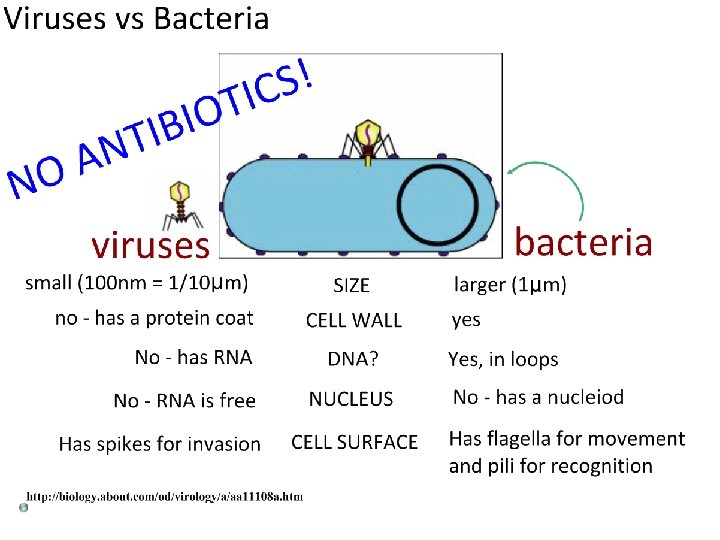
Bacteria Prokaryotes no real nucleus Divide by binary
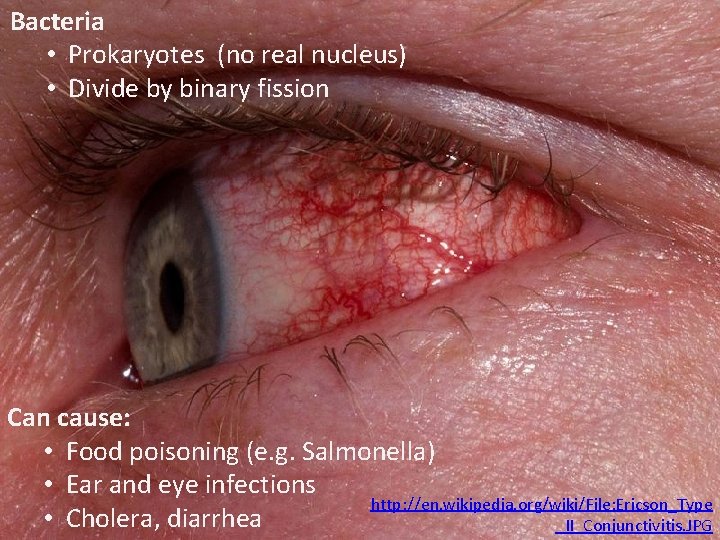
Bacteria • Prokaryotes (no real nucleus) • Divide by binary fission Can cause: • Food poisoning (e. g. Salmonella) • Ear and eye infections http: //en. wikipedia. org/wiki/File: Ericson_Type • Cholera, diarrhea _II_Conjunctivitis. JPG
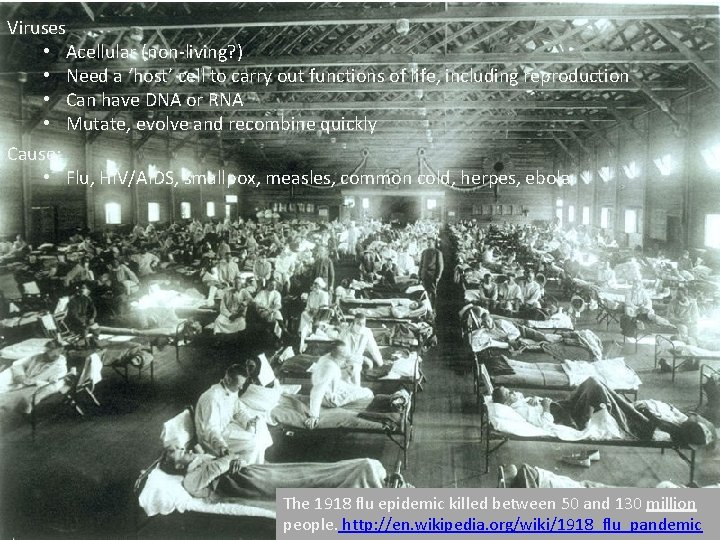
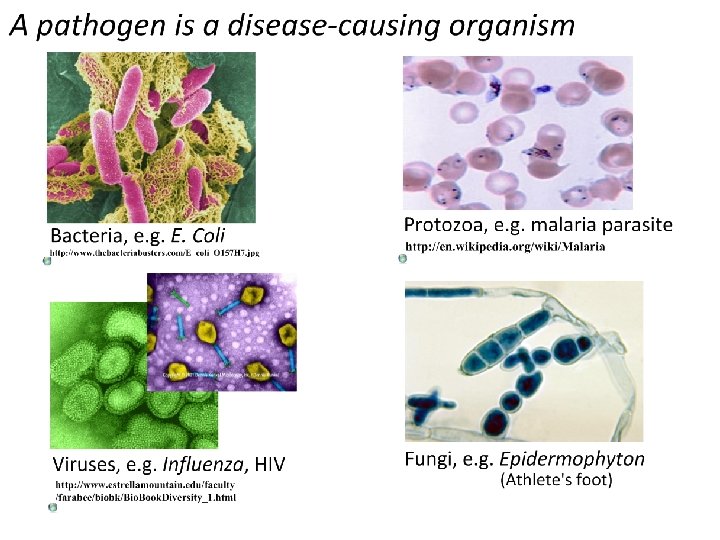
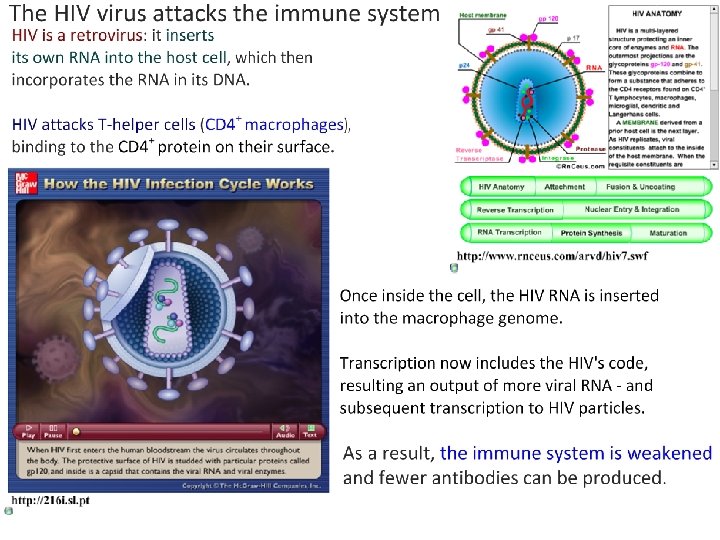
Viruses • Acellular (non-living? ) • Need a ‘host’ cell to carry out functions of life, including reproduction • Can have DNA or RNA • Mutate, evolve and recombine quickly Cause: • Flu, HIV/AIDS, smallpox, measles, common cold, herpes, ebola The 1918 flu epidemic killed between 50 and 130 million people. http: //en. wikipedia. org/wiki/1918_flu_pandemic
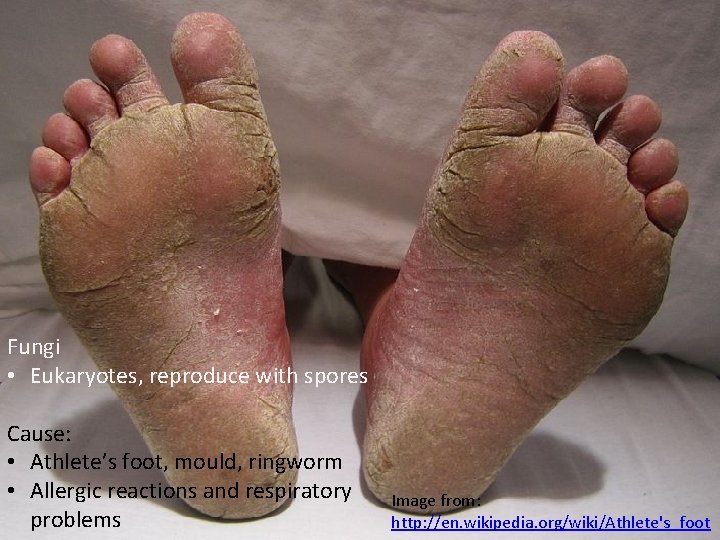
Fungi • Eukaryotes, reproduce with spores Cause: • Athlete’s foot, mould, ringworm • Allergic reactions and respiratory problems Image from: http: //en. wikipedia. org/wiki/Athlete's_foot
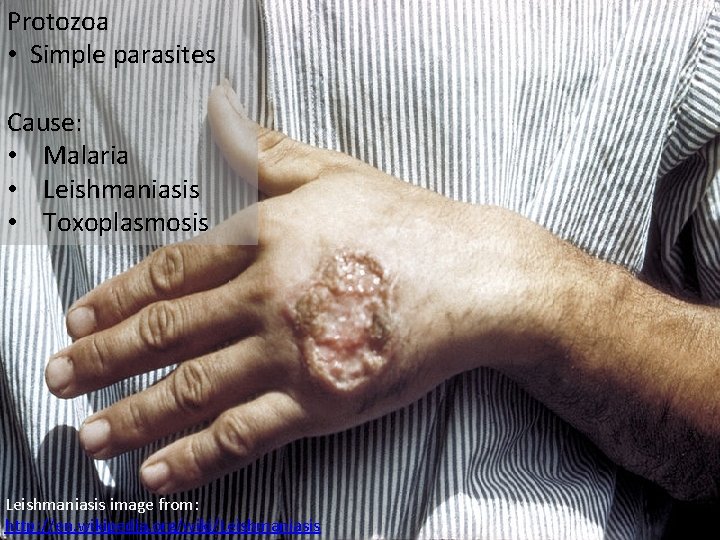
Protozoa • Simple parasites Cause: • Malaria • Leishmaniasis • Toxoplasmosis Leishmaniasis image from: http: //en. wikipedia. org/wiki/Leishmaniasis

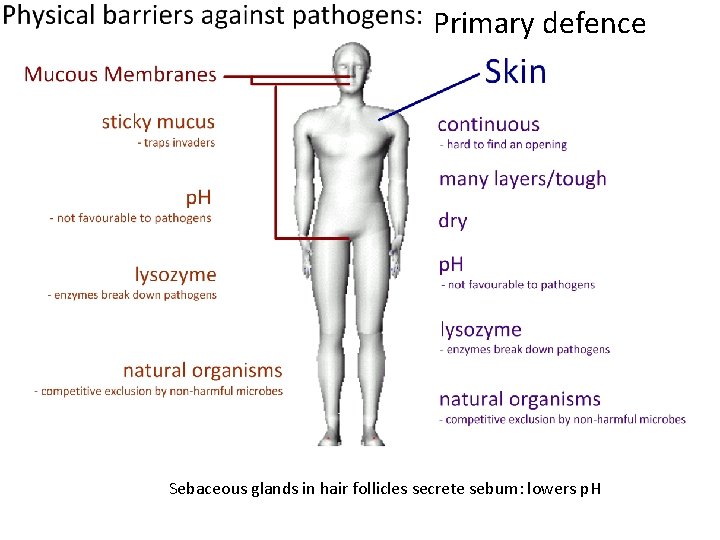
Primary defence Sebaceous glands in hair follicles secrete sebum: lowers p. H
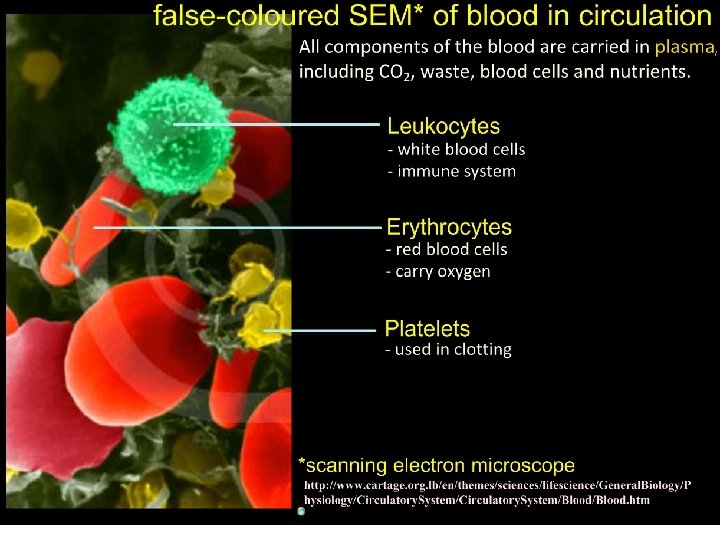
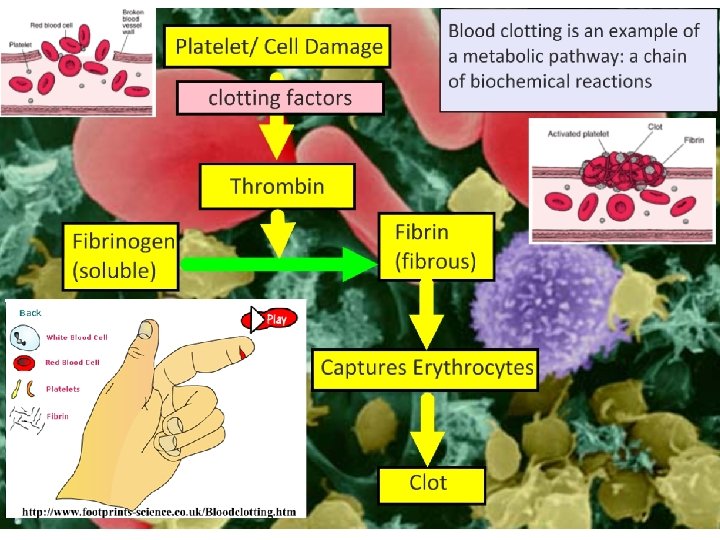
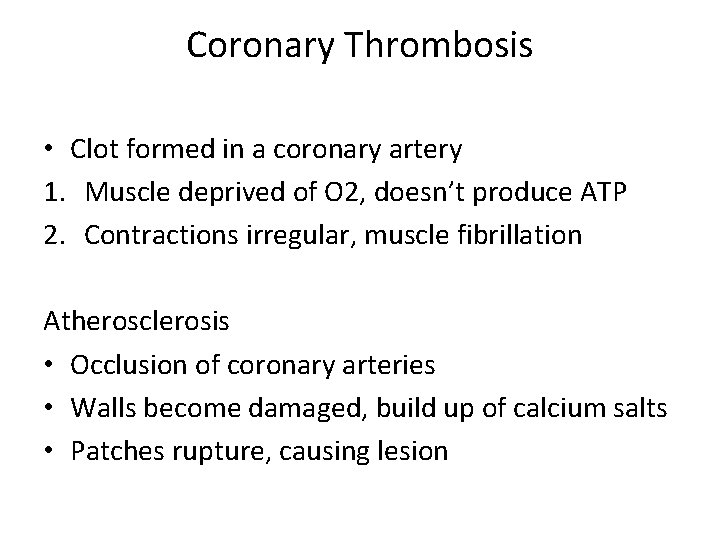
Coronary Thrombosis • Clot formed in a coronary artery 1. Muscle deprived of O 2, doesn’t produce ATP 2. Contractions irregular, muscle fibrillation Atherosclerosis • Occlusion of coronary arteries • Walls become damaged, build up of calcium salts • Patches rupture, causing lesion
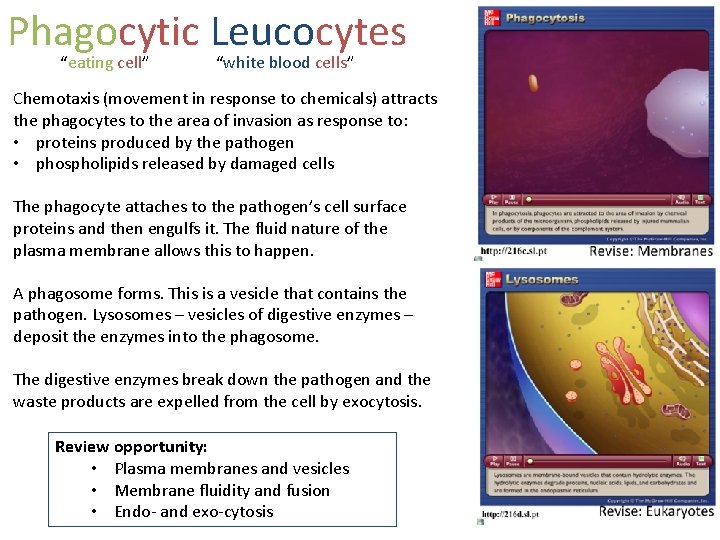
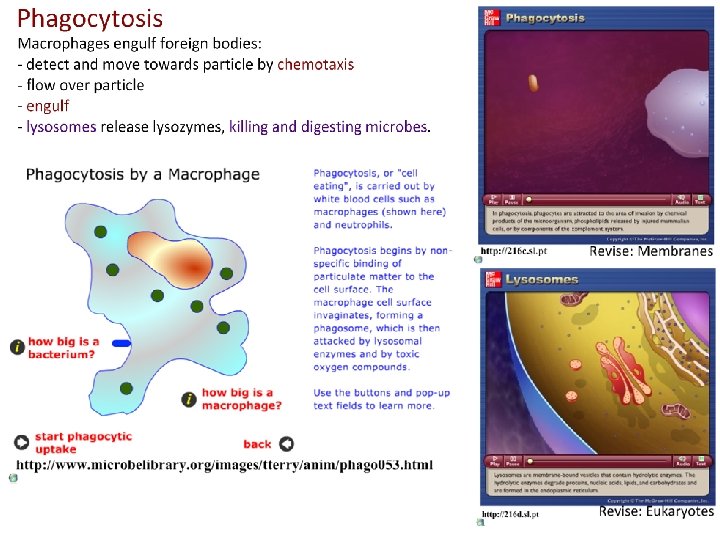
Phagocytic Leucocytes “eating cell” “white blood cells” Chemotaxis (movement in response to chemicals) attracts the phagocytes to the area of invasion as response to: • proteins produced by the pathogen • phospholipids released by damaged cells The phagocyte attaches to the pathogen’s cell surface proteins and then engulfs it. The fluid nature of the plasma membrane allows this to happen. A phagosome forms. This is a vesicle that contains the pathogen. Lysosomes – vesicles of digestive enzymes – deposit the enzymes into the phagosome. The digestive enzymes break down the pathogen and the waste products are expelled from the cell by exocytosis. Review opportunity: • Plasma membranes and vesicles • Membrane fluidity and fusion • Endo- and exo-cytosis
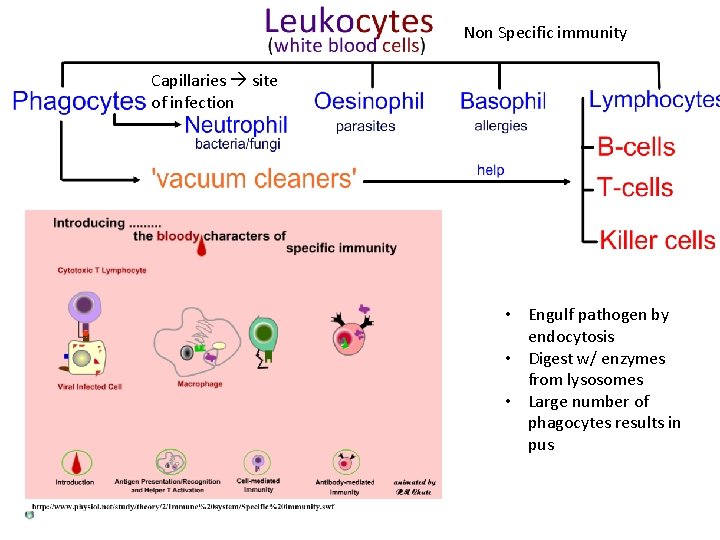
Non Specific immunity Capillaries site of infection • Engulf pathogen by endocytosis • Digest w/ enzymes from lysosomes • Large number of phagocytes results in pus
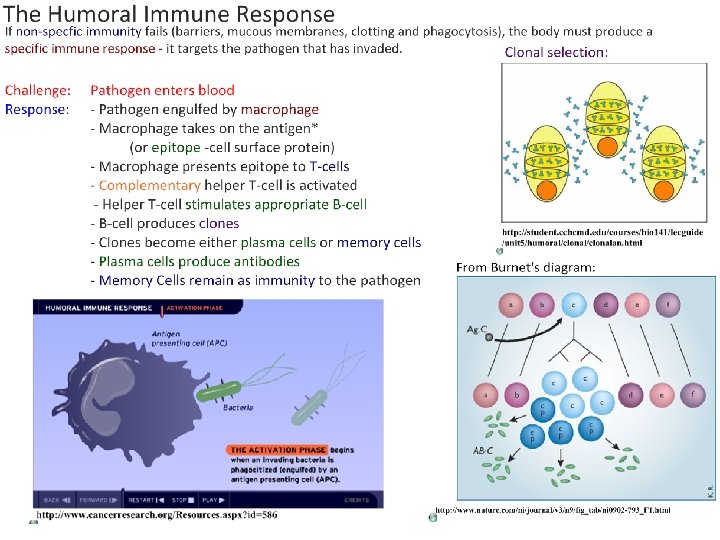
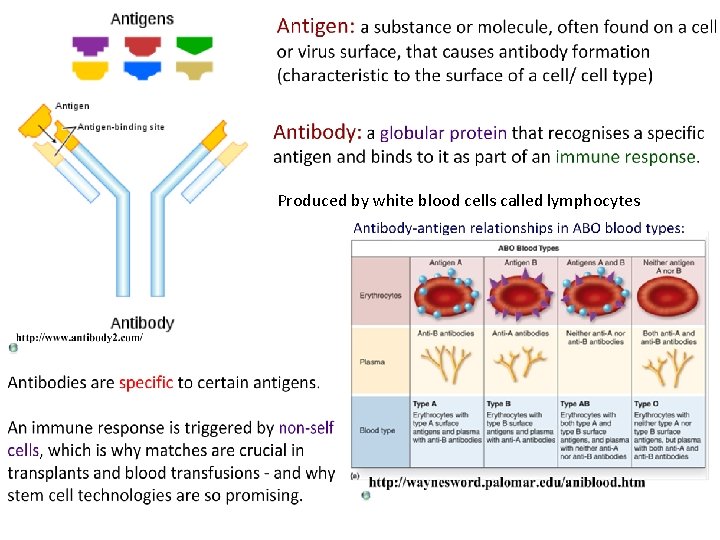
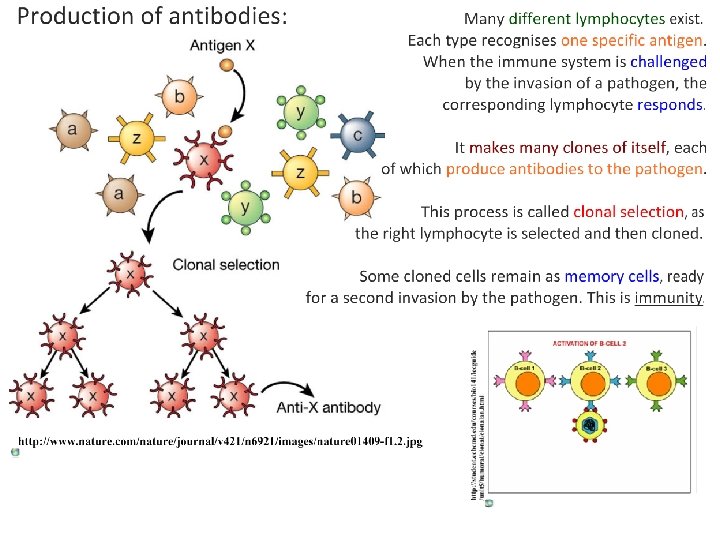
Produced by white blood cells called lymphocytes
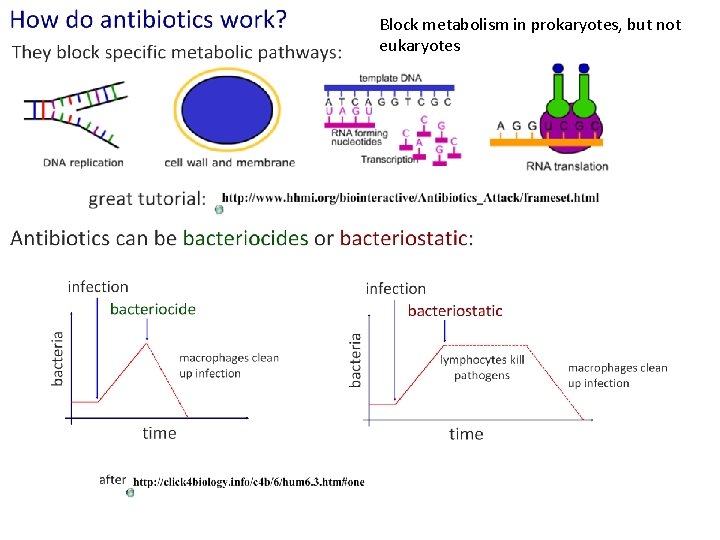
Block metabolism in prokaryotes, but not eukaryotes
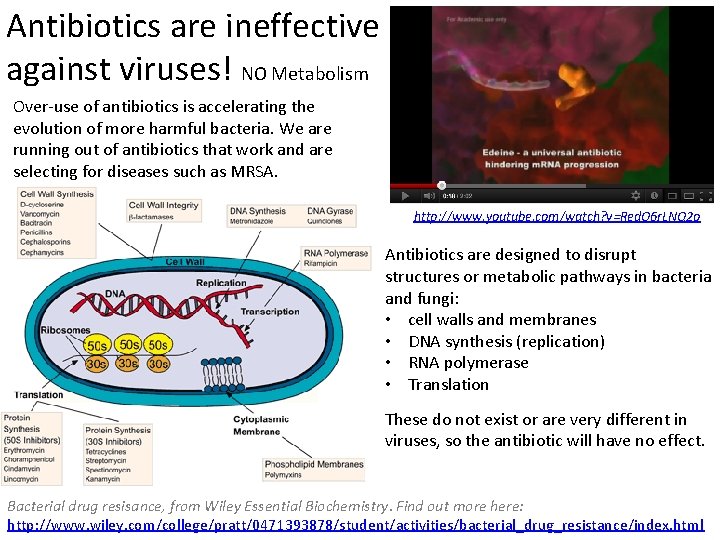
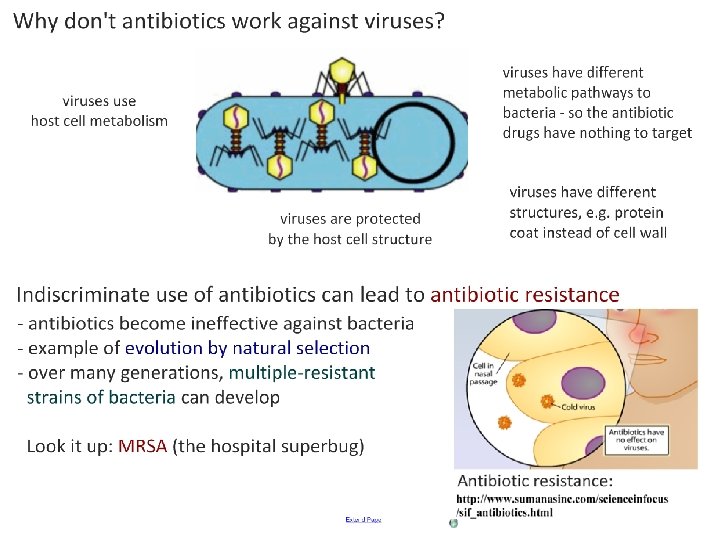
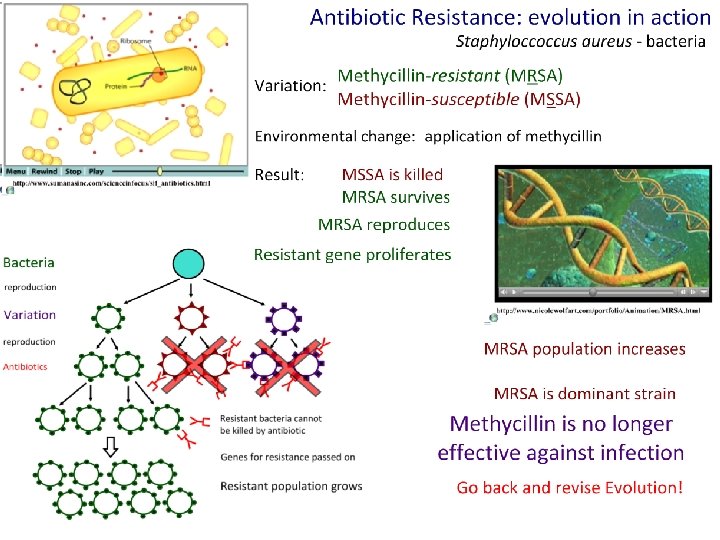
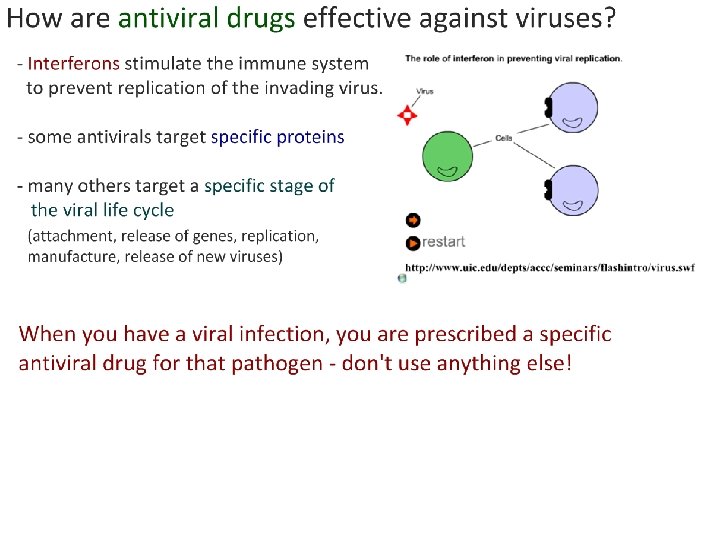
Antibiotics are ineffective against viruses! NO Metabolism Over-use of antibiotics is accelerating the evolution of more harmful bacteria. We are running out of antibiotics that work and are selecting for diseases such as MRSA. http: //www. youtube. com/watch? v=Red. O 6 r. LNQ 2 o Antibiotics are designed to disrupt structures or metabolic pathways in bacteria and fungi: • cell walls and membranes • DNA synthesis (replication) • RNA polymerase • Translation These do not exist or are very different in viruses, so the antibiotic will have no effect. Bacterial drug resisance, from Wiley Essential Biochemistry. Find out more here: http: //www. wiley. com/college/pratt/0471393878/student/activities/bacterial_drug_resistance/index. html
- Slides: 29