
Bacteria Prokaryotes n Singlecelled organisms n n Live
Bacteria
Prokaryotes n Single-celled organisms n n Live in nearly every environment Major source of food Help many organisms n n Do not have a membrane-bound nucleus Digesting food Decomposers
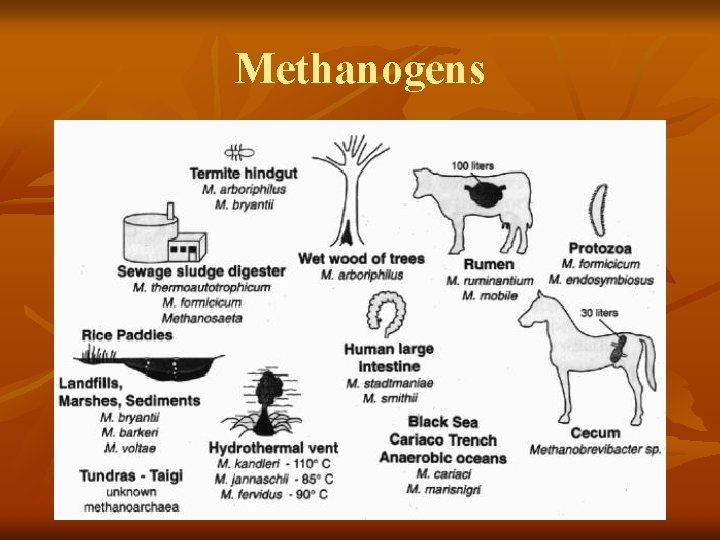
Archaea n Methanogens n n Convert Hydrogen gas & carbon dioxide into methane gas Live in anaerobic environments n n n Halophiles “salt-loving” n n Deep fresh water, marine & swamp mud, sewage Intestinal tracts Great Salt Lake & the Dead Sea Thermoacidophiles n Very acidic & very high temperatures n Yellowstone National Park
Methanogens
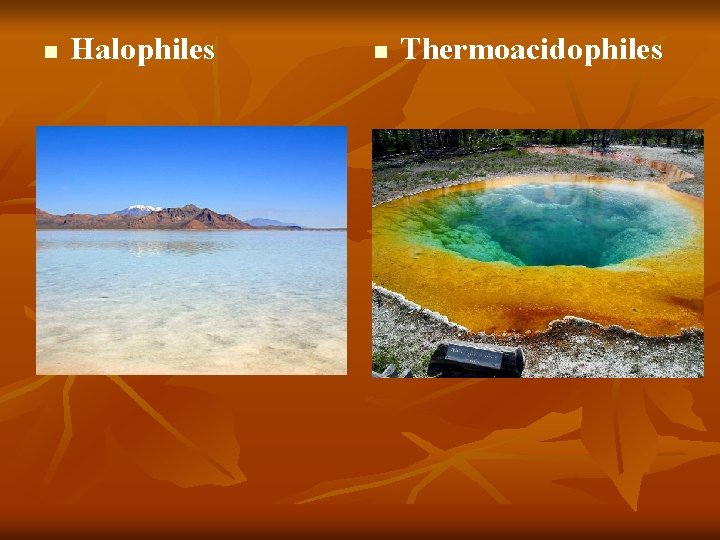
n Halophiles n Thermoacidophiles
Phylum Groups n Proteobacteria n n n Live symbiotically Convert nitrogen in the atmosphere for plants to use Diseases n n n Agrobacterium plant tumors Rickettsiae causes Rocky Mountain spotted fever Helicobacter pylori cause stomach ulcers Escherichia Coli (E. Coli) & Salmonella – food poisoning Gram-Positive Bacteria n n n Streptococcal species – causes strep throat Clostridium botulinum – causes botulism Lactobacilli turns milk sour and makes yogurt Bacillus anthracis – anthrax Actinomycetes – make antibiotics
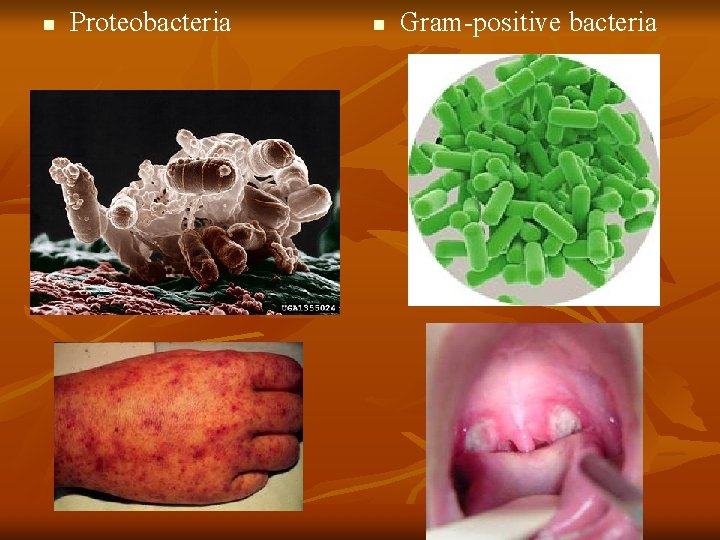
n Proteobacteria n Gram-positive bacteria
Phylum Groups n Cyanobacteria n n Spirochetes n n n Use photosynthesis to make carbohydrates Treponema pallidum – causes syphilis Borrelia burgdorferi – causes Lyme disease Chlamydia n n Live only in animal cells Chlamydia trachomatis – causes Chlamydia
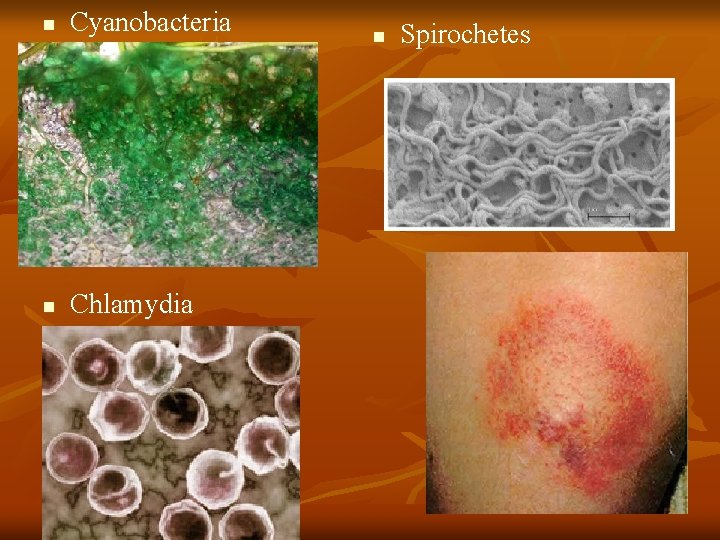
n Cyanobacteria n Chlamydia n Spirochetes
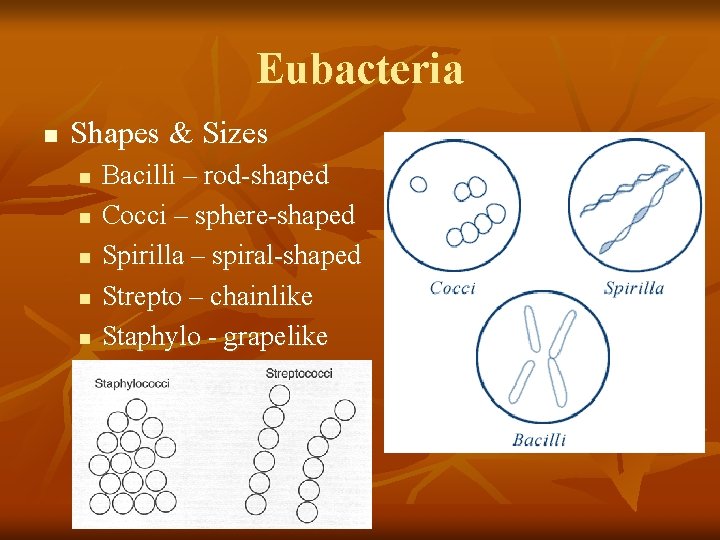
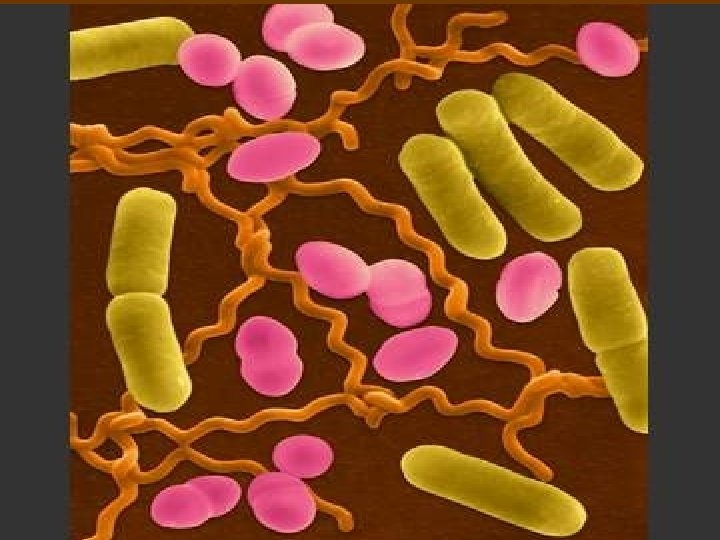
Eubacteria n Shapes & Sizes n n n Bacilli – rod-shaped Cocci – sphere-shaped Spirilla – spiral-shaped Strepto – chainlike Staphylo - grapelike
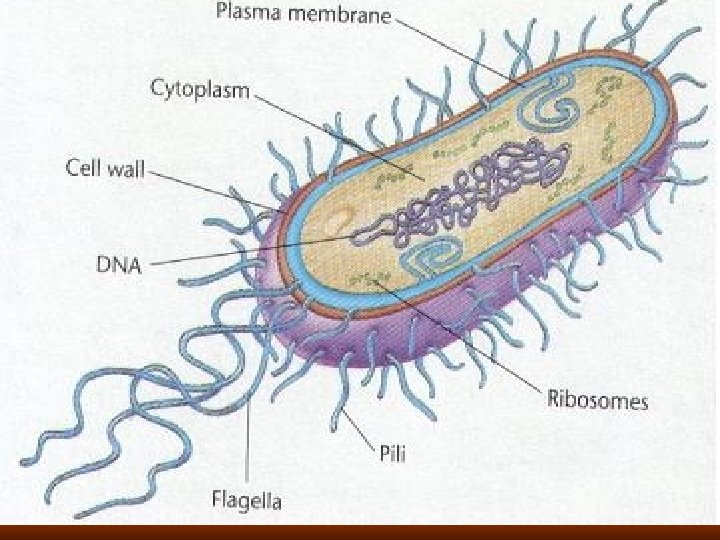
Structure & Function of Prokaryotes n Cell Wall n n Cell membrane n n Controls what goes in & out of the cell Cytoplasm n n Gives its shape & protection Contains DNA and other molecules needed for life DNA n Genetic information
Structure & Function of Prokaryotes n Capsule n n Pili n n Help attach to surfaces Endospores n n Protects the cell; able to attach to other cells & surfaces Thick-coated, resistant structure; contains DNA Flagella n Allow prokaryotes to move
Nutrition & Metabolism n Heterotrophs n Photoheterotroph n n n Uses light energy & gets carbon from other organisms Chemoheterotroph Autotroph n n Photoautotroph Chemoautotroph
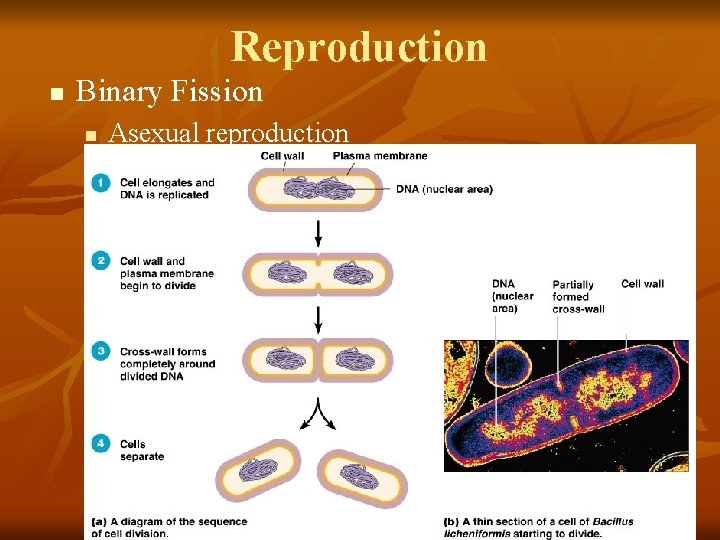
Reproduction n Binary Fission n Asexual reproduction
Common Bacteria Problems n Food poisoning: n n n If food is not stored at the proper temperature then the bacteria multiplies very rapidly. If this food is eaten it can cause nausea, vomiting, diarrhea, or in serious cases, death. can also be caused by eating food that is not cooked properly, like chicken or eggs. n n n When food is cooked, harmful bacteria is killed (bacteria is not the only cause of food poisoning). E. Coli, Salmonella are more well known bacteria in food. Prevention: Cook food thoroughly, especially meats. Refrigerate foods. .
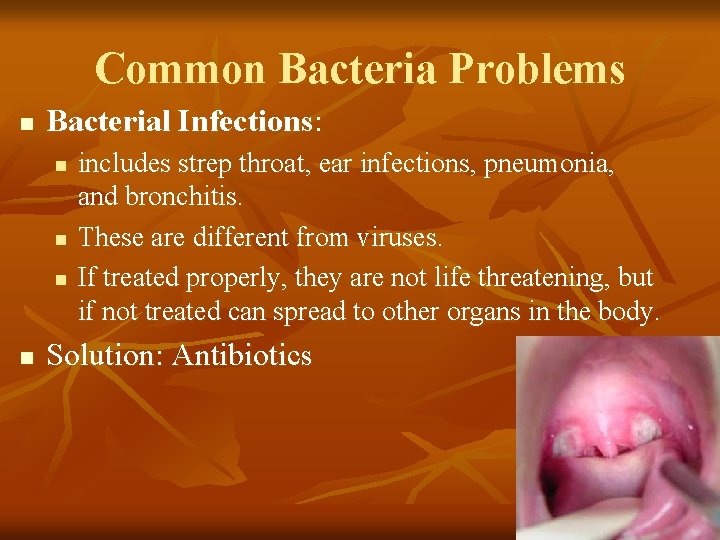
Common Bacteria Problems n Bacterial Infections: n n includes strep throat, ear infections, pneumonia, and bronchitis. These are different from viruses. If treated properly, they are not life threatening, but if not treated can spread to other organs in the body. Solution: Antibiotics
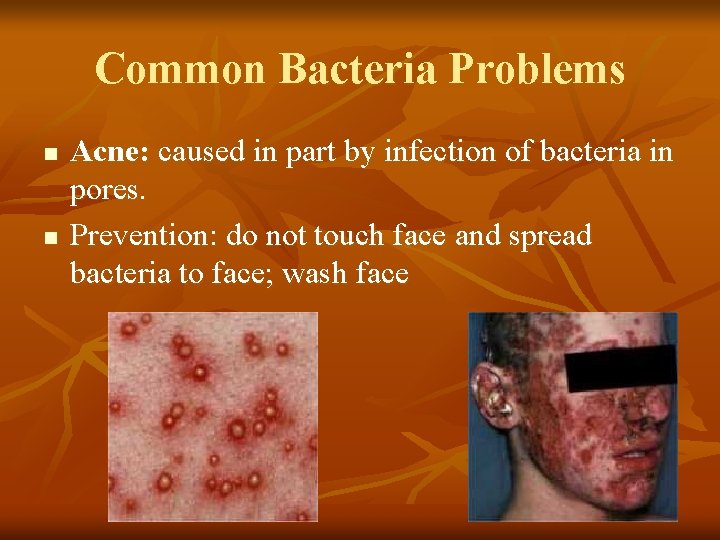
Common Bacteria Problems n n Acne: caused in part by infection of bacteria in pores. Prevention: do not touch face and spread bacteria to face; wash face
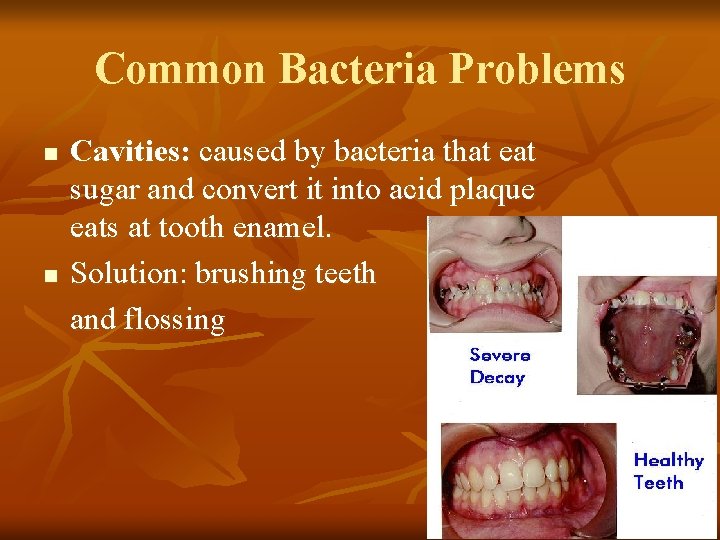
Common Bacteria Problems n n Cavities: caused by bacteria that eat sugar and convert it into acid plaque eats at tooth enamel. Solution: brushing teeth and flossing
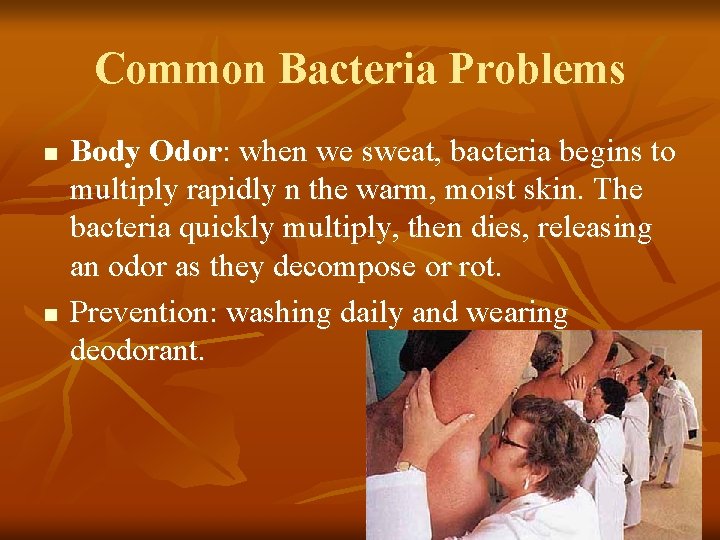
Common Bacteria Problems n n Body Odor: when we sweat, bacteria begins to multiply rapidly n the warm, moist skin. The bacteria quickly multiply, then dies, releasing an odor as they decompose or rot. Prevention: washing daily and wearing deodorant.
- Slides: 21