
BACTERIA ON YOUR CLOTHES VIRUS IN YOUR NOSE
BACTERIA ON YOUR CLOTHES… VIRUS IN YOUR NOSE
Look out, you’re surrounded! Bacteria and viruses are all around us…. Examples: • Bacteria Used in Food Making • Bacteria used in Digestion (E. coli) • Some bacteria cause disease (pathogenic) • ALL viruses cause disease (all pathogenic)

LIVING, microscopic and lacking internal membranes
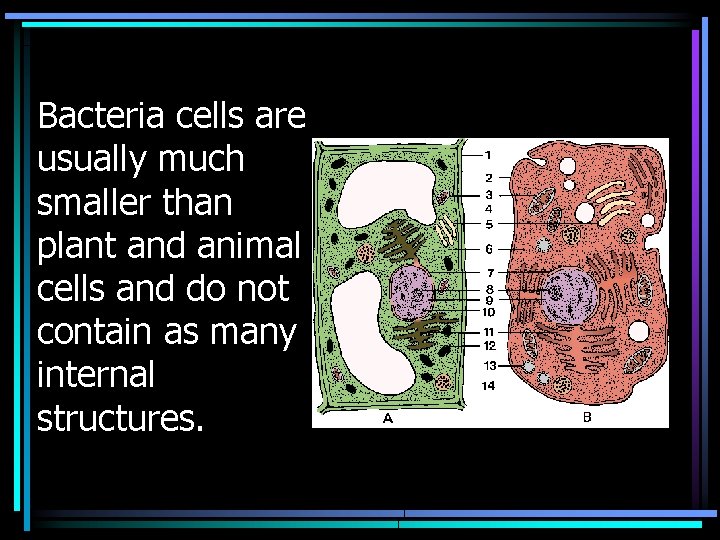
Bacteria cells are usually much smaller than plant and animal cells and do not contain as many internal structures.
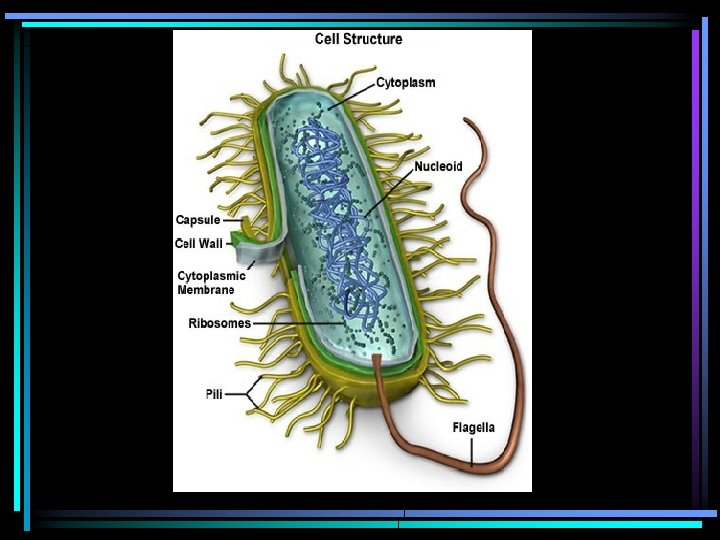
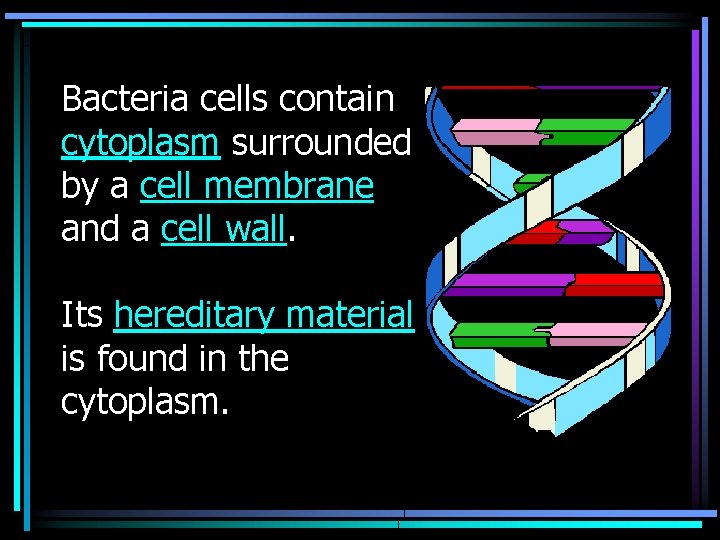
Bacteria cells contain cytoplasm surrounded by a cell membrane and a cell wall. Its hereditary material is found in the cytoplasm.

Some bacteria have a thick, gel-like capsule around the cell wall to protect it.
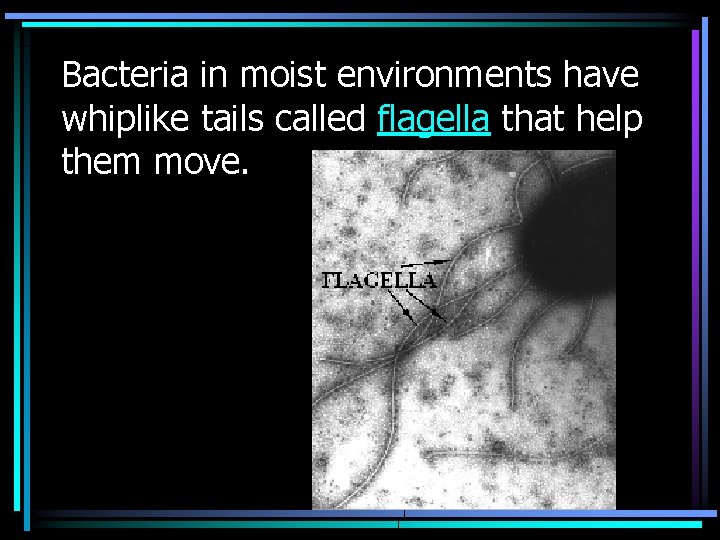
Bacteria in moist environments have whiplike tails called flagella that help them move.
Bacteria that live in harsh environments (extremophiles) where few kinds of other organisms can live: * methanogens: * thermophiles: * halophiles
The larger of the two groups of bacteria. These usually live in less harsh environments.
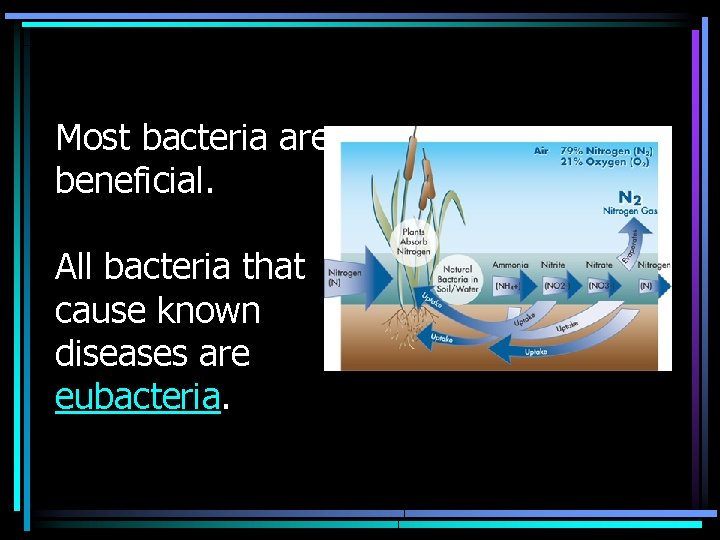
Most bacteria are beneficial. All bacteria that cause known diseases are eubacteria.
Bacteria can be classified according to: 1) Shape 2) Cell Walls 3) Movement 4) Metabolic diversity (the way they obtain energy)
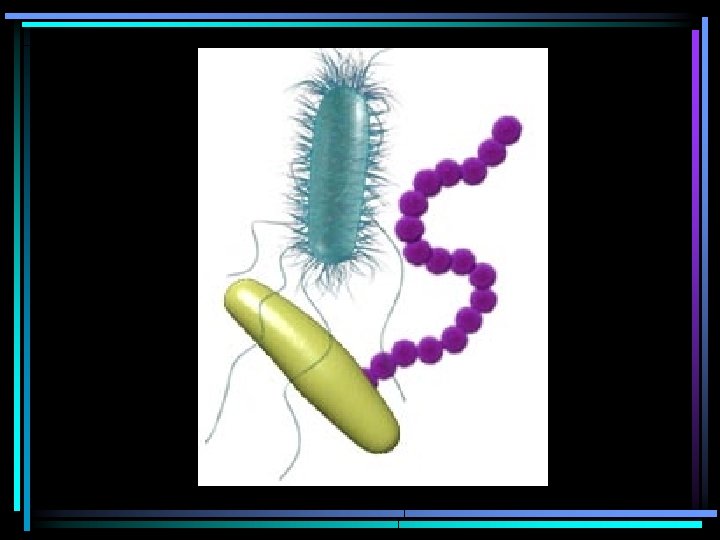
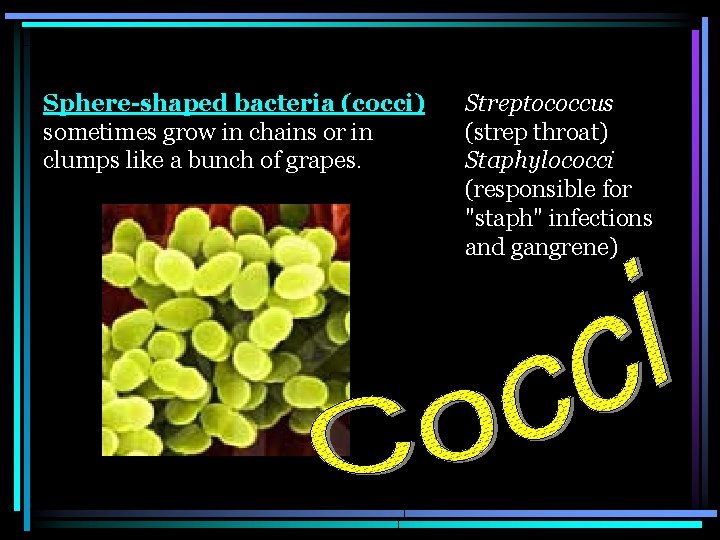
Sphere-shaped bacteria (cocci) sometimes grow in chains or in clumps like a bunch of grapes. Streptococcus (strep throat) Staphylococci (responsible for "staph" infections and gangrene)
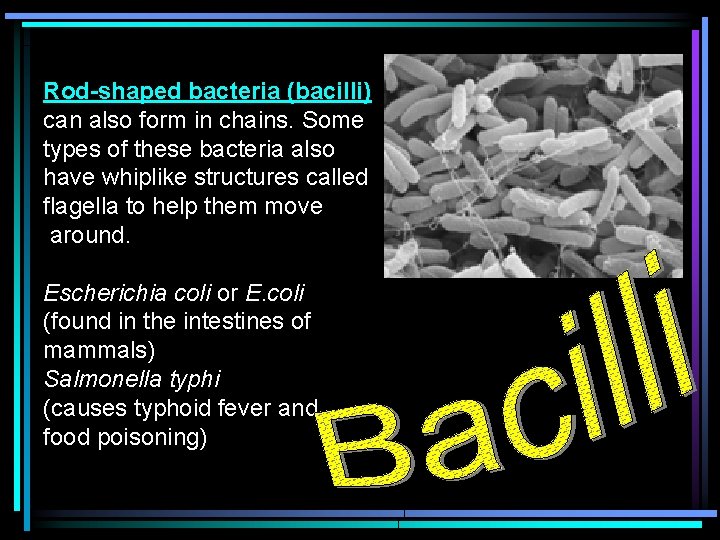
Rod-shaped bacteria (bacilli) can also form in chains. Some types of these bacteria also have whiplike structures called flagella to help them move around. Escherichia coli or E. coli (found in the intestines of mammals) Salmonella typhi (causes typhoid fever and food poisoning)
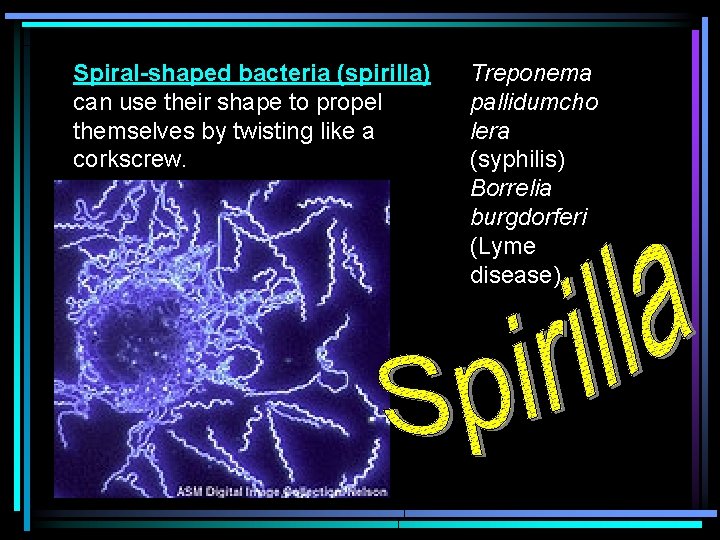
Spiral-shaped bacteria (spirilla) can use their shape to propel themselves by twisting like a corkscrew. Treponema pallidumcho lera (syphilis) Borrelia burgdorferi (Lyme disease)

Monococcus - a single spherical bacterium, living alone Diplococcus - two spherical bacteria, living in a pair Streptococcus: chains of nearly spherical bacteria. Streptobacillus: chains of rod-shaped bacteria. Staphylococcus : spherical bacterium occurring in grape -like clusters. Staphylobacillus - a cluster of rod shaped bacteria
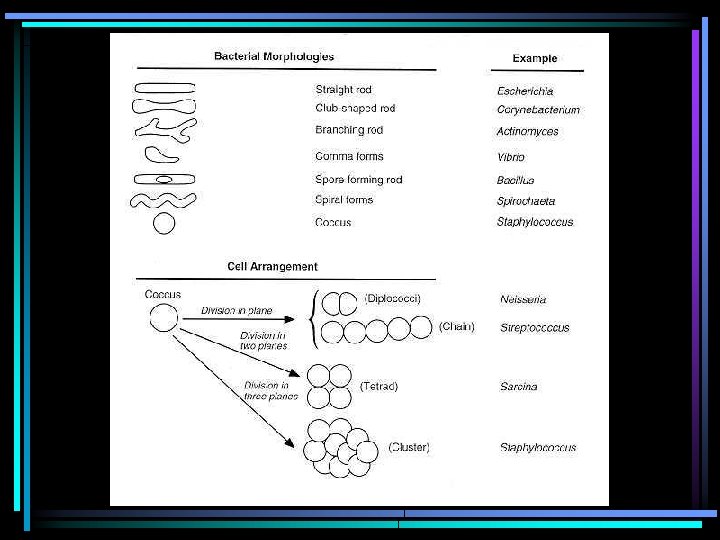

Streptococcus: chains of nearly spherical bacteria.
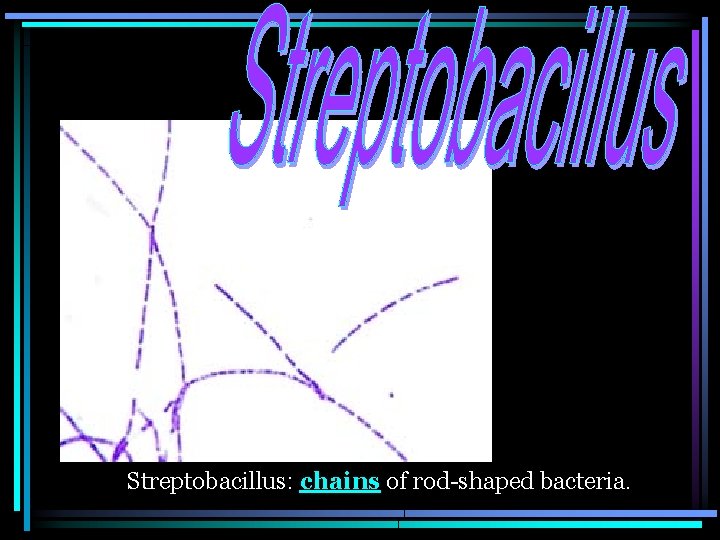
Streptobacillus: chains of rod-shaped bacteria.
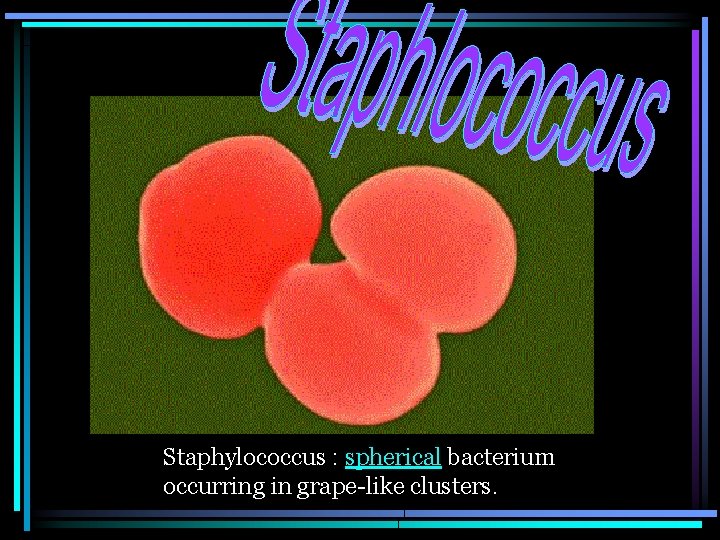
Staphylococcus : spherical bacterium occurring in grape-like clusters.
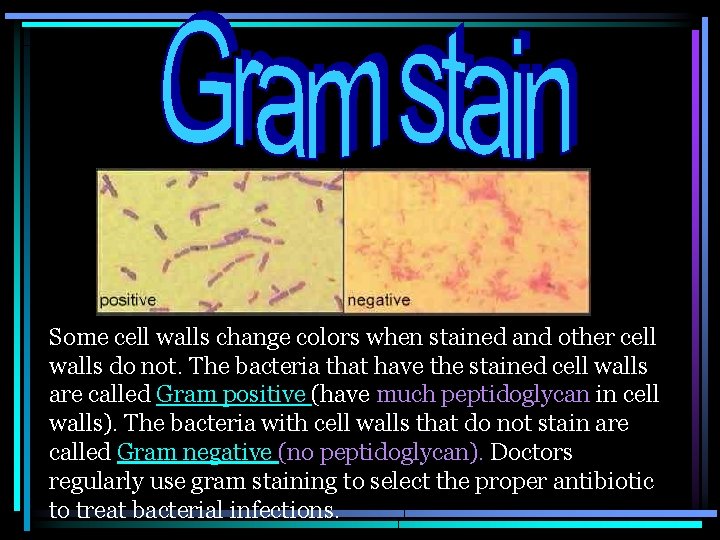
Some cell walls change colors when stained and other cell walls do not. The bacteria that have the stained cell walls are called Gram positive (have much peptidoglycan in cell walls). The bacteria with cell walls that do not stain are called Gram negative (no peptidoglycan). Doctors regularly use gram staining to select the proper antibiotic to treat bacterial infections.
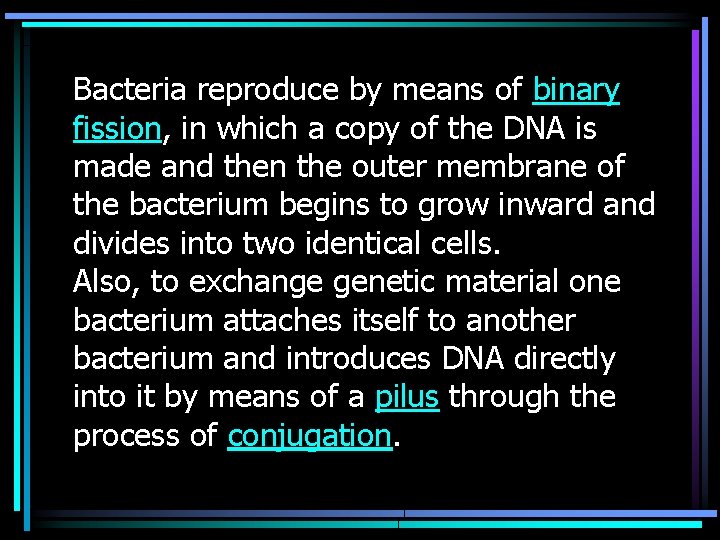
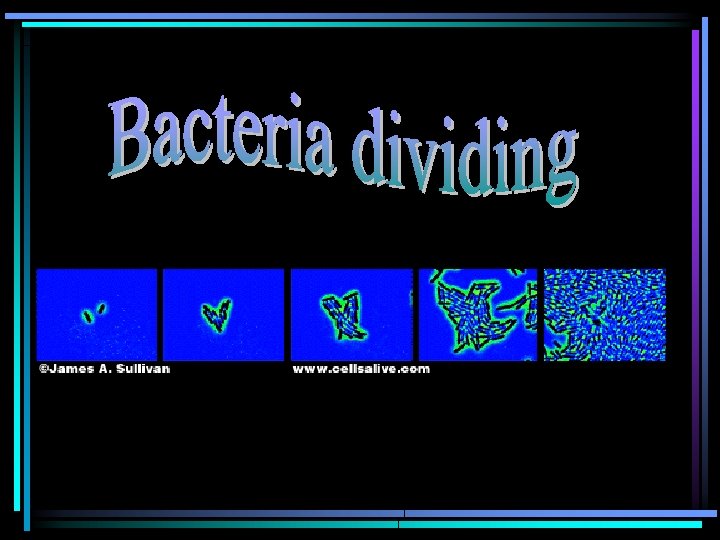
Bacteria reproduce by means of binary fission, in which a copy of the DNA is made and then the outer membrane of the bacterium begins to grow inward and divides into two identical cells. Also, to exchange genetic material one bacterium attaches itself to another bacterium and introduces DNA directly into it by means of a pilus through the process of conjugation.

*Smart. Notebook video

Some bacteria are able to produce thick walls around themselves when evironmental conditions are unfavorable. They form an endospore and can become dormant for hundreds of years.
bacteria require oxygen to survive bacteria can live with or without oxygen bacteria use other organisms for energy bacteria produce their own food through photosynthesis
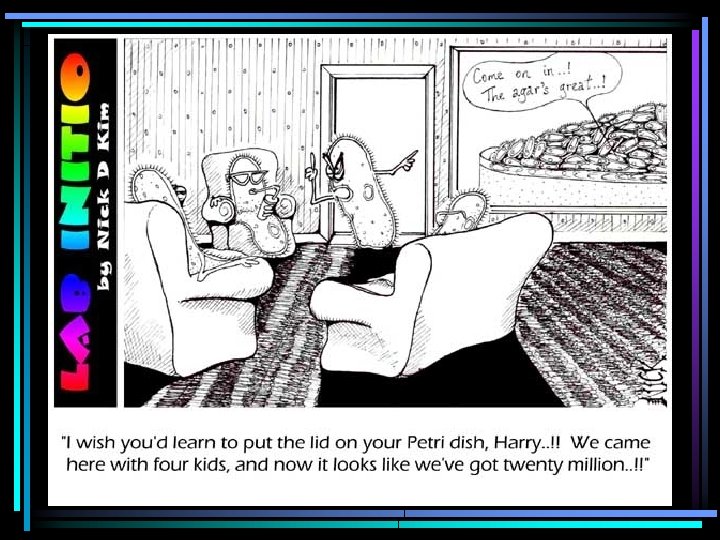
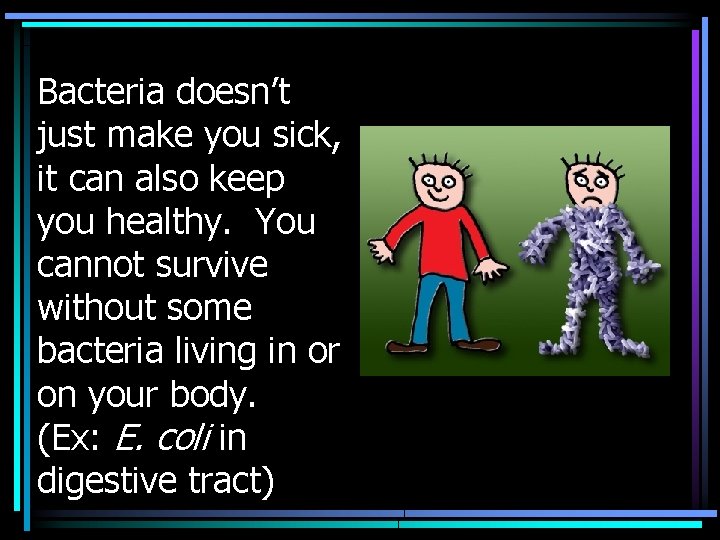
Bacteria doesn’t just make you sick, it can also keep you healthy. You cannot survive without some bacteria living in or on your body. (Ex: E. coli in digestive tract)
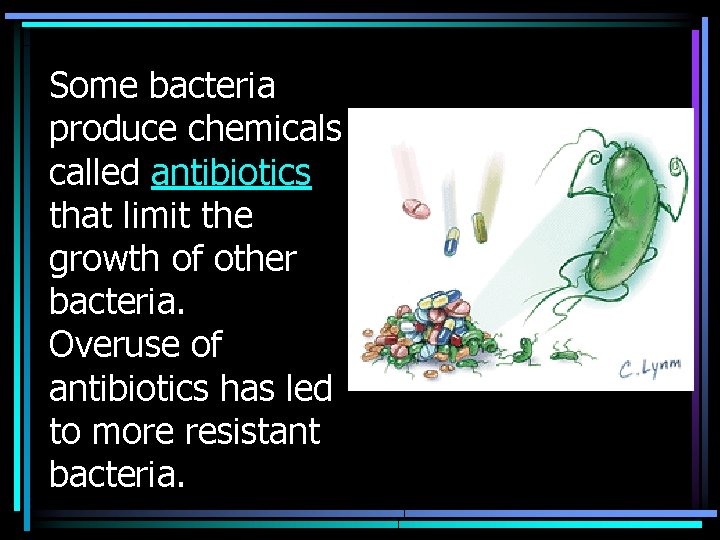
Some bacteria produce chemicals called antibiotics that limit the growth of other bacteria. Overuse of antibiotics has led to more resistant bacteria.

Bacteria that cause disease are called pathogens. A vaccine is made from a deadened or weakenend version of a virus or bacterium. Immunization with certain vaccines can prevent other bacterial diseases.
Many pathogens produce poisons called toxins as they grow in your body or as they grow in food that you might eat.
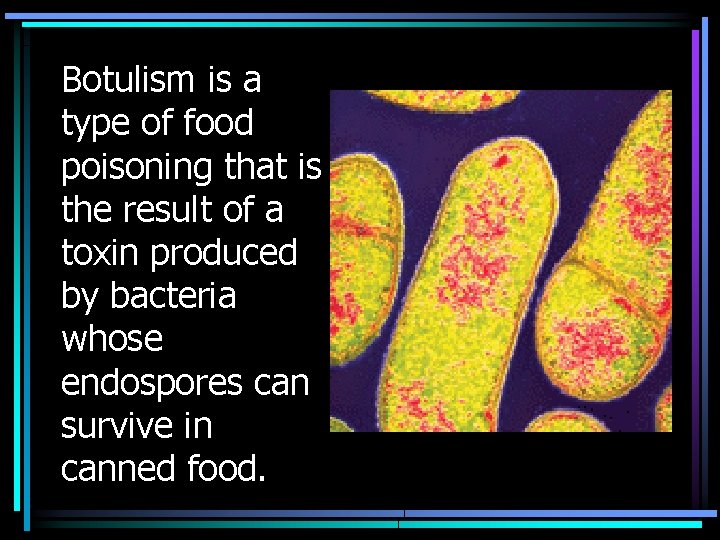
Botulism is a type of food poisoning that is the result of a toxin produced by bacteria whose endospores can survive in canned food.

Cheeses, buttermilk, chocolate, vinegar, sauerkraut
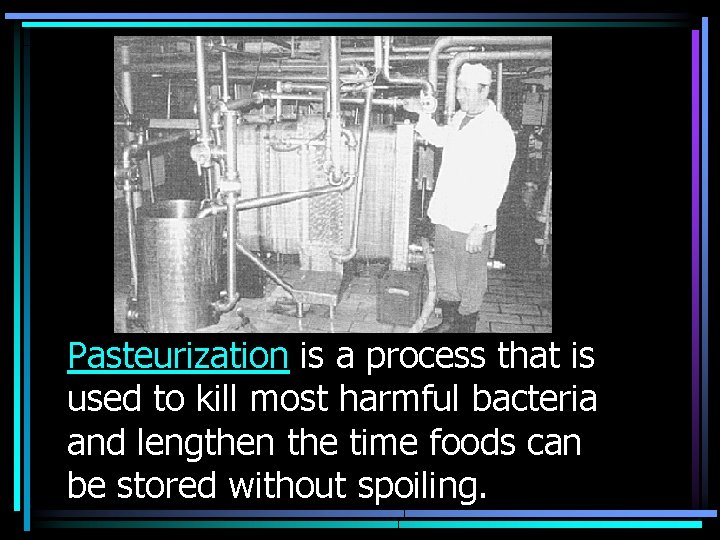
Pasteurization is a process that is used to kill most harmful bacteria and lengthen the time foods can be stored without spoiling.

Courtesy of:

At any given time you have about a billion bacteria on every tooth in your mouth.
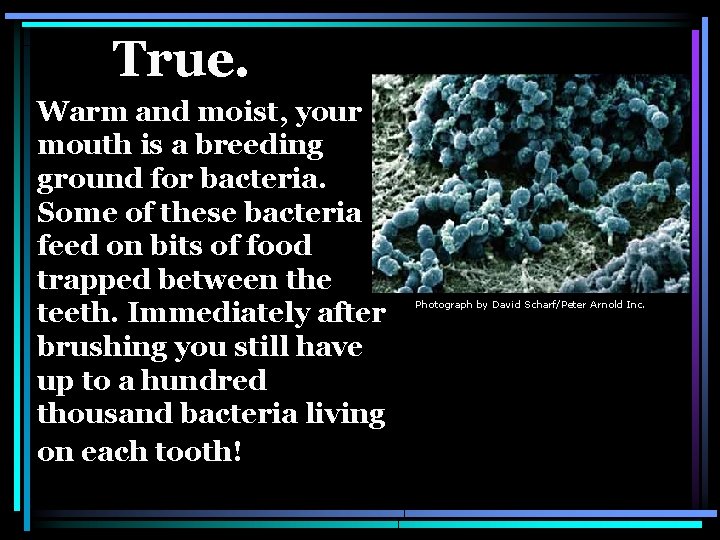
True. Warm and moist, your mouth is a breeding ground for bacteria. Some of these bacteria feed on bits of food trapped between the teeth. Immediately after brushing you still have up to a hundred thousand bacteria living on each tooth! Photograph by David Scharf/Peter Arnold Inc.
Swamps produce terrible odors because owls shower them with nasty-smelling antibacterial sprays.
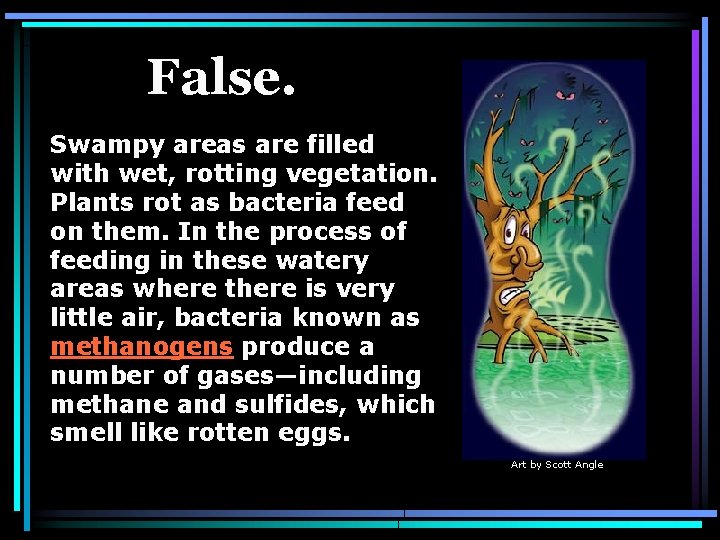
False. Swampy areas are filled with wet, rotting vegetation. Plants rot as bacteria feed on them. In the process of feeding in these watery areas where there is very little air, bacteria known as methanogens produce a number of gases—including methane and sulfides, which smell like rotten eggs. Art by Scott Angle
There are millions of species of bacteria that can make people ill.
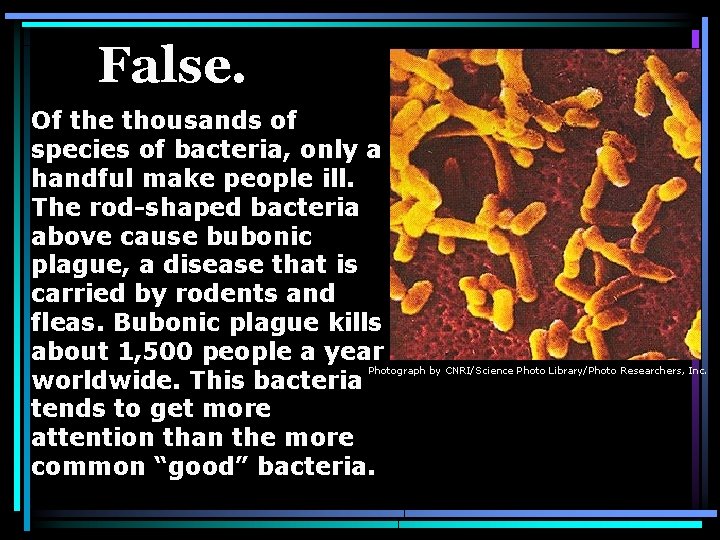
False. Of the thousands of species of bacteria, only a handful make people ill. The rod-shaped bacteria above cause bubonic plague, a disease that is carried by rodents and fleas. Bubonic plague kills about 1, 500 people a year Photograph by CNRI/Science Photo Library/Photo Researchers, Inc. worldwide. This bacteria tends to get more attention than the more common “good” bacteria.
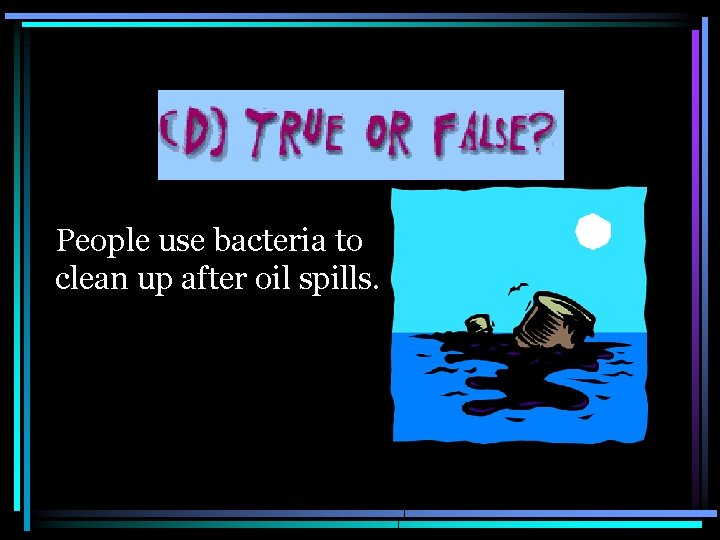
People use bacteria to clean up after oil spills.
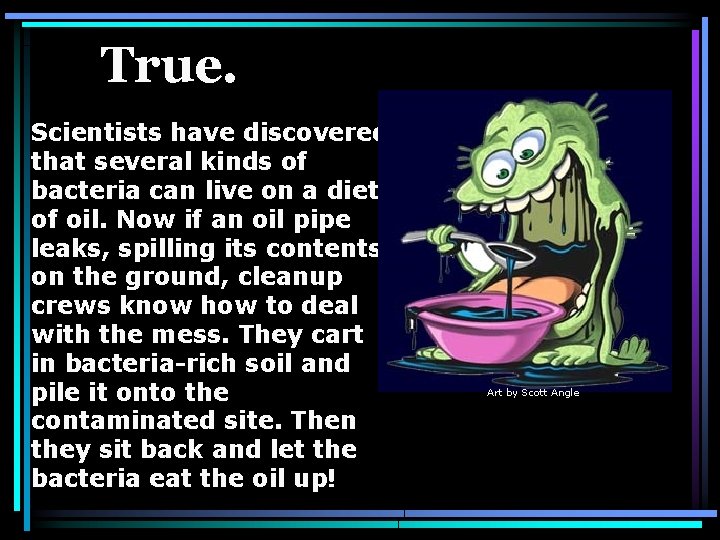
True. Scientists have discovered that several kinds of bacteria can live on a diet of oil. Now if an oil pipe leaks, spilling its contents on the ground, cleanup crews know how to deal with the mess. They cart in bacteria-rich soil and pile it onto the contaminated site. Then they sit back and let the bacteria eat the oil up! Art by Scott Angle
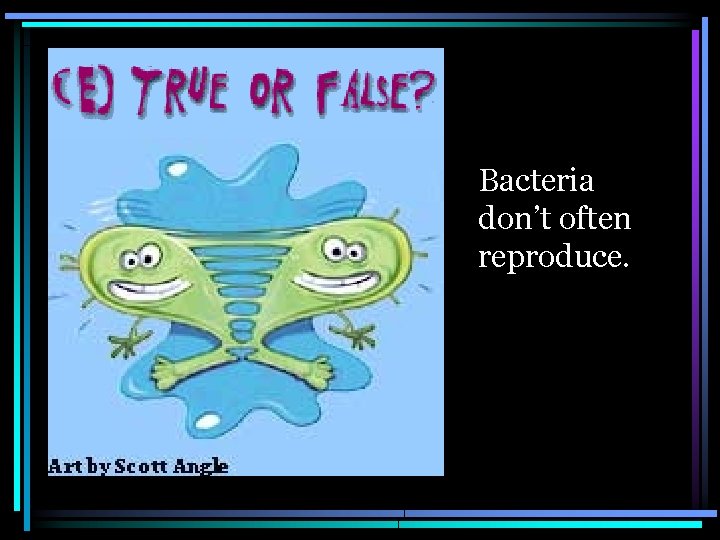
Bacteria don’t often reproduce.
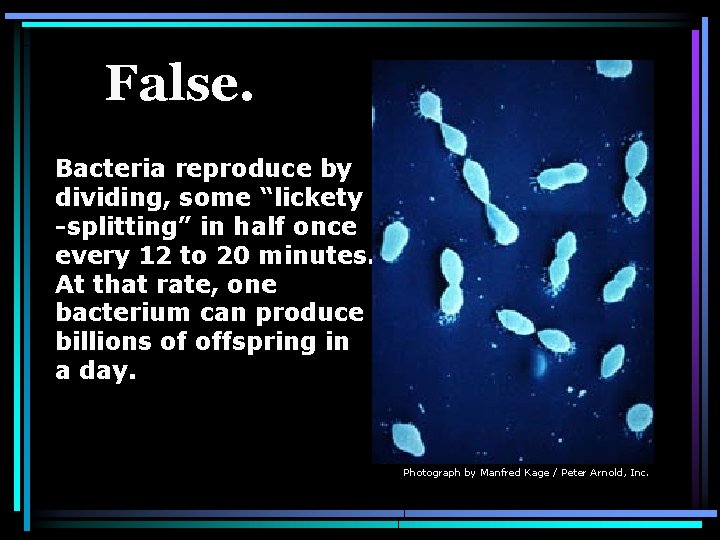
False. Bacteria reproduce by dividing, some “lickety -splitting” in half once every 12 to 20 minutes. At that rate, one bacterium can produce billions of offspring in a day. Photograph by Manfred Kage / Peter Arnold, Inc.


e r u t c u r t S l a r Vi
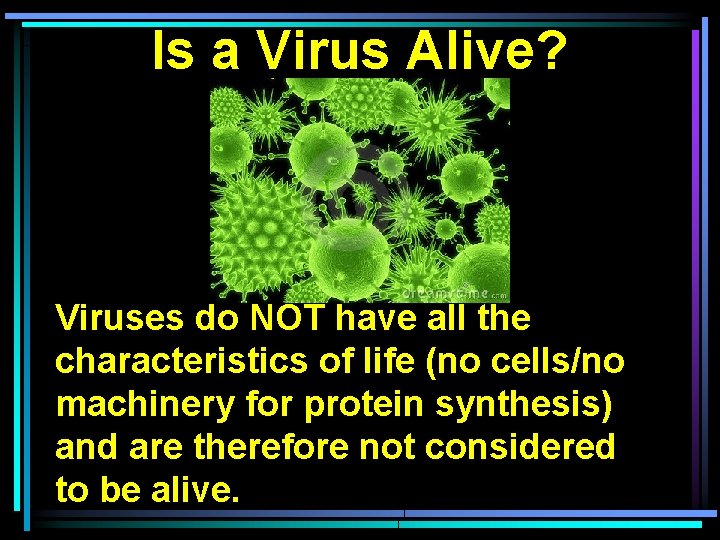
Is a Virus Alive? Viruses do NOT have all the characteristics of life (no cells/no machinery for protein synthesis) and are therefore not considered to be alive.
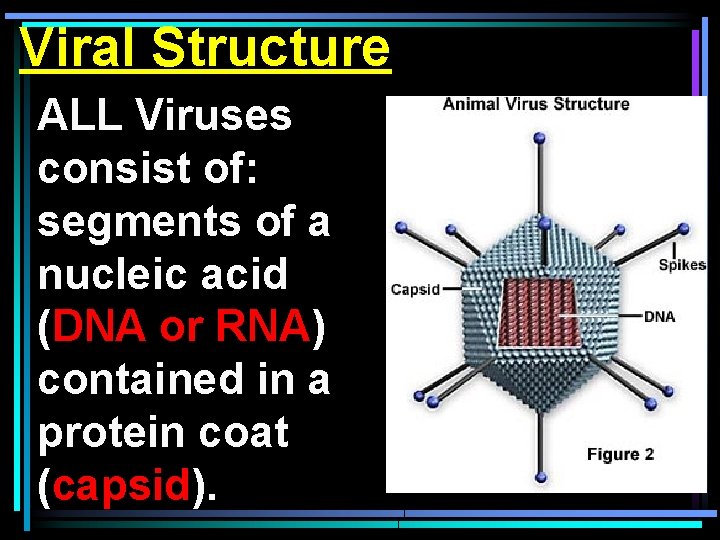
Viral Structure ALL Viruses consist of: segments of a nucleic acid (DNA or RNA) contained in a protein coat (capsid).
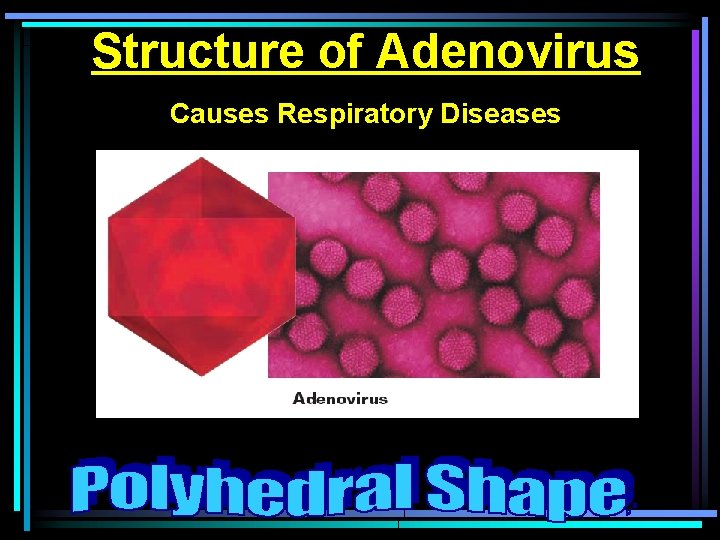
Structure of Adenovirus Causes Respiratory Diseases

Some viruses have an envelope surrounding the capsid. Outside the envelope glycoproteins are attached. Glycoproteins on the virus attach to receptors on the cell surface. When this happens, the cell allows the virus to enter. Envelope Glycoproteins
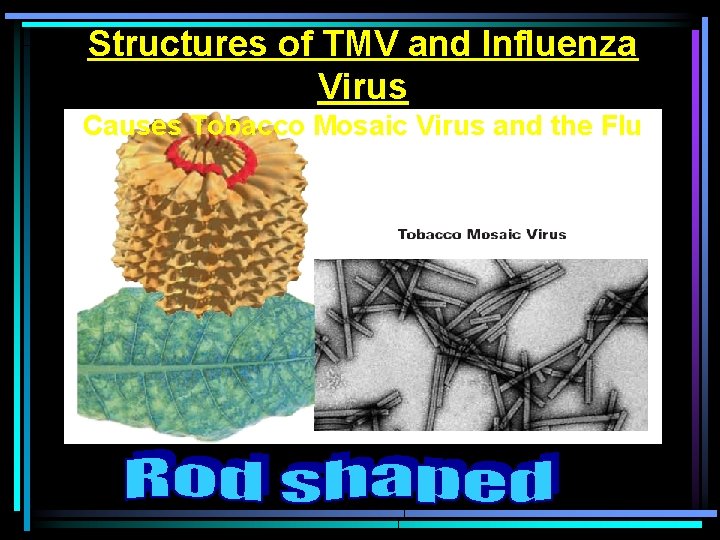
Structures of TMV and Influenza Virus Causes Tobacco Mosaic Virus and the Flu
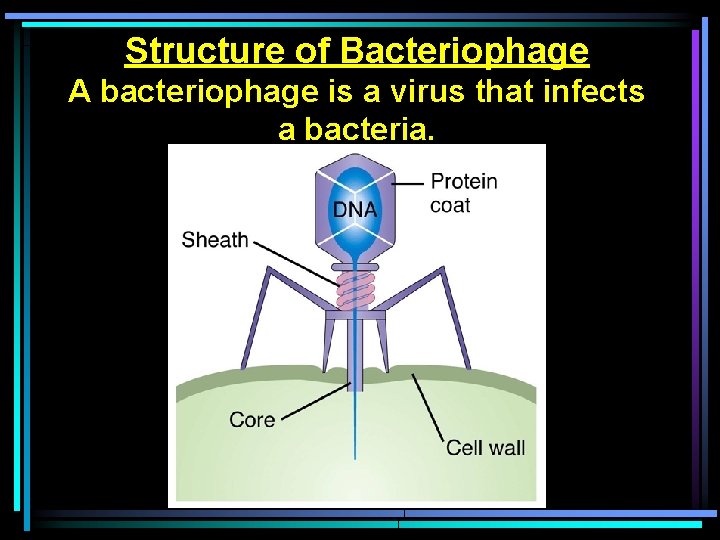
Structure of Bacteriophage A bacteriophage is a virus that infects a bacteria.
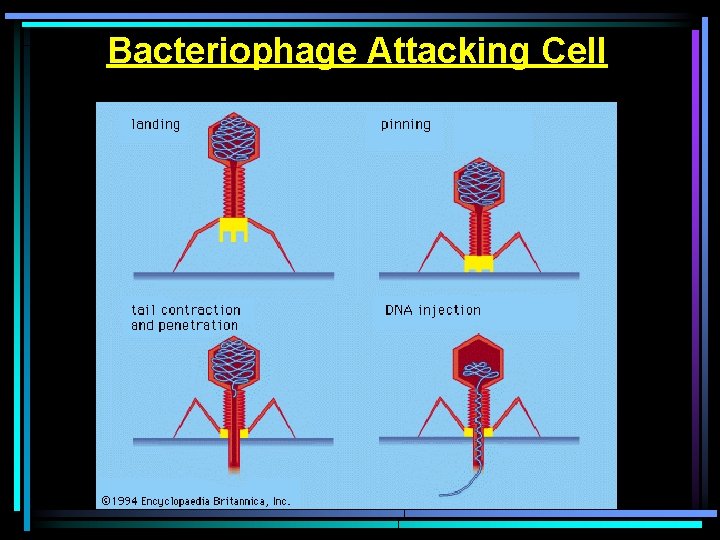
Bacteriophage Attacking Cell
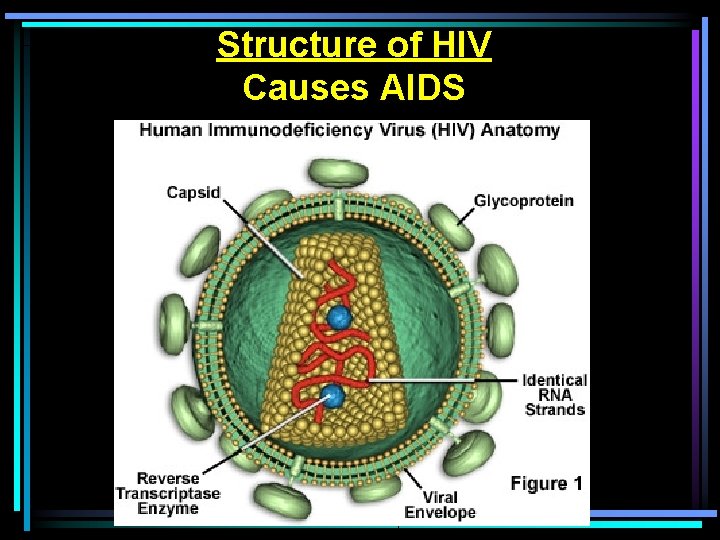
Structure of HIV Causes AIDS
s e s u r i v o d How ? e c u d o r p e r
Viral Reproduction Viruses lack enzymes and structures to make proteins (no ribosomes). Therefore viruses, depend on living cells to replicate and use the energy of the host cell to carry out reproductive processes. They enter a cell by: • injecting their genetic material into the cell • slipping through tears in a plant cell wall • binding to molecules on the cell surface and triggering endocytosis (cell engulfment)
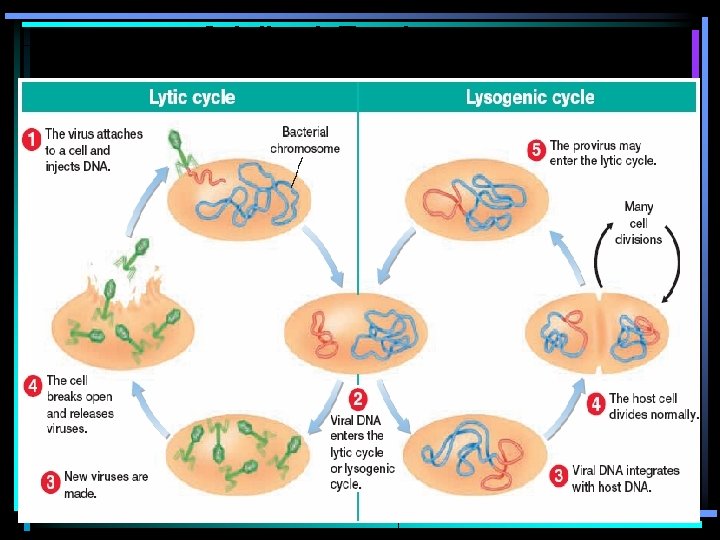
2 Viral Pathways
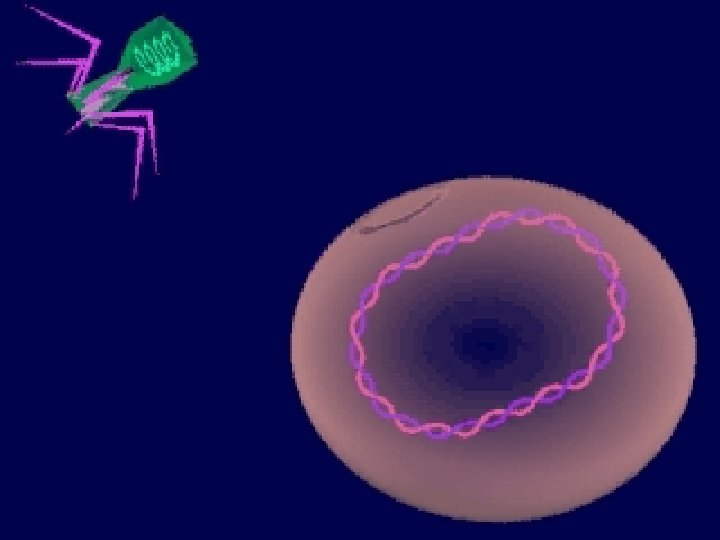
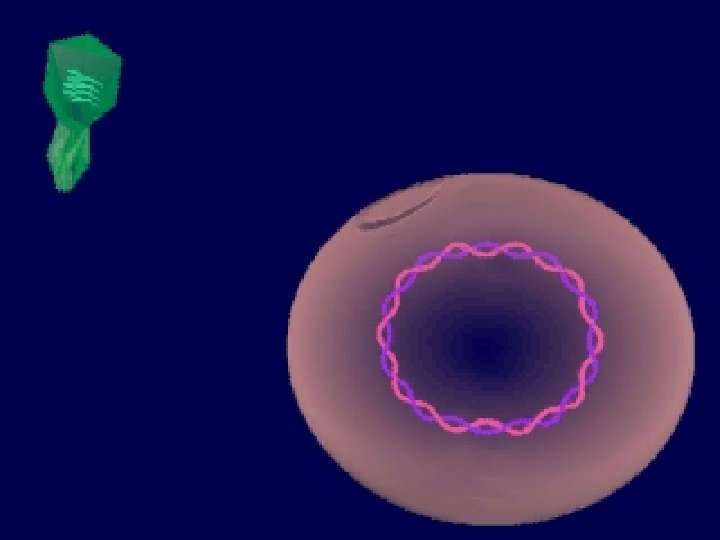
Follow the link below to view an animation of a virus infecting human cells: http: //www. npr. org/templates/story. php ? story. Id=114075029&sc=nl&cc=es 20091129

HIV Infection 1) A glycoprotein on HIV attaches to the CD 4 receptor on a cell. 2) A second HIV glycoprotein attaches to the CCR 5 receptor on the cell. HIV infects cells called macrophages in your body!
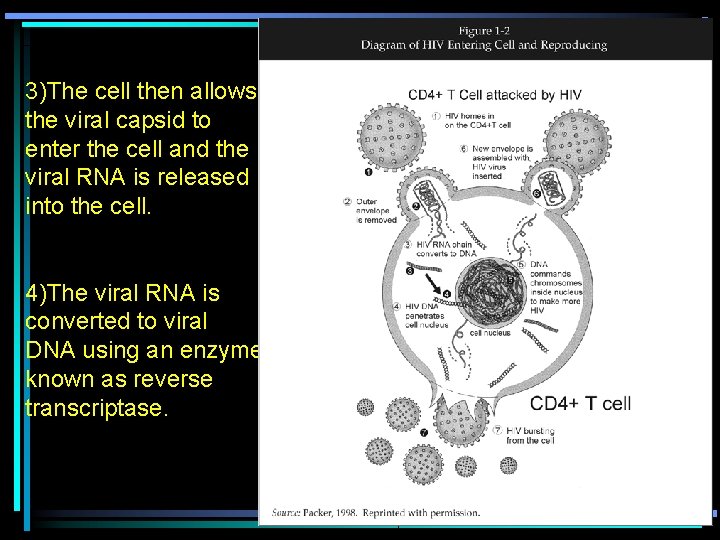
3)The cell then allows the viral capsid to enter the cell and the viral RNA is released into the cell. 4)The viral RNA is converted to viral DNA using an enzyme known as reverse transcriptase.
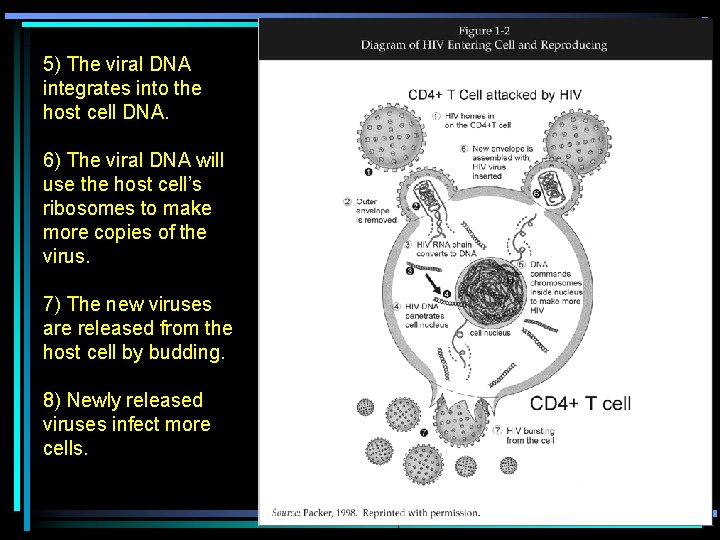
5) The viral DNA integrates into the host cell DNA. 6) The viral DNA will use the host cell’s ribosomes to make more copies of the virus. 7) The new viruses are released from the host cell by budding. 8) Newly released viruses infect more cells.
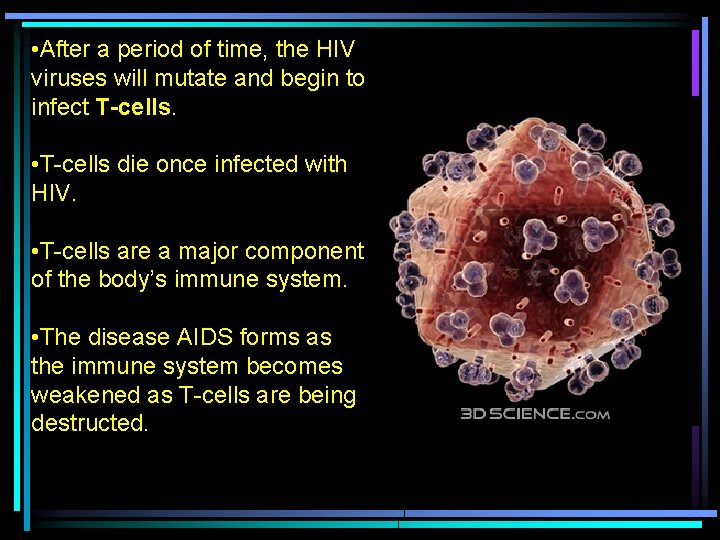
• After a period of time, the HIV viruses will mutate and begin to infect T-cells. • T-cells die once infected with HIV. • T-cells are a major component of the body’s immune system. • The disease AIDS forms as the immune system becomes weakened as T-cells are being destructed.

ALL viruses are PATHOGENIC! Do you know what this means? Virus is Latin for "poison"
- Slides: 79