
BACTERIA Kingdom Monera Eubacteria peptidoglycan Archaebacteria Methanogens Swamps
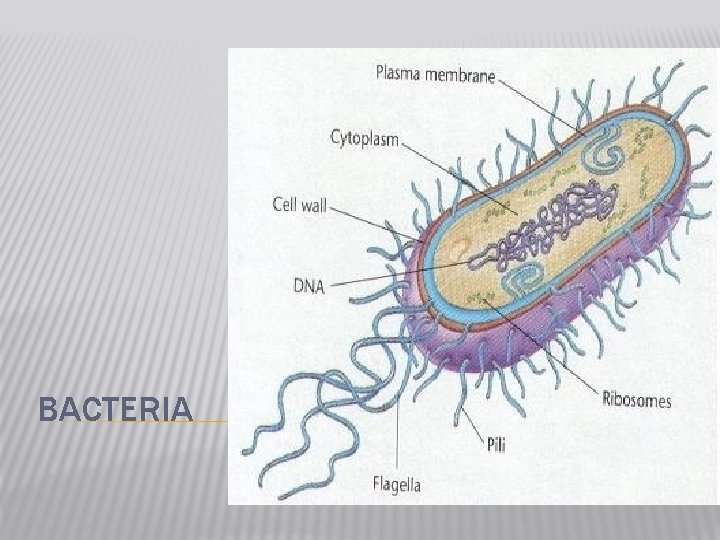
BACTERIA
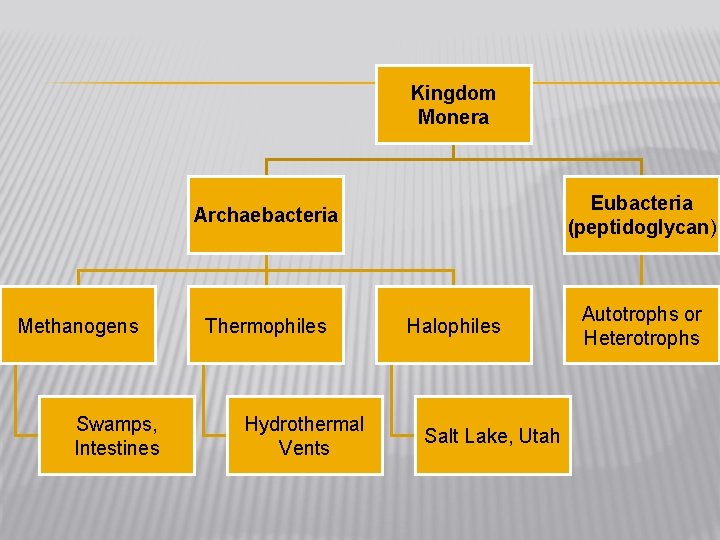
Kingdom Monera Eubacteria (peptidoglycan) Archaebacteria Methanogens Swamps, Intestines Thermophiles Hydrothermal Vents Halophiles Salt Lake, Utah Autotrophs or Heterotrophs
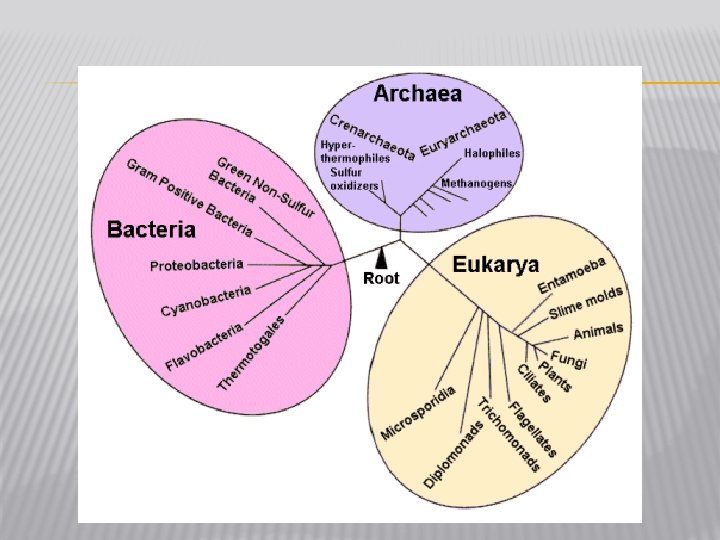
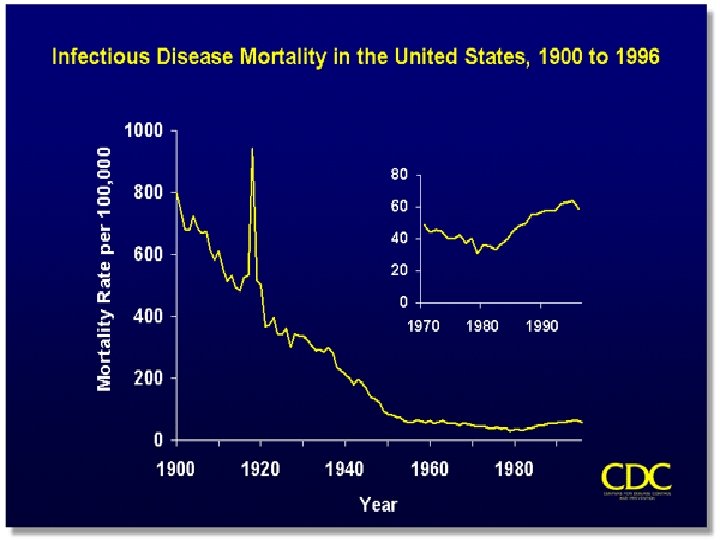

History of Microbiology • • • 1664: Robert Hooke - microscope 1684: Antoni van Leeuwenhoek - microorganisms 1798: Edward Jenner - smallpox vaccination 1864: Louis Pasteur - spontaneous generation 1884: Robert Koch - Koch’s postulates 1889: Martinus Beijerink - concept of virus 1929: Alexander Fleming - discovery of penicillin 1977: Carl Woese - discovery of Archaea 1981: First reports of AIDS 1983: Luc Montagnier - discovery of HIV 1995: Craig Venter - complete genome sequence
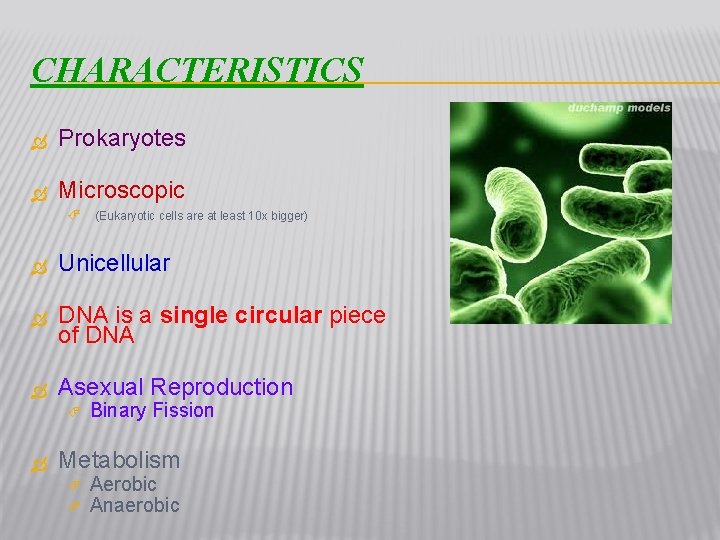
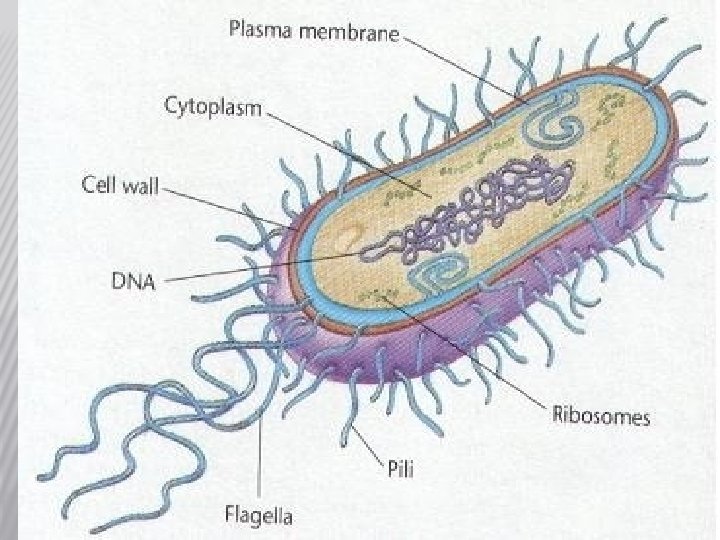
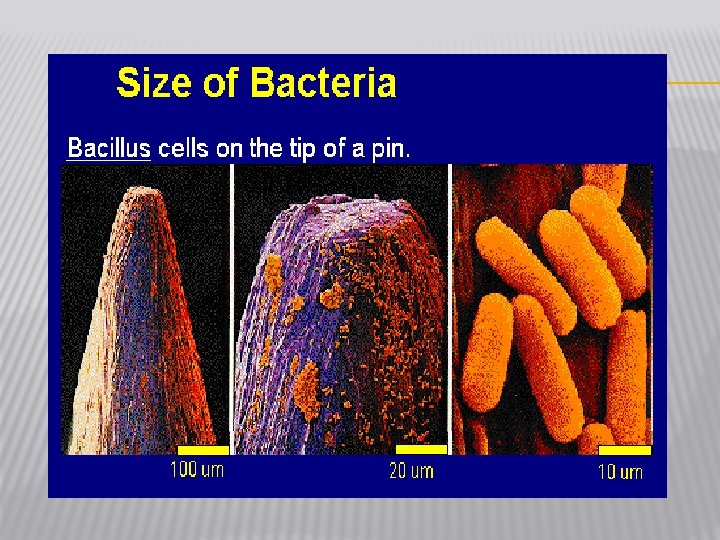
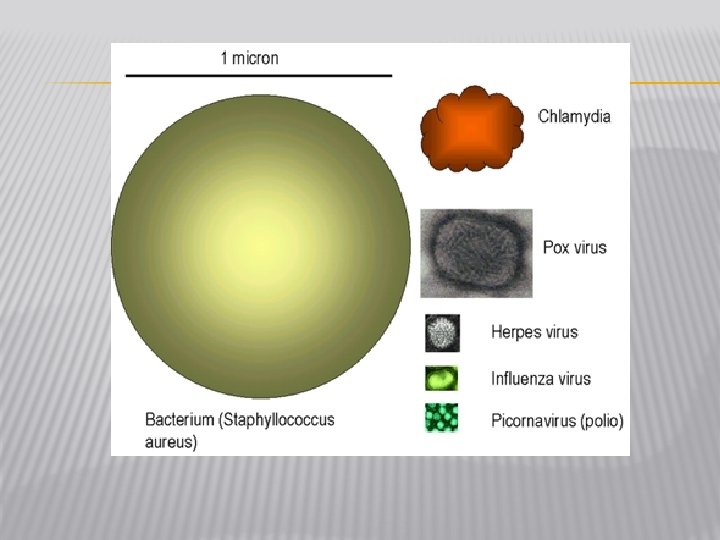
CHARACTERISTICS Prokaryotes Microscopic (Eukaryotic cells are at least 10 x bigger) Unicellular DNA is a single circular piece of DNA Asexual Reproduction Binary Fission Metabolism Aerobic Anaerobic
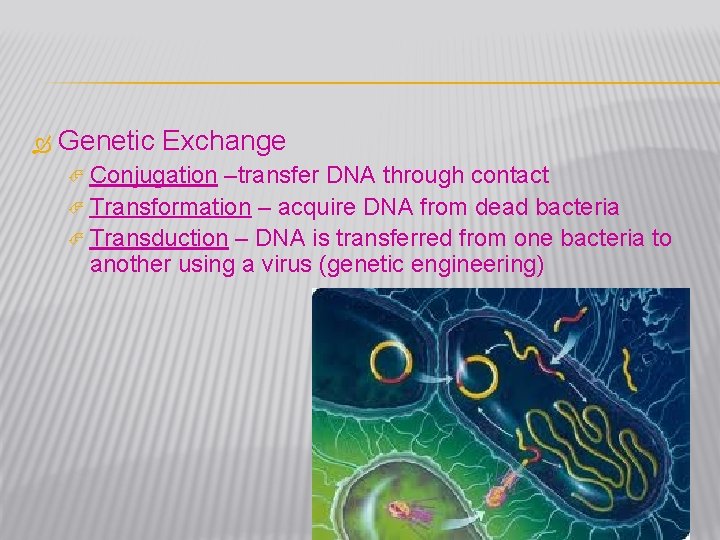
Genetic Exchange Conjugation –transfer DNA through contact Transformation – acquire DNA from dead bacteria Transduction – DNA is transferred from one bacteria to another using a virus (genetic engineering)

http: //highered. mcgrawhill. com/sites/0072556781/student_view 0/chapter 13/a nimation_quiz_2. html HTTP: //HIGHERED. MCGRAWHILL. COM/SITES/0072556781/STUDENT_VIE W 0/CHAPTER 13/ANIMATION_QUIZ_3. HTML
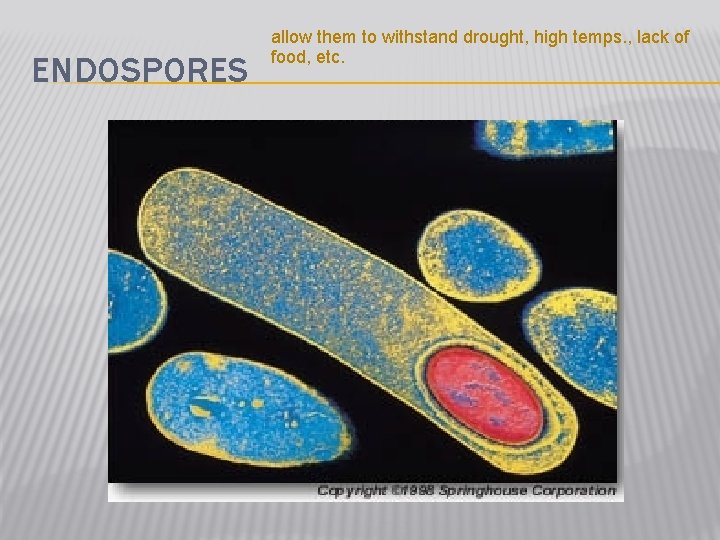
ENDOSPORES allow them to withstand drought, high temps. , lack of food, etc.
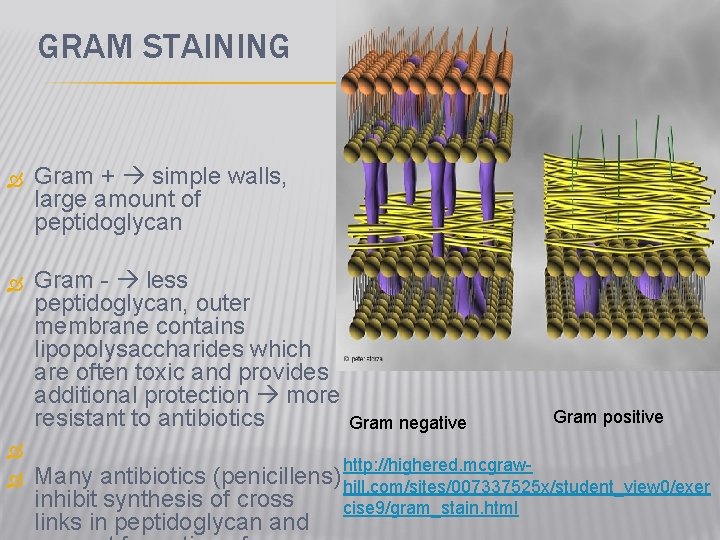
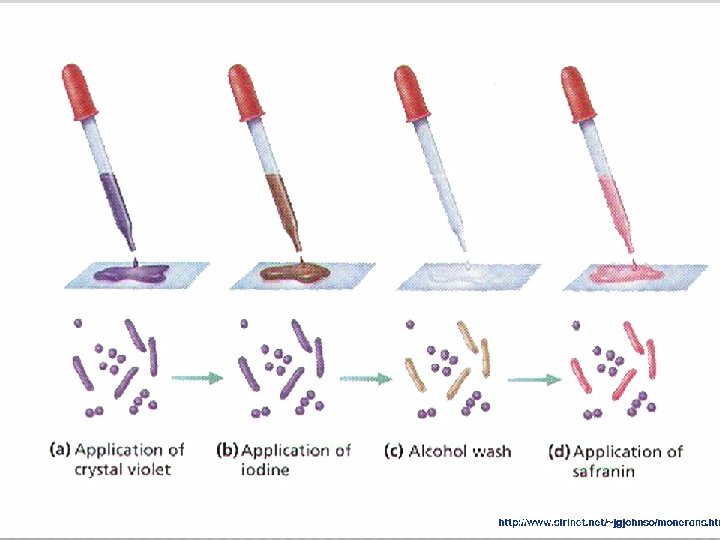
GRAM STAINING Gram + simple walls, large amount of peptidoglycan Gram - less peptidoglycan, outer membrane contains lipopolysaccharides which are often toxic and provides additional protection more resistant to antibiotics Gram negative http: //highered. mcgraw- Gram positive Many antibiotics (penicillens) hill. com/sites/007337525 x/student_view 0/exer inhibit synthesis of cross cise 9/gram_stain. html links in peptidoglycan and
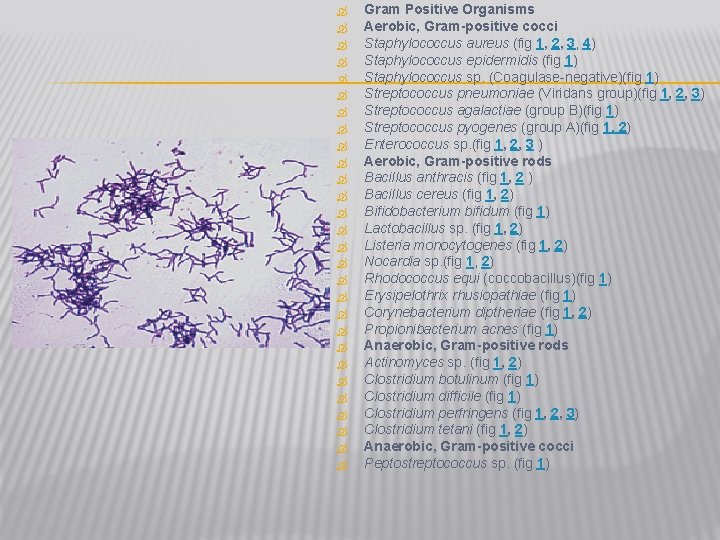
Gram Positive Organisms Aerobic, Gram-positive cocci Staphylococcus aureus (fig 1, 2, 3, 4) Staphylococcus epidermidis (fig 1) Staphylococcus sp. (Coagulase-negative)(fig 1) Streptococcus pneumoniae (Viridans group)(fig 1, 2, 3) Streptococcus agalactiae (group B)(fig 1) Streptococcus pyogenes (group A)(fig 1, 2) Enterococcus sp. (fig 1, 2, 3 ) Aerobic, Gram-positive rods Bacillus anthracis (fig 1, 2 ) Bacillus cereus (fig 1, 2) Bifidobacterium bifidum (fig 1) Lactobacillus sp. (fig 1, 2) Listeria monocytogenes (fig 1, 2) Nocardia sp. (fig 1, 2) Rhodococcus equi (coccobacillus)(fig 1) Erysipelothrix rhusiopathiae (fig 1) Corynebacterium diptheriae (fig 1, 2) Propionibacterium acnes (fig 1) Anaerobic, Gram-positive rods Actinomyces sp. (fig 1, 2) Clostridium botulinum (fig 1) Clostridium difficile (fig 1) Clostridium perfringens (fig 1, 2, 3) Clostridium tetani (fig 1, 2) Anaerobic, Gram-positive cocci Peptostreptococcus sp. (fig 1)
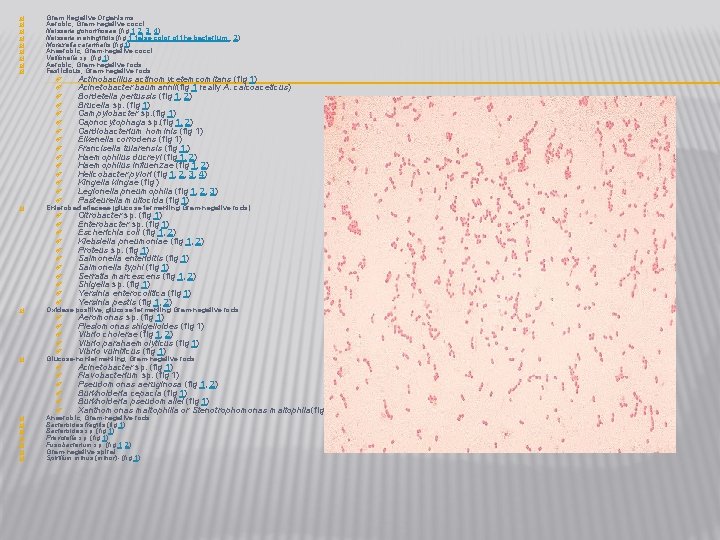
Gram Negative Organisms Aerobic, Gram-negative cocci Neisseria gonorrhoeae (fig 1, 2, 3, 4) Neisseria meningitidis (fig 1; false color of the bacterium. , 2) Moraxella catarrhalis (fig 1) Anaerobic, Gram-negative cocci Veillonella sp. (fig 1) Aerobic, Gram-negative rods Fastidious, Gram-negative rods Actinobacillus actinomycetemcomitans (fig 1) Acinetobacter baumannii(fig 1 really A. calcoaceticus) Bordetella pertussis (fig 1, 2) Brucella sp. (fig 1) Campylobacter sp. (fig 1) Capnocytophaga sp. (fig 1, 2) Cardiobacterium hominis (fig 1) Eikenella corrodens (fig 1) Francisella tularensis (fig 1, ) Haemophilus ducreyi (fig 1, 2) Haemophilus influenzae (fig 1, 2) Helicobacter pylori (fig 1, 2, 3, 4) Kingella kingae (fig ) Legionella pneumophila (fig 1, 2, 3) Pasteurella multocida (fig 1) Enterobacteriaceae (glucose-fermenting Gram-negative rods) Citrobacter sp. (fig 1) Enterobacter sp. (fig 1) Escherichia coli (fig 1, 2) Klebsiella pneumoniae (fig 1, 2) Proteus sp. (fig 1) Salmonella enteriditis (fig 1) Salmonella typhi (fig 1) Serratia marcescens (fig 1, 2) Shigella sp. (fig 1) Yersinia enterocolitica (fig 1) Yersinia pestis (fig 1, 2) Oxidase-positive, glucose-fermenting Gram-negative rods Aeromonas sp. (fig 1) Plesiomonas shigelloides (fig 1) Vibrio cholerae (fig 1, 2) Vibrio parahaemolyticus (fig 1) Vibrio vulnificus (fig 1) Glucose-nonfermenting, Gram-negative rods Acinetobacter sp. (fig 1) Flavobacterium sp. (fig 1) Pseudomonas aeruginosa (fig 1, 2) Burkholderia cepacia (fig 1) Burkholderia pseudomallei (fig 1) Xanthomonas maltophilia or Stenotrophomonas maltophila(fig Anaerobic, Gram-negative rods Bacteroides fragilis (fig 1) Bacteroides sp. (fig 1) Prevotella sp. (fig 1) Fusobacterium sp. (fig 1, 2) Gram-negative spiral Spirillum minus (minor)- (fig 1) 1)
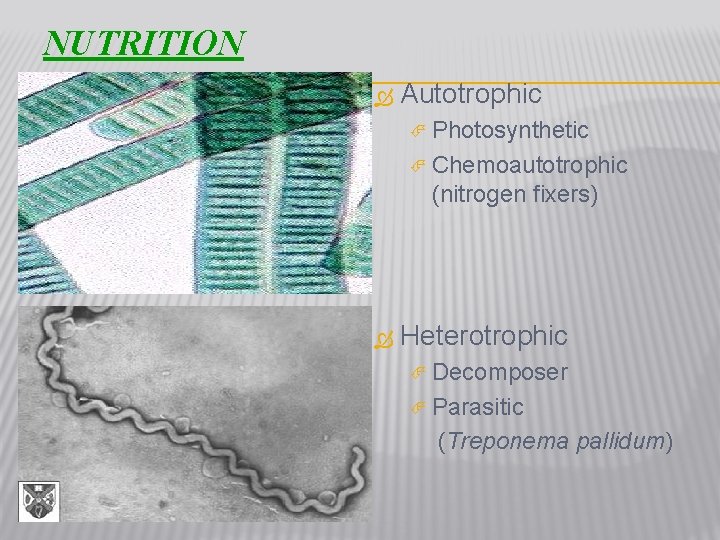
NUTRITION Autotrophic Photosynthetic Chemoautotrophic (nitrogen fixers) Heterotrophic Decomposer Parasitic (Treponema pallidum)
SURVIVAL OF THE FITTEST!!! Bacteria have been around for 3. 5 billion years!! How? ? Cell Walls Capsules (surrounds cell wall) Asexual Reproduction, but can still acquire other genes Inhabit every place on Earth
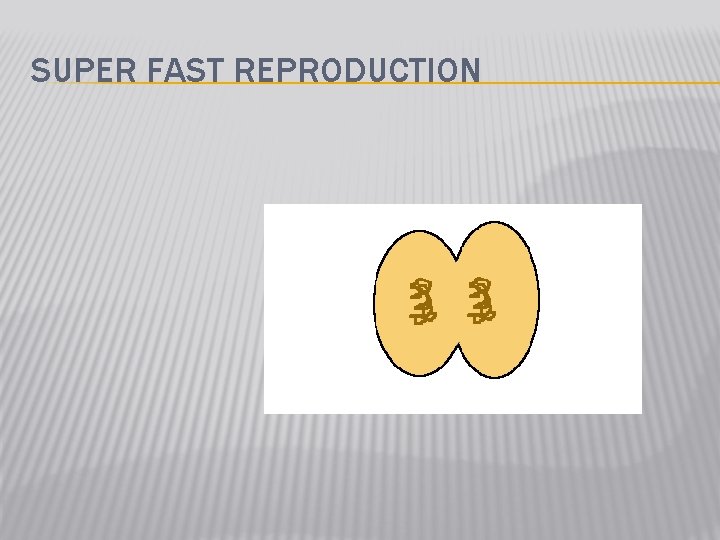
SUPER FAST REPRODUCTION

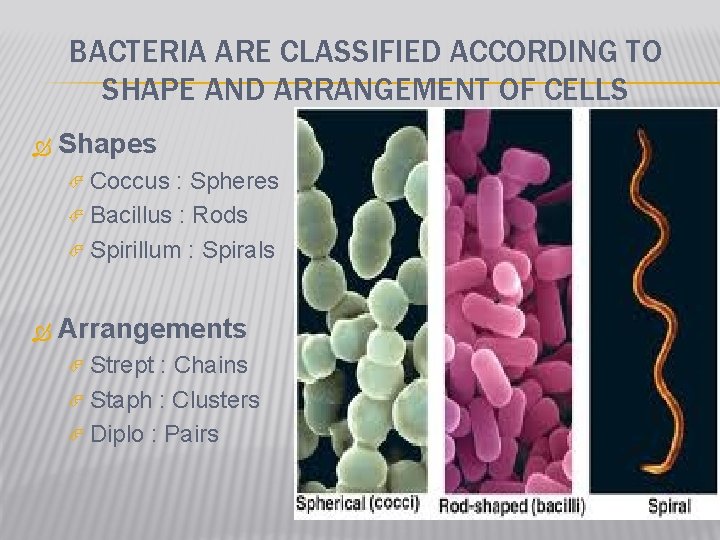
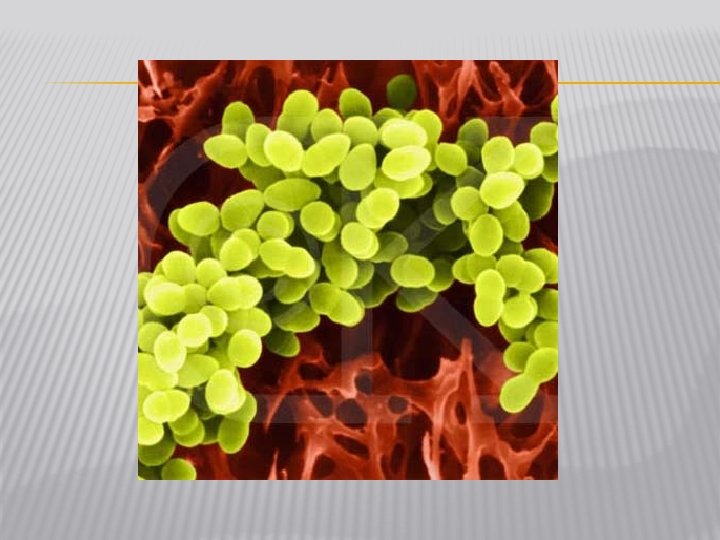
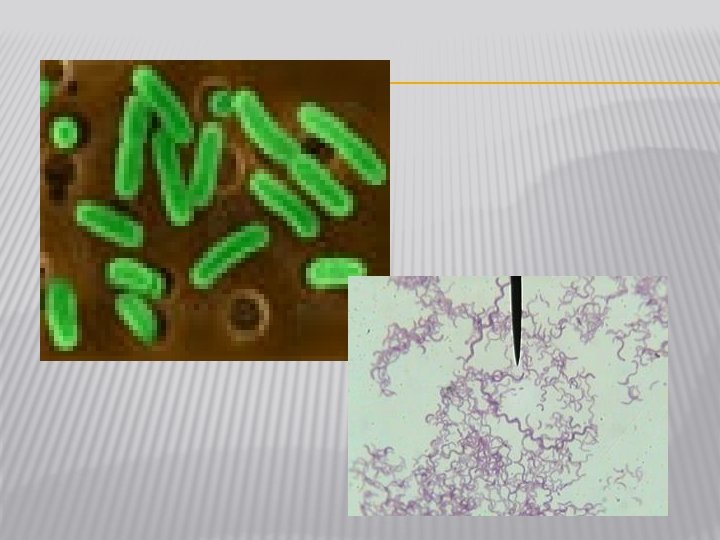
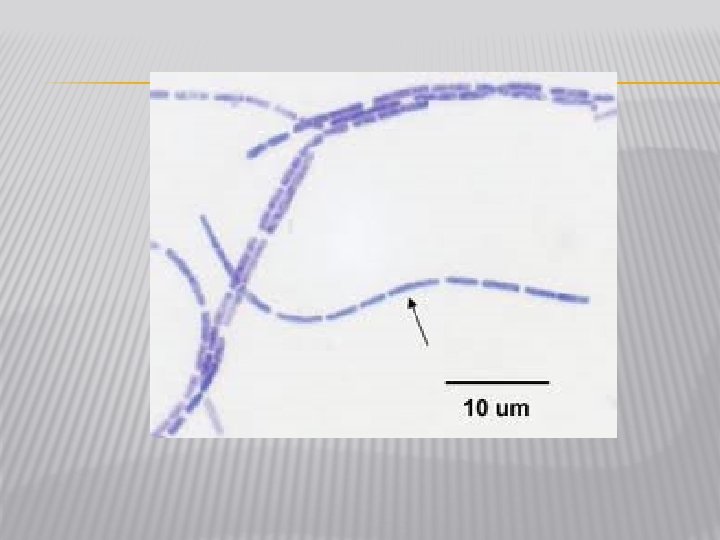
BACTERIA ARE CLASSIFIED ACCORDING TO SHAPE AND ARRANGEMENT OF CELLS Shapes Coccus : Spheres Bacillus : Rods Spirillum : Spirals Arrangements Strept : Chains Staph : Clusters Diplo : Pairs
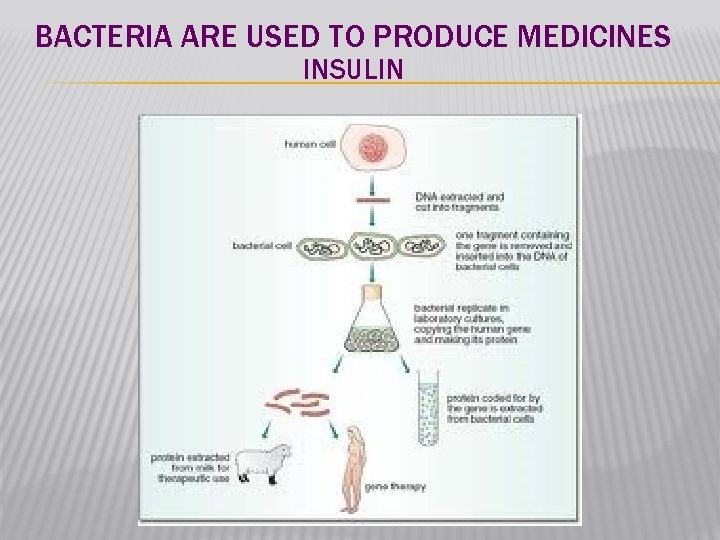
BACTERIA ARE USED TO PRODUCE MEDICINES INSULIN
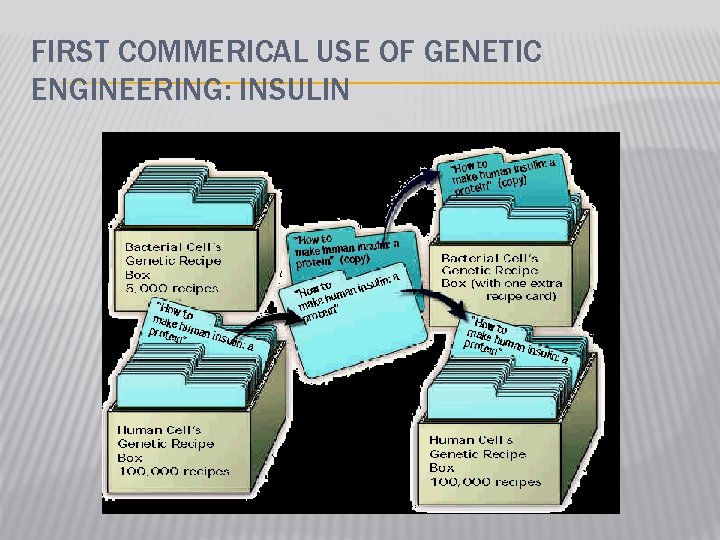
FIRST COMMERICAL USE OF GENETIC ENGINEERING: INSULIN
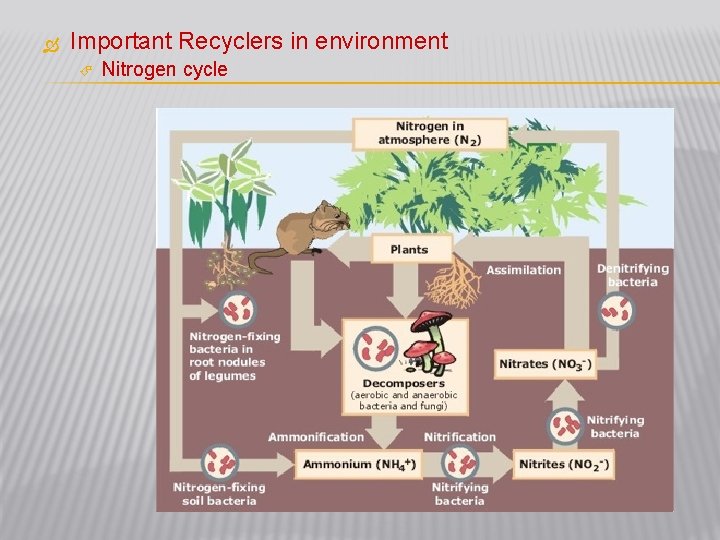
Important Recyclers in environment Nitrogen cycle
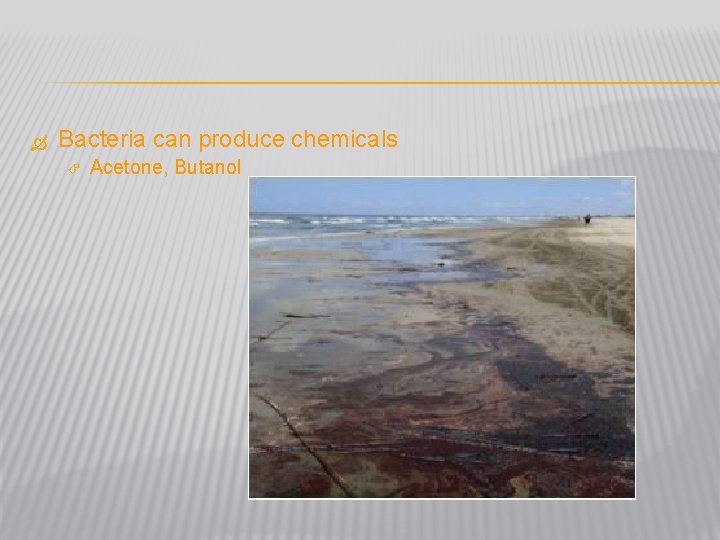
Bacteria can produce chemicals Acetone, Butanol
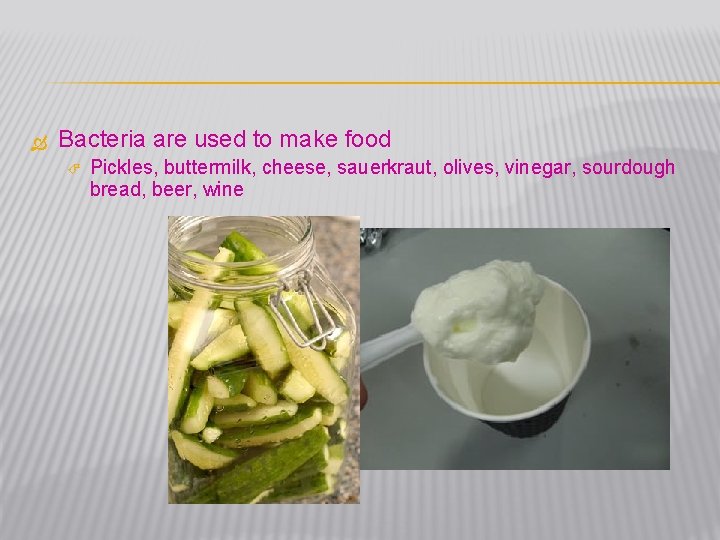
Bacteria are used to make food Pickles, buttermilk, cheese, sauerkraut, olives, vinegar, sourdough bread, beer, wine
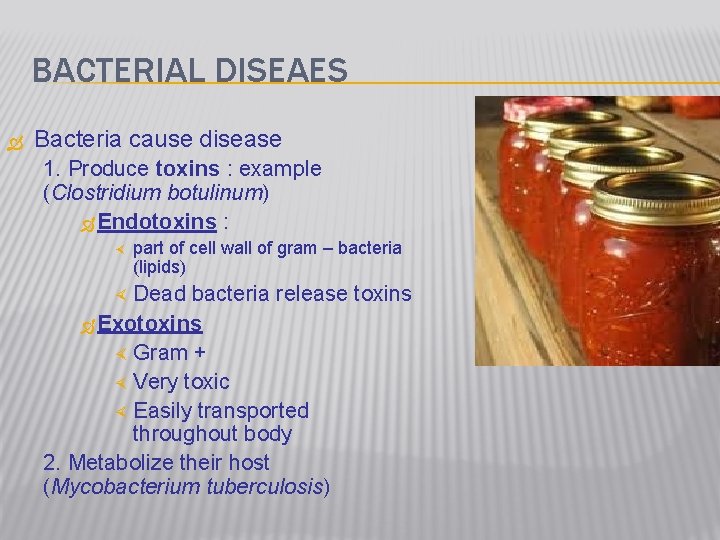
BACTERIAL DISEAES Bacteria cause disease 1. Produce toxins : example (Clostridium botulinum) Endotoxins : part of cell wall of gram – bacteria (lipids) Dead bacteria release toxins Exotoxins Gram + Very toxic Easily transported throughout body 2. Metabolize their host (Mycobacterium tuberculosis)
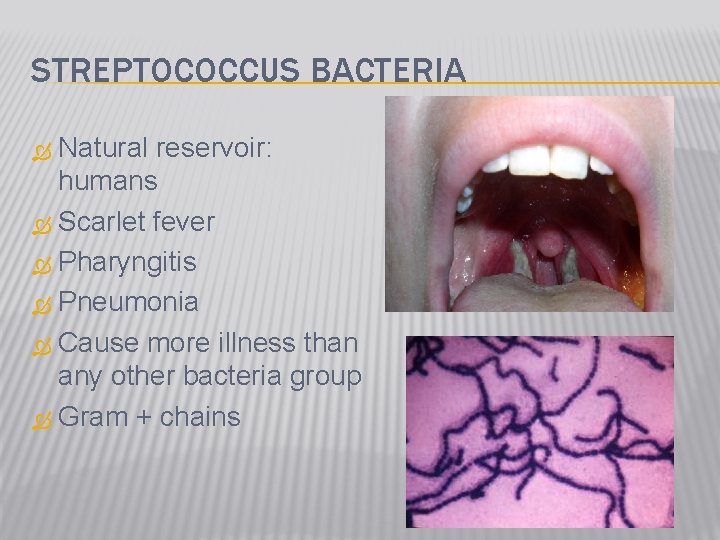
STREPTOCOCCUS BACTERIA Natural reservoir: humans Scarlet fever Pharyngitis Pneumonia Cause more illness than any other bacteria group Gram + chains
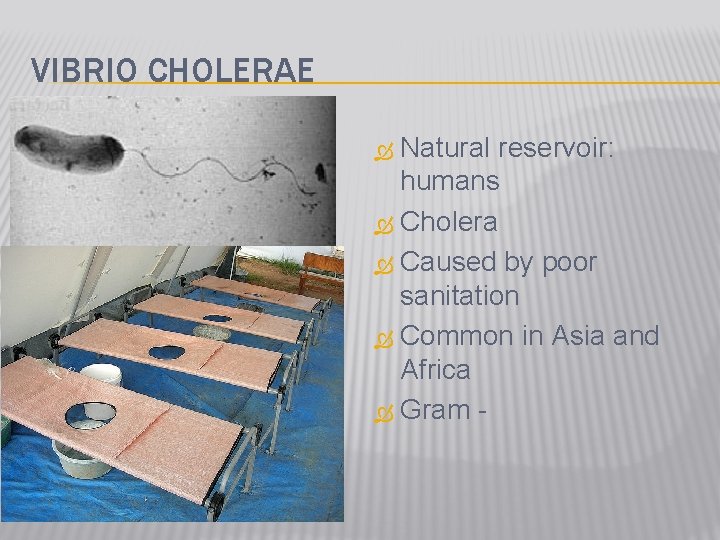
VIBRIO CHOLERAE Natural reservoir: humans Cholera Caused by poor sanitation Common in Asia and Africa Gram
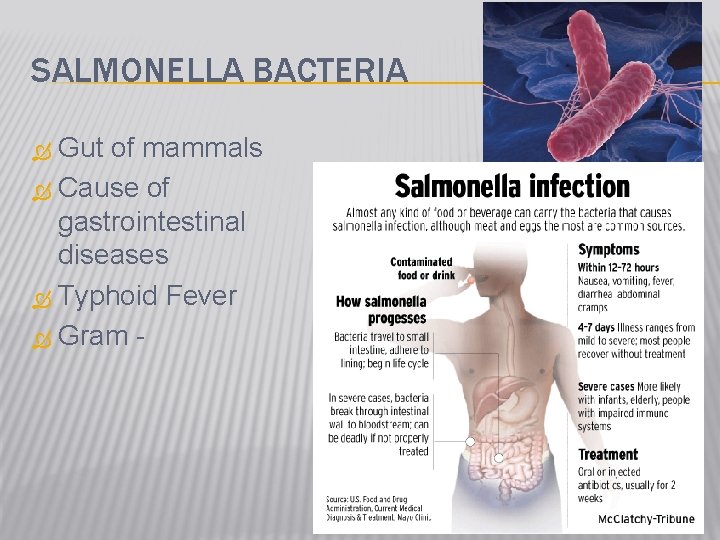
SALMONELLA BACTERIA Gut of mammals Cause of gastrointestinal diseases Typhoid Fever Gram
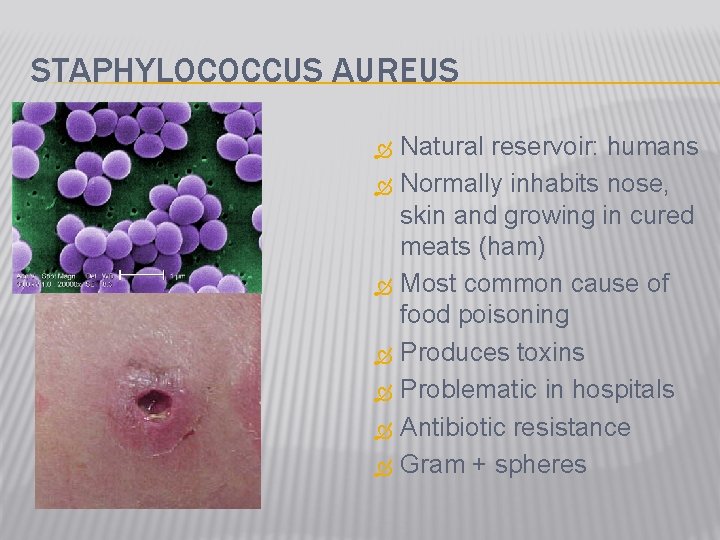
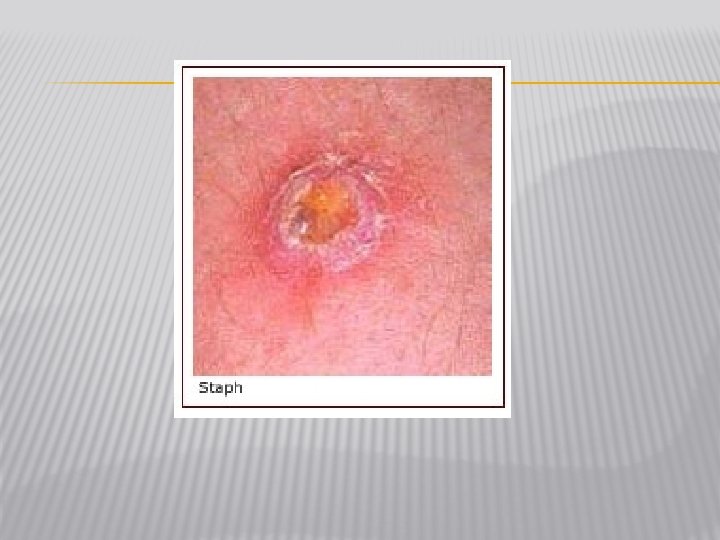
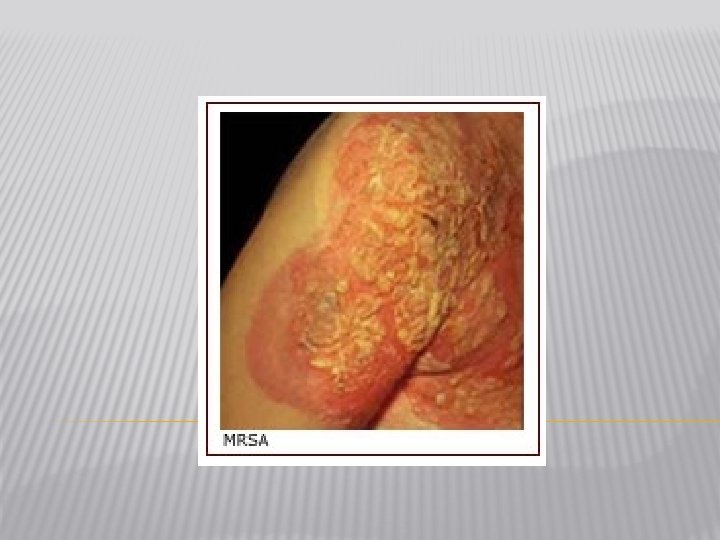
STAPHYLOCOCCUS AUREUS Natural reservoir: humans Normally inhabits nose, skin and growing in cured meats (ham) Most common cause of food poisoning Produces toxins Problematic in hospitals Antibiotic resistance Gram + spheres
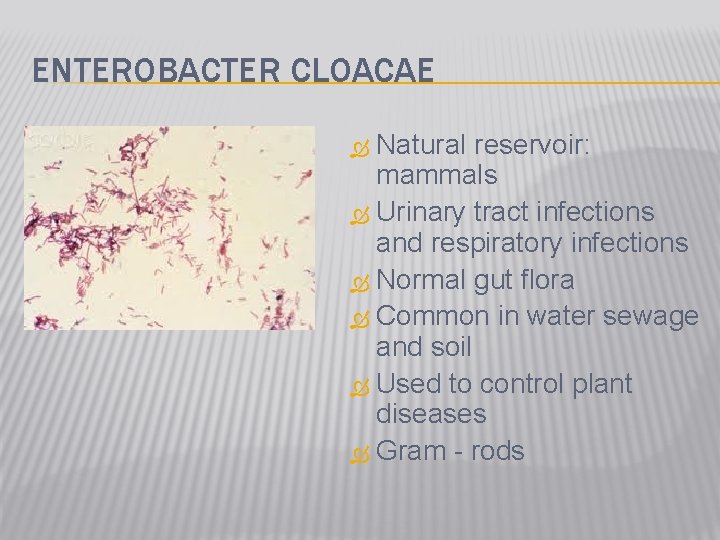
ENTEROBACTER CLOACAE Natural reservoir: mammals Urinary tract infections and respiratory infections Normal gut flora Common in water sewage and soil Used to control plant diseases Gram - rods
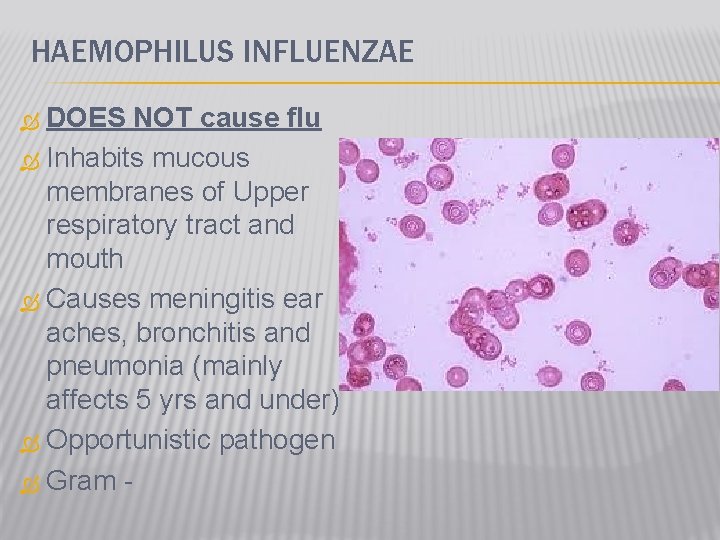
HAEMOPHILUS INFLUENZAE DOES NOT cause flu Inhabits mucous membranes of Upper respiratory tract and mouth Causes meningitis ear aches, bronchitis and pneumonia (mainly affects 5 yrs and under) Opportunistic pathogen Gram
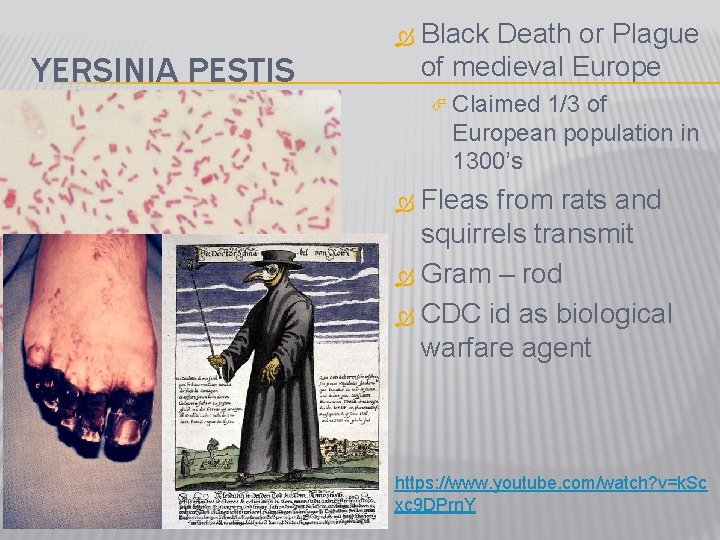
YERSINIA PESTIS Black Death or Plague of medieval Europe Claimed 1/3 of European population in 1300’s Fleas from rats and squirrels transmit Gram – rod CDC id as biological warfare agent https: //www. youtube. com/watch? v=k. Sc xc 9 DPrn. Y
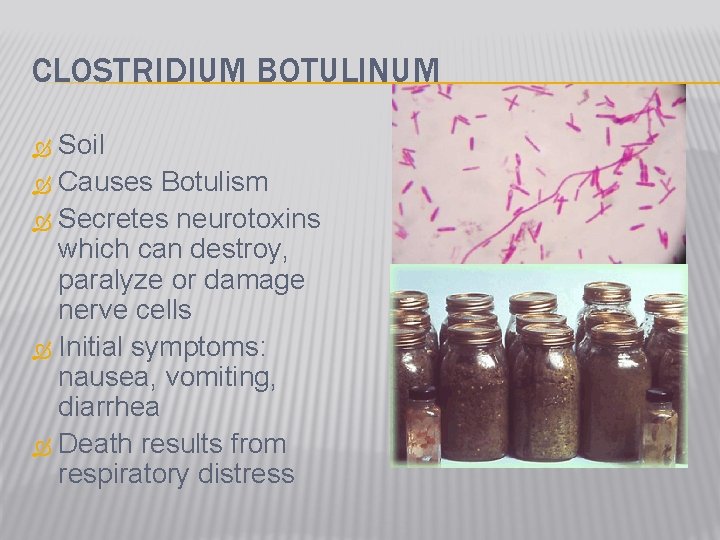
CLOSTRIDIUM BOTULINUM Soil Causes Botulism Secretes neurotoxins which can destroy, paralyze or damage nerve cells Initial symptoms: nausea, vomiting, diarrhea Death results from respiratory distress

HOW CAN BOTULISM BE CONTRACTED? For example, if a low-acid food, such as green beans, is canned improperly (not canned under pressure or improperly canned using a pressure canner), C. botulinum bacteria and other bacteria present will be destroyed by the boiling of water and food, but the C. botulinum spores will not be destroyed. The canning process will remove the oxygen from the jar, creating a lowoxygen environment that is will allow the spores to grow into active bacteria. When the jars are stored at room temperature, the spores can germinate and produce the toxin. However, the toxin is sensitive to heat and can be destroyed if the food in question is boiled for 10 minutes (longer at high altitudes).
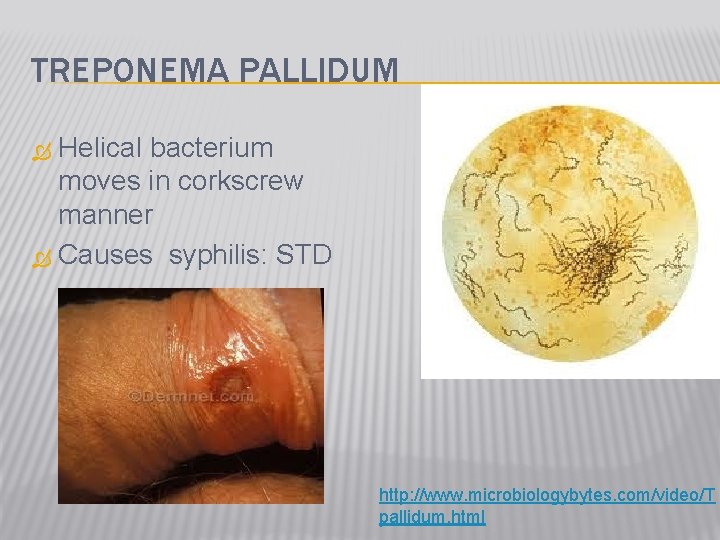
TREPONEMA PALLIDUM Helical bacterium moves in corkscrew manner Causes syphilis: STD http: //www. microbiologybytes. com/video/T pallidum. html
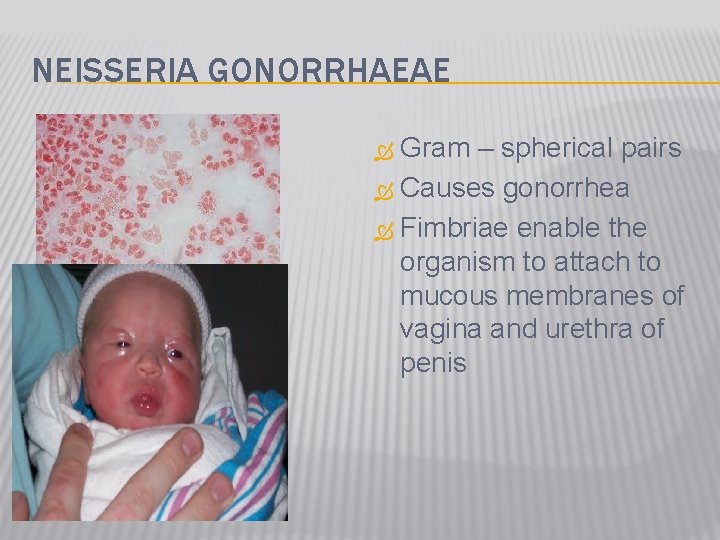
NEISSERIA GONORRHAEAE Gram – spherical pairs Causes gonorrhea Fimbriae enable the organism to attach to mucous membranes of vagina and urethra of penis
- Slides: 48