
Bacteria Bacteria 2 of the 6 kingdoms are
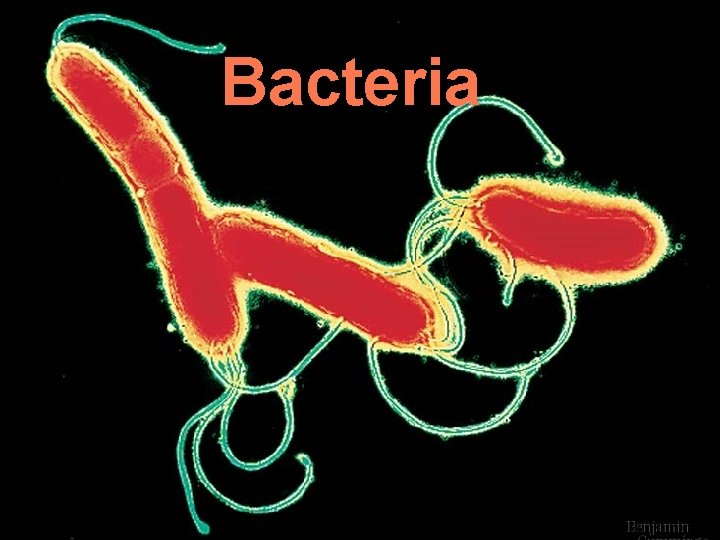
Bacteria
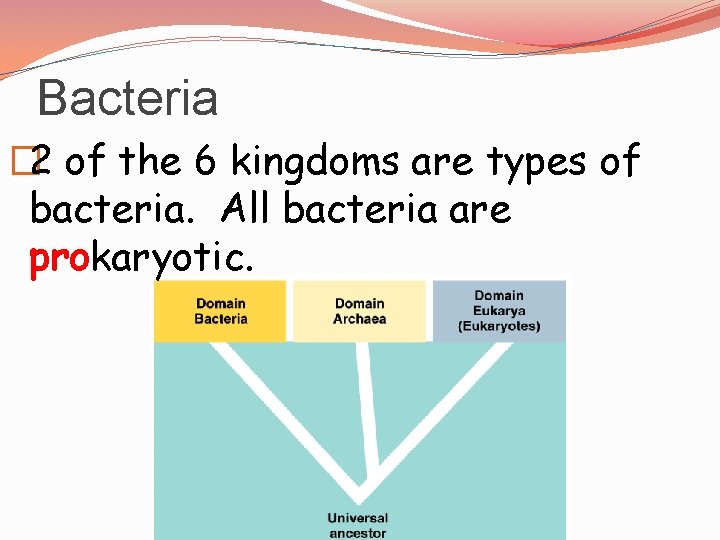
Bacteria � 2 of the 6 kingdoms are types of bacteria. All bacteria are prokaryotic.
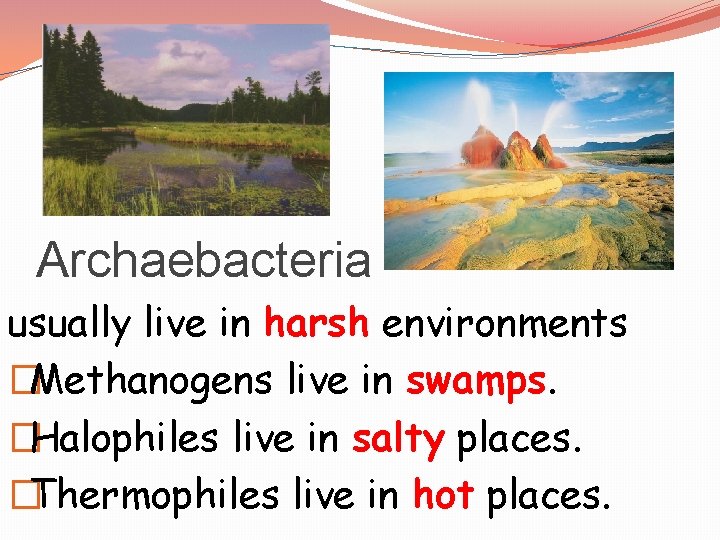
Archaebacteria usually live in harsh environments �Methanogens live in swamps. �Halophiles live in salty places. �Thermophiles live in hot places.
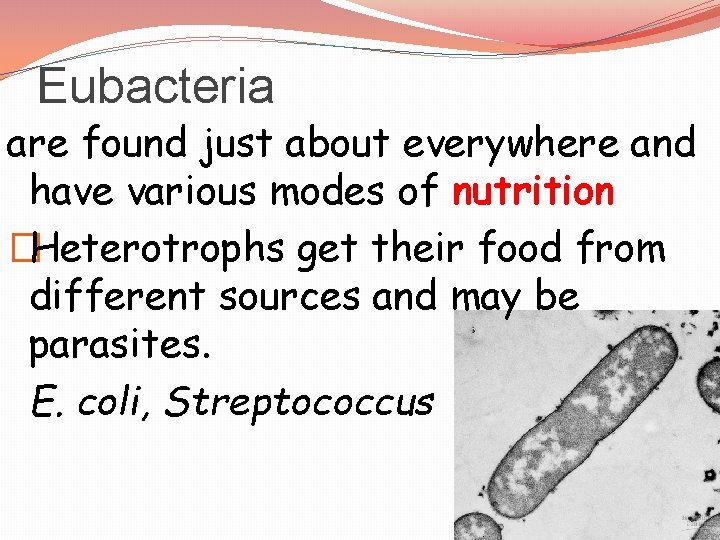
Eubacteria are found just about everywhere and have various modes of nutrition �Heterotrophs get their food from different sources and may be parasites. E. coli, Streptococcus
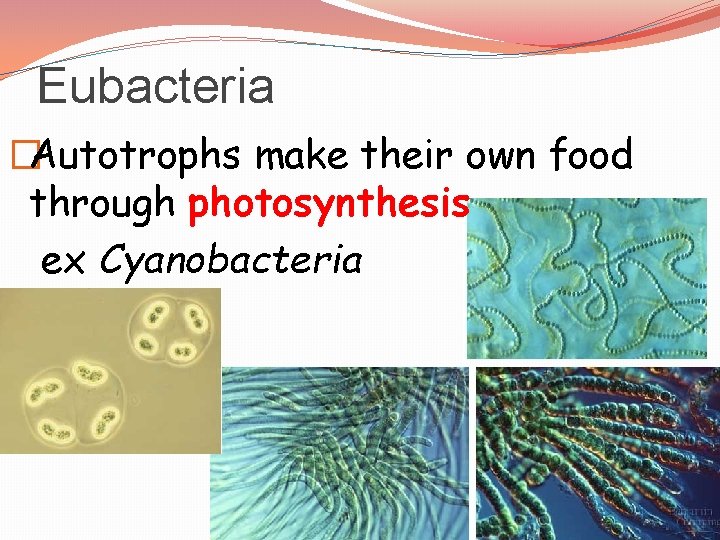
Eubacteria �Autotrophs make their own food through photosynthesis ex Cyanobacteria
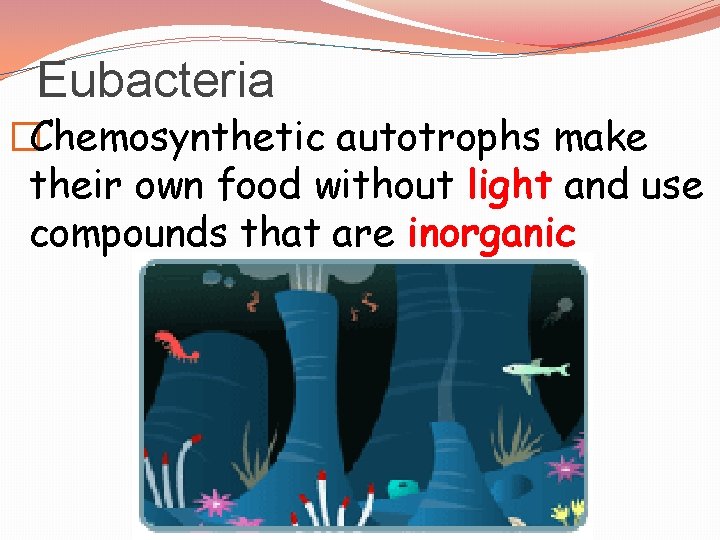
Eubacteria �Chemosynthetic autotrophs make their own food without light and use compounds that are inorganic
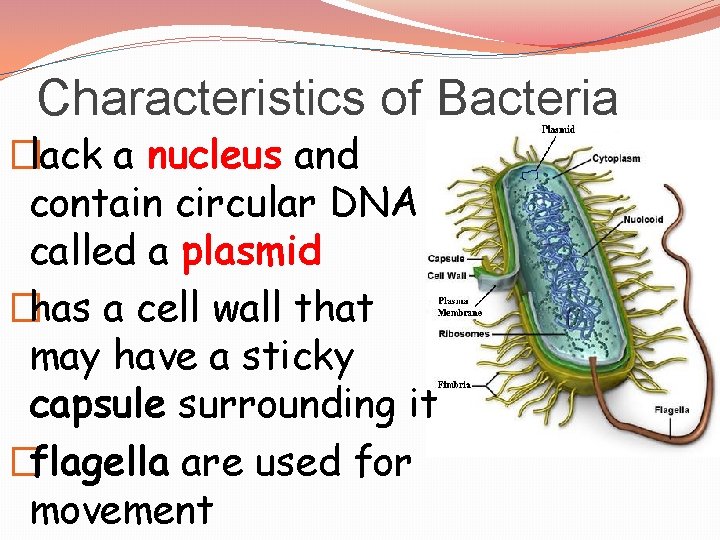
Characteristics of Bacteria �lack a nucleus and contain circular DNA called a plasmid �has a cell wall that may have a sticky capsule surrounding it �flagella are used for movement
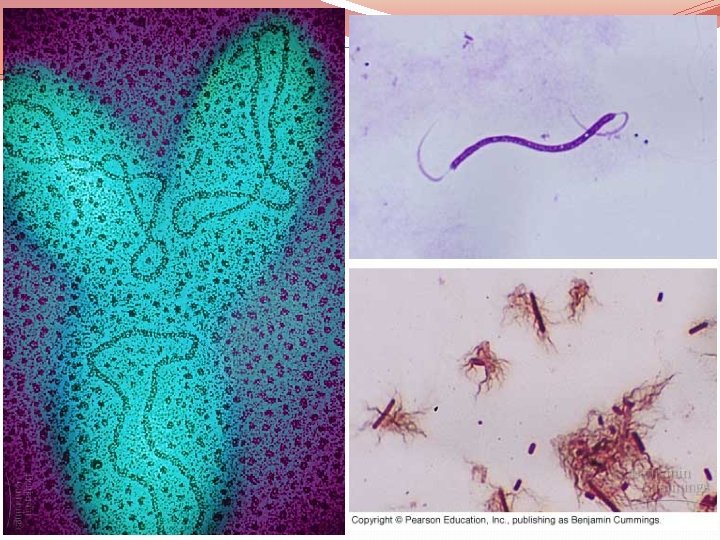
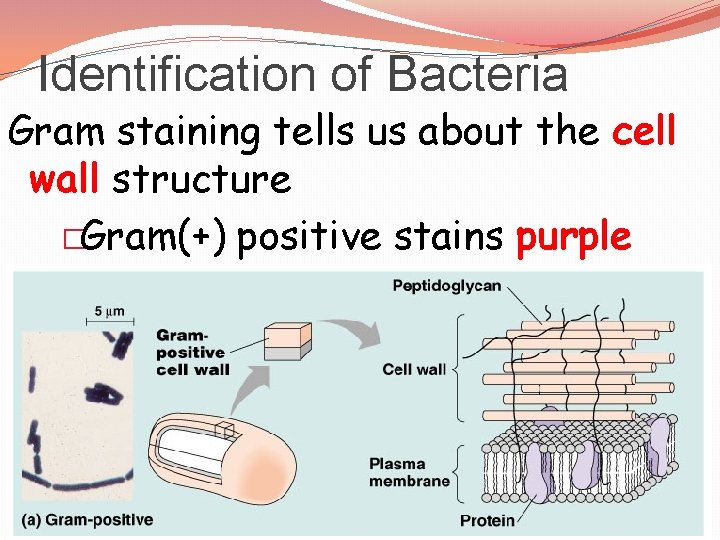
Identification of Bacteria Gram staining tells us about the cell wall structure �Gram(+) positive stains purple
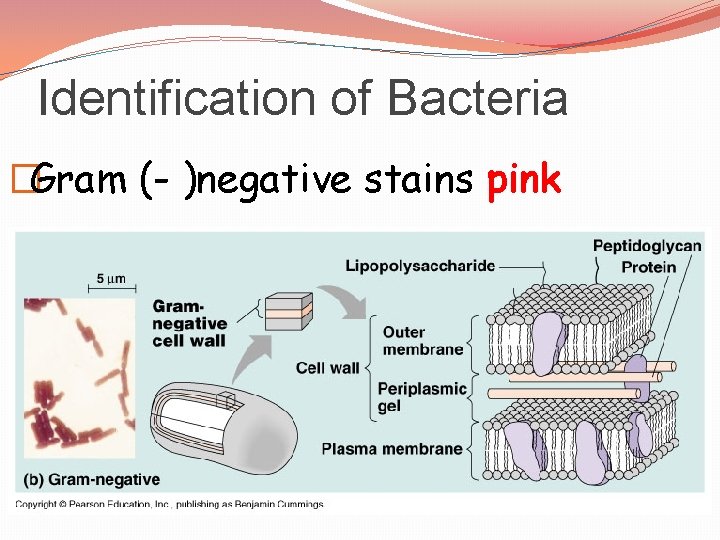
Identification of Bacteria �Gram (- )negative stains pink
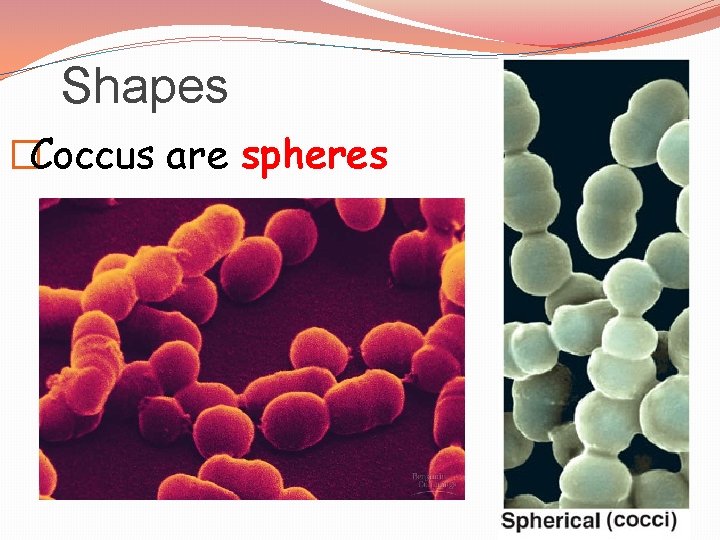
Shapes �Coccus are spheres
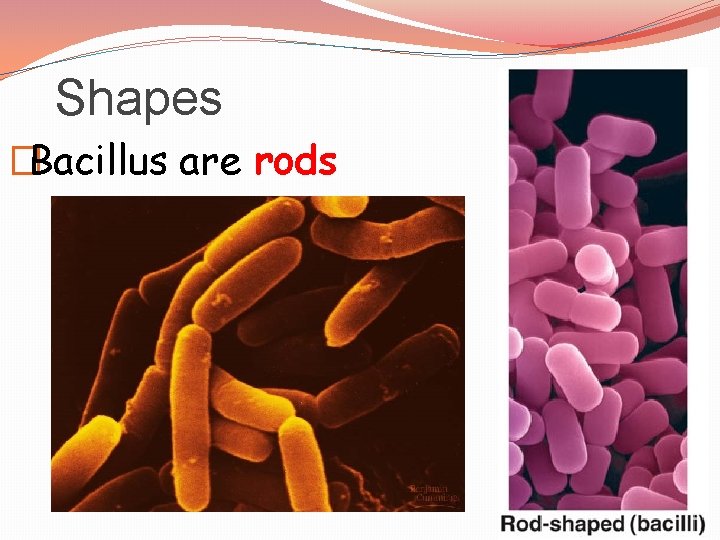
Shapes �Bacillus are rods
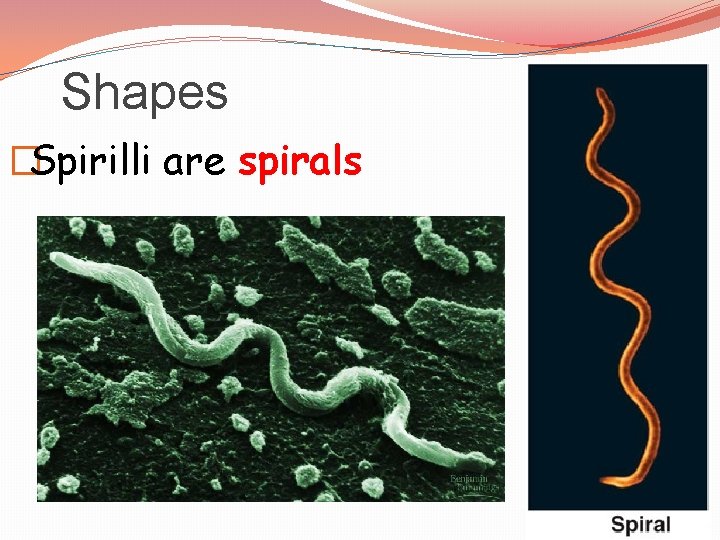
Shapes �Spirilli are spirals
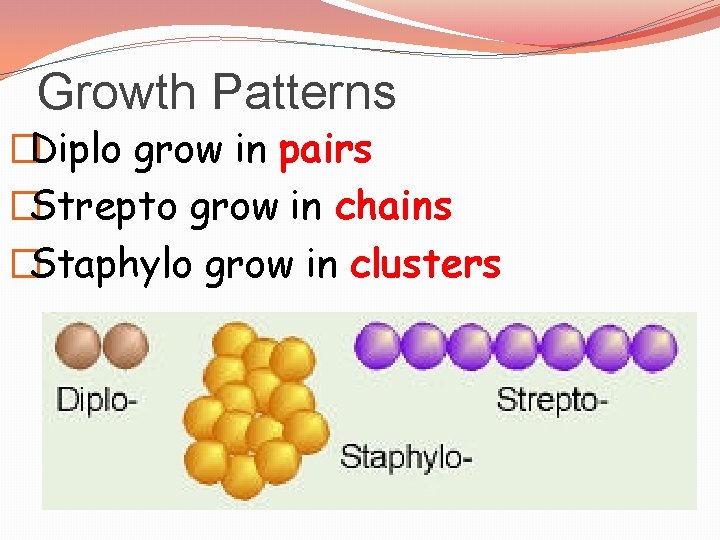
Growth Patterns �Diplo grow in pairs �Strepto grow in chains �Staphylo grow in clusters
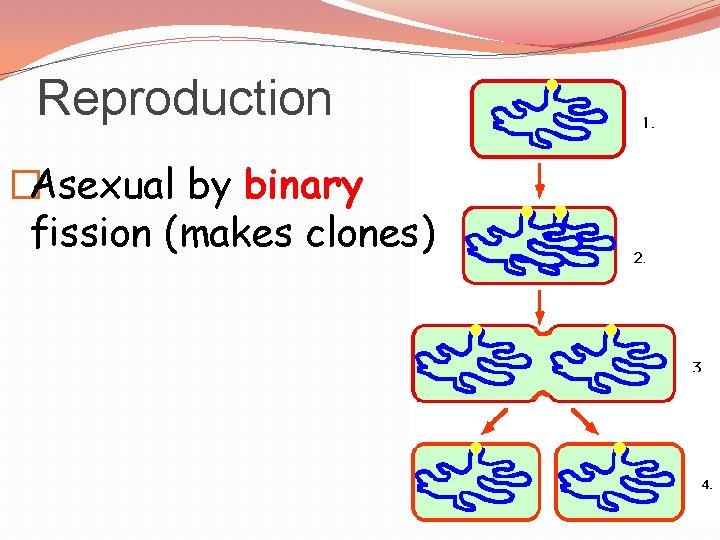
Reproduction �Asexual by binary fission (makes clones)
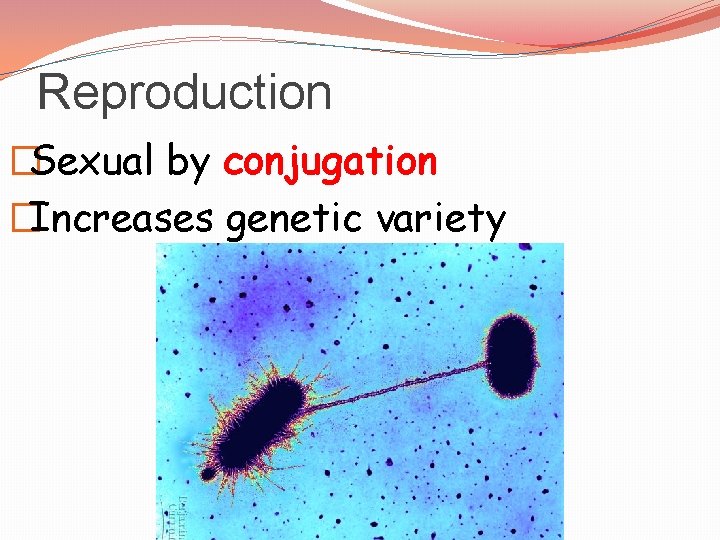
Reproduction �Sexual by conjugation �Increases genetic variety
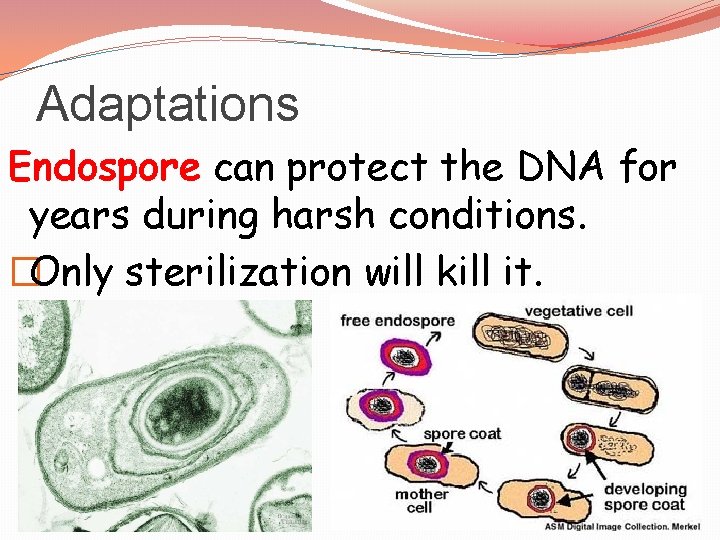
Adaptations Endospore can protect the DNA for years during harsh conditions. �Only sterilization will kill it.
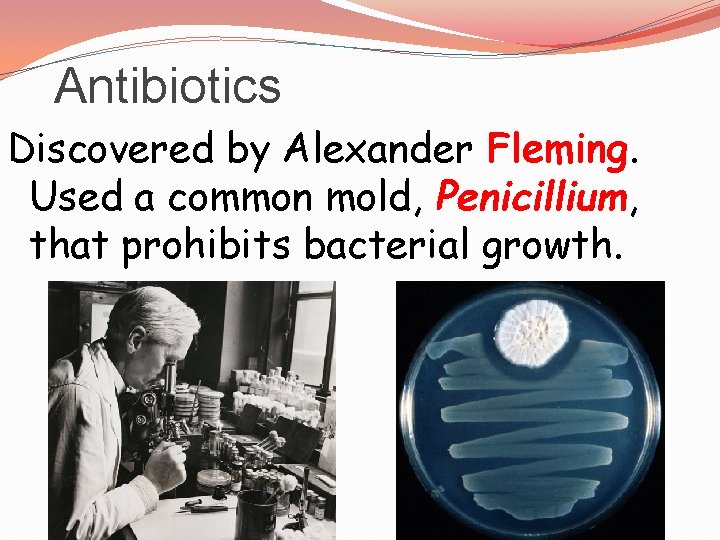
Antibiotics Discovered by Alexander Fleming. Used a common mold, Penicillium, that prohibits bacterial growth.
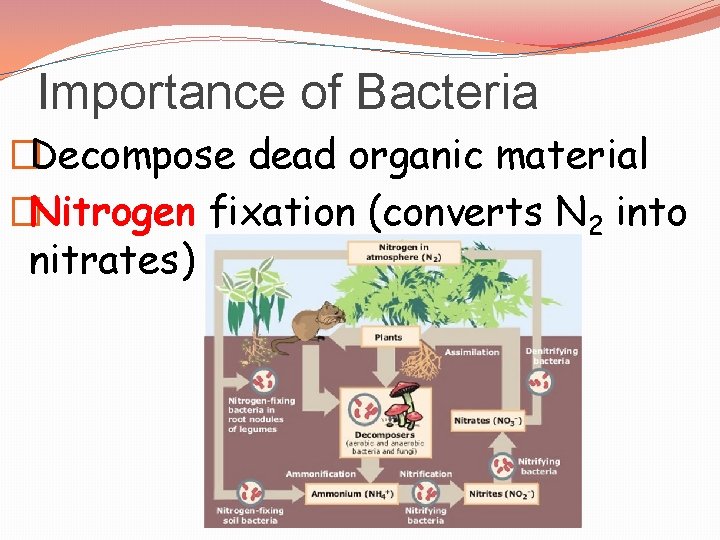
Importance of Bacteria �Decompose dead organic material �Nitrogen fixation (converts N 2 into nitrates)
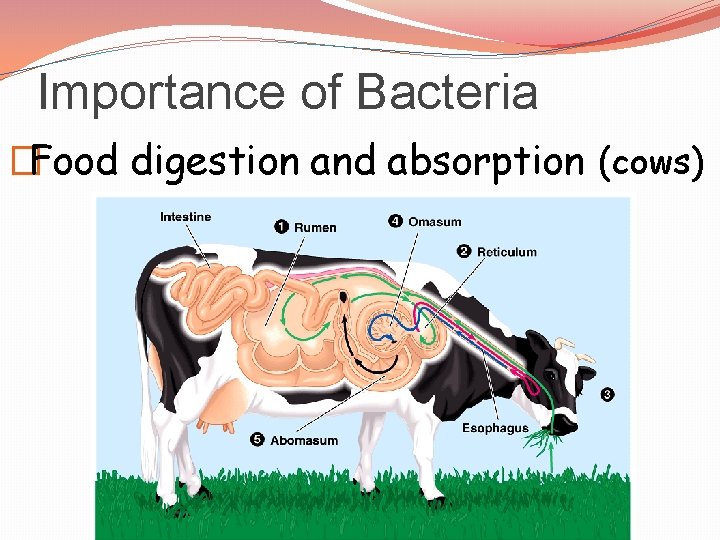
Importance of Bacteria �Food digestion and absorption (cows)
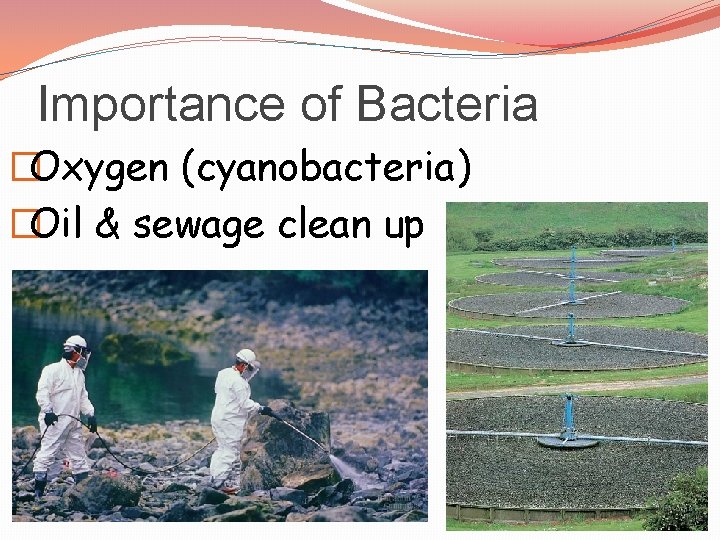
Importance of Bacteria �Oxygen (cyanobacteria) �Oil & sewage clean up
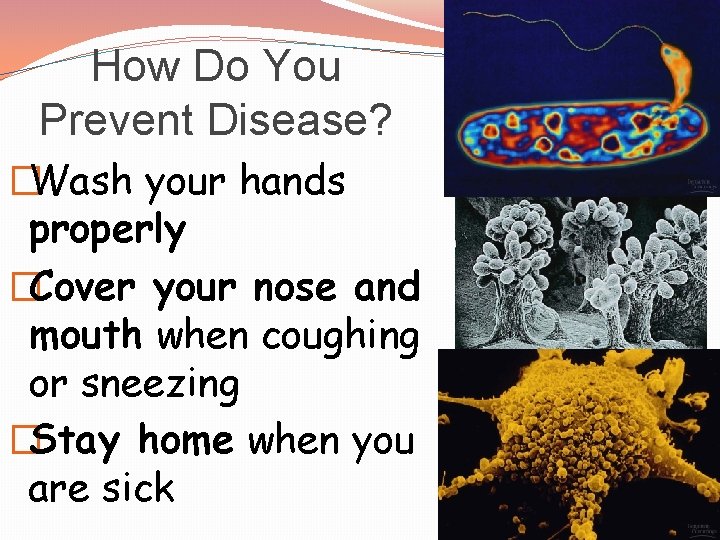
How Do You Prevent Disease? �Wash your hands properly �Cover your nose and mouth when coughing or sneezing �Stay home when you are sick
- Slides: 22