
Background Knowledge and Notes Lesson One The Olmecs

Background Knowledge and Notes
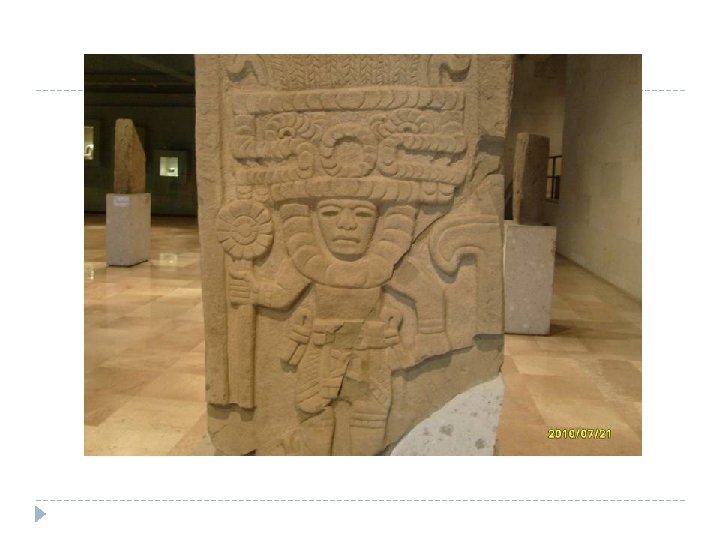
Lesson One The Olmecs, the “Mother Culture”, flourished in the southern region of Mesoamerica during 1500— 400 BC. Mesoamerica includes Mexico, parts of Honduras, parts of Nicaragua, Costa Rico and Belize “Olmec” is not the original name; called Olmec later
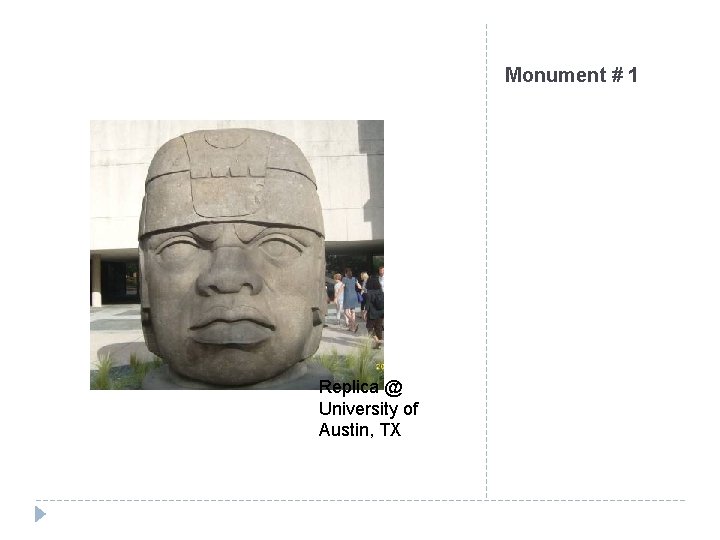
Monument # 1 Replica @ University of Austin, TX
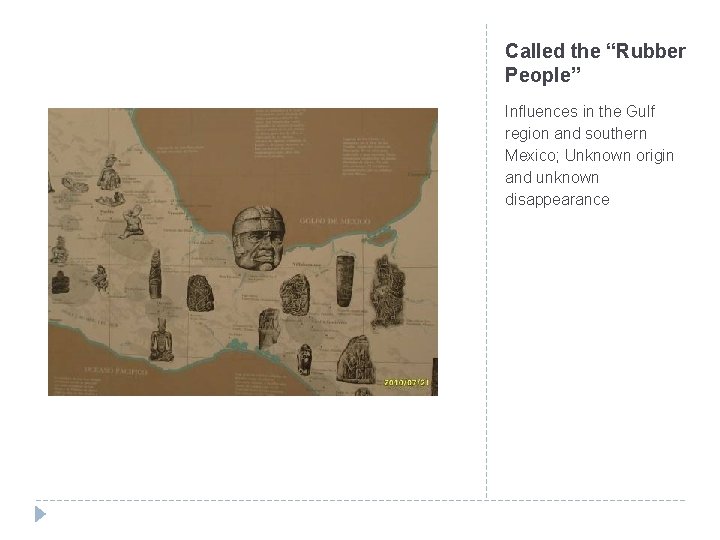
Called the “Rubber People” Influences in the Gulf region and southern Mexico; Unknown origin and unknown disappearance
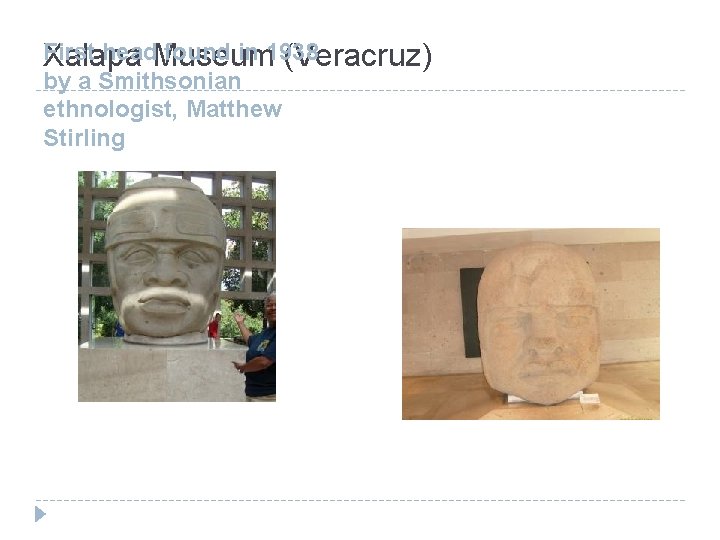
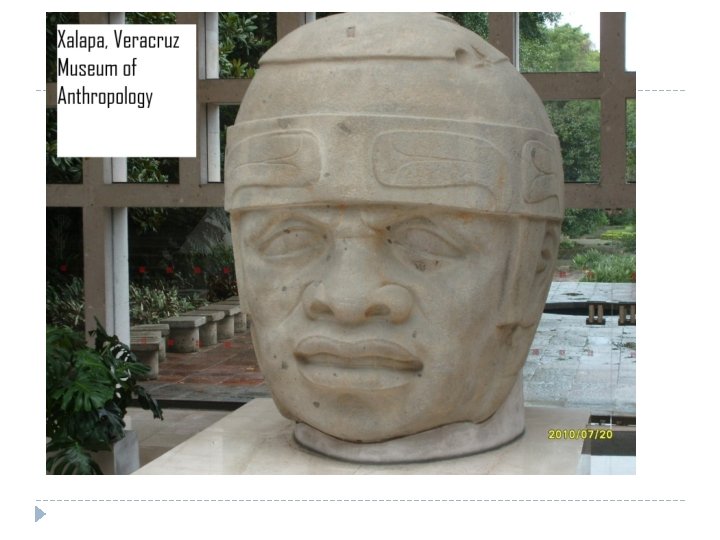
First head. Museum found in 1938 Xalapa (Veracruz) by a Smithsonian ethnologist, Matthew Stirling
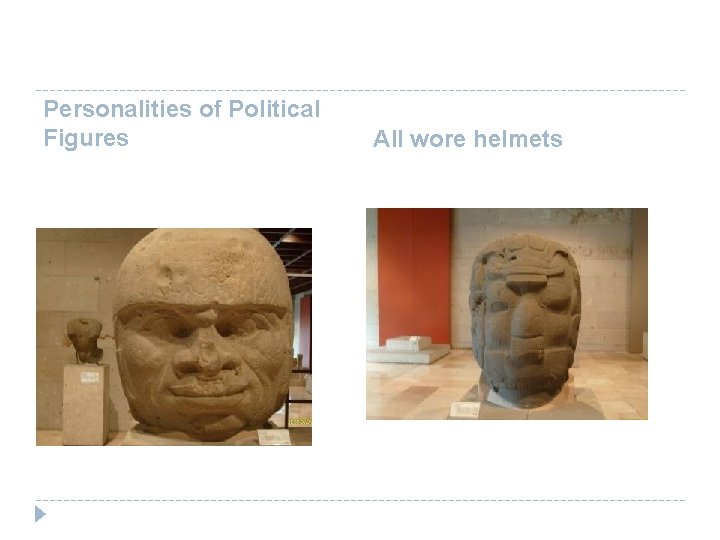
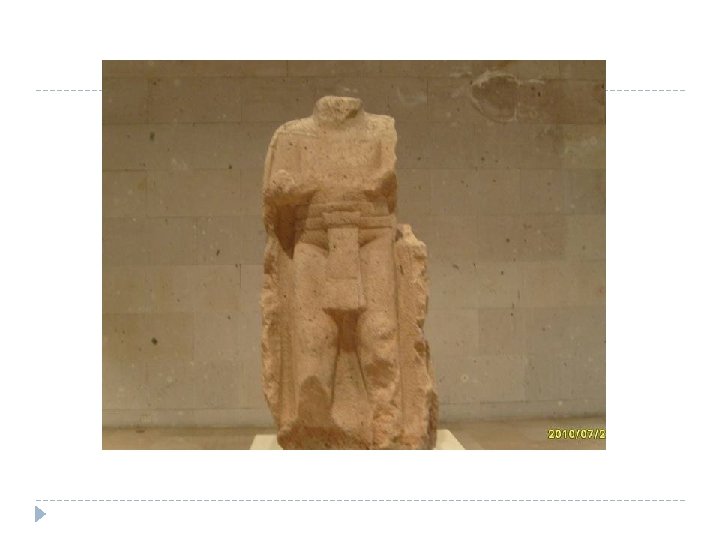
Personalities of Political Figures All wore helmets
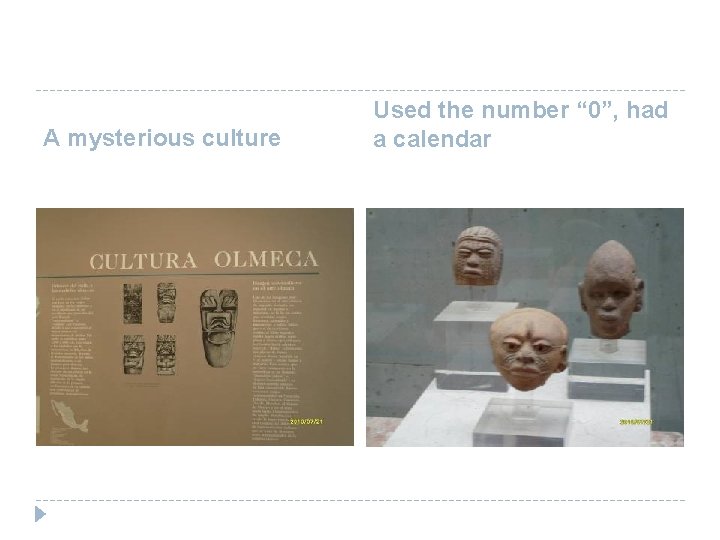
A mysterious culture Used the number “ 0”, had a calendar
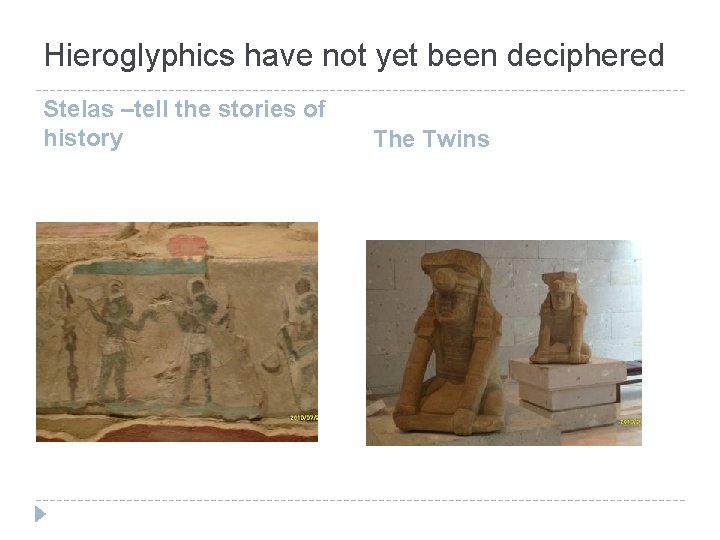
Hieroglyphics have not yet been deciphered Stelas –tell the stories of history The Twins
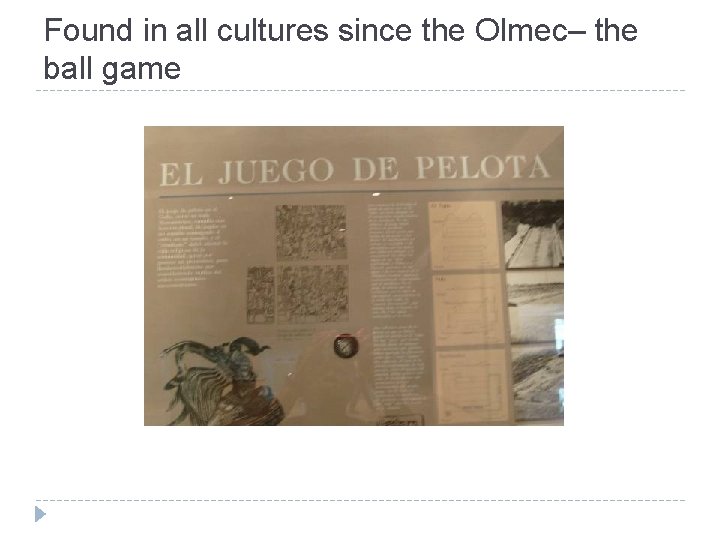
Found in all cultures since the Olmec– the ball game
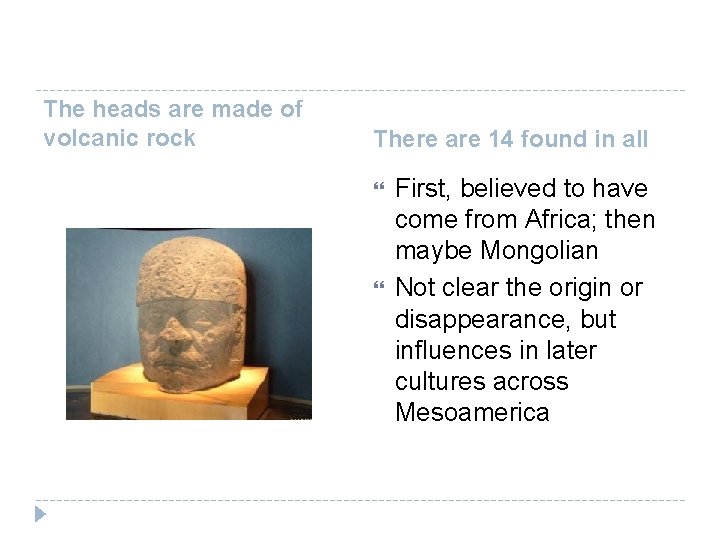
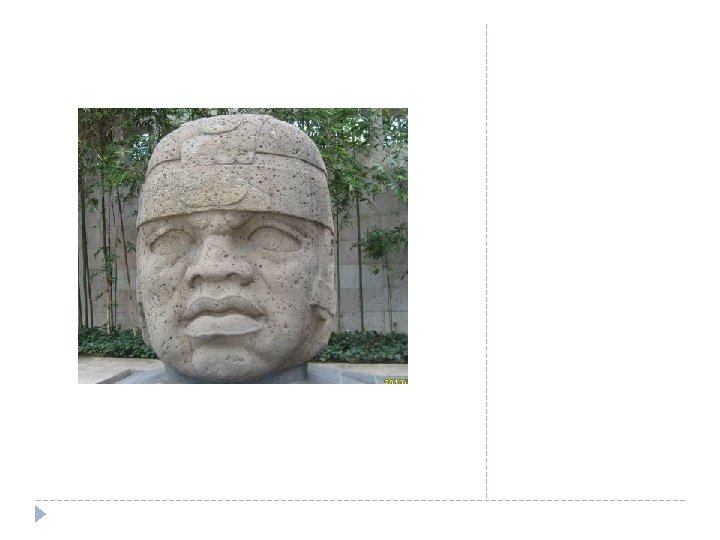
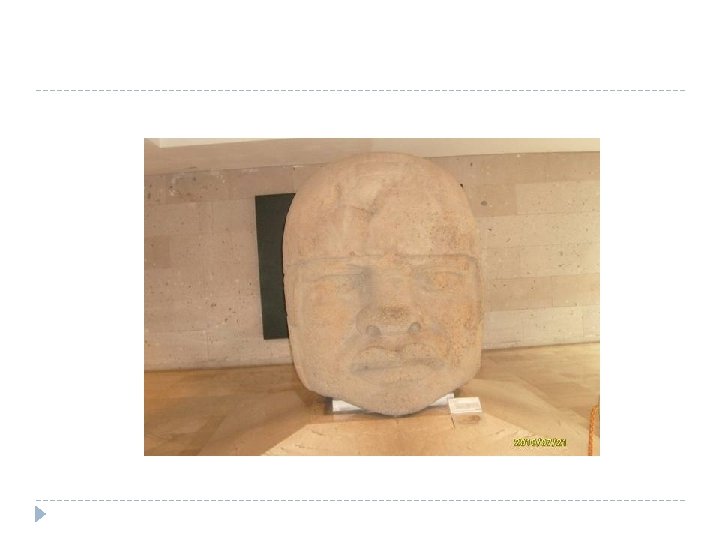
The heads are made of volcanic rock There are 14 found in all First, believed to have come from Africa; then maybe Mongolian Not clear the origin or disappearance, but influences in later cultures across Mesoamerica
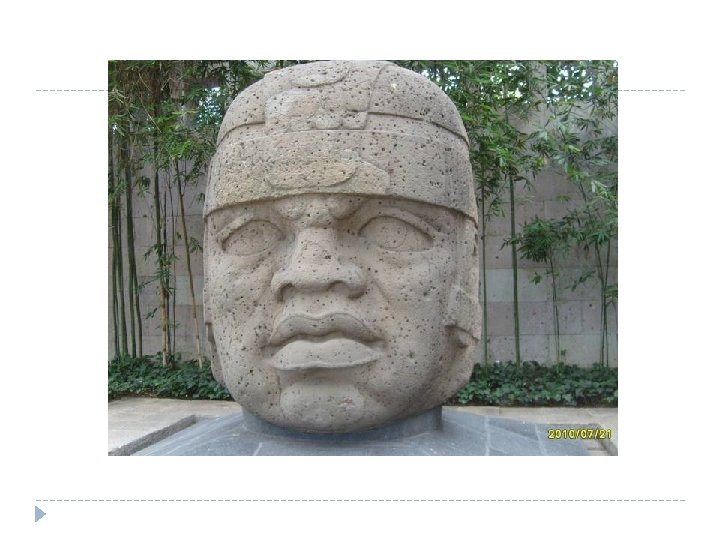
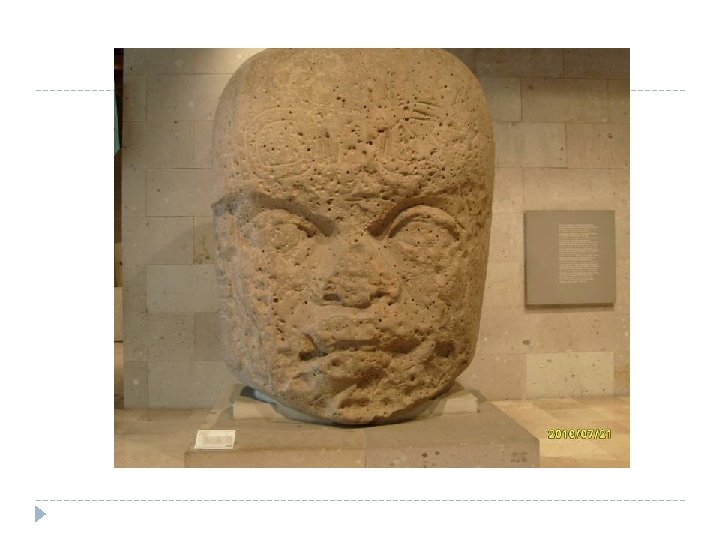
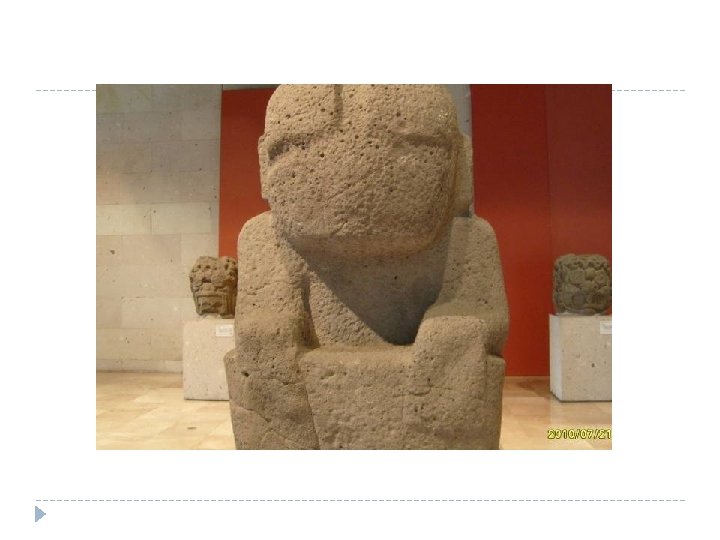
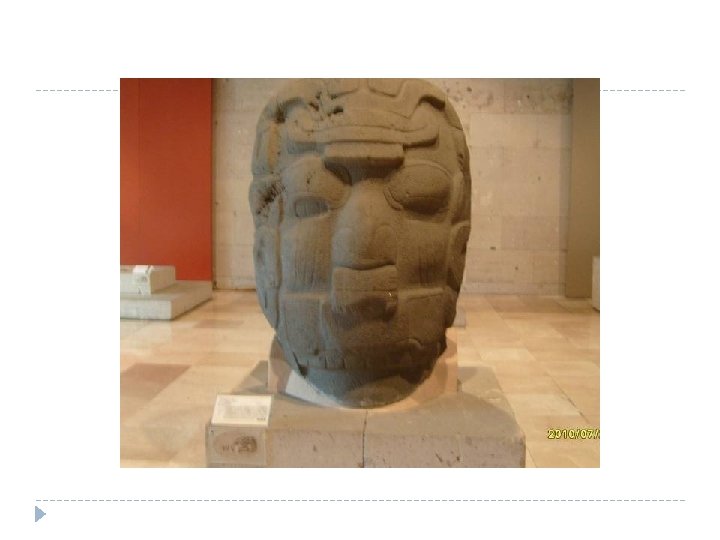
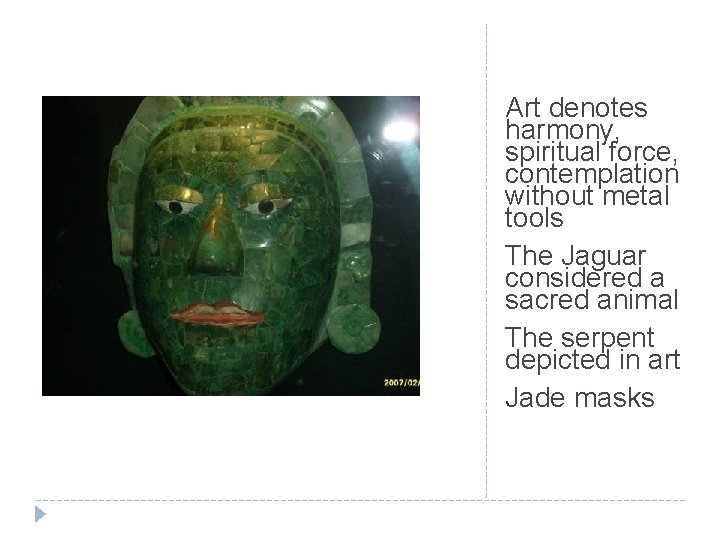
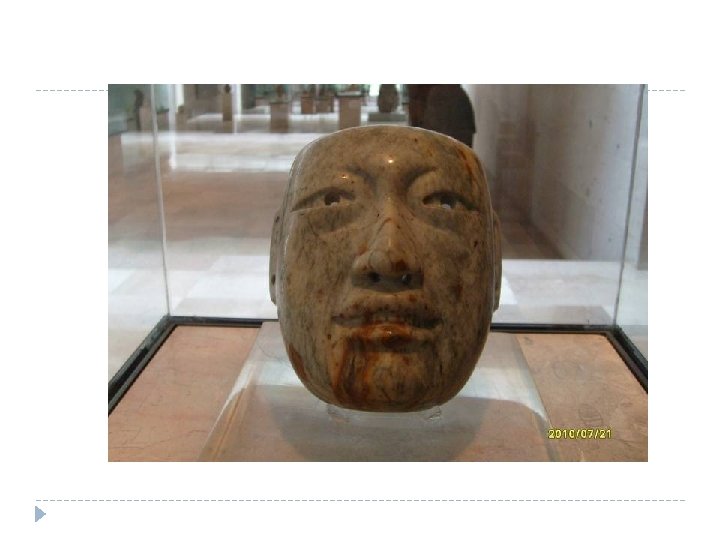
Art denotes harmony, spiritual force, contemplation without metal tools The Jaguar considered a sacred animal The serpent depicted in art Jade masks
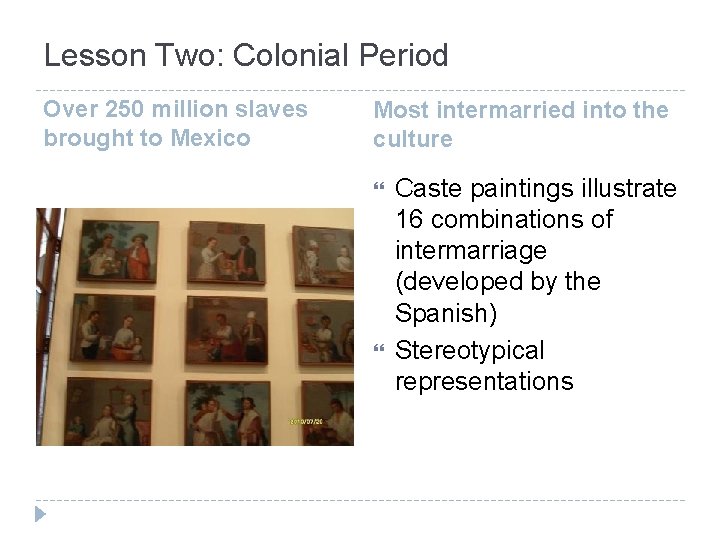
Lesson Two: Colonial Period Over 250 million slaves brought to Mexico Most intermarried into the culture Caste paintings illustrate 16 combinations of intermarriage (developed by the Spanish) Stereotypical representations
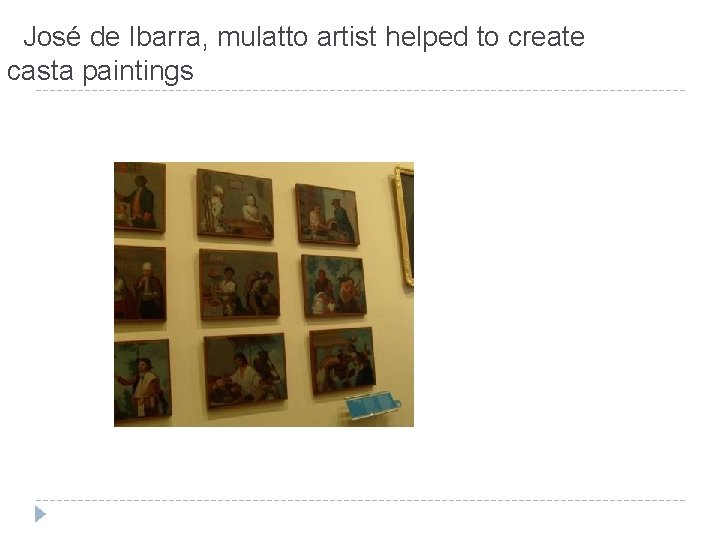
José de Ibarra, mulatto artist helped to create casta paintings
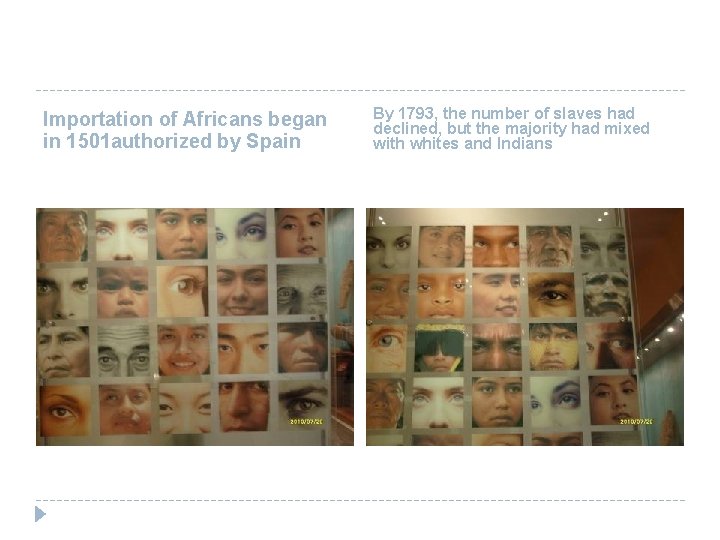
Importation of Africans began in 1501 authorized by Spain By 1793, the number of slaves had declined, but the majority had mixed with whites and Indians
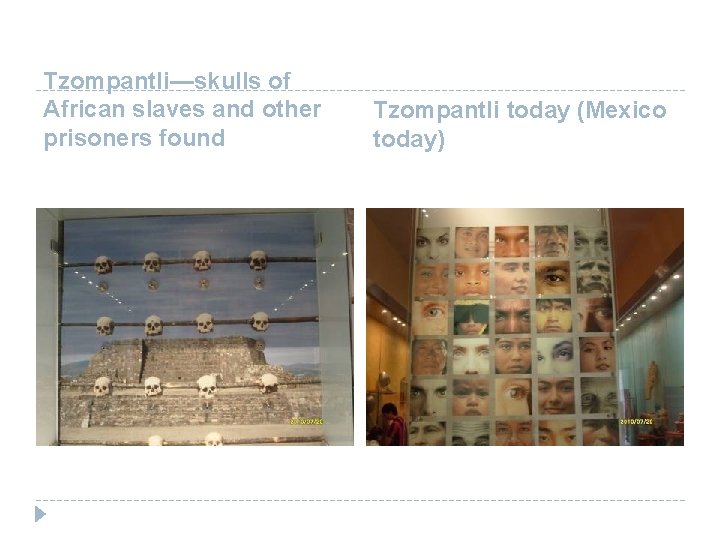
Tzompantli—skulls of African slaves and other prisoners found Tzompantli today (Mexico today)
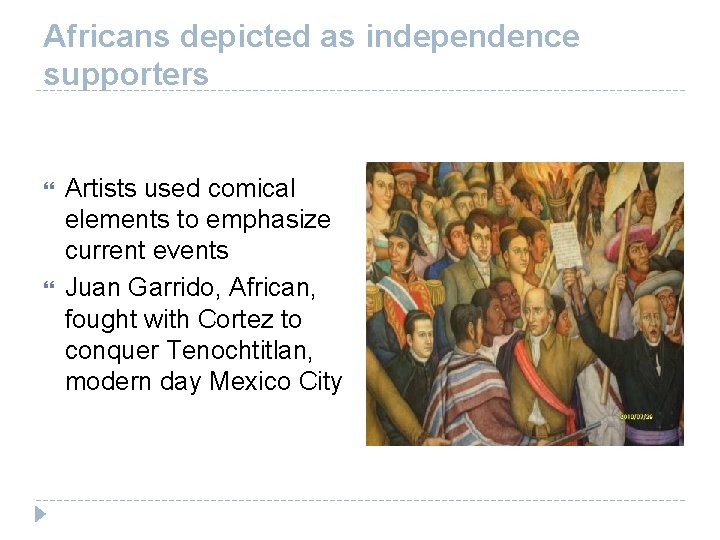
Africans depicted as independence supporters Artists used comical elements to emphasize current events Juan Garrido, African, fought with Cortez to conquer Tenochtitlan, modern day Mexico City
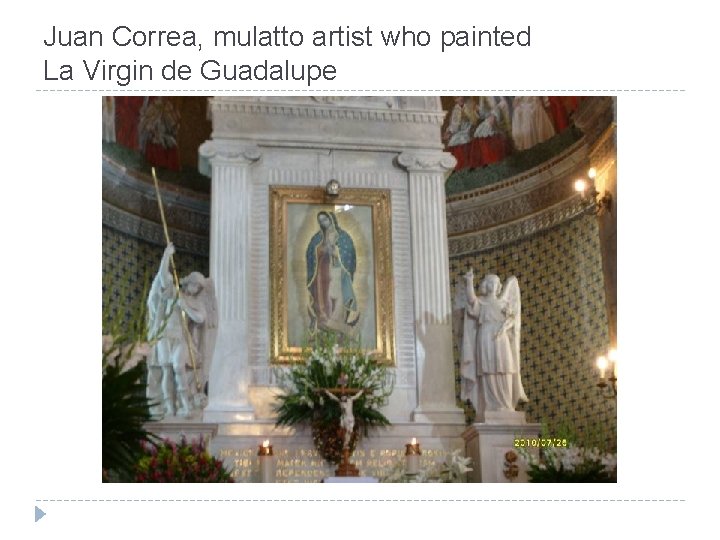
Juan Correa, mulatto artist who painted La Virgin de Guadalupe
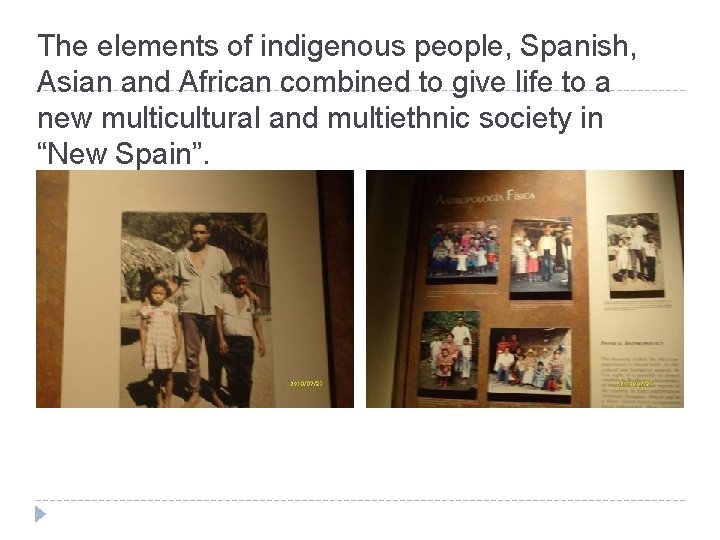
The elements of indigenous people, Spanish, Asian and African combined to give life to a new multicultural and multiethnic society in “New Spain”.
Afro-Mexican—”La tercera raza” Began to be recognized in the 1960 s Stereotypes, racist attitudes and discrimination remain Afro-Mexican prefer to be called “Cuban”, African Pride emerging African heritage celebrated through carneval Dances such as the Turtle Dance, and Dance of the Devils performed
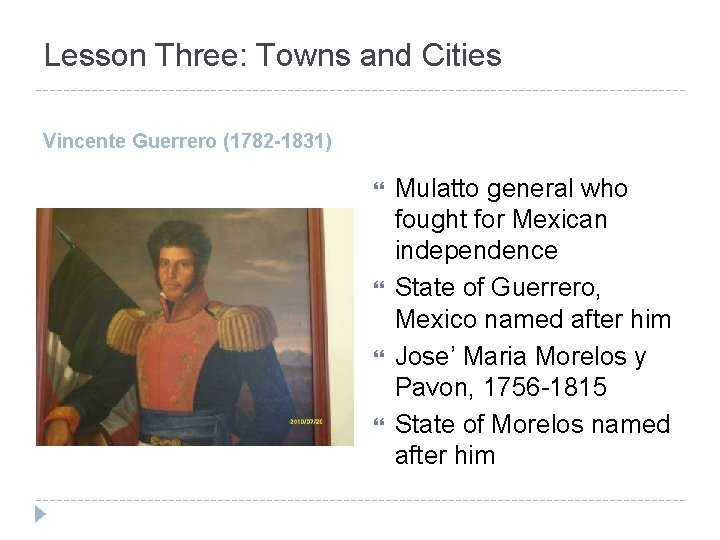
Lesson Three: Towns and Cities Vincente Guerrero (1782 -1831) Mulatto general who fought for Mexican independence State of Guerrero, Mexico named after him Jose’ Maria Morelos y Pavon, 1756 -1815 State of Morelos named after him
Resistance Yanga, Veracruz The town of Yanga, Veracruz, was named for the African, Nanga. It is the first independent town in Mexico “Palenques”— settlements established across the Americas by escaped Africans Veracruz & Acapulco are the port cities where many slaves entered the country. Known for production of sugar cane Other towns with names of African origins— Costa Chica region west coast of Mexico, Mandinga, Cabo Verde, Congo, Mocambo, Mozambique
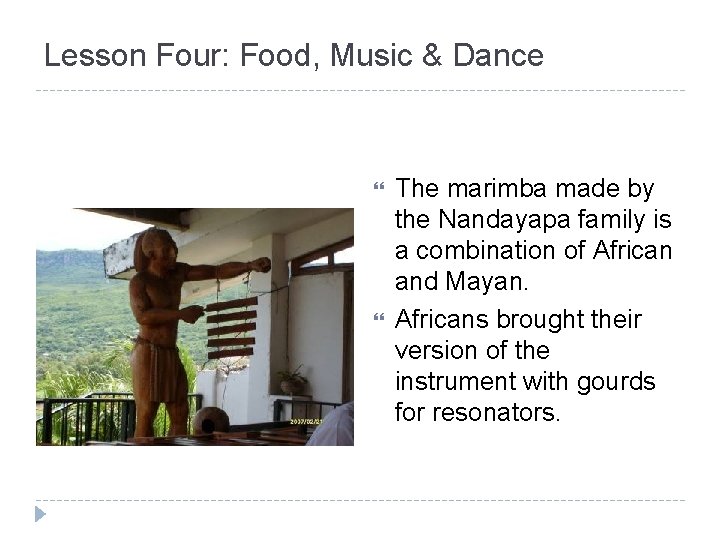
Lesson Four: Food, Music & Dance The marimba made by the Nandayapa family is a combination of African and Mayan. Africans brought their version of the instrument with gourds for resonators.
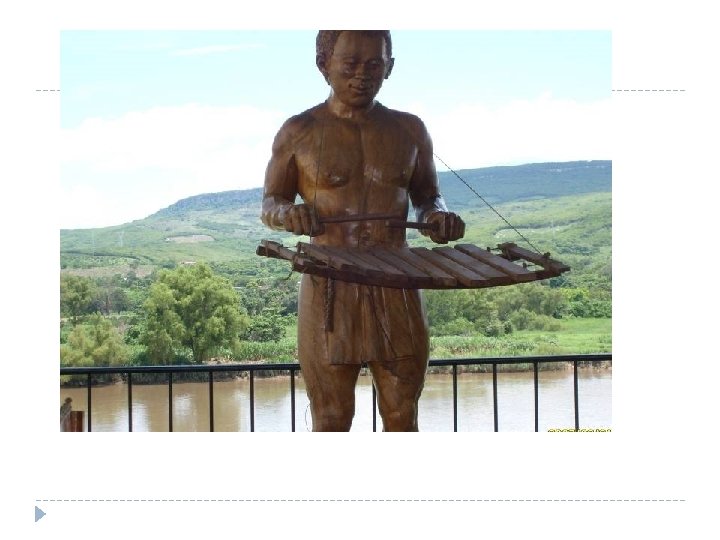
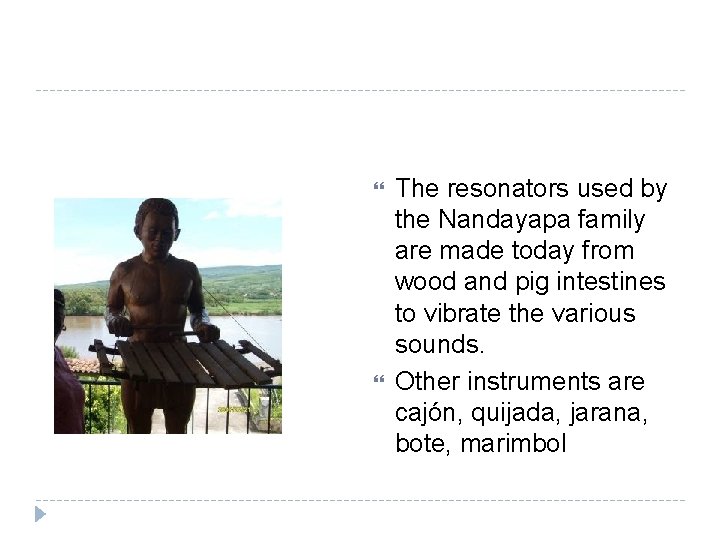
The resonators used by the Nandayapa family are made today from wood and pig intestines to vibrate the various sounds. Other instruments are cajón, quijada, jarana, bote, marimbol
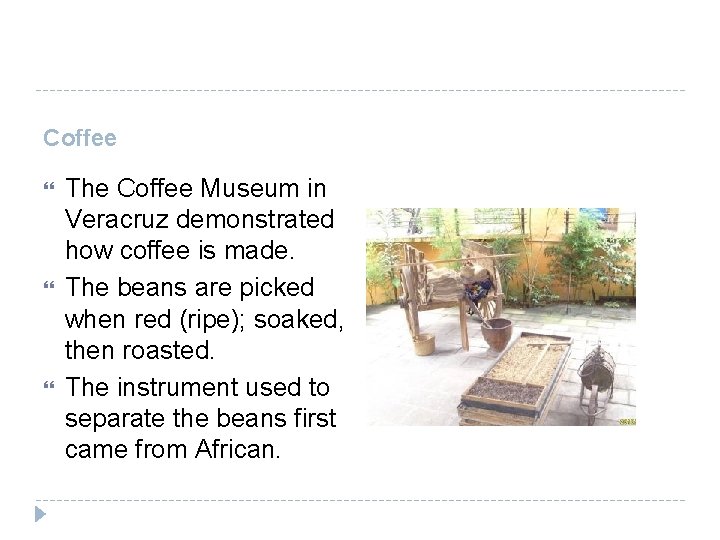
Coffee The Coffee Museum in Veracruz demonstrated how coffee is made. The beans are picked when red (ripe); soaked, then roasted. The instrument used to separate the beans first came from African.
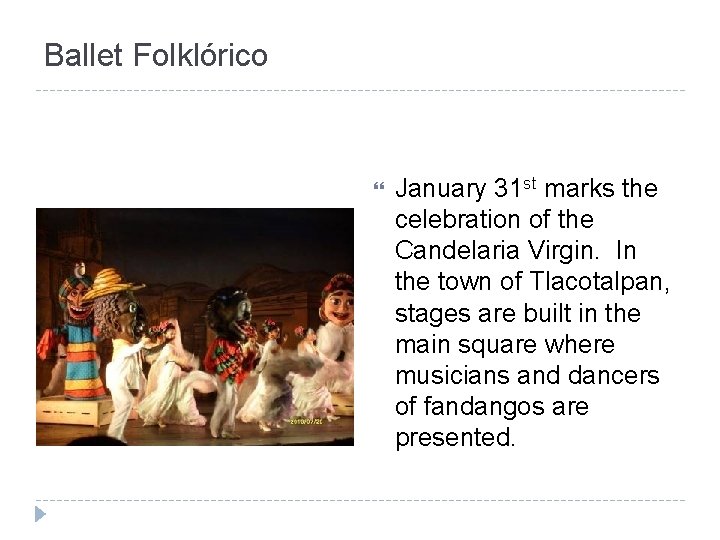
Ballet Folklórico January 31 st marks the celebration of the Candelaria Virgin. In the town of Tlacotalpan, stages are built in the main square where musicians and dancers of fandangos are presented.
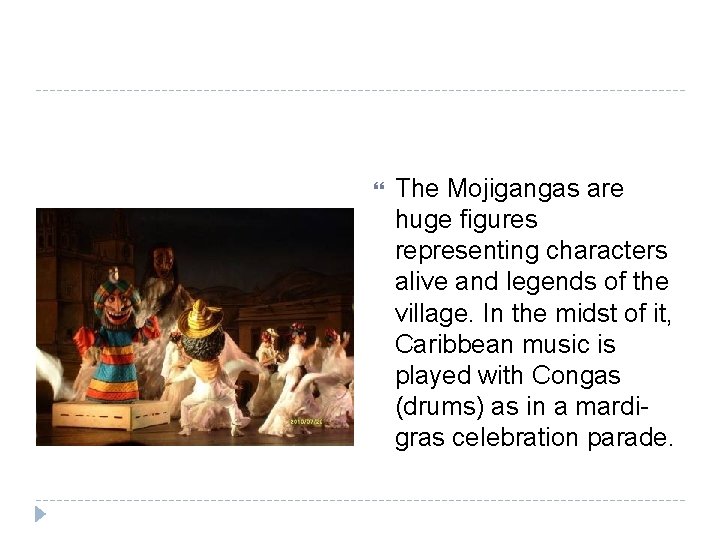
The Mojigangas are huge figures representing characters alive and legends of the village. In the midst of it, Caribbean music is played with Congas (drums) as in a mardigras celebration parade.
Music La Negra Graciana -singer Performs “jarocho” style music with her family Dance La Jarana There is an exuberant influence of the Caribbean found in the Yucatan. Other dances performed during festivals—The Straw Bull Dance, The Apache dance, the Artesa Music Dance.
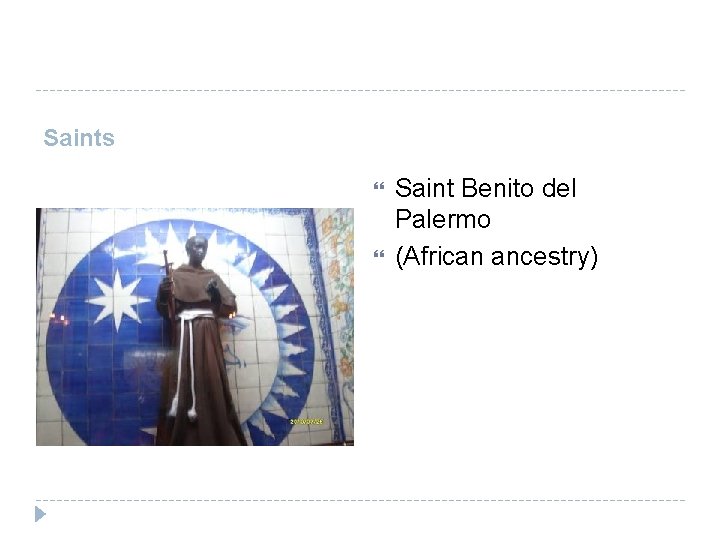
Saints Saint Benito del Palermo (African ancestry)
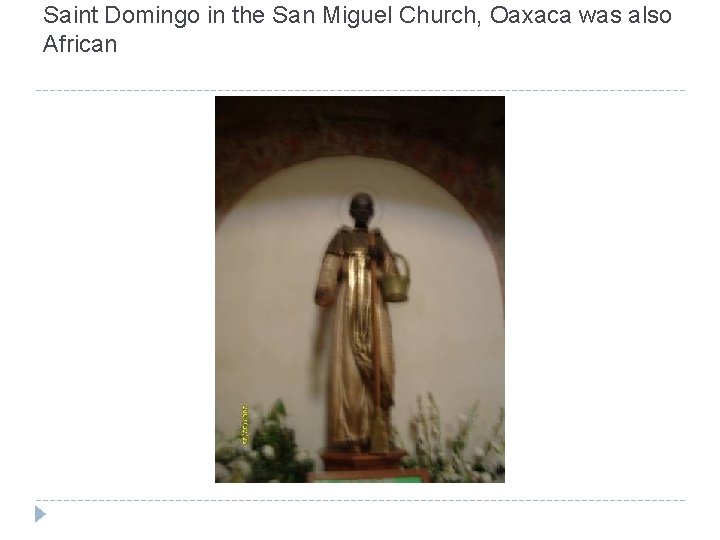
Saint Domingo in the San Miguel Church, Oaxaca was also African
1829—Mexico abolished slavery Black Seminoles and other Africans migrated to northern and other areas of Mexico from Florida & Texas Called “Mascogos” Juan Cavallo, African leader, helped to secure land grant in 1898.
Thousands of escaped Africans traveled the Underground Railroad south to Mexico Mexican identity and unity negates race; focus on Mexico Elements of prejudicial attitudes are present in cartoon characters such as Memin Pinguin; public performances such as jarocho and other media. European concept of beauty is the standard, similar to the United States
Resources www. brendafaye-returntomexico. blogspot. com www. weboaal. com Beto Gomez (2005 ). Hasta el ultimo trago— Corazon (DVD ), Franklin, J. H. & Moss, A. A. (2000). From Slavery to Freedom: A History of African Americans. Boston, MA: Mc. Graw Hill Company ( pp. 57 -58). Mann, C. C. (2005). 1491: New Revelations of the Americas Before Columbus. New York, NY: Alfred A. Knopf. (pp. 204— 213). _____(2005). African Influences in Mexico: From Yanga to the Present. Chicago, IL: Museum of Fine Arts.
- Slides: 44