
Background Information Modulation Techniques Chapter 5 1 Copyright
Background Information Modulation Techniques (Chapter 5) 1 Copyright © The Mc. Graw-Hill Companies, Inc. Permission required for reproduction or display.
Modulation n n 2 Modulation is used to transmit information signal with the help of a carrier signal. Assume that you wanna transmit some books to another city. Use busses to transmit your books. Busses are carriers. Modulation is the process of inserting information bearing signal onto the carrier signal, that is, loading your books to the bus.
Modulation Types n Analog modulation n n Digital modulation n 3 Used to transmit analog signals with the help of an analog carrier signal Used to transmit bit sequences with the help of an analog carrier signal
Analog Modulation n n Analog modulation is also called analog-toanalog conversion Analog modulation types n 4 Amplitude Modulation Frequency Modulation Phase Modulation
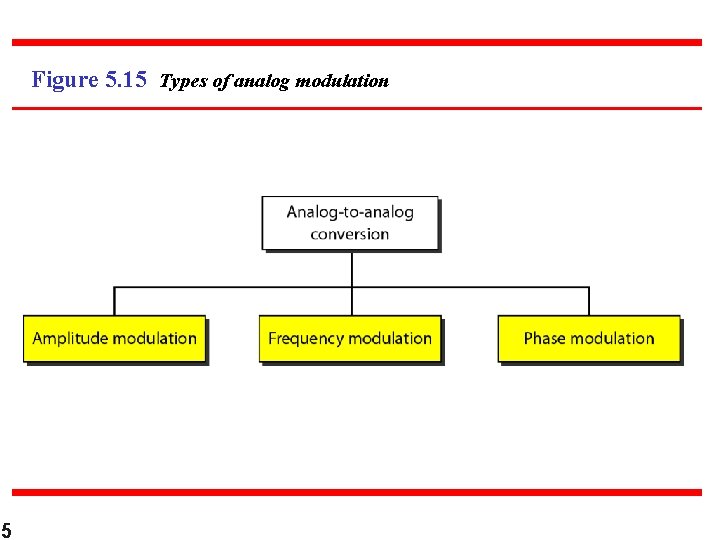
Figure 5. 15 Types of analog modulation 5
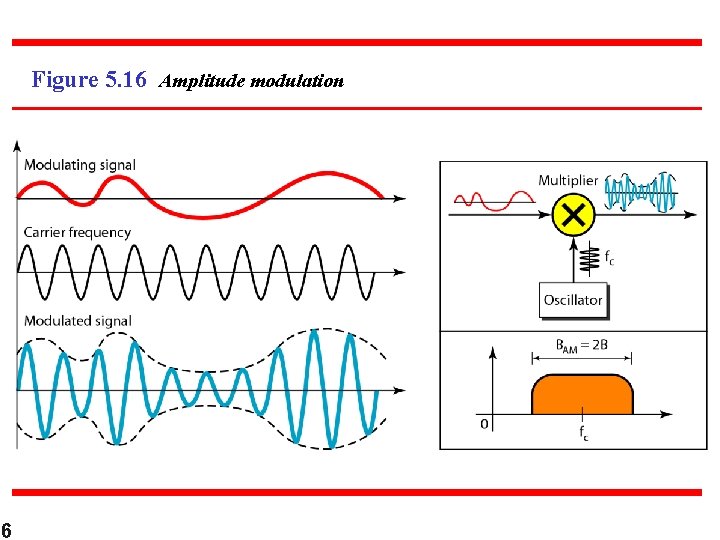
Figure 5. 16 Amplitude modulation 6
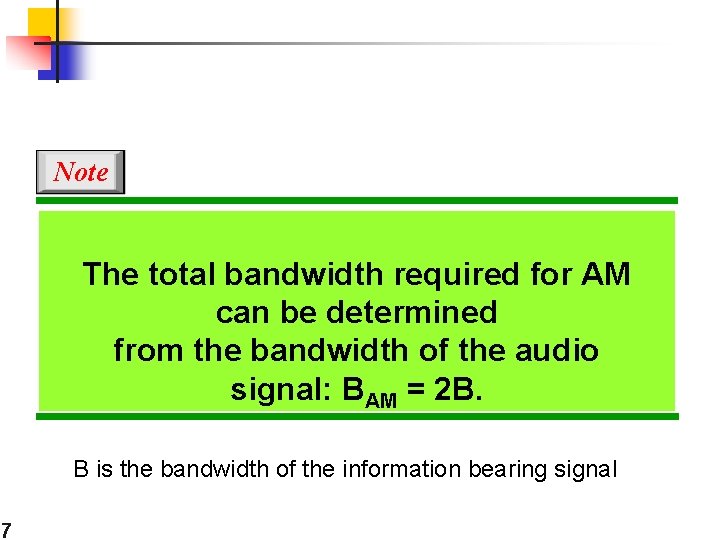
Note The total bandwidth required for AM can be determined from the bandwidth of the audio signal: BAM = 2 B. B is the bandwidth of the information bearing signal 7
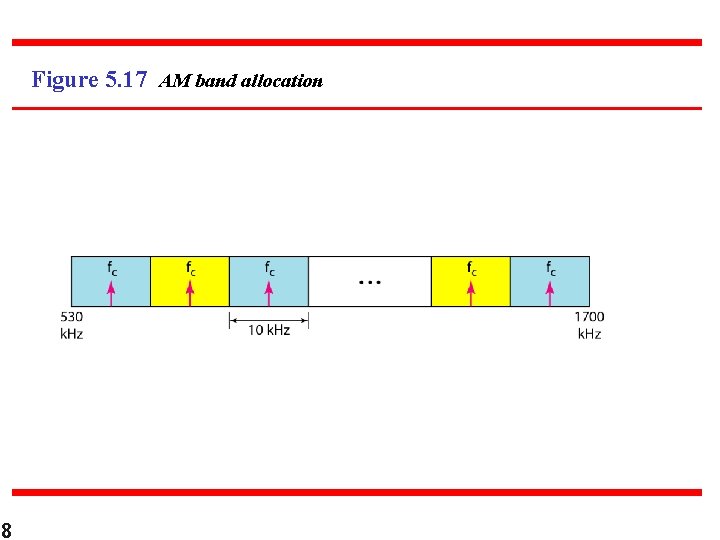
Figure 5. 17 AM band allocation 8
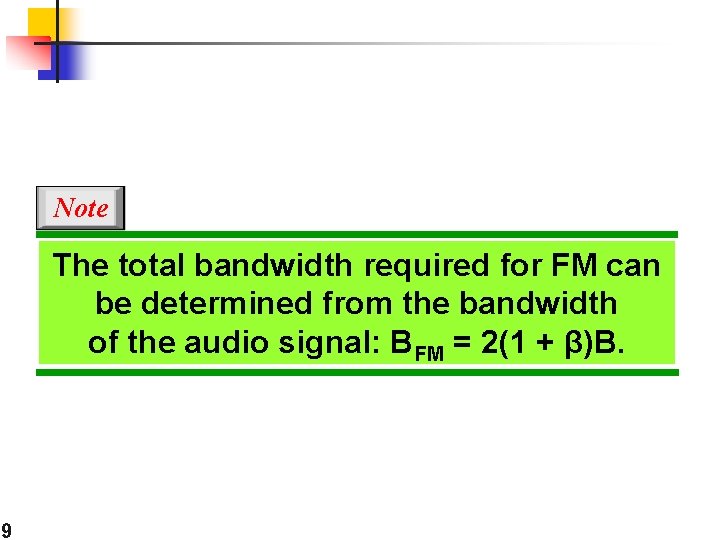
Note The total bandwidth required for FM can be determined from the bandwidth of the audio signal: BFM = 2(1 + β)B. 9
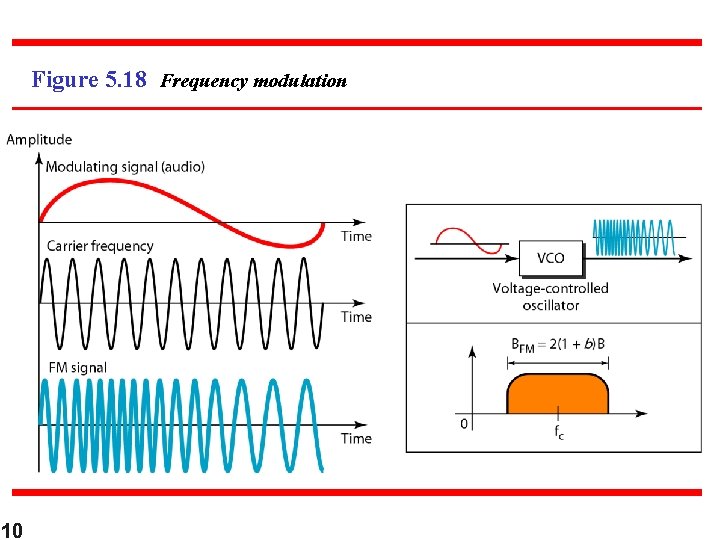
Figure 5. 18 Frequency modulation 10
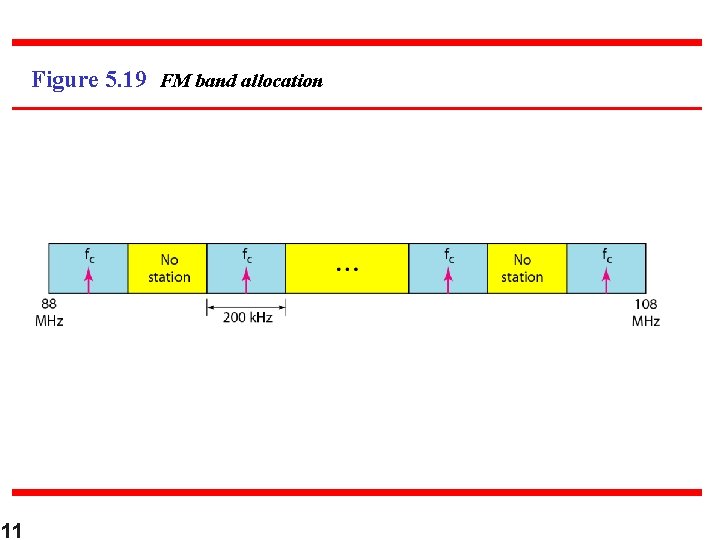
Figure 5. 19 FM band allocation 11
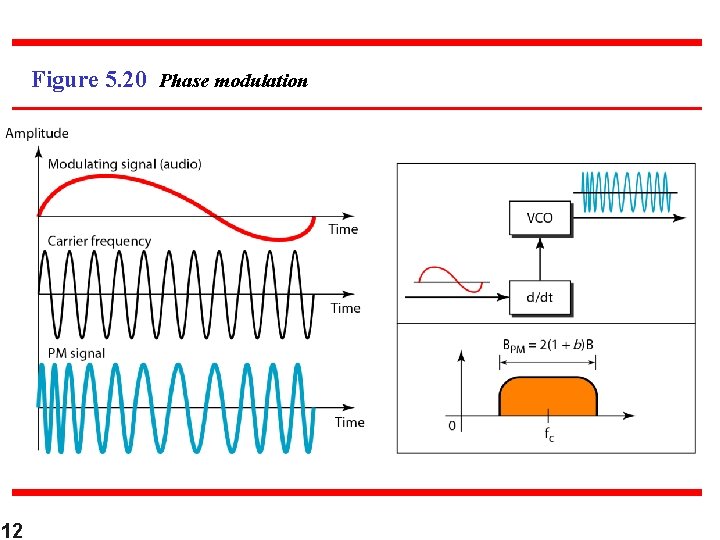
Figure 5. 20 Phase modulation 12
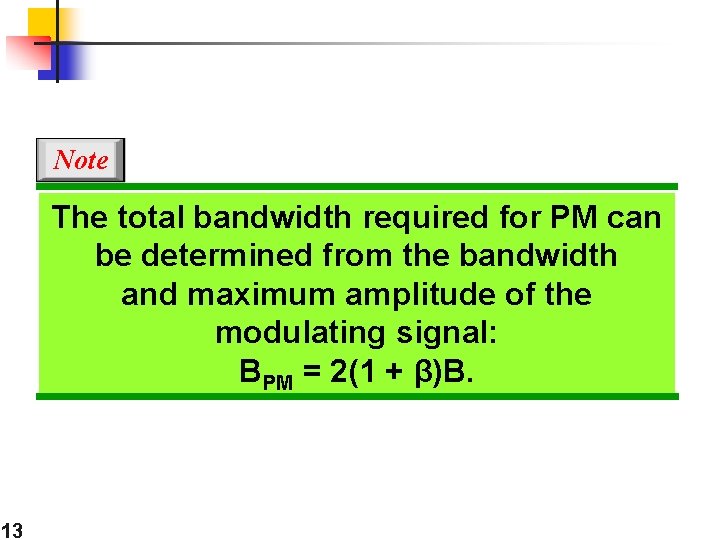
Note The total bandwidth required for PM can be determined from the bandwidth and maximum amplitude of the modulating signal: BPM = 2(1 + β)B. 13
Digital Modulation n n Digital modulation is used to generate analog signals from information bit streams Digital modulation types n n 14 Amplitude Shift Keying Frequency Shift Keying Phase Shift Keying Quadrature Amplitude Modulation
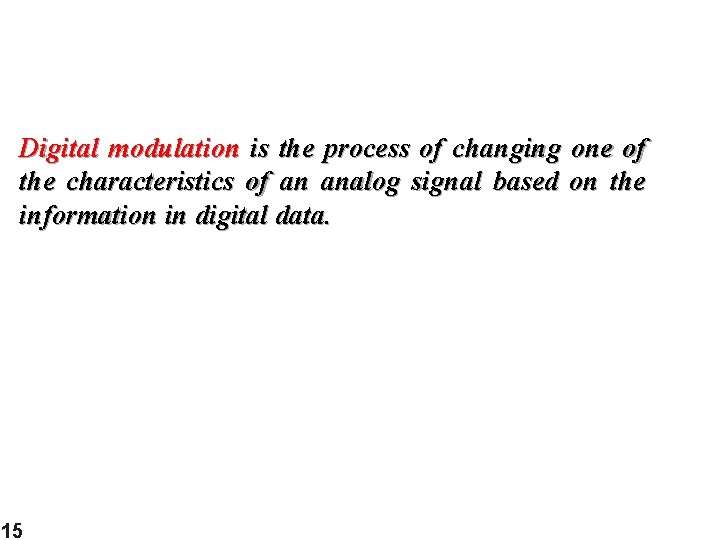
Digital modulation is the process of changing one of the characteristics of an analog signal based on the information in digital data. 15
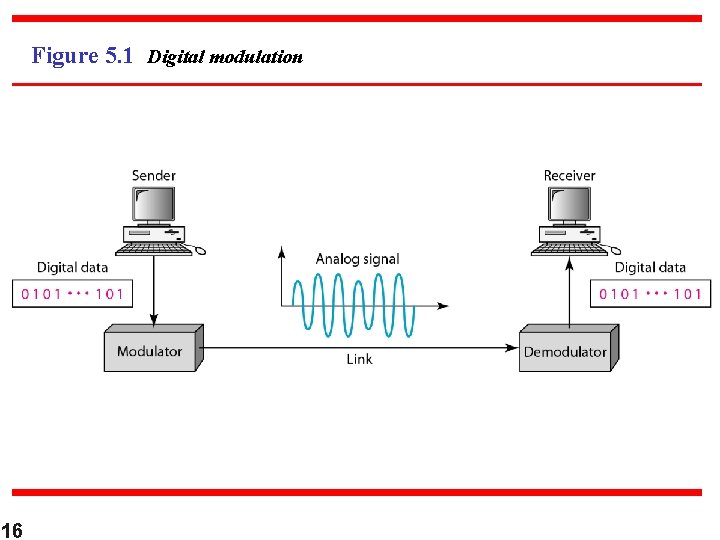
Figure 5. 1 Digital modulation 16
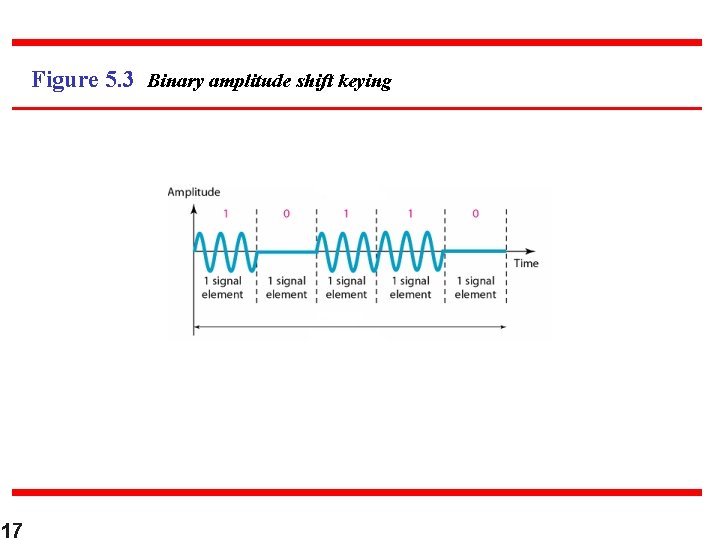
Figure 5. 3 Binary amplitude shift keying 17
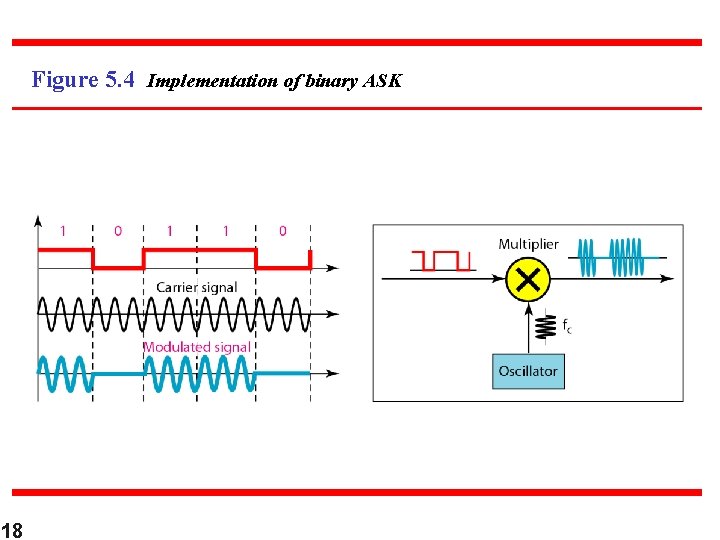
Figure 5. 4 Implementation of binary ASK 18
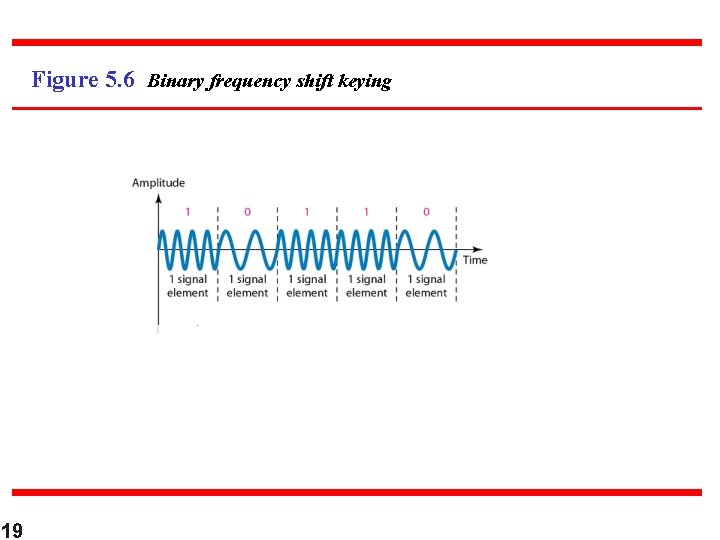
Figure 5. 6 Binary frequency shift keying 19
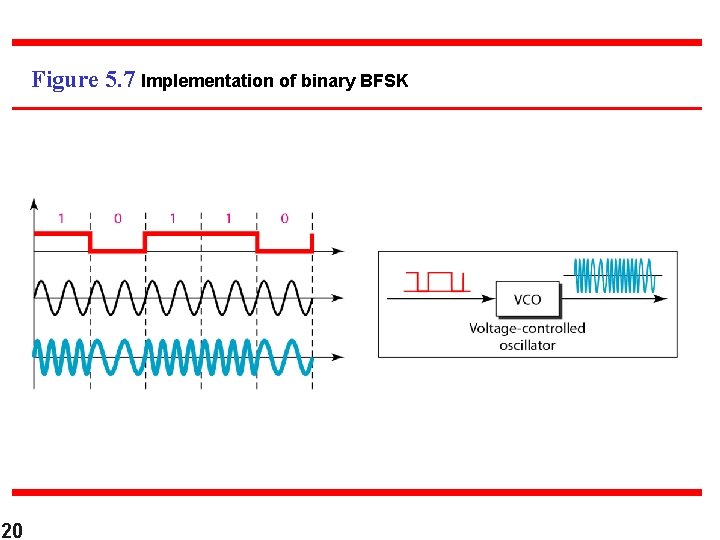
Figure 5. 7 Implementation of binary BFSK 20
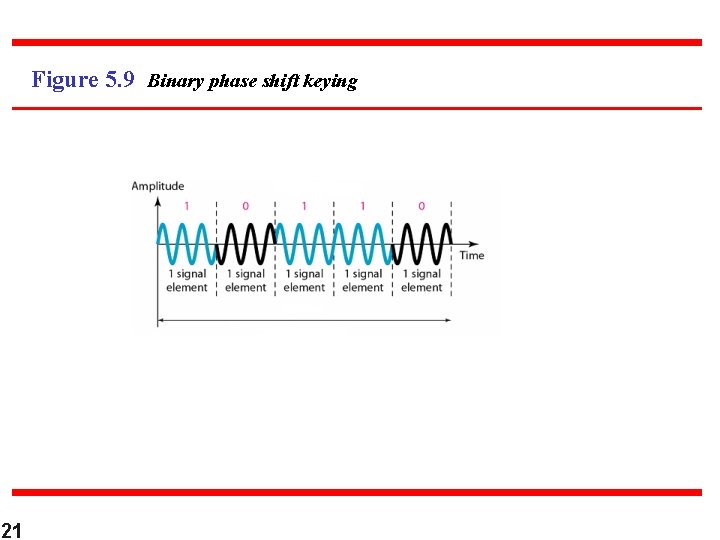
Figure 5. 9 Binary phase shift keying 21
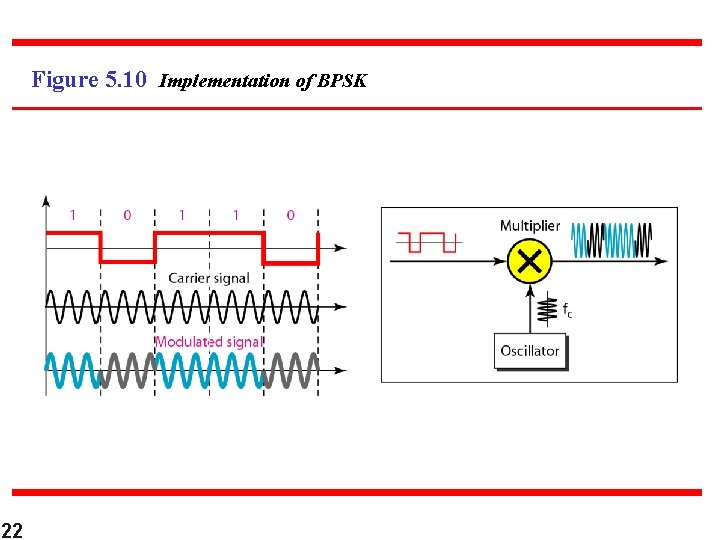
Figure 5. 10 Implementation of BPSK 22
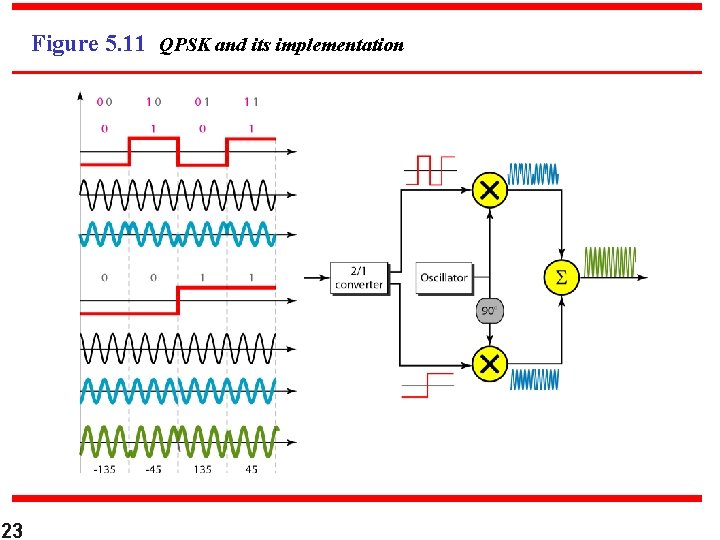
Figure 5. 11 QPSK and its implementation 23
n Digital modulation can also be achieved as n n 24 Generate complex numbers from information bit-streams using constellation diagrams Multiply carrier signal (cosine signal) by the obtained complex number, i. e. , change phase, amplitude or both phase and amplitude of the cosine carrier signal
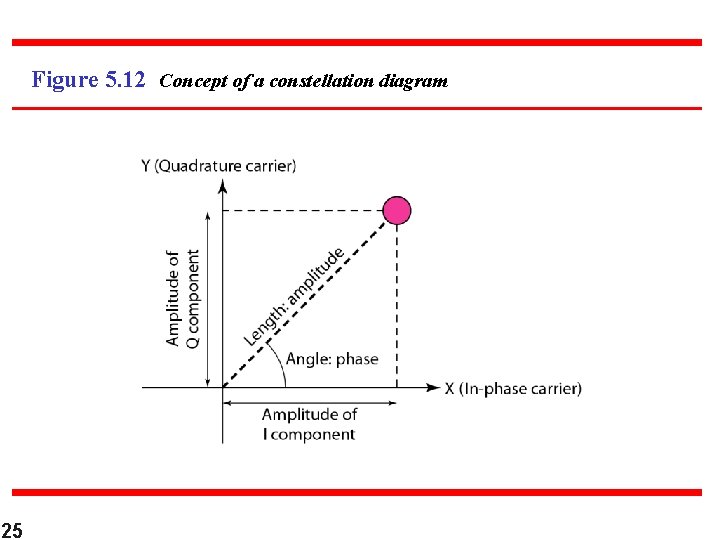
Figure 5. 12 Concept of a constellation diagram 25
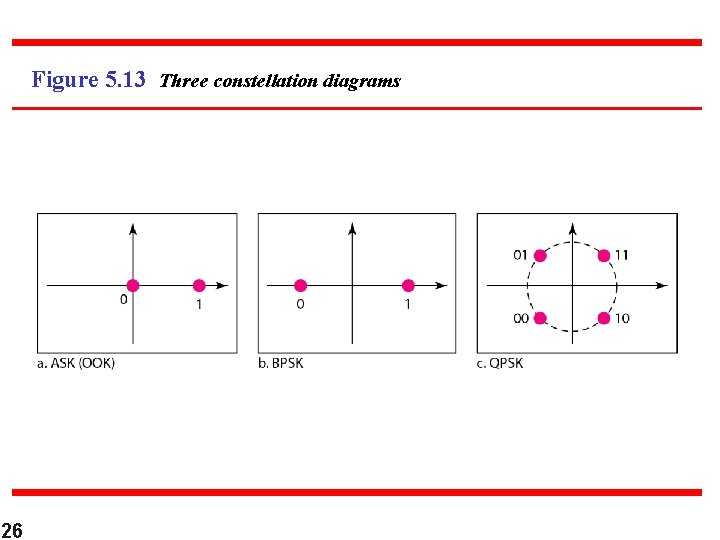
Figure 5. 13 Three constellation diagrams 26
Note Quadrature amplitude modulation is a combination of ASK and PSK. 27
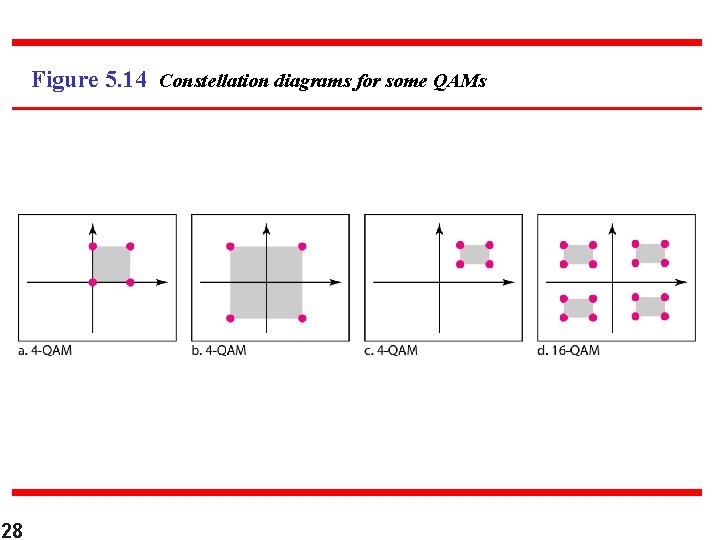
Figure 5. 14 Constellation diagrams for some QAMs 28
Chapter 6 Bandwidth Utilization: Multiplexing and Spreading 29 Copyright © The Mc. Graw-Hill Companies, Inc. Permission required for reproduction or display.
Note Bandwidth utilization is the wise use of available bandwidth to achieve specific goals. Efficiency can be achieved by multiplexing; privacy and anti-jamming can be achieved by spreading. 30
6 -1 MULTIPLEXING Whenever the bandwidth of a medium linking two devices is greater than the bandwidth needs of the devices, the link can be shared. Multiplexing is the set of techniques that allows the simultaneous transmission of multiple signals across a single data link. As data and telecommunications use increases, so does traffic. Topics discussed in this section: Frequency-Division Multiplexing Wavelength-Division Multiplexing Synchronous Time-Division Multiplexing Statistical Time-Division Multiplexing 31
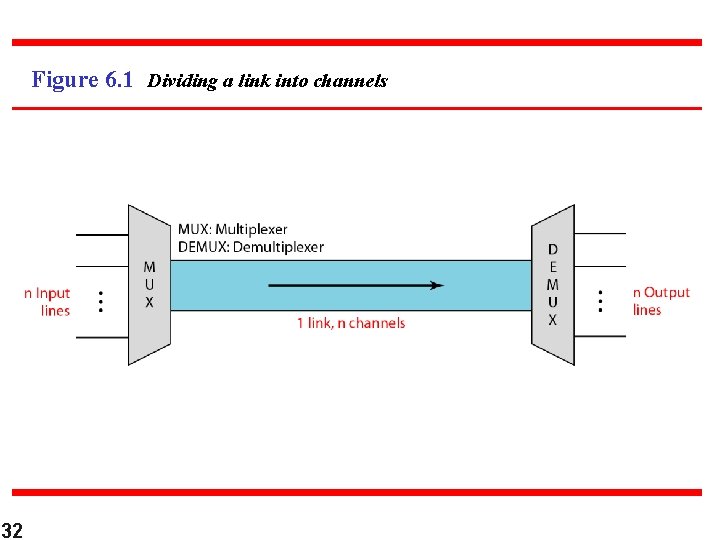
Figure 6. 1 Dividing a link into channels 32
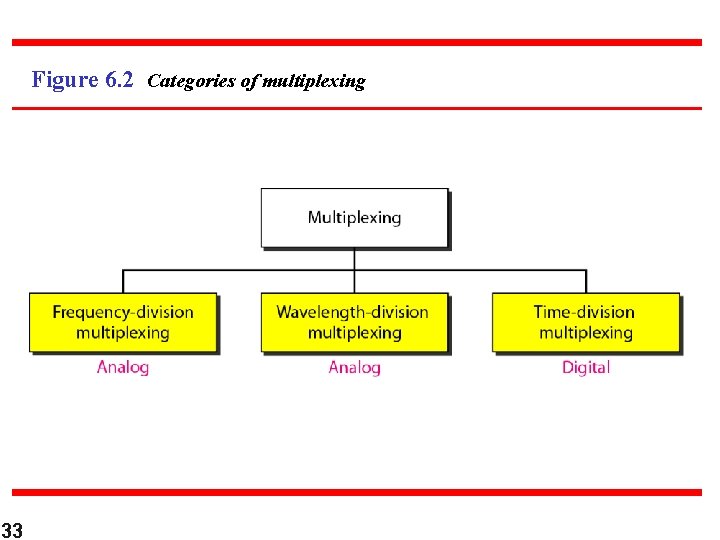
Figure 6. 2 Categories of multiplexing 33
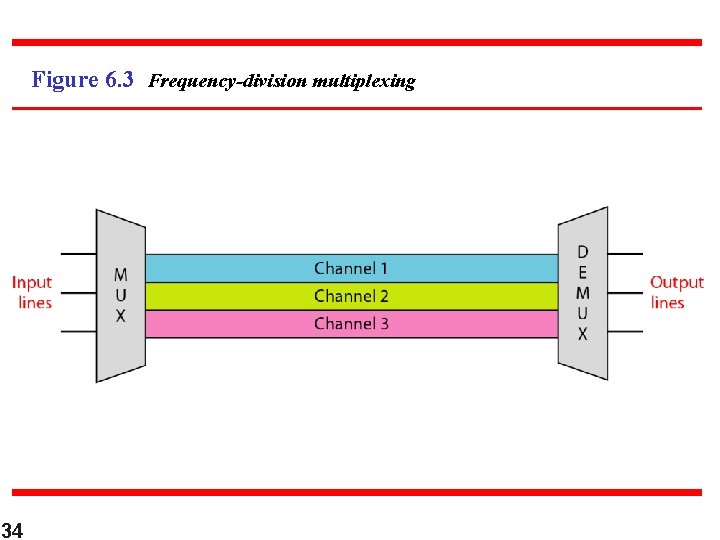
Figure 6. 3 Frequency-division multiplexing 34
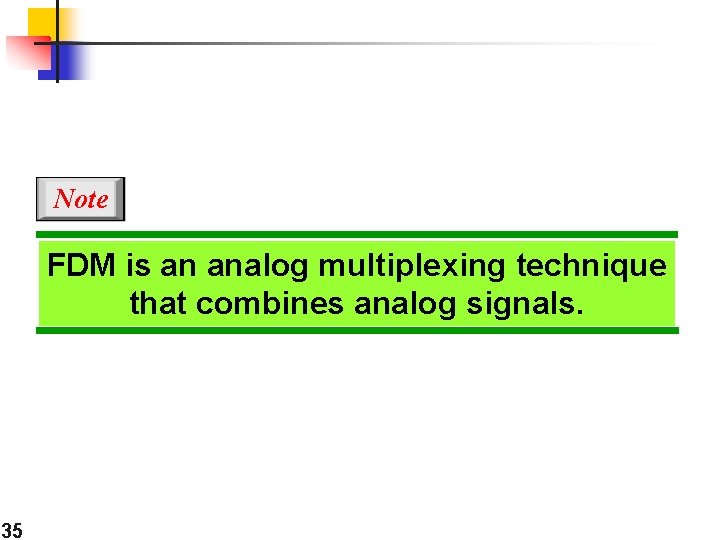
Note FDM is an analog multiplexing technique that combines analog signals. 35
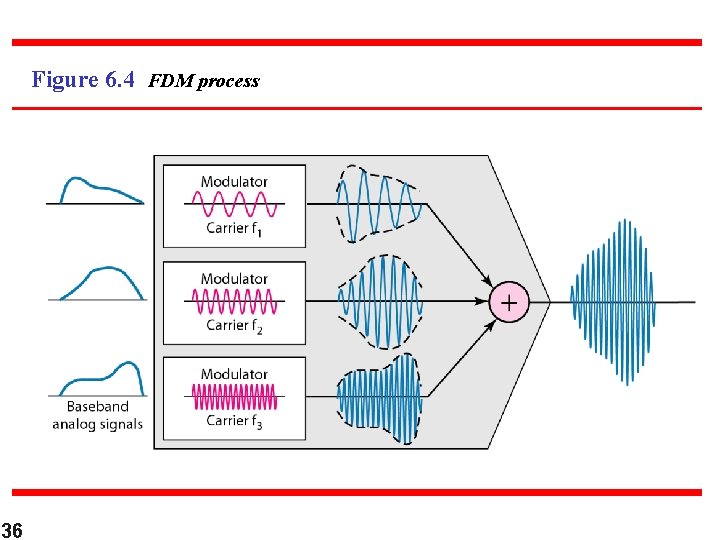
Figure 6. 4 FDM process 36
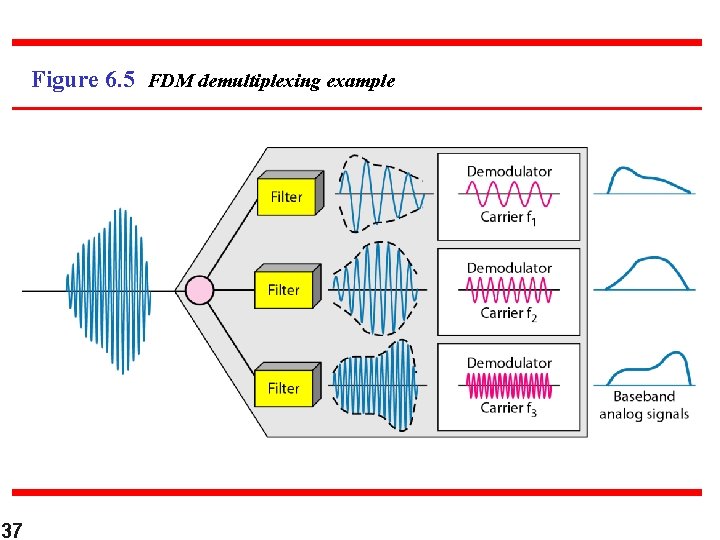
Figure 6. 5 FDM demultiplexing example 37
Human speech n n 38 The voiced speech of a typical adult male will have a fundamental frequency from 85 to 180 Hz, and that of a typical adult female from 165 to 255 Hz. A voice frequency (VF) or voice band is one of the frequencies, within part of the audio range, that is used for the transmission of speech. In telephony, the usable voice frequency band ranges from approximately 300 Hz to 3400 Hz. The bandwidth allocated for a single voice-frequency transmission channel is usually 4 k. Hz, including guard bands, allowing a sampling rate of 8 k. Hz to be used as the basis of the pulse code modulation system used for the digital PSTN.
Example 6. 1 Assume that a voice channel occupies a bandwidth of 4 k. Hz. We need to combine three voice channels into a link with a bandwidth of 12 k. Hz, from 20 to 32 k. Hz. Show the configuration, using the frequency domain. Assume there are no guard bands. Solution We shift (modulate) each of the three voice channels to a different bandwidth, as shown in Figure 6. 6. We use the 20 - to 24 -k. Hz bandwidth for the first channel, the 24 - to 28 -k. Hz bandwidth for the second channel, and the 28 - to 32 -k. Hz bandwidth for the third one. Then we combine them as shown in Figure 6. 6. 39
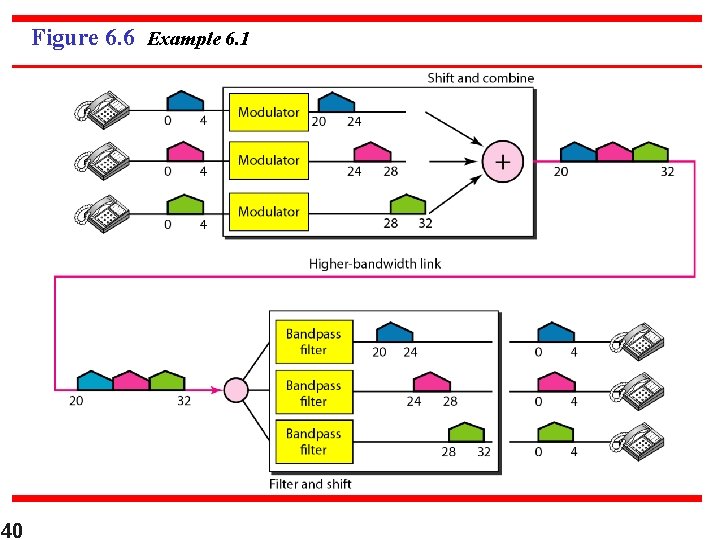
Figure 6. 6 Example 6. 1 40
Example 6. 2 Five channels, each with a 100 -k. Hz bandwidth, are to be multiplexed together. What is the minimum bandwidth of the link if there is a need for a guard band of 10 k. Hz between the channels to prevent interference? Solution For five channels, we need at least four guard bands. This means that the required bandwidth is at least 5 × 100 + 4 × 10 = 540 k. Hz, as shown in Figure 6. 7. 41
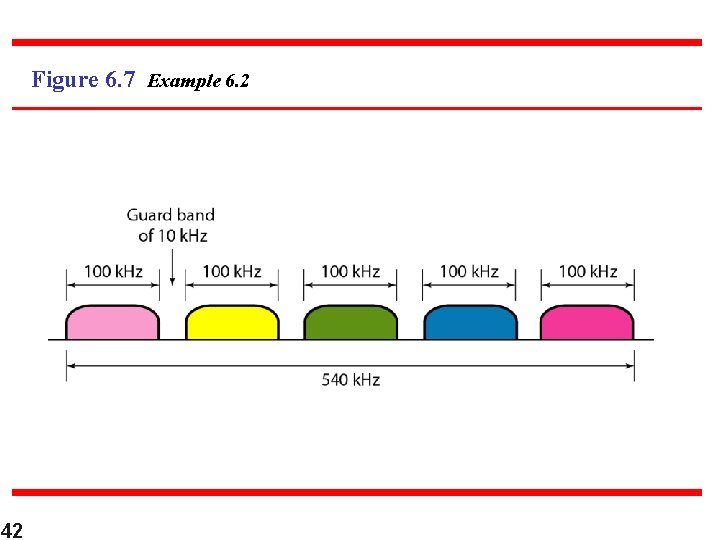
Figure 6. 7 Example 6. 2 42
Example 6. 3 Four data channels (digital), each transmitting at 1 Mbps, use a satellite channel of 1 MHz. Design an appropriate configuration, using FDM. Solution The satellite channel is analog. We divide it into four channels, each channel having a 250 -k. Hz bandwidth. Each digital channel of 1 Mbps is modulated such that each 4 bits is modulated to 1 Hz. One solution is 16 -QAM modulation. Figure 6. 8 shows one possible configuration. 43
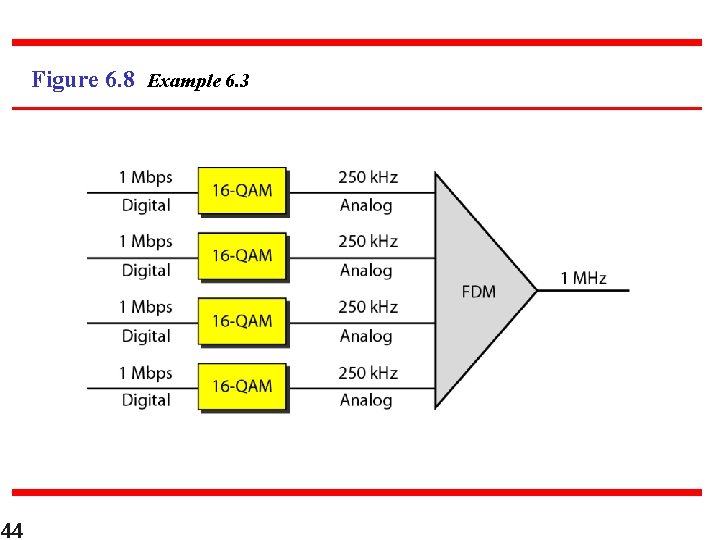
Figure 6. 8 Example 6. 3 44
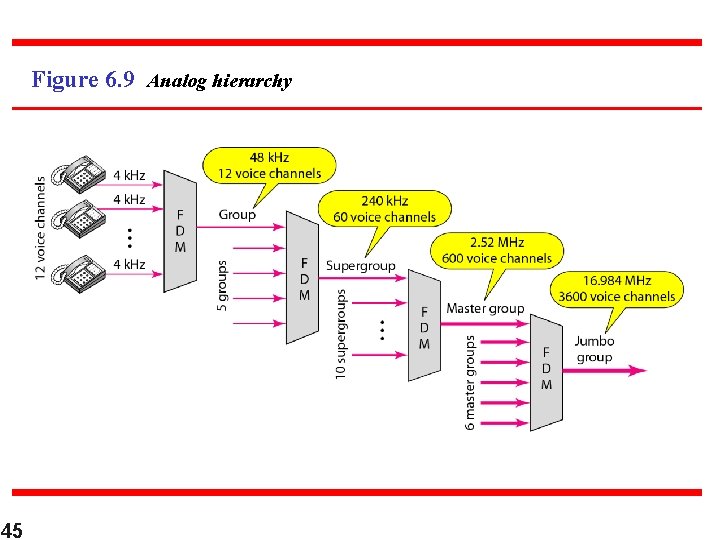
Figure 6. 9 Analog hierarchy 45
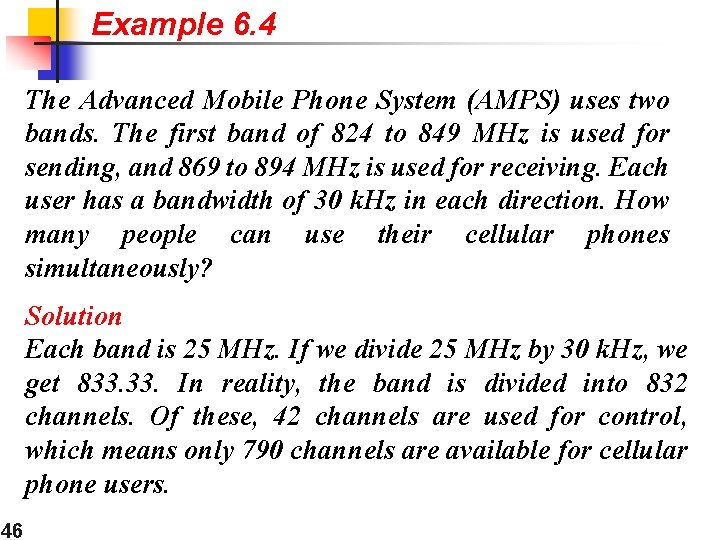
Example 6. 4 The Advanced Mobile Phone System (AMPS) uses two bands. The first band of 824 to 849 MHz is used for sending, and 869 to 894 MHz is used for receiving. Each user has a bandwidth of 30 k. Hz in each direction. How many people can use their cellular phones simultaneously? Solution Each band is 25 MHz. If we divide 25 MHz by 30 k. Hz, we get 833. In reality, the band is divided into 832 channels. Of these, 42 channels are used for control, which means only 790 channels are available for cellular phone users. 46
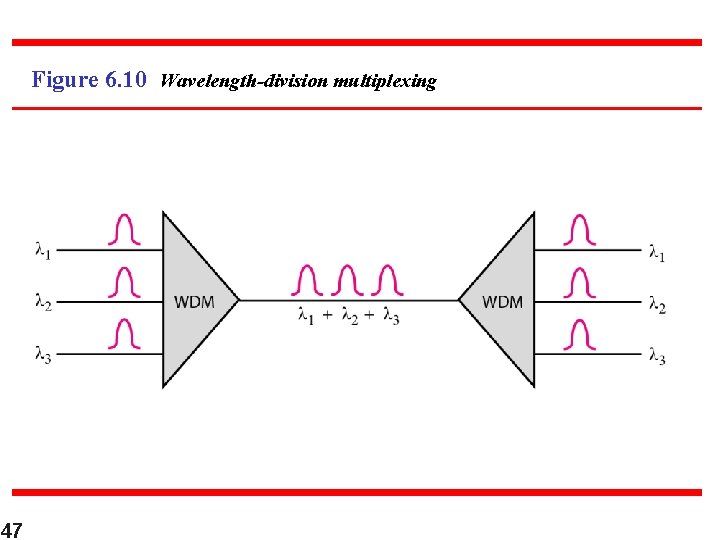
Figure 6. 10 Wavelength-division multiplexing 47
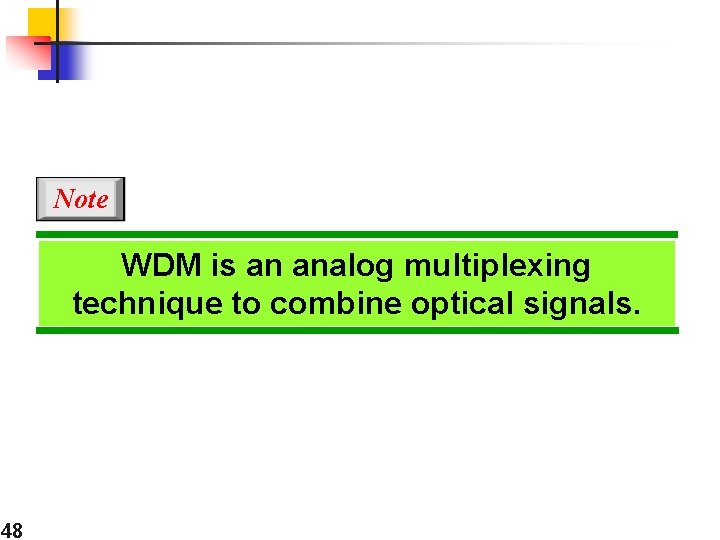
Note WDM is an analog multiplexing technique to combine optical signals. 48
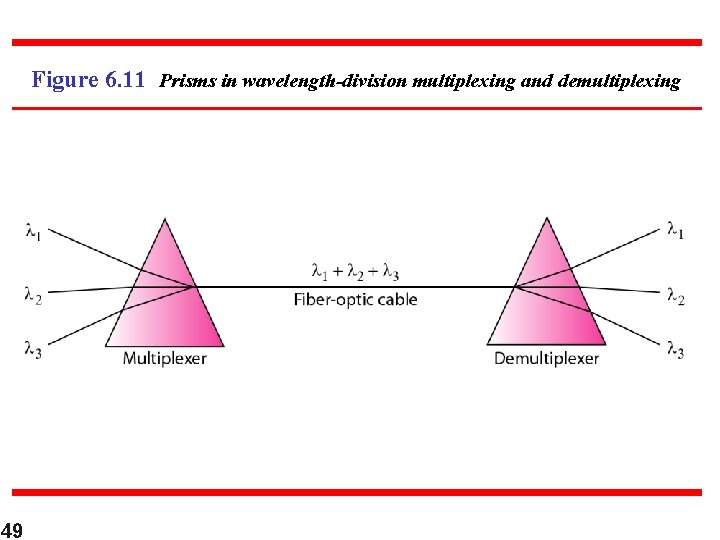
Figure 6. 11 Prisms in wavelength-division multiplexing and demultiplexing 49
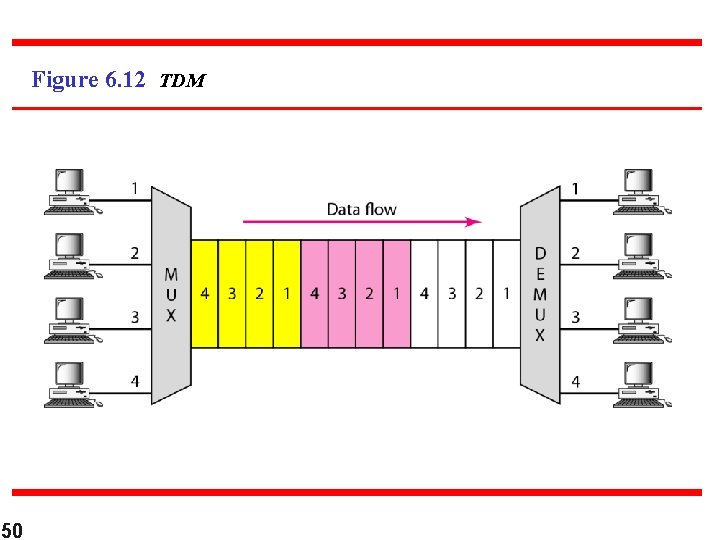
Figure 6. 12 TDM 50
Note TDM is a digital multiplexing technique for combining several low-rate channels into one high-rate one. 51
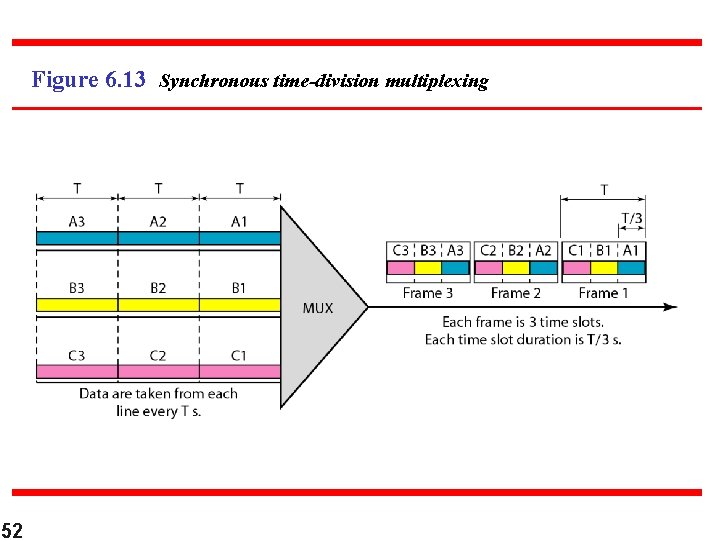
Figure 6. 13 Synchronous time-division multiplexing 52
Note In synchronous TDM, the data rate of the link is n times faster, and the unit duration is n times shorter. 53
Example 6. 5 In Figure 6. 13, the data rate for each input connection is 1 kbps. If 1 bit at a time is multiplexed (a unit is 1 bit), what is the duration of (a) each input slot, (b) each output slot, and (c) each frame? Solution We can answer the questions as follows: a. The data rate of each input connection is 1 kbps. This means that the bit duration is 1/1000 s or 1 ms. The duration of the input time slot is 1 ms (same as bit duration). 54
Example 6. 5 (continued) b. The duration of each output time slot is one-third of the input time slot. This means that the duration of the output time slot is 1/3 ms. c. Each frame carries three output time slots. So the duration of a frame is 3 × 1/3 ms, or 1 ms. The duration of a frame is the same as the duration of an input unit. 55
Example 6. 6 Figure 6. 14 shows synchronous TDM with a data stream for each input and one data stream for the output. The unit of data is 1 bit. Find (a) the input bit duration, (b) the output bit duration, (c) the output bit rate, and (d) the output frame rate. Solution We can answer the questions as follows: a. The input bit duration is the inverse of the bit rate: 1/1 Mbps = 1 μs. b. The output bit duration is one-fourth of the input bit duration, or ¼ μs. 56
Example 6. 6 (continued) c. The output bit rate is the inverse of the output bit duration or 1/(4μs) or 4 Mbps. This can also be deduced from the fact that the output rate is 4 times as fast as any input rate; so the output rate = 4 × 1 Mbps = 4 Mbps. d. The frame rate is always the same as any input rate. So the frame rate is 1, 000 frames per second. Because we are sending 4 bits in each frame, we can verify the result of the previous question by multiplying the frame rate by the number of bits per frame. 57
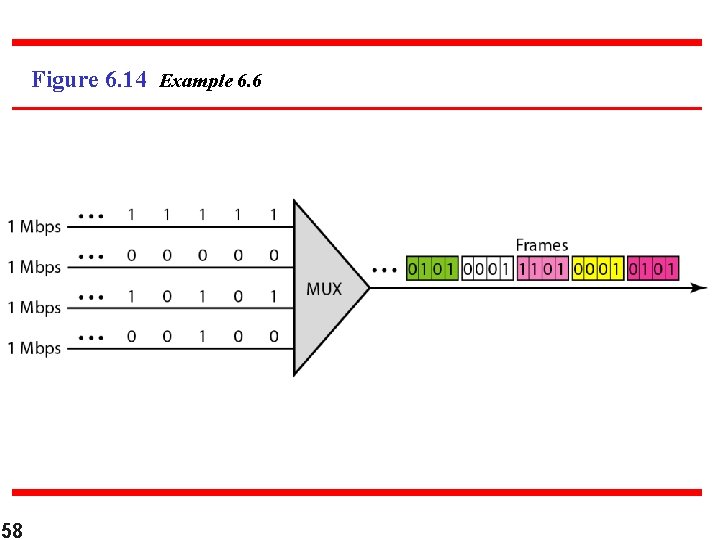
Figure 6. 14 Example 6. 6 58
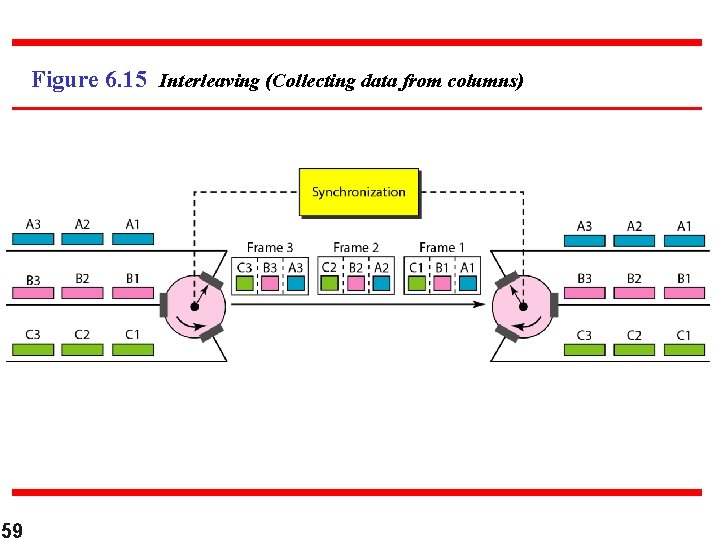
Figure 6. 15 Interleaving (Collecting data from columns) 59
Example 6. 8 Four channels are multiplexed using TDM. If each channel sends 100 bytes /s and we multiplex 1 byte per channel, show the frame traveling on the link, the size of the frame, the duration of a frame, the frame rate, and the bit rate for the link. Solution The multiplexer is shown in Figure 6. 16. Each frame carries 1 byte from each channel; the size of each frame, therefore, is 4 bytes, or 32 bits. Because each channel is sending 100 bytes/s and a frame carries 1 byte from each channel, the frame rate must be 100 frames per second. The bit rate is 100 × 32, or 3200 bps. 60
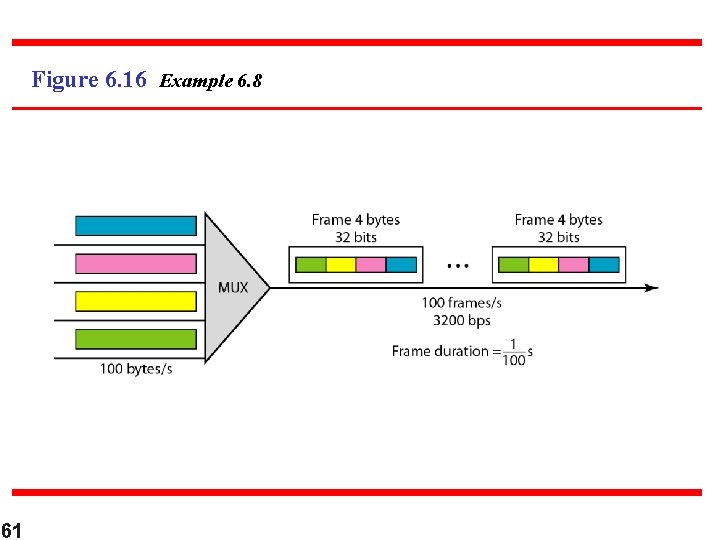
Figure 6. 16 Example 6. 8 61
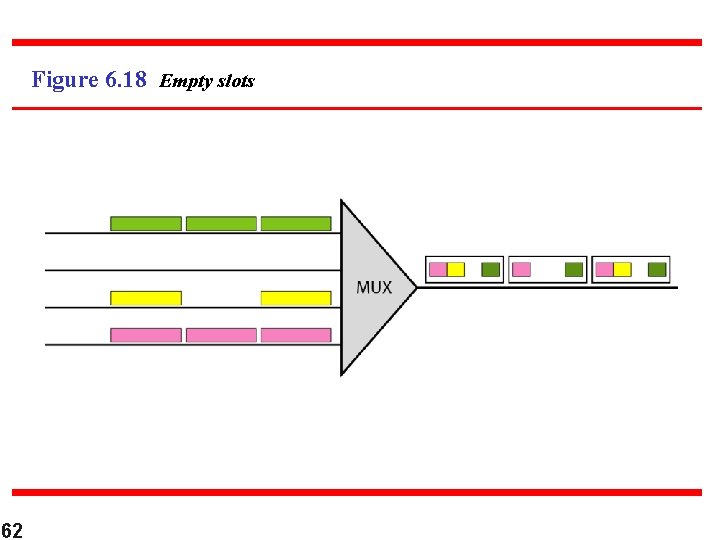
Figure 6. 18 Empty slots 62
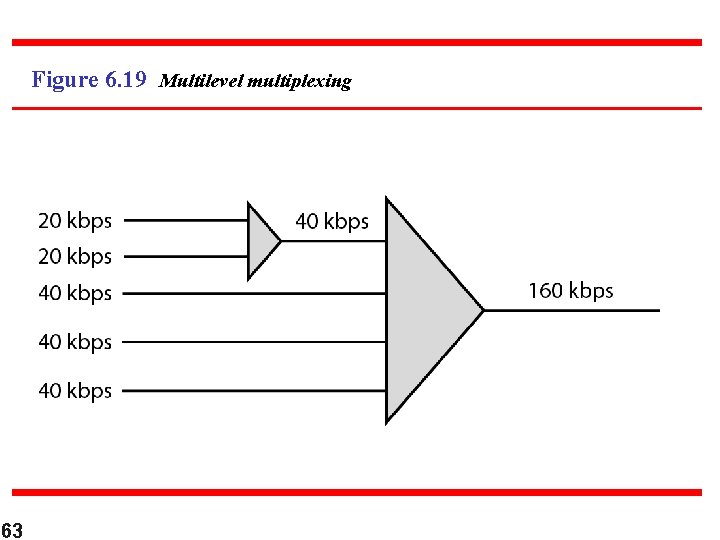
Figure 6. 19 Multilevel multiplexing 63
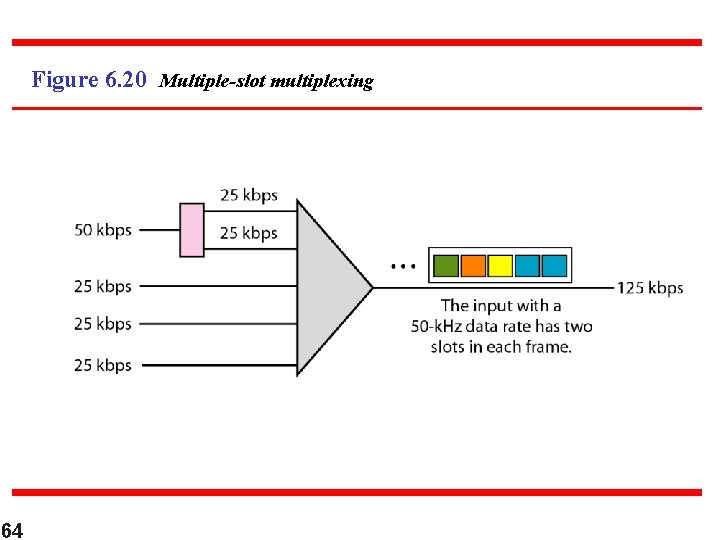
Figure 6. 20 Multiple-slot multiplexing 64
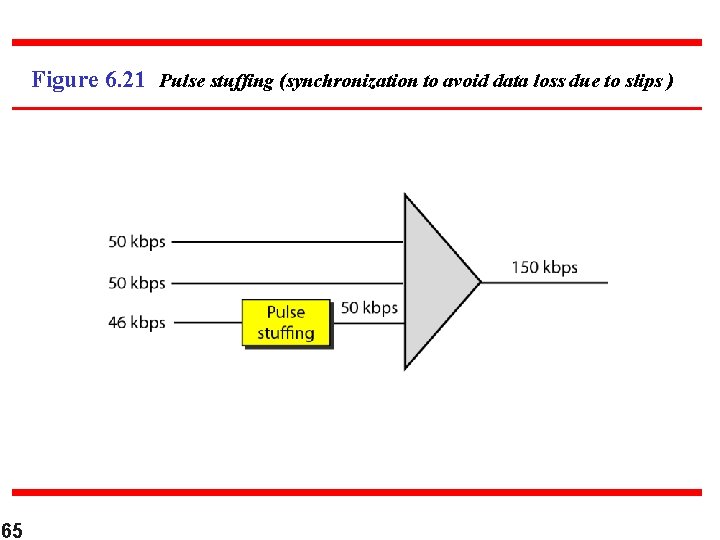
Figure 6. 21 Pulse stuffing (synchronization to avoid data loss due to slips ) 65
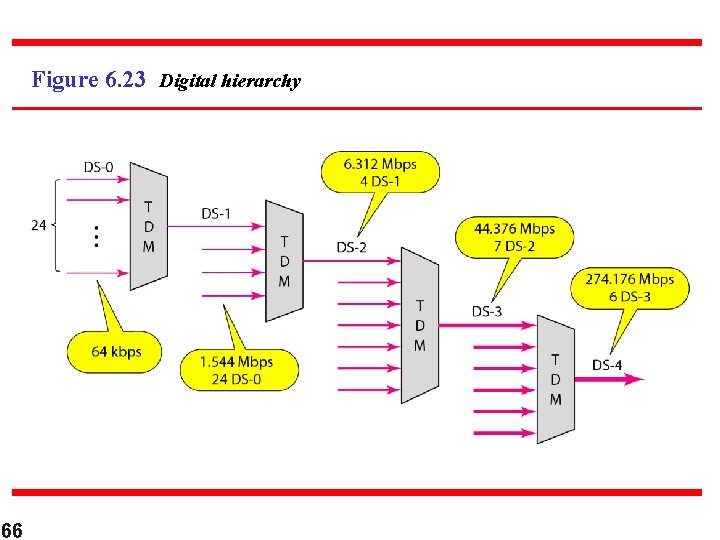
Figure 6. 23 Digital hierarchy 66
Statistical Time Division Multiplexing n n 67 Instatistical time-division multiplexing, slots are dynamically allocated to improve bandwidth efficiency. Only when an input line has a slot's worth of data to send is it given a slot in the output frame. In statistical multiplexing, the number of slots in each frame is less than the number of input lines. An output slot in synchronous TDM is totally occupied by data; in statistical TDM, a slot needs to carry data as well as the address of the destination.
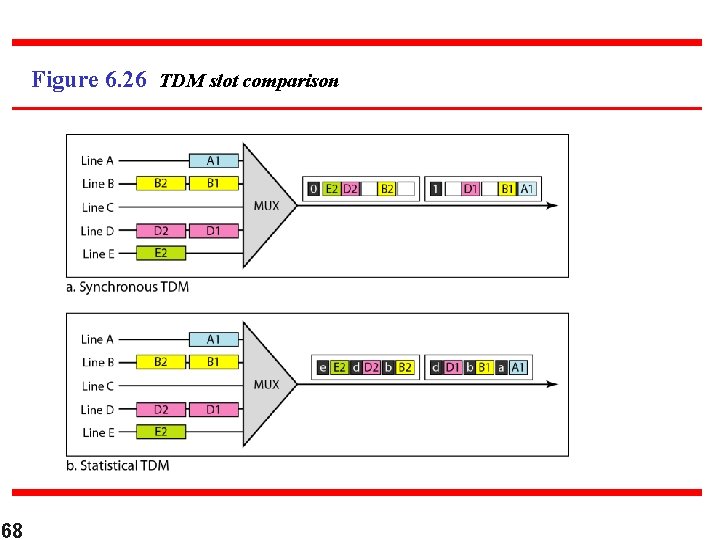
Figure 6. 26 TDM slot comparison 68
Chapter 8 Switching 69 Copyright © The Mc. Graw-Hill Companies, Inc. Permission required for reproduction or display.
CIRCUIT-SWITCHED NETWORKS A circuit-switched network consists of a set of switches connected by physical links. A connection between two stations is a dedicated path made of one or more links. However, each connection uses only one dedicated channel on each link. Each link is normally divided into n channels by using FDM or TDM. 70
Note A circuit-switched network is made of a set of switches connected by physical links, in which each link is divided into n channels. 71
Note In circuit switching, the resources need to be reserved during the setup phase; the resources remain dedicated for the entire duration of data transfer until the teardown phase. 72
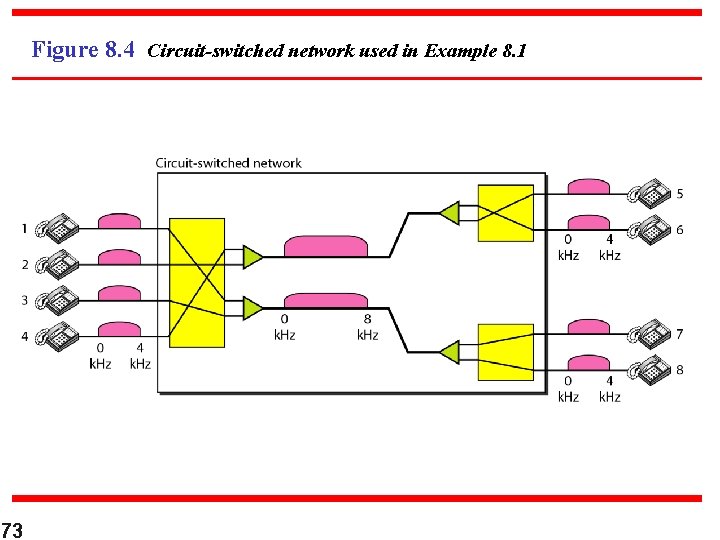
Figure 8. 4 Circuit-switched network used in Example 8. 1 73
Note Switching at the physical layer in the traditional telephone network uses the circuit-switching approach. 74
Note In a packet-switched network, there is no resource reservation; resources are allocated on demand. 75
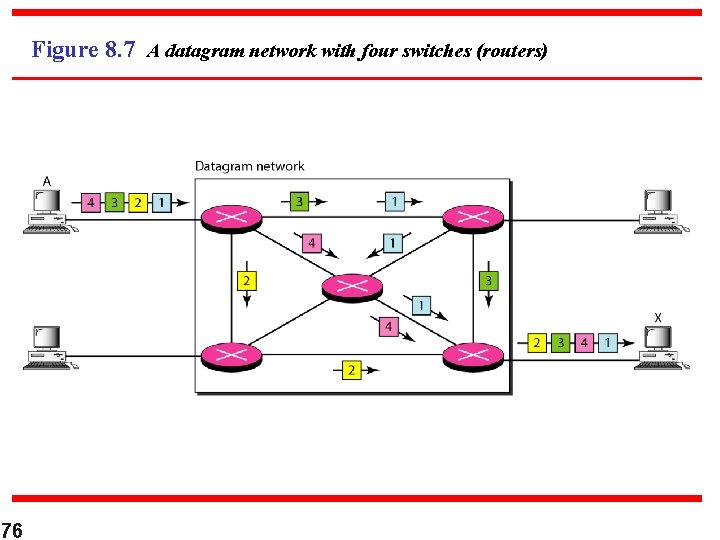
Figure 8. 7 A datagram network with four switches (routers) 76
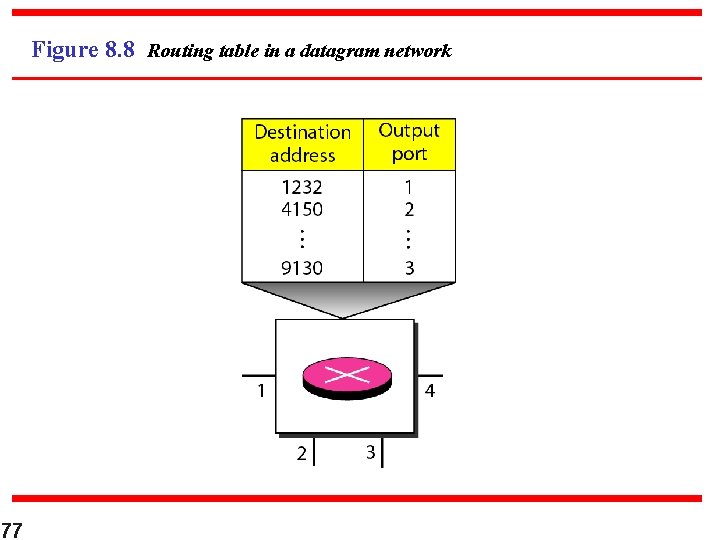
Figure 8. 8 Routing table in a datagram network 77
Note A switch in a datagram network uses a routing table that is based on the destination address. 78
Note The destination address in the header of a packet in a datagram network remains the same during the entire journey of the packet. 79
Note Switching in the Internet is done by using the datagram approach to packet switching at the network layer. 80
- Slides: 80