
BA 336 Retail Operations Strategic Planning in Retailing
BA 336 Retail Operations Strategic Planning in Retailing (Cont’d) & Retail Institutions by Ownership
Ownership and Management Alternatives • Sole proprietorship is an unincorporated retail firm owned by one person • A partnership is an unincorporated retail firm owned by two or more persons, each with a financial interest • A corporation is a retail firm that is formally incorporated under state law; it is a legal entity apart from its officers
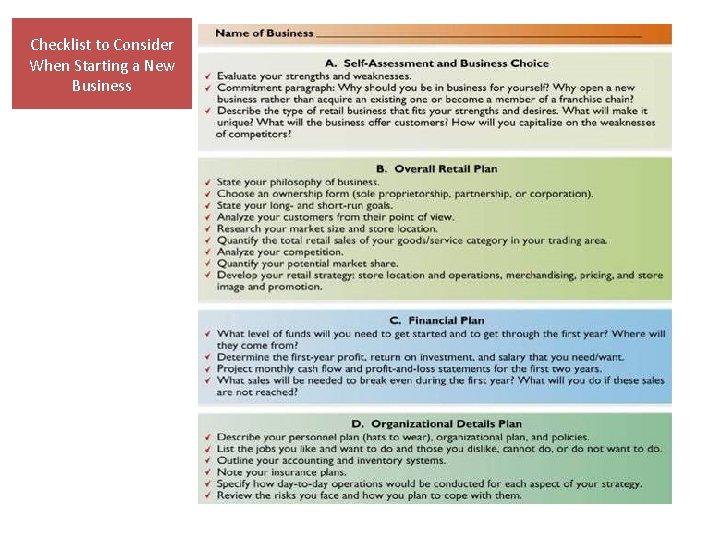
Checklist to Consider When Starting a New Business
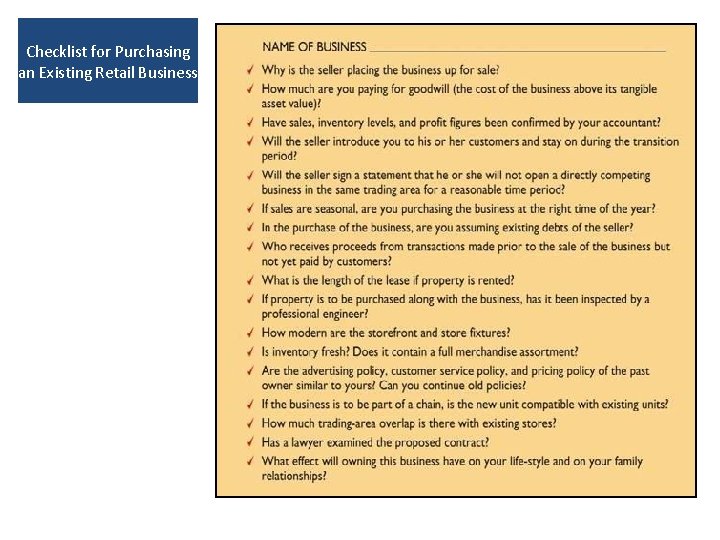
Checklist for Purchasing an Existing Retail Business
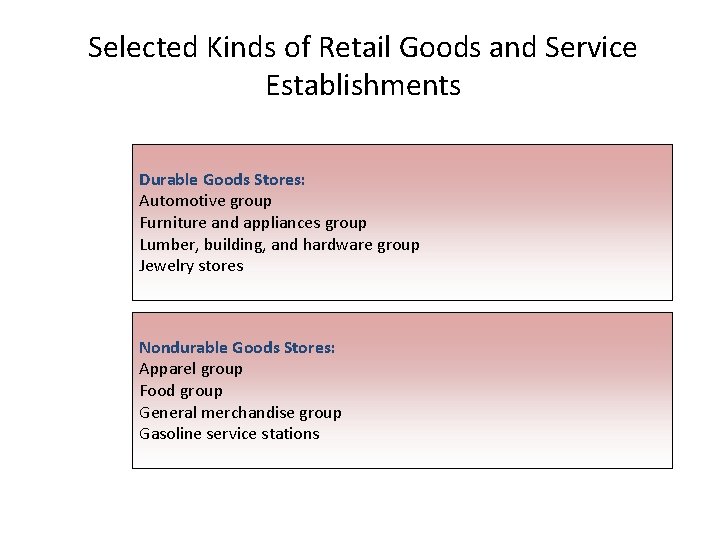
Selected Kinds of Retail Goods and Service Establishments Durable Goods Stores: Automotive group Furniture and appliances group Lumber, building, and hardware group Jewelry stores Nondurable Goods Stores: Apparel group Food group General merchandise group Gasoline service stations
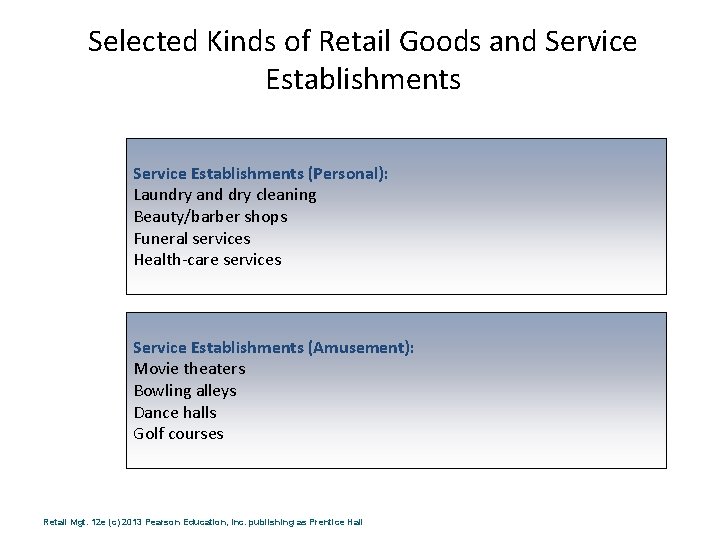
Selected Kinds of Retail Goods and Service Establishments (Personal): Laundry and dry cleaning Beauty/barber shops Funeral services Health-care services Service Establishments (Amusement): Movie theaters Bowling alleys Dance halls Golf courses Retail Mgt. 12 e (c) 2013 Pearson Education, Inc. publishing as Prentice Hall
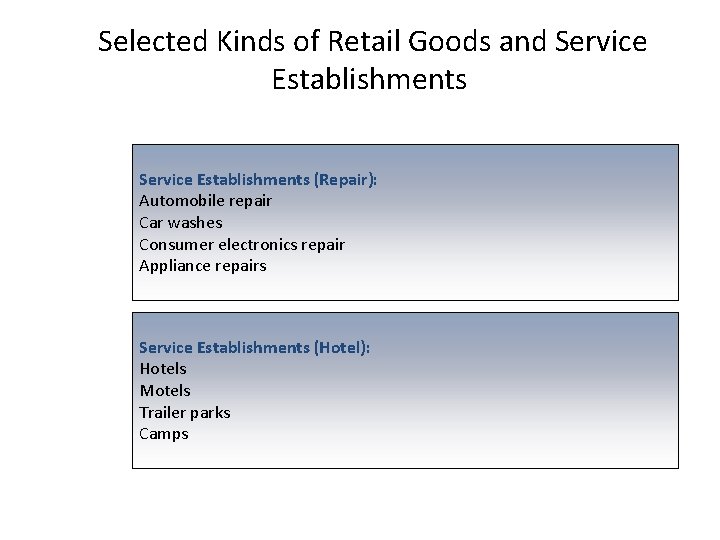
Selected Kinds of Retail Goods and Service Establishments (Repair): Automobile repair Car washes Consumer electronics repair Appliance repairs Service Establishments (Hotel): Hotels Motels Trailer parks Camps
Image and Positioning An image represents how a given retailer is perceived by consumers and others.
Positioning Approaches • Mass merchandising is a positioning approach whereby retailers offer a discount or value-oriented image, a wide or deep merchandise selection, and large store facilities. • Niche retailing occurs when retailers identify specific customer segments and deploy unique strategies to address the desires of those segments rather than the mass market.
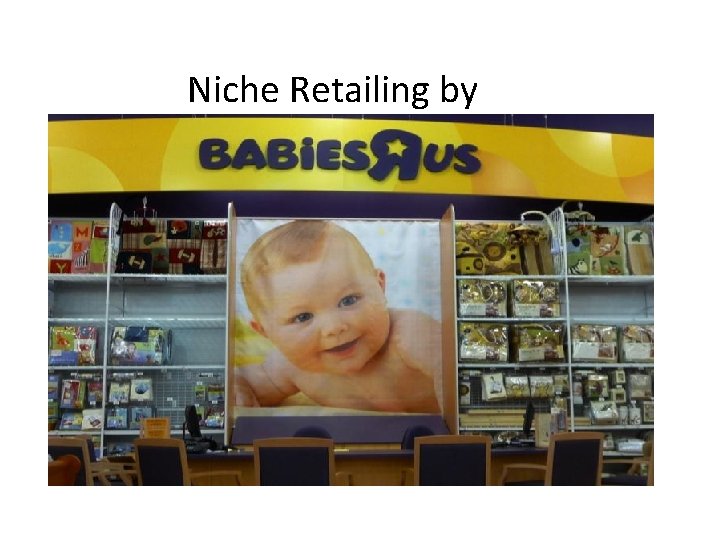
Niche Retailing by Babies “R” Us
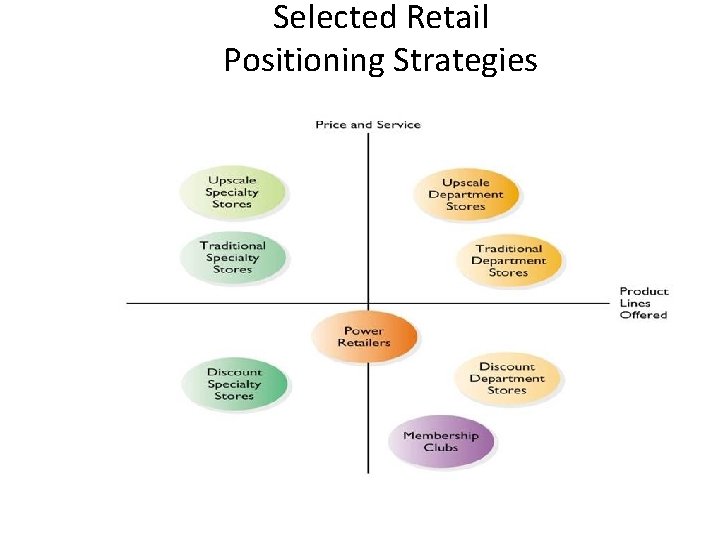
Selected Retail Positioning Strategies
Target Market Selection • Three techniques • Mass marketing • Concentrated marketing • Differentiated marketing
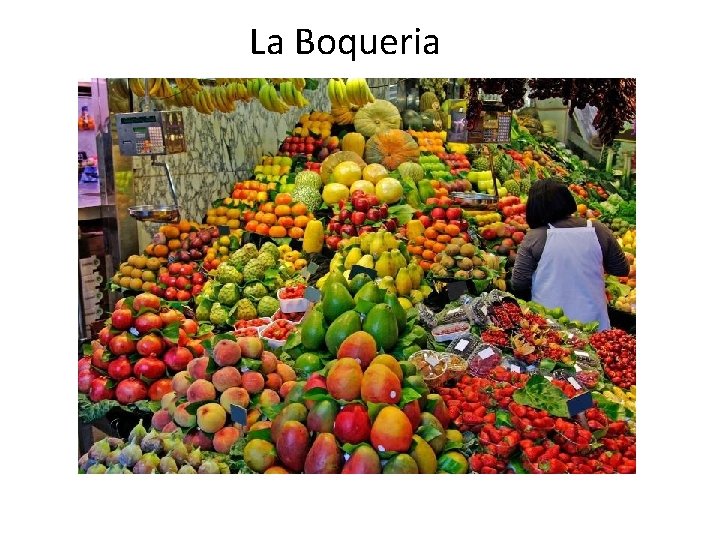
La Boqueria
Strategic Implications of Target Market Techniques • • • Retailer’s location Goods and service mix Promotion efforts Price orientation Strategy
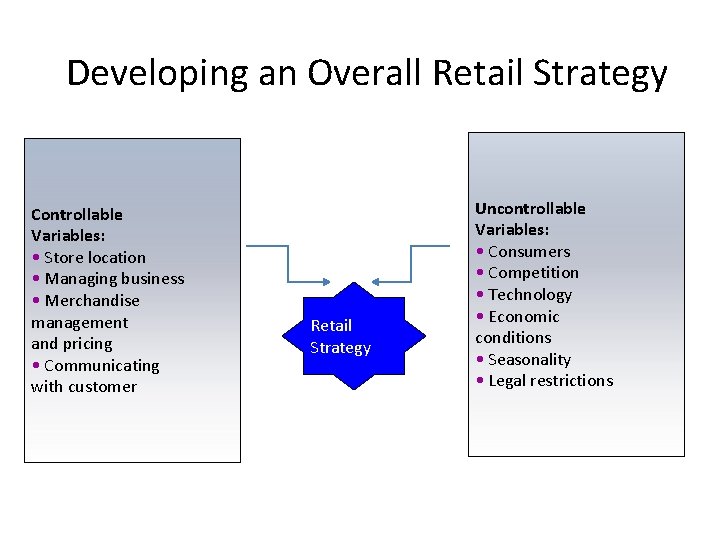
Developing an Overall Retail Strategy Controllable Variables: • Store location • Managing business • Merchandise management and pricing • Communicating with customer Retail Strategy Uncontrollable Variables: • Consumers • Competition • Technology • Economic conditions • Seasonality • Legal restrictions
Retail Strategy– Low Costs • Removal of bad costs • Use of private label products to reduce costs of national/manufacturer brands • Reduce product proliferation • Obtain best net price instead of focus on promotional monies, trade incentives and forward buying
Retail Strategy– Low Costs (cont. ) • Supply chain initiatives • Low promotional expense (everyday low pricing) • Proper employee utilization
Retail Strategy--Differentiation • • • Well-thought out private labels Hiring right employees (value-profit chain) Empowering employees Use of a fun atmosphere “Little things that mean a lot” Money-back guarantees
Legal Environment and Retailing ØStore Location • • • zoning laws blue laws environmental laws direct selling laws local ordinances leases and mortgages ØManaging the Business • • licensing provisions personnel laws antitrust laws franchise agreements • business taxes • recycling laws
Sample Strategic Plan Sally’s is a small, independently owned, high-fashion ladies clothing shop located in a suburban strip mall. It is a full-price, full-service store for fashion-forward shoppers. Sally’s carries sportswear from popular designers, has a personal shopper for busy executives, and has an on-premises tailor. The store is updating its strategic plan as a means of getting additional financing for an anticipated expansion. 20
Additional Concerns for Global Retailing • In addition to the strategic planning process: • • assess your international potential get expert advice and counseling select your countries develop, implement, and review an international retailing strategy
Factors Affecting the Success of a Global Retailing Strategy • • Timing A balanced international program A growing middle class Matching concept to market Solo or partnering Store location and facilities Product selection
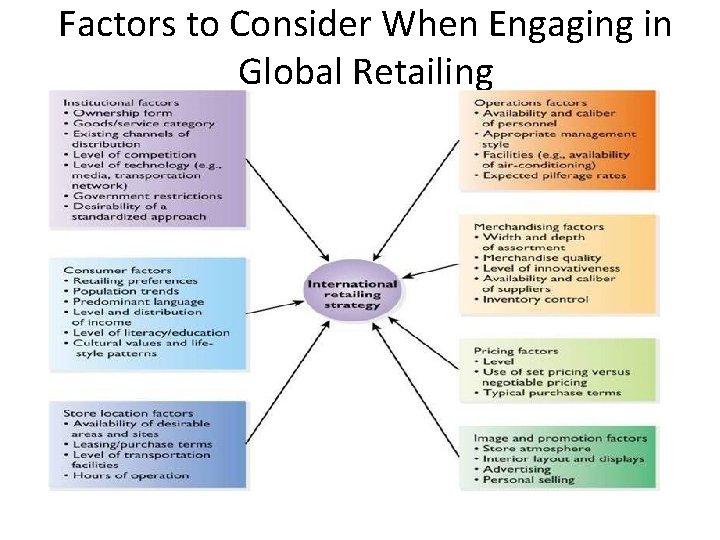
Factors to Consider When Engaging in Global Retailing
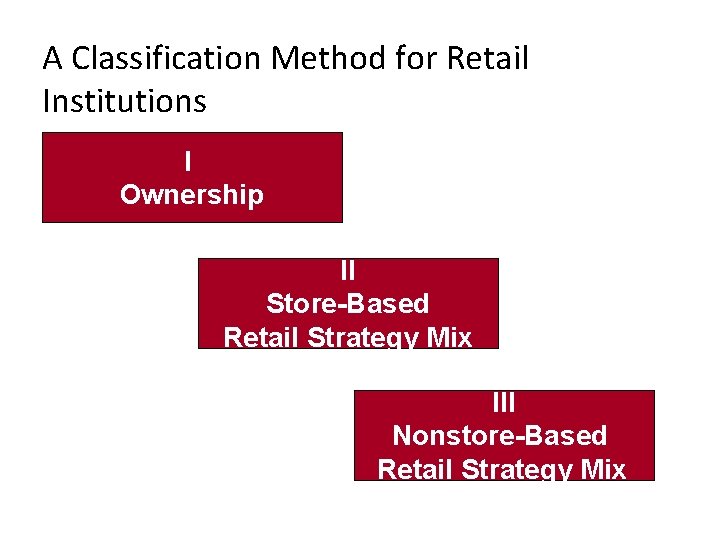
A Classification Method for Retail Institutions I Ownership II Store-Based Retail Strategy Mix III Nonstore-Based Retail Strategy Mix
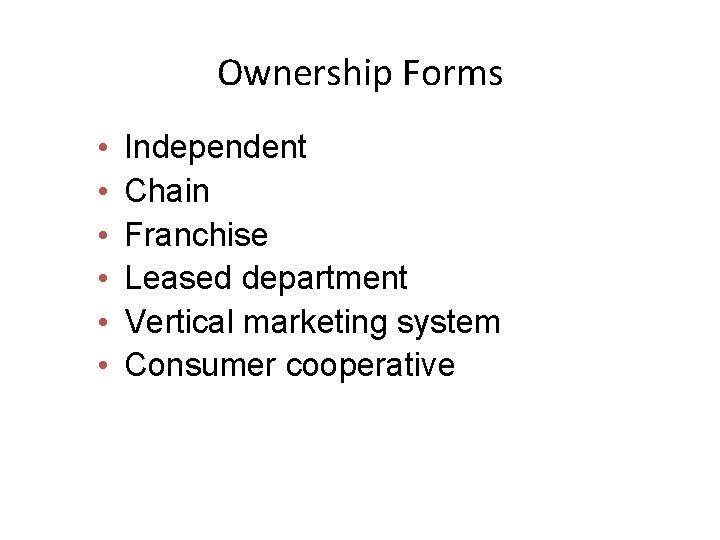
Ownership Forms • • • Independent Chain Franchise Leased department Vertical marketing system Consumer cooperative
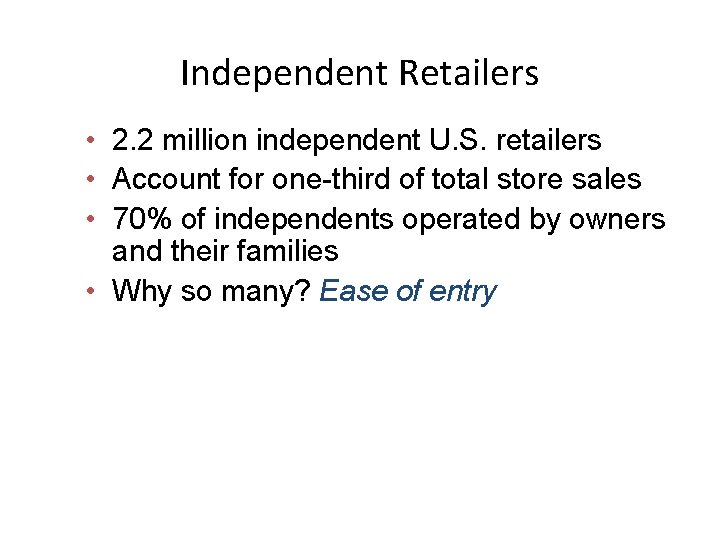
Independent Retailers • 2. 2 million independent U. S. retailers • Account for one-third of total store sales • 70% of independents operated by owners and their families • Why so many? Ease of entry
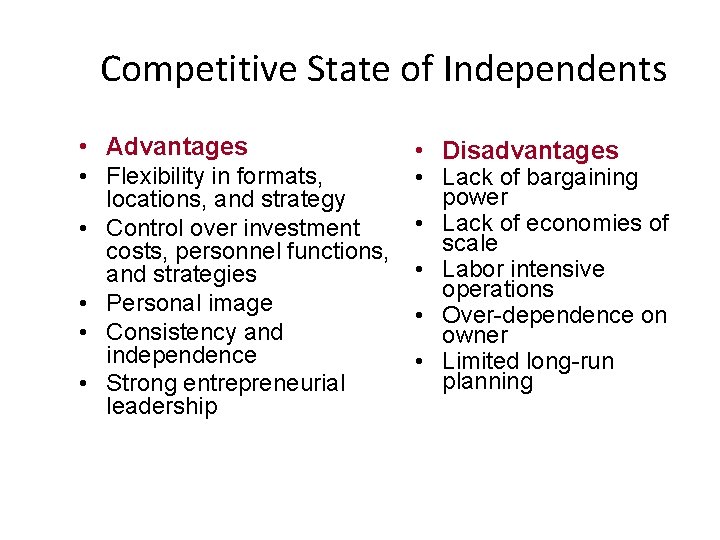
Competitive State of Independents • Advantages • Flexibility in formats, • Disadvantages • Lack of bargaining • • • locations, and strategy Control over investment costs, personnel functions, and strategies Personal image Consistency and independence Strong entrepreneurial leadership • • • power Lack of economies of scale Labor intensive operations Over-dependence on owner Limited long-run planning
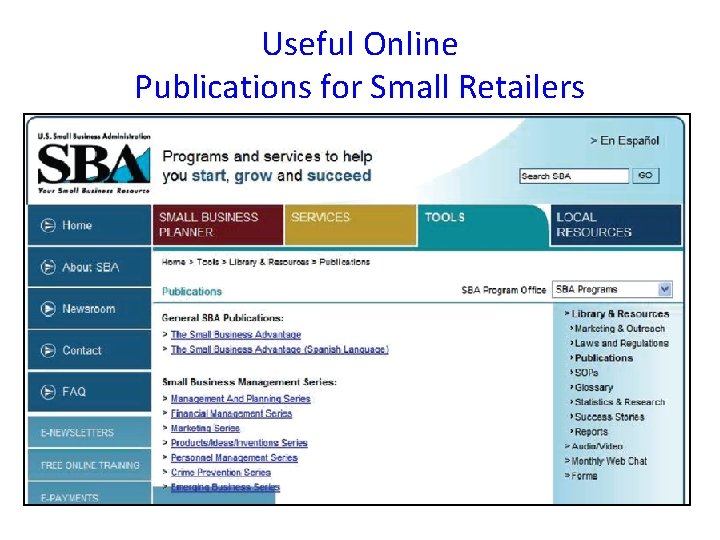
Useful Online Publications for Small Retailers
Chain Retailers • Operate multiple outlets under common ownership • Engage in some level of centralized or coordinated purchasing and decision making • In the U. S. , there are roughly 110, 000 retail chains operating about 900, 000 establishments
Competitive State of Chains Advantages • Bargaining power • Cost efficiencies • Efficiency maintained by computerization, warehouse sharing, and other functions • Defined management philosophy • Considerable efforts in long-run planning Disadvantages • Limited flexibility • Higher investment costs • Complex managerial control • Limited independence among personnel • Excessive standardization due to extreme concern for bargaining power
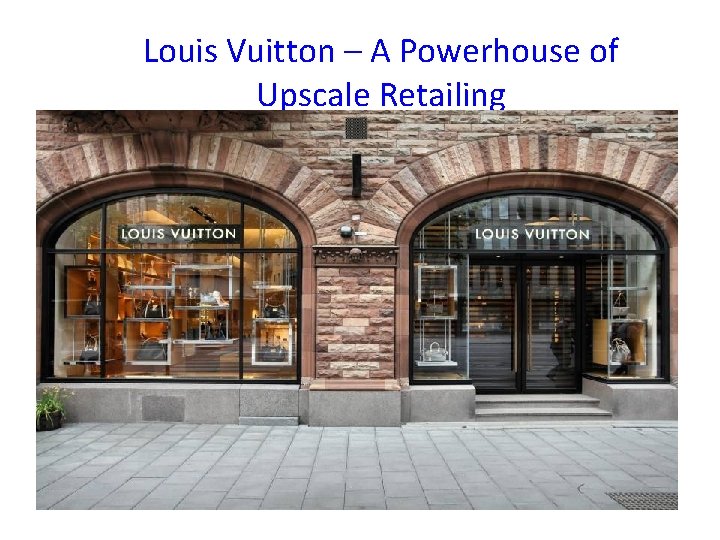
Louis Vuitton – A Powerhouse of Upscale Retailing
Franchising • A contractual agreement between a franchisor and a retail franchisee that allows the franchisee to conduct business under an established name and according to a given pattern of business • Franchisee pays an initial fee and a monthly percentage of gross sales in exchange for the exclusive rights to sell goods and services in an area
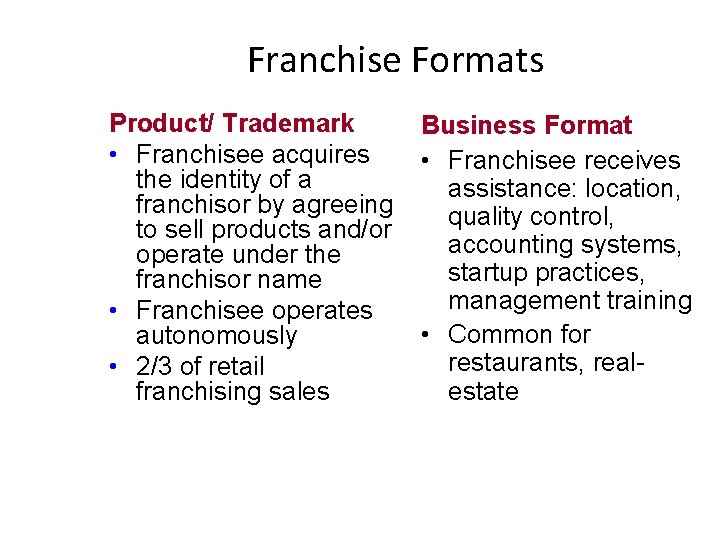
Franchise Formats Product/ Trademark • Franchisee acquires the identity of a franchisor by agreeing to sell products and/or operate under the franchisor name • Franchisee operates autonomously • 2/3 of retail franchising sales Business Format • Franchisee receives assistance: location, quality control, accounting systems, startup practices, management training • Common for restaurants, realestate
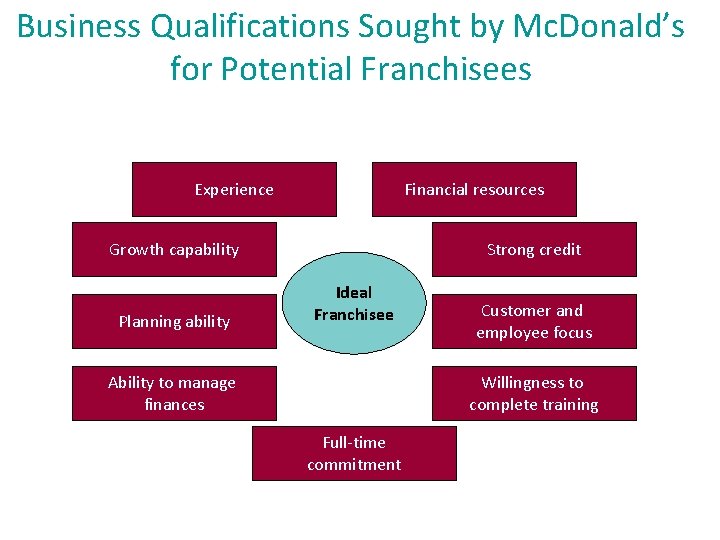
Business Qualifications Sought by Mc. Donald’s for Potential Franchisees Experience Financial resources Growth capability Planning ability Strong credit Ideal Franchisee Ability to manage finances Customer and employee focus Willingness to complete training Full-time commitment
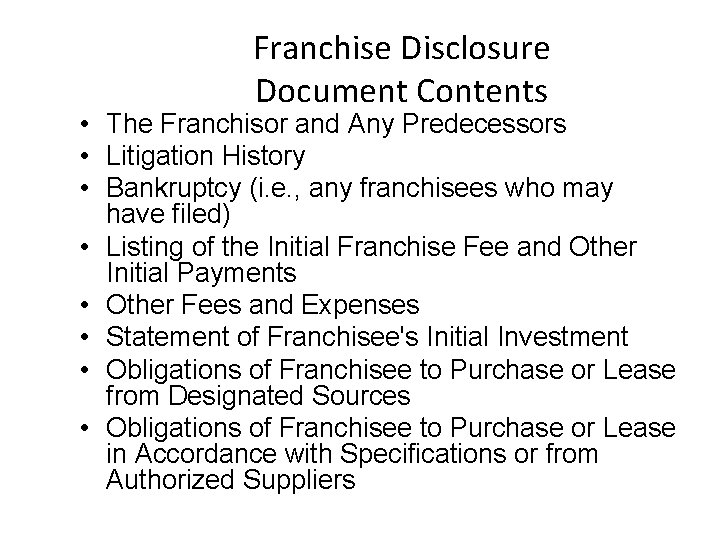
Franchise Disclosure Document Contents • The Franchisor and Any Predecessors • Litigation History • Bankruptcy (i. e. , any franchisees who may have filed) • Listing of the Initial Franchise Fee and Other Initial Payments • Other Fees and Expenses • Statement of Franchisee's Initial Investment • Obligations of Franchisee to Purchase or Lease from Designated Sources • Obligations of Franchisee to Purchase or Lease in Accordance with Specifications or from Authorized Suppliers
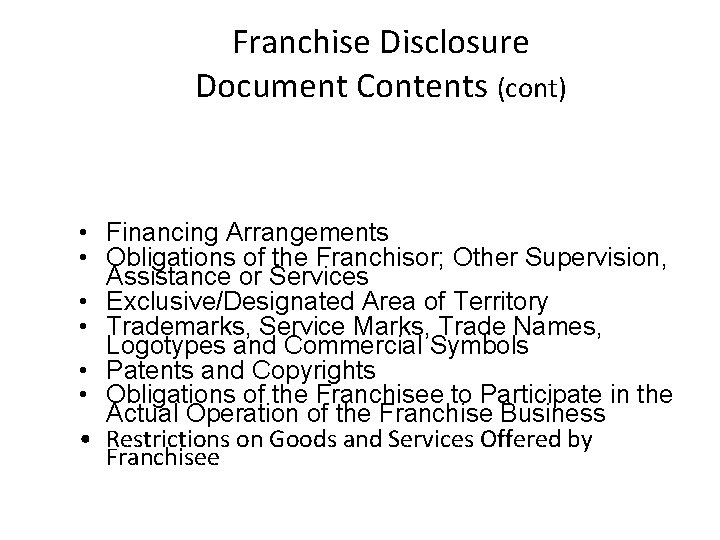
Franchise Disclosure Document Contents (cont) • Financing Arrangements • Obligations of the Franchisor; Other Supervision, Assistance or Services • Exclusive/Designated Area of Territory • Trademarks, Service Marks, Trade Names, Logotypes and Commercial Symbols • Patents and Copyrights • Obligations of the Franchisee to Participate in the Actual Operation of the Franchise Business • Restrictions on Goods and Services Offered by Franchisee
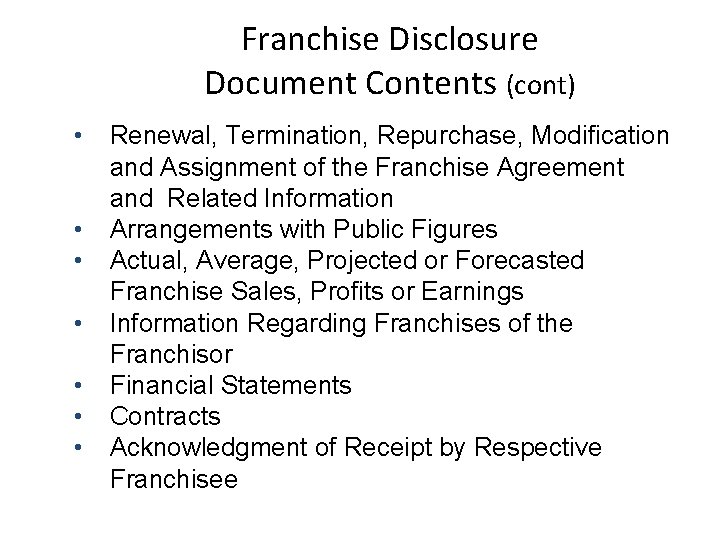
Franchise Disclosure Document Contents (cont) • • Renewal, Termination, Repurchase, Modification and Assignment of the Franchise Agreement and Related Information Arrangements with Public Figures Actual, Average, Projected or Forecasted Franchise Sales, Profits or Earnings Information Regarding Franchises of the Franchisor Financial Statements Contracts Acknowledgment of Receipt by Respective Franchisee
Dunkin’ Donuts Franchise Disclosure Document
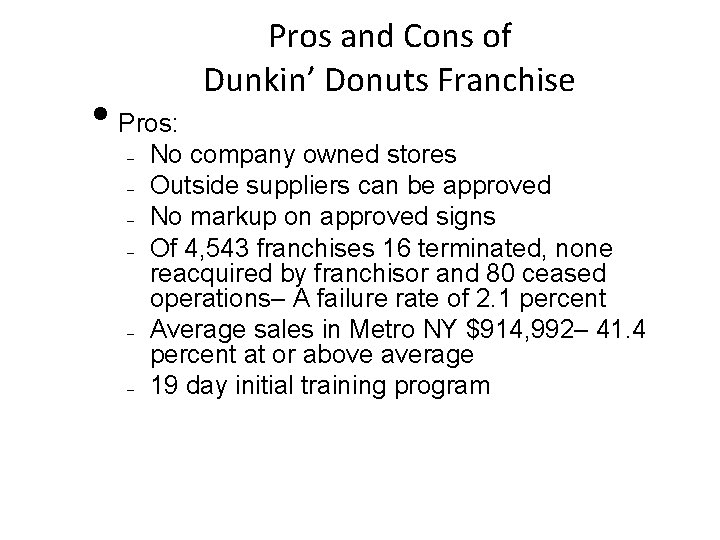
• Pros: – – – Pros and Cons of Dunkin’ Donuts Franchise No company owned stores Outside suppliers can be approved No markup on approved signs Of 4, 543 franchises 16 terminated, none reacquired by franchisor and 80 ceased operations– A failure rate of 2. 1 percent Average sales in Metro NY $914, 992– 41. 4 percent at or above average 19 day initial training program
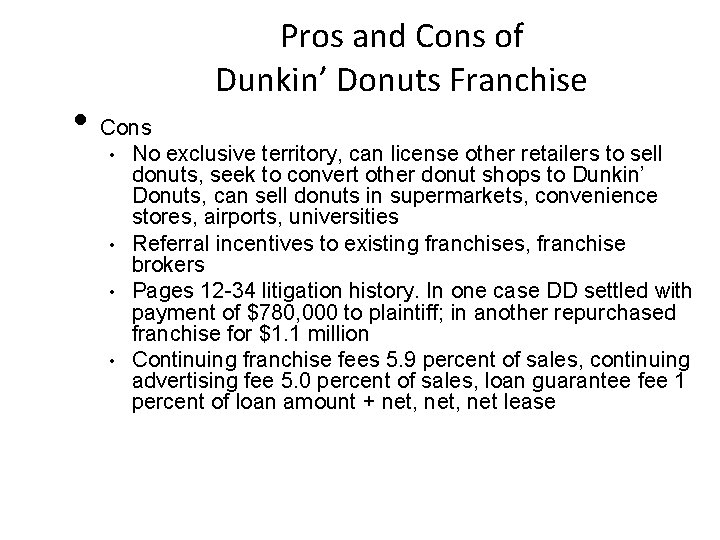
• Cons Pros and Cons of Dunkin’ Donuts Franchise No exclusive territory, can license other retailers to sell donuts, seek to convert other donut shops to Dunkin’ Donuts, can sell donuts in supermarkets, convenience stores, airports, universities • Referral incentives to existing franchises, franchise brokers • Pages 12 -34 litigation history. In one case DD settled with payment of $780, 000 to plaintiff; in another repurchased franchise for $1. 1 million • Continuing franchise fees 5. 9 percent of sales, continuing advertising fee 5. 0 percent of sales, loan guarantee fee 1 percent of loan amount + net, net lease •
• Cons – – – Pros and Cons of Dunkin’ Donuts Franchise Board member sells eggs DD has right to approve advertising DD can appoint additional members to Brand Advisory Council, can dissolve council, council is only advisory 41
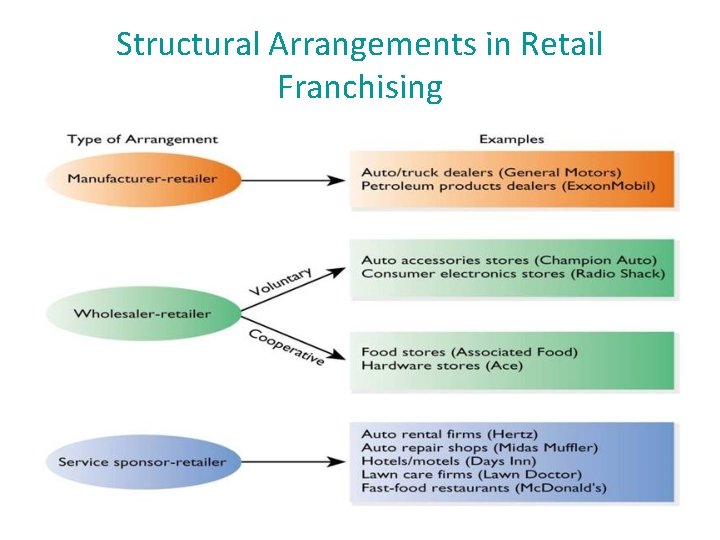
Structural Arrangements in Retail Franchising
Wholesaler-Retailer Structural Franchising Arrangements • Voluntary: A wholesaler sets up a franchise system and grants franchises to individual retailers • Cooperative: A group of retailers sets up a franchise system and shares the ownership and operations of a wholesaling organization
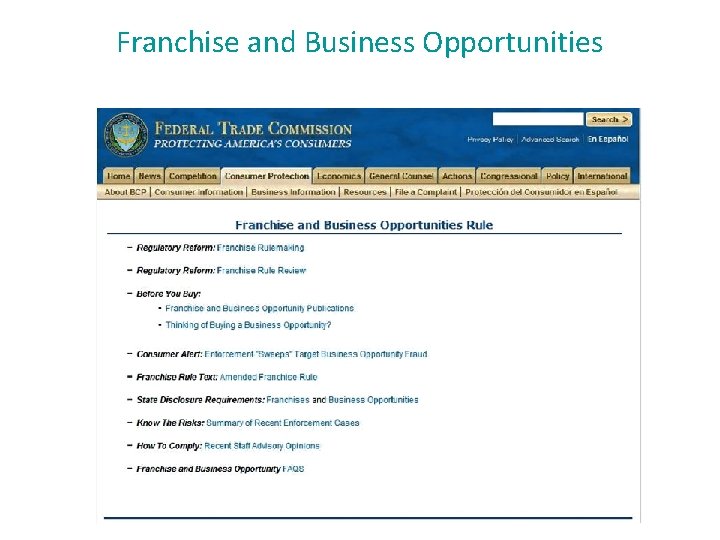
Franchise and Business Opportunities
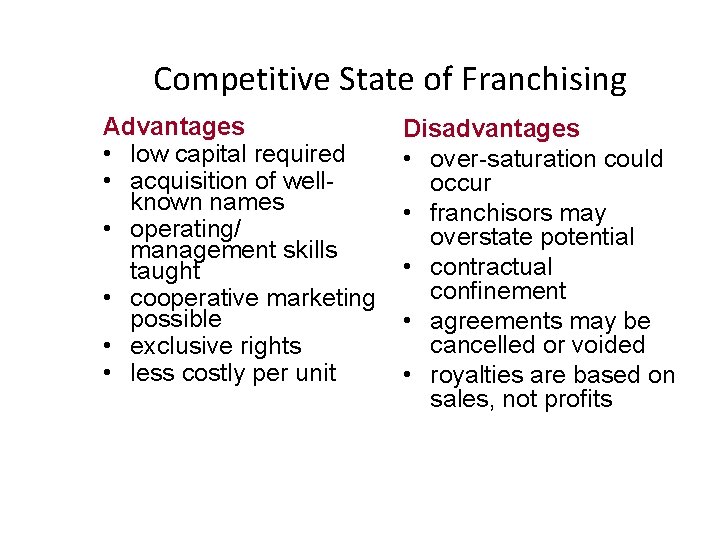
Competitive State of Franchising Advantages • low capital required • acquisition of wellknown names • operating/ management skills taught • cooperative marketing possible • exclusive rights • less costly per unit Disadvantages • over-saturation could occur • franchisors may overstate potential • contractual confinement • agreements may be cancelled or voided • royalties are based on sales, not profits
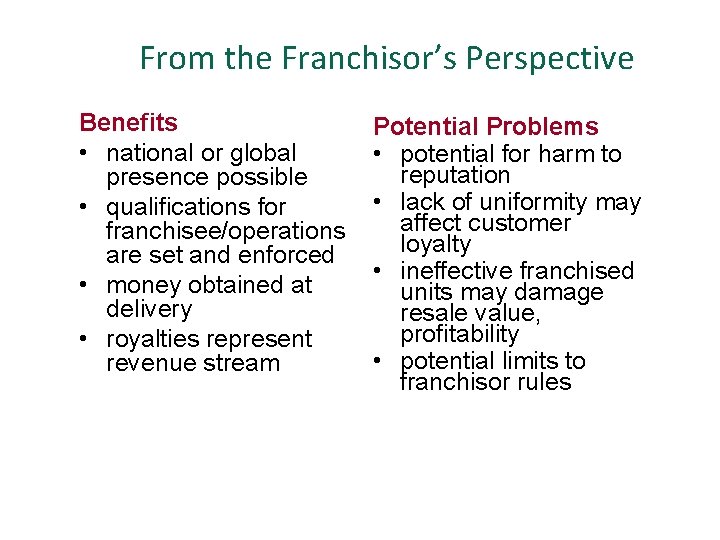
From the Franchisor’s Perspective Benefits • national or global presence possible • qualifications for franchisee/operations are set and enforced • money obtained at delivery • royalties represent revenue stream Potential Problems • potential for harm to reputation • lack of uniformity may affect customer loyalty • ineffective franchised units may damage resale value, profitability • potential limits to franchisor rules
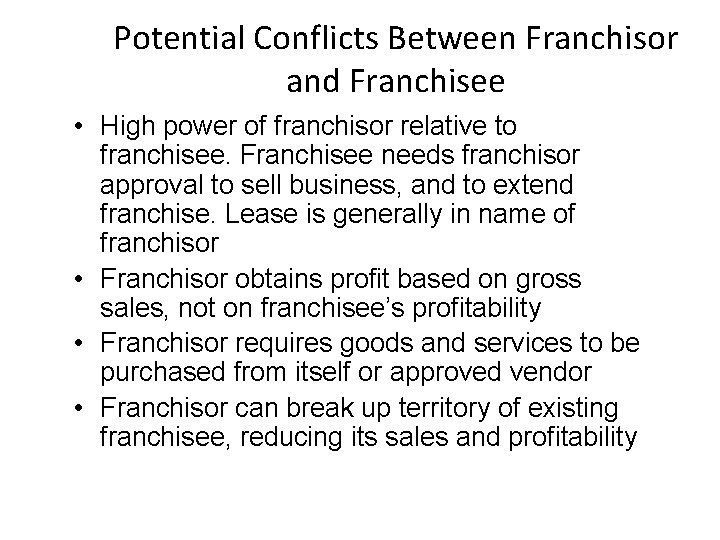
Potential Conflicts Between Franchisor and Franchisee • High power of franchisor relative to franchisee. Franchisee needs franchisor approval to sell business, and to extend franchise. Lease is generally in name of franchisor • Franchisor obtains profit based on gross sales, not on franchisee’s profitability • Franchisor requires goods and services to be purchased from itself or approved vendor • Franchisor can break up territory of existing franchisee, reducing its sales and profitability
Leased Departments • A leased department is a department in a retail store that is rented to an outside party • The proprietor is responsible for all aspects of its business and pays a percentage of sales as rent • The department store sets operating restrictions to ensure consistency and coordination
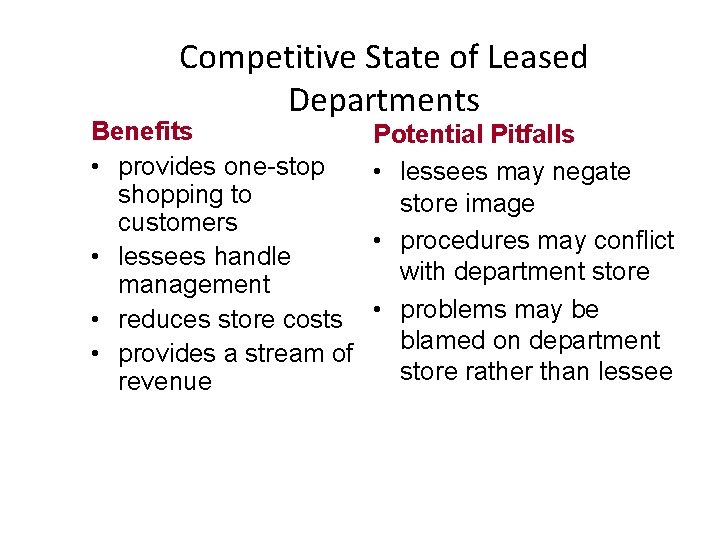
Competitive State of Leased Departments Benefits • provides one-stop shopping to customers • lessees handle management • reduces store costs • provides a stream of revenue Potential Pitfalls • lessees may negate store image • procedures may conflict with department store • problems may be blamed on department store rather than lessee
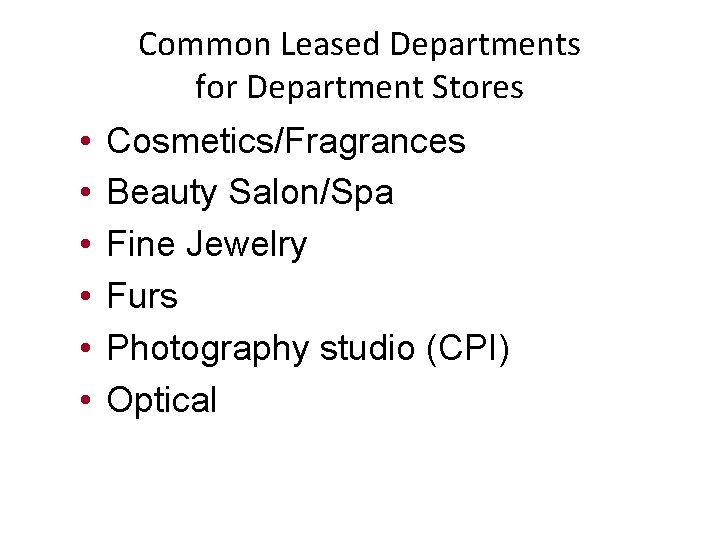
Common Leased Departments for Department Stores • • • Cosmetics/Fragrances Beauty Salon/Spa Fine Jewelry Furs Photography studio (CPI) Optical
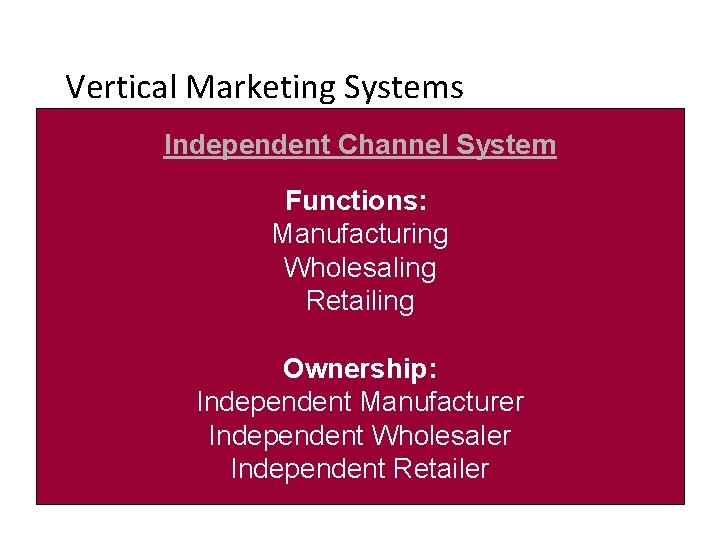
Vertical Marketing Systems Independent Channel System Functions: Manufacturing Wholesaling Retailing Ownership: Independent Manufacturer Independent Wholesaler Independent Retailer
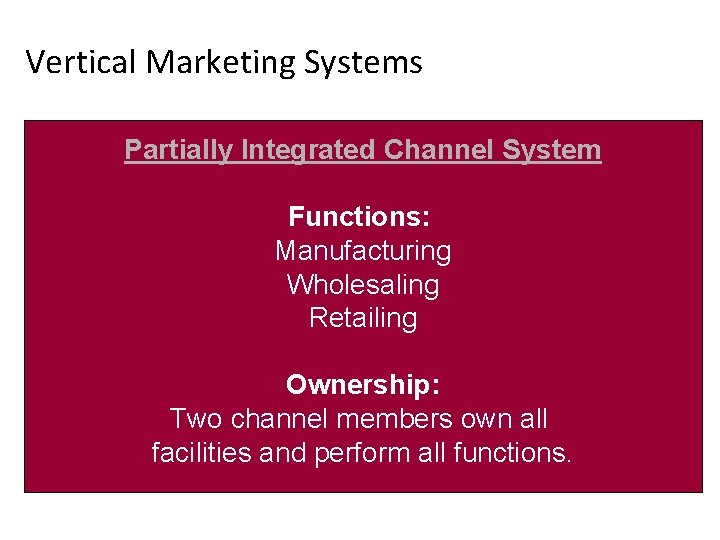
Vertical Marketing Systems Partially Integrated Channel System Functions: Manufacturing Wholesaling Retailing Ownership: Two channel members own all facilities and perform all functions.
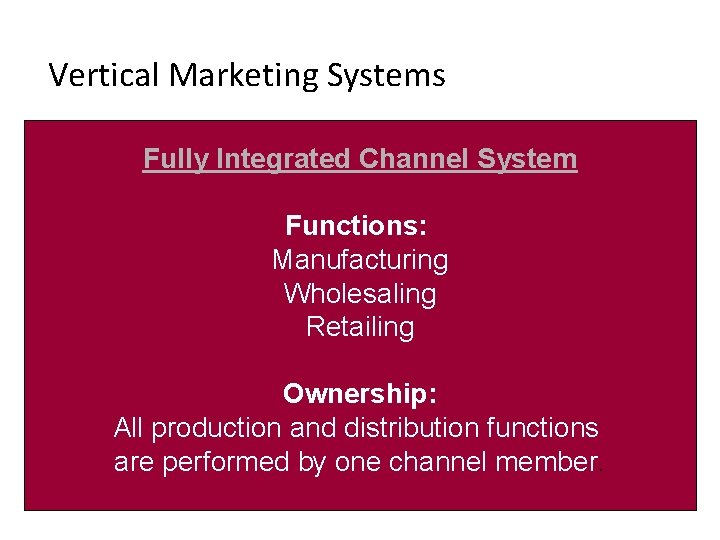
Vertical Marketing Systems Fully Integrated Channel System Functions: Manufacturing Wholesaling Retailing Ownership: All production and distribution functions are performed by one channel member.
- Slides: 53