
B L D R OY F X AR

B L D R OY F X AR OB U L R S E OCA I D 7 V L A U N IT L E V E
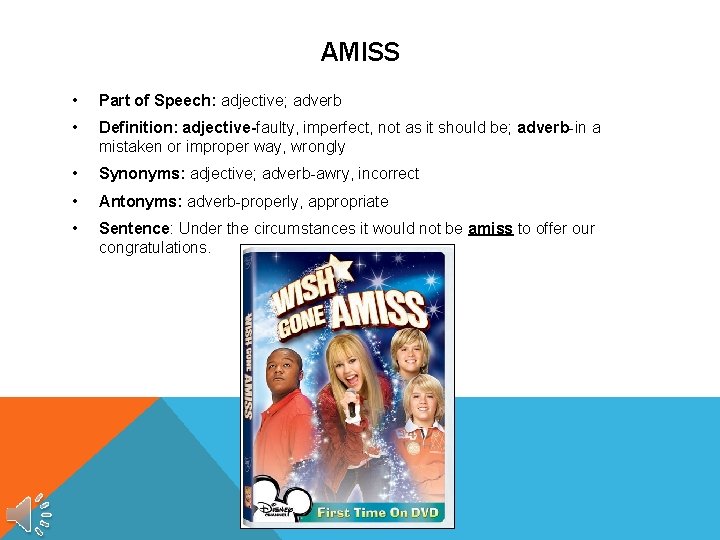
AMISS • Part of Speech: adjective; adverb • Definition: adjective-faulty, imperfect, not as it should be; adverb-in a mistaken or improper way, wrongly • Synonyms: adjective; adverb-awry, incorrect • Antonyms: adverb-properly, appropriate • Sentence: Under the circumstances it would not be amiss to offer our congratulations.
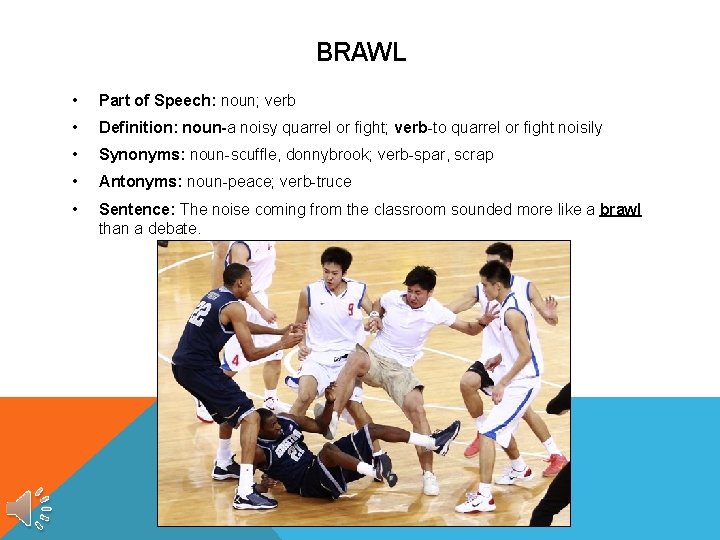
BRAWL • Part of Speech: noun; verb • Definition: noun-a noisy quarrel or fight; verb-to quarrel or fight noisily • Synonyms: noun-scuffle, donnybrook; verb-spar, scrap • Antonyms: noun-peace; verb-truce • Sentence: The noise coming from the classroom sounded more like a brawl than a debate.
DETEST • Part of Speech: verb • Definition: to hate, dislike very much, loathe • Synonyms: despise, abhor • Antonyms: relish, love, admire, esteem • Sentence: Children who dislike green vegetables often detest spinach.
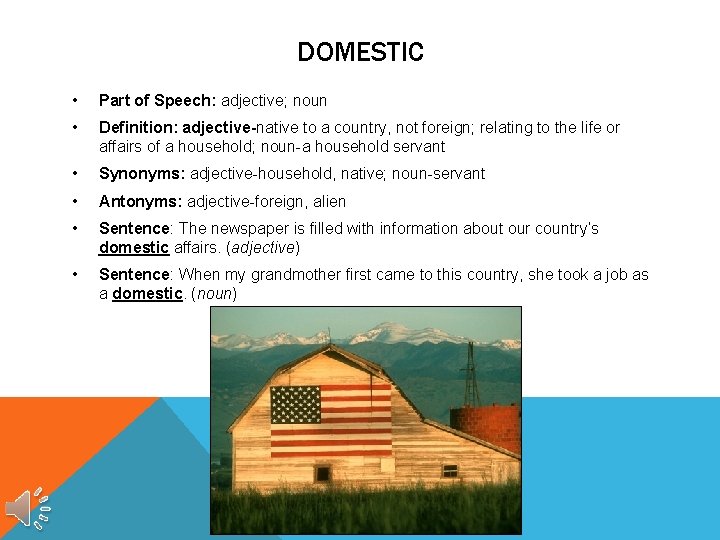
DOMESTIC • Part of Speech: adjective; noun • Definition: adjective-native to a country, not foreign; relating to the life or affairs of a household; noun-a household servant • Synonyms: adjective-household, native; noun-servant • Antonyms: adjective-foreign, alien • Sentence: The newspaper is filled with information about our country’s domestic affairs. (adjective) • Sentence: When my grandmother first came to this country, she took a job as a domestic. (noun)
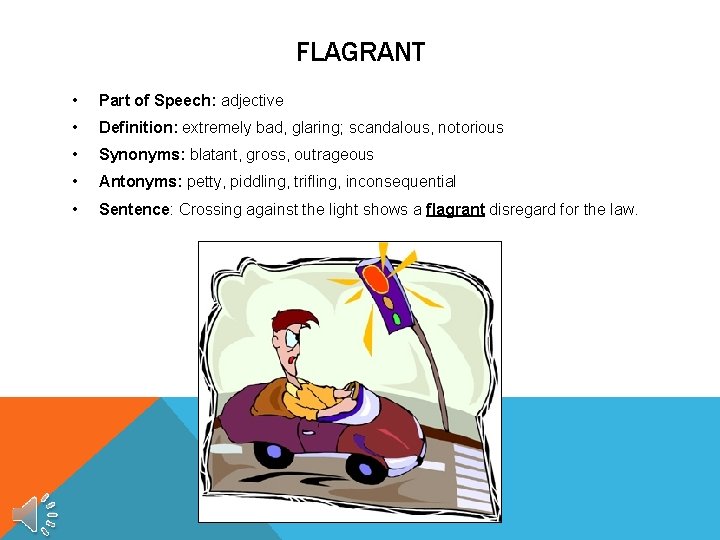
FLAGRANT • Part of Speech: adjective • Definition: extremely bad, glaring; scandalous, notorious • Synonyms: blatant, gross, outrageous • Antonyms: petty, piddling, trifling, inconsequential • Sentence: Crossing against the light shows a flagrant disregard for the law.
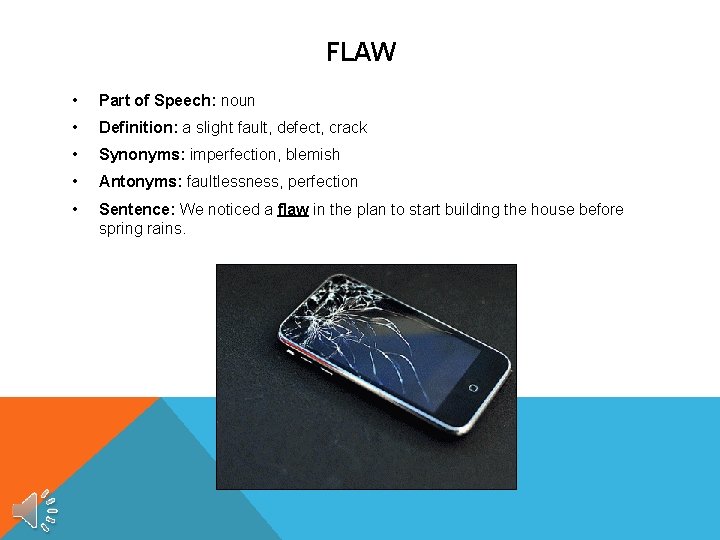
FLAW • Part of Speech: noun • Definition: a slight fault, defect, crack • Synonyms: imperfection, blemish • Antonyms: faultlessness, perfection • Sentence: We noticed a flaw in the plan to start building the house before spring rains.
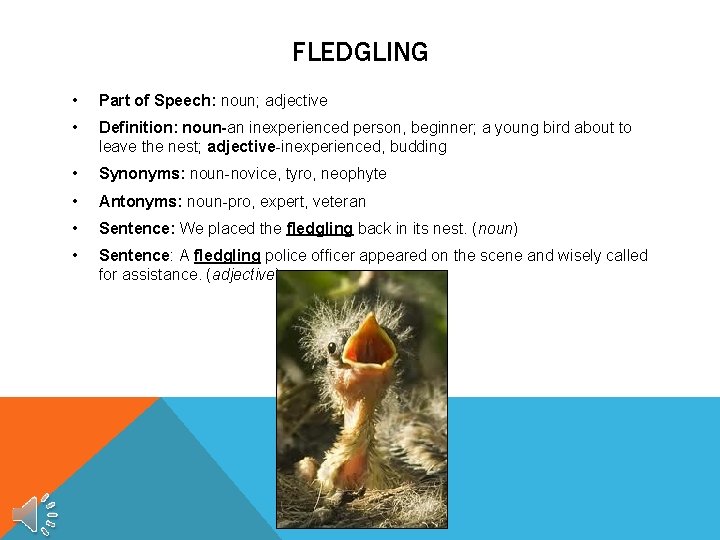
FLEDGLING • Part of Speech: noun; adjective • Definition: noun-an inexperienced person, beginner; a young bird about to leave the nest; adjective-inexperienced, budding • Synonyms: noun-novice, tyro, neophyte • Antonyms: noun-pro, expert, veteran • Sentence: We placed the fledgling back in its nest. (noun) • Sentence: A fledgling police officer appeared on the scene and wisely called for assistance. (adjective)
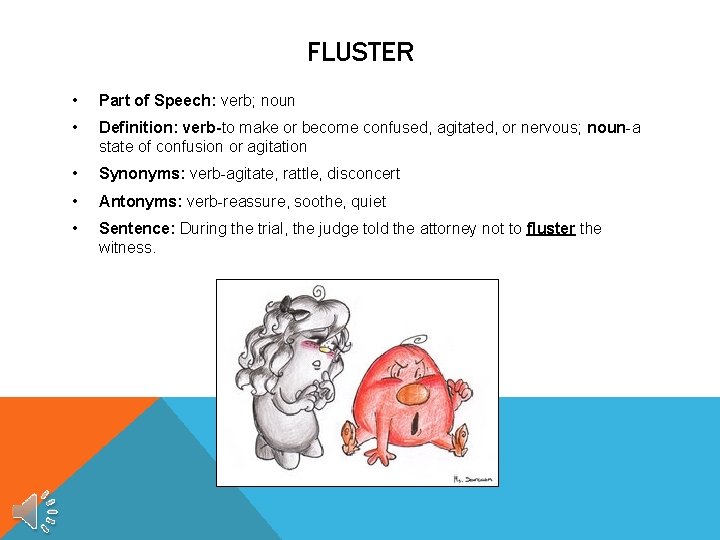
FLUSTER • Part of Speech: verb; noun • Definition: verb-to make or become confused, agitated, or nervous; noun-a state of confusion or agitation • Synonyms: verb-agitate, rattle, disconcert • Antonyms: verb-reassure, soothe, quiet • Sentence: During the trial, the judge told the attorney not to fluster the witness.
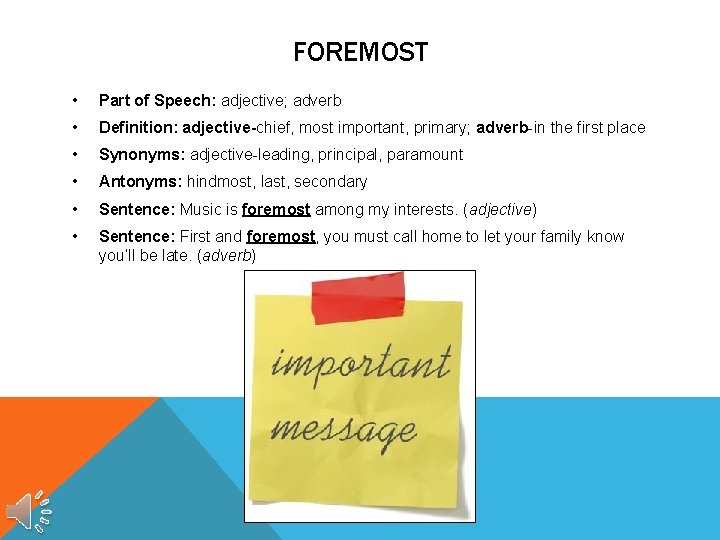
FOREMOST • Part of Speech: adjective; adverb • Definition: adjective-chief, most important, primary; adverb-in the first place • Synonyms: adjective-leading, principal, paramount • Antonyms: hindmost, last, secondary • Sentence: Music is foremost among my interests. (adjective) • Sentence: First and foremost, you must call home to let your family know you’ll be late. (adverb)
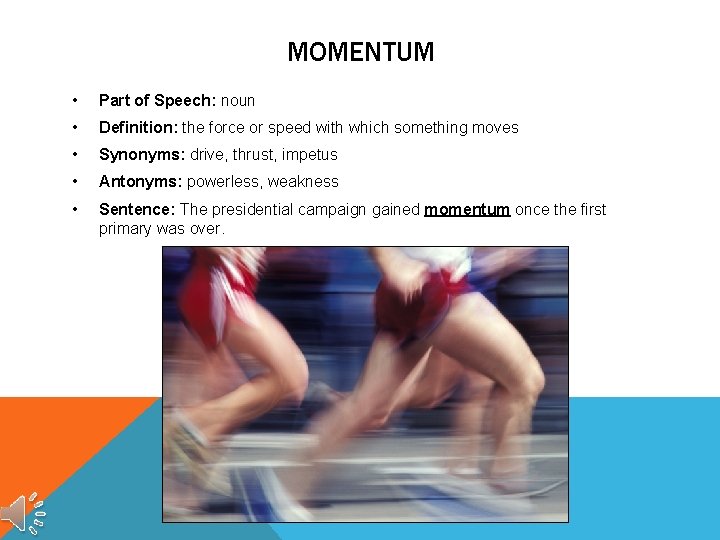
MOMENTUM • Part of Speech: noun • Definition: the force or speed with which something moves • Synonyms: drive, thrust, impetus • Antonyms: powerless, weakness • Sentence: The presidential campaign gained momentum once the first primary was over.
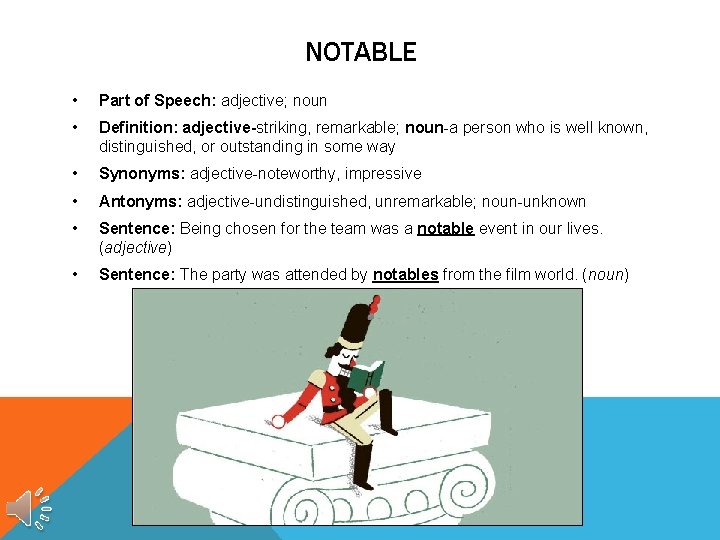
NOTABLE • Part of Speech: adjective; noun • Definition: adjective-striking, remarkable; noun-a person who is well known, distinguished, or outstanding in some way • Synonyms: adjective-noteworthy, impressive • Antonyms: adjective-undistinguished, unremarkable; noun-unknown • Sentence: Being chosen for the team was a notable event in our lives. (adjective) • Sentence: The party was attended by notables from the film world. (noun)
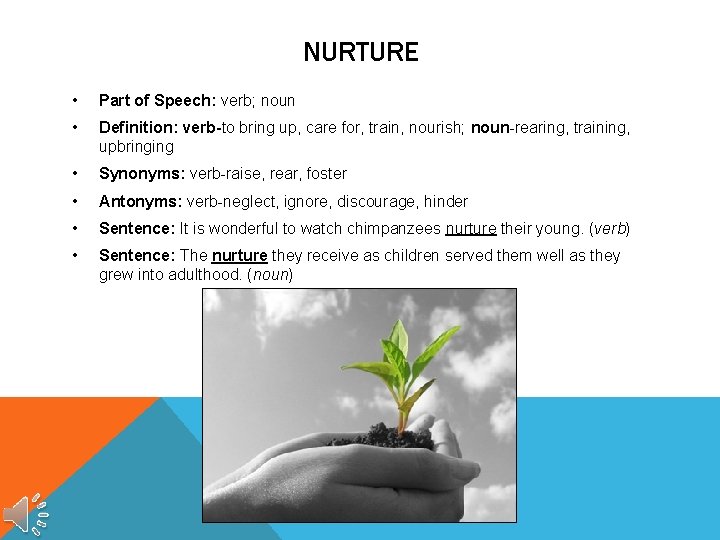
NURTURE • Part of Speech: verb; noun • Definition: verb-to bring up, care for, train, nourish; noun-rearing, training, upbringing • Synonyms: verb-raise, rear, foster • Antonyms: verb-neglect, ignore, discourage, hinder • Sentence: It is wonderful to watch chimpanzees nurture their young. (verb) • Sentence: The nurture they receive as children served them well as they grew into adulthood. (noun)
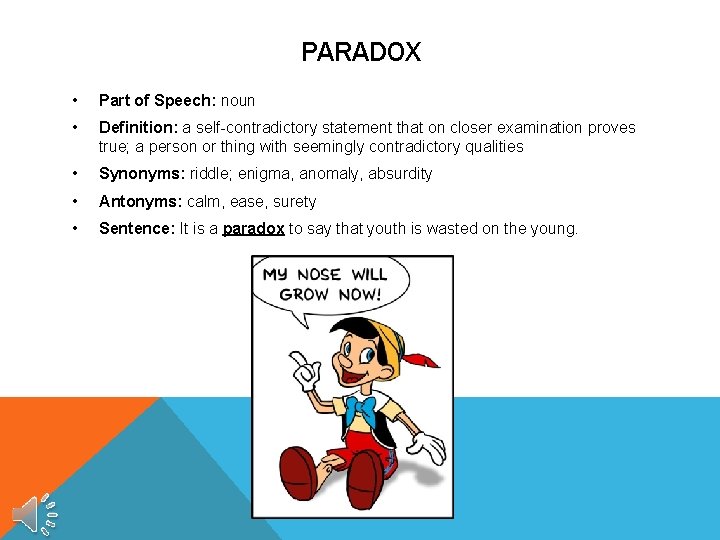
PARADOX • Part of Speech: noun • Definition: a self-contradictory statement that on closer examination proves true; a person or thing with seemingly contradictory qualities • Synonyms: riddle; enigma, anomaly, absurdity • Antonyms: calm, ease, surety • Sentence: It is a paradox to say that youth is wasted on the young.
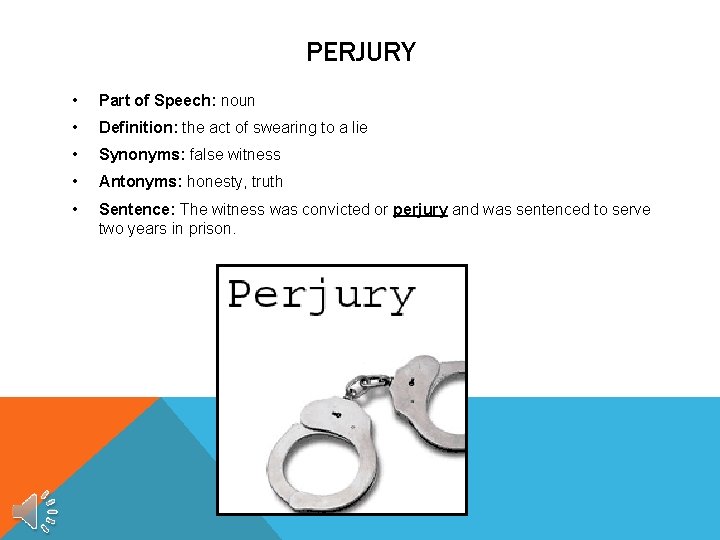
PERJURY • Part of Speech: noun • Definition: the act of swearing to a lie • Synonyms: false witness • Antonyms: honesty, truth • Sentence: The witness was convicted or perjury and was sentenced to serve two years in prison.
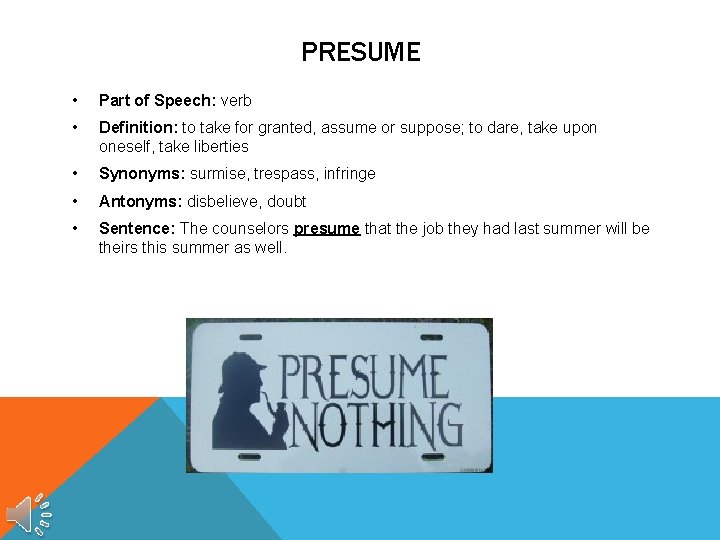
PRESUME • Part of Speech: verb • Definition: to take for granted, assume or suppose; to dare, take upon oneself, take liberties • Synonyms: surmise, trespass, infringe • Antonyms: disbelieve, doubt • Sentence: The counselors presume that the job they had last summer will be theirs this summer as well.
PRIOR • Part of Speech: adjective • Definition: earlier, former • Synonyms: previous, anterior • Antonyms: subsequent, later, ensuing, following • Sentence: Unfortunately, the governor had a prior appointment and could not meet with the class.

PROFICIENT • Part of Speech: adjective • Definition: skilled, expert, or capable in any field or activity • Synonyms: competent, adept, able • Antonyms: incompetent, inept, unskilled, ignorant • Sentence: Dad knows his way around the kitchen and is quite a proficient cook.
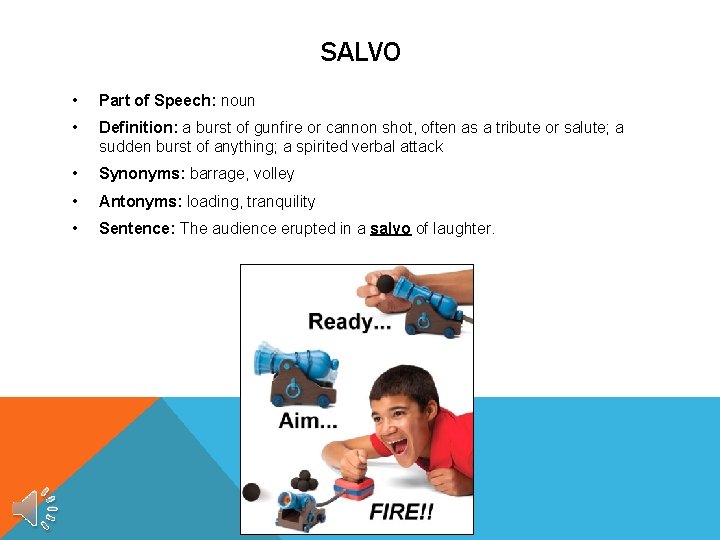
SALVO • Part of Speech: noun • Definition: a burst of gunfire or cannon shot, often as a tribute or salute; a sudden burst of anything; a spirited verbal attack • Synonyms: barrage, volley • Antonyms: loading, tranquility • Sentence: The audience erupted in a salvo of laughter.
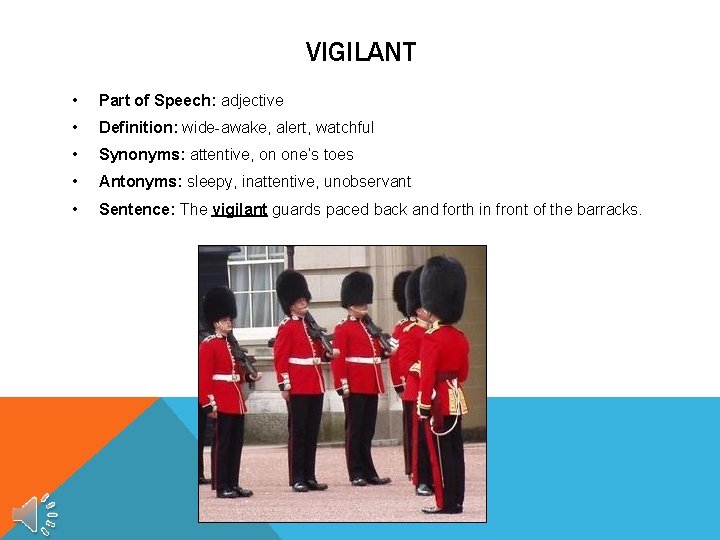
VIGILANT • Part of Speech: adjective • Definition: wide-awake, alert, watchful • Synonyms: attentive, on one’s toes • Antonyms: sleepy, inattentive, unobservant • Sentence: The vigilant guards paced back and forth in front of the barracks.
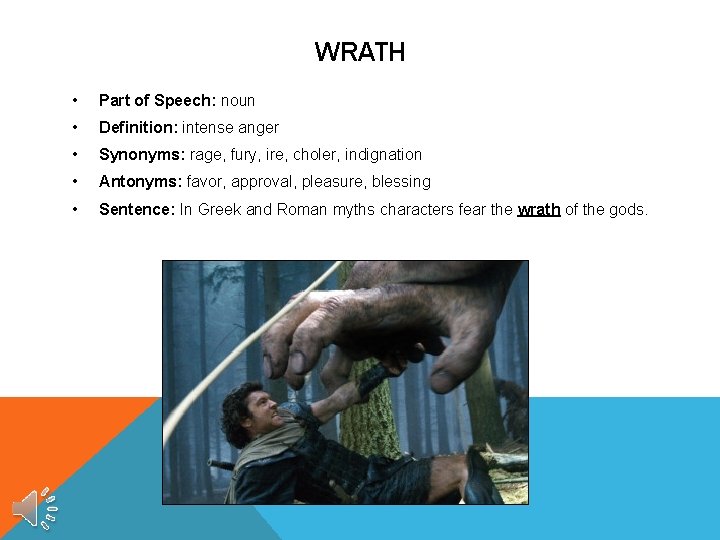
WRATH • Part of Speech: noun • Definition: intense anger • Synonyms: rage, fury, ire, choler, indignation • Antonyms: favor, approval, pleasure, blessing • Sentence: In Greek and Roman myths characters fear the wrath of the gods.
- Slides: 21