
B Cell Activation and Antibody Production Phases of
B Cell Activation and Antibody Production
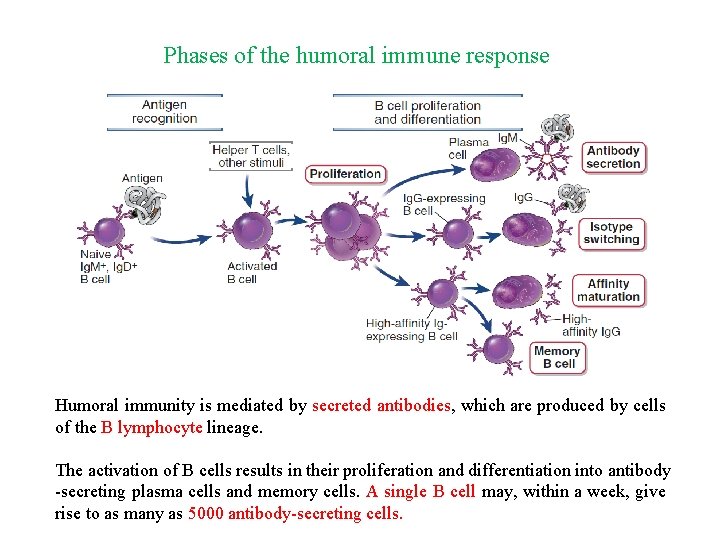
Phases of the humoral immune response Humoral immunity is mediated by secreted antibodies, which are produced by cells of the B lymphocyte lineage. The activation of B cells results in their proliferation and differentiation into antibody -secreting plasma cells and memory cells. A single B cell may, within a week, give rise to as many as 5000 antibody-secreting cells.
T-dependent and T-independent antibody responses
Antigen presentation on B cells to helper T cells
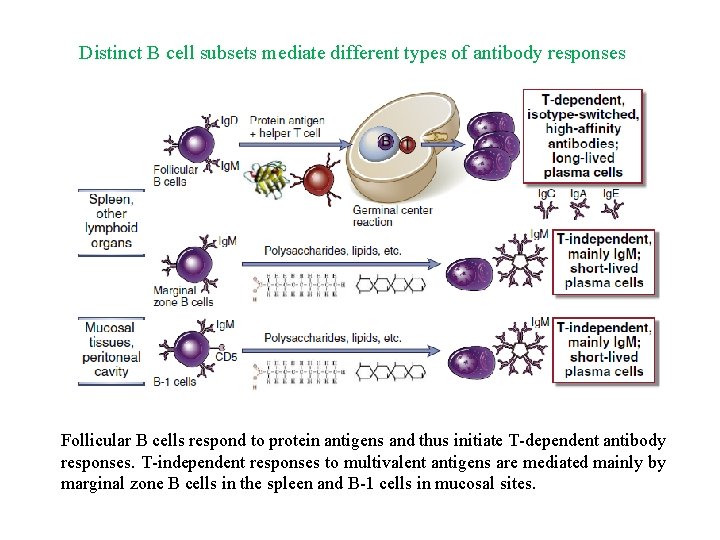
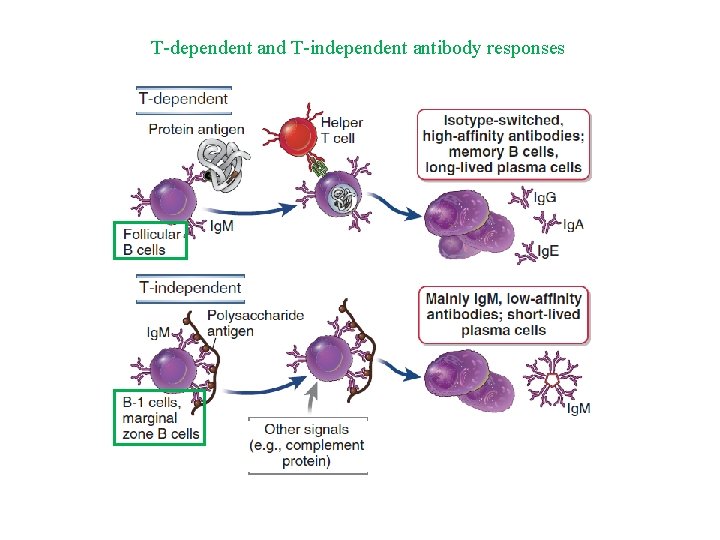
Distinct B cell subsets mediate different types of antibody responses Follicular B cells respond to protein antigens and thus initiate T-dependent antibody responses. T-independent responses to multivalent antigens are mediated mainly by marginal zone B cells in the spleen and B-1 cells in mucosal sites.
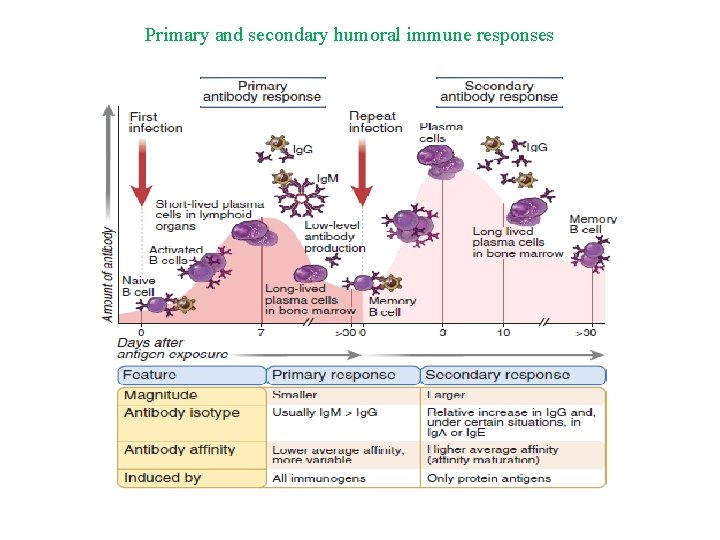
Primary and secondary humoral immune responses
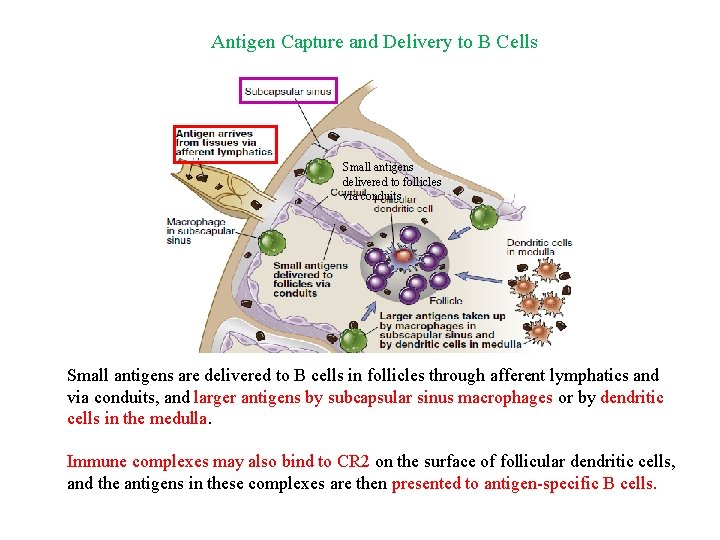
Antigen Capture and Delivery to B Cells Small antigens delivered to follicles via conduits Small antigens are delivered to B cells in follicles through afferent lymphatics and via conduits, and larger antigens by subcapsular sinus macrophages or by dendritic cells in the medulla. Immune complexes may also bind to CR 2 on the surface of follicular dendritic cells, and the antigens in these complexes are then presented to antigen-specific B cells.
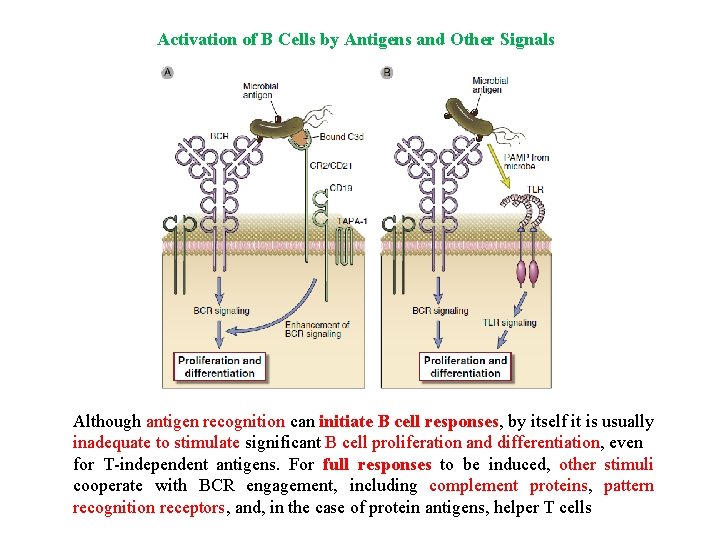
Activation of B Cells by Antigens and Other Signals Although antigen recognition can initiate B cell responses, by itself it is usually inadequate to stimulate significant B cell proliferation and differentiation, even for T-independent antigens. For full responses to be induced, other stimuli cooperate with BCR engagement, including complement proteins, pattern recognition receptors, and, in the case of protein antigens, helper T cells
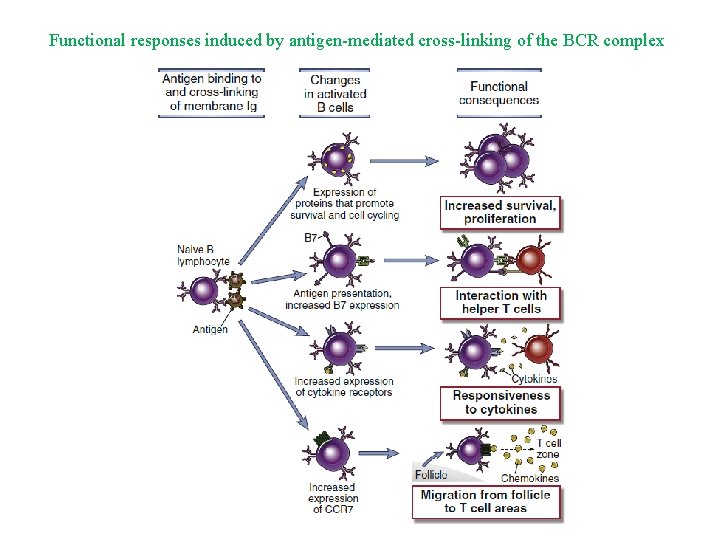
Functional responses induced by antigen-mediated cross-linking of the BCR complex
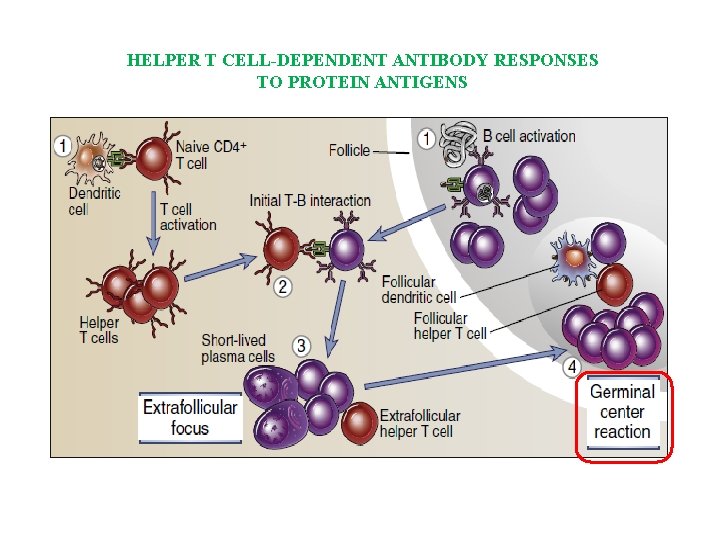
HELPER T CELL-DEPENDENT ANTIBODY RESPONSES TO PROTEIN ANTIGENS
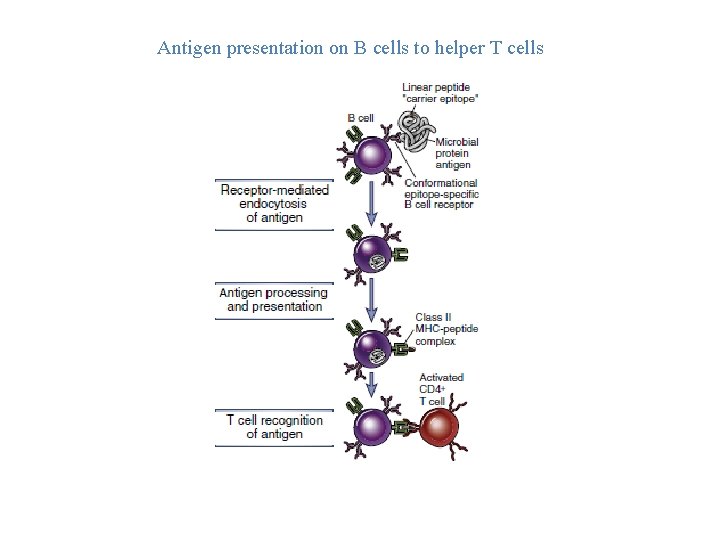
Sequence of events in humoral immune responses to T cell–dependent protein antigens: 1) Immune responses are initiated by the recognition of antigens by B cells and CD 4+ T cell. 2) The activated lymphocytes migrate toward one another and interact, resulting in B cell proliferation and differentiation. (3) Restimulation of B cells by helper T cells in extrafollicular sites leads to early isotype switching and short-lived plasma cell generation, while activation of T cells by B cells results in the induction of follicular helper T cells. (4) The late events occur in germinal centers and include somatic mutation and the selection of high-affinity cells (affinity maturation), additional isotype switching, memory B cell generation, and the generation of long-lived plasma cells.
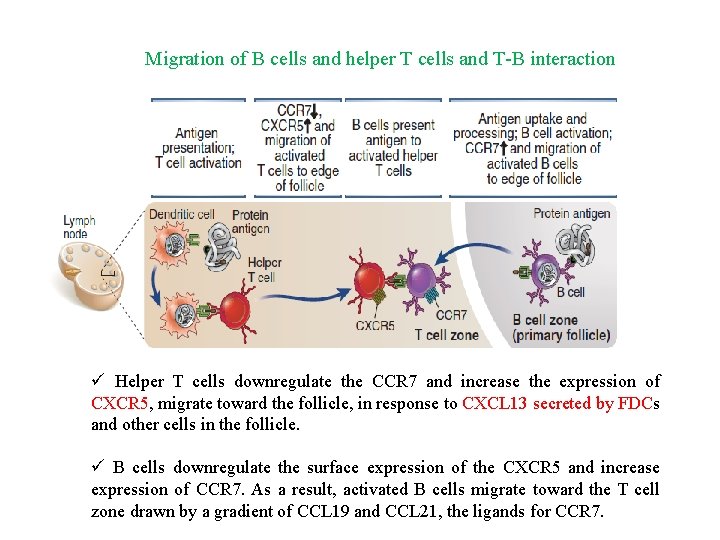
Migration of B cells and helper T cells and T-B interaction ü Helper T cells downregulate the CCR 7 and increase the expression of CXCR 5, migrate toward the follicle, in response to CXCL 13 secreted by FDCs and other cells in the follicle. ü B cells downregulate the surface expression of the CXCR 5 and increase expression of CCR 7. As a result, activated B cells migrate toward the T cell zone drawn by a gradient of CCL 19 and CCL 21, the ligands for CCR 7.
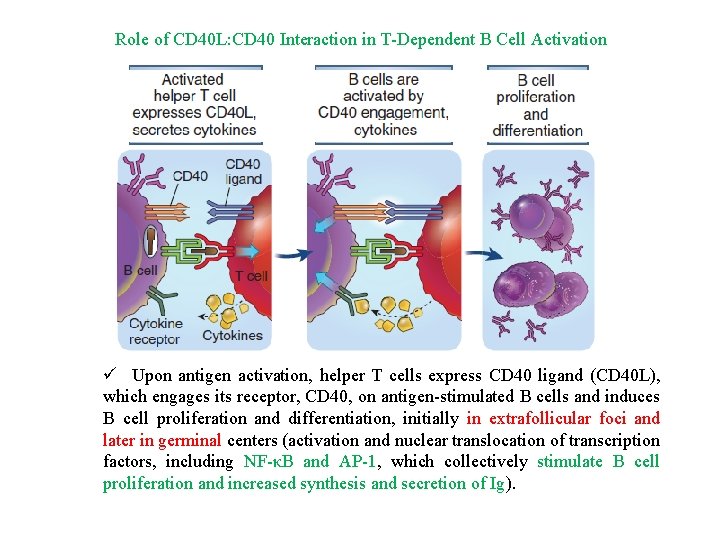
Role of CD 40 L: CD 40 Interaction in T-Dependent B Cell Activation ü Upon antigen activation, helper T cells express CD 40 ligand (CD 40 L), which engages its receptor, CD 40, on antigen-stimulated B cells and induces B cell proliferation and differentiation, initially in extrafollicular foci and later in germinal centers (activation and nuclear translocation of transcription factors, including NF-κB and AP-1, which collectively stimulate B cell proliferation and increased synthesis and secretion of Ig).
ü Mutations in the CD 40 L gene result in a disease called the Xlinked hyper-Ig. M syndrome, which is characterized by defects in antibody production, notably in isotype switching and affinity maturation, as well as deficient cell-mediated immunity. ü In addition to CD 40 L on helper T cells activating B cells, helper T cells also secrete cytokines that contribute to B cell responses.
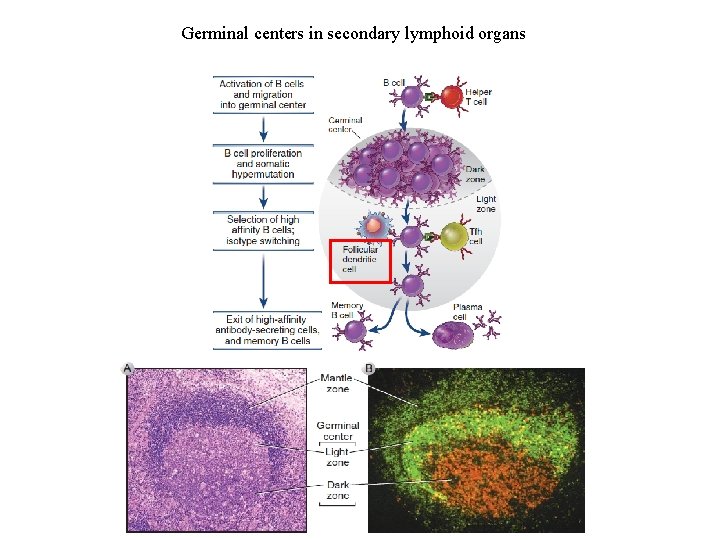
Germinal centers in secondary lymphoid organs
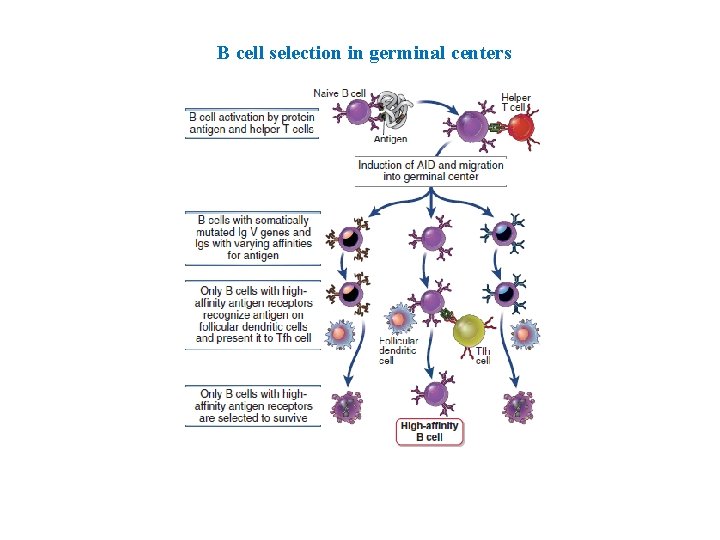
B cell selection in germinal centers
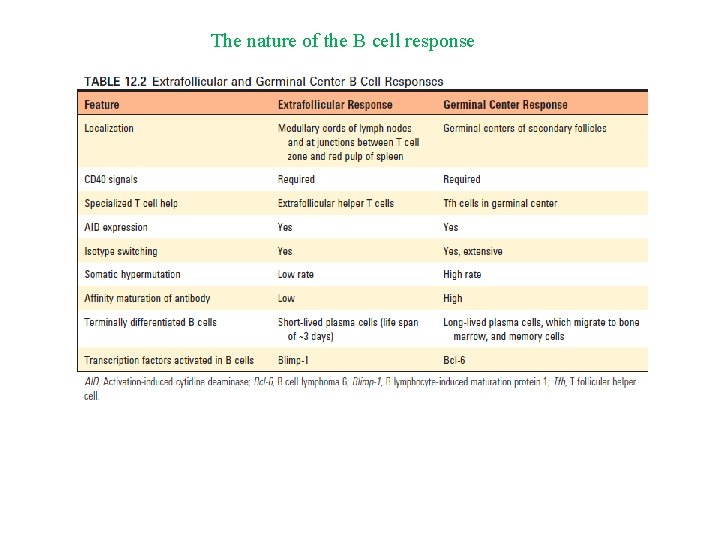
The nature of the B cell response
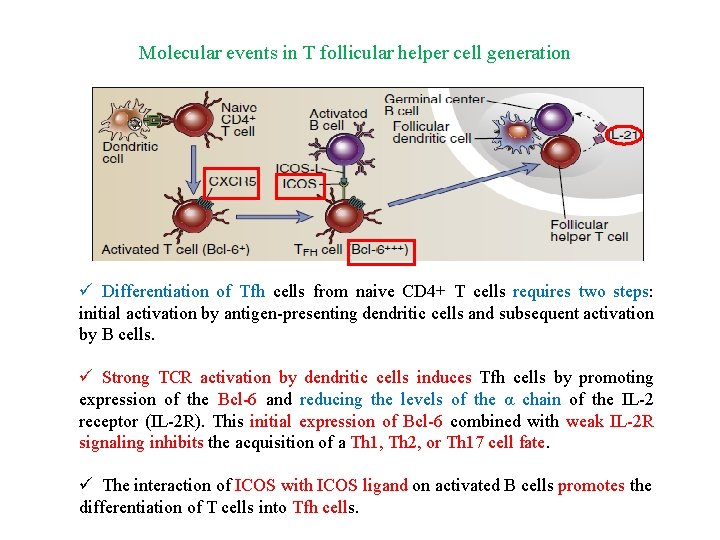
Molecular events in T follicular helper cell generation ü Differentiation of Tfh cells from naive CD 4+ T cells requires two steps: initial activation by antigen-presenting dendritic cells and subsequent activation by B cells. ü Strong TCR activation by dendritic cells induces Tfh cells by promoting expression of the Bcl-6 and reducing the levels of the α chain of the IL-2 receptor (IL-2 R). This initial expression of Bcl-6 combined with weak IL-2 R signaling inhibits the acquisition of a Th 1, Th 2, or Th 17 cell fate. ü The interaction of ICOS with ICOS ligand on activated B cells promotes the differentiation of T cells into Tfh cells.
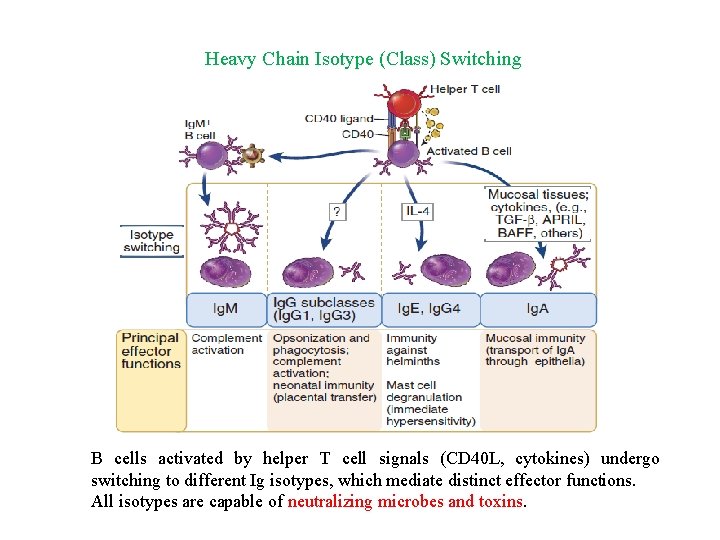
Heavy Chain Isotype (Class) Switching B cells activated by helper T cell signals (CD 40 L, cytokines) undergo switching to different Ig isotypes, which mediate distinct effector functions. All isotypes are capable of neutralizing microbes and toxins.
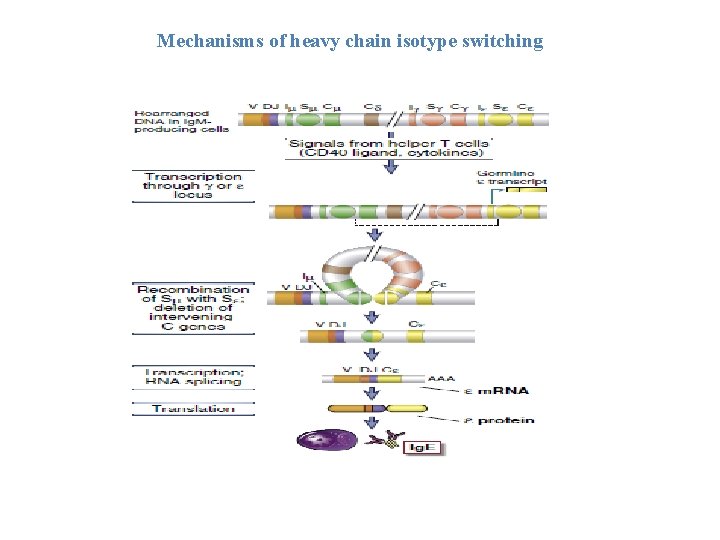
Mechanisms of heavy chain isotype switching
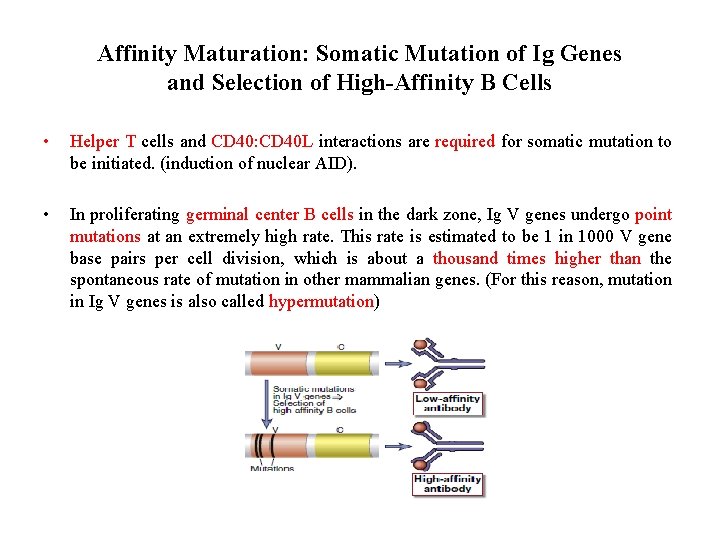
Affinity Maturation: Somatic Mutation of Ig Genes and Selection of High-Affinity B Cells • Helper T cells and CD 40: CD 40 L interactions are required for somatic mutation to be initiated. (induction of nuclear AID). • In proliferating germinal center B cells in the dark zone, Ig V genes undergo point mutations at an extremely high rate. This rate is estimated to be 1 in 1000 V gene base pairs per cell division, which is about a thousand times higher than the spontaneous rate of mutation in other mammalian genes. (For this reason, mutation in Ig V genes is also called hypermutation)
B Cell Differentiation into Antibody-Secreting Plasma Cells ü Short-lived plasma cells are generated during T-independent responses and early during T-dependent responses in extrafollicular B cell foci. These cells are generally found in secondary lymphoid organs and in peripheral nonlymphoid tissue. ü Long-lived plasma cells are generated in T-dependent germinal center responses to protein antigens. Plasmablasts generated in germinal centers enter the circulation and home to the bone marrow where they differentiate into long-lived plasma cells. ü Plasma cells in the bone marrow may continue to secrete antibodies for decades after the antigen is no longer present. These antibodies can provide immediate protection if the antigen is encountered later.
v Memory B cells express high levels of the anti-apoptotic protein Bcl-2, which contributes to their long life span. Some memory B cells may remain in the lymphoid organ where they were generated, whereas others exit germinal centers and recirculate between the blood and lymphoid organs. v Blimp-1 and IRF 4: Blimp-1 is required for plasma cell development. High levels of IRF 4 lead to plasma cell differentiation, lower levels of IRF 4 are insufficient to drive an activated B cell toward plasma cell differentiation and thus may be permissive for memory B cell generation.
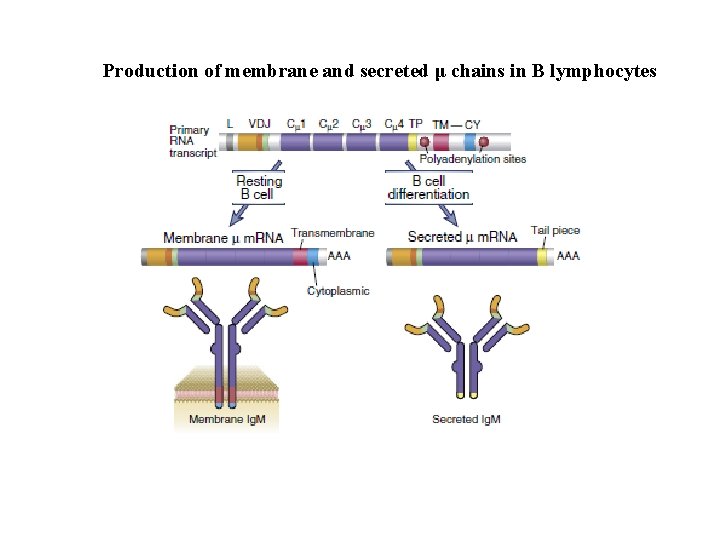
Production of membrane and secreted μ chains in B lymphocytes

ANTIBODY RESPONSES TO T CELL–INDEPENDENT ANTIGENS
Nature of B Cells That Respond to T-Independent Antigens • The marginal zone and B-1 subsets of B cells are especially important for antibody responses to TI antigens. • Marginal zone B cells are a distinct population of B cells that mainly respond to polysaccharides. After activation, these cells differentiate into short-lived plasma cells that produce mainly Ig. M. • B-1 cells represent another lineage of B cells that responds readily to TI antigens mainly in the peritoneum and in mucosal sites.
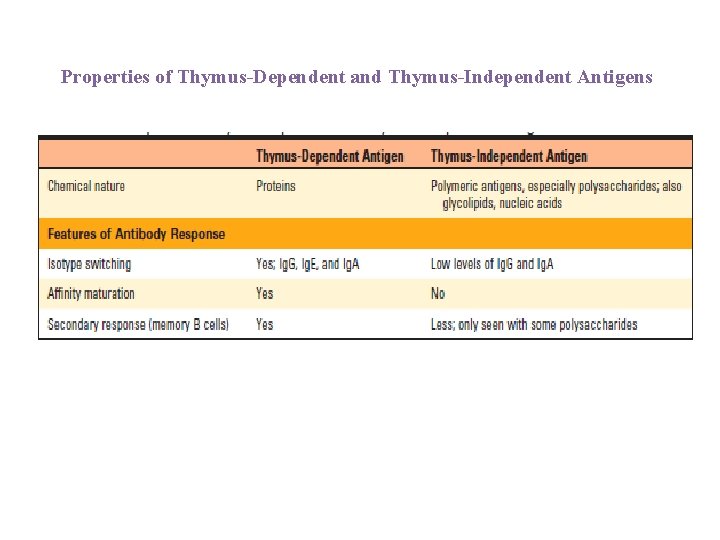
Properties of Thymus-Dependent and Thymus-Independent Antigens
Functions of T-Independent Antibody Responses • The practical significance of TI antigens is that many bacterial cell wall polysaccharides belong to this category, and humoral immunity is the major mechanism of host defense against infections by such encapsulated bacteria • TI antigens contribute to the generation of natural antibodies, which are present in the circulation of normal individuals and are apparently produced without overt exposure to pathogens. Most natural antibodies are low-affinity anticarbohydrate antibodies, postulated to be produced by B-1 peritoneal B cells stimulated by bacteria that colonize the gastrointestinal tract and by marginal zone B cells in the spleen. Antibodies to the A and B glycolipid blood group antigens are examples of these natural antibodies
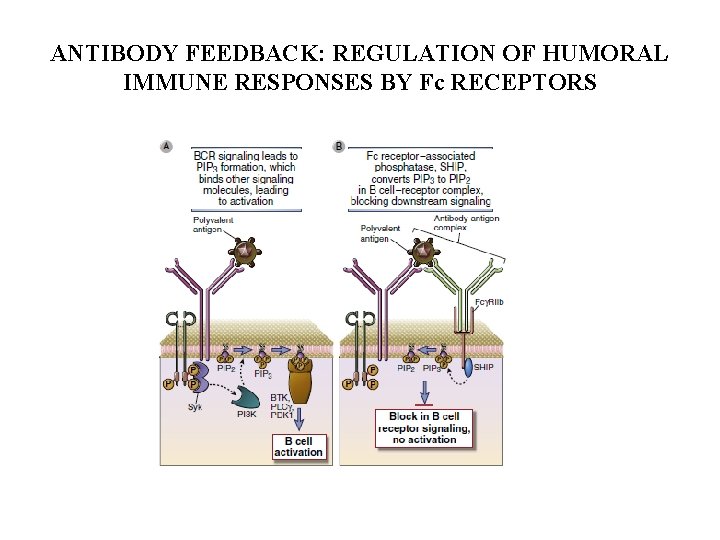
ANTIBODY FEEDBACK: REGULATION OF HUMORAL IMMUNE RESPONSES BY Fc RECEPTORS

- Slides: 30