
Azo Dye Removal Dye classification All aromatic compounds




- Slides: 76
Azo Dye Removal
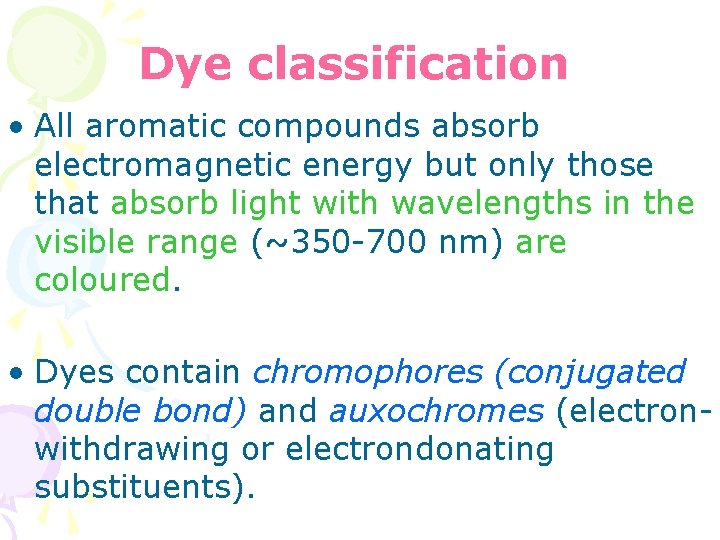
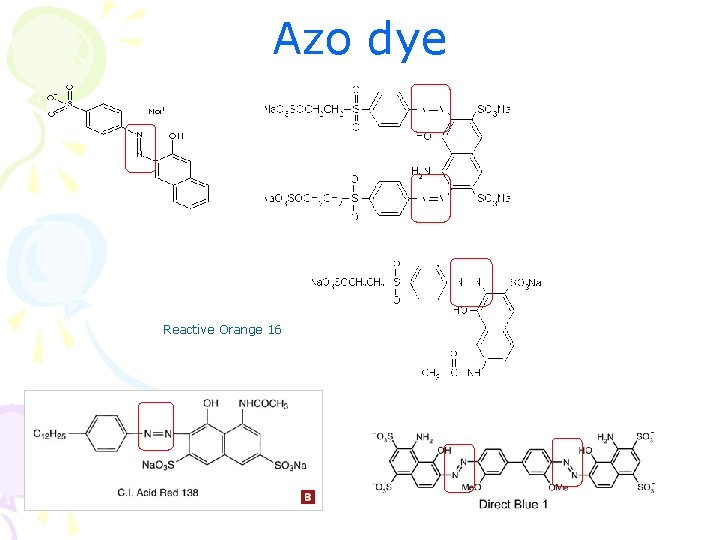
Dye classification • All aromatic compounds absorb electromagnetic energy but only those that absorb light with wavelengths in the visible range (~350 -700 nm) are coloured. • Dyes contain chromophores (conjugated double bond) and auxochromes (electronwithdrawing or electrondonating substituents).
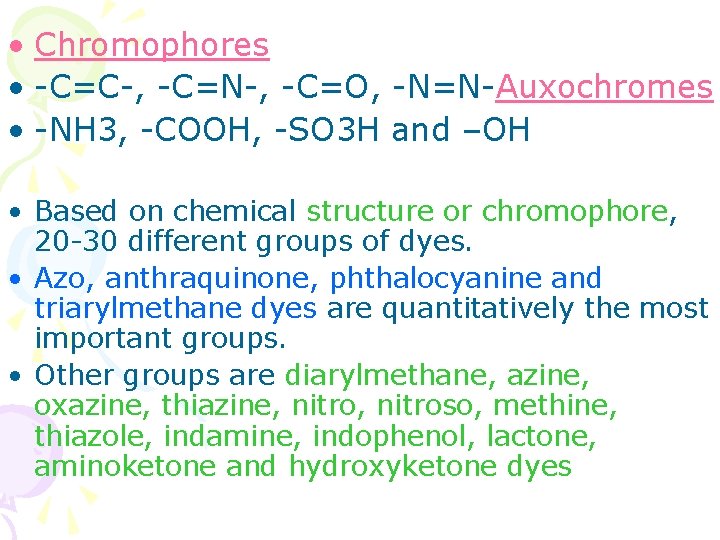
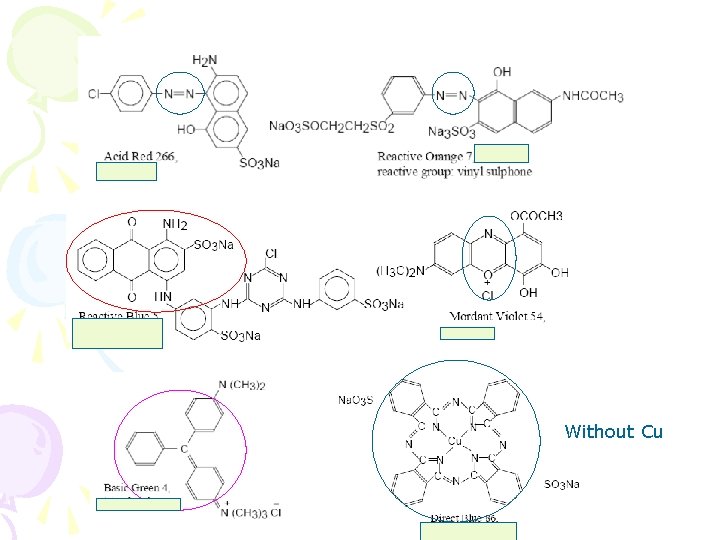
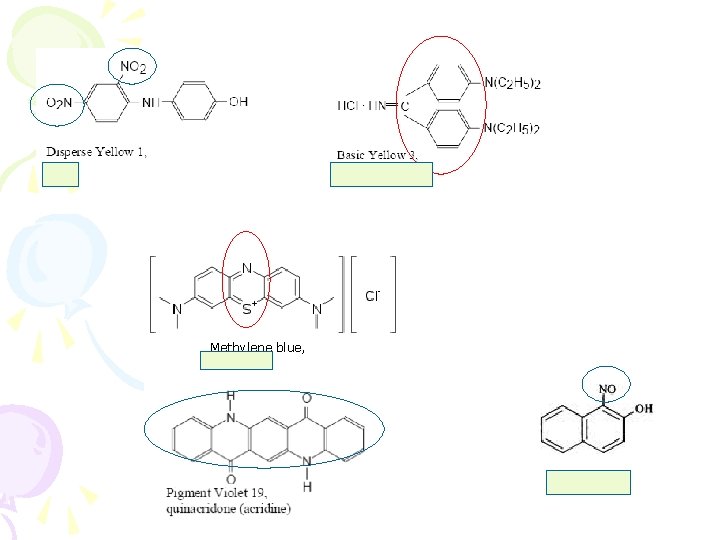
• Chromophores • -C=C-, -C=N-, -C=O, -N=N-Auxochromes • -NH 3, -COOH, -SO 3 H and –OH • Based on chemical structure or chromophore, 20 -30 different groups of dyes. • Azo, anthraquinone, phthalocyanine and triarylmethane dyes are quantitatively the most important groups. • Other groups are diarylmethane, azine, oxazine, thiazine, nitroso, methine, thiazole, indamine, indophenol, lactone, aminoketone and hydroxyketone dyes
Without Cu
Methylene blue, thiazine nitroso
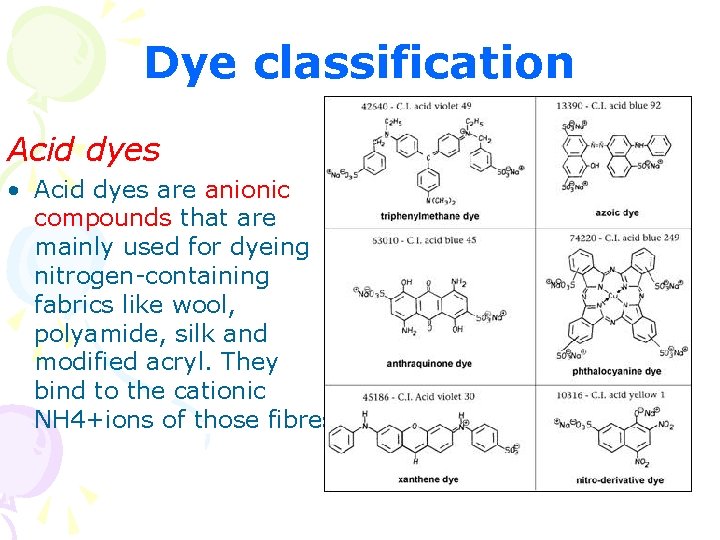
Dye classification Acid dyes • Acid dyes are anionic compounds that are mainly used for dyeing nitrogen-containing fabrics like wool, polyamide, silk and modified acryl. They bind to the cationic NH 4+ions of those fibres.
Reactive dyes • Reactive dyes are dyes with reactive groups that form covalent bonds with OH-, NH-, or SHgroups in fibres (cotton, wool, silk, nylon). The reactive group is often a heterocyclic aromatic ring substituted with chloride or fluoride, e. g. dichlorotriazine.
Metal complex dyes • Among acid and reactive dyes, many Metal complex dyes can be found • These are strong complexes of one metal atom (usually chromium, copper, cobalt or nickel) and one or two dye molecules.
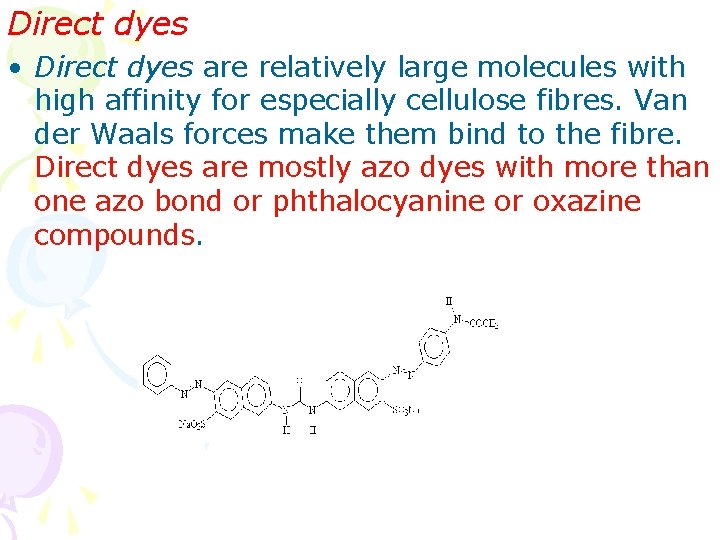
Direct dyes • Direct dyes are relatively large molecules with high affinity for especially cellulose fibres. Van der Waals forces make them bind to the fibre. Direct dyes are mostly azo dyes with more than one azo bond or phthalocyanine or oxazine compounds.
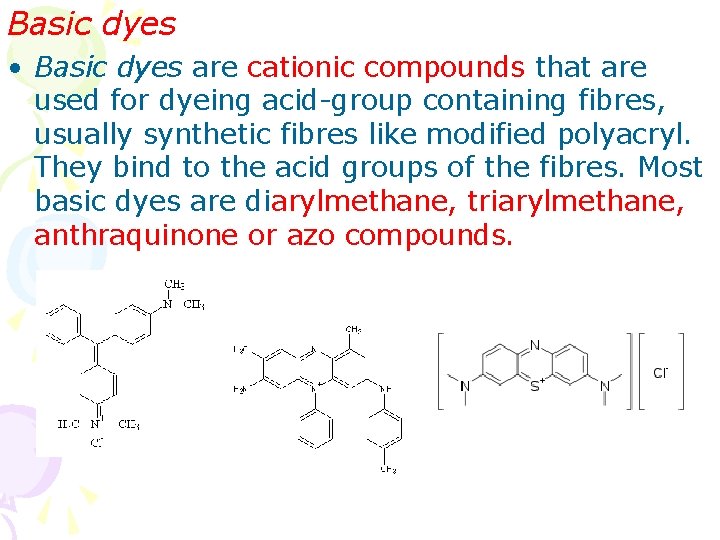
Basic dyes • Basic dyes are cationic compounds that are used for dyeing acid-group containing fibres, usually synthetic fibres like modified polyacryl. They bind to the acid groups of the fibres. Most basic dyes are diarylmethane, triarylmethane, anthraquinone or azo compounds.
Azo dye containing wastewater • Azo dyes are extensively used for dyeing of cotton and constitute about 60– 70% of total dyes produced. • About 1000 mg/l of dyes is present in a typical dyebath. However, due to the poor exhaustion properties of reactive dyes as much as 40% of the initial dyes remains unfixed and ultimately ends up in the dyebath effluent. • In a textile industry about 40– 65 l of wastewater is generated per kg of cloth produced.
Azo dye Reactive Orange 16
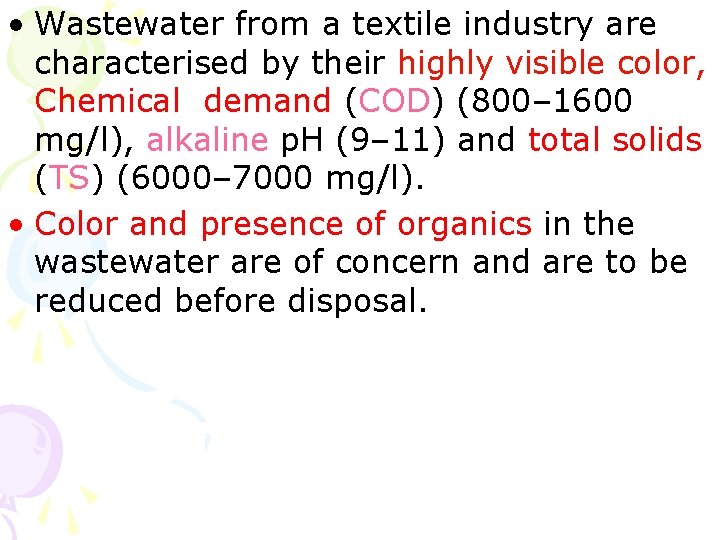
• Wastewater from a textile industry are characterised by their highly visible color, Chemical demand (COD) (800– 1600 mg/l), alkaline p. H (9– 11) and total solids (TS) (6000– 7000 mg/l). • Color and presence of organics in the wastewater are of concern and are to be reduced before disposal.
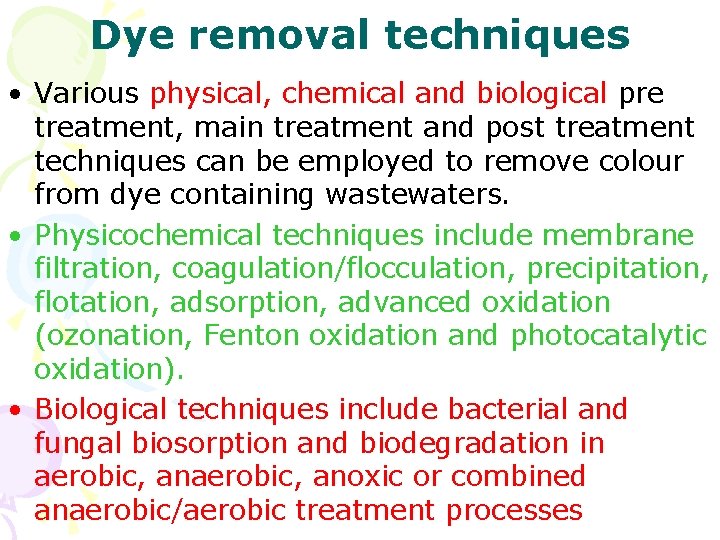
Dye removal techniques • Various physical, chemical and biological pre treatment, main treatment and post treatment techniques can be employed to remove colour from dye containing wastewaters. • Physicochemical techniques include membrane filtration, coagulation/flocculation, precipitation, flotation, adsorption, advanced oxidation (ozonation, Fenton oxidation and photocatalytic oxidation). • Biological techniques include bacterial and fungal biosorption and biodegradation in aerobic, anoxic or combined anaerobic/aerobic treatment processes
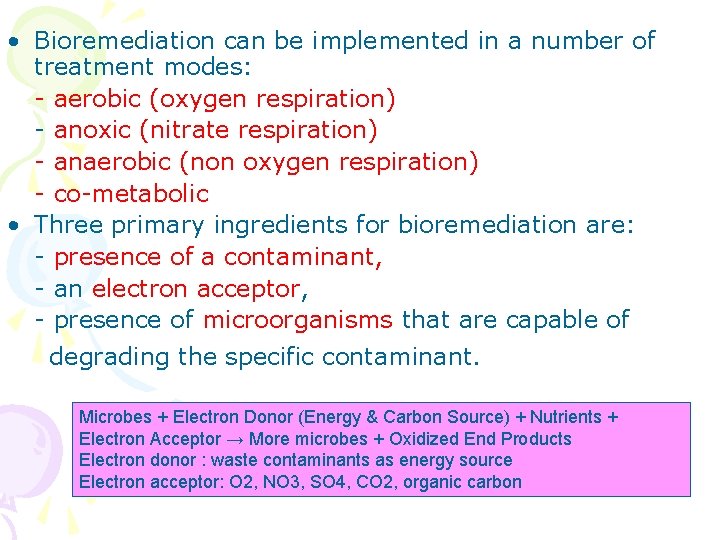
• Bioremediation can be implemented in a number of treatment modes: - aerobic (oxygen respiration) - anoxic (nitrate respiration) - anaerobic (non oxygen respiration) - co-metabolic • Three primary ingredients for bioremediation are: - presence of a contaminant, - an electron acceptor, - presence of microorganisms that are capable of degrading the specific contaminant. Microbes + Electron Donor (Energy & Carbon Source) + Nutrients + Electron Acceptor → More microbes + Oxidized End Products Electron donor : waste contaminants as energy source Electron acceptor: O 2, NO 3, SO 4, CO 2, organic carbon
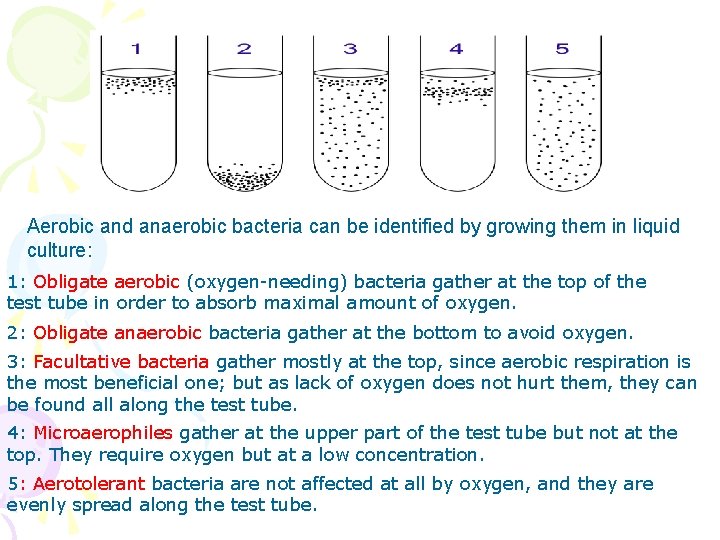
Aerobic and anaerobic bacteria can be identified by growing them in liquid culture: 1: Obligate aerobic (oxygen-needing) bacteria gather at the top of the test tube in order to absorb maximal amount of oxygen. 2: Obligate anaerobic bacteria gather at the bottom to avoid oxygen. 3: Facultative bacteria gather mostly at the top, since aerobic respiration is the most beneficial one; but as lack of oxygen does not hurt them, they can be found all along the test tube. 4: Microaerophiles gather at the upper part of the test tube but not at the top. They require oxygen but at a low concentration. 5: Aerotolerant bacteria are not affected at all by oxygen, and they are evenly spread along the test tube.
Advance Oxidation Process (AOP) • • • Advanced chemical oxidation typically involves the use of chemical oxidants (e. g. ozone or hydrogen peroxide) to generate highly reactive radical (especially hydroxyl radicals (i. e. • OH)), one of the strongest oxidants known. Hydroxyl radicals are reactive and non-selective, capable of rapidly degrading a number of organic compounds. The kinetics of reaction is generally first order with respect to the concentration of hydroxyl radicals and to the concentration of the species to be oxidized.
• The AOPs are used to destroy the complex refractory organic constituents even after treatment with conventional methods. These processes have shown great potential in the treatment of pollutants, either in high or in low concentrations. • The ultimate goal of the oxidation process is to mineralize the organic contaminants present in water in carbondioxide, water and inorganic ions through degradation reactions involving species strongly oxidizing.
• Oxidation potential against Standard Hydrogen Electrode of some relevant oxidants (Legrini et al. , 1993; Domènech et al. , 2001).
• As can be seen from Table, hydroxyl radicals are powerful oxidizing agents with an oxidation potential of 2. 8 V and can react with most organic and any inorganic solutes with high rate constants (Zhihui et al. , 2005).
OH· Generation • The hydroxyl radicals can be generated by different oxidation processes: - Ozone (O 3) - Ultraviolet (UV) - Hydrogen peroxide combined with ultraviolet radiation (H 2 O 2/UV), - Fenton reagent (Fe 2+/H 2 O 2) - Photo-Fenton process - O 3/UV - O 3/H 2 O 2 - Photocatalysis using zinc oxide (Zn. O) but mainly titanium dioxide (Ti. O 2) - Ti. O 2/UV process
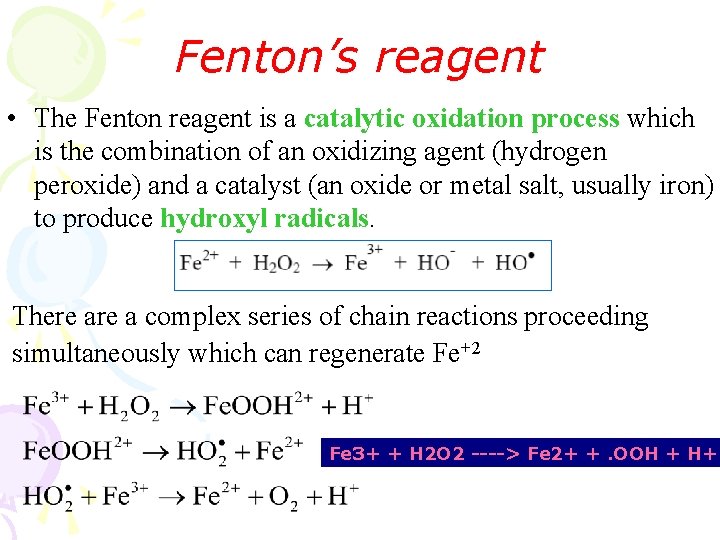
Fenton’s reagent • The Fenton reagent is a catalytic oxidation process which is the combination of an oxidizing agent (hydrogen peroxide) and a catalyst (an oxide or metal salt, usually iron) to produce hydroxyl radicals. There a complex series of chain reactions proceeding simultaneously which can regenerate Fe+2 Fe 3+ + H 2 O 2 ----> Fe 2+ +. OOH + H+
System Description/Design Parameters • The use of Fenton’s chemistry to destroy organic compounds in drinking water or wastewater requires the addition of iron and H 2 O 2 to the source water. The dosages of Fe(II) and H 2 O 2 are determined based on the organic contaminant removals required. • The reactor must be configured to provide adequate mixing of Fe(II) and H 2 O 2 in order to optimize hydroxyl radical formation and destruction of organic contaiminats.
The procedure requires: • adjusting the wastewater to p. H 3 -5; • adding the iron catalyst (as a solution of Fe. SO 4); • adding slowly the H 2 O 2. • If the p. H is too high, the iron precipitates as Fe(OH)3 and catalytically decomposes the H 2 O 2 to oxygen
Degradation of azo dye Amido black 10 B in aqueous solution by Fenton oxidation process (Sun et al. , ) • Nowadays, various chemical and physical such as elimination by adsorption onto activated carbon, coagulation by a chemical agent, ozone oxidation, electrochemical method, etc. are applied for the treatment of dye waste effluents. • Nevertheless, these methods are usually nondestructive, inefficient, costly and resulted in the production of secondary waste products. Therefore, purification of azo dye wastewater is becoming a matter of great concern and it is necessary to develop novel and cost-effective technologies to treat azo dye wastewater.
• O 3/H 2 O 2, O 3/UV, H 2 O 2/UV, Ti. O 2/air/UV, Fe(II)/H 2 O 2 (Fenton reagent), Fe(III)/H 2 O 2, ( Fenton-like reaction), an oxidant (H 2 O 2, O 3) and ultrasonic irradiation are the main types of AOPs that have been suggested in recent years. • Fenton reagent is particularly attractive because of the low costs, the lack of toxicity of the reagents (i. e. , Fe(II) and H 2 O 2)and the simplicity of the technology. • The aim of the present work is to investigate the influence of various parameters on the degradation of Amido black 10 B, in aqueous solution by the AOPs. The effects of p. H, dosages of hydrogen peroxide and ferrous, the concentration of Amido black 10 B and the temperature were examined.
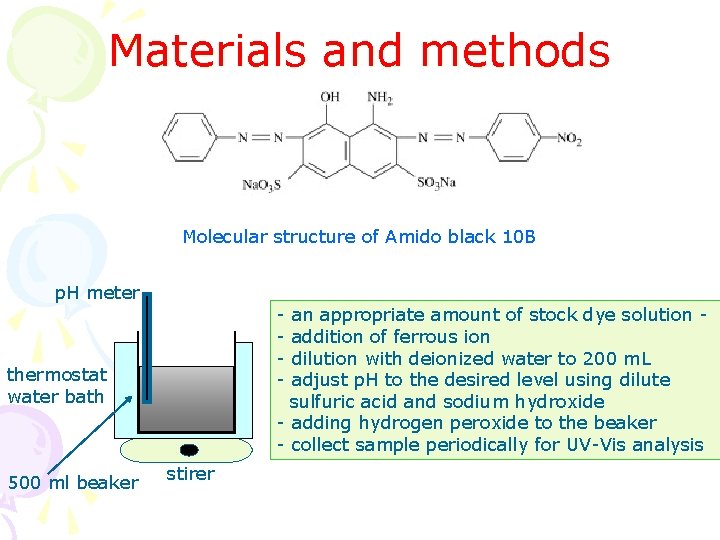
Materials and methods Molecular structure of Amido black 10 B p. H meter - an appropriate amount of stock dye solution - - addition of ferrous ion - dilution with deionized water to 200 m. L - adjust p. H to the desired level using dilute sulfuric acid and sodium hydroxide - adding hydrogen peroxide to the beaker - collect sample periodically for UV-Vis analysis thermostat water bath 500 ml beaker stirer
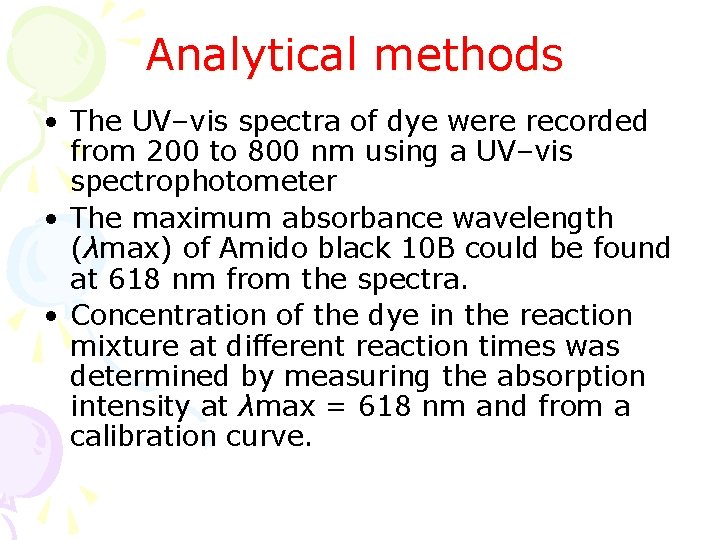
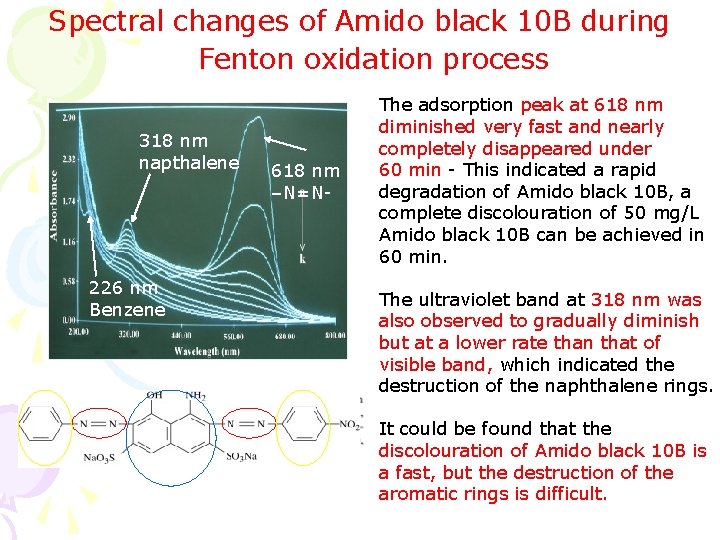
Analytical methods • The UV–vis spectra of dye were recorded from 200 to 800 nm using a UV–vis spectrophotometer • The maximum absorbance wavelength (λmax) of Amido black 10 B could be found at 618 nm from the spectra. • Concentration of the dye in the reaction mixture at different reaction times was determined by measuring the absorption intensity at λmax = 618 nm and from a calibration curve.
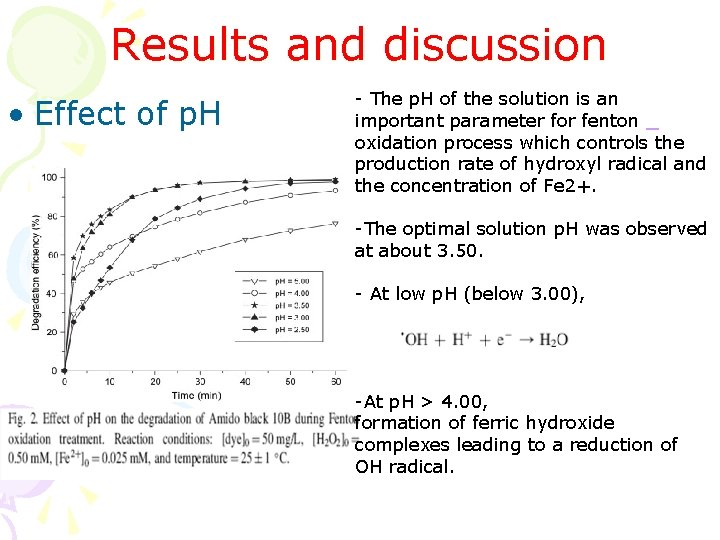
Results and discussion • Effect of p. H - The p. H of the solution is an important parameter for fenton oxidation process which controls the production rate of hydroxyl radical and the concentration of Fe 2+. -The optimal solution p. H was observed at about 3. 50. - At low p. H (below 3. 00), -At p. H > 4. 00, formation of ferric hydroxide complexes leading to a reduction of OH radical.
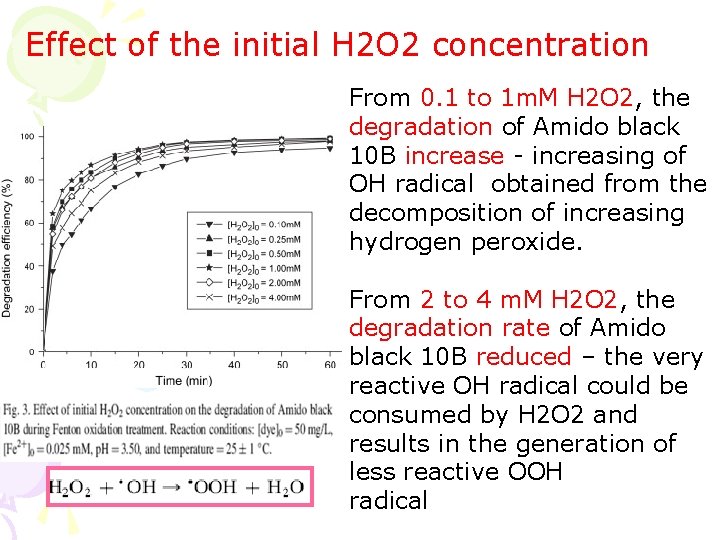
Effect of the initial H 2 O 2 concentration From 0. 1 to 1 m. M H 2 O 2, the degradation of Amido black 10 B increase - increasing of OH radical obtained from the decomposition of increasing hydrogen peroxide. From 2 to 4 m. M H 2 O 2, the degradation rate of Amido black 10 B reduced – the very reactive OH radical could be consumed by H 2 O 2 and results in the generation of less reactive OOH radical
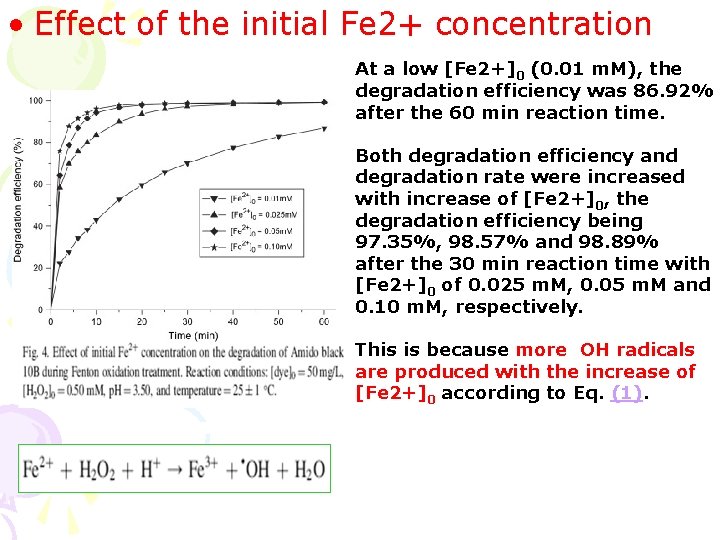
• Effect of the initial Fe 2+ concentration At a low [Fe 2+]0 (0. 01 m. M), the degradation efficiency was 86. 92% after the 60 min reaction time. Both degradation efficiency and degradation rate were increased with increase of [Fe 2+]0, the degradation efficiency being 97. 35%, 98. 57% and 98. 89% after the 30 min reaction time with [Fe 2+]0 of 0. 025 m. M, 0. 05 m. M and 0. 10 m. M, respectively. This is because more OH radicals are produced with the increase of [Fe 2+]0 according to Eq. (1).
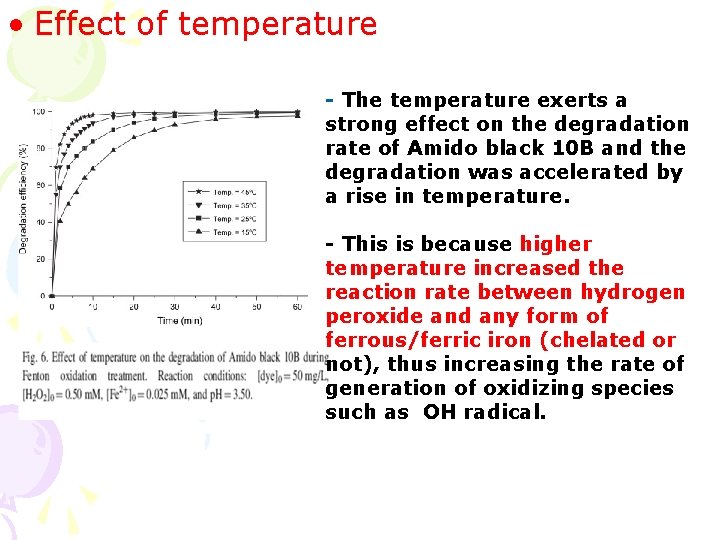
• Effect of temperature - The temperature exerts a strong effect on the degradation rate of Amido black 10 B and the degradation was accelerated by a rise in temperature. - This is because higher temperature increased the reaction rate between hydrogen peroxide and any form of ferrous/ferric iron (chelated or not), thus increasing the rate of generation of oxidizing species such as OH radical.
Spectral changes of Amido black 10 B during Fenton oxidation process 318 nm napthalene 226 nm Benzene 618 nm –N=N- The adsorption peak at 618 nm diminished very fast and nearly completely disappeared under 60 min - This indicated a rapid degradation of Amido black 10 B, a complete discolouration of 50 mg/L Amido black 10 B can be achieved in 60 min. The ultraviolet band at 318 nm was also observed to gradually diminish but at a lower rate than that of visible band, which indicated the destruction of the naphthalene rings. It could be found that the discolouration of Amido black 10 B is a fast, but the destruction of the aromatic rings is difficult.
Conclusion • It has been found that the solution p. H, the initial H 2 O 2 concentration, the initial Fe 2+ concentration and the temperature are the main factors that have strong influences on the degradation of Amido black 10 B by Fenton oxidation process. • The UV–vis spectral changes of Amido black 10 B in aqueous solution during fenton treatment process showed that it was easier to destruct the –N=N– group than to destruct the aromatic rings of Amido black 10 B.
Ozone • Ozone is a very powerful oxidizing agent, which is able to participate in a great number of reactions with organic and inorganic compounds. • Among the most common oxidizing agents, it is only surpassed in oxidant power by fluorine and hydroxyl radicals.
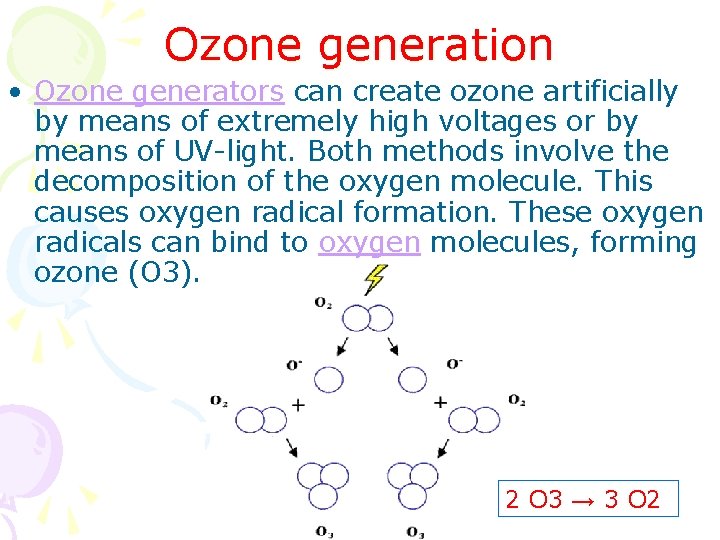
Ozone generation • Ozone generators can create ozone artificially by means of extremely high voltages or by means of UV-light. Both methods involve the decomposition of the oxygen molecule. This causes oxygen radical formation. These oxygen radicals can bind to oxygen molecules, forming ozone (O 3). 2 O 3 → 3 O 2
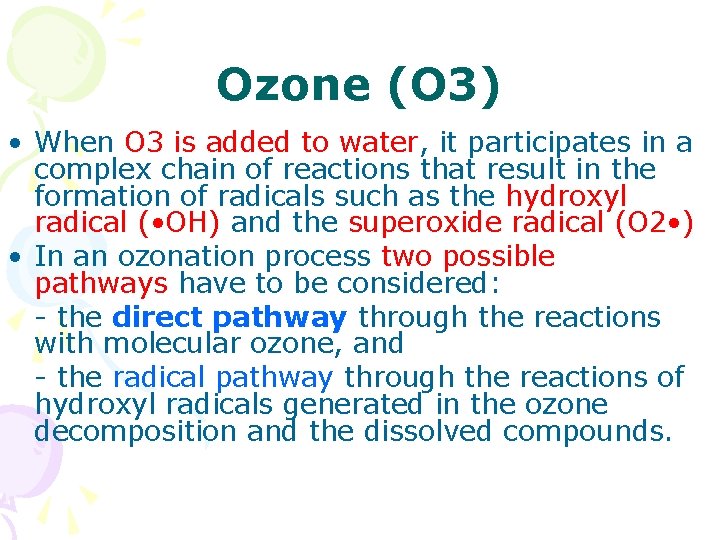
Ozone (O 3) • When O 3 is added to water, it participates in a complex chain of reactions that result in the formation of radicals such as the hydroxyl radical ( • OH) and the superoxide radical (O 2 • ) • In an ozonation process two possible pathways have to be considered: - the direct pathway through the reactions with molecular ozone, and - the radical pathway through the reactions of radical pathway hydroxyl radicals generated in the ozone decomposition and the dissolved compounds.
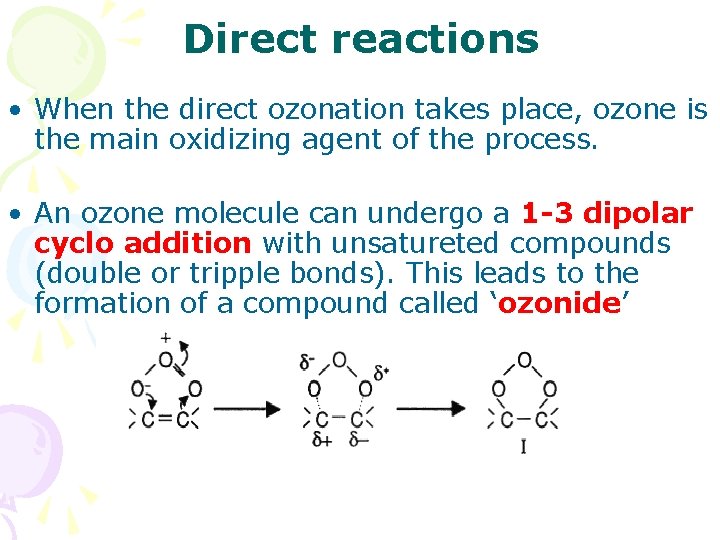
Direct reactions • When the direct ozonation takes place, ozone is the main oxidizing agent of the process. • An ozone molecule can undergo a 1 -3 dipolar cyclo addition with unsatureted compounds (double or tripple bonds). This leads to the formation of a compound called ‘ozonide’
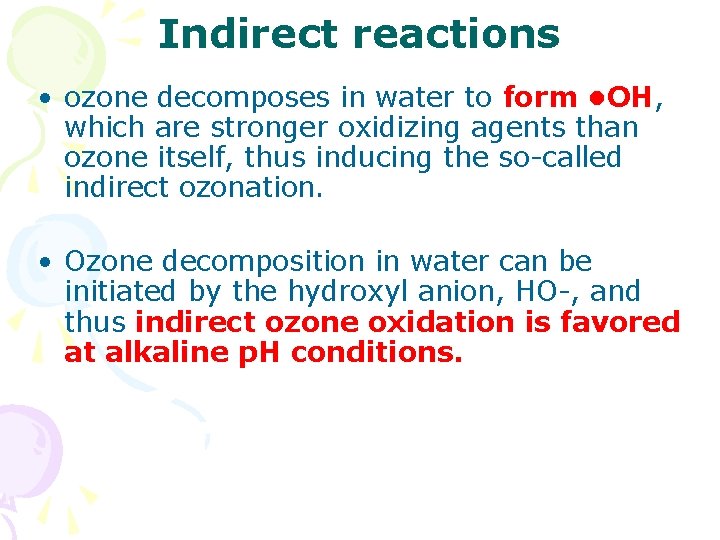
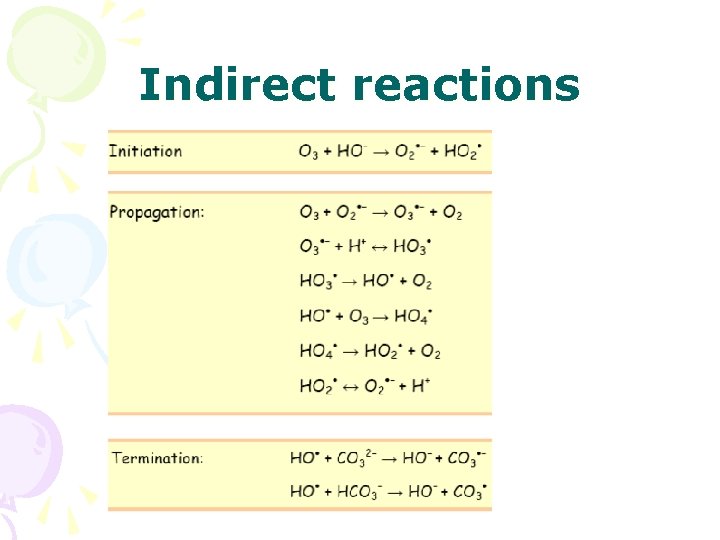
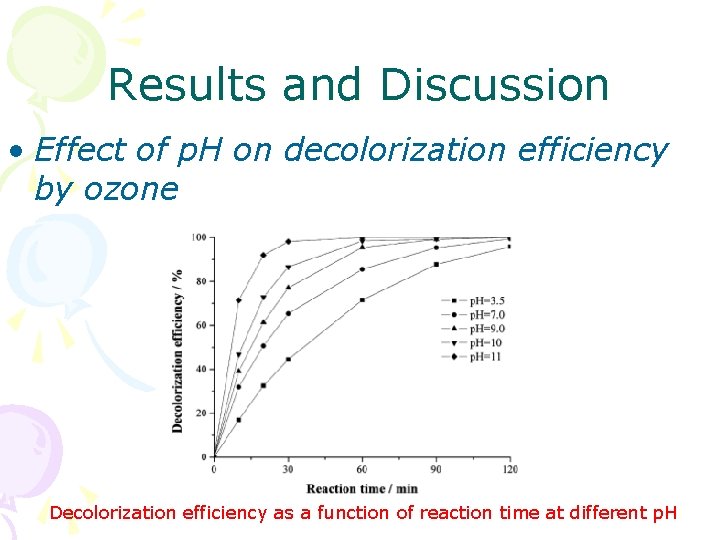
Indirect reactions • ozone decomposes in water to form • OH, which are stronger oxidizing agents than ozone itself, thus inducing the so-called indirect ozonation. • Ozone decomposition in water can be initiated by the hydroxyl anion, HO-, and thus indirect ozone oxidation is favored at alkaline p. H conditions.
Indirect reactions
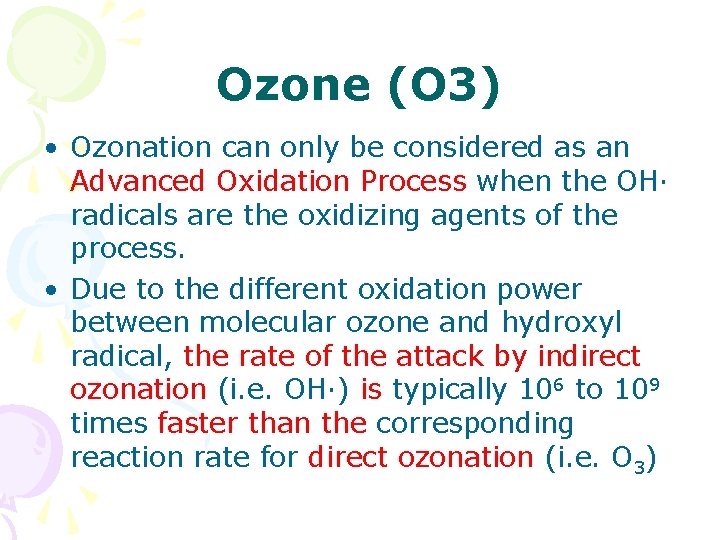
Ozone (O 3) • Ozonation can only be considered as an Advanced Oxidation Process when the OH· radicals are the oxidizing agents of the process. • Due to the different oxidation power between molecular ozone and hydroxyl radical, the rate of the attack by indirect ozonation (i. e. OH·) is typically 106 to 109 times faster than the corresponding reaction rate for direct ozonation (i. e. O 3)
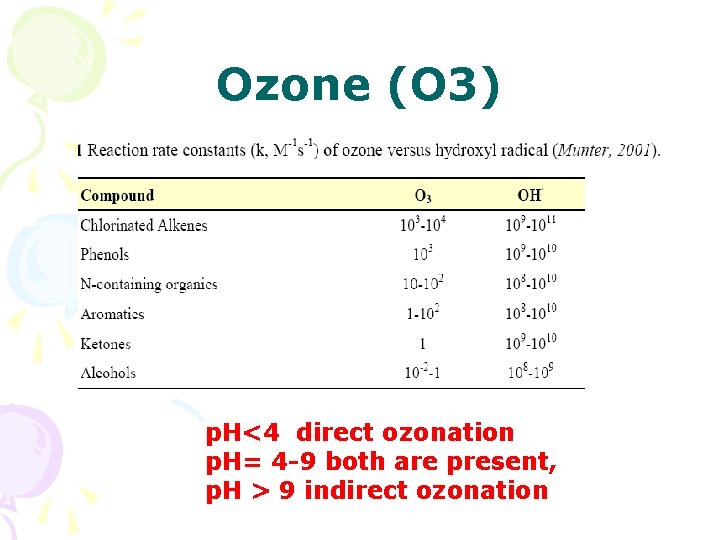
Ozone (O 3) p. H<4 direct ozonation p. H= 4 -9 both are present, p. H > 9 indirect ozonation
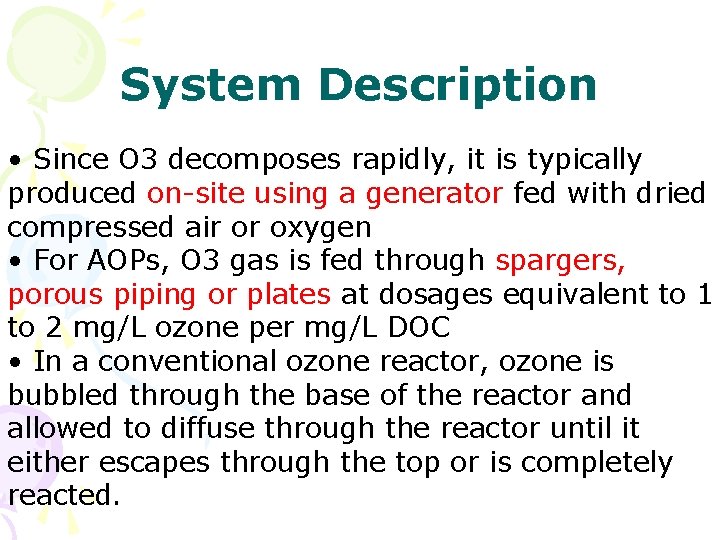
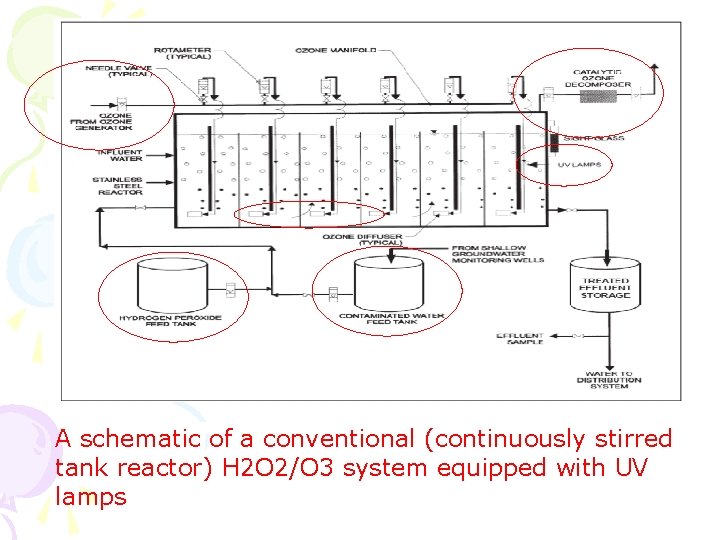
System Description • Since O 3 decomposes rapidly, it is typically produced on-site using a generator fed with dried compressed air or oxygen • For AOPs, O 3 gas is fed through spargers, porous piping or plates at dosages equivalent to 1 to 2 mg/L ozone per mg/L DOC • In a conventional ozone reactor, ozone is bubbled through the base of the reactor and allowed to diffuse through the reactor until it either escapes through the top or is completely reacted.
A schematic of a conventional (continuously stirred tank reactor) H 2 O 2/O 3 system equipped with UV lamps
Biological systems for azo dye removal • As dyes are designed to be stable and long-lasting colorants, they are usually not easily biodegraded. • Biological dye removal techniques are based on microbial biotransformation of dyes.
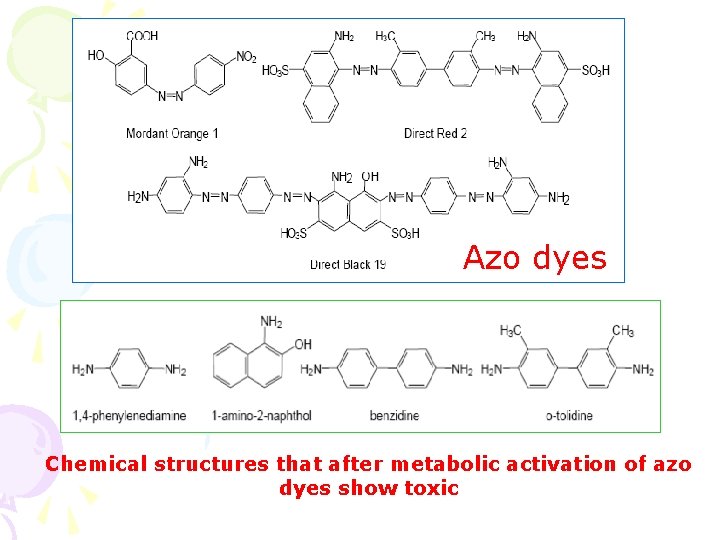
Azo dyes Chemical structures that after metabolic activation of azo dyes show toxic
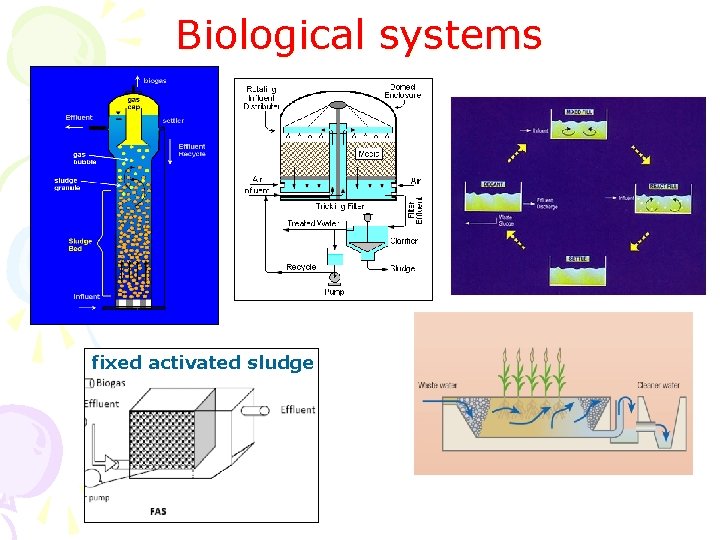
Biological systems fixed activated sludge
Biodegradation of azo dyes and aromatic amines • The mineralization of azo dyes requires a integrated or sequential anaerobic and aerobic step • The first step in the biodegradation of azo dyes concerns the azo dye reduction that readily proceeds under anaerobic conditions and results in the formation of aromatic amines • Anaerobic consortia generally do not degrade the aromatic amines but most of the aromatic amines are readily biodegraded under aerobic conditions
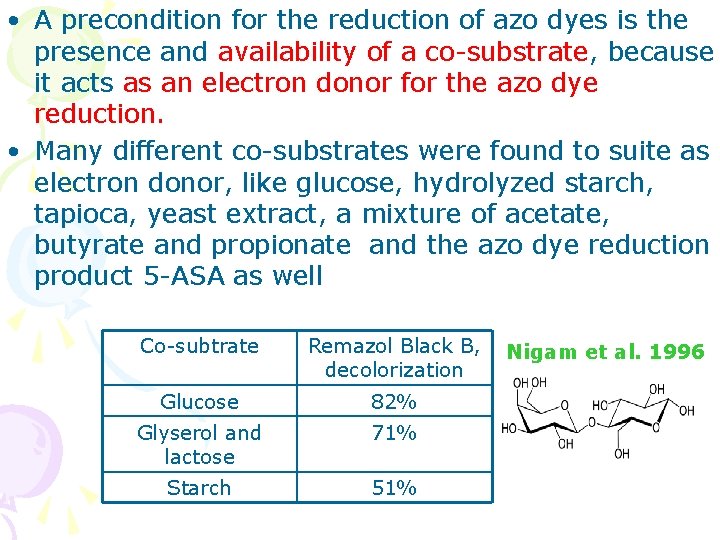
• A precondition for the reduction of azo dyes is the presence and availability of a co-substrate, because it acts as an electron donor for the azo dye reduction. • Many different co-substrates were found to suite as electron donor, like glucose, hydrolyzed starch, tapioca, yeast extract, a mixture of acetate, butyrate and propionate and the azo dye reduction product 5 -ASA as well Co-subtrate Remazol Black B, Nigam et al. 1996 decolorization Glucose 82% Glyserol and lactose 71% Starch 51%
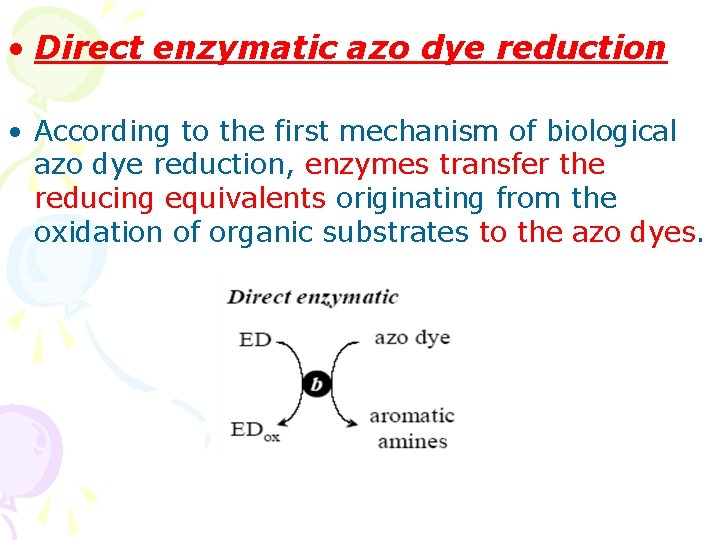
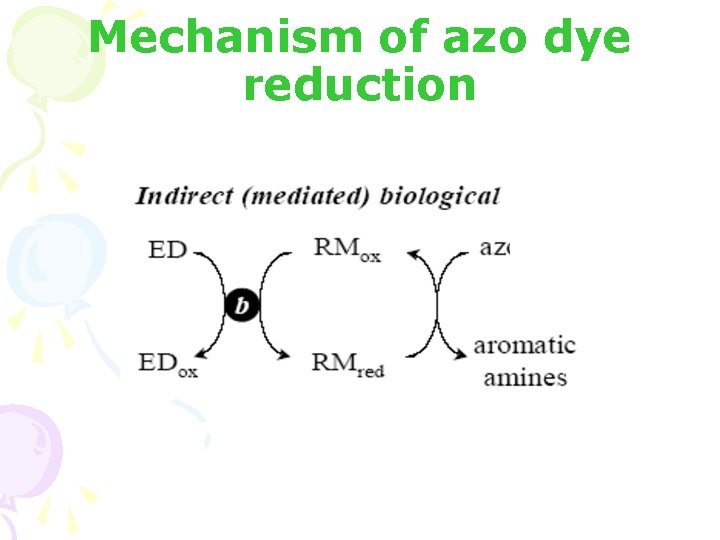
• Direct enzymatic azo dye reduction • According to the first mechanism of biological azo dye reduction, enzymes transfer the reducing equivalents originating from the oxidation of organic substrates to the azo dyes.
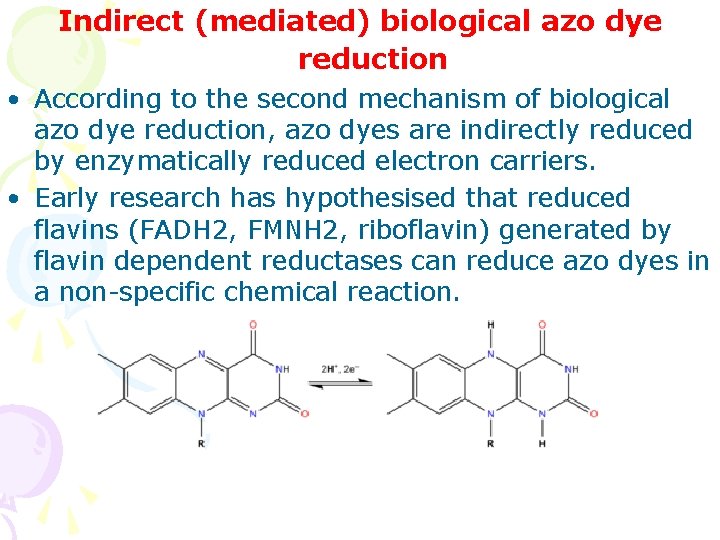
Indirect (mediated) biological azo dye reduction • According to the second mechanism of biological azo dye reduction, azo dyes are indirectly reduced by enzymatically reduced electron carriers. • Early research has hypothesised that reduced flavins (FADH 2, FMNH 2, riboflavin) generated by flavin dependent reductases can reduce azo dyes in a non-specific chemical reaction.
Mechanism of azo dye reduction
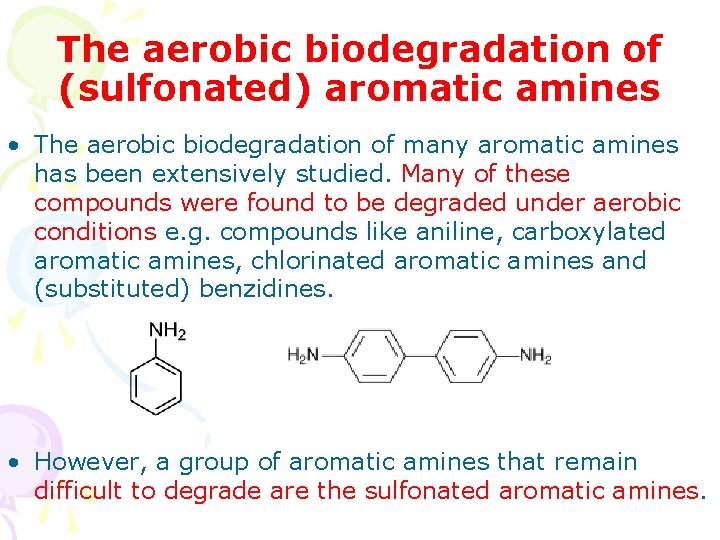
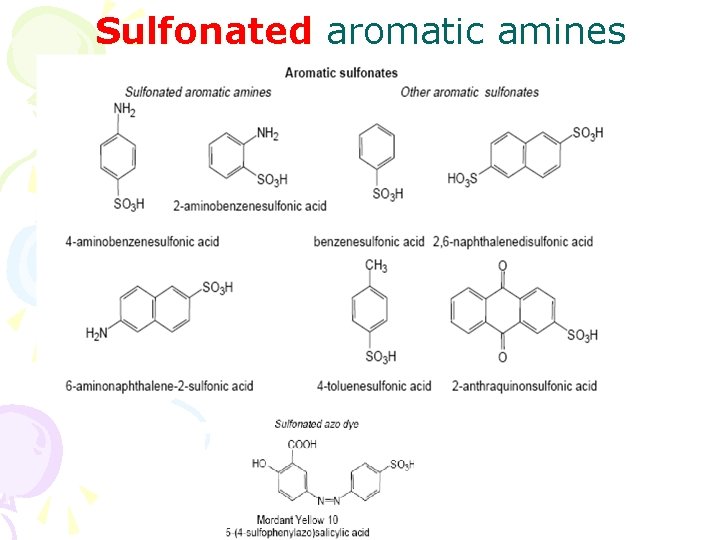
The aerobic biodegradation of (sulfonated) aromatic amines • The aerobic biodegradation of many aromatic amines has been extensively studied. Many of these compounds were found to be degraded under aerobic conditions e. g. compounds like aniline, carboxylated aromatic amines, chlorinated aromatic amines and (substituted) benzidines. • However, a group of aromatic amines that remain difficult to degrade are the sulfonated aromatic amines.
Sulfonated aromatic amines
Granular activated carbon-biofilm configured sequencing batch reactor treatment of C. I. Acid Orange 7 SA Ong, E. Toorisaka, M. Hirata, T. Hano (2008, Dyes and Pigments) • The only disadvantage of the anaerobic biological techniques, using conventional methods (e. g. stirred tank reactors), is the need for long hydraulic residence times due to the low growth yields of the anaerobic bacteria; usually, less than 10% of the substrate carbon can be incorporated into cell matter, as opposed to around 50% with aerobic bacteria. • The above disadvantage can be overcome by the utilization of methods such as immobilization techniques which could retain high densities of specialized microorganisms
• There are two types of immobilization technique: attachment and incapsulation. • The objective of this study is to investigate the feasibility of using GAC-biofilm configured sequencing batch reactor (SBCR) in color and organic substrates removals with and without co-substrates. • Besides, the color removal by adsorption and biodegradation processes by the use of virgin GAC, living biofilm-GAC and dead biofilm-GAC was compared.
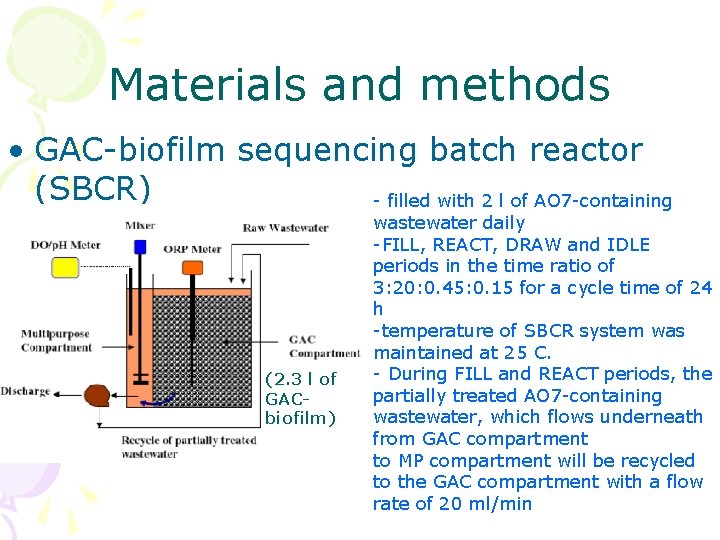
Materials and methods • GAC-biofilm sequencing batch reactor (SBCR) - filled with 2 l of AO 7 -containing (2. 3 l of GACbiofilm) wastewater daily -FILL, REACT, DRAW and IDLE periods in the time ratio of 3: 20: 0. 45: 0. 15 for a cycle time of 24 h -temperature of SBCR system was maintained at 25 C. - During FILL and REACT periods, the partially treated AO 7 -containing wastewater, which flows underneath from GAC compartment to MP compartment will be recycled to the GAC compartment with a flow rate of 20 ml/min
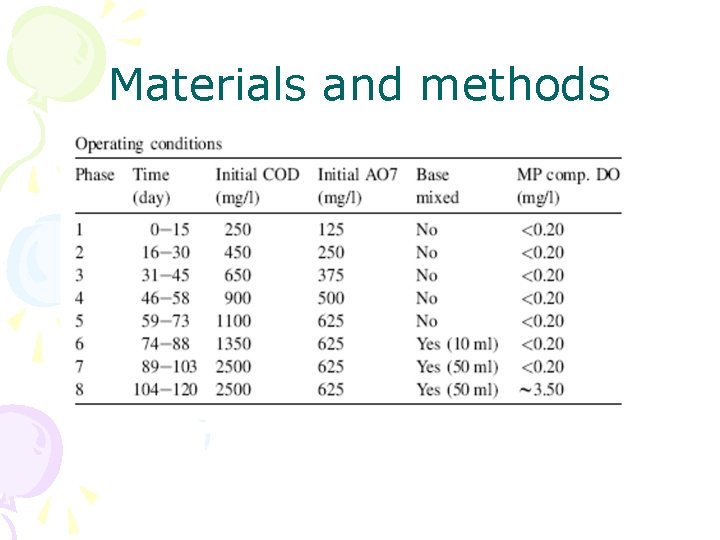
Materials and methods
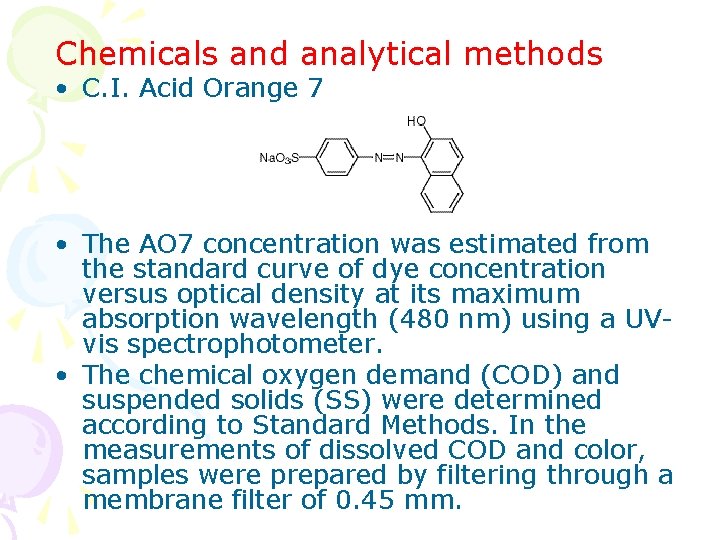
Chemicals and analytical methods • C. I. Acid Orange 7 • The AO 7 concentration was estimated from the standard curve of dye concentration versus optical density at its maximum absorption wavelength (480 nm) using a UVvis spectrophotometer. • The chemical oxygen demand (COD) and suspended solids (SS) were determined according to Standard Methods. In the measurements of dissolved COD and color, samples were prepared by filtering through a membrane filter of 0. 45 mm.
Results and discussion
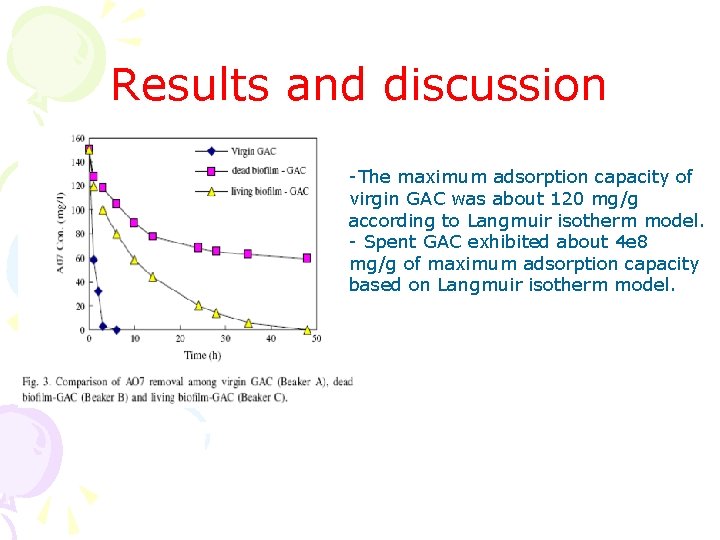
Results and discussion -The maximum adsorption capacity of virgin GAC was about 120 mg/g according to Langmuir isotherm model. - Spent GAC exhibited about 4 e 8 mg/g of maximum adsorption capacity based on Langmuir isotherm model.
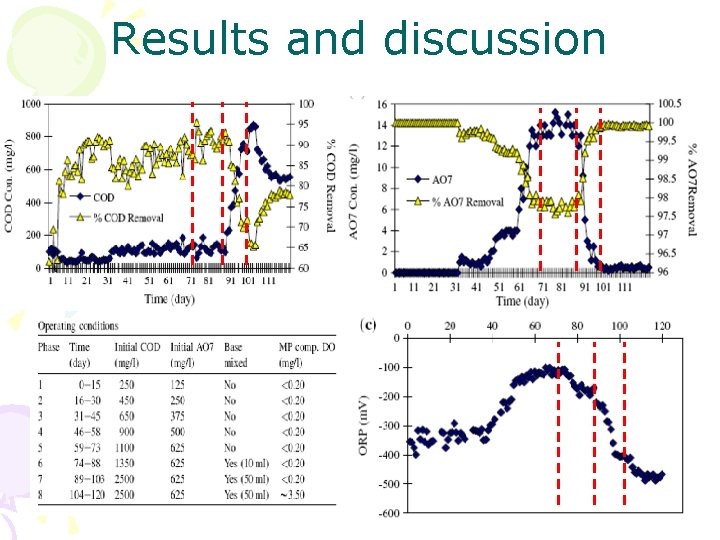
Conclusions • In the phases (1 -5) without the addition of external carbon sources, 100% color removal was achieved in the first 2 phases and this then slightly dropped in the following phases(3 -5). • The addition of external carbon sources (phase 7) improved the decolorization rate but deteriorated COD removal efficiency. • The increase of DO by aeration in the MP compartment had resulted in the enhancement of the efficiency of COD removal up to 80%. • The mix of anaerobic and aerobic microbes at different levels in the bioreactor played an important role in the simultaneous removal of both color and organic matter
AOP + Biological Systems Treatment of containing azo reactive brilliant red X-3 B using sequential ozonation and upflow aerated filter process (Lu et. al. , JHM) • Textile wastewater is not proper to use anaerobic process because the breakdown of azo dye leads to the formation of aromatic amines, which may be more toxic than the dye molecules themselves
• Ozonation is a potential process for decolorization of dye since the chromophore groups with conjugated double bonds, which are responsible for color, can be broken down by either directly or indirectly forming smaller molecules, which can be removed by biological treatment, thereby decreasing the color of the effluents. • It was found that refractory organic pollutants could become biodegradable after appropriate chemical oxidation.
• The combination of chemical oxidation and biodegradation has a great advantage over either of the two treatments alone in the remediation of organic contaminants. • To enhance biodegradability of azo dye brilliant red X-3 B containing wastewater pre-ozonation was used. • The objective of the work was to investigate the decolorization and degradation of azo brilliant red X-3 B using sequential ozonation and UBAF process. The wastewater containing azo dye X 3 B was pretreated by oxidation, which increased the biodegradability of the and most of the organic matter was removed in the next step by UBAF process.
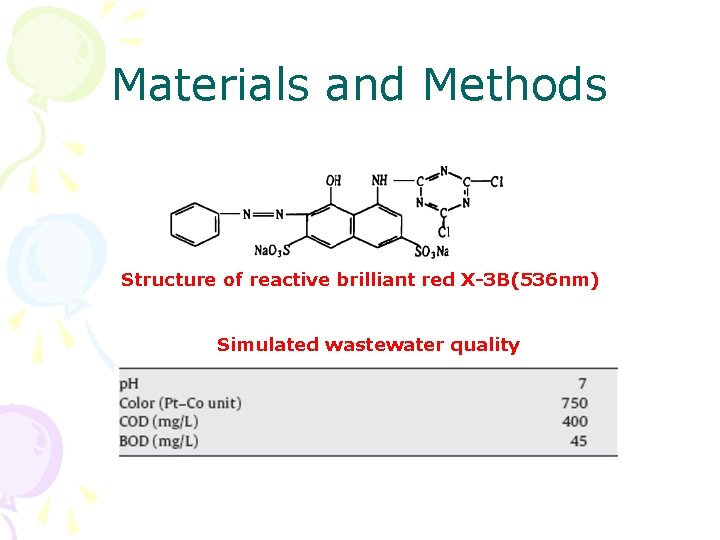
Materials and Methods Structure of reactive brilliant red X-3 B(536 nm) Simulated wastewater quality
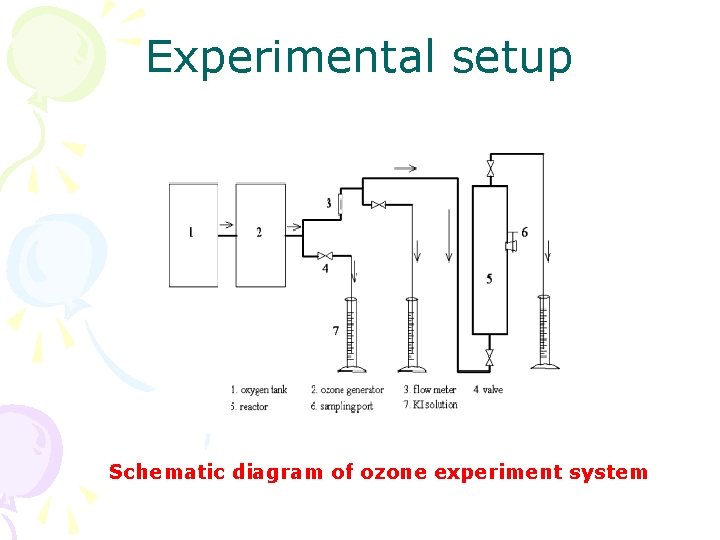
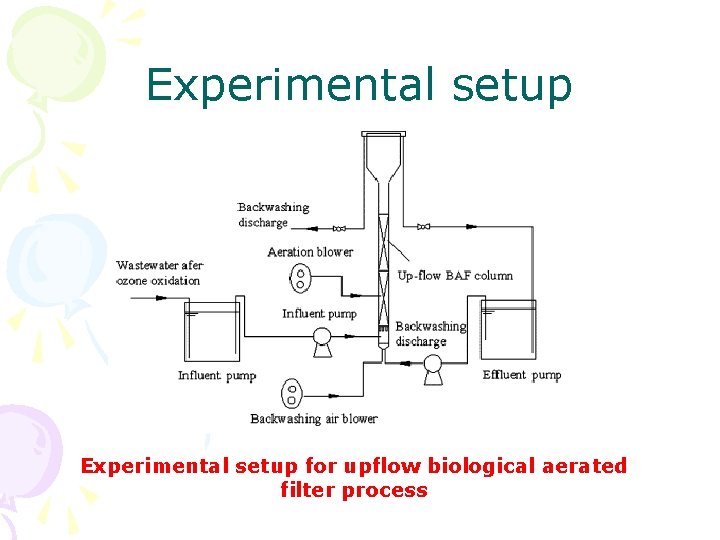
Experimental setup Schematic diagram of ozone experiment system
Experimental setup for upflow biological aerated filter process
Results and Discussion • Effect of p. H on decolorization efficiency by ozone Decolorization efficiency as a function of reaction time at different p. H
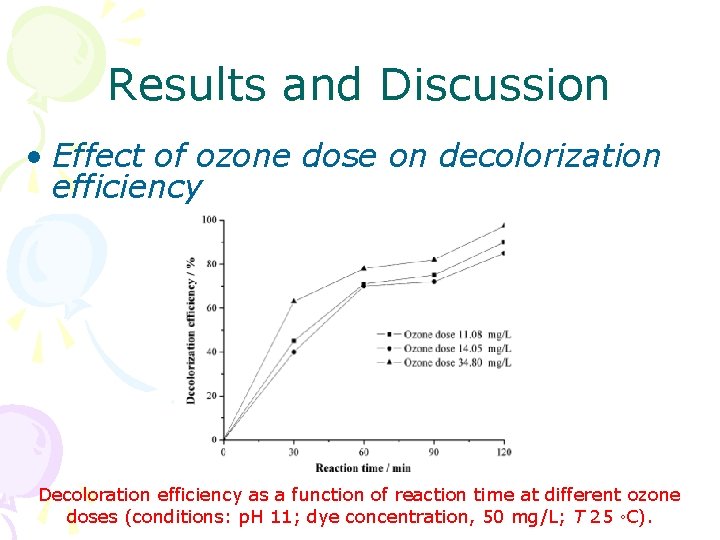
Results and Discussion • Effect of ozone dose on decolorization efficiency Decoloration efficiency as a function of reaction time at different ozone doses (conditions: p. H 11; dye concentration, 50 mg/L; T 25 ◦C).
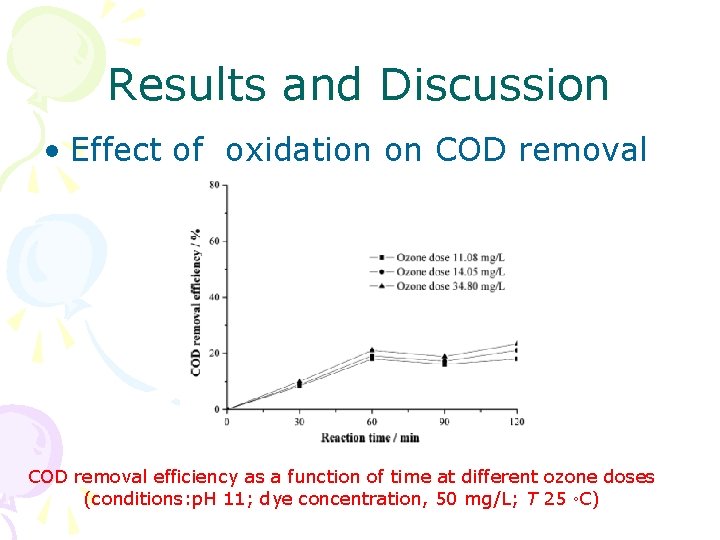
Results and Discussion • Effect of oxidation on COD removal efficiency as a function of time at different ozone doses (conditions: p. H 11; dye concentration, 50 mg/L; T 25 ◦C)
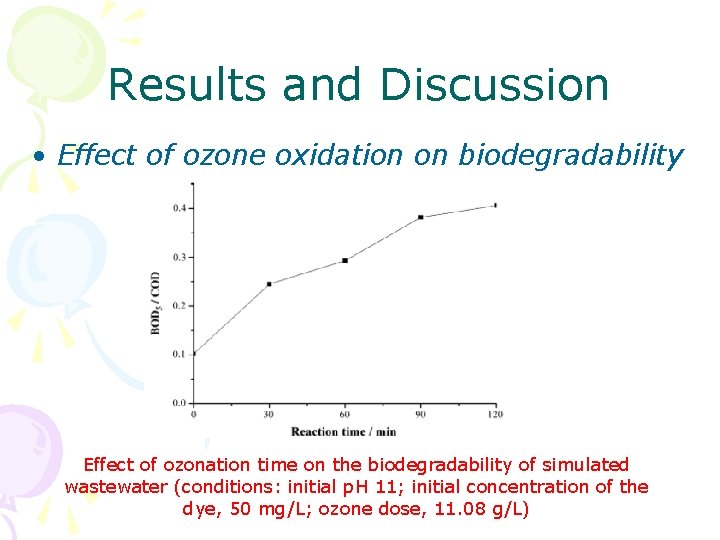
Results and Discussion • Effect of ozone oxidation on biodegradability Effect of ozonation time on the biodegradability of simulated wastewater (conditions: initial p. H 11; initial concentration of the dye, 50 mg/L; ozone dose, 11. 08 g/L)
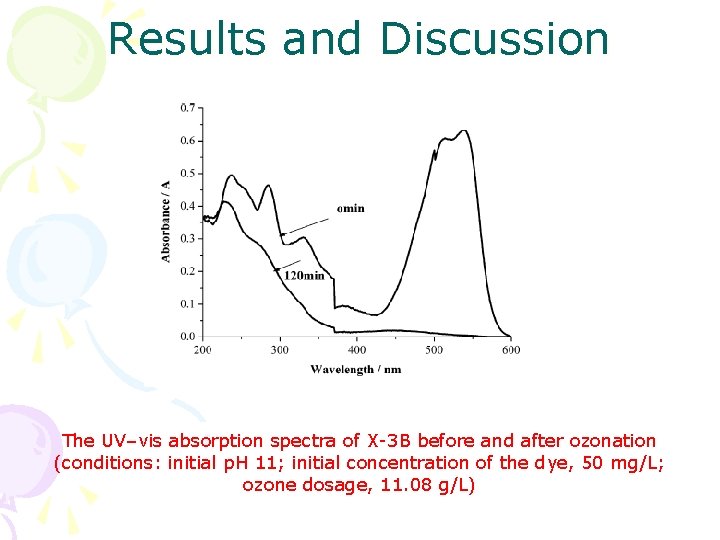
Results and Discussion The UV–vis absorption spectra of X-3 B before and after ozonation (conditions: initial p. H 11; initial concentration of the dye, 50 mg/L; ozone dosage, 11. 08 g/L)
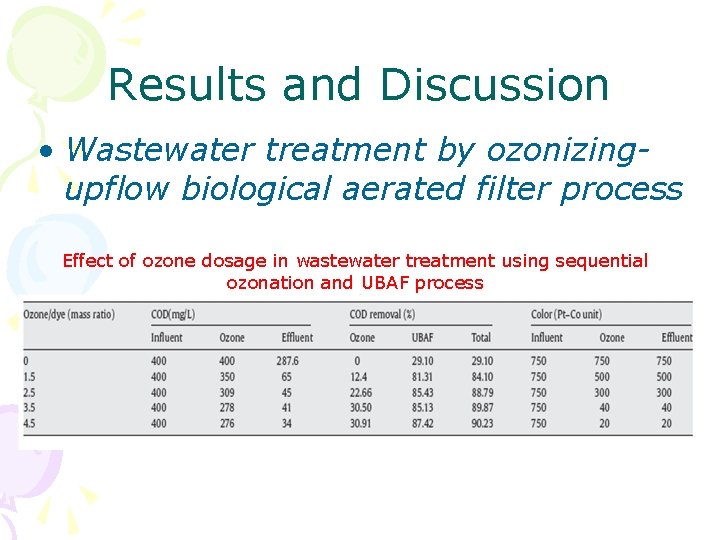
Results and Discussion • Wastewater treatment by ozonizingupflow biological aerated filter process Effect of ozone dosage in wastewater treatment using sequential ozonation and UBAF process
Conclusions • Ozonation is highly efficient in the decolorization of textile wastewater containing azo dye X-3 B, but less efficient in terms of COD • The subsequent UBAF process can greatly reduce COD of wastewater treated by ozone pre-oxidation. • Ozone pre-oxidation process can improve the biodegradability of wastewater containing azo dye reactive brilliant red X 3 B significantly, which increased the value of BOD 5/COD from 0. 102 to 0. 406.