
Autoimmunity K J Goodrum 2006 Autoimmunity Immune recognition

- Slides: 27
Autoimmunity K. J. Goodrum 2006
Autoimmunity • Immune recognition and injury of self tissues (autoimmunity) results from a loss of self tolerance.
Self Tolerance • Tolerance to self is acquired by clonal deletion or inactivation of developing lymphocytes. – Clonal deletion by ubiquitous self antigens – Clonal inactivation by tissue-specific antigens presented in the absence of costimulatory signals
Peripheral T cell Tolerance Mechanisms • Immunological Ignorance: Very few self proteins contain peptides that are presented by a given MHC molecule at a level sufficient for T cell activation, . Autoreactive T cells are present but normally activated. • Suppressor or regulatory T cells: mediate active suppression of autoreactive cells
Peripheral T cell Tolerance Mechanisms • Immunologically privileged sites: no lymphatic drainage or non-vascularized areas; presence of immunosuppressive factors & Fas. L
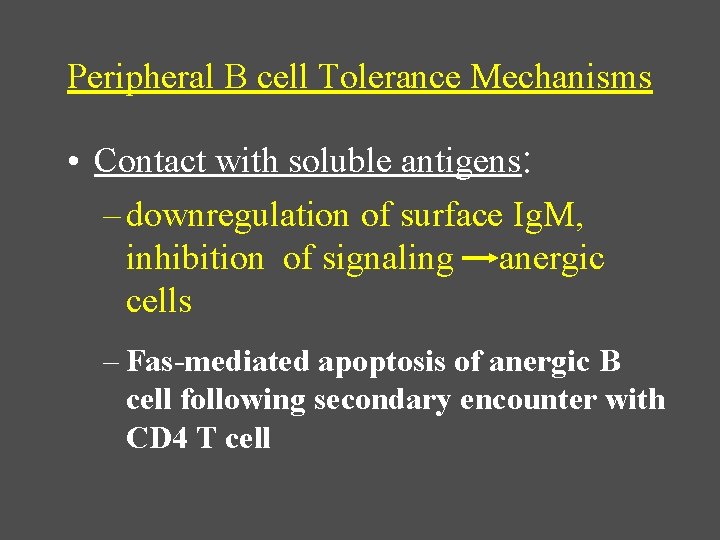
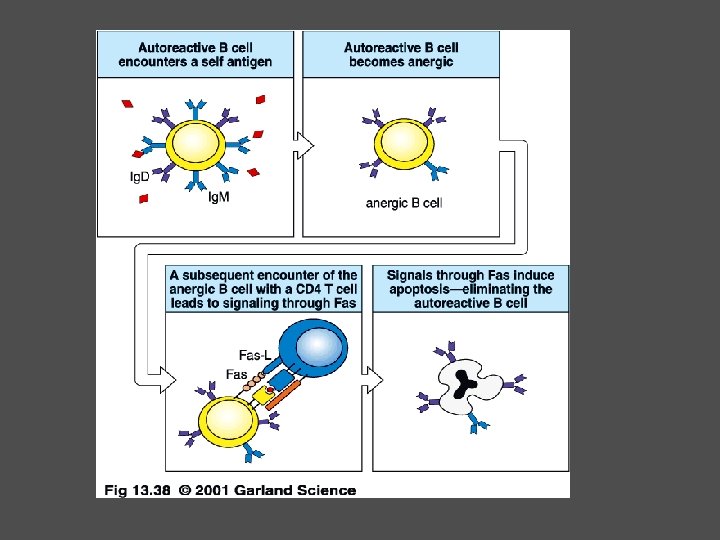
Peripheral B cell Tolerance Mechanisms • Contact with soluble antigens: – downregulation of surface Ig. M, inhibition of signaling anergic cells – Fas-mediated apoptosis of anergic B cell following secondary encounter with CD 4 T cell
Peripheral B cell Tolerance Mechanisms • Contact with soluble antigens – Apoptosis of autoreactive B cells generated by somatic hypermutation in germinal centers
Peripheral B cell Tolerance Mechanisms • Lack of T helper cell signals: – anergy – inhibited migration into follicles & apoptosis in T cell areas of lymph tissue
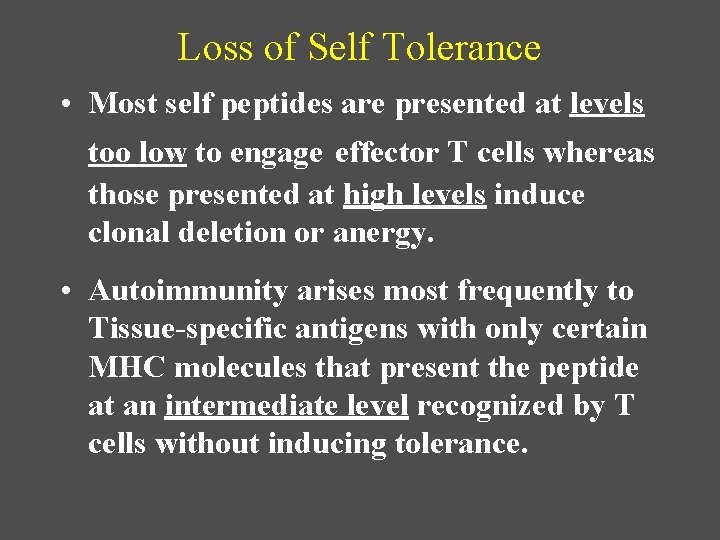
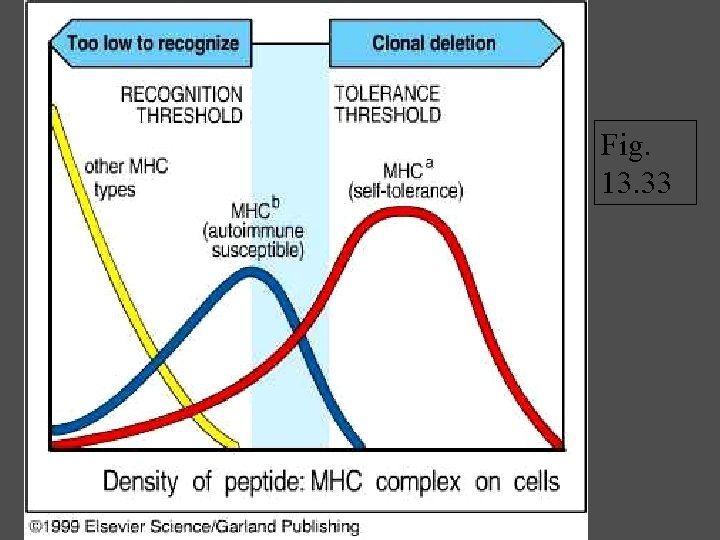
Loss of Self Tolerance • Most self peptides are presented at levels too low to engage effector T cells whereas those presented at high levels induce clonal deletion or anergy. • Autoimmunity arises most frequently to Tissue-specific antigens with only certain MHC molecules that present the peptide at an intermediate level recognized by T cells without inducing tolerance.
Fig. 13. 33
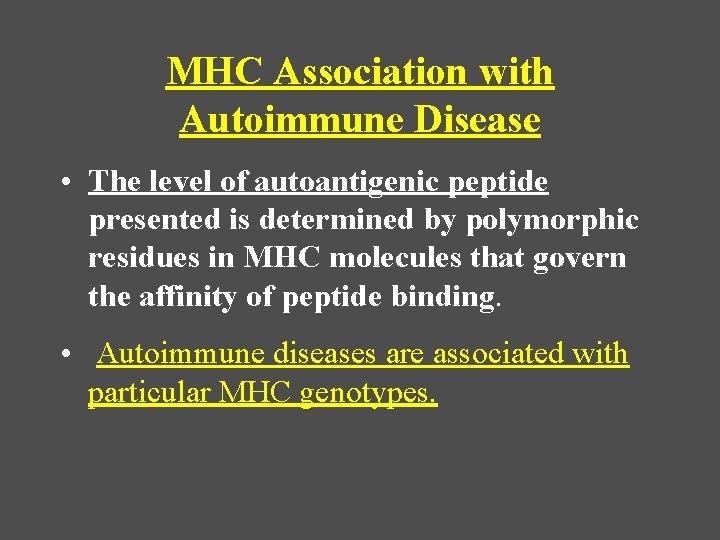
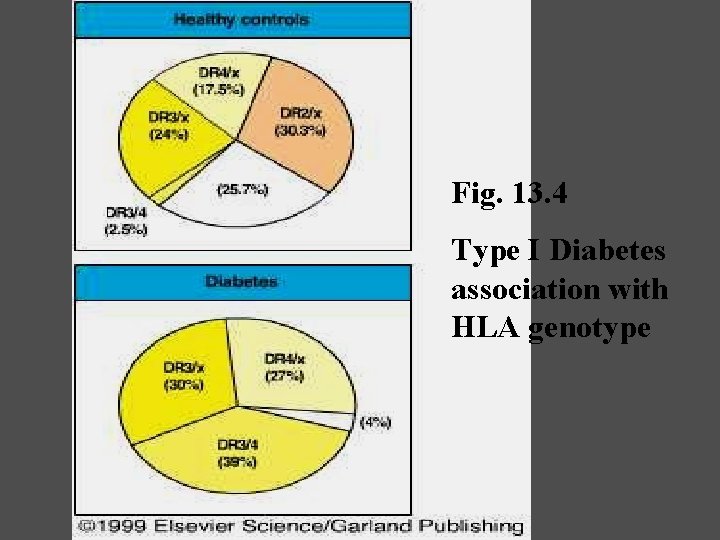
MHC Association with Autoimmune Disease • The level of autoantigenic peptide presented is determined by polymorphic residues in MHC molecules that govern the affinity of peptide binding. • Autoimmune diseases are associated with particular MHC genotypes.
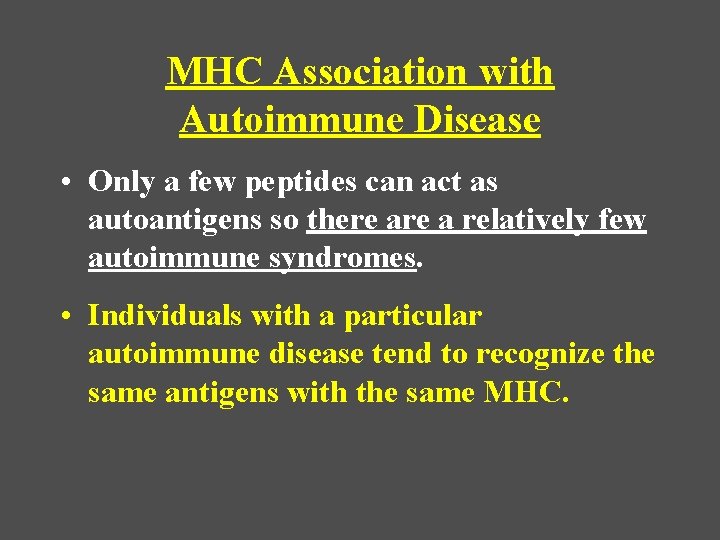
MHC Association with Autoimmune Disease • Only a few peptides can act as autoantigens so there a relatively few autoimmune syndromes. • Individuals with a particular autoimmune disease tend to recognize the same antigens with the same MHC.
Fig. 13. 4 Type I Diabetes association with HLA genotype
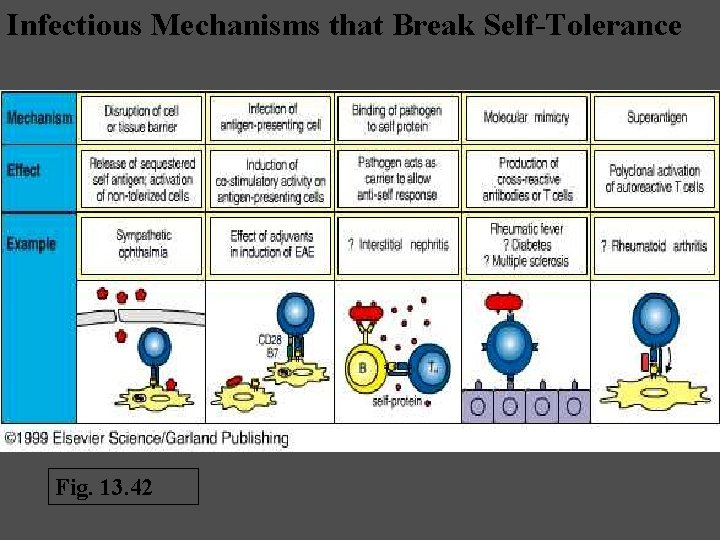
Mechanisms for Activation of Autoreactive Lymphocytes • Infectious triggers: – stimulation of co-stimulatory signals, inappropriate MHC II expression, or cytokines – Molecular mimicry (cross-reaction) – Release of sequestered antigens – T cell bypass (pathogen binding to self protein/provision of carrier T cell epitope)
Mechanisms for Activation of Autoreactive Lymphocytes • Infectious triggers: – Superantigen activity/polyclonal activation
Infectious Mechanisms that Break Self-Tolerance Fig. 13. 42
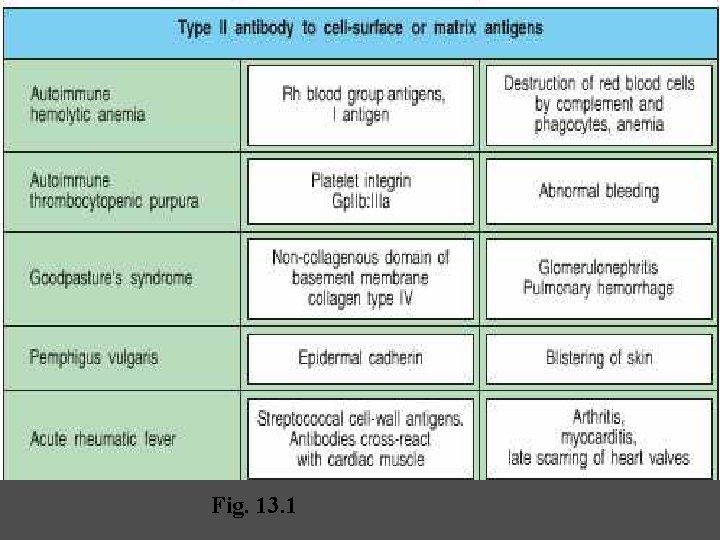
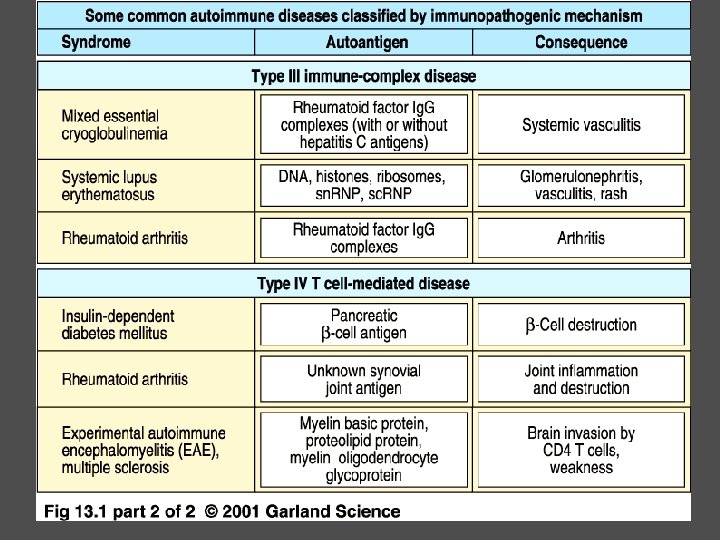
Fig. 13. 1
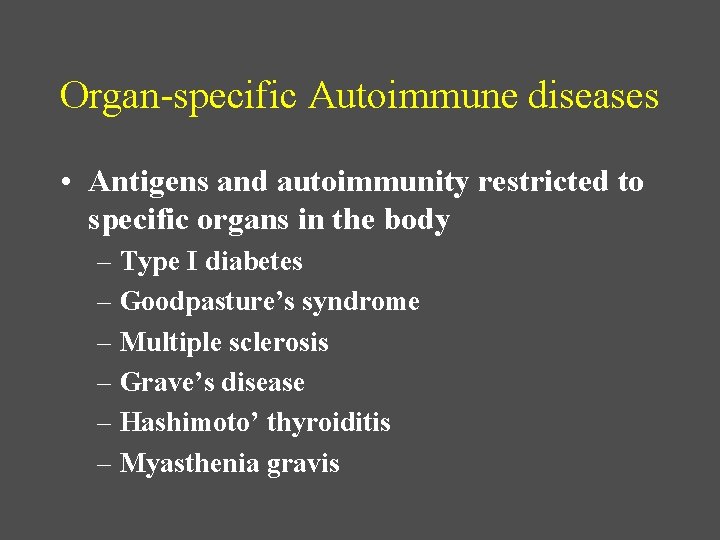
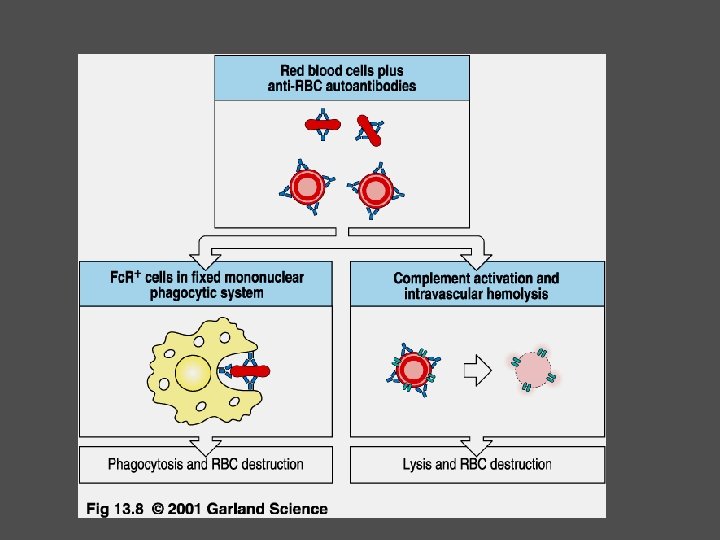
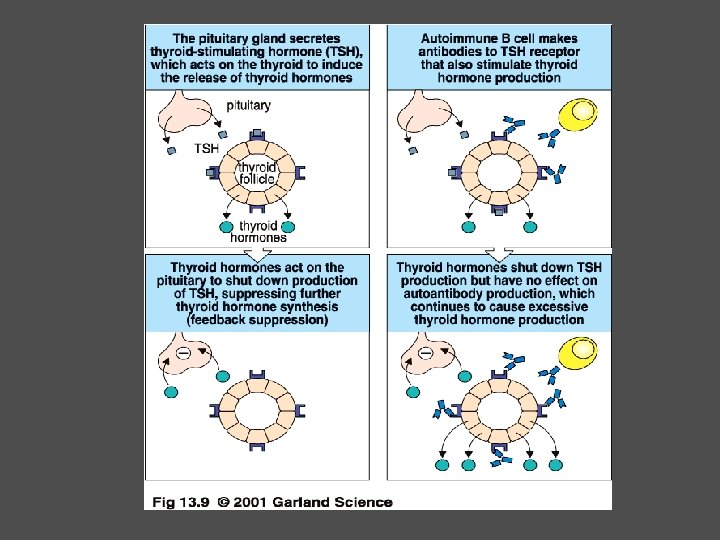
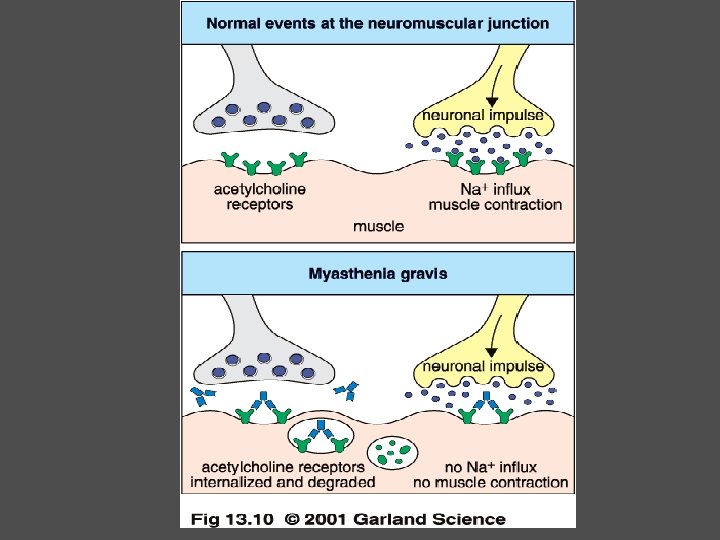
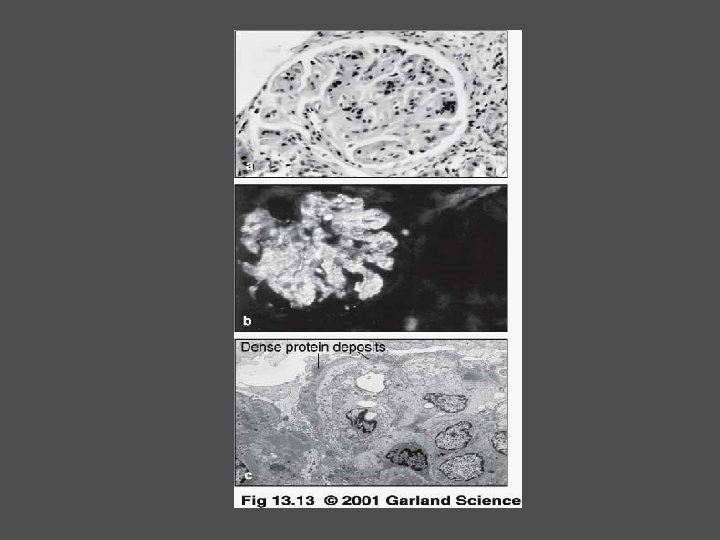
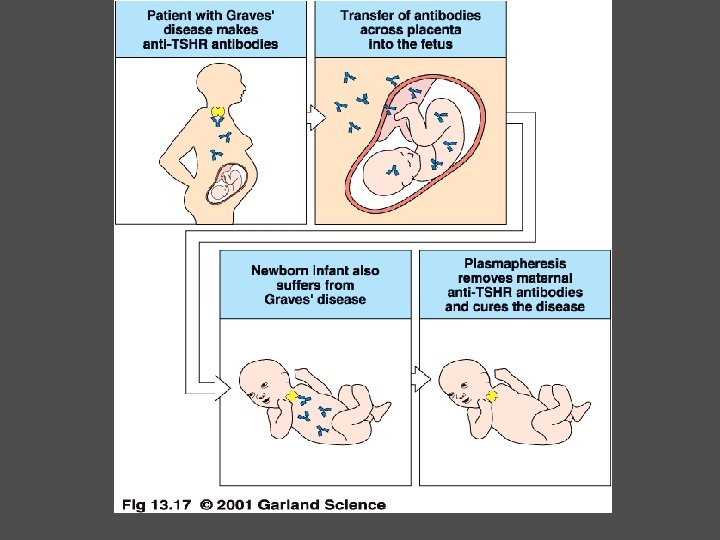
Organ-specific Autoimmune diseases • Antigens and autoimmunity restricted to specific organs in the body – Type I diabetes – Goodpasture’s syndrome – Multiple sclerosis – Grave’s disease – Hashimoto’ thyroiditis – Myasthenia gravis
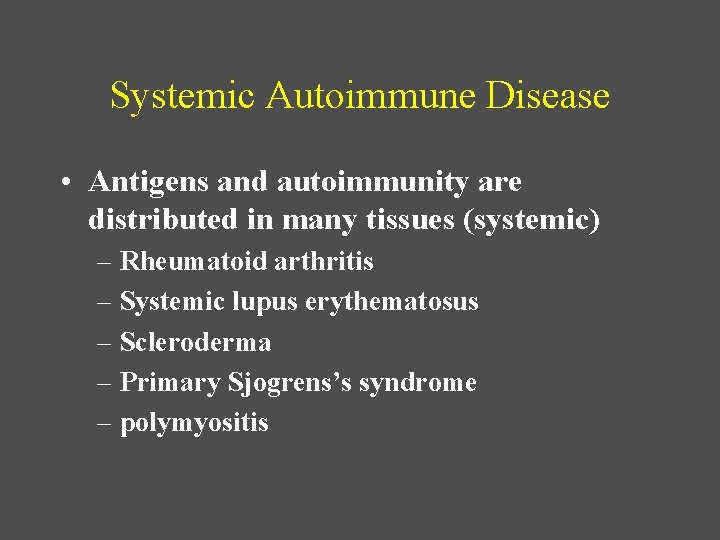
Systemic Autoimmune Disease • Antigens and autoimmunity are distributed in many tissues (systemic) – Rheumatoid arthritis – Systemic lupus erythematosus – Scleroderma – Primary Sjogrens’s syndrome – polymyositis
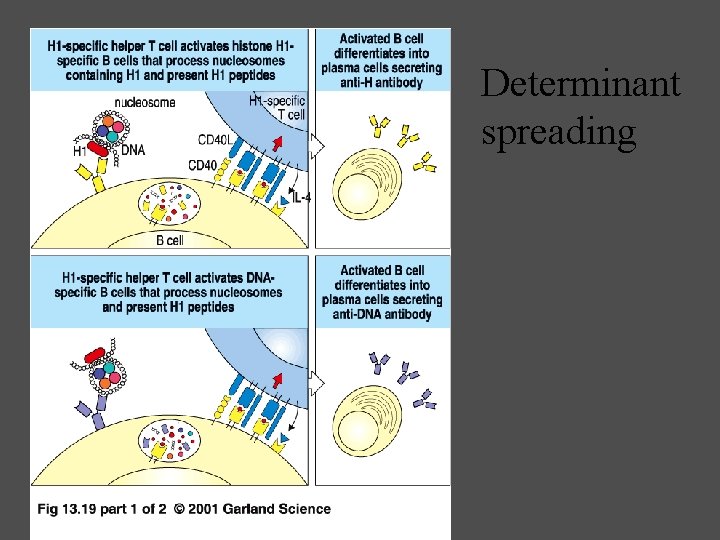
Determinant spreading