
AUTO ELECTRICAL Master Copy for IRTMTCALD by IRICEN
AUTO ELECTRICAL Master Copy for IRTMTC/ALD by IRICEN
AUTO ELECTRICAL Auto electrical covers different topic which is as under 1 -Battery 2 - Alternator 3 - Self starter 4 - Relay 4 -Engine and ZF Circuit 5 -Safety, warning, locking and lighting circuit
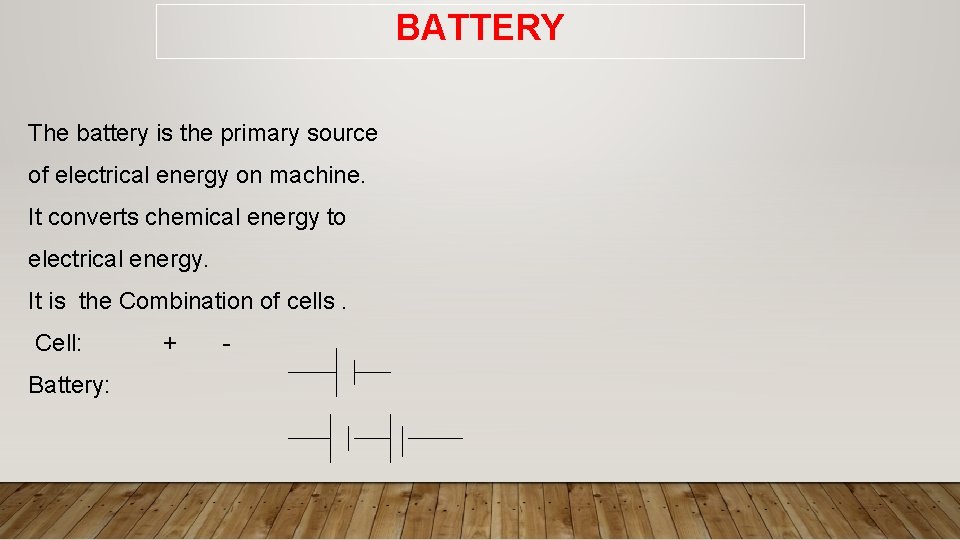
BATTERY The battery is the primary source of electrical energy on machine. It converts chemical energy to electrical energy. It is the Combination of cells. Cell: Battery: + -
BATTERY • Lead-acid battery is used in machine. • It is Rechargeable type. • Two Battery is connected in series. • Each Battery is 12 v so total volt=(12+12=24 v) • There are six cells in a battery • In full charge condition voltage of each cell should be 2. 1 v

SPECIFIC GRAVITY • It is the weight of the electrolyte solution as compared with weight of an equal volume of pure water. • The electrolyte in a fully charged battery is about 36% acid and 64% distil water. • It is measured by hydrometer. • Specific gravity for new battery is 1. 260 to 1. 28. • Specific gravity for old battery is 1. 180 to 1. 28. • It should be checked at every 50 engine hours schedule
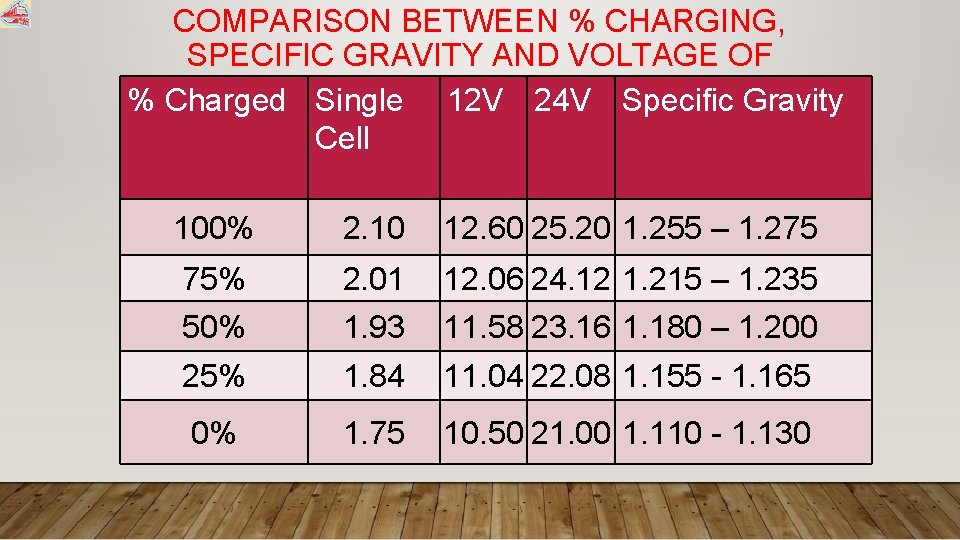
COMPARISON BETWEEN % CHARGING, SPECIFIC GRAVITY AND VOLTAGE OF % Charged Single BATTERY 12 V 24 V Specific Gravity Cell 100% 2. 10 12. 60 25. 20 1. 255 – 1. 275 75% 50% 2. 01 1. 93 12. 06 24. 12 1. 215 – 1. 235 11. 58 23. 16 1. 180 – 1. 200 25% 1. 84 11. 04 22. 08 1. 155 - 1. 165 0% 1. 75 10. 50 21. 00 1. 110 - 1. 130
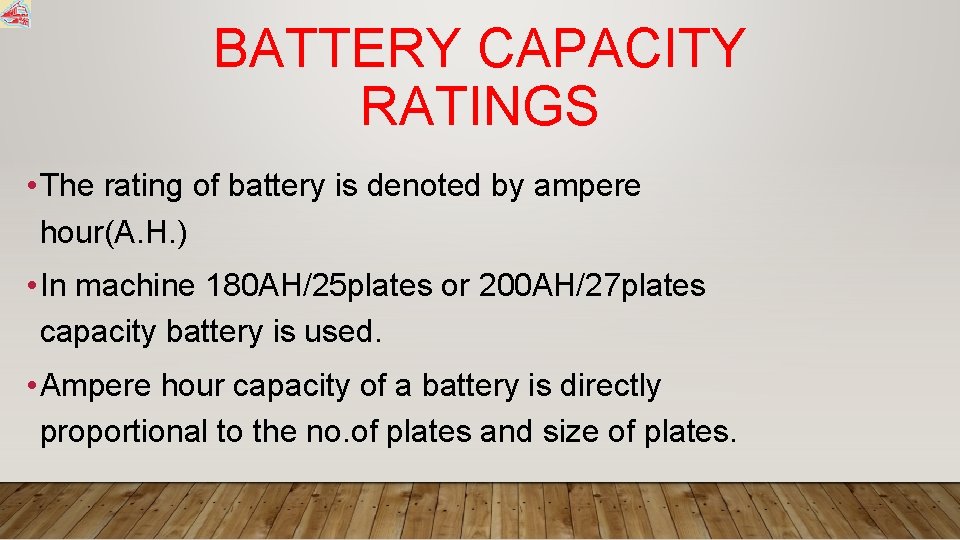
BATTERY CAPACITY RATINGS • The rating of battery is denoted by ampere hour(A. H. ) • In machine 180 AH/25 plates or 200 AH/27 plates capacity battery is used. • Ampere hour capacity of a battery is directly proportional to the no. of plates and size of plates.
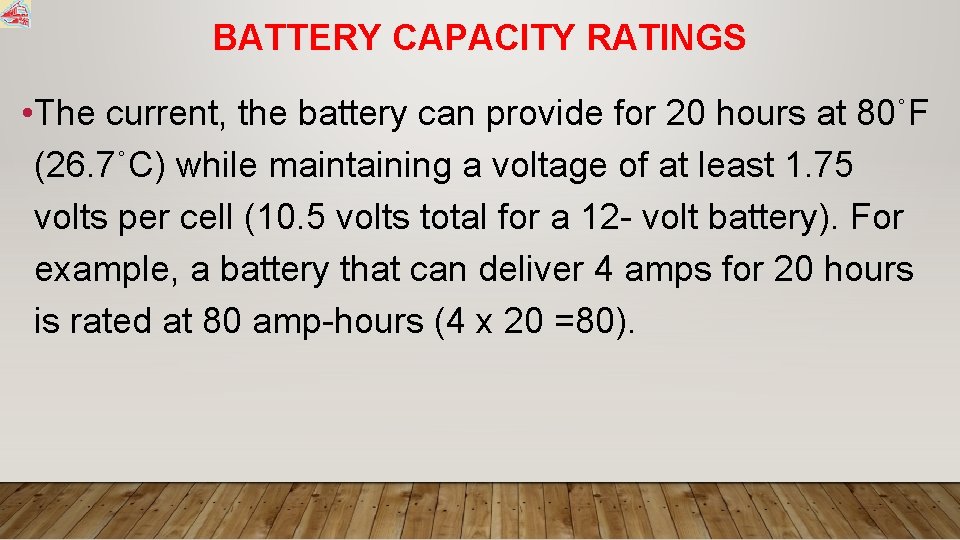
BATTERY CAPACITY RATINGS • The current, the battery can provide for 20 hours at 80˚F (26. 7˚C) while maintaining a voltage of at least 1. 75 volts per cell (10. 5 volts total for a 12 - volt battery). For example, a battery that can deliver 4 amps for 20 hours is rated at 80 amp-hours (4 x 20 =80).
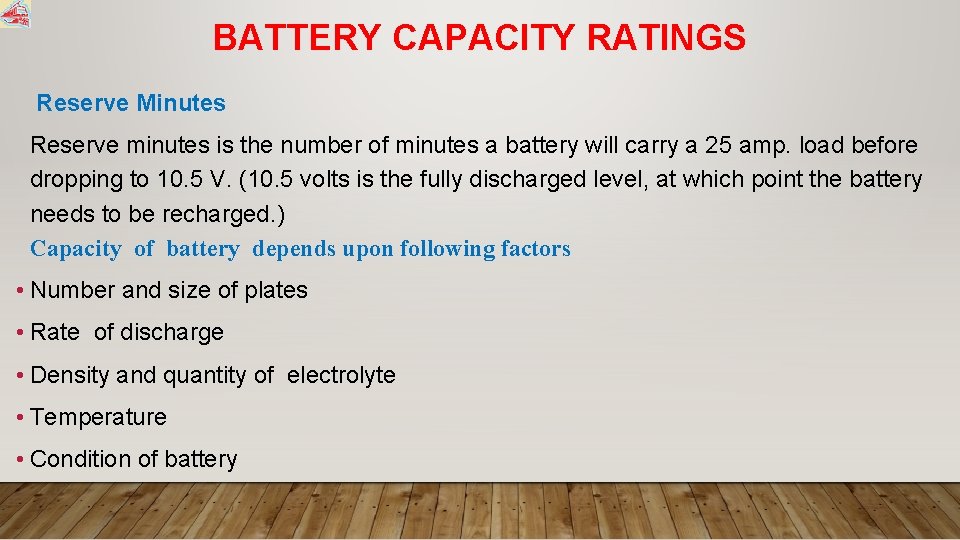
BATTERY CAPACITY RATINGS Reserve Minutes Reserve minutes is the number of minutes a battery will carry a 25 amp. load before dropping to 10. 5 V. (10. 5 volts is the fully discharged level, at which point the battery needs to be recharged. ) Capacity of battery depends upon following factors • Number and size of plates • Rate of discharge • Density and quantity of electrolyte • Temperature • Condition of battery
MAINTENANCE OF BATTERY Maintenance of battery is done in 50 -hour schedule. Which is as under. • Check the electrolyte level in each cell of the battery (daily). The level should be 10 -15 mm above the plates. If not then top up with distilled water. • Check the specific gravity of each cell. It should be 1. 180 -1. 280. • The connection should be tight and clean. • Put petroleum jelly on the terminal. • The vent hole should be cleaned. • The Voltage of battery should be checked by multi meter. It should be 12. 6 volt in full charge condition. • Clean the battery with water. • Check the rubber pad , if found damaged then replace it.
ALTERNATOR It converts mechanical energy into electrical energy when the engine is running. It is used to charge the battery. Alternator initially generates AC AC is converted to DC by the rectifier. Output of alternator is 27 -28 v DC
MAIN PARTS OF ALTERNATOR • Stator • Rotor • Rectifier • Regulator • Terminal Arrangement (i) +ve terminal (ii) – ve terminal (iii) D terminal (iv) W terminal
LIST OF ALTERNATORS OF DIFFERENT MACHINES Machine name Capacity No. CSM, WST, UNI- 2 S/3 S, 55 A 2 DTS, MPT 09 -3 X 120 A 2 1 BCM FRM BRM, UTV, T 28, PQRS UNI-4 S 55 A 120 A 55 A 120 55 A 2(one in each engine) 1 1 1 2
MAINTENANCE OF ALTERNATOR • Tension of belt should check daily. It is neither too slack nor too tight • Condition of belt should check daily if damage replace it. • All connections should be tight& clean • Mounting bolt of alternator should be check daily. • During engine running WL lamp should be extinguished if glowing it indicates alternator is not charging the battery
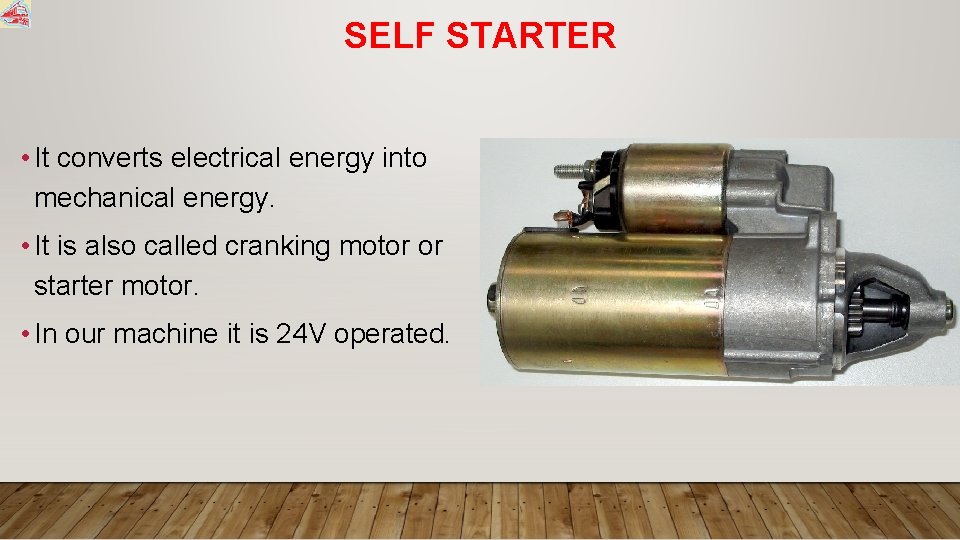
SELF STARTER • It converts electrical energy into mechanical energy. • It is also called cranking motor or starter motor. • In our machine it is 24 V operated.
SELF STARTER • It is designed for use on the larger types of engine, where because of the high inertia of flywheel and crankshaft in our machine. • DC power from the starting battery is applied to the solenoid, the solenoid engages a lever that pushes out the drive pinion on the starter driveshaft and meshes the pinion with the starter gear on the flywheel of the engine.
MAINTENANCE OF SELF STARTER • Battery connection should be tight and clean. • Base bolt should be tight. • Worn out carbon brush should change. • Commutator surface should be clean and not be oily. • If pinion teeth is worn out , it should be change • The cable should be examined for fractures particularly at the point where the cables enter the terminal lugs.
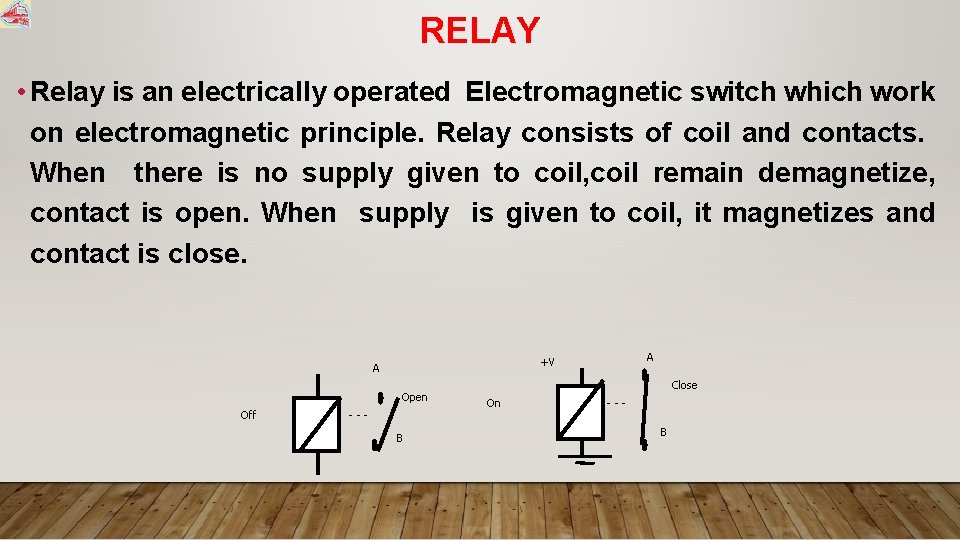
RELAY • Relay is an electrically operated Electromagnetic switch which work on electromagnetic principle. Relay consists of coil and contacts. When there is no supply given to coil, coil remain demagnetize, contact is open. When supply is given to coil, it magnetizes and contact is close. Open Off A +V A --B Close On --B
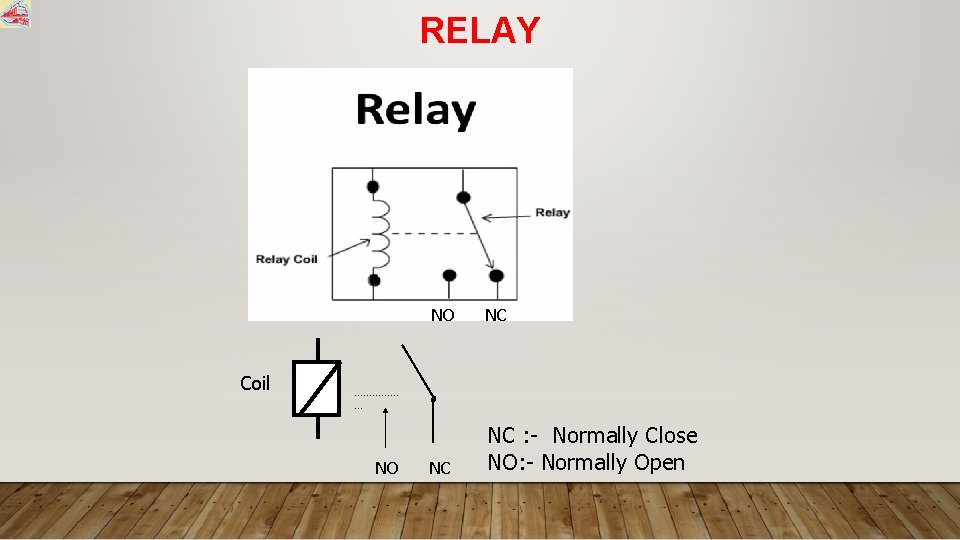
RELAY Coil NO NC NC NC : - Normally Close NO: - Normally Open …………… … NO
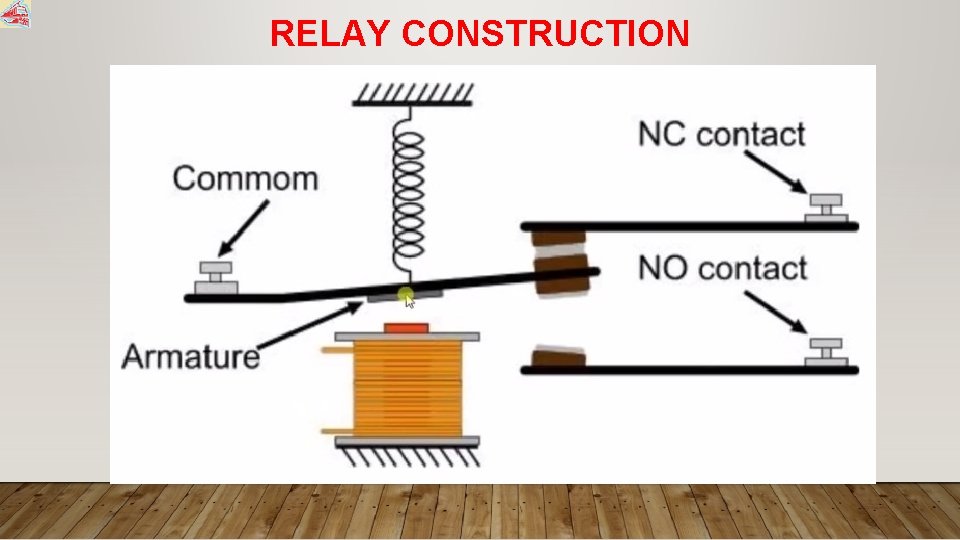
RELAY CONSTRUCTION
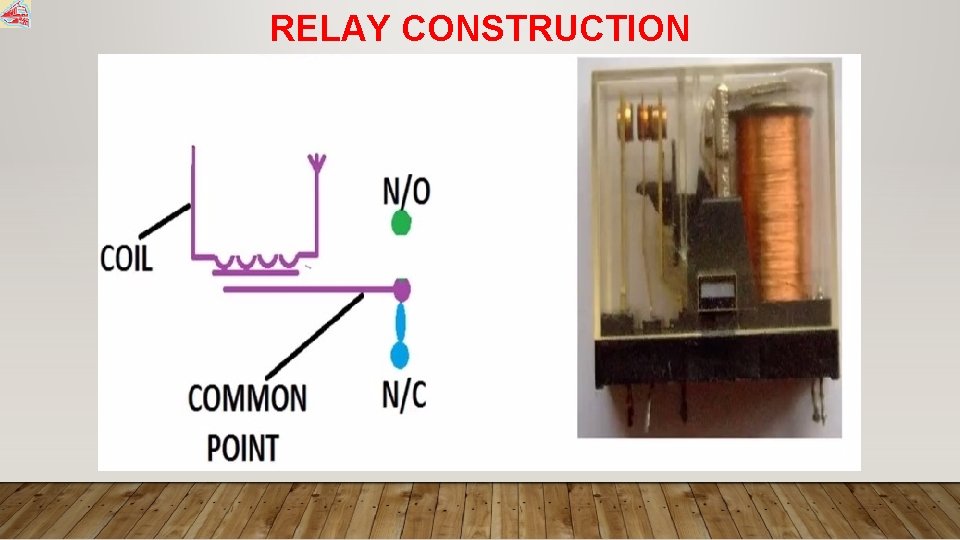
RELAY CONSTRUCTION
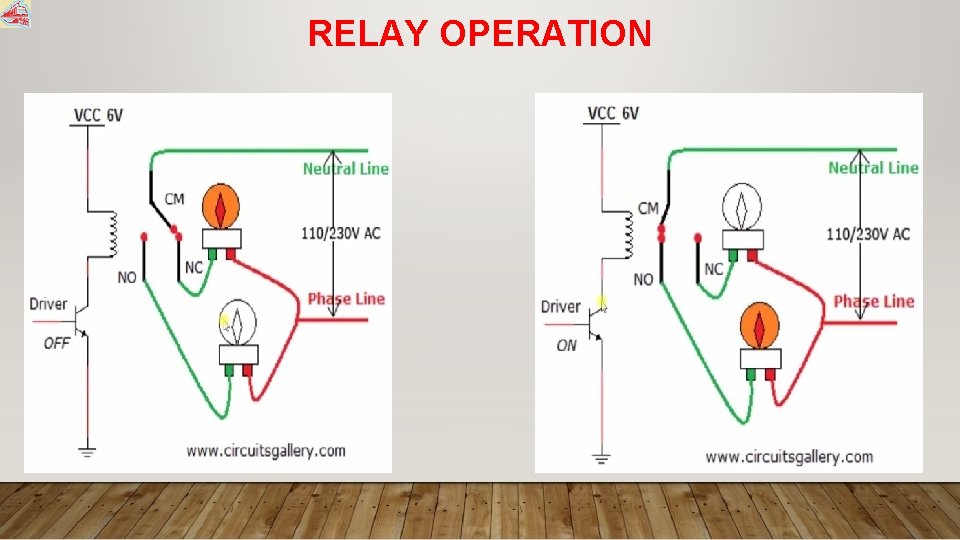
RELAY OPERATION
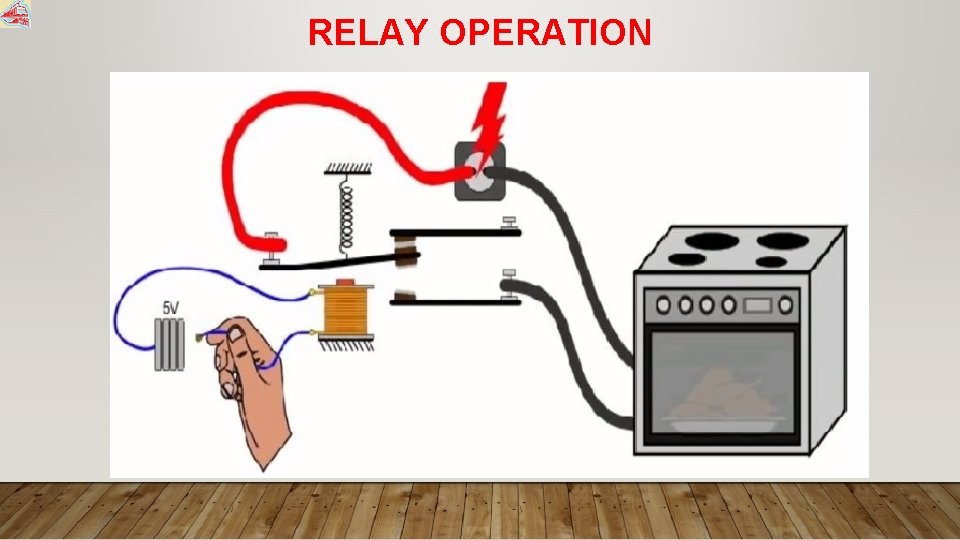
RELAY OPERATION
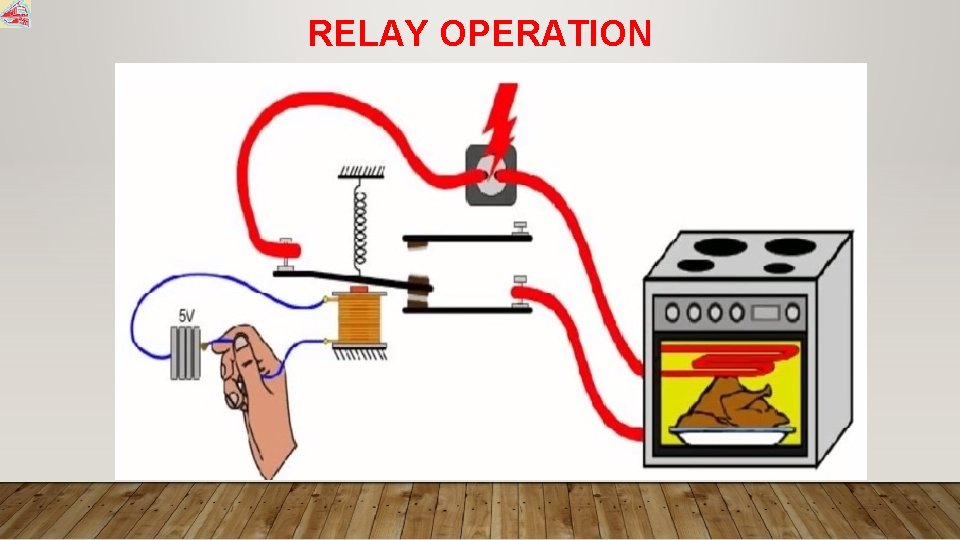
RELAY OPERATION
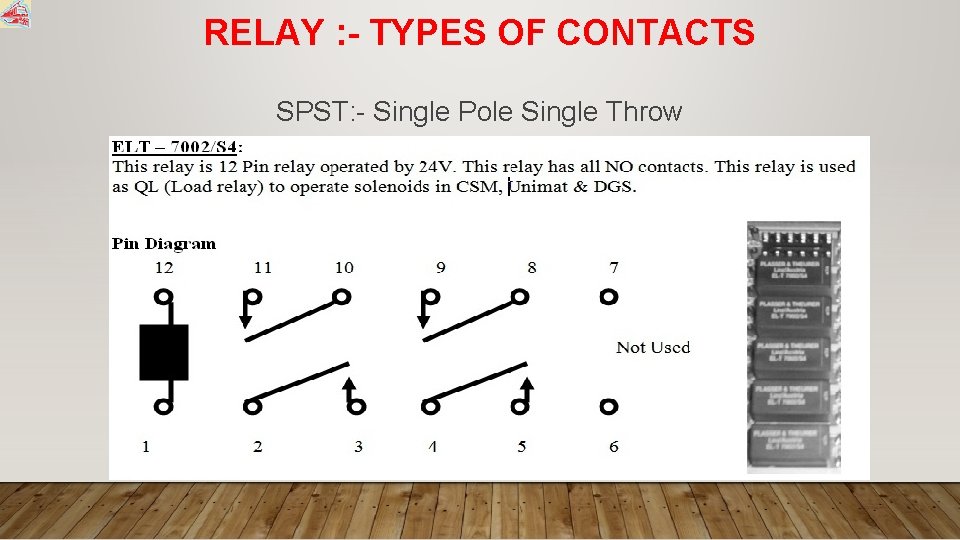
RELAY : - TYPES OF CONTACTS SPST: - Single Pole Single Throw
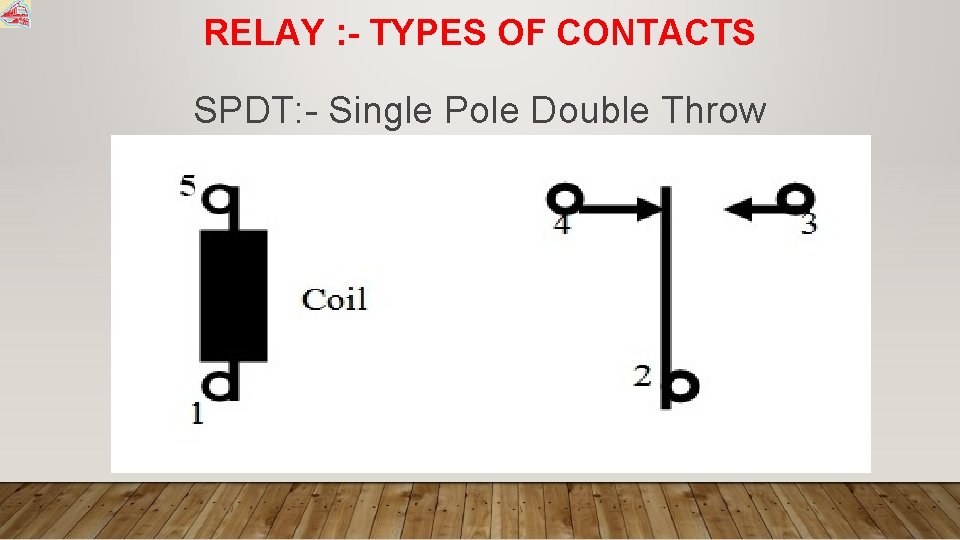
RELAY : - TYPES OF CONTACTS SPDT: - Single Pole Double Throw
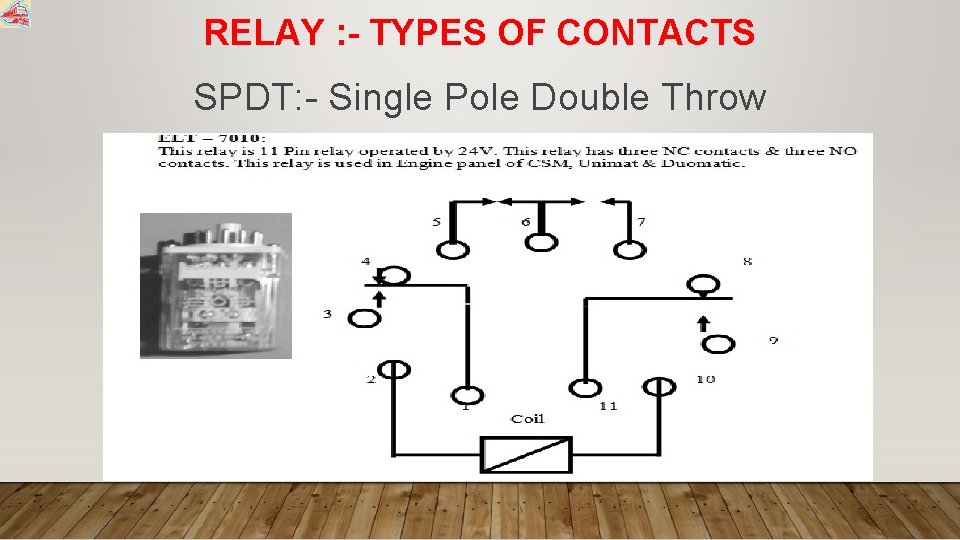
RELAY : - TYPES OF CONTACTS SPDT: - Single Pole Double Throw
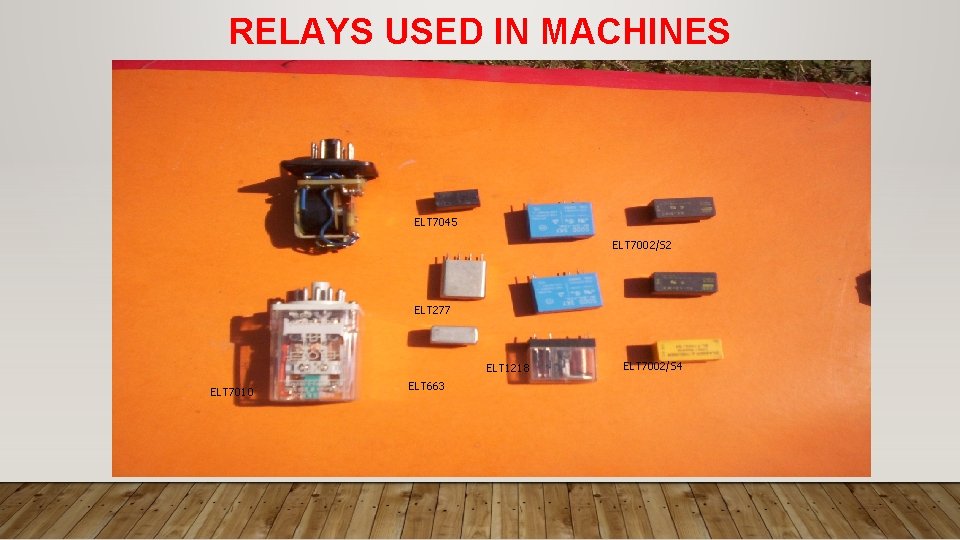
RELAYS USED IN MACHINES ELT 7045 ELT 7002/S 2 ELT 277 ELT 1218 ELT 7010 ELT 663 ELT 7002/S 4
- Slides: 28