
Autism Mental Health A Brief Overview Todd Kopelman
Autism & Mental Health: A Brief Overview Todd Kopelman, Kelly Pelzel, & Peter Daniolos The University of Iowa Children’s Autism Center
Outline • Prevalence of ASD & Mental Health Issues • Therapeutic Interventions • Psychopharmacological Treatments

ASD: Overlapping Symptoms Social Communication ASD RRB Based on Kaufman, W. (2012): The New Diagnostic Criteria for Autism Spectrum Disorders

ASD: Overlapping Symptoms Anxiety/ • GI Disorder Depression/ OCD • Seizures • Feeding Difficulties Social Communication Social Aggression • Sleep Difficulties • Motor Difficulties ADHD Language Commun ASD RRB Selfinjury Disorder ID Based on Kaufman, W. (2012): The New Diagnostic Criteria for Autism Spectrum Disorders
ASD & Mental Health Not well understood! Why? 1. DSM-IV & co-diagnoses (ADHD, OCD, SA) 2. Mismatch between criteria & ASD reality 3. Lack of awareness, training, certainty
ASD & Mental Health 4. Diagnostic Overshadowing • Falsely attributing symptoms to ASD • Health care providers OVERLOOK psychiatric co- morbidity • Can result in poorer outcomes “She’s can’t focus at school because she has ASD… He paces all the time because that’s what people with autism do… He hits himself in the face because he has autism”
Benefits of Awareness 1. understanding by caregivers, school teams, & providers 2. Focused research and treatment • Are there different genetic identifiers? • Do children with ASD & ADHD require different social supports than children with ASD w/o ADHD? 3. Improved quality of life!
Prevalence of MH Issues in ASD ~ 70% of individuals with ASD meet criteria for at least one MH disorder • ~ 41% have two or more MH disorders • ~ 17% two disorders, 24% three disorders Persons with ASD 2 x as likely to have MH disorder compared to those with ID
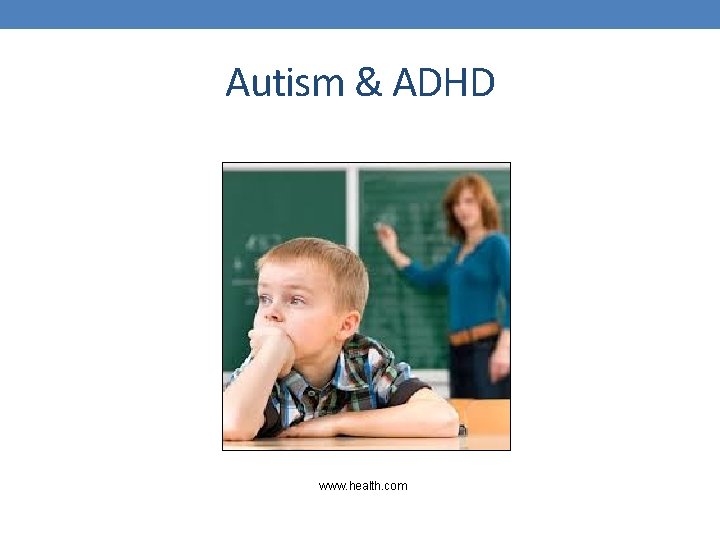
Autism & ADHD www. health. com
Autism & ADHD • May be most common co-occurring disorder among children with ASD • Estimates range 28%-50% • Nearly 85% of individuals with comorbid ASD/ADHD met criteria for an additional disorder
Autism & ADHD • All symptoms may be observed in a similar manner in persons with only ADHD (hyperactive/impulsive, inattentive, combined subtypes) • Children with ASD more likely to exhibit inattentive subtype • Cause of inattentiveness may differ (overfocus on strong interest)
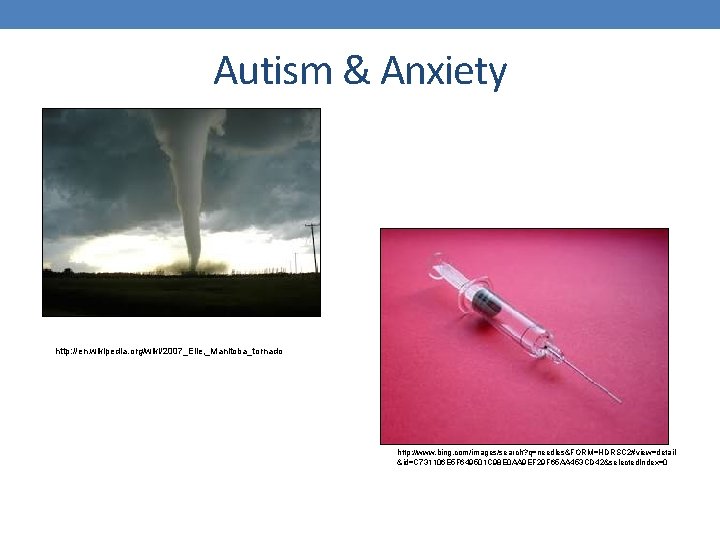
Autism & Anxiety http: //en. wikipedia. org/wiki/2007_Elie, _Manitoba_tornado http: //www. bing. com/images/search? q=needles&FORM=HDRSC 2#view=detail &id=C 731106 E 5 F 649501 C 98 E 0 AA 9 EF 29 F 65 AA 453 CD 42&selected. Index=0
Autism & Anxiety • Approximately 40% meet DSM criteria • Specific phobia or fear (44%) – (needles, crowds, storms, loud noises) • Social anxiety – fear of being negatively evaluated in social situations, fear of new people and situations (29%) • Generalized anxiety – persistent worrying/anxiety (13%) • Panic Disorder – panic attacks (10%)
Autism & Anxiety • Avoidance of the source of anxiety or extreme distress • Symptoms can be physical (muscle tension, shortness of breath), cognitive (worrying, restlessness), or behavioral (agitation, crying) • Signs of anxiety for persons with ASD: Avoidance of new people, increased performance of rituals, increased reliance on scripts, seeking constant reassurance, selfsoothing & repetitive behaviors
Autism & Anxiety • Rates may increase in adolescence ( awareness of differences? ) • Can be challenging to diagnose due to communication difficulties
Autism & Depression www. babble. com
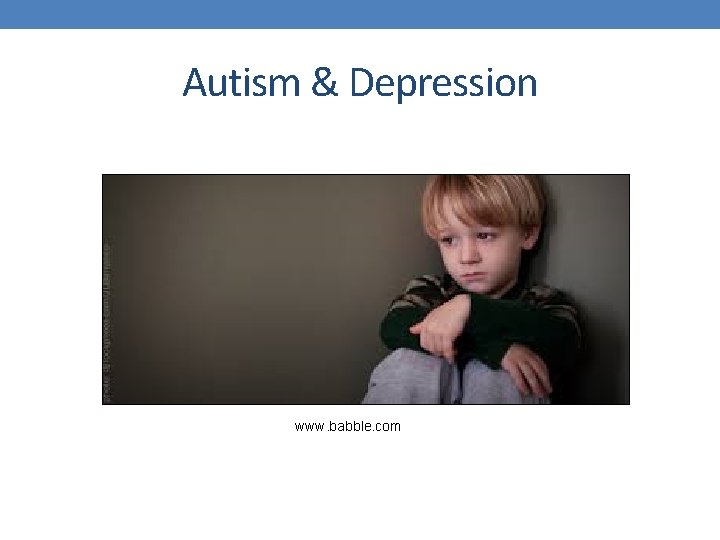
Autism & Depression • 10% of children with ASD had at least 1 episode of MDD • Rates seem to increase in adolescence and adulthood (25 -30%) • Can be tricky to diagnose for individuals with ASD & ID
Autism & Depression Common indicators: • Increase in rate of challenging behaviors • Increased tearfulness/irritability • Loss of interest/resistance to participating in activities/neglecting hygiene • Agitation or restlessness; sleep difficulties • Increased stereotyped behaviors
Risk Factors for Comorbid MH Disorder 1. Associated medical conditions (Fragile X) 2. Familial history of MH diagnoses 3. Psychosocial factors (e. g. , social isolation, lack of supportive environment)
Take Home Points • Diagnosis can be challenging • Persons with ASD are not immune to MH issues • Avoid diagnostic overshadowing • Be aware of significant changes (Affect, personality, behaviors, productivity, personality) • Consider if symptoms interfere with functioning • Don’t be afraid to pursue evaluation & treatment
Therapies for Co-Occurring Mental Health Disorders
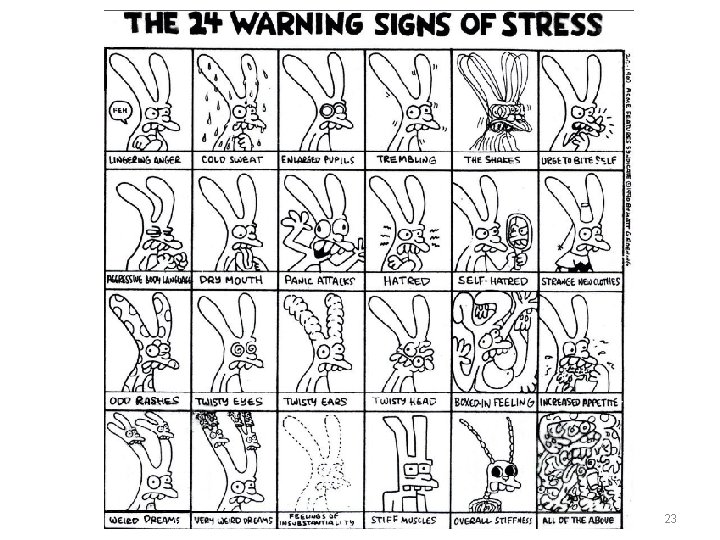
Proactive Measures • Identify risk & protective factors – If possible, reduce risk & enhance protective • Support prevention efforts – Physical health – Coping skills (e. g. , relaxation techniques) • Make a plan for what to do when problems occur – Make & maintain community relationships – Crisis plan (e. g. , elopement)
23
General Thoughts on Therapies • Less research on how well therapies (especially psychotherapies) work with people with autism (compared to research on people without autism). – Harder to study (lower base rate) – Area avoided historically (i. e. , during heydays of psychotherapy research) • Recently, cognitive behavioral therapy (CBT) has been studied more.
25
Types of Therapies • Behavior Therapies – often target behavioral disorders (e. g. , aggression, non-compliance, selfinjury) • Psychotherapies – often target mood anxiety disorders (e. g. , depression, phobias) • Nowadays most therapies for children include some degree of parent involvement.
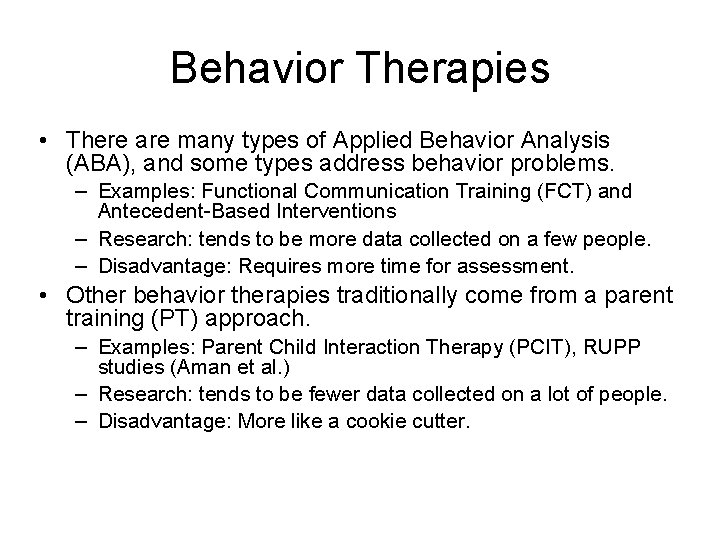
Behavior Therapies • There are many types of Applied Behavior Analysis (ABA), and some types address behavior problems. – Examples: Functional Communication Training (FCT) and Antecedent-Based Interventions – Research: tends to be more data collected on a few people. – Disadvantage: Requires more time for assessment. • Other behavior therapies traditionally come from a parent training (PT) approach. – Examples: Parent Child Interaction Therapy (PCIT), RUPP studies (Aman et al. ) – Research: tends to be fewer data collected on a lot of people. – Disadvantage: More like a cookie cutter.
28
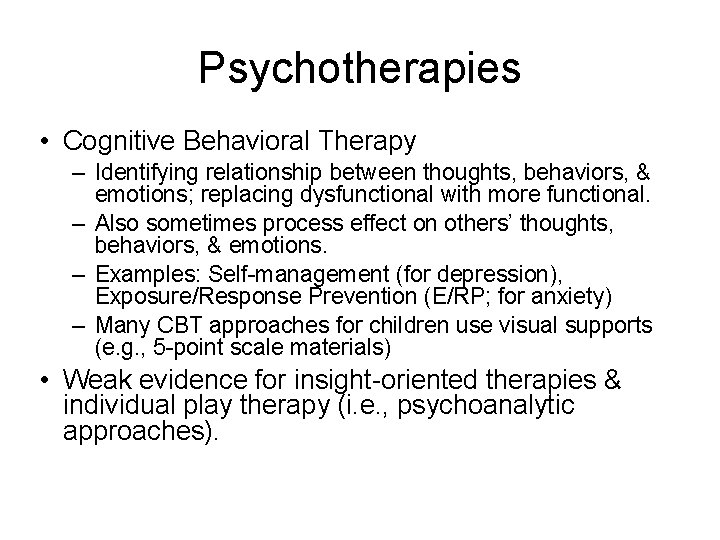
Psychotherapies • Cognitive Behavioral Therapy – Identifying relationship between thoughts, behaviors, & emotions; replacing dysfunctional with more functional. – Also sometimes process effect on others’ thoughts, behaviors, & emotions. – Examples: Self-management (for depression), Exposure/Response Prevention (E/RP; for anxiety) – Many CBT approaches for children use visual supports (e. g. , 5 -point scale materials) • Weak evidence for insight-oriented therapies & individual play therapy (i. e. , psychoanalytic approaches).
Autism Spectrum Disorders & Medications Psychopharmacology: Evidence, Indications & Limitations Peter Daniolos, MD
Psychopharmacology Interventions n n n Need diagnostic clarity as AS dx & cognitive level impact sensitivity and response to medications Co-morbidity impacts medication selection NO AGENT HAS BEEN DEVELOPED THAT DIRECTLY TARGETS OR IMPROVES CORE AUTISM FEATURES: SOCIAL OR COMMUNICATION DEFICITS Meds target interfering symptoms ASD youth sensitive to side effect…. low/slow dosing key!!!!
Treatment Targets: medications Motor hyperactivity/inattention n Aggression n SIB n Tantrums n Irritability/ agitation n Ritualistic/ repetitive behaviors n Stereotypies n Comorbid anxiety/ OC symptoms n Depression n
Rationale for early medications [Bethea and Sikich Biol psych 2007; 61: 521 n n n 537] ASD youth often have associated behavior problems- impacts development. Altered brain morphology in autism (Kemper and Bauman- cerebellum, etc)- target with medications? May regulate neurodevelopmental processes and increase plasticity Manipulating serotinergic system with SSRI may assist experience dependent brain organization. May enhance child’s ability to respond to behavioral treatments
5 HT & SSRI’s: Kanner 43: focused on repetitive nature of behavior, speech and modes of interactions as core elements of autism. n Verbal and motor rituals, obsessive questioning, and rigid adherence to routine. n Preoccupation with details and obsessive desire for the maintenance of sameness and completeness n Implies abnormalities in 5 HT function, and therefore a potential role for SSRI’s n Pubertal differences? Less tolerated/effective in younger kids? n

SSRI: Prozac & repetitive behaviors One of the most rigorous study to date looked at Prozac and repetitive behaviors in ASD youth n 8 wk double blind placebo controlled crossover Prozac study noted decreased repetitive behaviors on C-YBOCS, but not global improvement in core autism symptoms. N=45, Dose 2. 4 – 20 mg, with a mean final dose of 9. 9 +/- 4. 35 mg/day. n Primary side effect: agitation n Hollander et al 2005 Neuropsychopharmacology
ASD Adults: Prozac n Hollander, Anagnostou et al 2008 Study (Am J Psychiatry v 169 #3, March ‘ 12): Fluoxetine treatment, compared to placebo, resulted in significantly greater improvement in repetitive behaviors, according to both the Yale-Brown compulsion subscale and CGI rating of obsessive-compulsive symptoms, as well as on the CGI overall improvement rating. Fluoxetine appeared to be well tolerated. These findings stand in contrast to findings in a trial of citalopram for childhood autism
Atypical Antipsychotics Considerable interest and the focus of the RUPP Autism network studies [risperidone] n Aripiprazole and Risperidone are the two FDA approved treatments for ASD n Mechanism- D 2/ 5 HT 2 a receptor interactions may be implicated, among other factors n
Risperidone: Reports & RUPP n n A number of open label reports describe improvements in aggression/SIB, tantrums, ritualistic/repetitive stereotyped behavior, irritability, impulsivity, hyperactivity, and social relatedness in children, adolescents and adults 2 controlled studies from RUPP Autism network [101 youth]. First study [Mc. Dougle et al 2000]: Well tolerated for up to 6 monthsdecreased aggression, tantrums, and selfinjury. Improved CGI scores, and ABC irritability subscore maintained in over 89%. Aggression/outbursts/ SIB returned with placebo.
n n Risperidone RUPP Study RUPP follow-up study (2002 NEJM 347 31421): effective in alleviating agitation, irritability, hyperactivity/noncompliance, inappropriate speech, lethargy/social withdrawal, stereotypic behaviors, aggression, tantrums, anxiety. Increased CGI scores. Dose 0. 5 – 3. 5/day. In this study, improvement noted in sensory motor behaviors (restricted/repetitive stereotyped behaviors/activities/interests), affectual relations, and sensory responses. Social interactions and communication did not improve- the 2 core features of autism SE- weight gain (at one month predicted later
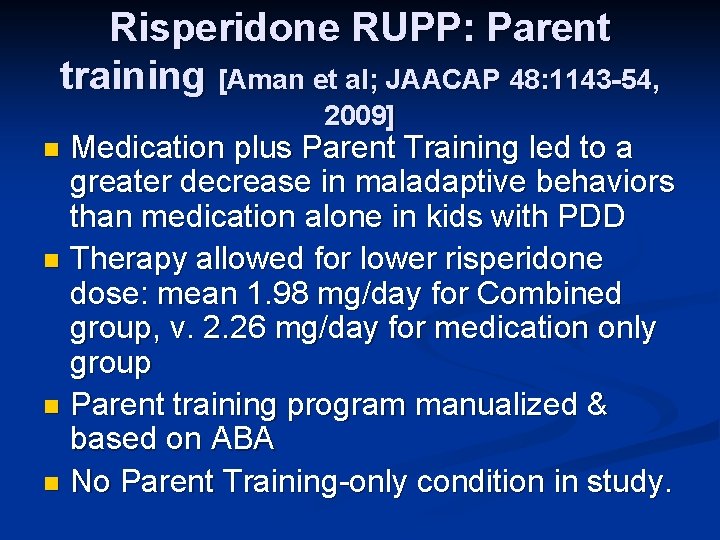
Risperidone RUPP: Parent training [Aman et al; JAACAP 48: 1143 -54, 2009] Medication plus Parent Training led to a greater decrease in maladaptive behaviors than medication alone in kids with PDD n Therapy allowed for lower risperidone dose: mean 1. 98 mg/day for Combined group, v. 2. 26 mg/day for medication only group n Parent training program manualized & based on ABA n No Parent Training-only condition in study. n
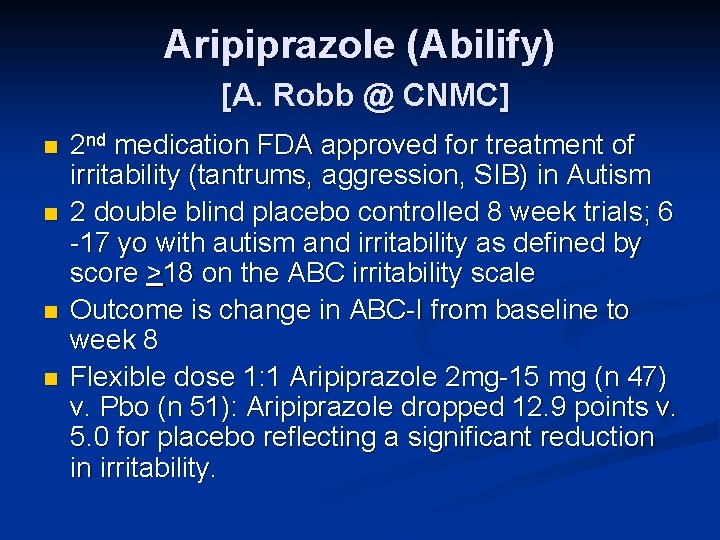
Aripiprazole (Abilify) [A. Robb @ CNMC] n n 2 nd medication FDA approved for treatment of irritability (tantrums, aggression, SIB) in Autism 2 double blind placebo controlled 8 week trials; 6 -17 yo with autism and irritability as defined by score >18 on the ABC irritability scale Outcome is change in ABC-I from baseline to week 8 Flexible dose 1: 1 Aripiprazole 2 mg-15 mg (n 47) v. Pbo (n 51): Aripiprazole dropped 12. 9 points v. 5. 0 for placebo reflecting a significant reduction in irritability.
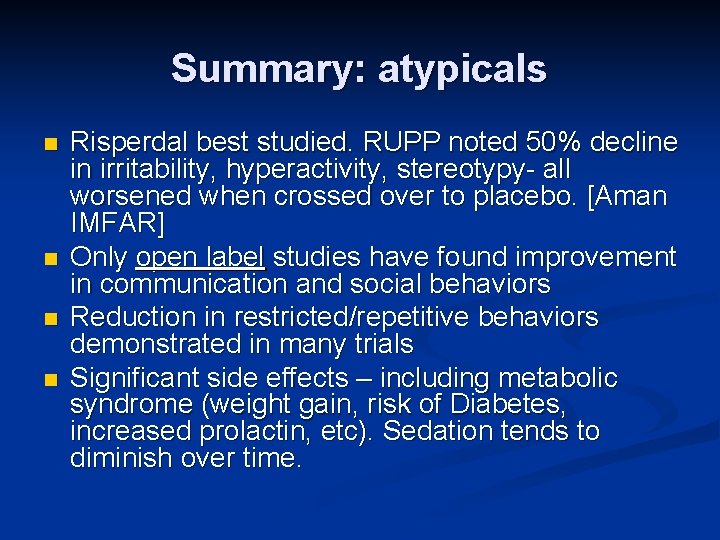
Summary: atypicals n n Risperdal best studied. RUPP noted 50% decline in irritability, hyperactivity, stereotypy- all worsened when crossed over to placebo. [Aman IMFAR] Only open label studies have found improvement in communication and social behaviors Reduction in restricted/repetitive behaviors demonstrated in many trials Significant side effects – including metabolic syndrome (weight gain, risk of Diabetes, increased prolactin, etc). Sedation tends to diminish over time.
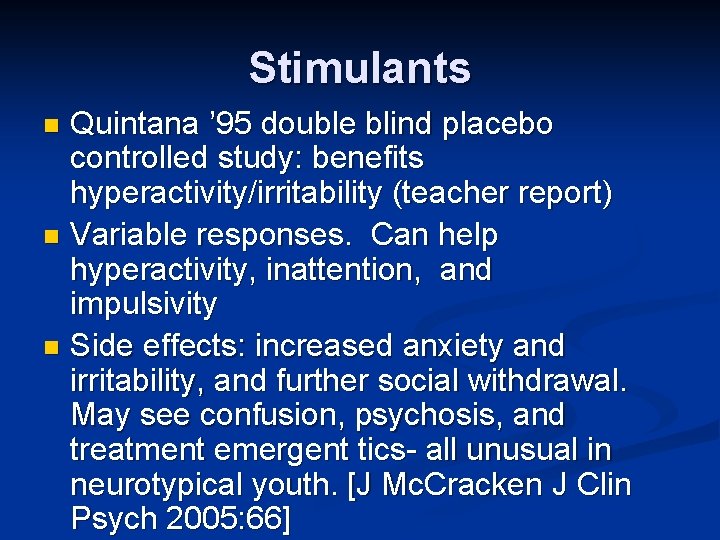
Stimulants Quintana ’ 95 double blind placebo controlled study: benefits hyperactivity/irritability (teacher report) n Variable responses. Can help hyperactivity, inattention, and impulsivity n Side effects: increased anxiety and irritability, and further social withdrawal. May see confusion, psychosis, and treatment emergent tics- all unusual in neurotypical youth. [J Mc. Cracken J Clin Psych 2005: 66] n
A-2 Agonists Guanfacine and Clonidine open trials suggest efficacy for impulsivity, aggression, hyperactivity and other difficult behaviors n Greatest response seen with tics, insomnia, hyperactivity and inattention n May be first line treatments for aggression in some kids n
B-adrenergic/ Buspirone B-blockers(propranolol) reported to reduce aggression and self injury in some small open label trials in adults n Buspirone (5 HT 1 a partial agonist): small open label trials had mixed results- may benefit anxiety, irritability, tantrums and hyperactivity doses 10 -45 mg/day [Buitelaar n et al 1998 J Clin Psych 59: 56 -59] n Buspirone trial in younger ASD kids suggests efficacy [NIMH trial, Diane Chugani et al, Wayne State: neuroimaging changes with rx]
Investigational Agents: Minocycline n n Minocycline for regressive autism: Open label NIH trial Efficacy in neurodegenerative conditions (Huntington’s, MS, ALS). Theory: Neuroglial activation/chronic inflammation plays role in initiating and maintaining neuropathlogy of autism. Minocycline is an inhibitor of microglial activation. Primary outcome measure CSF cytokines/chemokines; secondary outcome behavioral changes Neville D. and Pardo C. , 2009
Investigational: Riluzole n n n Riluzole: Efficacious in rx of adults with OCDmodulates increased glutamate postulated to play a role in the circuitry thought to underlie OCD symptoms [P. Grant et al, J of Child an Adolescent Psychopharmacology, 17: 761 -67, 2007] Theory: Repetitive behaviors in ASD may be linked to increased glutamate, the primary excitatory NT in CNS NIH: Paul Grant/ Sarah Spence et al- Placebo controlled 12 wk trial comparing 30 kids with OCD to 30 with OCD plus an ASD, followed by 3 mo. open label for both groups. Measures include repetitive behaviors, obsessions, anxiety
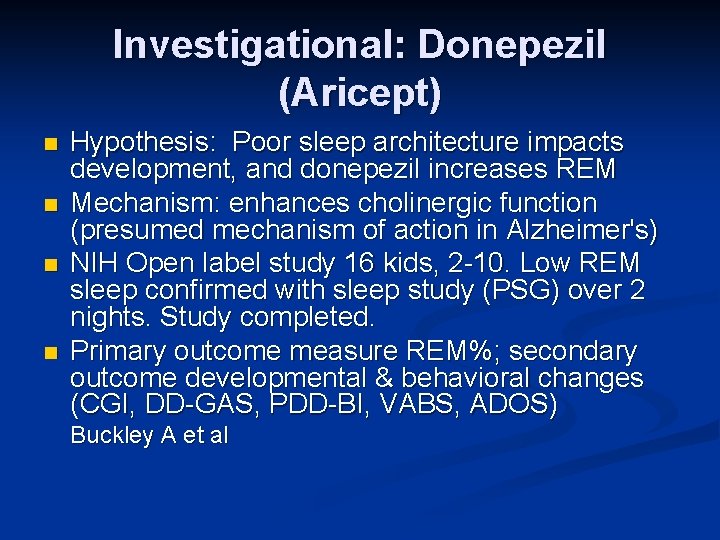
Investigational: Donepezil (Aricept) n n Hypothesis: Poor sleep architecture impacts development, and donepezil increases REM Mechanism: enhances cholinergic function (presumed mechanism of action in Alzheimer's) NIH Open label study 16 kids, 2 -10. Low REM sleep confirmed with sleep study (PSG) over 2 nights. Study completed. Primary outcome measure REM%; secondary outcome developmental & behavioral changes (CGI, DD-GAS, PDD-BI, VABS, ADOS) Buckley A et al
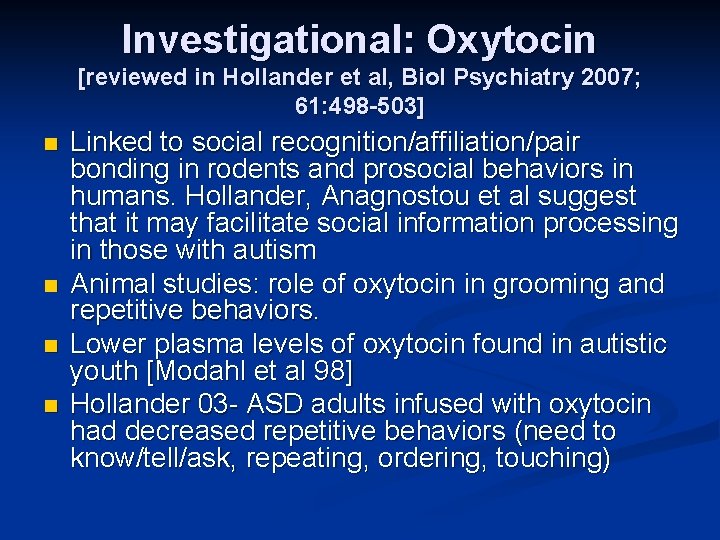
Investigational: Oxytocin [reviewed in Hollander et al, Biol Psychiatry 2007; 61: 498 -503] n n Linked to social recognition/affiliation/pair bonding in rodents and prosocial behaviors in humans. Hollander, Anagnostou et al suggest that it may facilitate social information processing in those with autism Animal studies: role of oxytocin in grooming and repetitive behaviors. Lower plasma levels of oxytocin found in autistic youth [Modahl et al 98] Hollander 03 - ASD adults infused with oxytocin had decreased repetitive behaviors (need to know/tell/ask, repeating, ordering, touching)
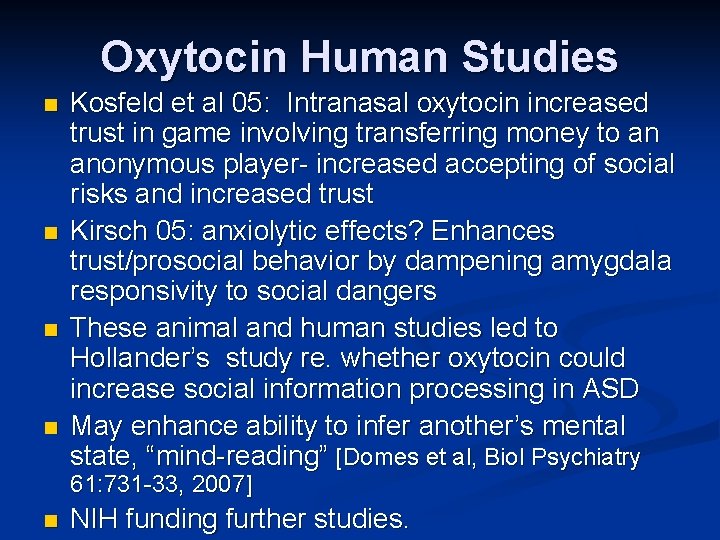
Oxytocin Human Studies n n Kosfeld et al 05: Intranasal oxytocin increased trust in game involving transferring money to an anonymous player- increased accepting of social risks and increased trust Kirsch 05: anxiolytic effects? Enhances trust/prosocial behavior by dampening amygdala responsivity to social dangers These animal and human studies led to Hollander’s study re. whether oxytocin could increase social information processing in ASD May enhance ability to infer another’s mental state, “mind-reading” [Domes et al, Biol Psychiatry 61: 731 -33, 2007] n NIH funding further studies.
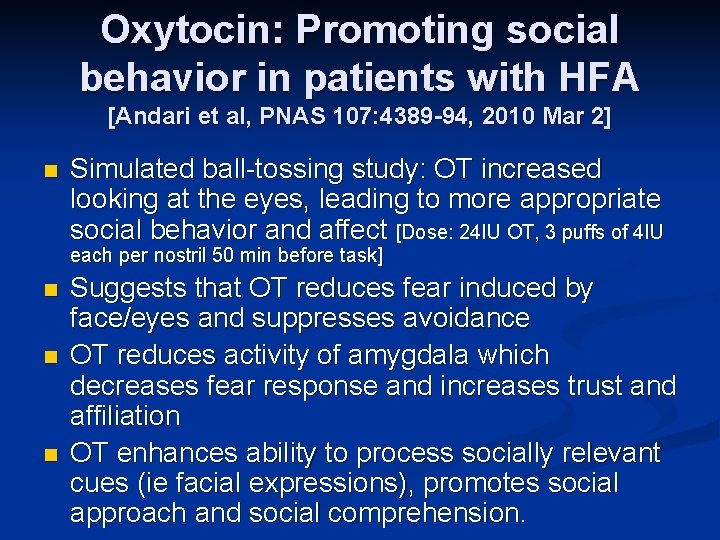
Oxytocin: Promoting social behavior in patients with HFA [Andari et al, PNAS 107: 4389 -94, 2010 Mar 2] n Simulated ball-tossing study: OT increased looking at the eyes, leading to more appropriate social behavior and affect [Dose: 24 IU OT, 3 puffs of 4 IU each per nostril 50 min before task] n n n Suggests that OT reduces fear induced by face/eyes and suppresses avoidance OT reduces activity of amygdala which decreases fear response and increases trust and affiliation OT enhances ability to process socially relevant cues (ie facial expressions), promotes social approach and social comprehension.
n n n Investigational: Memantine (Namenda) NMDA receptor antagonist- theory is that it blocks neuroinflammatory activity and influences neuroglial activity in autism Open label study suggested efficacy in ASD youth: significant improvements in language function, social behavior (70%) and to a lesser degree self-stimulatory behaviors. 12. 7 mg/d, n 150. No side effects noted [M. Chez et al, Journal of Child Neurology 22: 574 -79, 2007] Owley 2006 Open label: Only memory improved. Dose 0. 4 mg/kg/d. Erickson et al 2007, Indiana University: Open label 19 week trial of 18 kids ages 6 -19 with PDD. Dose averaged 10 mg. 11 of 18 had significant improvement in social withdrawal and focus. Irritability did not change. Safety concerns: neuronal cell vacuolation/ necrosis at high doses in rats
Arbaclofen Open label multicenter study found that social withdrawal and irritability improved (n 32; measured with Aberrant Behavior Checklist). Well tolerated; related to baclofen n GABA-B antagonist with promising results in youth with fragile X syndrome, the leading known cause of ASD n NIH-funded DBPC trial n Jeremy M Veenstra-Vander. Weele et al, Vanderbilt 2011
Case I: Discussion n 11 boy with PDD-nos and anxiety. History of neologisms and loud scripted speech; difficulties with social reciprocity, conversations and empathy; and intense areas of interest in weapons (a very gentle child), and Japanese culture including sushi. Hopes to be either a policeman or a sushi chef when he grows up Zones out all day in class- high IQ, horrible grades (EF) Family Hx: as a child, mother quiet and obsessed with crayons, “Needing to have a box of 72, laid flat, with the colors ordered from purple to green to blue to orange to yellow to red to black to brown to white to pink”. To this day, she orders her clothing in her closet this way. She will also remove matching letters from spoken words and imagine the word without those letters without losing track of the conversation.
Case I: Treatment n n n Broader Autism Phenotype [G Wallace, NIMH] Intensification of psychotherapy: add individual therapy to social skills group Buspirone trial: general anxiety about haircuts, doctor visits, baseball (was hit in the knee) decreased Focus remained horrible: reluctantly undertook stimulant trial (Ritalin LA 10 mg) and monitored anxiety. Superb response! No side effects. Contrast with case where stimulant flattened social reciprocity and intensified focus on areas of interest, i. e. trains, and AC units (Trane, Bryant, etc)! Improved social reciprocity off stimulant…iatrogenic worsening when on it.
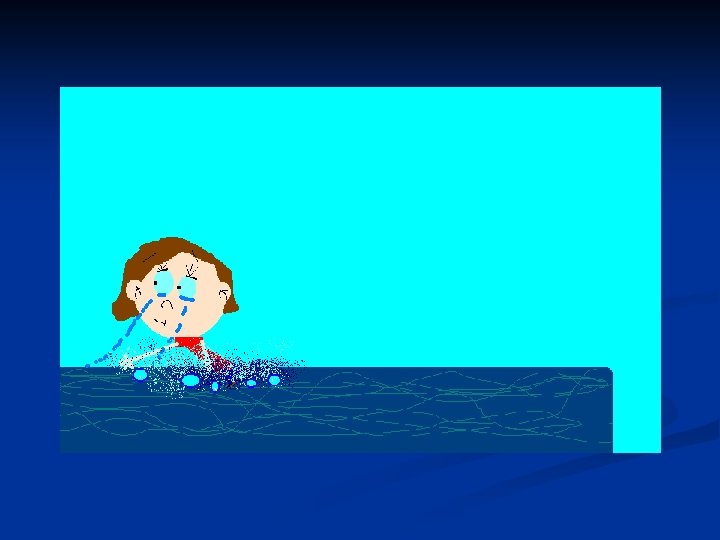
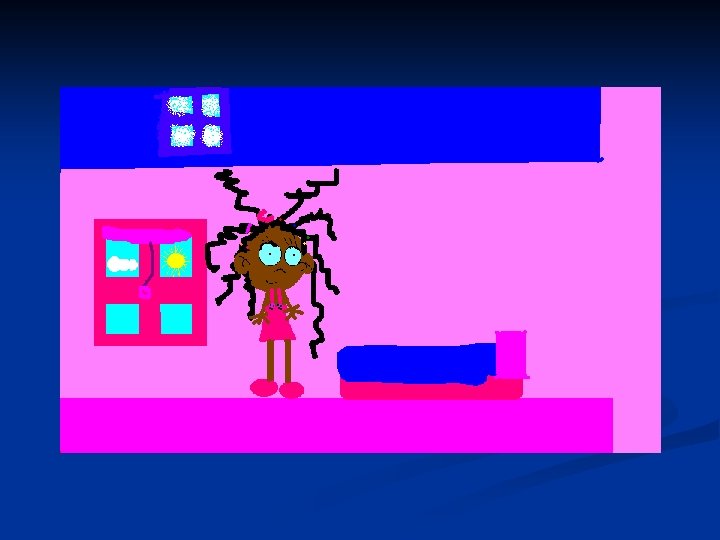
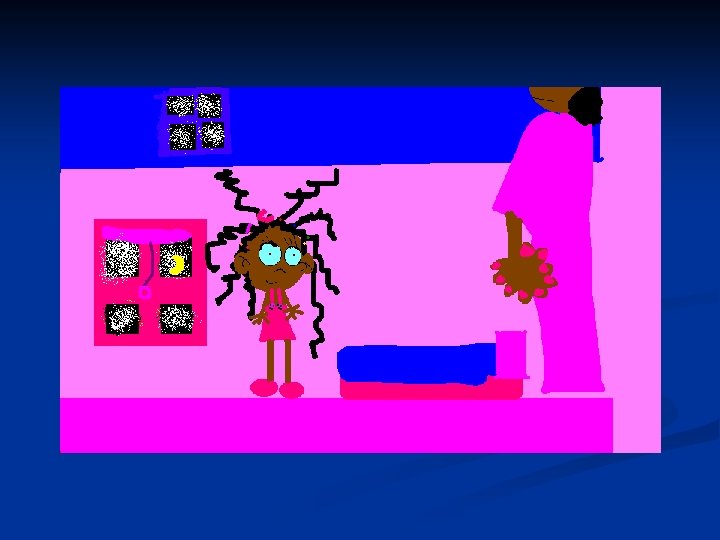
Case II: 13 year old girl with Autism Tics; Hair pulling n Aggression- especially towards crying babies n Gender issues- “I am a boy” n Risperdal low dose helped- higher doses worsened stereotypies n Ativan 0. 5 mg qd/prn also helped a great deal. n Remarkable visual skills; loves music especially the Beatles – wears n
Resources http: //www. autismspeaks. org/whatautism/treatment-associated-psychiatric-conditions http: //cardusf. fmhi. usf. edu/docs/resources/CARD_ASDMH_Brochure 09210 9. pdf • Lindgren, S. & Doobay, A. (2011). Evidence-based interventions for autism spectrum disorders. Iowa City, Iowa: University of Iowa Children’s Hospital, Center for Disabilities and Development.
- Slides: 62