
Australias Economy Economic System Factors of Economic Growth
- Slides: 15
Australia’s Economy Economic System & Factors of Economic Growth
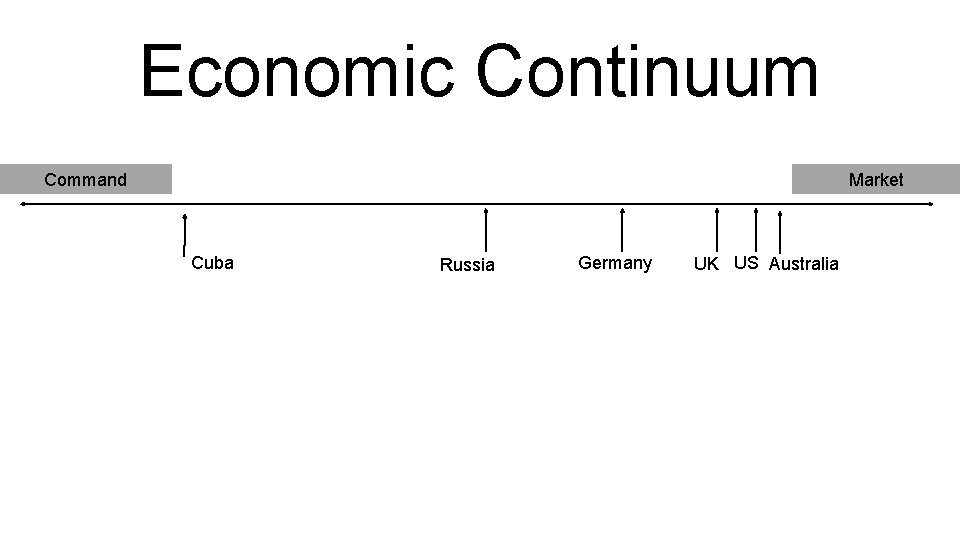
Australia’s Economy • It’s one of the most “free” economies in the world. • Because there are no truly pure Market economies, Australia is said to have a Mixed economy. • It’s actually very close to Market because there are very few economic “rules” in place by the government. • Australia’s government does not own major industries or businesses. • Prices are set by the agreement of buyers and sellers rather than by government rules.
Economic Continuum Market Command Cuba Russia Germany UK US Australia
Australia’s Economy • In Australia, people are free to own their own businesses and property. • They decide what they want to produce. • Buyers and sellers are able to agree on prices, and competition between sellers helps to keep the prices good for buyers. • Business owners and consumers can depend on good laws to protect them. • The courts are considered fair and honest. • It is very easy to start a business in Australia – the paperwork usually takes less than a week!
Australia’s GDP • Australia’s GDP is $1. 542 trillion (US dollars). • The GDP per capita (value of goods and services produced person) is $43, 300. • This is a very high number; they are ranked 19 th in the world! • Australia has such a high GDP because of the abundance of the four factors of economic growth within the country: • Natural Resources • Human Capital • Capital Goods • Entrepreneurship
Natural Resources • “Gifts of Nature” • Natural resources are important to countries because without them, countries must import the resources they need (can be costly). • A country is better off if it can use its own resources to supply the needs of its people. • If a country has many natural resources, it can trade/sell them with other countries.
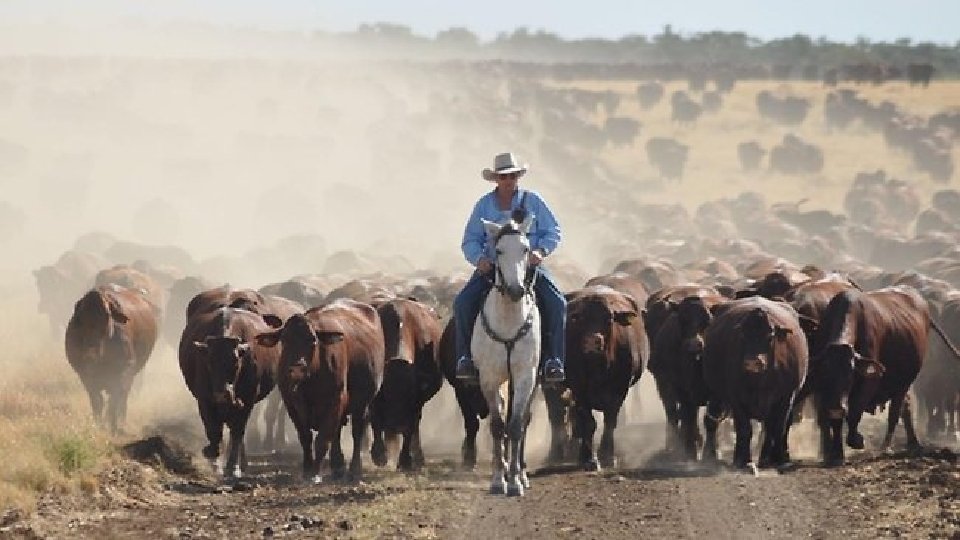
Australia’s Arable Land • Australia’s arable land is a valuable resource. • Farmers grow a variety of crops. • The land also provides pastures for beef cattle (an important export). • What percentage of the land is arable? • 6. 16% • What are the major agricultural products? • wheat, barley, sugarcane, fruits; cattle, sheep, poultry
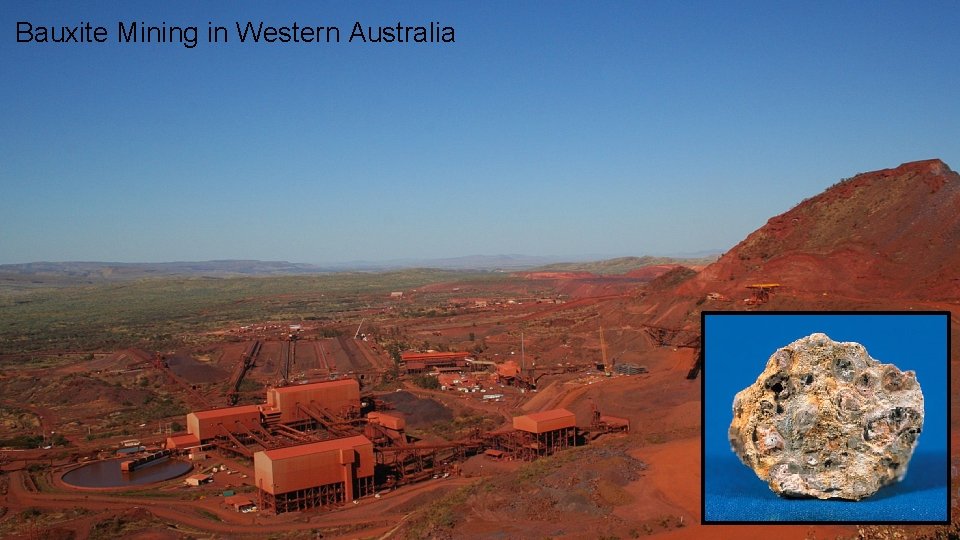
Australia’s Natural Resources • Minerals are a major export: gold, diamonds, & opals • Australia is the world’s leader in bauxite, which is used to make aluminum, and coal. • The sales of natural resources bring in money from all over the world.
Bauxite Mining in Western Australia
Australia’s Industries • What’s being produced in the factories? • mining, industrial and transportation equipment, food processing, chemicals, steel
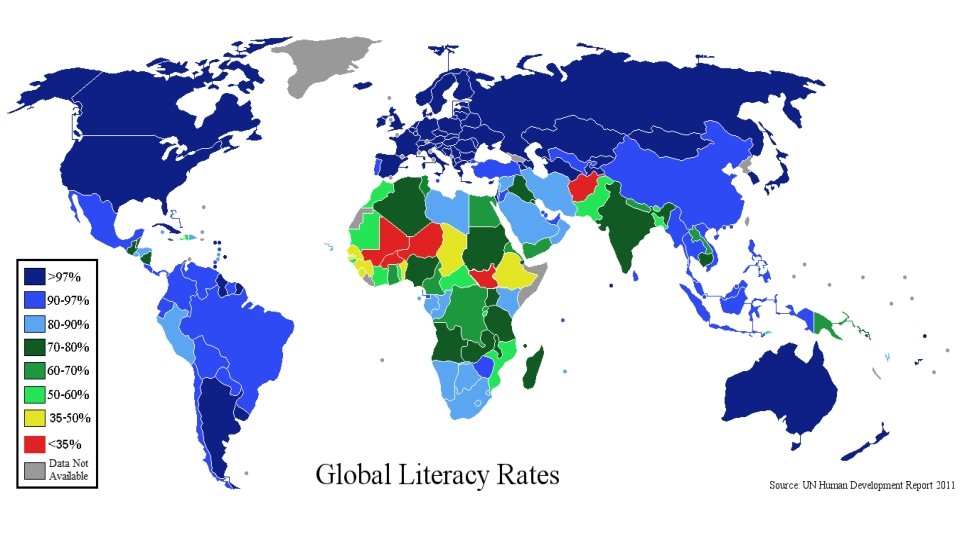
Literacy Rate • What percentage of the population over the age of 15 can read and write? • 99% • How long are students required by law to stay in school? • 18 years
Entrepreneurship • Australia is a world leader in entrepreneurship. • 1 in 12 adults owns his own business. • Laws in Australia are good for business: protect entrepreneurs & their property, easy to start a business, few rules to restrict businesses • Entrepreneurs are good for Australia. • Businesses keep economy moving & provide jobs for workers.
Economic Problems • Even though Australia has one of the highest standards of living in the world, it still struggles with some economic problems. • There is still poverty: • The worst conditions are among the Aborigines. • Life expectancy of Aborigines is much lower than other Australians. • Aborigines tend to earn less income and do not have as good a system of healthcare. • What percentage of Australia’s population is unemployed? • 5. 2%