
Attitude Change and Interactive Communications Chapter 8 Changing
- Slides: 35
Attitude Change and Interactive Communications Chapter 8
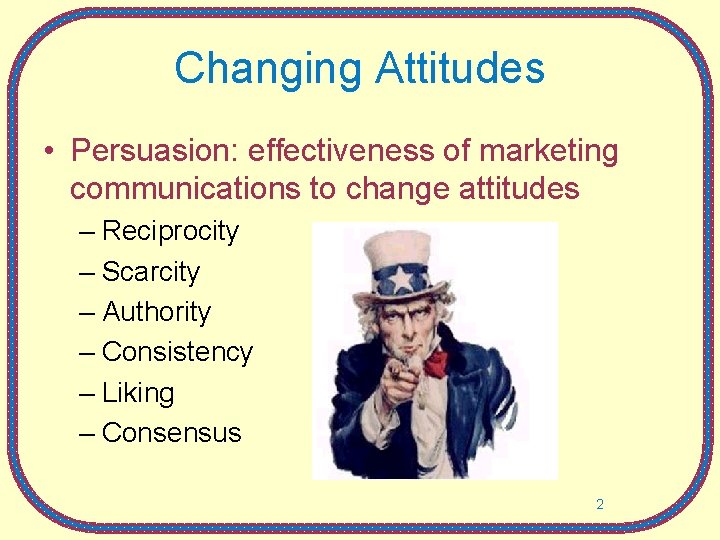
Changing Attitudes • Persuasion: effectiveness of marketing communications to change attitudes – Reciprocity – Scarcity – Authority – Consistency – Liking – Consensus 2
Decisions, Decisions: Tactical Communications Options • Who will be the source of the message? – Man, woman, child, celebrity, athlete? • How should message be constructed? – Emphasize negative consequences? – Direct comparison with competition? – Present a fantasy? • What media will transmit the message? – Print ad, television, door-to-door, Web site? • What are the characteristics of the target market? – Young, old, frustrated, status-oriented? 3
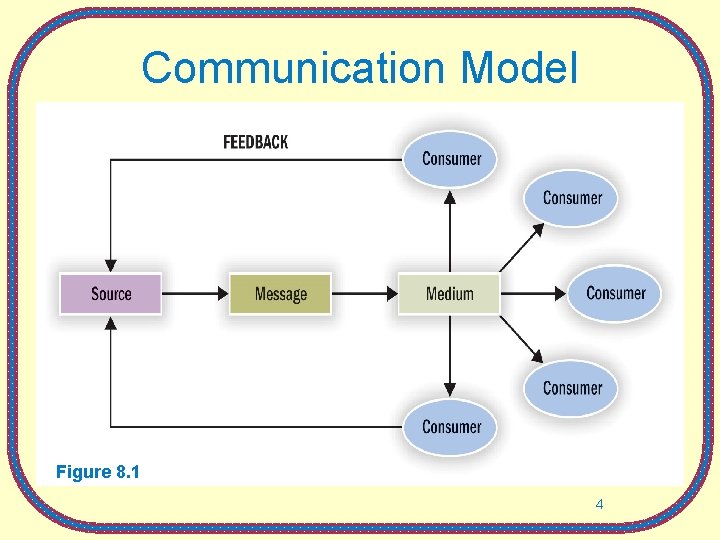
Communication Model Figure 8. 1 4
Uses and Gratifications Theory • Consumers are active, goal-directed, and draw on mass media to satisfy needs • Media compete with other sources of entertainment and information – Advertising = entertainment, escaping, play, self-affirmation 5
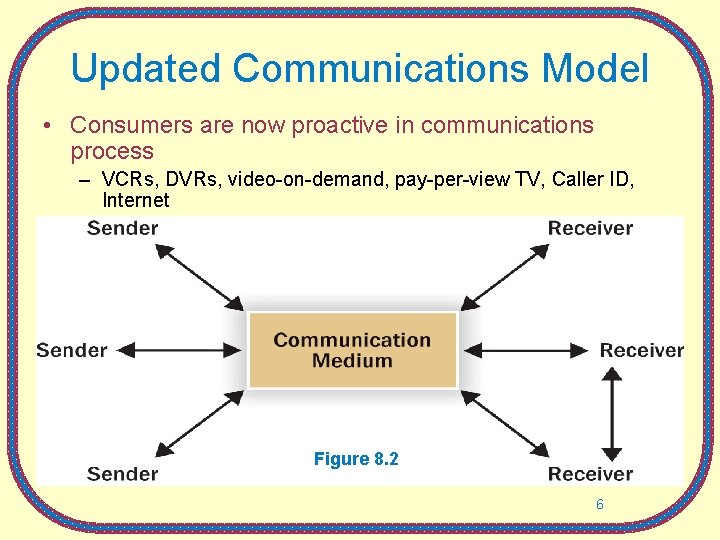
Updated Communications Model • Consumers are now proactive in communications process – VCRs, DVRs, video-on-demand, pay-per-view TV, Caller ID, Internet Figure 8. 2 6
New Message Formats • M-commerce – Worldwide revenue will reach $39 billion in 2007! • Blogging – Moblogging – Video blogging (vlogging) – Podcasting – RSS (Really Simple Sydication) – Flogs (fake blogs) • Discussion: Are flogs ethical? 7
The Source • Source effects: A message will have different effects if communicated by a different source. • Two important source characteristics: – Credibility and Attractiveness • Source credibility: A source’s perceived expertise, objectivity, or trustworthiness. • Sleeper effect: A process by which differences in attitude change between positive sources and less positive sources seem to get erased over time. – Dissociative cue hypothesis – Availability-valence hypothesis 8
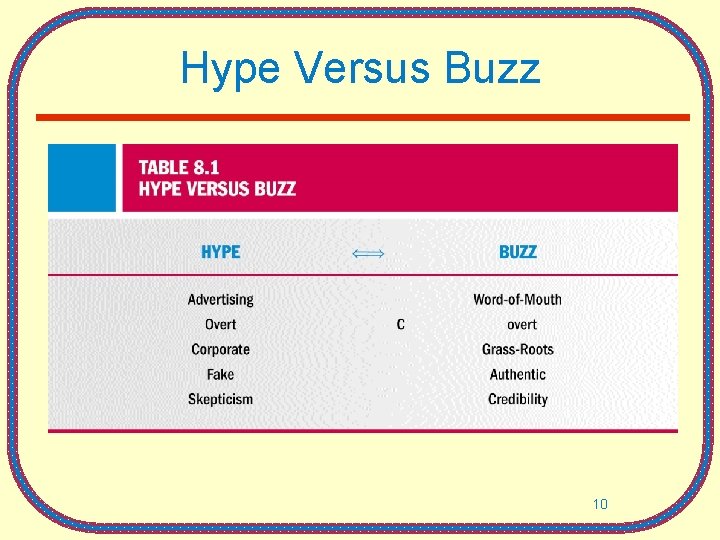
The Source (cont. ) • Building Credibility: Credibility can be enhanced if the source’s qualifications are relevant to the product. • Source Biases: – Knowledge bias: Implies a source’s knowledge is not accurate. – Reporting bias: When a source has the required knowledge, but the willingness to convey it is compromised • Hype versus Buzz: The Corporate Paradox – Corporate Paradox: The more involved a company appears to be in the dissemination of news about its products, the less credible it becomes. • Buzz vs. Hype 9
Hype Versus Buzz 10
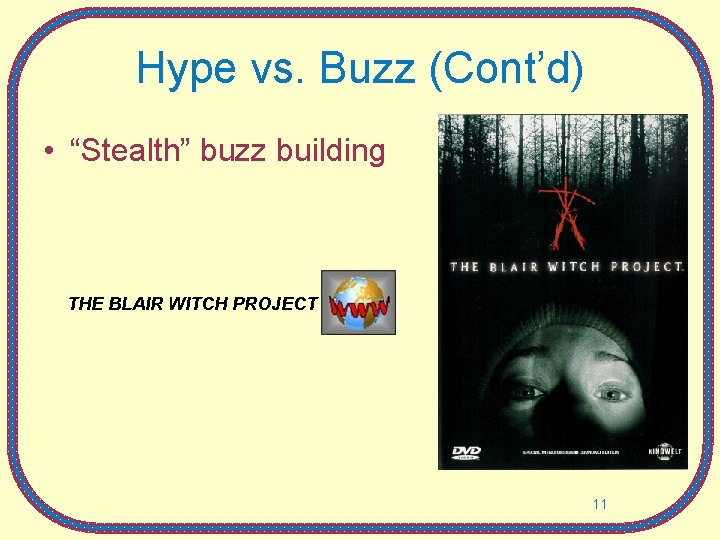
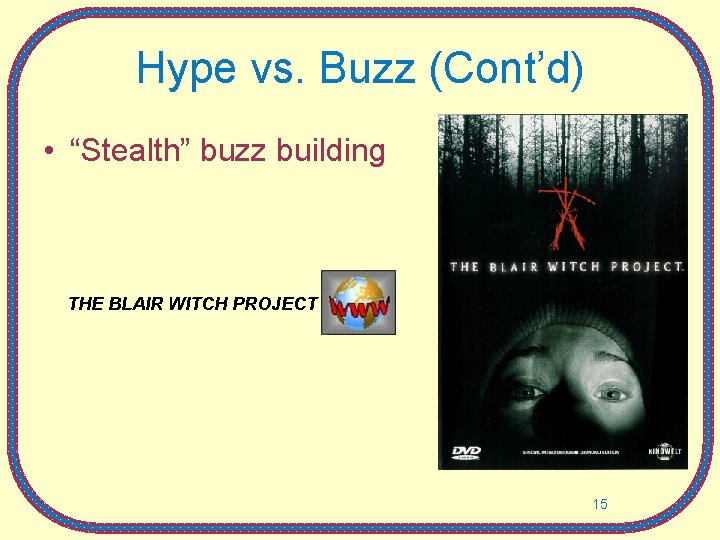
Hype vs. Buzz (Cont’d) • “Stealth” buzz building THE BLAIR WITCH PROJECT 11
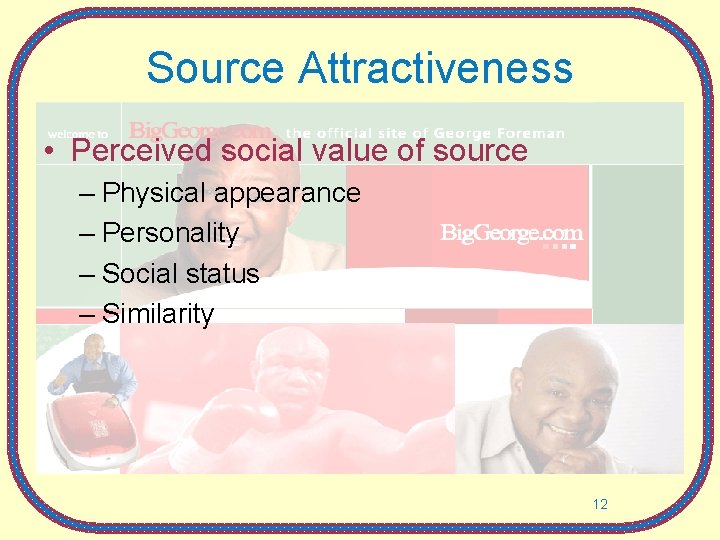
Source Attractiveness • Perceived social value of source – Physical appearance – Personality – Social status – Similarity 12
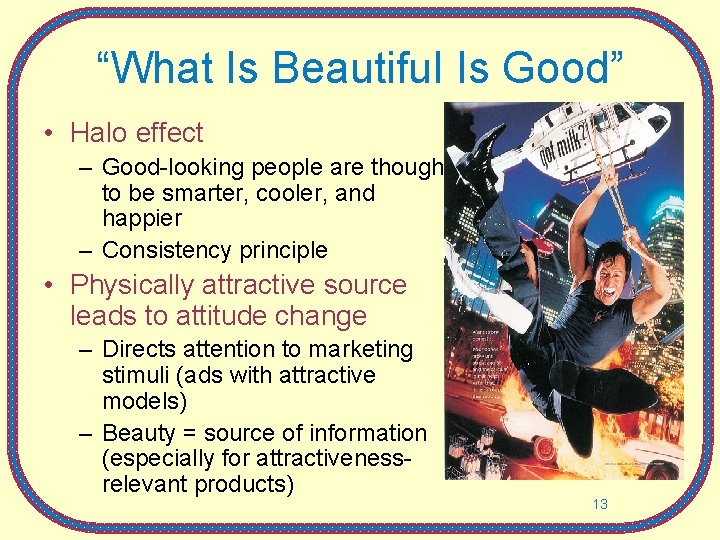
“What Is Beautiful Is Good” • Halo effect – Good-looking people are thought to be smarter, cooler, and happier – Consistency principle • Physically attractive source leads to attitude change – Directs attention to marketing stimuli (ads with attractive models) – Beauty = source of information (especially for attractivenessrelevant products) 13
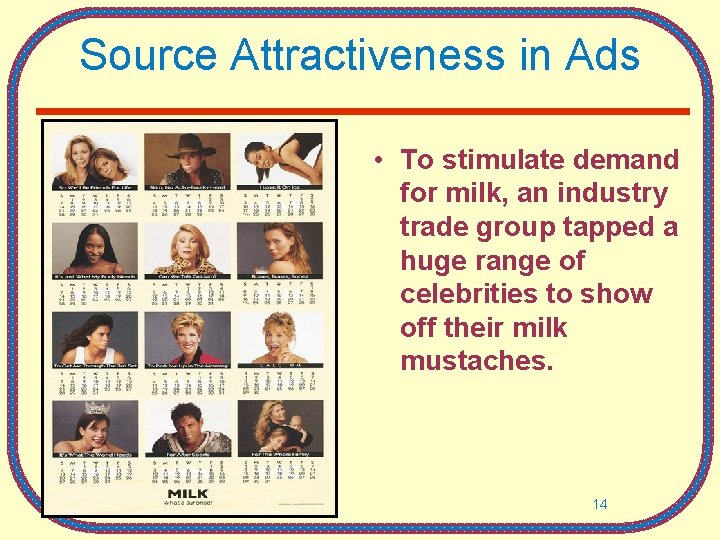
Source Attractiveness in Ads • To stimulate demand for milk, an industry trade group tapped a huge range of celebrities to show off their milk mustaches. 14
Hype vs. Buzz (Cont’d) • “Stealth” buzz building THE BLAIR WITCH PROJECT 15
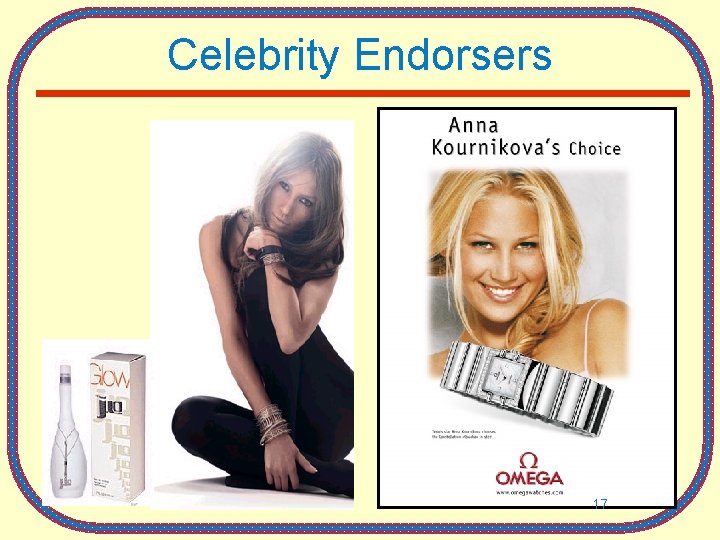
Star Power • Celebrities as communications sources – Tiger Woods ~$62 million/year in endorsements! – Famous faces capture attention and are processed more efficiently by the brain – Enhance company images and brand attitudes • Celebrities embody cultural and product meanings AMERICAN STARS • Match-up hypothesis IN JAPANESE ADS! 16
Celebrity Endorsers 17
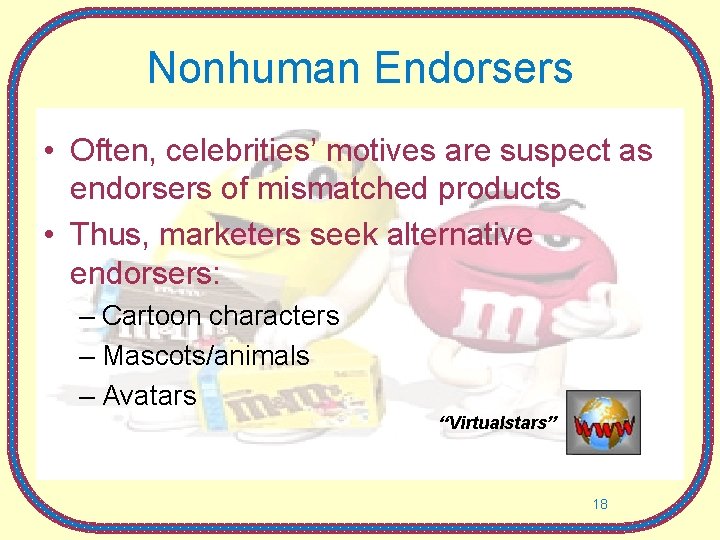
Nonhuman Endorsers • Often, celebrities’ motives are suspect as endorsers of mismatched products • Thus, marketers seek alternative endorsers: – Cartoon characters – Mascots/animals – Avatars “Virtualstars” 18
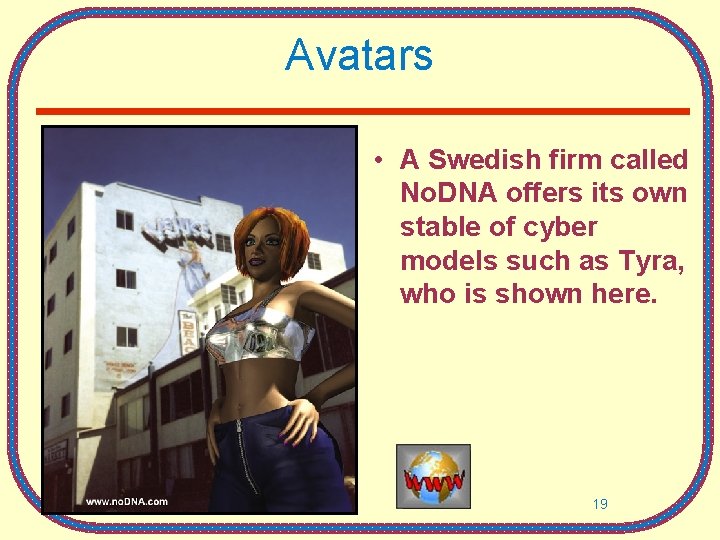
Avatars • A Swedish firm called No. DNA offers its own stable of cyber models such as Tyra, who is shown here. 19
The Message • Sending The Message: – Framed: Message in the picture is strongly related to the copy – Chunk: Visual images allow the receiver to group information at the time of encoding • Vividness: – Pictures and words can differ in vividness – Powerful descriptions or graphics command attention and are more strongly embedded in memory 20
The Message • Sending The Message: – Framed: Message in the picture is strongly related to the copy – Chunk: Visual images allow the receiver to group information at the time of encoding • Vividness: – Pictures and words can differ in vividness – Powerful descriptions or graphics command attention and are more strongly embedded in memory 21
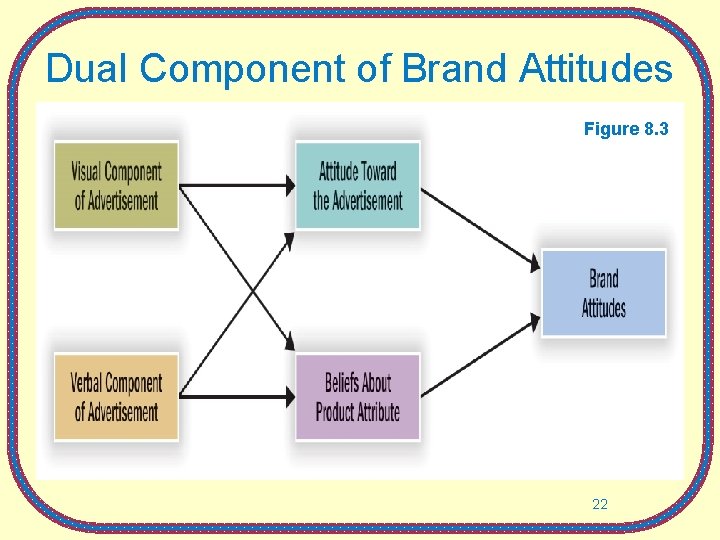
Dual Component of Brand Attitudes Figure 8. 3 22
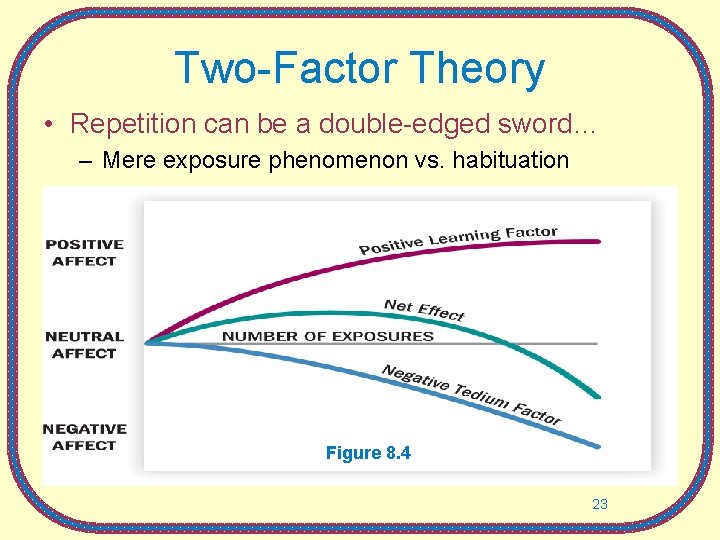
Two-Factor Theory • Repetition can be a double-edged sword… – Mere exposure phenomenon vs. habituation Figure 8. 4 23
Constructing the Argument • One- Versus Two-Sided Arguments: – Supportive argument: Presents only positive arguments – Two-sided message: Presents positive and negative info • Drawing Conclusions • Comparative Advertising: – A strategy in which a message compares two or more recognized brands and compares them on the basis of attributes. 24
Types of Message Appeals • Emotional Versus Rational Appeals: – Choice depends on the nature of the product and the type of relationship that consumers have with it – Recall of ad content tends to be better for “thinking” rather than “feeling” ads • Sexual Appeals: – Sex draws attention to the ad but may be counterproductive unless the product itself is related to sex • Humorous Appeals: – Distraction: Humorous ads inhibit the consumer from counterarguing (thinking of reasons not to agree with the message), increasing the likelihood of message 25 acceptance
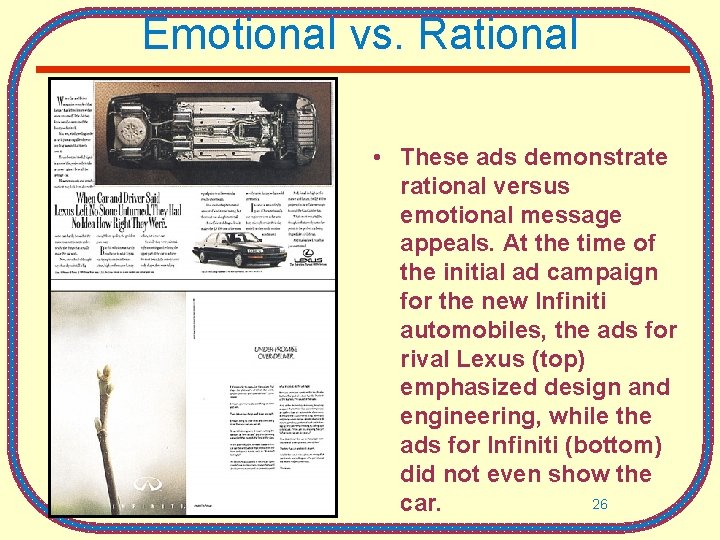
Emotional vs. Rational • These ads demonstrate rational versus emotional message appeals. At the time of the initial ad campaign for the new Infiniti automobiles, the ads for rival Lexus (top) emphasized design and engineering, while the ads for Infiniti (bottom) did not even show the 26 car.
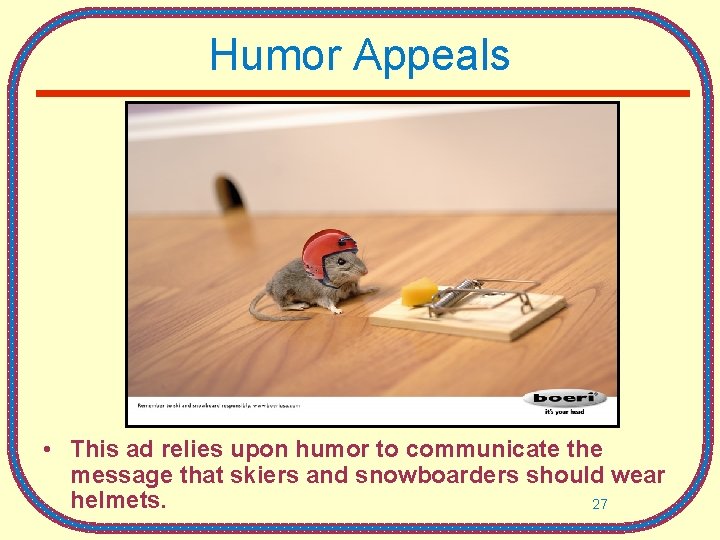
Humor Appeals • This ad relies upon humor to communicate the message that skiers and snowboarders should wear helmets. 27
Types of Message Appeals (cont. ) • Fear Appeals: – Emphasize the negative consequences that can occur unless the consumer changes a behavior or an attitude – Used mostly in social marketing contexts – Effective only when the threat is moderate and a solution is presented – Threat: The literal content of the message – Fear: An emotional response to the message 28
Fear Appeals • Emphasize negative consequences that can occur unless consumer changes behavior/ attitude • Fear is common in advertising (especially in social marketing) • Most effective: THETRUTH. COM – Moderate threat – Presented solution to problem – Highly credible source • Not all threats are equally effective at inducing a fear response – The strongest threats are not always the most persuasive 29
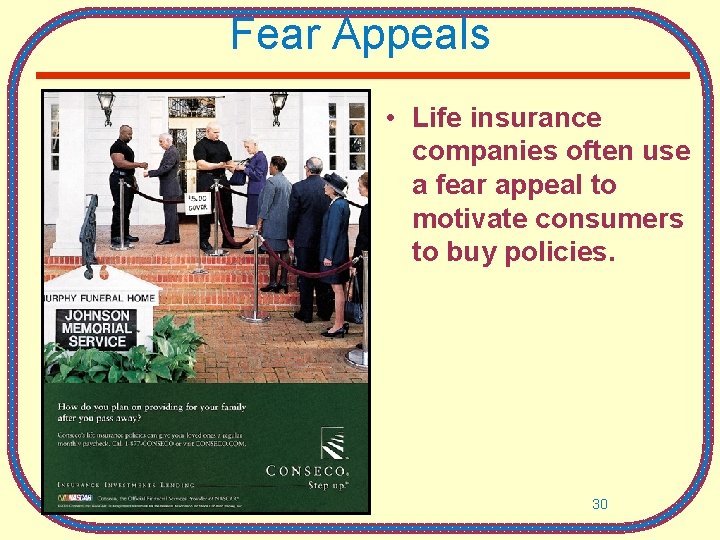
Fear Appeals • Life insurance companies often use a fear appeal to motivate consumers to buy policies. 30
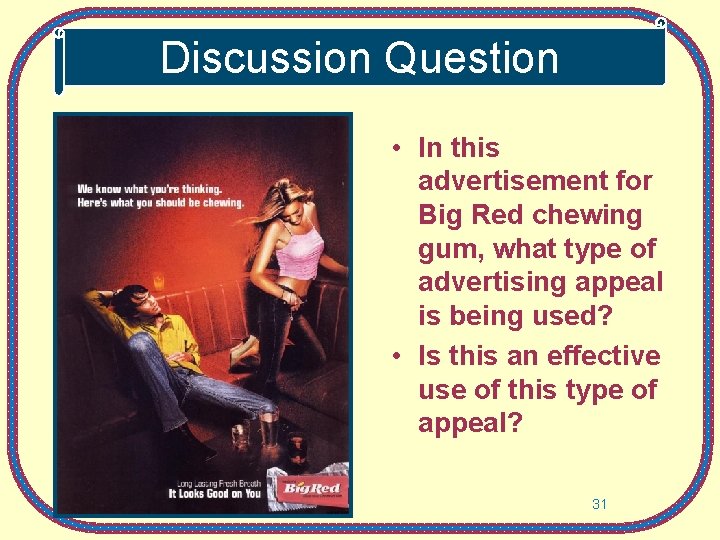
Discussion Question • In this advertisement for Big Red chewing gum, what type of advertising appeal is being used? • Is this an effective use of this type of appeal? 31
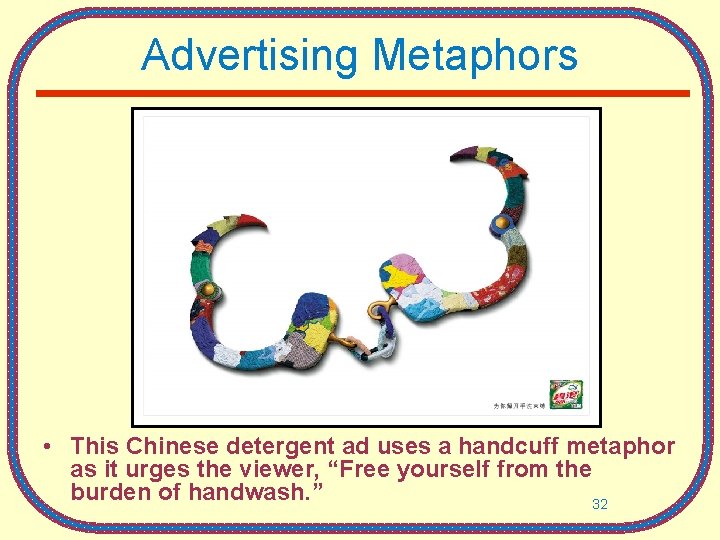
Advertising Metaphors • This Chinese detergent ad uses a handcuff metaphor as it urges the viewer, “Free yourself from the burden of handwash. ” 32
Forms of Story Presentation • Commercials as a lecture vs. a drama – Lecture is an attempt at persuasion – Drama is similar to play or movie • Draws viewer into action or emotional response (transformational advertising) 33
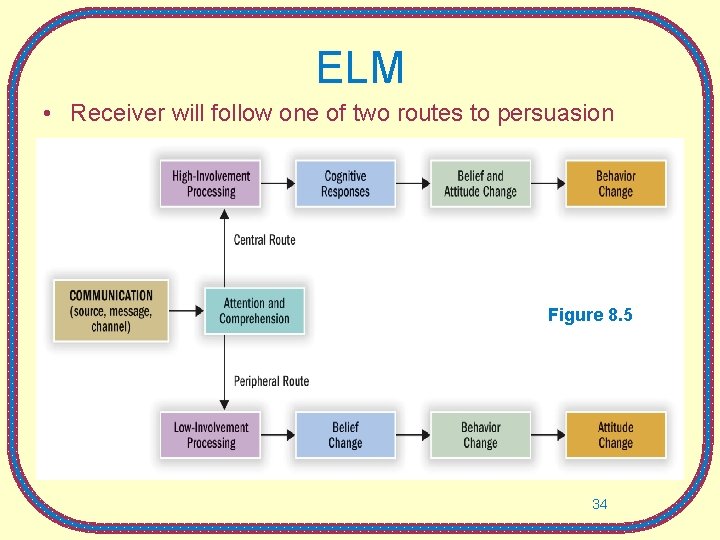
ELM • Receiver will follow one of two routes to persuasion Figure 8. 5 34
ELM: “Steak” or “Sizzle”? • ELM research indicates that relative effectiveness of a strong message and favorable source depends on consumers’ level of involvement with advertised product CLICK ON LOGO TO SEE VIDEO CLIP ABOUT PERIPHERAL VS. CENTRAL ROUTES TO PERSUASION IN AFLAC’S TV COMMERCIALS – Highly involved consumers look for “steak” • Strong message arguments – Those less involved look for “sizzle” • Packaging colors/images, celebrity endorsers 35