
Atomic radii CN 6 of common oxidation states
- Slides: 5
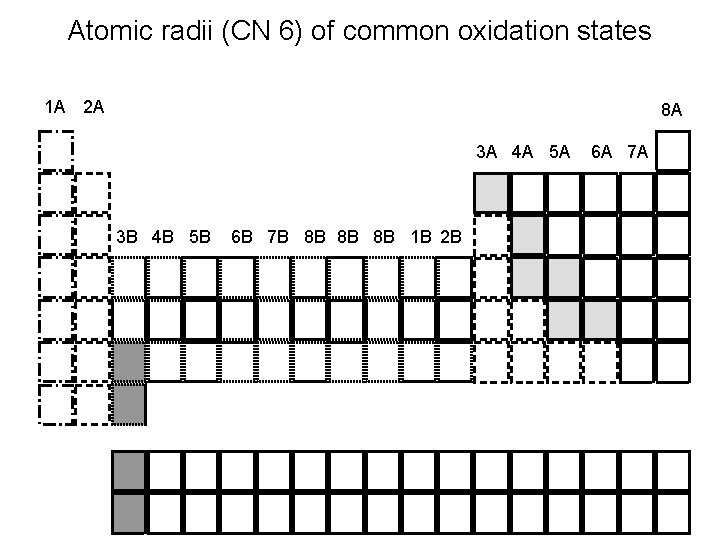
Atomic radii (CN 6) of common oxidation states 1 A 2 A 8 A 3 A 4 A 5 A 3 B 4 B 5 B 6 B 7 B 8 B 8 B 8 B 1 B 2 B 6 A 7 A
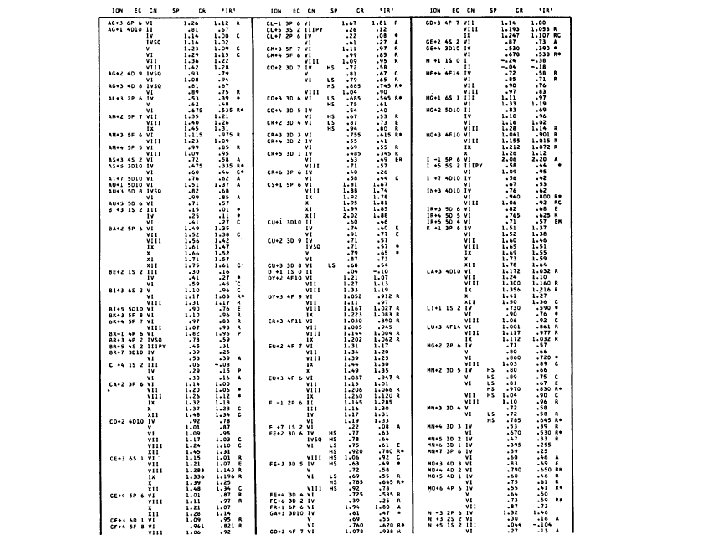
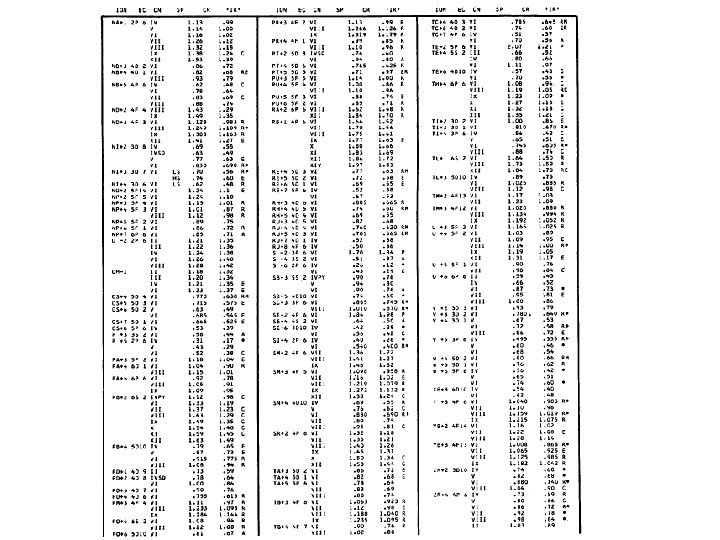
Periodic table exercise • Let us map out the ionic radii (“IR” column) of elements in their typical oxidation state, and with a coordination number of 6 (VI on table). Your group number will determine which elements you work with. Make sure you do NOT use the covalent radii (“CR” column). Work together to figure out the ionic radii for your group’s elements, and then write them on the board. (1 -8 = A/B groups of your #; 9 = Lanthanides; 10 = Actinides) • The typical oxidation state for the “A” group elements is their group number. • The typical oxidation state for the transition metals (“B” group) is “+3”. If there is not an entry for the +3 oxidation state, use the +2 oxidation state, and write the radius with yellow chalk. • • The typical oxidation state for lanthanide elements is +3. Let’s also use +3 oxidation states for the actinides (instead of the usual +4). • Want to practice filling in elements? Visit the site: http: //www. ilpi. com/genchem/instantquiz. html
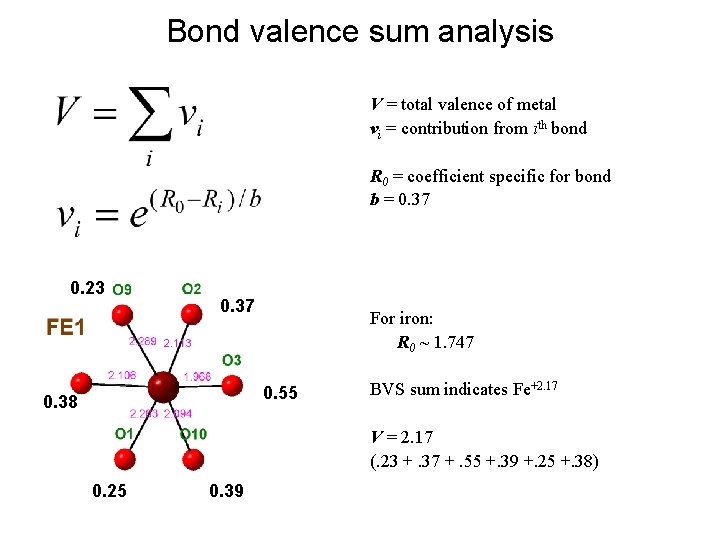
Bond valence sum analysis V = total valence of metal vi = contribution from ith bond R 0 = coefficient specific for bond b = 0. 37 0. 23 0. 37 For iron: R 0 ~ 1. 747 0. 55 0. 38 BVS sum indicates Fe+2. 17 V = 2. 17 (. 23 +. 37 +. 55 +. 39 +. 25 +. 38) 0. 25 0. 39