
Atlas of emerging jobs Ecosystem of future guidance
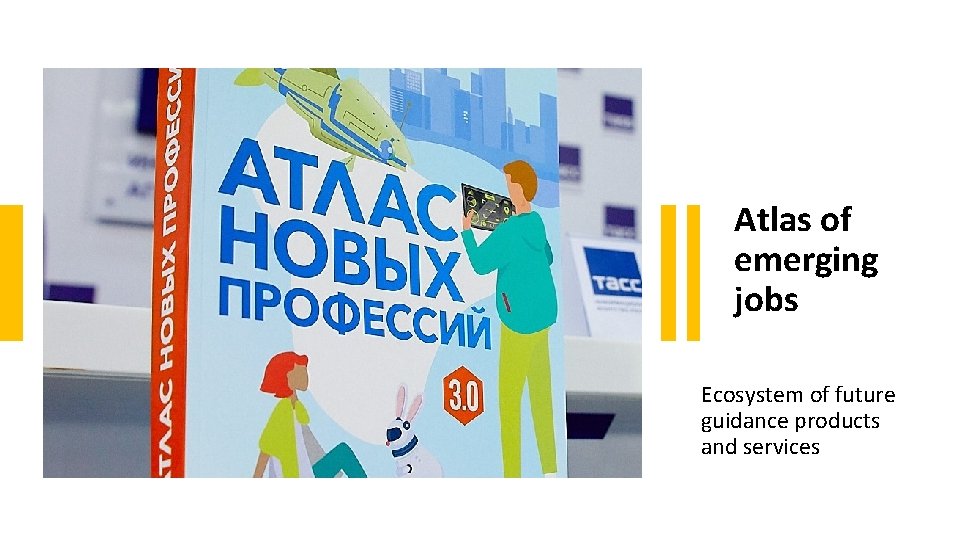
Atlas of emerging jobs Ecosystem of future guidance products and services
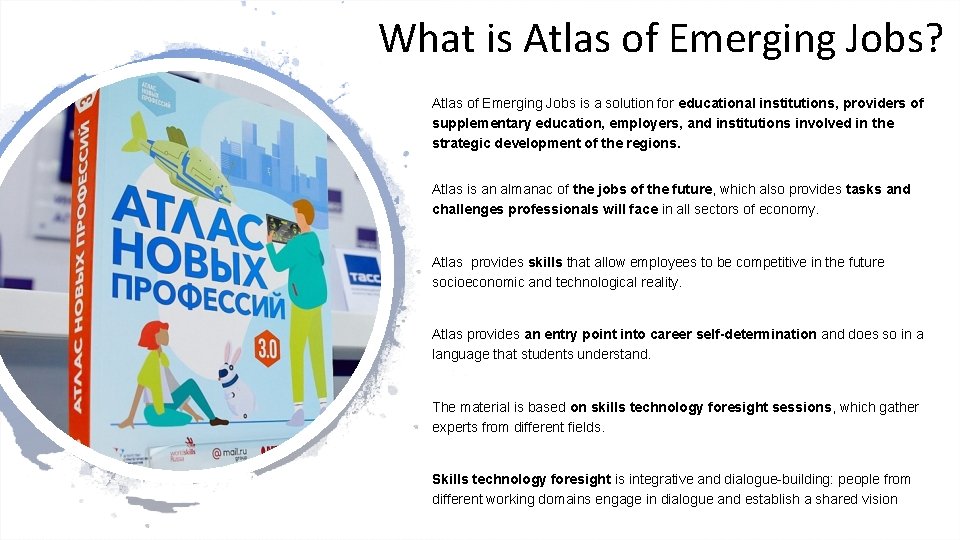
What is Atlas of Emerging Jobs? Atlas of Emerging Jobs is a solution for educational institutions, providers of supplementary education, employers, and institutions involved in the strategic development of the regions. Atlas is an almanac of the jobs of the future, which also provides tasks and challenges professionals will face in all sectors of economy. Atlas provides skills that allow employees to be competitive in the future socioeconomic and technological reality. Atlas provides an entry point into career self-determination and does so in a language that students understand. The material is based on skills technology foresight sessions, which gather experts from different fields. Skills technology foresight is integrative and dialogue-building: people from different working domains engage in dialogue and establish a shared vision
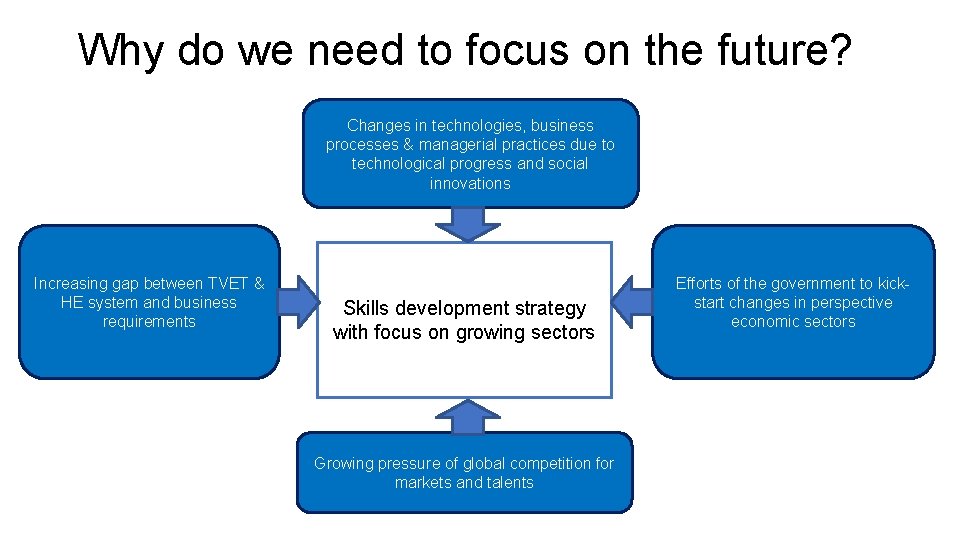
Why do we need to focus on the future? Changes in technologies, business processes & managerial practices due to technological progress and social innovations Increasing gap between TVET & HE system and business requirements Skills development strategy with focus on growing sectors Growing pressure of global competition for markets and talents Efforts of the government to kickstart changes in perspective economic sectors
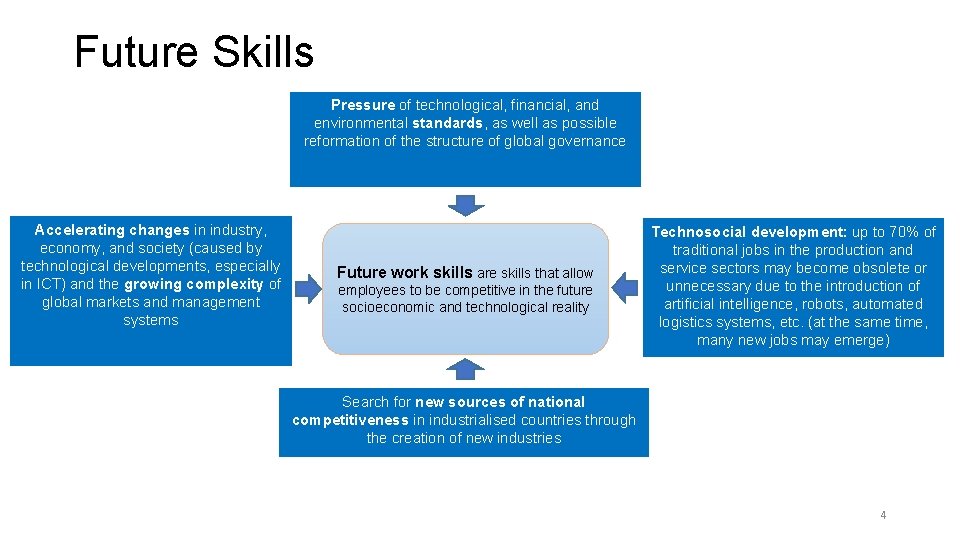
Future Skills Pressure of technological, financial, and environmental standards, as well as possible reformation of the structure of global governance Accelerating changes in industry, economy, and society (caused by technological developments, especially in ICT) and the growing complexity of global markets and management systems Future work skills are skills that allow employees to be competitive in the future socioeconomic and technological reality Technosocial development: up to 70% of traditional jobs in the production and service sectors may become obsolete or unnecessary due to the introduction of artificial intelligence, robots, automated logistics systems, etc. (at the same time, many new jobs may emerge) Search for new sources of national competitiveness in industrialised countries through the creation of new industries 4
Skills Technology Foresight • • • STF is a methodology based on the Rapid Foresight (RF) approach. STF was developed by a SKOLKOVO team of experts in Russia in 2014. In 2014, two pilot STF validation projects were implemented in Armenia and Vietnam. In 2015, STF was used in the Tanzania National Skills Development Project. In 2016, STF was used to forecast the demand for personnel in Tunisia and South Africa.
Key Features of Skills Technology Foresight • • STF is a participatory method STF is integrative and dialogue-building: people from different working domains engage in dialogue and establish a shared vision • STF is qualitative, not quantitative • STF is sectoral: it focuses on specific economic industry
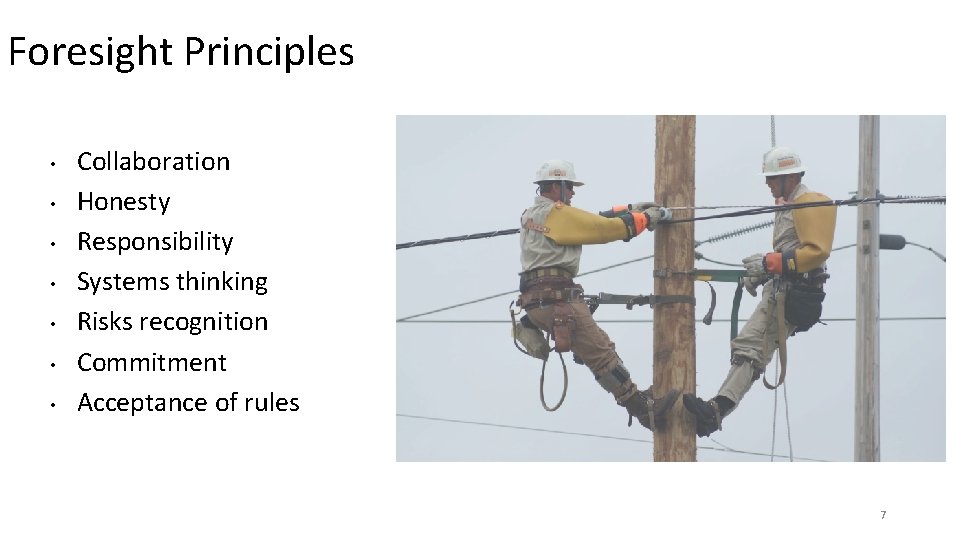
Foresight Principles • • Collaboration Honesty Responsibility Systems thinking Risks recognition Commitment Acceptance of rules 7
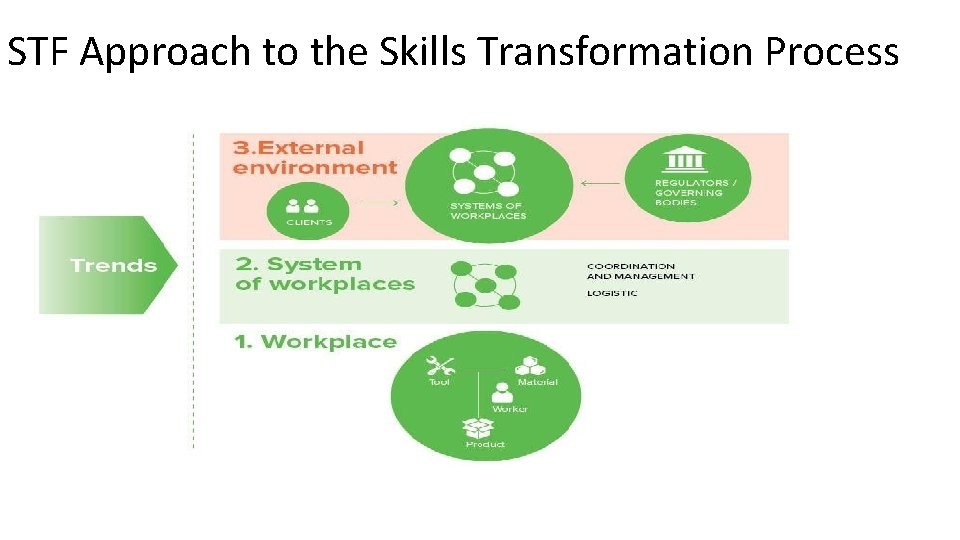
STF Approach to the Skills Transformation Process
Skills Technology Foresight Outcomes • ‘Map of the future’ for the sector(s): key trends that influence its transformation, and the sector’s vision in 10 -years perspective • Key skills that will be demanded by the sector in the near, medium and long term perspective • Projects initiatives that can be implemented to increase relevance of TVET for the sector
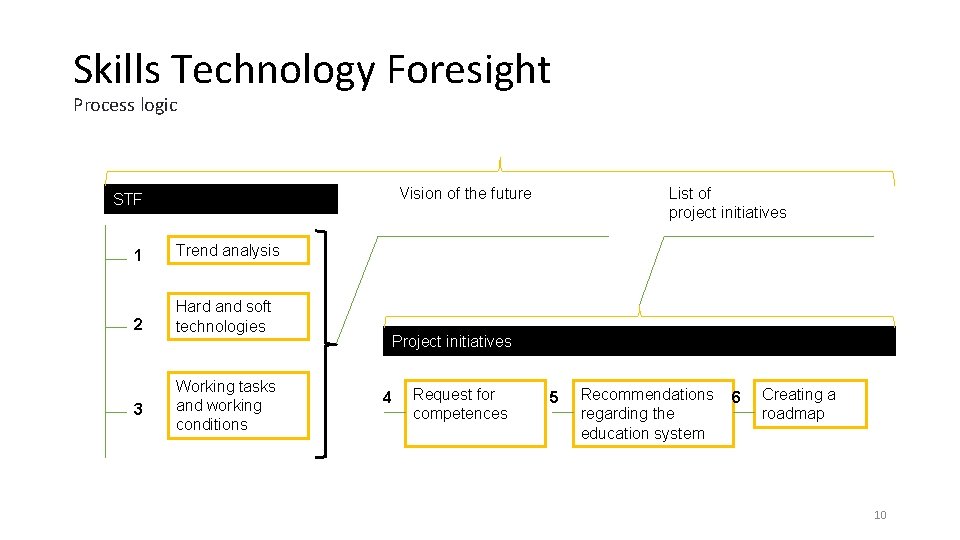
Skills Technology Foresight Process logic Vision of the future STF 1 Trend analysis 2 Hard and soft technologies 3 Working tasks and working conditions List of project initiatives Project initiatives 4 Request for competences 5 Recommendations 6 regarding the education system Creating a roadmap 10
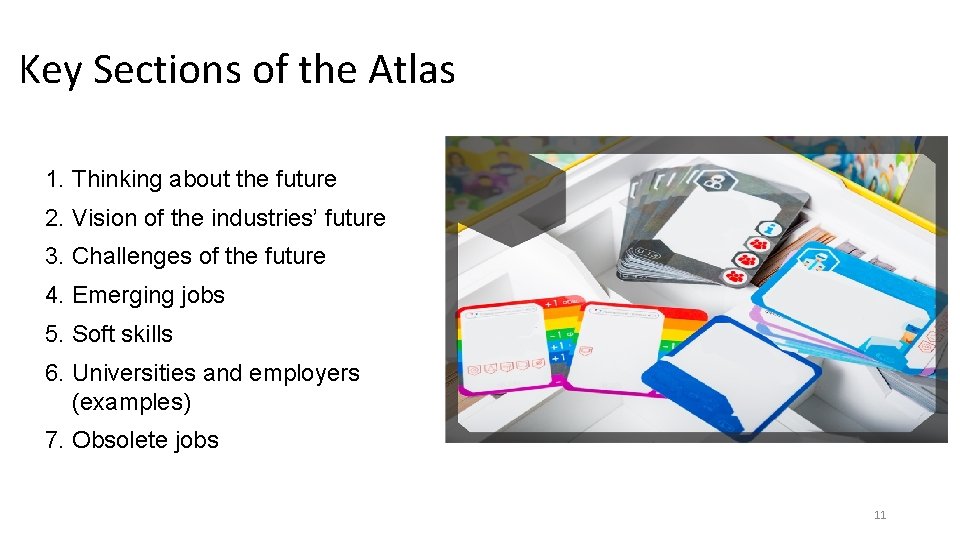
Key Sections of the Atlas 1. Thinking about the future 2. Vision of the industries’ future 3. Challenges of the future 4. Emerging jobs 5. Soft skills 6. Universities and employers (examples) 7. Obsolete jobs 11
Key benefits of Atlas • • • The local version clarifies what the future hold for the country. Atlas is an image of the future that can be offered to the youth to get a better understanding of world. Atlas will help to attract highly qualified specialists to stay in the country. Atlas is a tool for schools, colleges and universities that allows to broadcast the image of the future. The process of creating the Atlas stimulates dialogue in the triad “businesseducation-state”, which is constantly lacking. In a joint discussion of the future of the region, synergy and unexpected insights arise. The image of the future can be broadcasted to other entities (neighboring countries, regions), attracting the most motivated specialists.
More facts about Atlas • Atlas of Emerging Jobs today describes the future of job for 28 production and service sectors in Russia from mining to education and from hospitality to manufacturing • Atlas of Emerging Jobs 3. 0 raised 3, 000 rubles during crowdfunding campaign summer 2019 • Atlas was recommended by the Russian Ministry of Education as a career guidance tool for schools • More than 5, 000 schools and continuing education centers already use Atlas and related tools • We successfully piloted the first international foresight school in Kazakhstan in 2019 and now in the beginning of creating the Atlas of Emerging Jobs for Kazakhstan (expected at the end of 2020) • In 2020 we started talks with Kyrgyzstan to conduct the foresight school for local specialist for further creation of the country’s version of the Atlas
- Slides: 13