
AtGrade Intersection Types of Intersection Maneuvers Source FHWA
- Slides: 87
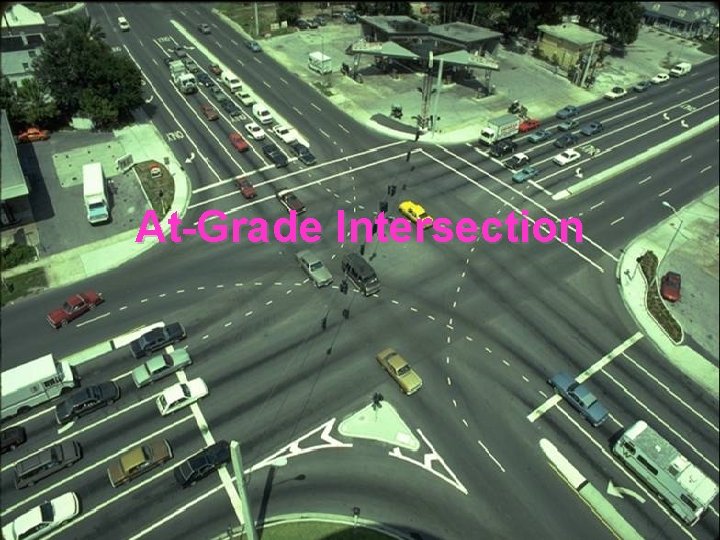
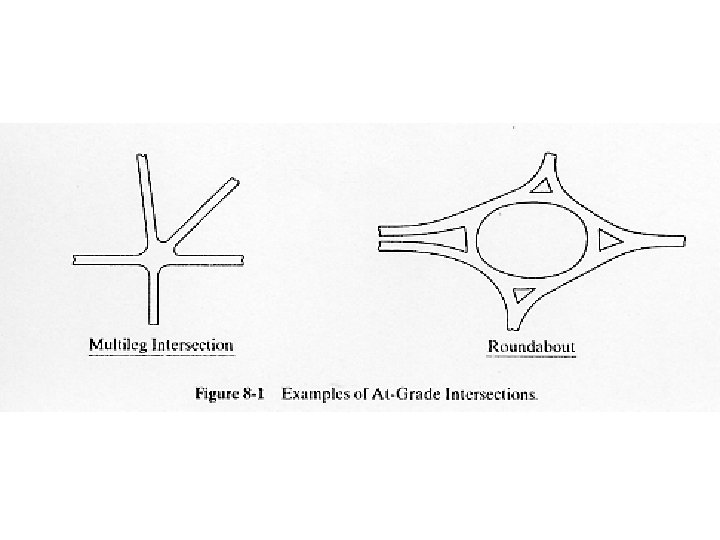
At-Grade Intersection
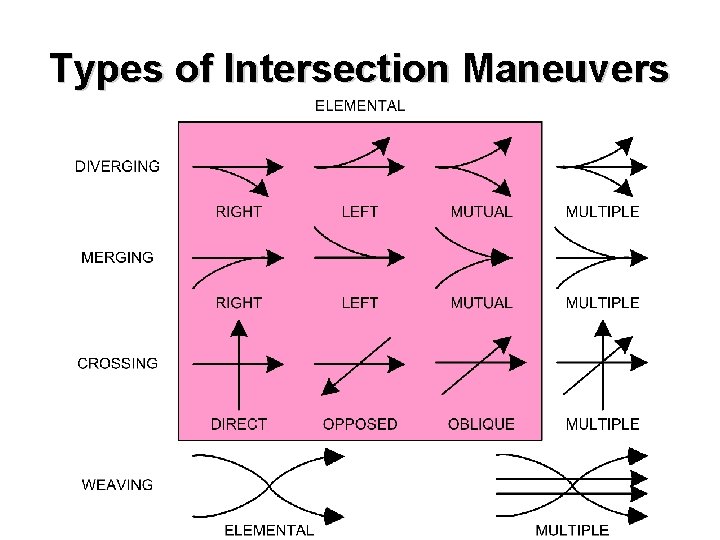
Types of Intersection Maneuvers Source: FHWA Roundabout Guide
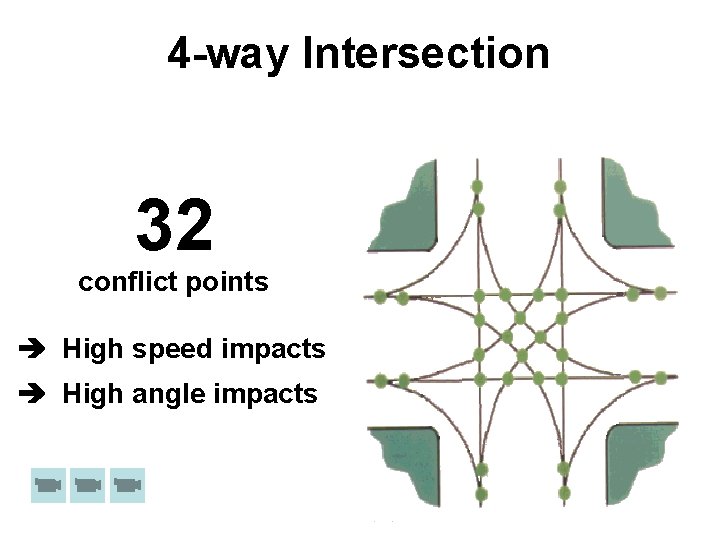
4 -way Intersection 32 conflict points High speed impacts High angle impacts
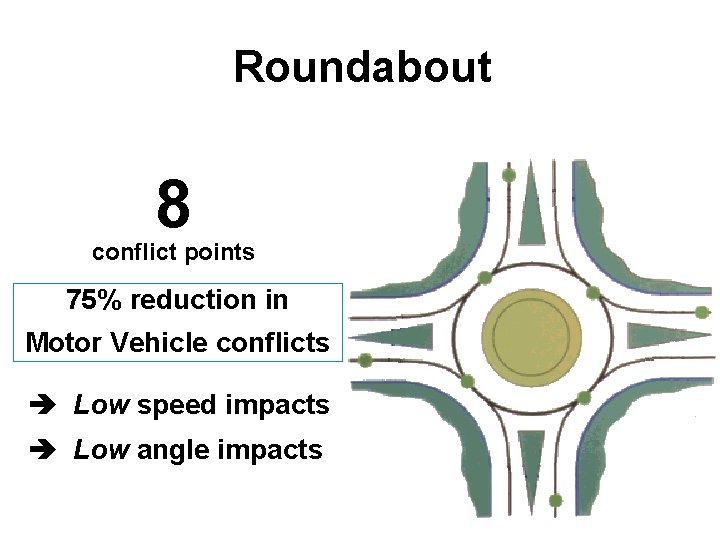
Roundabout 8 conflict points 75% reduction in Motor Vehicle conflicts Low speed impacts Low angle impacts
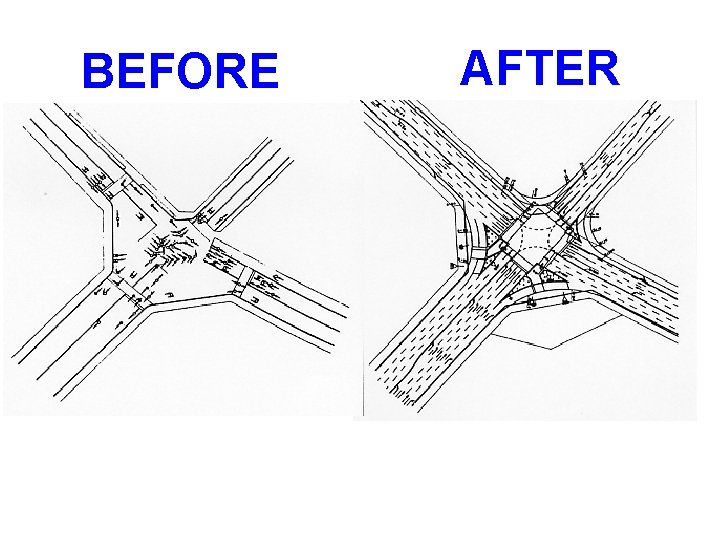
BEFORE AFTER
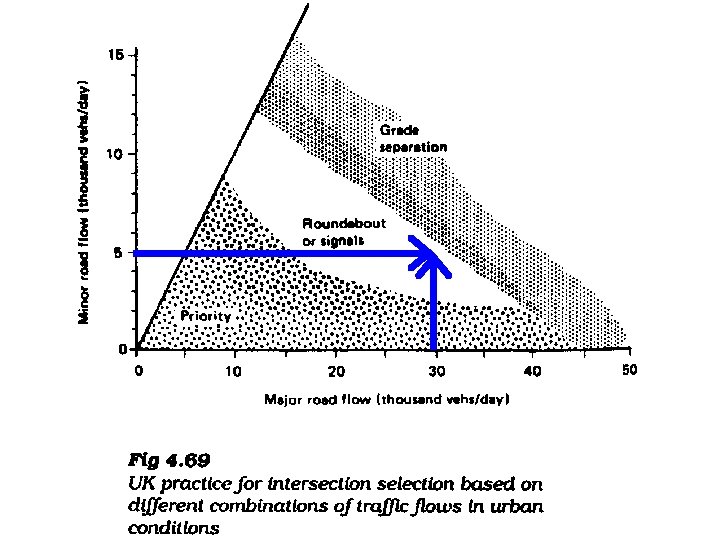
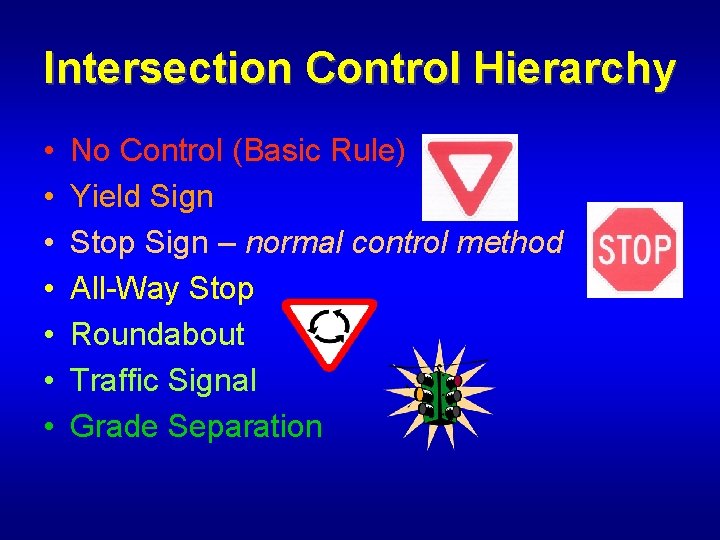
Intersection Control Hierarchy • • No Control (Basic Rule) Yield Sign Stop Sign – normal control method All-Way Stop Roundabout Traffic Signal Grade Separation
Traffic Signals Advantages • Orderly movement of traffic • Reduces certain types of crashes • Interrupts heavy flows for minor movements • Promotes driver confidence • Provides gap for minor movements
Traffic Signals Disadvantages • Increases total delay, especially off-peak • Increases fuel consumption • Increases crashes • Induces road users to less appropriate routes • Unnecessary delay if not properly located • Bad timing, bad engineer!
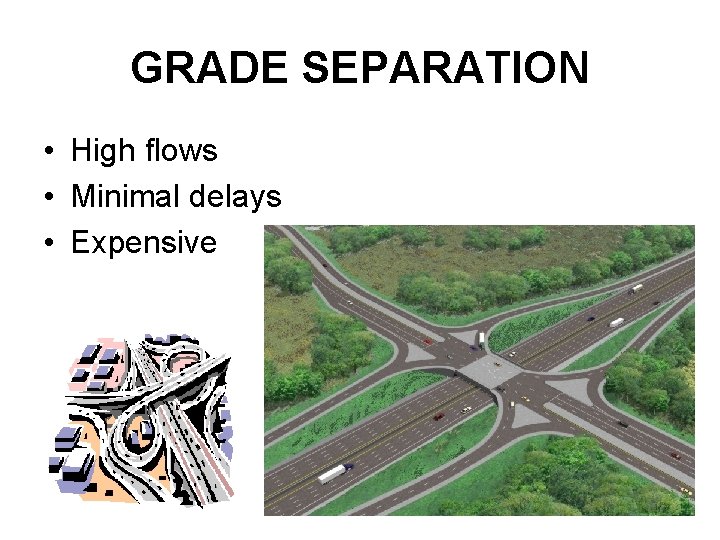
GRADE SEPARATION • High flows • Minimal delays • Expensive
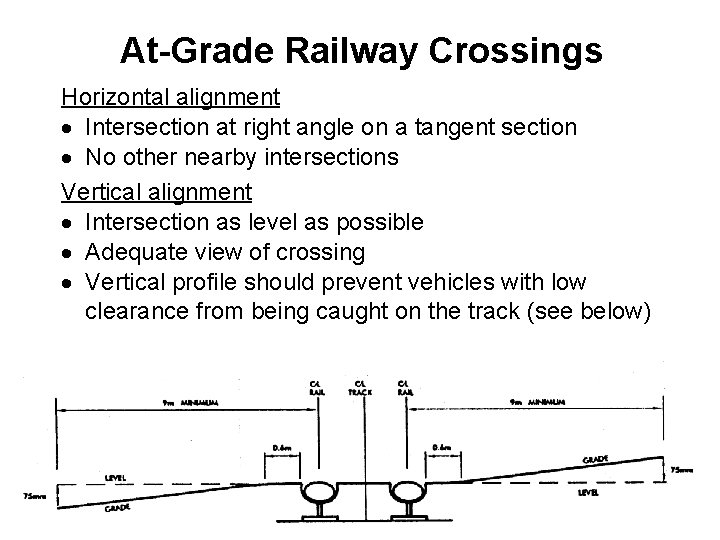
At-Grade Railway Crossings Horizontal alignment · Intersection at right angle on a tangent section · No other nearby intersections Vertical alignment · Intersection as level as possible · Adequate view of crossing · Vertical profile should prevent vehicles with low clearance from being caught on the track (see below)
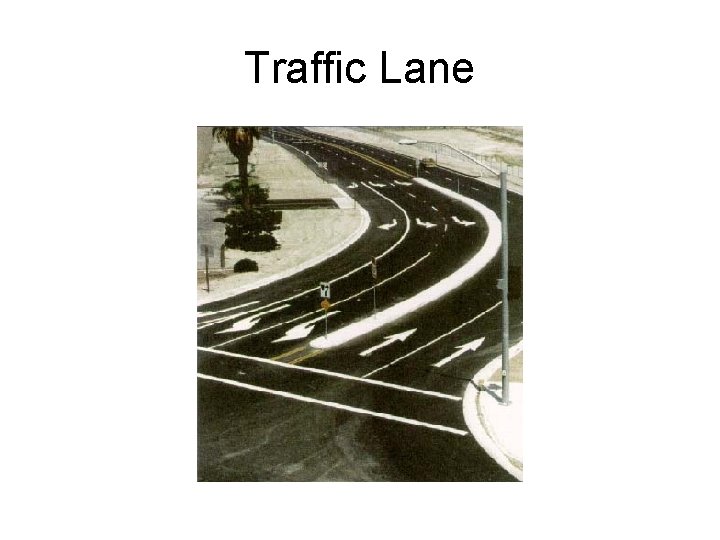
Traffic Lane
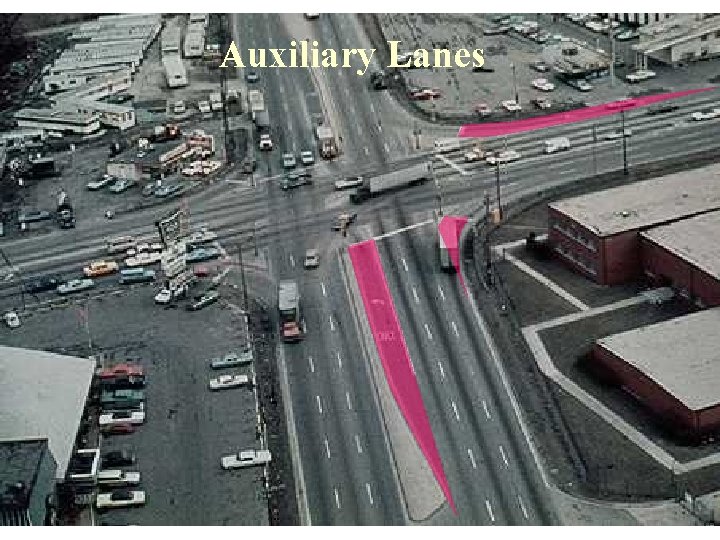
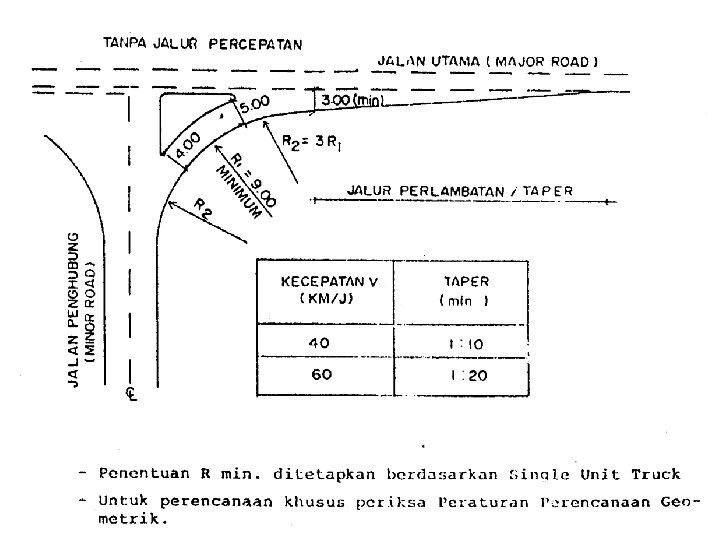
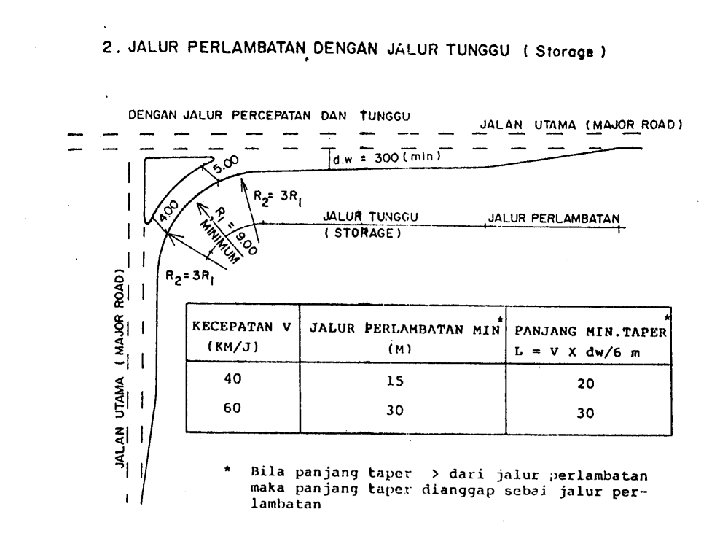
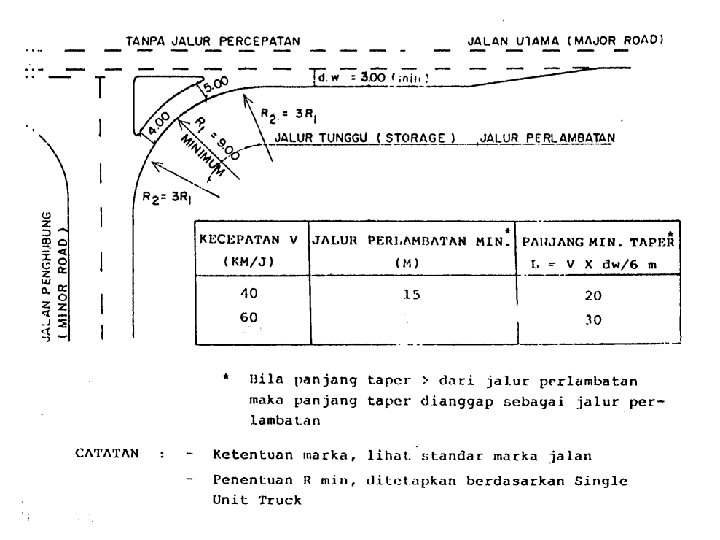
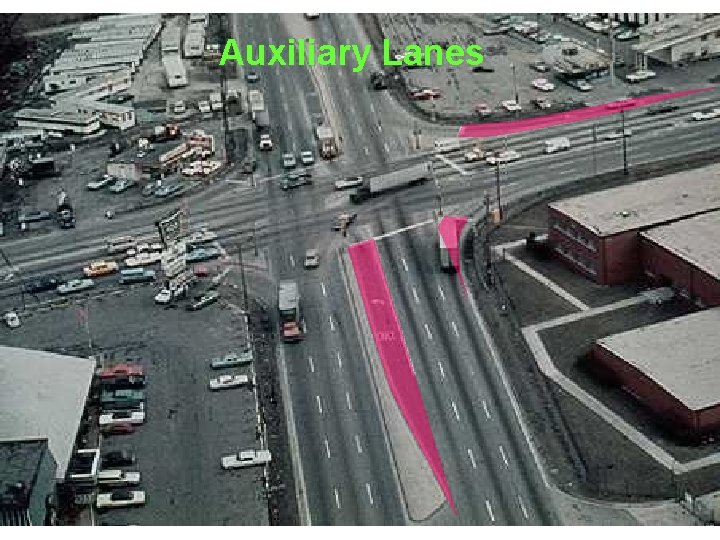
Auxiliary Lanes
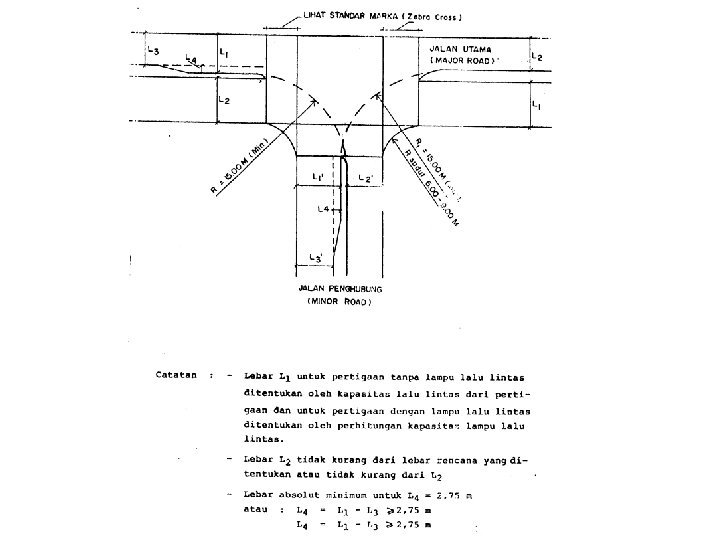
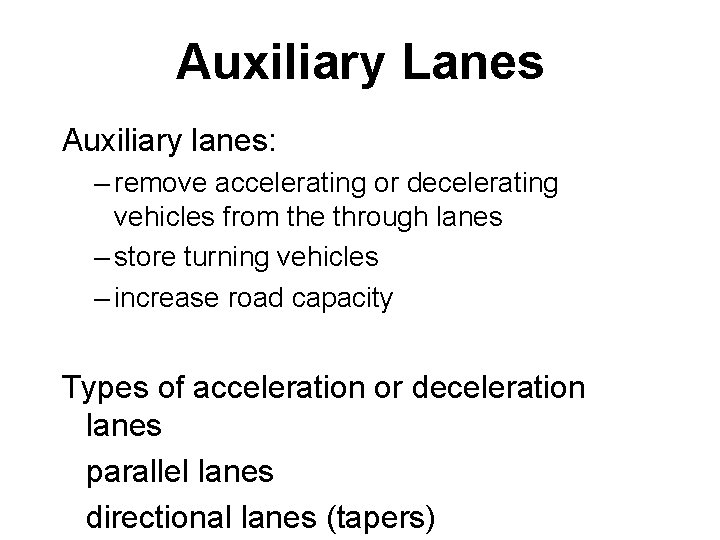
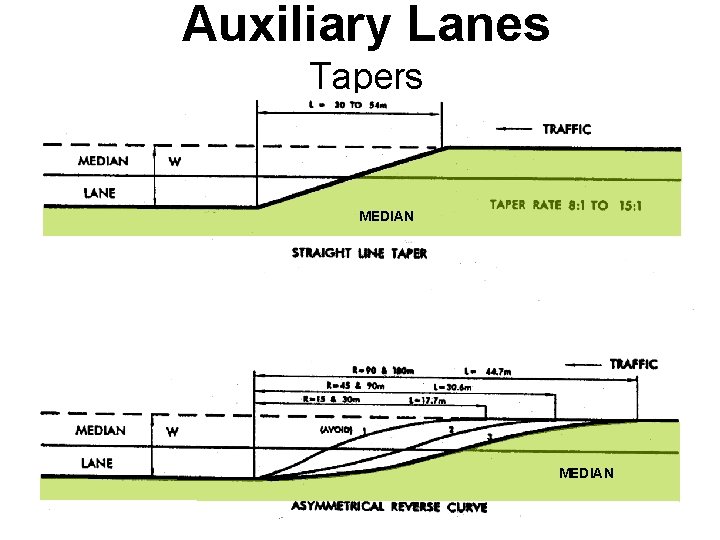
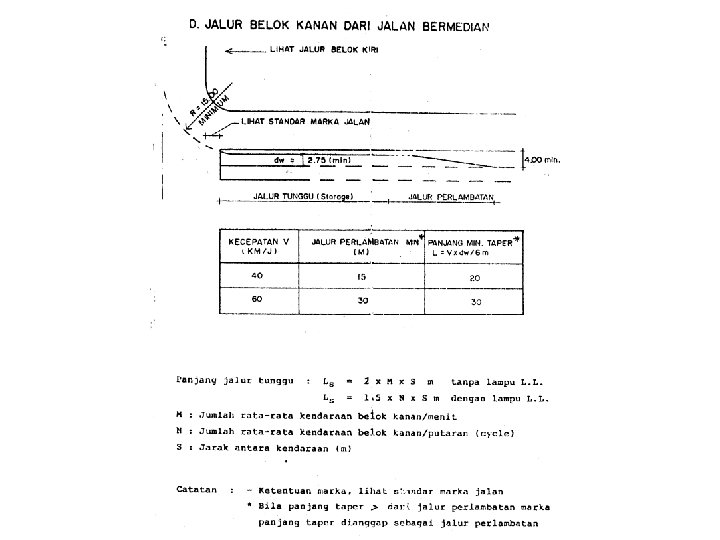
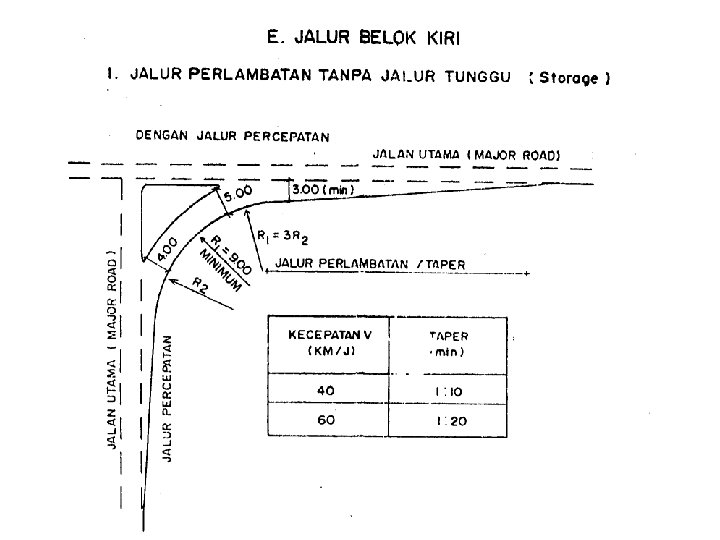
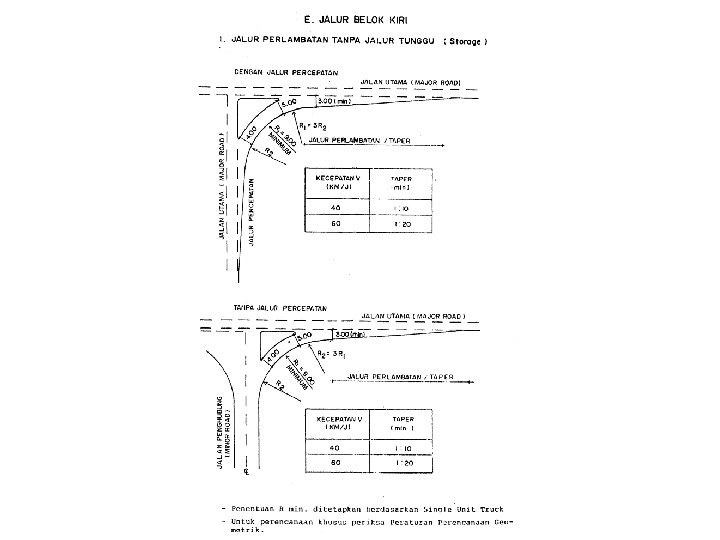
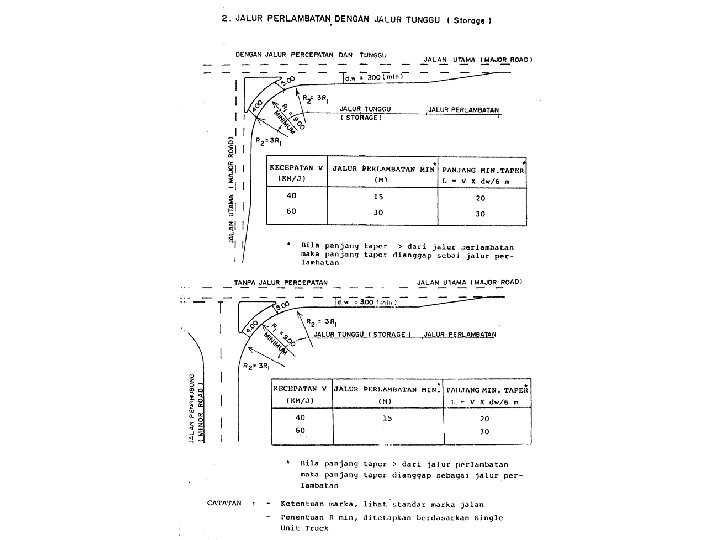
Auxiliary Lanes Auxiliary lanes: – remove accelerating or decelerating vehicles from the through lanes – store turning vehicles – increase road capacity Types of acceleration or deceleration lanes parallel lanes directional lanes (tapers)
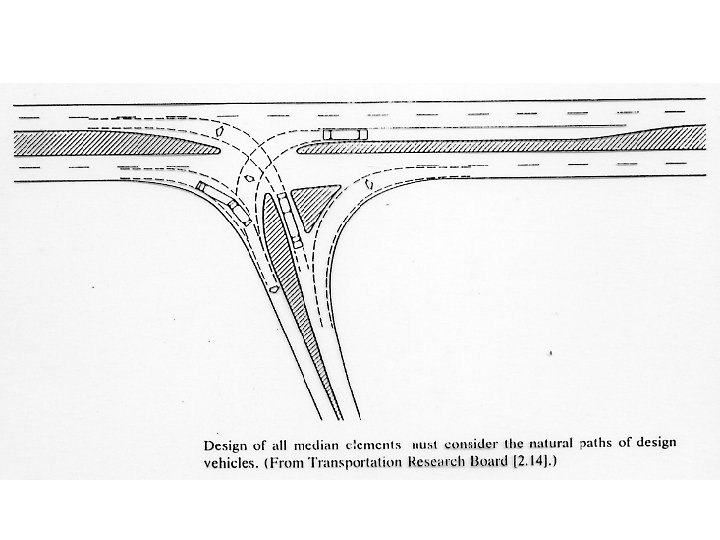
Auxiliary Lanes Tapers MEDIAN
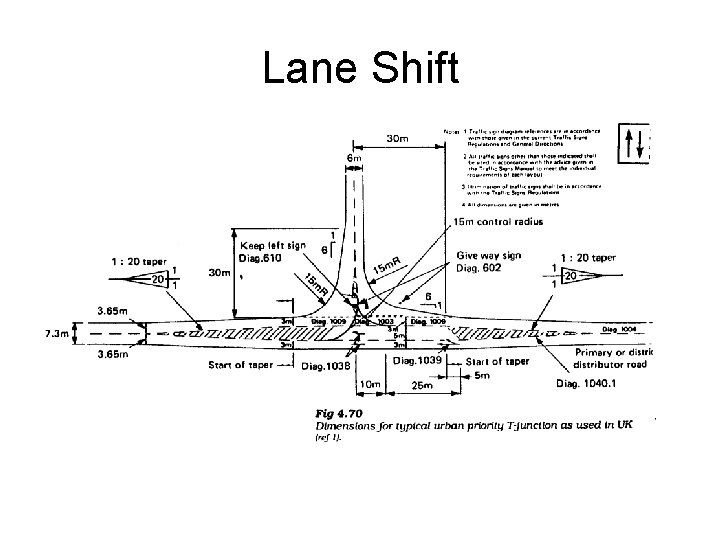
Lane Shift
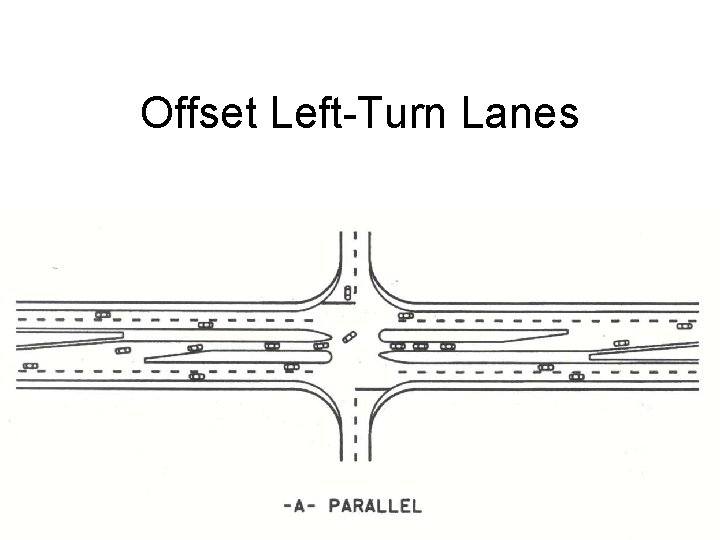
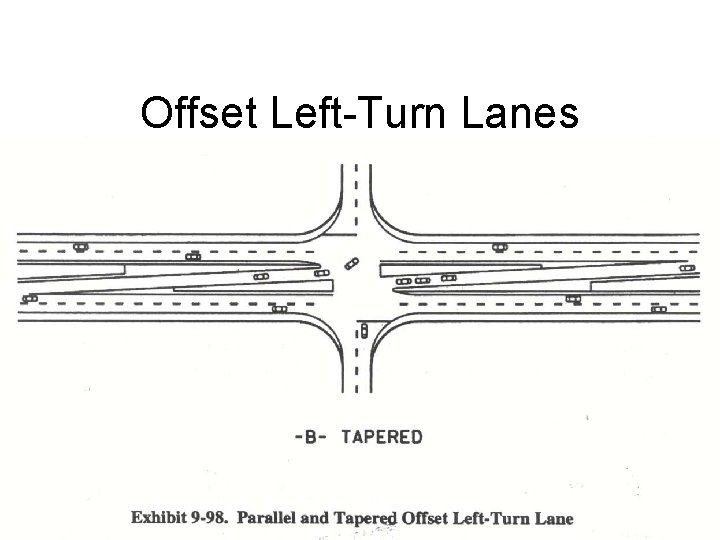
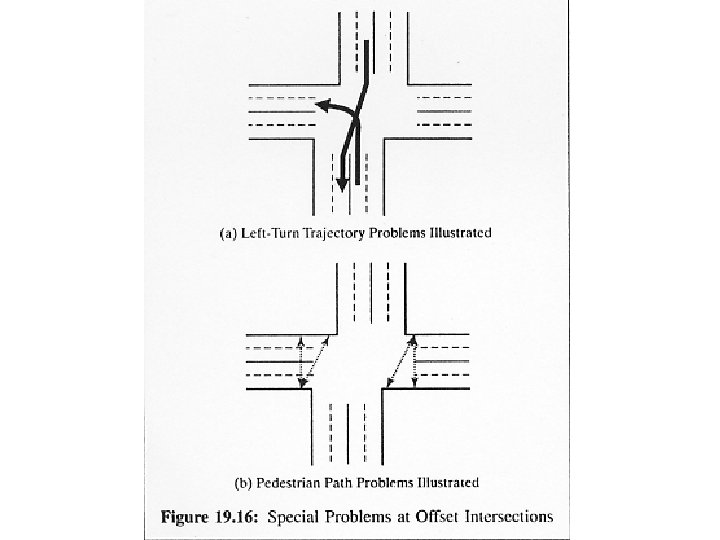
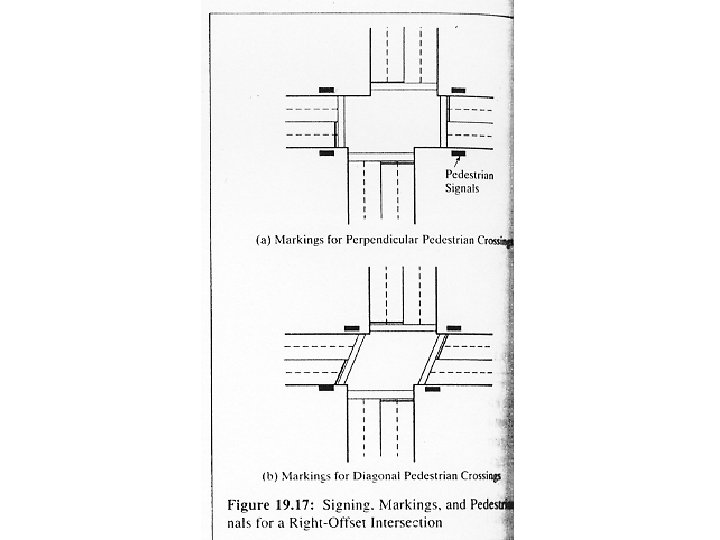
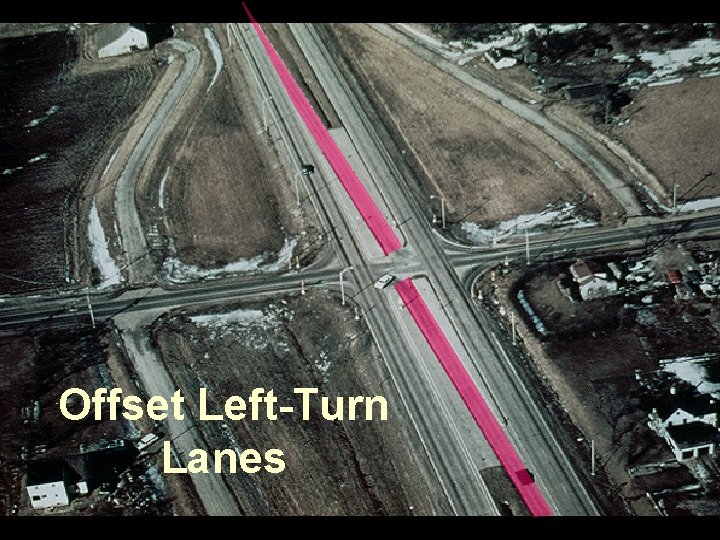
Offset Left-Turn Lanes
Offset Left-Turn Lanes
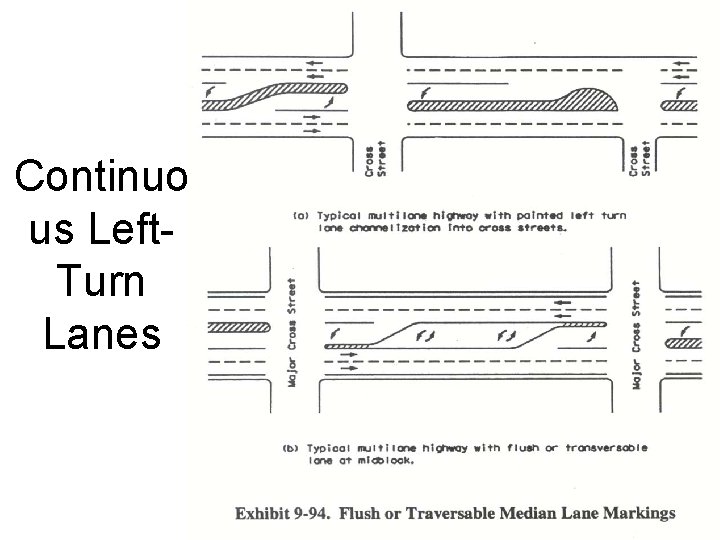
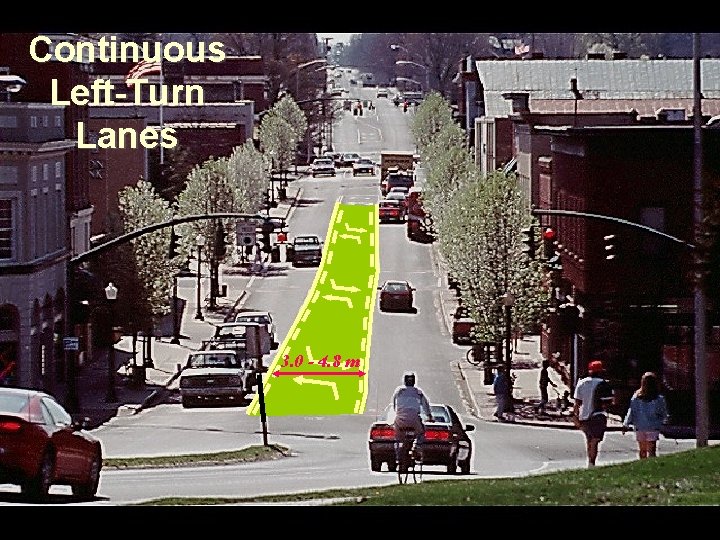
Continuo us Left. Turn Lanes
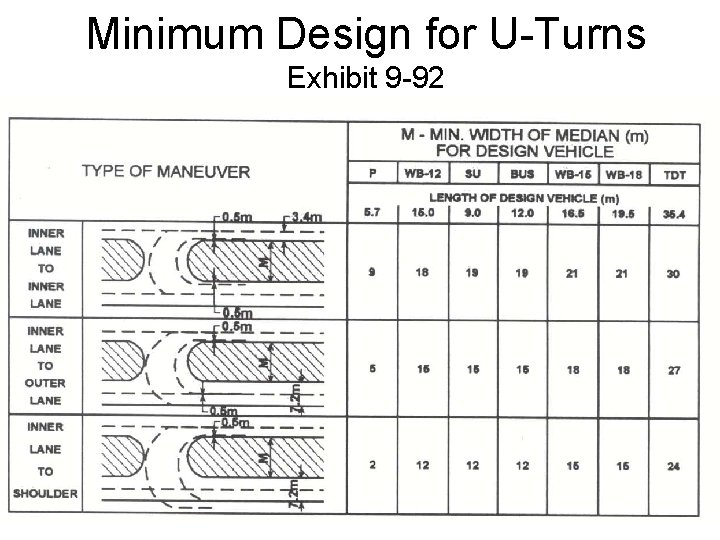
Minimum Design for U-Turns Exhibit 9 -92
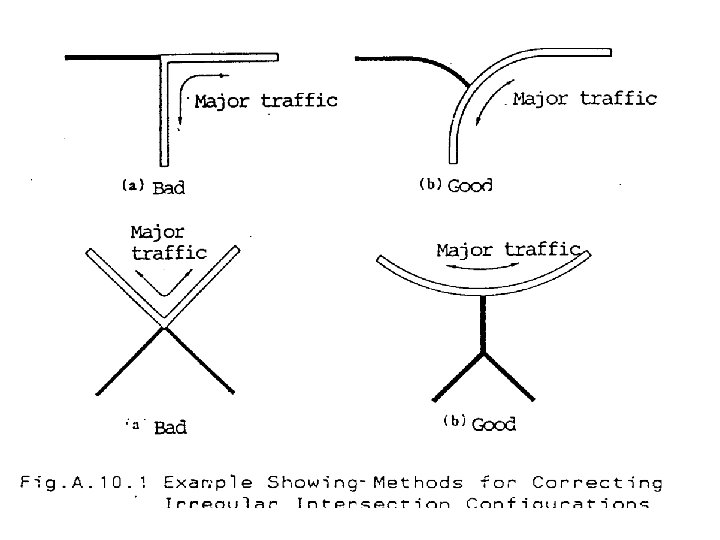
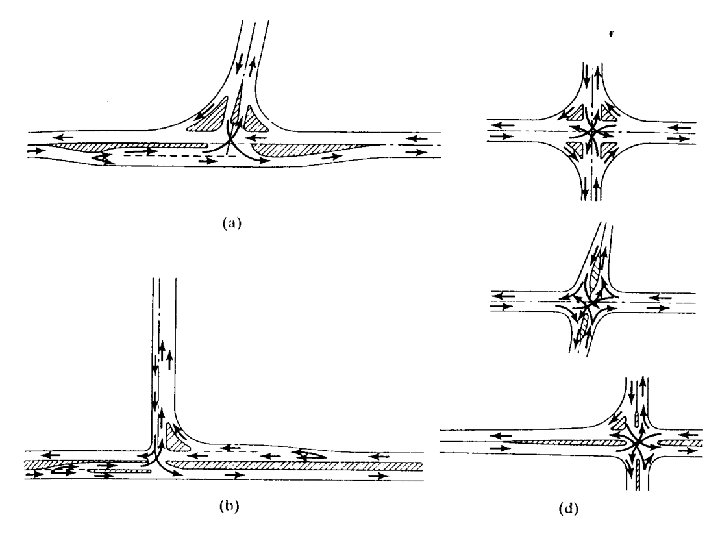
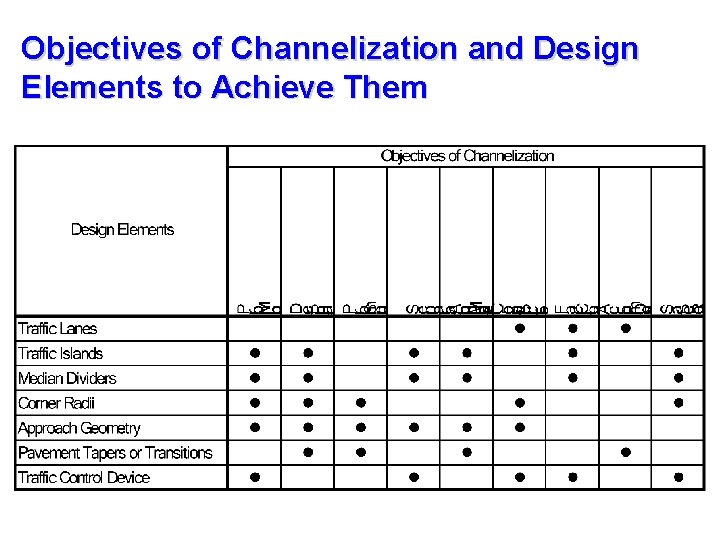
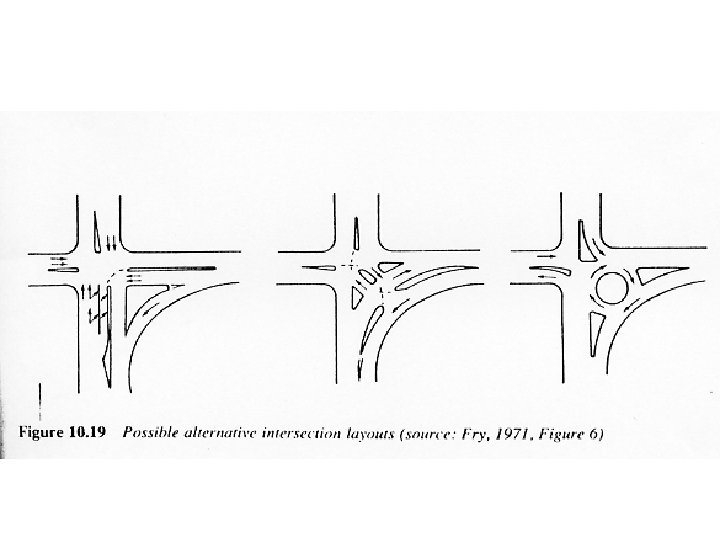
Objectives of Channelization and Design Elements to Achieve Them
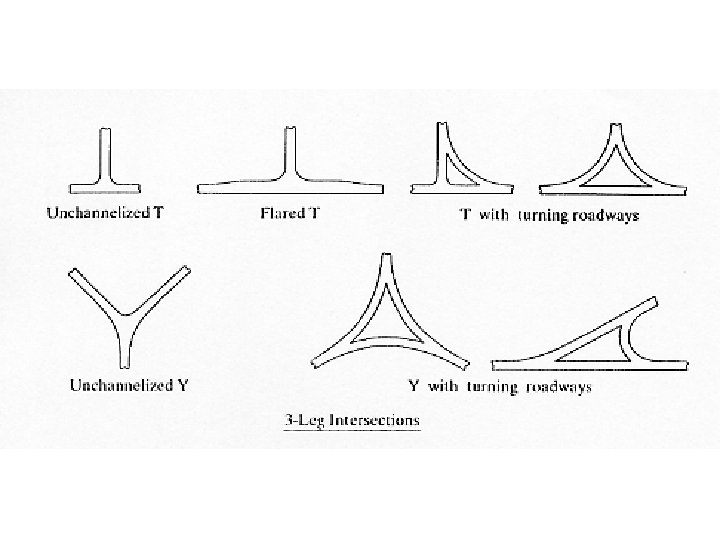
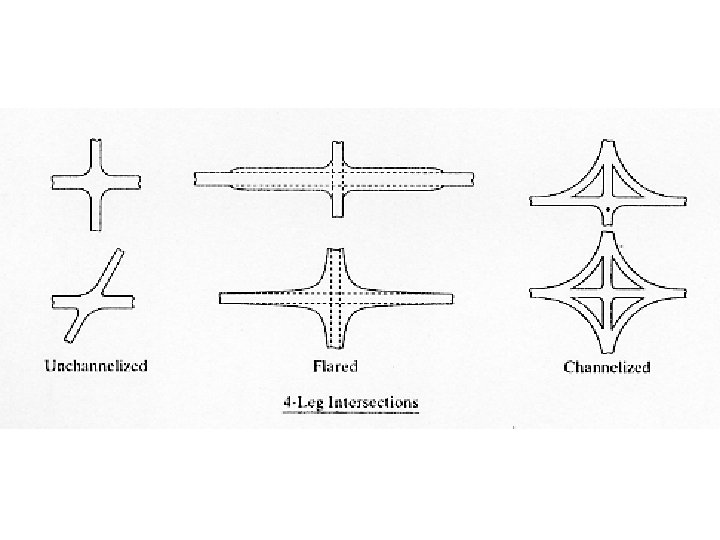
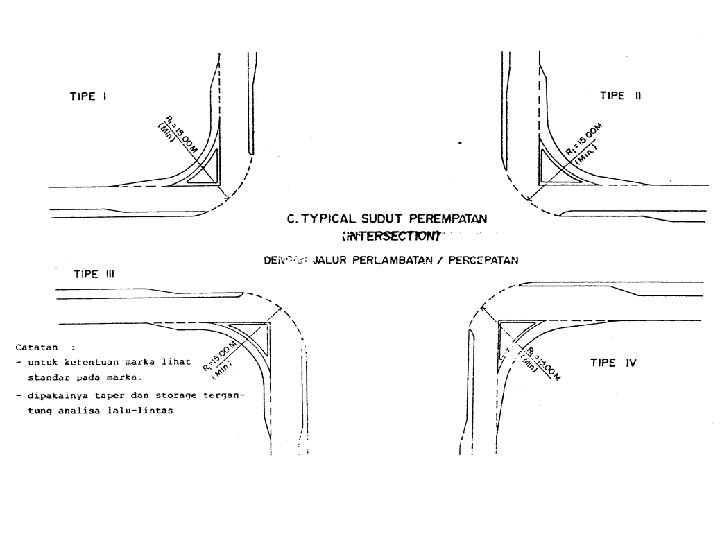
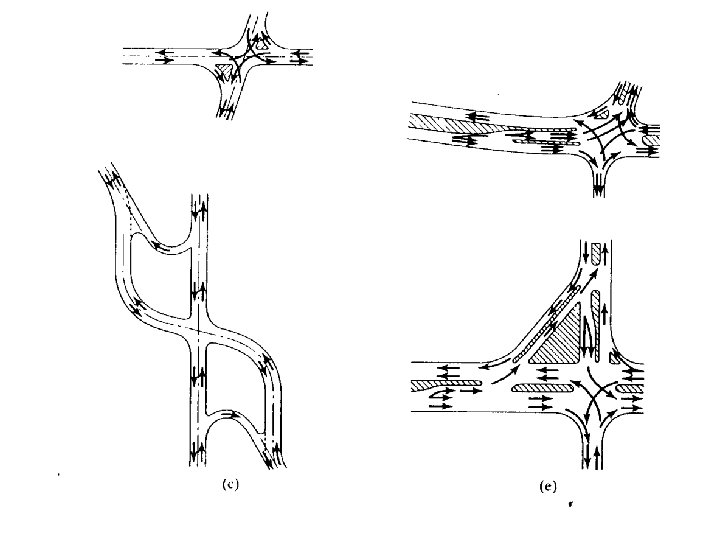
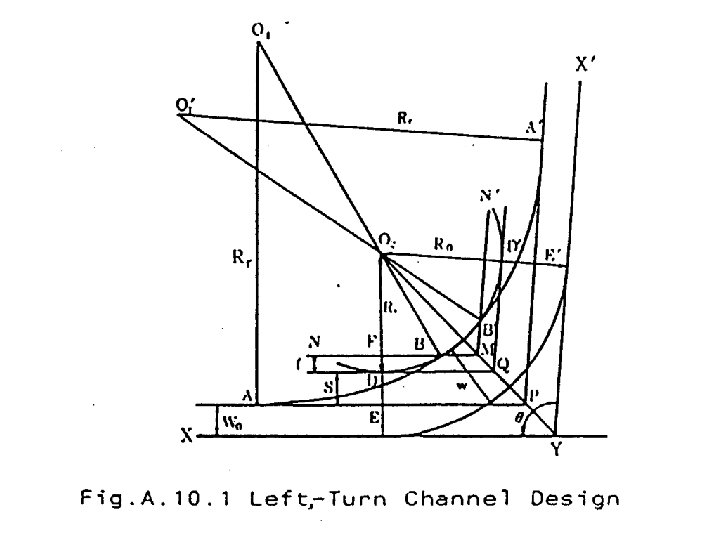
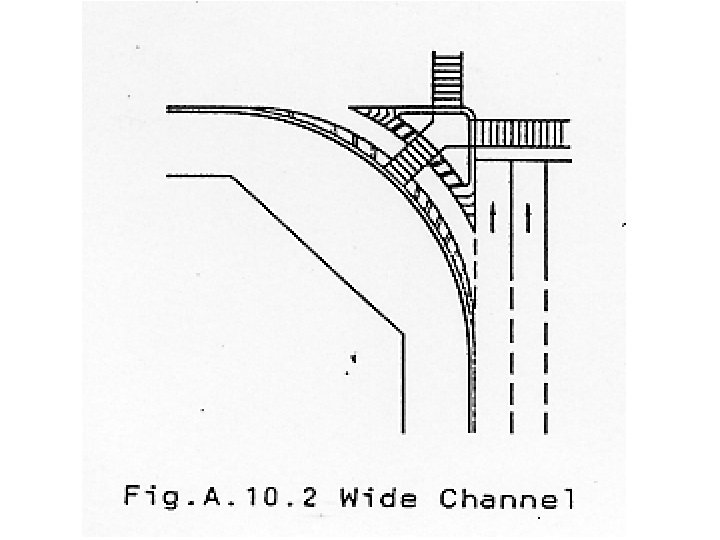
Design of Channelization q
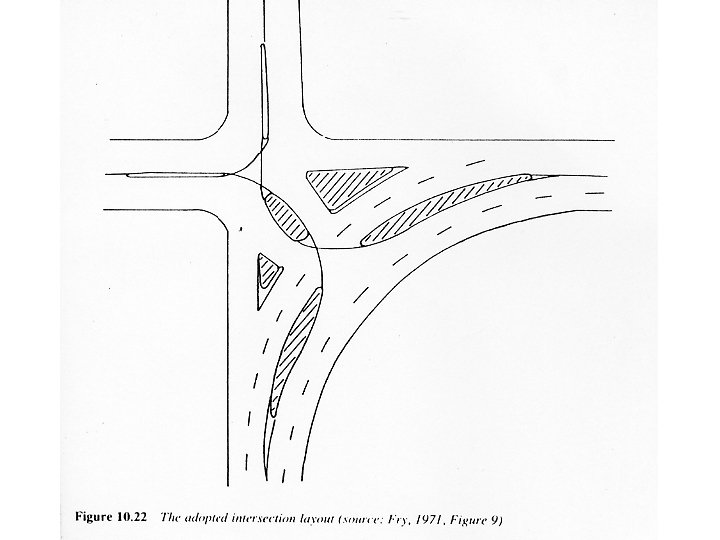
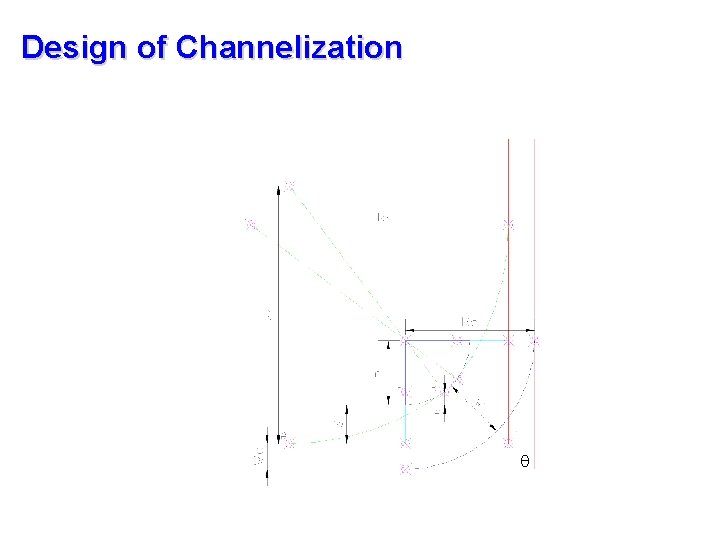
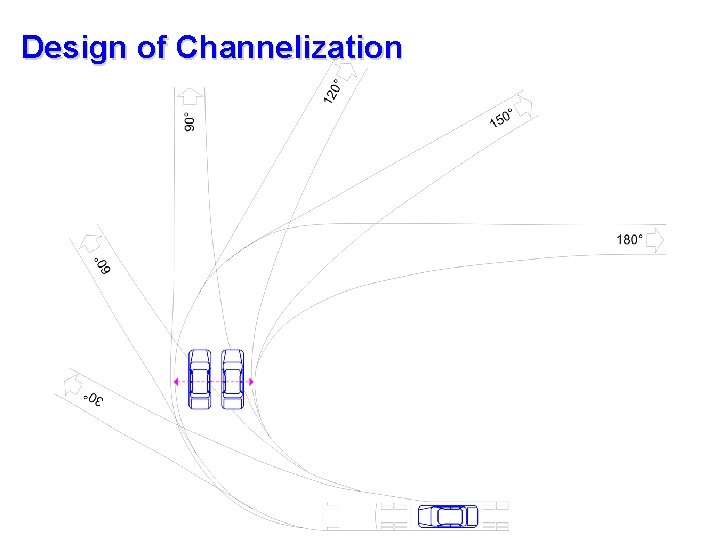
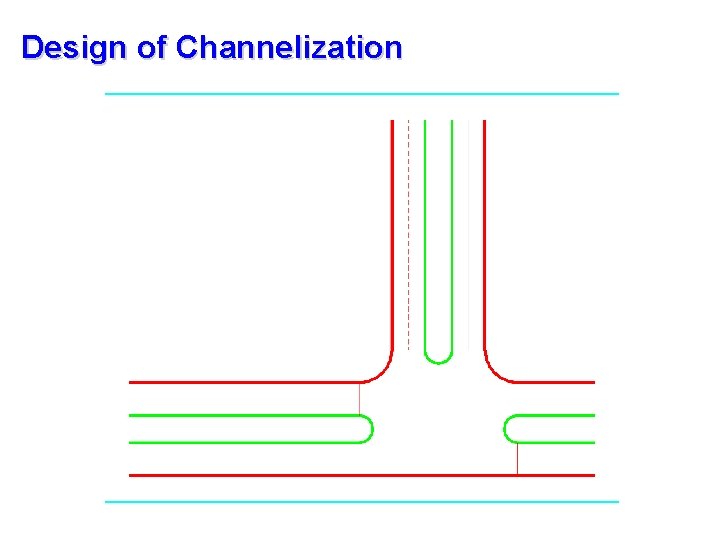
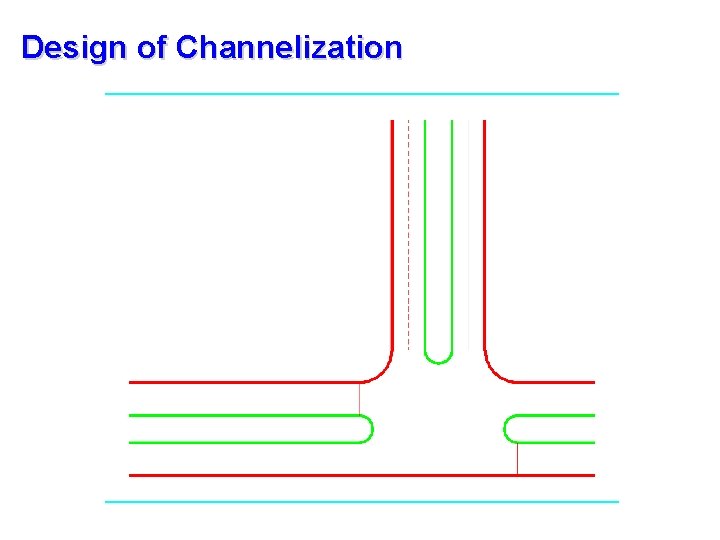
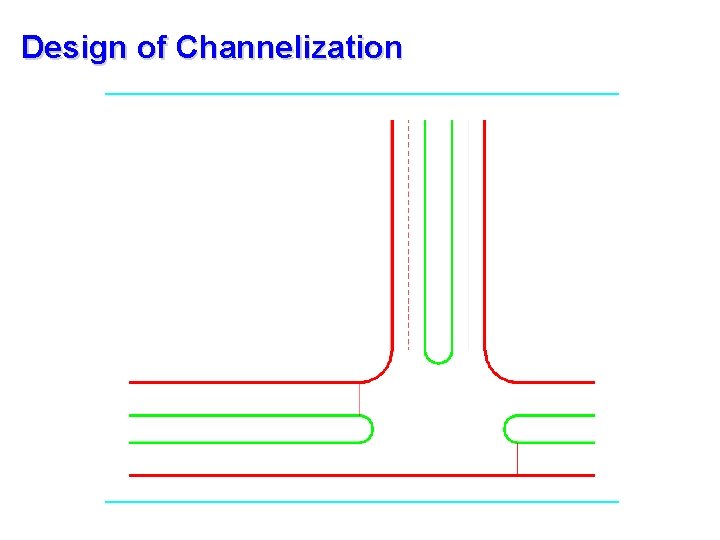
Design of Channelization
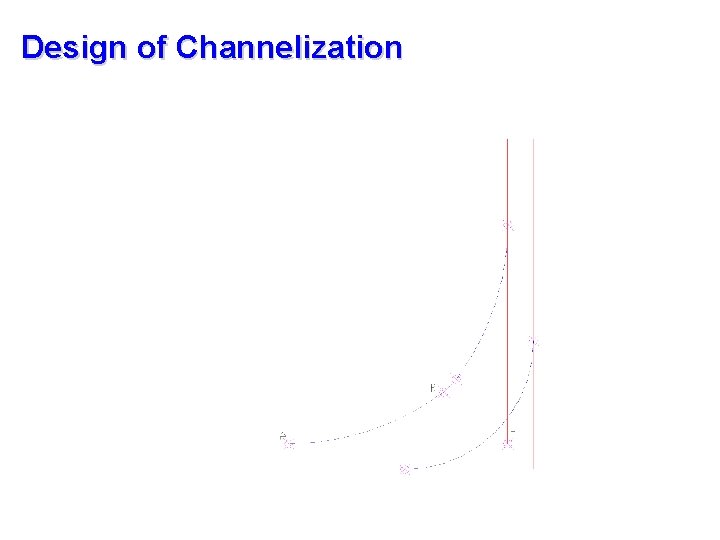
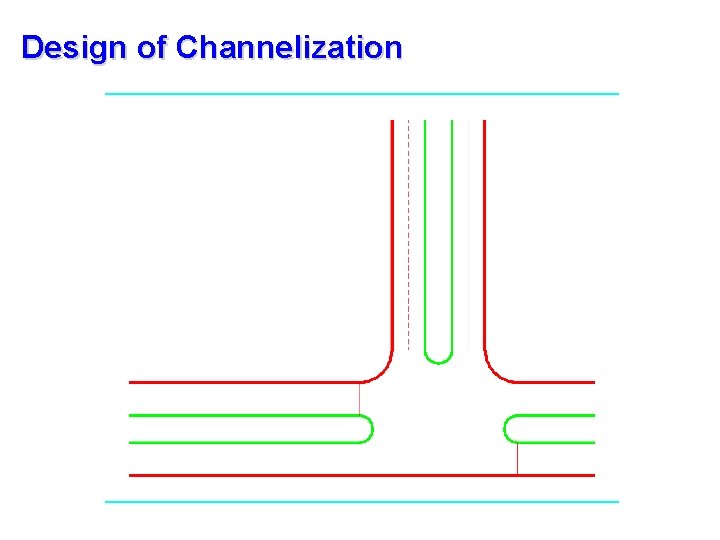
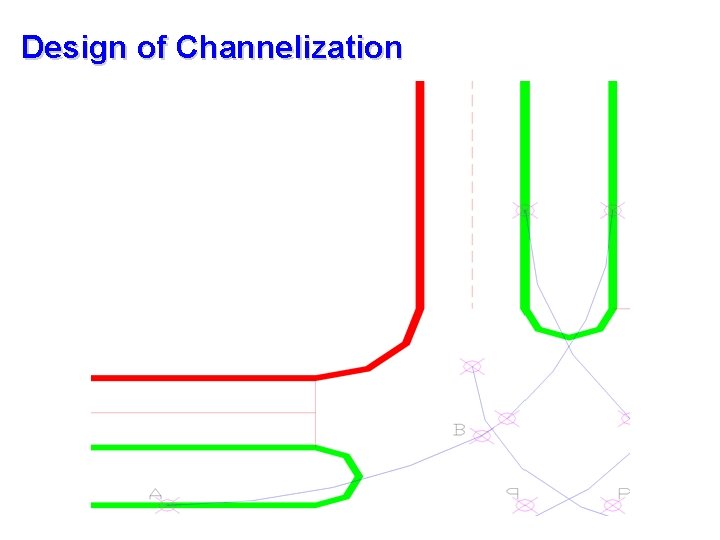
Design of Channelization
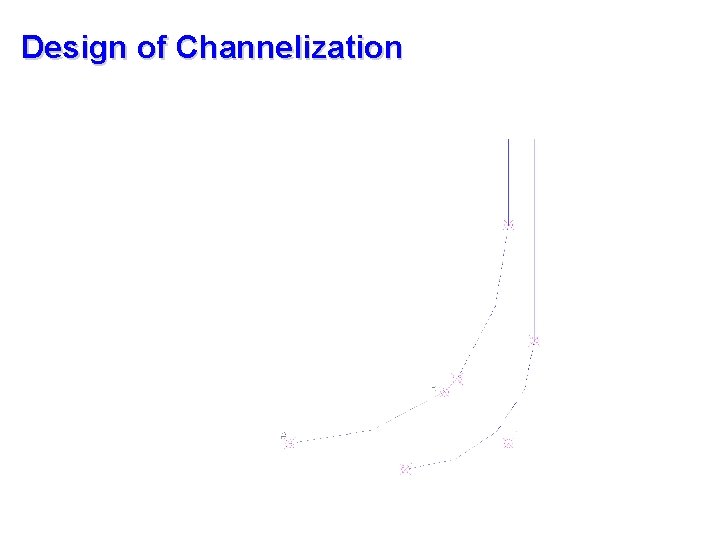
Design of Channelization
Design of Channelization
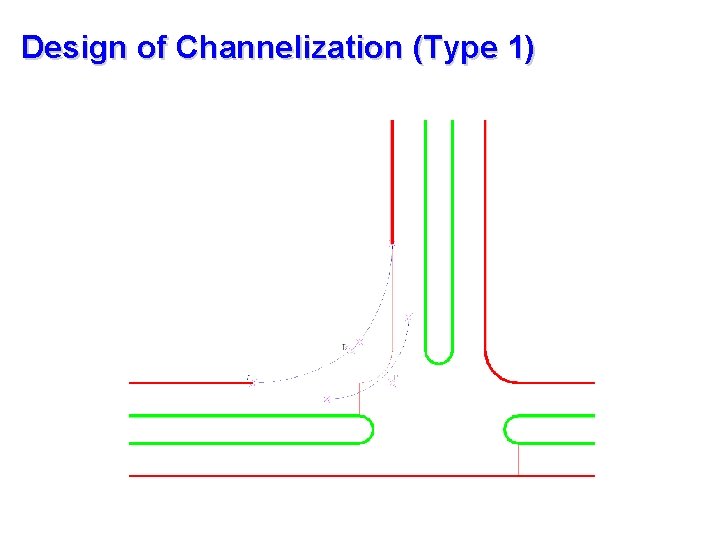
Design of Channelization (Type 1)
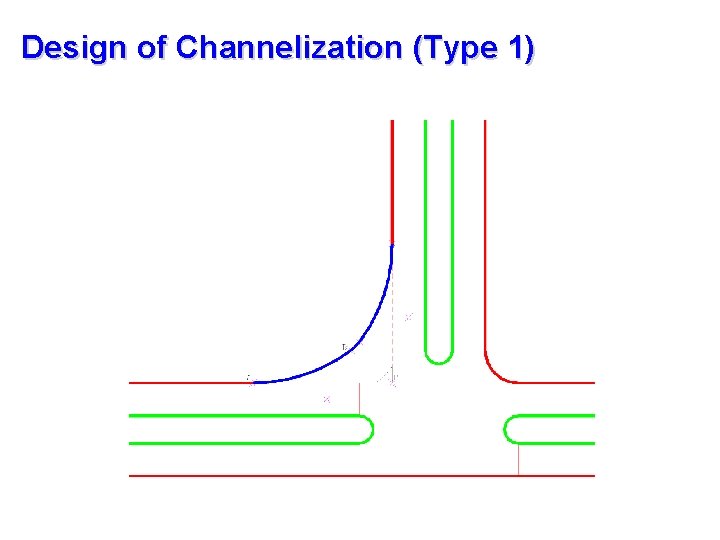
Design of Channelization (Type 1)
Design of Channelization
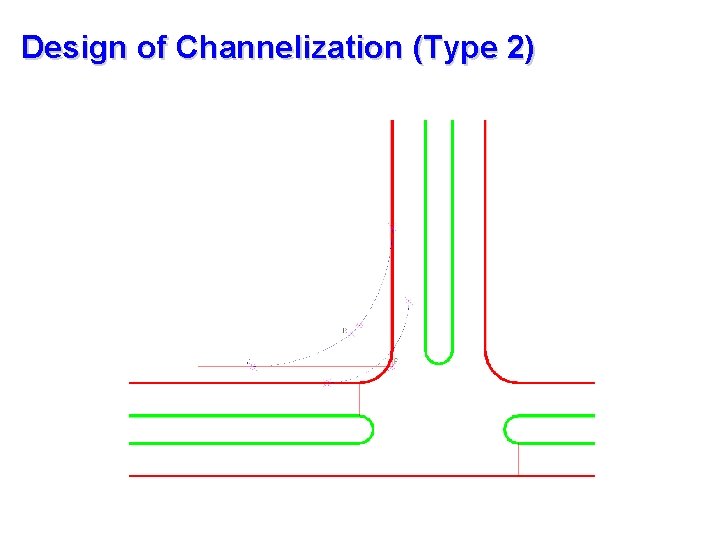
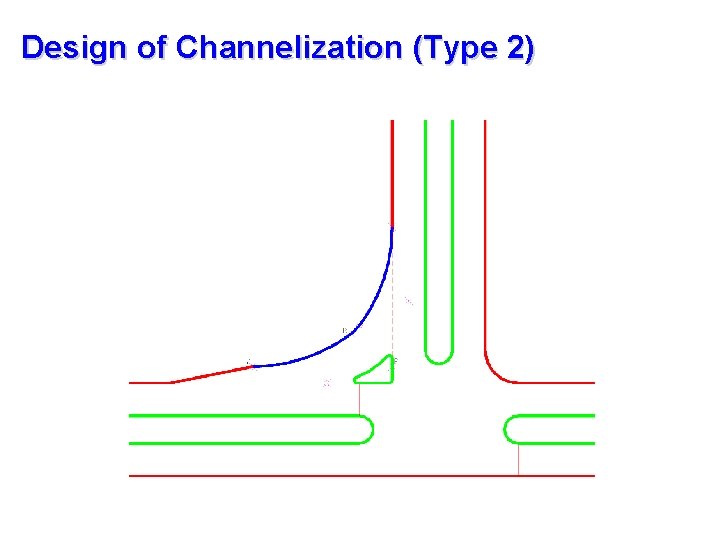
Design of Channelization (Type 2)
Design of Channelization (Type 2)
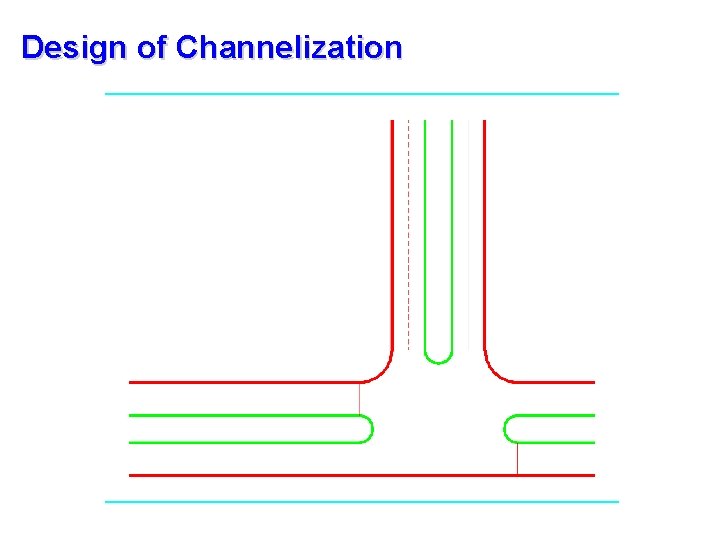
Design of Channelization
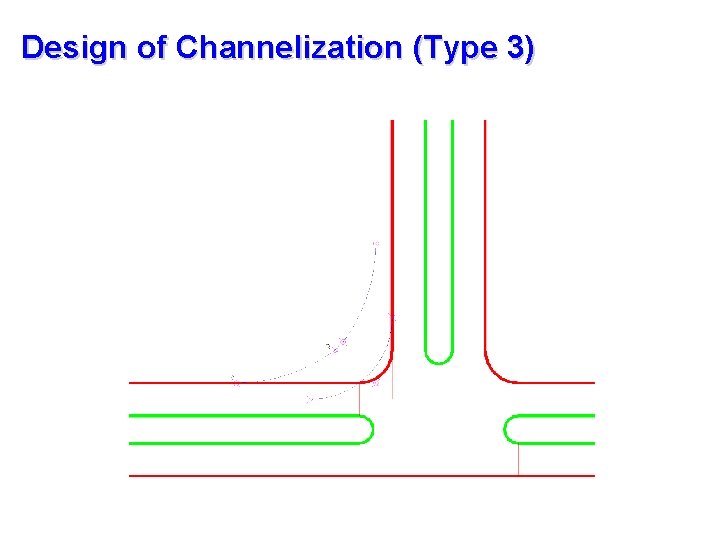
Design of Channelization (Type 3)
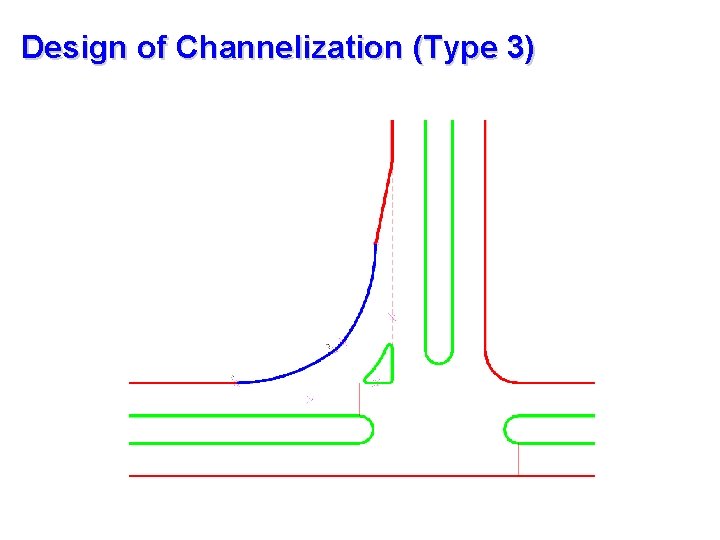
Design of Channelization (Type 3)
Design of Channelization
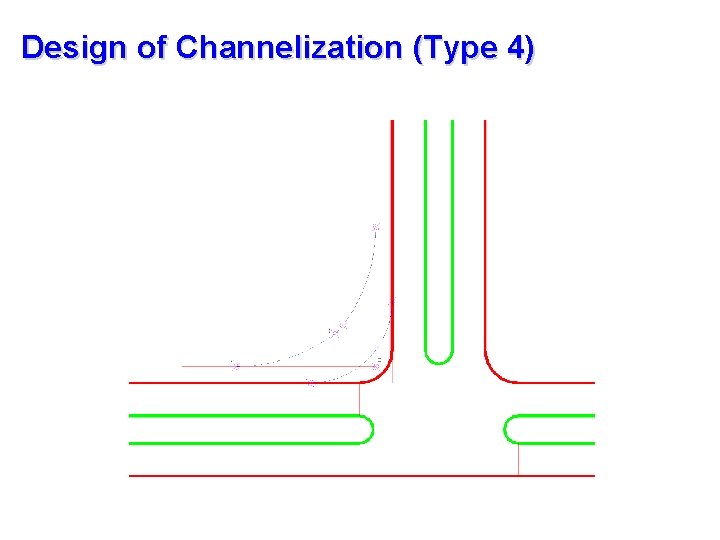
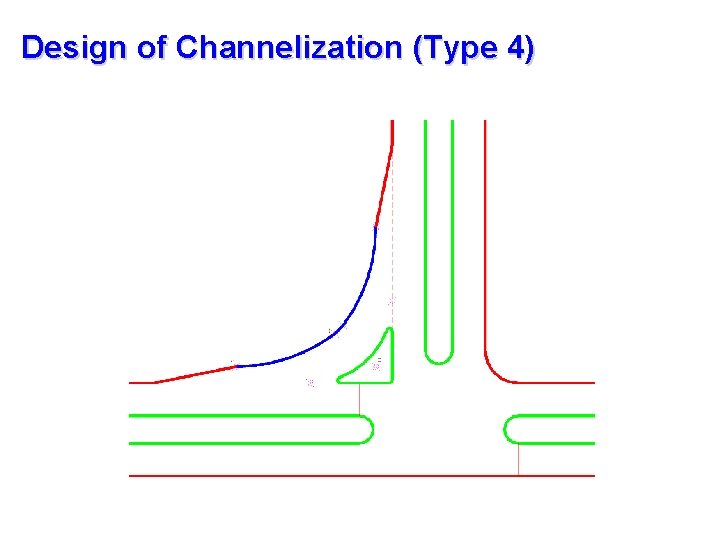
Design of Channelization (Type 4)
Design of Channelization (Type 4)
Design of Channelization
Design of Channelization
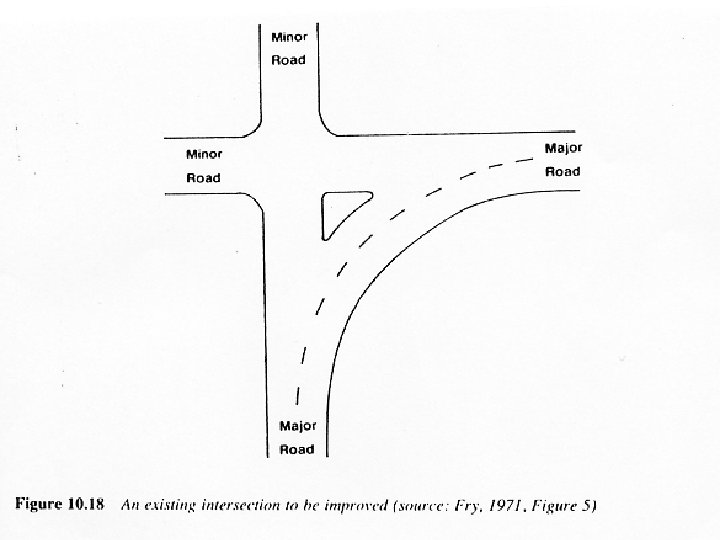
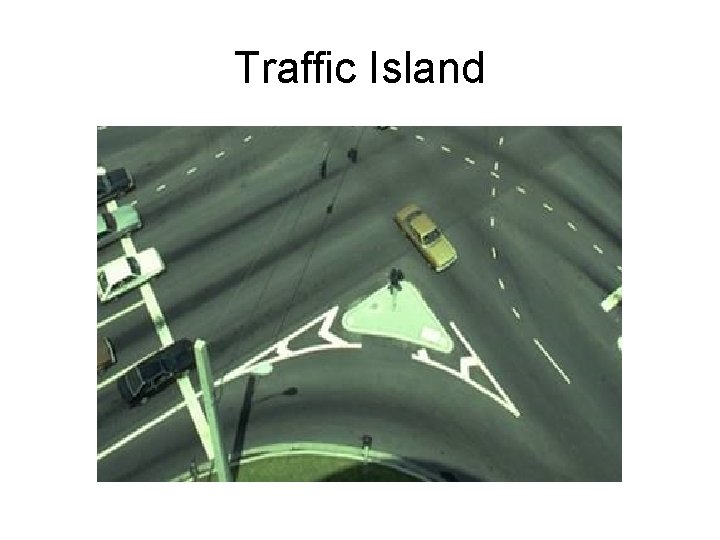
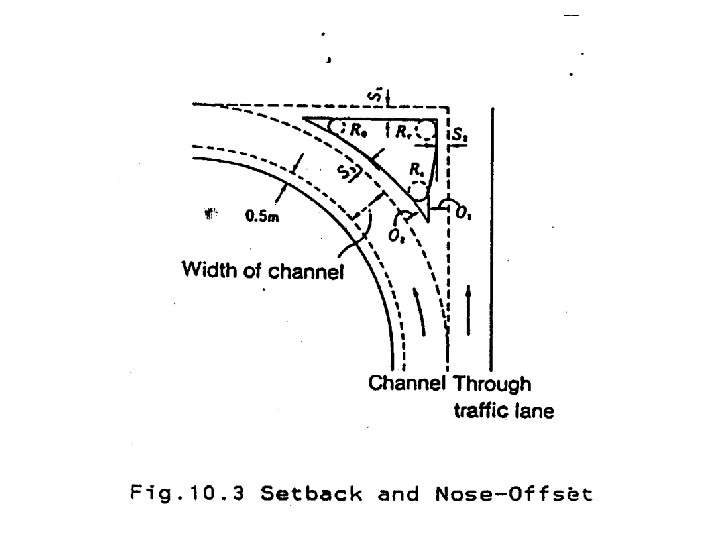
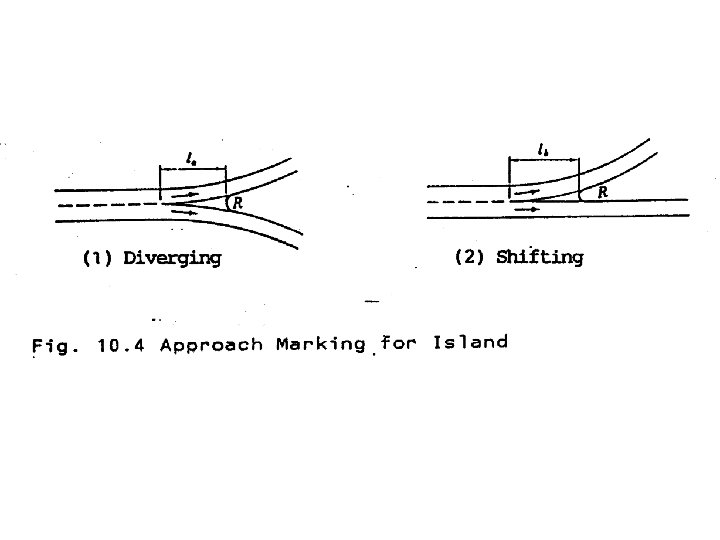
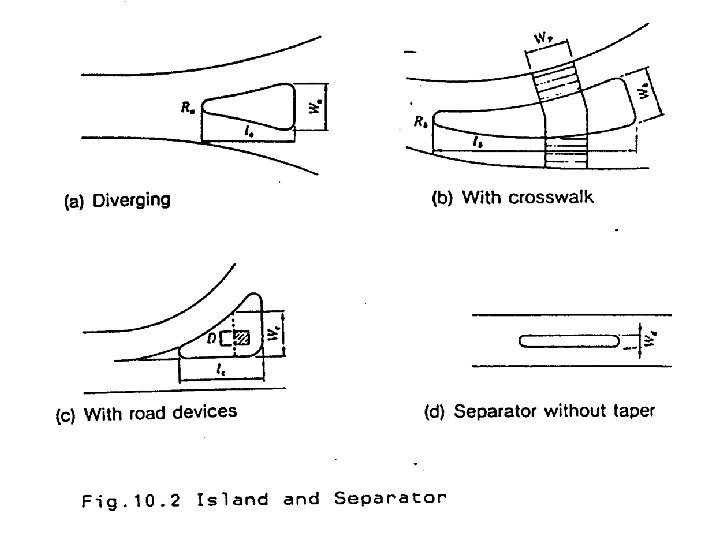
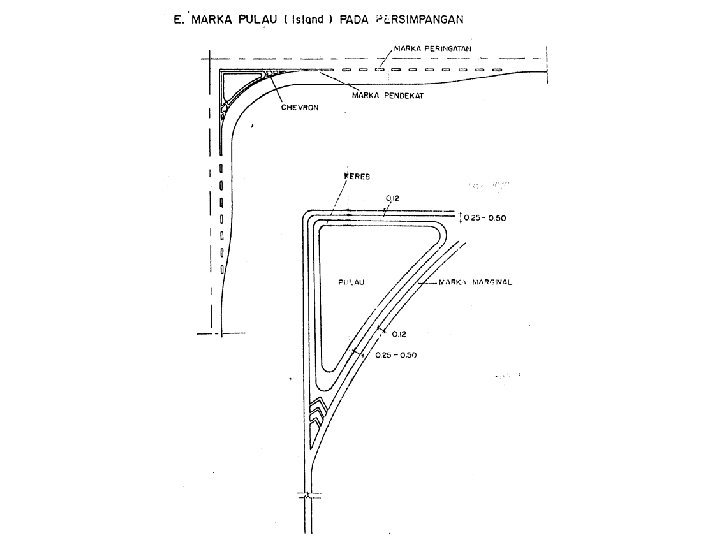
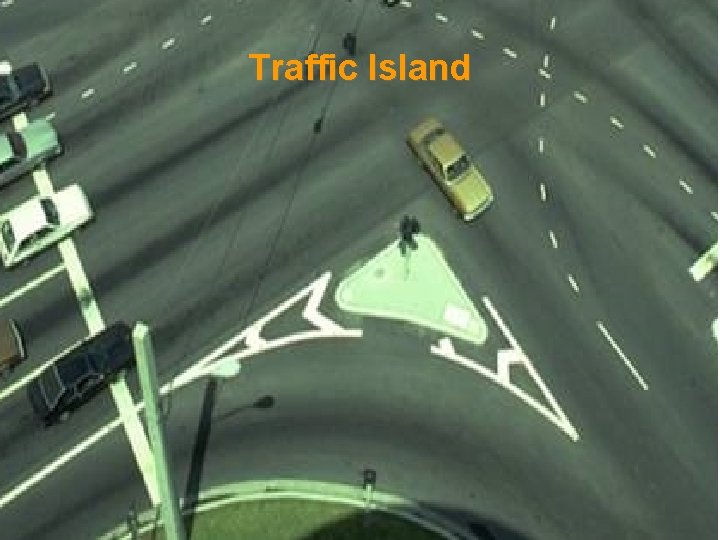
Traffic Island
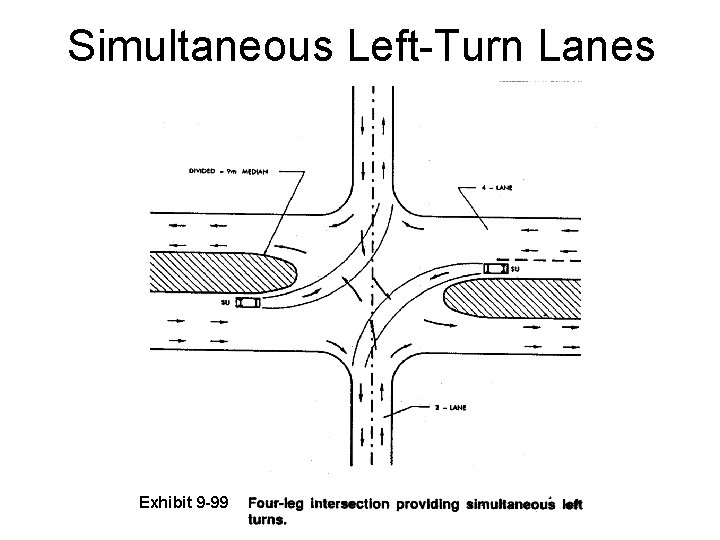
Simultaneous Left-Turn Lanes Exhibit 9 -99
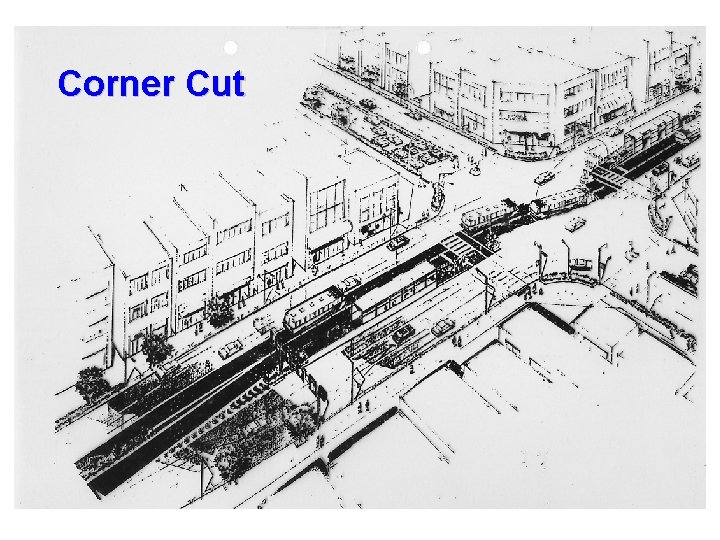
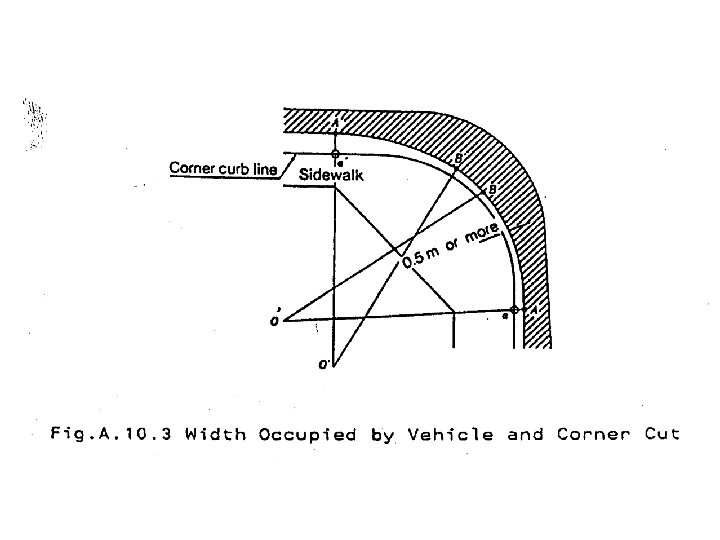
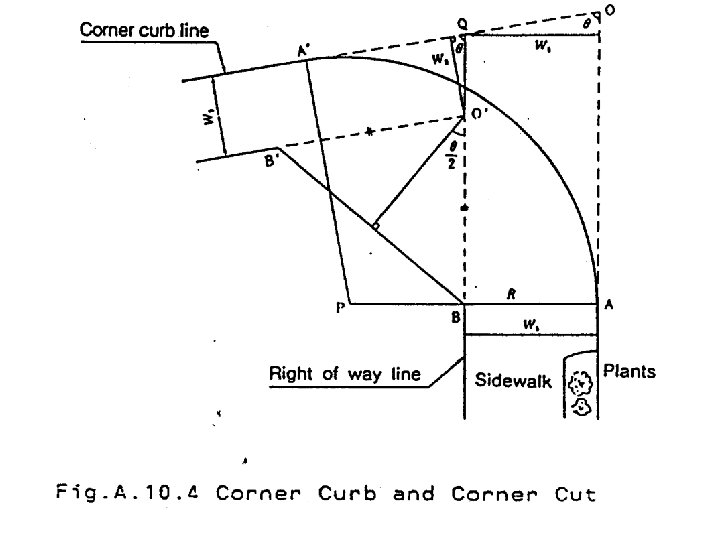
Corner Cut
Appendix
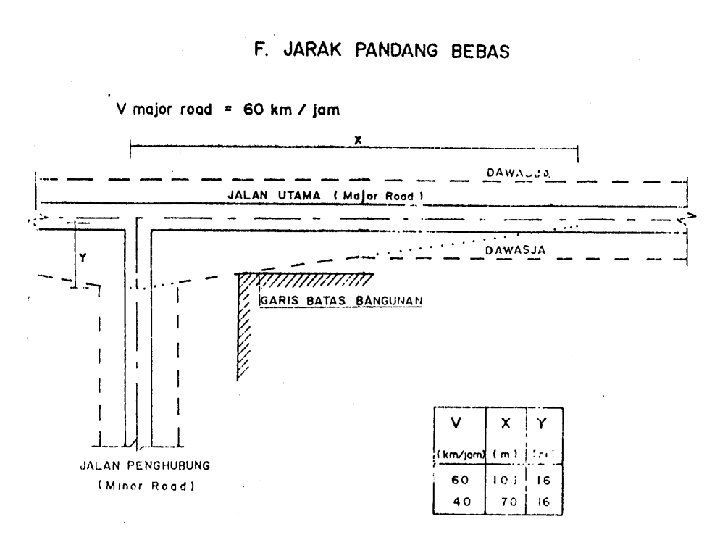
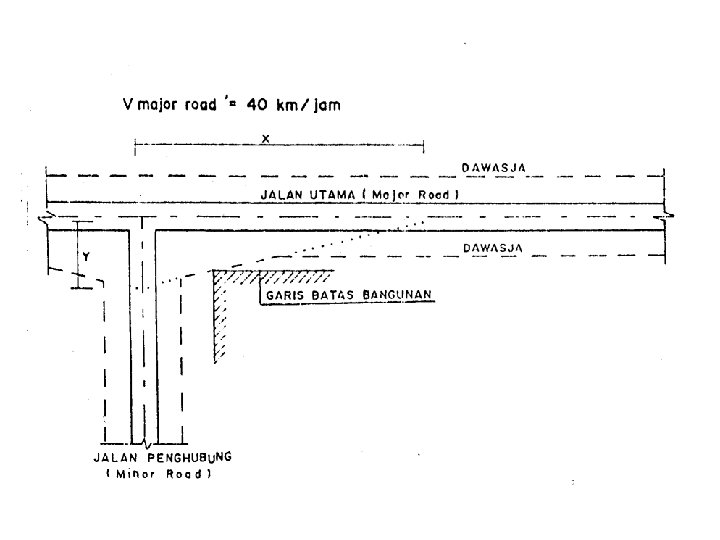
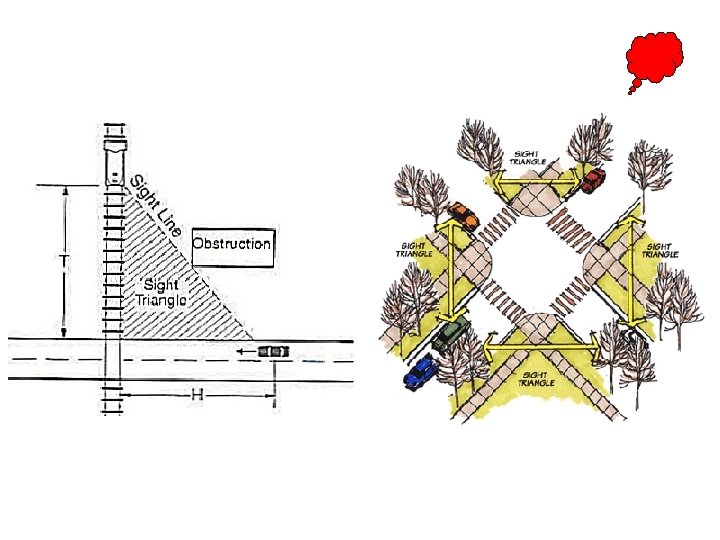
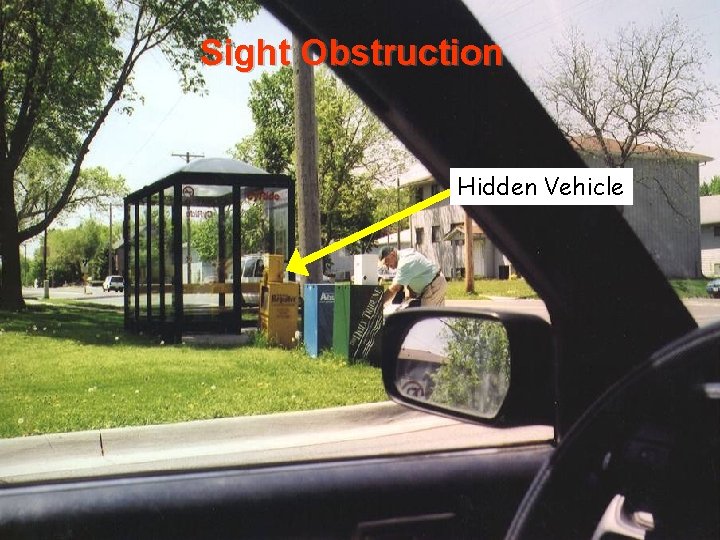
Sight Obstruction Hidden Vehicle
Auxiliary Lanes
Continuous Left-Turn Lanes 3. 0 - 4. 8 m
Offset Left-Turn Lanes
Traffic Island