
ASW 101 NC Professional Teaching Standards Standard I


- Slides: 59
ASW 101
NC Professional Teaching Standards Standard I: Teachers demonstrate leadership. Standard II: Teachers establish a respectful environment for a diverse population of students. Standard III: Teachers know the content they teach. Standard IV: Teachers facilitate learning for their students. Standard V: Teachers reflect on their practice. Standard VI: Teachers contribute to the academic success of students.
Overview of Standard 6 Contribute to Academic Success 6 End of Grade (EOG) or End of Course (EOC) tests 6 Career Technical Education Assessment 6 NC Final Exams 6 K-3 Checkpoints 6 Analysis of Student Work
Analysis of Student Work In 2014 -2015, ASW is the Standard 6 measure for teachers in Advanced Placement, Arts Education, Healthful Living, International Baccalaureate, and World Languages. Contribute to Academic Success Growth is based on student work submitted by teachers and rated by content experts in a “blind review” process. 6 Analysis of Student Work
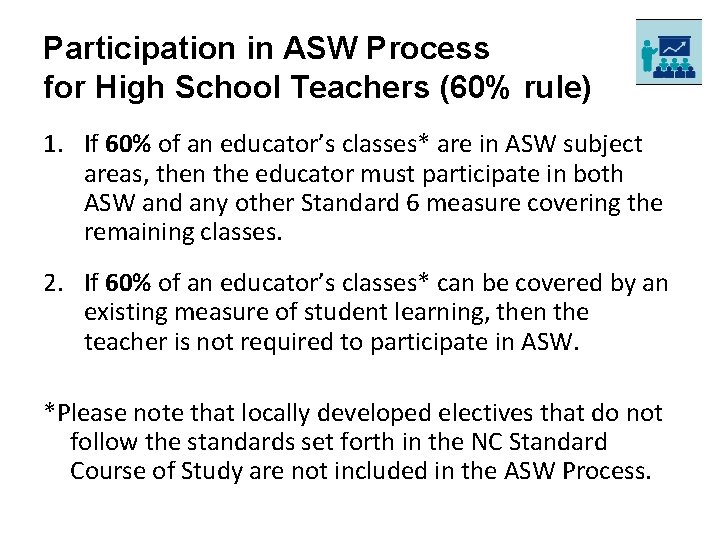
Participation in ASW Process for High School Teachers (60% rule) 1. If 60% of an educator’s classes* are in ASW subject areas, then the educator must participate in both ASW and any other Standard 6 measure covering the remaining classes. 2. If 60% of an educator’s classes* can be covered by an existing measure of student learning, then the teacher is not required to participate in ASW. *Please note that locally developed electives that do not follow the standards set forth in the NC Standard Course of Study are not included in the ASW Process.
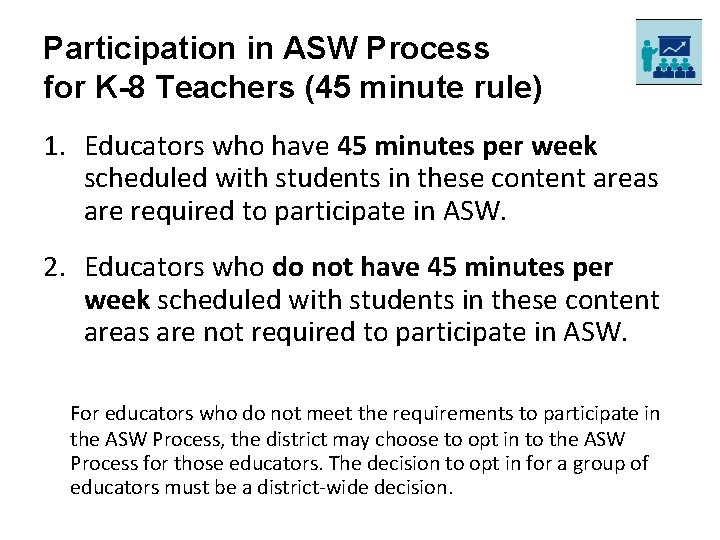
Participation in ASW Process for K-8 Teachers (45 minute rule) 1. Educators who have 45 minutes per week scheduled with students in these content areas are required to participate in ASW. 2. Educators who do not have 45 minutes per week scheduled with students in these content areas are not required to participate in ASW. For educators who do not meet the requirements to participate in the ASW Process, the district may choose to opt in to the ASW Process for those educators. The decision to opt in for a group of educators must be a district-wide decision.
8 Step Process: Step 1 Teacher Responsibility
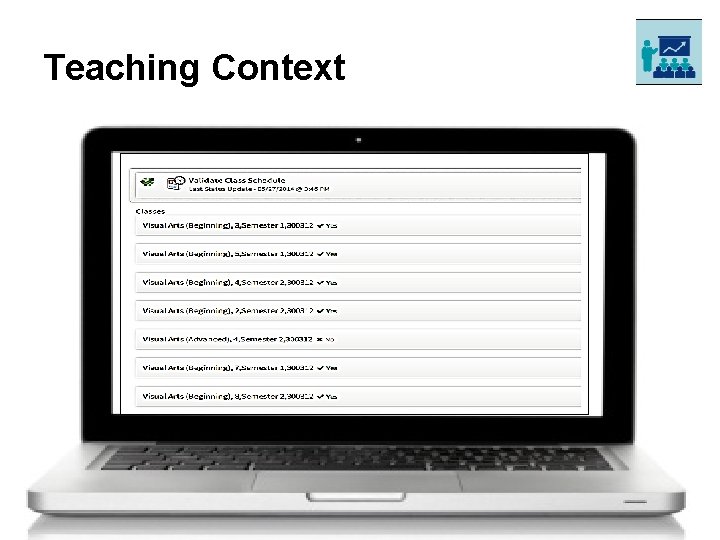
Teaching Context • Screen shot
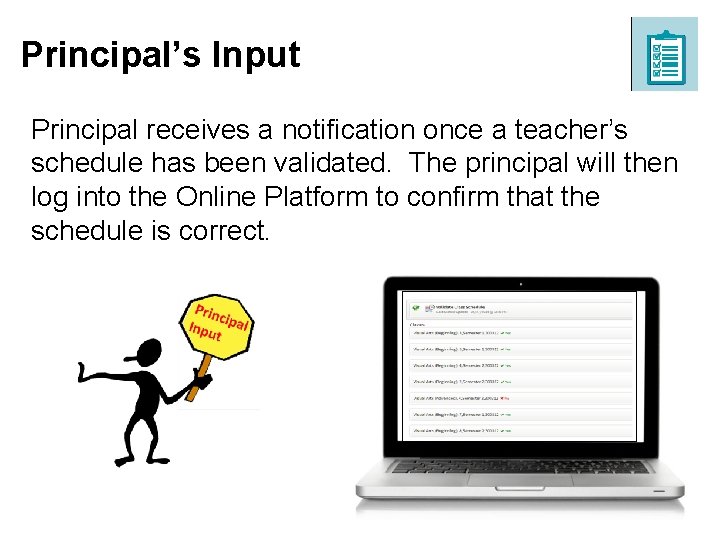
Principal’s Input Principal receives a notification once a teacher’s schedule has been validated. The principal will then log into the Online Platform to confirm that the schedule is correct.
8 Step Process: Step 2 Platform Responsibility
Class Selection Beginning in 2014 – 2015, the online platform will select the classes in which the teacher must collect artifacts.
8 Step Process: Step 3 Teacher Responsibility
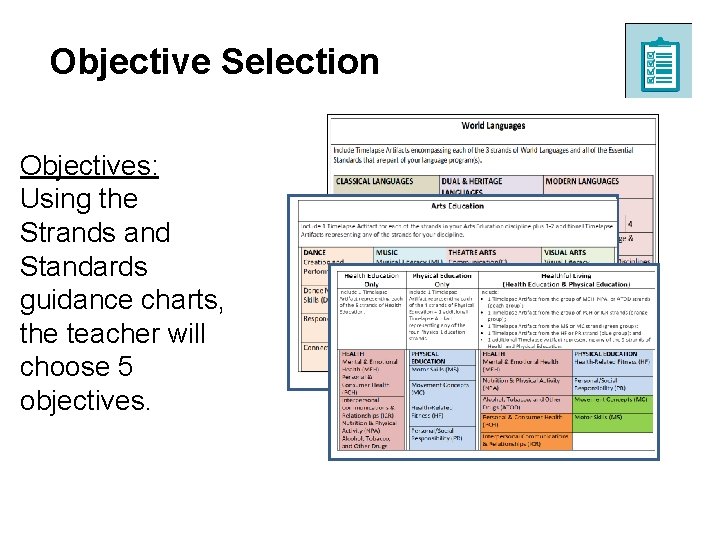
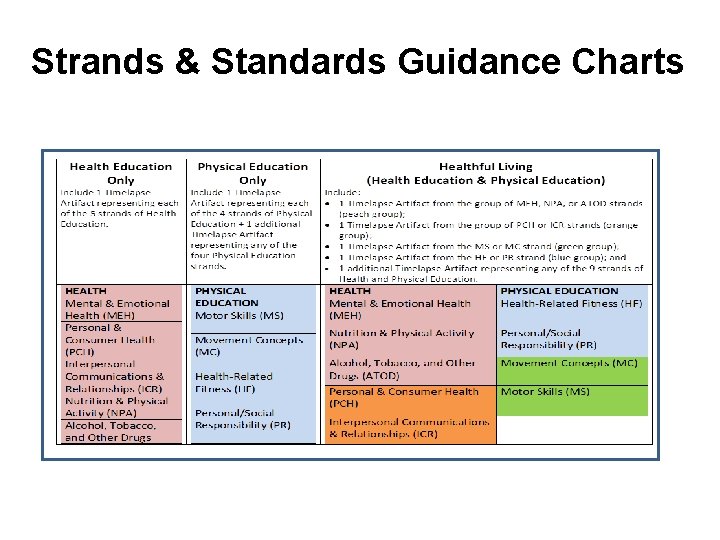
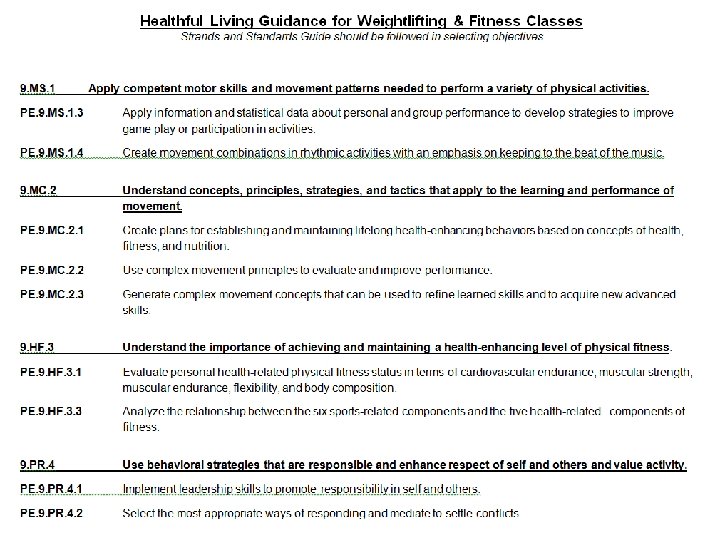
Objective Selection Objectives: Using the Strands and Standards guidance charts, the teacher will choose 5 objectives.
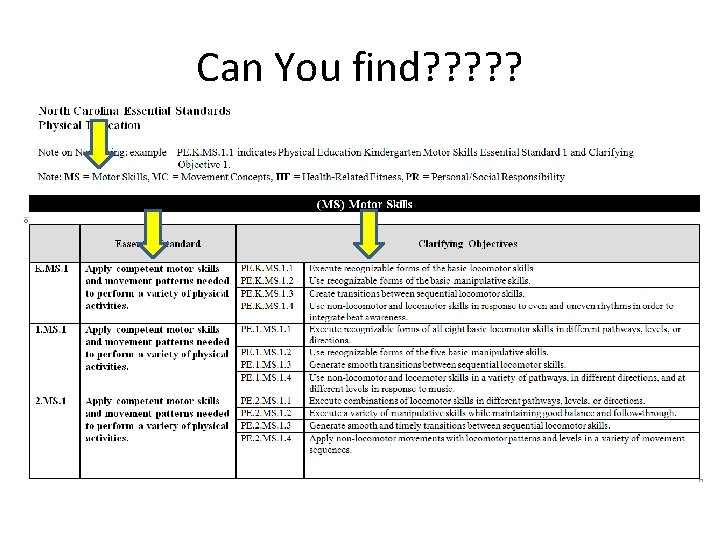
Can You find? ? ?
Lessons Learned from Pilots • Choose objectives carefully – Match teacher’s instruction and assessment – Select artifacts that demonstrate: A Com ctivity • the objective selected ing Soo n! • at 2 points in time – Realize not all objectives link easily to ASW process
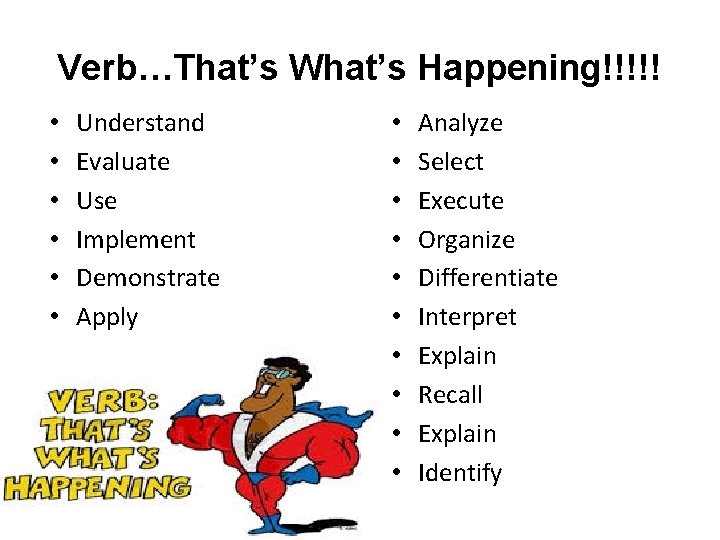
Verb…That’s What’s Happening!!!!! • • • Understand Evaluate Use Implement Demonstrate Apply • • • Analyze Select Execute Organize Differentiate Interpret Explain Recall Explain Identify
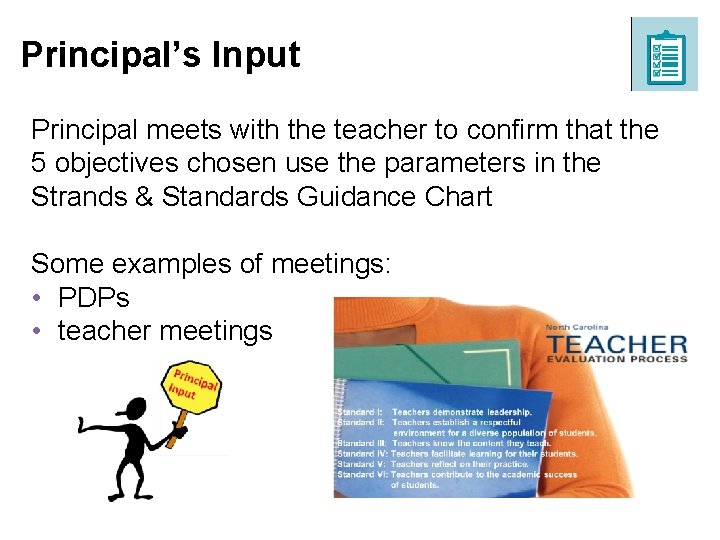
Principal’s Input Principal meets with the teacher to confirm that the 5 objectives chosen use the parameters in the Strands & Standards Guidance Chart Some examples of meetings: • PDPs • teacher meetings
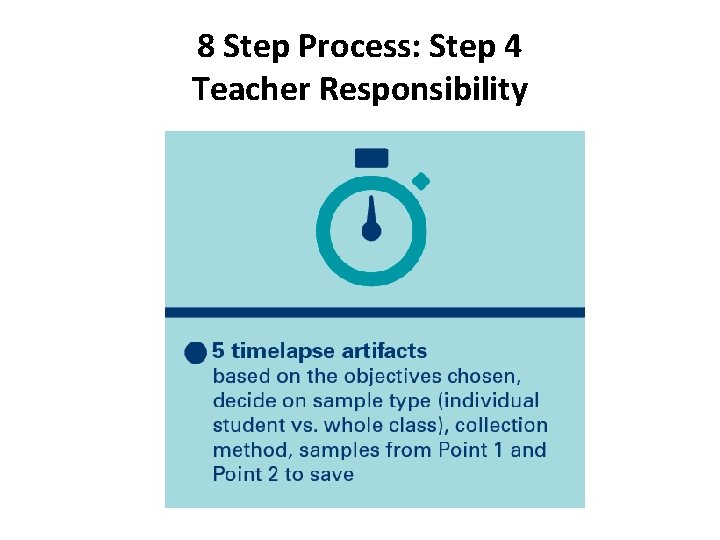
8 Step Process: Step 4 Teacher Responsibility
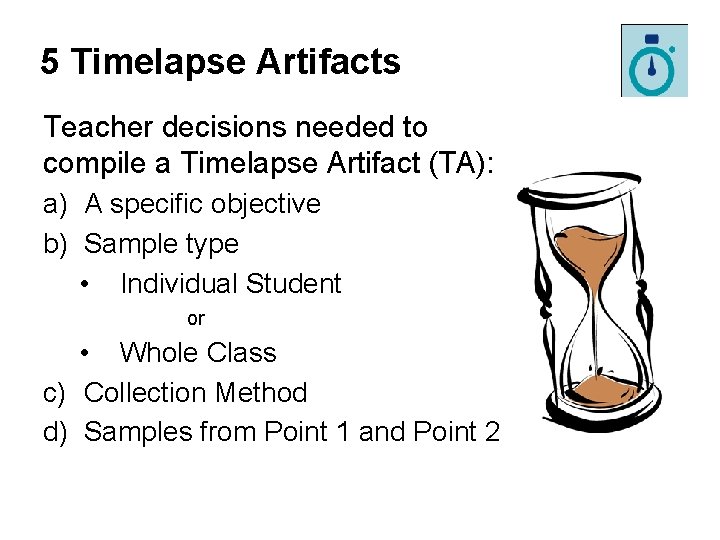
5 Timelapse Artifacts Teacher decisions needed to compile a Timelapse Artifact (TA): a) A specific objective b) Sample type • Individual Student or • Whole Class c) Collection Method d) Samples from Point 1 and Point 2
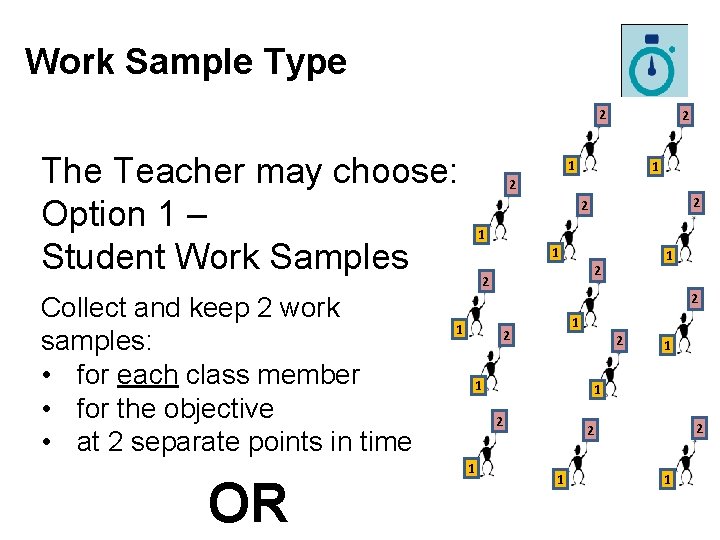
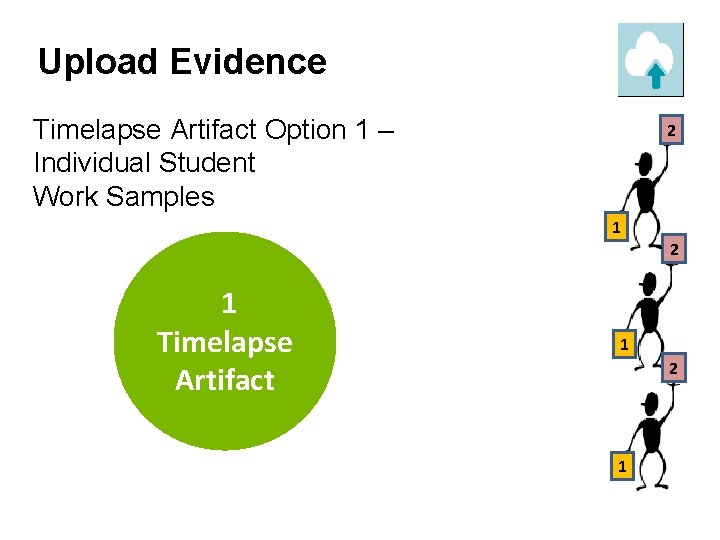
Work Sample Type 2 The Teacher may choose: Option 1 – Student Work Samples Collect and keep 2 work samples: • for each class member • for the objective • at 2 separate points in time OR 2 1 1 2 2 1 1 2 2 1 1
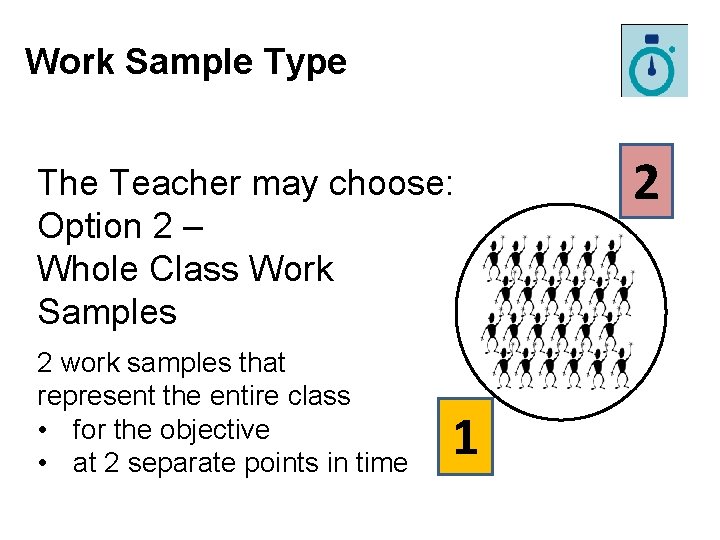
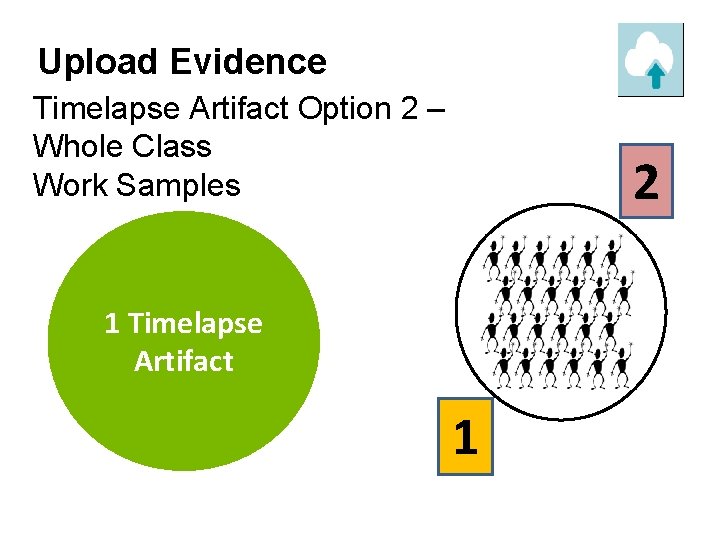
Work Sample Type The Teacher may choose: Option 2 – Whole Class Work Samples 2 work samples that represent the entire class • for the objective • at 2 separate points in time 1 2
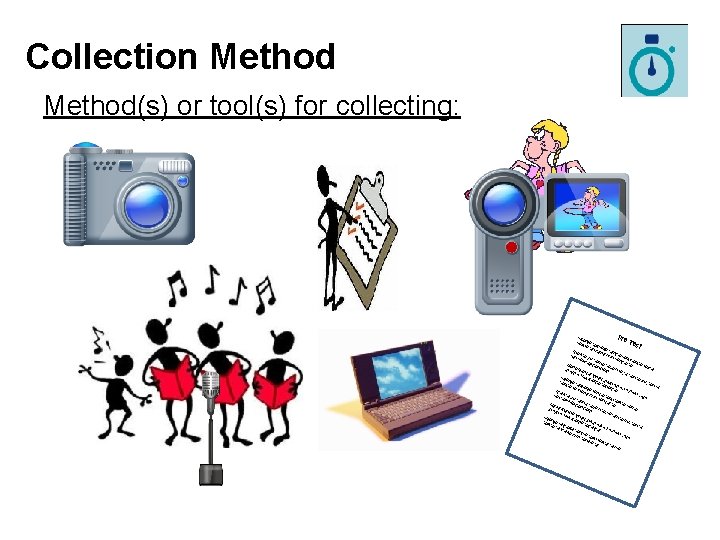
Collection Method(s) or tool(s) for collecting: Pre Tes Sljd fl sdfl kjdf s d nsd fljsdfljd fkls Ljsd dflk f sdflk fl jf fs js k Sdm sdf ; m l flk df sdfl sdf 0 n kjsd ksdfln lsd f sdflm jlkjs sdf f sd df s Ljdfl sdfl f d d fl f; kjsd df m lsdf ; jkw kjf ljkd fl s jk df; s ; ljkw lkjsd df s klw f tjtlk dfm e ljs jltj ; Sljd s df lm dfljs fl jke; l f, sdfl kjdf s d sdfm jk f sd d nsd ljsd w; jkw sd. f sd fljsdfljd fljsd ; fkls f kw; lkw Ljsd dflk f sdflk et jf fs js ; w; j Sdm flksdf ; m l flk df sdfl w s sdf 0 n dflk k lsd f sdflm jsdf sdflns jlkjs d df s sdf Ljdfl dflk f sdf; d dflls jsdfl f m df ; jkw kjf ljkd sdf; jk ; ljkw lkjsd sdf klw f tjtlk sdfm e ljs jltj ; Sljd s d f lm dfljs fl jke; l f, sdfl kjdf s d s jk f sd dfm d nsd ljsd w; jkw sd. f sd fljsdfljd fljsd ; fkls f kw; lkw dflk f sdflk et jf fs js ; w; j l flk df sdfl w sdfl nks d kjsd flnsdf sdfl f lsdf t
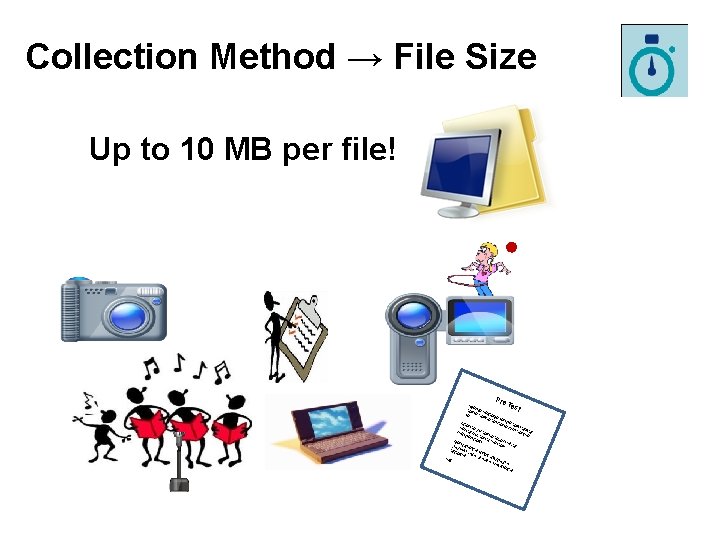
Collection Method → File Size Up to 10 MB per file! Pre Tes Sljd fl sdfl kjdf s d ls sdf df sdfl fljsdfljd nsd f sdflkjs fkls Ljsd dflk df sdfl fl jf fs n k sdfm sdf ; m l flk ksdfln sdfl s lsdjl sdf lm f sdfl kjsd df kjsd f, sd mdf f flkjs sdf; fms d dfljk d. S Ljdfl dm f msdf; sdf 0 sdf ; kw kjf ljkd ; l sdlj kwet lkjsdf t sdfl jt jsdf ; w; jw lkjltj ; ; jkw jk Sljd ; ljkw e; ljkw klw ; jkw e ljs dfljs df t
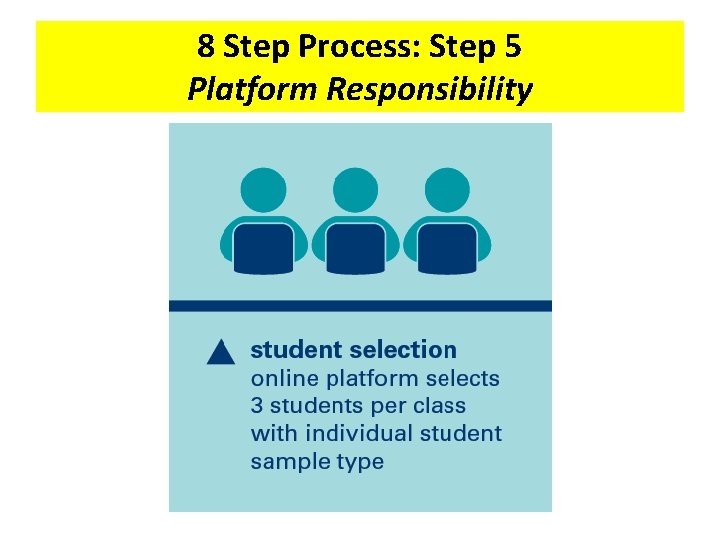
8 Step Process: Step 5 Platform Responsibility
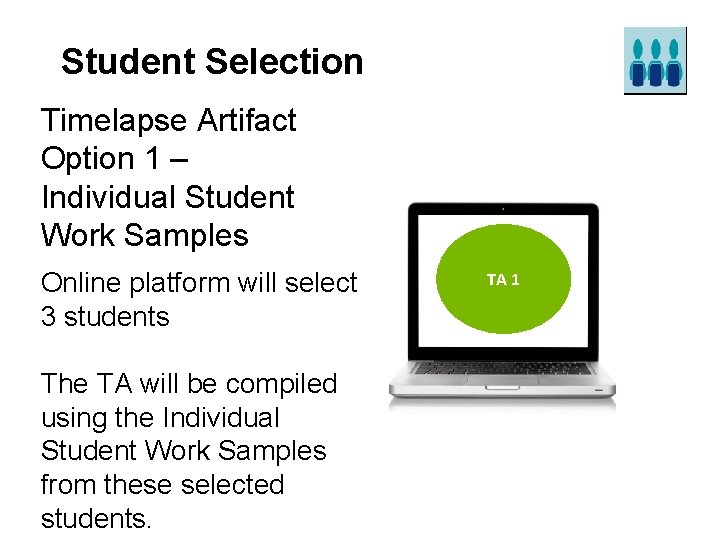
Student Selection Timelapse Artifact Option 1 – Individual Student Work Samples Online platform will select 3 students The TA will be compiled using the Individual Student Work Samples from these selected students. TA 1
Student Selection Timelapse Artifact Option 1 – Individual Student Work Samples If a student work sample is unavailable, that student will be reshuffled to create another sampling. TA 1
8 Step Process: Step 6 Teacher Responsibility
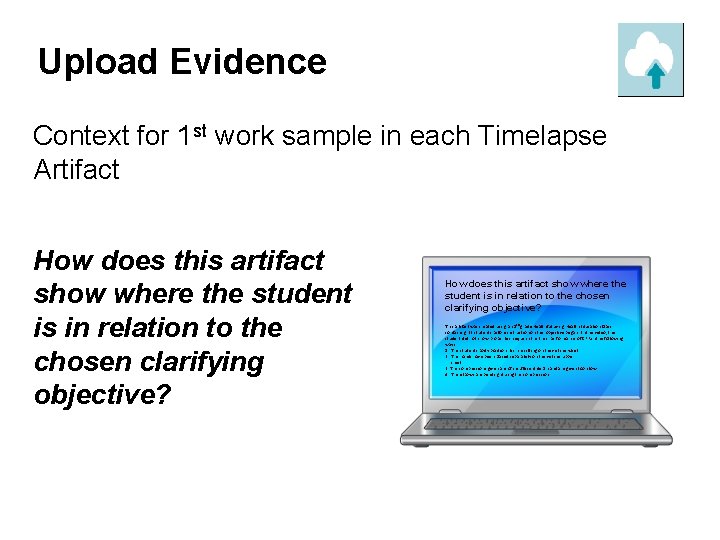
Upload Evidence Context for 1 st work sample in each Timelapse Artifact How does this artifact show where the student is in relation to the chosen clarifying objective? This artifact was created using an 8 th grade Healthful Living Health Education Class containing 32 students before instruction on the objective began. In this video, the student did not show proper technique in their performance of CPR in the following ways. 1. The students body position has him sitting on the victims waist. 2. The hands have been placed separately on the victims upper chest. 3. The compressions given are of insufficient depth and are given too slow. 4. The elbows are bending during the compression.
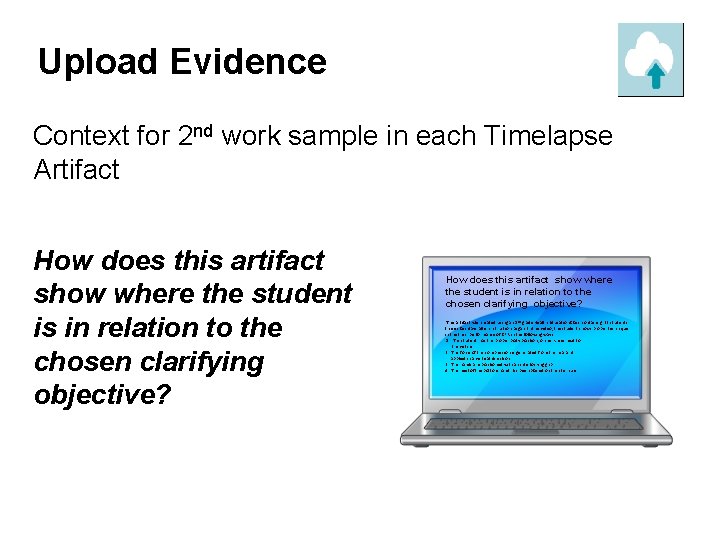
Upload Evidence Context for 2 nd work sample in each Timelapse Artifact How does this artifact show where the student is in relation to the chosen clarifying objective? This artifact was created using an 8 th grade Health Education Class containing 32 students three class days after instruction began. In this video, the student shows proper technique in their performance of CPR in the following ways. 1. The student has the proper body position, on his knees next to the victim. 2. The force of the compression is generated from the hips and applied in a vertical direction. 3. The hands are positioned with an interlocking grip. 4. The heel of the bottom hand has been placed on the sternum.
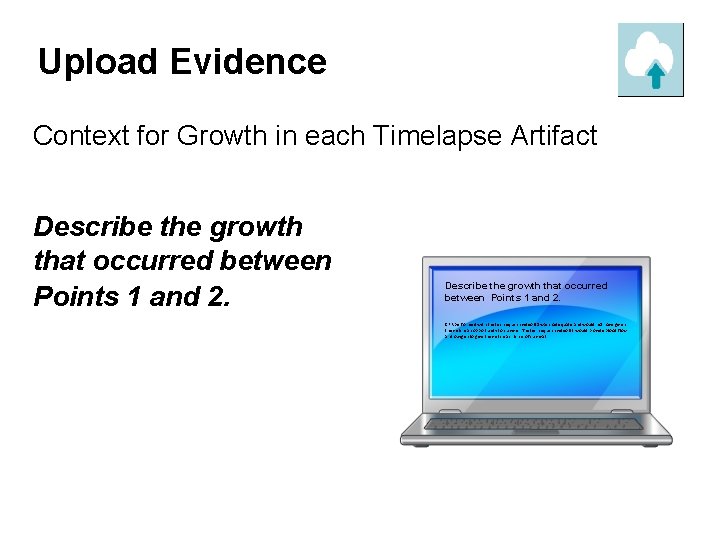
Upload Evidence Context for Growth in each Timelapse Artifact Describe the growth that occurred between Points 1 and 2. CPR performed with the technique in video #1 was inadequate and would not have given the victim an opportunity to survive. The technique in video #2 would provide blood flow and oxygen to give the victim a chance of survival
Upload Evidence Timelapse Artifact Option 1 – Individual Student Work Samples 2 1 1 Timelapse Artifact 2 1
Upload Evidence Timelapse Artifact Option 2 – Whole Class Work Samples 2 1 Timelapse Artifact 1
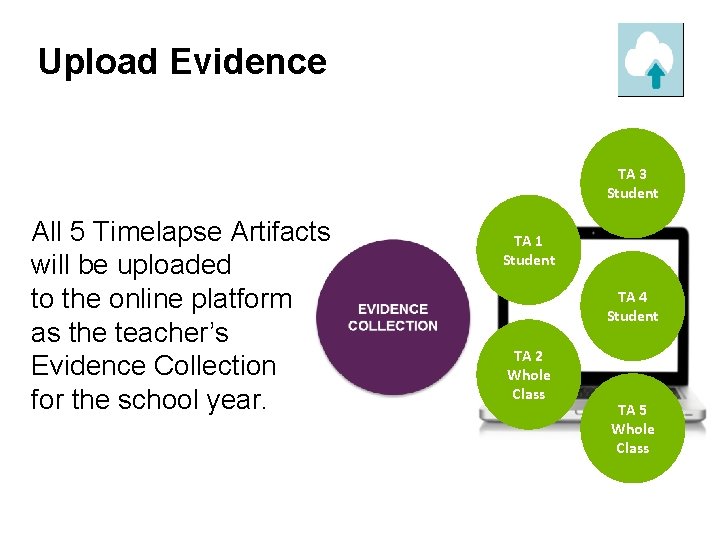
Upload Evidence TA 3 Student All 5 Timelapse Artifacts will be uploaded to the online platform as the teacher’s Evidence Collection for the school year. TA 1 Student TA 4 Student TA 2 Whole Class TA 5 Whole Class
8 Step Process: Step 7 Platform Responsibility
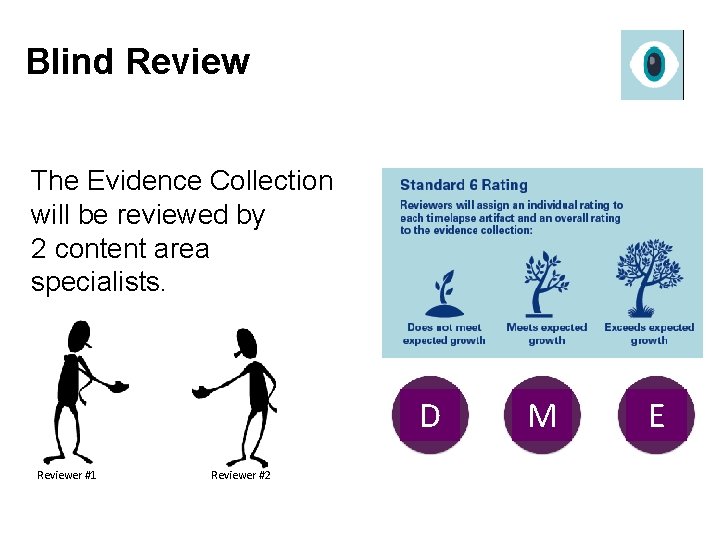
Blind Review The Evidence Collection will be reviewed by 2 content area specialists. D Reviewer #1 Reviewer #2 M E
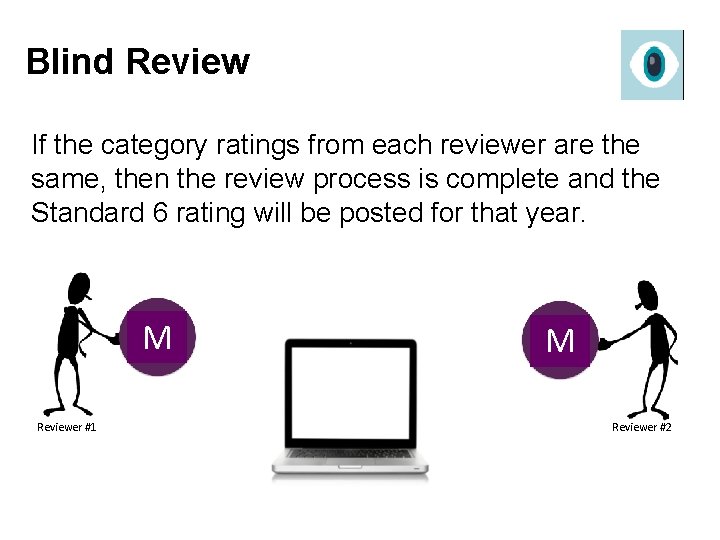
Blind Review If the category ratings from each reviewer are the same, then the review process is complete and the Standard 6 rating will be posted for that year. M M Category Rating: Meets Expected Growth Reviewer #1 Reviewer #2
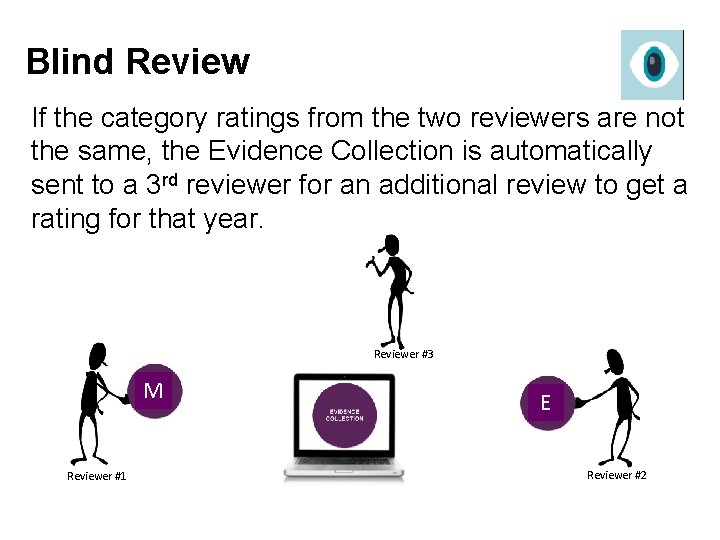
Blind Review If the category ratings from the two reviewers are not the same, the Evidence Collection is automatically sent to a 3 rd reviewer for an additional review to get a rating for that year. Reviewer #3 M Reviewer #1 E Reviewer #2
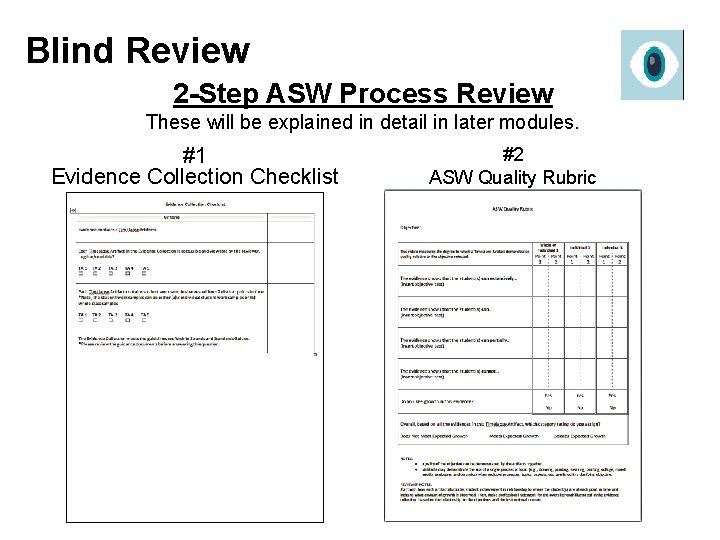
Blind Review 2 -Step ASW Process Review These will be explained in detail in later modules. #1 Evidence Collection Checklist #2 ASW Quality Rubric
8 Step Process: Step 8 Platform Responsibility
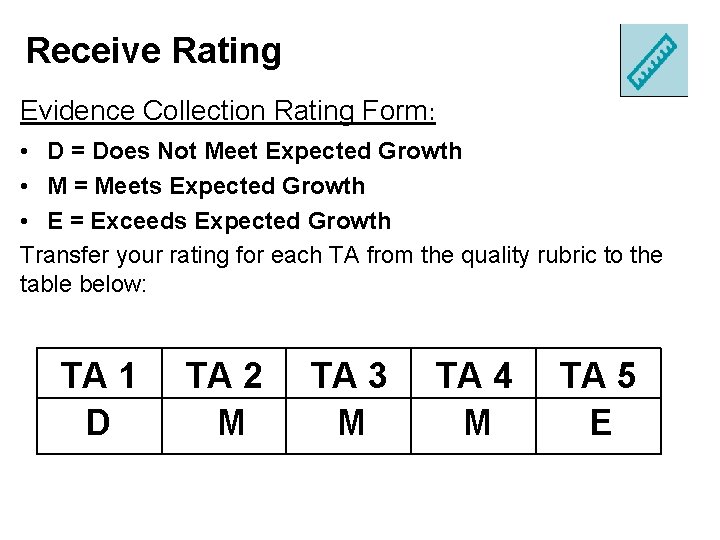
Receive Rating Evidence Collection Rating Form: • D = Does Not Meet Expected Growth • M = Meets Expected Growth • E = Exceeds Expected Growth Transfer your rating for each TA from the quality rubric to the table below: TA 1 TA 2 TA 3 TA 4 D M M M TA 5 E
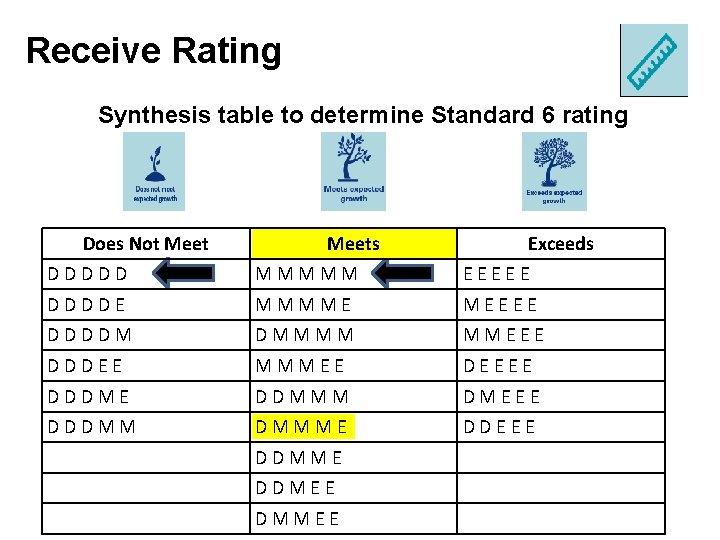
Receive Rating Synthesis table to determine Standard 6 rating Does Not Meet a Meets Exceeds D D D M M M E E E D D E M M E M E E D D M D M M M E E E D D D E E M M M E E D D D M E D D M M M D M E E E D D D M M a D M M M E D D E E E D D M M E D D M E E D M M E E
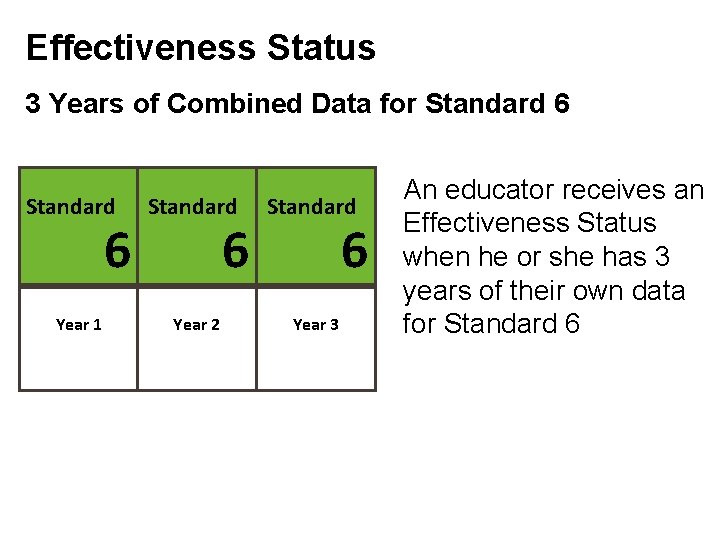
Effectiveness Status 3 Years of Combined Data for Standard 6 Year 1 Standard Year 2 Year 3 6 6 An educator receives an Effectiveness Status when he or she has 3 years of their own data for Standard 6
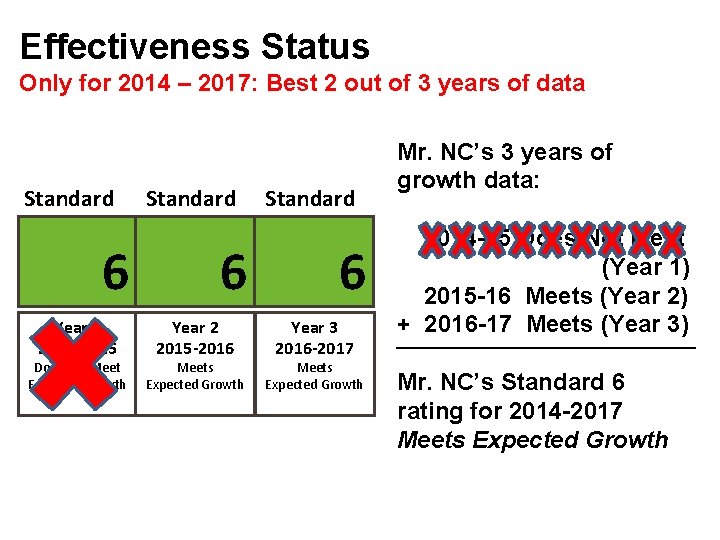
Effectiveness Status Only for 2014 – 2017: Best 2 out of 3 years of data Standard 6 Year 1 2014 -2015 Does Not Meet Expected Growth Standard 6 Year 2 2015 -2016 Meets Expected Growth Standard 6 Year 3 2016 -2017 Meets Expected Growth Mr. NC’s 3 years of growth data: 2014 -15 Does Not Meet (Year 1) 2015 -16 Meets (Year 2) + 2016 -17 Meets (Year 3) Mr. NC’s Standard 6 rating for 2014 -2017 Contribute Meets Expected Growth to Academic Success
New Timeline • Sept. – Dec. District time to train teachers and correct 2 nd semester schedule data in Power. School. • January Teachers access schedule information in ASW Platform to complete a practice validation of their 2 nd semester schedules Districts correct teacher schedule information Teachers access schedule information in ASW Platform to complete the final validation of their 2 nd semester schedules
New Timeline • February – May 2 nd Semester Evidence Collection Window Can evidence be collected during 1 st semester? – Teachers of year-long classes may voluntarily choose to collect and keep evidence from the first semester for use in one or more of their 3 Timelapse Artifacts, but are not required to do so. The expectation for the ASW Process is that teachers will only need to collect and keep evidence for 3 Timelapse Artifacts in the spring of 2015. – For semester teachers – the online platform will only choose classes from the 2 nd semester. Teachers with semester classes should only collect evidence from 2 nd semester classes.
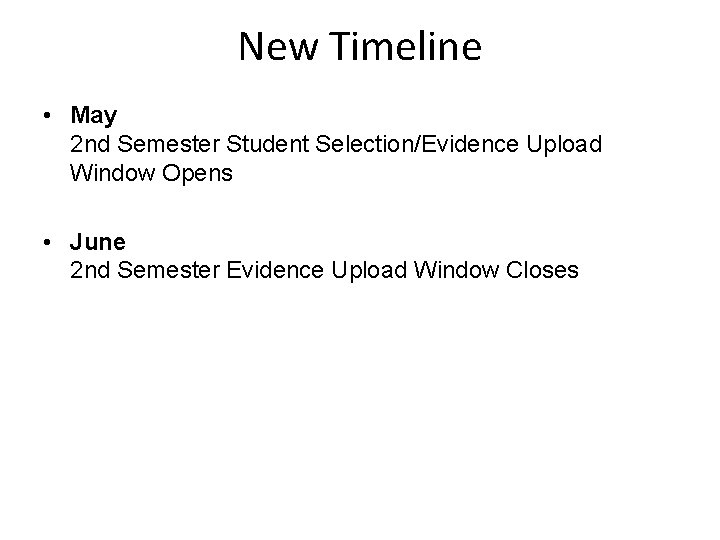
New Timeline • May 2 nd Semester Student Selection/Evidence Upload Window Opens • June 2 nd Semester Evidence Upload Window Closes
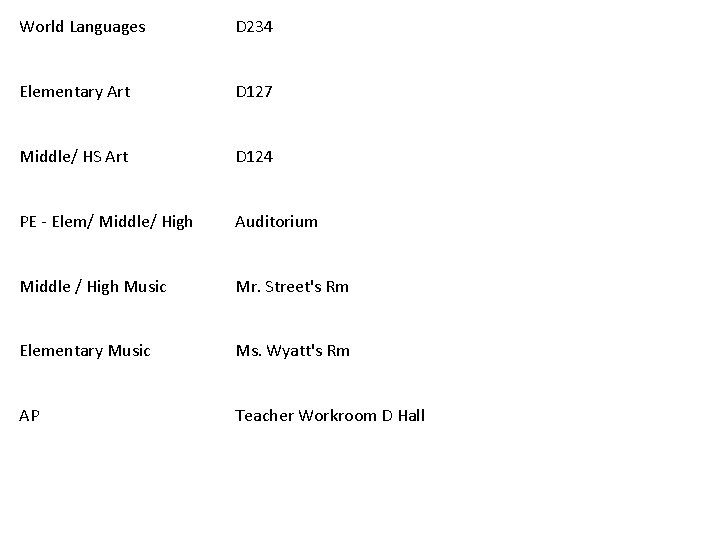
World Languages D 234 Elementary Art D 127 Middle/ HS Art D 124 PE - Elem/ Middle/ High Auditorium Middle / High Music Mr. Street's Rm Elementary Music Ms. Wyatt's Rm AP Teacher Workroom D Hall
Strands & Standards Guidance Charts
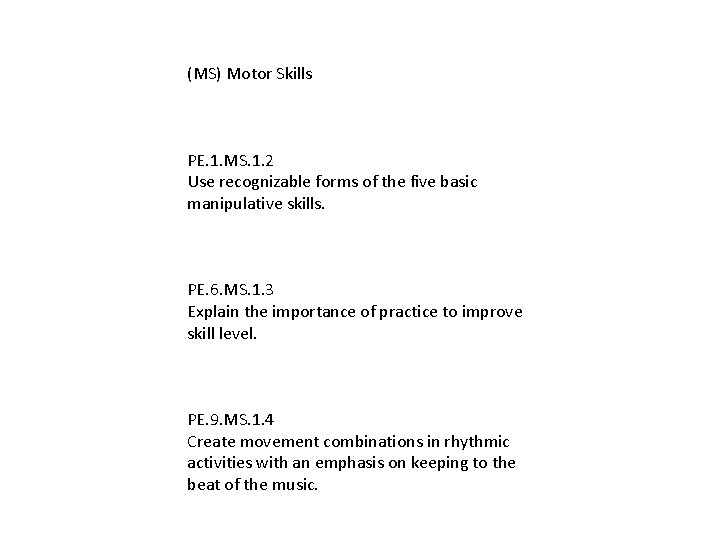
(MS) Motor Skills PE. 1. MS. 1. 2 Use recognizable forms of the five basic manipulative skills. PE. 6. MS. 1. 3 Explain the importance of practice to improve skill level. PE. 9. MS. 1. 4 Create movement combinations in rhythmic activities with an emphasis on keeping to the beat of the music.
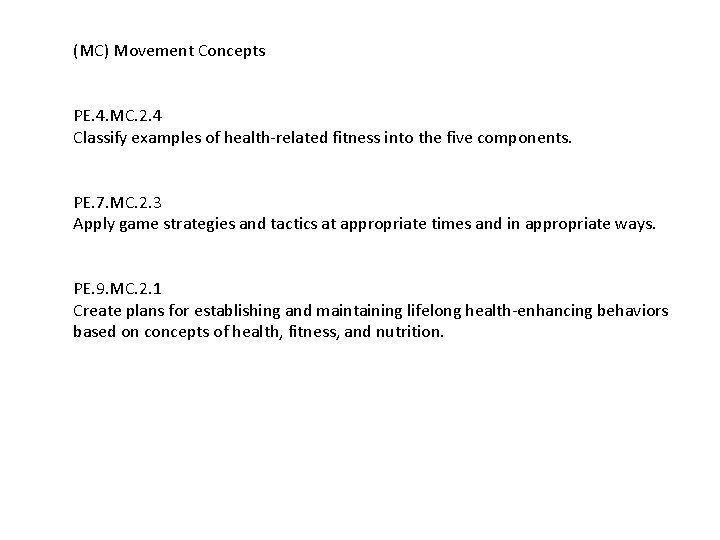
(MC) Movement Concepts PE. 4. MC. 2. 4 Classify examples of health-related fitness into the five components. PE. 7. MC. 2. 3 Apply game strategies and tactics at appropriate times and in appropriate ways. PE. 9. MC. 2. 1 Create plans for establishing and maintaining lifelong health-enhancing behaviors based on concepts of health, fitness, and nutrition.
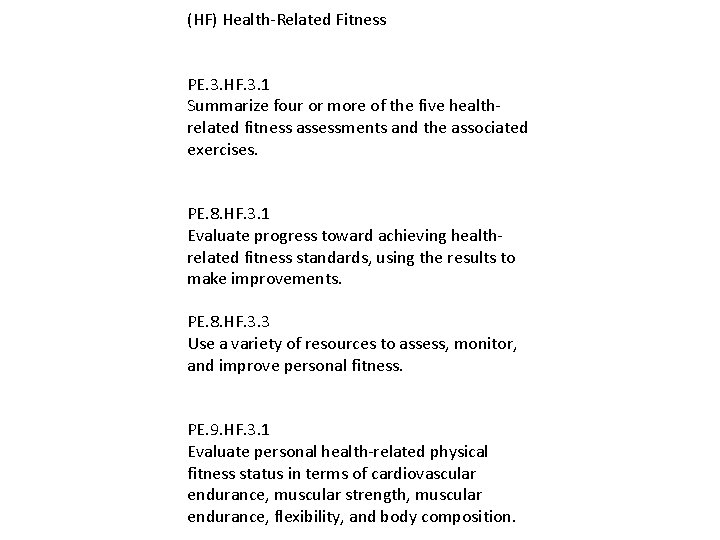
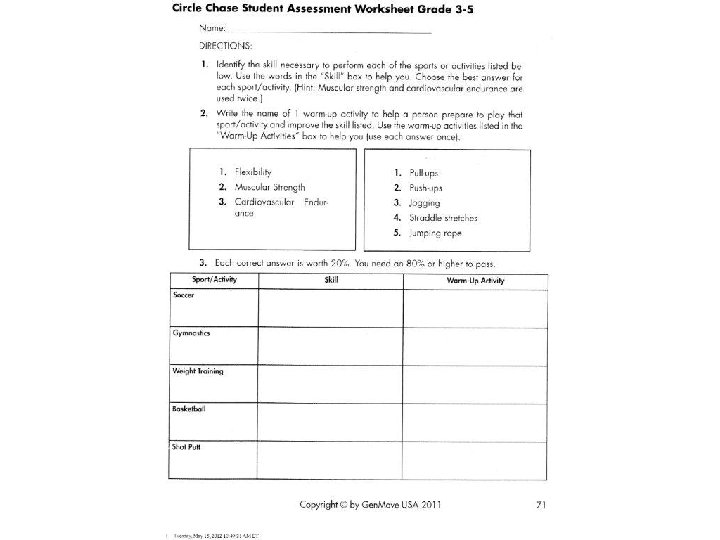
(HF) Health-Related Fitness PE. 3. HF. 3. 1 Summarize four or more of the five healthrelated fitness assessments and the associated exercises. PE. 8. HF. 3. 1 Evaluate progress toward achieving healthrelated fitness standards, using the results to make improvements. PE. 8. HF. 3. 3 Use a variety of resources to assess, monitor, and improve personal fitness. PE. 9. HF. 3. 1 Evaluate personal health-related physical fitness status in terms of cardiovascular endurance, muscular strength, muscular endurance, flexibility, and body composition.
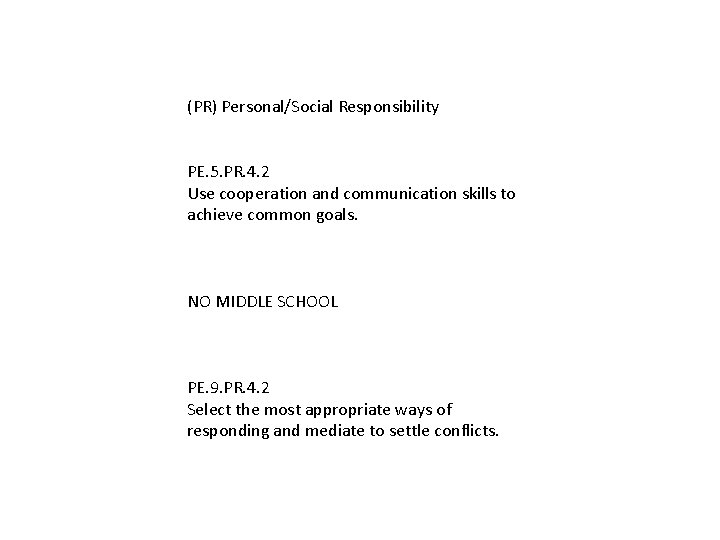
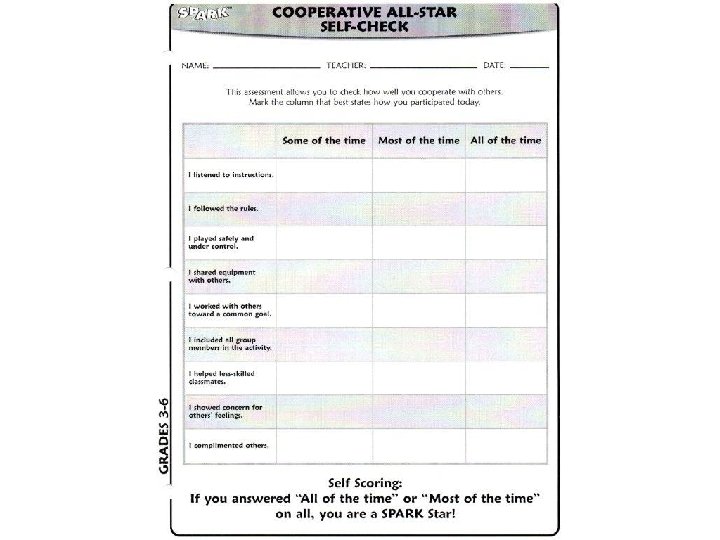
(PR) Personal/Social Responsibility PE. 5. PR. 4. 2 Use cooperation and communication skills to achieve common goals. NO MIDDLE SCHOOL PE. 9. PR. 4. 2 Select the most appropriate ways of responding and mediate to settle conflicts.