
Astronomy C Variable Stars A Pulsating Variables 1
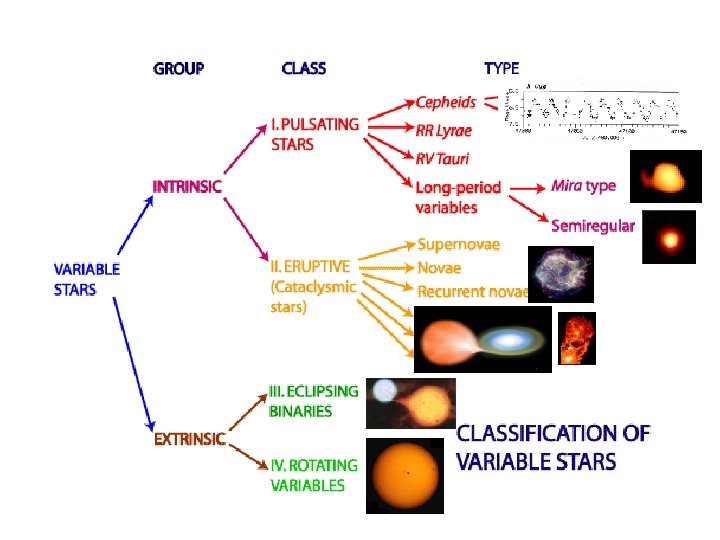
Astronomy C - Variable Stars A. Pulsating Variables: 1) Long Period Variables a) Mira type b) Semiregular 2) Cepheids 3) RR Lyrae 4) RV Tarui B. Cataclysmic (Eruptive) Variables: 1) T Tauri 2) Novae 3) Dwarf Novae 4) Recurrent Novae 5) Supernovae a) Type II b) Type Ia
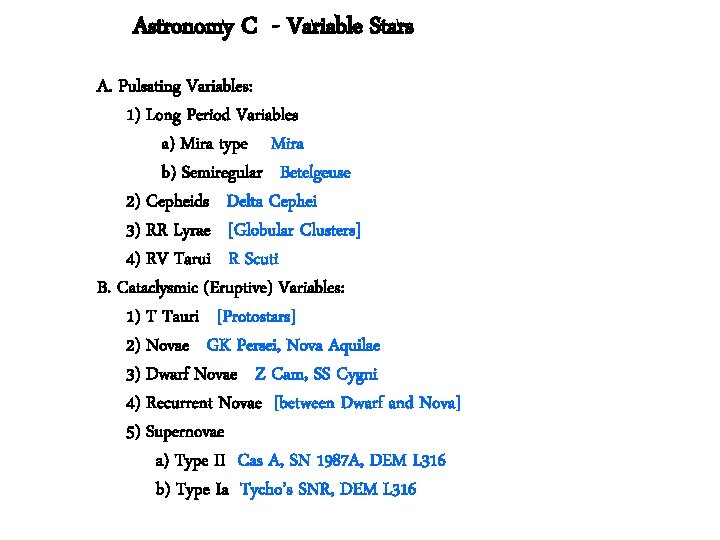
Astronomy C - Variable Stars A. Pulsating Variables: 1) Long Period Variables a) Mira type Mira b) Semiregular Betelgeuse 2) Cepheids Delta Cephei 3) RR Lyrae [Globular Clusters] 4) RV Tarui R Scuti B. Cataclysmic (Eruptive) Variables: 1) T Tauri [Protostars] 2) Novae GK Persei, Nova Aquilae 3) Dwarf Novae Z Cam, SS Cygni 4) Recurrent Novae [between Dwarf and Nova] 5) Supernovae a) Type II Cas A, SN 1987 A, DEM L 316 b) Type Ia Tycho’s SNR, DEM L 316
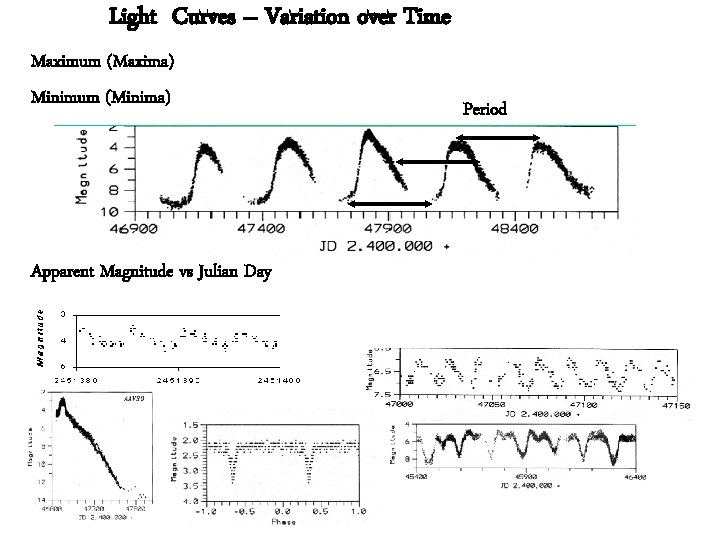
Light Curves – Variation over Time Maximum (Maxima) Minimum (Minima) Apparent Magnitude vs Julian Day Period
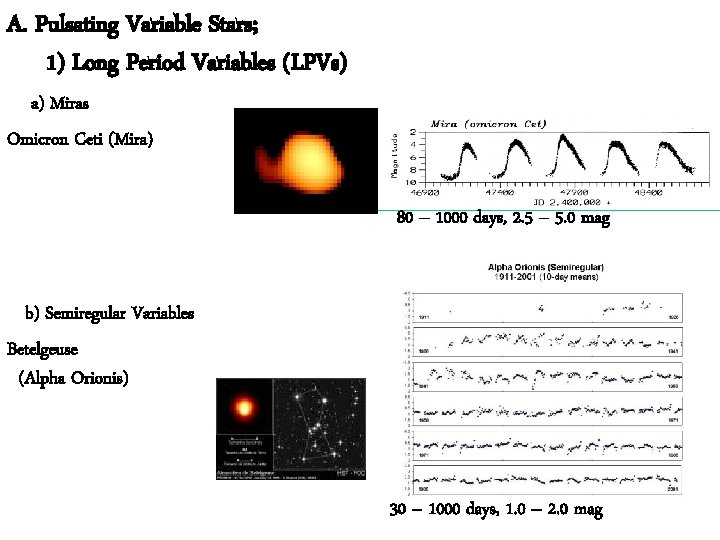
A. Pulsating Variable Stars; 1) Long Period Variables (LPVs) a) Miras Omicron Ceti (Mira) 80 – 1000 days, 2. 5 – 5. 0 mag b) Semiregular Variables Betelgeuse (Alpha Orionis) 30 – 1000 days, 1. 0 – 2. 0 mag
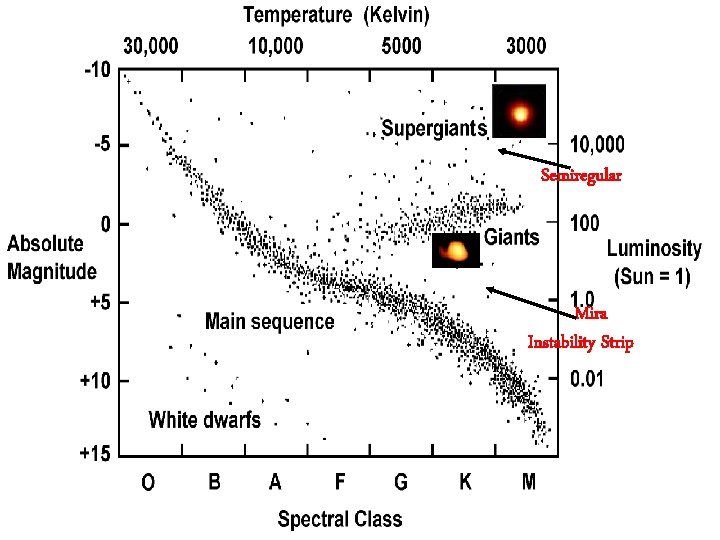
Semiregular Mira Instability Strip
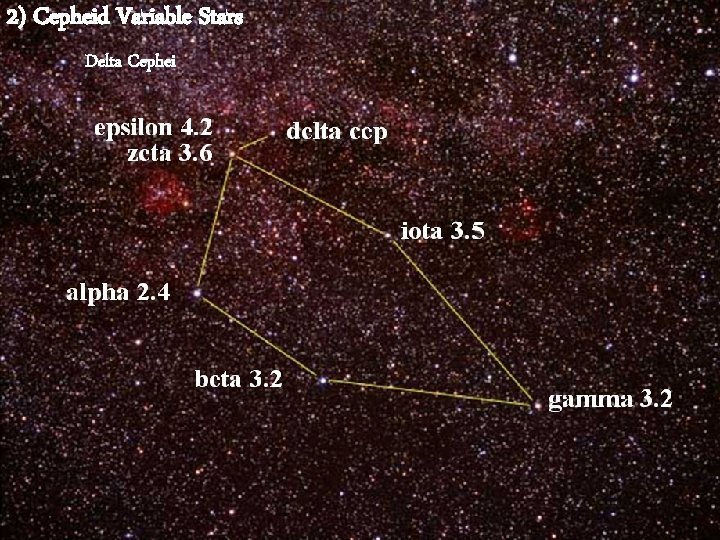
2) Cepheid Variable Stars Delta Cephei
![2) Cepheids [Periods of 1 – 70 days, 1. 0 – 2. 0 mag]](http://slidetodoc.com/presentation_image_h/b6d6d2258822c8791516eda15e993372/image-7.jpg "2) Cepheids [Periods of 1 – 70 days, 1. 0 – 2. 0 mag]")
2) Cepheids [Periods of 1 – 70 days, 1. 0 – 2. 0 mag] Delta Cephei
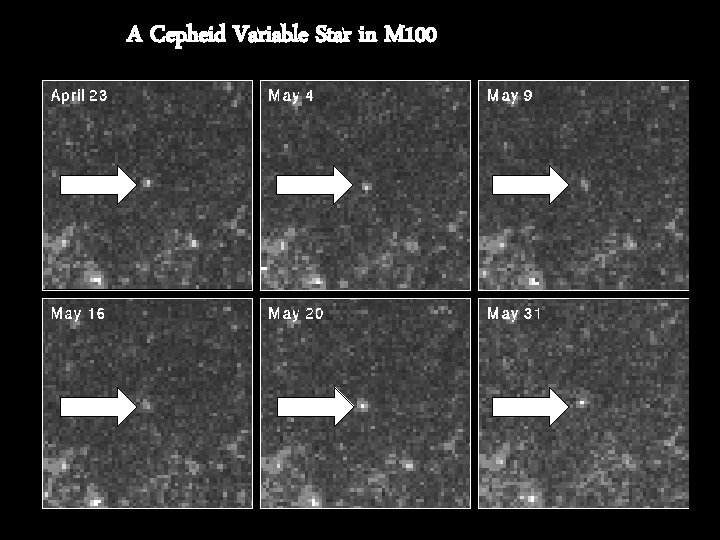
A Cepheid Variable Star in M 100
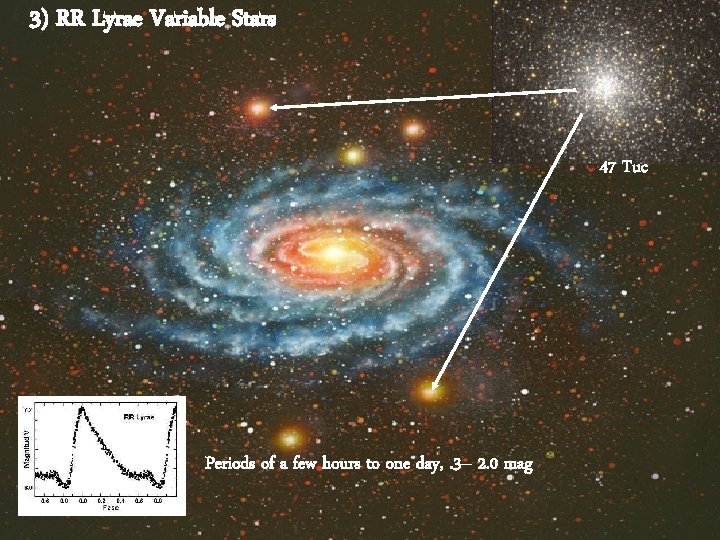
3) RR Lyrae Variable Stars 47 Tuc Periods of a few hours to one day, . 3– 2. 0 mag

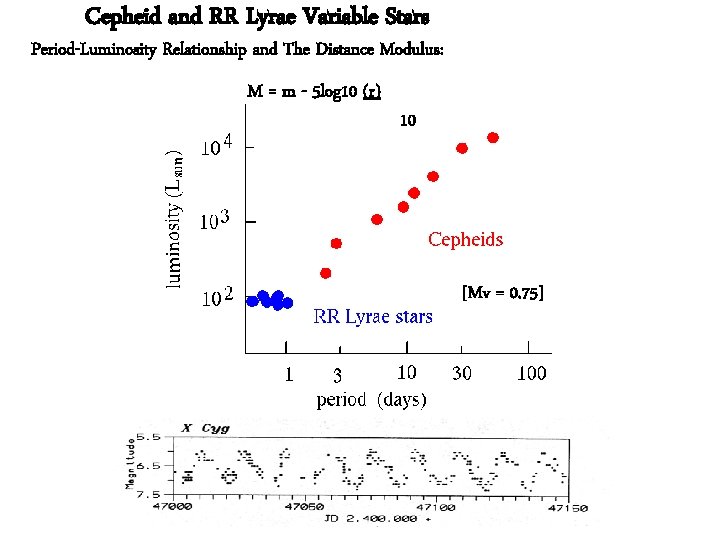
Cepheid and RR Lyrae Variable Stars Period-Luminosity Relationship and The Distance Modulus: M = m - 5 log 10 (r) 10 [Mv = 0. 75]

4) RV Tauri – a Stellar Missing Link? R Scuti
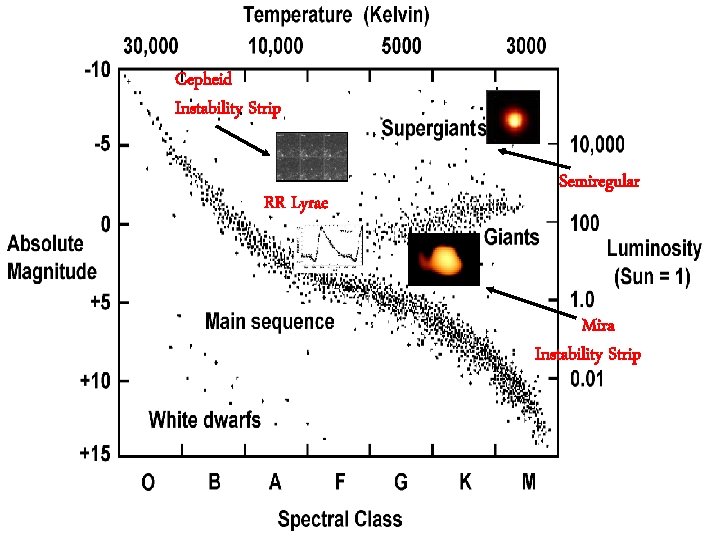
Cepheid Instability Strip RR Lyrae Semiregular Mira Instability Strip
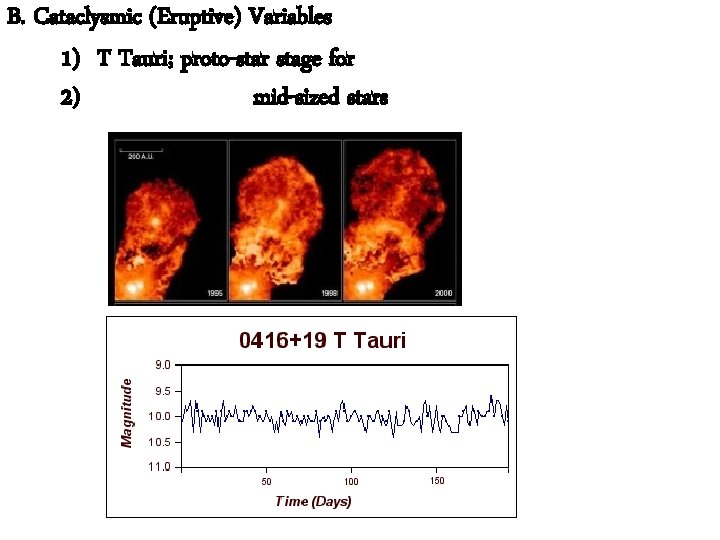
B. Cataclysmic (Eruptive) Variables 1) T Tauri; proto-star stage for 2) mid-sized stars
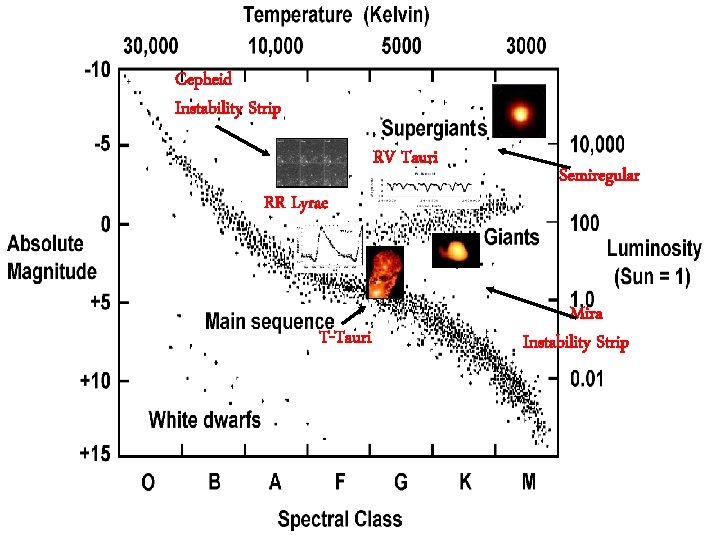
Cepheid Instability Strip RV Tauri RR Lyrae T-Tauri Semiregular Mira Instability Strip
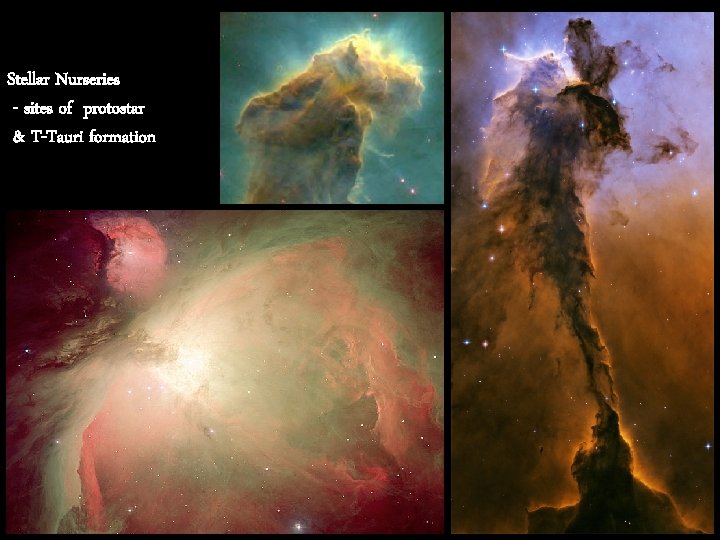
Stellar Nurseries - sites of protostar & T-Tauri formation
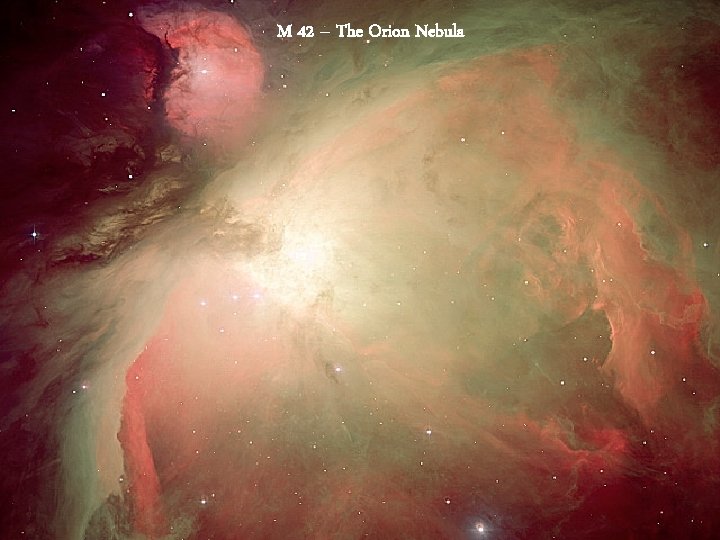
M 42 – The Orion Nebula
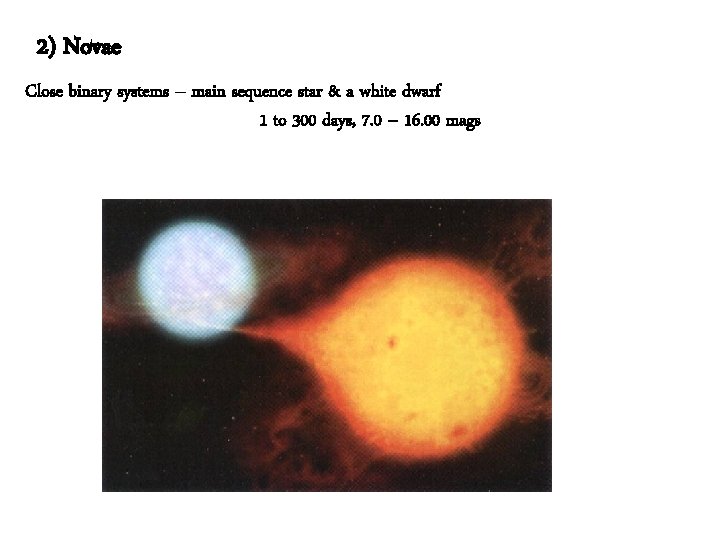
2) Novae Close binary systems – main sequence star & a white dwarf 1 to 300 days, 7. 0 – 16. 00 mags
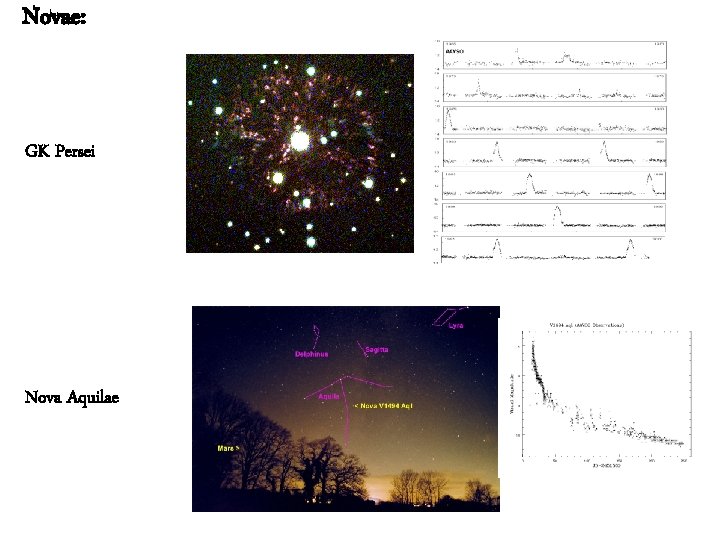
Novae: GK Persei Nova Aquilae
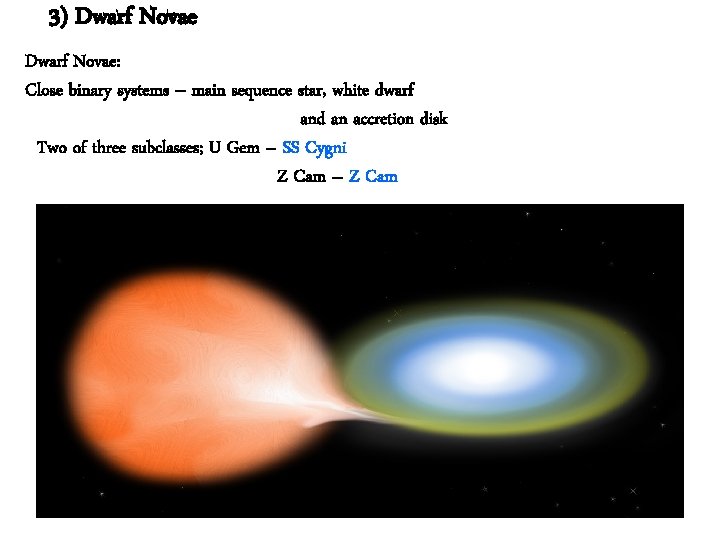
3) Dwarf Novae: Close binary systems – main sequence star, white dwarf and an accretion disk Two of three subclasses; U Gem – SS Cygni Z Cam – Z Cam
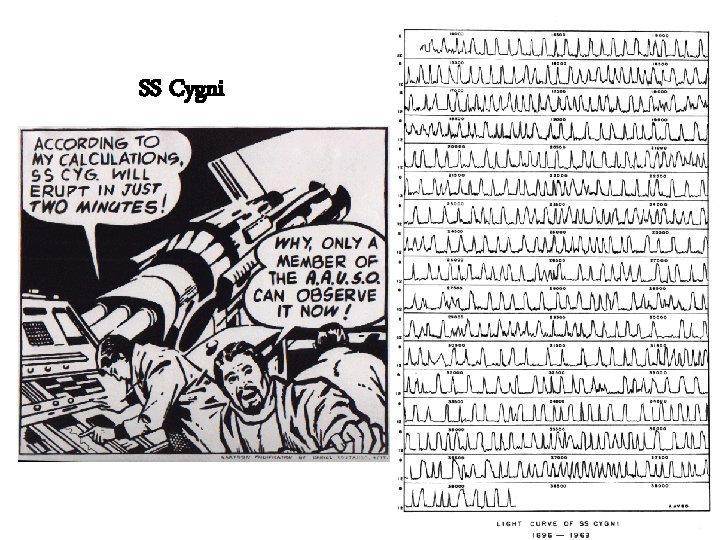
SS Cygni
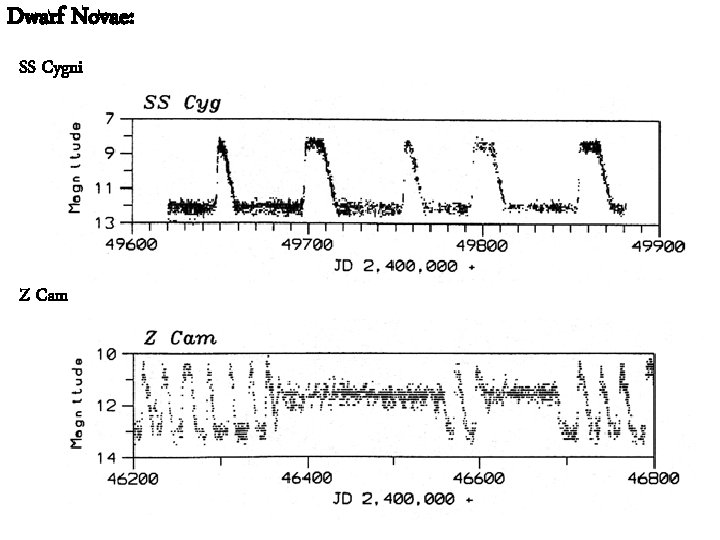
Dwarf Novae: SS Cygni Z Cam

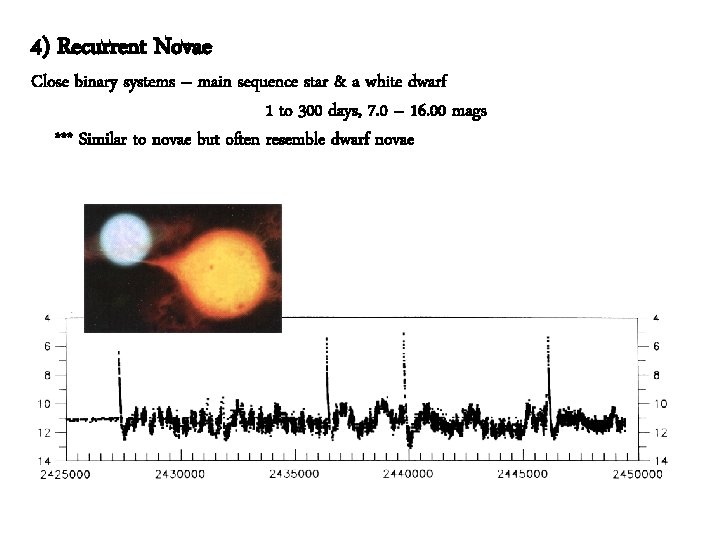
4) Recurrent Novae Close binary systems – main sequence star & a white dwarf 1 to 300 days, 7. 0 – 16. 00 mags *** Similar to novae but often resemble dwarf novae
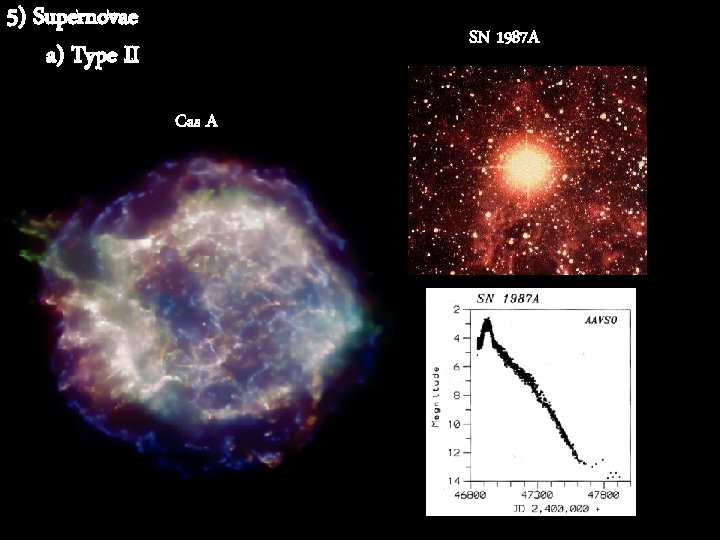
5) Supernovae a) Type II SN 1987 A Cas A
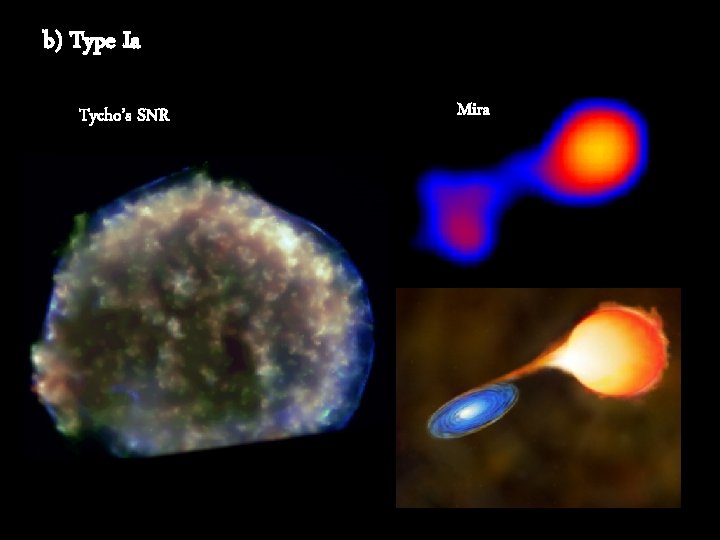
b) Type Ia Tycho’s SNR Mira
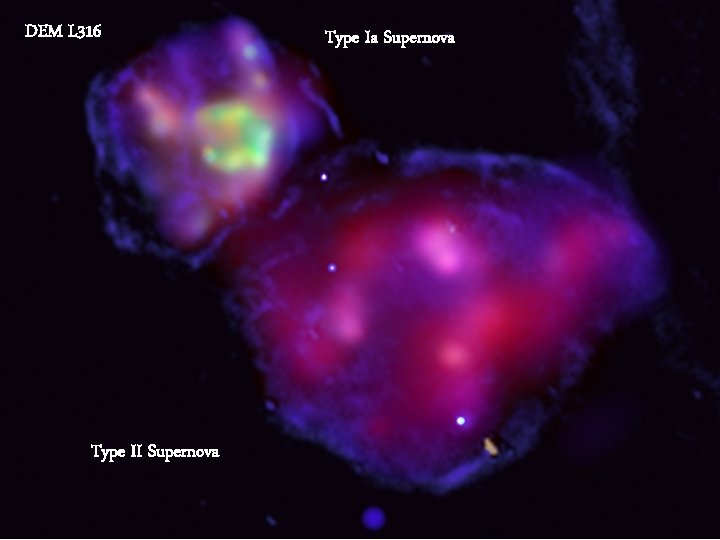
DEM L 316 Type II Supernova Type Ia Supernova
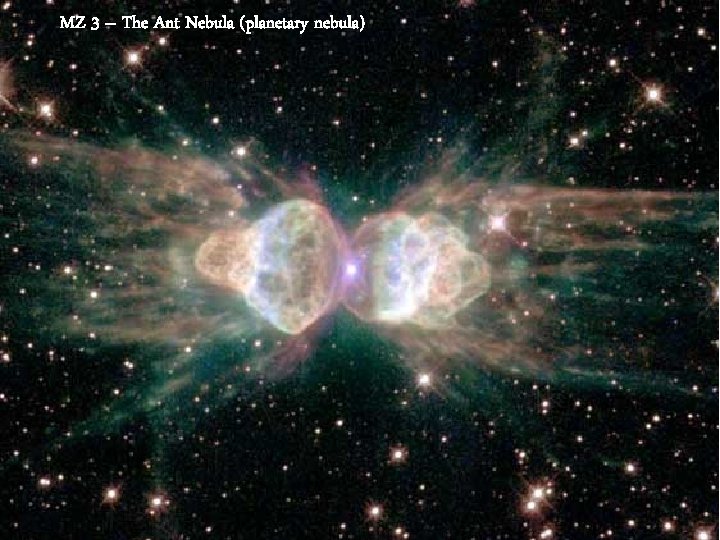
MZ 3 – The Ant Nebula (planetary nebula)

Algol Beta Persei Eclipsing Binary
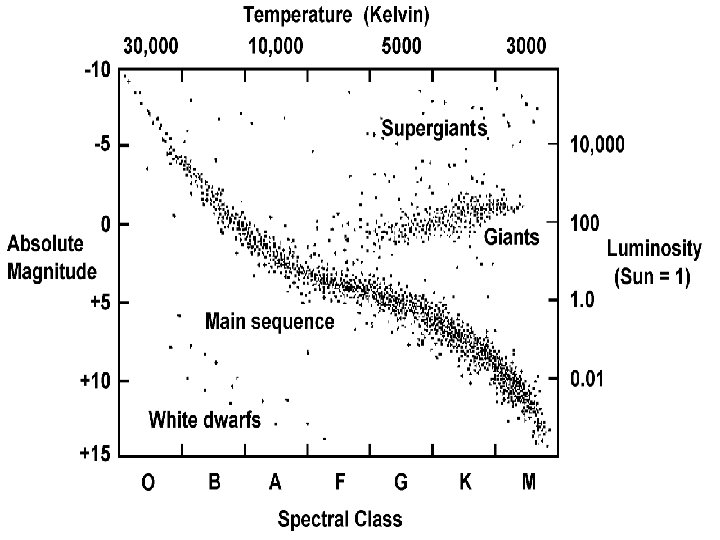
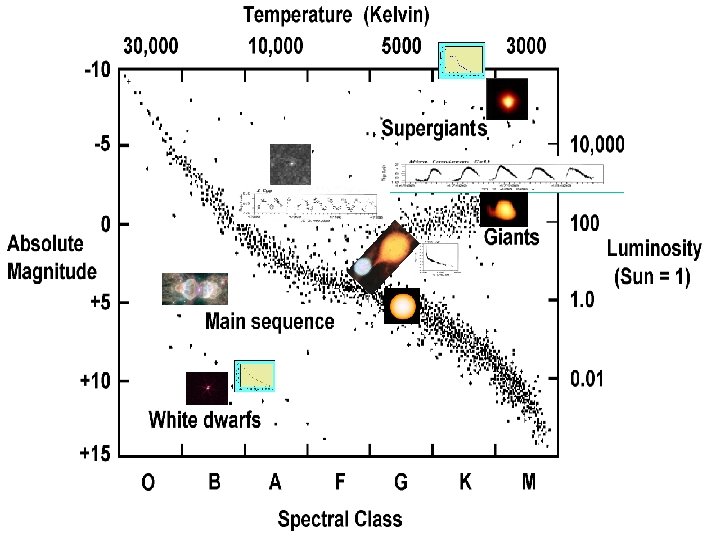
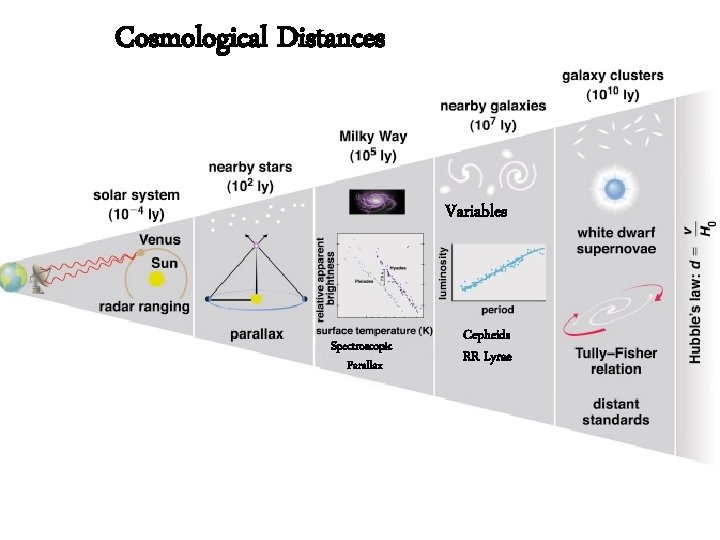
Cosmological Distances Variables Spectroscopic Parallax Cepheids RR Lyrae
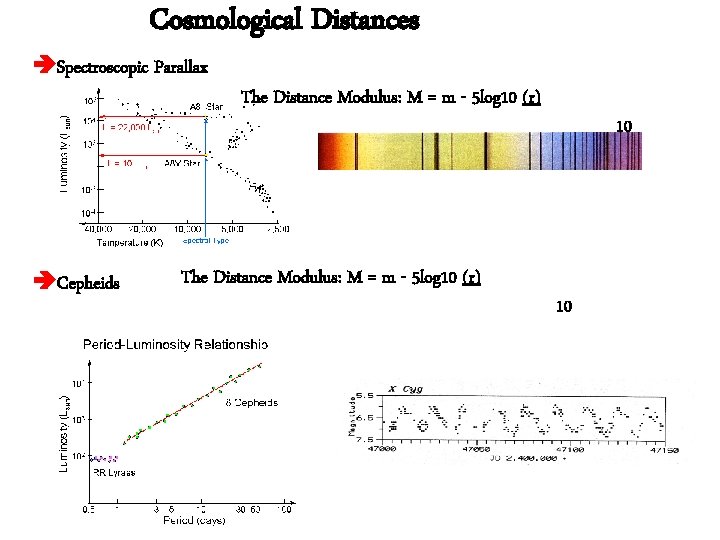
Cosmological Distances Spectroscopic Parallax Cepheids The Distance Modulus: M = m - 5 log 10 (r) 10 10
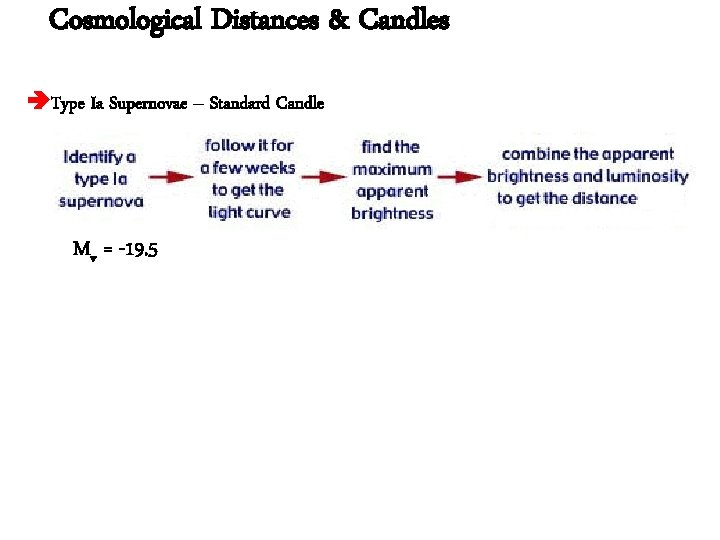
Cosmological Distances & Candles Type Ia Supernovae – Standard Candle Mv = -19. 5
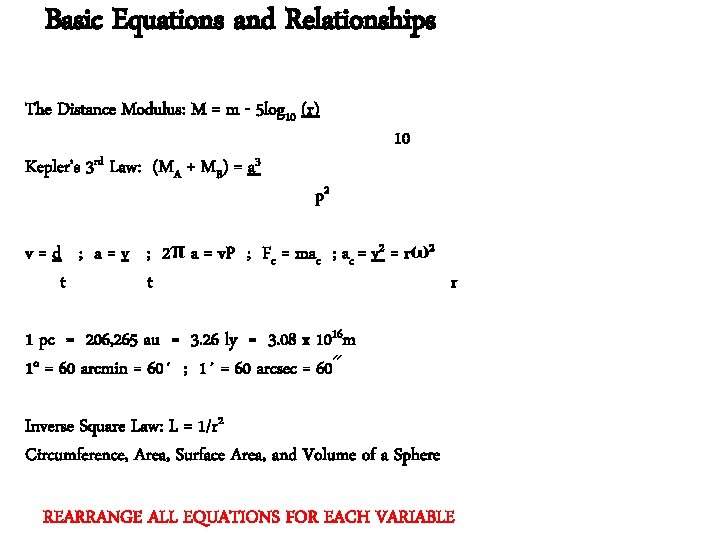
Basic Equations and Relationships The Distance Modulus: M = m - 5 log 10 (r) Kepler’s 3 rd Law: (MA + MB) = a 3 10 p 2 v = d ; a = v ; 2π a = v. P ; Fc = mac ; ac = v 2 = rω2 t t r 1 pc = 206, 265 au = 3. 26 ly = 3. 08 x 1016 m 1° = 60 arcmin = 60´ ; 1´ = 60 arcsec = 60˝ Inverse Square Law: L = 1/r 2 Circumference, Area, Surface Area, and Volume of a Sphere REARRANGE ALL EQUATIONS FOR EACH VARIABLE
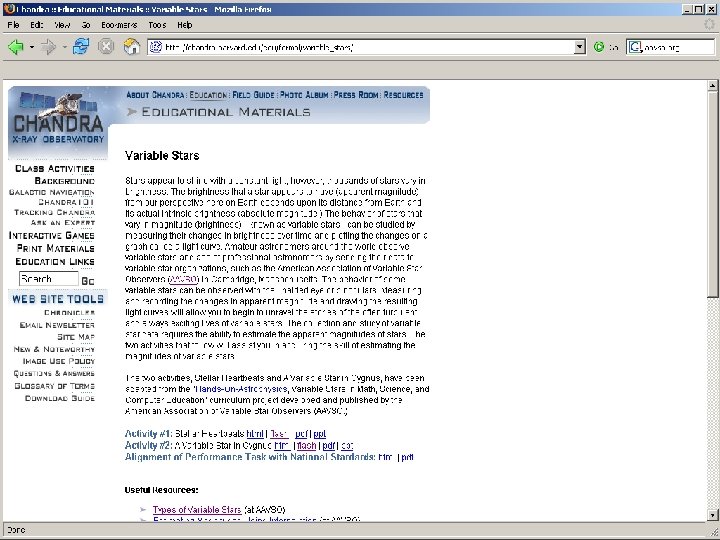
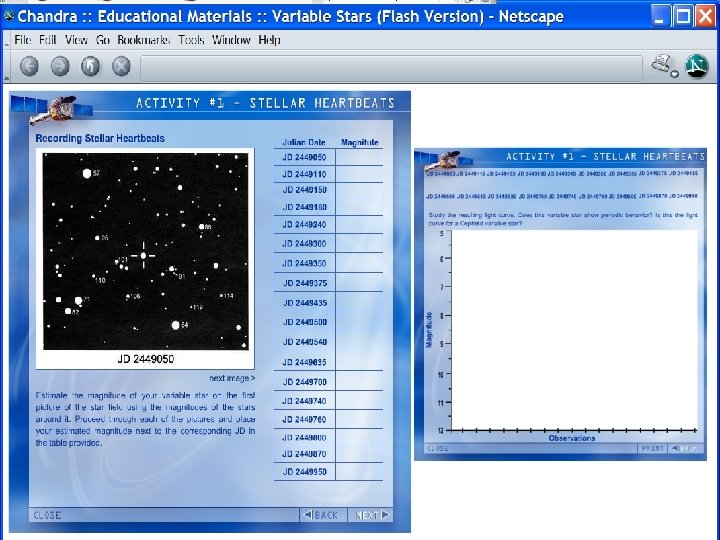
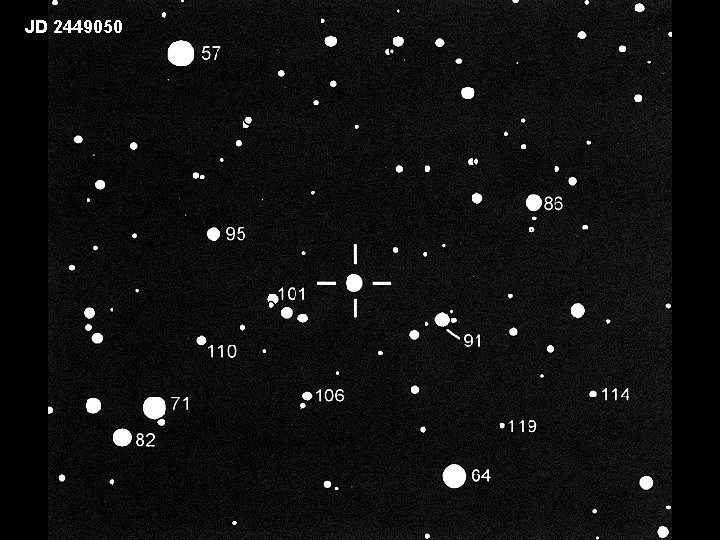
JD 2449050
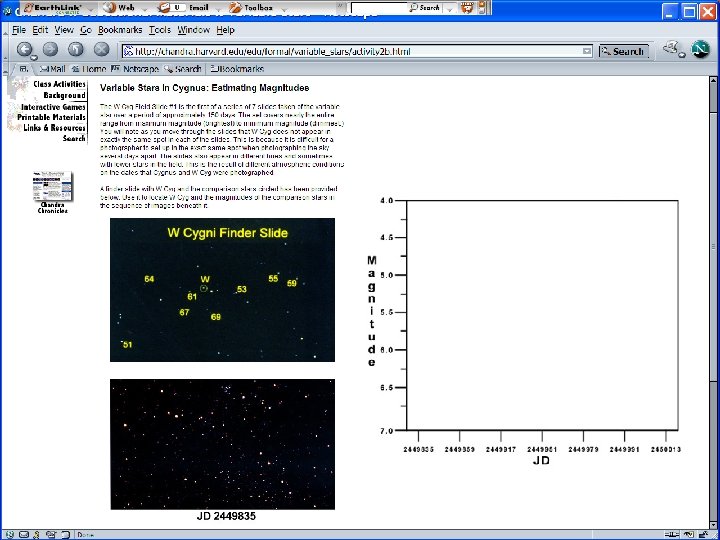
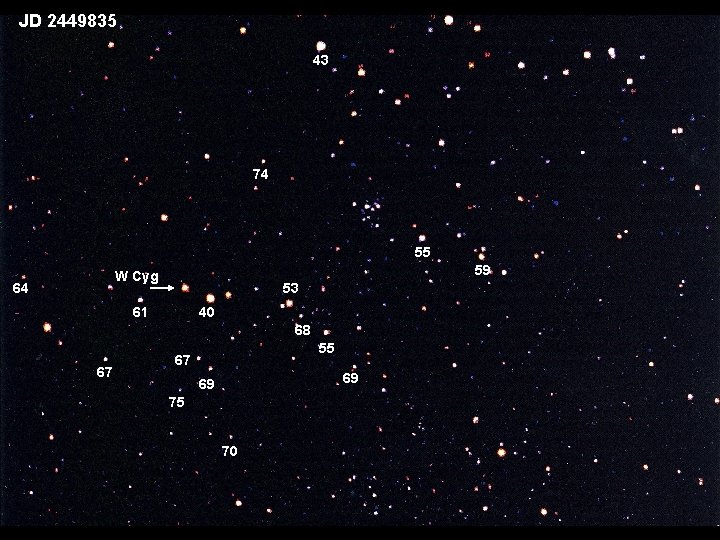
JD 2449835 43 74 55 59 W Cyg 64 53 61 40 68 67 55 67 69 69 75 70
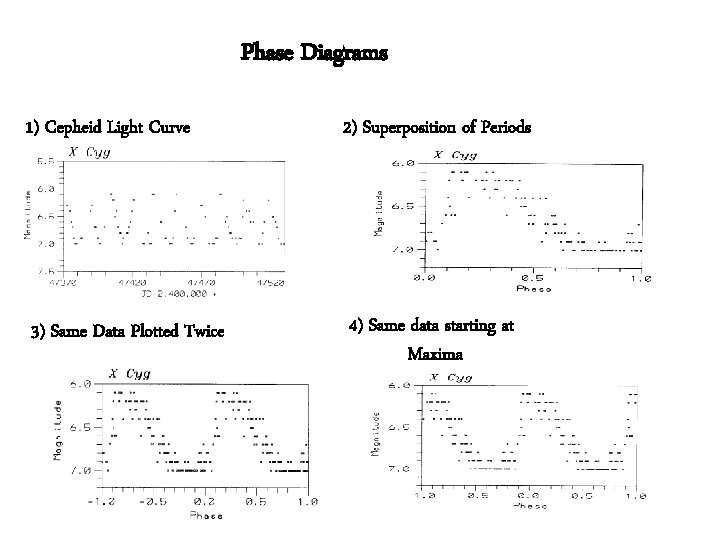
Phase Diagrams 1) Cepheid Light Curve 2) Superposition of Periods 3) Same Data Plotted Twice 4) Same data starting at Maxima
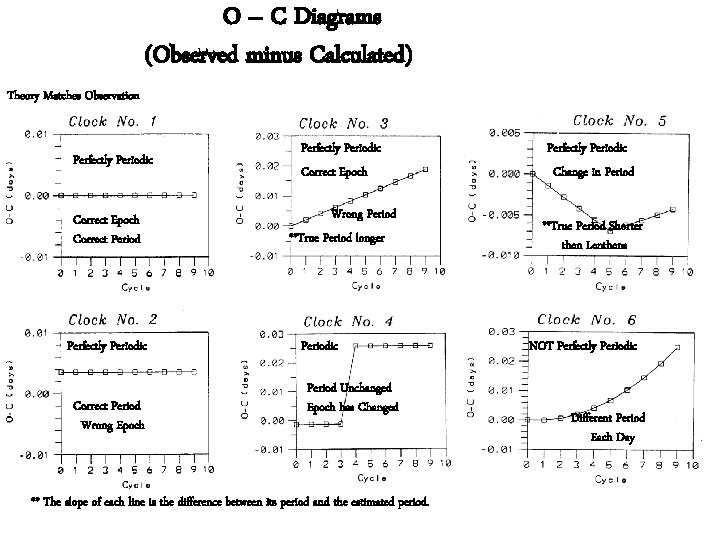
O – C Diagrams (Observed minus Calculated) Theory Matches Observation Perfectly Periodic Correct Epoch Correct Period Perfectly Periodic Correct Period Wrong Epoch Perfectly Periodic Correct Epoch Perfectly Periodic Change in Period Wrong Period **True Period longer **True Period Shorter then Lenthens Periodic Period Unchanged Epoch has Changed ** The slope of each line is the difference between its period and the estimated period. NOT Perfectly Periodic Different Period Each Day
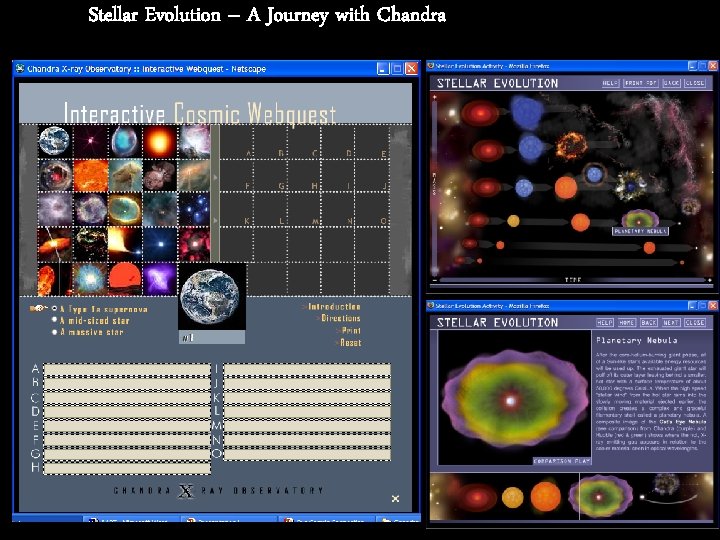
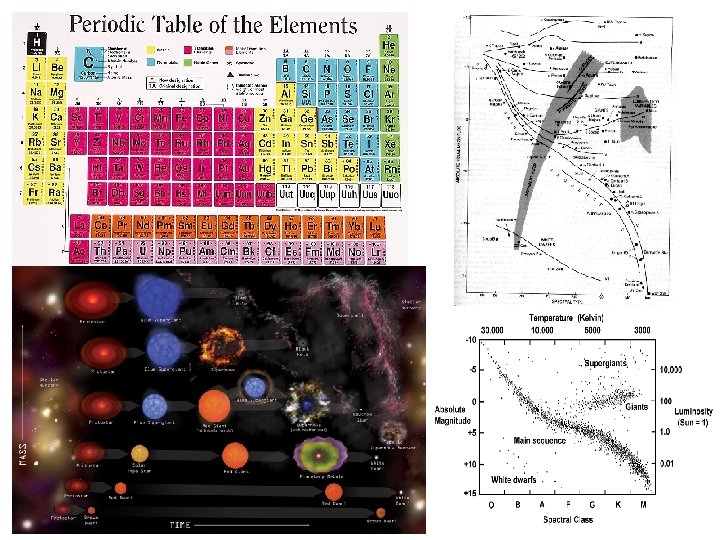
Stellar Evolution – A Journey with Chandra
- Slides: 46