
ASTRONOMY ALTHABET Ancient Astronomy Telescopes ANCIENT ASTRONOMY Megaliths
ASTRONOMY ALTHABET Ancient Astronomy Telescopes
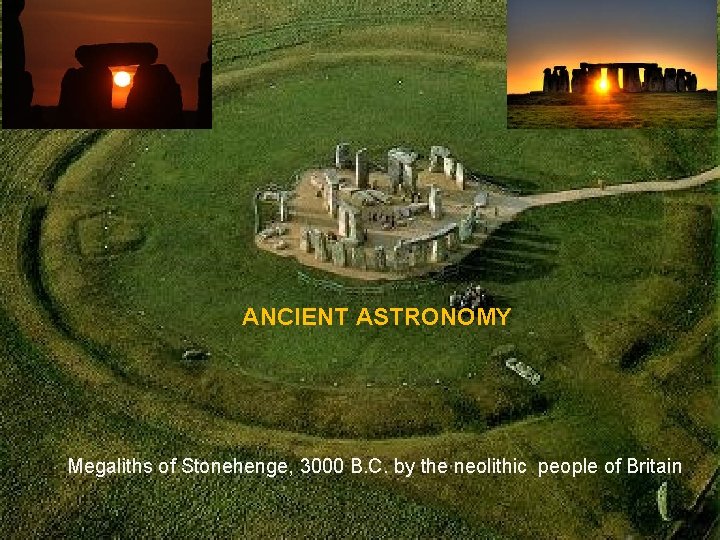
ANCIENT ASTRONOMY Megaliths of Stonehenge, 3000 B. C. by the neolithic people of Britain
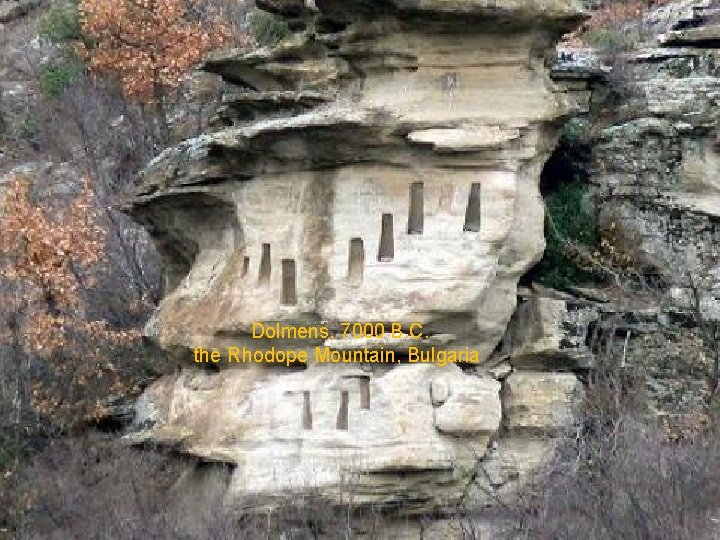
Dolmens, 7000 B. C. the Rhodope Mountain, Bulgaria
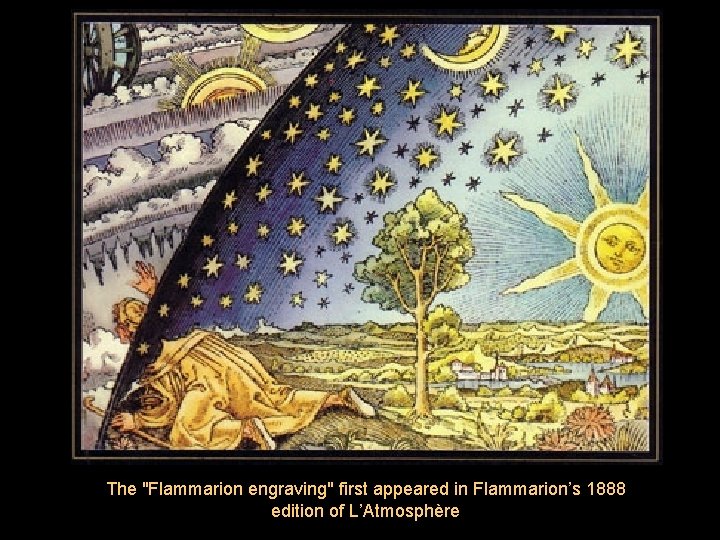
The "Flammarion engraving" first appeared in Flammarion’s 1888 edition of L’Atmosphère
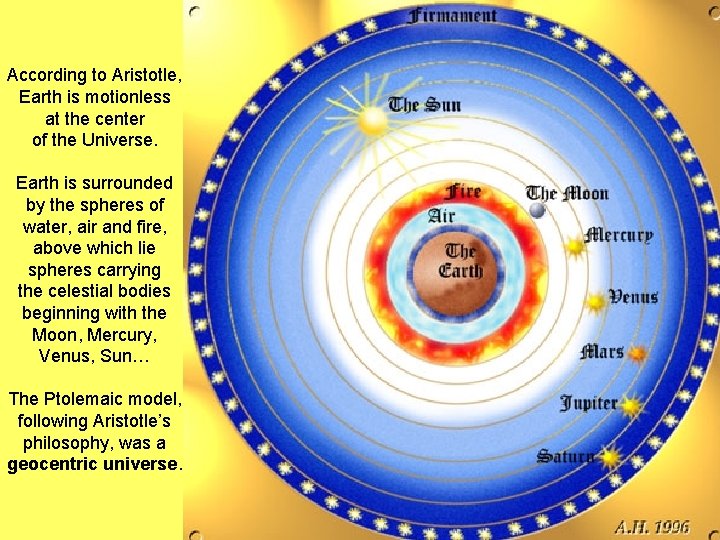
According to Aristotle, Earth is motionless at the center of the Universe. Earth is surrounded by the spheres of water, air and fire, above which lie spheres carrying the celestial bodies beginning with the Moon, Mercury, Venus, Sun… The Ptolemaic model, following Aristotle’s philosophy, was a geocentric universe.
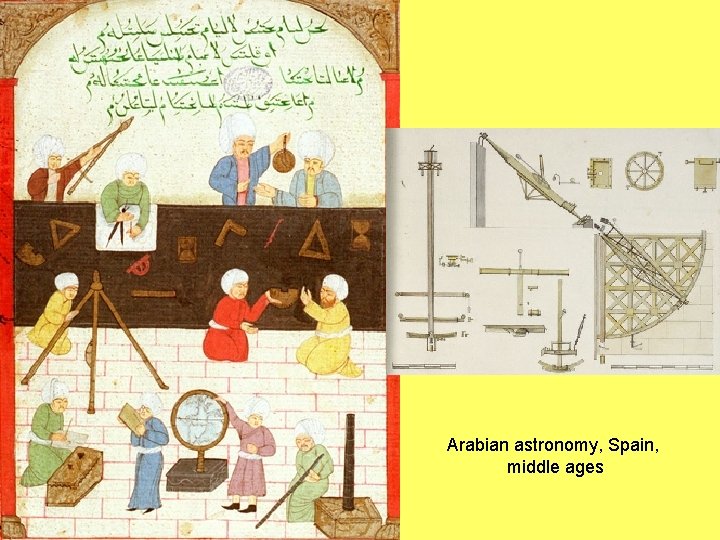
Arabian astronomy, Spain, middle ages
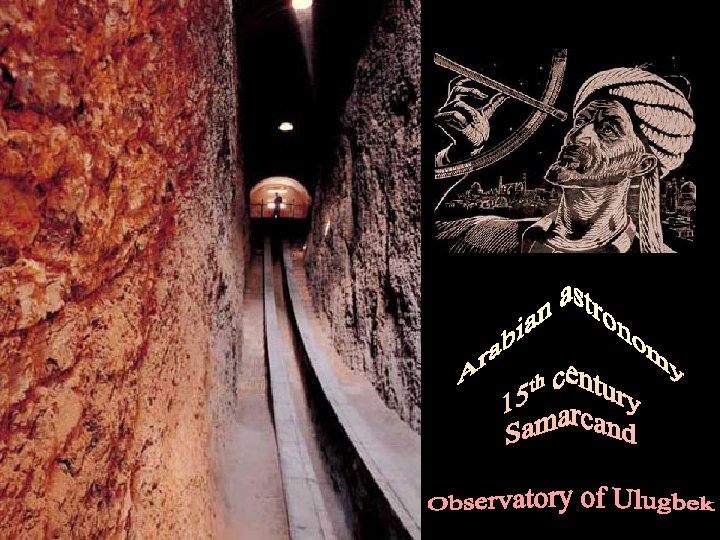
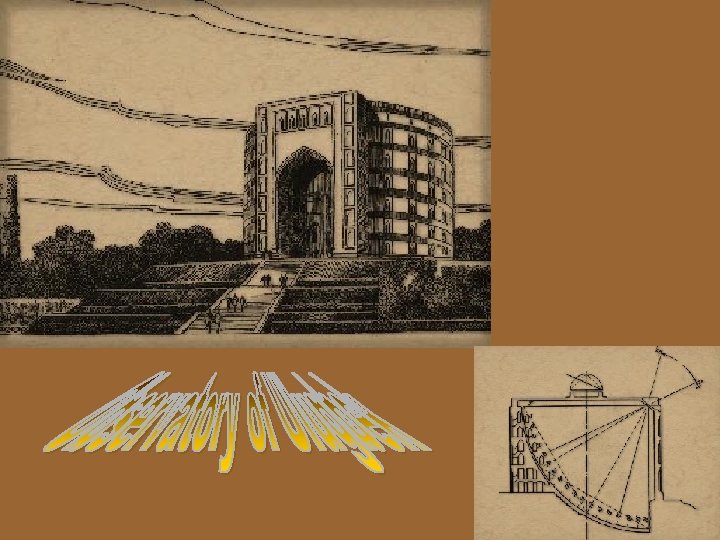
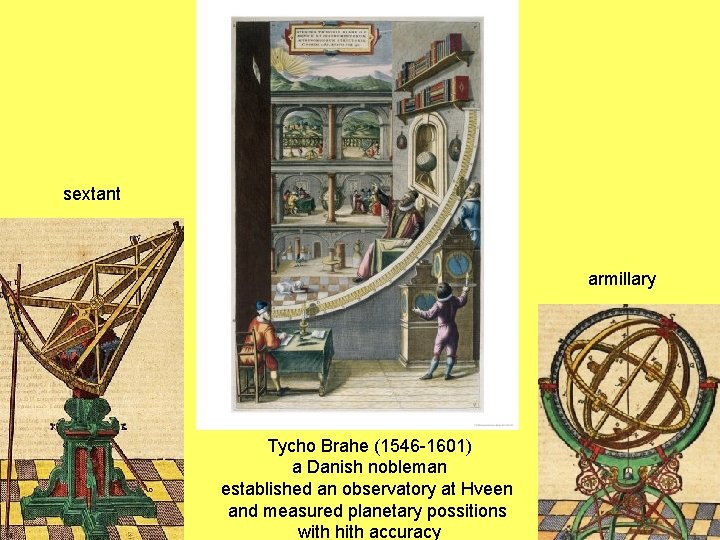
sextant armillary Tycho Brahe (1546 -1601) a Danish nobleman established an observatory at Hveen and measured planetary possitions with hith accuracy
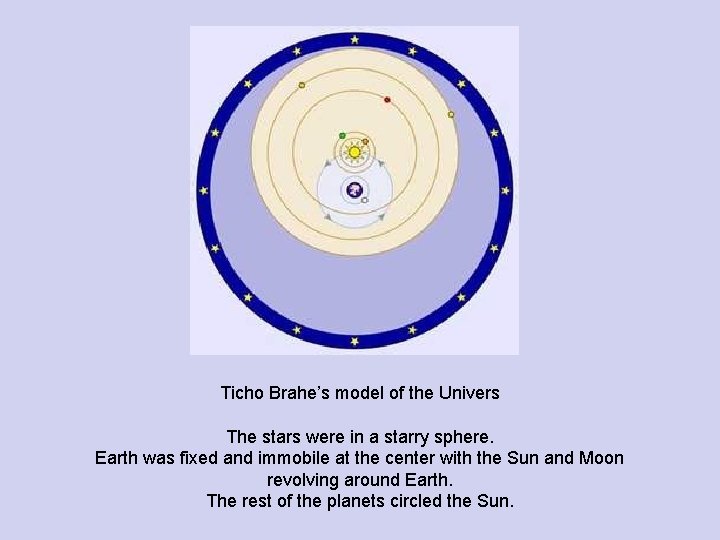
Ticho Brahe’s model of the Univers The stars were in a starry sphere. Earth was fixed and immobile at the center with the Sun and Moon revolving around Earth. The rest of the planets circled the Sun.
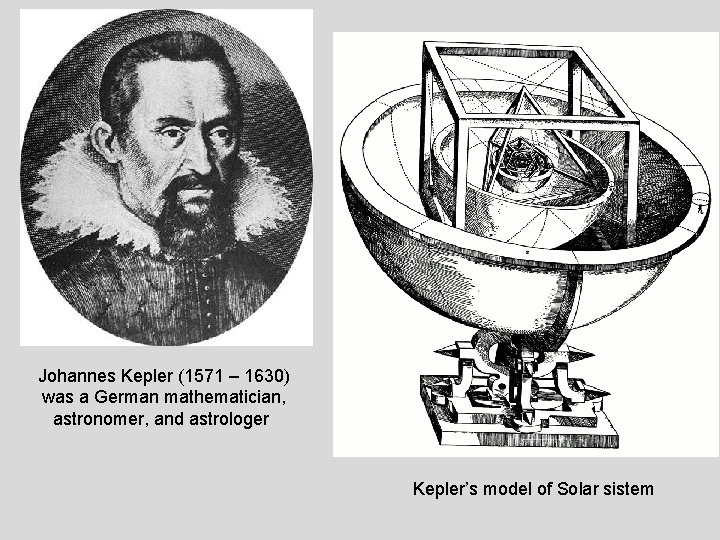
Johannes Kepler (1571 – 1630) was a German mathematician, astronomer, and astrologer Kepler’s model of Solar sistem
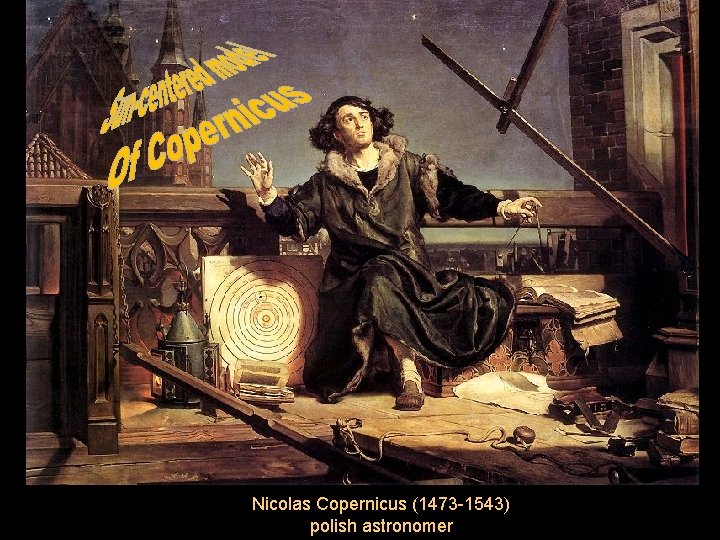
Nicolas Copernicus (1473 -1543) polish astronomer
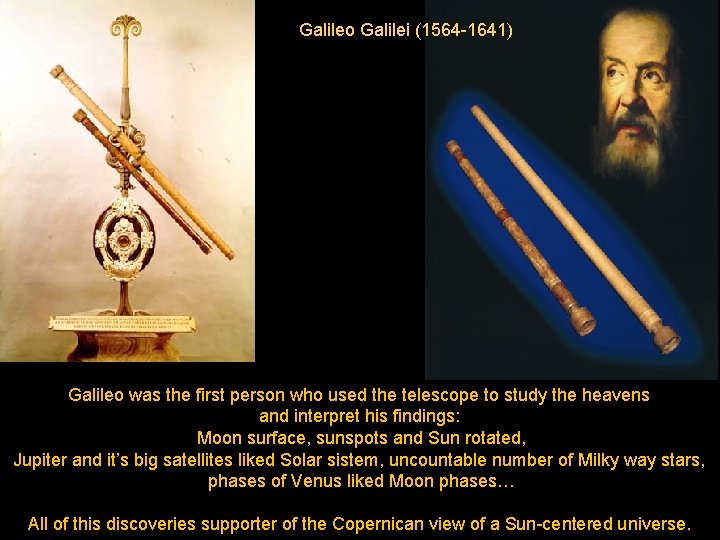
Galileo Galilei (1564 -1641) Galileo was the first person who used the telescope to study the heavens and interpret his findings: Moon surface, sunspots and Sun rotated, Jupiter and it’s big satellites liked Solar sistem, uncountable number of Milky way stars, phases of Venus liked Moon phases… All of this discoveries supporter of the Copernican view of a Sun-centered universe.
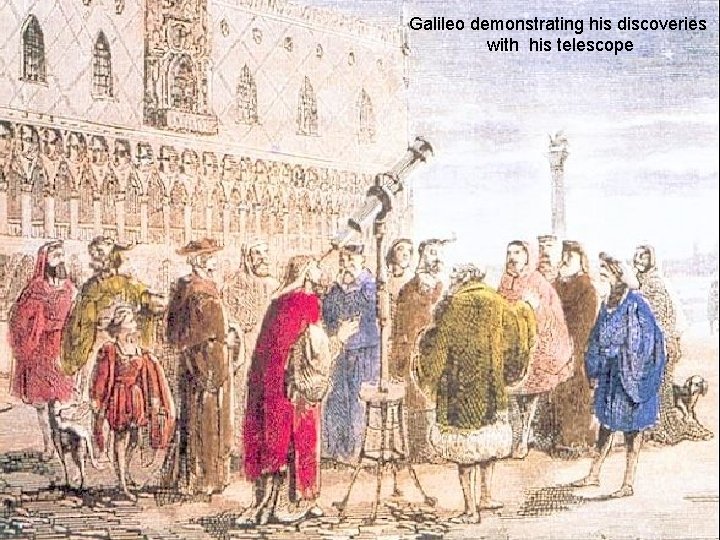
Galileo demonstrating his discoveries with his telescope
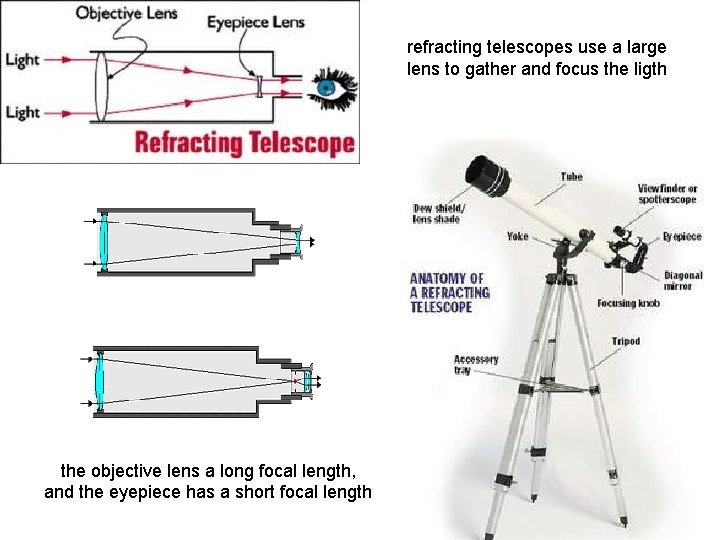
refracting telescopes use a large lens to gather and focus the ligth the objective lens a long focal length, and the eyepiece has a short focal length
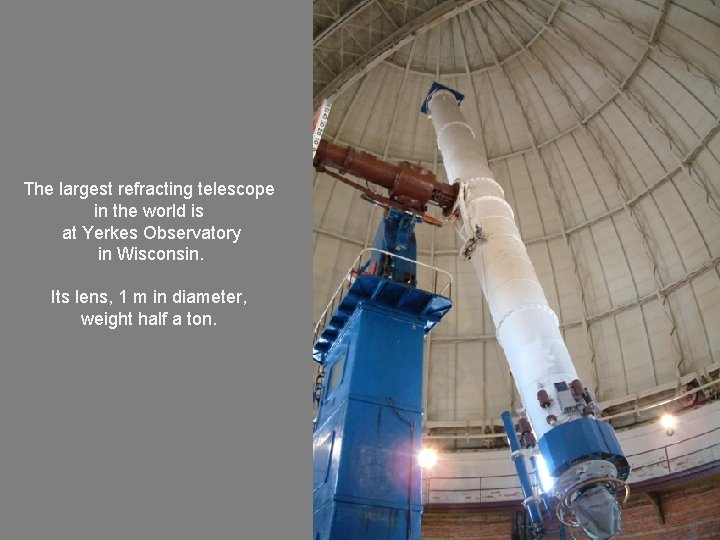
The largest refracting telescope in the world is at Yerkes Observatory in Wisconsin. Its lens, 1 m in diameter, weight half a ton.
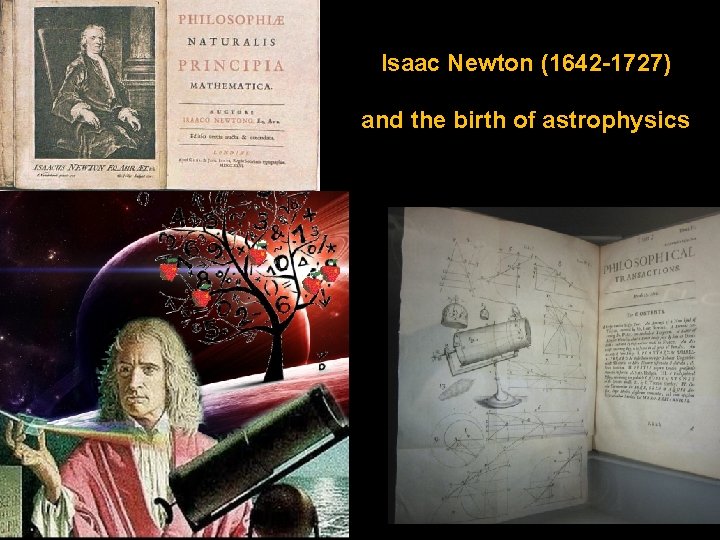
Isaac Newton (1642 -1727) and the birth of astrophysics
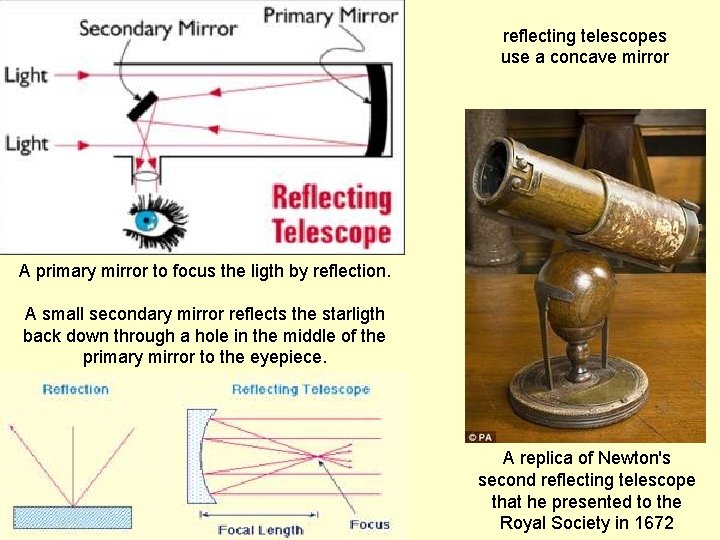
reflecting telescopes use a concave mirror A primary mirror to focus the ligth by reflection. A small secondary mirror reflects the starligth back down through a hole in the middle of the primary mirror to the eyepiece. A replica of Newton's second reflecting telescope that he presented to the Royal Society in 1672
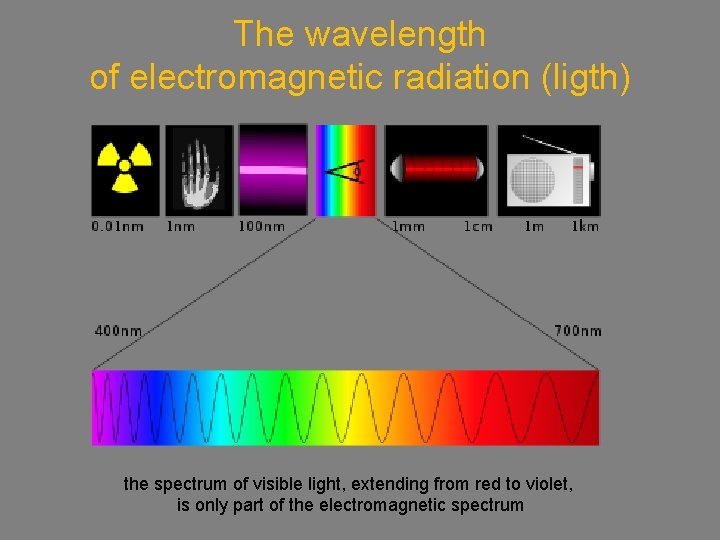
The wavelength of electromagnetic radiation (ligth) the spectrum of visible light, extending from red to violet, is only part of the electromagnetic spectrum
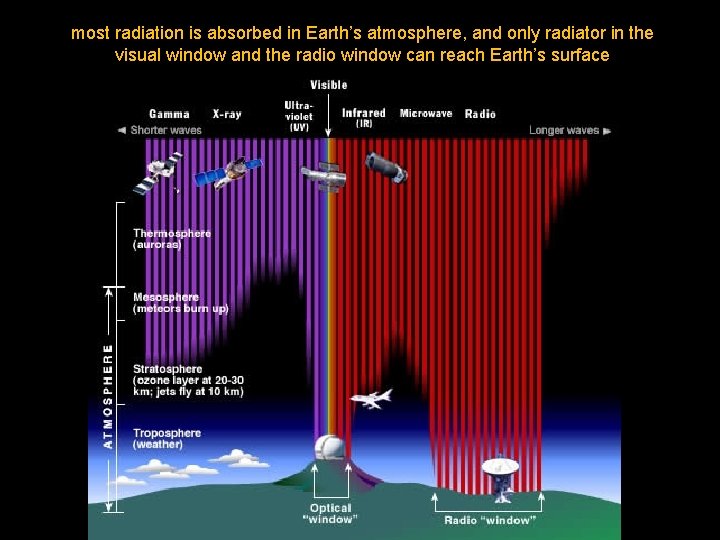
most radiation is absorbed in Earth’s atmosphere, and only radiator in the visual window and the radio window can reach Earth’s surface
- Slides: 22