
ASTR 1040 First Homework Due Today Next Observatory
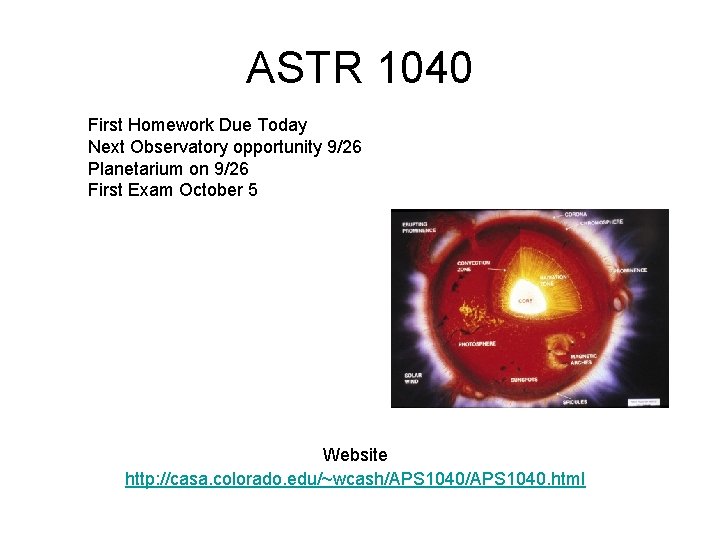
ASTR 1040 First Homework Due Today Next Observatory opportunity 9/26 Planetarium on 9/26 First Exam October 5 Website http: //casa. colorado. edu/~wcash/APS 1040. html
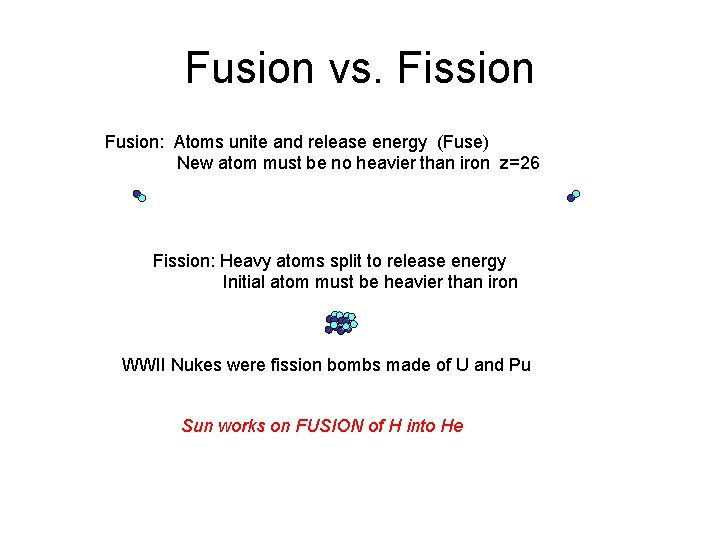
Fusion vs. Fission Fusion: Atoms unite and release energy (Fuse) New atom must be no heavier than iron z=26 Fission: Heavy atoms split to release energy Initial atom must be heavier than iron WWII Nukes were fission bombs made of U and Pu Sun works on FUSION of H into He
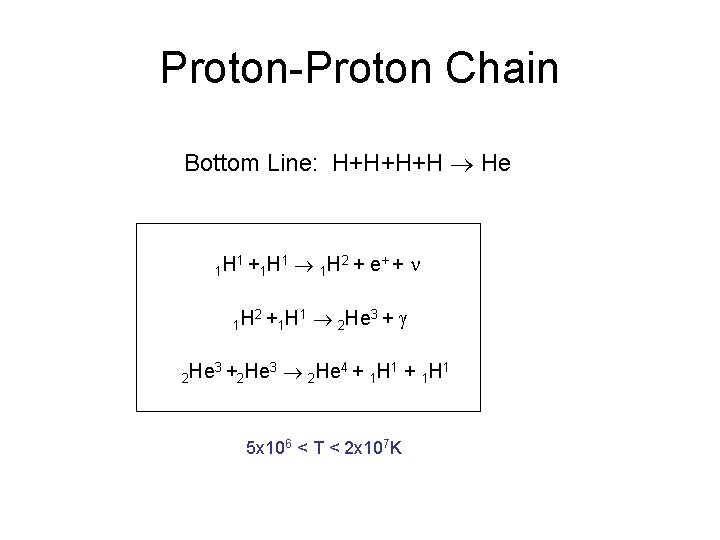
Proton-Proton Chain Bottom Line: H+H+H+H He 1 H 1+ 1 H 2 He 3+ 1 H 2+ 2 He 3 1 1 H 2 + e + + n 1 H 1 2 He 3 + g 2 He 4 + 1 H 1 5 x 10⁶ < T < 2 x 10⁷ K
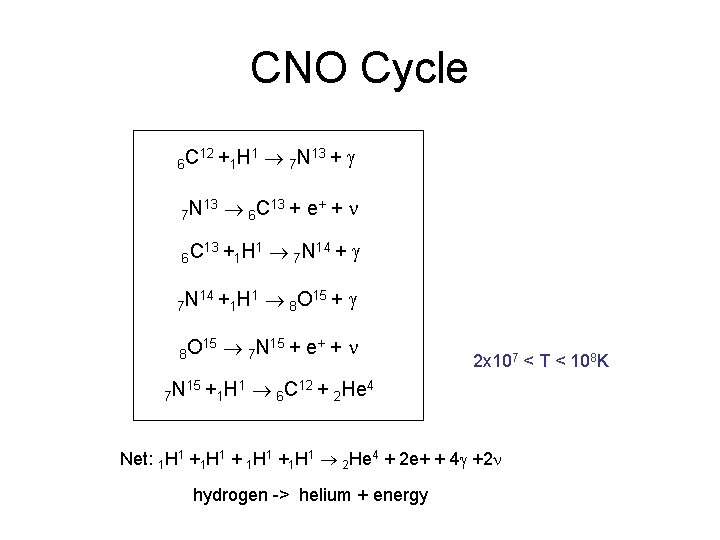
CNO Cycle 6 C 12 + 7 N 13 6 C 7 N 13 + 15 15 + 1 7 N 13 + g 6 C 13 + e+ + n 14 + 8 O 7 N 1 H 1 H 1 H 1 1 7 N 14 + g 8 O 15 + g 7 N 15 + e+ + n 1 H 1 2 x 10⁷ < T < 108 K 6 C 12 + 2 He 4 Net: 1 H 1 +1 H 1 2 He 4 + 2 e+ + 4 g +2 n hydrogen -> helium + energy
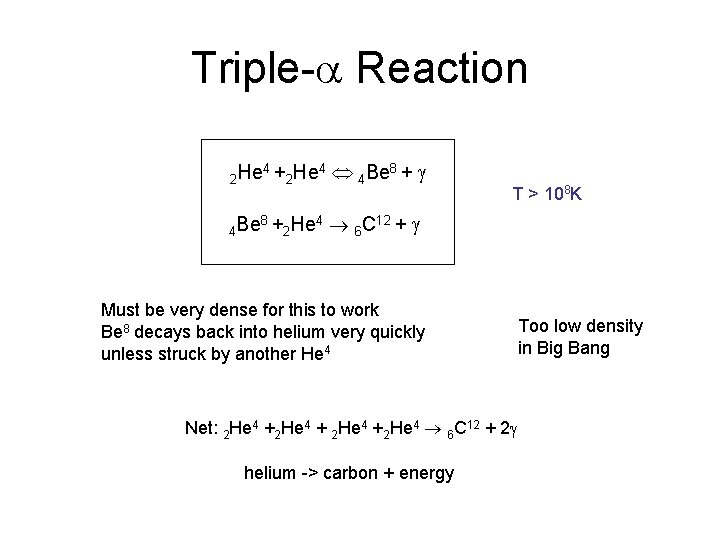
Triple-a Reaction 2 He 4 Be 4+ 8+ 2 He 4 4 4 Be 8 + g T > 108 K 6 C 12 + g Must be very dense for this to work Be 8 decays back into helium very quickly unless struck by another He 4 Net: 2 He 4 +2 He 4 6 C 12 + 2 g helium -> carbon + energy Too low density in Big Bang
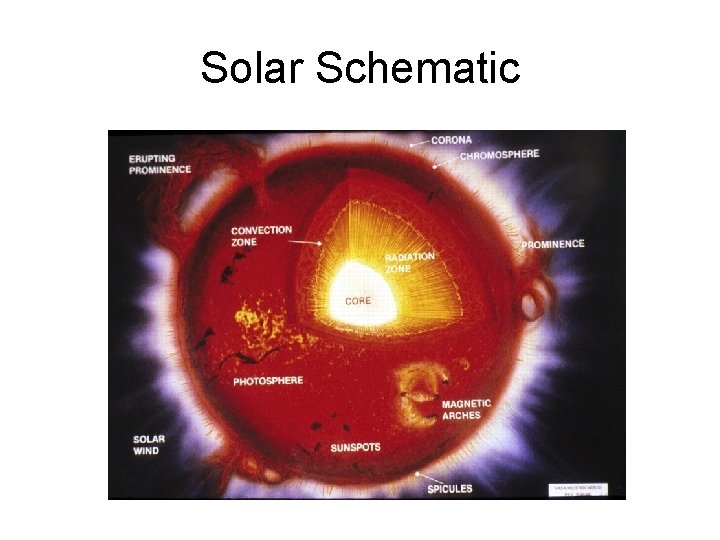
Solar Schematic
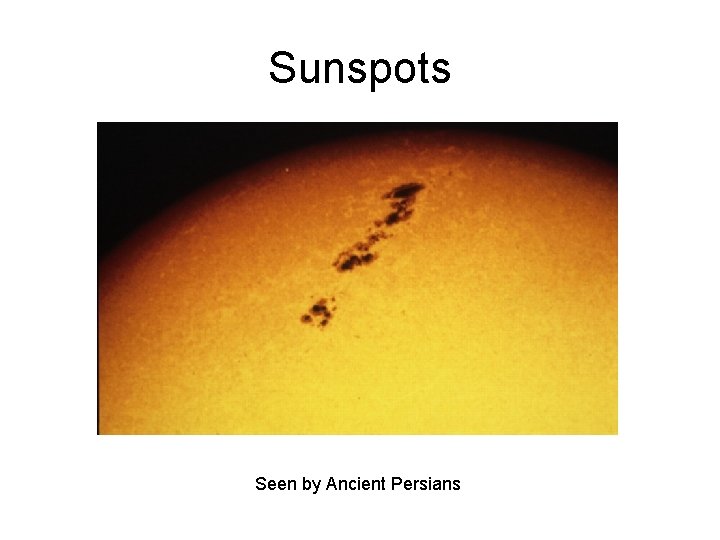
Sunspots Seen by Ancient Persians
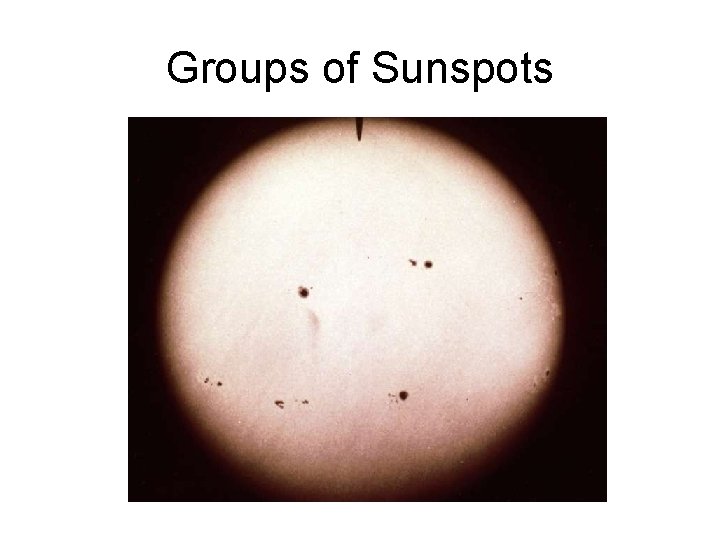
Groups of Sunspots
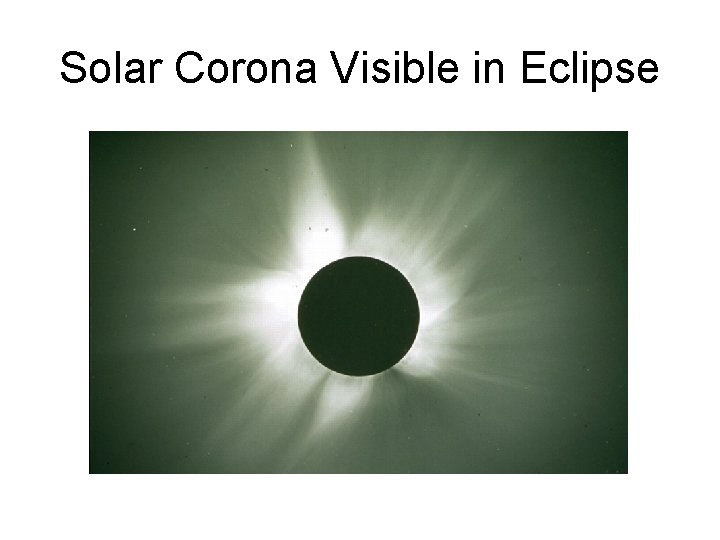
Solar Corona Visible in Eclipse
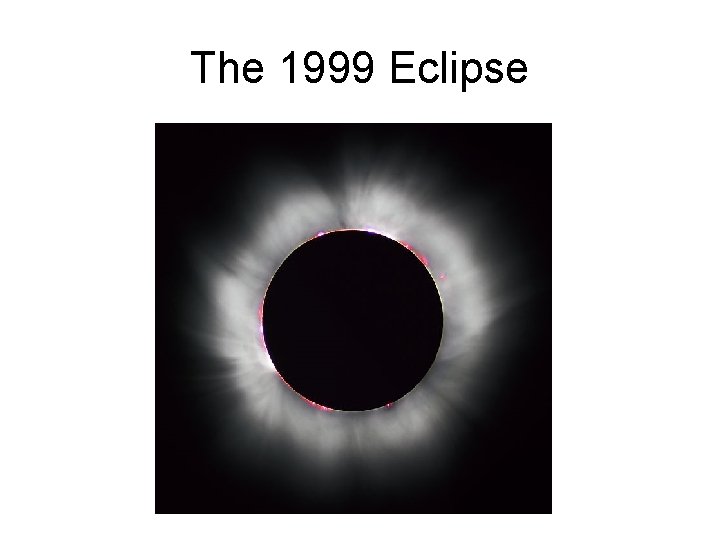
The 1999 Eclipse
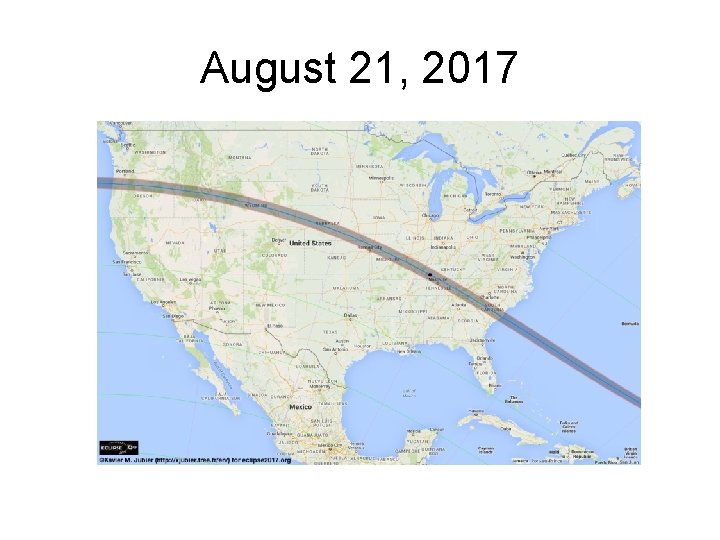
August 21, 2017
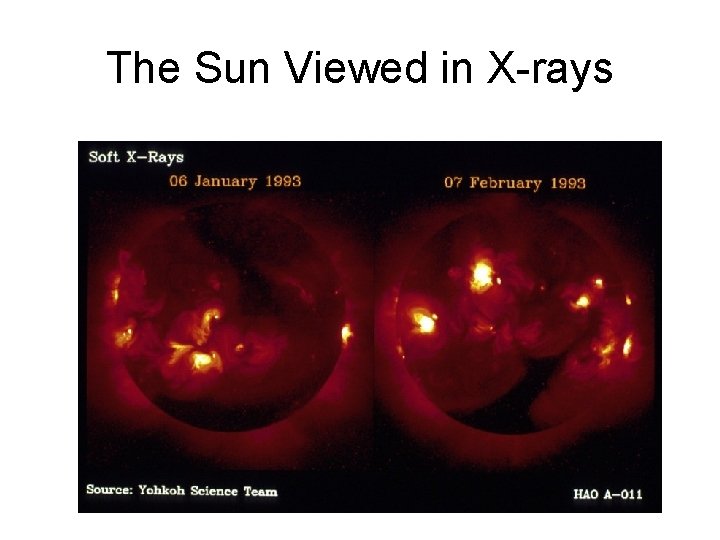
The Sun Viewed in X-rays
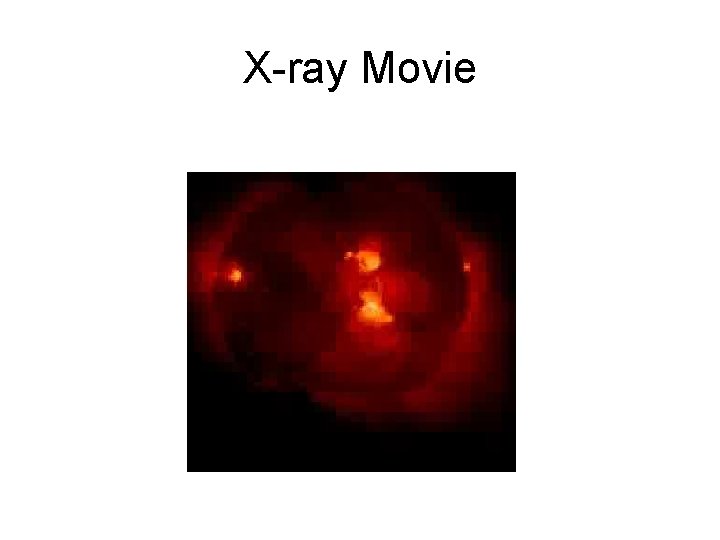
X-ray Movie
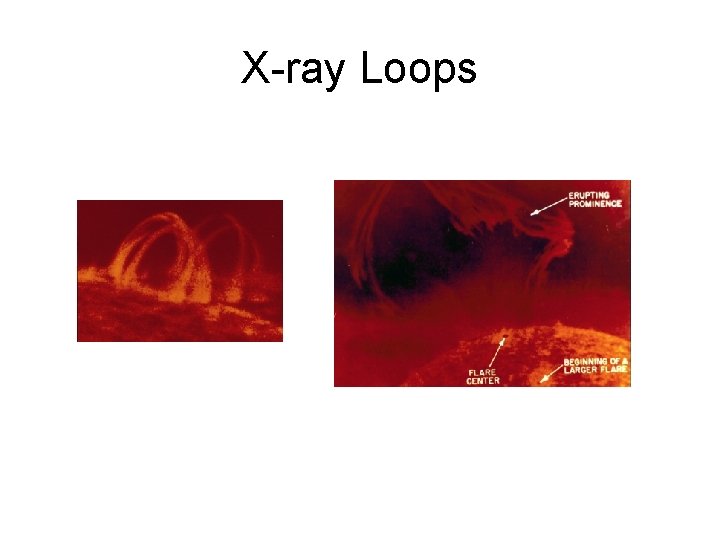
X-ray Loops
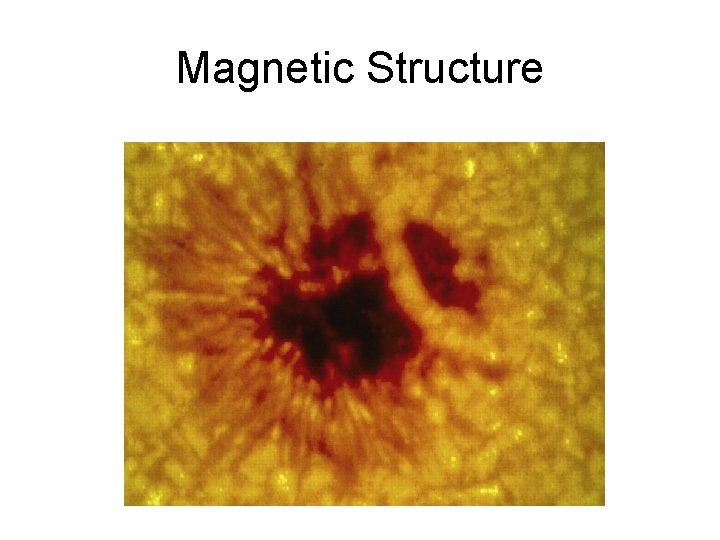
Magnetic Structure
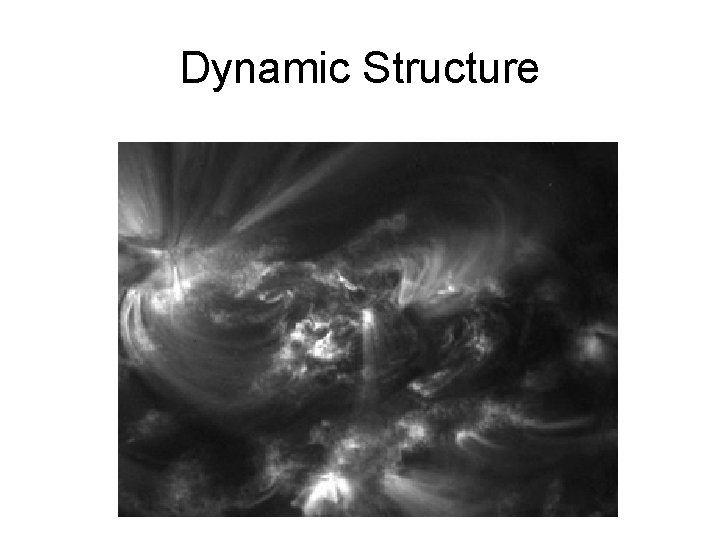
Dynamic Structure
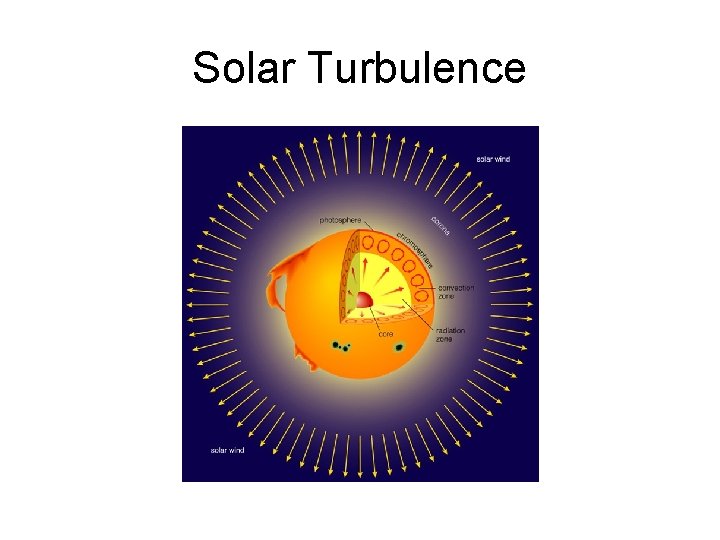
Solar Turbulence
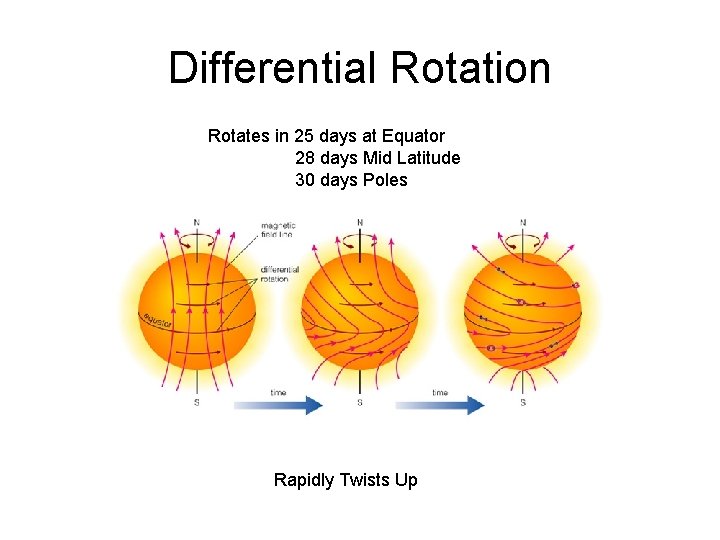
Differential Rotation Rotates in 25 days at Equator 28 days Mid Latitude 30 days Poles Rapidly Twists Up
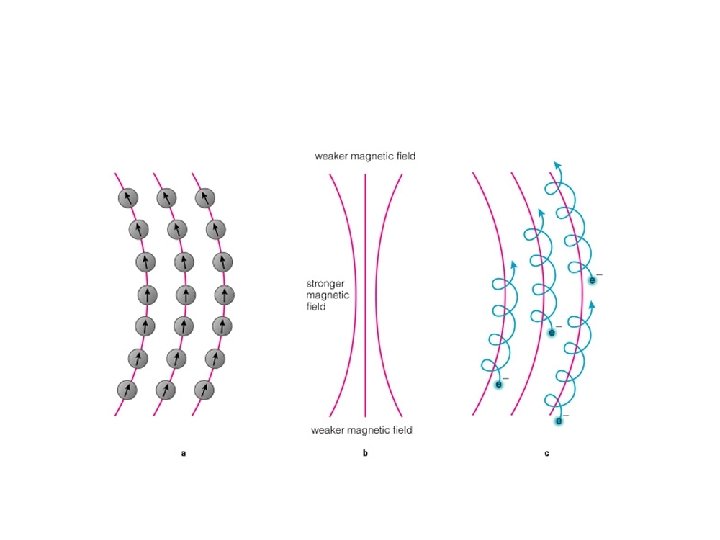
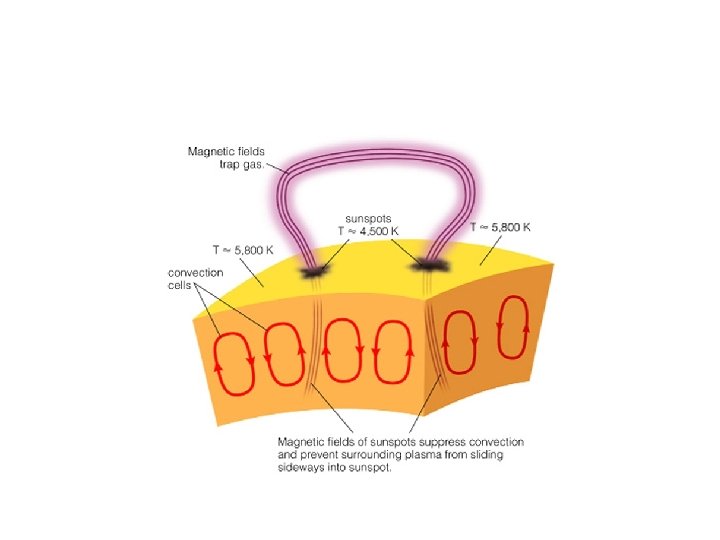
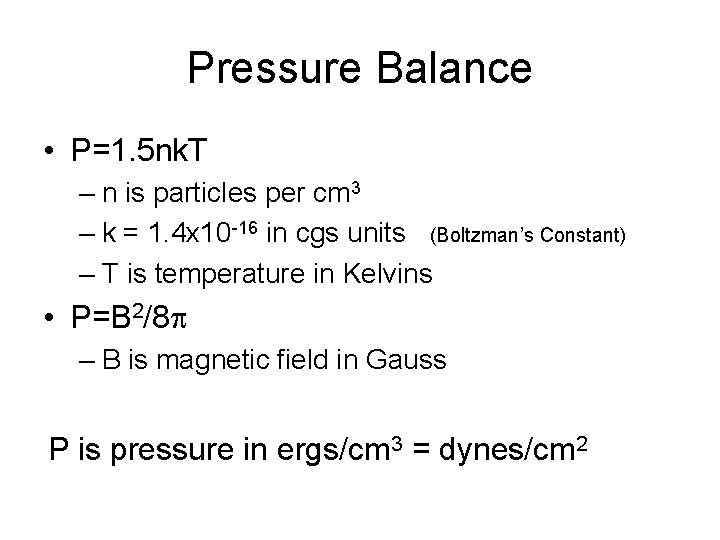
Pressure Balance • P=1. 5 nk. T – n is particles per cm 3 – k = 1. 4 x 10 -16 in cgs units (Boltzman’s Constant) – T is temperature in Kelvins • P=B 2/8 – B is magnetic field in Gauss P is pressure in ergs/cm 3 = dynes/cm 2
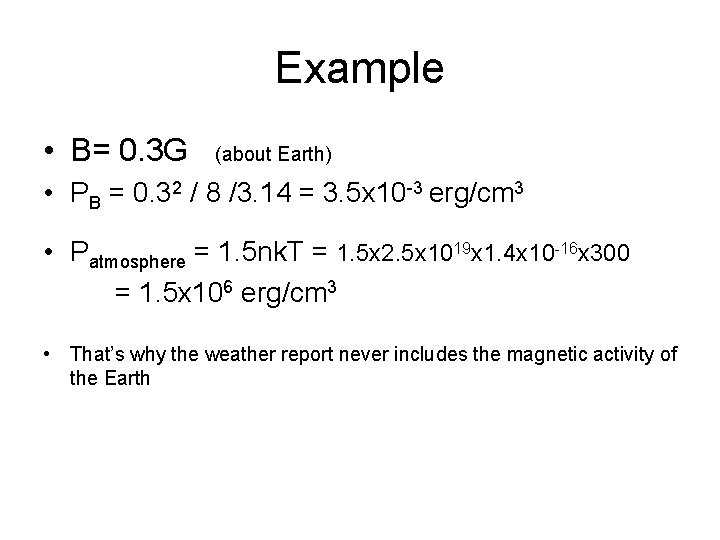
Example • B= 0. 3 G (about Earth) • PB = 0. 32 / 8 /3. 14 = 3. 5 x 10 -3 erg/cm 3 • Patmosphere = 1. 5 nk. T = 1. 5 x 2. 5 x 1019 x 1. 4 x 10 -16 x 300 = 1. 5 x 10⁶ erg/cm 3 • That’s why the weather report never includes the magnetic activity of the Earth
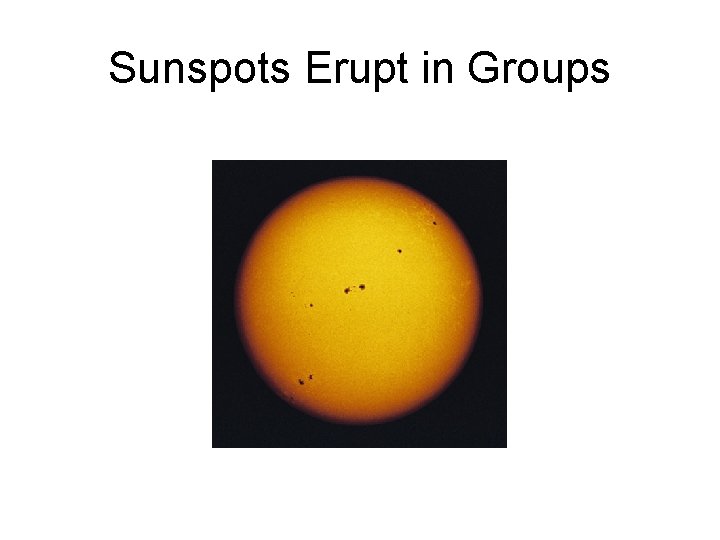
Sunspots Erupt in Groups
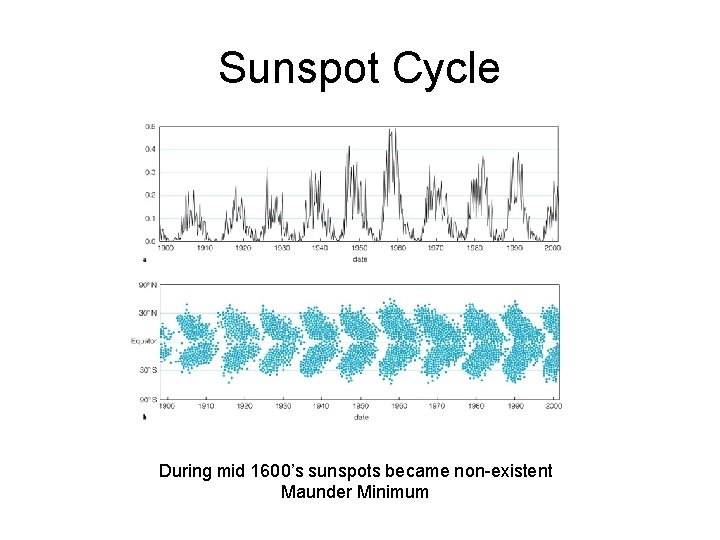
Sunspot Cycle During mid 1600’s sunspots became non-existent Maunder Minimum
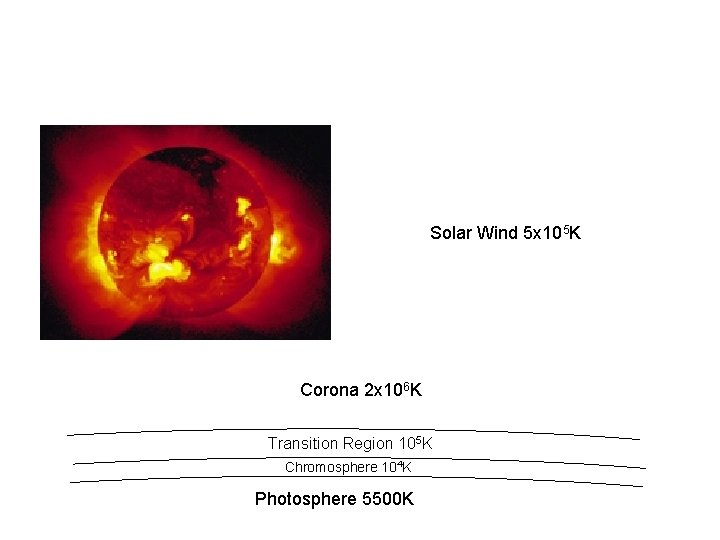
Solar Wind 5 x 10⁵ K Corona 2 x 10⁶ K Transition Region 105 K Chromosphere 104 K Photosphere 5500 K
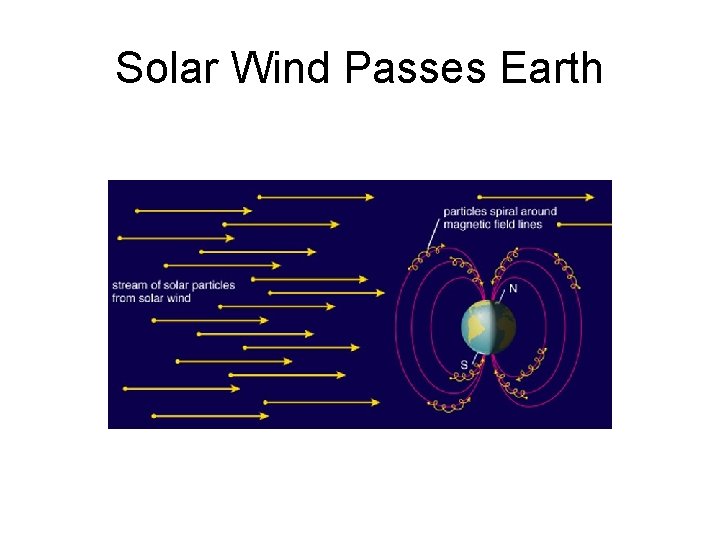
Solar Wind Passes Earth
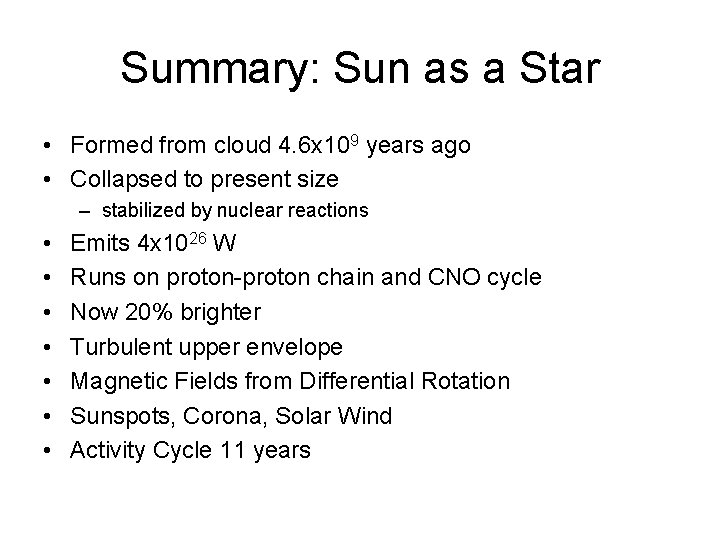
Summary: Sun as a Star • Formed from cloud 4. 6 x 10⁹ years ago • Collapsed to present size – stabilized by nuclear reactions • • Emits 4 x 1026 W Runs on proton-proton chain and CNO cycle Now 20% brighter Turbulent upper envelope Magnetic Fields from Differential Rotation Sunspots, Corona, Solar Wind Activity Cycle 11 years
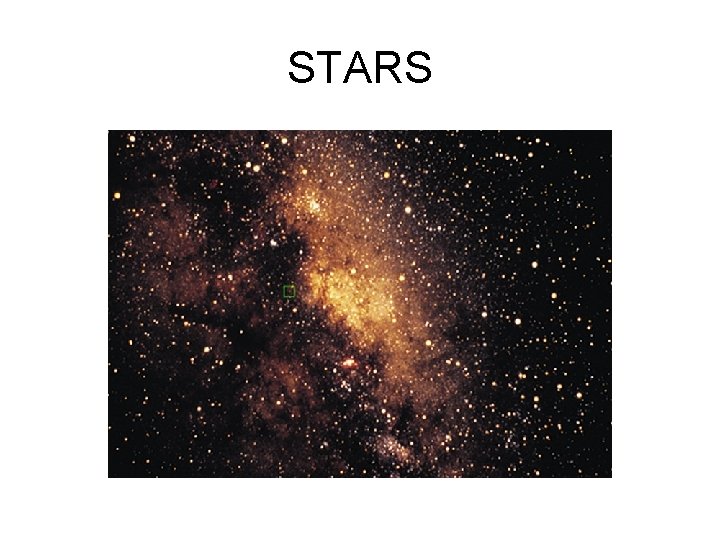
STARS
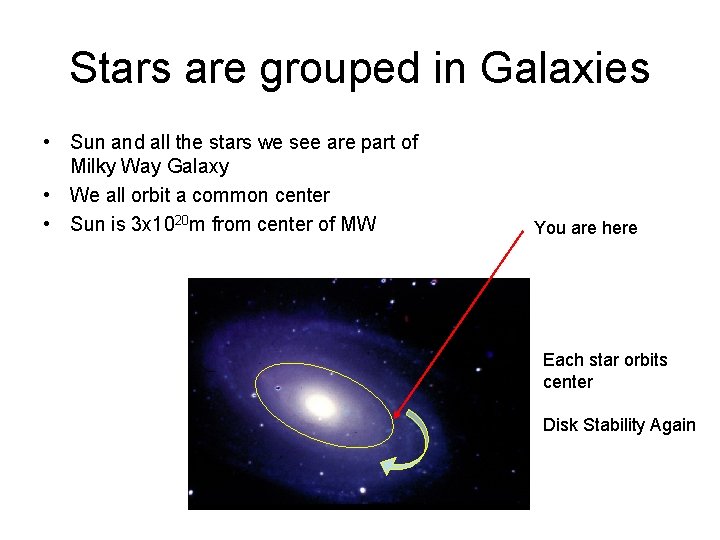
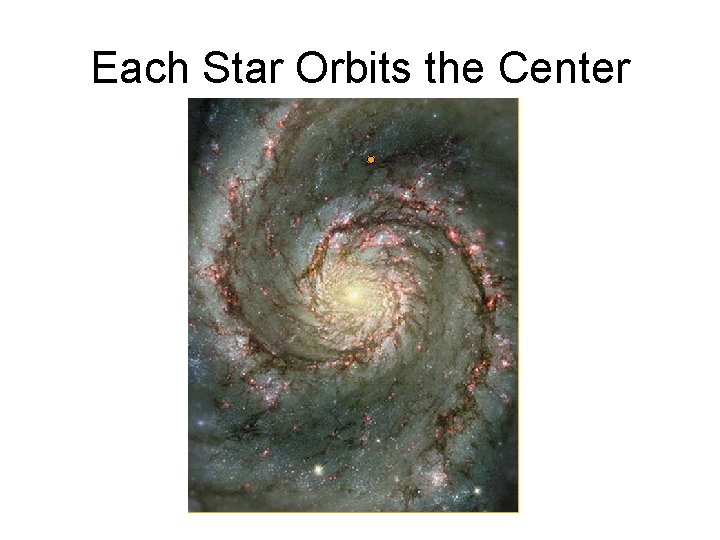
Stars are grouped in Galaxies • Sun and all the stars we see are part of Milky Way Galaxy • We all orbit a common center • Sun is 3 x 10²⁰ m from center of MW You are here Each star orbits center Disk Stability Again
Distances to the Stars • Closest Star, Proxima Centauri is 4 x 10¹⁶ m away. (Alpha Cen ~4. 3 x 10¹⁶ m) • Need a more convenient unit
The Light Year Light Travels at 300, 000 km/s (186, 000 miles/s = 3 x 10⁸ m/s) That’s one foot per nanosecond One Year is 3. 15 x 107 seconds long In one year light travels 3. 15 x 107 x 3 x 108 = 1016 m This is the definition of a light year. Prox Cen is at 4 ly.
Question • There’s a big black hole in the Center of the Milky Way at a distance of 3 x 10²⁰ m. How long does it take for its light to reach us? • A) 3 years • B) 30 years • C) 300 years • D) 3000 years • E) 30, 000 years
Question • There’s a big black hole in the Center of the Milky Way at a distance of 3 x 10²⁰ m. How long does it take for its light to reach us? • A) 3 years • B) 30 years • C) 300 years • D) 3000 years • E) 30, 000 years
The Parsec Astronomers use the parsec as a measure of distance 1 pc = 3 ly 1 pc = 3 x 10¹⁶ m Origin of parsec comes from method of measuring distance
Each Star Orbits the Center
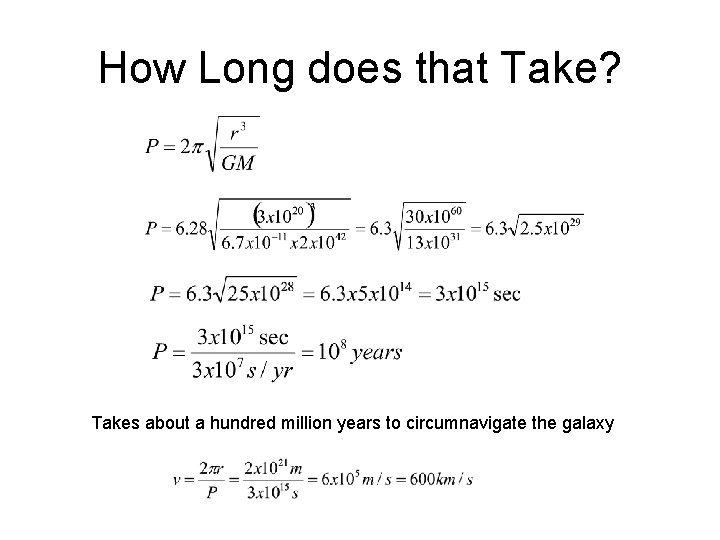
How Long does that Take? Takes about a hundred million years to circumnavigate the galaxy
Star Names • Arabic Names – Antares, Capella, Mira, etc. • Constellations a Orionis, b Cygni, … then 49 Ori, 50 Ori, etc. • Catalogues HD 80591, SAO 733421, etc • RA and Dec – just position in the sky
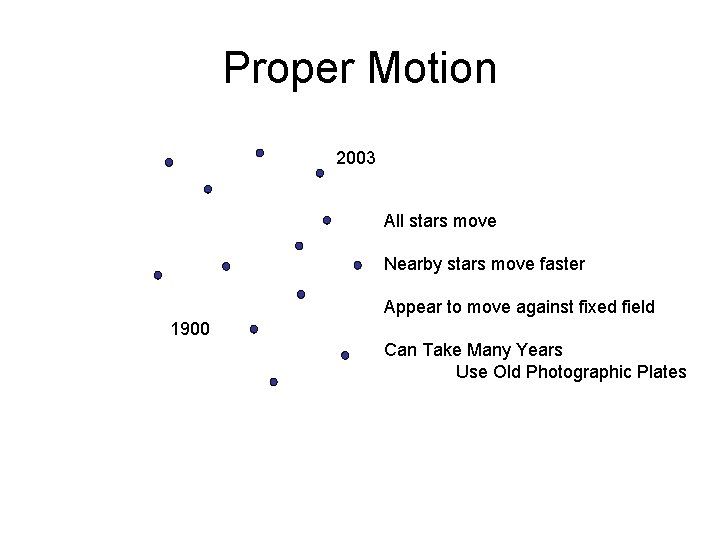
Proper Motion 2003 All stars move Nearby stars move faster Appear to move against fixed field 1900 Can Take Many Years Use Old Photographic Plates
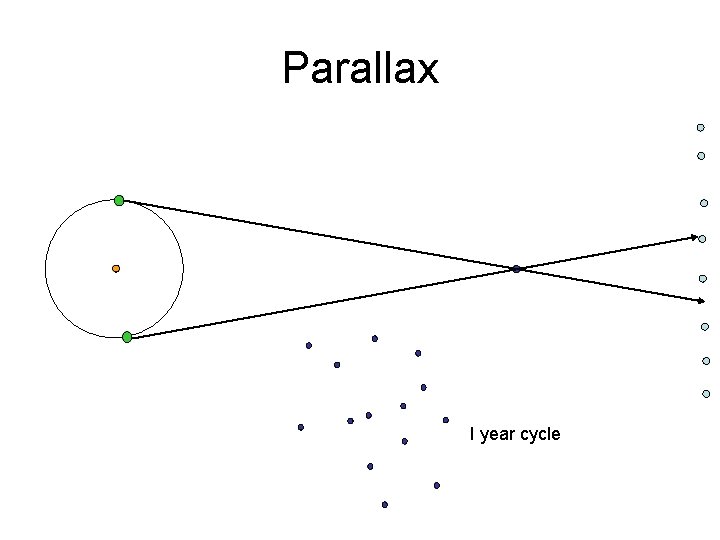
Parallax I year cycle
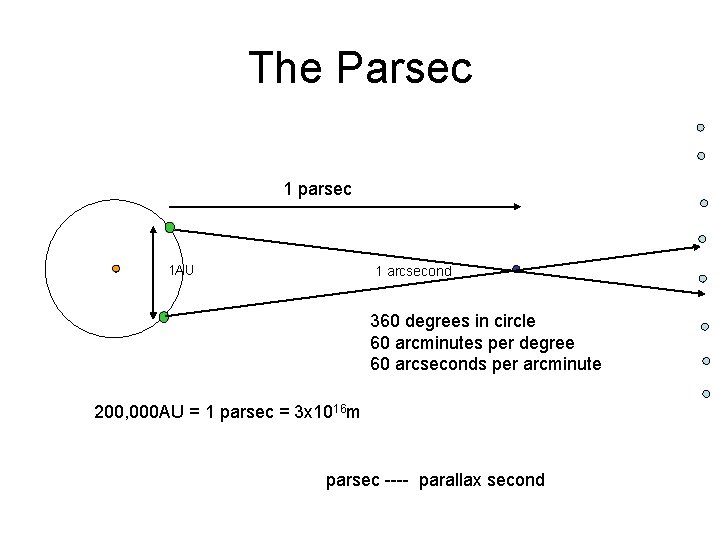
The Parsec 1 parsec 1 AU 1 arcsecond 360 degrees in circle 60 arcminutes per degree 60 arcseconds per arcminute 200, 000 AU = 1 parsec = 3 x 10¹⁶ m parsec ---- parallax second
Question • Based on the definition of a parsec , if star A has a parallax of 0. 5 arcseconds and star B has a parallax of 0. 75 arcseconds which one is farther from the Earth? • A. Star B is farther away because it has a higher parallax • B. Star A is farther away because it has a lower parallax • C. All stars are the same distance away from the Earth • D. It is impossible to tell from this information.
Question • Based on the definition of a parsec , if star A has a parallax of 0. 5 arcseconds and star B has a parallax of 0. 75 arcseconds which one is farther from the Earth? • A. Star B is farther away because it has a higher parallax • B. Star A is farther away because it has a lower parallax • C. All stars are the same distance away from the Earth • D. It is impossible to tell from this information.
Measure Parallax distance to a star in parsecs = 1/(parallax in arcseconds) e. g. measure. 04” parallax, then distance is 25 pc Measuring Parallax was first successful way to measure distances to stars after centuries of trying Took high speed photography in 1890’s to do it.
Question • The parallax of an observed star is 0. 1 arcseconds, how many lightyears is it away from Earth? • a. 1 light year • b. 3 light years • c. 10 light years • d. 30 light years • e. 75 light years
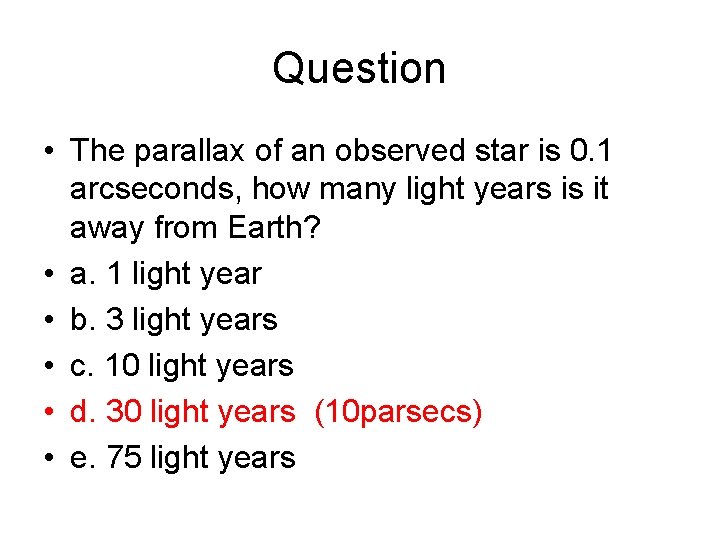
Question • The parallax of an observed star is 0. 1 arcseconds, how many light years is it away from Earth? • a. 1 light year • b. 3 light years • c. 10 light years • d. 30 light years (10 parsecs) • e. 75 light years
- Slides: 45