
ASTM cylindrical tension test specimen Types of tensile


- Slides: 70
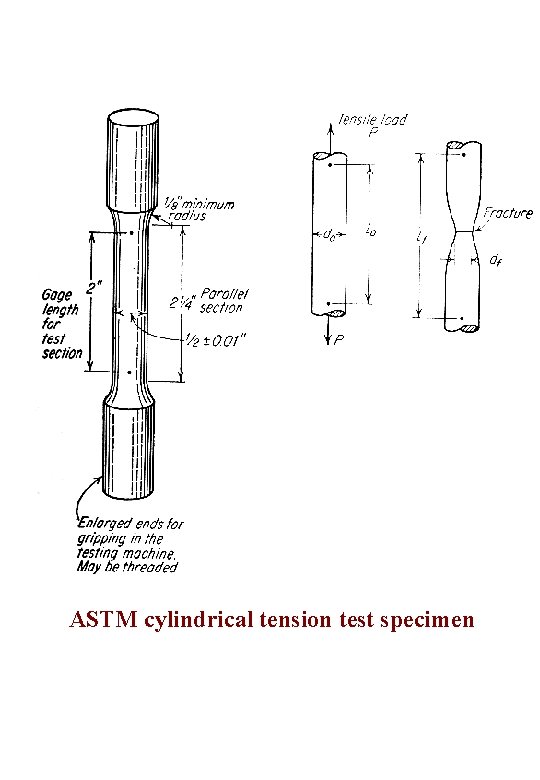
ASTM cylindrical tension test specimen
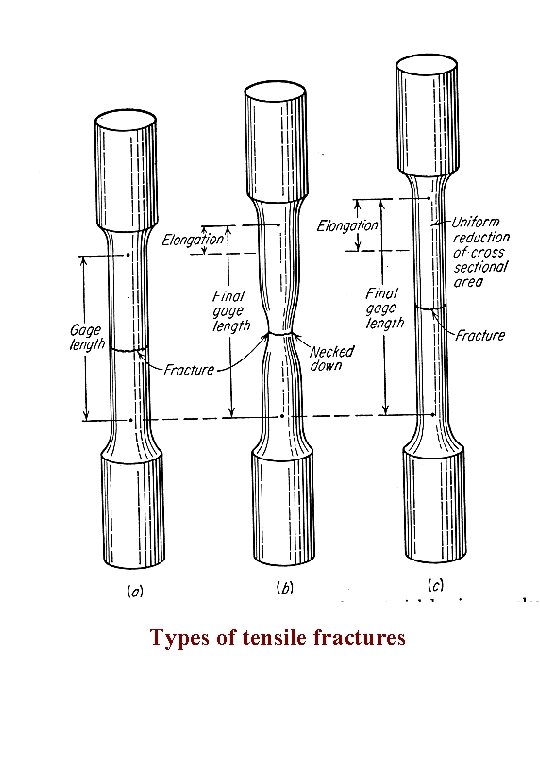
Types of tensile fractures
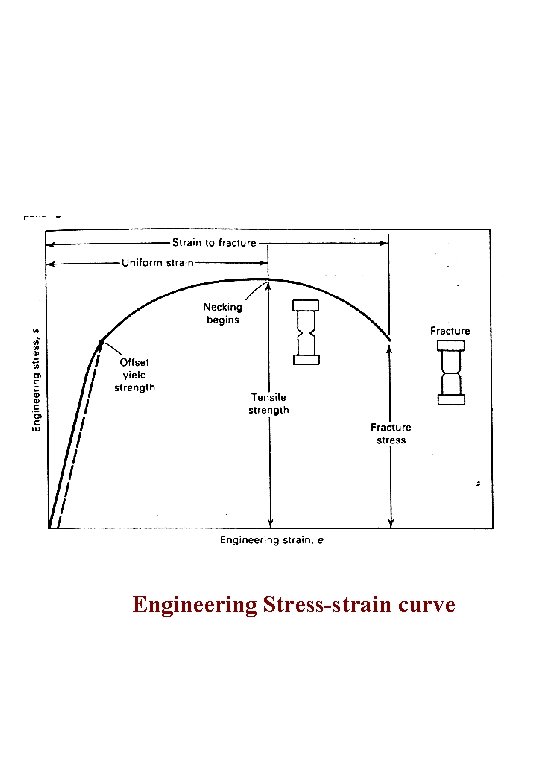
Engineering Stress-strain curve
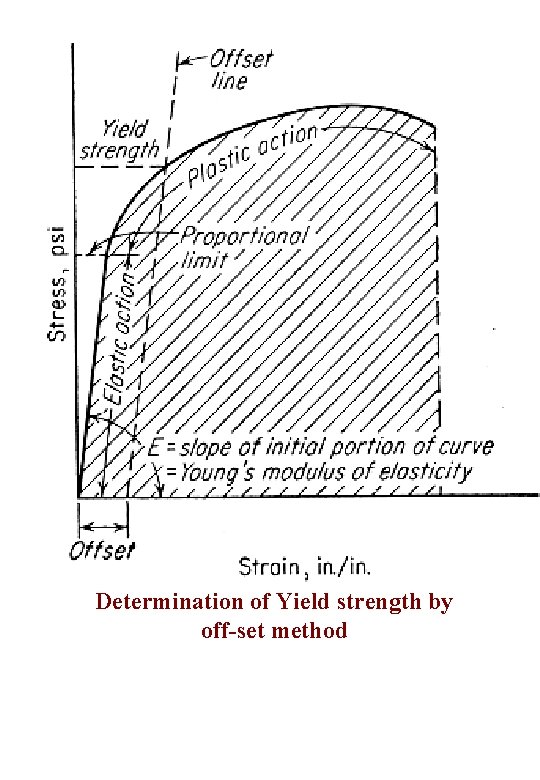
Determination of Yield strength by off-set method
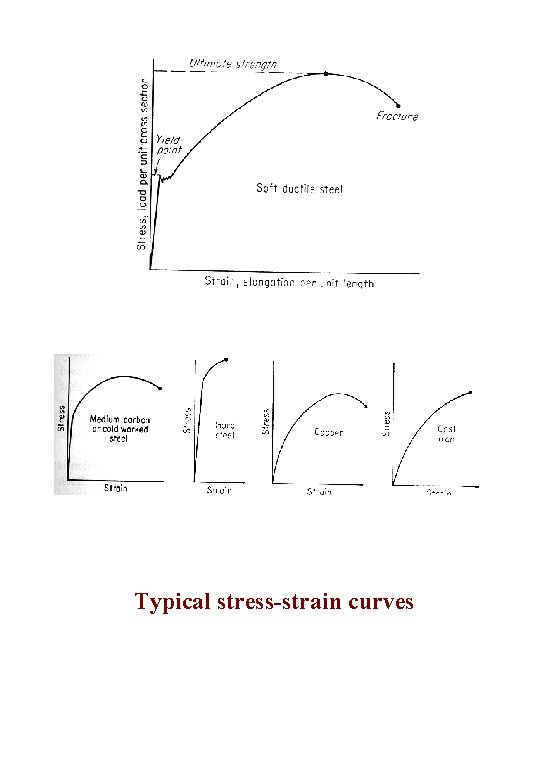
Typical stress-strain curves
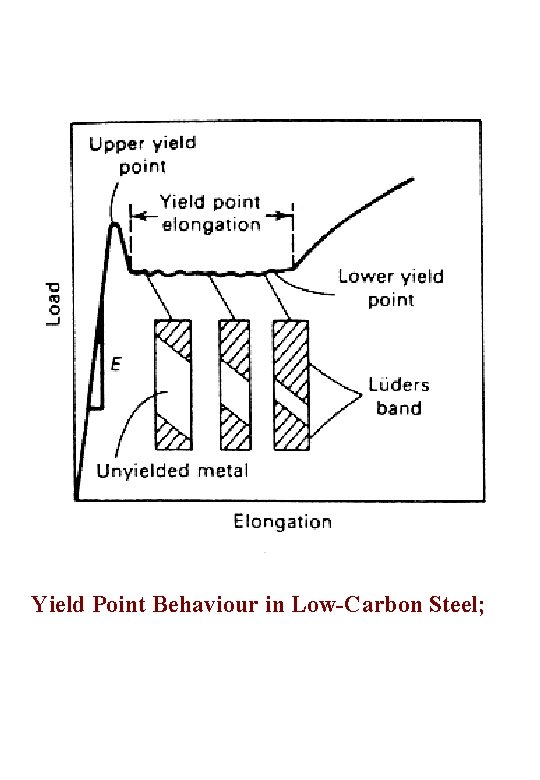
Yield Point Behaviour in Low-Carbon Steel;
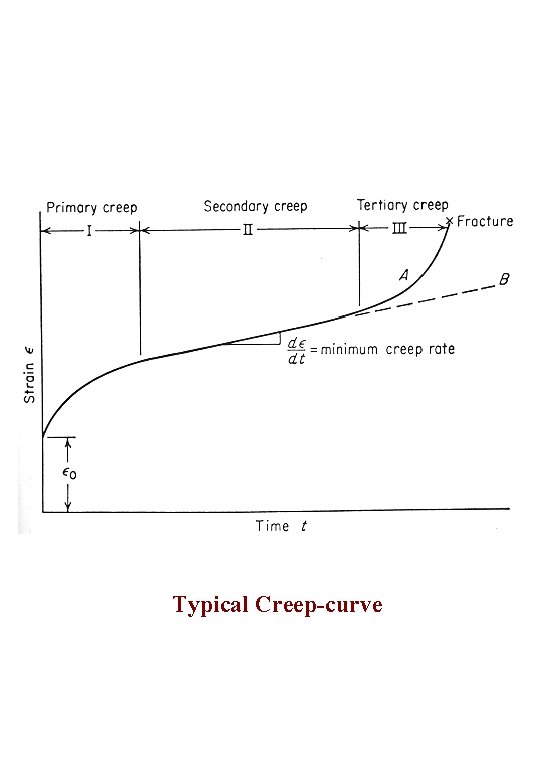
Typical Creep-curve
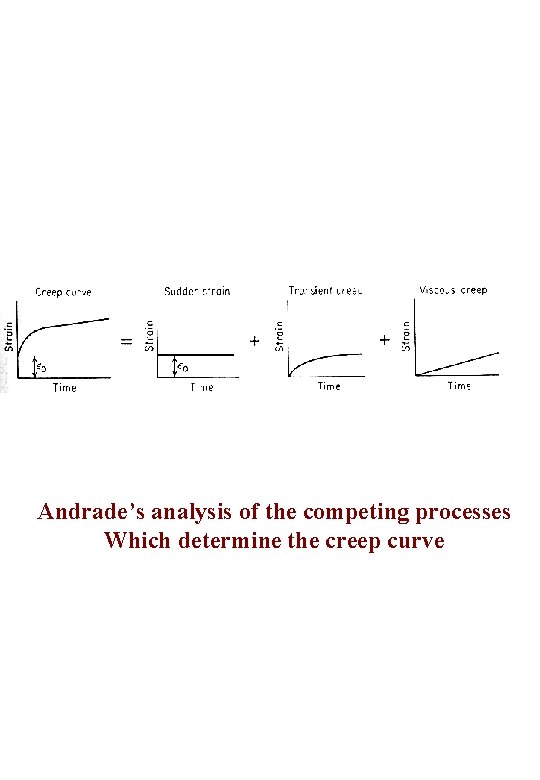
Andrade’s analysis of the competing processes Which determine the creep curve
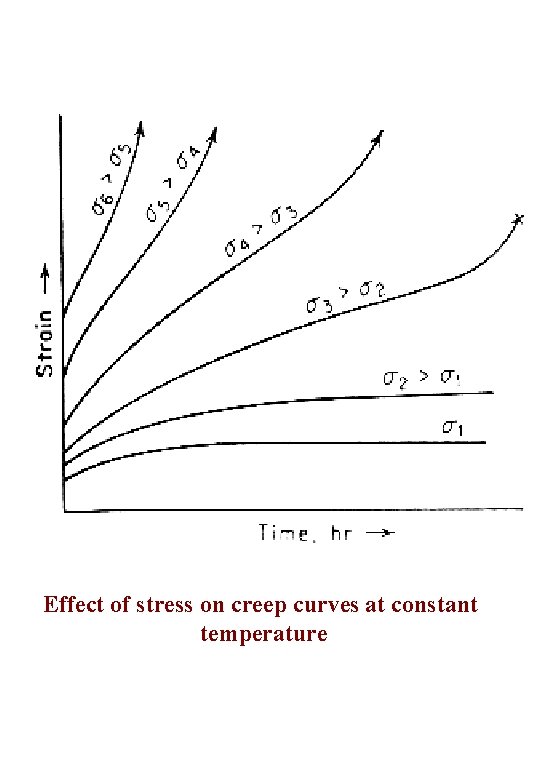
Effect of stress on creep curves at constant temperature
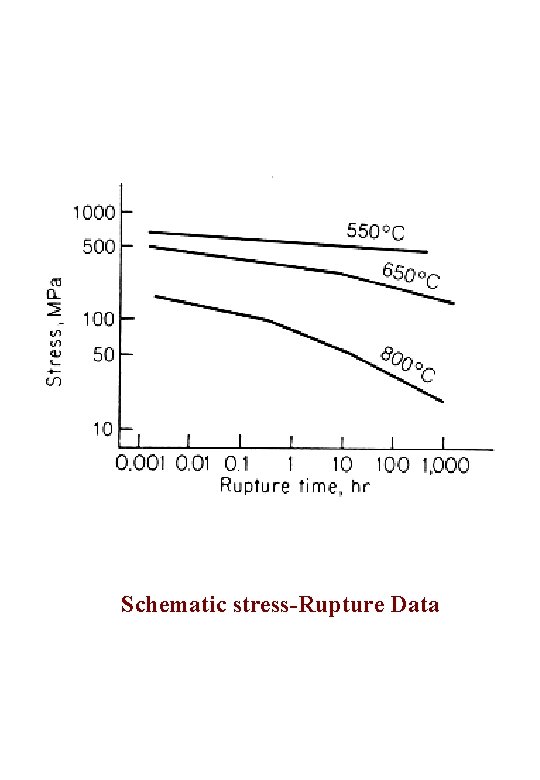
Schematic stress-Rupture Data
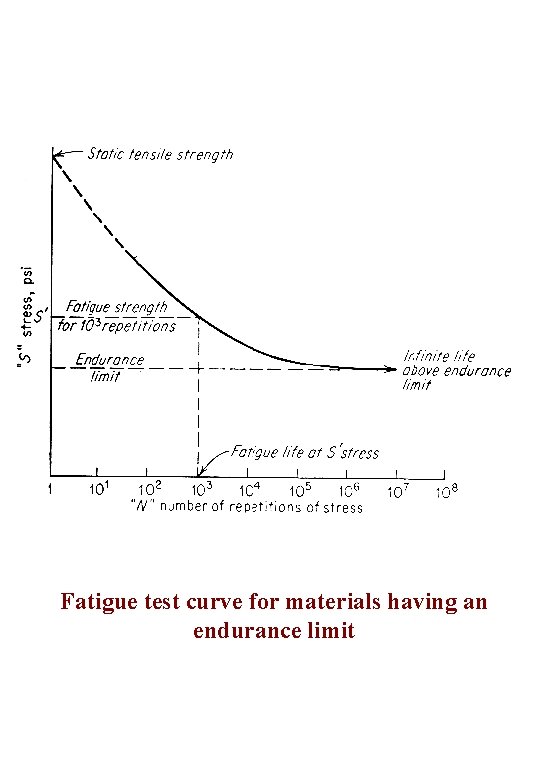
Fatigue test curve for materials having an endurance limit
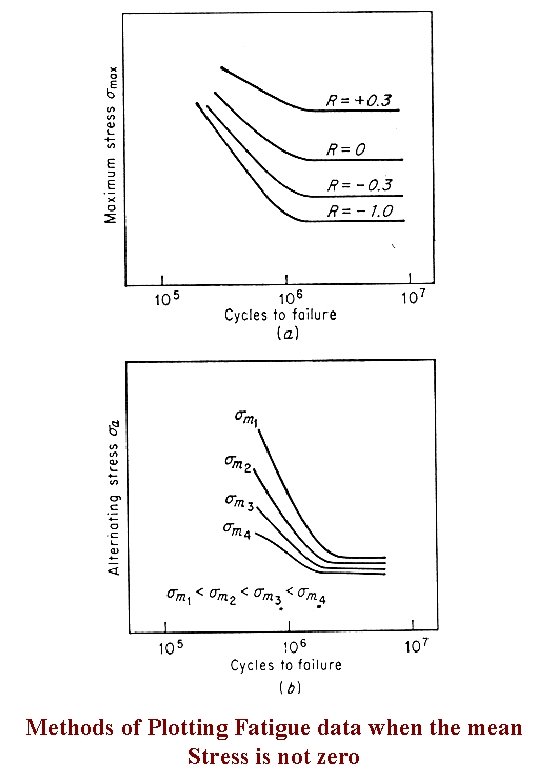
Methods of Plotting Fatigue data when the mean Stress is not zero
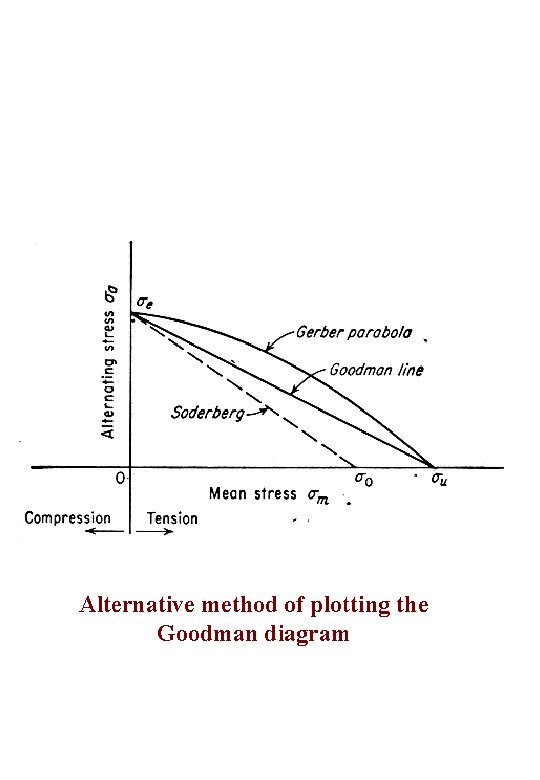
Alternative method of plotting the Goodman diagram
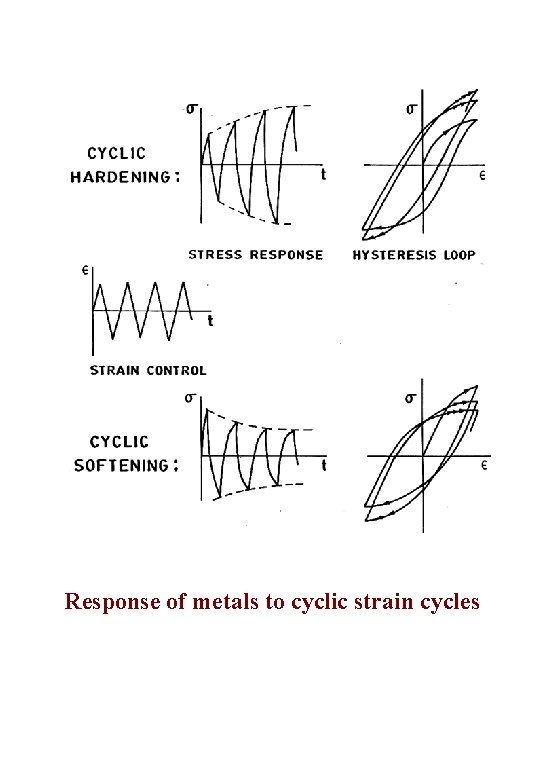
Response of metals to cyclic strain cycles
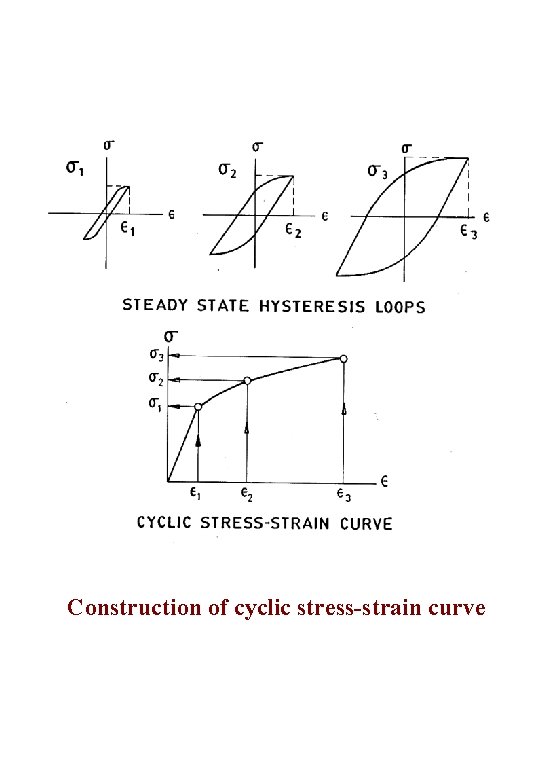
Construction of cyclic stress-strain curve
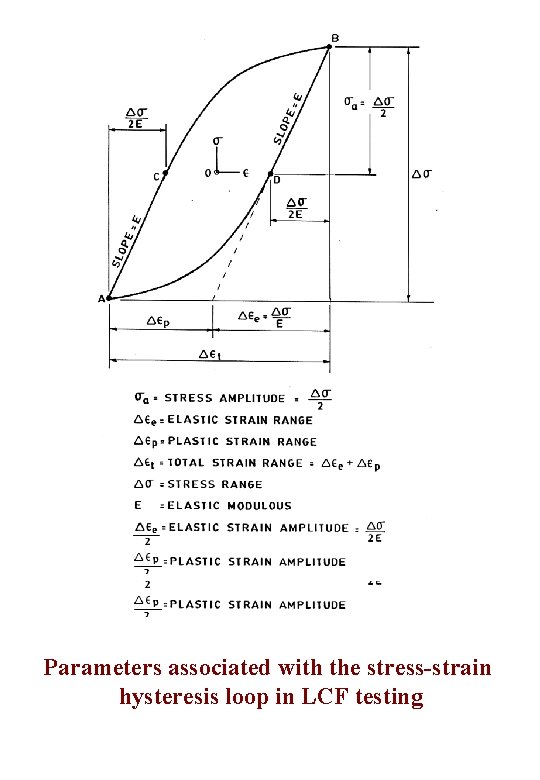
Parameters associated with the stress-strain hysteresis loop in LCF testing
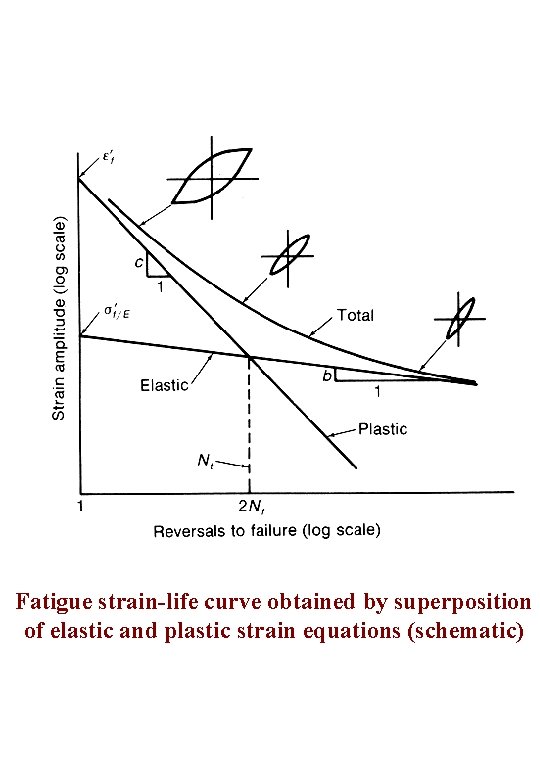
Fatigue strain-life curve obtained by superposition of elastic and plastic strain equations (schematic)
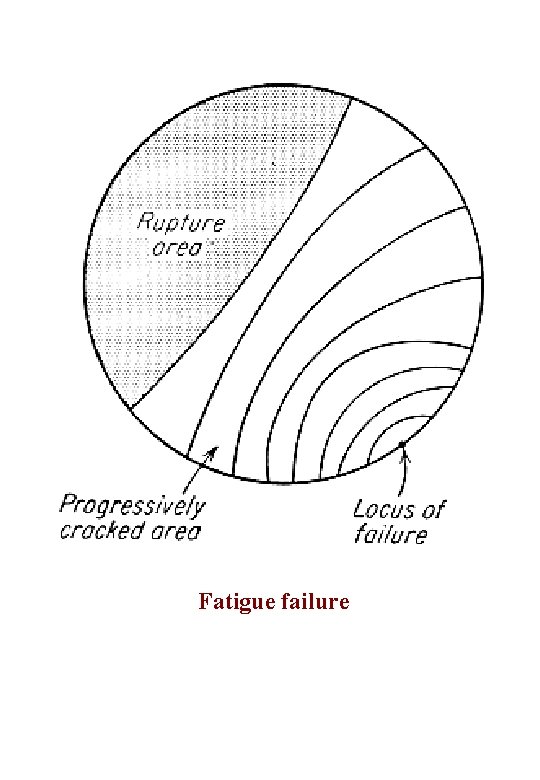
Fatigue failure
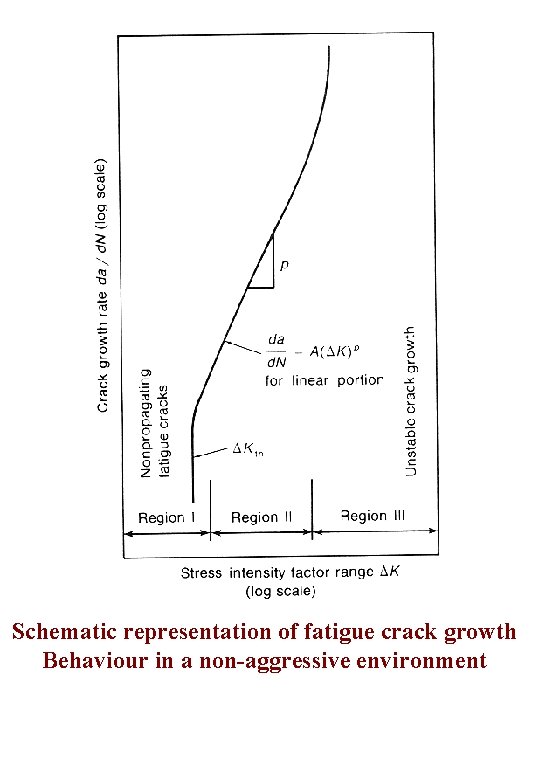
Schematic representation of fatigue crack growth Behaviour in a non-aggressive environment
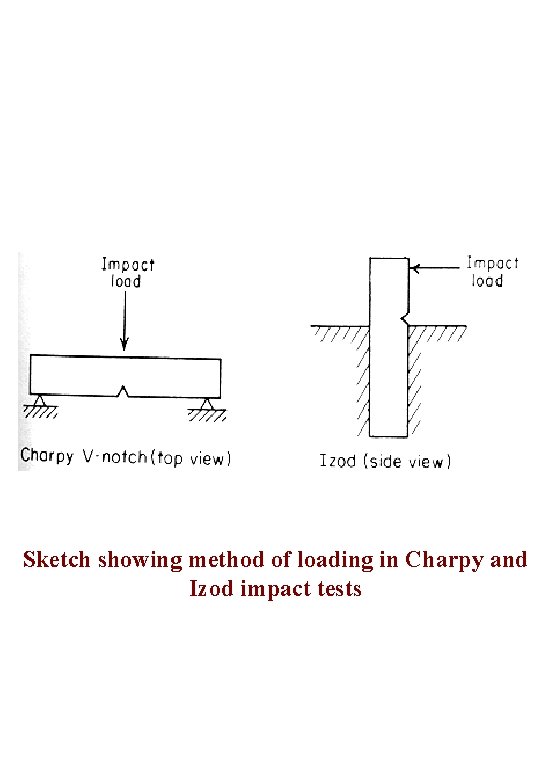
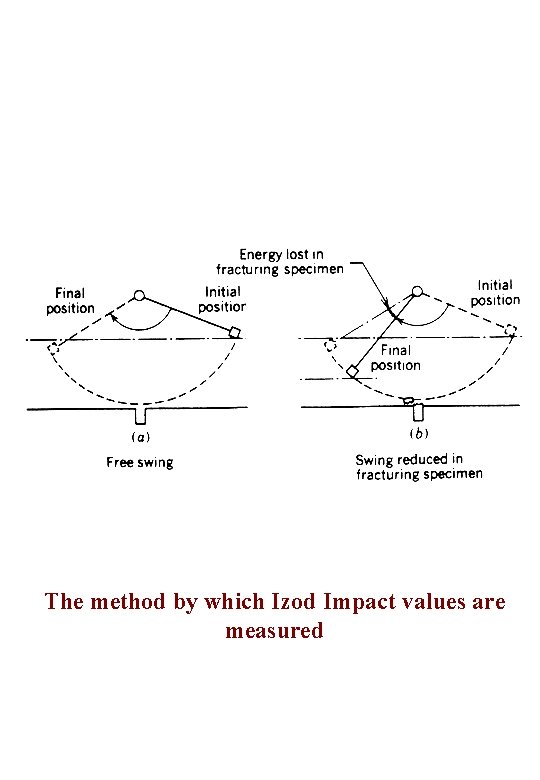
Sketch showing method of loading in Charpy and Izod impact tests
The method by which Izod Impact values are measured
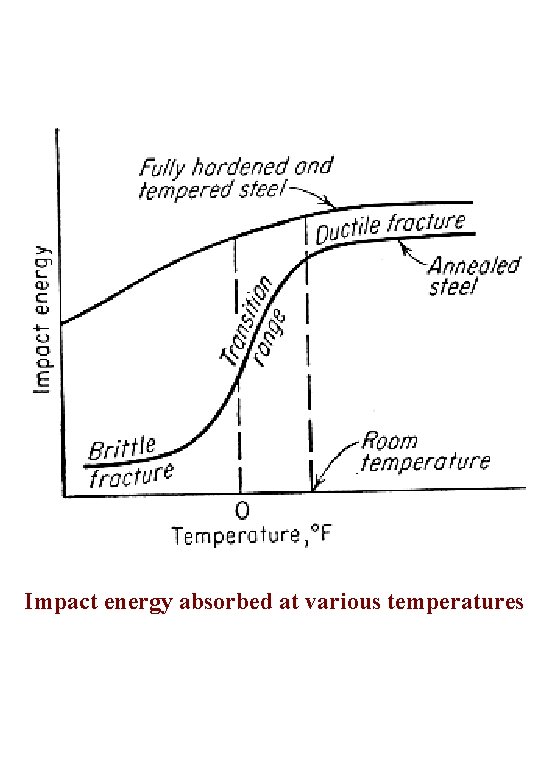
Impact energy absorbed at various temperatures
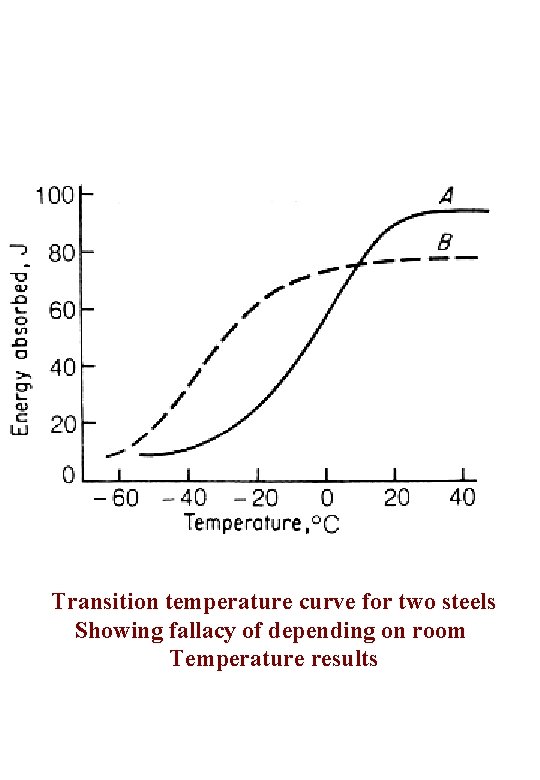
Transition temperature curve for two steels Showing fallacy of depending on room Temperature results
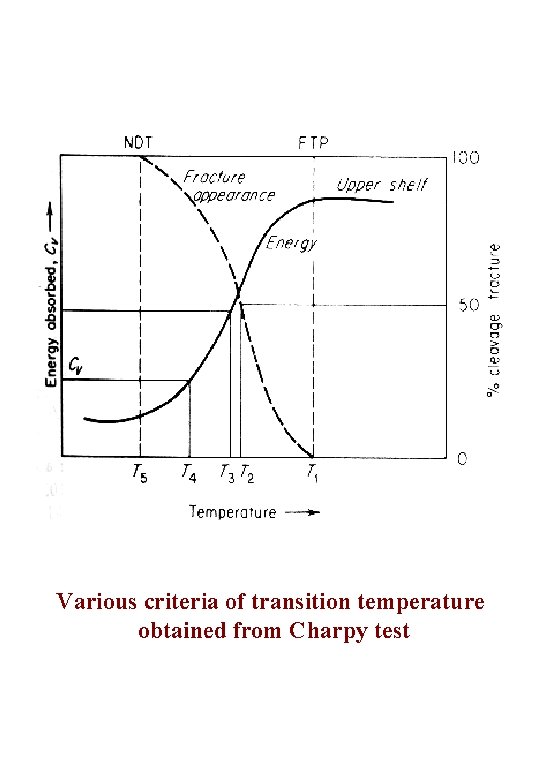
Various criteria of transition temperature obtained from Charpy test
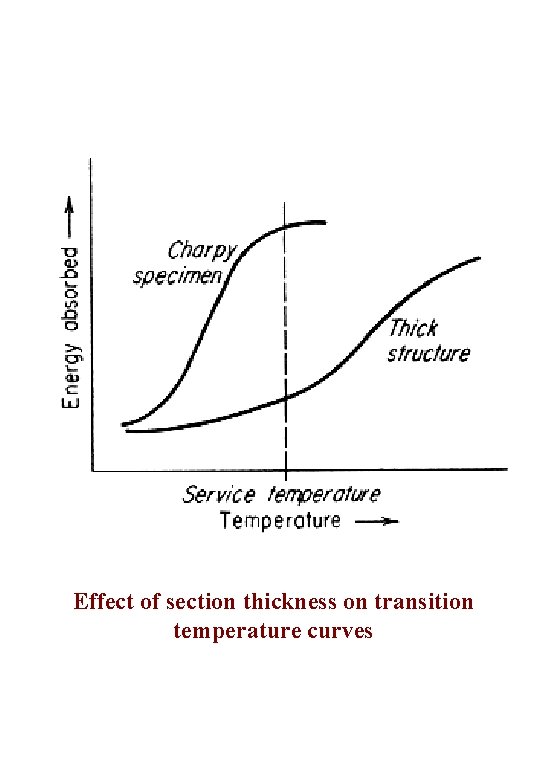
Effect of section thickness on transition temperature curves
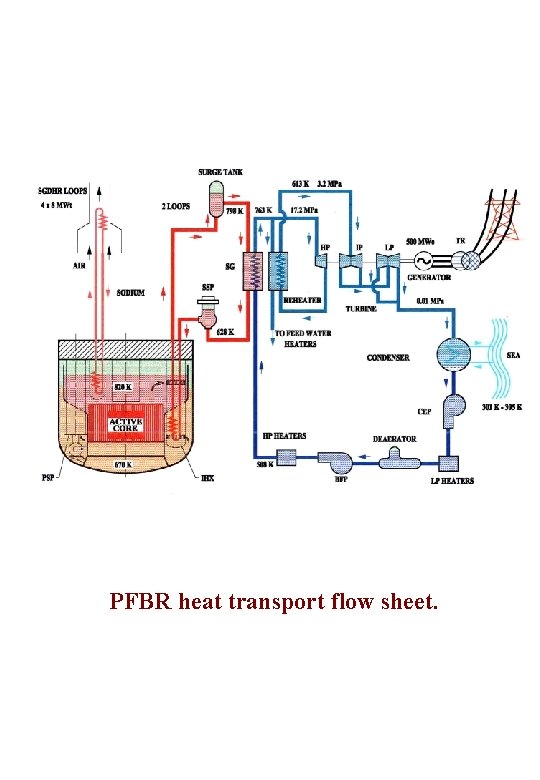
PFBR heat transport flow sheet.
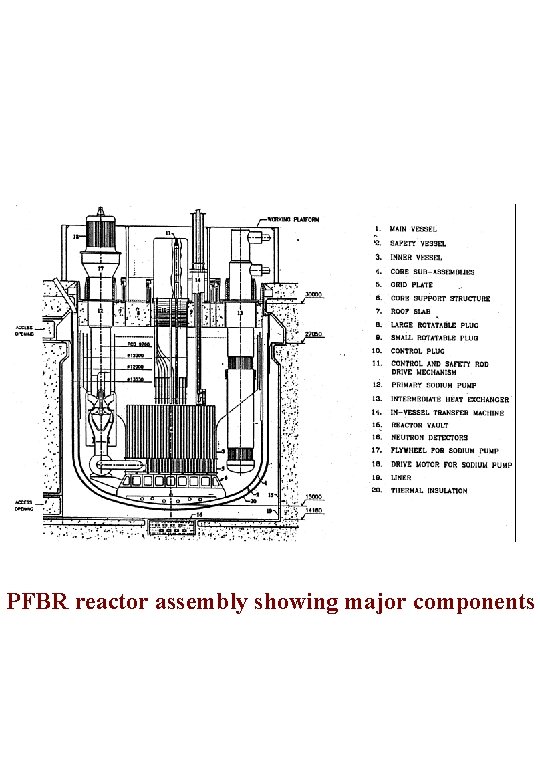
PFBR reactor assembly showing major components
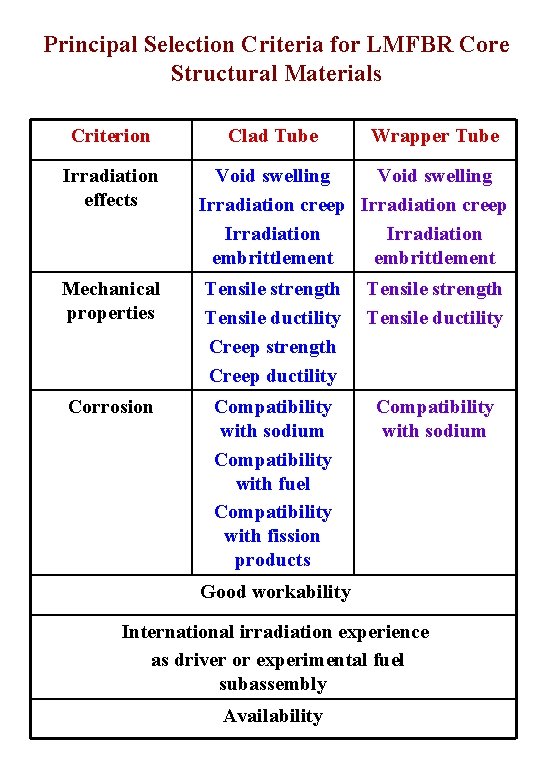
Principal Selection Criteria for LMFBR Core Structural Materials Criterion Clad Tube Wrapper Tube Irradiation effects Void swelling Irradiation creep Irradiation embrittlement Mechanical properties Tensile strength Tensile ductility Creep strength Creep ductility Tensile strength Tensile ductility Corrosion Compatibility with sodium Compatibility with fuel Compatibility with fission products Compatibility with sodium Good workability International irradiation experience as driver or experimental fuel subassembly Availability
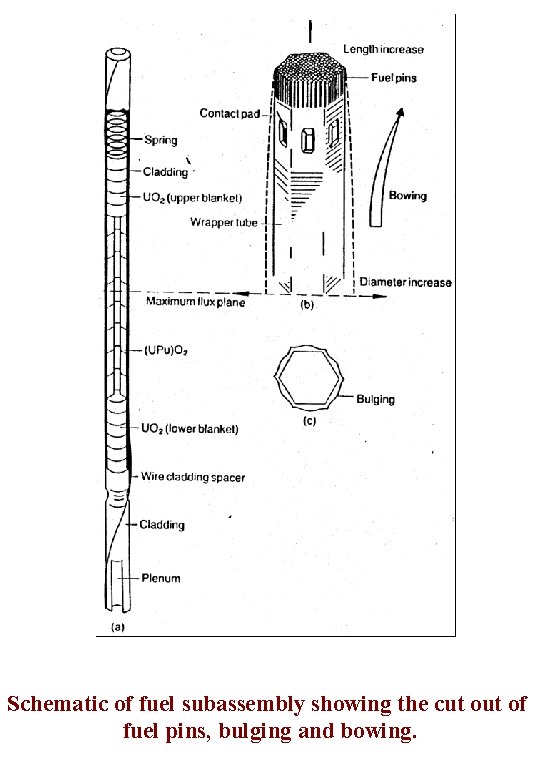
Schematic of fuel subassembly showing the cut of fuel pins, bulging and bowing.
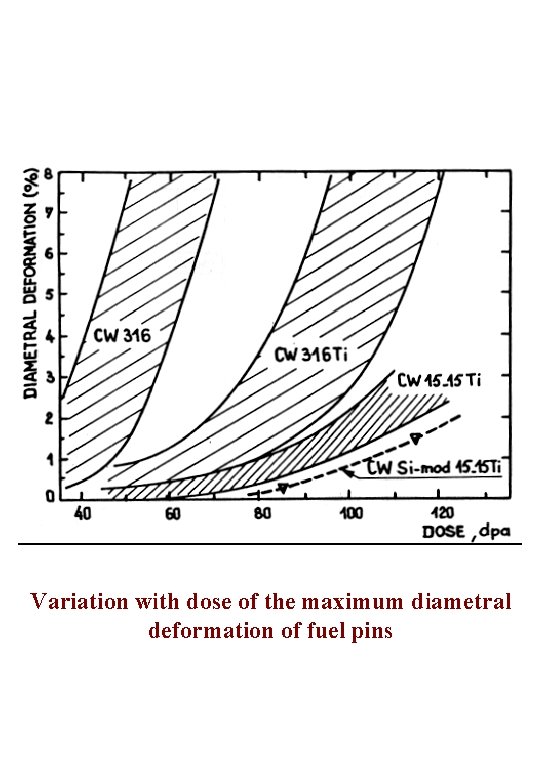
Variation with dose of the maximum diametral deformation of fuel pins
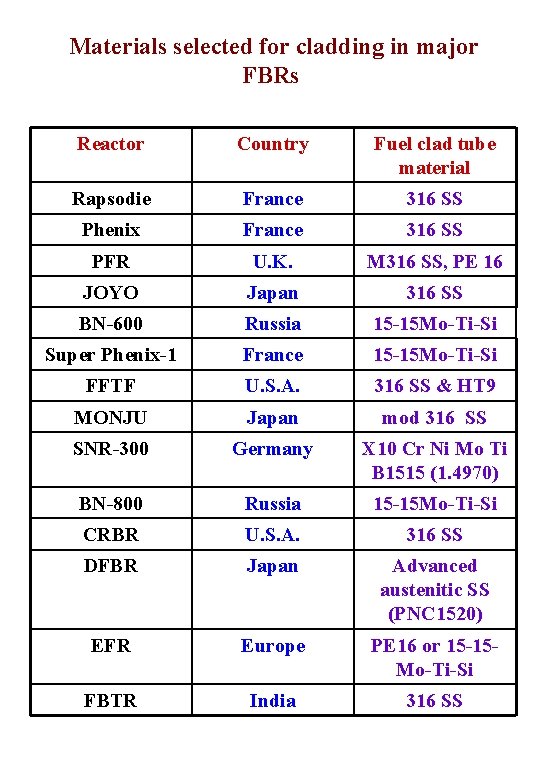
Materials selected for cladding in major FBRs Reactor Country Fuel clad tube material Rapsodie France 316 SS Phenix France 316 SS PFR U. K. M 316 SS, PE 16 JOYO Japan 316 SS BN-600 Russia 15 -15 Mo-Ti-Si Super Phenix-1 France 15 -15 Mo-Ti-Si FFTF U. S. A. 316 SS & HT 9 MONJU Japan mod 316 SS SNR-300 Germany X 10 Cr Ni Mo Ti B 1515 (1. 4970) BN-800 Russia 15 -15 Mo-Ti-Si CRBR U. S. A. 316 SS DFBR Japan Advanced austenitic SS (PNC 1520) EFR Europe PE 16 or 15 -15 Mo-Ti-Si FBTR India 316 SS
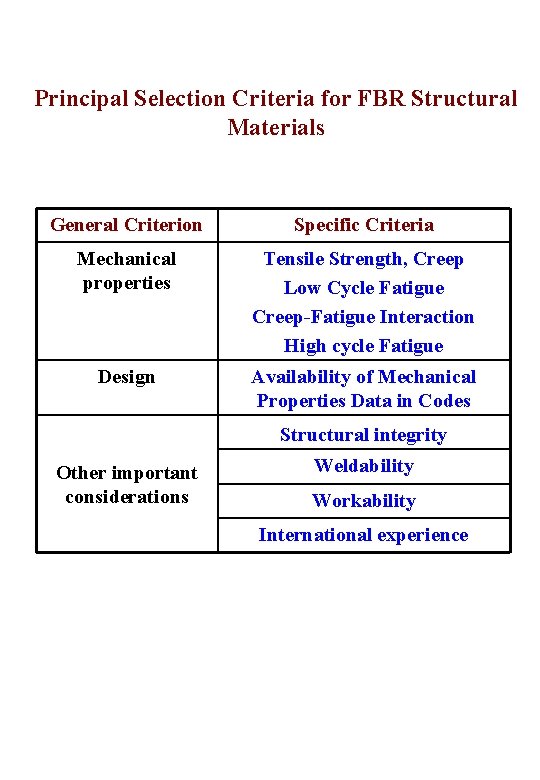
Principal Selection Criteria for FBR Structural Materials General Criterion Specific Criteria Mechanical properties Tensile Strength, Creep Low Cycle Fatigue Creep-Fatigue Interaction High cycle Fatigue Design Availability of Mechanical Properties Data in Codes Structural integrity Other important considerations Weldability Workability International experience
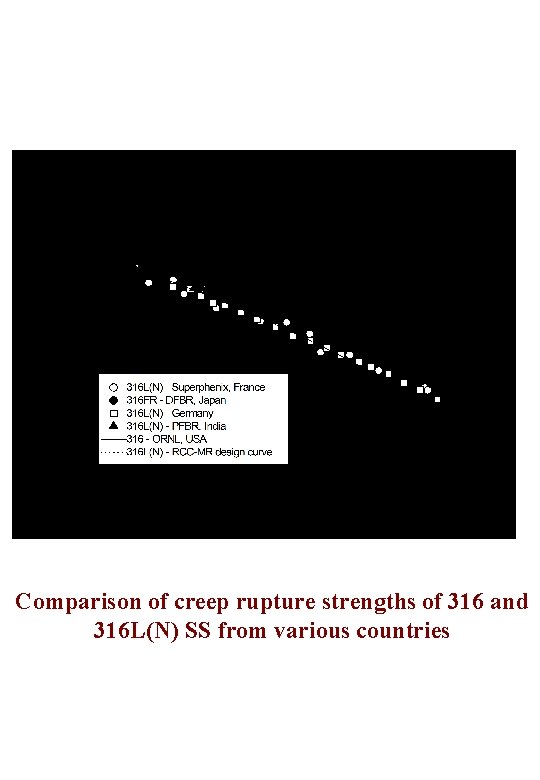
Comparison of creep rupture strengths of 316 and 316 L(N) SS from various countries
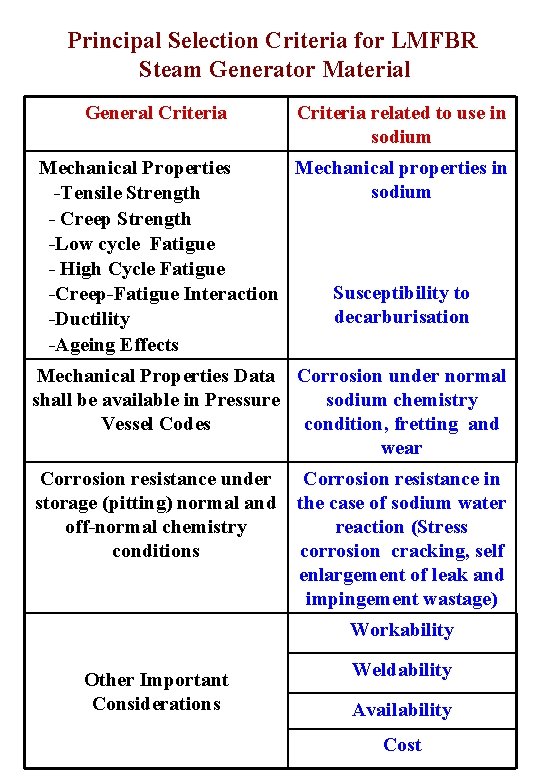
Principal Selection Criteria for LMFBR Steam Generator Material General Criteria related to use in sodium Mechanical Properties Mechanical properties in sodium -Tensile Strength - Creep Strength -Low cycle Fatigue - High Cycle Fatigue Susceptibility to -Creep-Fatigue Interaction decarburisation -Ductility -Ageing Effects Mechanical Properties Data Corrosion under normal shall be available in Pressure sodium chemistry Vessel Codes condition, fretting and wear Corrosion resistance under Corrosion resistance in storage (pitting) normal and the case of sodium water off-normal chemistry reaction (Stress conditions corrosion cracking, self enlargement of leak and impingement wastage) Workability Other Important Considerations Weldability Availability Cost
Comparison of 105 h creep rupture strengths of several materials
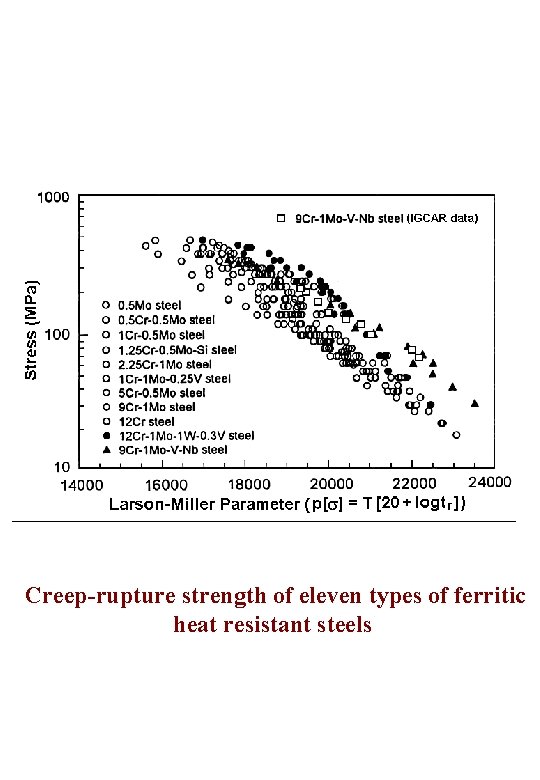
Creep-rupture strength of eleven types of ferritic heat resistant steels
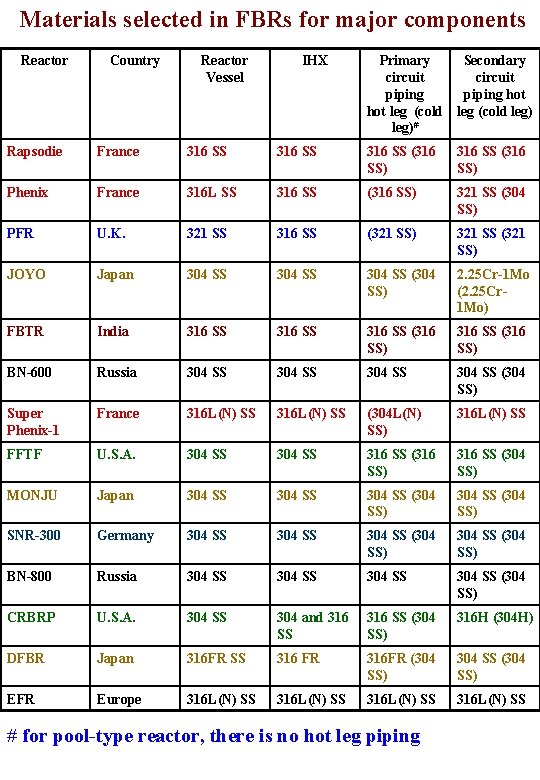
Materials selected in FBRs for major components Reactor Country Reactor Vessel IHX Primary Secondary circuit piping piping hot leg (cold leg)# Rapsodie France 316 SS (316 SS) Phenix France 316 L SS 316 SS (316 SS) 321 SS (304 SS) PFR U. K. 321 SS 316 SS (321 SS) 321 SS (321 SS) JOYO Japan 304 SS (304 SS) 2. 25 Cr-1 Mo (2. 25 Cr 1 Mo) FBTR India 316 SS (316 SS) BN-600 Russia 304 SS (304 SS) Super Phenix-1 France 316 L(N) SS (304 L(N) SS) 316 L(N) SS FFTF U. S. A. 304 SS 316 SS (316 SS) 316 SS (304 SS) MONJU Japan 304 SS (304 SS) SNR-300 Germany 304 SS (304 SS) BN-800 Russia 304 SS (304 SS) CRBRP U. S. A. 304 SS 304 and 316 SS (304 SS) 316 H (304 H) DFBR Japan 316 FR SS 316 FR 316 FR (304 SS) 304 SS (304 SS) EFR Europe 316 L(N) SS # for pool-type reactor, there is no hot leg piping
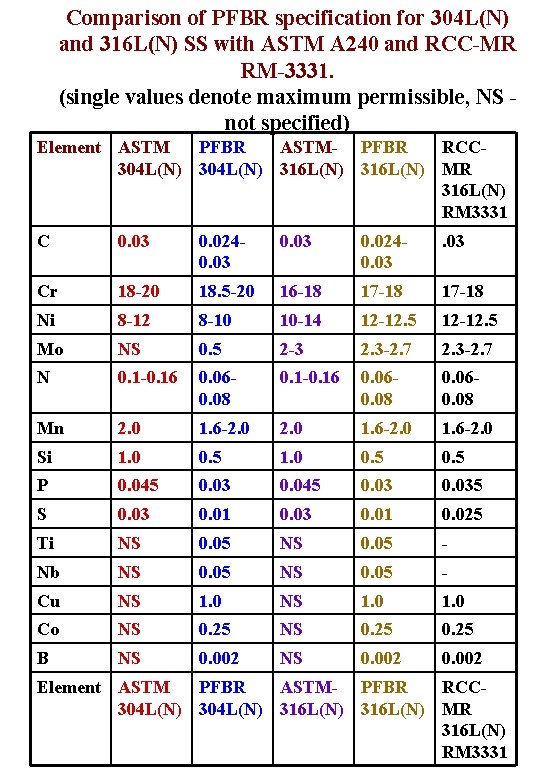
Comparison of PFBR specification for 304 L(N) and 316 L(N) SS with ASTM A 240 and RCC-MR RM-3331. (single values denote maximum permissible, NS - not specified) Element ASTM PFBR ASTM- PFBR RCC 304 L(N) 316 L(N) MR 316 L(N) RM 3331 C 0. 03 0. 0240. 03 Cr 18 -20 18. 5 -20 16 -18 17 -18 Ni 8 -12 8 -10 10 -14 12 -12. 5 Mo NS 0. 5 2 -3 2. 3 -2. 7 N 0. 1 -0. 16 0. 060. 08 Mn 2. 0 1. 6 -2. 0 Si 1. 0 0. 5 P 0. 045 0. 035 S 0. 03 0. 01 0. 025 Ti NS 0. 05 - Nb NS 0. 05 - Cu NS 1. 0 Co NS 0. 25 B NS 0. 002 Element ASTM PFBR ASTM- PFBR RCC 304 L(N) 316 L(N) MR 316 L(N) RM 3331
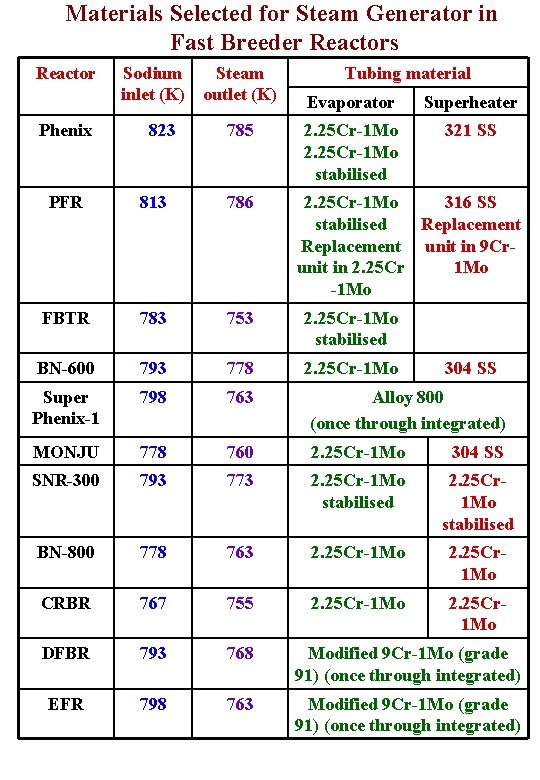
Materials Selected for Steam Generator in Fast Breeder Reactors Reactor Sodium Steam inlet (K) outlet (K) Tubing material Evaporator Superheater Phenix 823 785 2. 25 Cr-1 Mo 321 SS 2. 25 Cr-1 Mo stabilised PFR 813 786 2. 25 Cr-1 Mo 316 SS stabilised Replacement unit in 9 Crunit in 2. 25 Cr 1 Mo -1 Mo FBTR 783 753 2. 25 Cr-1 Mo stabilised BN-600 793 778 2. 25 Cr-1 Mo Super Phenix-1 798 763 Alloy 800 (once through integrated) MONJU 778 760 2. 25 Cr-1 Mo 304 SS SNR-300 793 773 2. 25 Cr-1 Mo stabilised 2. 25 Cr 1 Mo stabilised BN-800 778 763 2. 25 Cr-1 Mo 2. 25 Cr 1 Mo CRBR 767 755 2. 25 Cr-1 Mo 2. 25 Cr 1 Mo DFBR 793 768 Modified 9 Cr-1 Mo (grade 91) (once through integrated) EFR 798 763 Modified 9 Cr-1 Mo (grade 91) (once through integrated) 304 SS
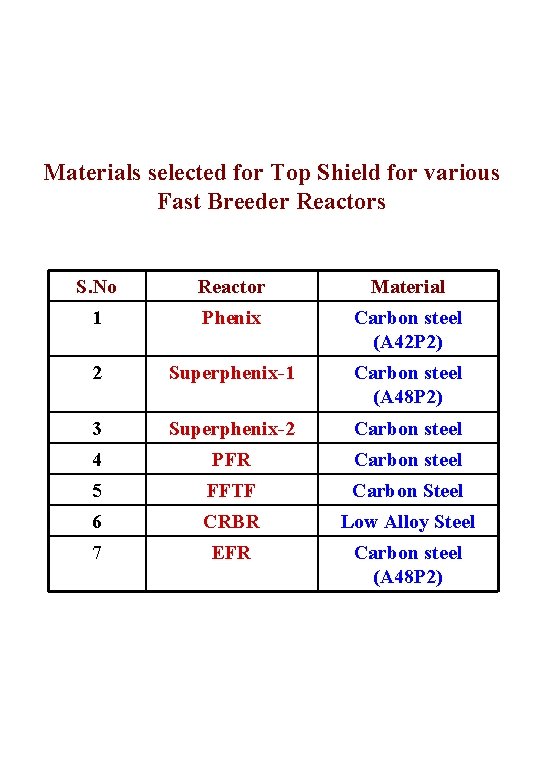
Materials selected for Top Shield for various Fast Breeder Reactors S. No Reactor Material 1 Phenix Carbon steel (A 42 P 2) 2 Superphenix-1 Carbon steel (A 48 P 2) 3 Superphenix-2 Carbon steel 4 PFR Carbon steel 5 FFTF Carbon Steel 6 CRBR Low Alloy Steel 7 EFR Carbon steel (A 48 P 2)
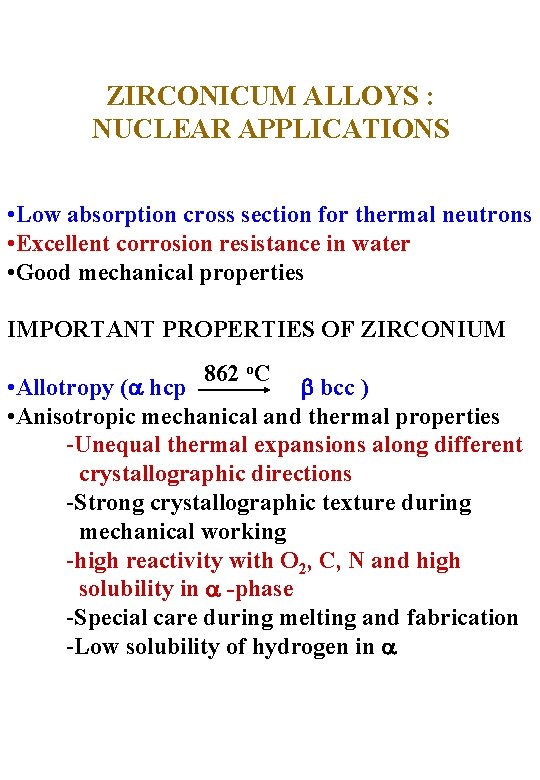
ZIRCONICUM ALLOYS : NUCLEAR APPLICATIONS • Low absorption cross section for thermal neutrons • Excellent corrosion resistance in water • Good mechanical properties IMPORTANT PROPERTIES OF ZIRCONIUM 862 o. C • Allotropy (a hcp b bcc ) • Anisotropic mechanical and thermal properties -Unequal thermal expansions along different crystallographic directions -Strong crystallographic texture during mechanical working -high reactivity with O 2, C, N and high solubility in a -phase -Special care during melting and fabrication -Low solubility of hydrogen in a
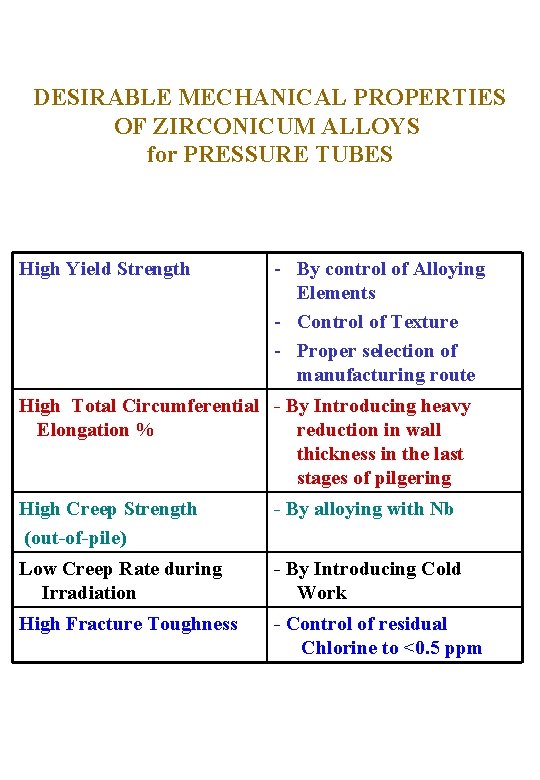
DESIRABLE MECHANICAL PROPERTIES OF ZIRCONICUM ALLOYS for PRESSURE TUBES High Yield Strength - By control of Alloying Elements - Control of Texture - Proper selection of manufacturing route High Total Circumferential - By Introducing heavy Elongation % reduction in wall thickness in the last stages of pilgering High Creep Strength (out-of-pile) - By alloying with Nb Low Creep Rate during Irradiation - By Introducing Cold Work High Fracture Toughness - Control of residual Chlorine to <0. 5 ppm
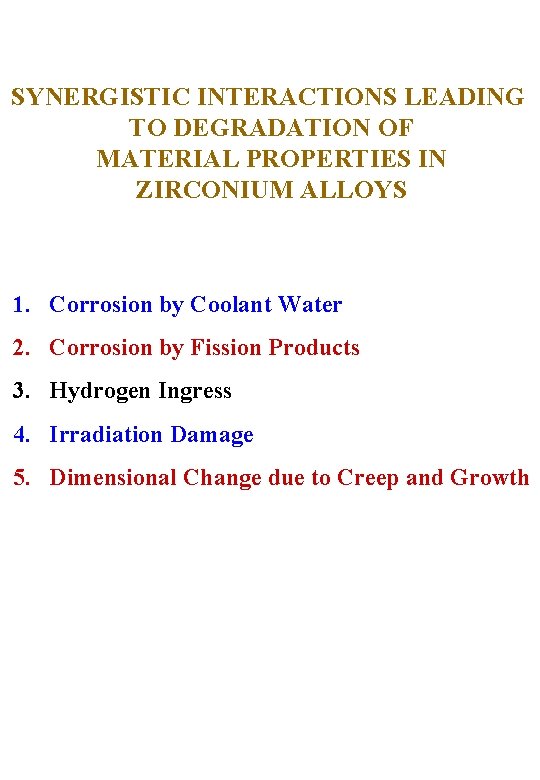
SYNERGISTIC INTERACTIONS LEADING TO DEGRADATION OF MATERIAL PROPERTIES IN ZIRCONIUM ALLOYS 1. Corrosion by Coolant Water 2. Corrosion by Fission Products 3. Hydrogen Ingress 4. Irradiation Damage 5. Dimensional Change due to Creep and Growth
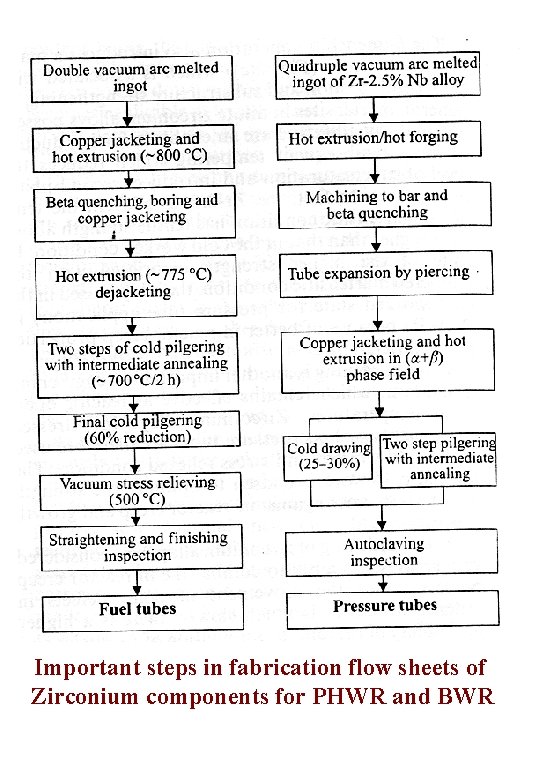
Important steps in fabrication flow sheets of Zirconium components for PHWR and BWR
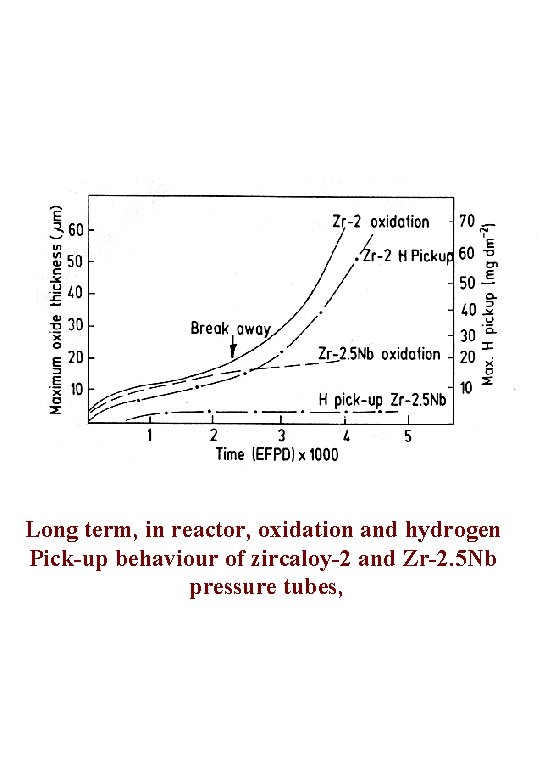
Long term, in reactor, oxidation and hydrogen Pick-up behaviour of zircaloy-2 and Zr-2. 5 Nb pressure tubes,
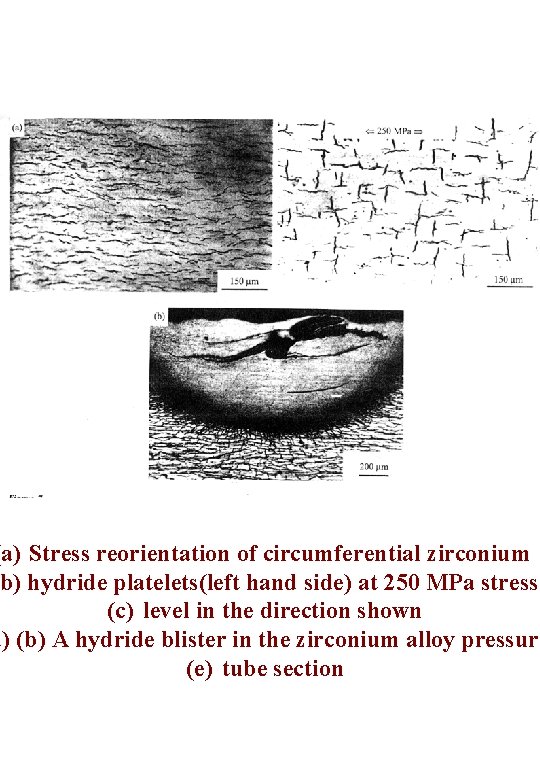
(a) Stress reorientation of circumferential zirconium b) hydride platelets(left hand side) at 250 MPa stress (c) level in the direction shown d) (b) A hydride blister in the zirconium alloy pressure (e) tube section
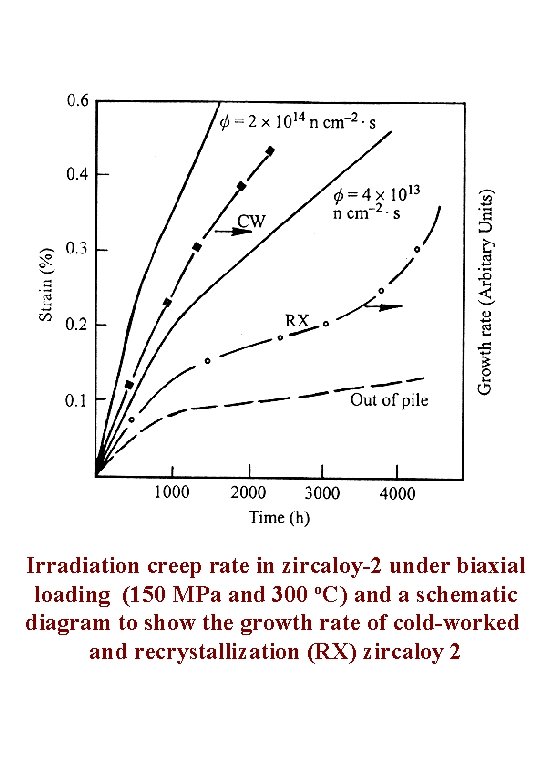
Irradiation creep rate in zircaloy-2 under biaxial loading (150 MPa and 300 o. C) and a schematic diagram to show the growth rate of cold-worked and recrystallization (RX) zircaloy 2
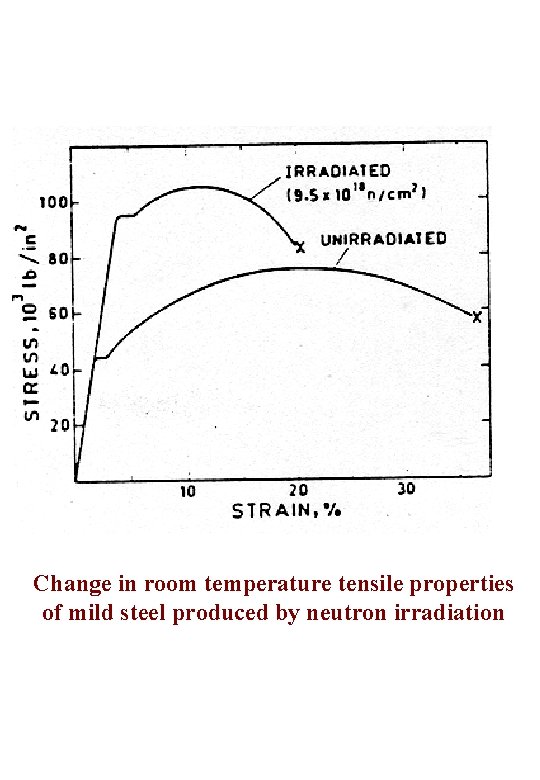
Change in room temperature tensile properties of mild steel produced by neutron irradiation
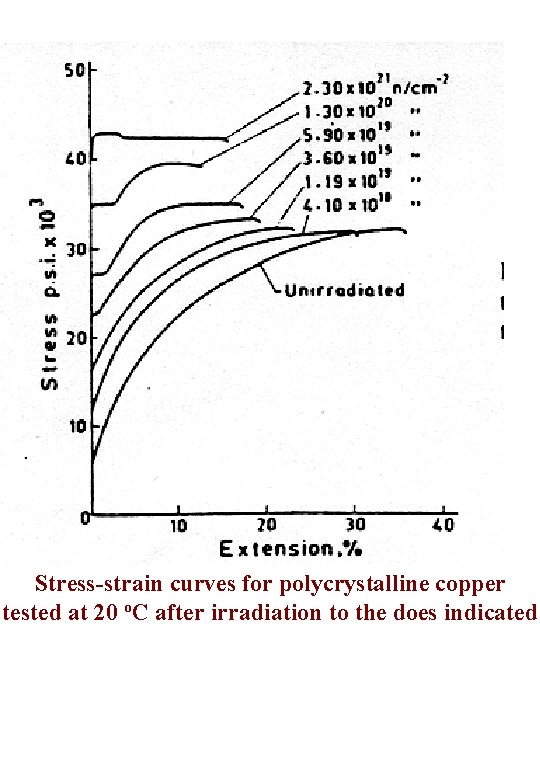
Stress-strain curves for polycrystalline copper tested at 20 o. C after irradiation to the does indicated
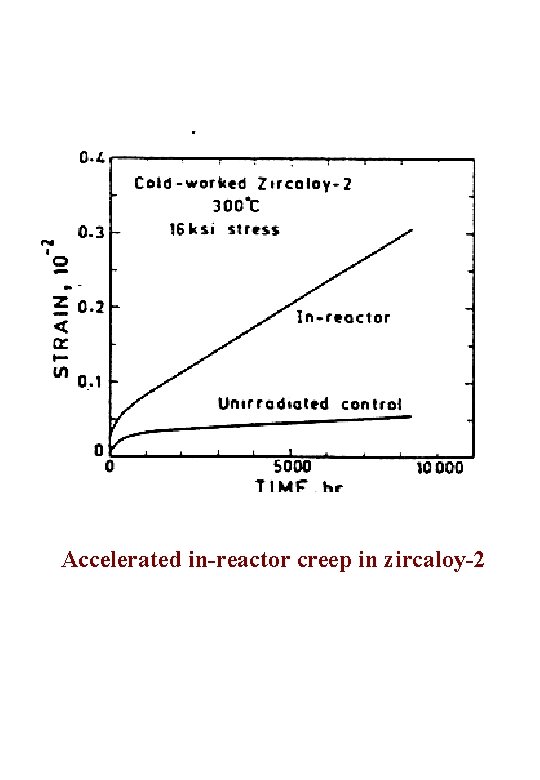
Accelerated in-reactor creep in zircaloy-2
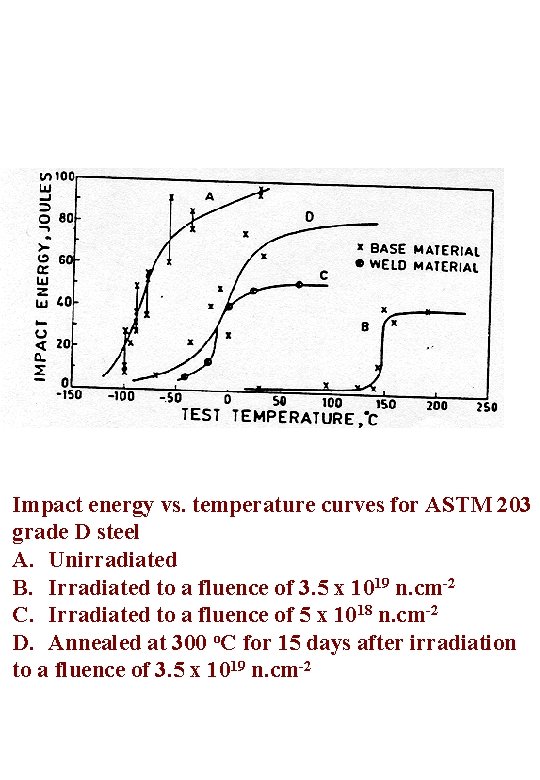
Impact energy vs. temperature curves for ASTM 203 grade D steel A. Unirradiated B. Irradiated to a fluence of 3. 5 x 10¹⁹ n. cm-2 C. Irradiated to a fluence of 5 x 10¹⁸ n. cm-2 D. Annealed at 300 o. C for 15 days after irradiation to a fluence of 3. 5 x 10¹⁹ n. cm-2
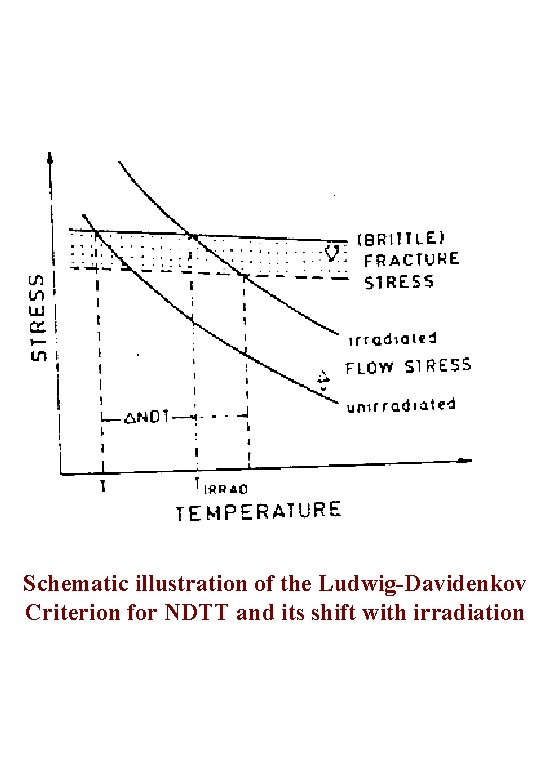
Schematic illustration of the Ludwig-Davidenkov Criterion for NDTT and its shift with irradiation
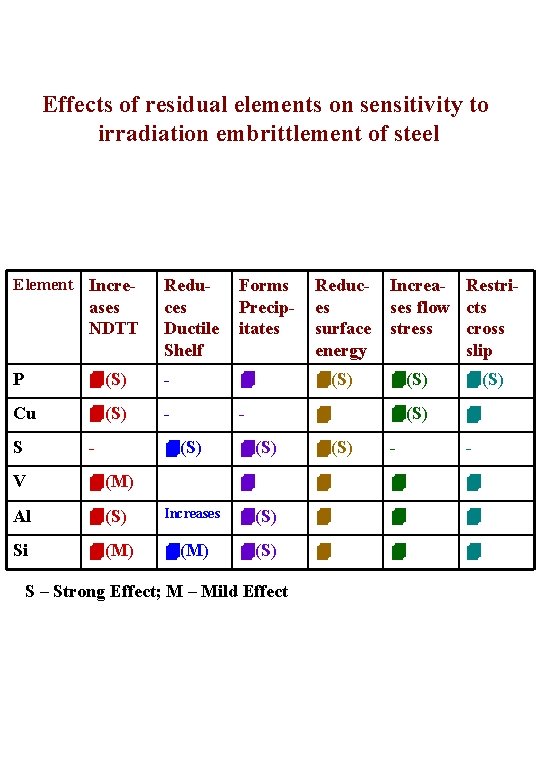
Effects of residual elements on sensitivity to irradiation embrittlement of steel Element Incre- ases NDTT Redu. Forms ces Precip. Ductile itates Shelf P (S) - (S) Cu (S) - - (S) S - (S) - - V (M) Al (S) Increases (S) Si (M) (S) S – Strong Effect; M – Mild Effect Reduc- Increaes ses flow surface stress energy Restricts cross slip
Extra Slides Follow
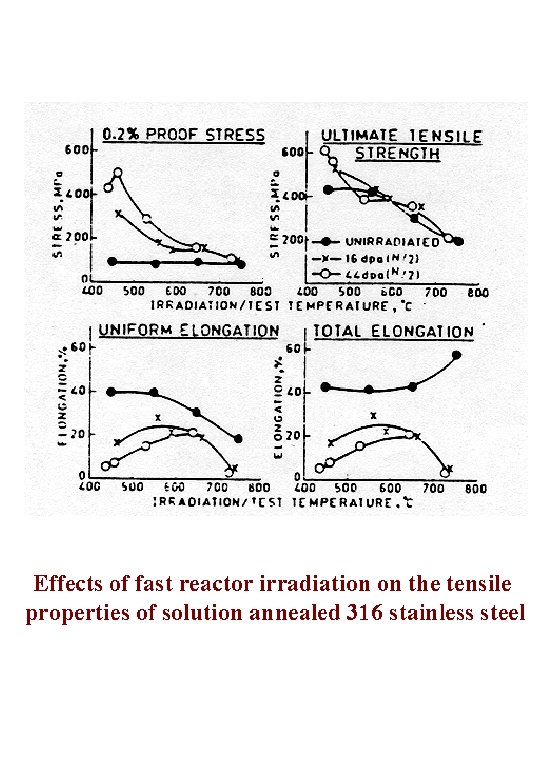
Effects of fast reactor irradiation on the tensile properties of solution annealed 316 stainless steel
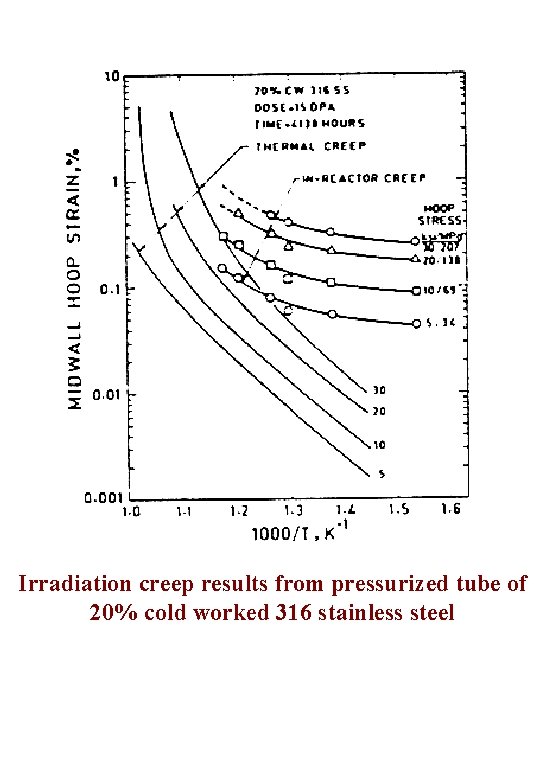
Irradiation creep results from pressurized tube of 20% cold worked 316 stainless steel
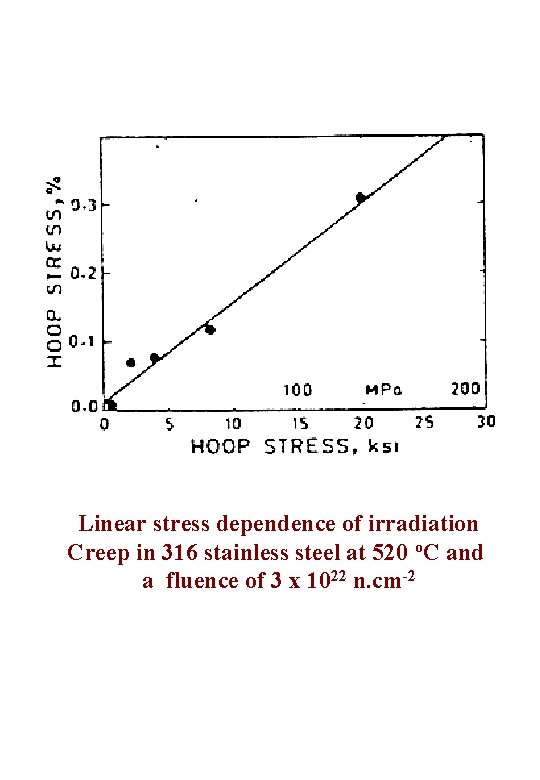
Linear stress dependence of irradiation Creep in 316 stainless steel at 520 o. C and a fluence of 3 x 10²² n. cm-2
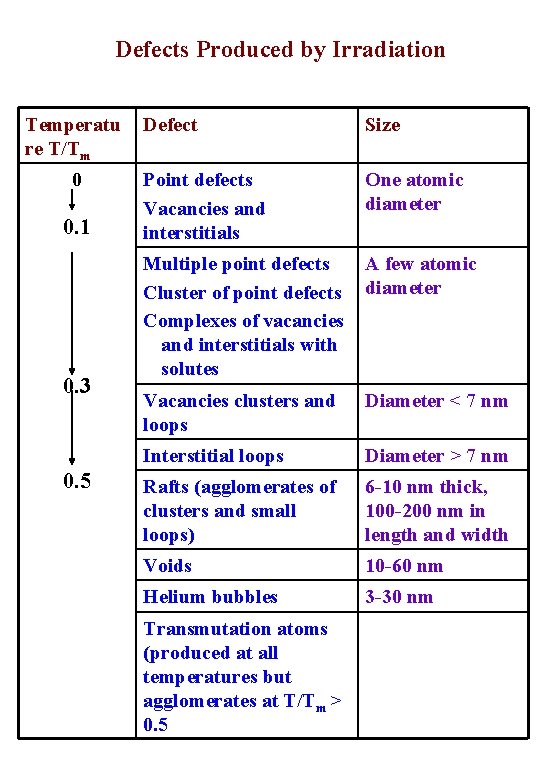
Defects Produced by Irradiation Temperatu re T/Tm 0 0. 1 0. 3 0. 5 Defect Size Point defects Vacancies and interstitials One atomic diameter Multiple point defects A few atomic Cluster of point defects diameter Complexes of vacancies and interstitials with solutes Vacancies clusters and loops Diameter < 7 nm Interstitial loops Diameter > 7 nm Rafts (agglomerates of clusters and small loops) 6 -10 nm thick, 100 -200 nm in length and width Voids 10 -60 nm Helium bubbles 3 -30 nm Transmutation atoms (produced at all temperatures but agglomerates at T/Tm > 0. 5
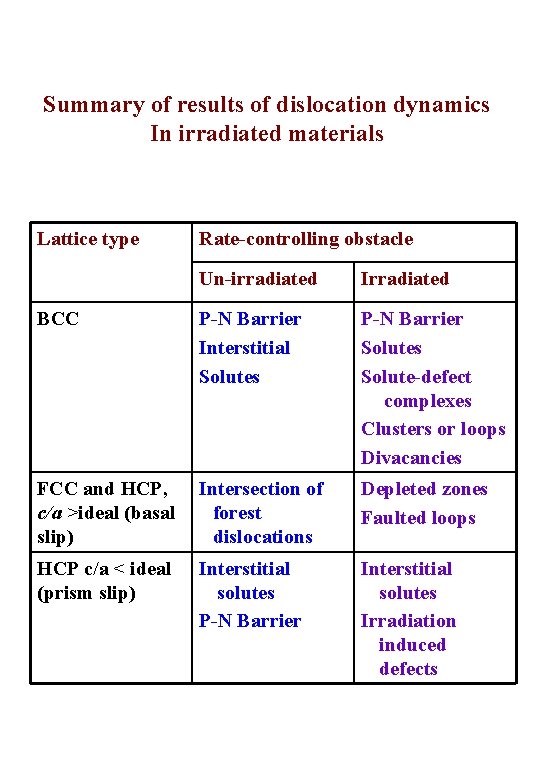
Summary of results of dislocation dynamics In irradiated materials Lattice type BCC Rate-controlling obstacle Un-irradiated Irradiated P-N Barrier Interstitial Solutes P-N Barrier Solutes Solute-defect complexes Clusters or loops Divacancies FCC and HCP, Intersection of c/a >ideal (basal forest slip) dislocations Depleted zones Faulted loops HCP c/a < ideal (prism slip) Interstitial solutes Irradiation induced defects Interstitial solutes P-N Barrier
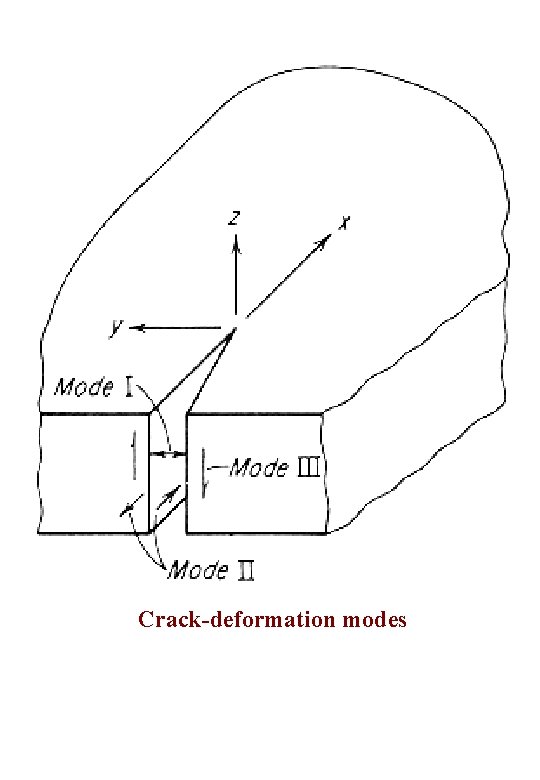
Crack-deformation modes
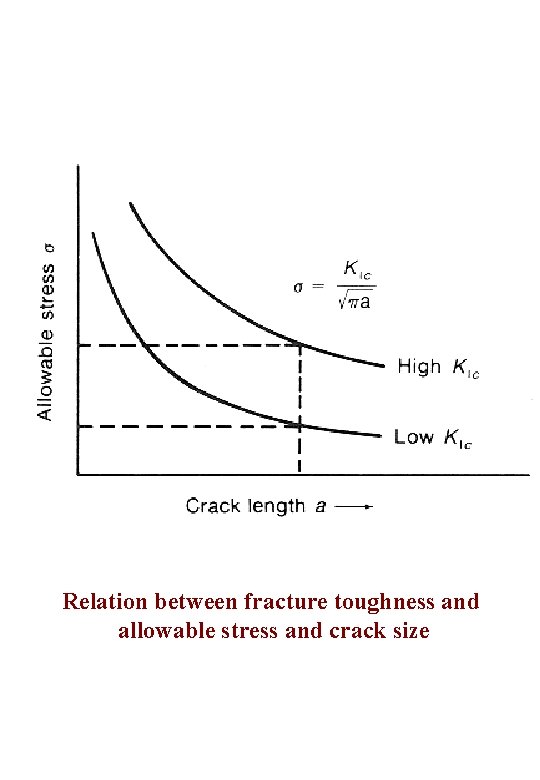
Relation between fracture toughness and allowable stress and crack size
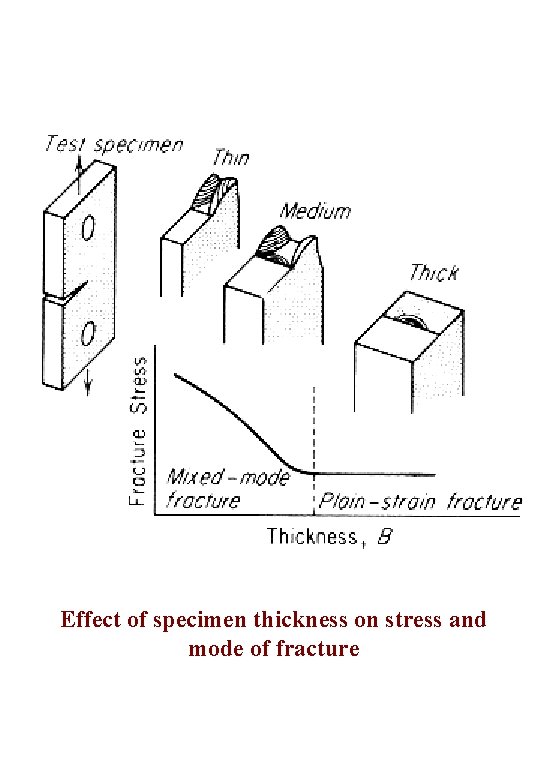
Effect of specimen thickness on stress and mode of fracture
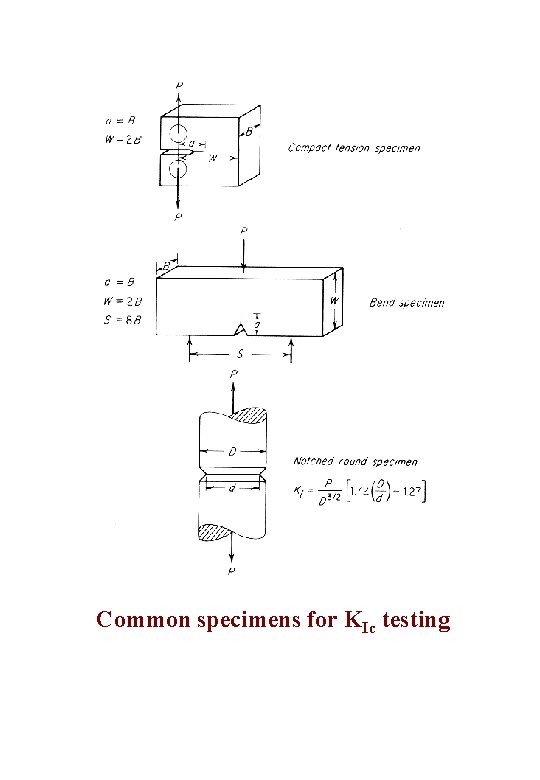
Common specimens for KIc testing
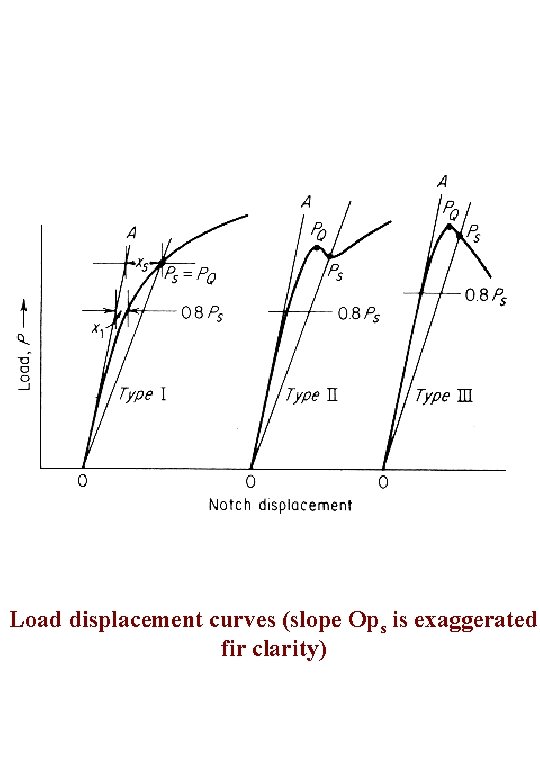
Load displacement curves (slope Ops is exaggerated fir clarity)
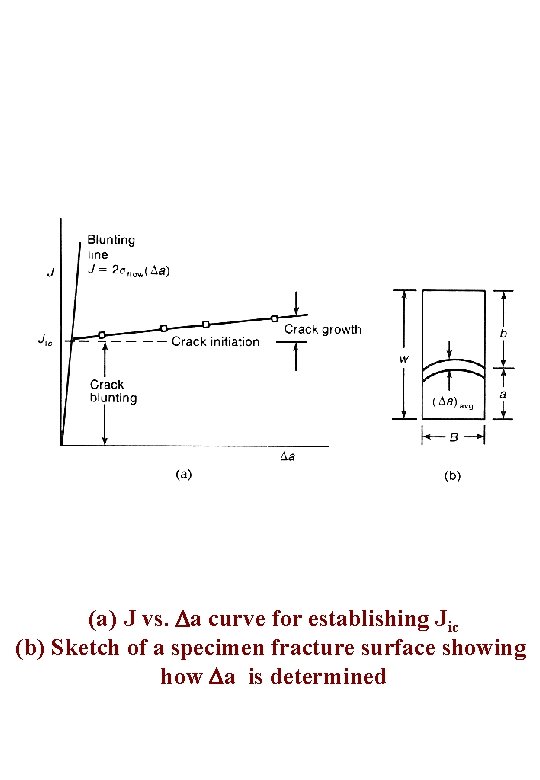
(a) J vs. Da curve for establishing Jic (b) Sketch of a specimen fracture surface showing how Da is determined
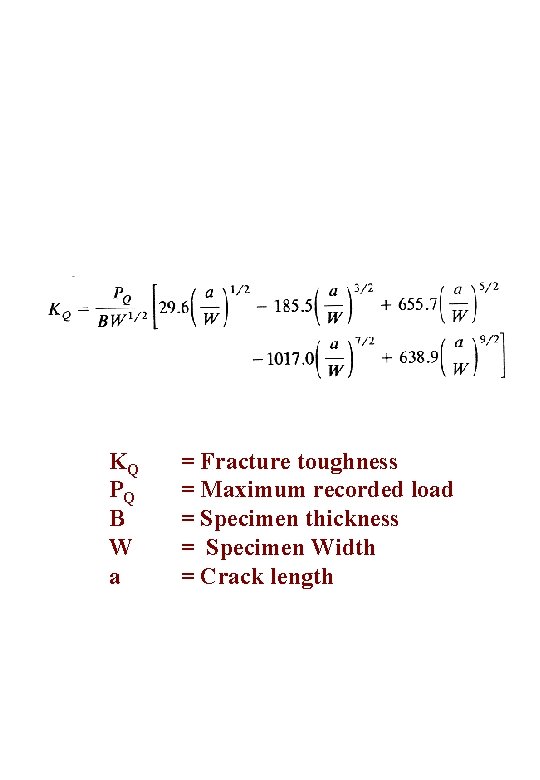
K Q P Q B W a = Fracture toughness = Maximum recorded load = Specimen thickness = Specimen Width = Crack length
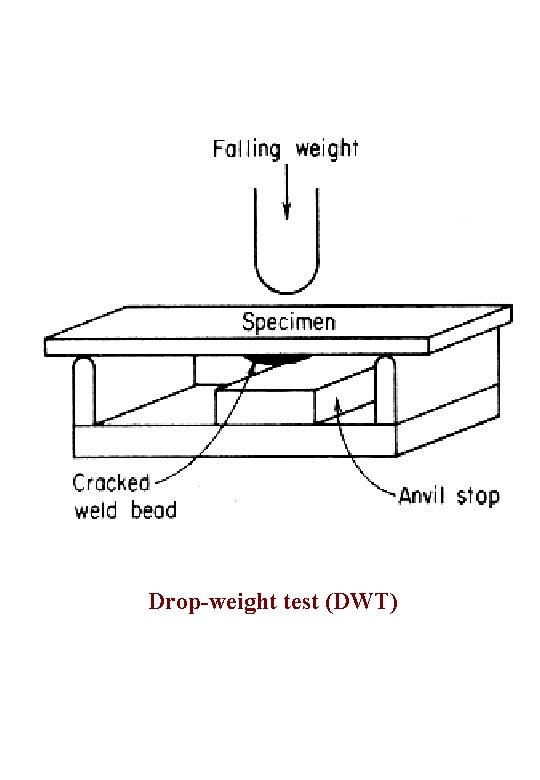
Drop-weight test (DWT)
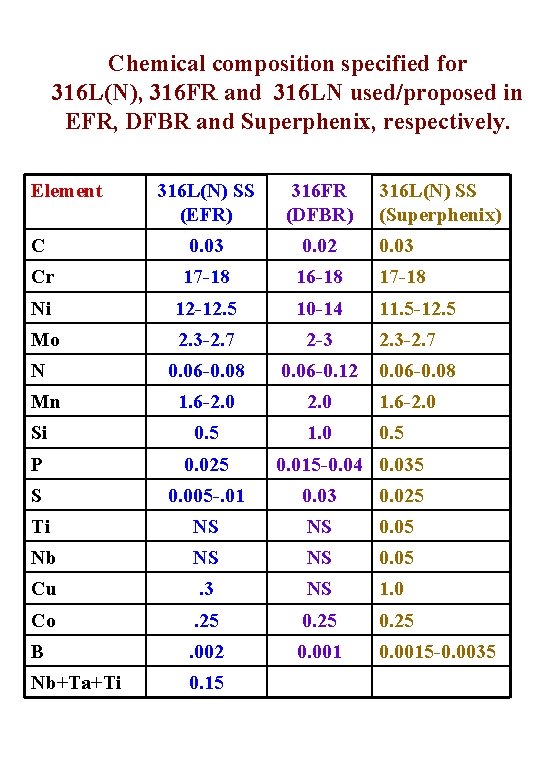
Chemical composition specified for 316 L(N), 316 FR and 316 LN used/proposed in EFR, DFBR and Superphenix, respectively. Element 316 L(N) SS (EFR) 316 FR (DFBR) C 0. 03 0. 02 0. 03 Cr 17 -18 16 -18 17 -18 Ni 12 -12. 5 10 -14 11. 5 -12. 5 Mo 2. 3 -2. 7 2 -3 0. 06 -0. 08 0. 06 -0. 12 1. 6 -2. 0 Si 0. 5 1. 0 0. 5 P 0. 025 S 0. 005 -. 01 0. 03 0. 025 Ti NS NS 0. 05 Nb NS NS 0. 05 Cu . 3 NS 1. 0 Co . 25 0. 25 B . 002 0. 0015 -0. 0035 Nb+Ta+Ti 0. 15 N Mn 316 L(N) SS (Superphenix) 2. 3 -2. 7 0. 06 -0. 08 0. 015 -0. 04 0. 035
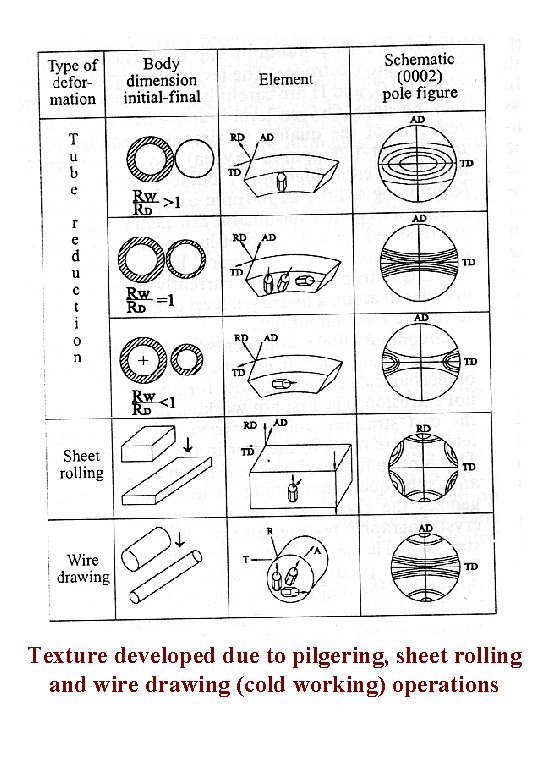
Texture developed due to pilgering, sheet rolling and wire drawing (cold working) operations
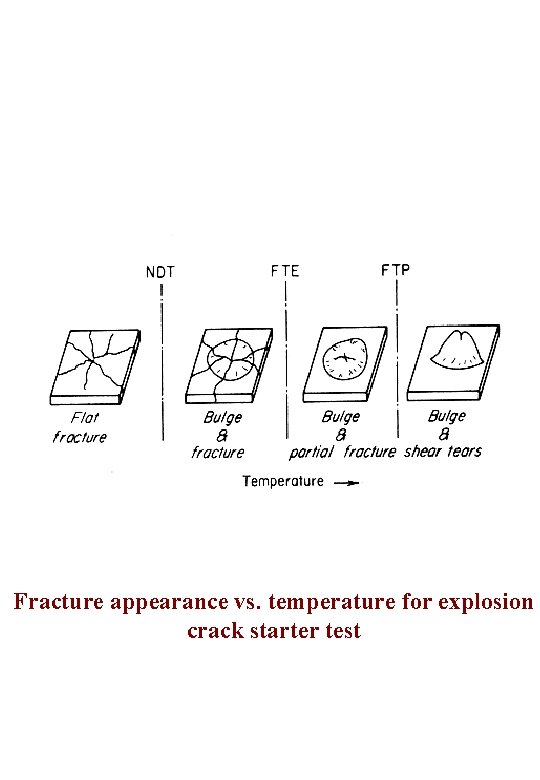
Fracture appearance vs. temperature for explosion crack starter test