
Asset Based Community Recovery Mark Gilman North West
Asset Based Community Recovery Mark Gilman, North West NTA Regional Manager
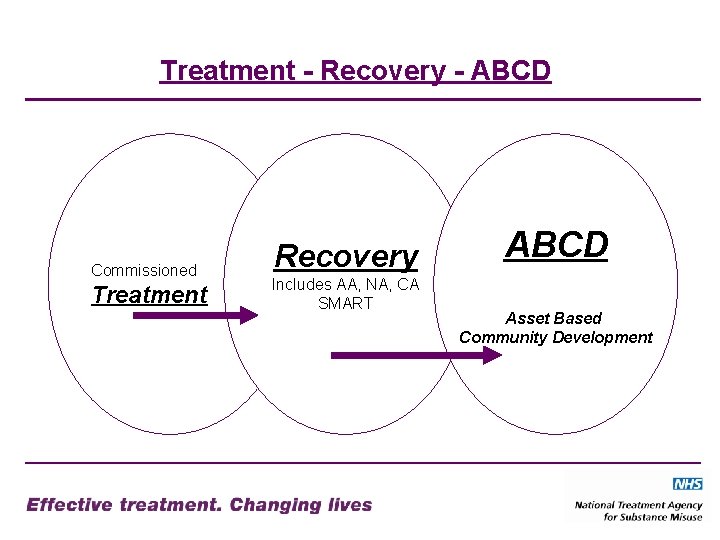
Treatment - Recovery - ABCD Commissioned Treatment Recovery Includes AA, NA, CA SMART ABCD Asset Based Community Development
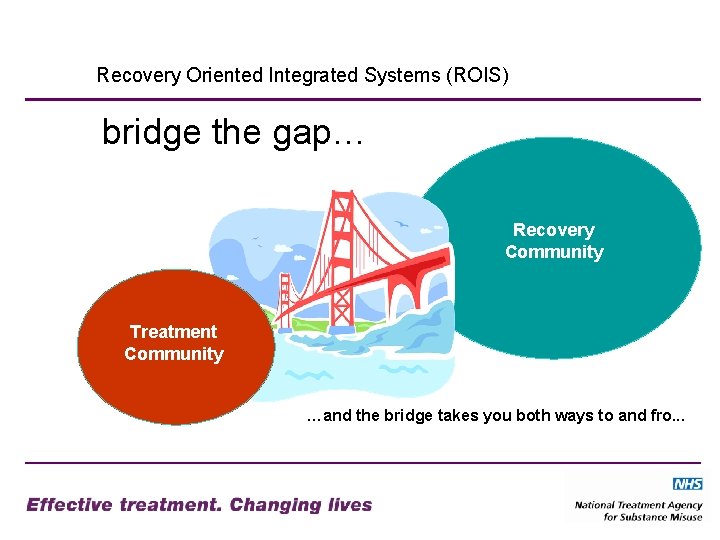
Recovery Oriented Integrated Systems (ROIS) bridge the gap… Recovery Community Treatment Community …and the bridge takes you both ways to and fro. . .
Treatment Workforce and Recovery • Physician Heal Thyself • Treat yourself first • You can’t give away something that you haven't got • Experience ‘recovery’ for yourself • We want people to change their behaviour, will we change ours? (Managers know which workers understand promote recovery – respond and reward accordingly)
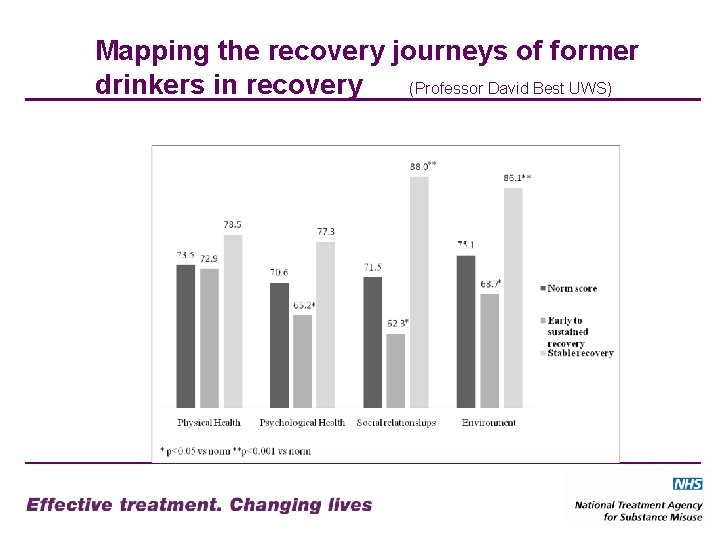
Mapping the recovery journeys of former drinkers in recovery (Professor David Best UWS)
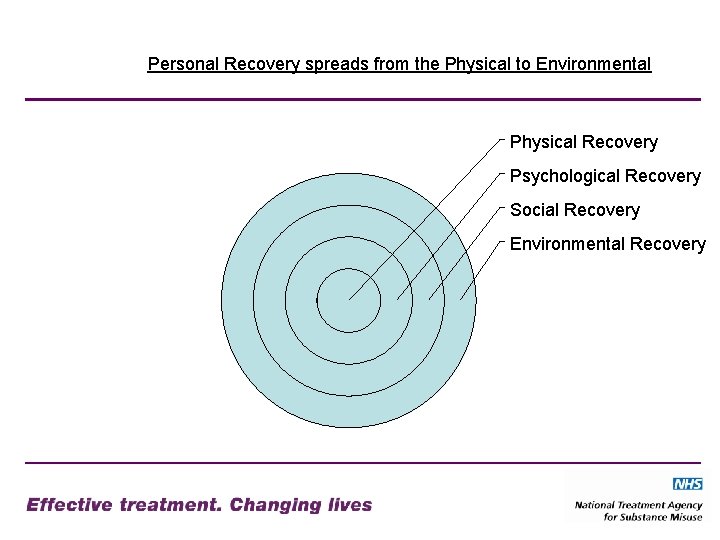
Personal Recovery spreads from the Physical to Environmental Physical Recovery Psychological Recovery Social Recovery Environmental Recovery
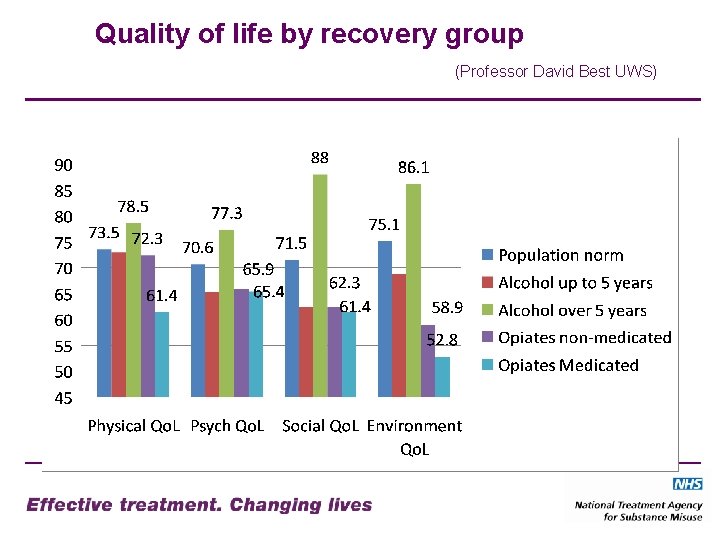
Quality of life by recovery group (Professor David Best UWS)
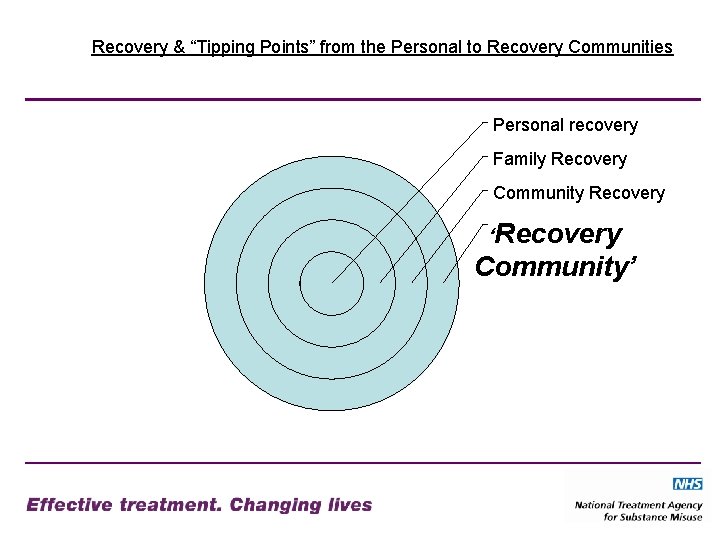
Recovery & “Tipping Points” from the Personal to Recovery Communities Personal recovery Family Recovery Community Recovery ‘Recovery Community’
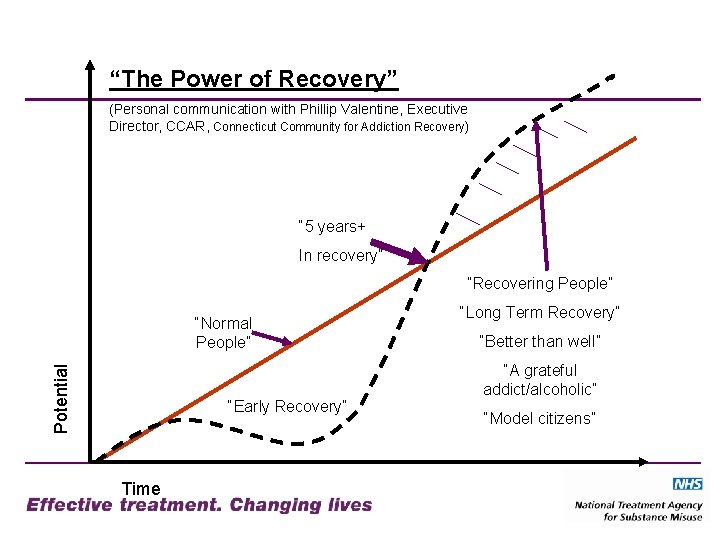
“The Power of Recovery” (Personal communication with Phillip Valentine, Executive Director, CCAR, Connecticut Community for Addiction Recovery) “ 5 years+ In recovery” “Recovering People” Potential “Normal People” “Early Recovery” Time “Long Term Recovery” “Better than well” “A grateful addict/alcoholic” “Model citizens”
Asset Based Community Development +
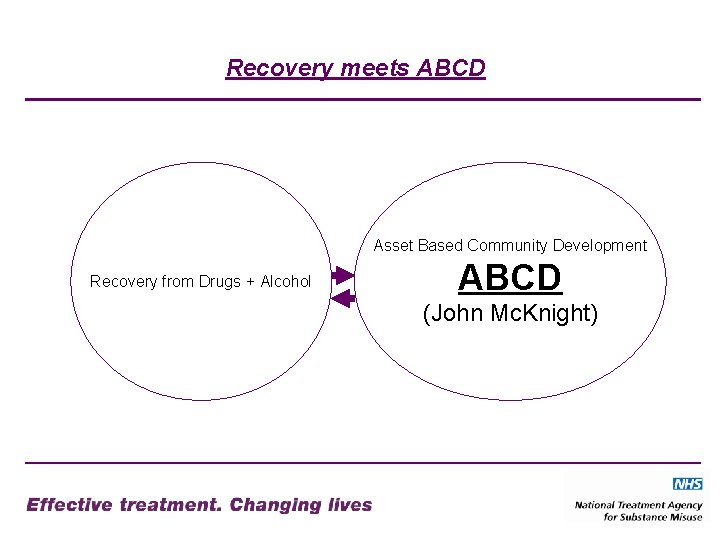
Recovery meets ABCD Asset Based Community Development Recovery from Drugs + Alcohol ABCD (John Mc. Knight)
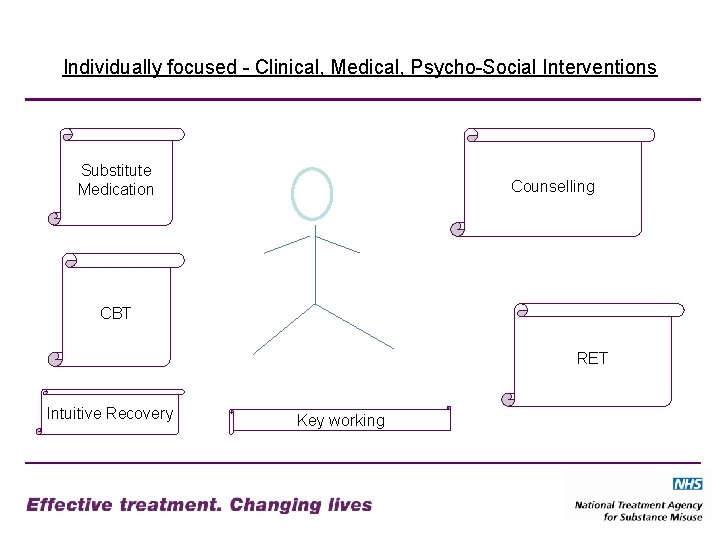
Individually focused - Clinical, Medical, Psycho-Social Interventions Substitute Medication Counselling CBT RET Intuitive Recovery Key working
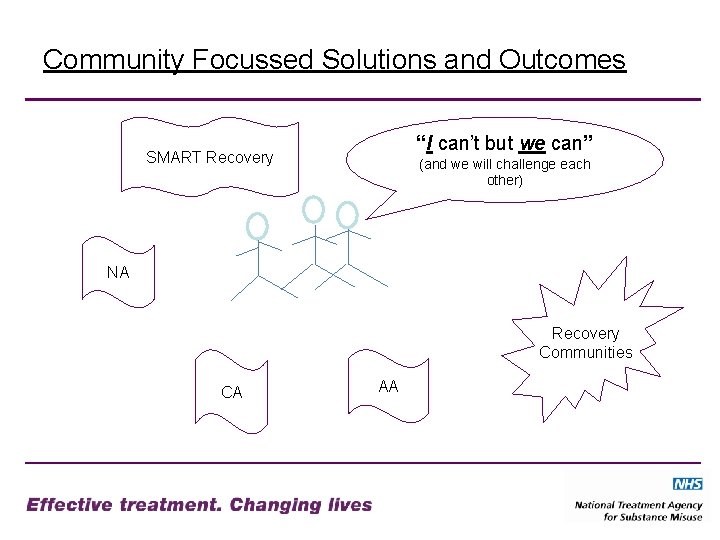
Community Focussed Solutions and Outcomes “I can’t but we can” SMART Recovery (and we will challenge each other) NA Recovery Communities CA AA
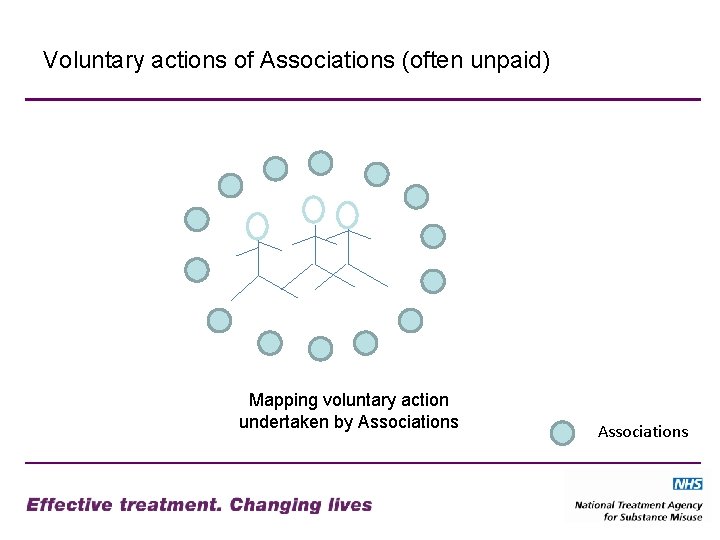
Voluntary actions of Associations (often unpaid) Mapping voluntary action undertaken by Associations
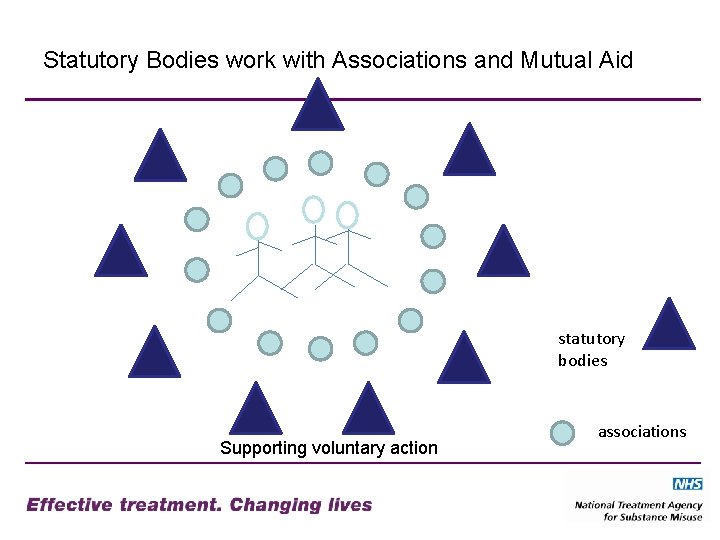
Statutory Bodies work with Associations and Mutual Aid statutory bodies Supporting voluntary action associations
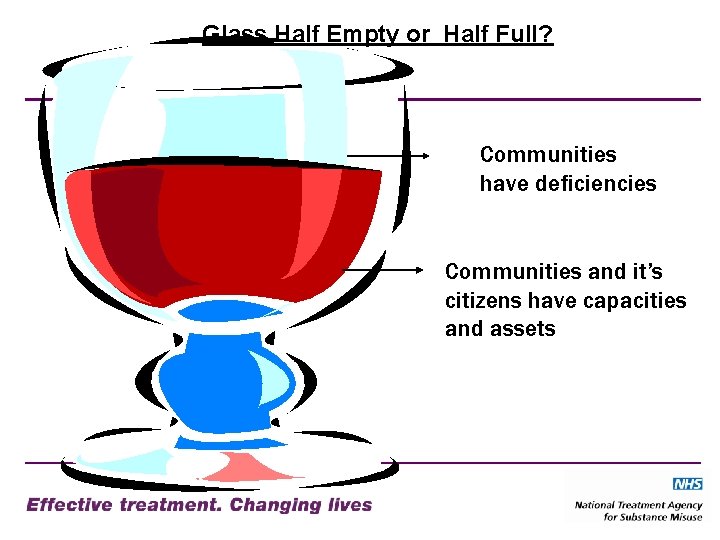
Glass Half Empty or Half Full? Communities have deficiencies Communities and it’s citizens have capacities and assets
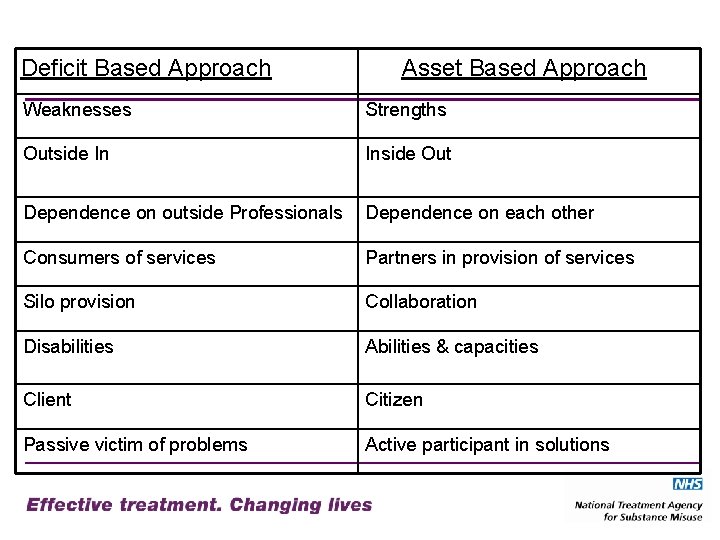
Deficit Based Approach Asset Based Approach Weaknesses Strengths Outside In Inside Out Dependence on outside Professionals Dependence on each other Consumers of services Partners in provision of services Silo provision Collaboration Disabilities Abilities & capacities Client Citizen Passive victim of problems Active participant in solutions
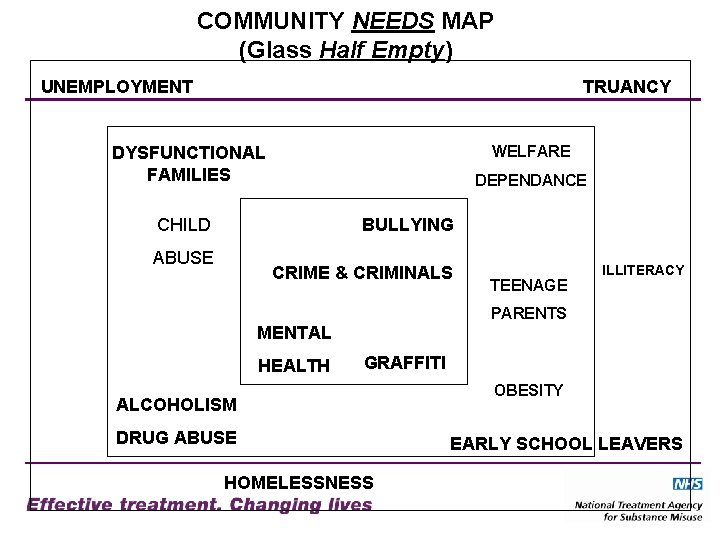
COMMUNITY NEEDS MAP (Glass Half Empty) UNEMPLOYMENT TRUANCY WELFARE DYSFUNCTIONAL FAMILIES DEPENDANCE CHILD BULLYING ABUSE CRIME & CRIMINALS TEENAGE ILLITERACY PARENTS MENTAL HEALTH GRAFFITI ALCOHOLISM DRUG ABUSE HOMELESSNESS OBESITY EARLY SCHOOL LEAVERS
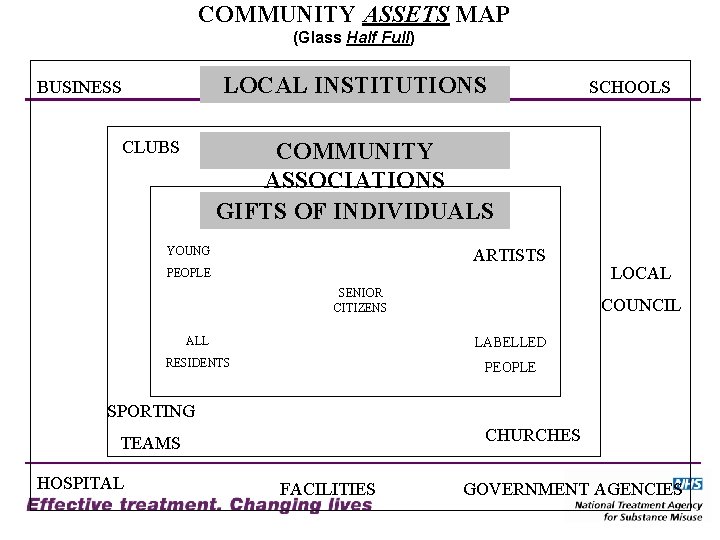
COMMUNITY ASSETS MAP (Glass Half Full) LOCAL INSTITUTIONS BUSINESS CLUBS SCHOOLS COMMUNITY ASSOCIATIONS GIFTS OF INDIVIDUALS YOUNG ARTISTS PEOPLE SENIOR CITIZENS LOCAL COUNCIL ALL LABELLED RESIDENTS PEOPLE SPORTING CHURCHES TEAMS HOSPITAL FACILITIES GOVERNMENT AGENCIES
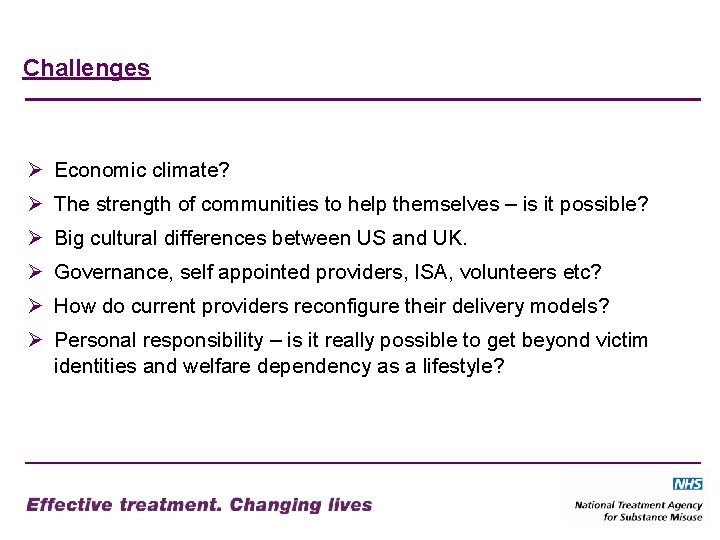
Challenges Ø Economic climate? Ø The strength of communities to help themselves – is it possible? Ø Big cultural differences between US and UK. Ø Governance, self appointed providers, ISA, volunteers etc? Ø How do current providers reconfigure their delivery models? Ø Personal responsibility – is it really possible to get beyond victim identities and welfare dependency as a lifestyle?
- Slides: 20