
Assessment of Motor and Process Skills What is


- Slides: 34
Assessment of Motor and Process Skills
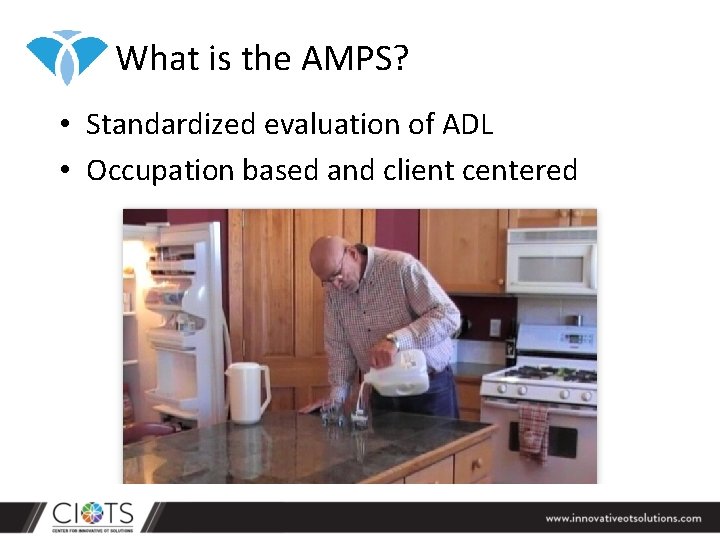
What is the AMPS? • Standardized evaluation of ADL • Occupation based and client centered
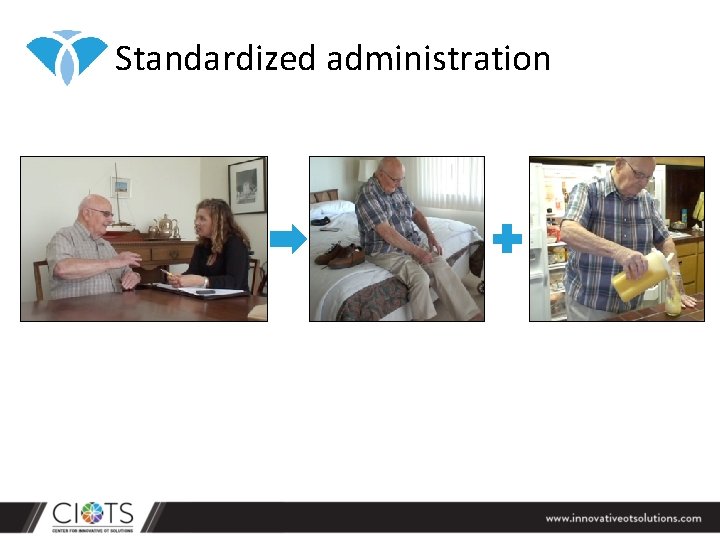
Standardized administration
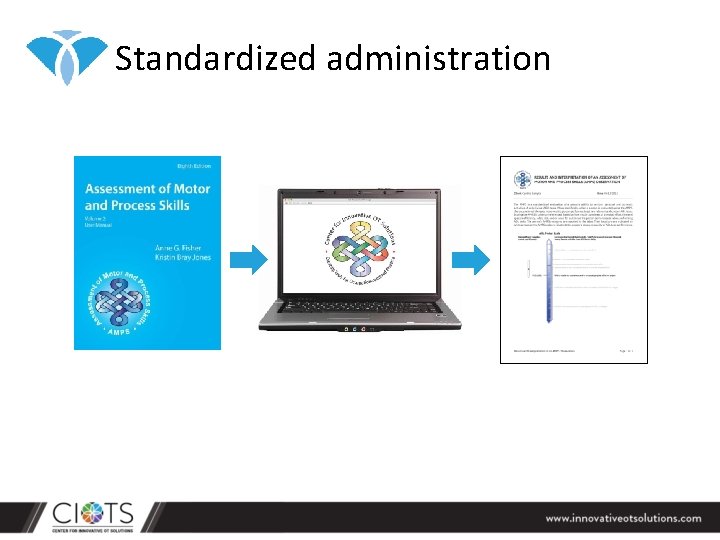
Standardized administration
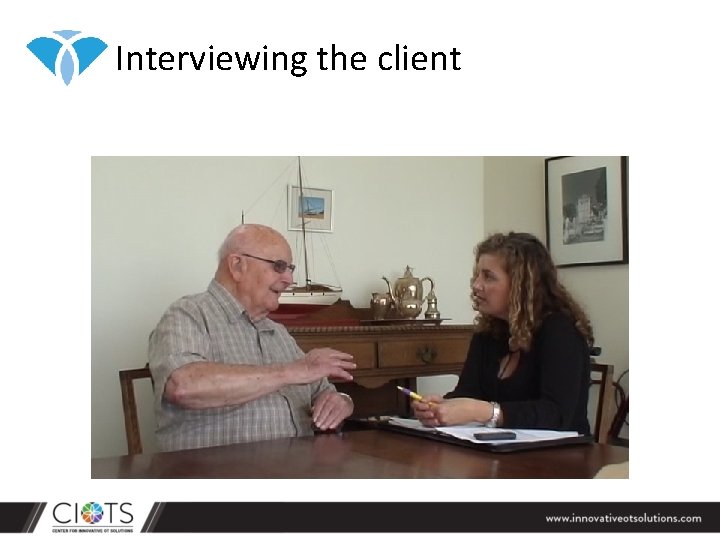
Interviewing the client
Task choices Brushing or combing hair Pasta with sauce and a beverage Repotting a houseplant Putting on socks and shoes Repair a bicycle tube puncture Making a bed against a wall Eating a snack with a utensil Washing and drying hands Presliced meat or cheese sandwich Cleaning a bathroom Folding a basket of laundry Raking leaves Fried rice Feeding a cat Thin pancakes or crêpes and beverage Scrambled or fried eggs, toast, and espresso coffee Packing a lunch Vacuuming the inside of an automobile Meatballs with boiled potatoes, sauce, boiled vegetable Loading and starting a washing machine
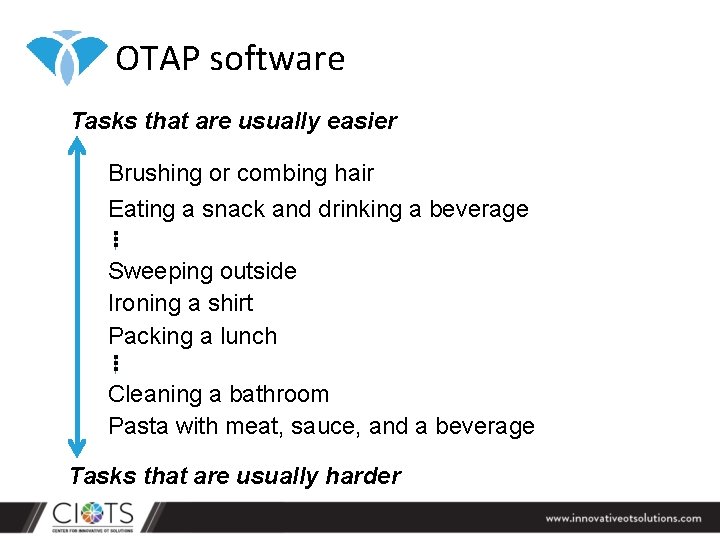
Task challenge Tasks that are usually easier Brushing or combing hair Eating a snack and drinking a beverage Sweeping outside Ironing a shirt Packing a lunch Cleaning a bathroom Pasta with meat, sauce, and a beverage Tasks that are usually harder
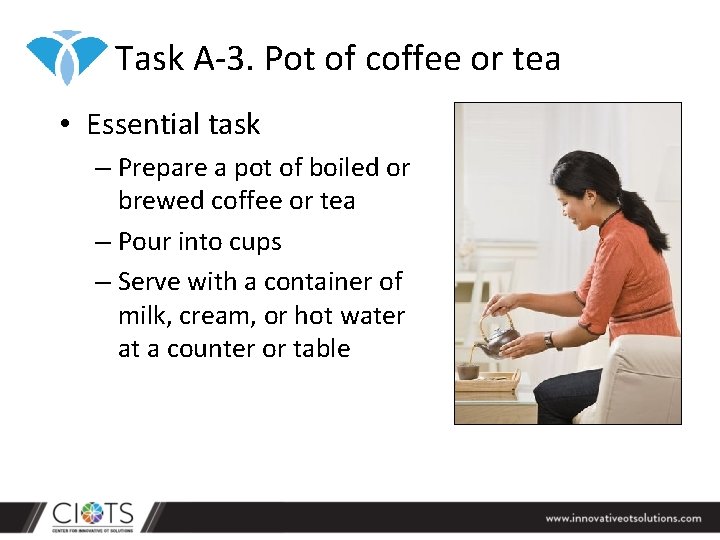
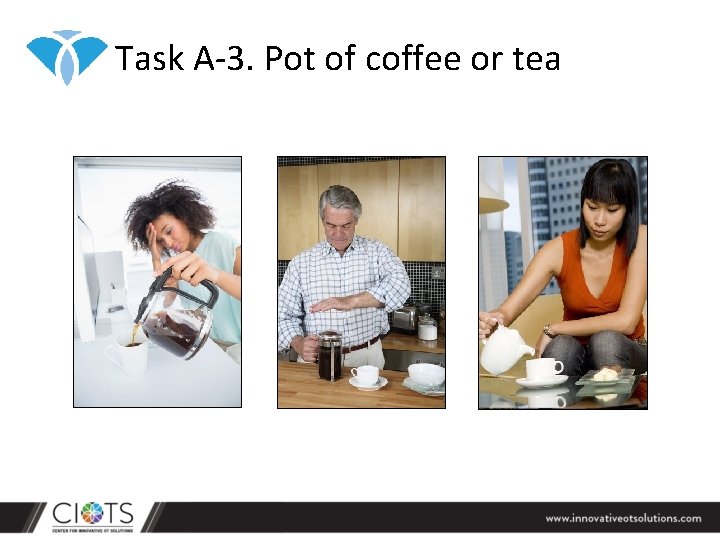
Task A-3. Pot of coffee or tea • Essential task – Prepare a pot of boiled or brewed coffee or tea – Pour into cups – Serve with a container of milk, cream, or hot water at a counter or table
Task A-3. Pot of coffee or tea
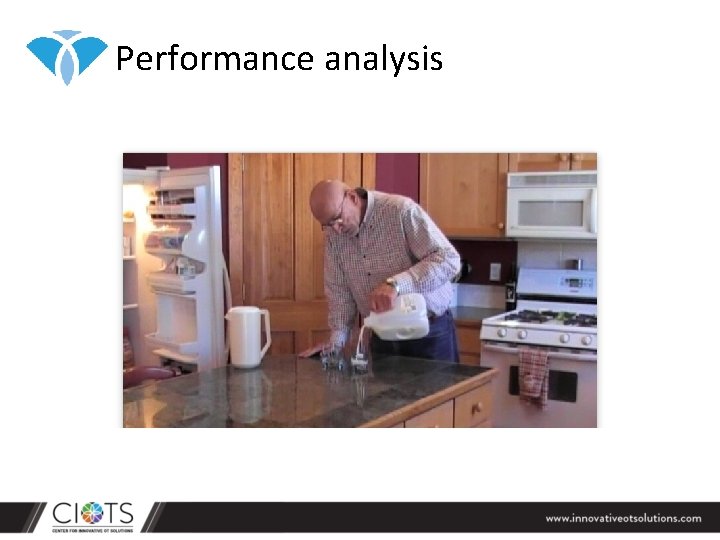
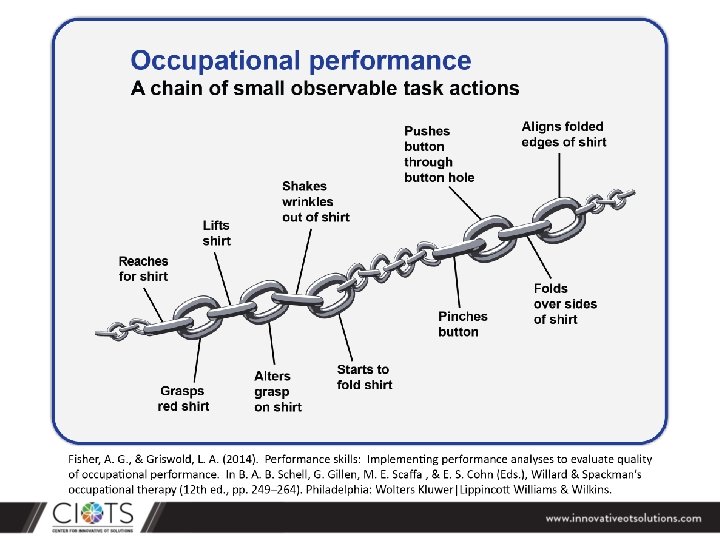
Performance analysis
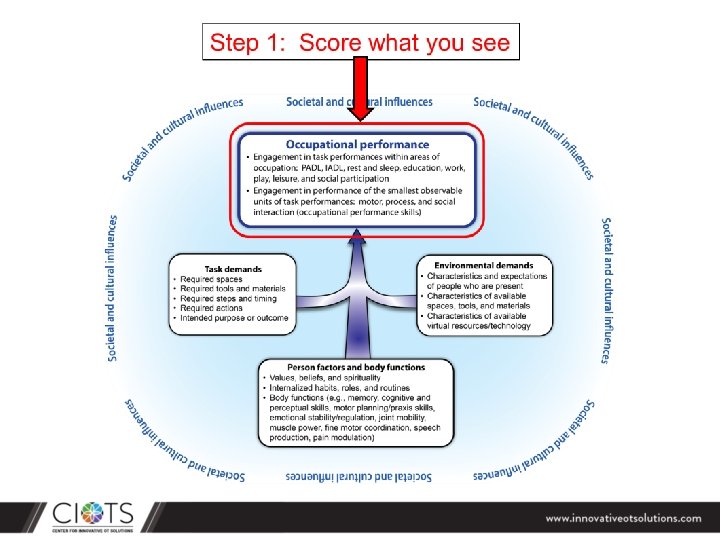
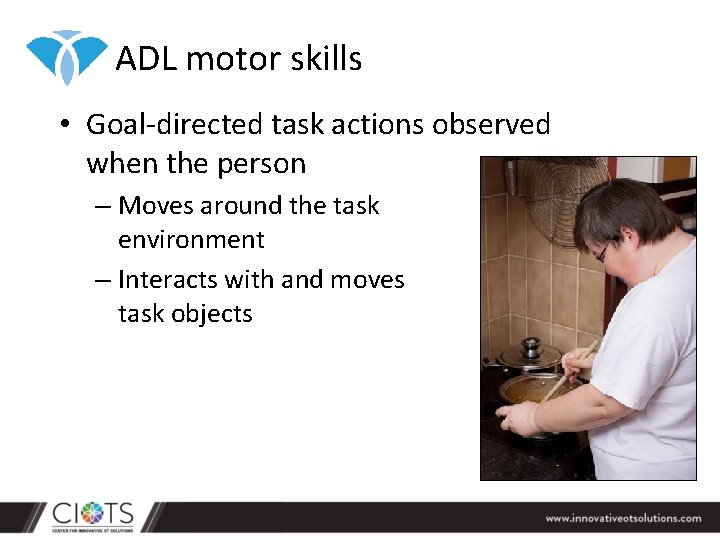
ADL motor skills • Goal-directed task actions observed when the person – Moves around the task environment – Interacts with and moves task objects
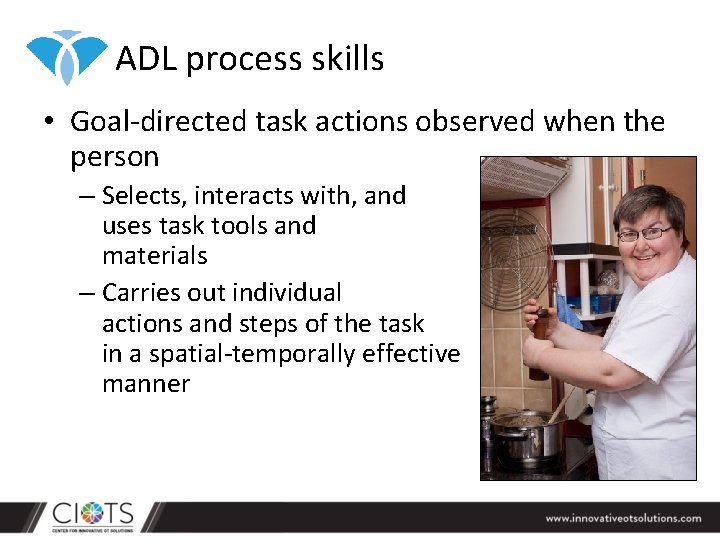
ADL process skills • Goal-directed task actions observed when the person – Selects, interacts with, and uses task tools and materials – Carries out individual actions and steps of the task in a spatial-temporally effective manner – Prevents task performance problems from occurring
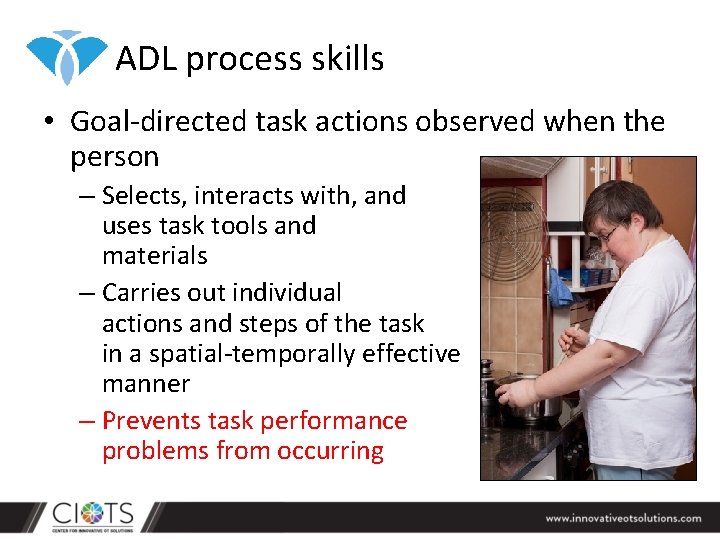
ADL process skills • Goal-directed task actions observed when the person – Selects, interacts with, and uses task tools and materials – Carries out individual actions and steps of the task in a spatial-temporally effective manner – Prevents task performance problems from occurring
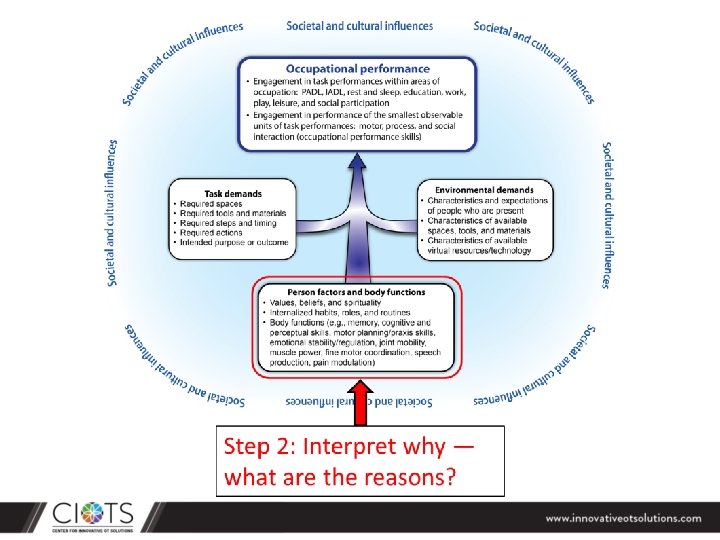
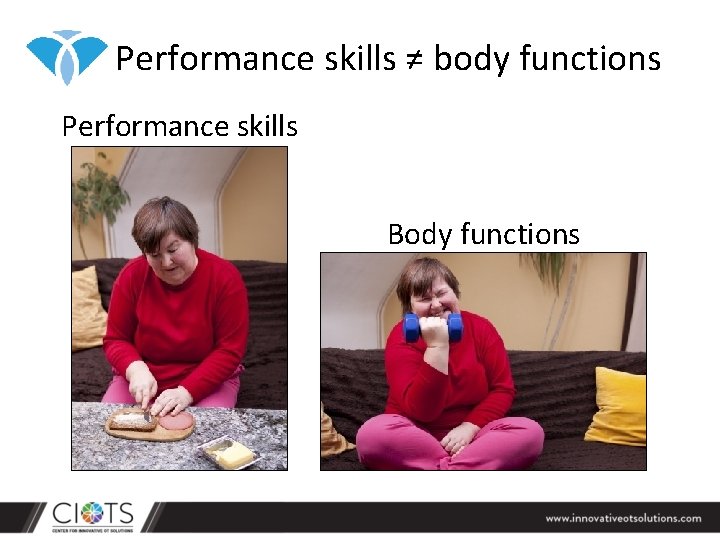
Performance skills ≠ body functions Performance skills Body functions
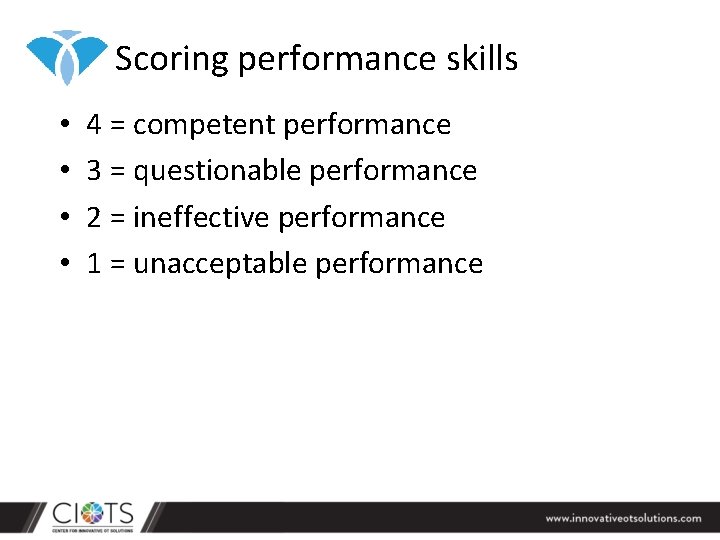
Scoring performance skills • • 4 = competent performance 3 = questionable performance 2 = ineffective performance 1 = unacceptable performance
OTAP software
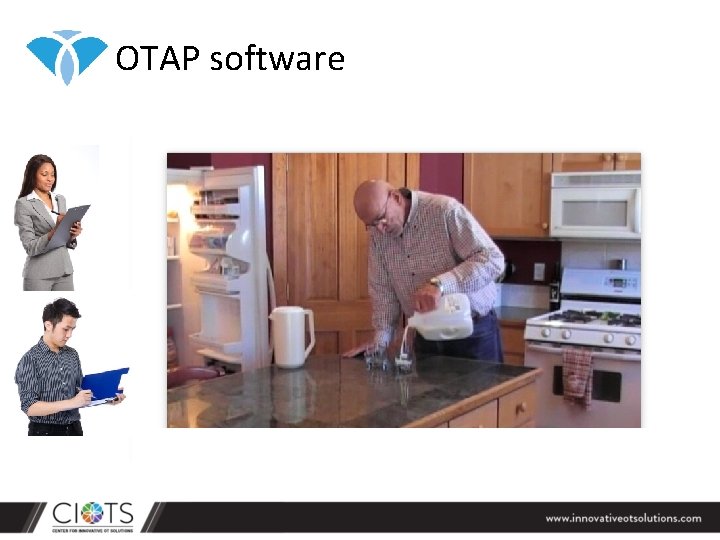
OTAP software
OTAP software Tasks that are usually easier Brushing or combing hair Eating a snack and drinking a beverage Sweeping outside Ironing a shirt Packing a lunch Cleaning a bathroom Pasta with meat, sauce, and a beverage Tasks that are usually harder
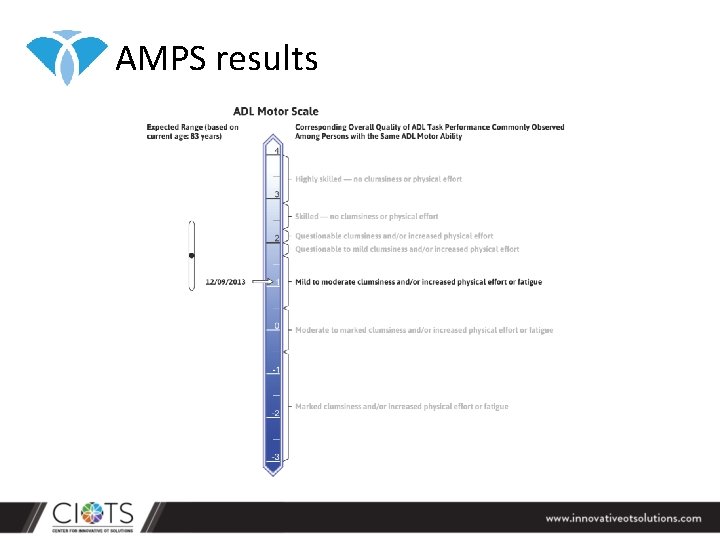
AMPS results
AMPS results
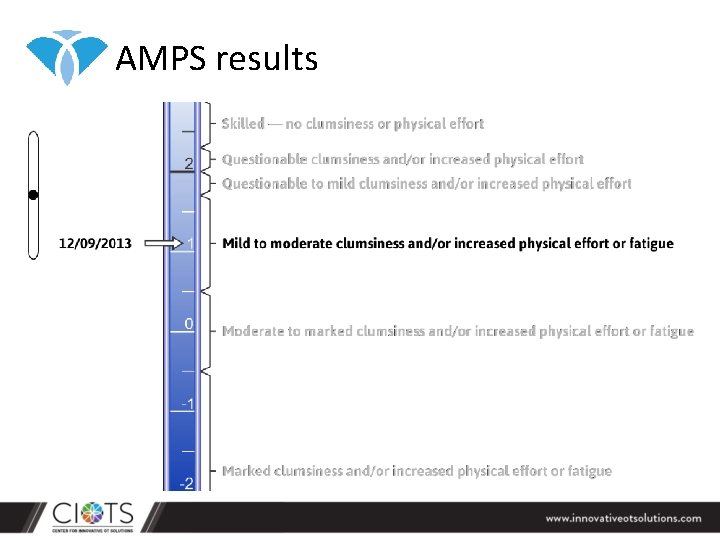
AMPS results
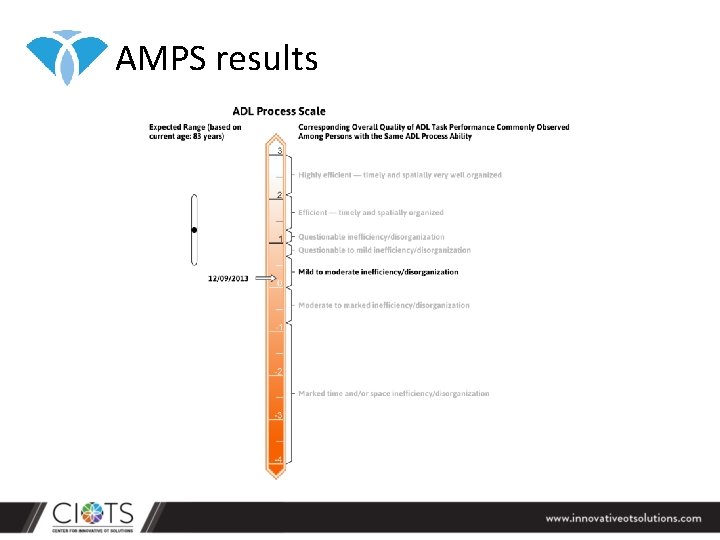
AMPS results
AMPS results
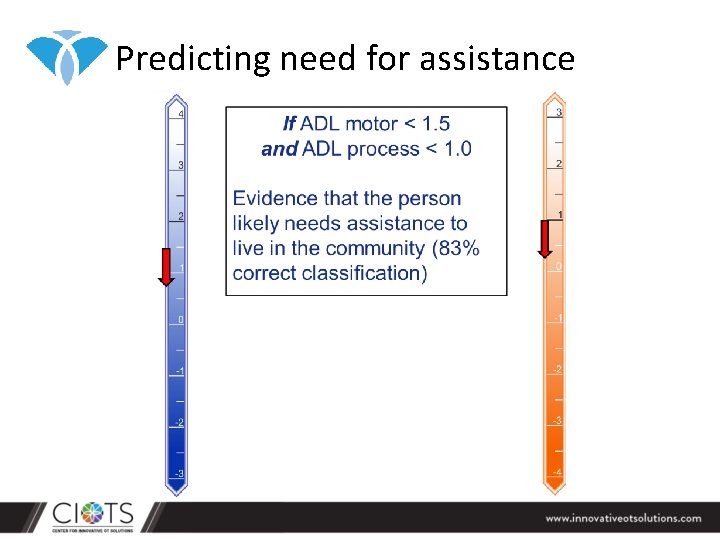
Predicting need for assistance
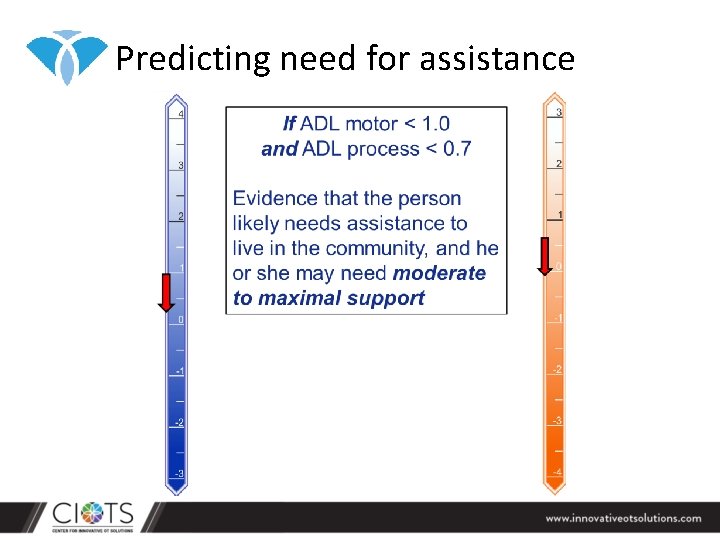
Predicting need for assistance
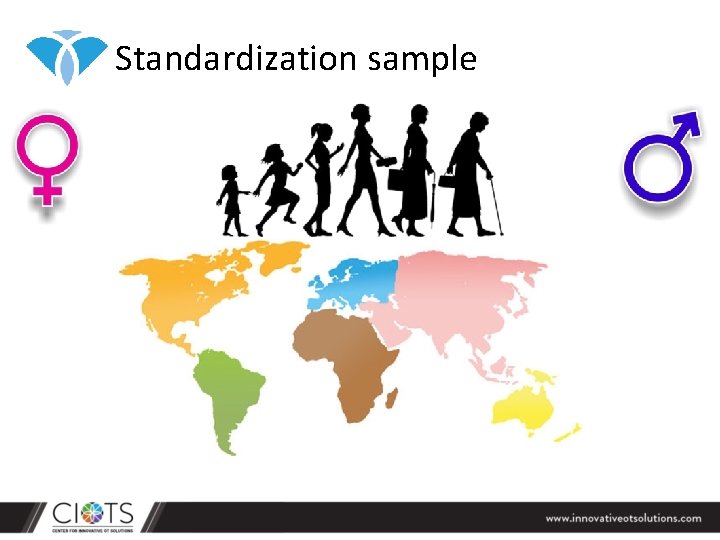
Standardization sample
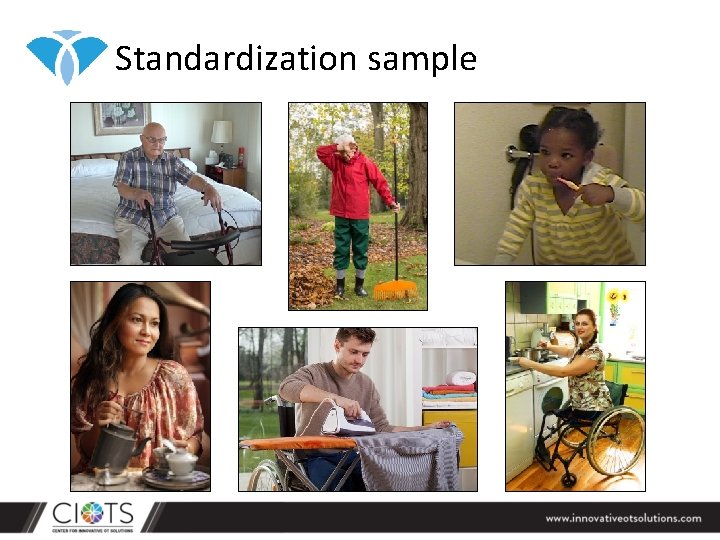
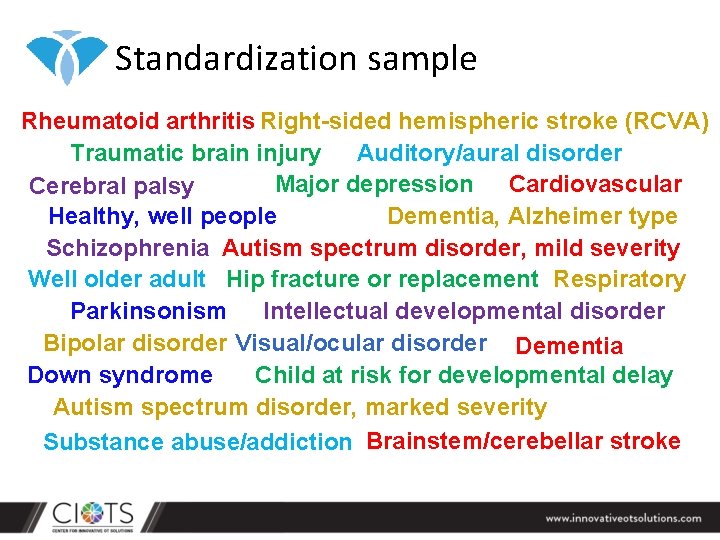
Standardization sample Rheumatoid arthritis Right-sided hemispheric stroke (RCVA) Traumatic brain injury Auditory/aural disorder Major depression Cardiovascular Cerebral palsy Healthy, well people Dementia, Alzheimer type Schizophrenia Autism spectrum disorder, mild severity Well older adult Hip fracture or replacement Respiratory Parkinsonism Intellectual developmental disorder Bipolar disorder Visual/ocular disorder Dementia Down syndrome Child at risk for developmental delay Autism spectrum disorder, marked severity Substance abuse/addiction Brainstem/cerebellar stroke
Standardization sample
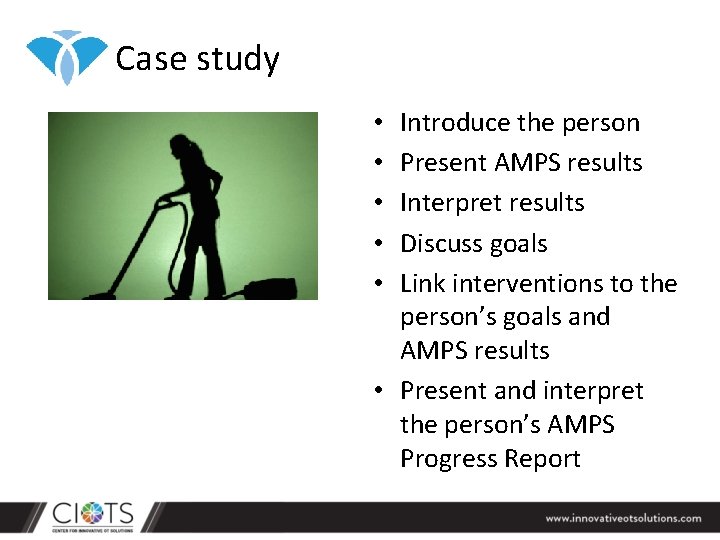
Case study Introduce the person Present AMPS results Interpret results Discuss goals Link interventions to the person’s goals and AMPS results • Present and interpret the person’s AMPS Progress Report • • •
Discussion and questions
www. innovativeotsolutions. com