
Assessing the Right Ventricle in Pulmonary Arterial Hypertension


- Slides: 31
Assessing the Right Ventricle in Pulmonary Arterial Hypertension: Getting to the Heart of the Matter Vallerie V. Mc. Laughlin, MD Professor of Medicine Director, Pulmonary Hypertension Program Department of Internal Medicine Division of Cardiovascular Medicine University of Michigan Health System Ann Arbor, Michigan
Goals • Summarize the role of diagnostic testing to evaluate the right ventricle in patients with PAH • Explore emerging as well as existing diagnostic tools • Evaluate the relevance of the diagnostic findings in risk stratification and the utilization of appropriate therapies
Disclosures Vallerie V. Mc. Laughlin, MD has disclosed the following relevant financial relationships: Served as a consultant and/or on a speakers bureau and/or has received grants/research support from: Actelion Pharmaceuticals, Ltd; Bayer Healthcare Pharmaceuticals; Gilead Sciences, Inc. ; Novartis Pharmaceuticals Corporation; United Therapeutics Corporation
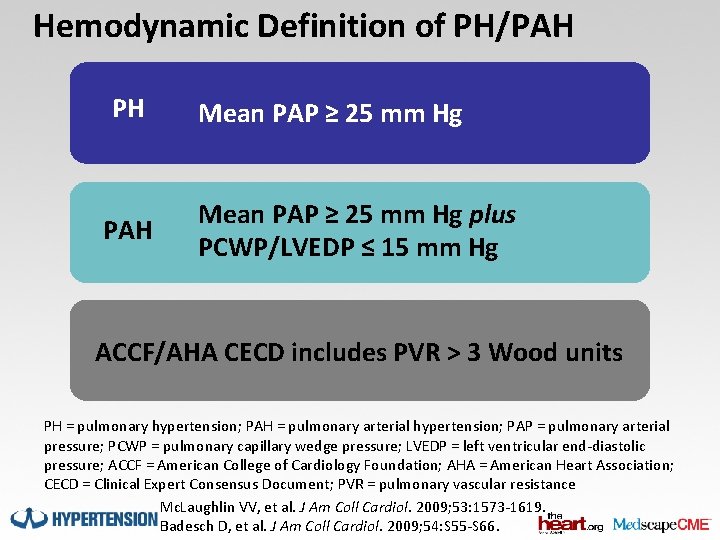
Hemodynamic Definition of PH/PAH PH PAH Mean PAP ≥ 25 mm Hg plus PCWP/LVEDP ≤ 15 mm Hg ACCF/AHA CECD includes PVR > 3 Wood units PH = pulmonary hypertension; PAH = pulmonary arterial hypertension; PAP = pulmonary arterial pressure; PCWP = pulmonary capillary wedge pressure; LVEDP = left ventricular end-diastolic pressure; ACCF = American College of Cardiology Foundation; AHA = American Heart Association; CECD = Clinical Expert Consensus Document; PVR = pulmonary vascular resistance Mc. Laughlin VV, et al. J Am Coll Cardiol. 2009; 53: 1573 -1619. Badesch D, et al. J Am Coll Cardiol. 2009; 54: S 55 -S 66.
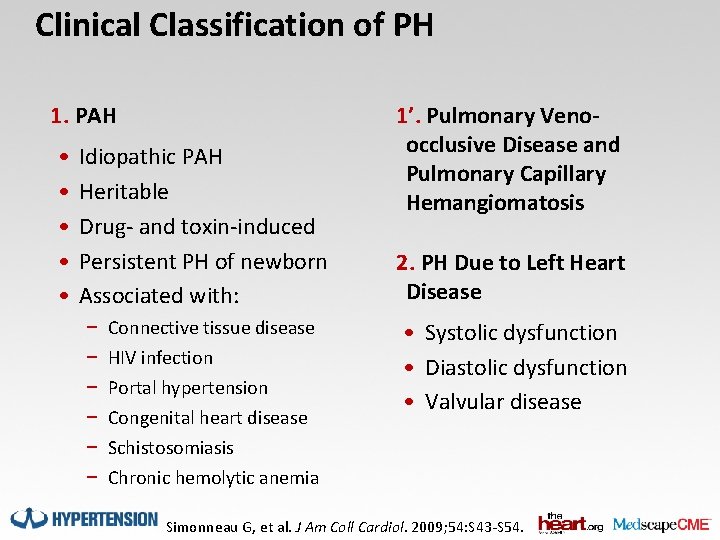
Clinical Classification of PH 1. PAH • • • Idiopathic PAH Heritable Drug- and toxin-induced Persistent PH of newborn Associated with: − − − Connective tissue disease HIV infection Portal hypertension Congenital heart disease Schistosomiasis Chronic hemolytic anemia 1’. Pulmonary Venoocclusive Disease and Pulmonary Capillary Hemangiomatosis 2. PH Due to Left Heart Disease • Systolic dysfunction • Diastolic dysfunction • Valvular disease Simonneau G, et al. J Am Coll Cardiol. 2009; 54: S 43 -S 54.
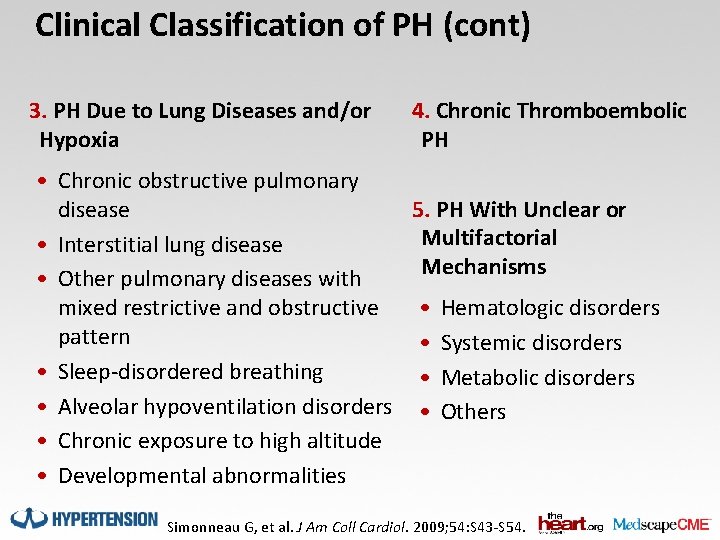
Clinical Classification of PH (cont) 3. PH Due to Lung Diseases and/or Hypoxia 4. Chronic Thromboembolic PH • Chronic obstructive pulmonary 5. PH With Unclear or disease Multifactorial • Interstitial lung disease Mechanisms • Other pulmonary diseases with • Hematologic disorders mixed restrictive and obstructive pattern • Systemic disorders • Sleep-disordered breathing • Metabolic disorders • Alveolar hypoventilation disorders • Others • Chronic exposure to high altitude • Developmental abnormalities Simonneau G, et al. J Am Coll Cardiol. 2009; 54: S 43 -S 54.
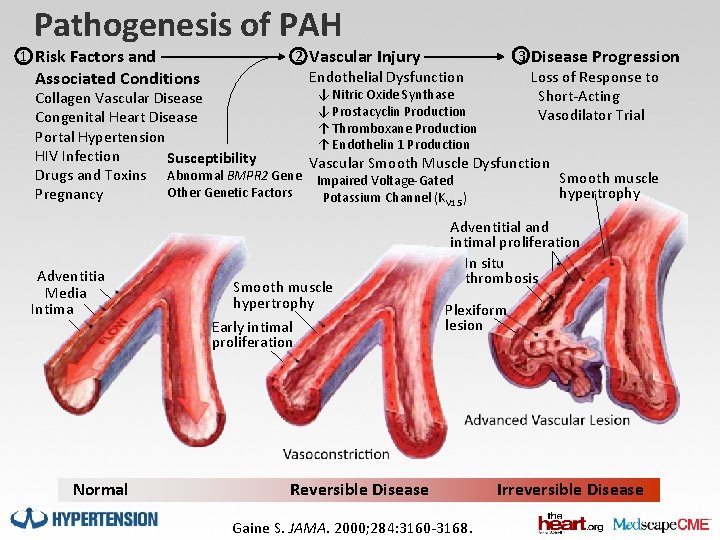
Pathogenesis of PAH 1 Risk Factors and Associated Conditions Collagen Vascular Disease Congenital Heart Disease Portal Hypertension HIV Infection Susceptibility Drugs and Toxins Abnormal BMPR 2 Gene Other Genetic Factors Pregnancy Adventitia Media Intima Normal 3 Disease Progression Loss of Response to Short-Acting Vasodilator Trial 2 Vascular Injury Endothelial Dysfunction ↓ Nitric Oxide Synthase ↓ Prostacyclin Production ↑ Thromboxane Production ↑ Endothelin 1 Production Vascular Smooth Muscle Dysfunction Impaired Voltage-Gated Potassium Channel (KV 1. 5) Smooth muscle hypertrophy Early intimal proliferation Smooth muscle hypertrophy Adventitial and intimal proliferation In situ thrombosis Plexiform lesion Reversible Disease Gaine S. JAMA. 2000; 284: 3160 -3168. Irreversible Disease
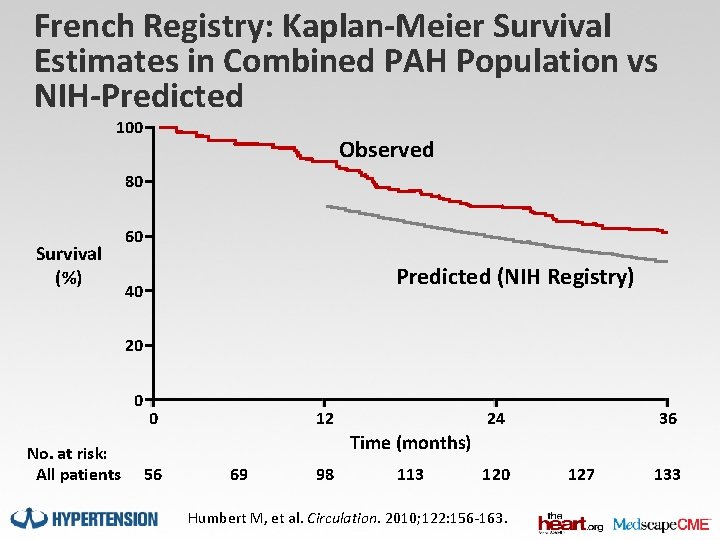
French Registry: Kaplan-Meier Survival Estimates in Combined PAH Population vs NIH-Predicted 100 Observed 80 Survival (%) 60 Predicted (NIH Registry) 40 20 0 No. at risk: All patients 0 12 24 36 Time (months) 56 69 98 113 120 Humbert M, et al. Circulation. 2010; 122: 156 -163. 127 133
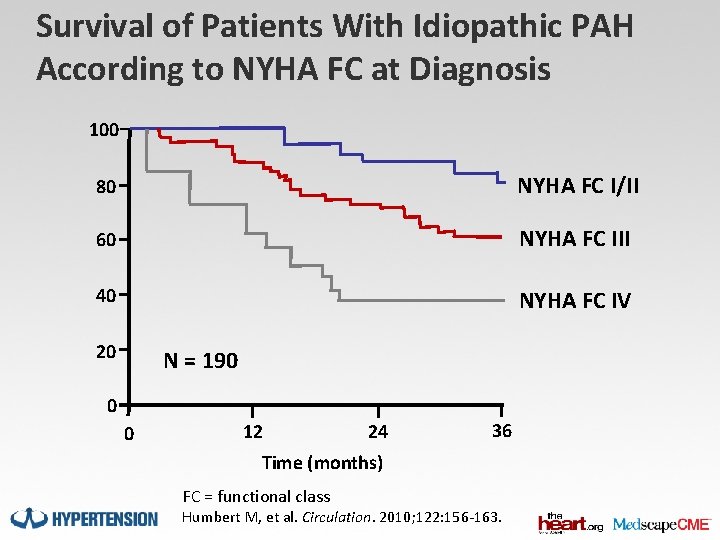
Survival of Patients With Idiopathic PAH According to NYHA FC at Diagnosis 100 80 NYHA FC I/II 60 NYHA FC III 40 NYHA FC IV 20 N = 190 0 0 12 24 36 Time (months) FC = functional class Humbert M, et al. Circulation. 2010; 122: 156 -163.
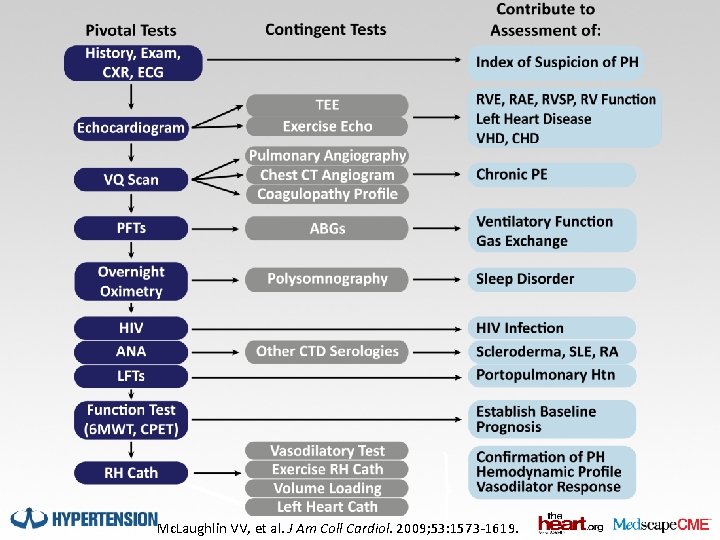
Mc. Laughlin VV, et al. J Am Coll Cardiol. 2009; 53: 1573 -1619.
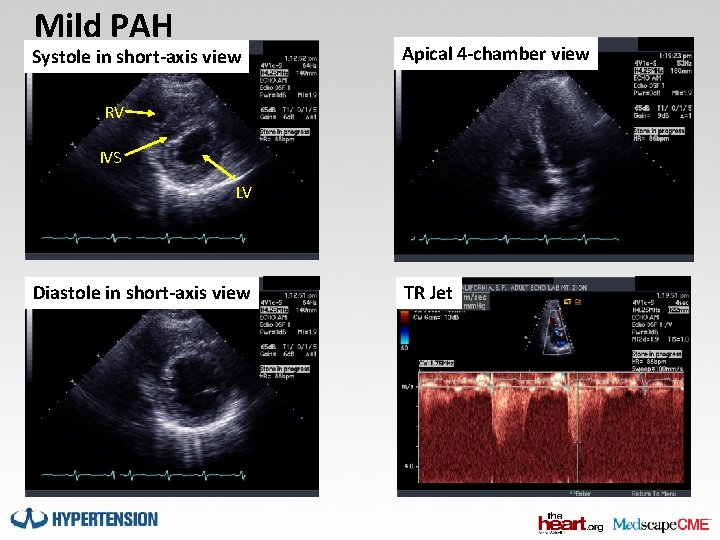
Mild PAH Systole in short-axis view Apical 4 -chamber view RV IVS LV Diastole in short-axis view TR Jet
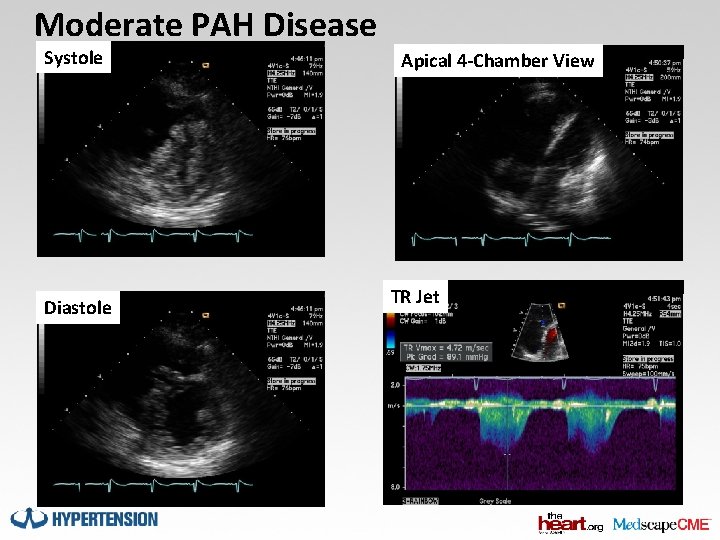
Moderate PAH Disease Systole Diastole Apical 4 -Chamber View TR Jet
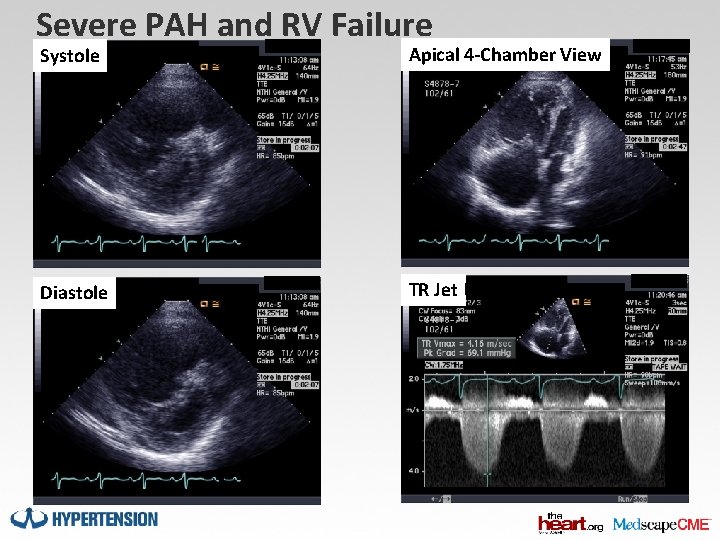
Severe PAH and RV Failure Systole Apical 4 -Chamber View Diastole TR Jet
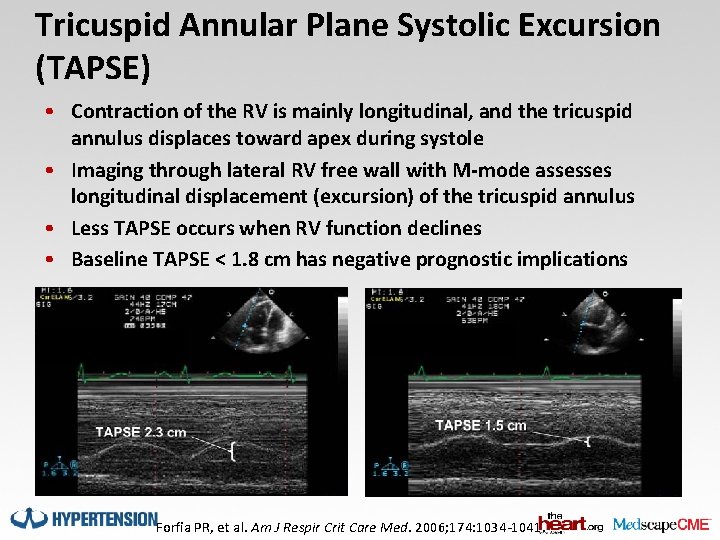
Tricuspid Annular Plane Systolic Excursion (TAPSE) • Contraction of the RV is mainly longitudinal, and the tricuspid annulus displaces toward apex during systole • Imaging through lateral RV free wall with M-mode assesses longitudinal displacement (excursion) of the tricuspid annulus • Less TAPSE occurs when RV function declines • Baseline TAPSE < 1. 8 cm has negative prognostic implications Forfia PR, et al. Am J Respir Crit Care Med. 2006; 174: 1034 -1041.
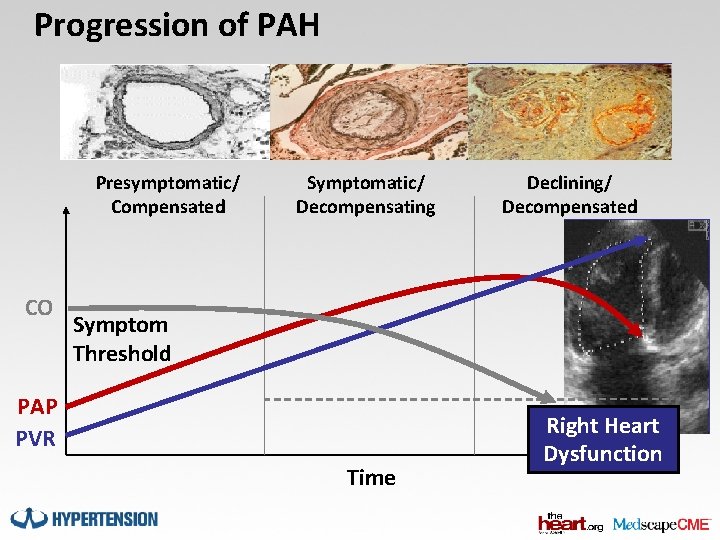
Progression of PAH Presymptomatic/ Compensated CO Symptomatic/ Decompensating Declining/ Decompensated Symptom Threshold PAP PVR Time Right Heart Dysfunction
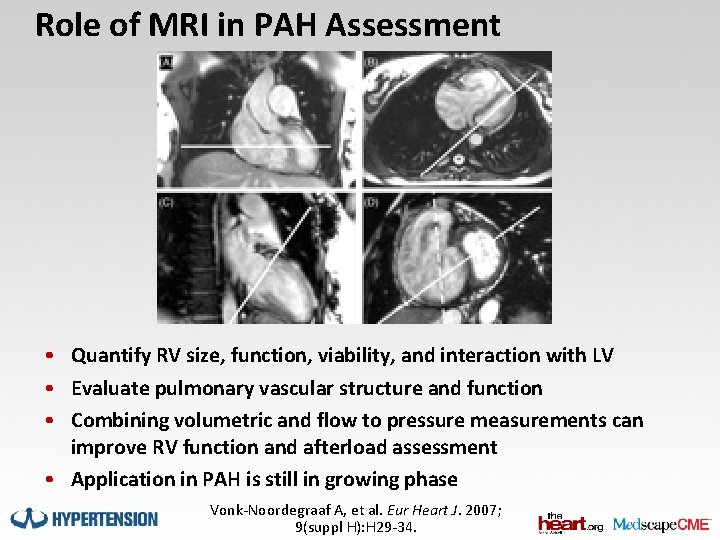
Role of MRI in PAH Assessment • Quantify RV size, function, viability, and interaction with LV. • Evaluate pulmonary vascular structure and function • Combining volumetric and flow to pressure measurements can improve RV function and afterload assessment • Application in PAH is still in growing phase Vonk-Noordegraaf A, et al. Eur Heart J. 2007; 9(suppl H): H 29 -34.
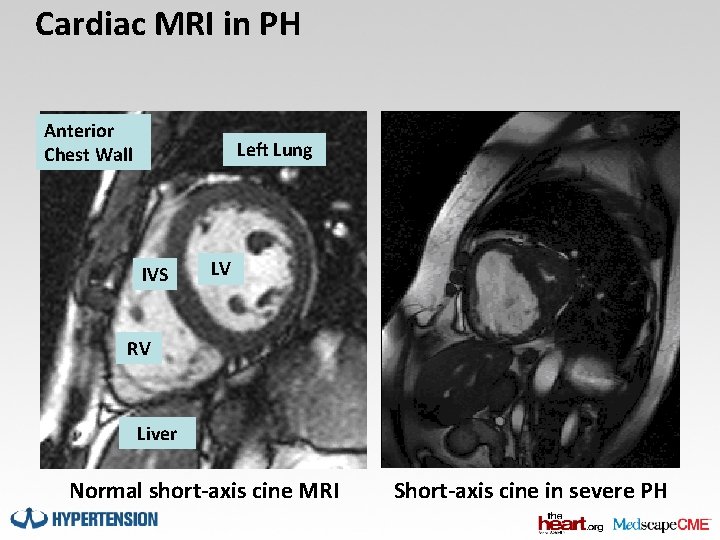
Cardiac MRI in PH Anterior Chest Wall Left Lung IVS LV RV Liver Normal short-axis cine MRI Short-axis cine in severe PH
PAH Treatment Goals • Fewer/less severe symptoms • Improved exercise capacity • Improved hemodynamics • Prevention of clinical worsening • Improved quality of life • Improved survival
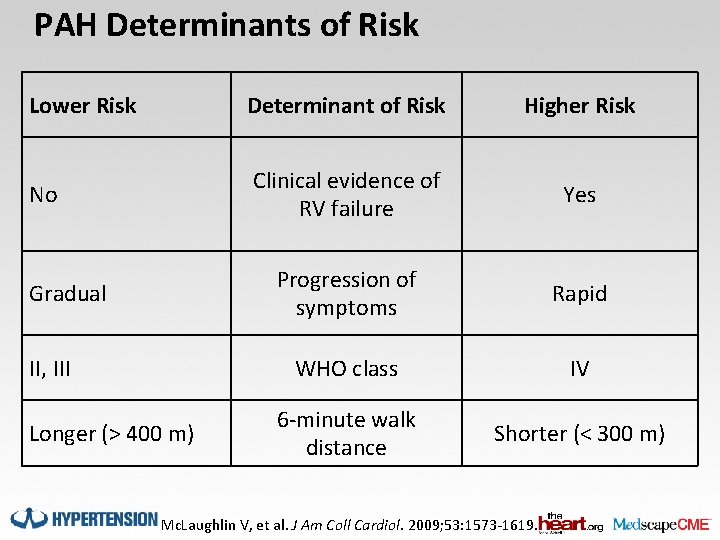
PAH Determinants of Risk Lower Risk Determinant of Risk Higher Risk No Clinical evidence of RV failure Yes Progression of symptoms Rapid WHO class IV 6 -minute walk distance Shorter (< 300 m) Gradual II, III Longer (> 400 m) Mc. Laughlin V, et al. J Am Coll Cardiol. 2009; 53: 1573 -1619.
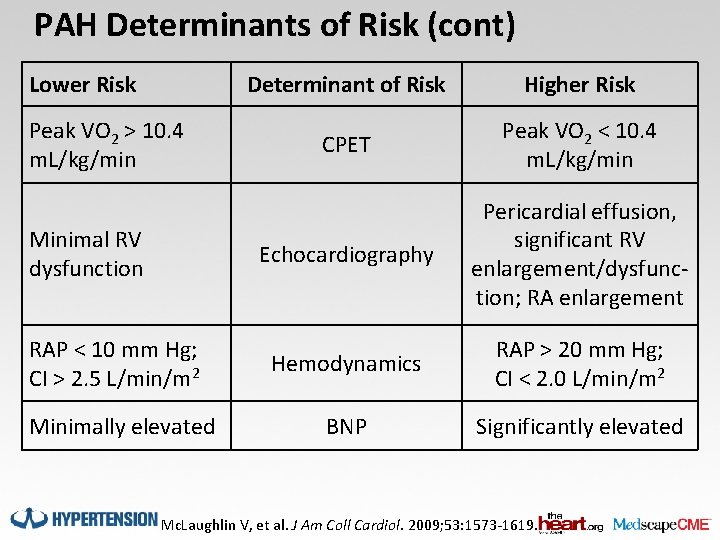
PAH Determinants of Risk (cont) Lower Risk Peak VO 2 > 10. 4 m. L/kg/min Minimal RV dysfunction RAP < 10 mm Hg; CI > 2. 5 L/min/m 2 Minimally elevated Determinant of Risk Higher Risk CPET Peak VO 2 < 10. 4 m. L/kg/min Echocardiography Pericardial effusion, significant RV enlargement/dysfunction; RA enlargement Hemodynamics RAP > 20 mm Hg; CI < 2. 0 L/min/m 2 BNP Significantly elevated Mc. Laughlin V, et al. J Am Coll Cardiol. 2009; 53: 1573 -1619.
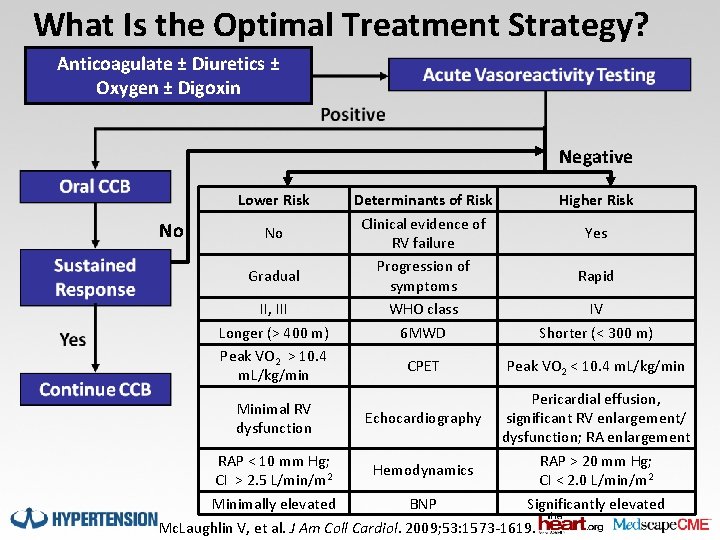
What Is the Optimal Treatment Strategy? Anticoagulate ± Diuretics ± Oxygen ± Digoxin Negative Lower Risk No No Gradual II, III Longer (> 400 m) Peak VO 2 > 10. 4 m. L/kg/min Minimal RV dysfunction RAP < 10 mm Hg; CI > 2. 5 L/min/m 2 Minimally elevated Determinants of Risk Higher Risk Clinical evidence of RV failure Progression of symptoms WHO class 6 MWD IV Shorter (< 300 m) CPET Peak VO 2 < 10. 4 m. L/kg/min Echocardiography Hemodynamics BNP Yes Rapid Pericardial effusion, significant RV enlargement/ dysfunction; RA enlargement RAP > 20 mm Hg; CI < 2. 0 L/min/m 2 Significantly elevated Mc. Laughlin V, et al. J Am Coll Cardiol. 2009; 53: 1573 -1619.
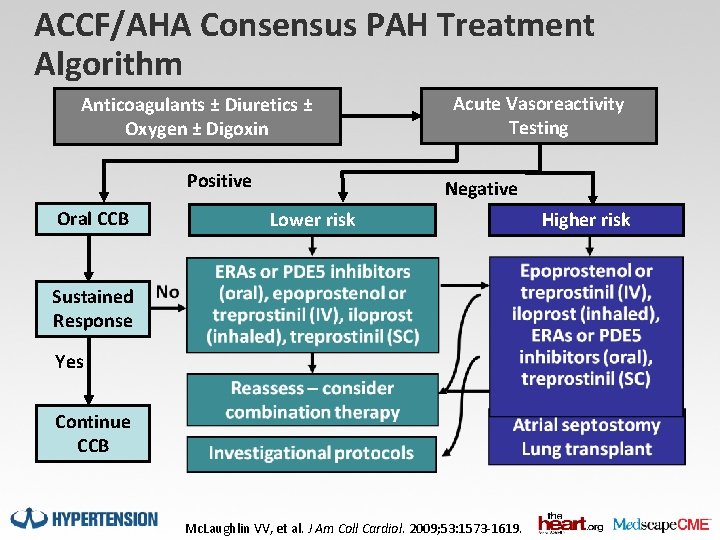
ACCF/AHA Consensus PAH Treatment Algorithm Anticoagulants ± Diuretics ± Oxygen ± Digoxin Positive Oral CCB Acute Vasoreactivity Testing Negative Lower risk Sustained Response Yes Continue CCB Mc. Laughlin VV, et al. J Am Coll Cardiol. 2009; 53: 1573 -1619. Higher risk
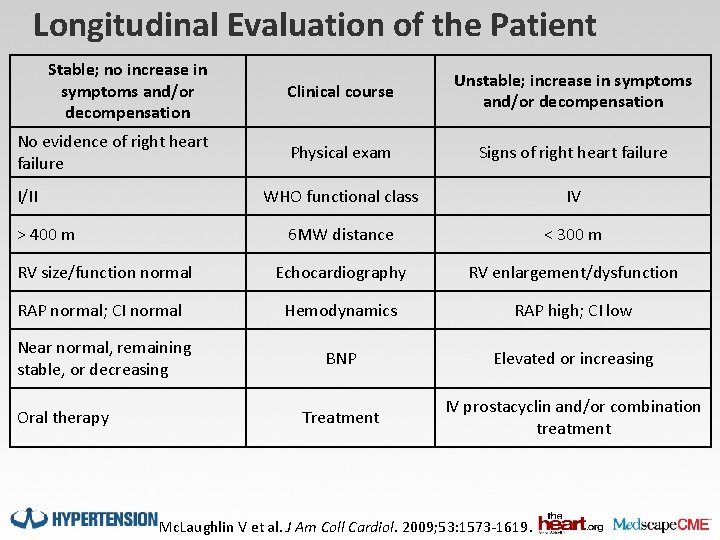
Longitudinal Evaluation of the Patient Stable; no increase in symptoms and/or decompensation Clinical course Unstable; increase in symptoms and/or decompensation No evidence of right heart failure Physical exam Signs of right heart failure WHO functional class IV 6 MW distance < 300 m RV size/function normal Echocardiography RV enlargement/dysfunction RAP normal; CI normal Hemodynamics RAP high; CI low Near normal, remaining stable, or decreasing BNP Elevated or increasing Treatment IV prostacyclin and/or combination treatment I/II > 400 m Oral therapy Mc. Laughlin V et al. J Am Coll Cardiol. 2009; 53: 1573 -1619.
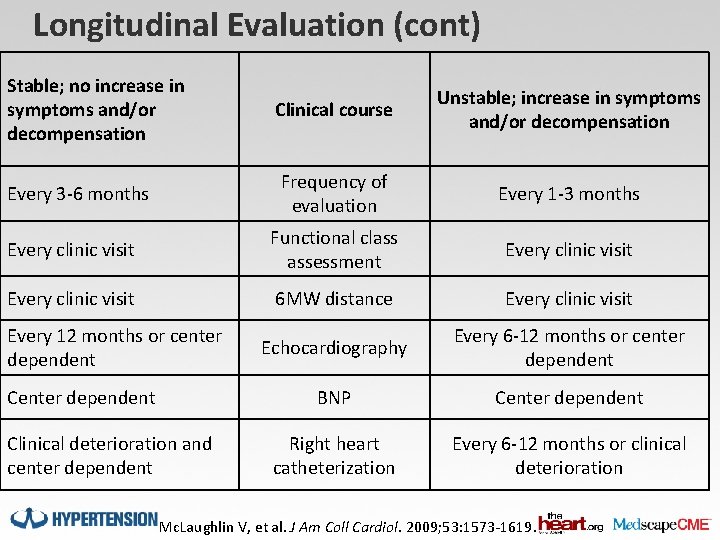
Longitudinal Evaluation (cont) Stable; no increase in symptoms and/or decompensation Clinical course Unstable; increase in symptoms and/or decompensation Frequency of evaluation Every 1 -3 months Every clinic visit Functional class assessment Every clinic visit 6 MW distance Every clinic visit Echocardiography Every 6 -12 months or center dependent BNP Center dependent Right heart catheterization Every 6 -12 months or clinical deterioration Every 3 -6 months Every 12 months or center dependent Clinical deterioration and center dependent Mc. Laughlin V, et al. J Am Coll Cardiol. 2009; 53: 1573 -1619.
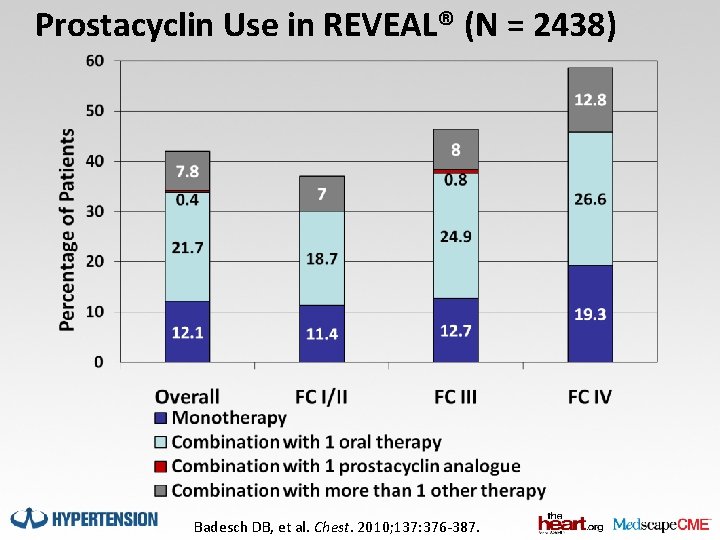
Prostacyclin Use in REVEAL® (N = 2438) Badesch DB, et al. Chest. 2010; 137: 376 -387.
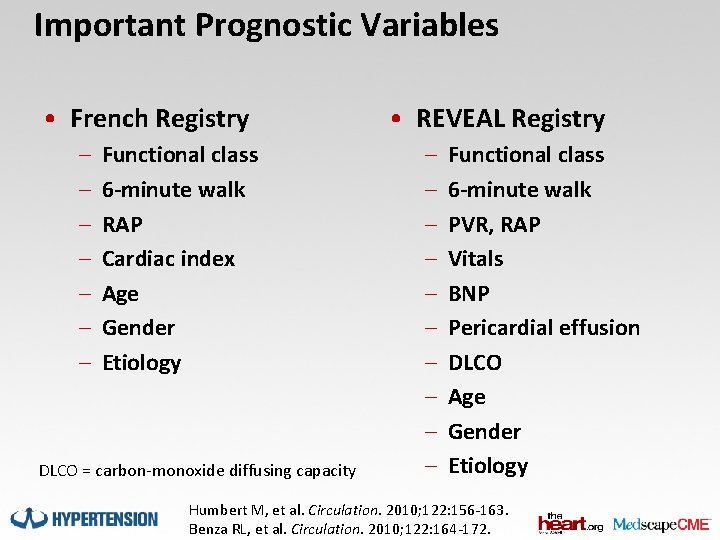
Important Prognostic Variables • French Registry – – – – Functional class 6 -minute walk RAP Cardiac index Age Gender Etiology DLCO = carbon-monoxide diffusing capacity • REVEAL Registry – – – – – Functional class 6 -minute walk PVR, RAP Vitals BNP Pericardial effusion DLCO Age Gender Etiology Humbert M, et al. Circulation. 2010; 122: 156 -163. Benza RL, et al. Circulation. 2010; 122: 164 -172.
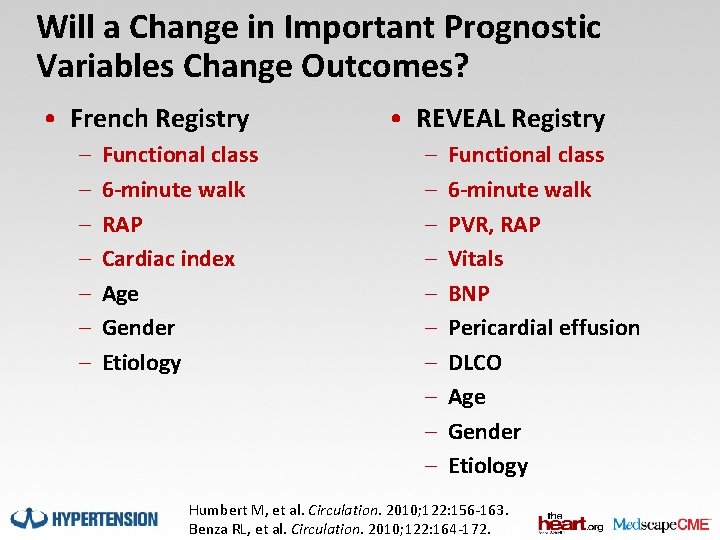
Will a Change in Important Prognostic Variables Change Outcomes? • French Registry – – – – Functional class 6 -minute walk RAP Cardiac index Age Gender Etiology • REVEAL Registry – – – – – Functional class 6 -minute walk PVR, RAP Vitals BNP Pericardial effusion DLCO Age Gender Etiology Humbert M, et al. Circulation. 2010; 122: 156 -163. Benza RL, et al. Circulation. 2010; 122: 164 -172.
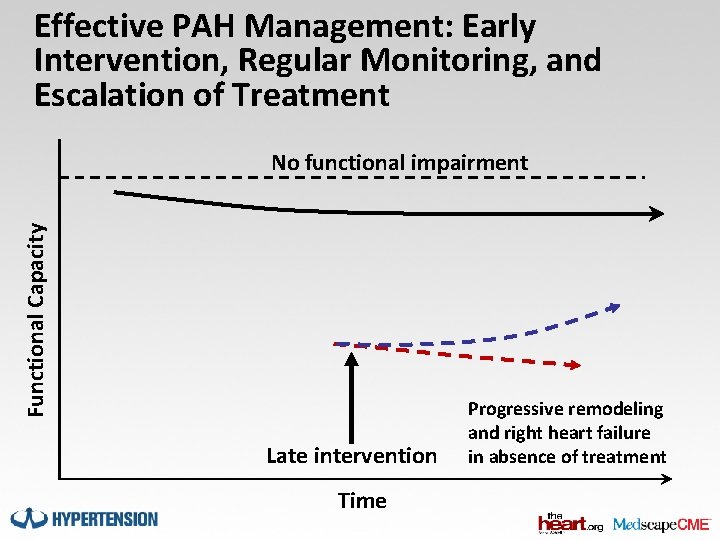
Effective PAH Management: Early Intervention, Regular Monitoring, and Escalation of Treatment Functional Capacity No functional impairment Late intervention Time Progressive remodeling and right heart failure in absence of treatment
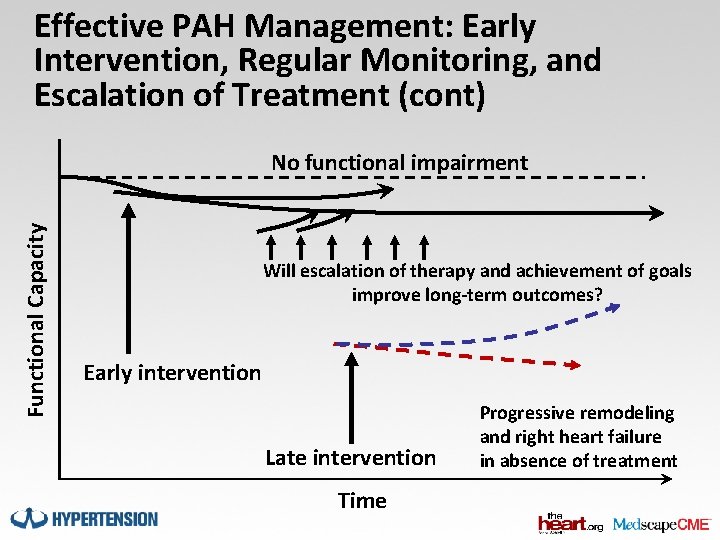
Effective PAH Management: Early Intervention, Regular Monitoring, and Escalation of Treatment (cont) Functional Capacity No functional impairment Will escalation of therapy and achievement of goals improve long-term outcomes? Early intervention Late intervention Time Progressive remodeling and right heart failure in absence of treatment
Candidate "Goals of Therapy" • Functional class I/II • 6 -minute walk distance • Hemodynamics – RAP – Cardiac output/cardiac index • BNP • ? Echocardiography
Thank you for participating in this CME activity. To proceed to the online CME test, click on the Earn CME link on this page.