
ASSESSING TEACHING COMMUNICATION SOCIAL SKILLS MALIKA PRITCHETT MS
- Slides: 16
ASSESSING & TEACHING COMMUNICATION & SOCIAL SKILLS MALIKA PRITCHETT, MS, BCBA POSITIVE ENLIGHTENMENT, INC.
INTRODUCTION • A. S. in Science from Collin College • • • B. S. in Communication Sciences & Disorders from Texas Woman's University M. S. in Behavior Analysis from the University of North Texas • • American Sign Language (ASL) Certificate Board Certified Behavior Analyst (BCBA) Positive Enlightenment provides the greater Austin, Texas area with comprehensive and individualized behavioral services • • • HUB Learning Community Group Homes Nursing Facilities Schools/Daycares Family Homes
OBJECTIVES • Develop knowledge of communication skills • Discriminate between evidence-based and non-evidence based interventions • Learn how to individualize communication programs
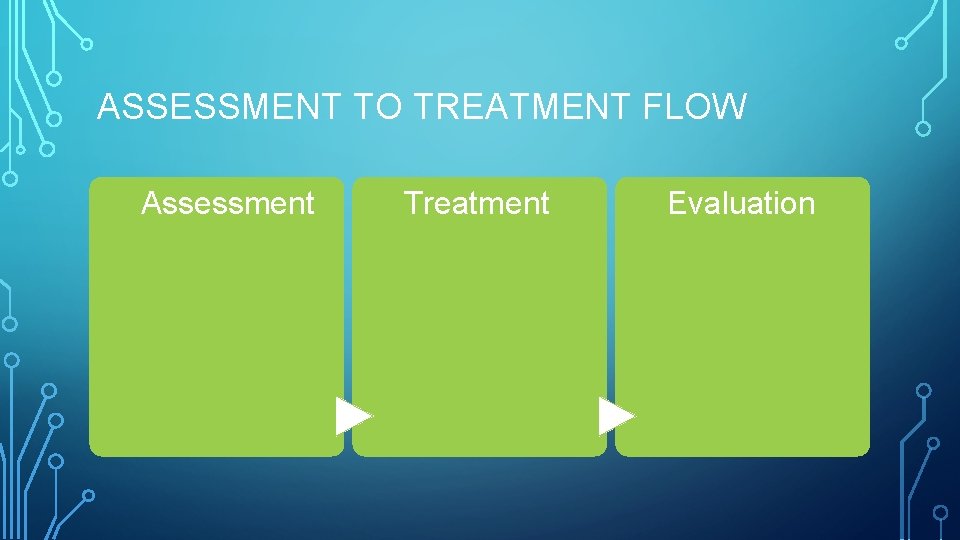
ASSESSMENT TO TREATMENT FLOW Assessment Treatment Evaluation
WHAT IS AN INTELLECTUAL DISABILITY (INTELLECTUAL DEVELOPMENTAL DISORDER)? • Involves impairments of general mental abilities that impact adaptive functioning in three domains, or areas. These domains determine how well an individual copes with everyday tasks: • The conceptual domain includes skills in language, reading, writing, math, reasoning, knowledge, and memory • The social domain refers to empathy, social judgment, interpersonal communication skills, the ability to make and retain friendships, and similar capacities • The practical domain centers on self-management in areas such as personal care, job responsibilities, money management, recreation, and organizing school and work tasks (DSM V)
COMMUNICATION DEFICITS The social domain refers to empathy, social judgment, interpersonal communication skills, the ability to make and retain friendships, and similar capacities
TREATMENT PRACTITIONERS SPEECH-LANGUAGE PATHOLOGY (SLP) APPLIED BEHAVIOR ANALYSIS (ABA) • Board Certified Behavior Analyst (BCBA; BCBA-D) • Speech-Language Pathologist (SLP) • Certified by the Behavior Analyst • Licensed by the State of Texas Certification Board • ASHA Certificate of Clinical Competence for Speech-Language Pathologists (CCC-SLP)
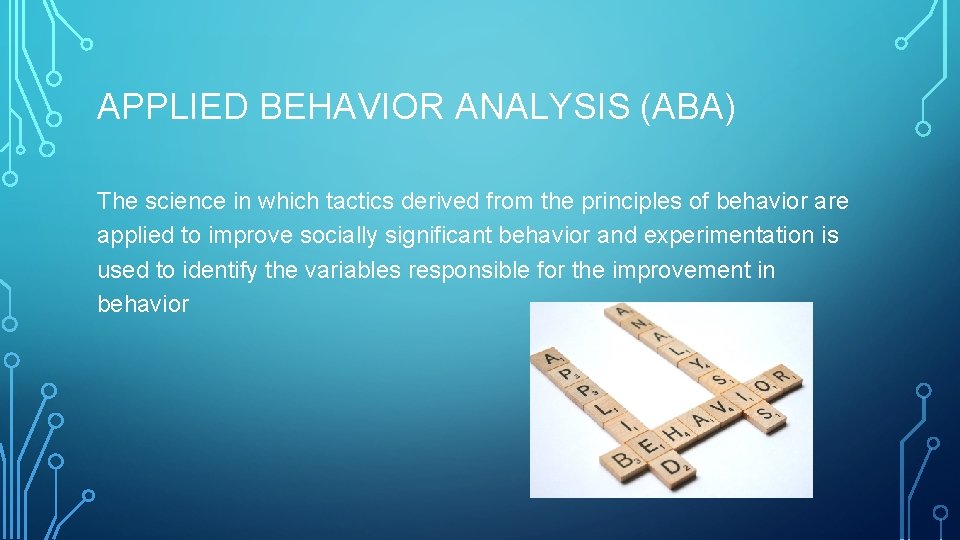
APPLIED BEHAVIOR ANALYSIS (ABA) The science in which tactics derived from the principles of behavior are applied to improve socially significant behavior and experimentation is used to identify the variables responsible for the improvement in behavior
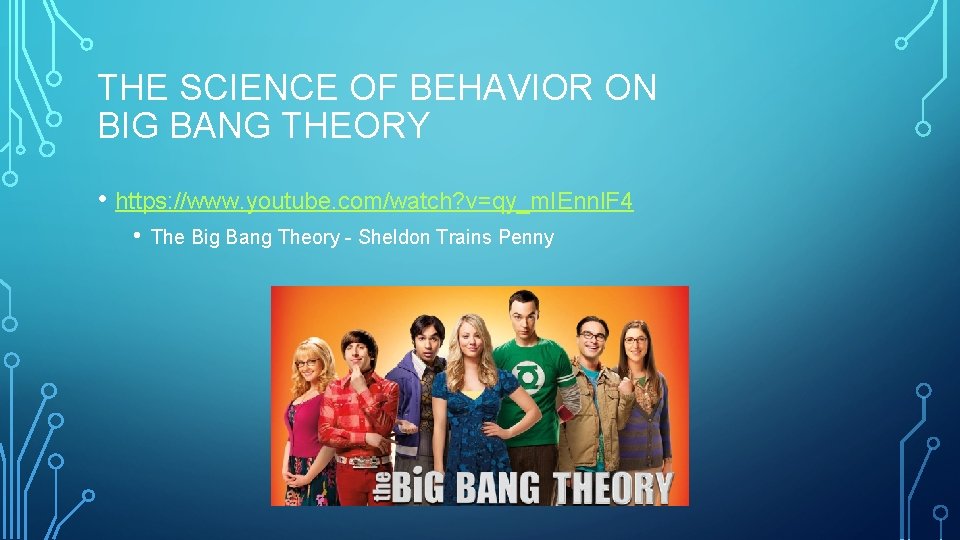
THE SCIENCE OF BEHAVIOR ON BIG BANG THEORY • https: //www. youtube. com/watch? v=qy_m. IEnnl. F 4 • The Big Bang Theory - Sheldon Trains Penny
ABA TREATMENT PROGRAMS • Functional Communication Training (FCT) • Self-Management • Imitation • Labeling Items • Identifying Items • Perspective Taking (Theory of Mind) • Initiating Conversations • Interjecting Information • Asking Questions • Eye Contact • Looking Towards a Speaker • Idioms • Identifying Emotions
KEY COMPONENTS TO TREATMENT PROGRAMS • Individualized • Behavior analysts must tailor behavior-change programs to the unique behaviors, environmental variables, assessment results, and goals of each client (BACB Compliance Code 4. 03 a). • • Evidence-based treatments vs. Non-evidence based treatments Professional Competency • Licensure • Certification • Experience/Specialization • • • Referral Collaborative Culturally Responsive
EVIDENCE BASED PRACTICE (EBP) • “Evidence-based practice (EBP) is spreading in popularity in many health care disciplines. One of its main features is the reliance on the partnership among hard scientific evidence, clinical expertise, and individual patient needs and choices. Librarians play an important role in the spread of EBP because of the importance of identifying and retrieving appropriate literature from various sources for use in making health care decisions” (Mc. Kibbon, 1998)
CULTURALLY & LINGUISTICALLY DIVERSE BACKGROUNDS • Consider treatment targets within the context of the person’s cultural values (Wilczynski et. al. , 2012) • Many cultures may value communication patterns that differ from those that are in the dominant culture (Wilder et. al. , 2004) • For example: In some Native American and Asian American cultures, children’s avoidance of eye contact with adults is considered a sign of respect
ALWAYS REMEMBER • Start where the organism is • Everybody can learn • Continually reevaluate and change goals as the learner progresses • Communication is key to a meaningful life
Q&A
KEEP IN TOUCH Positive Enlightenment www. positiveenlightenment. com malika@positiveenlightenment. com